

Anime That Had a Canon Black Trans Character in 2004

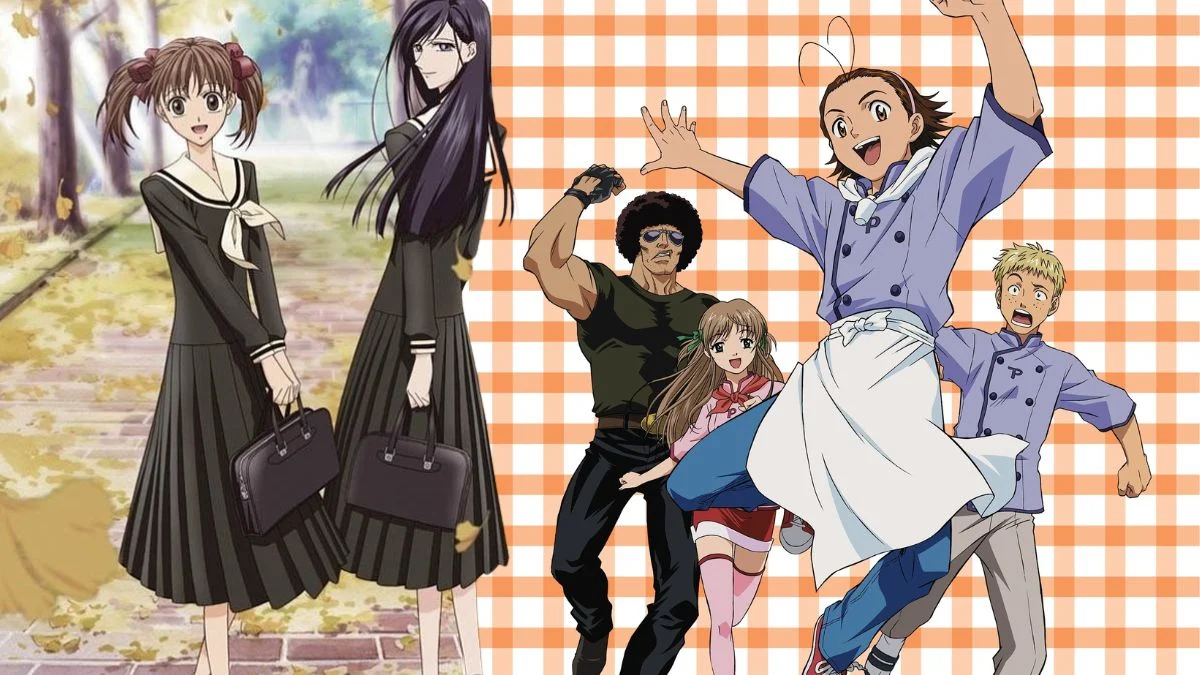


The year 2004 was a significant period for the anime industry, marked by the release of numerous influential series and films that experimented with genre, visual style, and storytelling. While representation of diverse identities such as Black and transgender characters was quite limited during this era compared to modern standards, the landscape of animation was slowly beginning to broaden its horizons with unique character designs and complex narratives. Fans often look back at this vintage of anime to analyze how character archetypes were handled and to appreciate the distinct artistic direction of the early 2000s. The following titles represent some of the most notable and discussed anime productions released during that transformative year.
‘Samurai Champloo’ (2004)
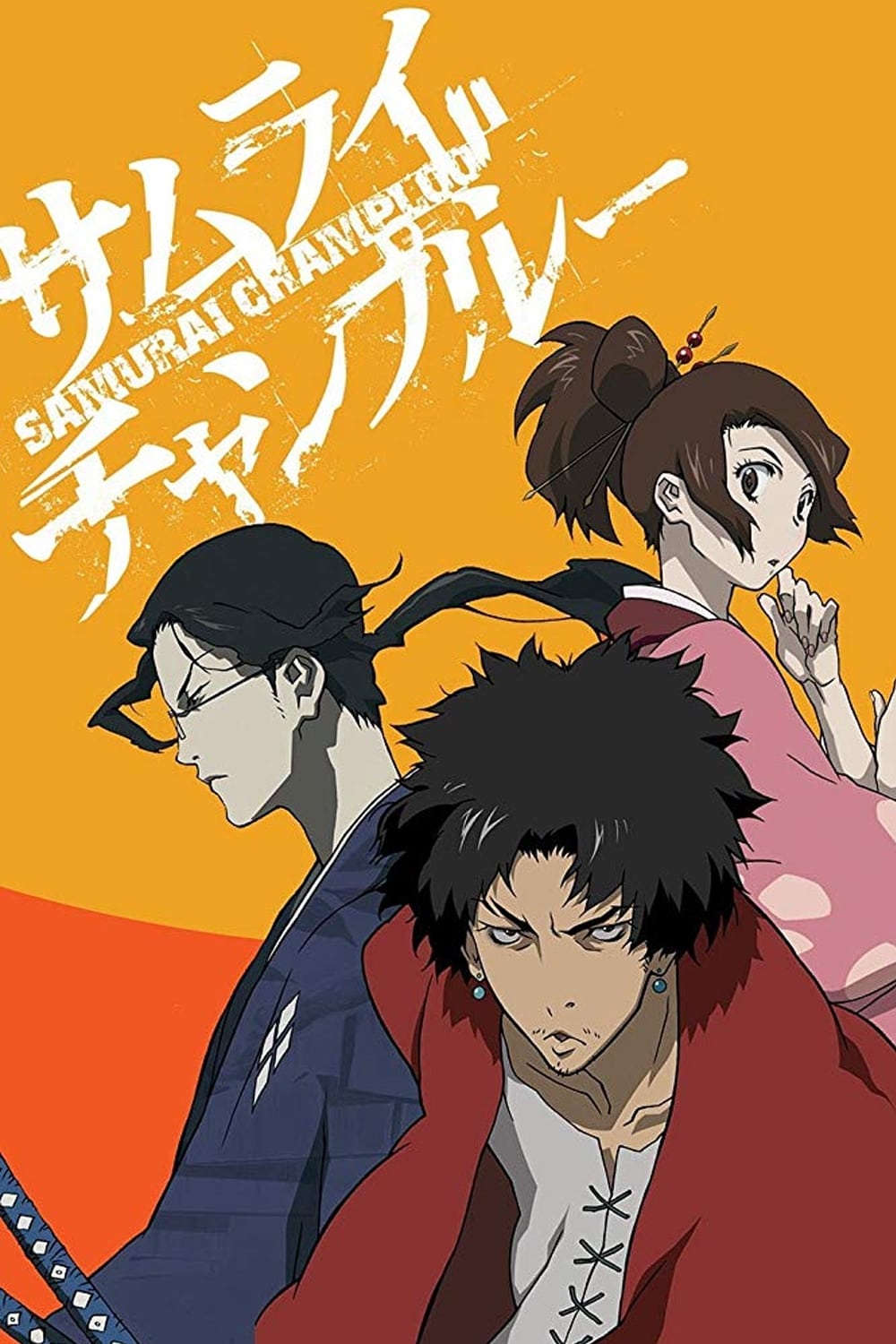
This series blends Edo-period Japan with modern hip-hop culture to create a unique stylistic experience. The story follows Mugen, a vagrant swordsman with a wild fighting style, and Jin, a composed ronin, as they accompany a young woman named Fuu on her quest to find a samurai who smells of sunflowers. The anime is renowned for its anachronistic soundtrack, distinct visual flair, and diverse character designs that often break from traditional Japanese historical tropes. Director Shinichiro Watanabe utilizes the setting to explore themes of rebellion and counterculture through a diverse cast of characters encountered along the journey.
‘Bleach’ (2004–2012)
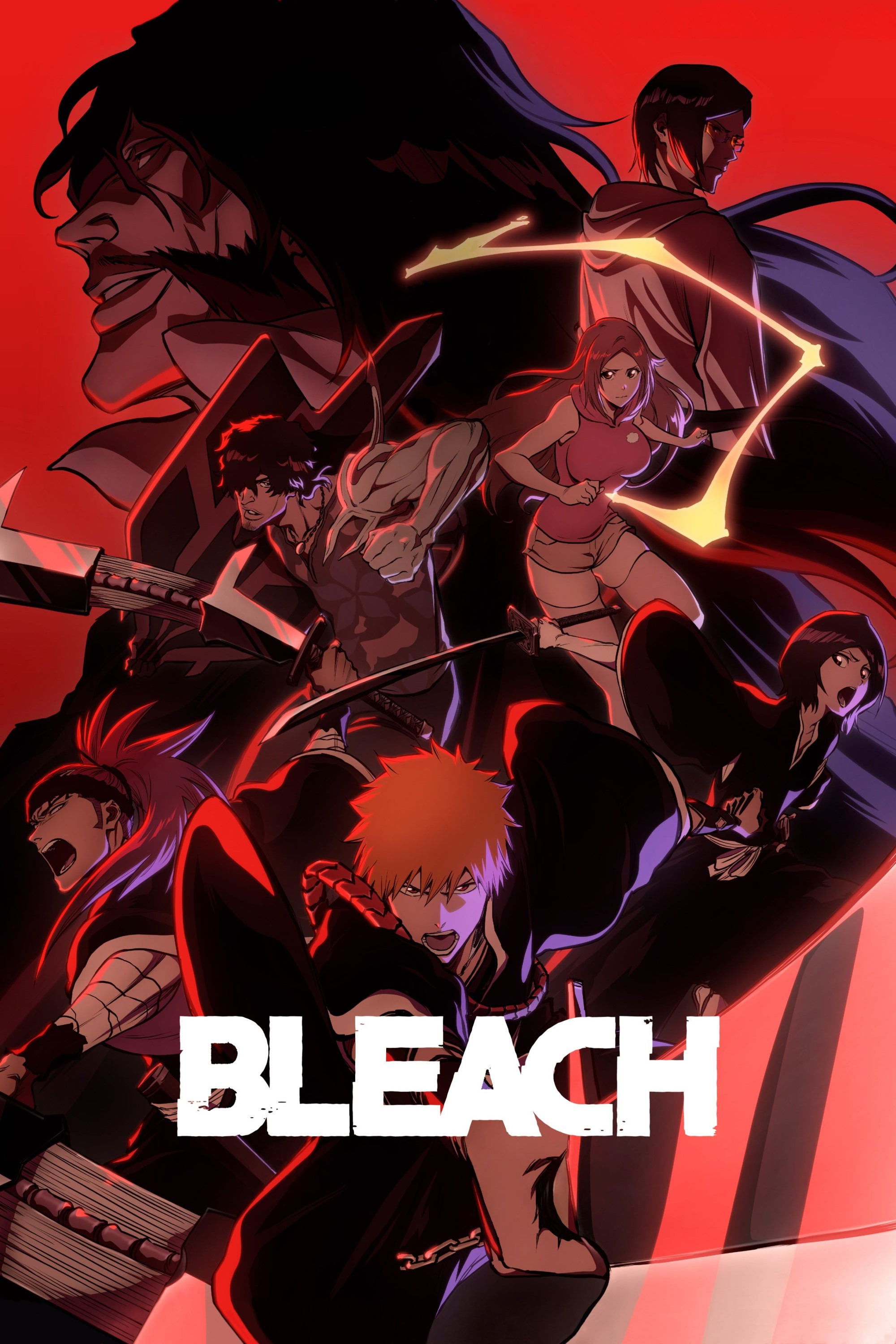
Ichigo Kurosaki is a teenager with the ability to see ghosts who inadvertently acquires the powers of a Soul Reaper. He accepts the responsibility of defending humanity from evil spirits known as Hollows and guiding departed souls to the afterlife. The series introduces a vast array of characters, including the mysterious Yoruichi Shihouin, who plays a crucial mentor role and possesses the ability to transform into a black cat. ‘Bleach’ became a global phenomenon, celebrated for its stylish action sequences and extensive roster of memorable heroes and villains.
‘Tenjho Tenge’ (2004)
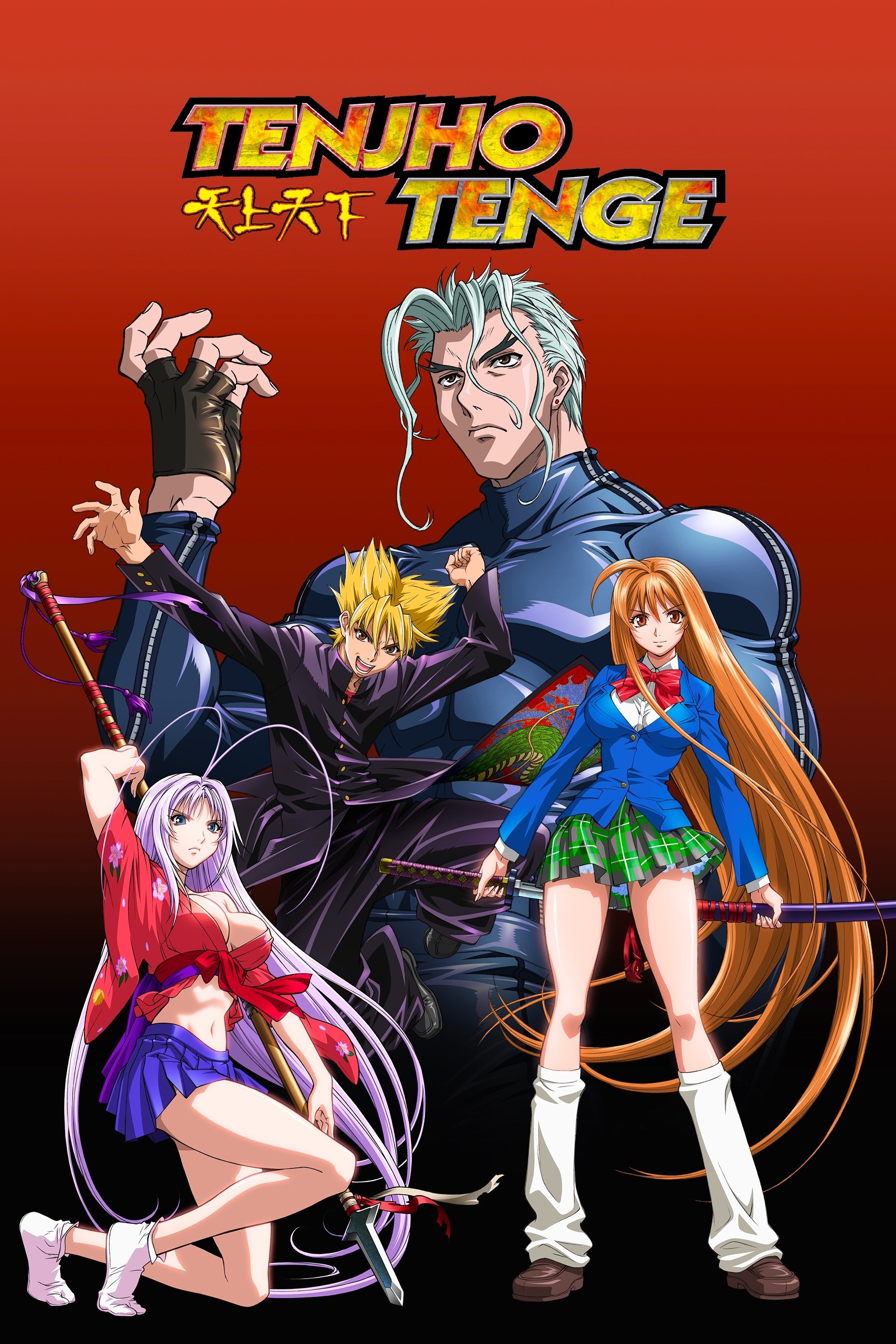
Set at the Toudou Academy, a high school dedicated to martial arts, the story focuses on students fighting to determine the strongest among them. New transfer students Souichiro Nagi and Bob Makihara intend to conquer the school but quickly learn they are outmatched by the upperclassmen. Bob Makihara is a notable Black character in the main cast, utilizing capoeira and his physical strength to support his friends in various battles. The anime features intense combat scenes and explores the supernatural histories of the school’s rival factions.
‘Monster’ (2004–2005)

Dr. Kenzo Tenma is a brilliant neurosurgeon living in Germany whose life is ruined after he chooses to save a young boy’s life over the town mayor. Years later, he discovers that the boy he saved has grown up to become a charismatic and manipulative serial killer named Johan Liebert. Tenma embarks on a dark journey across Europe to stop the monster he inadvertently kept alive, facing moral dilemmas at every turn. This psychological thriller is praised for its grounded realism and intricate plot that spans diverse European locations.
‘Paranoia Agent’ (2004)
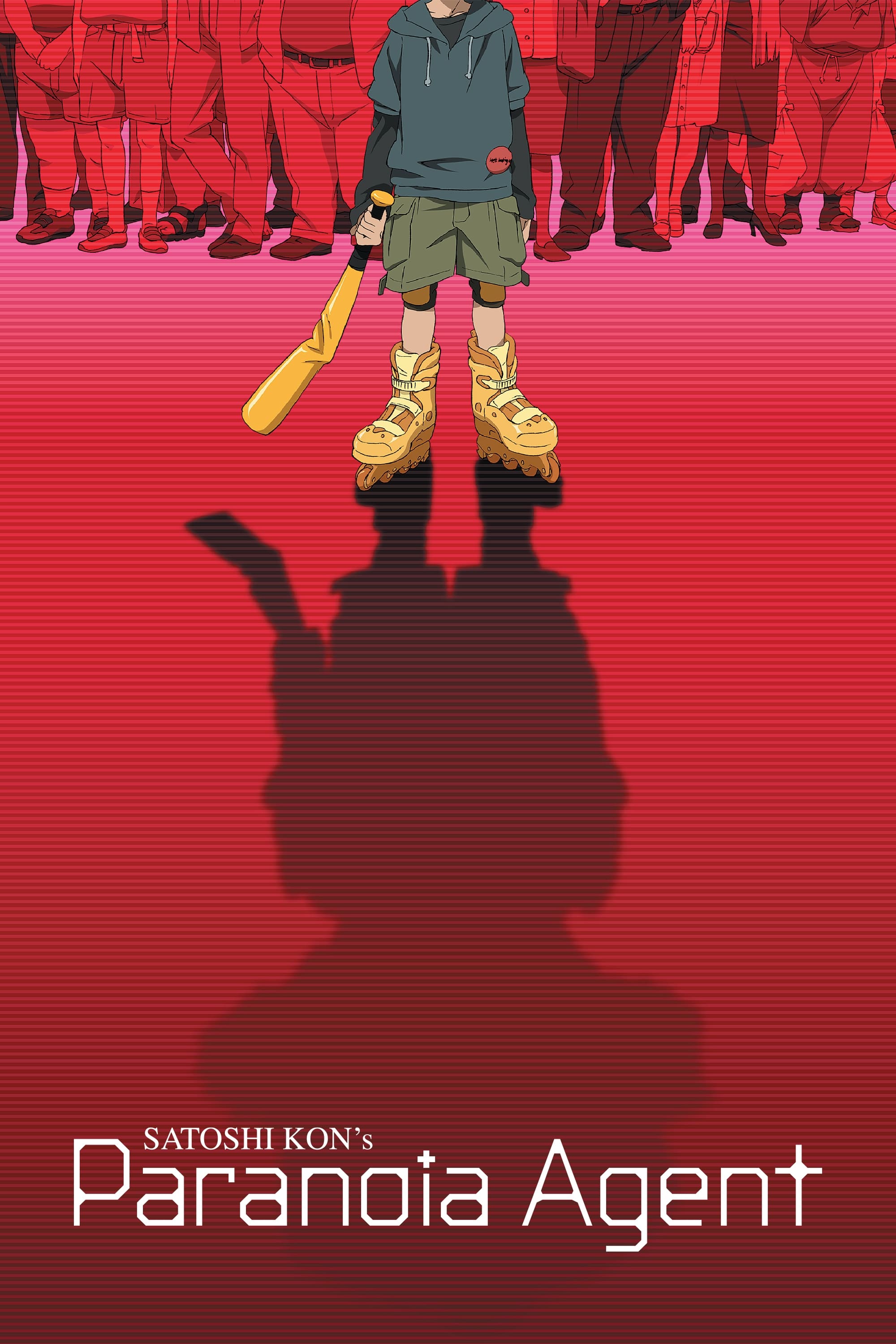
A mysterious assailant known as Lil’ Slugger terrorizes Tokyo, attacking citizens who are seemingly unconnected but all suffering from severe mental stress. Detectives struggle to catch the attacker as the line between reality and collective delusion begins to blur for the city’s inhabitants. Directed by Satoshi Kon, the series serves as a social commentary on escapism and the pressures of modern Japanese society. The narrative weaves through the lives of various victims, creating a complex tapestry of human anxiety and psychological horror.
‘Howl’s Moving Castle’ (2004)

Sophie Hatter, a young milliner, is cursed by the Witch of the Waste and transformed into an elderly woman. She seeks out the wizard Howl and his magical moving castle in hopes of breaking the spell, eventually becoming his cleaning lady. Set against the backdrop of a war between kingdoms, the film explores themes of pacifism, identity, and the redeeming power of love. Studio Ghibli and Hayao Miyazaki delivered a visually stunning masterpiece that remains one of the most beloved animated films worldwide.
‘Beck: Mongolian Chop Squad’ (2004–2005)
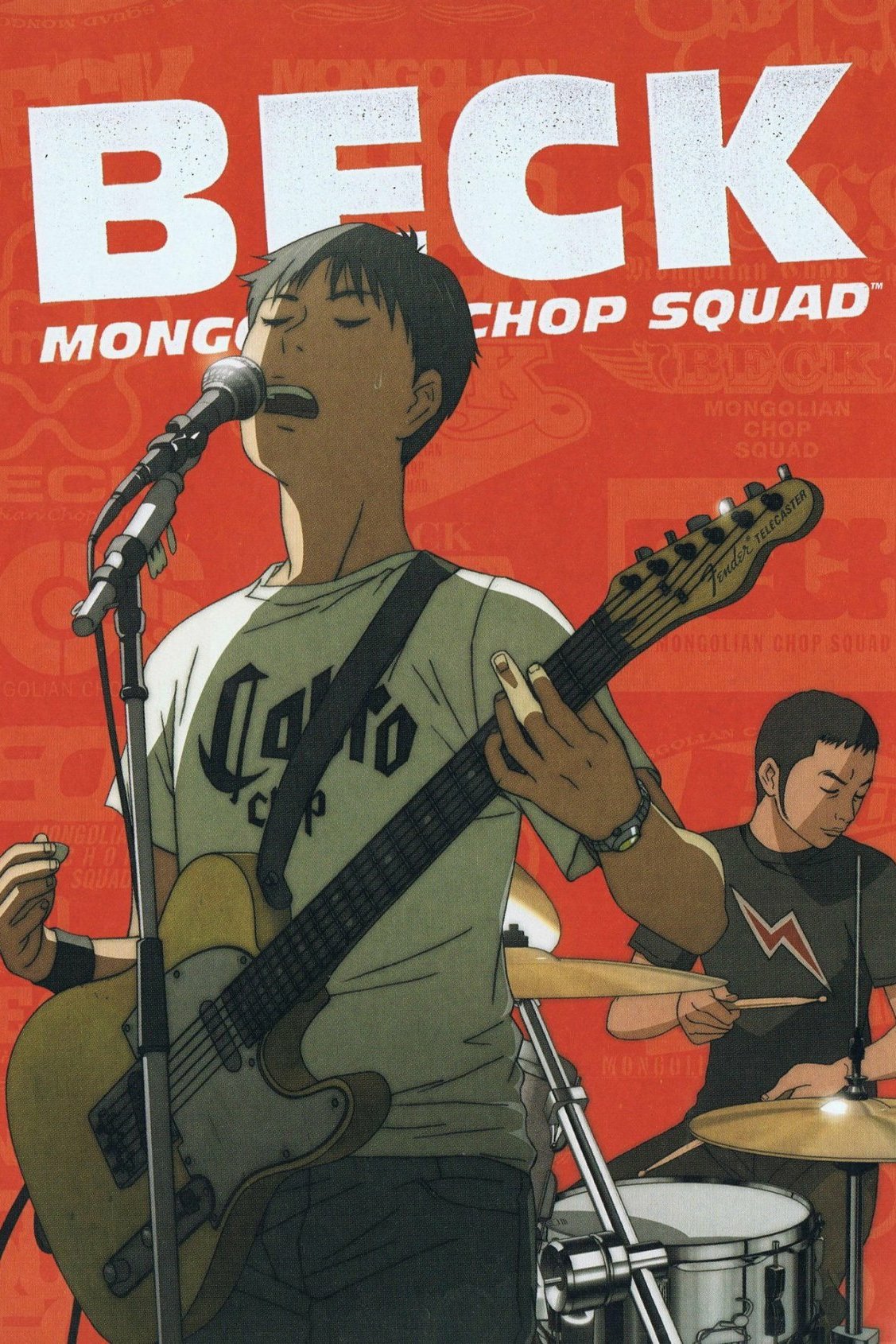
Yukio “Koyuki” Tanaka is an aimless fourteen-year-old who finds purpose after saving a strange dog and meeting the guitarist Ryusuke Minami. He joins Ryusuke’s rock band, BECK, and begins a journey through the struggles and triumphs of the underground music scene. The series is acclaimed for its authentic depiction of band culture, musical growth, and the relationships formed through a shared passion for rock. It features a diverse soundtrack and explores the collision of Japanese and Western musical influences.
‘School Rumble’ (2004)
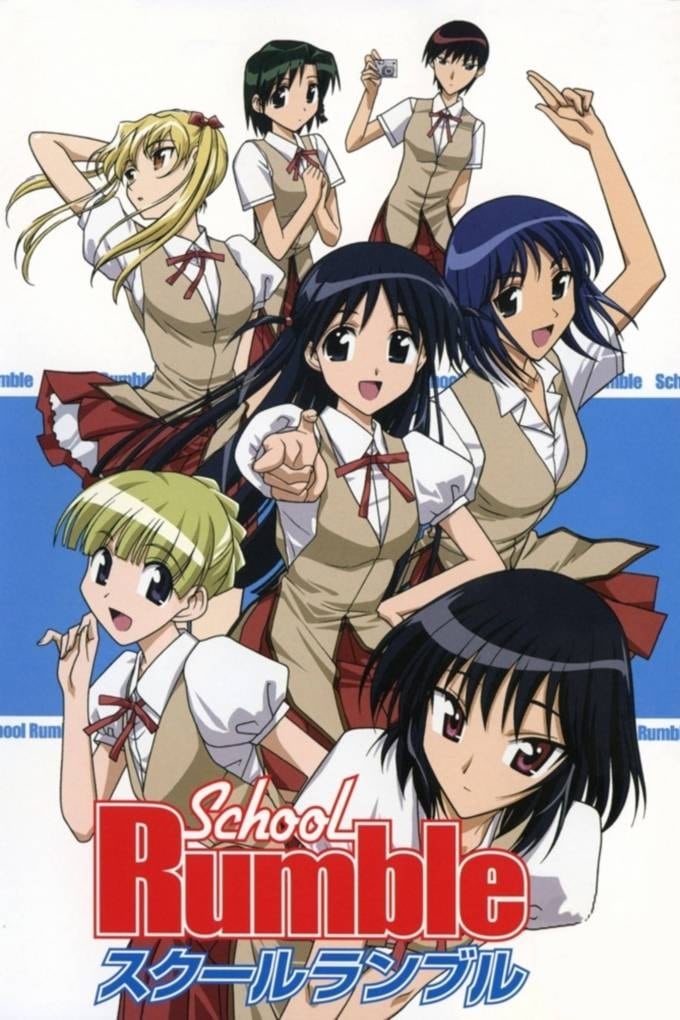
This romantic comedy focuses on the complicated love triangle between Tenma Tsukamoto, a dense high school girl, and Kenji Harima, a delinquent aspiring manga artist who loves her. The series is driven by misunderstandings and comedic mishaps as various supporting characters get involved in the chaotic web of relationships. ‘School Rumble’ is known for its energetic humor and lovable cast, often subverting typical romance tropes for comedic effect. The diverse personalities of the class 2-C students keep the dynamic fresh and entertaining.
‘Kyo Kara Maoh!’ (2004–2006)

Yuri Shibuya is an ordinary high school student who is transported to a fantasy world where he is declared the Demon King. He must navigate the politics of this new realm while dealing with his eccentric retainers and trying to maintain peace between demons and humans. The series is noted for its bishonen character designs and lighthearted approach to the isekai genre. It often plays with gender roles and features engagement customs that lead to comedic and queer-coded scenarios between the male leads.
‘Elfen Lied’ (2004)
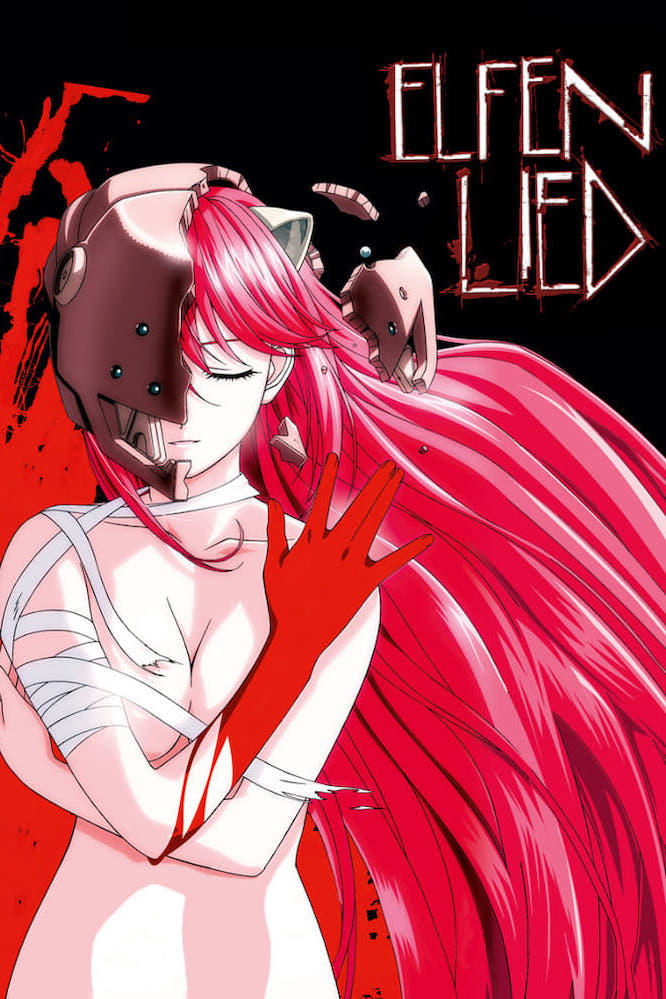
Lucy is a Diclonius, a mutated human with horns and invisible telekinetic vectors, who escapes from a government facility leaving a trail of bloodshed. She is found by two college students in a state of amnesia and develops a split personality named Nyu. The series is infamous for its graphic violence and dark themes, exploring discrimination, trauma, and the inherent cruelty of human nature. It contrasts innocent slice-of-life moments with brutal psychological horror.
‘Yakitate!! Japan’ (2004–2006)

Kazuma Azuma is a young baker with the “Solar Hands,” allowing him to ferment dough faster with his naturally warm body temperature. He aims to create a national bread for Japan that can compete with rice as a staple food, participating in intense baking tournaments. The show is famous for its over-the-top reactions where judges undergo bizarre transformations or hallucinations after tasting delicious bread. Among the cast is a manager with a distinct afro, adding to the show’s comedic and eccentric character roster.
‘Maria Watches Over Us’ (2004)
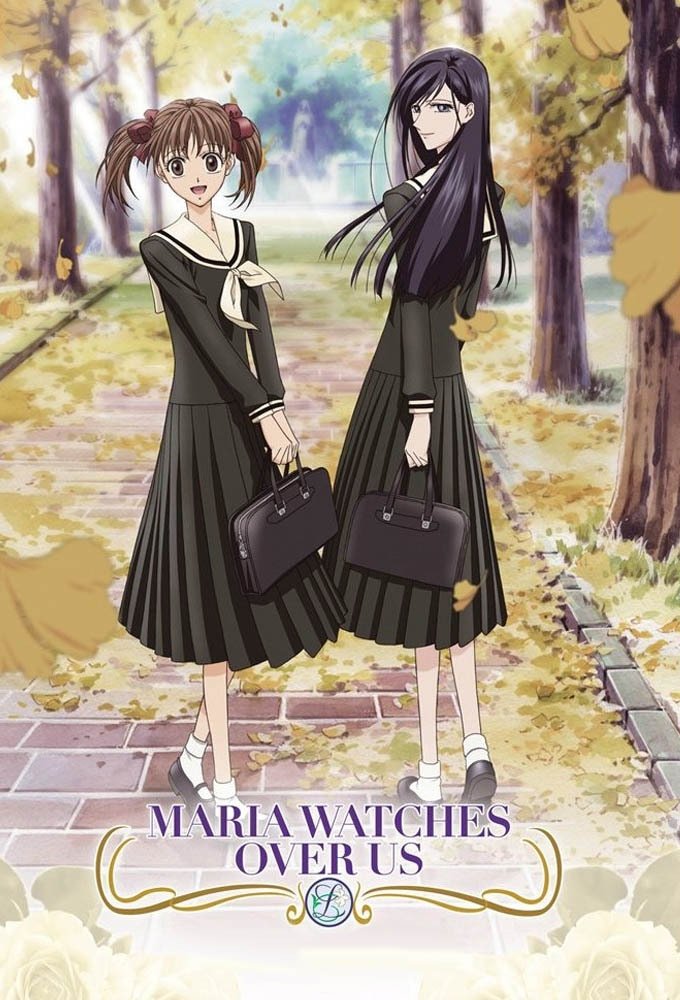
At the prestigious Lillian Girls’ Academy, a system of “sœurs” pairs older students with younger ones to guide them. Yumi Fukuzawa catches the eye of the elegant Sachiko Ogasawara and is pulled into the refined world of the Yamayuri Council. The series focuses on the subtle emotional bonds and intense platonic relationships between the students. It is a defining title in the shoujo-ai genre, emphasizing character drama and the traditions of the academy.
‘Rozen Maiden’ (2004)
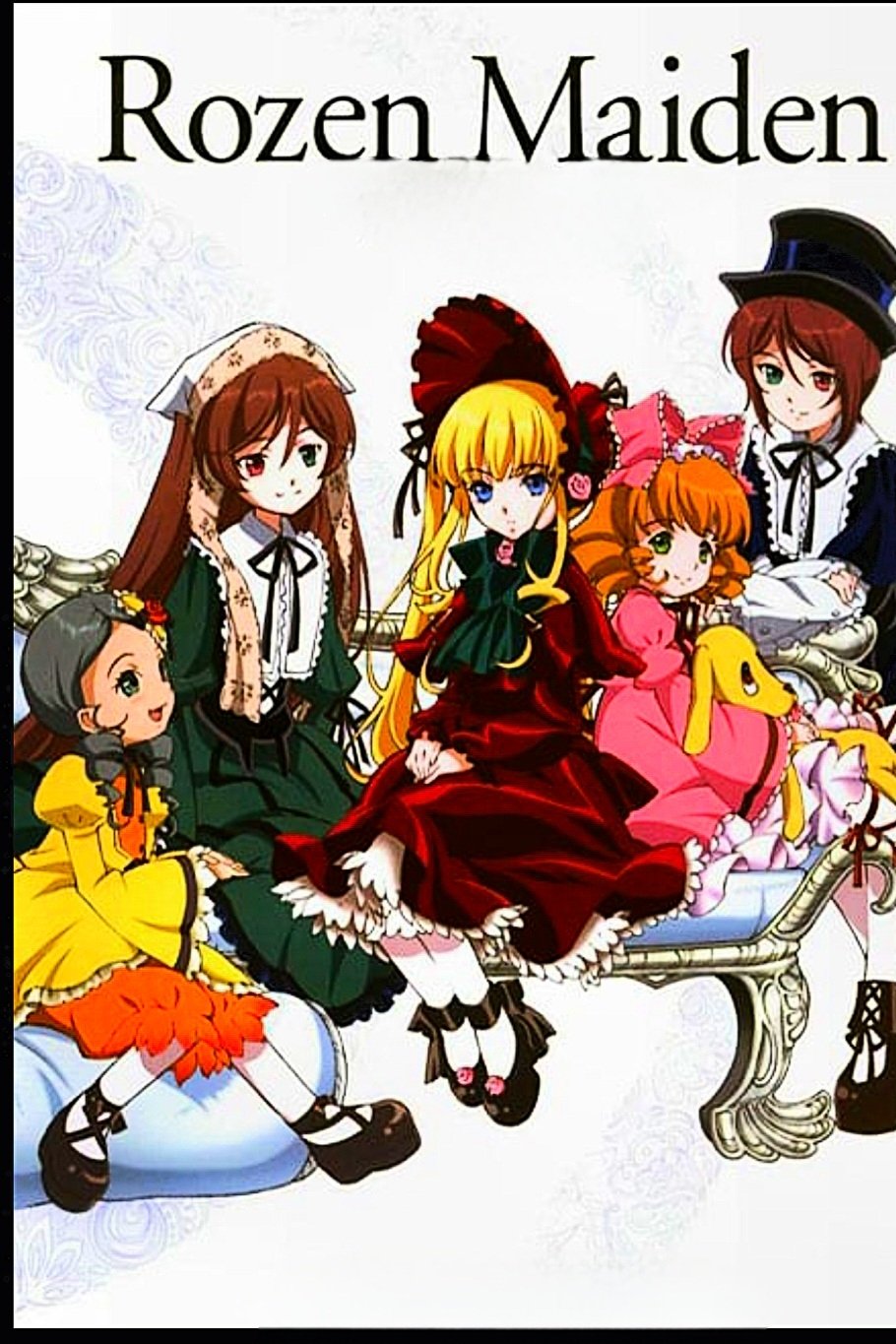
Jun Sakurada is a middle school shut-in who spends his time ordering supernatural items online only to return them before the trial period ends. He winds up in possession of Shinku, a living doll who forces him into a deadly game known as the Alice Game against other dolls. The dolls fight to become “Alice,” the perfect girl, in order to meet their creator. The anime combines gothic lolita aesthetics with psychological themes regarding isolation and personal growth.
‘Genshiken’ (2004)
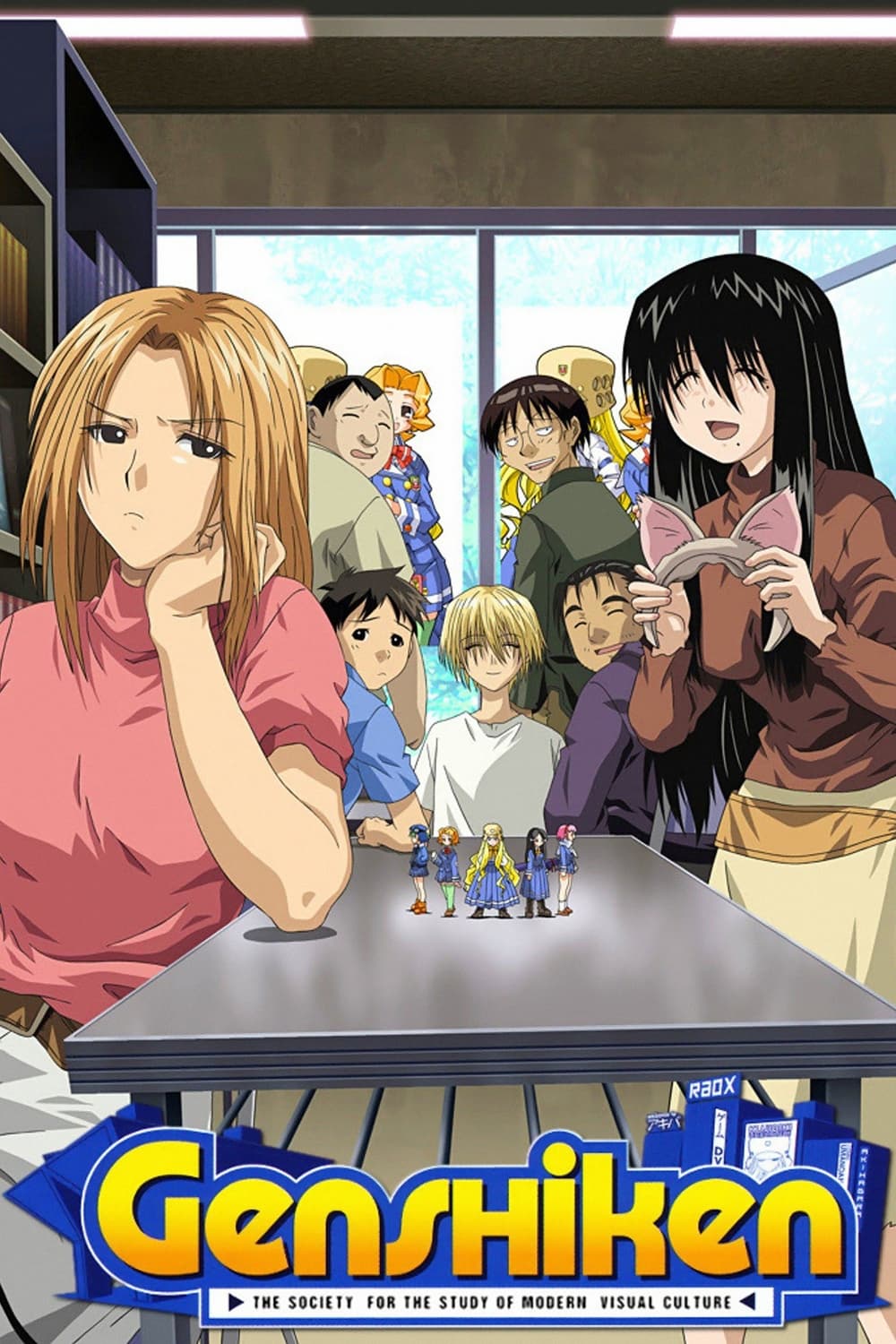
The Society for the Study of Modern Visual Culture, or Genshiken, is a college club dedicated to otaku interests like anime, manga, and gaming. The story is viewed partly through the eyes of Saki Kasukabe, a non-otaku who struggles to understand the obsession of her boyfriend and his clubmates. The series provides a realistic and often self-deprecating look at otaku lifestyle in the early 2000s. It features a variety of club members, including those who explore cross-dressing and cosplay as part of their identity.
‘Yu-Gi-Oh! GX’ (2004–2008)

Set years after the original series, this sequel follows Jaden Yuki as he attends Duel Academy to become the next King of Games. The students are divided into dorms based on their skill levels, and Jaden must duel rivals and supernatural threats using his Elemental Hero deck. The show expands the card game’s lore and introduces a colorful cast of international students and duel spirits. It maintains the themes of friendship and strategy while shifting to a school setting.
‘Sgt. Frog’ (2004–2011)
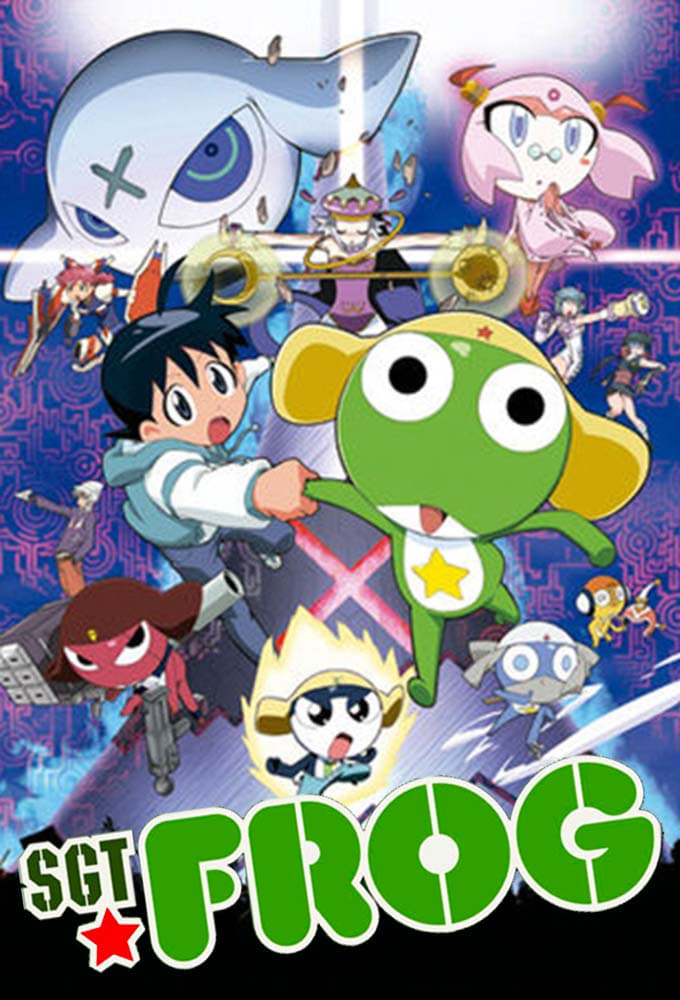
Keroro is a frog-like alien from the planet Keron sent to conquer Earth, but he ends up living with the Hinata family and doing chores. His platoon eventually reunites, but their invasion plans are constantly thwarted by their own incompetence or distractions. The comedy relies heavily on pop culture references, slapstick humor, and the absurdity of the aliens’ integration into human society. It was a massive hit that appealed to both children and otaku audiences.
‘Gantz’ (2004)
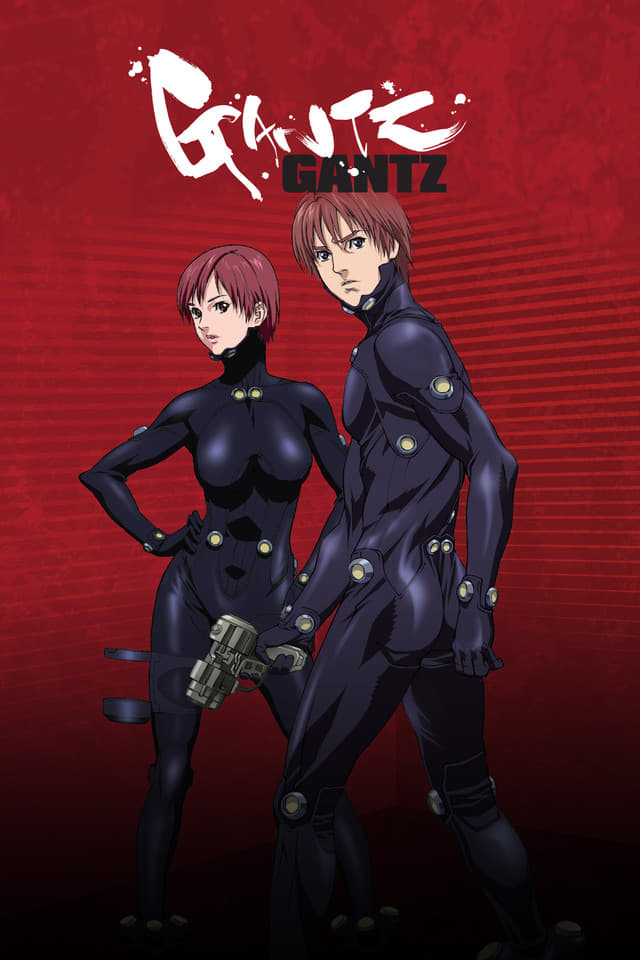
Kei Kurono and his friend Masaru Kato are killed by a subway train and find themselves in a room with a mysterious black sphere known as Gantz. They are forced to participate in violent missions to hunt down aliens hiding on Earth in exchange for points. The anime is known for its cynical tone, extreme violence, and exploration of morality in life-or-death situations. The characters come from various walks of life, forced to cooperate or compete in a brutal survival game.
Share your favorite anime from 2004 and your thoughts on early representation in the comments!