

Anime That Had a Pink-Haired Princess Before 2000

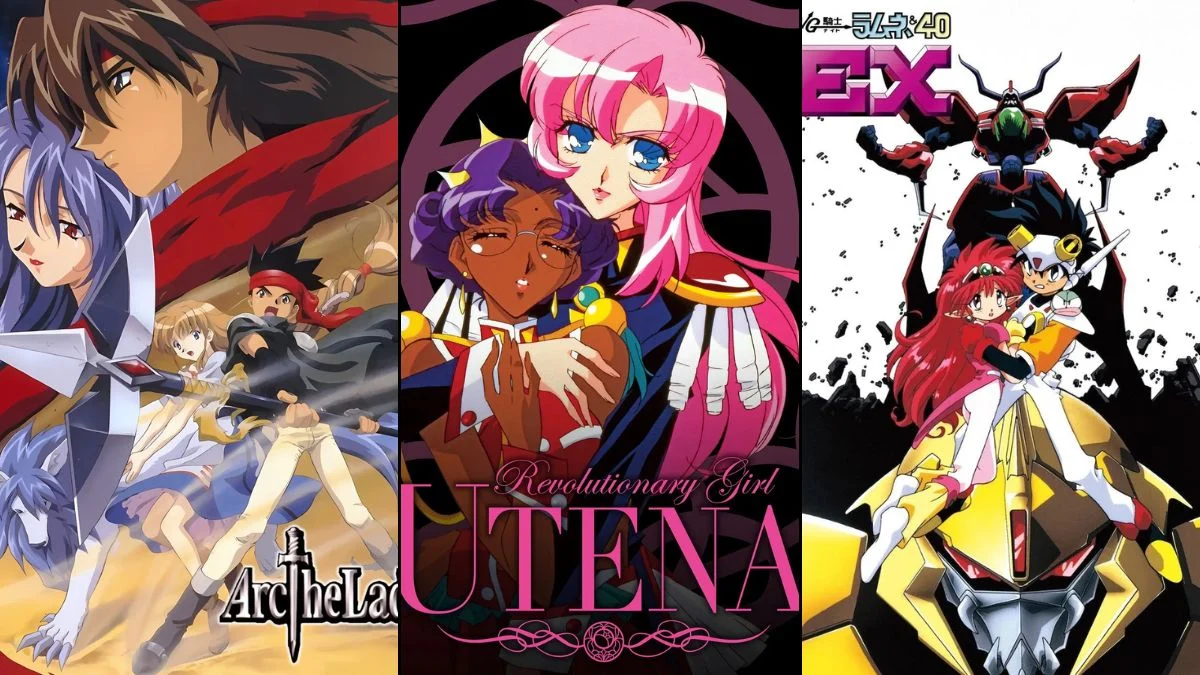


The archetype of the pink-haired princess has become a staple in anime history and represents a blend of innocence and magical power. These royal characters often possess a duality that ranges from sweet and benevolent to dark and commanding. Series released before the turn of the millennium established this colorful trope and experimented with unique character designs. The concept of a “Black” pink-haired princess often points to specific corrupted versions or distinct aesthetic choices that defined the era.
‘Sailor Moon R’ (1993)
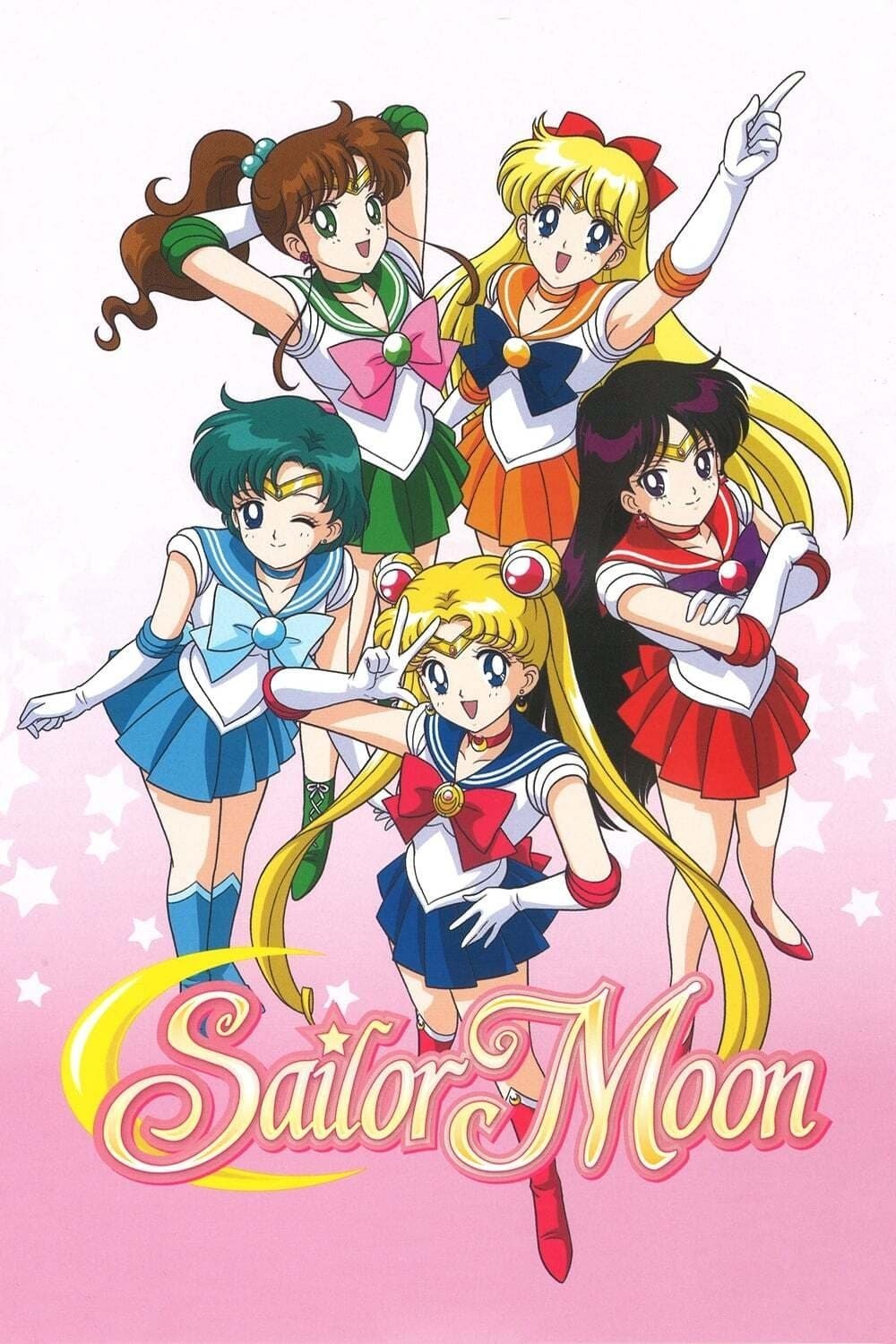
Chibiusa is the quintessential example of this specific trope when she transforms into the villainous Black Lady. This corrupted version of the Small Lady retains her signature pink hair but adopts a dark dress and a malicious personality. Black Lady serves the Wiseman and fights against her own mother and the Sailor Guardians in a tragic twist. Her character arc explores the vulnerability of childhood and the corrupting influence of loneliness.
‘Magical Princess Minky Momo’ (1982)
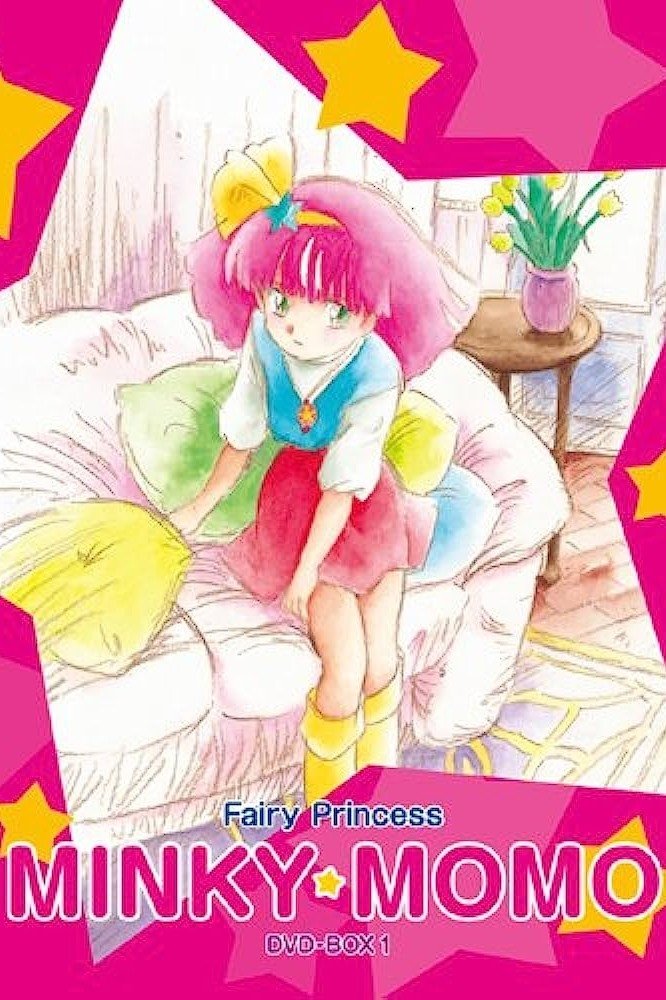
Momo is the princess of the dream land Fenarinarsa who descends to Earth to help restore the hopes and dreams of humanity. She possesses distinct pink hair and uses her magical abilities to transform into an adult with various professional skills. The series was instrumental in establishing the magical girl princess genre that influenced decades of future anime. Her cheerful demeanor masks the somewhat melancholic mission she must undertake to save her fading kingdom.
‘Mobile Suit Gundam ZZ’ (1986)
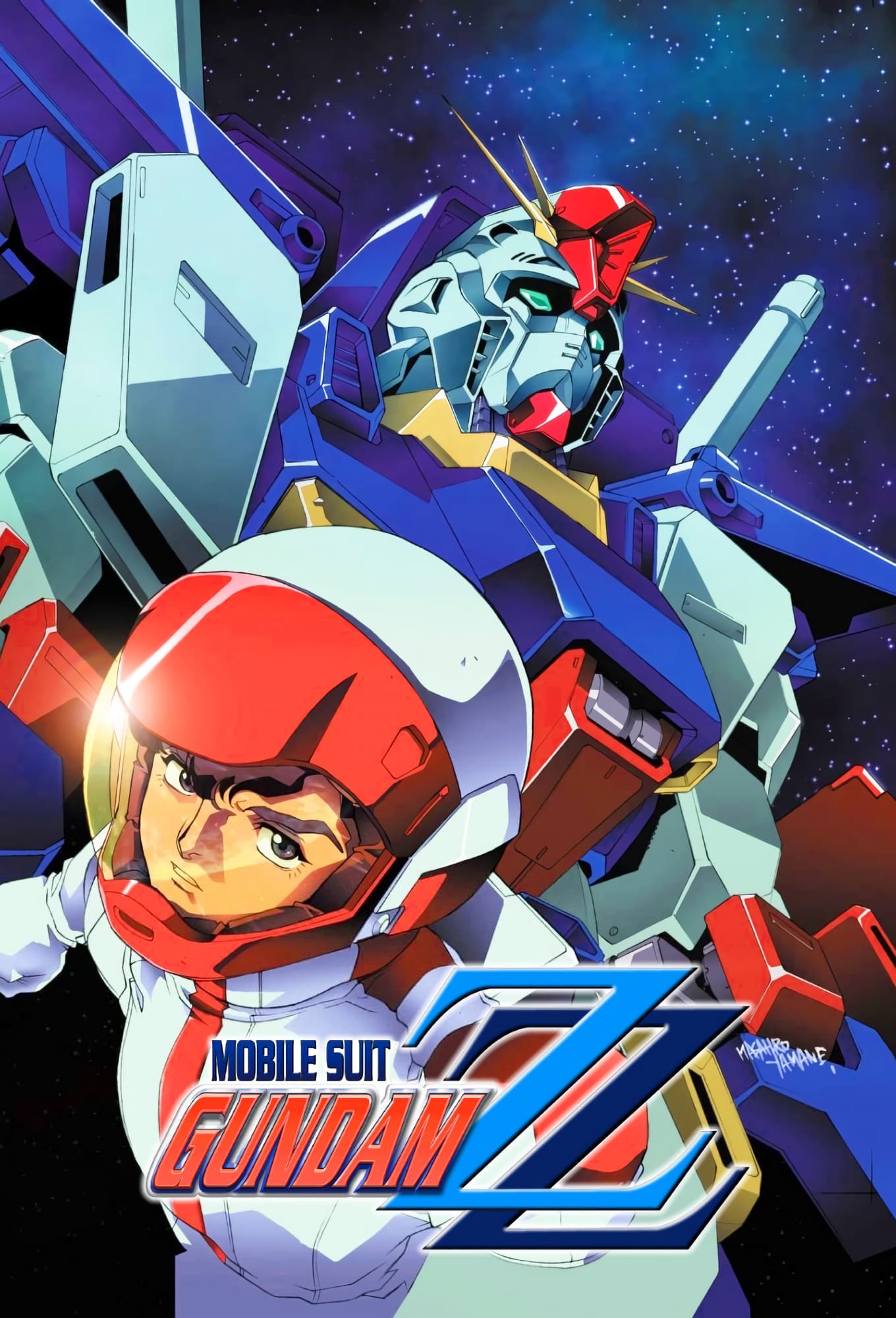
Haman Karn acts as the de facto queen and regent of Neo Zeon and sports an iconic pink hairstyle. She commands immense political power and pilots powerful mobile suits while leading her people with an iron fist. Haman is a complex antagonist who carries herself with the regal bearing of a princess and the ruthlessness of a military dictator. Her character design and striking hair color make her one of the most memorable figures in the Gundam franchise.
‘Dragon Half’ (1993)
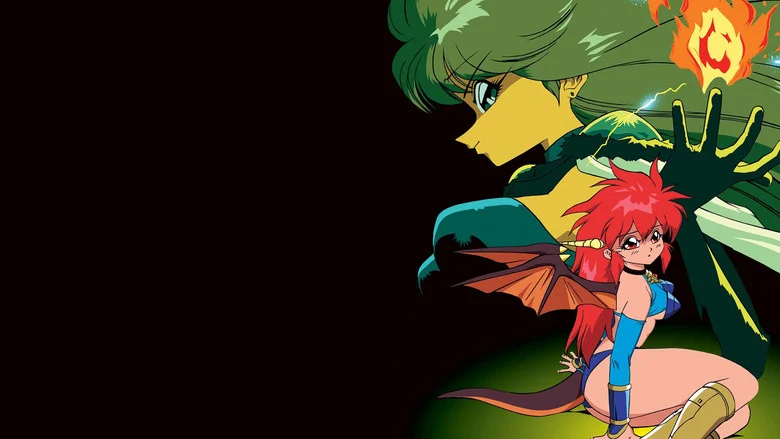
Mink is a half-human and half-dragon girl who is technically the princess of the dragon race through her father. She falls in love with a dragon slayer and embarks on a comedic quest to win his heart despite their opposing lineages. Mink has bright pink hair and horns that signify her royal dragon heritage. The OVA is known for its slapstick humor and Mink’s energetic but clumsy attempts to navigate her identity.
‘NG Knight Lamune & 40 EX’ (1991)
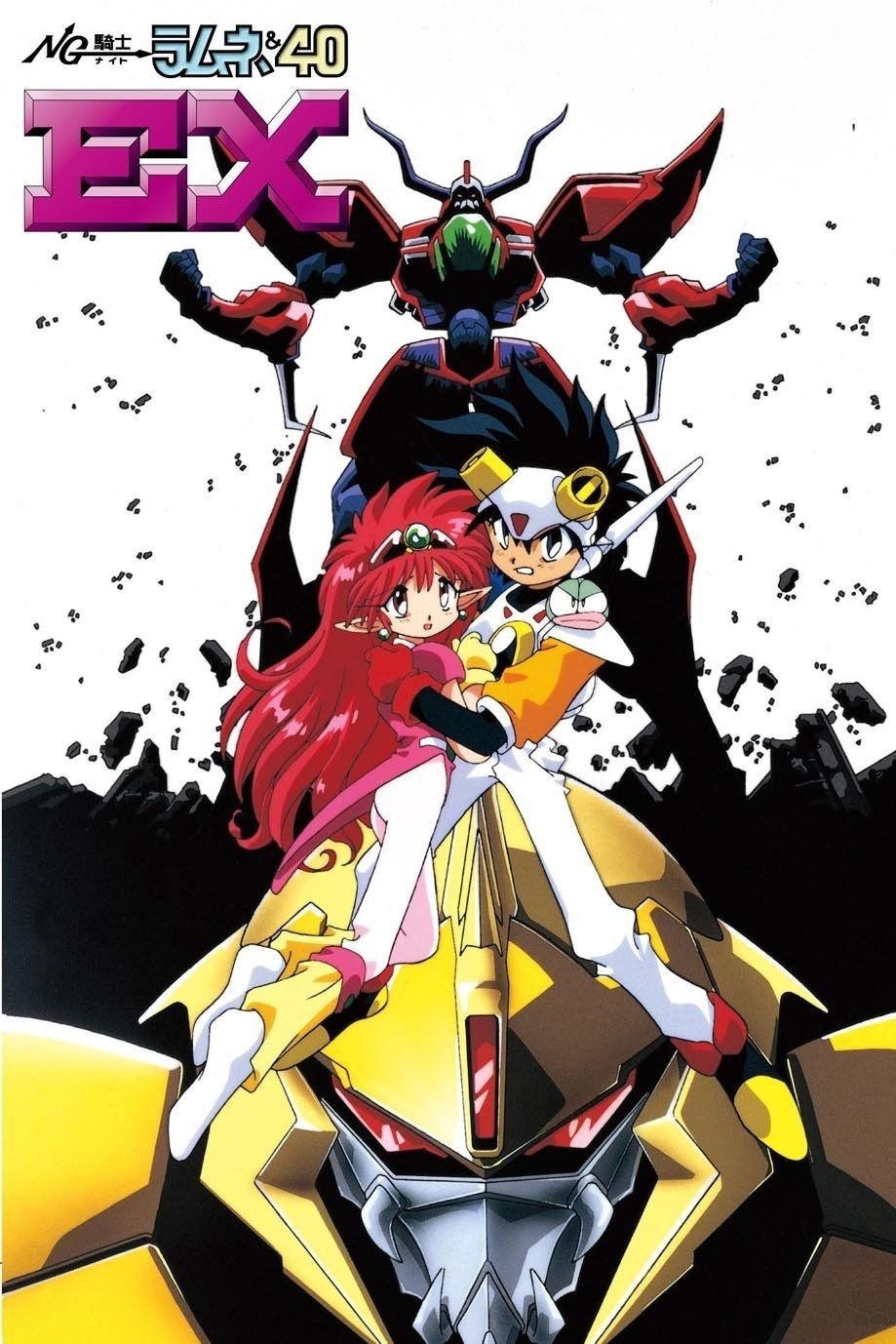
Princess Milk is the rightful ruler of the Hara-Hara World and a central figure in this mecha fantasy adventure. She possesses long pink hair and a gluttonous appetite that serves as a running gag throughout the series. Milk accompanies the protagonist Ramune on his journey to save the galaxy from the resurrection of a dark god. Her character balances comic relief with moments of genuine royal responsibility.
‘Legend of the Last Labyrinth’ (1997)
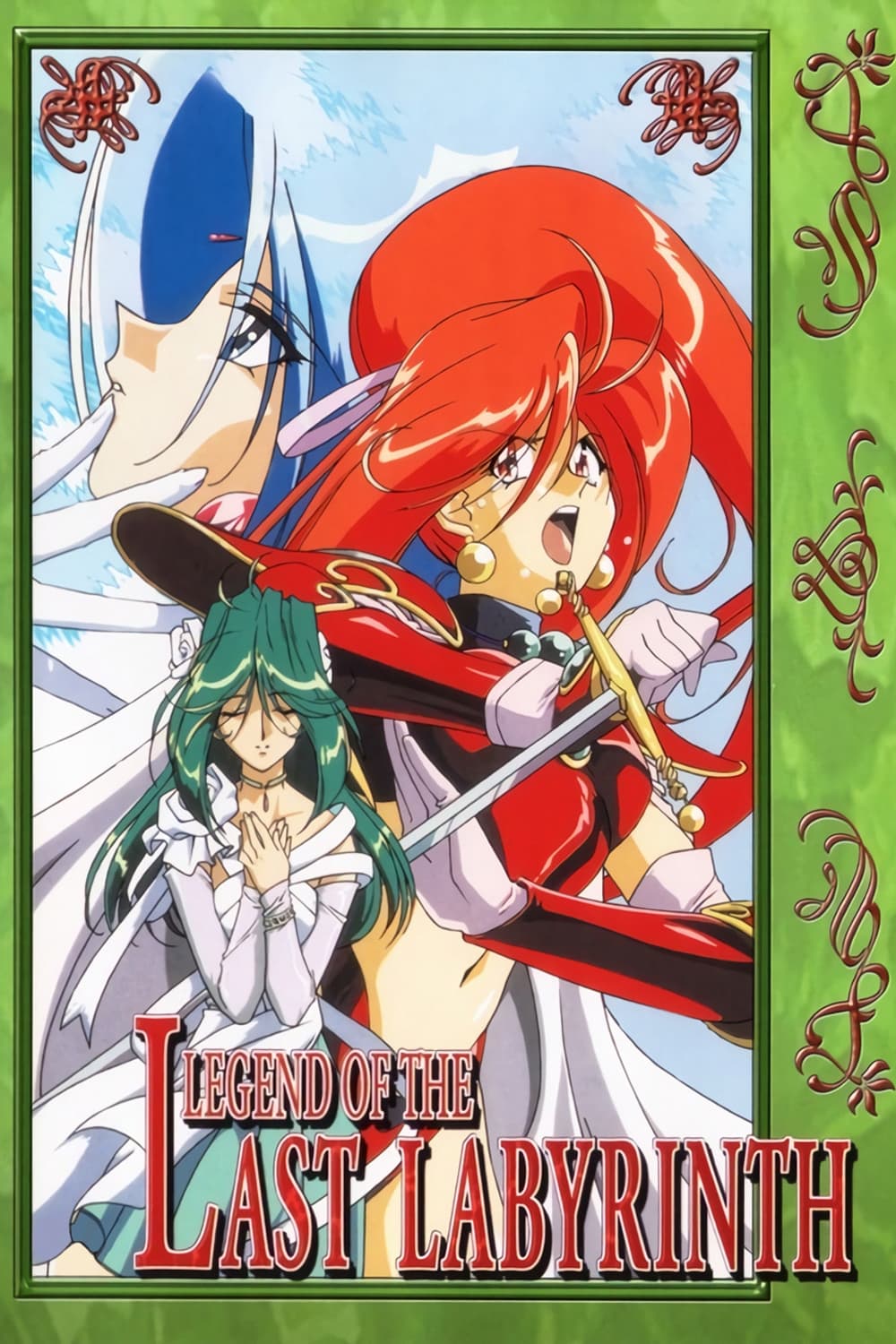
Rouge is a literal princess from the Makai realm who flees to the human world to avoid an arranged marriage. She has pink hair and immense magical power that she struggles to control while living with a human student. The series focuses on her adaptation to Earth life and the various assassins sent to retrieve her. Rouge embodies the classic runaway princess trope with a supernatural twist.
‘Lil’ Red Riding Hood Cha-Cha’ (1994)
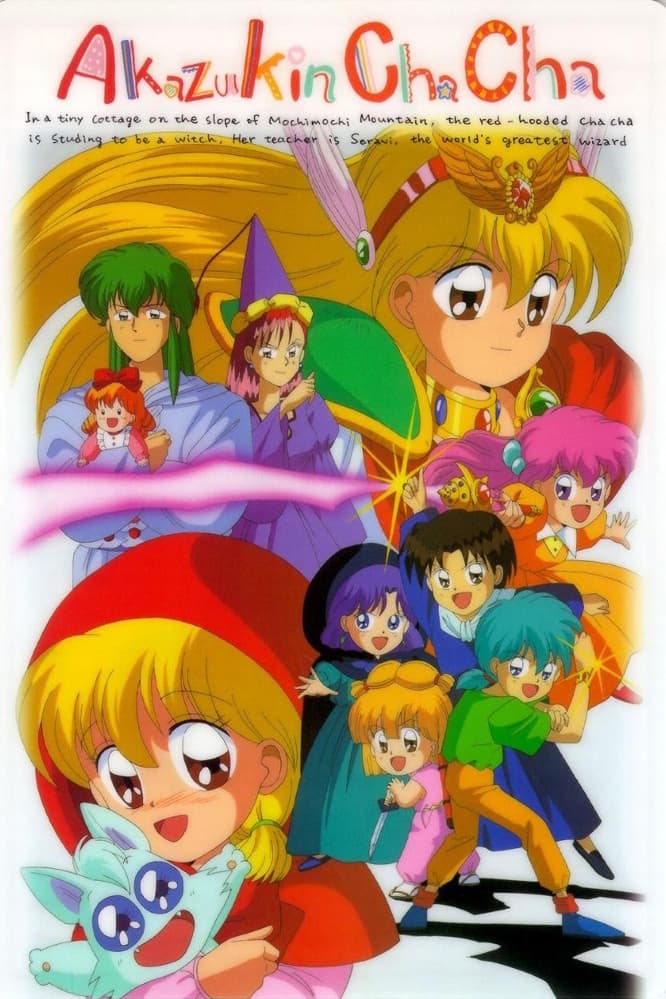
Marine is the mermaid princess who frequently appears to complicate the lives of Chacha and her friends. She has pink hair and a selfish personality that contrasts with the typical benevolent princess image. Marine is obsessed with the wolf boy Riiya and often schemes to win his affection through aggressive means. Her character adds a layer of chaotic humor and rivalry to the magical academy setting.
‘Revolutionary Girl Utena’ (1997)
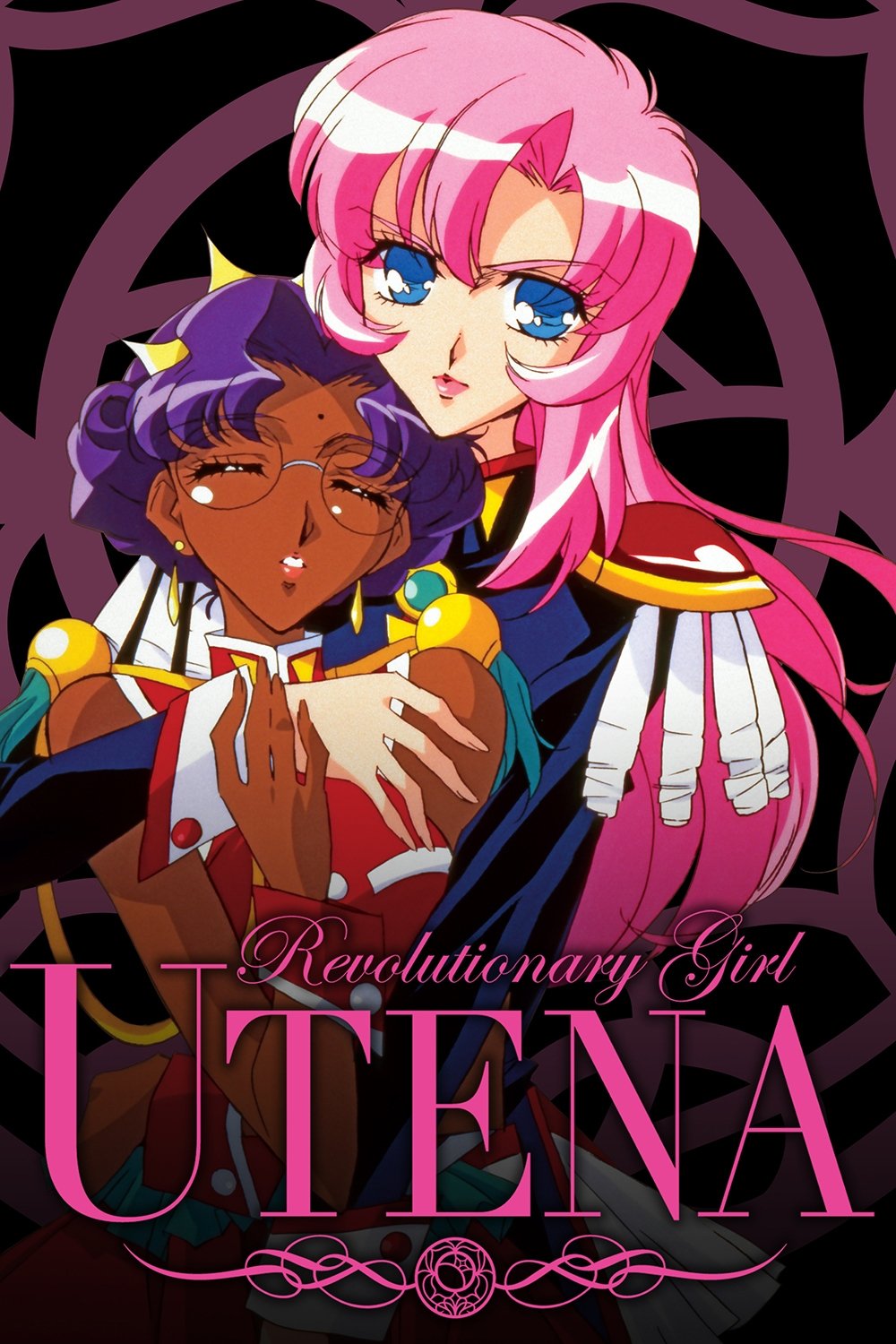
Utena Tenjou challenges traditional gender roles by aspiring to be a prince rather than a princess. She has striking pink hair and engages in duels to protect the Rose Bride from those who wish to exploit her power. Utena possesses a noble spirit and regal presence that aligns with the princess archetype despite her rejection of the title. The series deconstructs fairy tale tropes and examines the dark psychological underpinnings of royalty and nobility.
‘Wedding Peach’ (1995)

Momoko Hanasaki discovers she is the reincarnation of a legendary love angel and effectively serves as a princess of the angel world. She transforms into Wedding Peach and fights against the devils who seek to destroy love on Earth. Her transformation involves a pink motif and hair color change that emphasizes her magical lineage. The show combines standard magical girl elements with a heavy focus on romance and bridal aesthetics.
‘Tenchi Muyo!’ (1992)
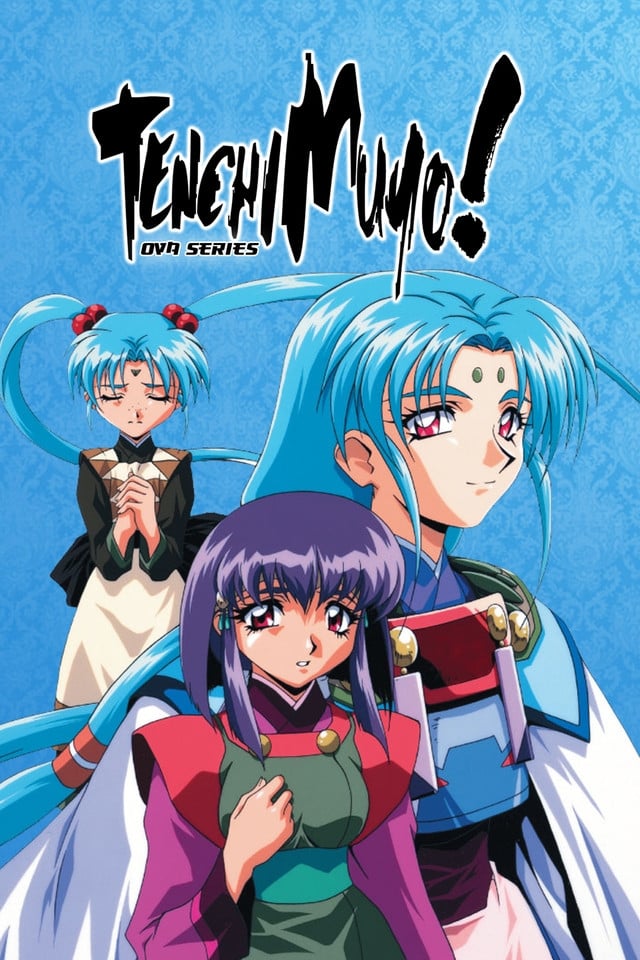
Washu Hakubi is revealed to be a goddess and a former princess of the Jurai Royal Family in her complex backstory. She has spiky pink hair and is known as the greatest scientific genius in the universe. Washu often takes a backseat to the younger princesses Ayeka and Sasami but remains a high-ranking royal figure. Her character subverts the princess trope by prioritizing science and logic over diplomacy or romance.
‘Nurse Angel Ririka SOS’ (1995)
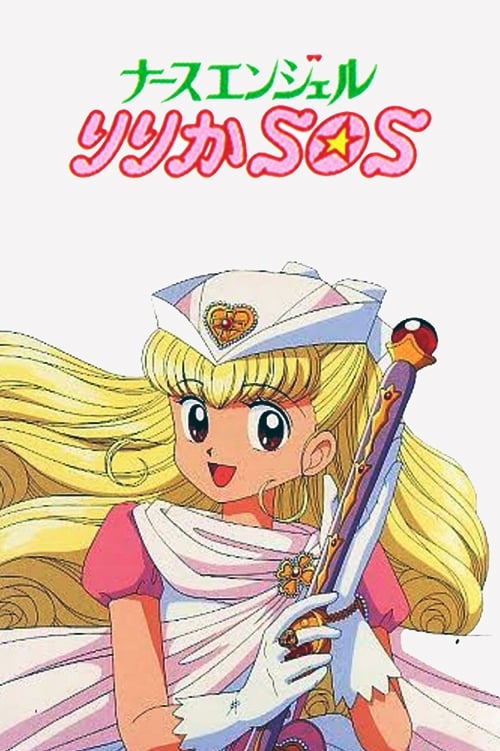
Ririka Moriya transforms into the Nurse Angel to protect the Earth from the evil Dark Joker organization. She is treated as a princess-like savior figure who must gather the scattered Flowers of Life. Her transformed state features pink hair and a distinct nurse-themed magical costume. Ririka fights to save her childhood friend and the world from total environmental destruction.
‘Arc the Lad’ (1999)
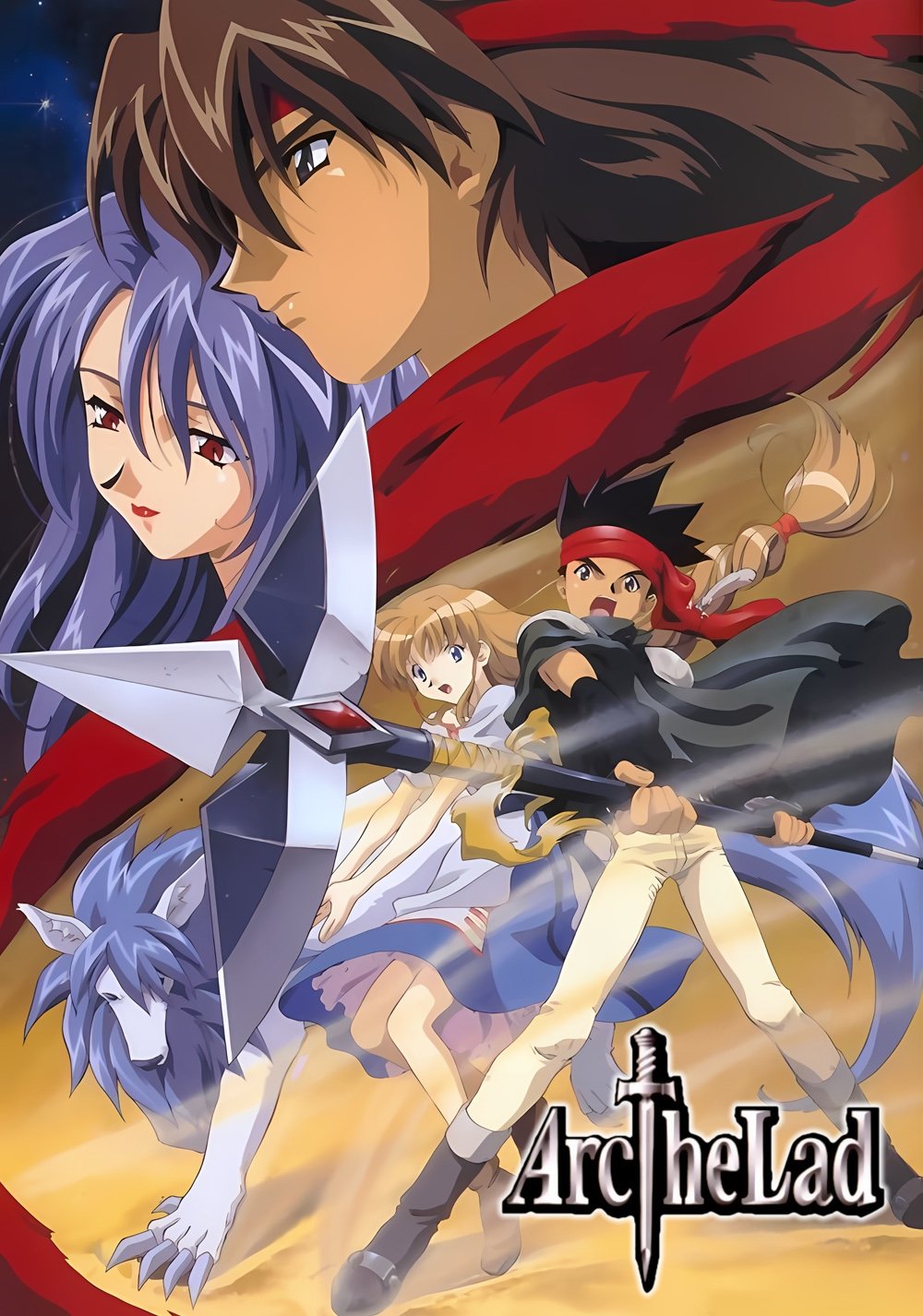
Kukuru is the priestess and heir to the White Magic Clan which gives her a status equivalent to royalty within her setting. She has pink hair and bears the burden of protecting the sacred seal that keeps a dark power at bay. Her journey is one of tragedy and duty as she is forced to make difficult sacrifices for her people. The anime adaptation explores her relationship with the protagonist Arc and her solemn destiny.
‘Cyber Team in Akihabara’ (1998)
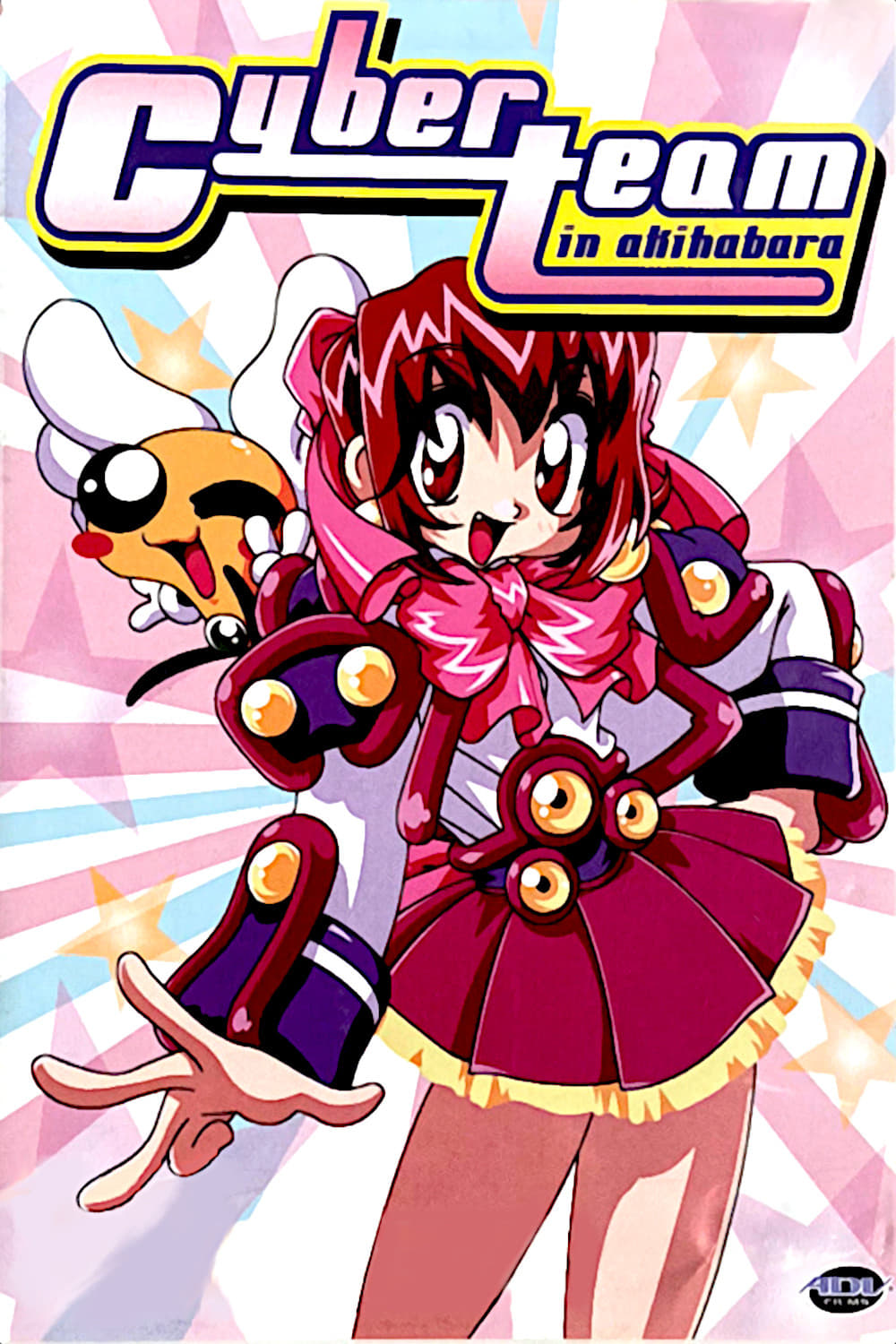
Hibari Hanakoganei is the central character who becomes a member of the Cyber Team and is often referred to with royal or “diva” terminology. She has pink hair and wields a PataPi companion in battles against mysterious forces in a futuristic Tokyo. The series draws heavily on the prince and princess concepts found in ‘Utena’ but applies them to a technological setting. Hibari matures from a timid girl into a confident leader over the course of the story.
‘Cutie Honey Flash’ (1997)
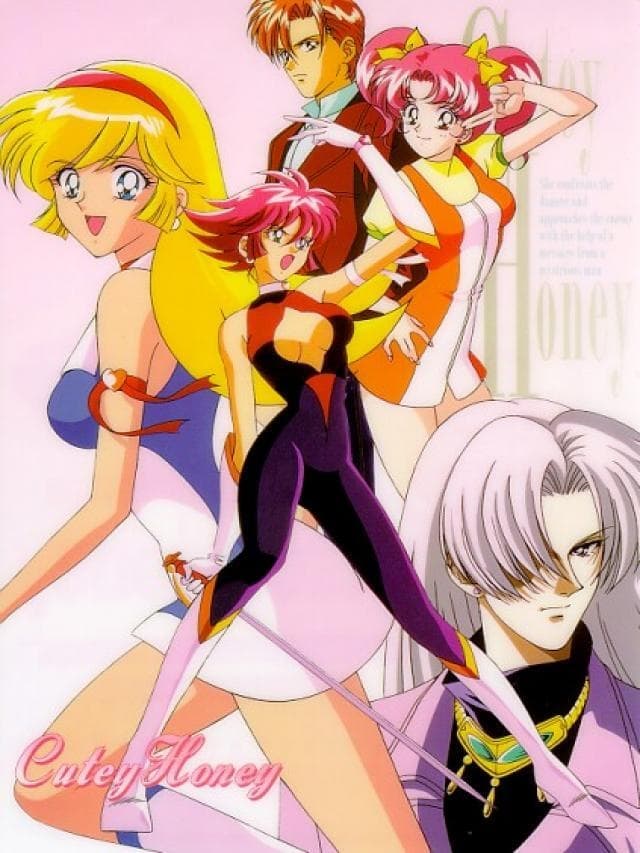
Honey Kisaragi is a transforming android warrior who possesses a “Princess” form among her many disguises. This iteration of the franchise gives Honey pink hair in her base form and emphasizes the magical girl aspects more than previous versions. She battles against the Panther Claw organization while navigating her life at a boarding school. The series reimagines the classic heroine with a softer and more shojo-oriented aesthetic.
‘Steel Angel Kurumi’ (1999)
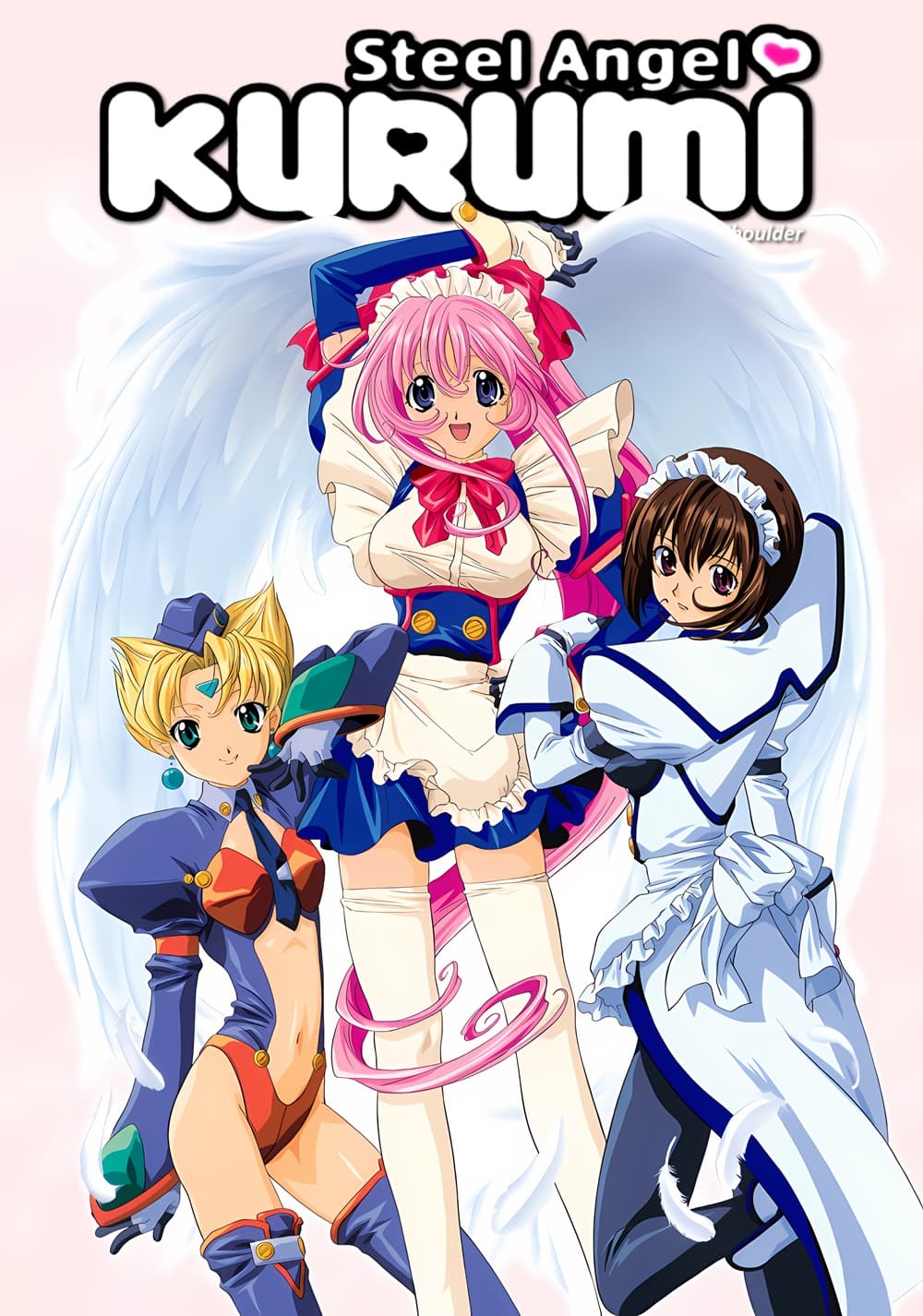
Kurumi is an advanced android known as a Steel Angel who serves her master with unwavering devotion. She has long pink hair and possesses incredible combat abilities that surpass modern technology. While technically a servant weapon, her design and narrative role often frame her as a magical bride or princess figure to the protagonist. The show blends action with romantic comedy elements typical of the late 90s harem genre.
Share your favorite pink-haired royal from classic anime in the comments.