

Anime That Handled Mental Health for LGBTQ Teens with Care

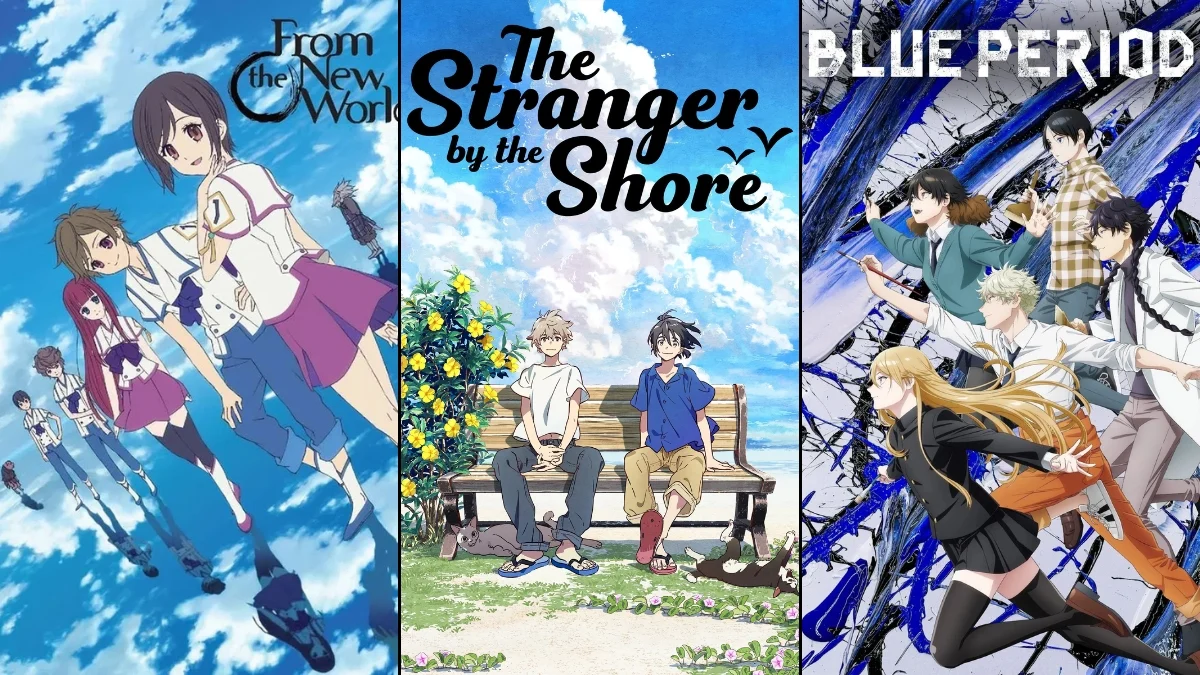


Representation of mental health in animation has evolved significantly, particularly within the intersection of LGBTQ+ experiences. Many series now explore the complexities of identity, trauma, and acceptance with nuanced perspectives that avoid harmful tropes. These stories often provide a vital mirror for young audiences navigating their own journeys of self-discovery. By centering the internal lives of queer characters, these productions highlight the importance of community and emotional resilience.
‘Sasaki and Miyano’ (2022)
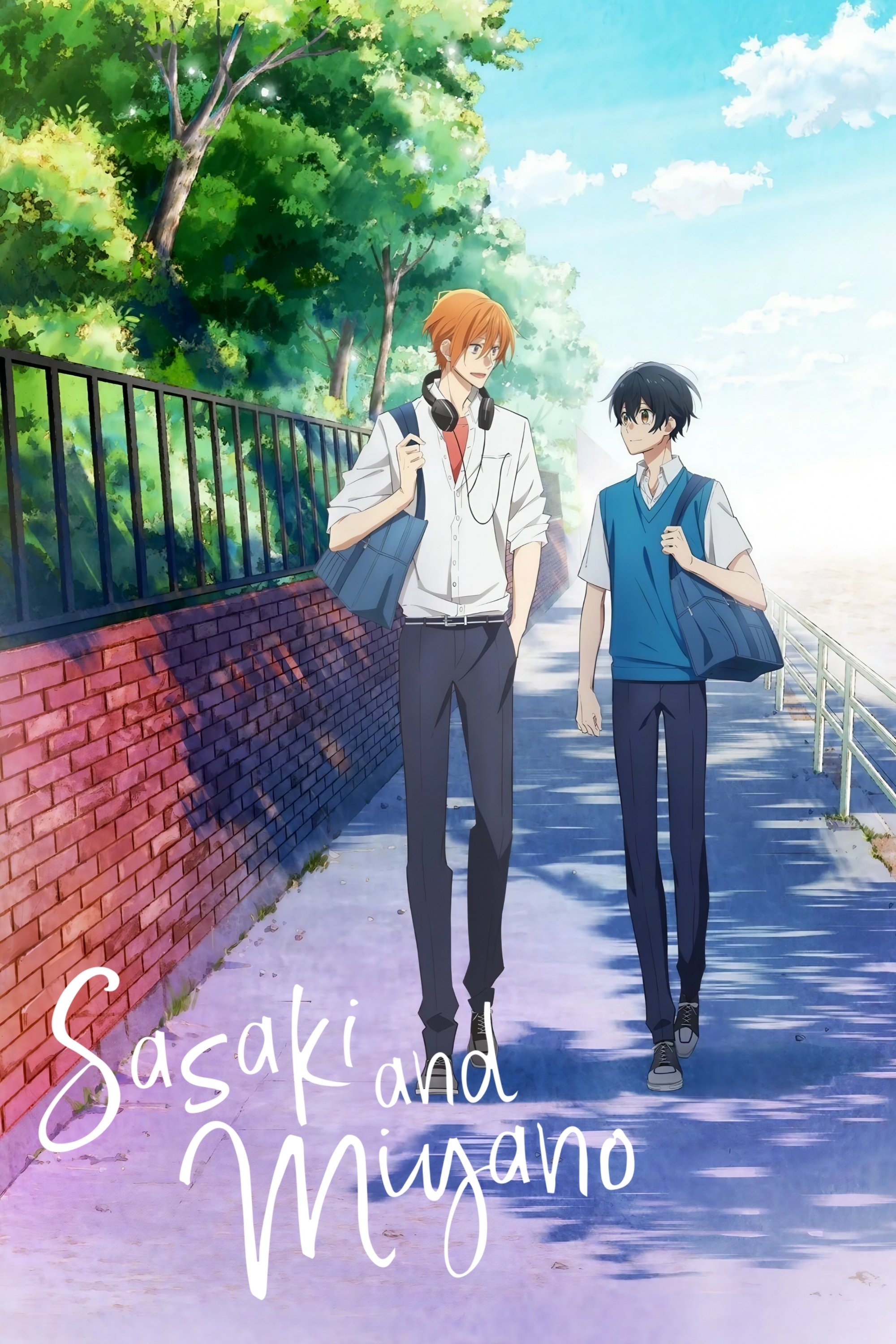
‘Sasaki and Miyano’ follows a high school student named Miyano who enjoys reading Boys’ Love manga but feels conflicted about his own identity. When he meets a senior named Sasaki, their relationship begins to challenge Miyano’s internalized stereotypes and anxieties. The series focuses on the slow and careful process of self-acceptance without the pressure of external labels. It provides a heartwarming look at how a supportive environment can ease the stress of questioning one’s orientation.
‘Blue Period’ (2021)
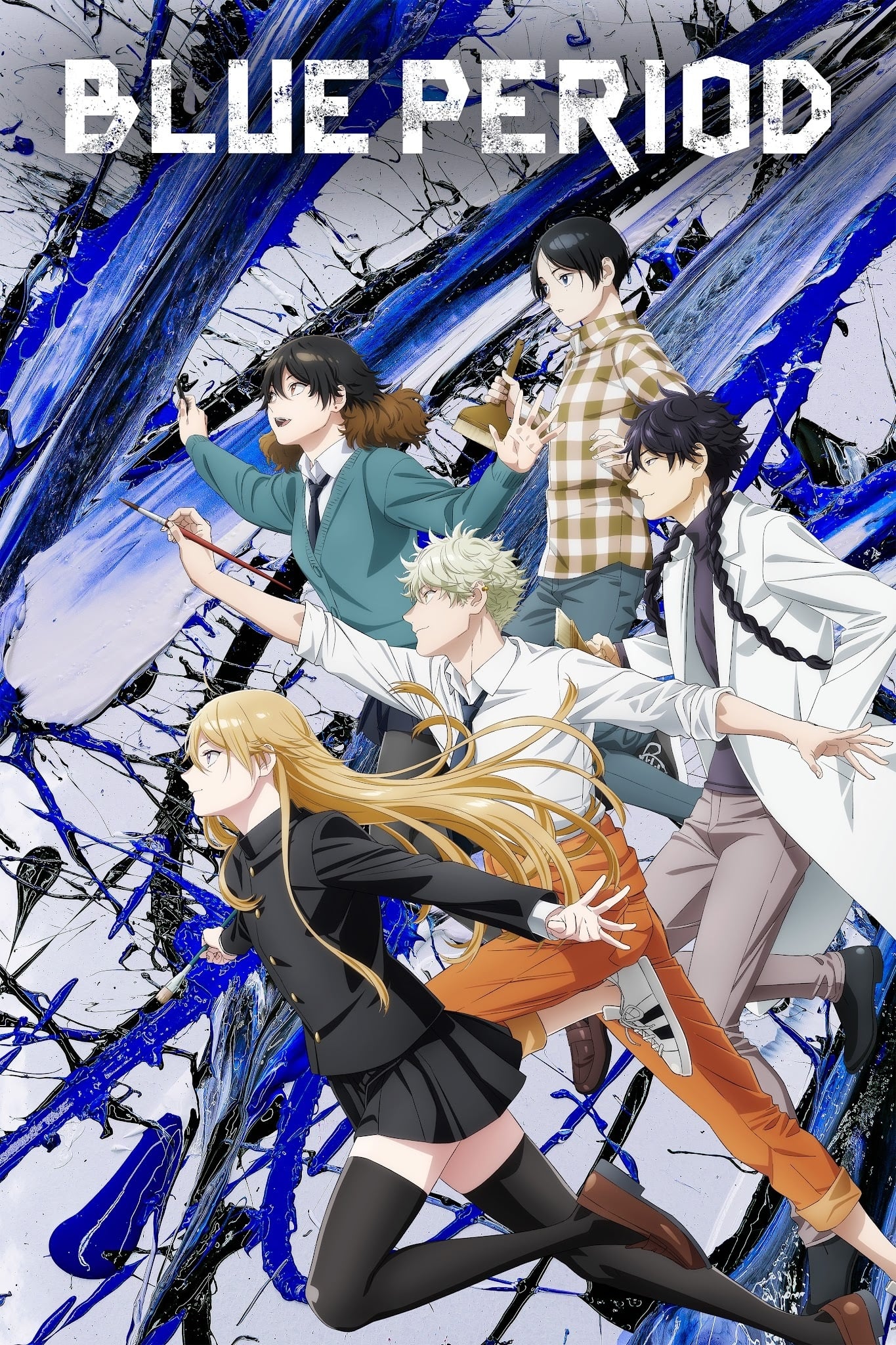
‘Blue Period’ features Yatora Yaguchi, a high schooler who finds his purpose in art, and his classmate Ryuji “Yuka” Ayukawa. Yuka identifies as non-binary or genderqueer and faces intense pressure from family and societal expectations. The narrative honestly depicts Yuka’s struggle with depression and the emotional exhaustion of seeking validation in a world that often refuses to understand them. Their journey emphasizes the need for empathy and the life-saving impact of genuine friendship during times of mental crisis.
‘Wonder Egg Priority’ (2021)
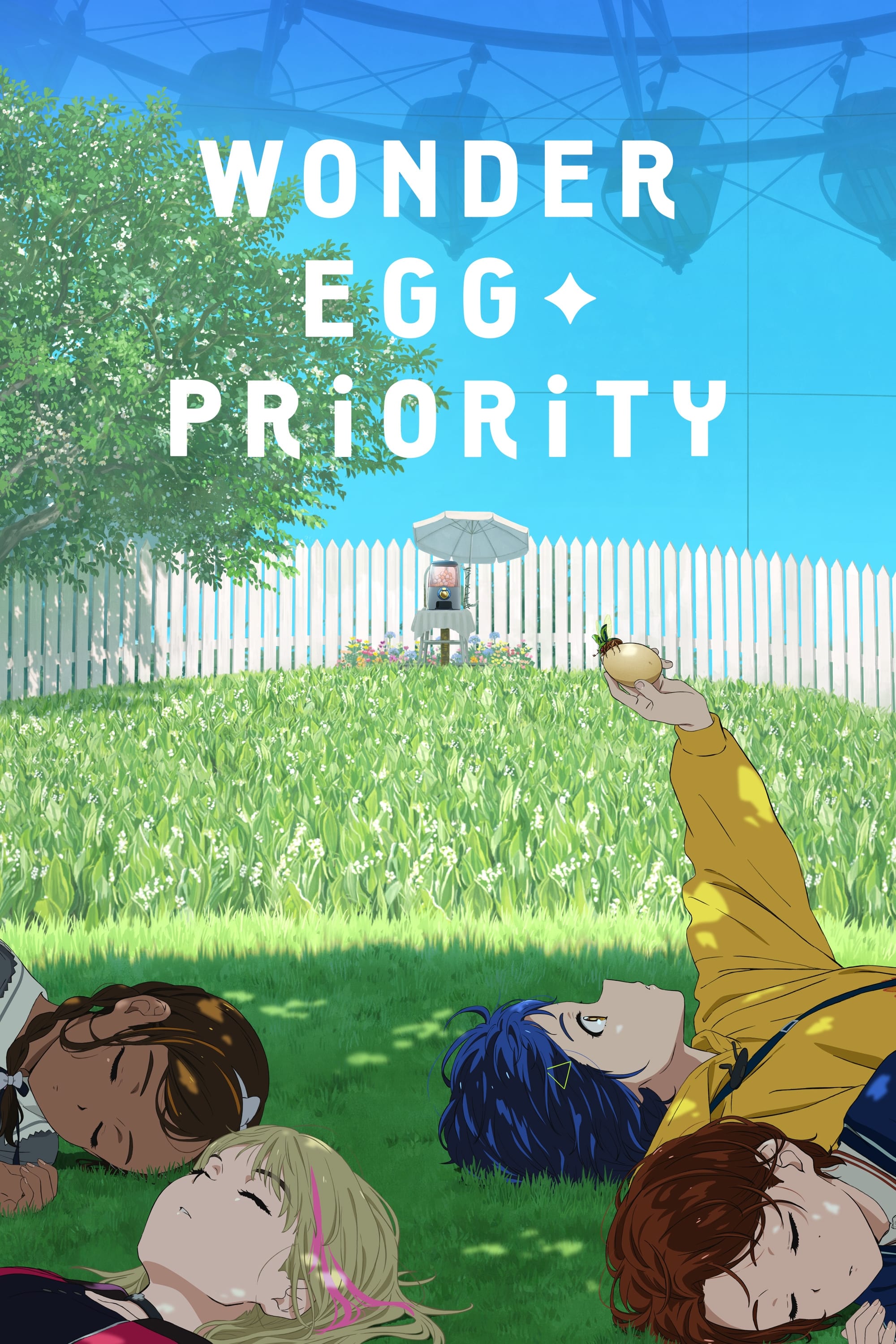
‘Wonder Egg Priority’ addresses a variety of heavy topics, including suicide, trauma, and identity through a surrealist lens. One of the protagonists, Momoe Sawaki, is a girl who is frequently mistaken for a boy and struggles with the dysphoria caused by others’ perceptions. The series explores her internal conflict as she navigates her gender presentation and her attraction to girls. It treats her emotional vulnerability with gravity, highlighting the psychological toll of being misunderstood by society.
‘The Night Beyond the Tricornered Window’ (2021)
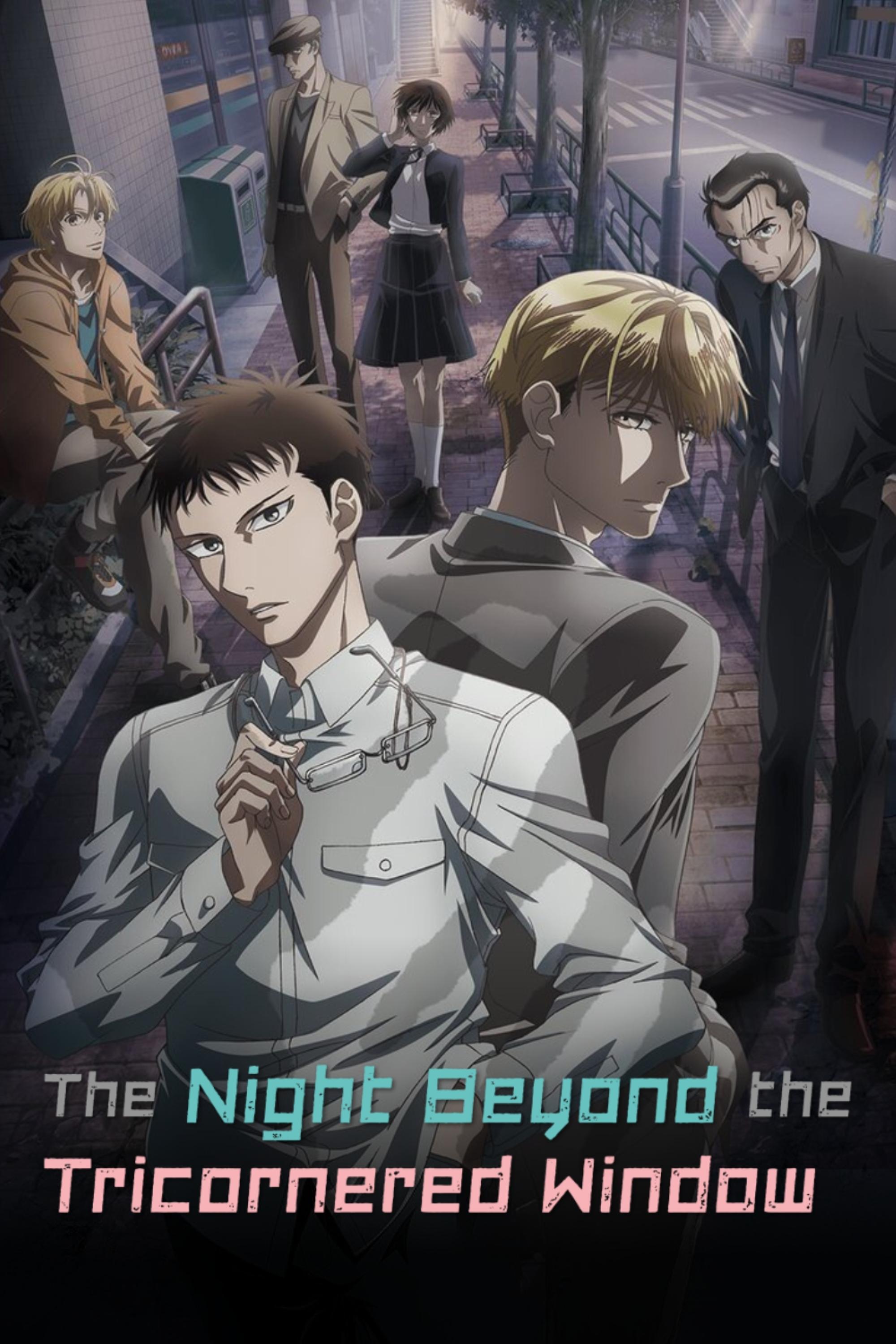
‘The Night Beyond the Tricornered Window’ combines supernatural mystery with a deep exploration of childhood trauma and its long-term effects. Hiyakawa, a powerful exorcist, carries significant psychological scars from his upbringing in a cult, which affects his ability to form healthy boundaries. His relationship with Mikado becomes a vehicle for processing this trauma as they learn to trust one another. The show portrays the healing process as difficult and non-linear, centering the importance of emotional intimacy.
‘Otherside Picnic’ (2021)
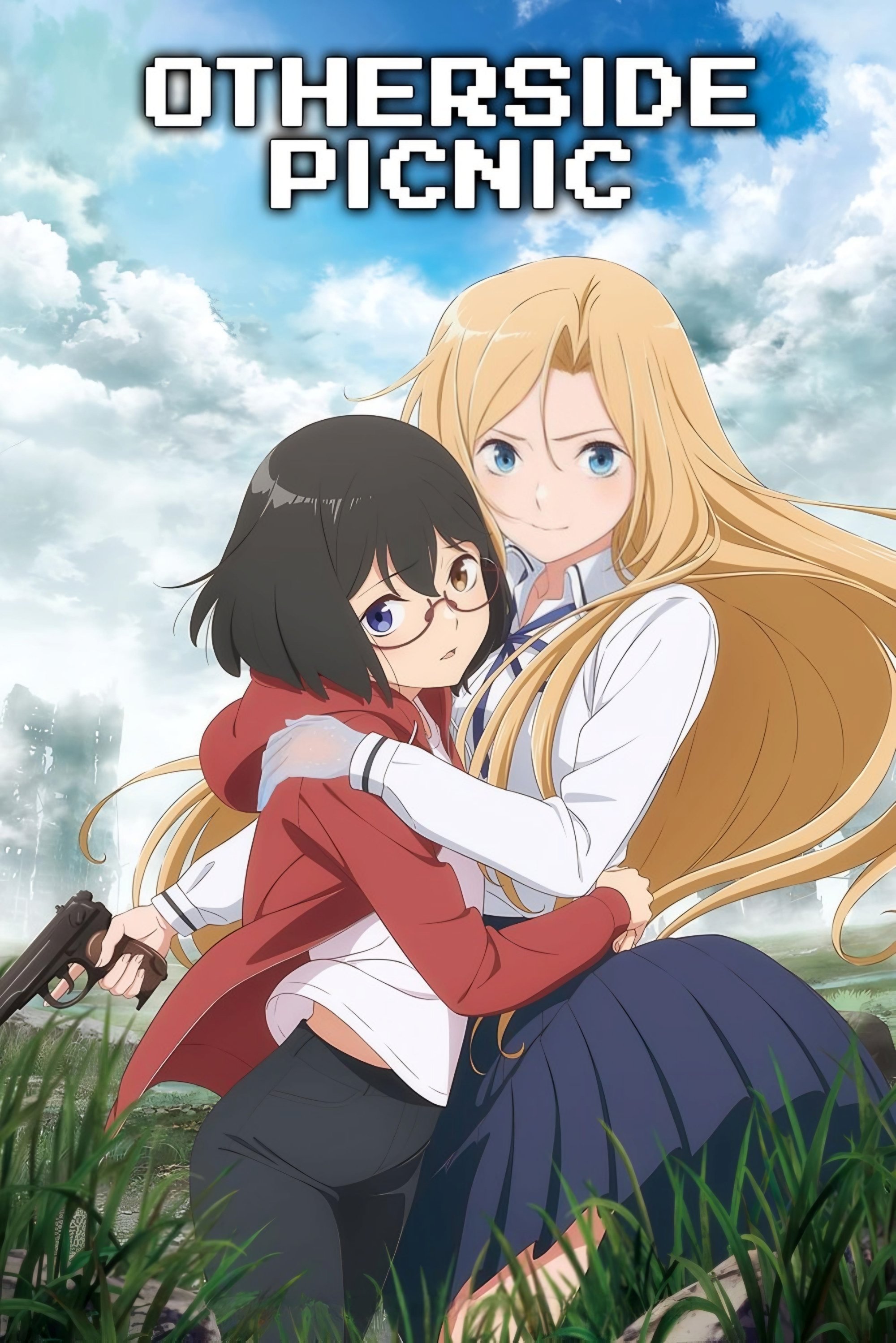
‘Otherside Picnic’ follows college students Sorawo and Toriko as they explore a dangerous parallel dimension known as the Otherside. Sorawo struggles with extreme social isolation and a cynical worldview resulting from a troubled past. As her bond with Toriko deepens, she begins to confront her fears and her budding feelings for her companion. The series uses its sci-fi elements to represent internal phobias and the psychological weight of loneliness.
‘The Stranger by the Shore’ (2020)

‘Umibe no Étranger’ is a film that centers on Shun Hashimoto, a young man who fled his home after his parents discovered his attraction to men. He meets Mio Chibana, an orphaned high school student, and the two develop a deep emotional bond over their shared sense of loss. Shun’s character is a poignant study of internalized homophobia and the fear of abandonment. The story emphasizes that finding a chosen family is a crucial step in maintaining mental well-being for queer individuals.
‘Adachi and Shimamura’ (2020)
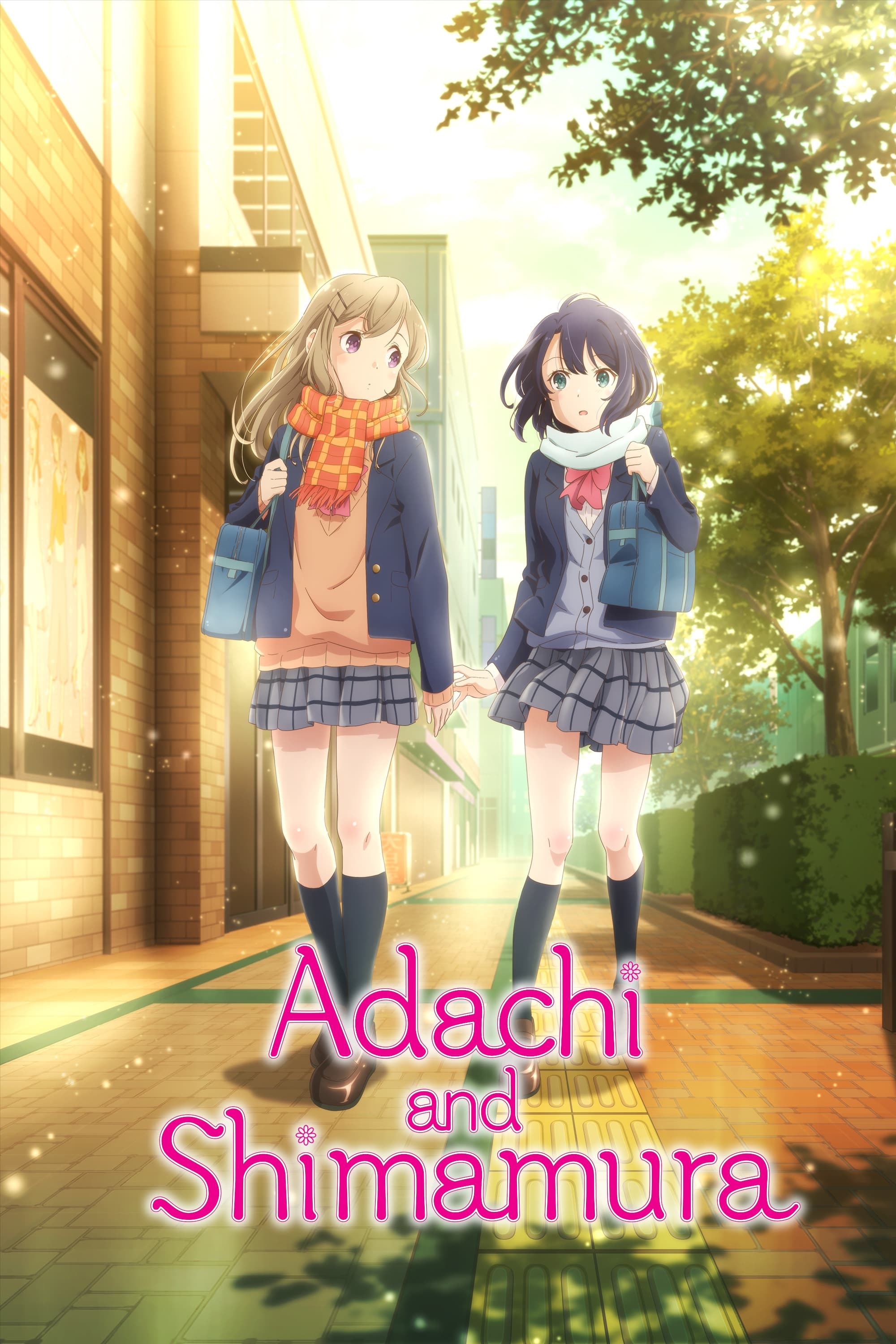
‘Adachi and Shimamura’ provides an intimate look at the lives of two high school girls who spend their days skipping class together. Adachi suffers from significant social anxiety and becomes intensely fixated on Shimamura, leading to moments of emotional turbulence. The anime carefully depicts the physical and mental sensations of a first crush, including the panic and jealousy that can arise. It is a quiet study of how young people navigate the uncertainty of their feelings and their place in the world.
‘Given’ (2019)
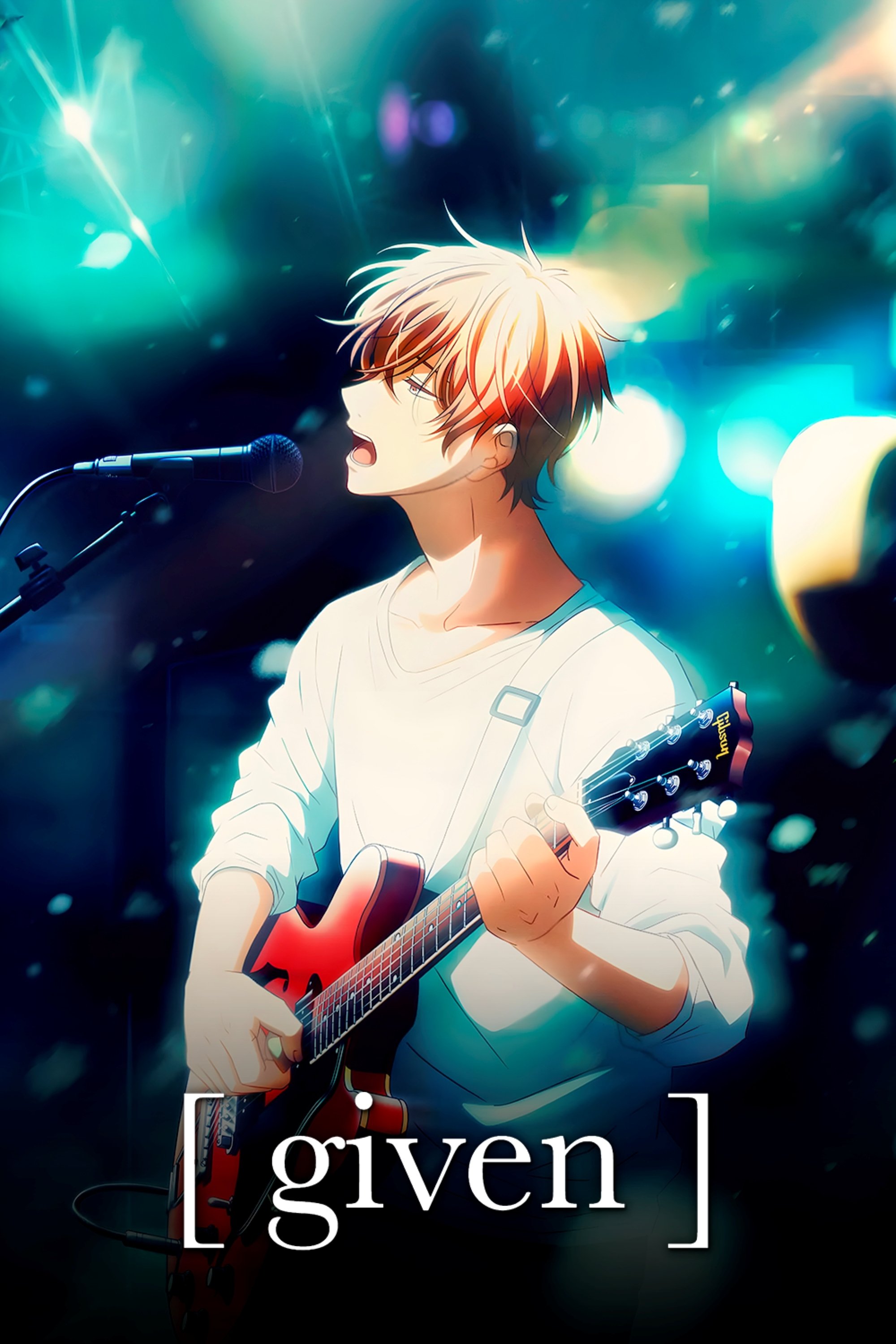
‘Given’ focuses on Mafuyu Satō, a high school student who joins a band while carrying a guitar with broken strings and a heavy emotional burden. The narrative explores his process of overcoming grief and PTSD following the suicide of his former boyfriend. Through music and new relationships, Mafuyu learns to articulate the feelings he previously repressed. The series is widely praised for its realistic portrayal of the mourning process and the healing power of artistic expression.
‘Stars Align’ (2019)
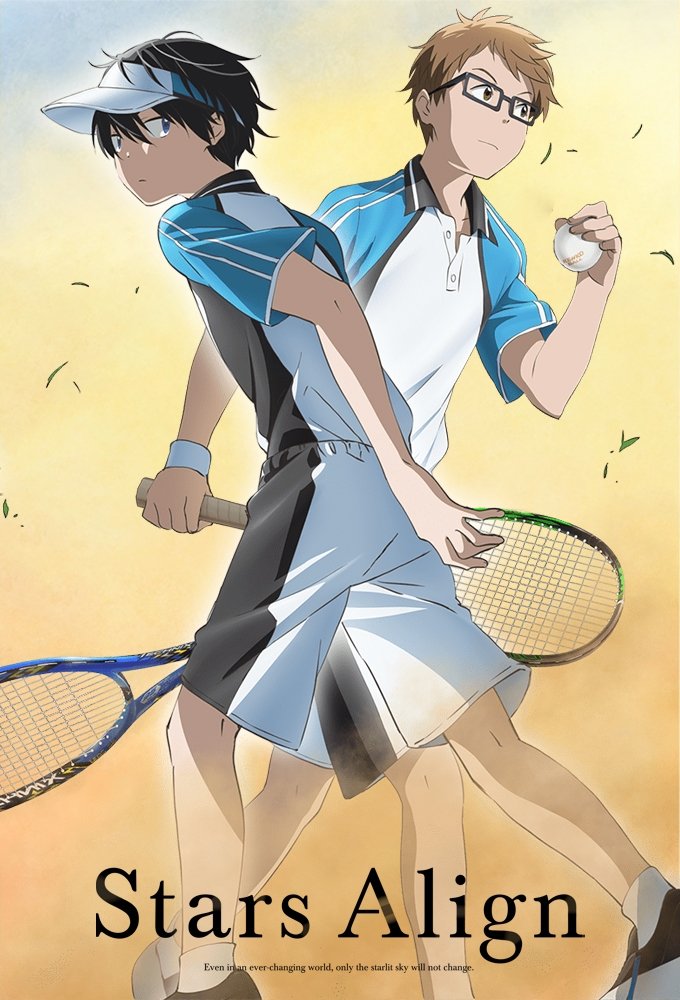
‘Stars Align’ is a sports anime that prioritizes the personal lives and domestic struggles of its characters over the game itself. It features a groundbreaking scene where a character named Yu Sasaki explains their non-binary identity to the protagonist. The show explores the anxiety of coming out and the fear of not fitting into traditional gender roles. By presenting these conversations with maturity, the series highlights the importance of active listening and acceptance among peers.
‘Sarazanmai’ (2019)
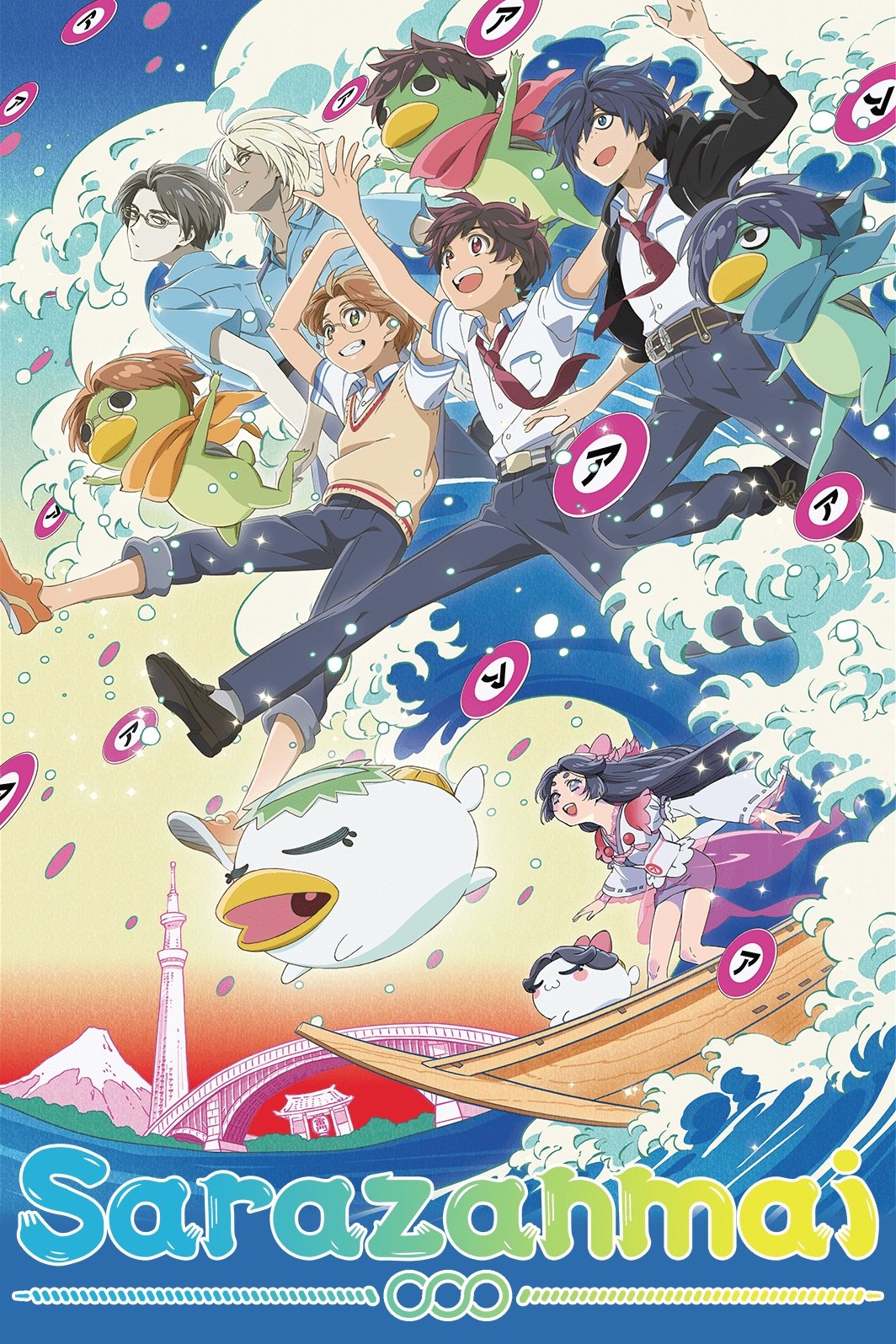
‘Sarazanmai’ uses surrealist imagery to explore themes of connection, secrets, and shame among three middle school boys. Enta Jinnai struggles with his unrequited feelings for his best friend, which manifests as intense guilt and emotional isolation. The series highlights how the fear of rejection can lead to the suppression of one’s true self. Through its vibrant animation, it addresses the necessity of vulnerability in maintaining meaningful relationships.
‘O Maidens in Your Savage Season’ (2019)
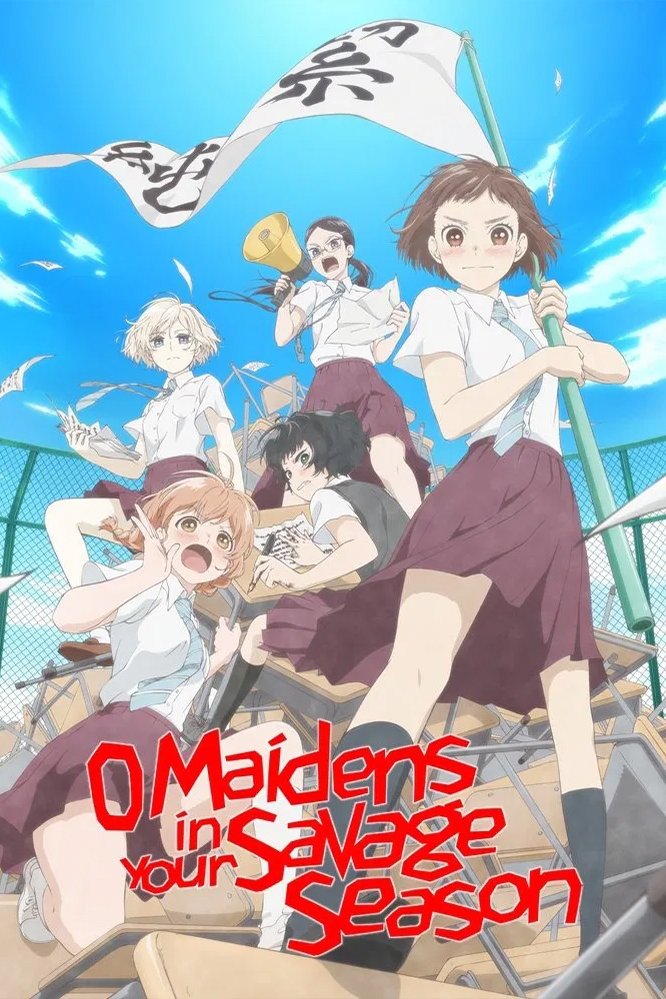
‘O Maidens in Your Savage Season’ follows five members of a high school literature club as they navigate the complexities of burgeoning adulthood. Momoko Sugawara begins to question her sexual orientation after finding she does not share her peers’ interest in boys. Her journey is marked by a quiet, introspective search for identity and the anxiety of feeling different from her friends. The series provides a grounded and empathetic look at the confusion that often accompanies the realization of being queer.
‘Carole & Tuesday’ (2019)
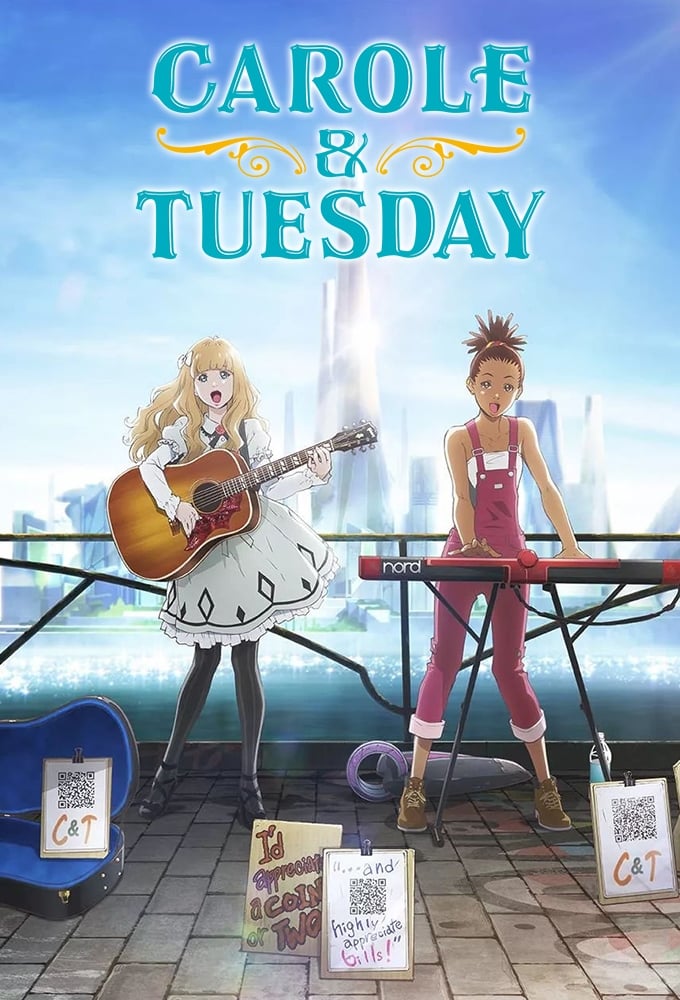
‘Carole & Tuesday’ is set on a colonized Mars and follows two aspiring musicians who form a bond through their shared love of music. The series features Desmond, a famous non-binary performer who describes their identity as being “both and neither” genders. Desmond’s presence in the story provides a sophisticated look at how gender and creativity intersect. The character is treated with immense respect, serving as a role model for the protagonists and the audience alike.
‘Banana Fish’ (2018)

‘Banana Fish’ centers on Ash Lynx, a young gang leader in New York City who uncovers a dark conspiracy involving a mysterious drug. Throughout the series, the narrative candidly addresses Ash’s history of sexual abuse and the resulting PTSD that shapes his daily life. His relationship with Eiji Okumura becomes a source of emotional stability and healing amidst constant violence. The story underscores the profound impact of trauma and the necessity of finding a safe space to process emotional pain.
‘Bloom Into You’ (2018)
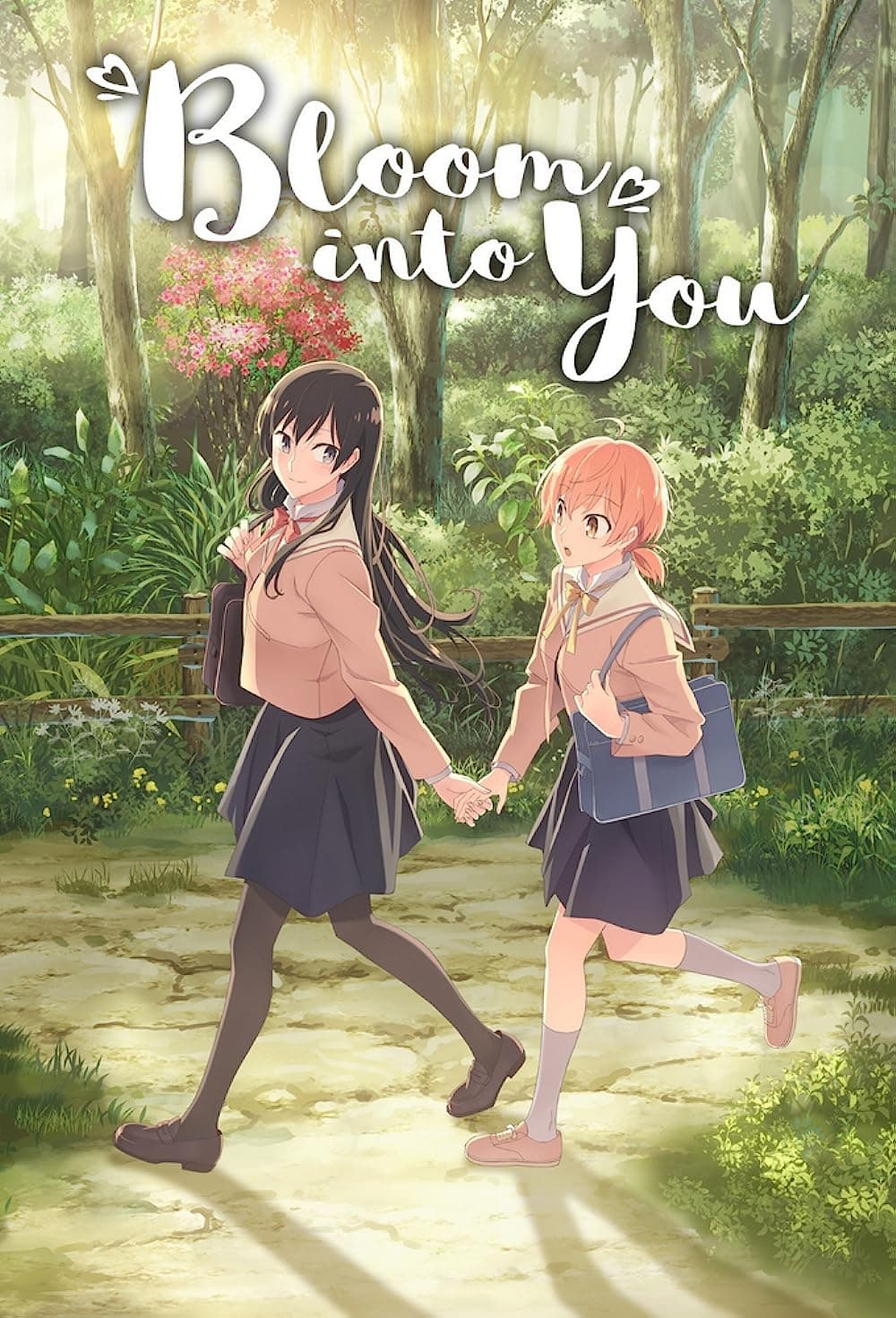
‘Bloom Into You’ explores the relationship between Yuu Koito and Touko Nanami, two high school girls with very different views on love. Yuu feels a sense of alienation because she does not experience romantic feelings the way her peers do, suggesting themes of aromanticism. Touko, on the other hand, struggles with an identity crisis and the pressure to live up to her deceased sister’s legacy. Their interaction is a careful study of how young people can support each other through complex mental and emotional hurdles.
‘Kase-san and Morning Glories’ (2018)
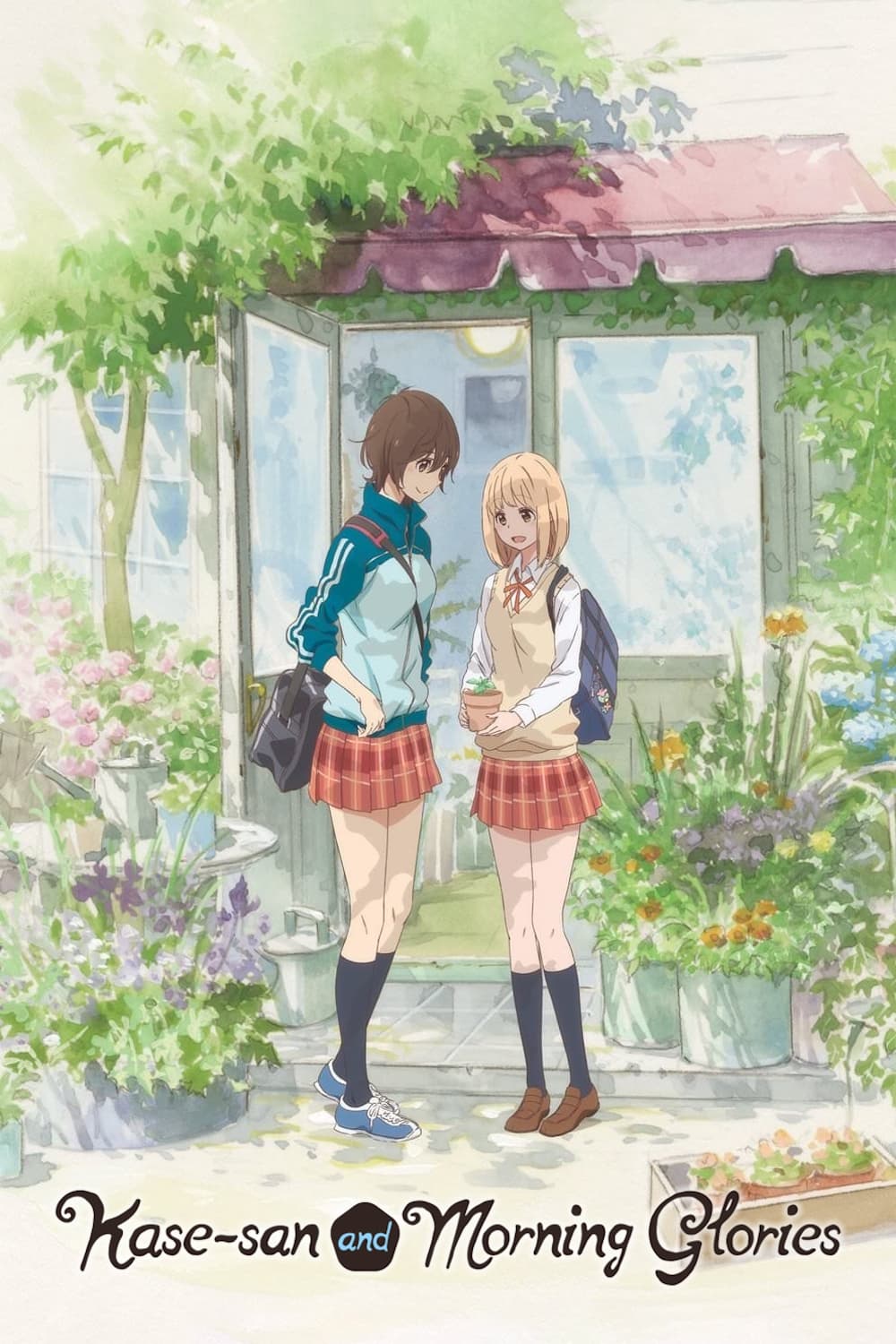
‘Kase-san and Morning Glories’ is a lighthearted yet emotionally resonant story about the relationship between two high school girls, Yui and Tomoka. While the tone is generally positive, it does not shy away from the anxieties of teenage romance and the uncertainty of the future. Yui often deals with feelings of inadequacy and the fear of losing her partner as they prepare for university life. The film highlights how open communication and mutual reassurance can help manage the stressors of a first relationship.
‘Scum’s Wish’ (2017)
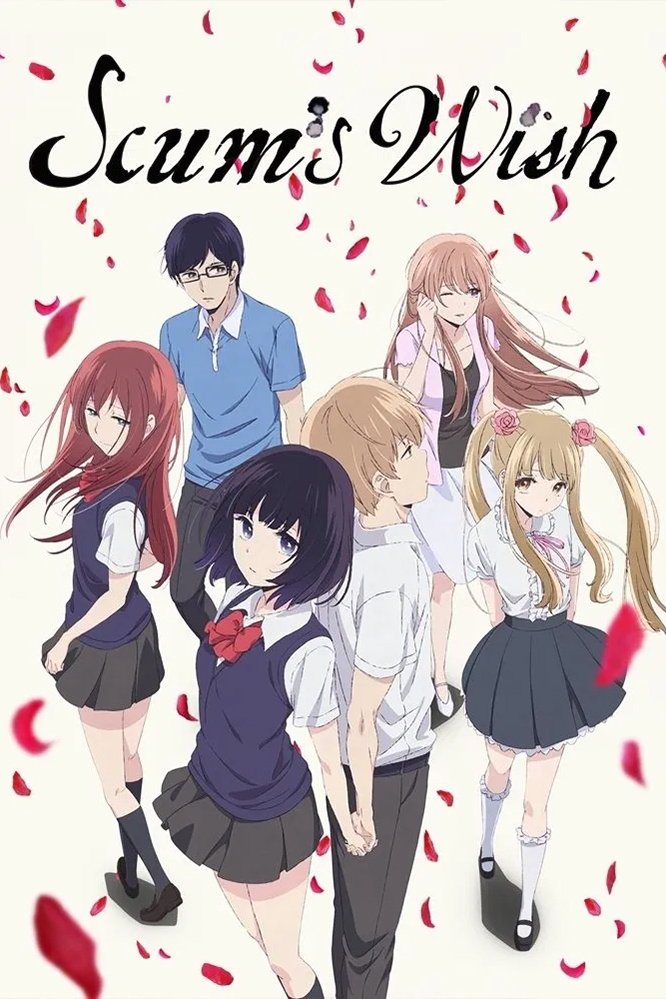
‘Scum’s Wish’ is a stark and often painful exploration of unrequited love and the destructive ways teenagers cope with loneliness. The protagonists enter a physical relationship to fill the void left by their true desires, leading to a cycle of emotional self-harm. The series also features a girl named Sanae who struggles with her obsessive feelings for her female best friend. By showing the messy and often toxic side of teenage emotions, it emphasizes the importance of self-worth and healthy boundaries.
‘Hitorijime My Hero’ (2017)
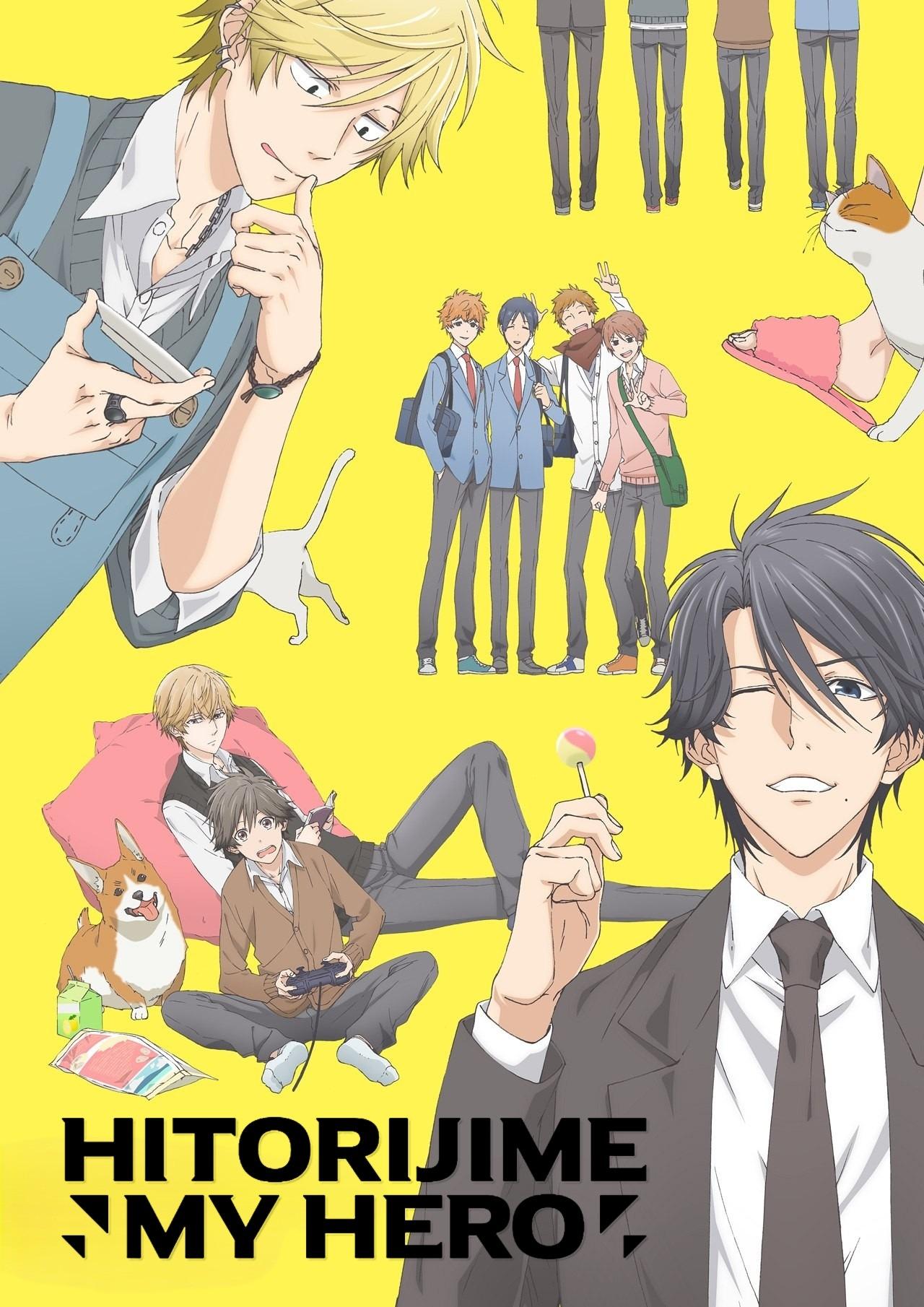
‘Hitorijime My Hero’ follows Masahiro Setagawa, a teenager who feels lost and abandoned until he meets his teacher’s brother, Kousuke. Masahiro’s journey is defined by his struggle with self-esteem and his belief that he does not deserve happiness. The series addresses how a lack of guidance can lead to risky behaviors and emotional instability. As he finds a sense of belonging, Masahiro begins to heal and envision a future for himself.
‘Yuri!!! on Ice’ (2016)
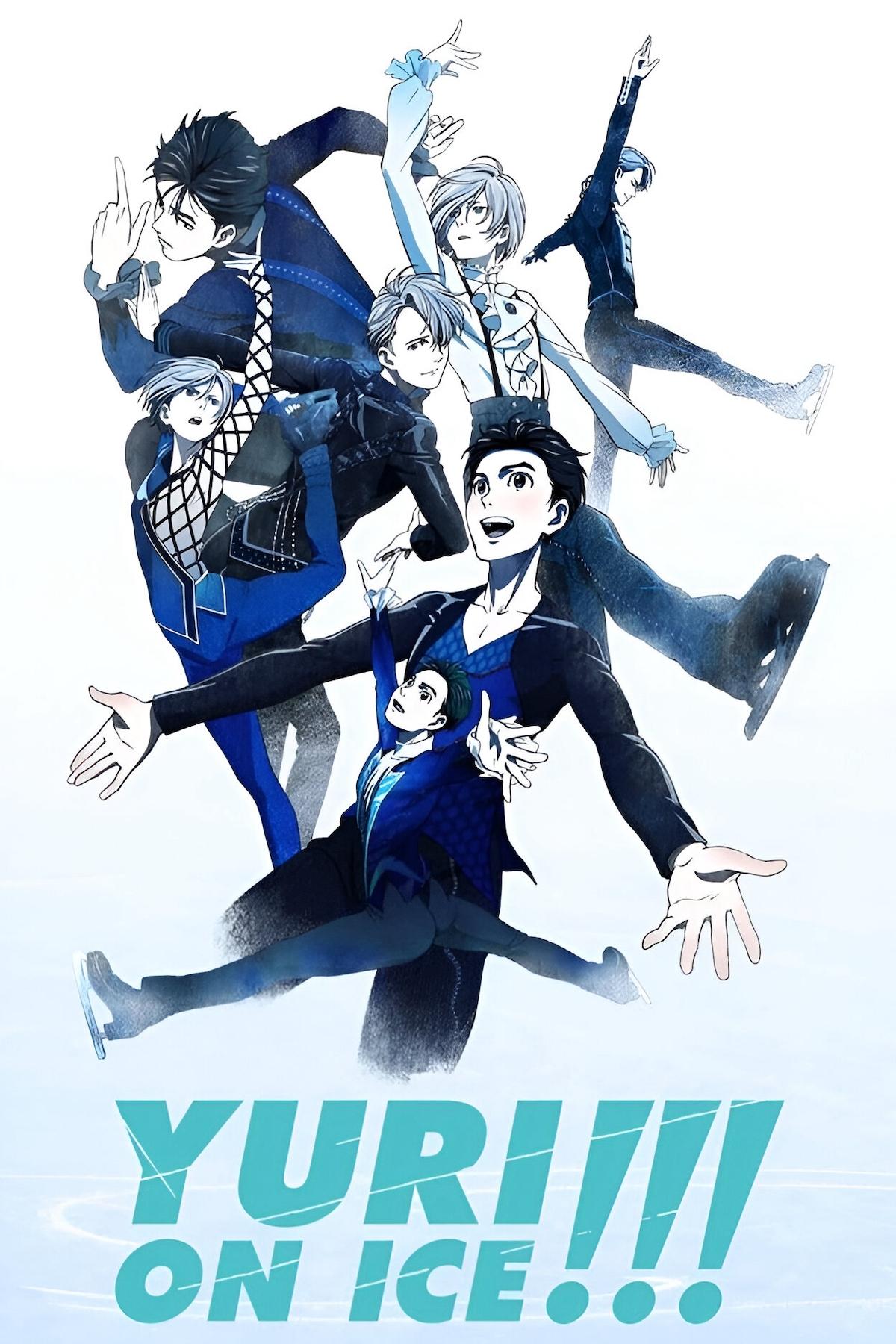
‘Yuri!!! on Ice’ follows professional figure skater Yuuri Katsuki as he struggles with performance anxiety and a lack of self-confidence. With the help of his coach and romantic interest, Victor Nikiforov, Yuuri learns to manage his mental health and channel his emotions into his art. The relationship between the two men is portrayed as a source of strength that allows them both to grow emotionally. This series is celebrated for its positive representation of a healthy, supportive queer relationship and its focus on mental resilience.
‘Dou kyu sei – Classmates’ (2016)
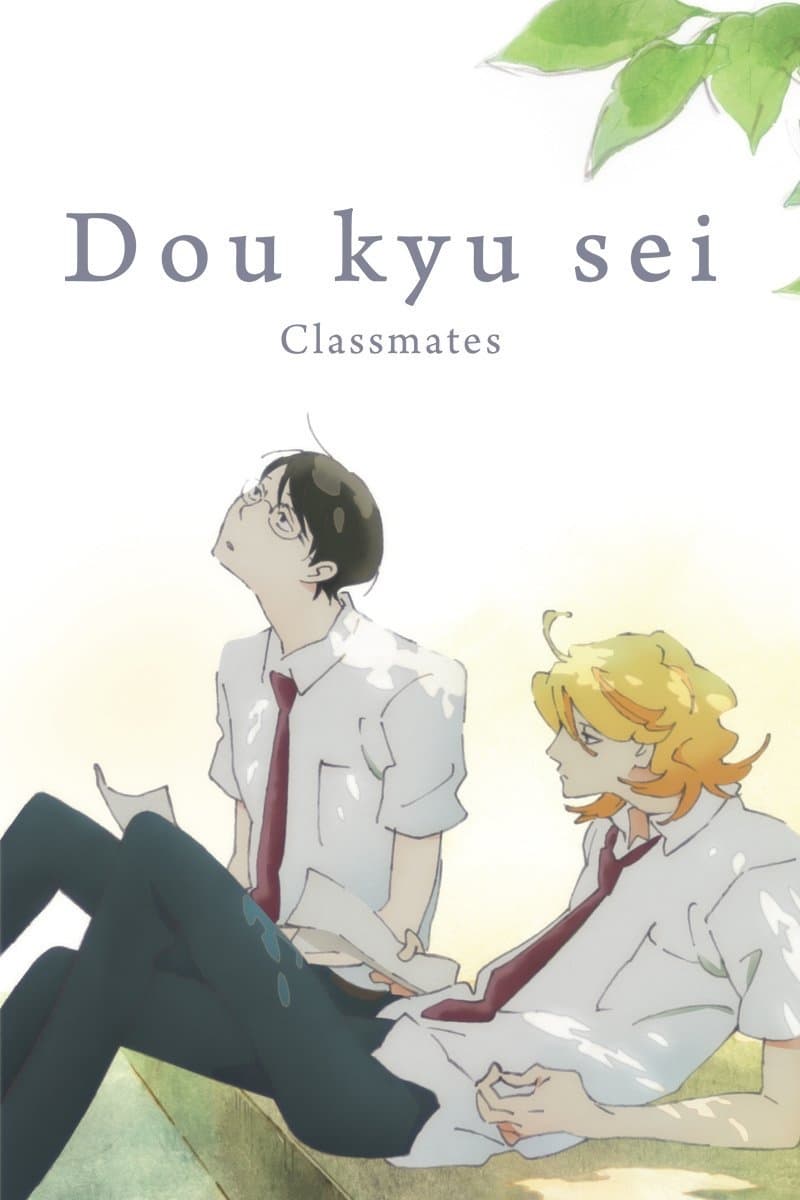
‘Doukyuusei -Classmates-‘ is a beautifully animated film about the burgeoning romance between two very different high school boys, Hikaru and Rihito. The story focuses on the small, quiet moments of their relationship and the anxieties that come with discovering one’s sexuality. It handles Rihito’s stress regarding entrance exams and his future with great sensitivity. The film captures the essence of youth and the importance of having a supportive partner during transitional periods of life.
‘Love Stage!!’ (2014)

‘Love Stage!!’ follows Sena Izumi, a young man from a famous entertainment family who wants nothing to do with the spotlight. His world is turned upside down when he reunites with an actor who has been in love with him since they were children. The series touches on the anxiety of living up to family expectations and the difficulty of maintaining a private identity in a public world. It explores how accepting one’s true self is the first step toward finding genuine happiness.
‘From the New World’ (2012)
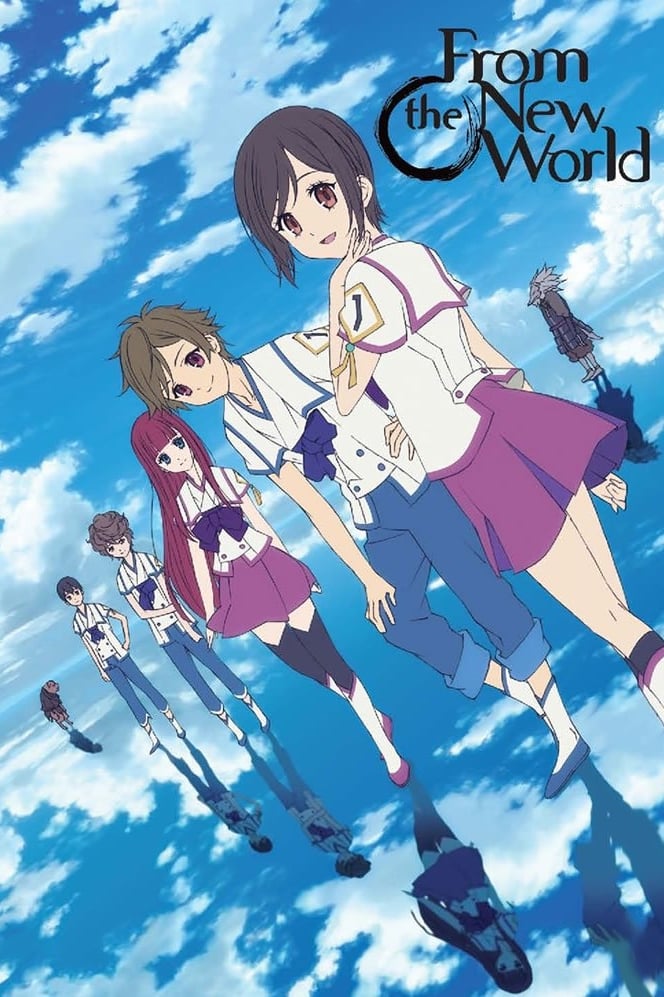
‘Shinsekai Yori’ is set in a future where humans possess telekinetic powers and live in a strictly controlled society. The story follows a group of friends, including Saki and Maria, who form a deep romantic bond during their teenage years. Their relationship serves as an emotional anchor in a world filled with psychological conditioning and existential dread. The anime portrays their connection as a natural and vital part of their development despite the harsh environment they inhabit.
‘Wandering Son’ (2011)
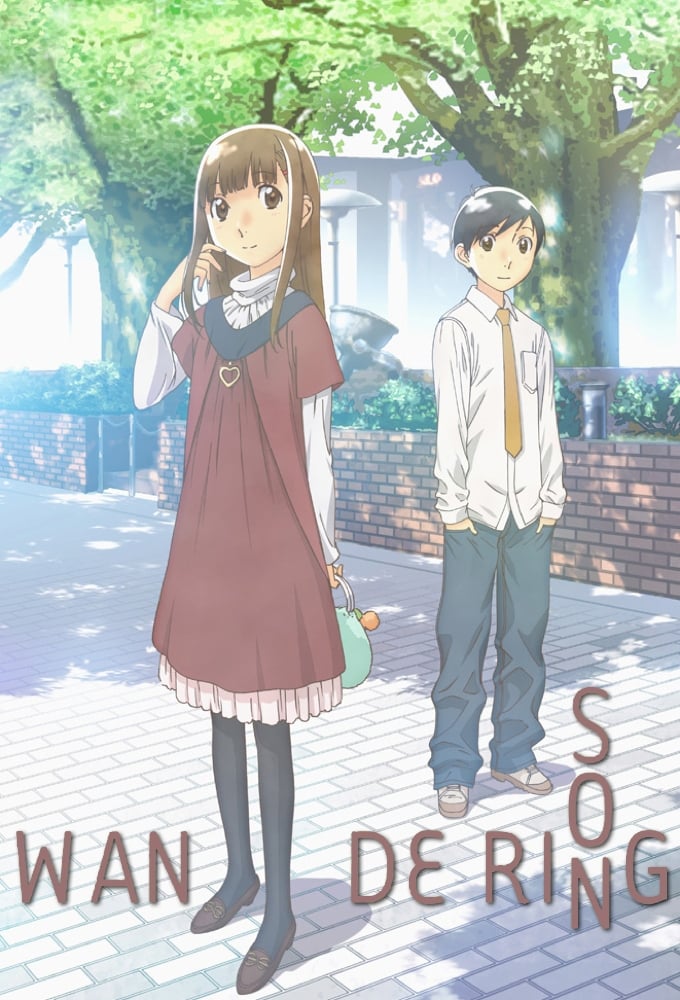
‘Wandering Son’ provides a gentle and honest exploration of two middle school students navigating their gender identities. Shuichi Nitori is a trans girl, while Yoshino Takatsuki is a trans boy, and both face the impending challenges of puberty. The series focuses on their internal emotional landscapes as they deal with dysphoria and the desire to be understood by their peers. It is often cited as one of the most accurate depictions of the transgender experience in anime history.
‘No. 6’ (2011)
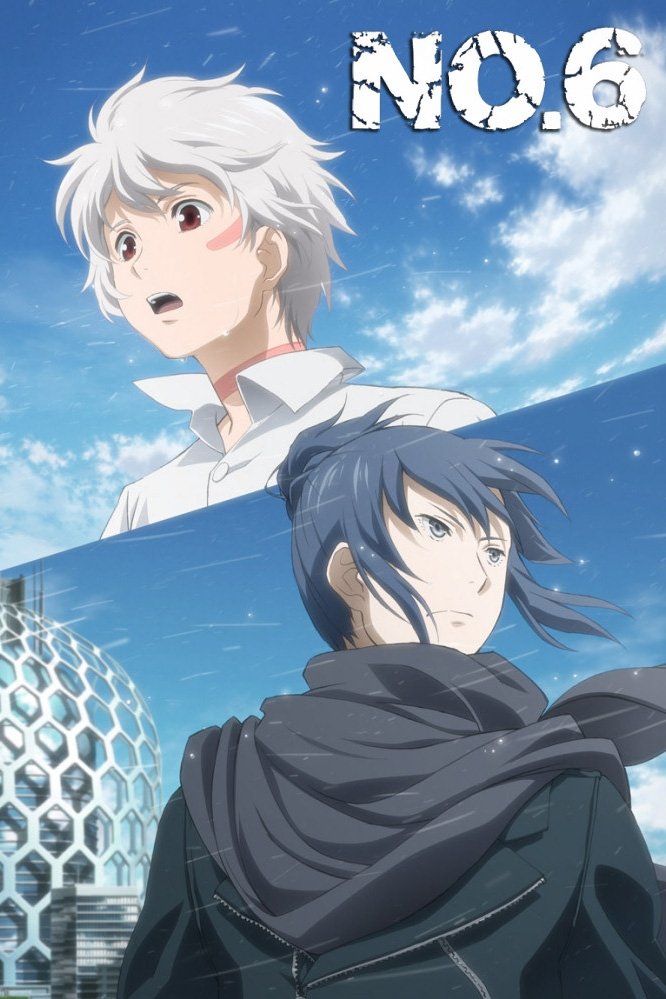
‘No. 6’ is a dystopian series that follows Shion, a privileged boy who loses his status after helping a fugitive named Nezumi. As they live on the outskirts of society, their relationship evolves into a deep romantic and emotional bond. Shion experiences a significant psychological shift as he uncovers the dark truths of the world he once loved. The series highlights how love and human connection can act as a catalyst for growth and resilience in the face of systemic oppression.
‘Princess Jellyfish’ (2010)
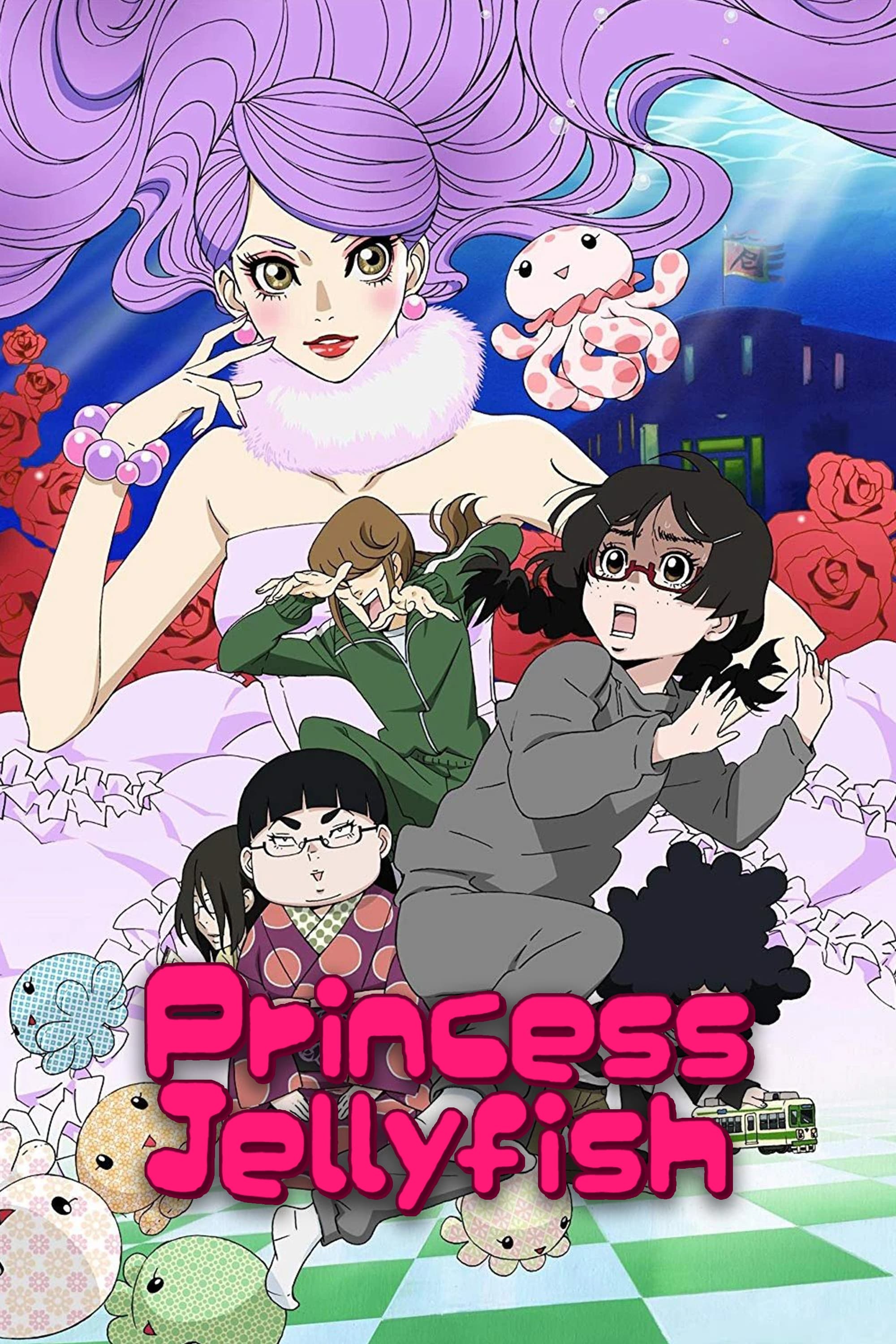
‘Princess Jellyfish’ centers on a group of socially anxious women living in an apartment building and their interaction with a stylish young man named Kuranosuke. Kuranosuke frequently cross-dresses to feel closer to his late mother and to escape the rigid expectations of his political family. His gender expression is a source of both personal joy and domestic conflict, reflecting the complexities of being GNC. The show emphasizes finding confidence through self-expression and the support of a community that accepts you.
‘Sweet Blue Flowers’ (2009)
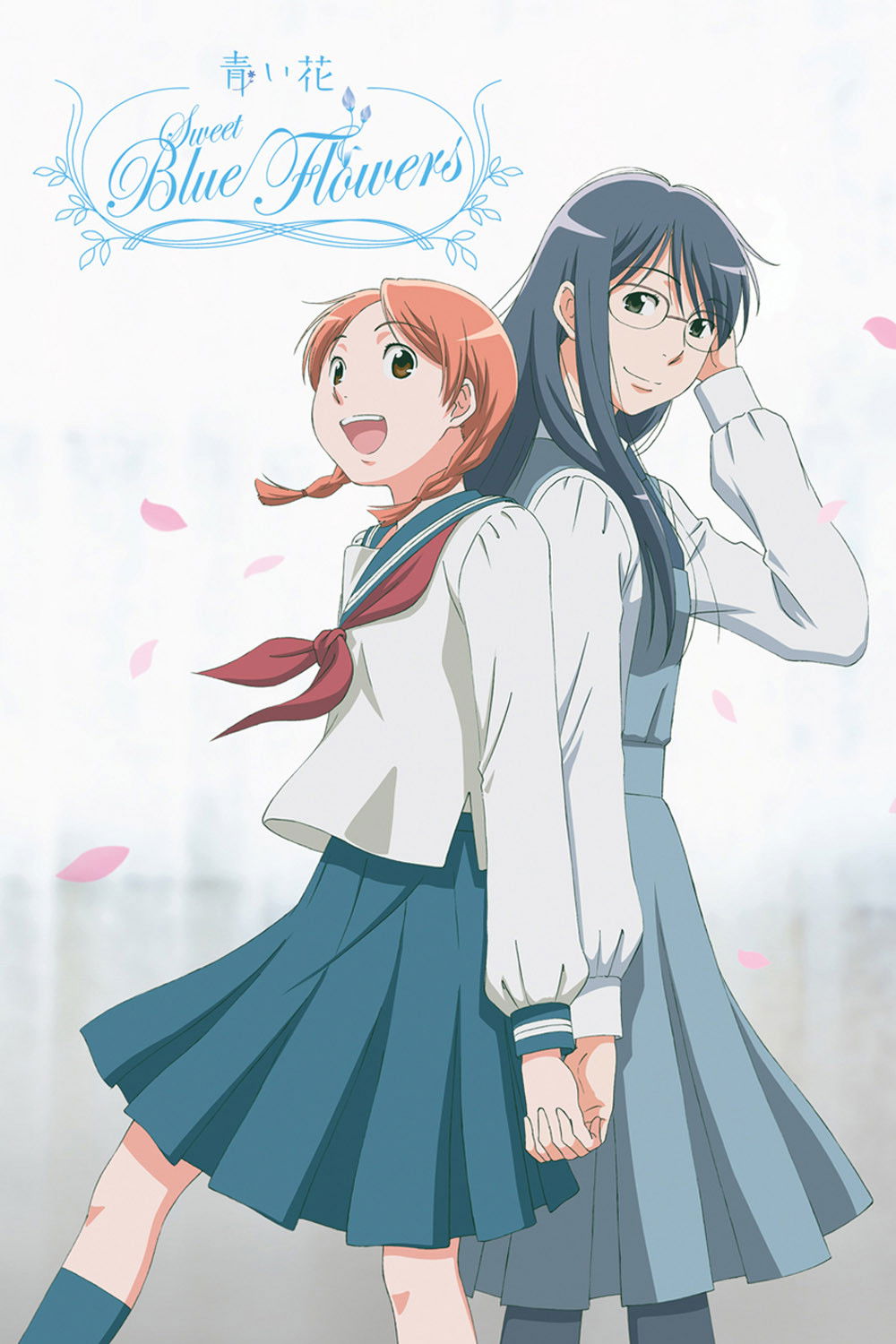
‘Sweet Blue Flowers’ is a high school drama that focuses on the rekindled friendship between Fumi Manjoume and Akira Okugi. Fumi is a lesbian who is dealing with a recent breakup and the sadness that comes with unrequited love. The series is notable for its realistic and somber tone, focusing on the internal lives of its characters rather than melodrama. It depicts the quiet struggle of being a queer teenager in a society where such identities are often ignored.
‘Whispered Words’ (2009)
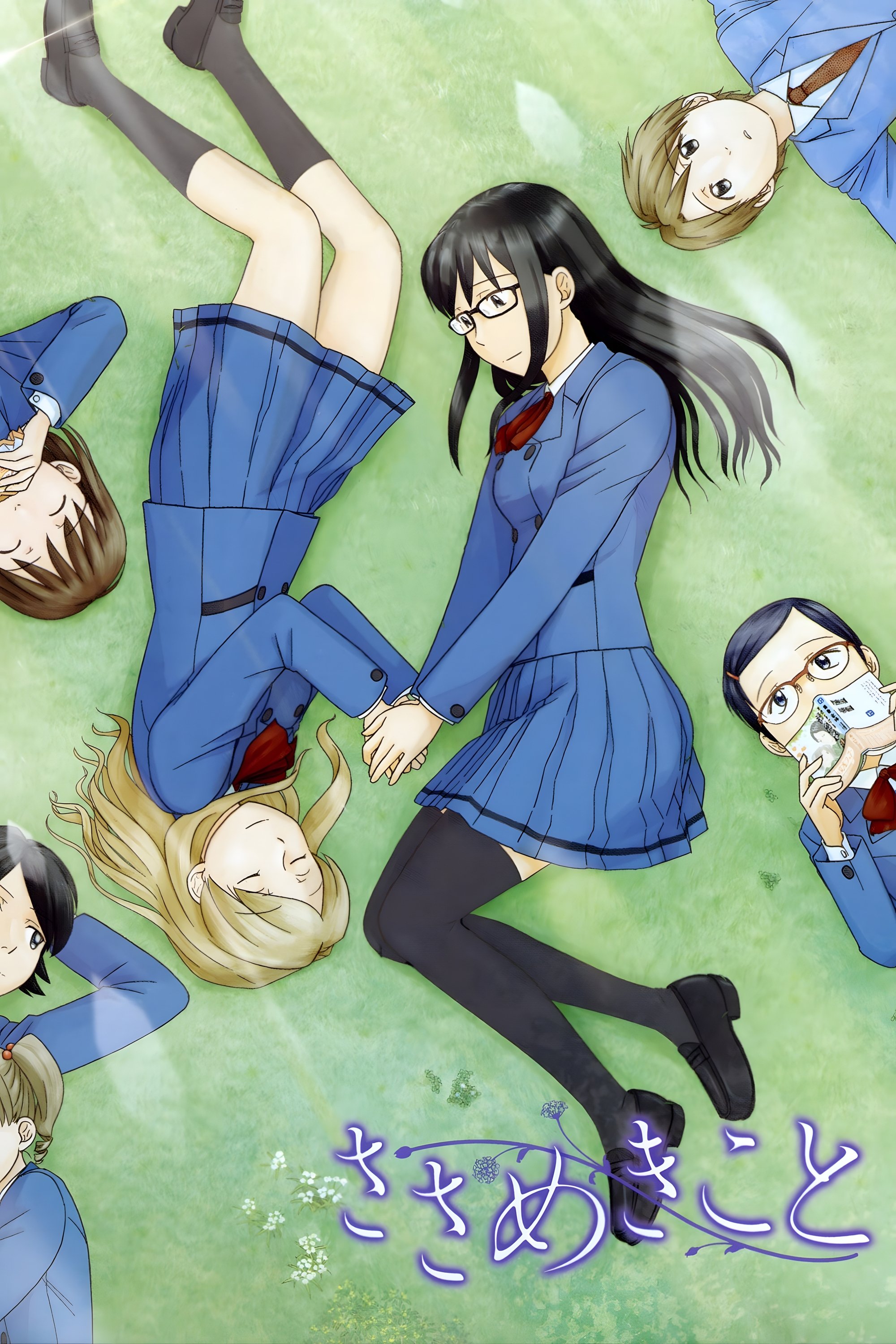
‘Sasameki Koto’ follows Sumika Usushika, a high school girl who is deeply in love with her best friend, Ushio. Ushio also likes girls, but she only has a “type” that Sumika does not fit, leading to ongoing emotional distress for the protagonist. The series explores the pain of being close to someone you love while feeling invisible in a romantic sense. It provides a relatable look at the complexities of teenage friendship and the desire for romantic validation.
‘Nabari no Ou’ (2008)

‘Nabari no Ou’ features a protagonist named Miharu and a supporting character named Yoite, who is often interpreted as non-binary or gender-fluid. Yoite suffers from a terminal condition and carries deep-seated emotional trauma, leading to a desire to be erased from existence. The bond between Miharu and Yoite is one of deep emotional understanding and mutual support. The series handles themes of depression and the search for a reason to live with profound seriousness and care.
‘Simoun’ (2006)
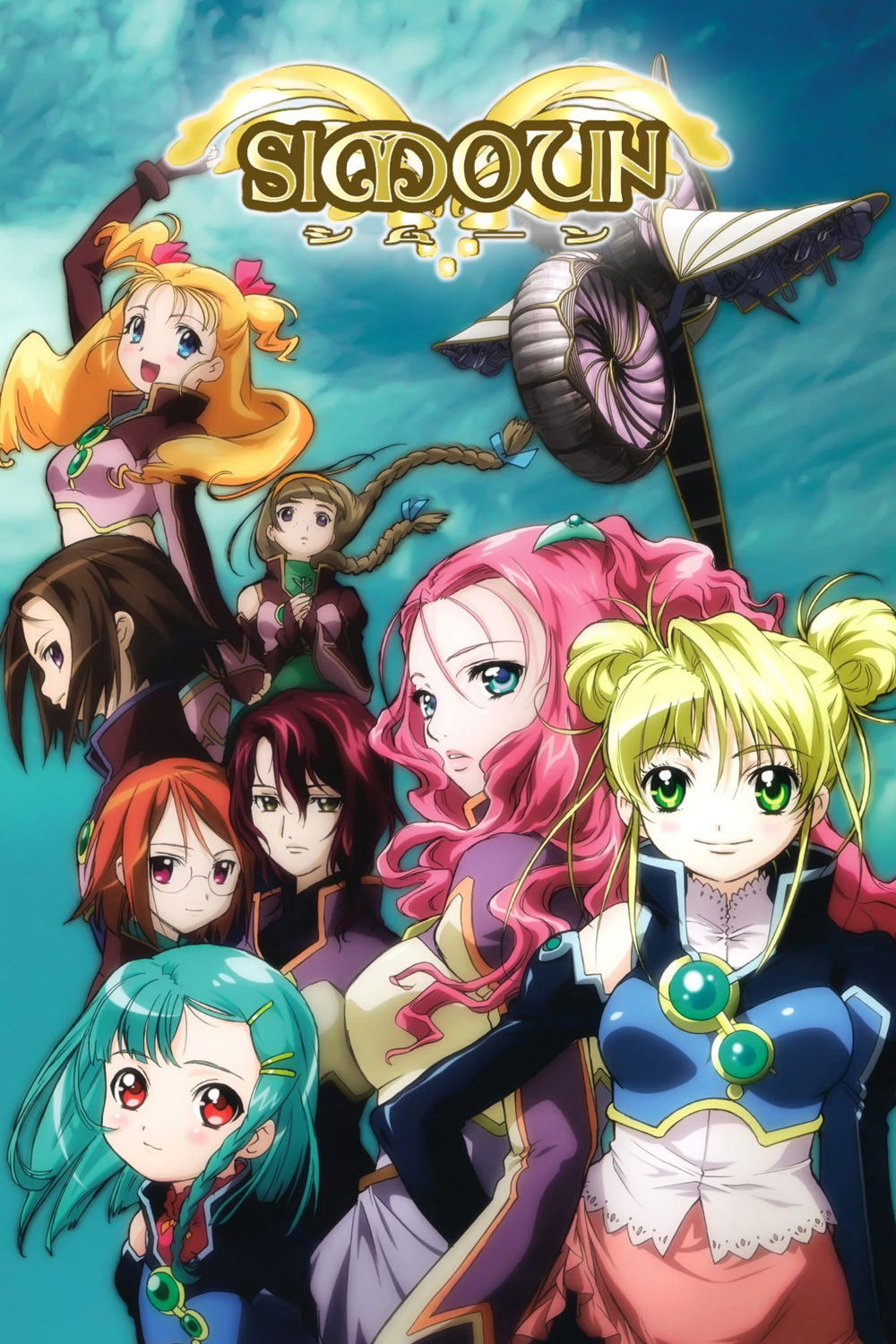
‘Simoun’ takes place in a world where everyone is born female and must choose a permanent gender at a certain age. The story follows the pilots of the Simoun flying machines as they navigate war and their own personal growth. The characters deal with the immense psychological pressure of choosing their future identity while bonded to their partners. It serves as a complex metaphor for the fluidity of gender and the internal conflicts that arise from societal roles.
‘Ouran High School Host Club’ (2006)

‘Ouran High School Host Club’ is a comedy that features Haruhi Fujioka, a girl who ends up working for a host club while dressed as a boy. Haruhi is notable for her indifference toward gender norms, famously stating that she does not care how people perceive her. The series explores how her presence affects the other club members, many of whom deal with their own hidden insecurities and family pressures. It remains a beloved series for its subversion of traditional gender roles and its focus on character integrity.
‘Revolutionary Girl Utena’ (1997)
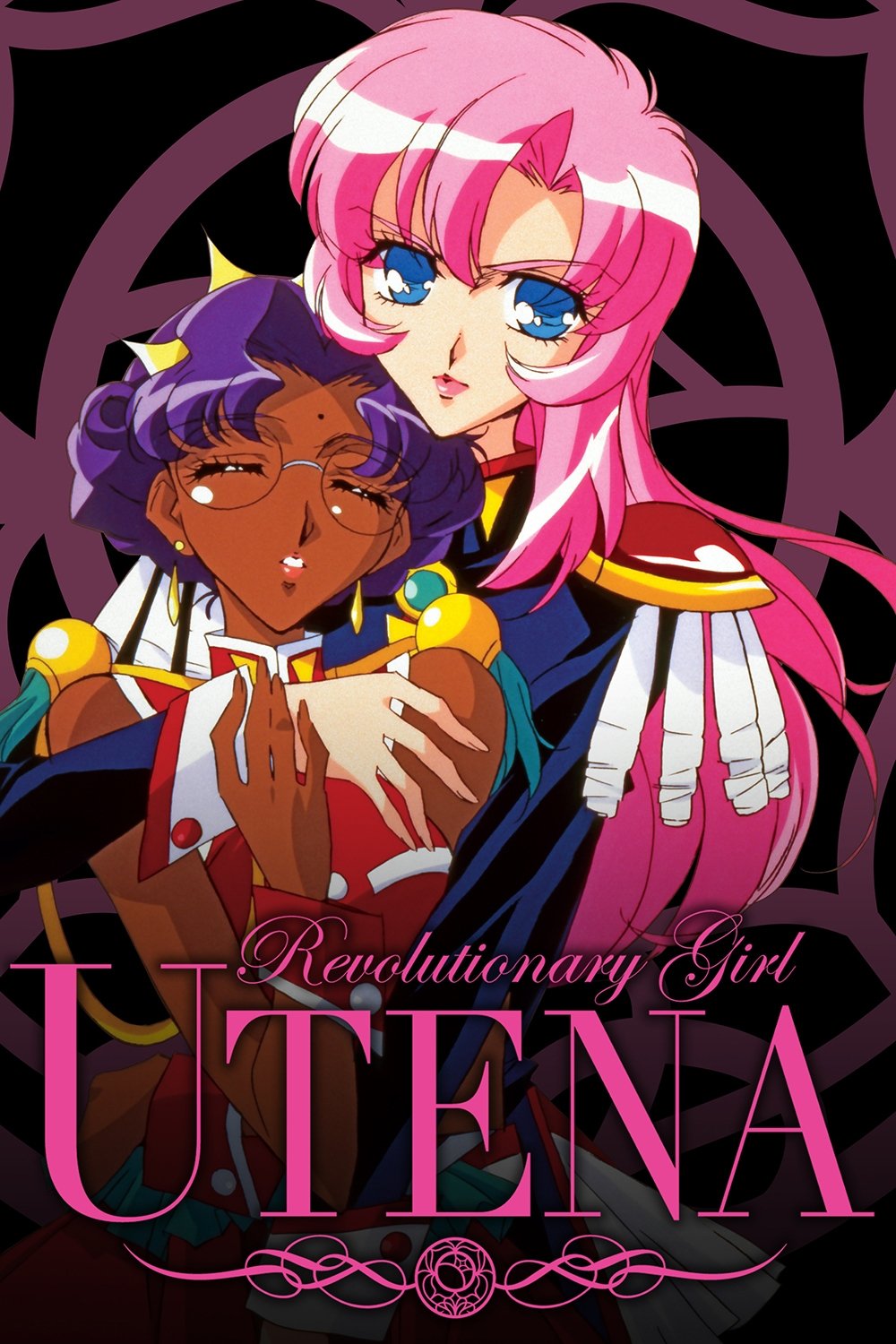
‘Revolutionary Girl Utena’ is a landmark series that uses heavy symbolism to explore themes of gender, sexuality, and the trauma of growing up. Utena Tenjou is a girl who wishes to be a prince, challenging the patriarchal structures of her school and the world at large. The relationship between Utena and Anthy Himemiya is central to the narrative, dealing with cycles of abuse and the search for autonomy. It is a powerful exploration of how individuals can break free from psychological chains and find their own path.
‘Neon Genesis Evangelion’ (1995–1996)
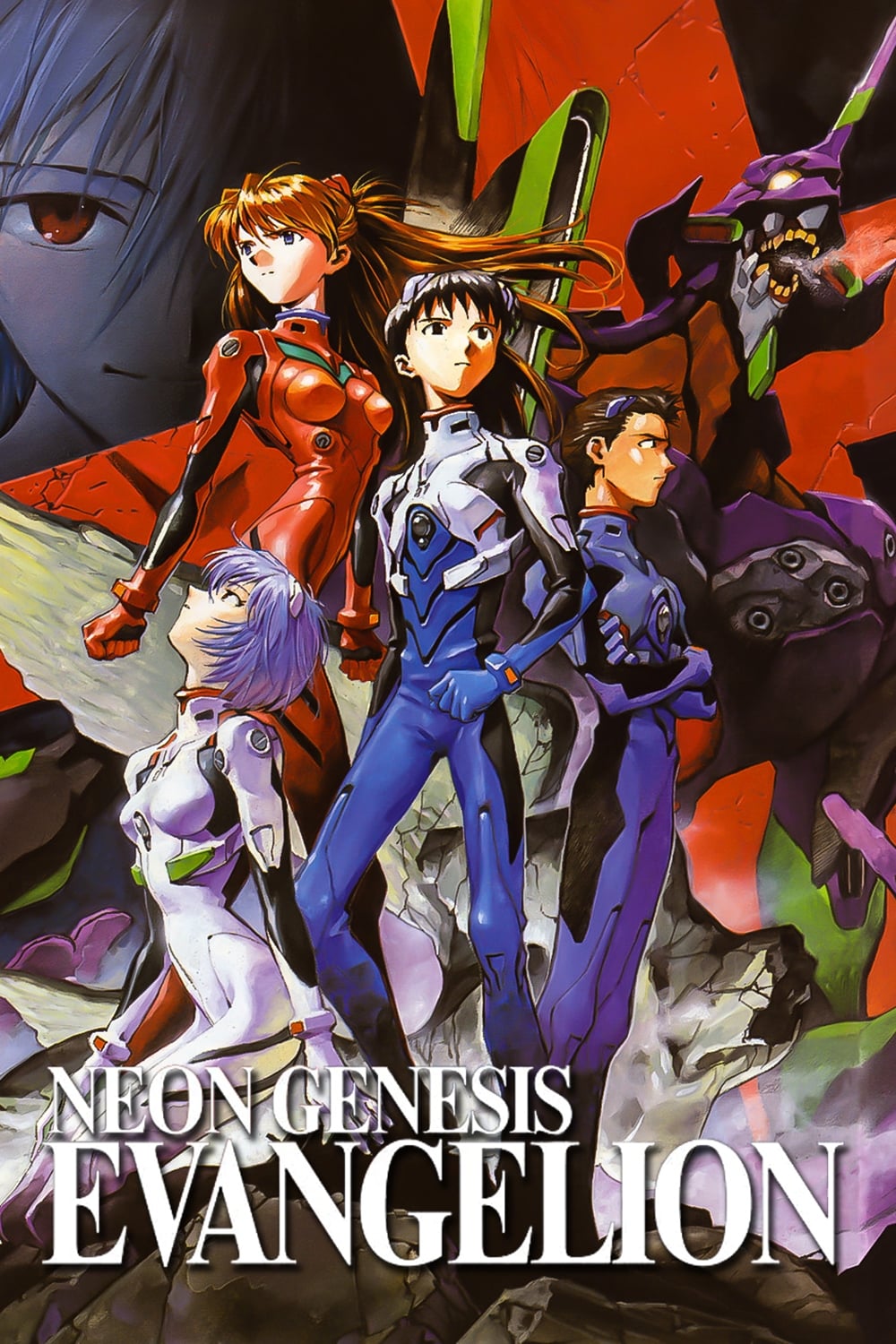
‘Neon Genesis Evangelion’ is a seminal work that explores the psychological states of its teenage protagonists as they pilot giant mechs. Shinji Ikari’s struggle with depression and the “hedgehog’s dilemma” is central to the plot’s emotional weight. The introduction of Kaworu Nagisa provides Shinji with a rare moment of unconditional love and acceptance. Their connection explores themes of intimacy and the fear of rejection in a world on the brink of destruction.
Please share your thoughts on which of these series resonated with you the most in the comments.