

20 Anime That Handled Racism and Homophobia in One Storyline Perfectly

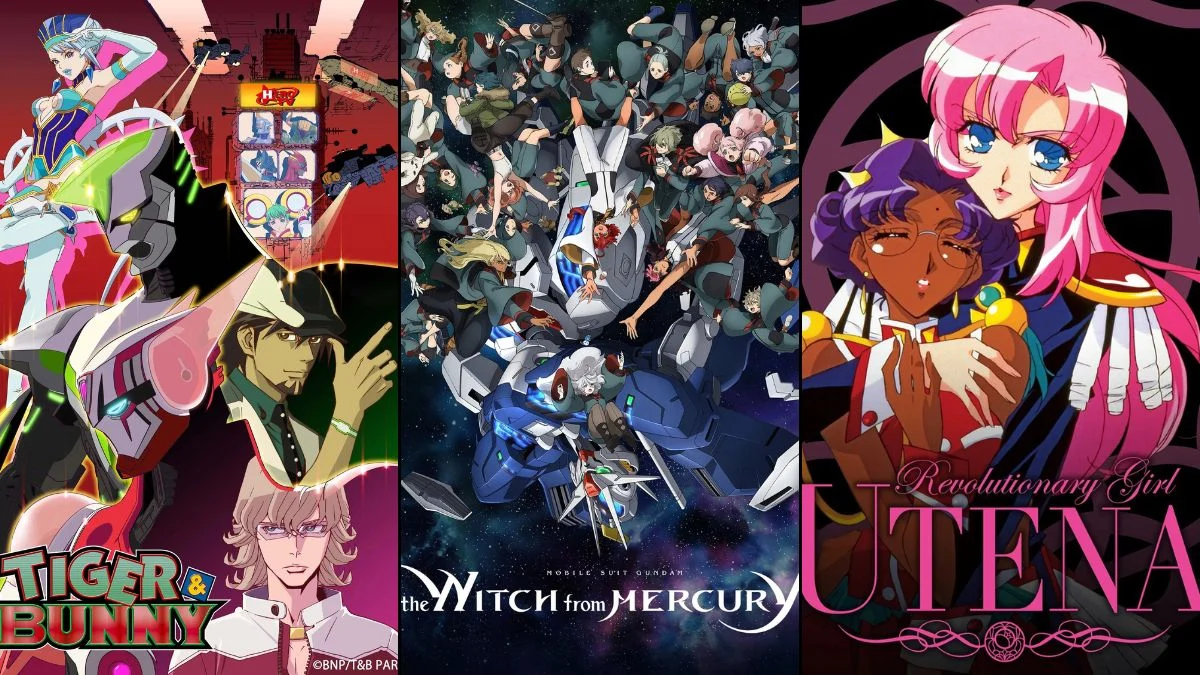


Japanese animation often uses fantasy metaphors or historical settings to explore complex social issues like discrimination and identity. The following series successfully weave themes of racial tension and LGBTQ+ struggles into their core narratives. These stories challenge viewers to confront prejudice through compelling character dynamics and world-building.
‘One Piece’ (1999–Present)
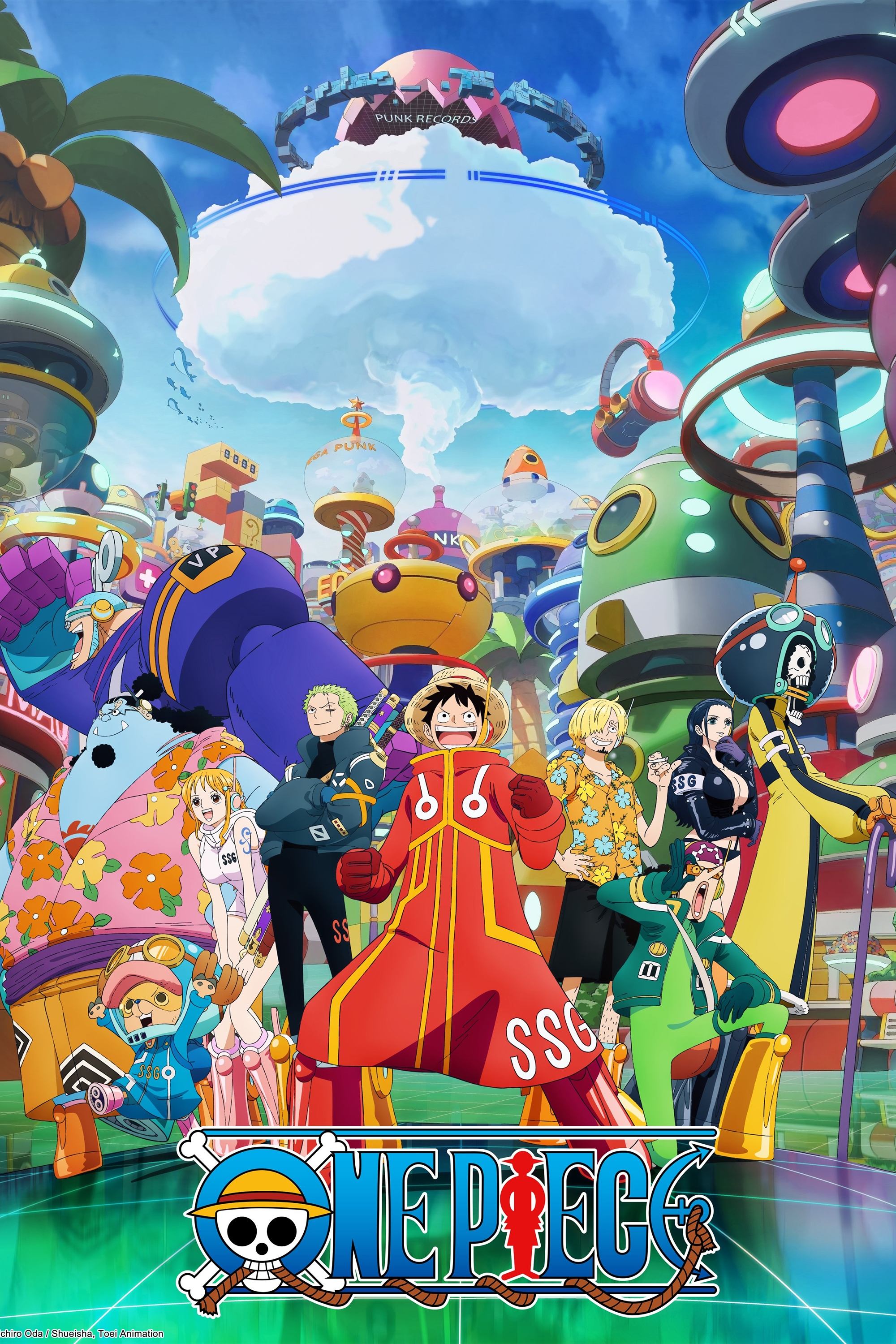
This long-running series tackles systemic prejudice through the plight of Fish-Men who face subjugation from humans. The narrative weaves in LGBTQ+ representation via the Kamabakka Kingdom and characters like Bon Clay and Okiku who challenge gender norms. Luffy and his crew constantly fight against these entrenched systems of oppression by treating every ally as an equal regardless of their background. The story illustrates how hatred is often taught to the next generation rather than being an inherent trait.
‘Mobile Suit Gundam: The Witch from Mercury’ (2022–2023)
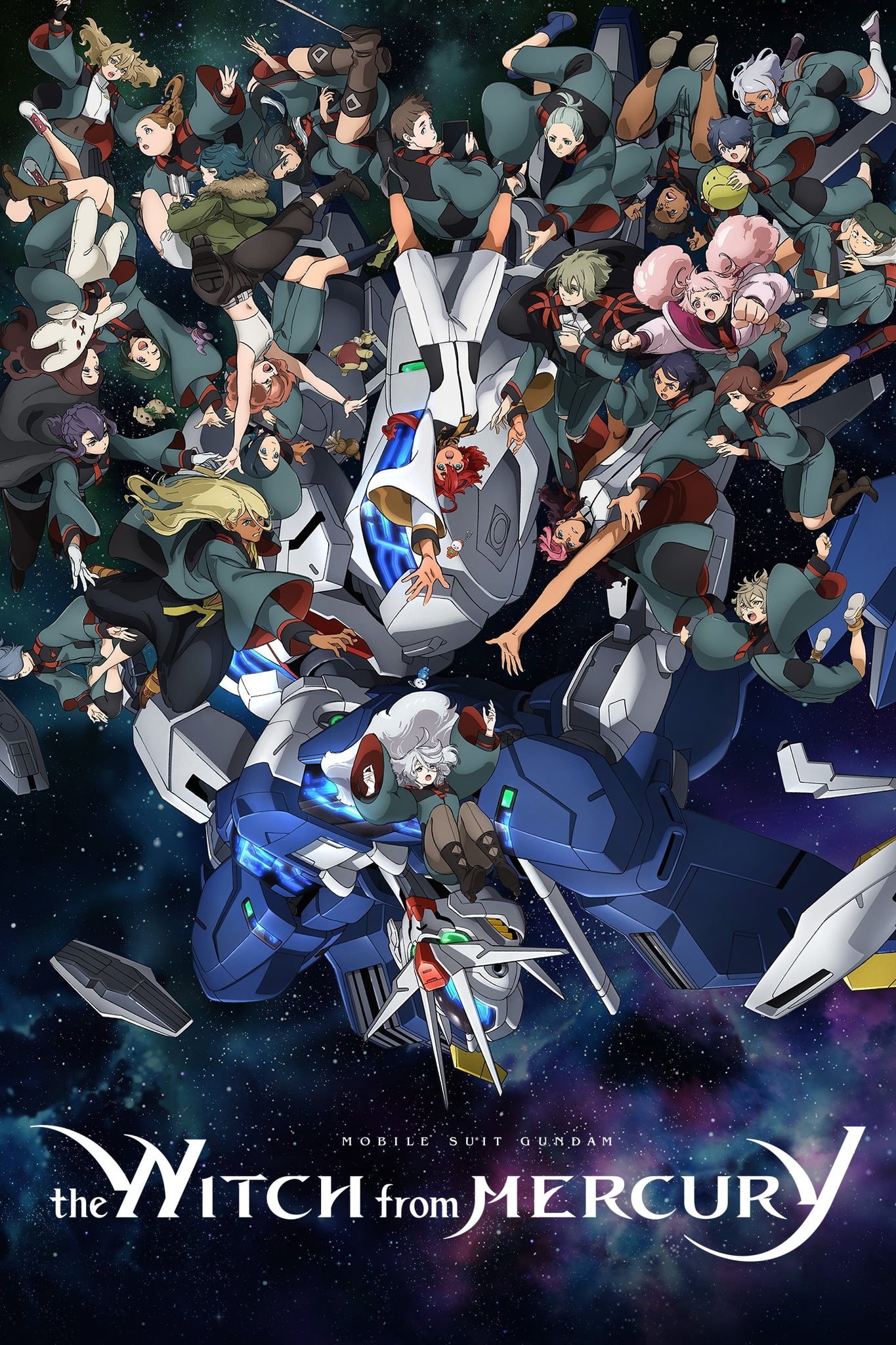
The narrative centers on the conflict between Earthians and Spacians where the former are treated as second-class citizens. Suletta Mercury navigates this political minefield while developing a central romantic bond with Miorine Rembran. Their engagement becomes a focal point that defies the conservative traditions of the ruling class. The anime uses mecha battles to explore the intersection of class warfare and personal freedom.
‘Attack on Titan’ (2013–2023)
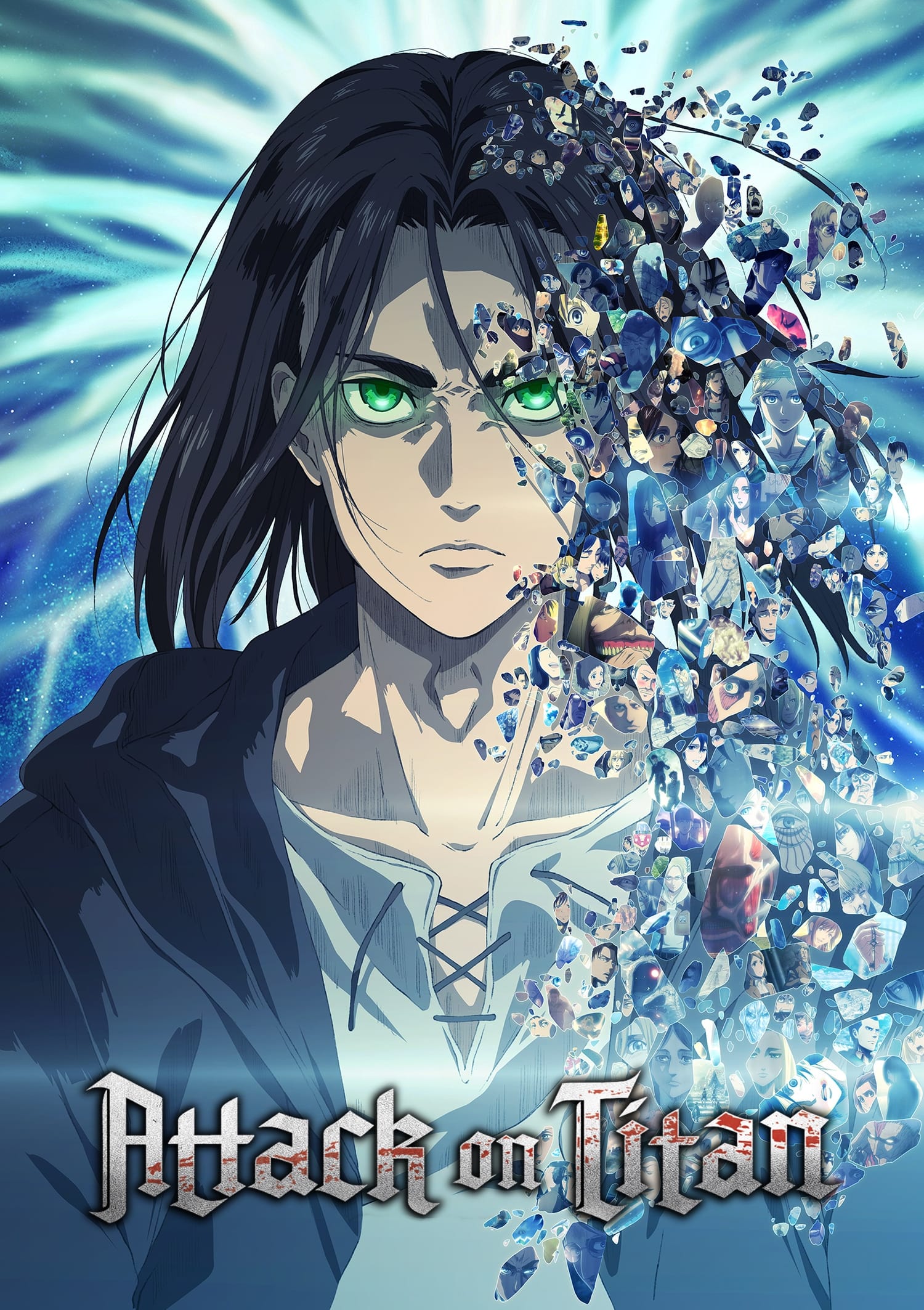
Eldians face severe persecution and segregation due to their ancestral bloodline and ability to transform into Titans. The story explores the cycle of hatred and how historical grievances fuel contemporary racism. Amidst this war the relationship between Ymir and Historia serves as a significant emotional anchor. Their bond highlights the desire to live for oneself in a world that demands conformity and self-sacrifice.
‘From the New World’ (2012–2013)
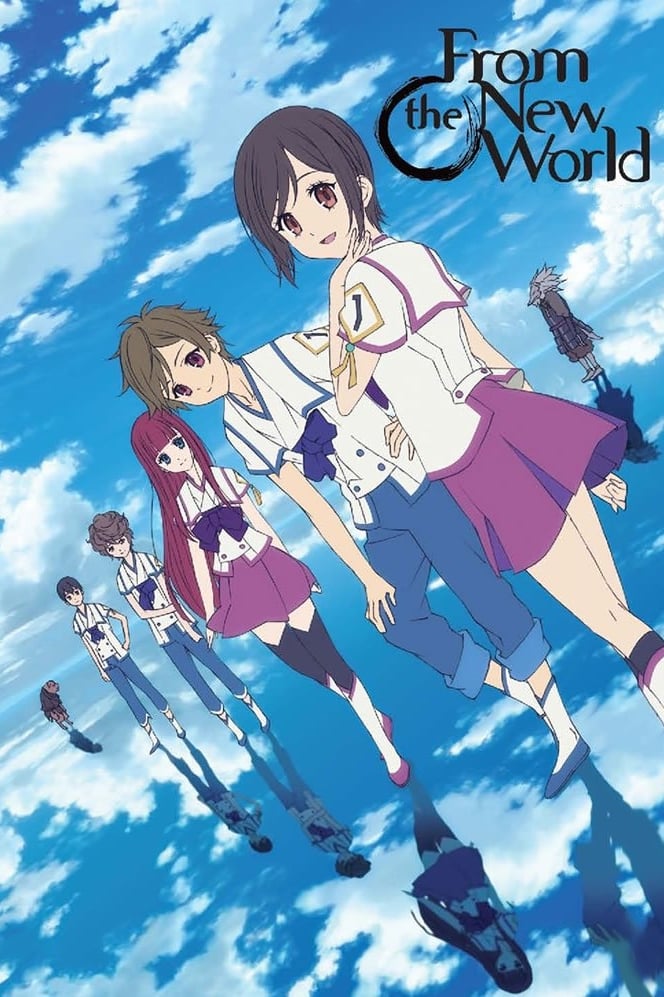
Society in this future relies on psychokinesis and oppresses the Queerats who are viewed as a lesser species. The protagonists discover horrific truths about the origins of the Queerats which serves as a dark metaphor for dehumanization. Romantic relationships between characters of the same sex are shown as a natural part of adolescence in this society. The plot reveals how history is manipulated to maintain social hierarchies and suppress dissent.
‘No. 6’ (2011)
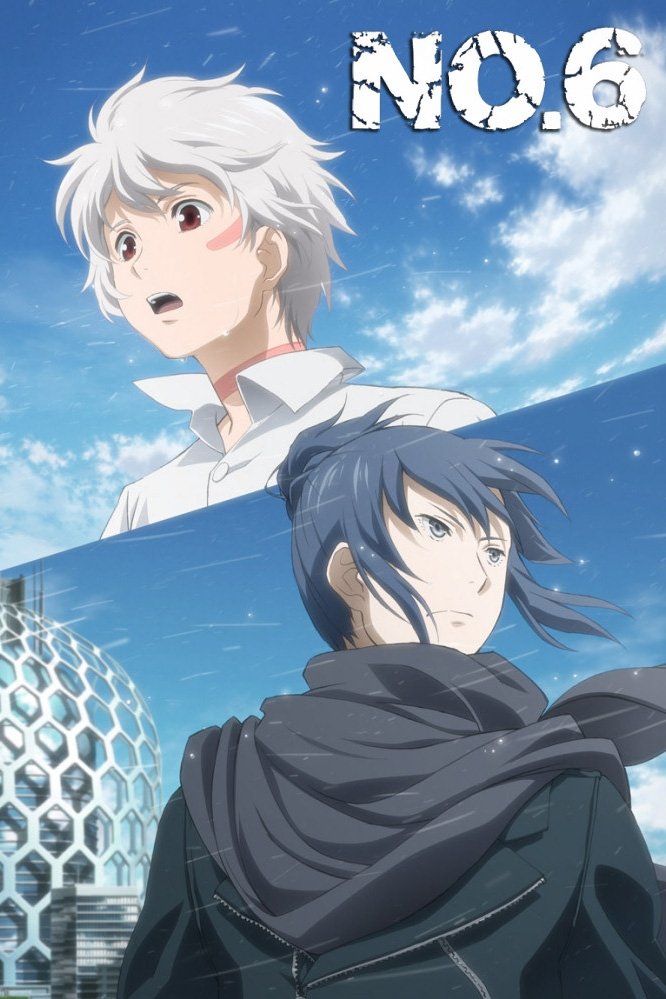
The city of No. 6 is a utopia that hides a brutal caste system where elites live in luxury while others suffer in the wasteland. Shion and Nezumi form a deep connection that transcends their disparate social standings and genders. Their journey exposes the corruption of the government and the physical walls built to separate classes. The anime combines dystopian sci-fi elements with a poignant romance that challenges the status quo.
‘Banana Fish’ (2018)
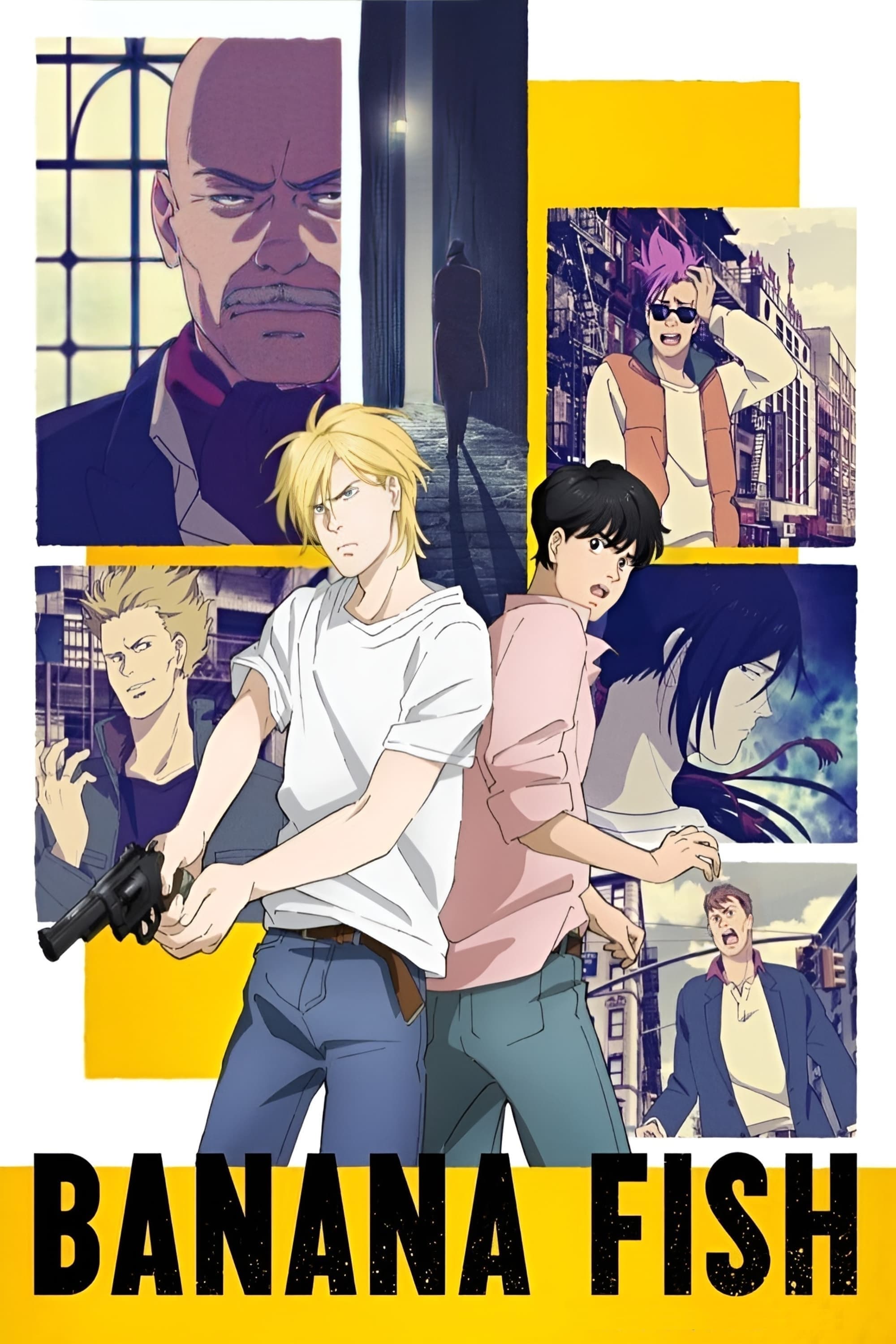
Ash Lynx navigates the violent underworld of New York City where racial tensions between gangs are a constant reality. His relationship with Eiji Okumura provides a sanctuary from the sexual abuse and exploitation he endures. The series depicts the harsh realities of human trafficking and the trauma inflicted on vulnerable youth. It serves as a gritty examination of how power dynamics destroy lives across cultural lines.
‘Wonder Egg Priority’ (2021)
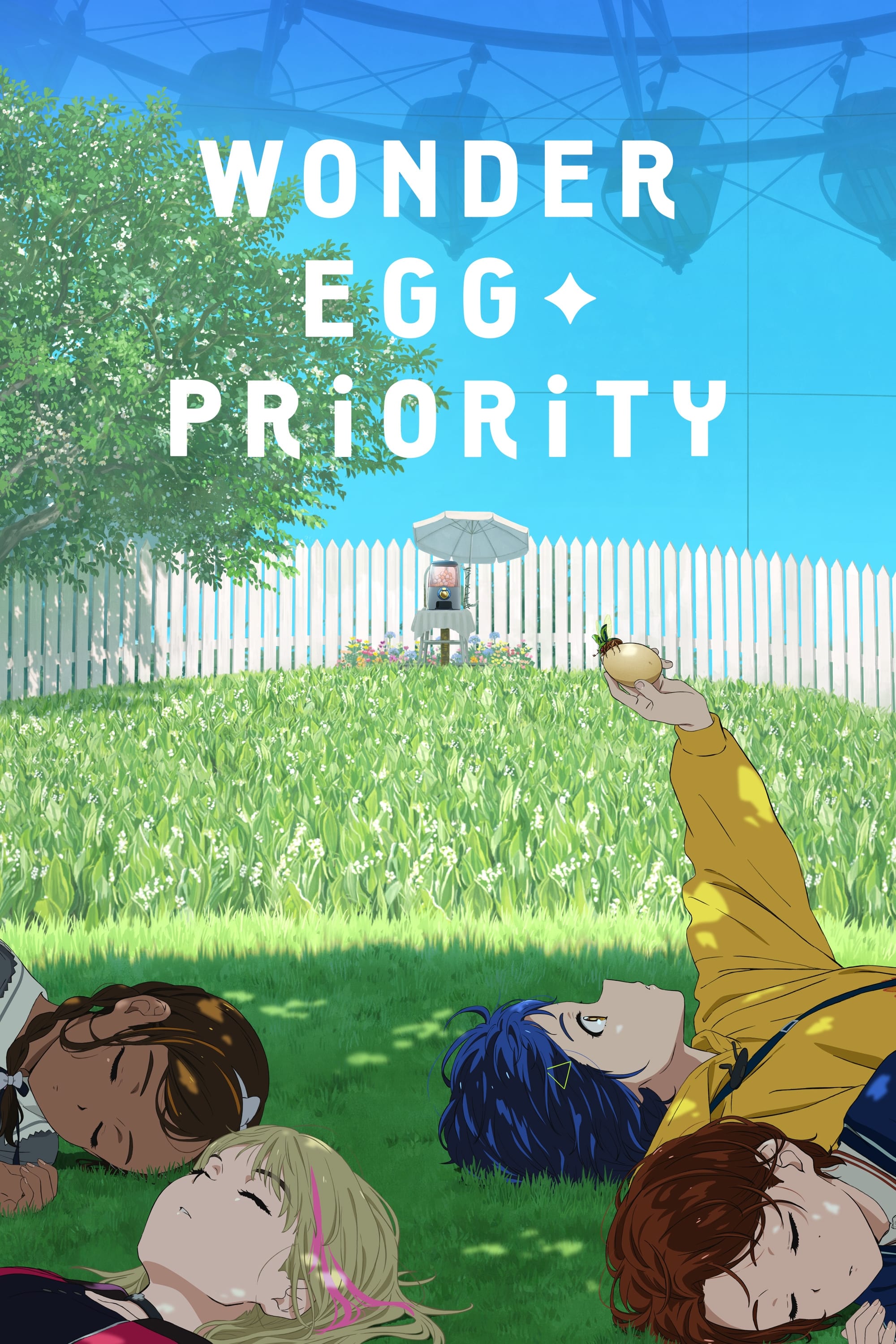
Momoe Sawaki faces struggles regarding her gender identity and the assumptions others make based on her appearance. The series delves into the trauma of suicide and the societal pressures placed on young girls. Characters confront their inner demons and the systemic issues that drove their friends to despair. It utilizes surreal imagery to tackle complex subjects like mixed-race discrimination and gender dysphoria.
‘Tiger & Bunny’ (2011)
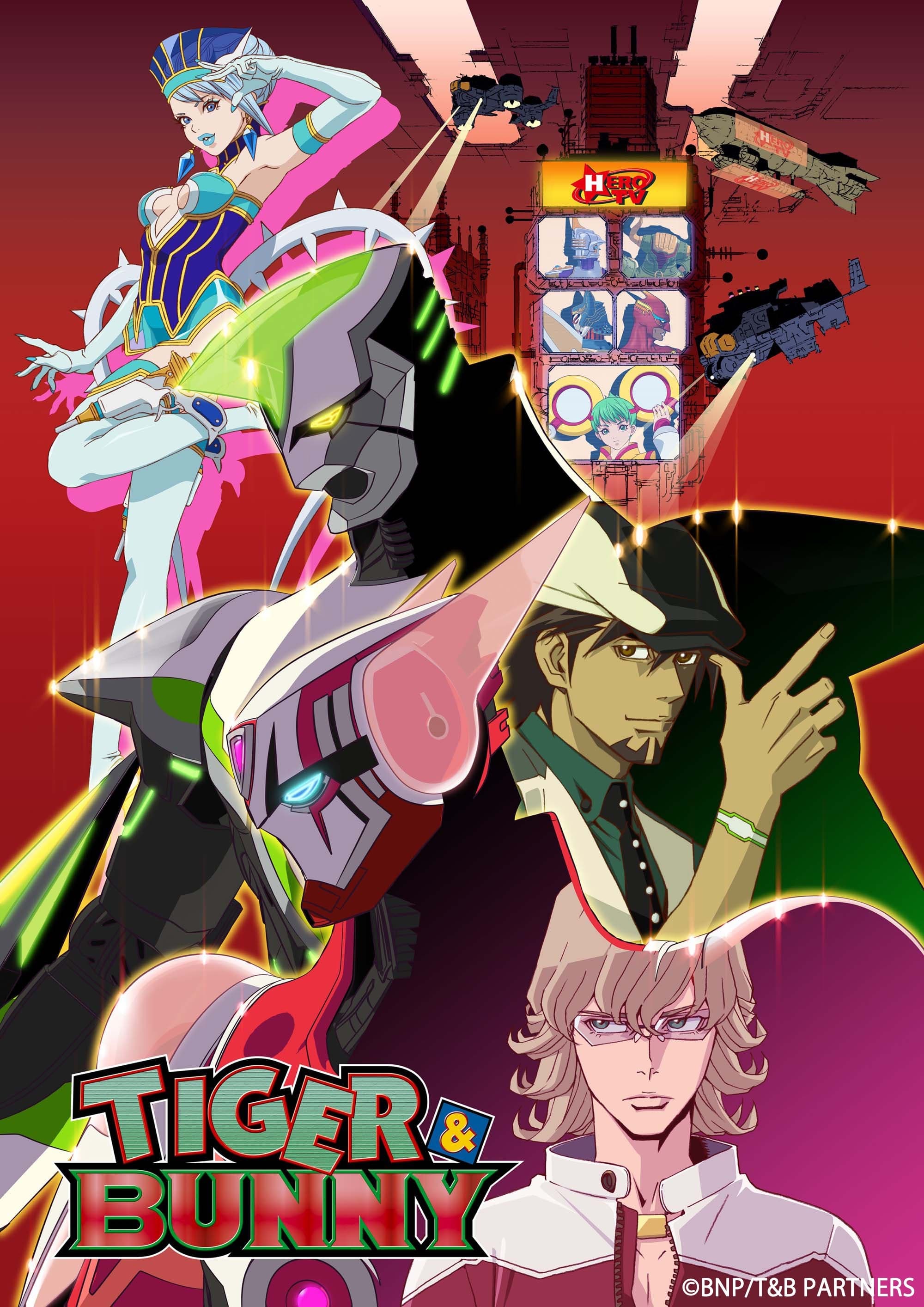
Superheroes known as NEXT individuals face public scrutiny and fear due to their unique abilities. Fire Emblem serves as a prominent queer character who deals with past trauma related to their identity. The show critiques corporate culture and the commodification of minority groups for entertainment. Hero TV acts as a lens through which the audience views the exploitation of these marginalized heroes.
‘Cross Ange: Rondo of Angel and Dragon’ (2014–2015)
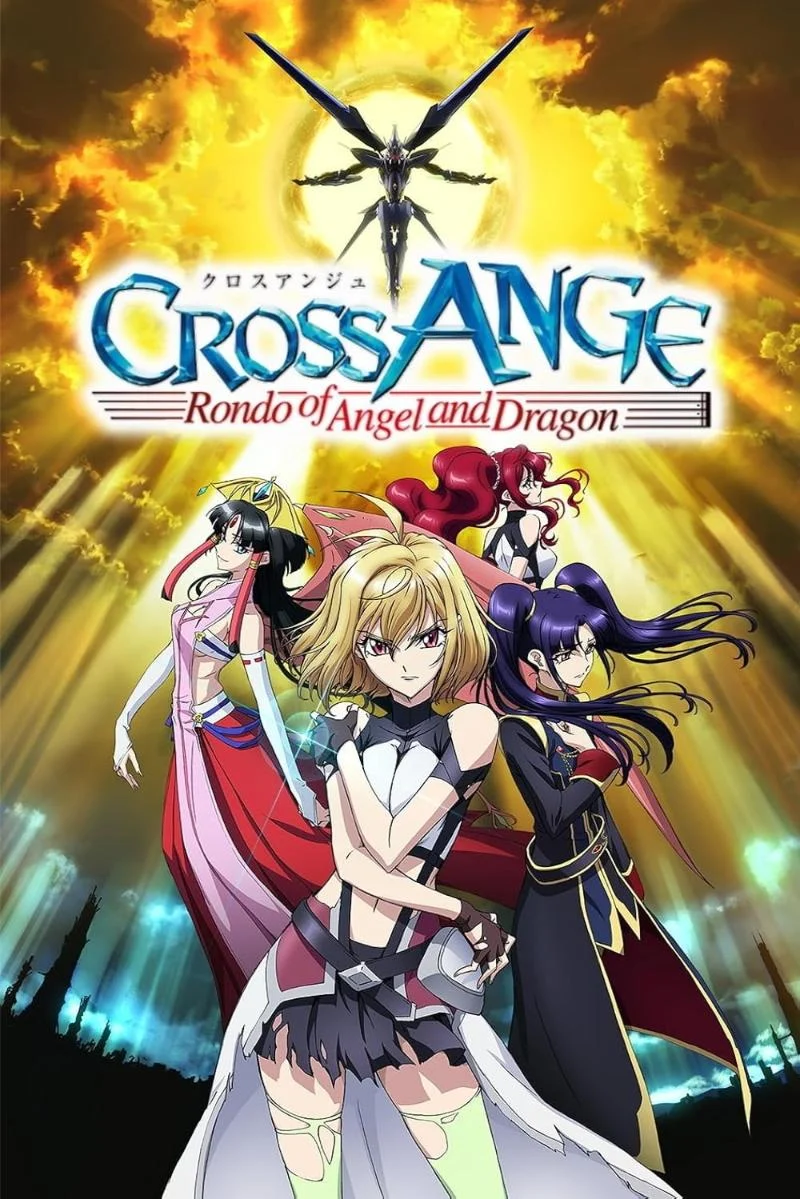
Princess Angelise is exiled after being exposed as a Norma who cannot use magic like the ruling class. She faces discrimination and violence but finds solidarity among other outcast women. The series features strong lesbian themes as the characters form relationships within their penal colony. It explores how those stripped of their privilege must fight to dismantle the system that oppressed them.
‘Sarazanmai’ (2019)
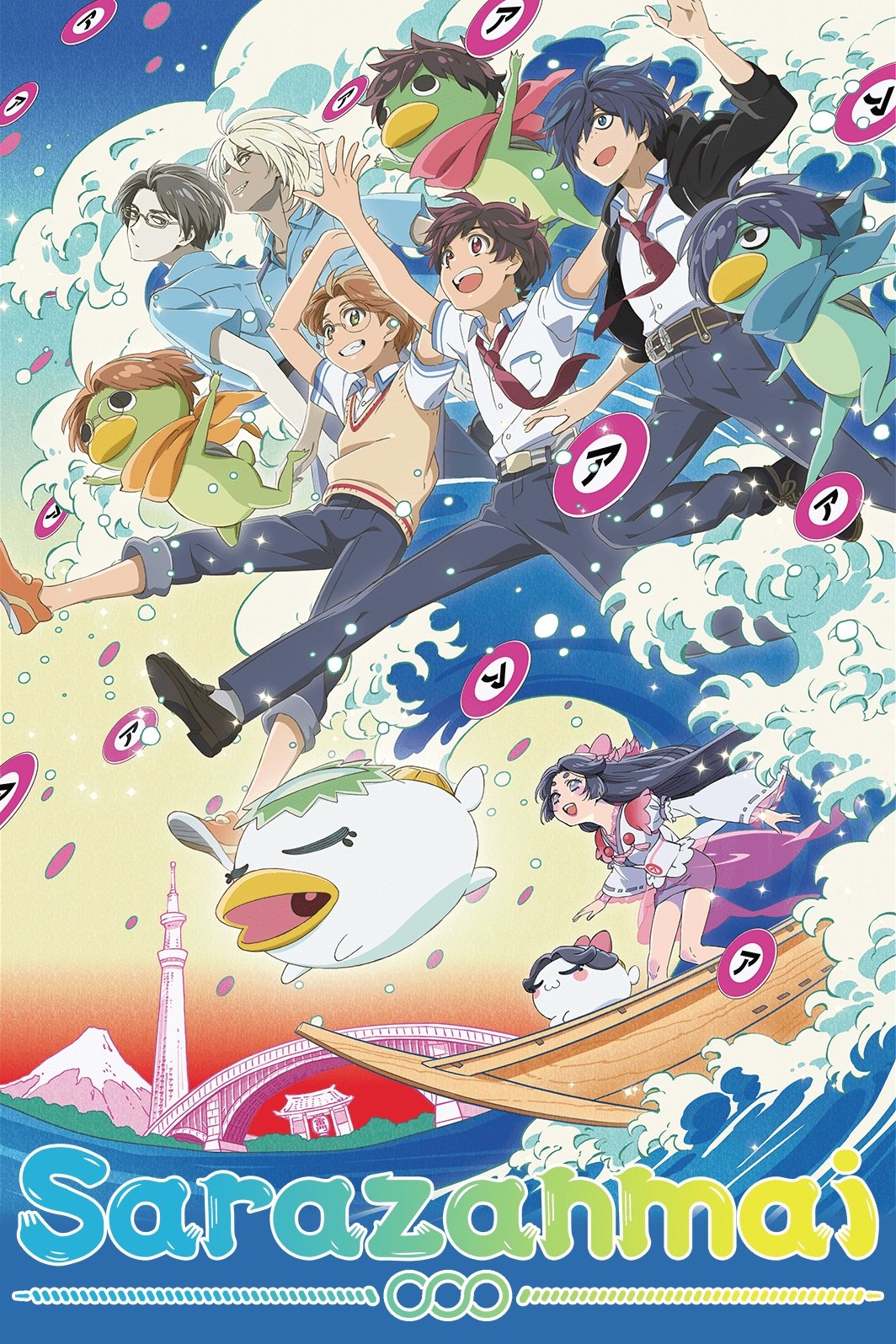
Three students turn into kappas and must connect with each other to return to their human forms. The anime uses the concept of invisibility to represent social exclusion and the secrets people keep. Reo and Mabu act as antagonistic figures whose complex romantic history drives much of the conflict. The story is a metaphorical exploration of desire and the fear of being rejected by society.
‘Carole & Tuesday’ (2019)
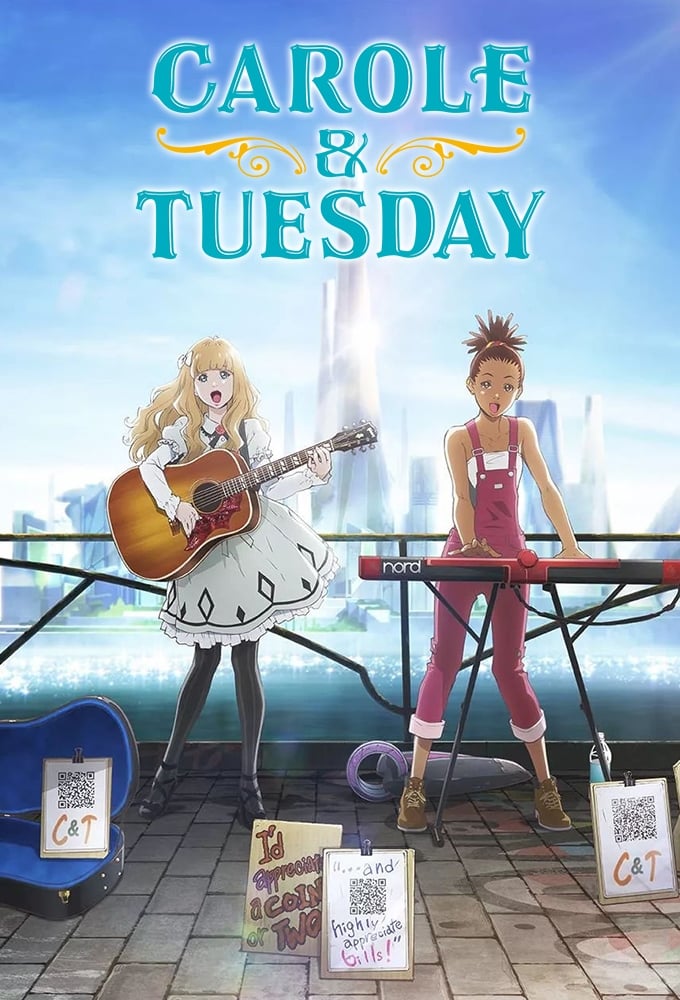
Two musicians from vastly different backgrounds join forces on a terraformed Mars to create music. The world features diverse cultures and touches on the difficulties faced by refugees and immigrants. Desmond creates a stir as a non-binary artist who refuses to be categorized by the industry. The anime champions the unifying power of art in a society fragmented by politics and artificial intelligence.
‘Revolutionary Girl Utena’ (1997)
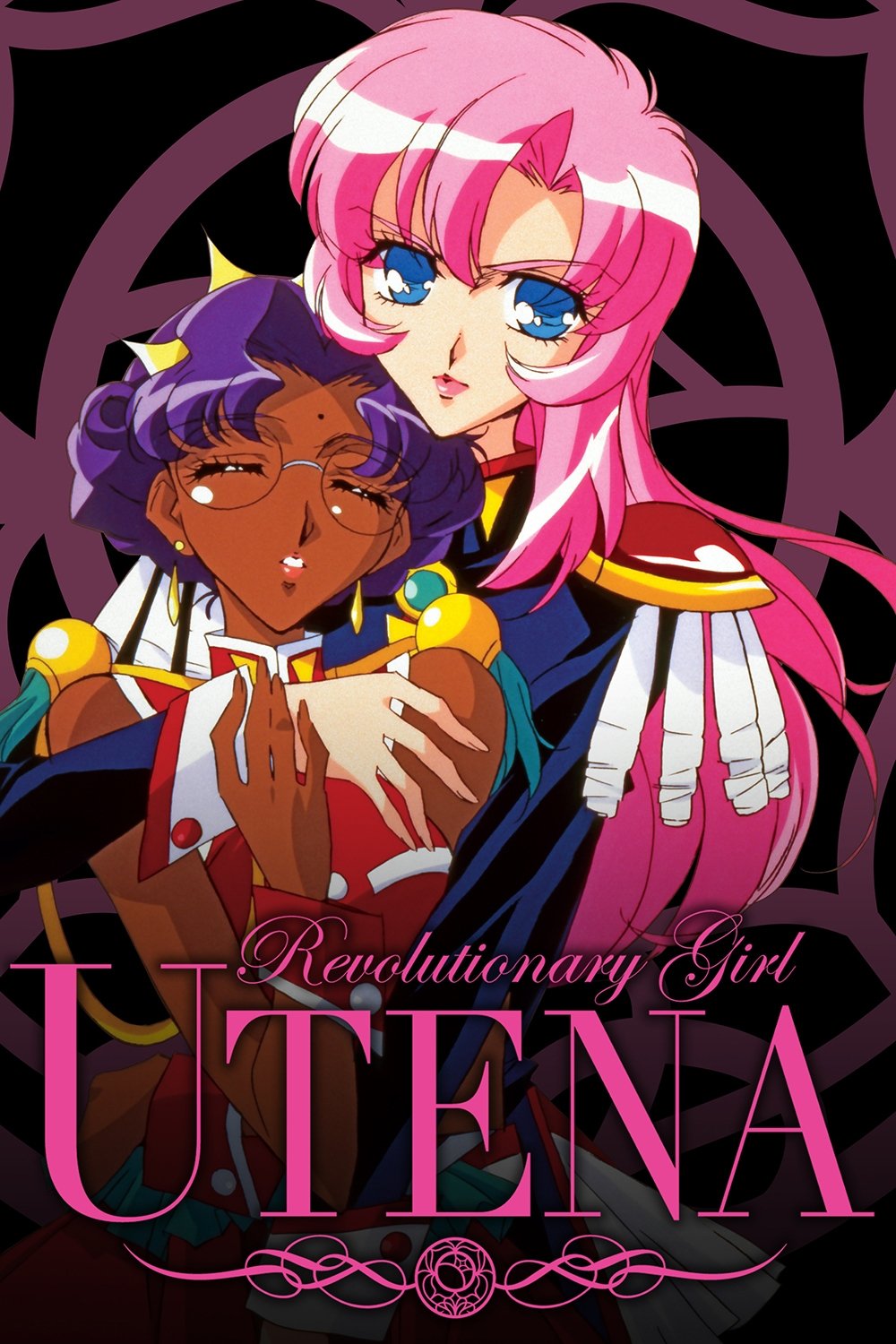
Utena Tenjou challenges gender roles by striving to become a prince rather than a princess. Anthy Himemiya endures abuse and othering that many critics interpret as coding for racial discrimination. The duelists fight for the power to revolutionize the world and break free from predetermined destinies. The surreal narrative deconstructs the fairy tale genre and exposes the toxic nature of patriarchy.
‘JoJo’s Bizarre Adventure: Stone Ocean’ (2021–2022)
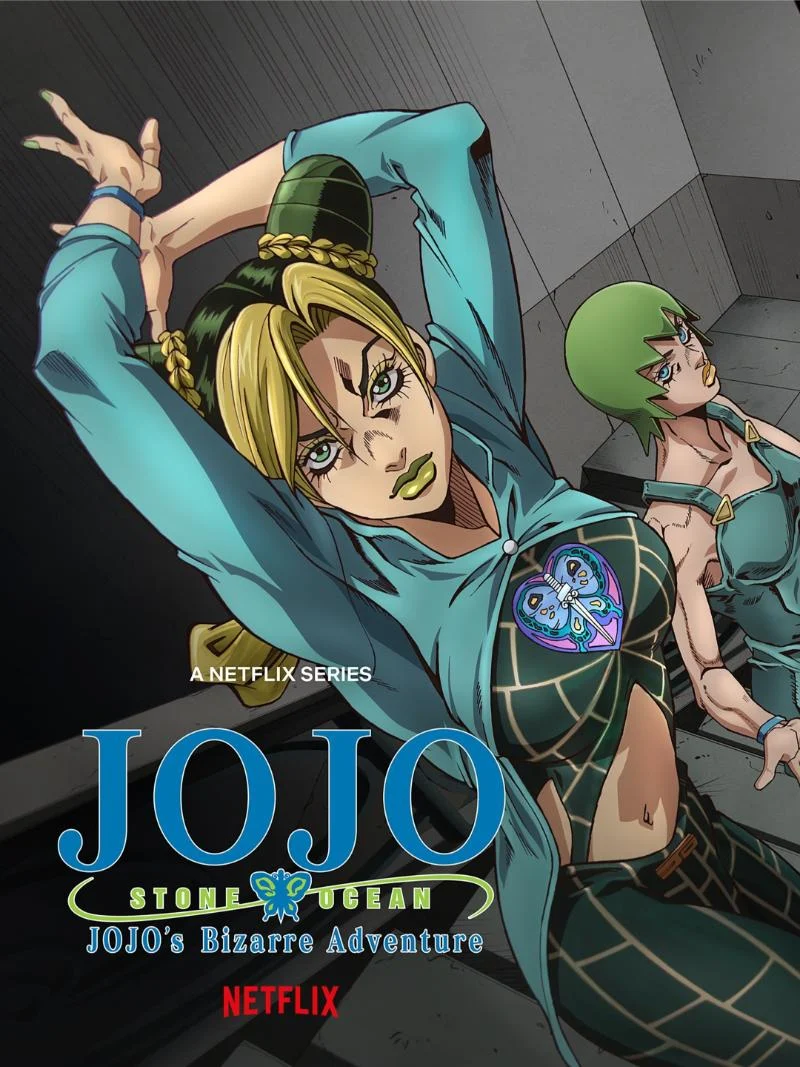
Jolyne Cujoh is imprisoned in a Florida facility where racial tensions and corruption are rampant. The villain Pucci has a backstory involving the persecution of his brother by the KKK. Queer themes are woven into the interactions between characters and the flamboyant aesthetic of the series. The battles are battles of will against a fate that seeks to control and destroy the lineage of the Joestars.
‘My Hero Academia’ (2016–Present)
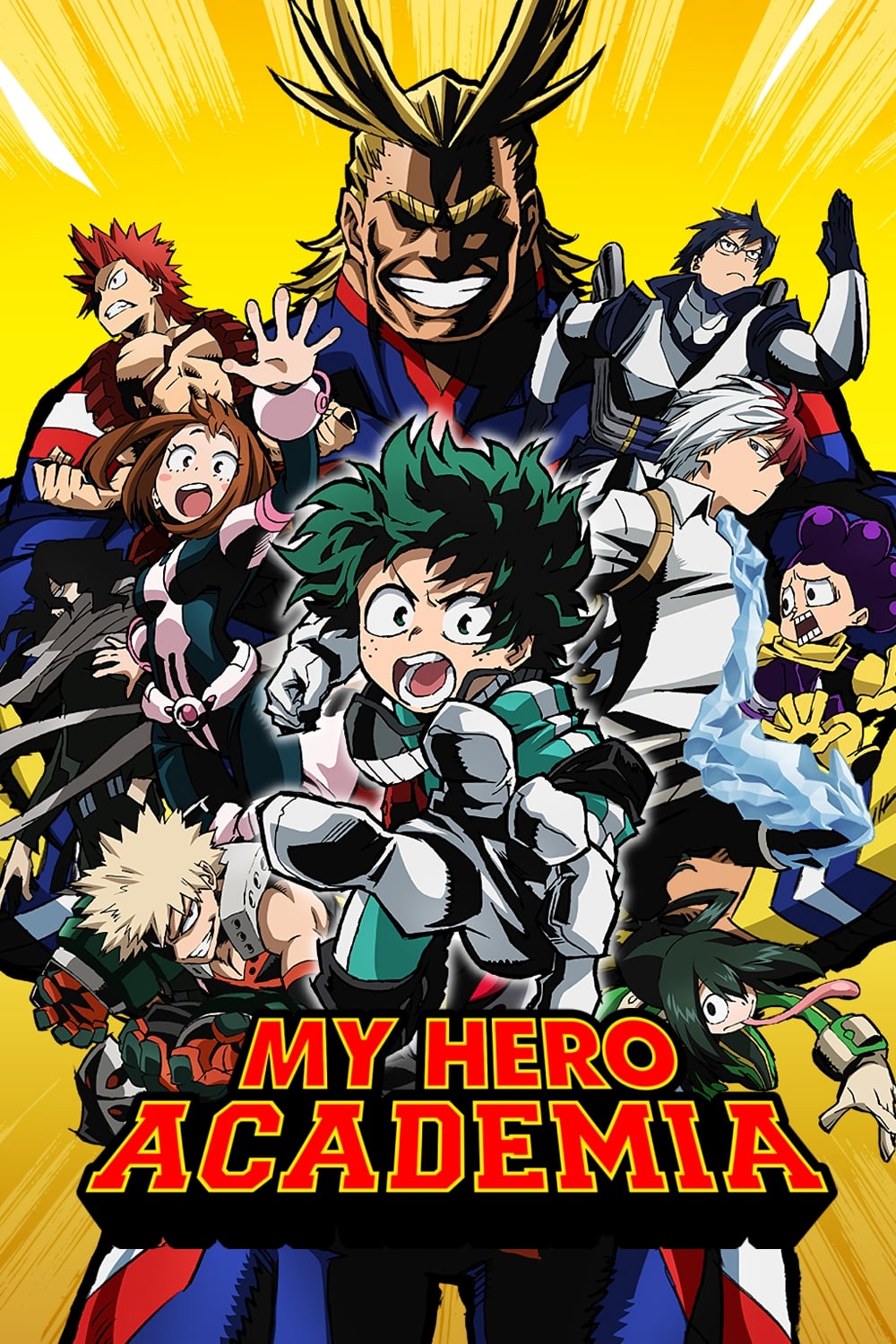
Villains like Spinner rally against the discrimination faced by those with heteromorphic quirks that alter their physical appearance. The League of Villains includes Magne and Toga who find acceptance within their group despite societal rejection. Heroes must confront the reality that their society creates its own monsters through prejudice. The story asks difficult questions about what it means to be a hero for everyone.
‘Promare’ (2019)
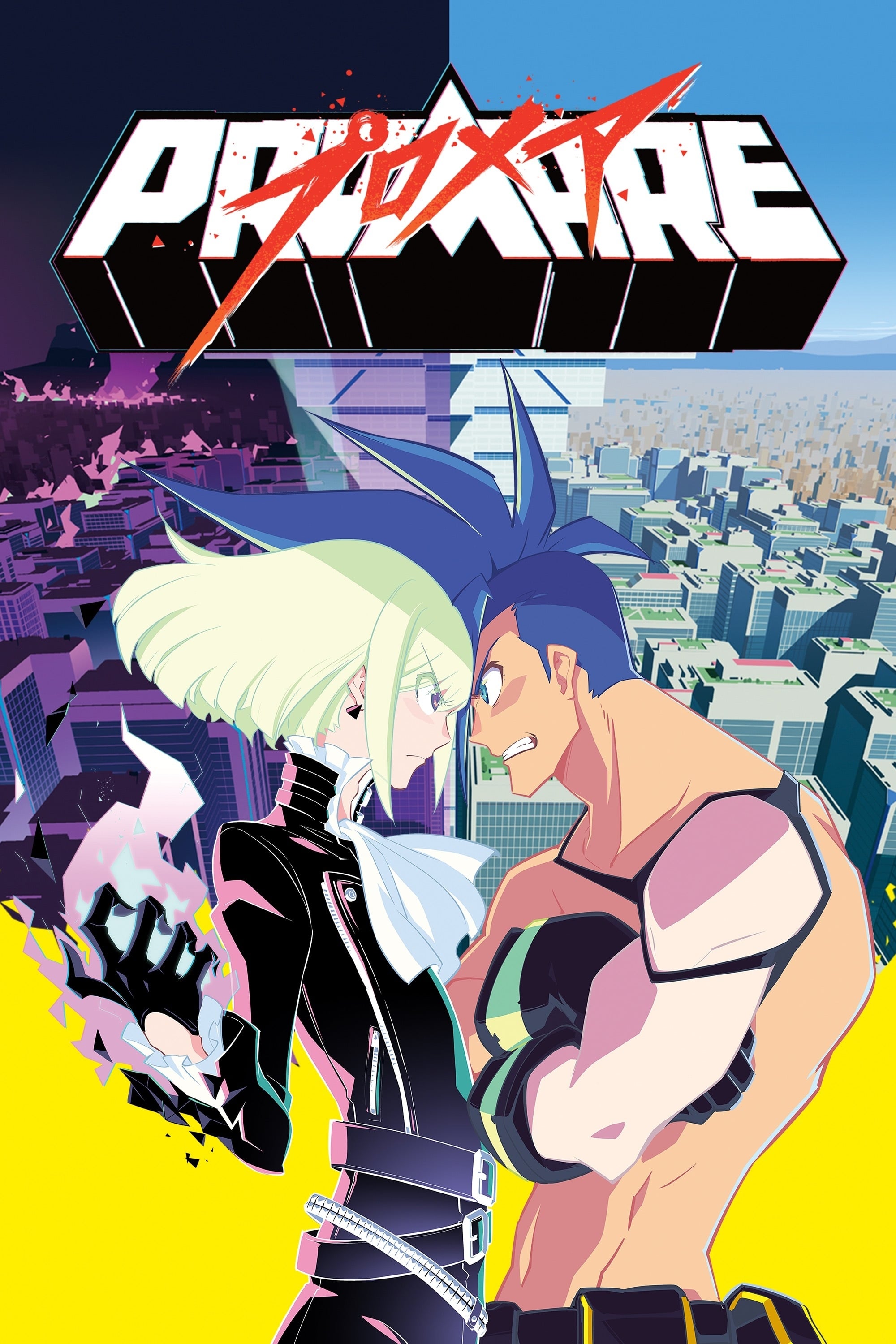
The Burnish are a race of flame-wielding mutants who are hunted and imprisoned by the government. Galo Thymos realizes his blind loyalty to the state is misplaced after meeting the Burnish leader Lio Fotia. Their partnership serves as an allegory for overcoming propaganda to understand a marginalized community. The visual style highlights the intensity of their connection and the fiery passion of the revolution.
‘Beastars’ (2019–2021)
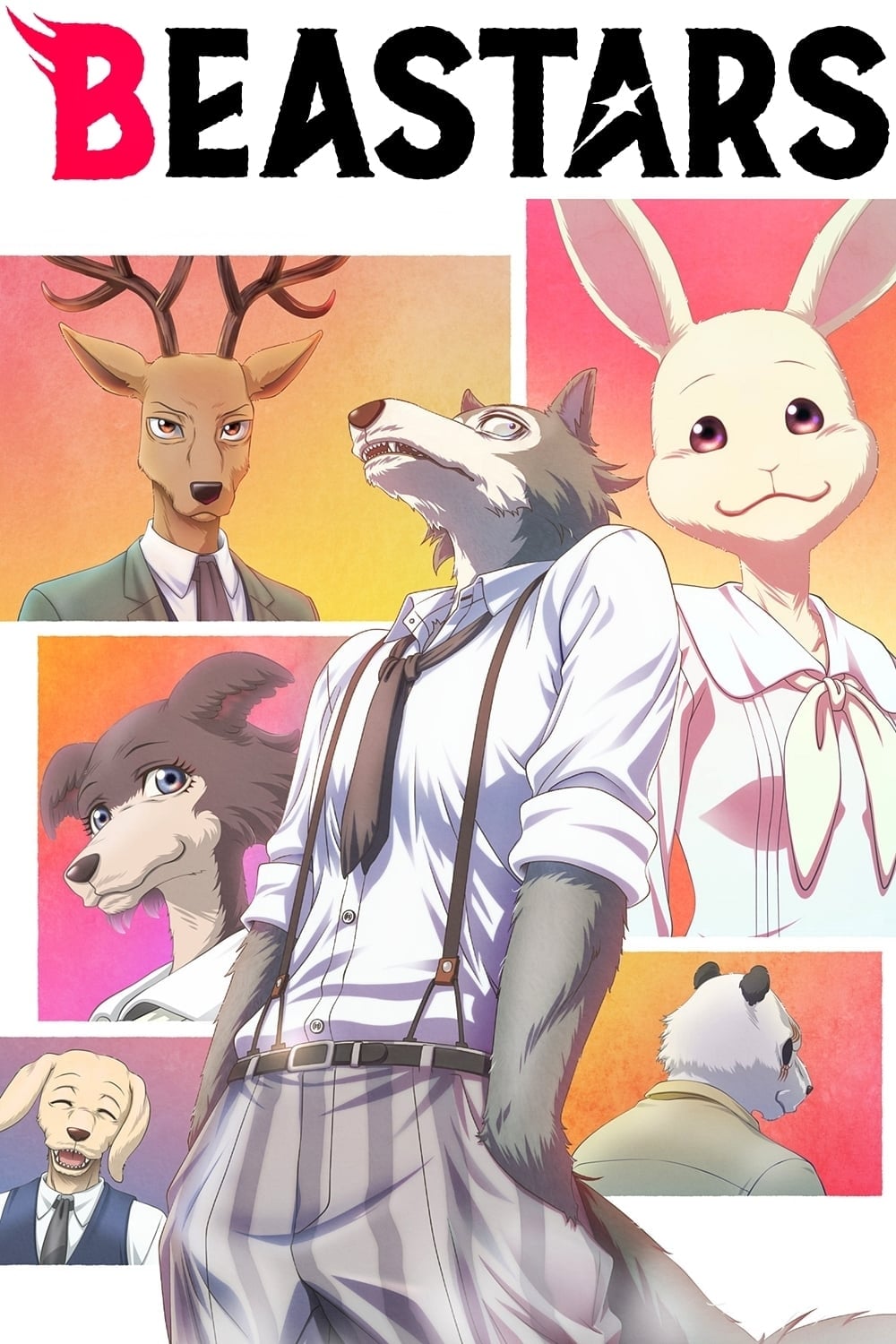
Carnivores and herbivores live in a fragile coexistence where instincts are suppressed to maintain order. Legoshi struggles with his predatory nature while developing feelings for a dwarf rabbit named Haru. The series uses animal biology as a direct metaphor for racial tension and the fear of the other. It explores the complexities of interspecies relationships in a world that views them as taboo.
‘Hunter x Hunter’ (2011–2014)
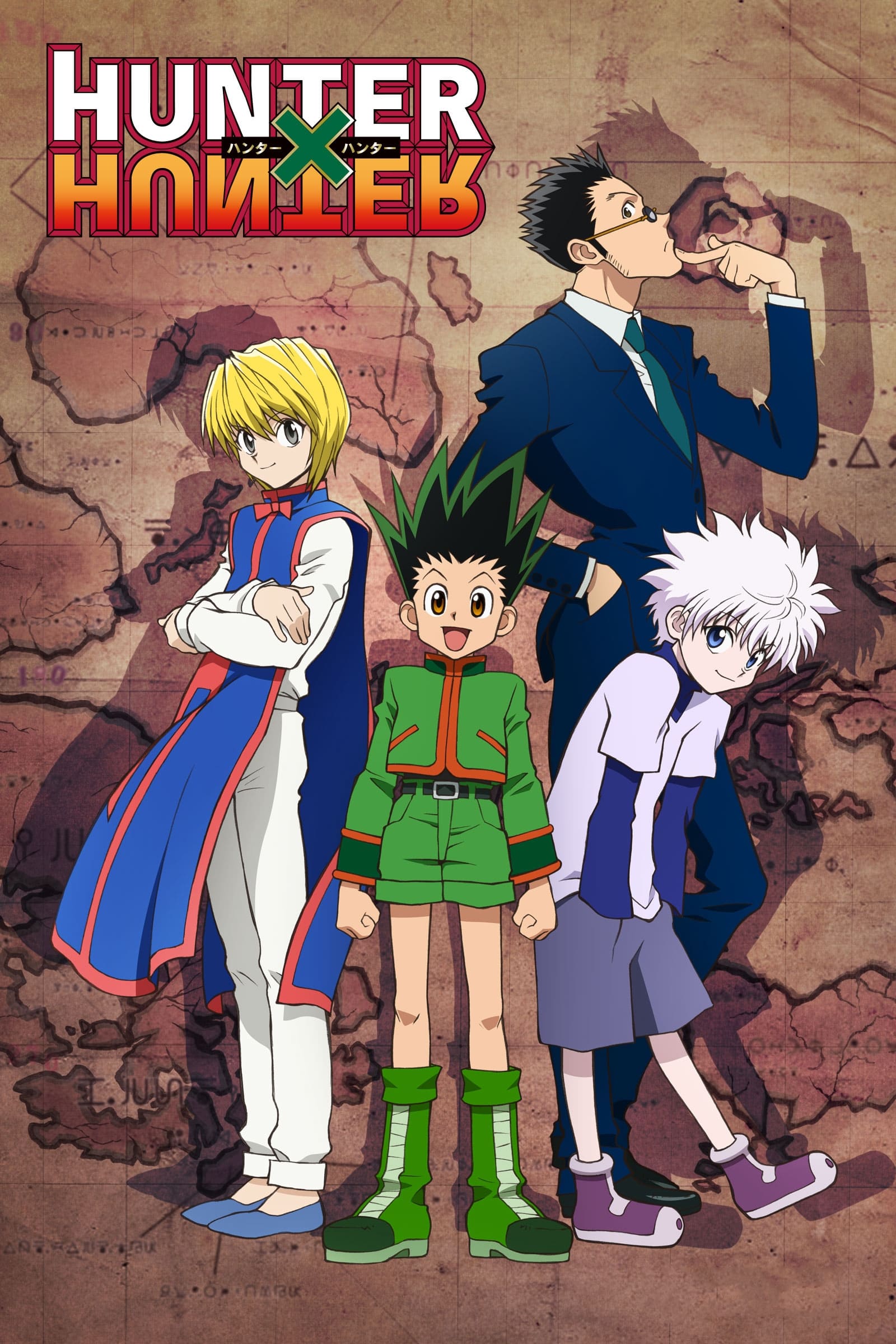
The Chimera Ant arc presents a species that views humans as livestock which forces humanity to confront its own history of dominance. Alluka Zoldyck is a character whose gender identity is respected by her brother Killua but rejected by the rest of her family. The narrative examines how fear of the unknown leads to extermination and cruelty. Killua fights to protect Alluka from those who view her only as a dangerous tool.
‘Michiko & Hatchin’ (2008–2009)

Michiko Malandro escapes prison and rescues her daughter Hatchin from an abusive foster family. The setting draws heavily from Brazil and features a cast that deals with poverty and racial dynamics. While romance is not the primary focus the bond between the women defies traditional family structures. It offers a raw look at survival in a society where the law often fails to protect the vulnerable.
‘Vampire in the Garden’ (2022)
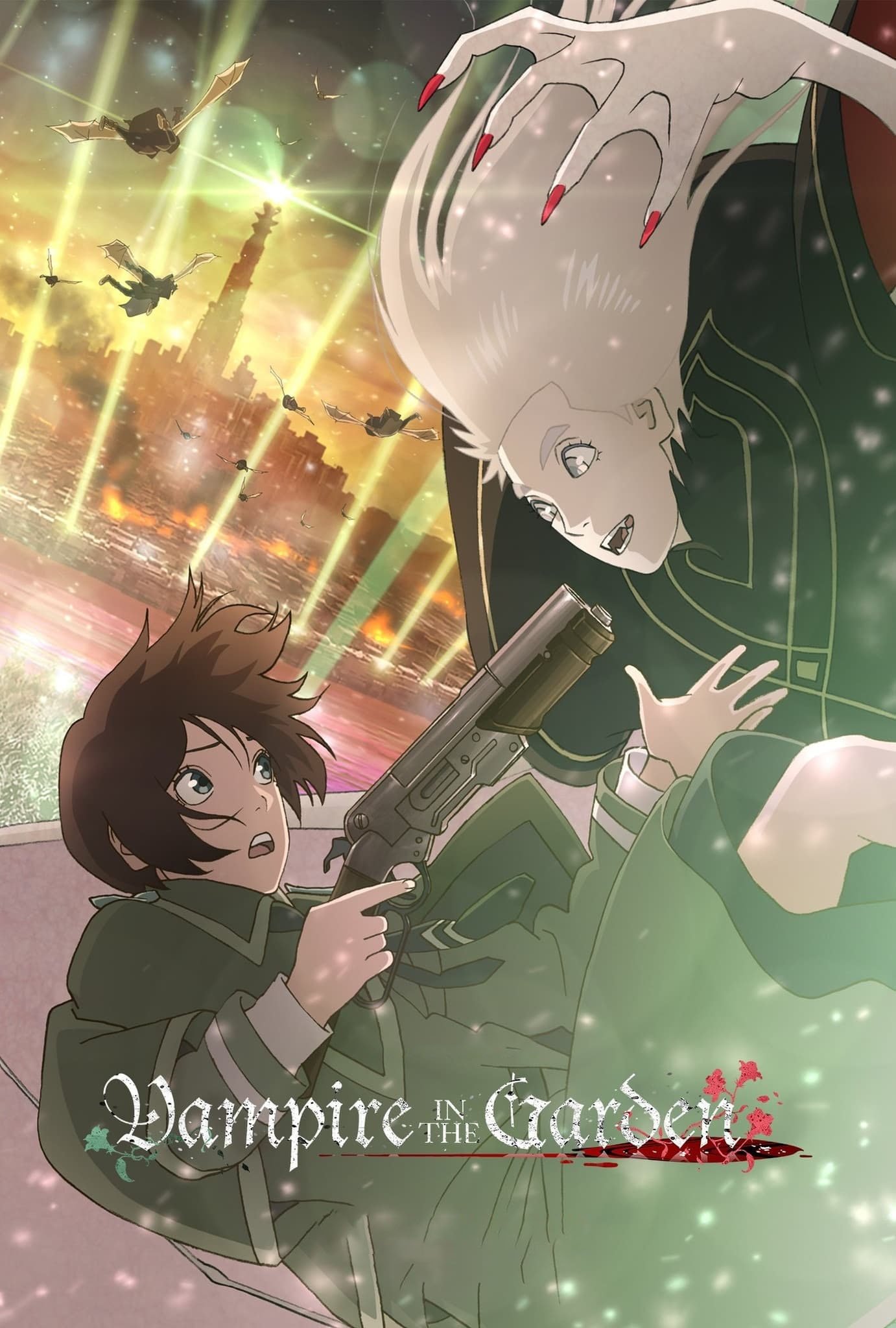
Humans and vampires are locked in a deadly war where coexistence seems impossible. Momo and the vampire queen Fine reject the hatred of their respective sides to find a paradise called Eden. Their journey is a tragic romance that highlights the futility of the conflict. The anime illustrates how individual love can challenge the systemic bigotry of two warring species.
‘Appare-Ranman!’ (2020)

A socially awkward engineer and a samurai find themselves stranded in Los Angeles at the turn of the 19th century. They enter a cross-country race where they interact with a diverse cast including Native Americans and Chinese competitors. Xialian fights against sexism and racial prejudice to prove her worth as a driver. The show celebrates diversity and the breaking of cultural barriers through the spirit of competition.
Share your favorite examples of social commentary in anime in the comments.