

Anime That Incorporated Viewer Fan Theories Into Canon

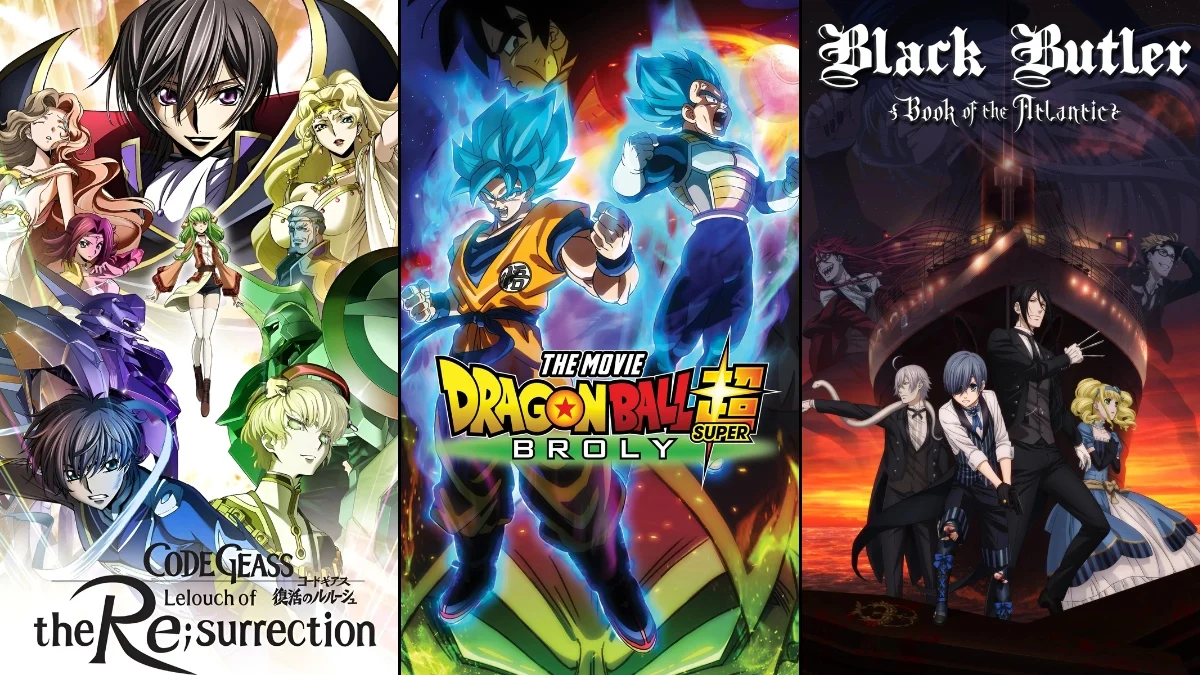


Anime fandoms are notorious for dissecting every frame of animation and line of dialogue to predict future plot points or solve lingering mysteries. While many of these speculations remain in the realm of fan fiction, there are rare and exciting moments when the creators seemingly validate the keen instincts of their audience. Whether through retroactive canonization of popular movie characters or the confirmation of complex timeline mechanics, some series have embraced the collective imagination of their viewers.
‘Dragon Ball Super: Broly’ (2018)
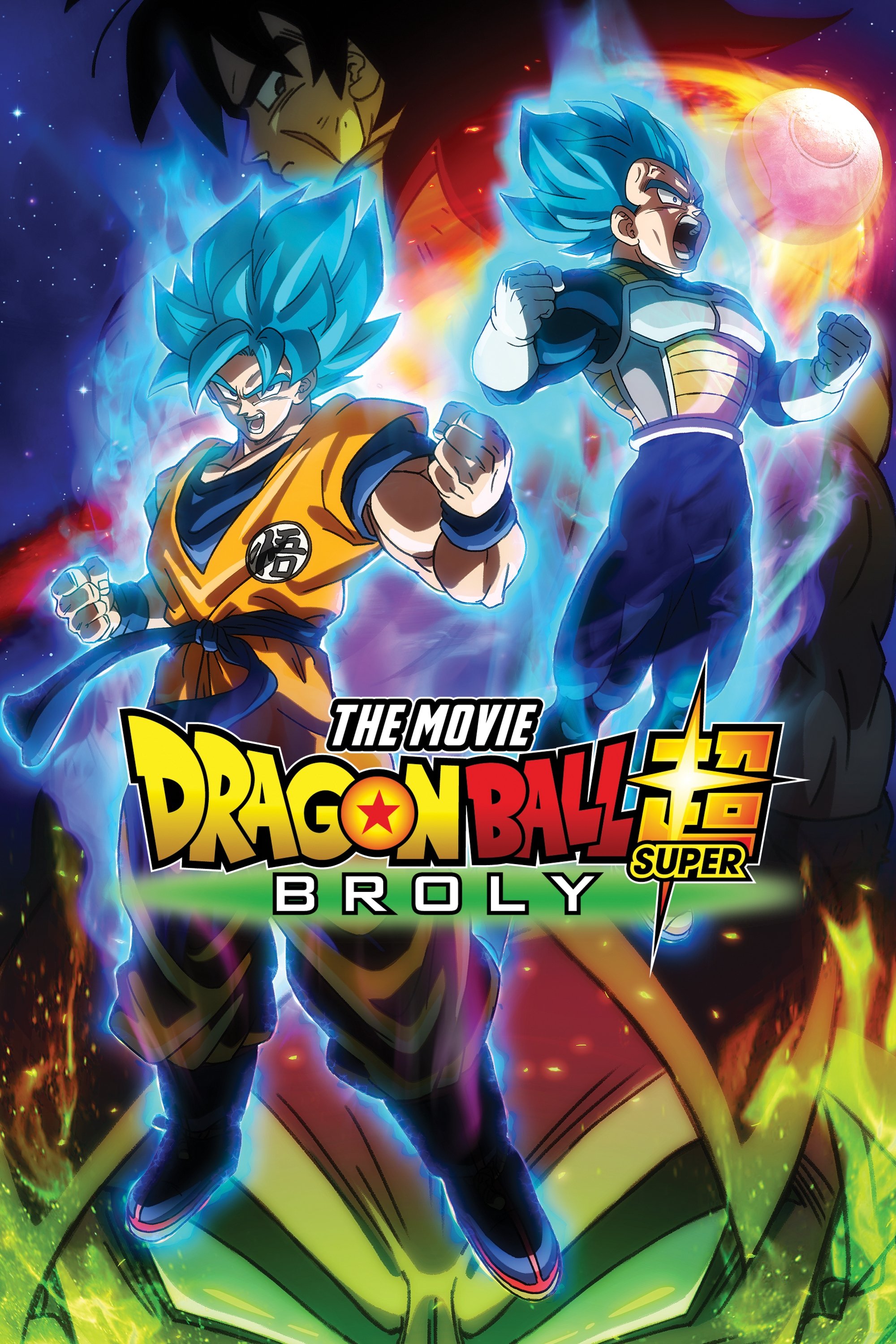
For decades, the Legendary Super Saiyan Broly was a fan-favorite character who existed solely in non-canon movies produced by Toei Animation. Fans consistently clamored for the hulking villain to be integrated into the main continuity managed by creator Akira Toriyama. This long-standing wish was finally granted when Toriyama rewrote the character’s backstory and personality for this official theatrical release. The film firmly established Broly as a canon threat to Goku and Vegeta, validating the character’s immense popularity and enduring legacy.
‘My Hero Academia’ (2016–Present)
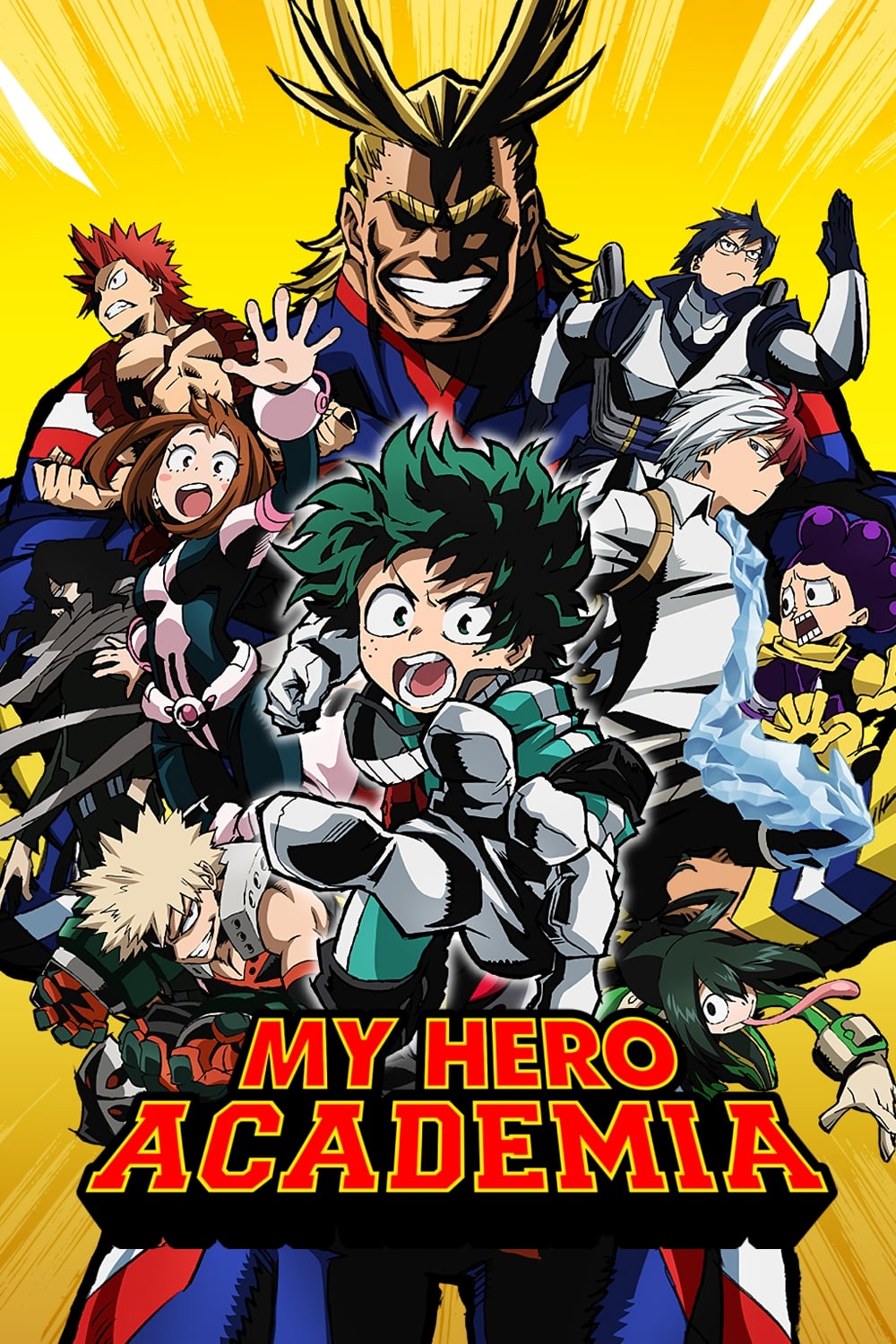
From the moment the villain Dabi appeared with his blue flames and hatred for heroes, fans began theorizing that he was actually Toya Todoroki, the eldest son of Endeavor. Viewers pointed to his fire-based quirk, the timing of his appearance, and his specific vendetta against the Todoroki family as undeniable evidence. The series officially confirmed this massive secret in a dramatic reveal that shook the foundation of hero society. This confirmation proved that the audience had correctly assembled the puzzle pieces regarding the tragic history of the Todoroki bloodline years in advance.
‘Naruto Shippūden’ (2007–2017)
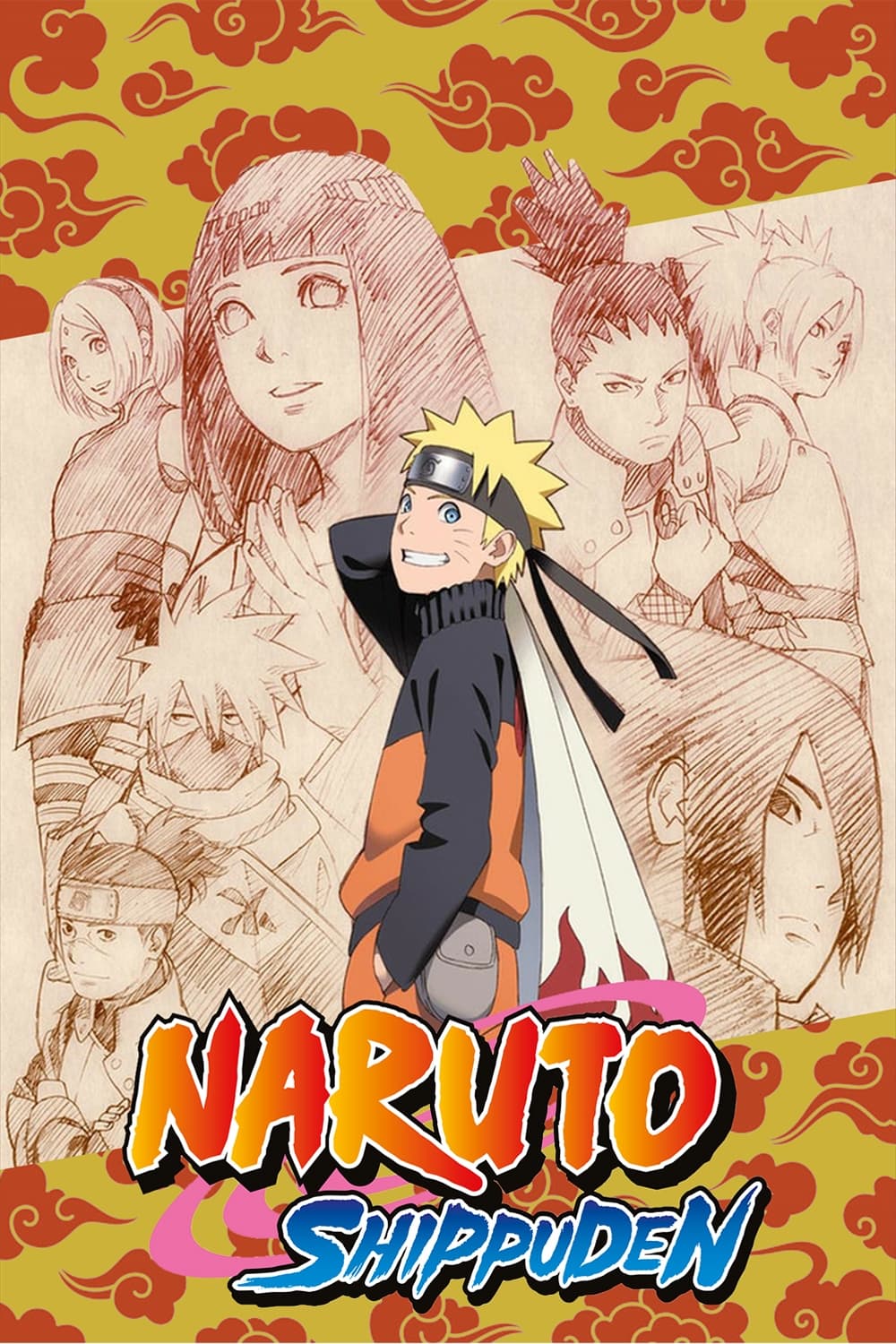
The identity of the masked Akatsuki member Tobi was one of the biggest mysteries in the franchise, sparking endless debates on message boards. While the character initially claimed to be Madara Uchiha, astute fans noticed that Tobi’s name was an anagram for Obito and that his eye technique mirrored Kakashi’s sharingan. The eventual reveal that Tobi was indeed Obito Uchiha, Kakashi’s presumed-dead teammate, validated one of the most popular theories in anime history. Kishimoto’s long-game storytelling aligned perfectly with the clues fans had been scrutinizing for years.
‘Code Geass: Lelouch of the Re;surrection’ (2019)
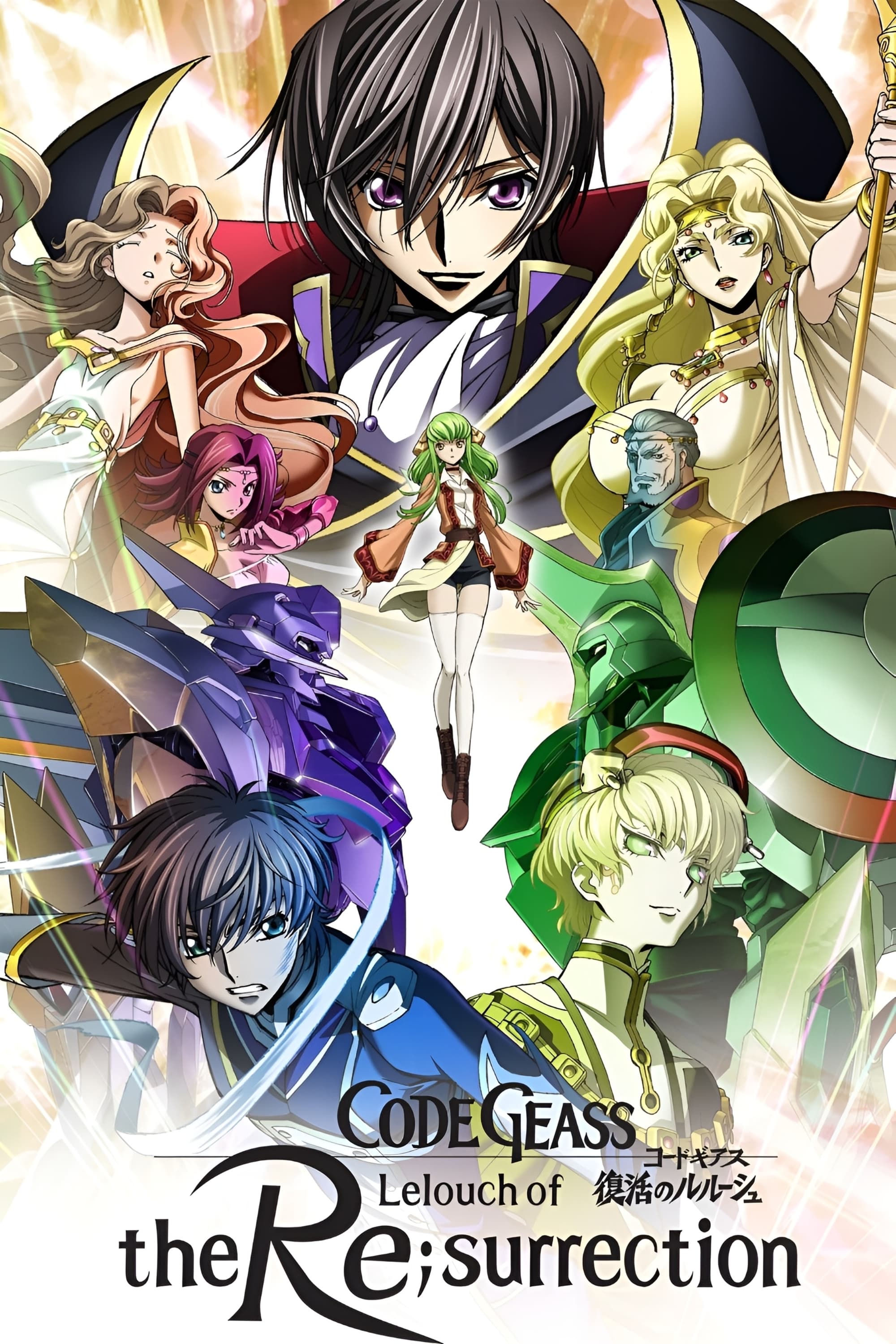
Following the conclusion of the original series, a passionate subset of fans refused to believe that the protagonist Lelouch vi Britannia had truly died. These theorists analyzed the final scene of the anime, suggesting that the cart driver transporting C.C. was actually a surviving Lelouch who had acquired immortality. This decade-long speculation was vindicated when the sequel movie revealed that Lelouch had indeed survived his assassination plan. The film provided a narrative path that allowed the iconic anti-hero to return, satisfying those who insisted his story was not over.
‘Evangelion: 3.0+1.0 Thrice Upon a Time’ (2021)
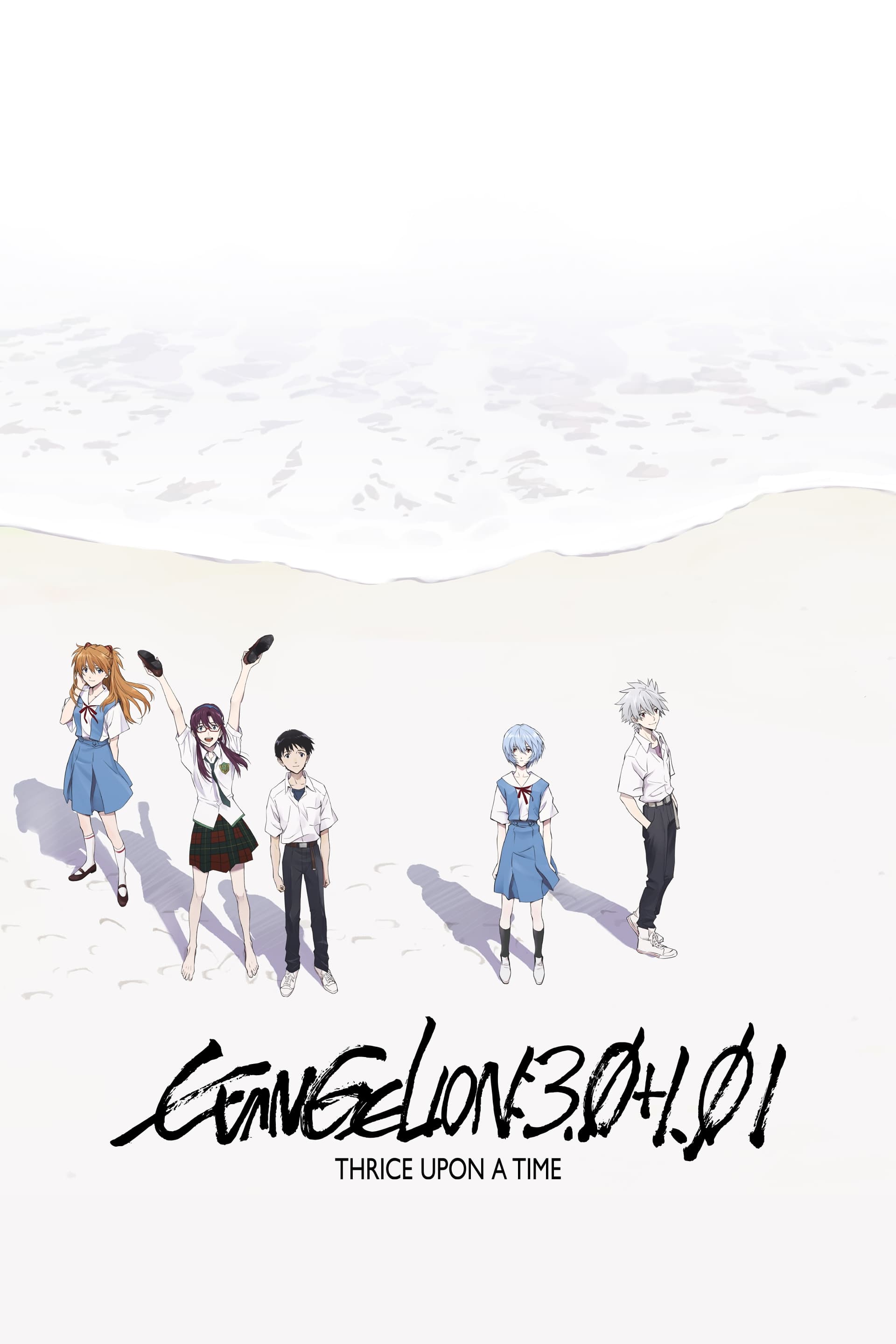
For years, fans of Hideaki Anno’s mecha masterpiece speculated that the Rebuild of Evangelion films were not just a retelling, but a direct sequel to the original 1995 series and The End of Evangelion. Visual cues such as the red ocean and specific dialogue from Kaworu Nagisa suggested a cyclical timeline where events were repeating. The final installment of the Rebuild saga confirmed this “Loop Theory,” revealing that the universe had been reset multiple times. This integration of the time-loop concept fundamentally connected the disparate eras of the franchise into a singular narrative.
‘One Piece’ (1999–Present)
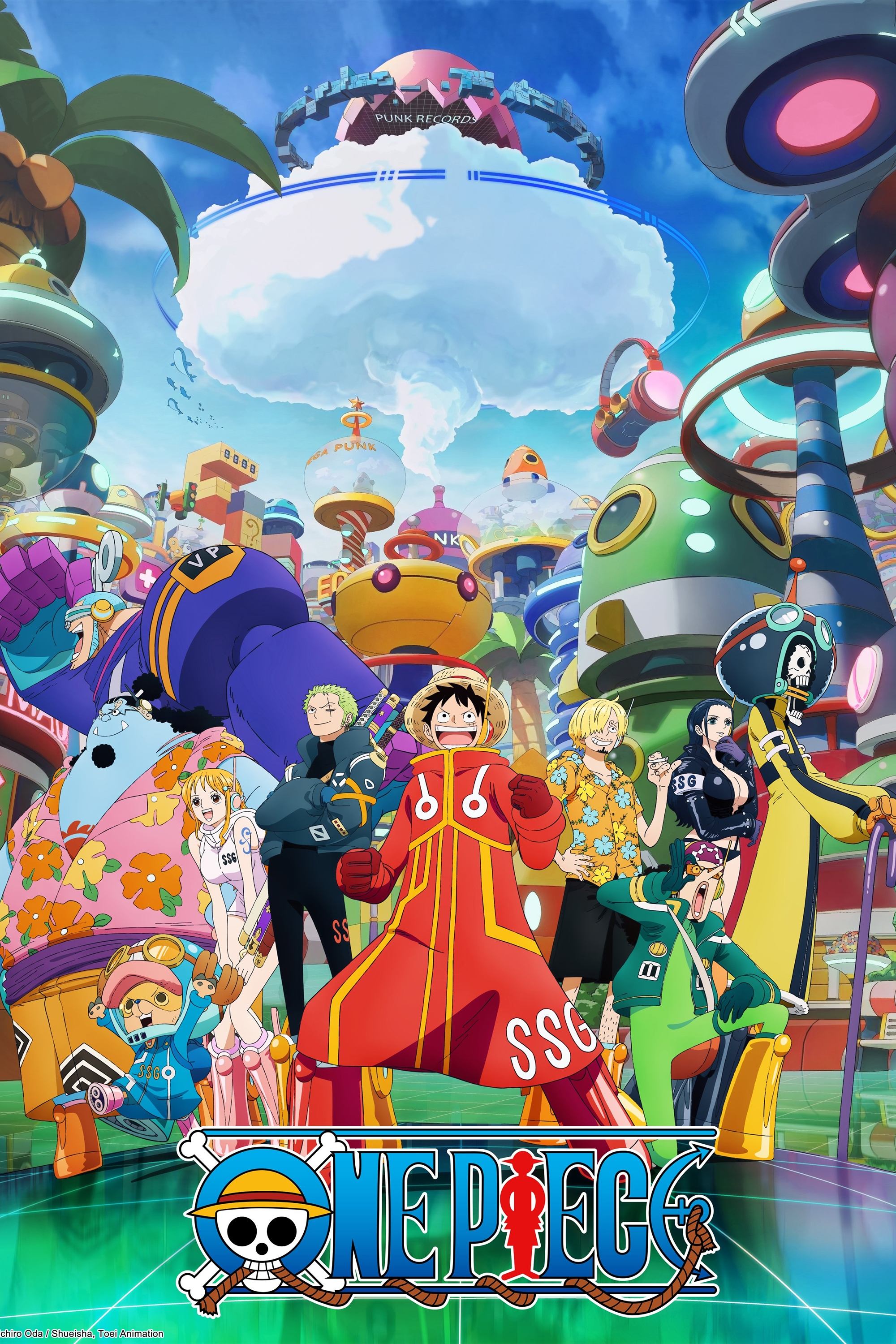
Early in the series, Sanji used the alias “Mr. Prince” during the Alabasta arc, leading fans to joke and eventually theorize that the cook was secretly royalty. Hints about his birth in the North Blue, despite growing up in the East Blue, fueled speculation that he fled a noble upbringing. The Whole Cake Island arc confirmed these suspicions by introducing the Vinsmoke family, the royal rulers of the Germa Kingdom. This reveal transformed a decades-old throwaway line into a crucial piece of character development and world-building.
‘Pokémon’ (1997–Present)
The release of the Omega Ruby and Alpha Sapphire games and their animated promotional content confirmed the existence of a multiverse, a concept fans had used to explain inconsistencies between game generations. Specifically, this lore established that the original Game Boy Advance titles and the 3DS remakes take place in parallel universes distinguished by the existence of Mega Evolution. This explanation validated fan attempts to reconcile the timeline discrepancies caused by new mechanics and retcons. The anime has since leaned into alternate realities, acknowledging that different versions of the Pokémon world coexist.
‘Attack on Titan’ (2013–2023)
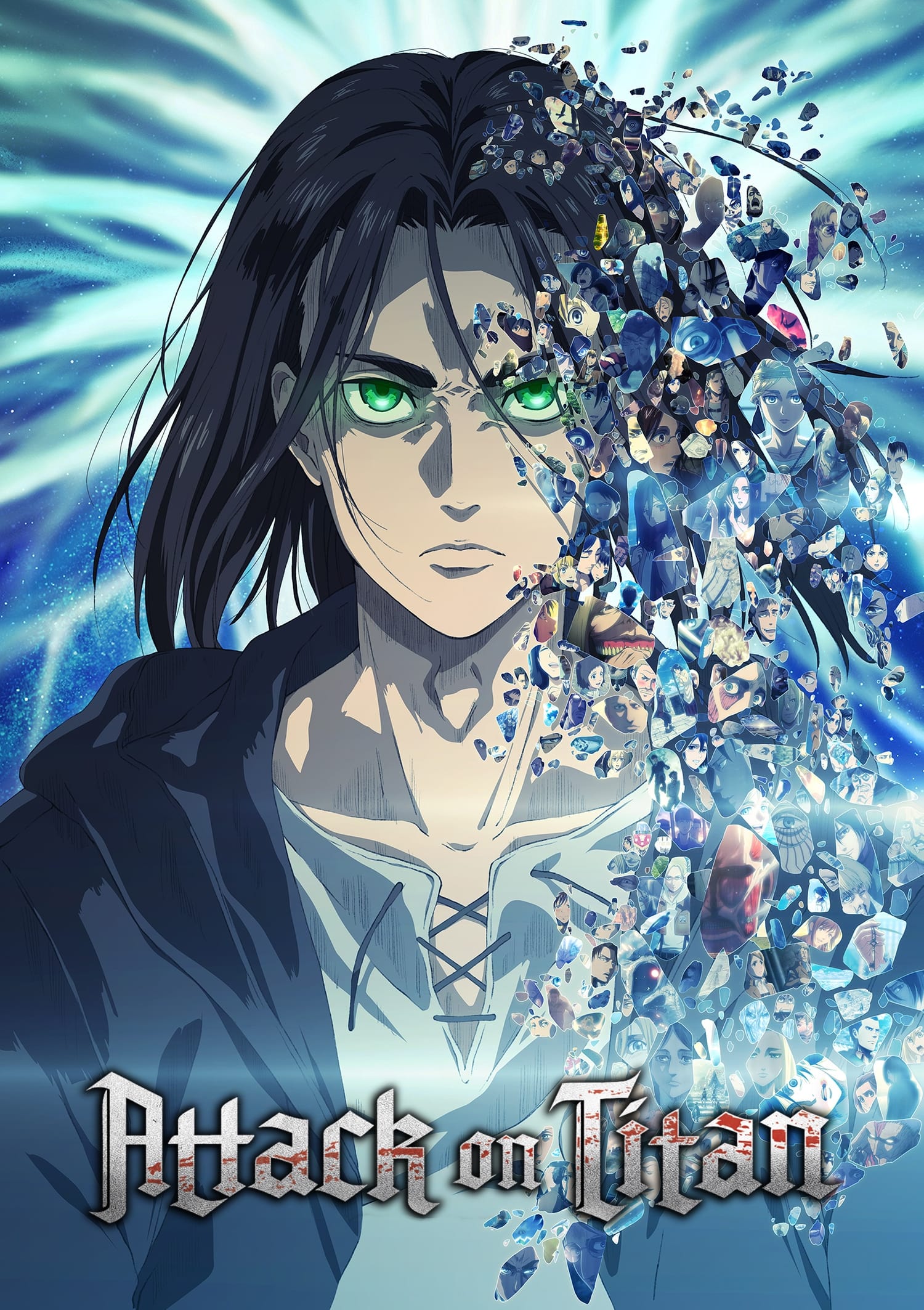
As the mystery of the Titans unfolded, astute viewers began to suspect that the series operated within a time loop or fixed timeline influenced by future memories. The title of the very first episode, “To You, in 2000 Years,” prompted theories that the story was a message being sent back in time. The finale confirmed that the protagonist Eren Yeager existed in a state where past, present, and future occurred simultaneously, influencing events across time. This revelation proved that the cyclical nature of the tragedy was built into the narrative structure from the very beginning.
‘Dragon Ball Z’ (1989–1996)

Bardock, the father of Goku, was originally an anime-original character created by Toei Animation for a TV special. The character’s design and tragic backstory resonated so strongly with Akira Toriyama that he decided to incorporate Bardock into the original manga canon. A panel showing Frieza remembering Bardock was added to the manga, officially integrating the anime staff’s creation into the source material. This rare instance of “reverse canonization” paved the way for Bardock to become a pivotal figure in the franchise’s modern lore.
‘Detective Conan’ (1996–Present)
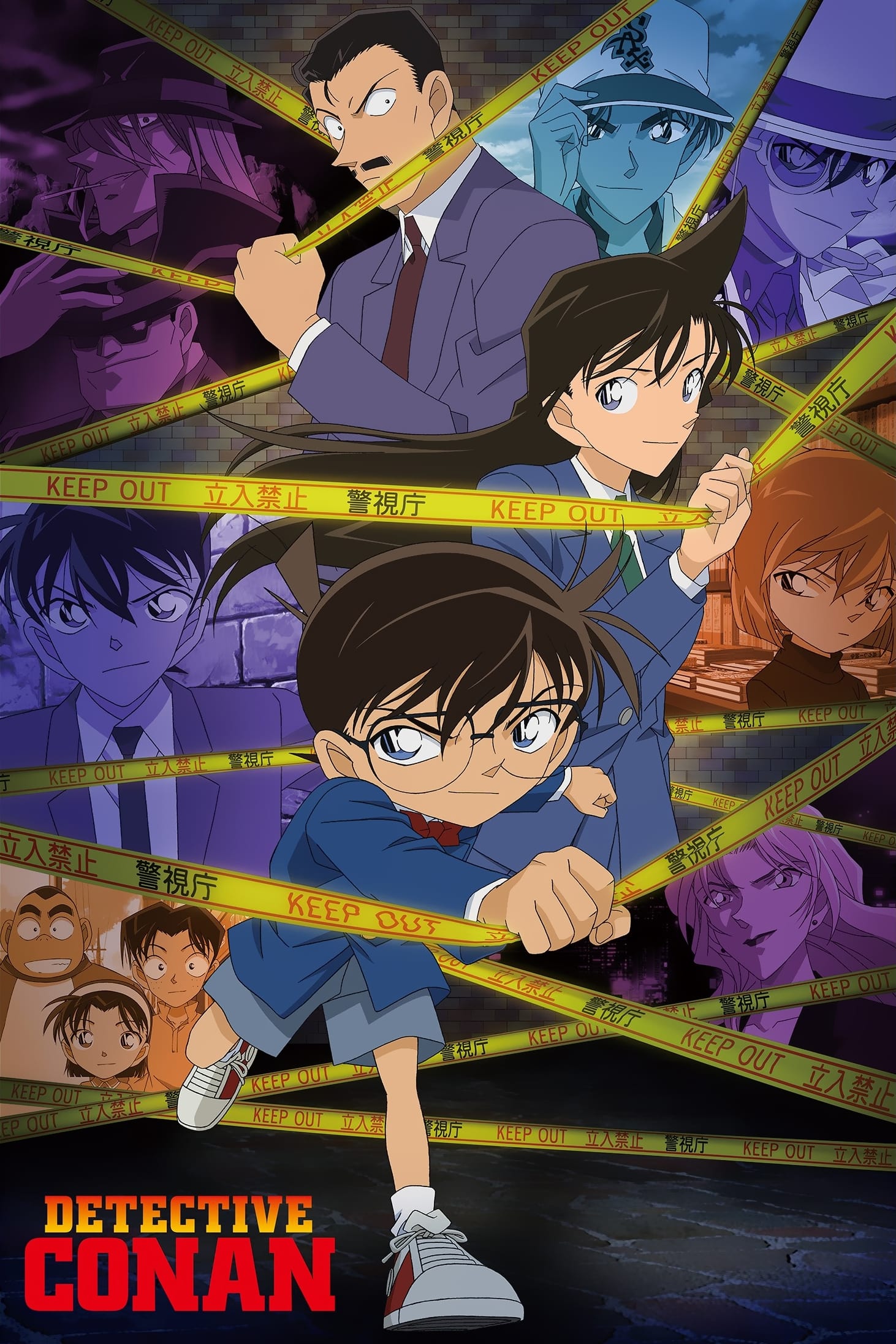
For over two decades, fans of this long-running mystery series tried to deduce the identity of the mysterious boss of the Black Organization. A popular theory based on a dying message pointed to Renya Karasuma, a wealthy magnate mentioned early in the series who was presumed dead. The creator, Gosho Aoyama, eventually confirmed this theory, acknowledging that the clues left decades prior pointed to Karasuma all along. This confirmation rewarded loyal fans who had meticulously tracked minor details over hundreds of episodes.
‘Mobile Suit Gundam: The Witch from Mercury’ (2022–2023)
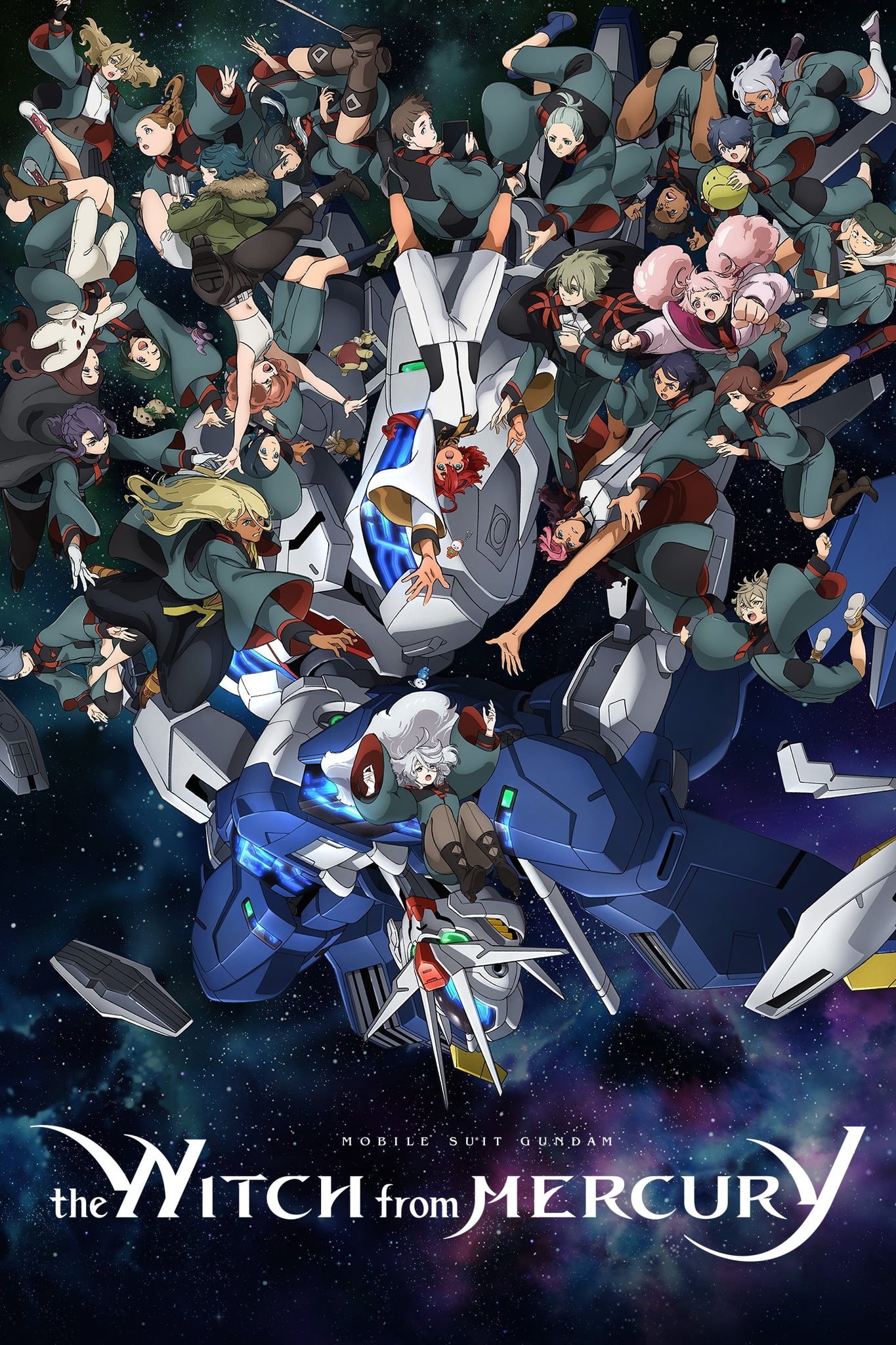
Early in the series, viewers noticed discrepancies between the age of the protagonist Suletta Mercury and the timeline of the prologue event. A disturbing theory emerged that Suletta was a clone or replacement, and that the original child, Ericht, had been absorbed into the Aerial Gundam’s data system. The show eventually confirmed this grim hypothesis, revealing that the Gundam possessed consciousness because it housed the soul of Suletta’s sister. This twist turned the mecha into a character in its own right, validating the dark speculation of the fanbase.
‘Boruto: Naruto Next Generations’ (2017–2023)

When the masked character Kashin Koji debuted with the ability to use the Rasengan and summon toads, fans immediately suspected a connection to the legendary Sannin, Jiraiya. Despite Jiraiya’s death in Shippuden, the similarities in fighting style and appearance were too deliberate to be a coincidence. The story later confirmed that Kashin Koji was indeed a bio-engineered clone of Jiraiya, created to destroy the Otsutsuki threat. This plot point allowed the franchise to bring back the beloved mentor’s skill set without undoing the emotional impact of his original death.
‘Bleach’ (2004–2012)
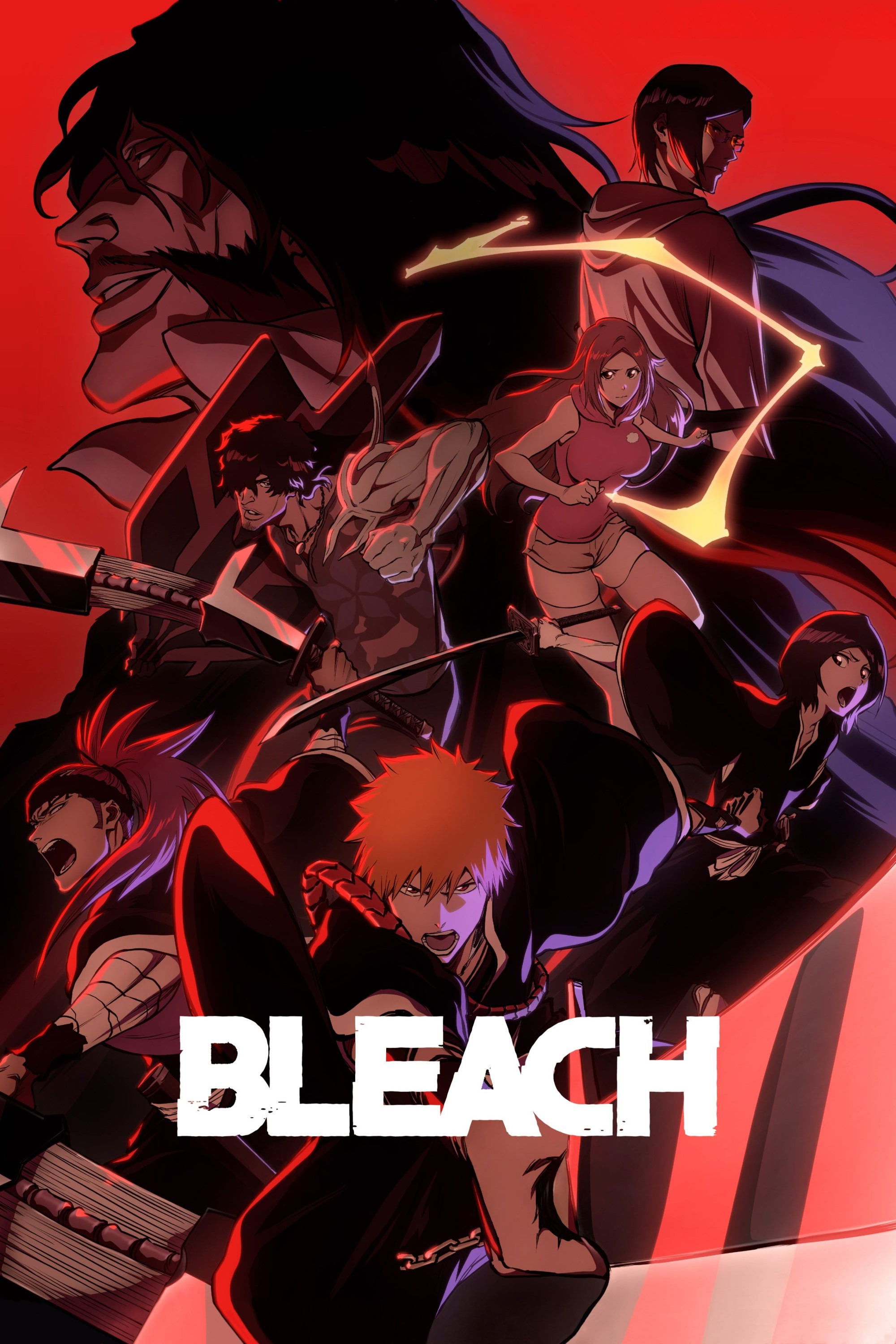
Throughout the series, fans noted a striking visual resemblance between the manifestation of Ichigo’s Zanpakuto spirit, Zangetsu, and the Quincy Emperor Yhwach. This led to theories that Ichigo possessed Quincy heritage, distinct from his Soul Reaper powers. The “Thousand-Year Blood War” arc confirmed that the “Old Man Zangetsu” fans knew was actually the manifestation of Ichigo’s Quincy powers, concealing his true Soul Reaper nature. This twist recontextualized hundreds of episodes of character interaction, proving the visual foreshadowing was intentional.
‘One Piece’ (1999–Present)
After the tragic flashback involving Luffy’s sworn brothers, Ace and Sabo, fans refused to believe that Sabo had died when his ship was destroyed by a Celestial Dragon. The absence of a body and the presence of Dragon, Luffy’s father, at the scene led to the theory that Sabo was rescued and raised by the Revolutionary Army. Years later, Sabo reappeared as the Chief of Staff of the Revolutionaries, confirming his survival and return to the story. His reintroduction allowed the “three brothers” dynamic to live on spiritually, fulfilling a widespread fan hope.
‘Fairy Tail’ (2009–2019)
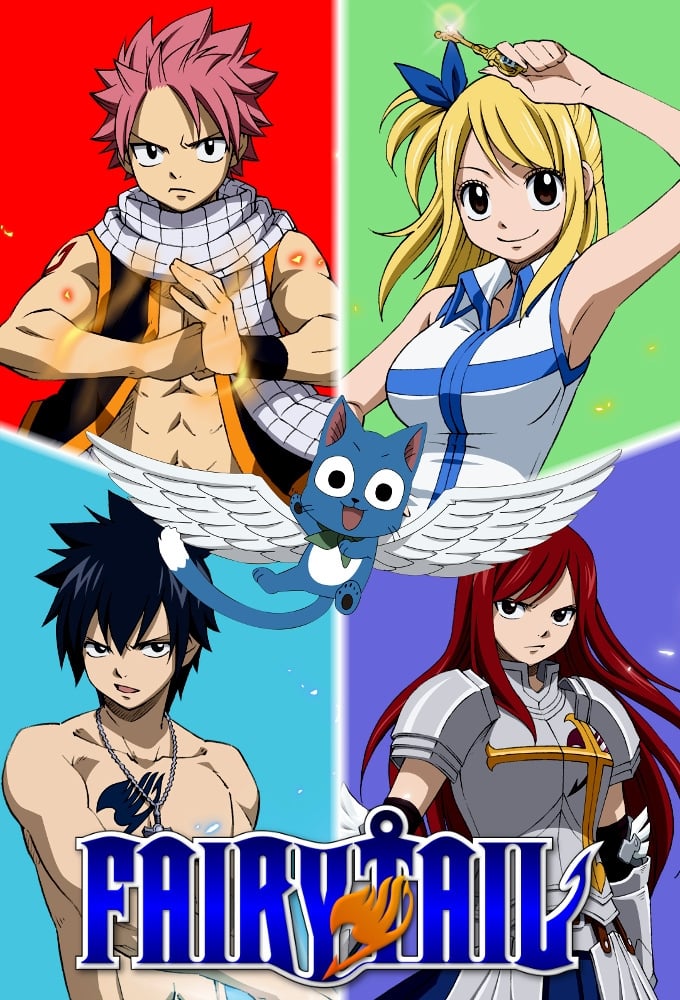
The identity of the demon E.N.D., the ultimate creation of the dark wizard Zeref, was a central mystery for much of the series. Due to Natsu Dragneel’s unknown origins and ability to use lost dragon slayer magic, fans theorized that he was actually the demon in question. The series eventually confirmed that E.N.D. stood for “Etherious Natsu Dragneel,” revealing the protagonist as Zeref’s resurrected younger brother. This confirmation tied the protagonist directly to the series’ main antagonist, validating the speculation surrounding Natsu’s past.
‘Death Note: Relight’ (2007)

While the original series concludes with Light Yagami’s definitive death, a popular fan theory suggests that users of the Death Note become Shinigami in the afterlife. The Relight animated specials added a new scene featuring an unnamed Shinigami who limps like Light and tosses an apple to Ryuk, heavily implying this entity is the reincarnated protagonist. While never explicitly stated in dialogue, the inclusion of this character served as a nod to the “Shinigami Light” theory. It remains a favorite interpretation that the anime adaptation helped visualize.
‘Yashahime: Princess Half-Demon’ (2020–2022)
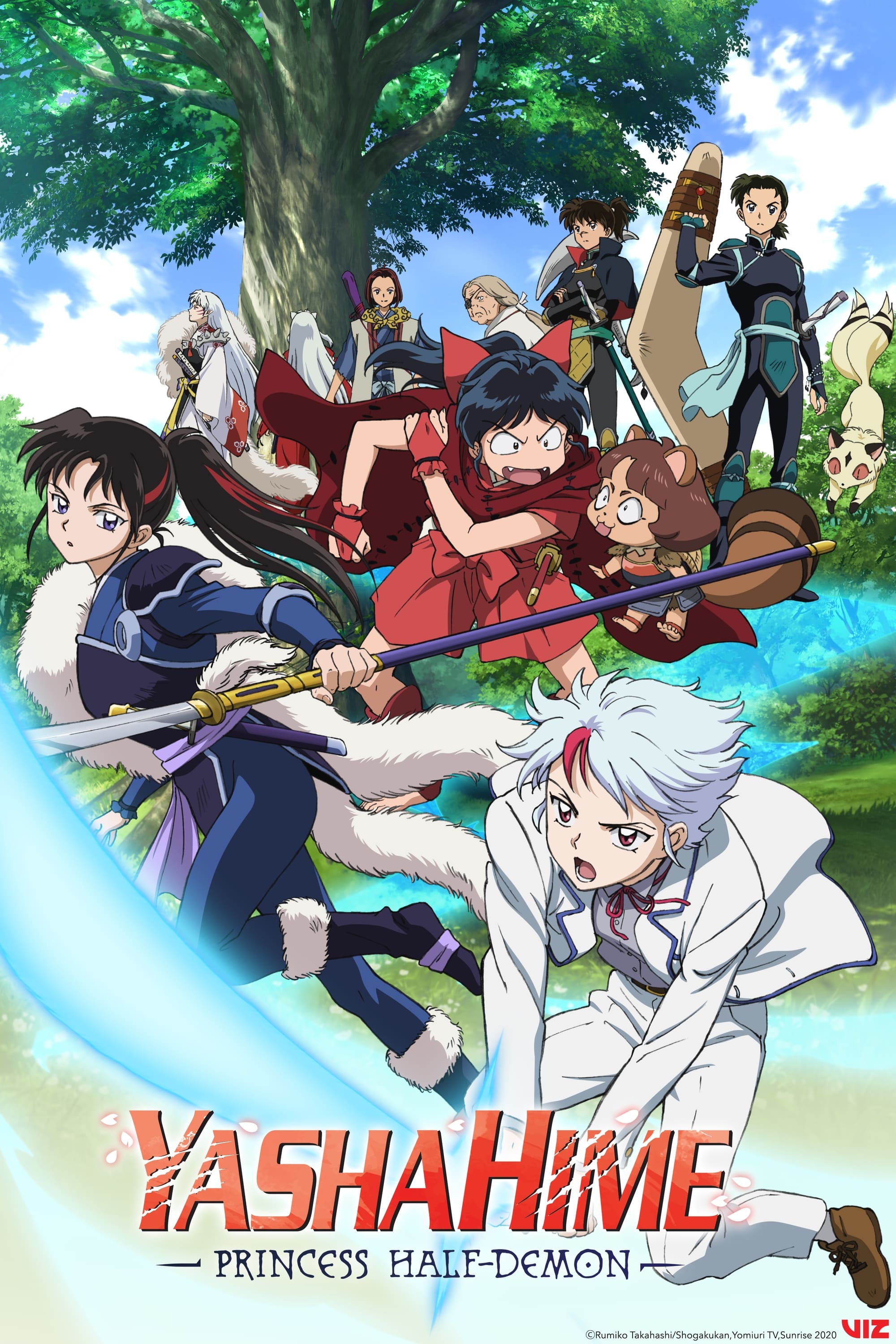
When the sequel to Inuyasha was announced focusing on the daughters of Sesshomaru, the identity of the mother was not immediately revealed. Fans overwhelmingly theorized that Rin, the human girl Sesshomaru traveled with and protected in the original series, was the only logical candidate. The anime eventually confirmed that Rin was indeed the mother of the twins Towa and Setsuna, cementing the romantic progression fans had inferred from the original ending. This confirmation solidified the bond between the two characters that had been developing for decades.
‘Turn A Gundam’ (1999–2000)
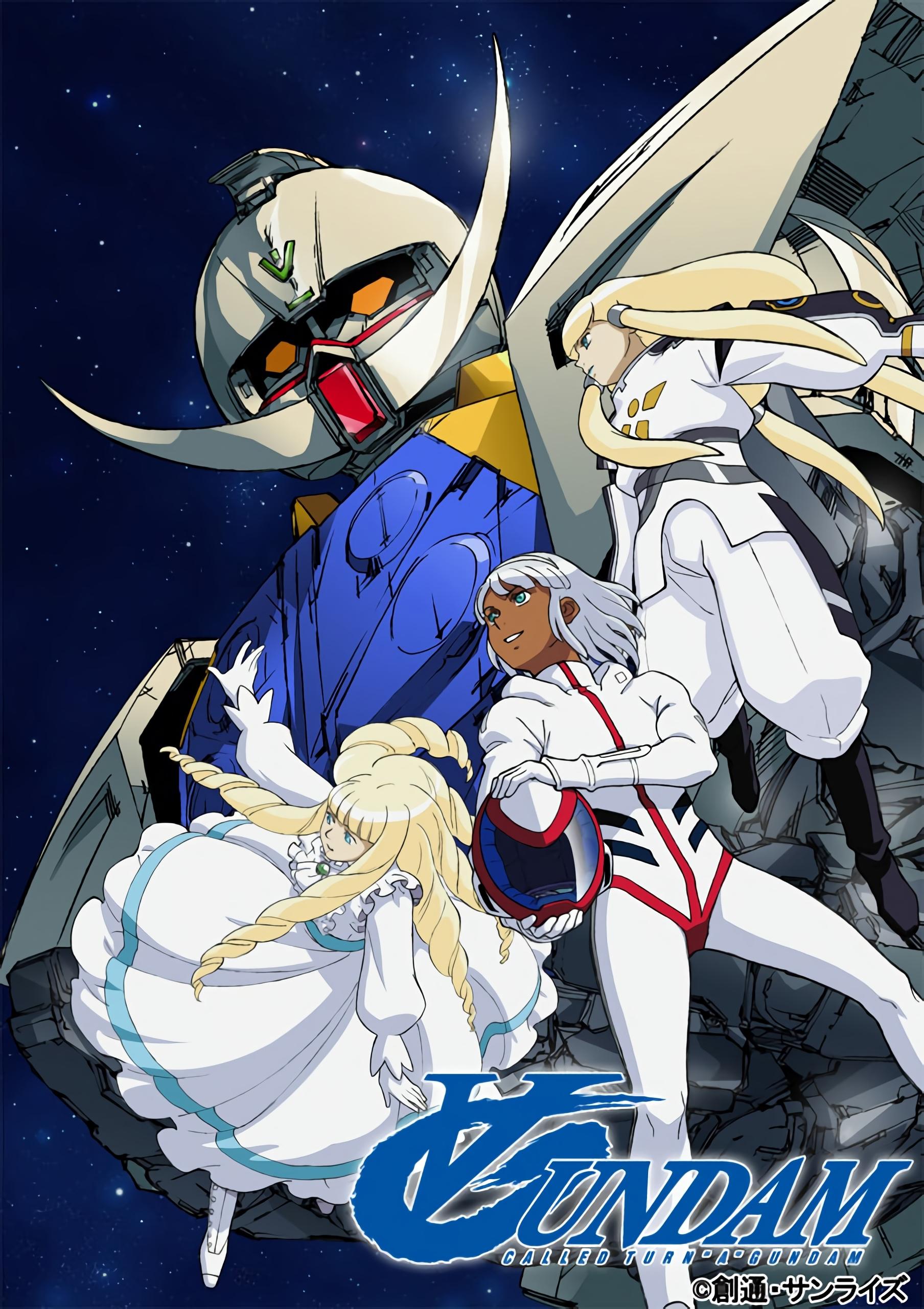
For years, Gundam fans debated how the various alternate universes (Universal Century, Future Century, After Colony) related to one another. Turn A Gundam introduced the concept of the “Dark History,” a revelation that all previous Gundam series are actually part of a single, long timeline that eventually converges. This incorporated the fan desire for a unified theory of the franchise, turning independent stories into ancient history within the same world. It stands as one of the most ambitious attempts to canonize a meta-narrative in anime history.
‘Dragon Ball Super: Super Hero’ (2022)
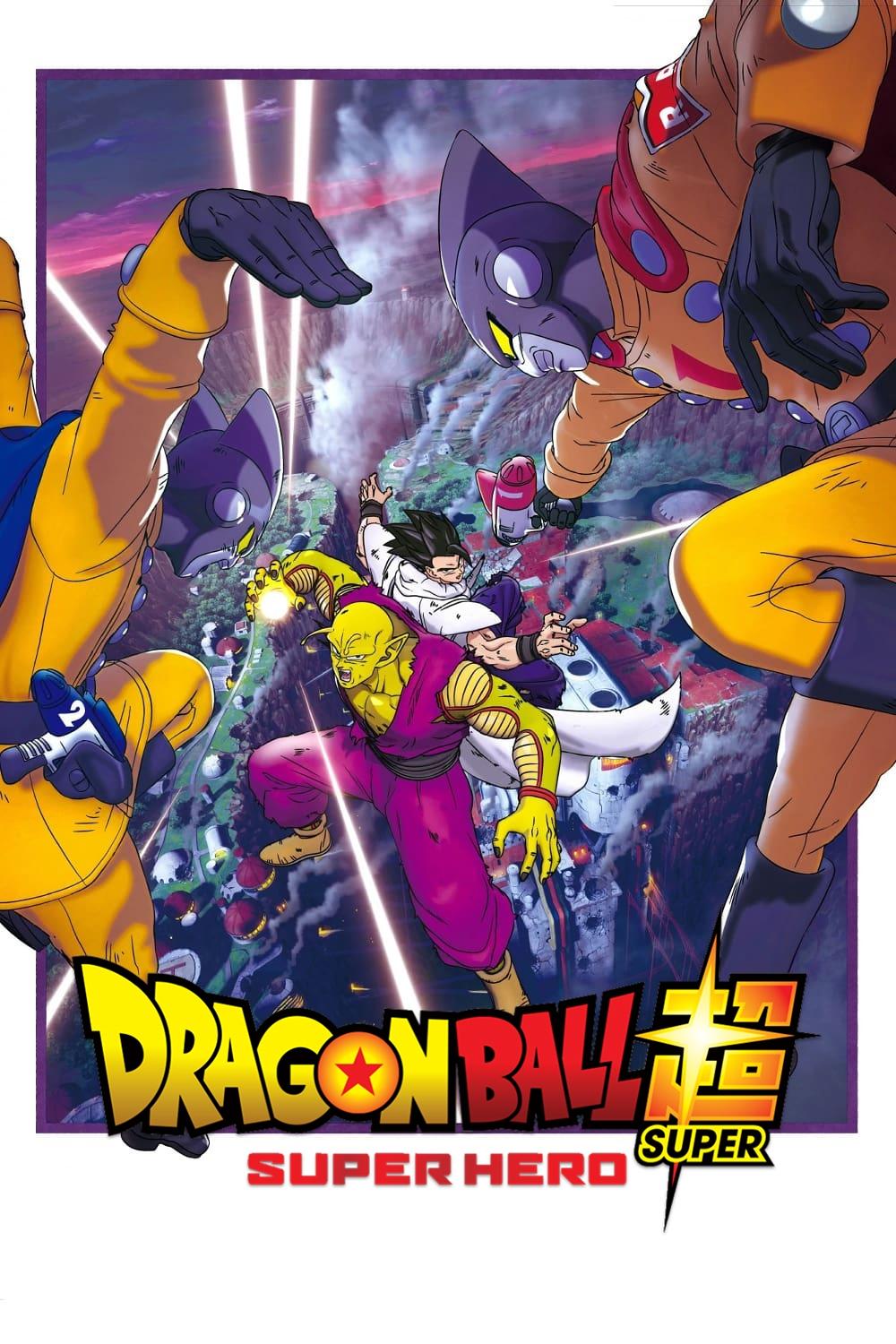
During the airing of Dragon Ball Super, fans began creating fan art and theories about Gohan unlocking a white-haired transformation, jokingly dubbed “Gohan Blanco.” This meme and genuine desire for Gohan to return to relevance culminated in the film Super Hero, where Gohan unlocks a massive new form with white hair and red eyes. Officially named “Gohan Beast,” the transformation bears a striking resemblance to the fan-created “Blanco” concept. The creators seemingly tapped into the visual archetype that the fandom had been circulating for years.
‘Black Butler: Book of the Atlantic’ (2017)
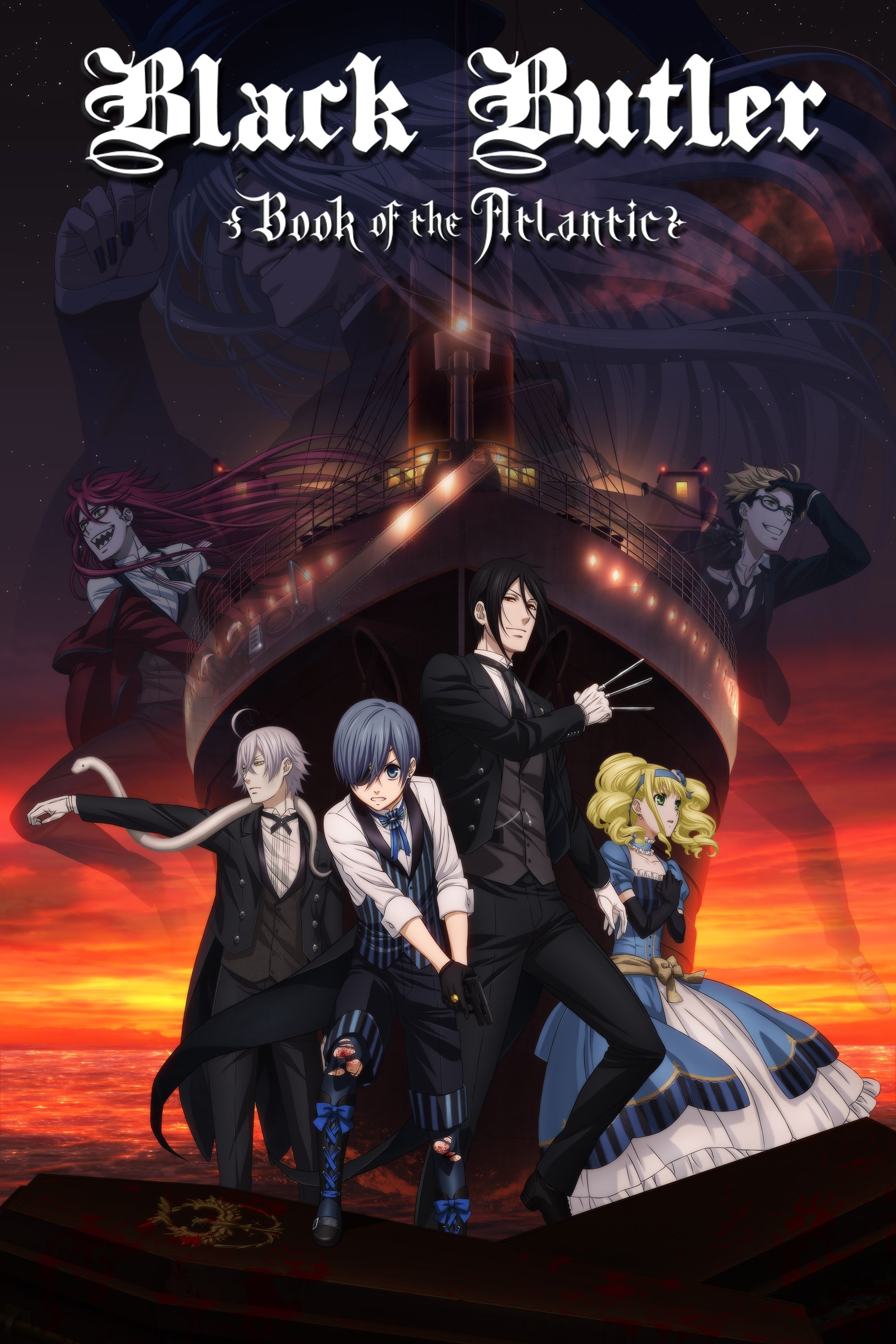
Manga readers had long gathered subtle clues suggesting that Ciel Phantomhive had a twin brother who was the real heir to the family name. The animated adaptation of the Book of the Atlantic arc included specific flashbacks and dialogue hints that strongly supported this “Twin Ciel” theory before the anime explicitly reached the reveal. The deliberate inclusion of these foreshadowing elements confirmed that the anime staff was aligning the story with the manga’s upcoming twist. This validated years of forensic analysis by fans who noticed inconsistencies in Ciel’s memories.
Share which of these fan theory confirmations shocked you the most in the comments.