

Anime That Incorporated Weather Folklore Into Plots

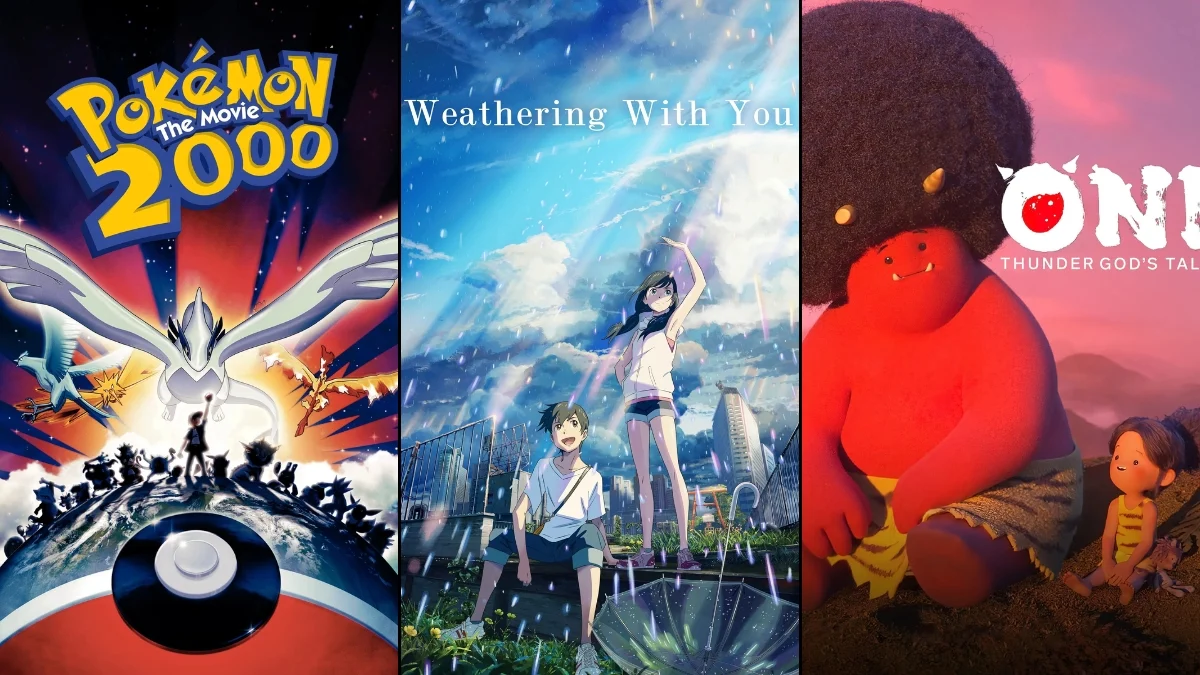


Weather folklore shows up in anime in a bunch of memorable ways, from shrine rituals meant to stop the rain to yōkai that literally personify snow, thunder, and wind. Sometimes it’s the backbone of a whole story, and other times it drives a key arc where characters have to negotiate with forces people once explained through myth and legend. Here are 25 anime that weave those older weather beliefs into what actually happens on screen.
‘Weathering with You’ (2019)
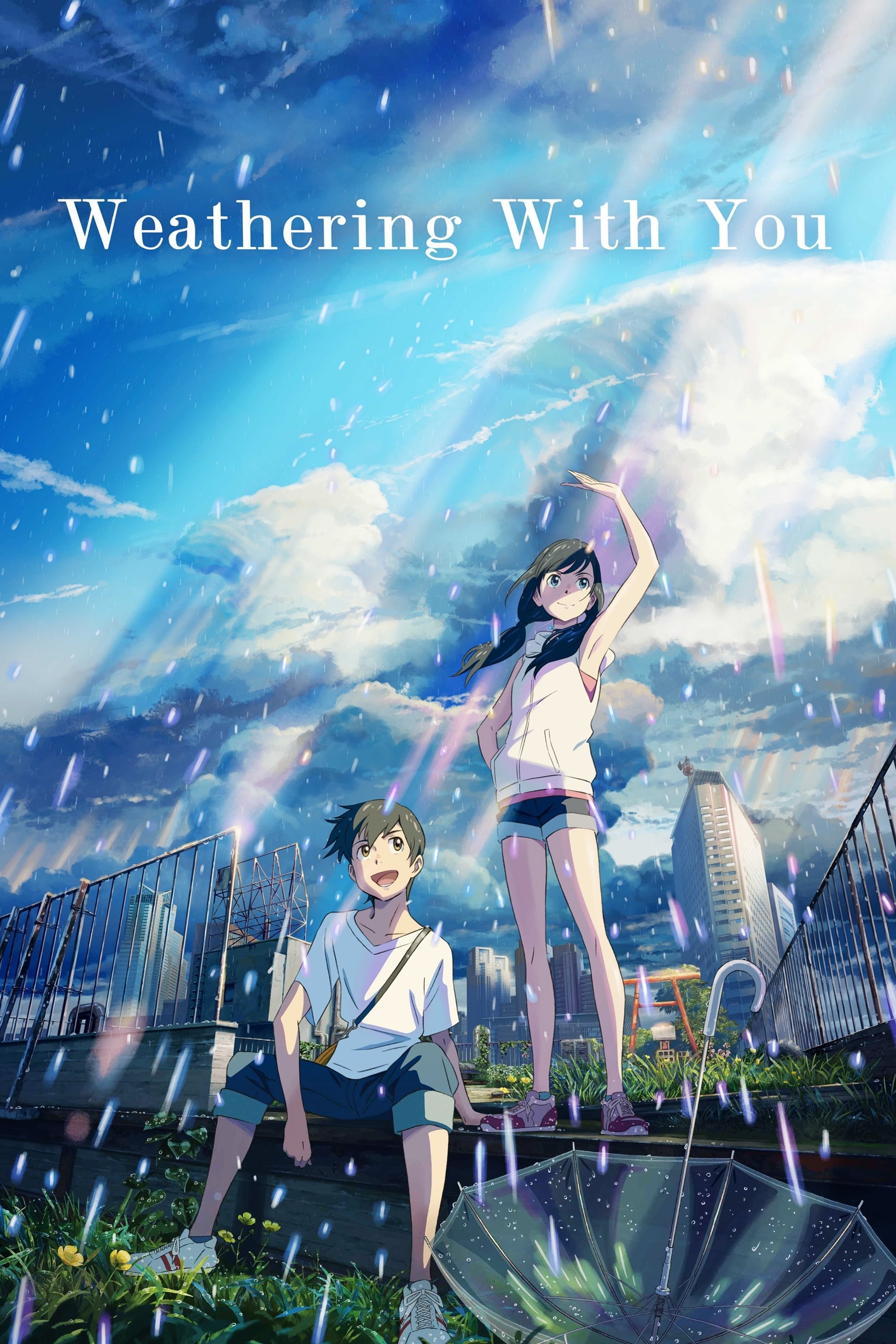
In ‘Weathering with You’, the idea of a “weather maiden” is treated like a living piece of urban folklore, with clear skies something you can bargain for. The plot leans on shrine imagery and the notion that extraordinary weather can be “paid for” through spiritual exchange rather than science. That framing turns sunshine into a ritual outcome, not just a forecast, and it shapes the choices the characters make when the city’s rain won’t stop.
‘Mushi-shi’ (2005–2006)
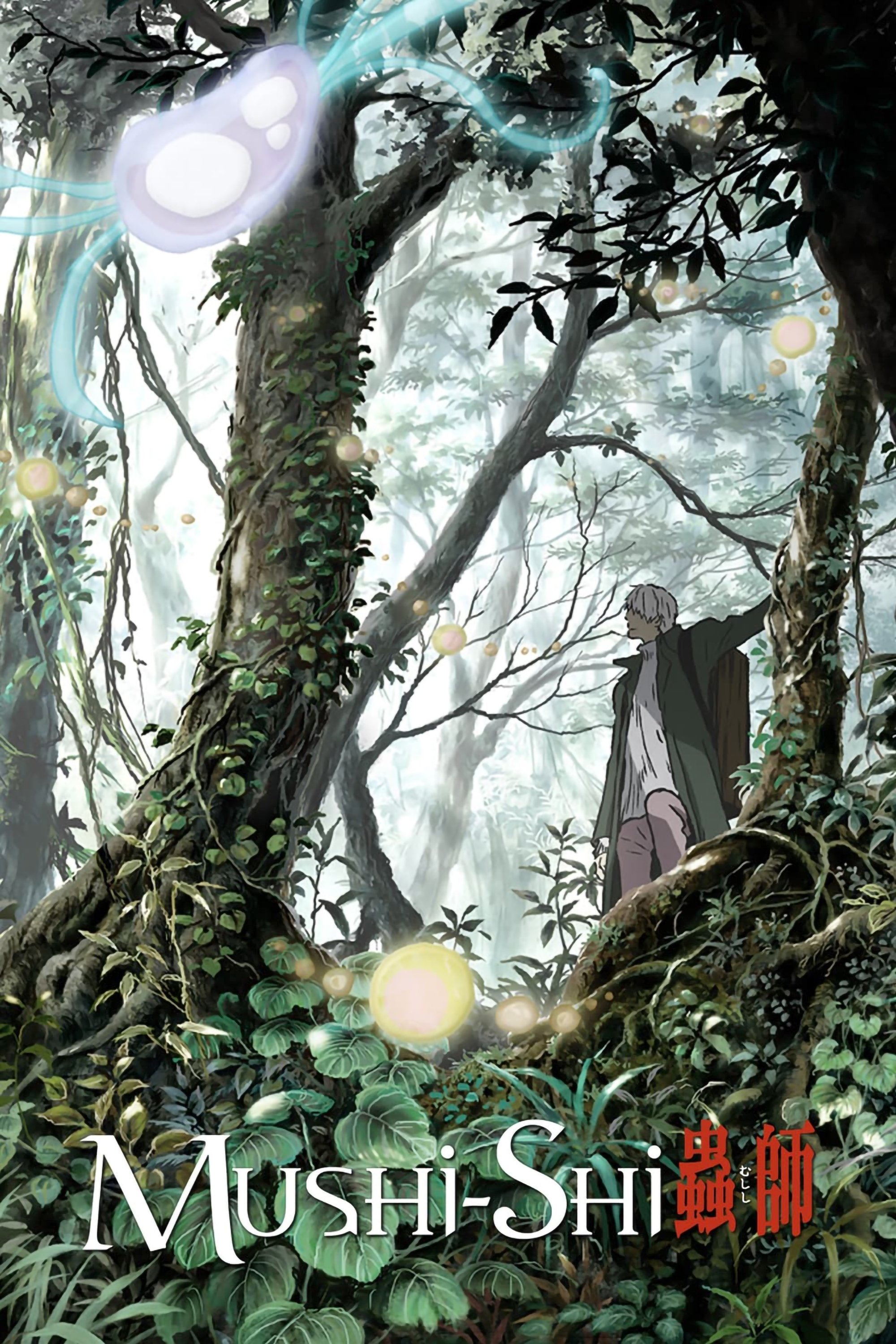
‘Mushishi’ builds many of its stories around folk-style explanations for natural phenomena, including weather that feels uncanny or out of season. Instead of treating strange fogs, sudden chills, or relentless rain as random, episodes often connect them to unseen life-forms that behave like a folklore cause-and-effect system. The main character’s job ends up resembling an itinerant healer from oral tradition, documenting patterns and “rules” the local community already half-believes.
‘Mushi-Shi: The Next Chapter – Drops of Bells’ (2014)
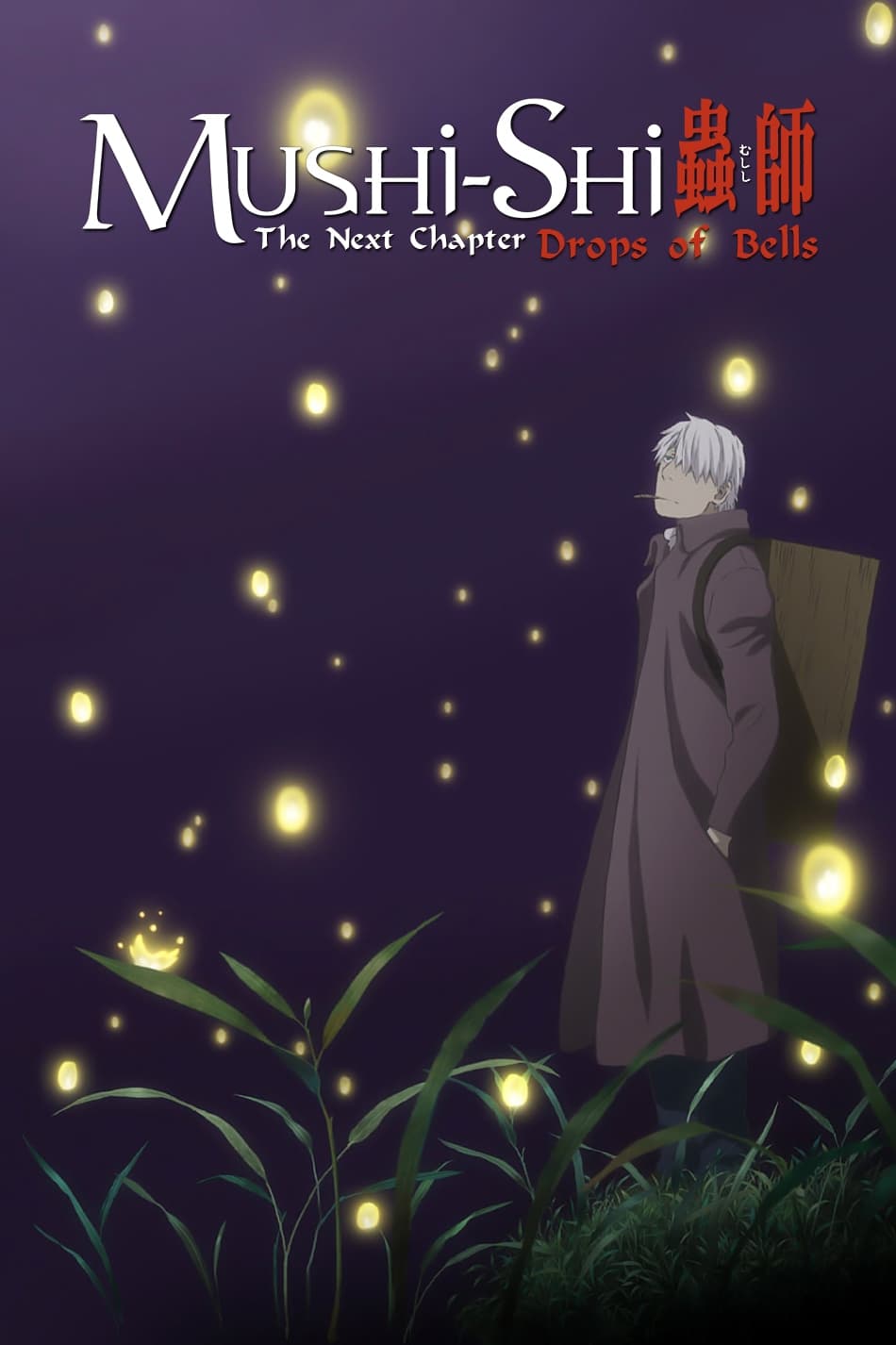
‘Mushishi: The Next Passage’ continues the same folklore-forward approach, using weather shifts as signs that something unseen has settled into a place. Several stories center on environmental imbalance—dampness, storms, or seasonal confusion—as a symptom with an intelligible, legend-like origin. The show treats “what people say” about a mountain, river, or village as practical knowledge that can guide what to do next.
‘Natsume’s Book of Friends’ (2008–2024)
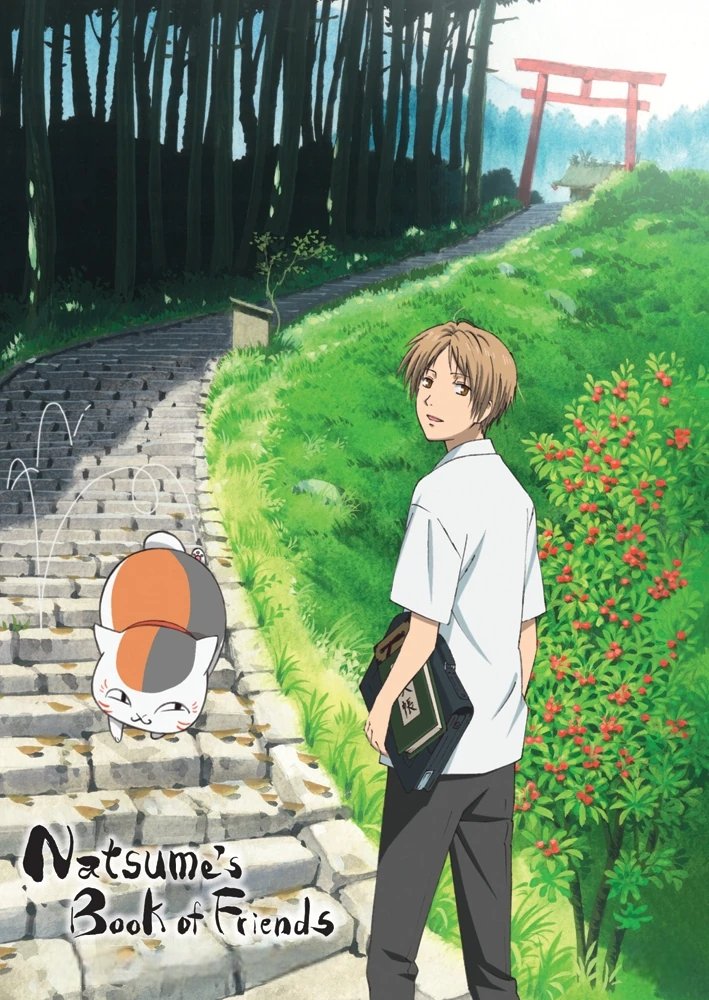
In ‘Natsume’s Book of Friends’, yōkai aren’t just spooky visitors—they’re often tied to local places and the conditions around them, including rain, mist, and seasonal turns. The series regularly uses old promises, offerings, and territory-bound spirits to explain why a day won’t clear or why a landscape feels “different” in certain weather. Weather-linked encounters become a way to show how communities historically made sense of nature through relationships with spirits.
‘xxxHOLiC’ (2006–2008)

‘xxxHOLiC’ turns folklore into a kind of supernatural casework, and weather spirits fit neatly into that structure. The series deals in bargains and consequences, so rain- or storm-linked entities function like living omens that arrive when someone’s choices tilt the balance. By treating these beings as part of an economy of favors, the show echoes how folk beliefs often explain weather as something responsive to human behavior.
‘In/Spectre’ (2020–2023)
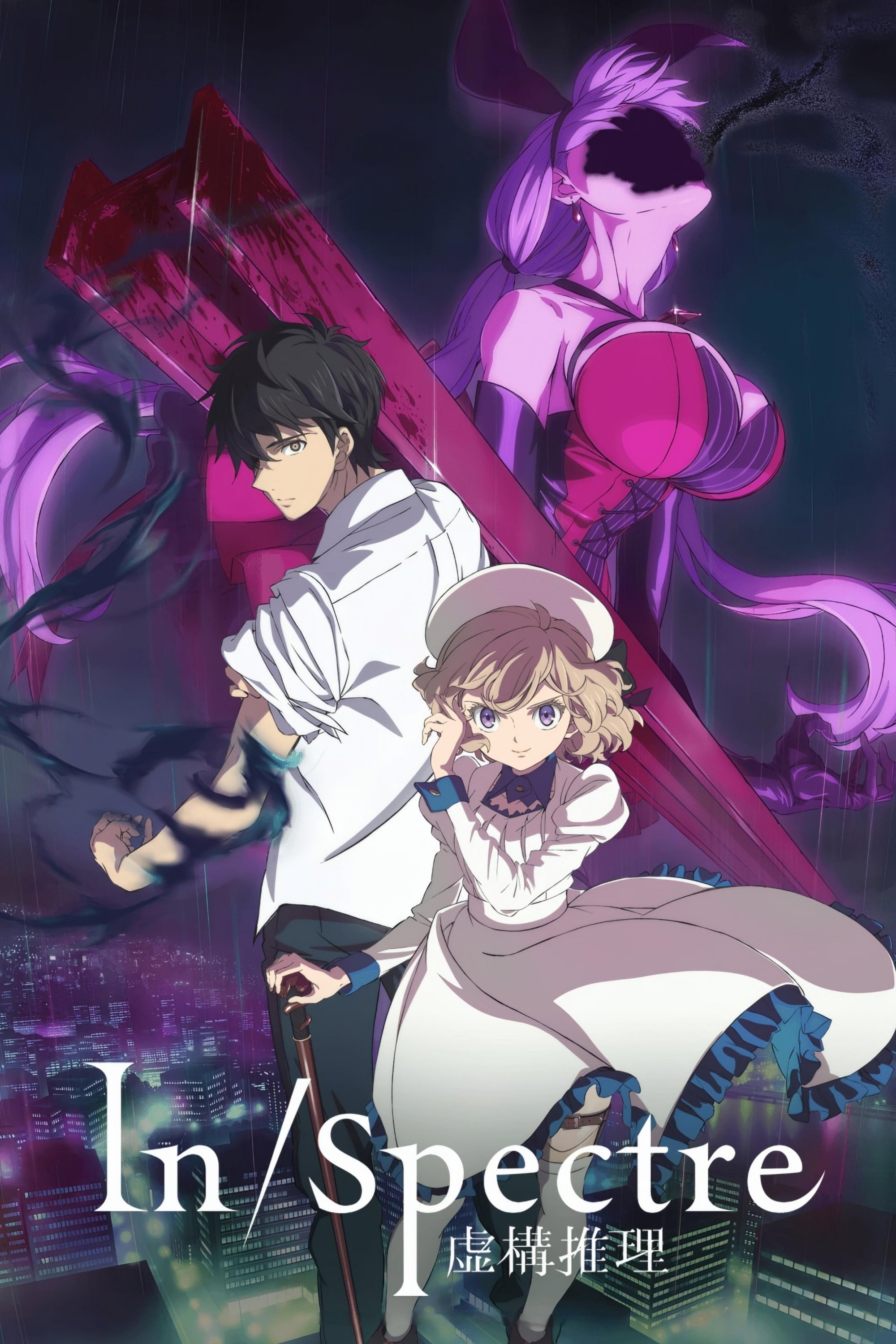
‘In/Spectre’ explicitly plays with the way legends spread and change, which makes it a natural home for weather folklore like the snow woman. The series treats yōkai stories as public narratives that need “solutions,” and those solutions affect how humans and spirits coexist. When it uses a wintery spirit framework, it’s not just decoration—it becomes the basis for motives, misunderstandings, and the rules of an encounter.
‘GeGeGe no Kitaro’ (2018–2020)
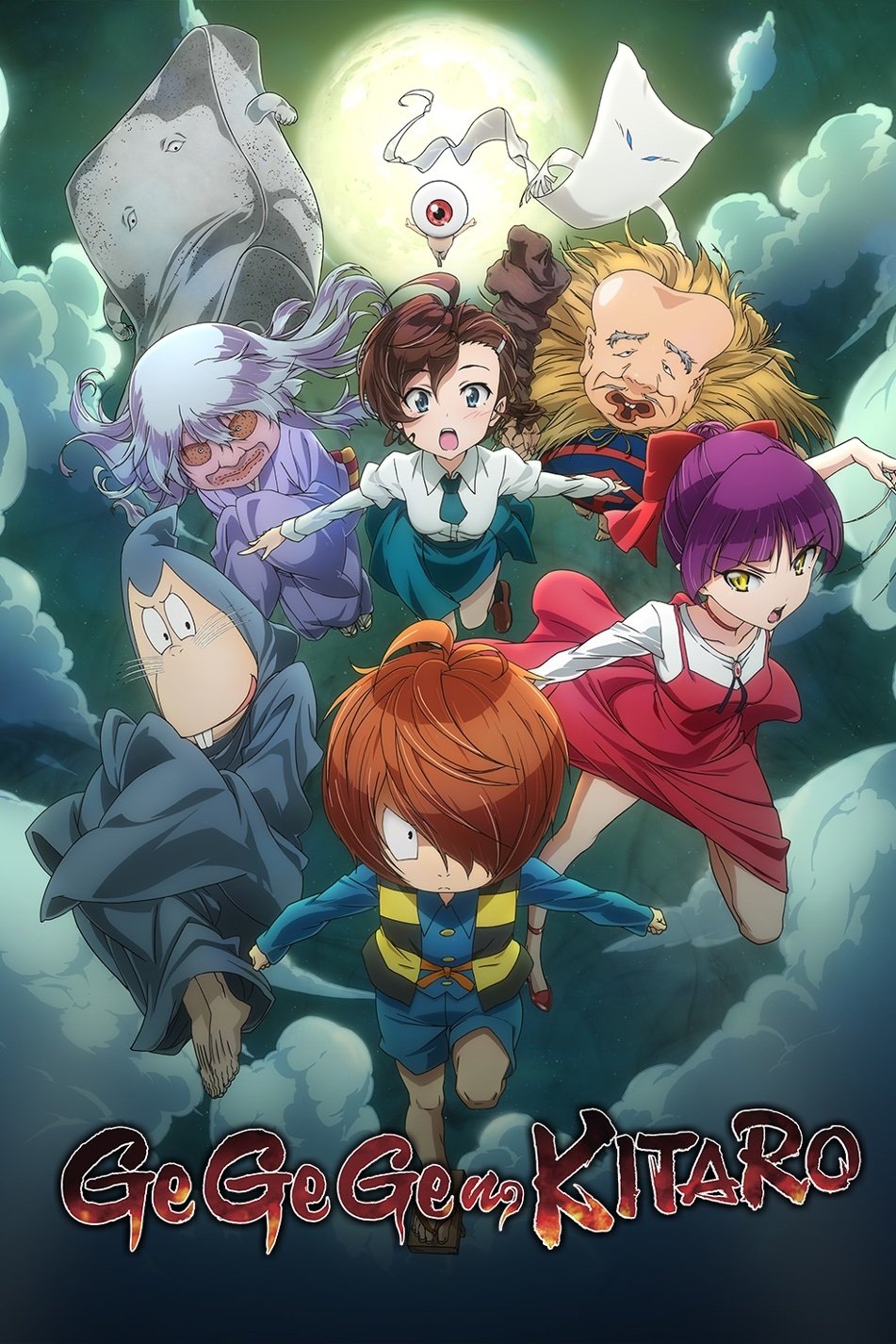
‘GeGeGe no Kitarō’ is packed with yōkai that historically explained natural forces, including creatures associated with storms and strange rain. The show’s episodic structure makes it easy to adapt weather-linked folklore into concrete problems—someone’s life gets disrupted, and a spirit tied to the sky or seasons is behind it. It’s a straightforward “legend becomes plot” setup where traditional beings still have real consequences.
‘Yo-kai Watch’ (2014–2018)
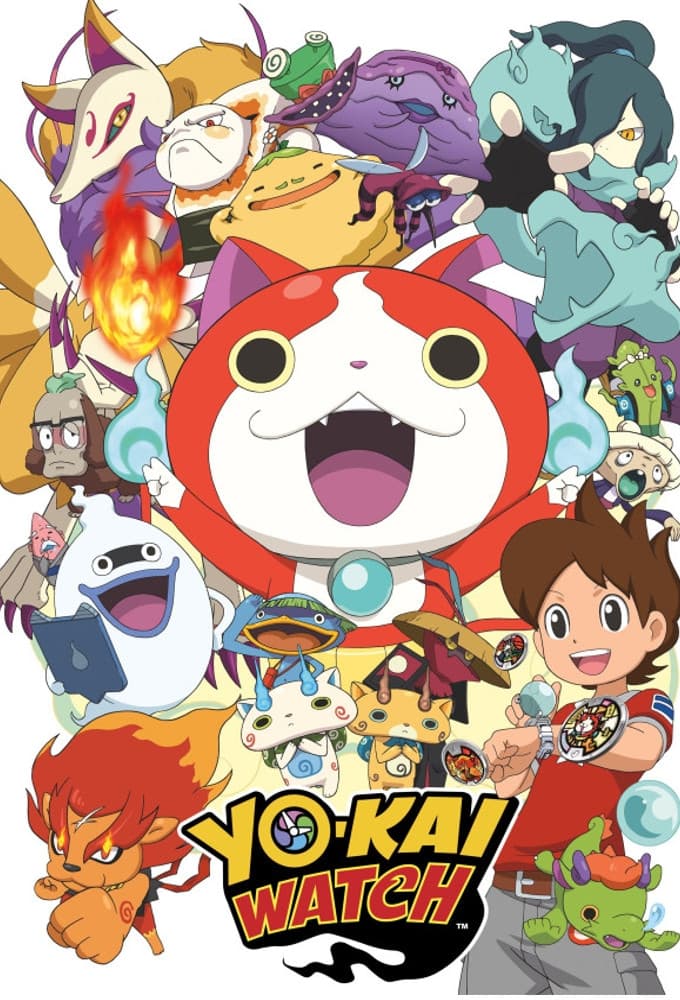
In ‘Yo-kai Watch’, day-to-day trouble often comes from yōkai who personify specific misfortunes, including sudden downpours and gloomy weather. Characters like rain-themed yōkai mirror the folkloric idea that certain people or beings “bring” rain with them, and the story treats that as a solvable mystery. The show uses these spirits to translate weather bad luck into something you can identify, talk to, and resolve.
‘Rosario + Vampire’ (2008)
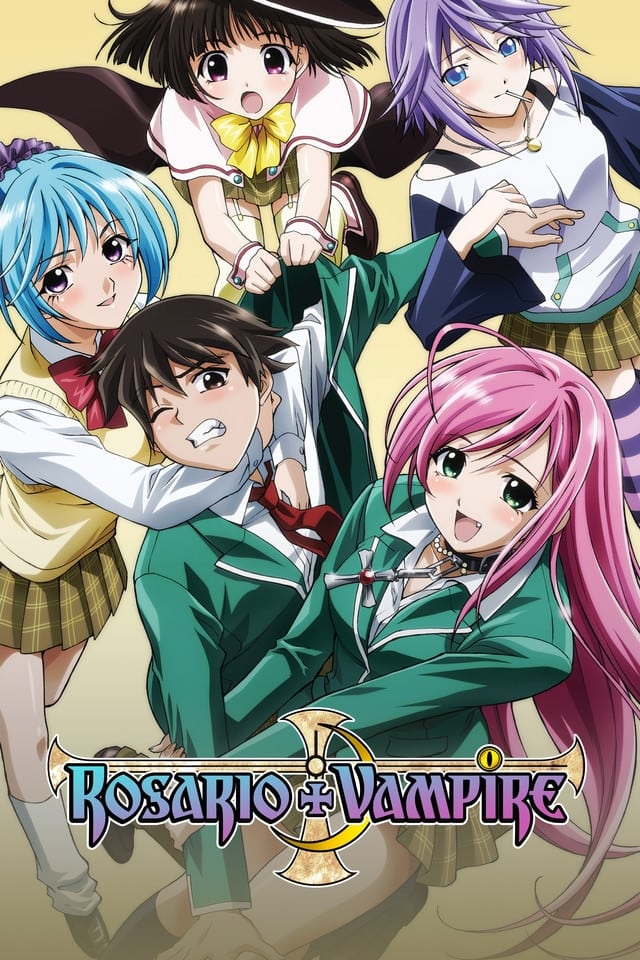
‘Rosario + Vampire’ folds classic monster folklore into its cast, including the snow woman as a recognizable supernatural type. That matters because her abilities and emotional beats are expressed through cold, ice, and the isolation implied by the legend. When conflicts hinge on freezing powers or wintry atmospheres, the show is borrowing the “weather as identity” logic that makes yuki-onna folklore stick.
‘Nura: Rise of the Yokai Clan’ (2010–2011)
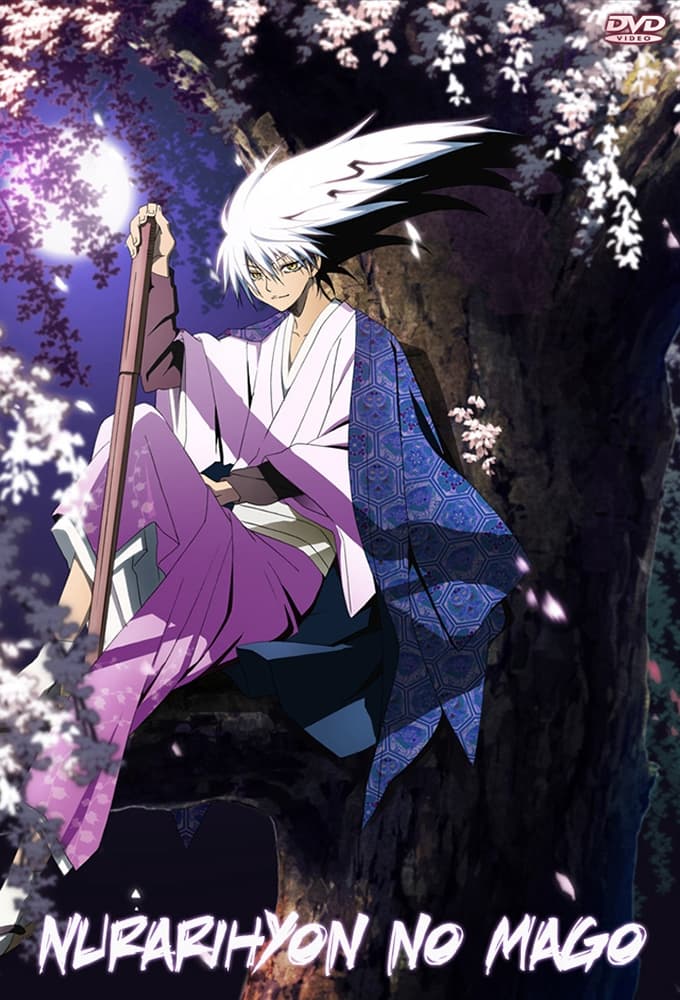
In ‘Nura: Rise of the Yokai Clan’, yōkai society includes weather-linked beings whose folklore traits shape how they fight, protect, and relate to humans. A snow woman figure isn’t just a visual nod—cold and snowfall become part of the story language for loyalty, threat, and mood-setting conflicts. The series uses these traditional archetypes as working pieces of a supernatural ecosystem.
‘Kakuriyo -Bed & Breakfast for Spirits-‘ (2018–2025)
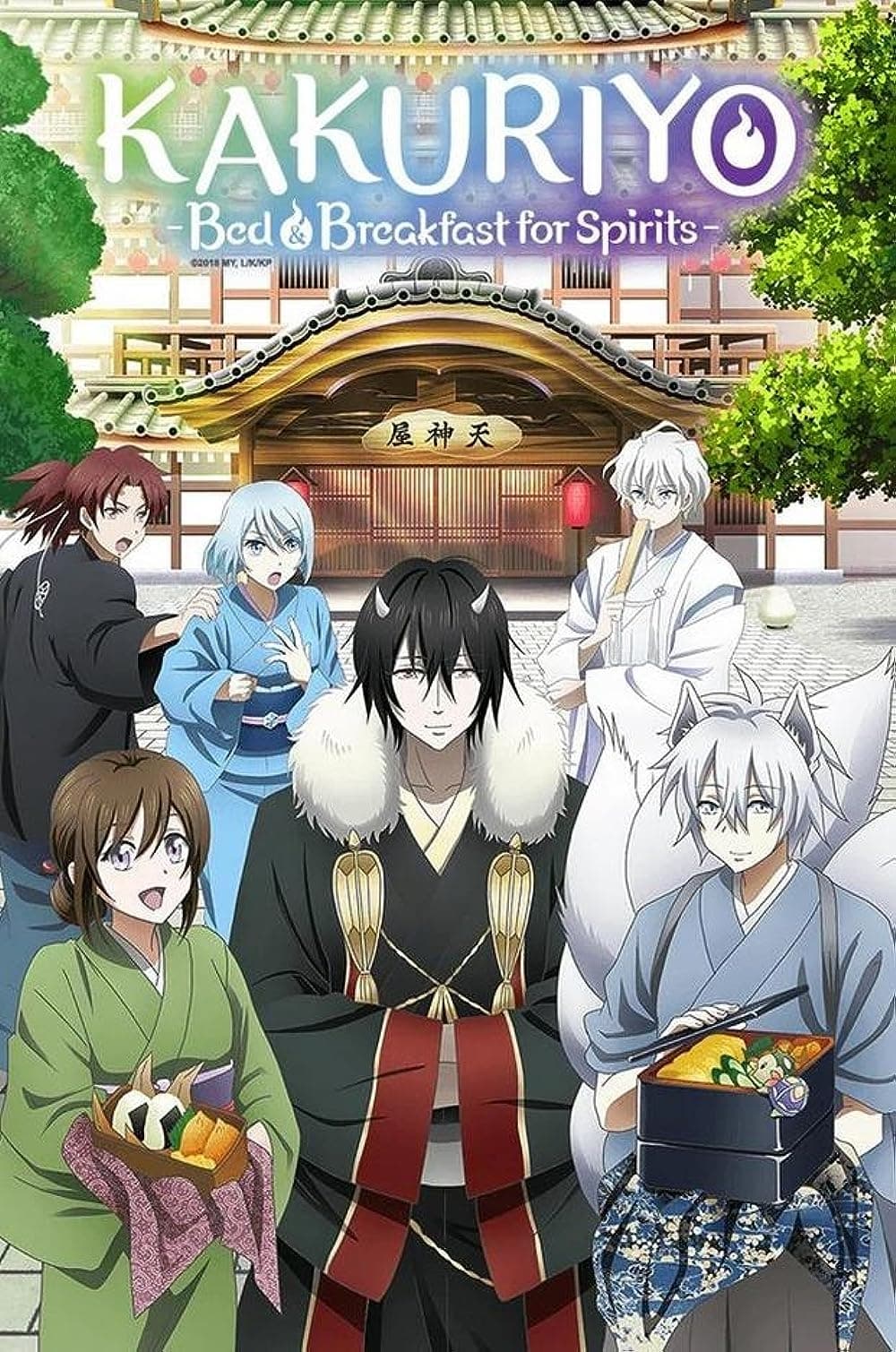
‘Kakuriyo: Bed & Breakfast for Spirits’ situates its folklore in an otherworld that operates by rules closer to legend than modern life. Because the inn serves ayakashi of many types, weather-coded spirits can show up as guests, workers, or complications that require ritual etiquette rather than brute force. The story leans into the idea that supernatural “nature” has customs, debts, and hospitality norms that matter when things turn stormy.
‘Moribito: Guardian of the Spirit’ (2007)
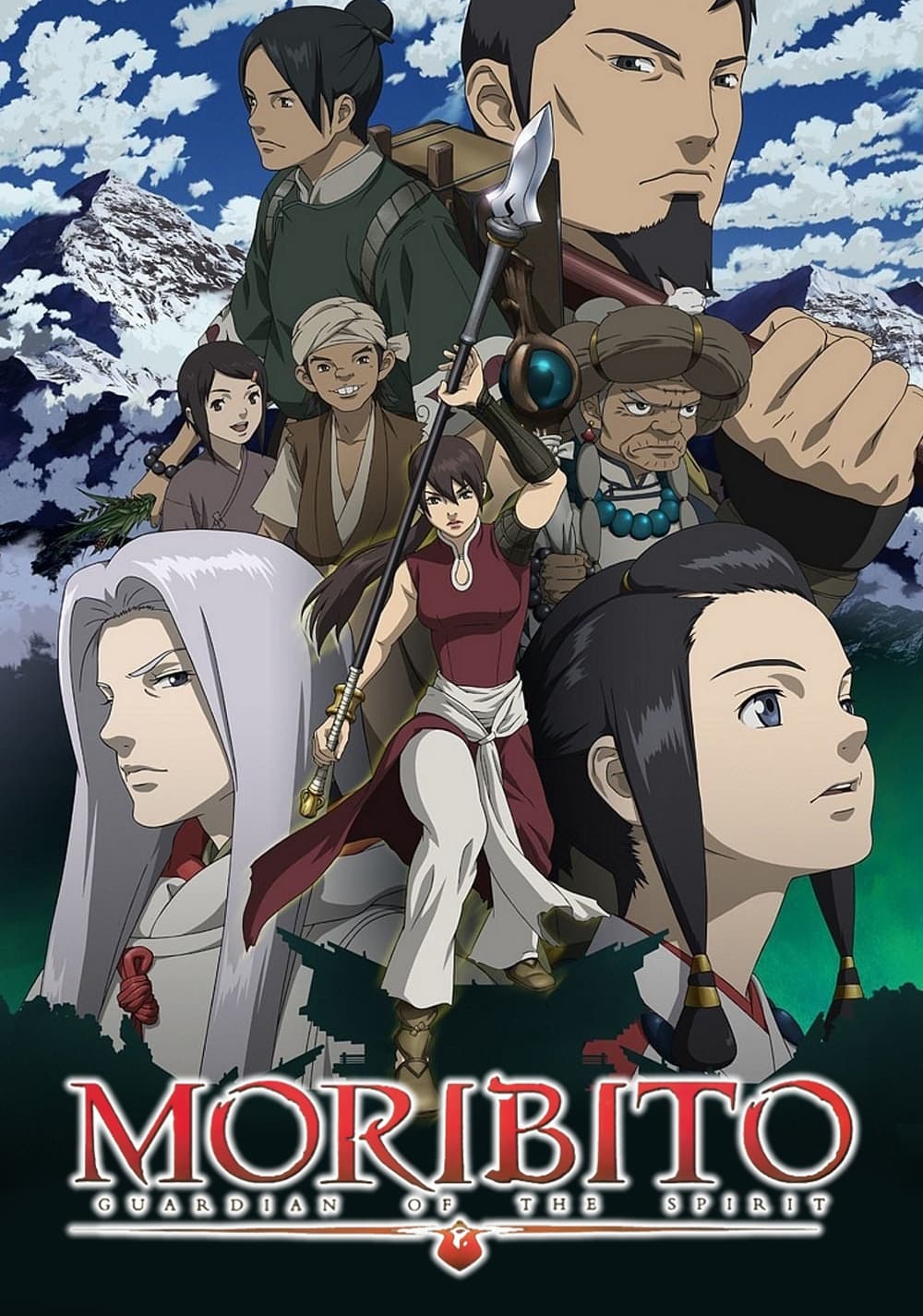
‘Moribito: Guardian of the Spirit’ uses a drought-and-deluge framework that resembles the old myth pattern of a land suffering because a spirit cycle is out of alignment. The central conflict ties political survival to a belief system about a water entity, with ceremonies and interpretation of signs guiding what leaders think must be done. Weather isn’t just background—it’s the symptom everyone is trying to cure through legend-shaped logic.
‘Windy Tales’ (2004–2005)
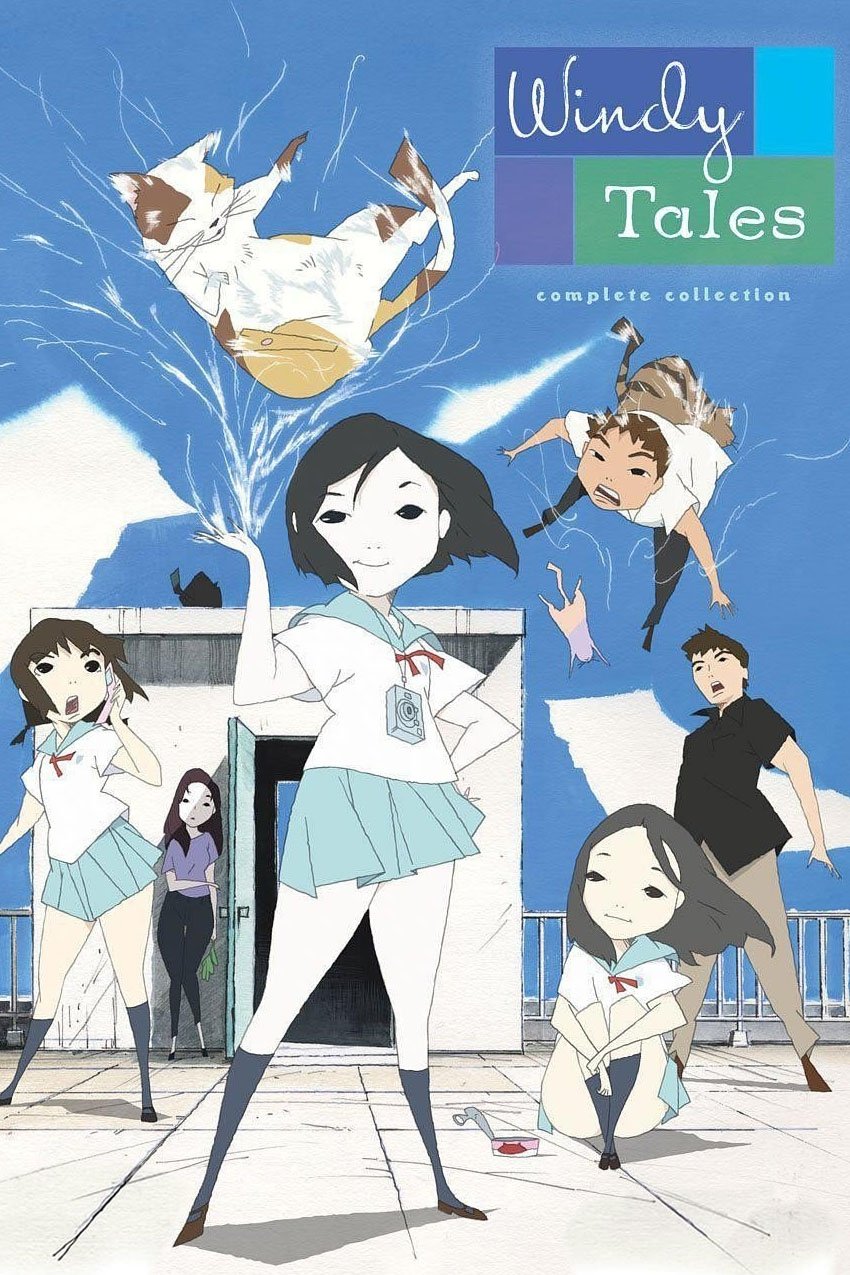
In ‘Windy Tales’, wind is treated like something you can learn, influence, and read—closer to folklore than meteorology. The story follows people who can control wind, which maps neatly to traditional ideas of wind as a living force with temperament and patterns. Rather than using wind powers only for spectacle, the series builds small, practical consequences around breezes, gusts, and the way wind changes human routines.
‘Kamichu!’ (2005)
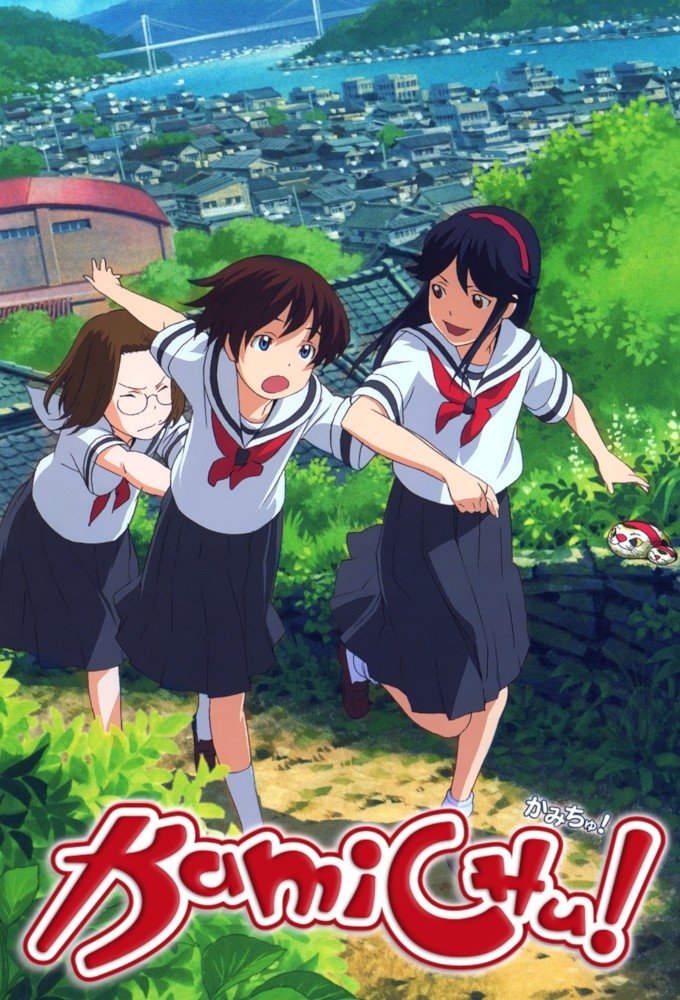
‘Kamichu!’ is steeped in Shinto-influenced storytelling, where local deities and community rituals are part of everyday life. That worldview naturally connects to weather folklore, because festivals, offerings, and shrine relationships are treated as meaningful ways to respond to what the environment is doing. By putting a “new goddess” into a normal town, the show highlights how weather, seasons, and local customs often intertwine.
‘Ponyo’ (2008)
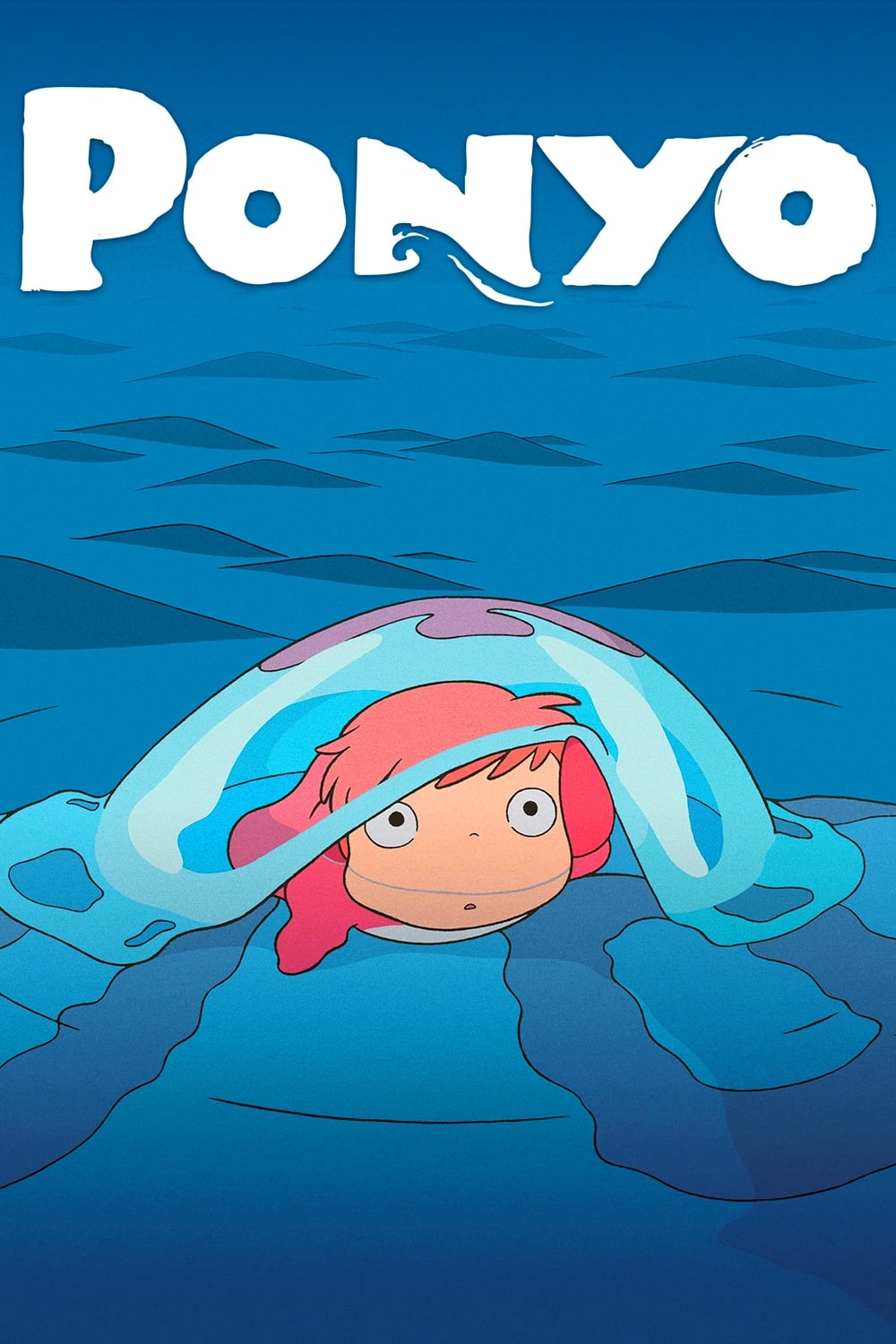
‘Ponyo’ uses storm and flood imagery in a way that echoes maritime folklore about the sea’s power and the delicate balance between land and ocean. The plot treats nature’s upheaval as a consequence of magic and boundary-crossing, which matches the folk idea that the sea can “answer back” when order is disturbed. Water becomes a living force that shapes where people can go, what they can save, and how they reunite.
‘Nagi-Asu: A Lull in the Sea’ (2013–2014)
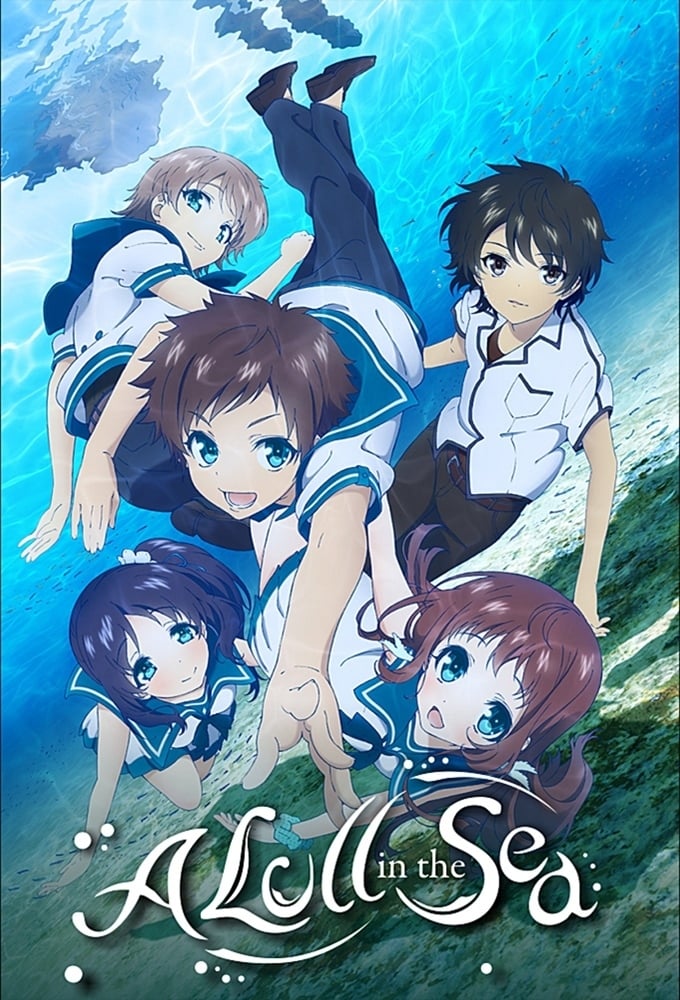
In ‘Nagi-Asu: A Lull in the Sea’, sea worship and community tradition aren’t just cultural flavor—they’re embedded in the core conflict between surface and sea life. The story uses ceremonies and the authority of a sea deity framework to explain shifts in the world’s balance, including seasonal and ocean-linked changes that feel mythic. That structure resembles coastal folklore where weather and the sea are governed by beings who must be honored correctly.
‘The Eccentric Family’ (2013–2017)
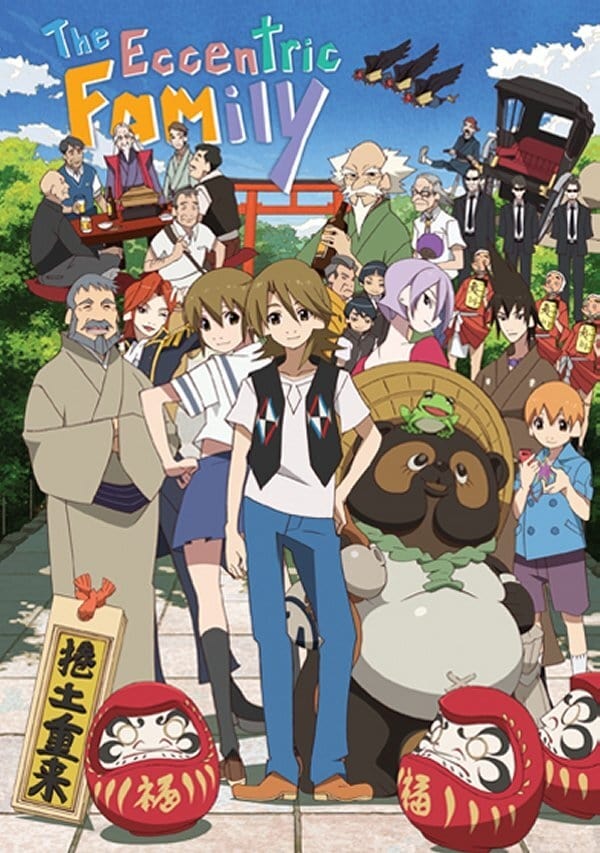
‘The Eccentric Family’ includes tengu as a major presence, and tengu folklore is commonly tied to mountains, winds, and airy otherness. By placing these beings “above” human life—socially and literally—the story taps into the old idea that weather and the sky have their own residents and rules. Flight, elevation, and the boundary between ground and sky become narrative tools that keep the folklore feeling functional.
‘Spice and Wolf’ (2008–2009)
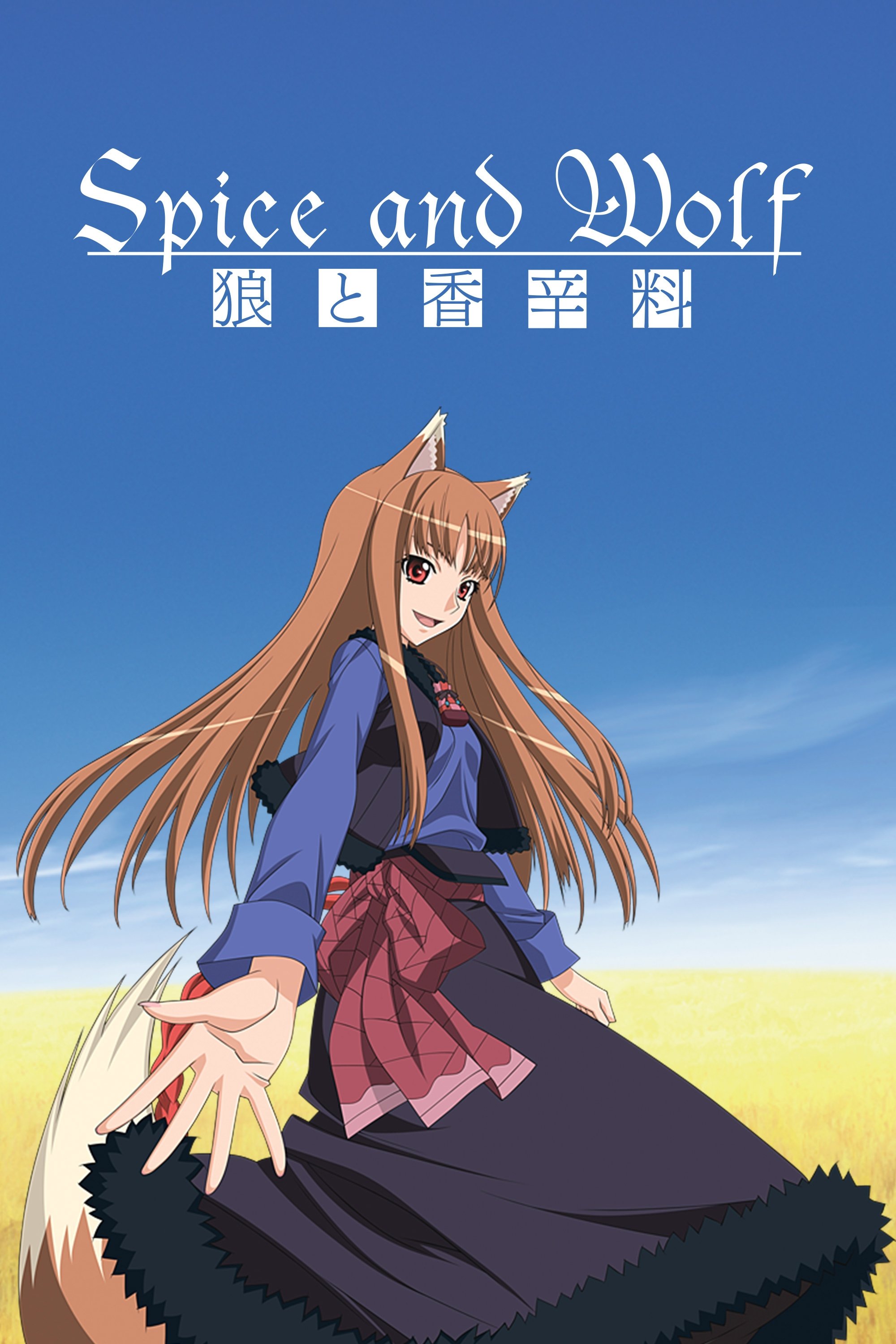
‘Spice and Wolf’ centers on a harvest deity, which connects directly to the folklore logic that crops, seasons, and good weather are negotiated with the divine. The plot treats belief as practical: communities thrive or struggle depending on how they relate to the old god they once relied on. That makes weather-adjacent concerns—like harvest security and seasonal change—feel like the real stakes behind every deal and decision.
‘The Ancient Magus’ Bride’ (2017–2023)
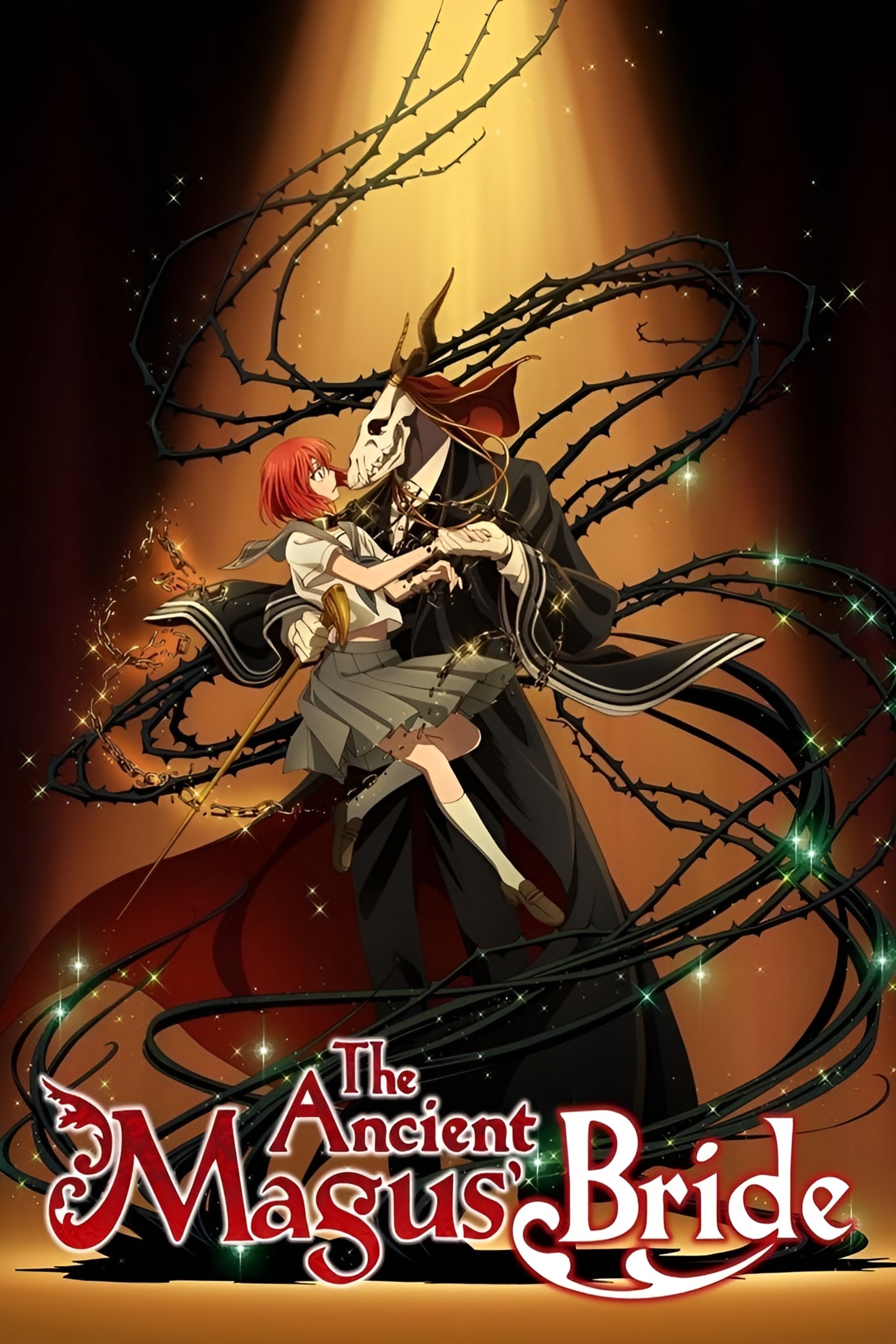
In ‘The Ancient Magus’ Bride’, weather folklore shows up through a fae-and-ritual lens where seasons are animated by beings with their own motives. The story uses old-world rites, bargains, and supernatural ecology to explain why places feel charged, dangerous, or “thin” between worlds. When the narrative leans into solstice-like turning points, it’s echoing the folk idea that weather shifts are also spiritual shifts.
‘Blue Seed’ (1994–1995)
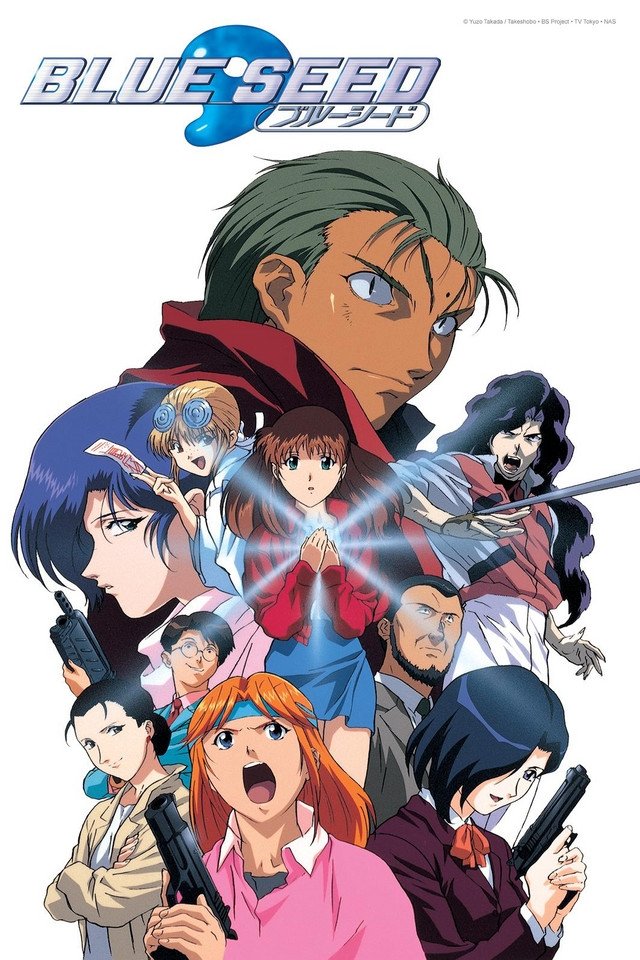
‘Blue Seed’ is built on the Izumo myth cycle, tying its supernatural threat to stories that involve divine forces associated with storms and calamity. The plot uses the logic of sacrifice, lineage, and appeasement that’s common in older myth explanations for disaster. By framing the conflict through that mythology, the series treats catastrophe as something rooted in ancient relationships with powerful beings.
‘Noragami’ (2014–2015)
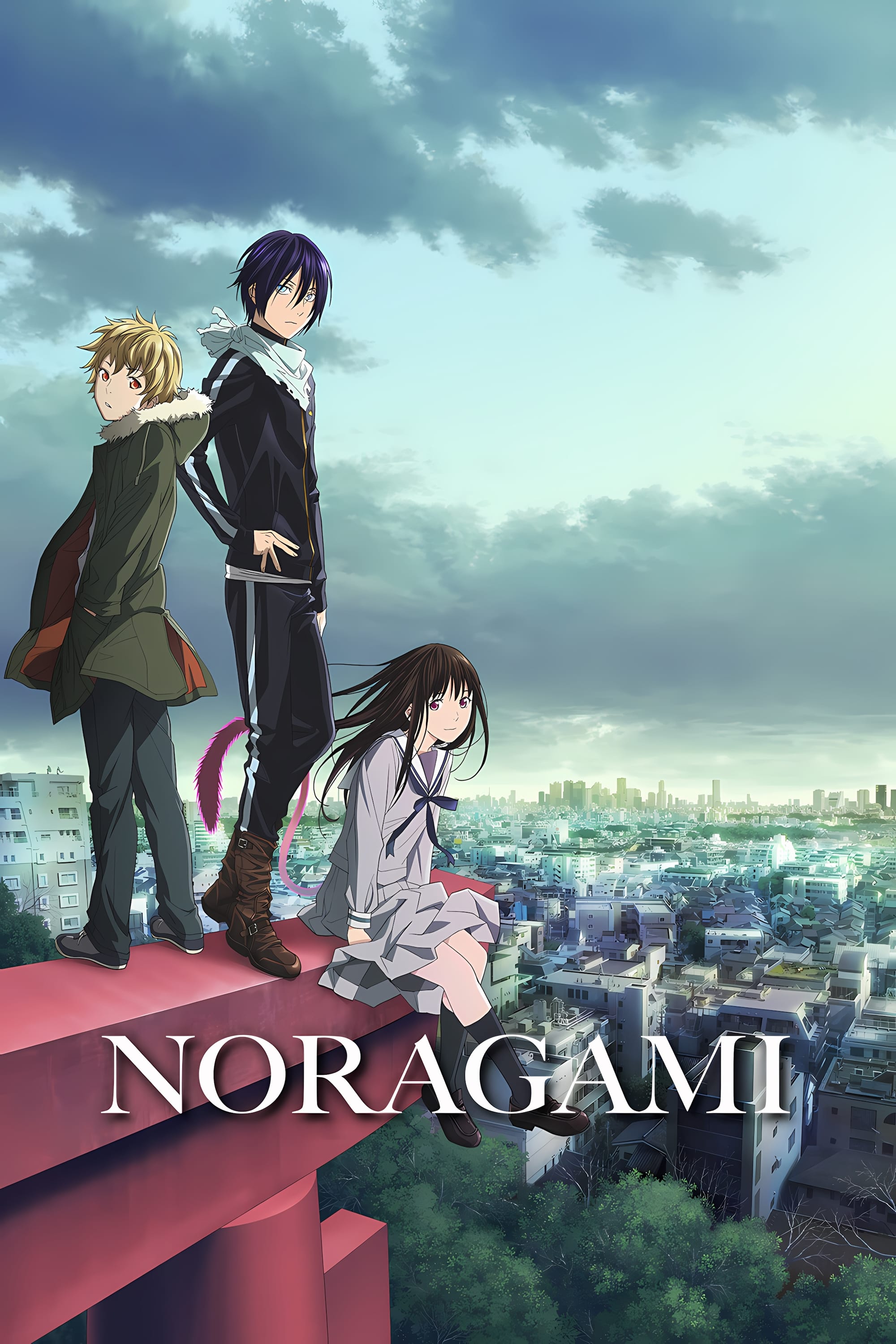
‘Noragami’ draws from Shinto-style divine hierarchies, and it includes powerful gods whose domains overlap with storm imagery and thunder folklore. When a thunder deity enters the story world, weather-like power becomes a sign of status and a tool that can escalate conflict fast. That reinforces the folk pattern where lightning and storms aren’t random—they’re the expression of a will you might need to appease or outmaneuver.
‘Rain Boy’ (1983)
‘Rain Boy’ is built around a classic rain-spirit premise: a mysterious childlike figure whose presence is inseparable from rainfall. The story treats rain as a personal attribute with rules—promises, exchanges, and consequences—much like older tales where weather is a relationship, not an event. By centering the plot on a bargain and a remembered obligation, it mirrors how folklore often teaches weather “lessons” through morality.
‘Oni: Thunder God’s Tale’ (2022)
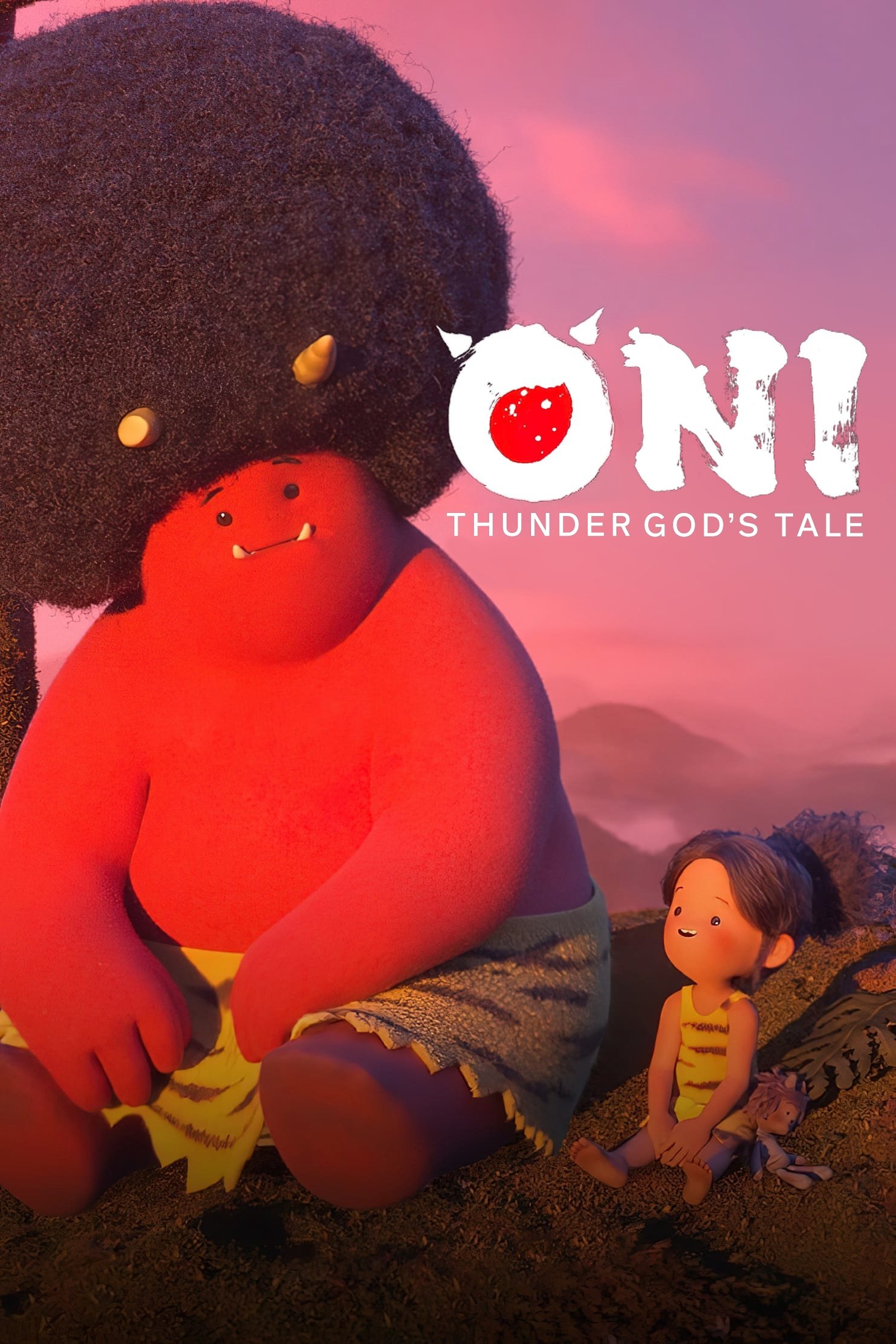
In ‘Oni: Thunder God’s Tale’, Japanese folklore is a direct inspiration for the worldbuilding, with oni and heroic archetypes shaping the threats and the solutions. The series frames its fantasy around traditional creature logic, where nature, spirits, and community safety are tightly connected. By anchoring its conflict in folklore categories rather than modern explanations, it keeps weather-and-storm symbolism feeling mythic and purposeful.
‘Pokémon the Movie 2000’ (1999)
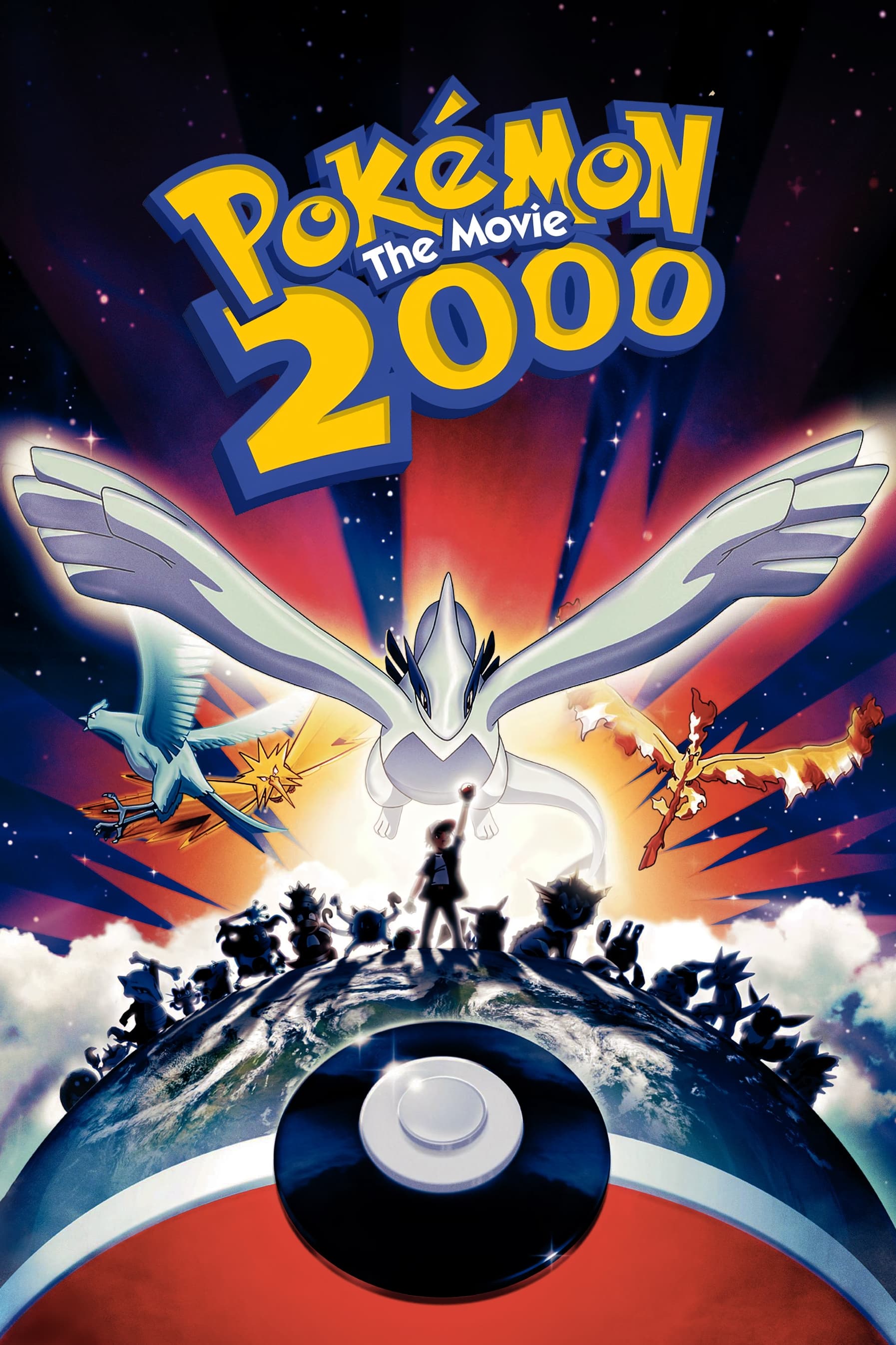
‘Pokémon the Movie 2000’ leans on prophecy structure that feels like weather folklore: elemental “titans” fall out of balance, and storms spread as a global consequence. The plot treats climate and weather as something governed by powerful beings, with ritual objects and a chosen role needed to restore order. That’s the classic legend pattern where nature’s violence is a sign of disrupted harmony, not coincidence.
‘Record of Ragnarok’ (2021–2025)
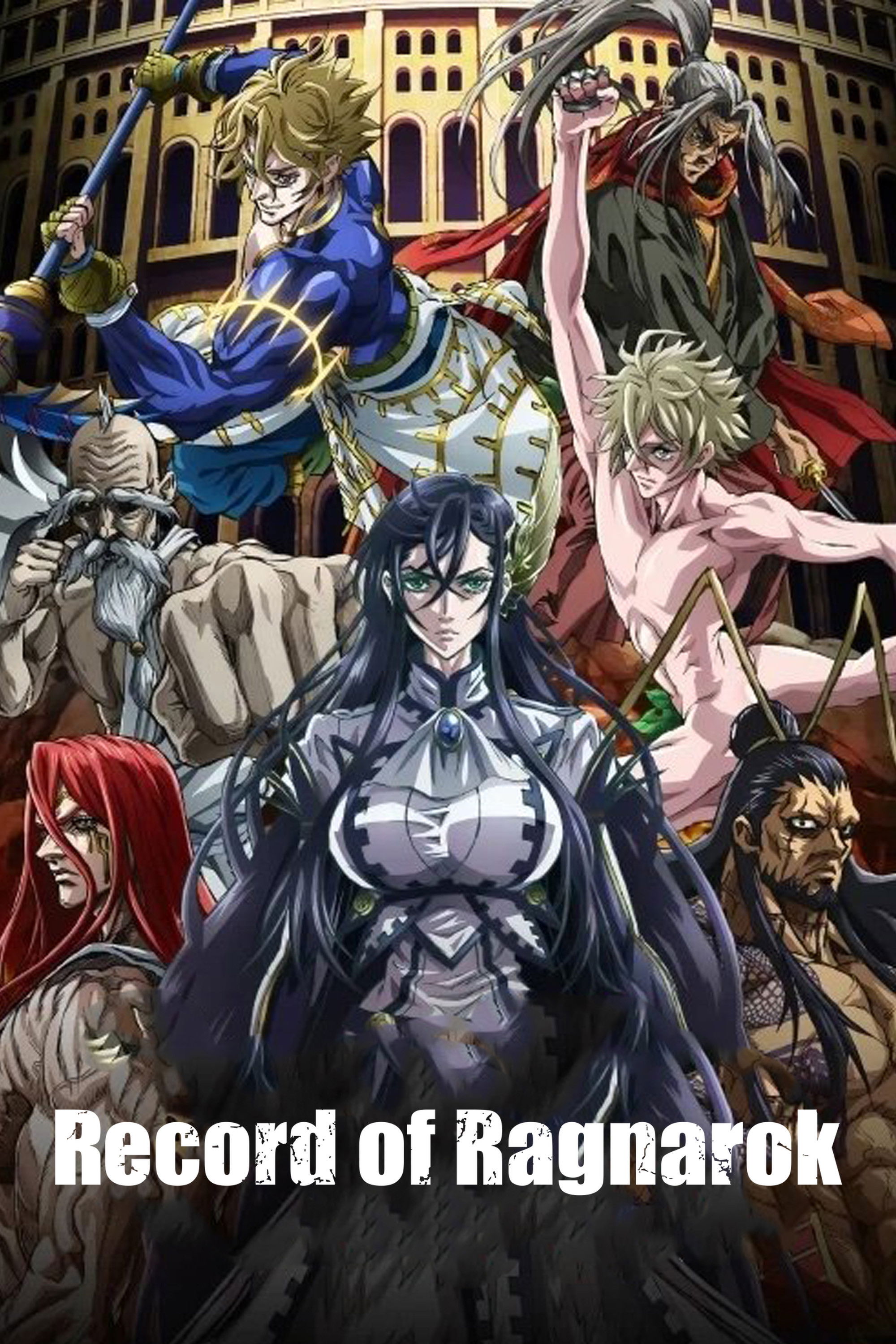
In ‘Record of Ragnarok’, mythic figures tied to thunder and storms are placed into a tournament framework where their elemental identities matter in combat. The show turns “god of thunder” style folklore into tangible abilities, making lightning and storm force a narrative shorthand for divine power and danger. By pulling weather-linked gods into life-or-death stakes, it keeps ancient associations—thunder as authority, storms as judgment—active inside the plot’s rules.
Drop your favorite weather-folklore moments in anime in the comments and tell everyone which series pulled it off best.