

Anime That Lightened Dark-Skinned Characters for International Appeal



The global expansion of Japanese animation has led to many creative adjustments to suit different cultural sensitivities and broadcasting standards. One of the most discussed topics in the industry involves the visual depiction of characters with darker skin tones. Over the years various studios have altered character designs or adjusted color palettes to better align with international expectations. These changes range from complete color shifts to subtle lightening of complexions during the remastering process. This list examines several instances where dark skinned characters were modified for global audiences.
‘Dragon Ball Z’ (1989–1996)

The character Mr. Popo is a famous example of a design change made for international viewers. In the original series his skin was entirely black with bright red lips which some perceived as a racial caricature. To mitigate these concerns the character was recolored to a bright blue for certain American television releases. This alteration allowed the show to remain on the air while avoiding potential controversy regarding its character designs. The blue version of the character remains a distinctive part of the franchise history in the west.
‘Pokémon’ (1997–Present)

The creature Jynx faced significant backlash due to its original design featuring a dark black face. Critics argued that the appearance resembled historical racial stereotypes that were inappropriate for a global audience. The creators eventually decided to change the face color to purple to ensure the character was acceptable for international distribution. This modification was applied across the anime and the video games to maintain brand consistency worldwide. Jynx now appears with a purple face in all modern releases of the franchise.
‘One Piece’ (1999–Present)
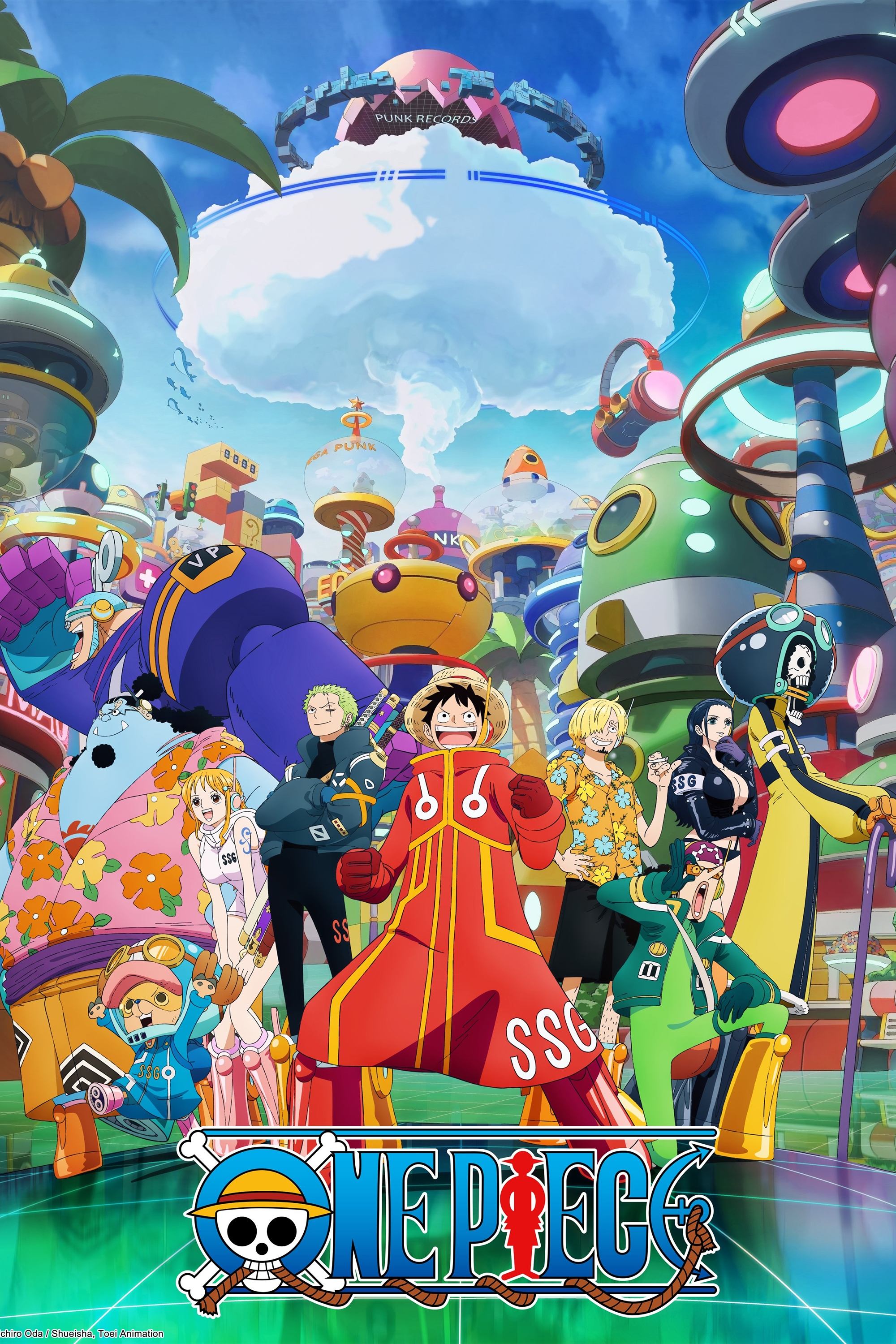
Nico Robin experienced a dramatic change in her skin tone following the time skip period of the story. During her debut and early adventures she was illustrated with a tanned complexion that many viewers appreciated for its uniqueness. When the series returned after the two year break her skin appeared much lighter and more consistent with other female characters. This adjustment aligned her more closely with the creator original color spreads in the manga. International viewers continue to debate whether the change was a creative choice or a move toward a more conventional aesthetic.
‘Bleach’ (2004–2012)
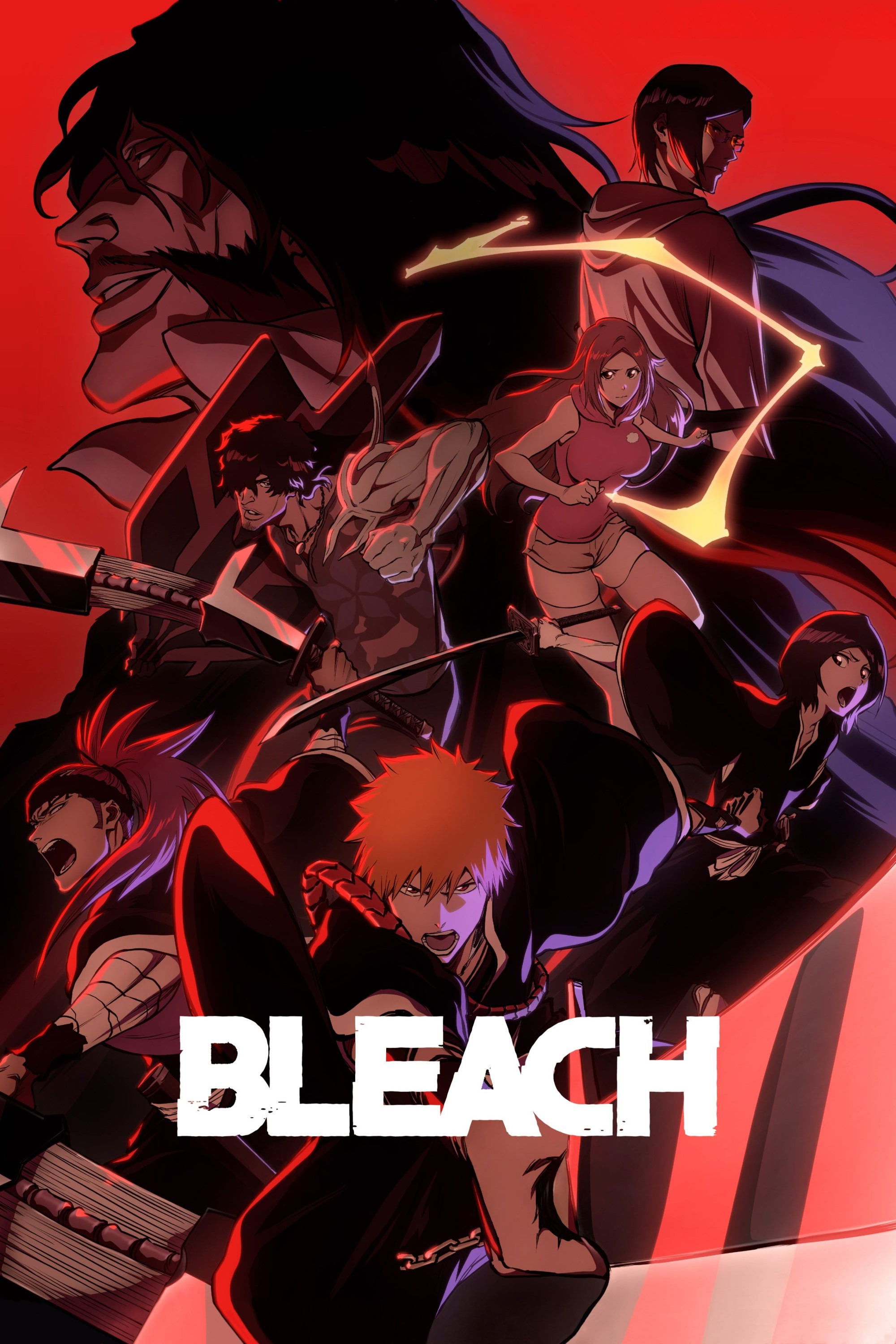
Yoruichi Shihoin is often noted for her dark skin tone which fluctuates significantly across different media platforms. While her initial appearances in the anime maintained a distinct complexion later promotional materials and international merchandise frequently presented her with lighter skin. Fans have observed that certain coloring choices in the newer story arcs seem to shift her palette toward a paler look. This phenomenon suggests a lack of consistency that often results in a lighter appearance for global marketing. The character remains a fan favorite despite these visual discrepancies in her design.
‘Shaman King’ (2001–2002)
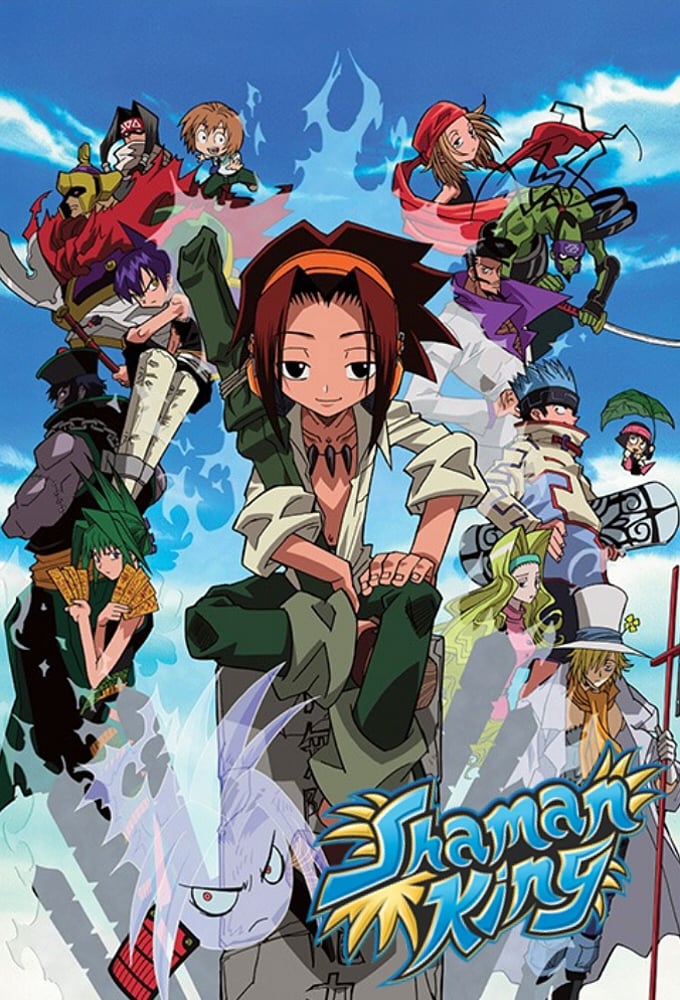
The character Chocolove McDonnell underwent major design changes when the series was adapted for international audiences. His original manga and early anime appearance featured exaggerated features that were deemed problematic by western censors. In the later remake and various global versions his facial features were softened and his skin tone was adjusted. These changes were made to comply with international standards regarding the depiction of ethnic characters. The shift aimed to prevent the character from being viewed as a negative stereotype in global markets.
‘Yu-Gi-Oh! Duel Monsters’ (2000–2004)
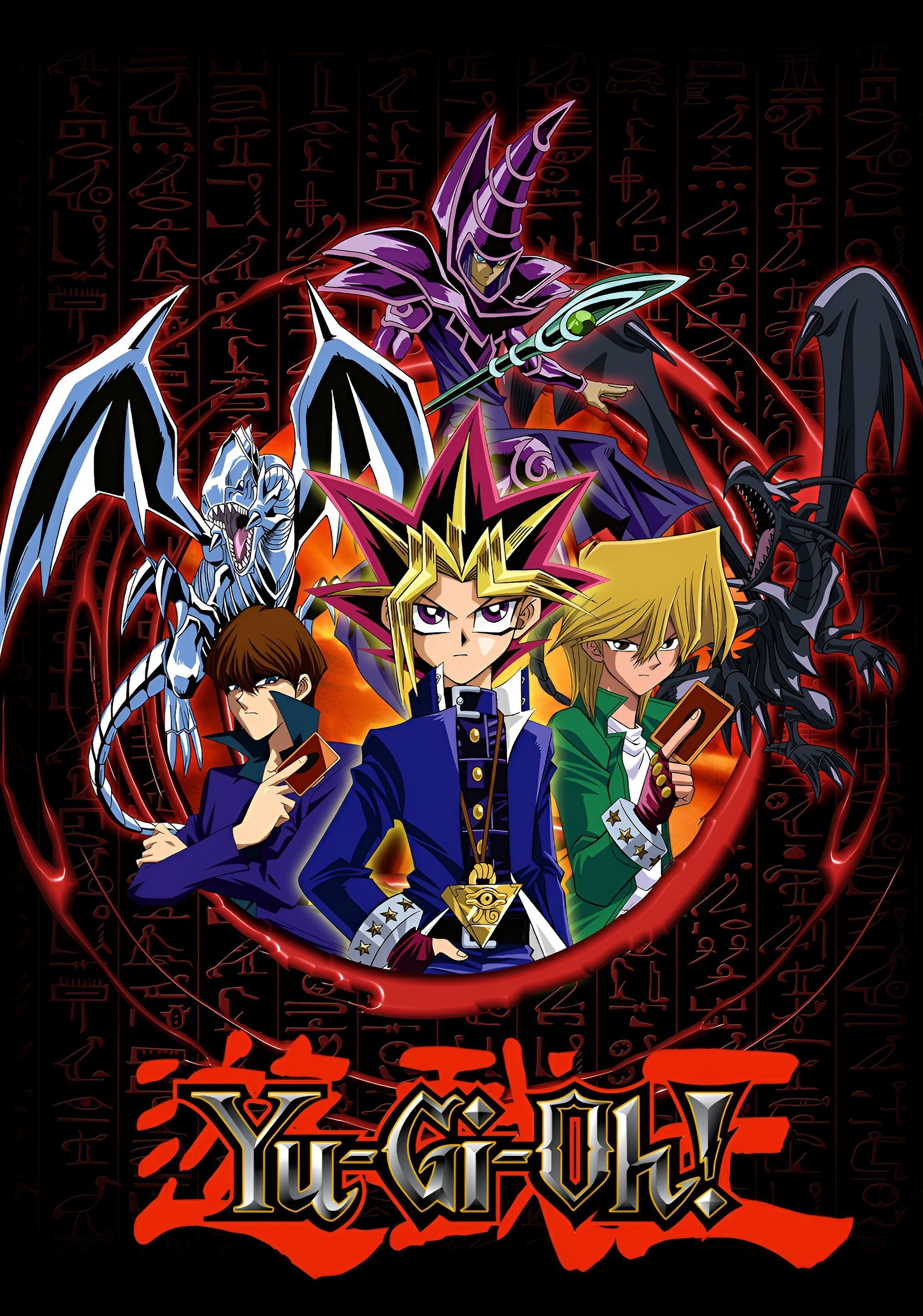
Marik Ishtar and his sister Ishizu belong to a group of tomb keepers with a distinct Egyptian heritage. In the original Japanese broadcast their skin tones were notably darker to reflect their ethnic background. For the international release the color grading was often brightened which resulted in the characters looking significantly lighter. This change was part of a broader effort to sanitize the series for a younger western audience. The difference in their appearance is most visible when comparing the original cells to the edited international versions.
‘Fullmetal Alchemist’ (2003–2004)
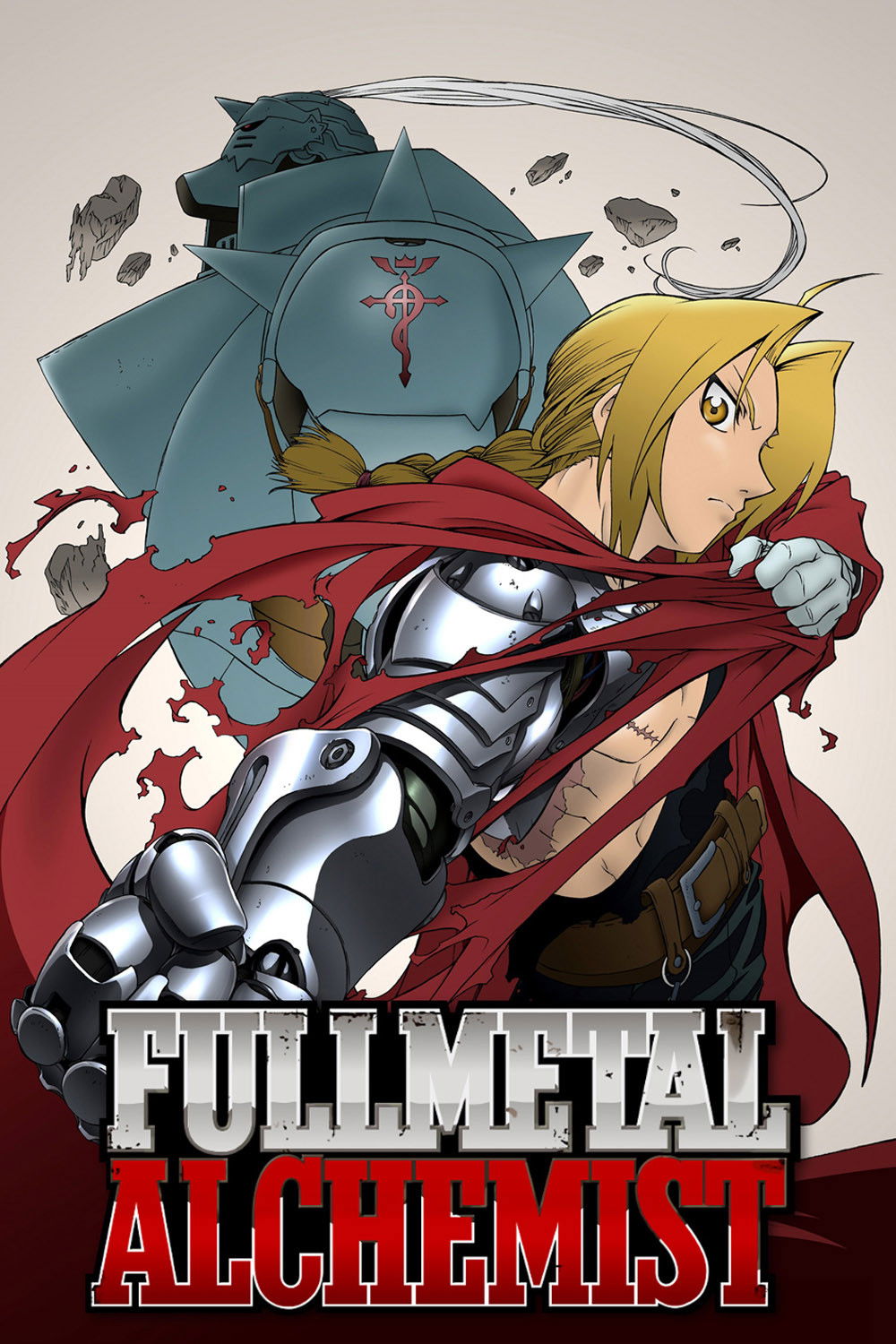
The Ishvalan people are a central ethnic group in this story and are defined by their dark skin and red eyes. In the original series the skin tones of characters like Scar were depicted with a deep tan color. However in various international promotional materials and even in the later series reboot the skin tones occasionally appeared lighter. This variation in the color palette can affect the impact of the themes of the story regarding ethnic conflict. The visual representation of the Ishvalans remains a critical point of discussion for fans interested in the socio political themes of the show.
‘Black Butler’ (2008–2010)
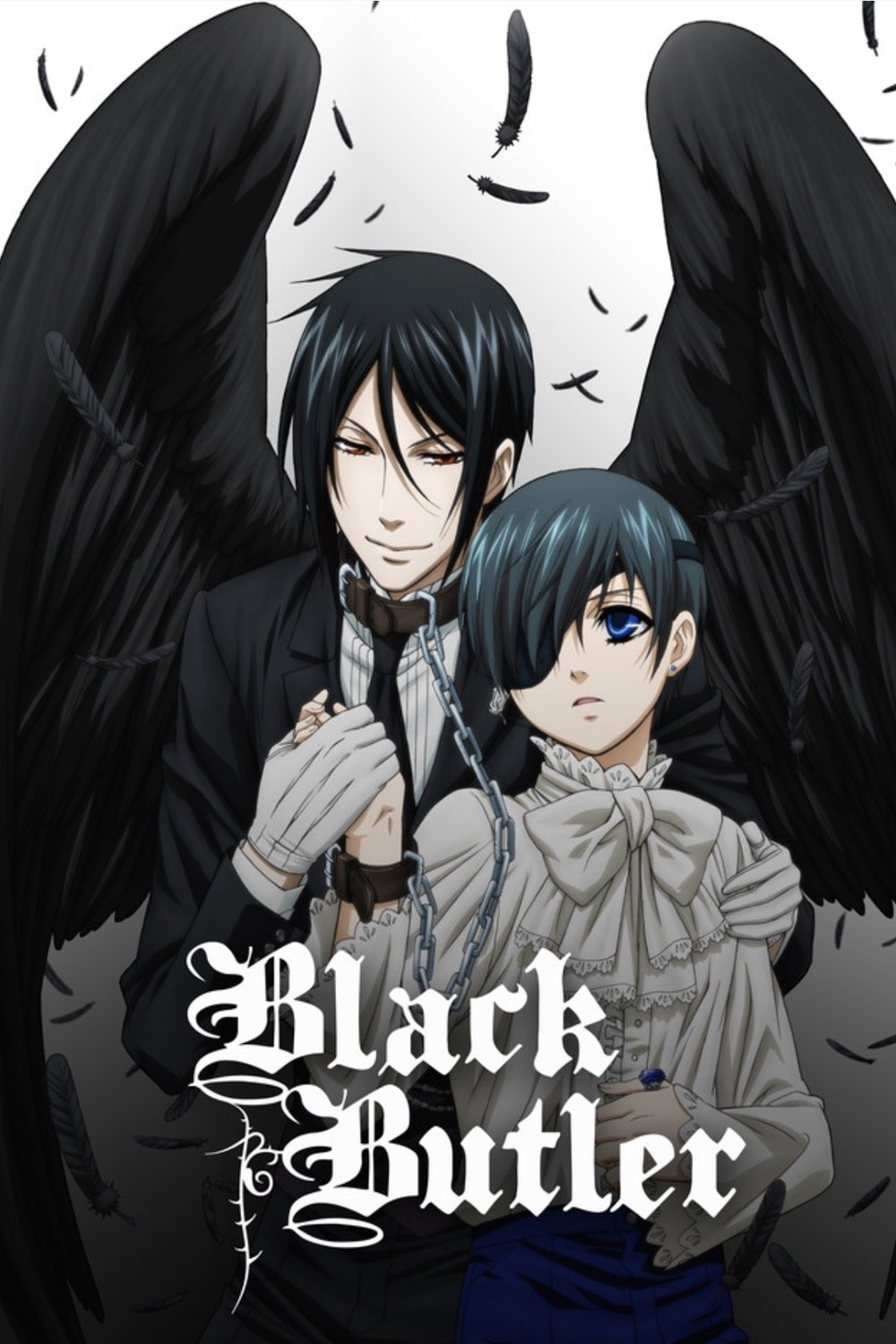
The character Agni is an Indian priest who serves as a major supporting figure in the series. His skin tone is a key part of his character design reflecting his heritage and background. In some international versions of the anime and official art his complexion is noticeably brightened compared to the manga illustrations. This change can sometimes lead to a loss of the visual detail that defines his identity. The lightening of his skin is a subtle but noticeable adjustment for the global market.
‘Sailor Moon’ (1992–1997)
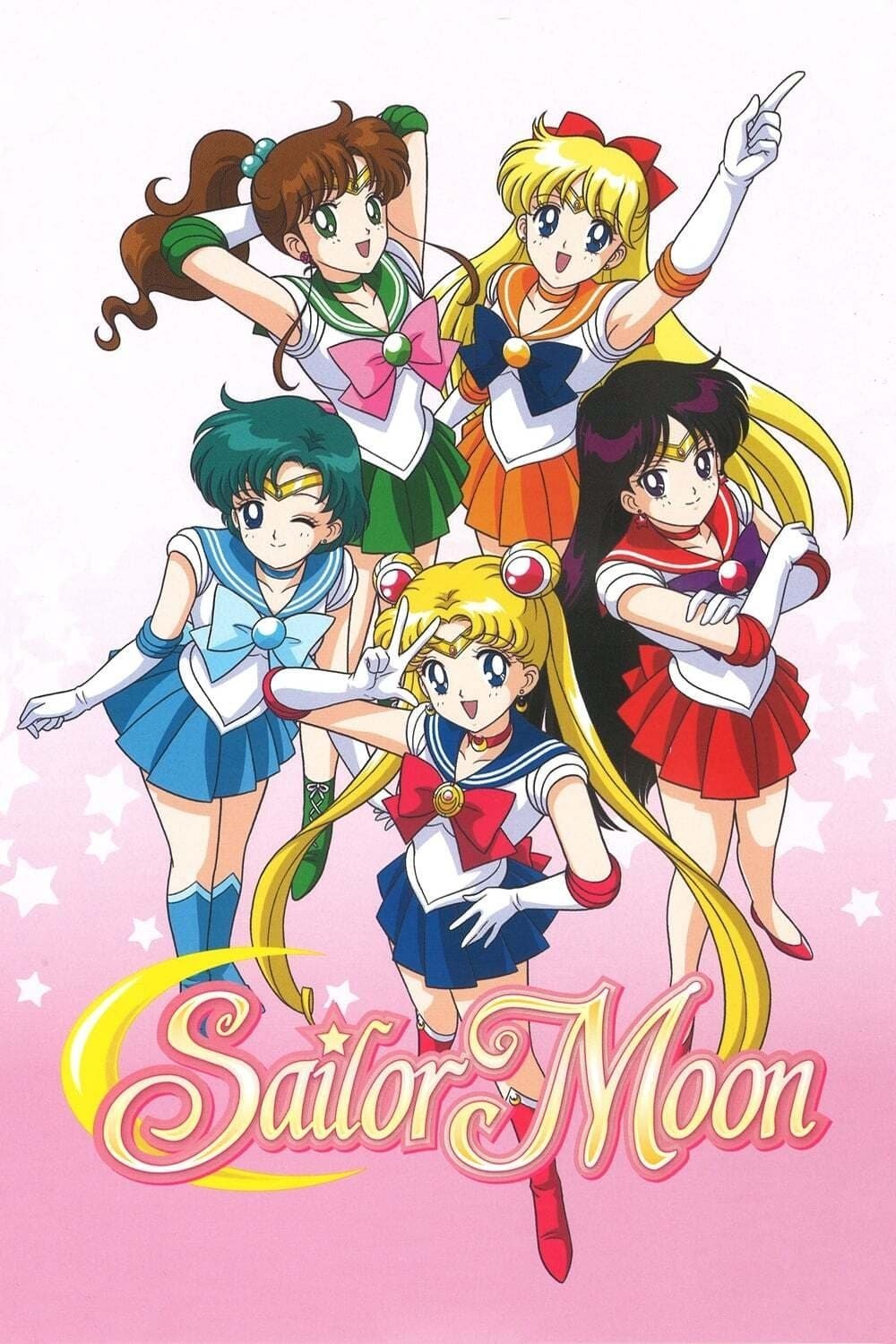
Sailor Pluto is often recognized as having the darkest skin tone among the main guardians in the original series. Throughout the original run her complexion provided a unique contrast to the other characters. However in the modern reboot and certain international merchandise her skin tone has been significantly lightened. This change has been met with mixed reactions from fans who valued her original design. The shift toward a paler palette is a common occurrence in long running franchises that undergo modern updates.
‘Revolutionary Girl Utena’ (1997)
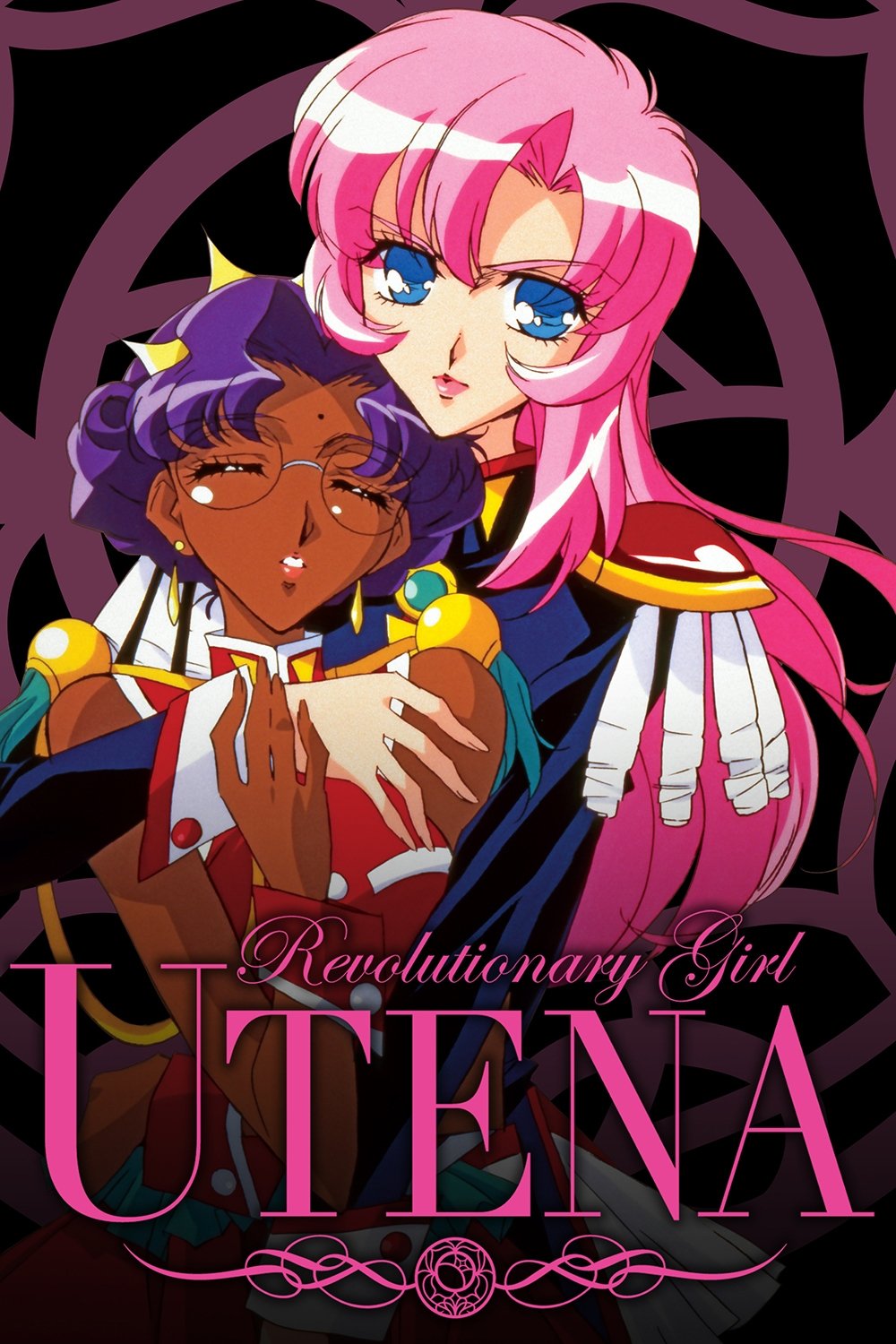
Anthy Himemiya is a central character whose dark skin is a vital part of her visual identity and symbolic role. Her complexion sets her apart from the other students and emphasizes her status as an outsider. In some international releases and remastered versions the contrast of her skin tone has been softened or lightened. This visual change can impact the artistic intent of the creators who used her appearance to convey specific themes. The character remains an icon of the genre despite these minor color variations in different editions.
‘Cowboy Bebop’ (1998–1999)
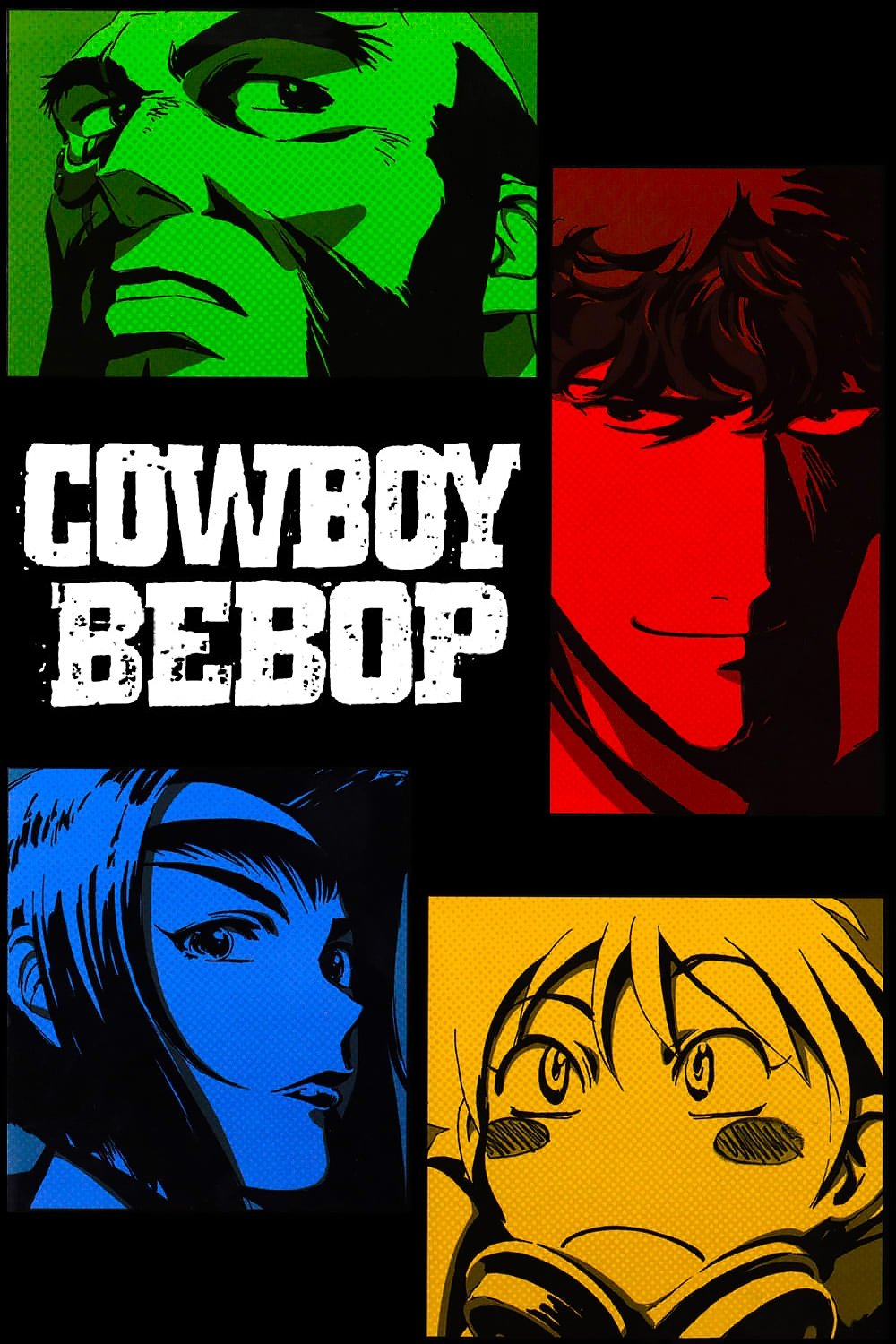
The character Coffee appears in a memorable episode and is depicted with a deep dark skin tone and a distinctive style. Her design was a tribute to the blaxploitation films of the seventies which were popular globally. In some international broadcasts the brightness of the animation was increased which unintentionally lightened her complexion. This change can alter the intended aesthetic of the episode which relied heavily on specific color palettes. The character is still celebrated for her unique design and role in the series.
‘Dragon Ball’ (1986–1989)
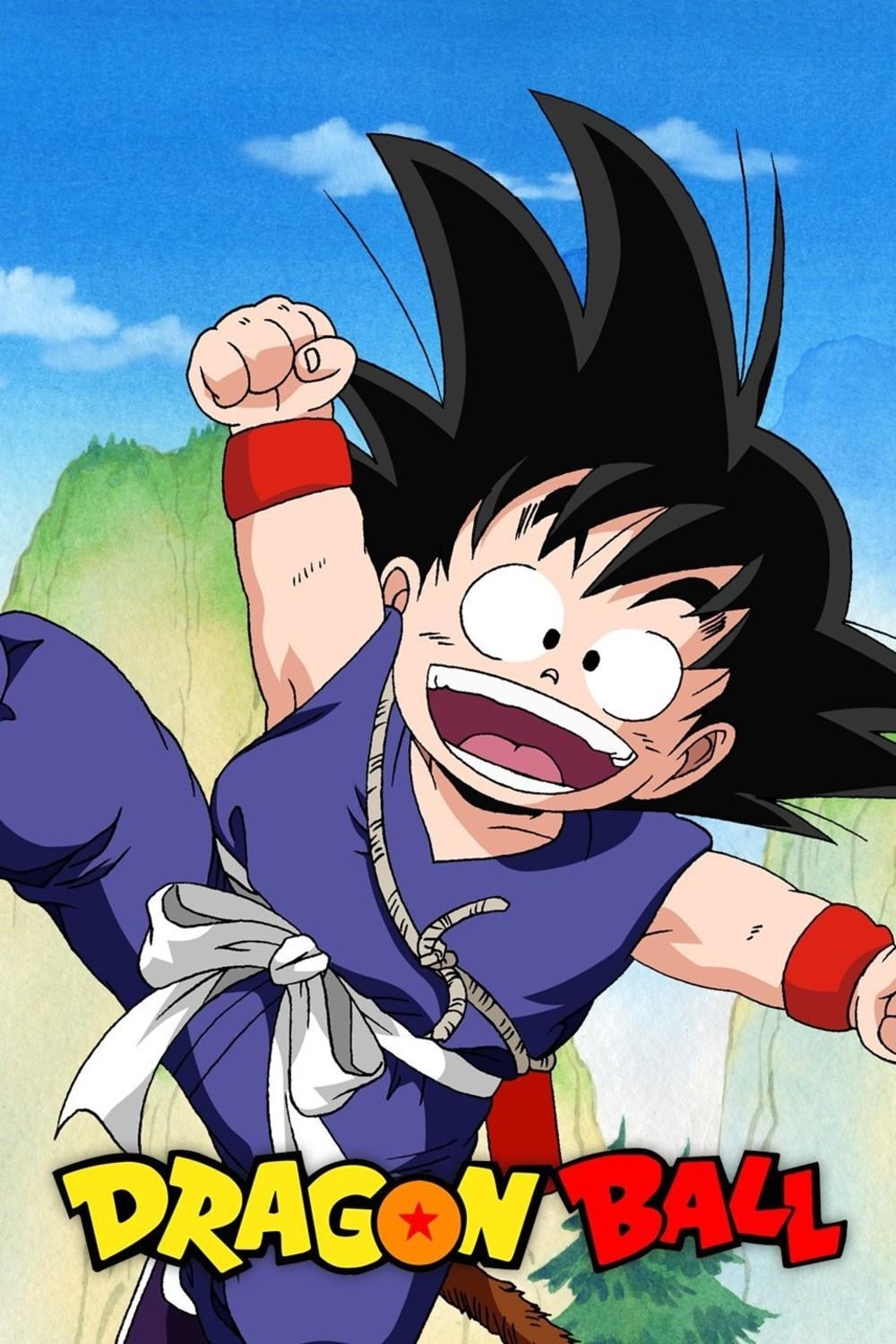
Staff Officer Black is a member of the Red Ribbon Army who originally featured a design that drew on racial caricatures. When the series was brought to international markets his design was a point of concern for many distributors. In later versions and home video releases his facial features were sometimes modified and his skin tone was adjusted. These changes were intended to make the series more inclusive and less offensive to a diverse global audience. The evolution of his design reflects changing attitudes toward representation in media.
‘Mobile Suit Gundam Seed’ (2002–2003)
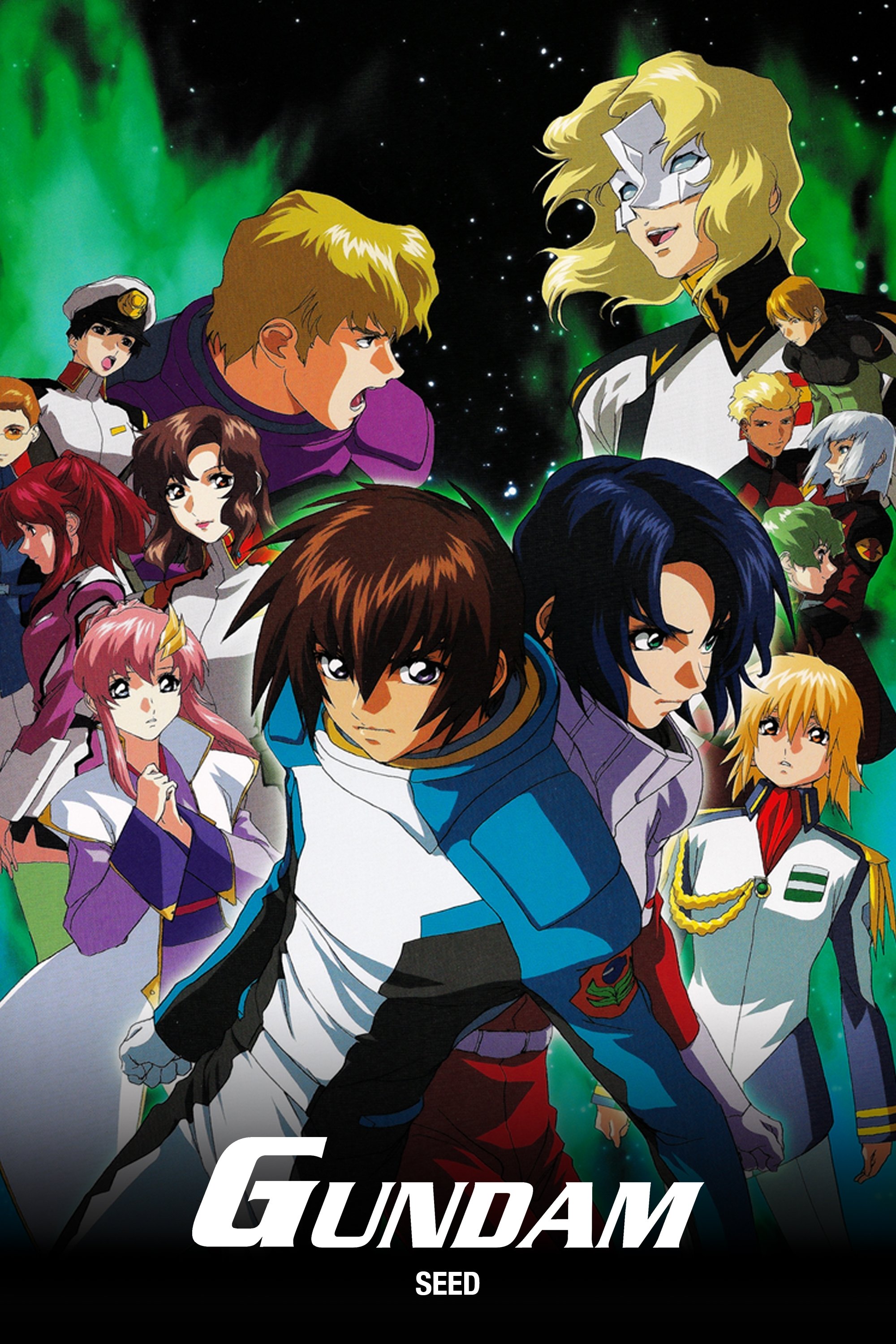
Andrew Waltfeld is a prominent commander known for his tanned skin and charismatic personality. His appearance in the original broadcast was distinct from many of the other pilots in the series. In the high definition remasters and international versions his skin tone appears several shades lighter than it was originally. This adjustment is common in remasters where the color grading is updated for modern screens. The change in his appearance has been noted by longtime fans of the franchise.
‘Hunter x Hunter’ (2011–2014)
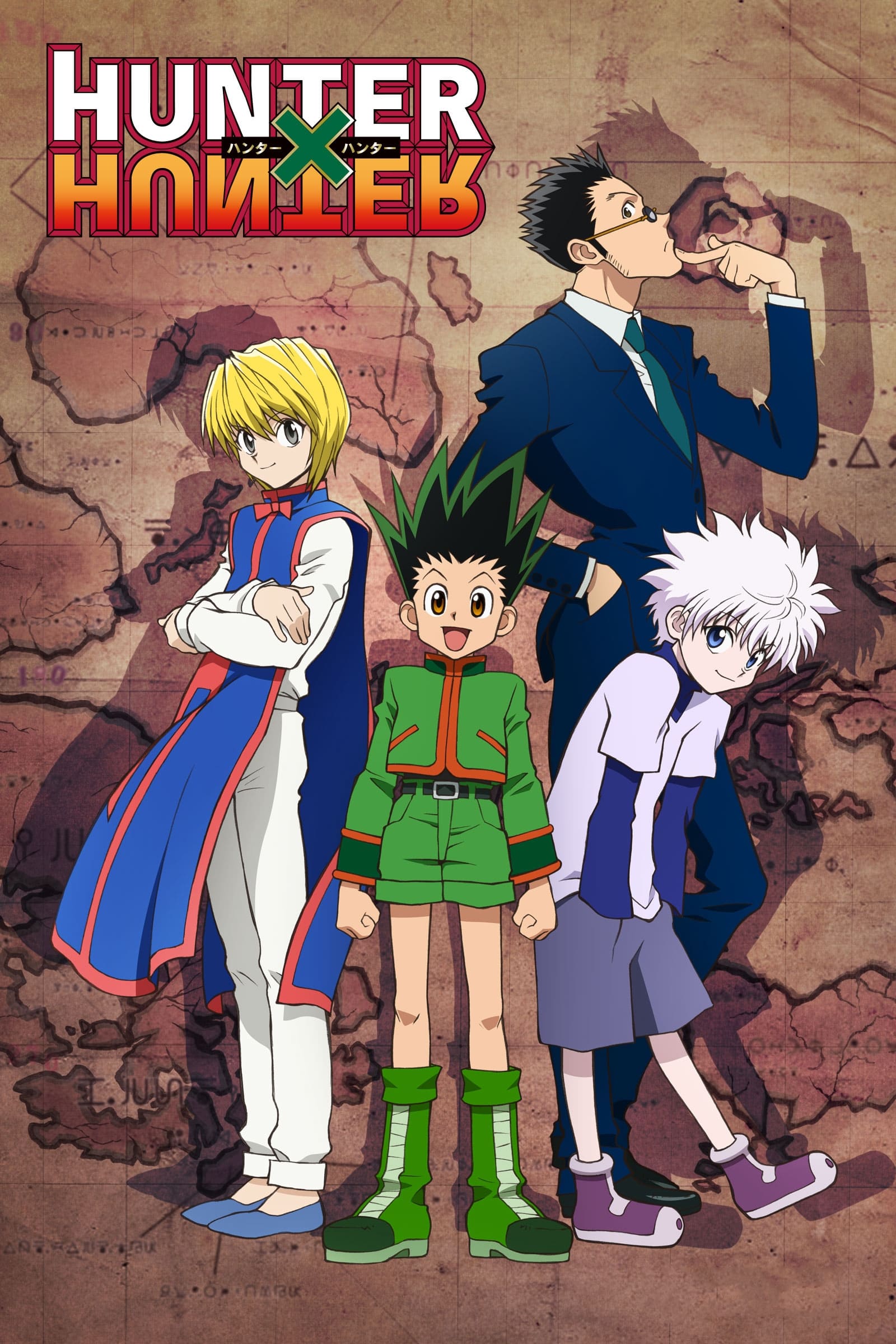
Canary is a young butler who serves the Zoldyck family and is known for her dark skin and cool demeanor. Her design in the original manga and early anime was consistent in its depiction of her complexion. In certain international promotional materials and game collaborations her skin has been rendered with a much lighter tone. These inconsistencies can be frustrating for viewers who look for consistent representation of diverse characters. Canary remains a memorable character thanks to her loyalty and strength in the face of danger.
‘JoJo’s Bizarre Adventure’ (2012–Present)
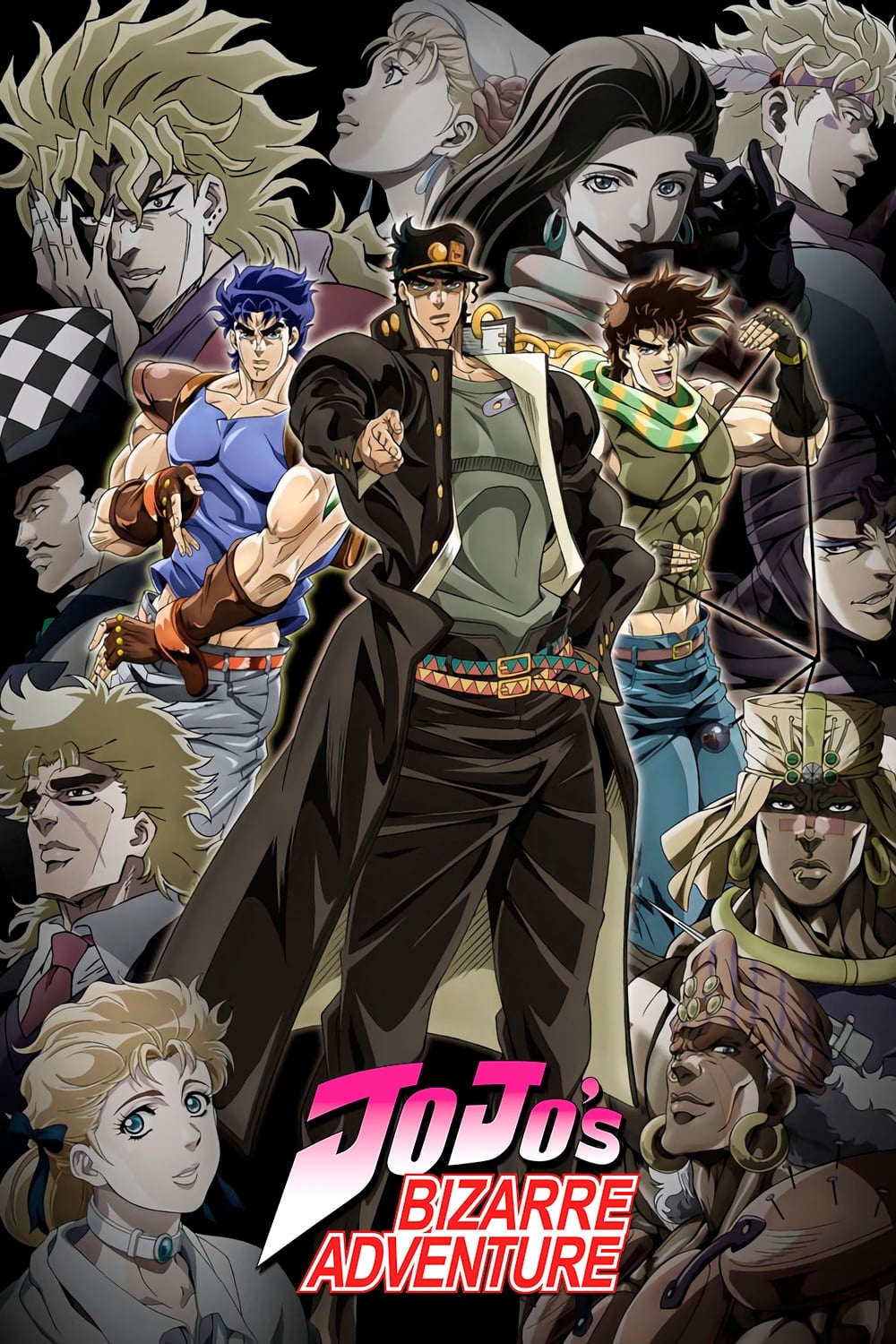
Mohammed Avdol is an Egyptian fortune teller who plays a key role in the third part of the series. His skin tone in the original manga and the older animation versions was quite dark. In the modern series and some international marketing his complexion is occasionally depicted with a lighter and more orange hue. This shift in color can change the visual impact of the character in certain scenes. Despite these variations Avdol is still recognized as one of the most prominent dark skinned characters in the series.
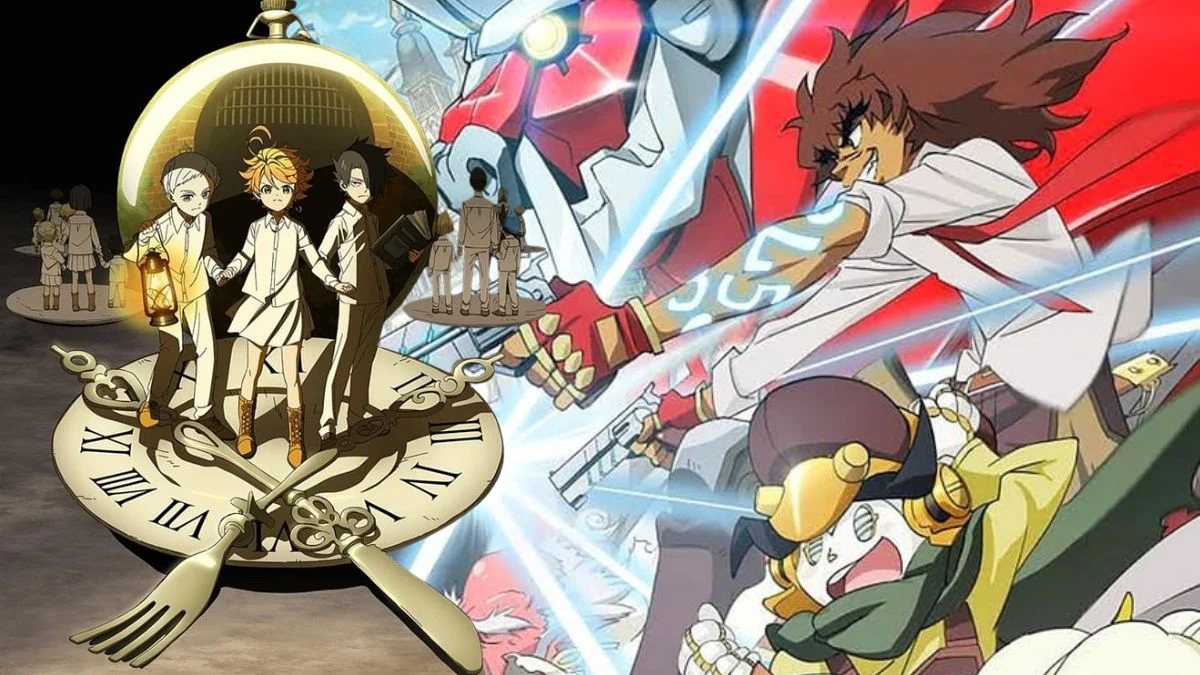
‘The Promised Neverland’ (2019–2021)
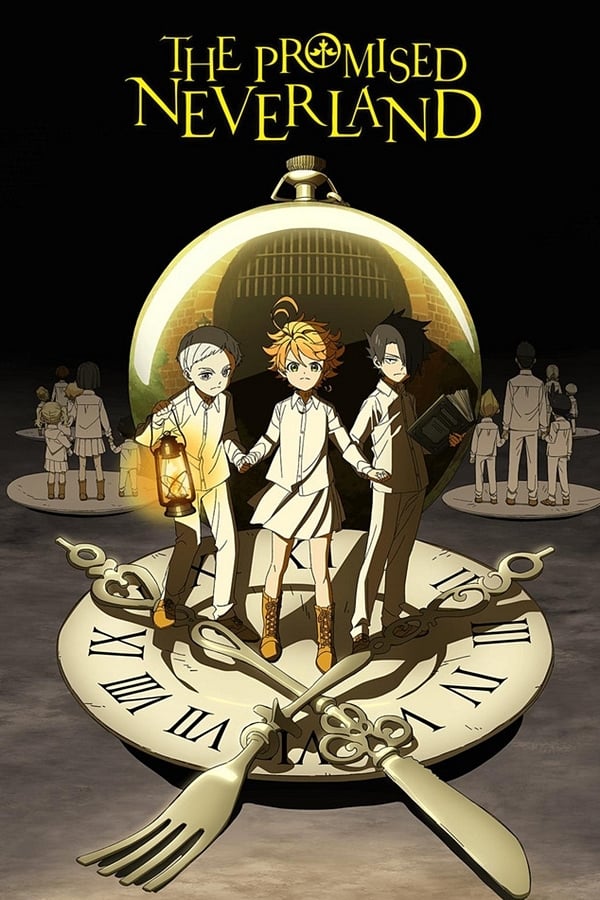
Sister Krone is a character whose design was the subject of much discussion when the anime was released internationally. She features a very dark complexion and exaggerated expressions that some viewers found problematic. While her skin tone remained consistent in the anime some international platforms used lighting and filters that made her appear lighter. This was often done to soften the visual impact of her character design for global audiences. The character remains a complex figure within the story of the series.
‘Fire Force’ (2019–2020)
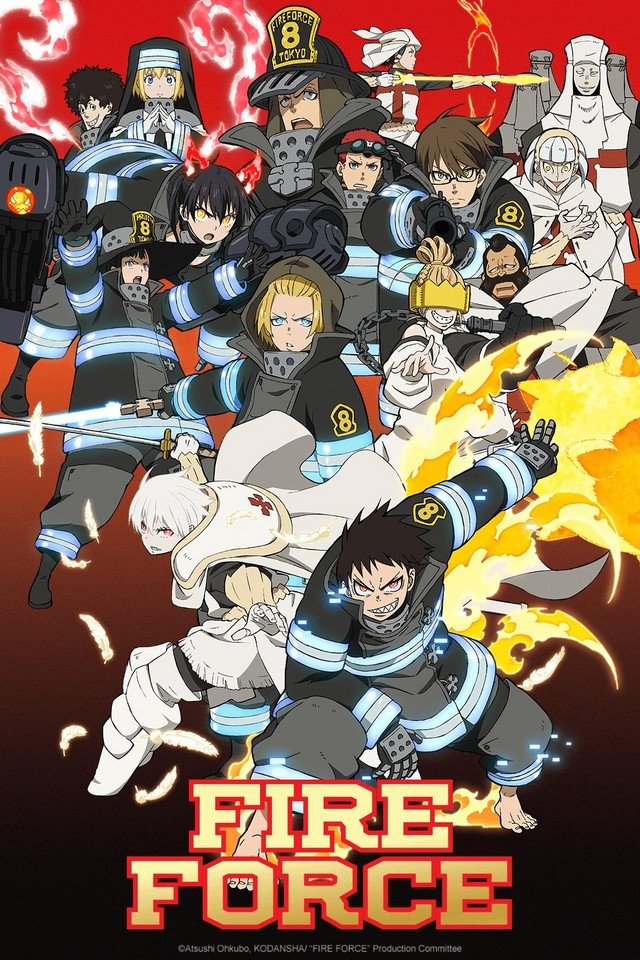
Ogun Montgomery is a powerful fire soldier with a design that celebrates his heritage through his tattoos and skin tone. While he is consistently depicted as dark skinned in the anime some international posters and art have shown him with a lighter complexion. These shifts are often the result of different lighting choices or digital coloring processes. Such changes can be a point of contention for fans who value the original character design. Ogun continues to be a standout character for his unique abilities and cultural representation.
‘My Hero Academia’ (2016–Present)
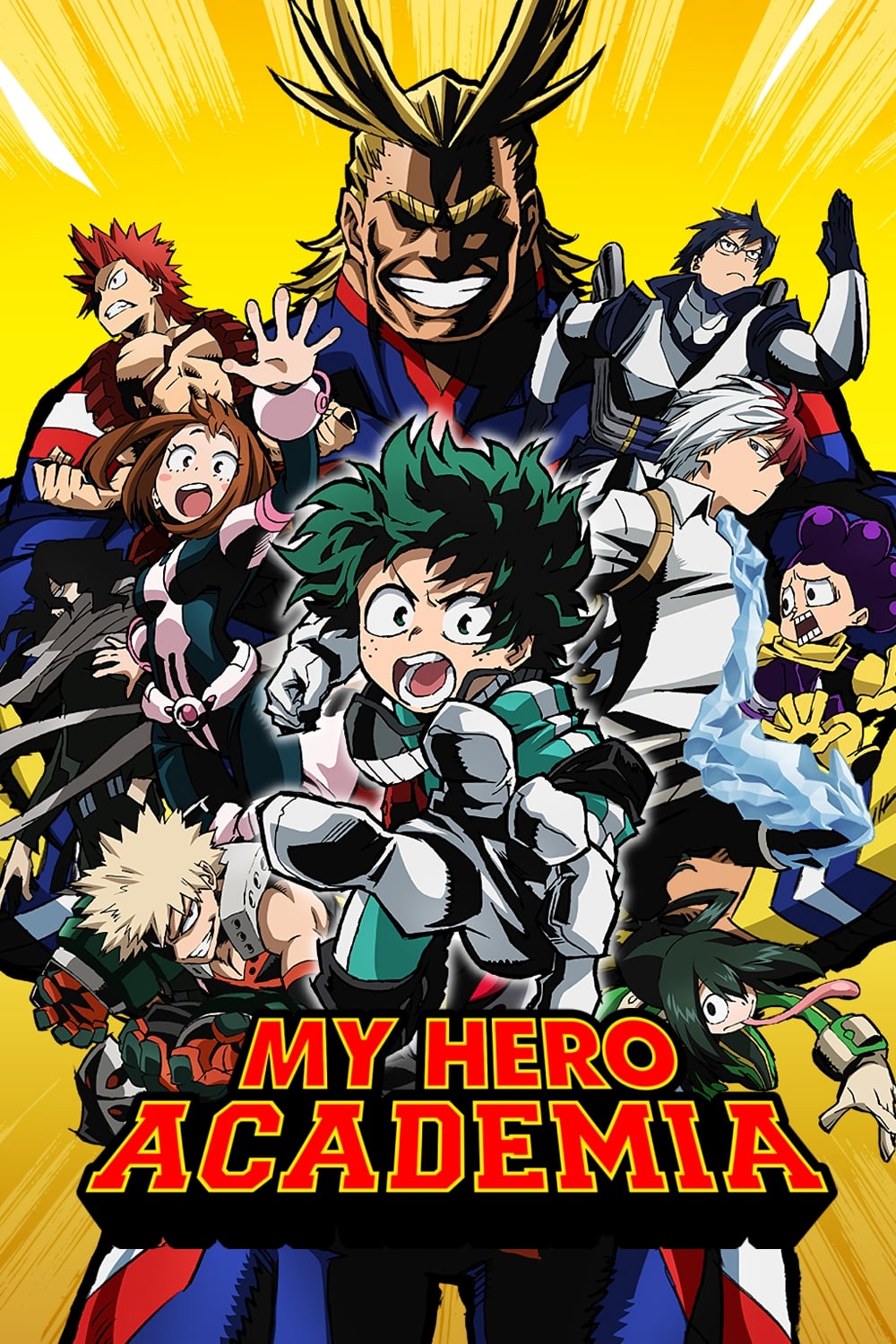
The professional hero Mirko is known for her dark skin and athletic build which have made her a fan favorite. While her design in the anime is generally faithful to the manga some international merchandise has depicted her with a lighter skin tone. This discrepancy is often seen in licensed products that are produced outside of the main animation studio. Fans often point out these differences on social media to advocate for more consistent character coloring. Mirko remains a powerful example of diverse hero designs in the current era of anime.
‘Black Clover’ (2017–2021)

Sol Marron is a member of the Blue Rose Knights and is characterized by her dark skin and protective nature toward her captain. In the anime her complexion is a defining part of her visual identity among the cast. However in certain international releases and digital versions the color balance is sometimes shifted to make her look lighter. This can happen during the conversion process for different broadcast standards. Sol remains an important character in the series for her strength and distinct personality.
‘Food Wars! Shokugeki no Soma’ (2015–2020)

Akira Hayama is a master of spices who is depicted with a deep tan that reflects his background and expertise. His skin tone is a major part of his appeal and makes him stand out among the students at the academy. In some international versions and marketing materials his complexion is noticeably lightened compared to the original animation. This adjustment can change the overall look of the character and his perceived ethnic identity. Akira continues to be a popular character due to his talent and cool headedness.
‘Fate/stay night’ (2006)
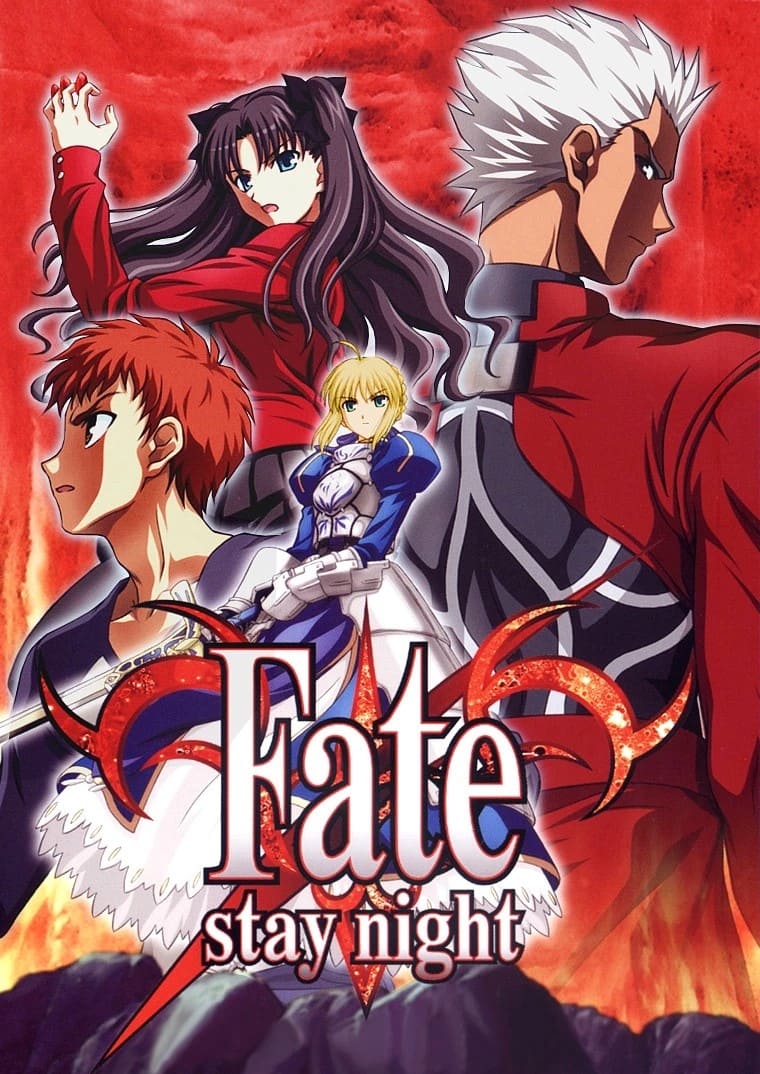
The character Archer is known for his tanned skin and white hair which are key elements of his mysterious design. In the original series and its various sequels his skin tone has varied from a deep bronze to a much lighter shade. International fans have observed that newer adaptations often lean toward a paler palette for the character. These changes are sometimes attributed to different animation studios or evolving art styles. Archer remains a central figure in the franchise regardless of the specific shade of his skin.
‘Soul Eater’ (2008–2009)
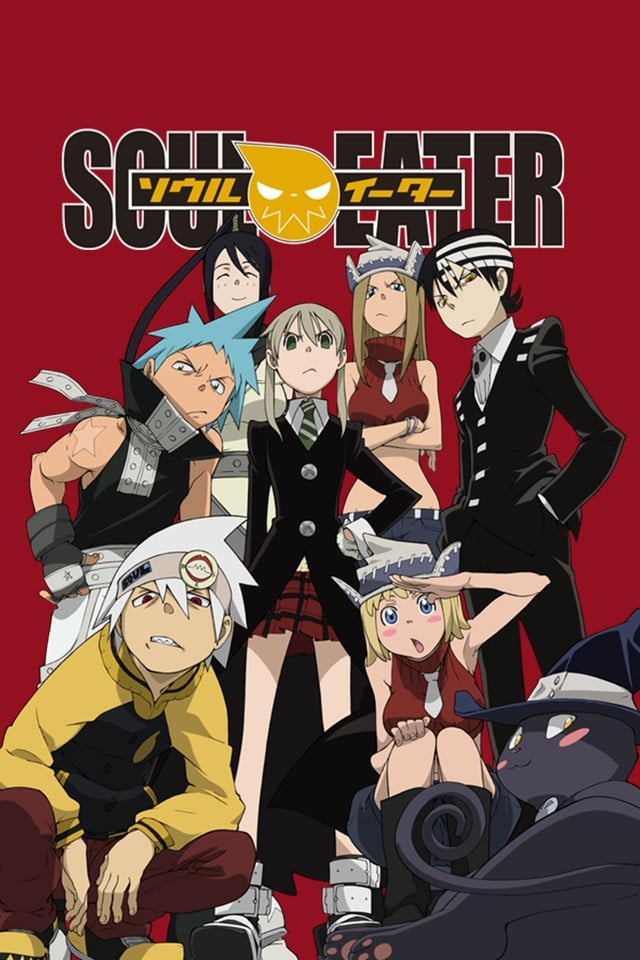
Kilik Rung is a talented weapon meister with a design that features dark skin and a distinctive hairstyle. His appearance was a welcome addition to the diverse cast of characters at the academy. In some international versions of the show and promotional art his skin tone is rendered several shades lighter than in the manga. This change is often noted by fans who follow the series across different media. Kilik is still remembered for his impressive combat skills and cool design.
‘D.Gray-man’ (2006–2008)
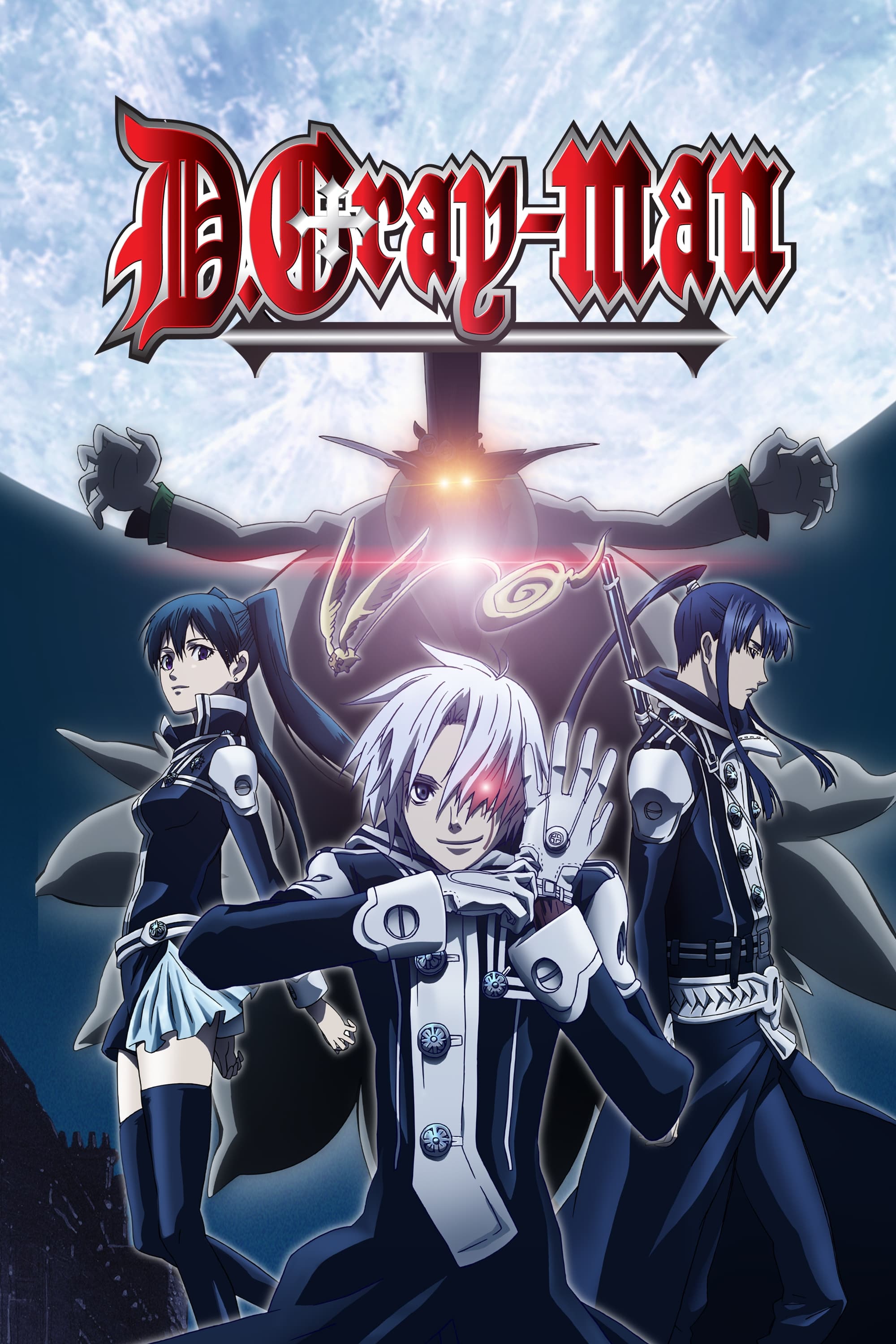
Road Kamelot is a member of the Noah Family who is often depicted with a unique gray or tanned skin tone. Her appearance is meant to be otherworldly and distinct from the human characters in the story. In some international releases the gray tones are lightened which makes her look more human and less supernatural. This change can diminish the intended effect of her character design within the dark fantasy world. Road remains a captivating antagonist due to her playful and dangerous personality.
‘Michiko & Hatchin’ (2008–2009)

Michiko Malandro is a bold and dark skinned woman who leads the story through a vibrant and diverse setting. The show is celebrated for its realistic and varied depictions of different ethnicities. Even in this series some international promotional materials have used filters that lighten Michiko complexion. This choice can feel out of place given the focus of the show on its specific cultural and visual aesthetic. Michiko remains an icon of strength and independence in the world of anime.
‘Cannon Busters’ (2019)
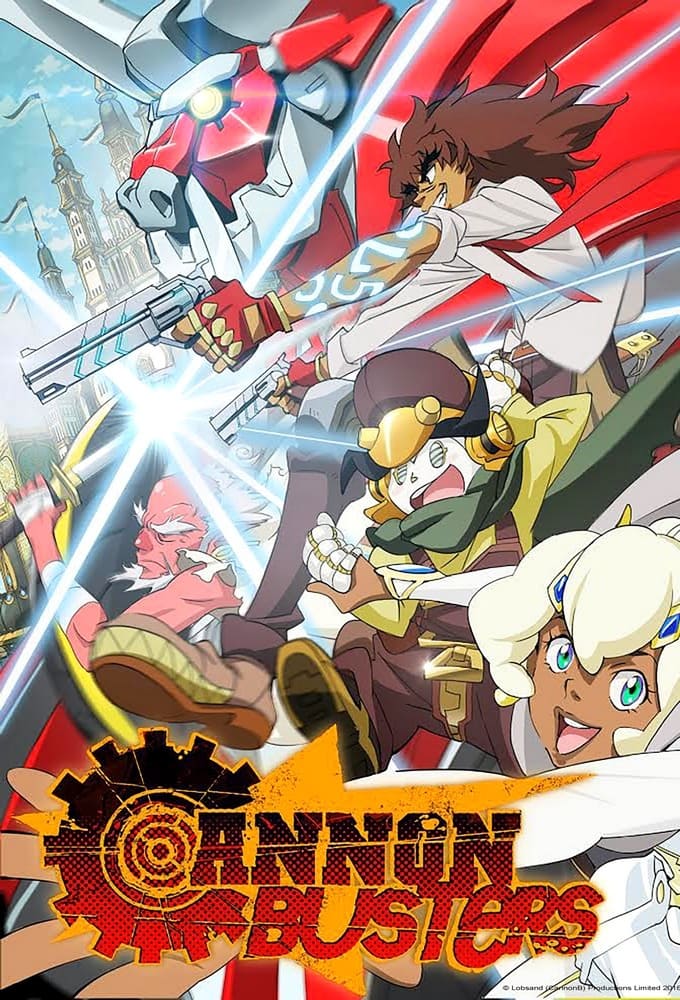
Philly the Kid is a character with a dark complexion who lives in a colorful and imaginative world. The series was designed with a global audience in mind and features a diverse cast of characters. Despite this some international marketing assets have shown the characters with lightened skin tones in certain lighting. This highlights the ongoing challenges of maintaining consistent representation across different marketing platforms. Philly the Kid is a standout character for his immortality and adventurous spirit.
‘Afro Samurai’ (2007)
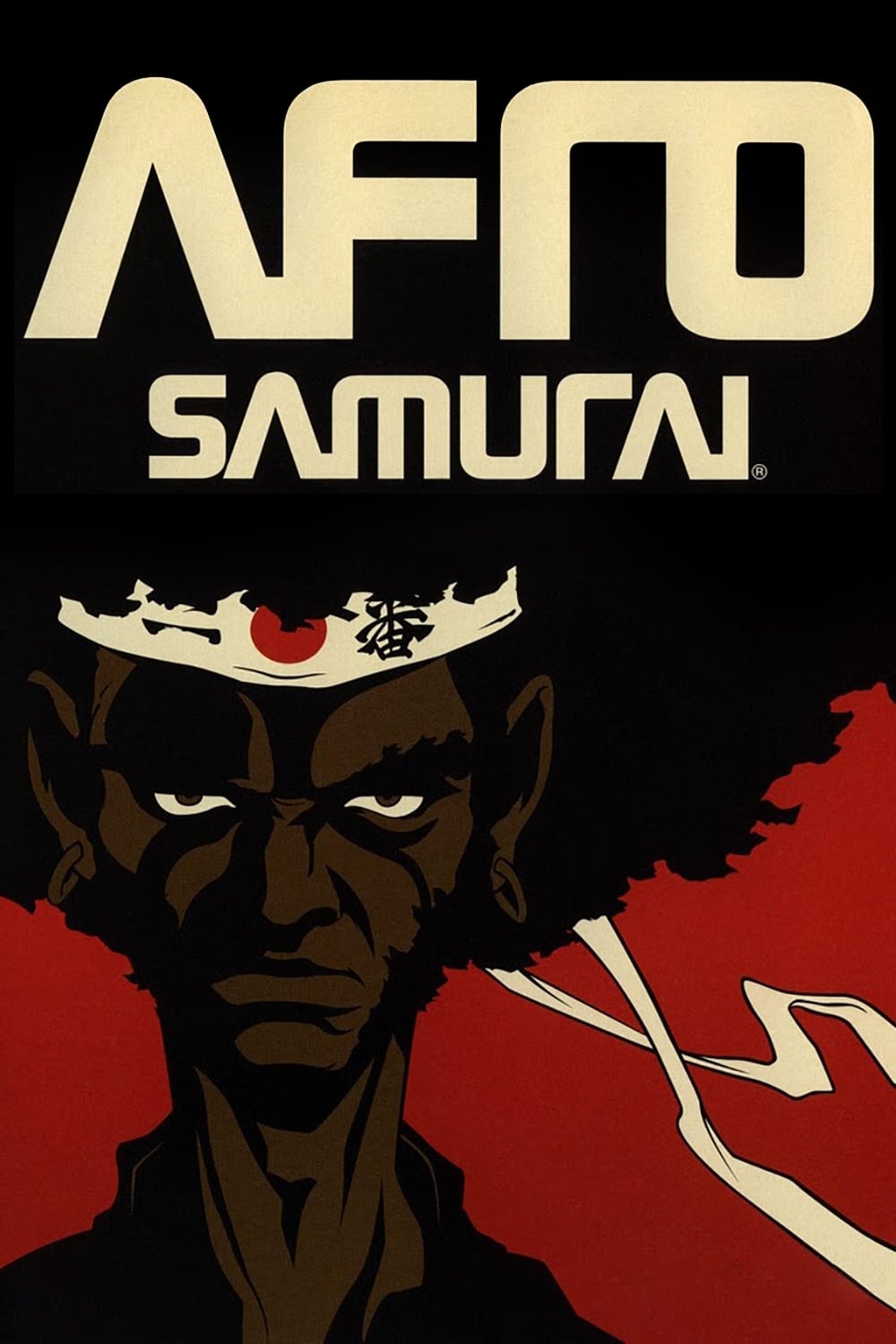
The titular character Afro is defined by his dark skin and his journey for revenge in a futuristic world. As a series co produced with international partners it was designed to appeal to a global market. However in some versions the contrast and color saturation were adjusted in a way that lightened the characters. These technical changes can impact the gritty and stylistic look of the animation. Afro remains one of the most recognizable dark skinned characters in the history of the medium.
‘Blue Exorcist’ (2011)
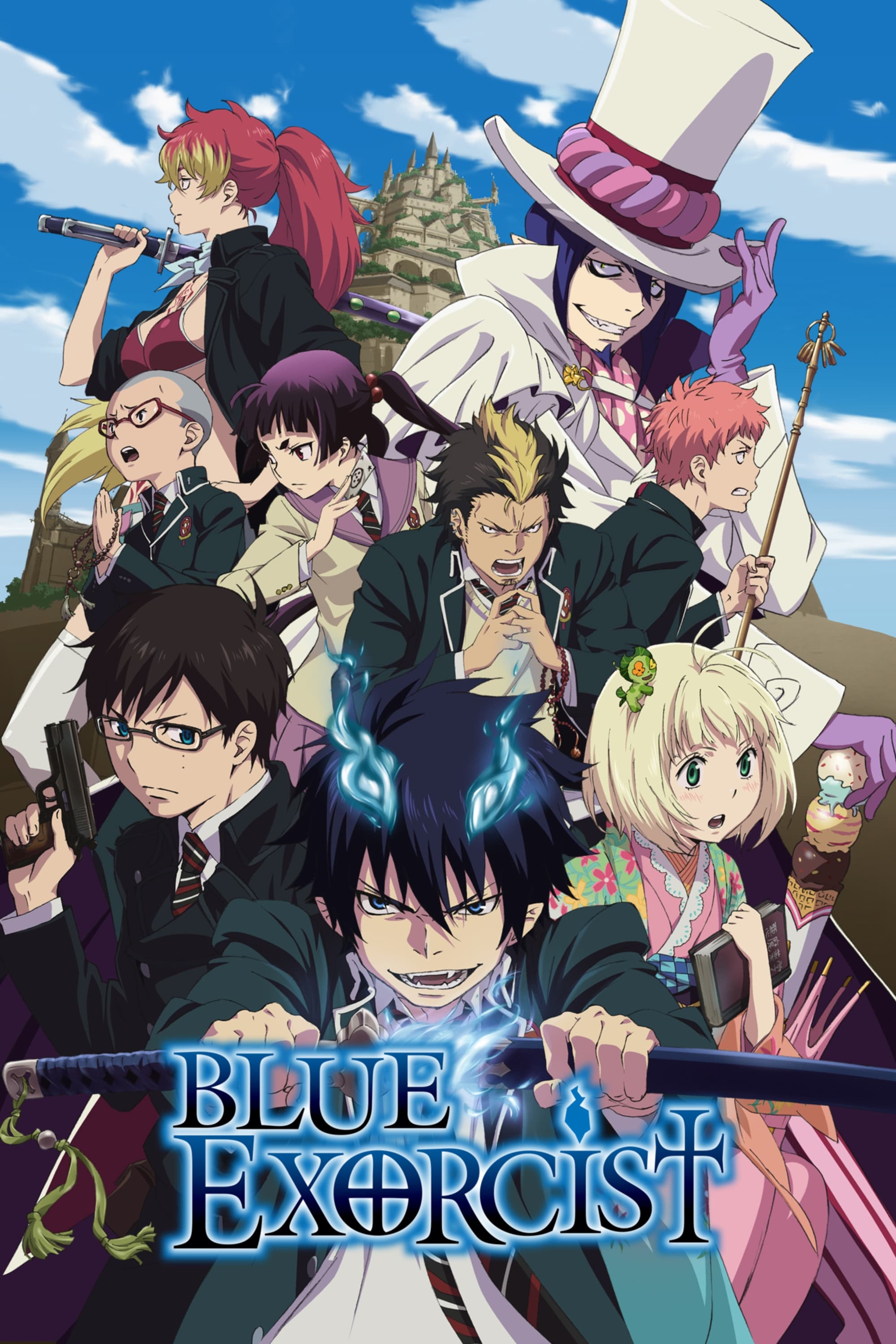
The character Agni from the Indian branch of the Order of the True Cross is depicted with dark skin that reflects his heritage. His design is meant to represent the global nature of the organization within the series. In certain international versions his skin tone has been lightened in the animation and official art. This adjustment can sometimes overlook the importance of his ethnic background in his character design. He remains a respected figure in the series for his wisdom and power.
‘Hellsing Ultimate’ (2006–2012)

Zorin Blitz is a member of the Millennium forces with a striking design that includes tattoos and a dark complexion. Her appearance is intended to be intimidating and unique among the antagonists. In some international releases the dark tones of her skin are less pronounced due to different color grading choices. This can change the menacing aura that the character is supposed to project. Zorin remains a memorable villain for her brutal nature and psychological tactics.
Share your thoughts on these character design changes in the comments.