

14 Anime That Made the Straight Guy the Comic Relief for Once



The straight man, or tsukkomi, is typically the grounded character in anime comedy who points out the absurdity of the situations around them. While their role is usually to act as a serious foil to the eccentric cast, some series flip the script by making their reactions the funniest part of the show. These characters often suffer from high blood pressure, constant screaming, and the exhaustion of being the only sane person in a world of chaos. Here are 16 anime where the straight guy became the true comic relief.
‘Gintama’ (2006–2018)
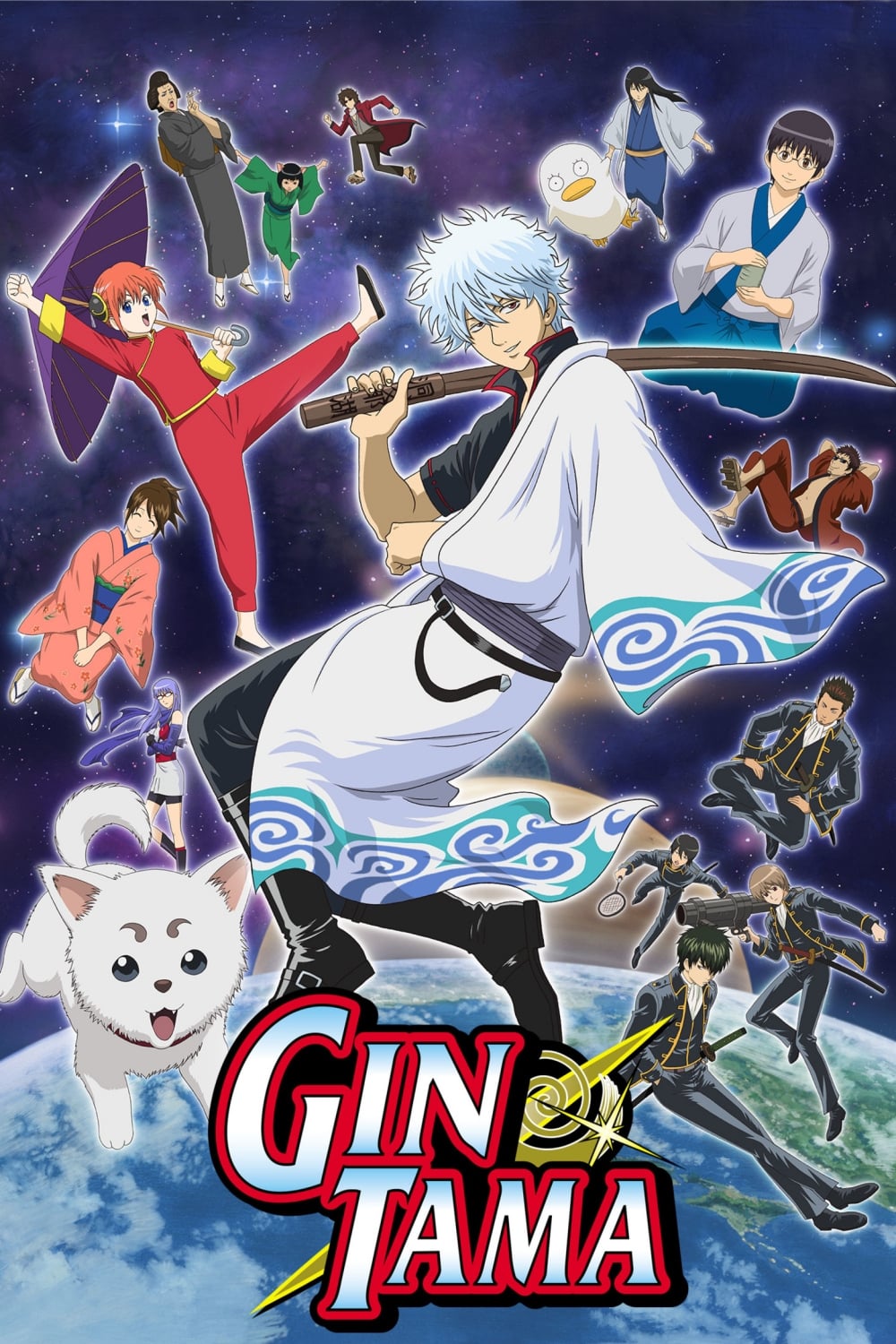
Shinpachi Shimura serves as the designated straight man for the Odd Jobs trio, constantly screaming at the nonsense created by Gintoki and Kagura. His role is so defined by his glasses that the other characters often joke that the frames are his actual body and the human attached is just a holder. Shinpachi tries desperately to maintain order and logic in a version of Edo overrun by aliens and eccentric samurai. His hysterical reactions to the fourth-wall-breaking humor make him indispensable to the show’s comedic rhythm.
‘The Disastrous Life of Saiki K.’ (2016–2019)
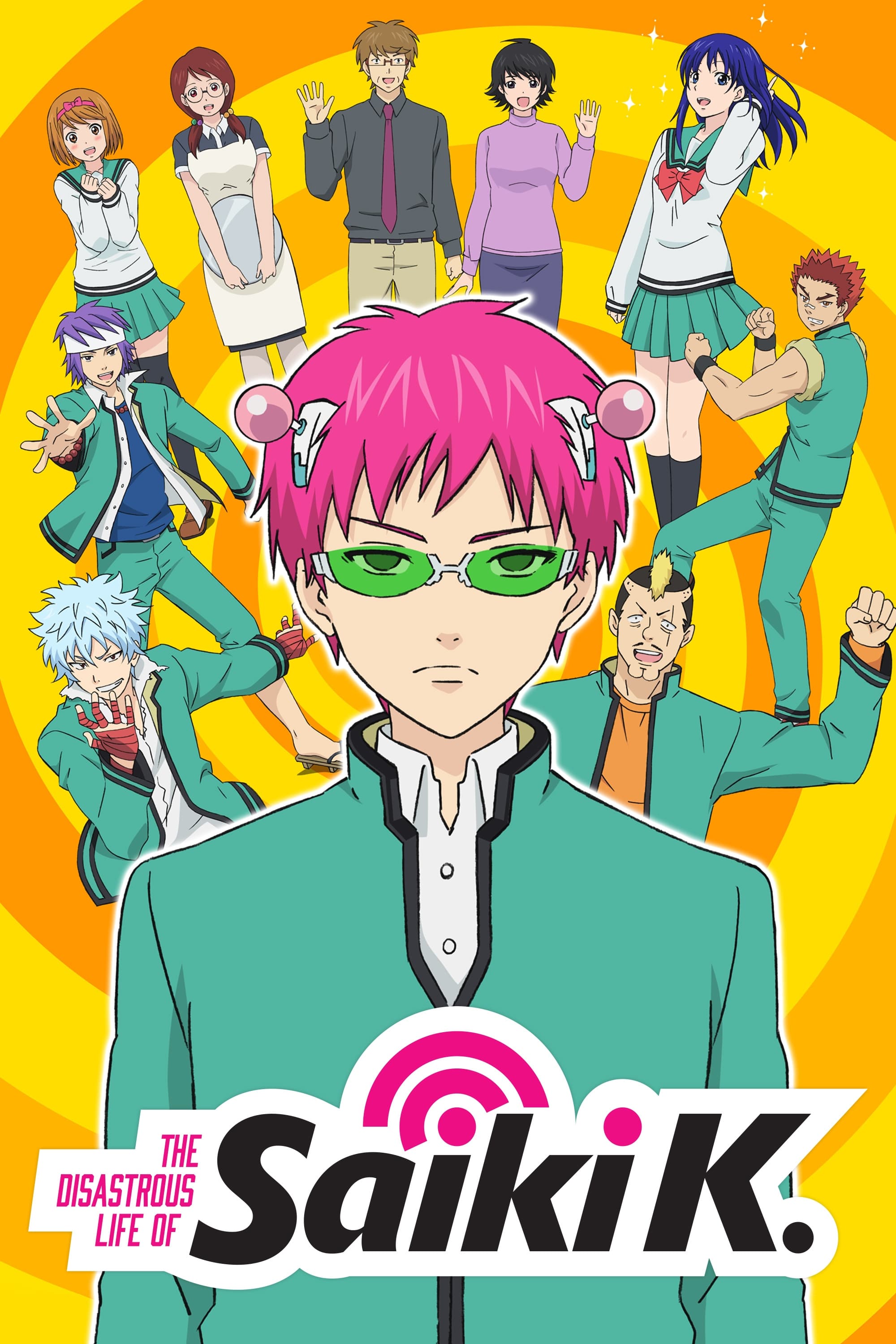
Kusuo Saiki is a powerful psychic who just wants a quiet, ordinary life, but he is cursed with the most bizarre classmates imaginable. Unlike the traditional shouting straight man, Saiki delivers his critiques through dry, telepathic internal monologues that savage the stupidity around him. He goes to absurd lengths to avoid attention, often using his god-like powers just to dodge social interactions or fix minor inconveniences. His deadpan suffering as he cleans up the messes of his friends makes him the hilarious anchor of the series.
‘D-Frag!’ (2014)
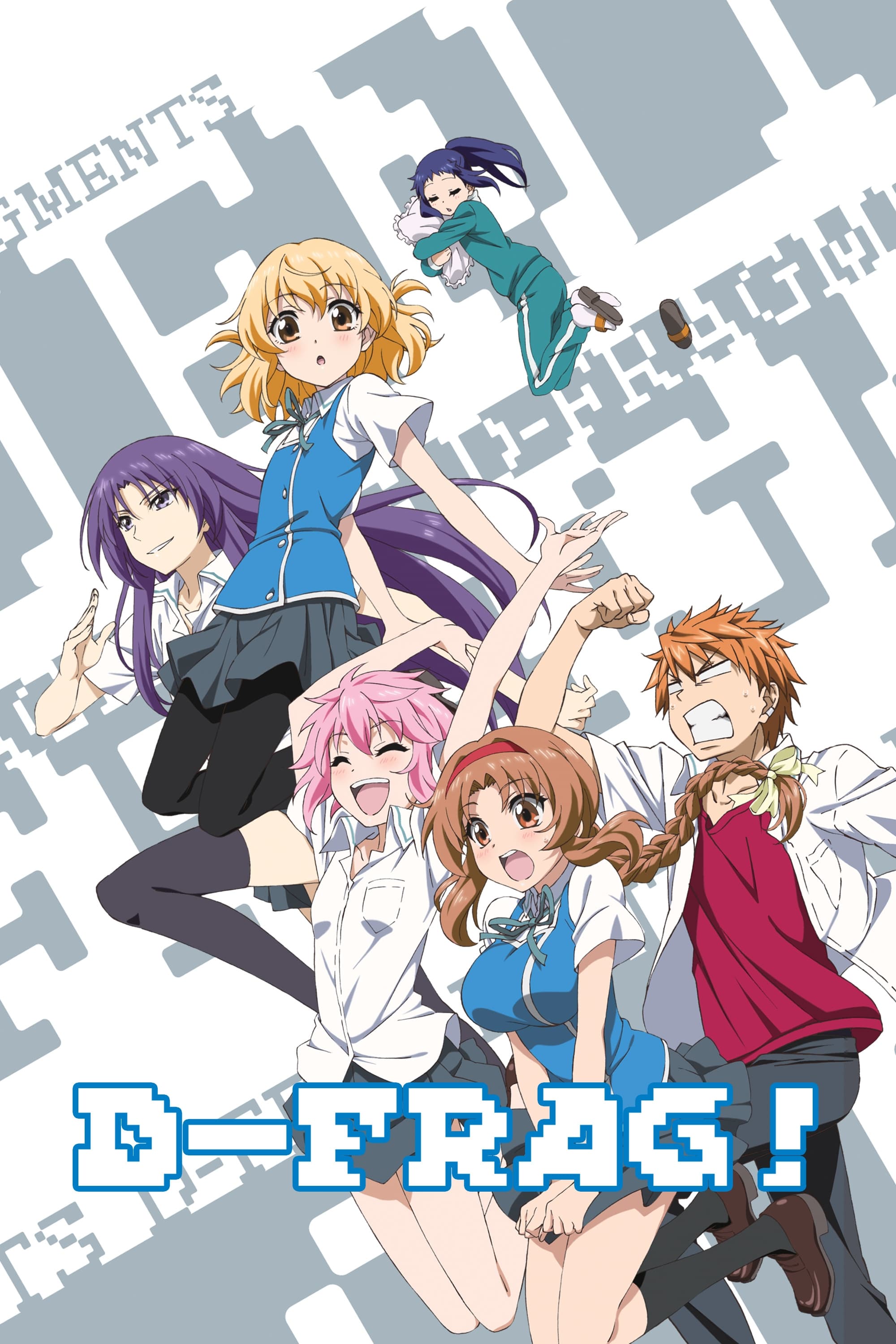
Kenji Kazama is a self-proclaimed delinquent who finds himself coerced into joining a game creation club filled with eccentric girls. He spends the majority of the series shouting at the top of his lungs in response to the elemental attacks and bizarre logic of the club members. Kazama’s attempts to be a tough guy are constantly undermined by his role as the frantic comedic victim of the girls’ antics. His high-energy retorts are the driving force behind the show’s rapid-fire gag style.
‘Arakawa Under the Bridge’ (2010)
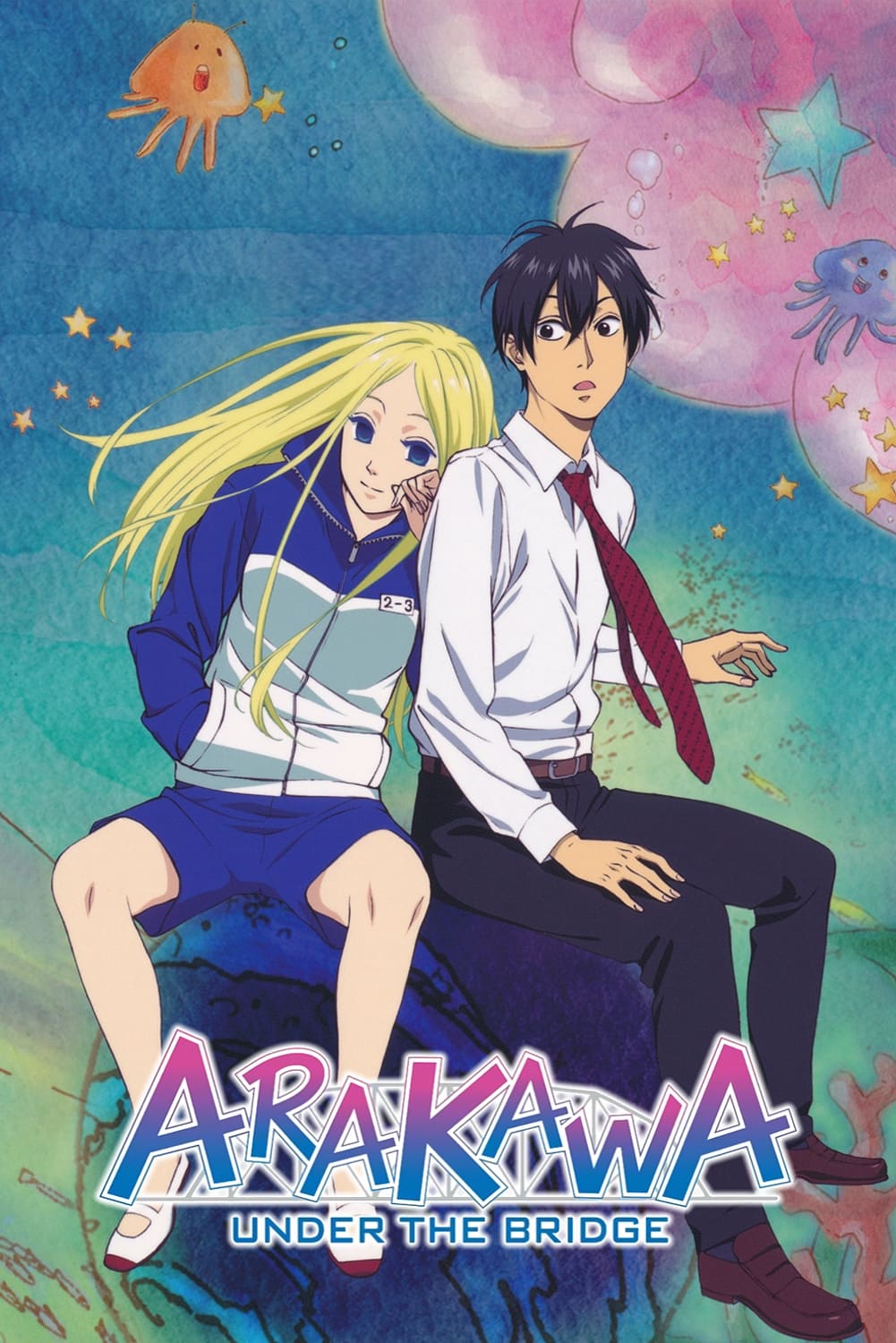
Kou Ichinomiya, also known as Rec, is a wealthy business prodigy who prides himself on never being indebted to anyone. After a homeless girl named Nino saves his life, he is forced to live under a bridge with her and a community of delusionals to repay the debt. Kou tries to apply logic and common sense to neighbors who believe they are kappa or stars, leading to endless frustration. His gradual breakdown as he accepts the madness of his new life provides the series with its best laughs.
‘Daily Lives of High School Boys’ (2012)
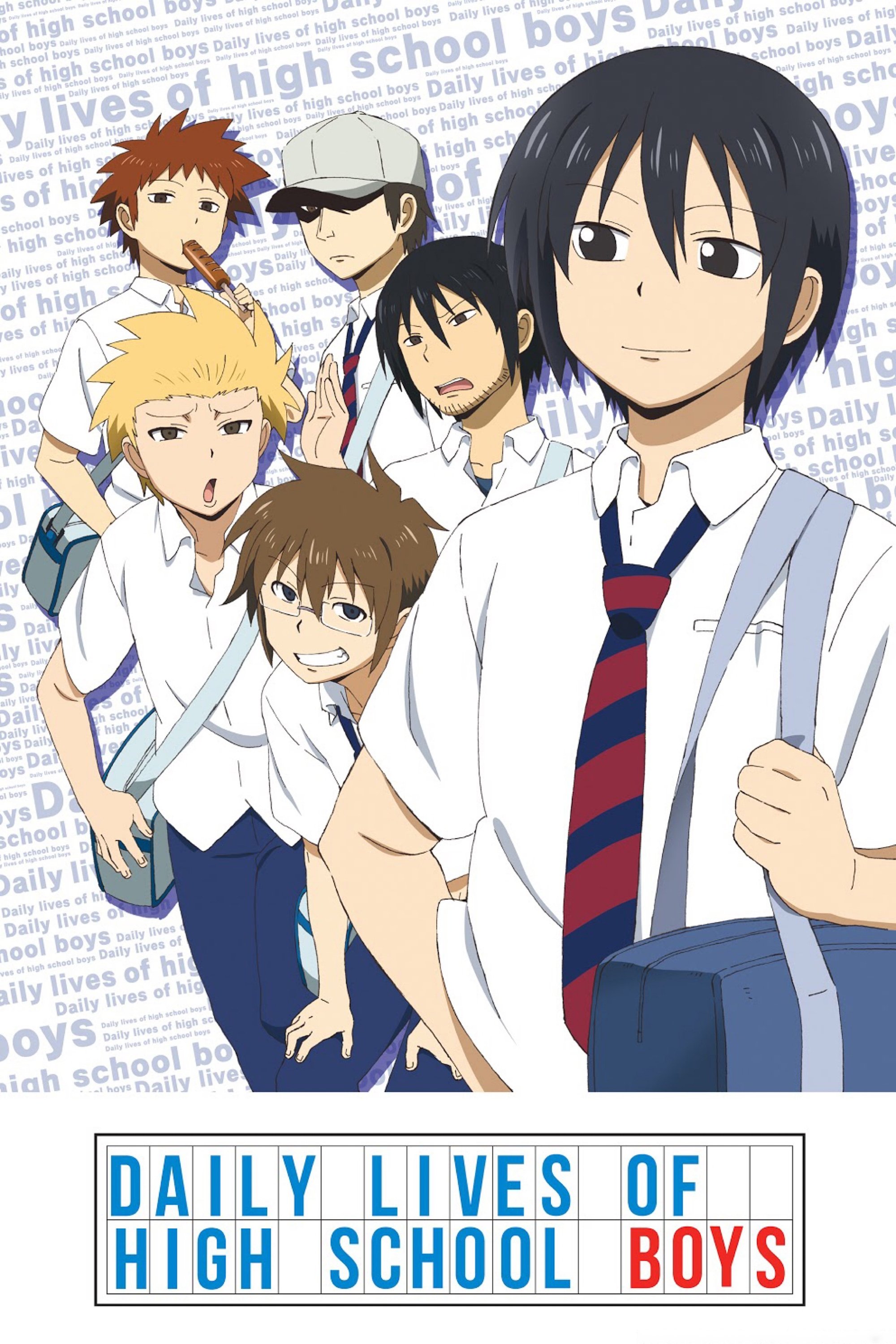
Tadakuni is ostensibly the main character and the voice of reason among his trio of friends at an all-boys high school. He is frequently dragged into bizarre role-playing scenarios and hypothetical arguments by his bored classmates, Hidenori and Yoshitake. Tadakuni’s attempts to stop the nonsense usually result in him being ignored, mocked, or reluctantly participating in the gag himself. The show brilliantly uses his normalcy to highlight the surreal hilarity of mundane teenage boredom.
‘Seitokai Yakuindomo’ (2010–2014)
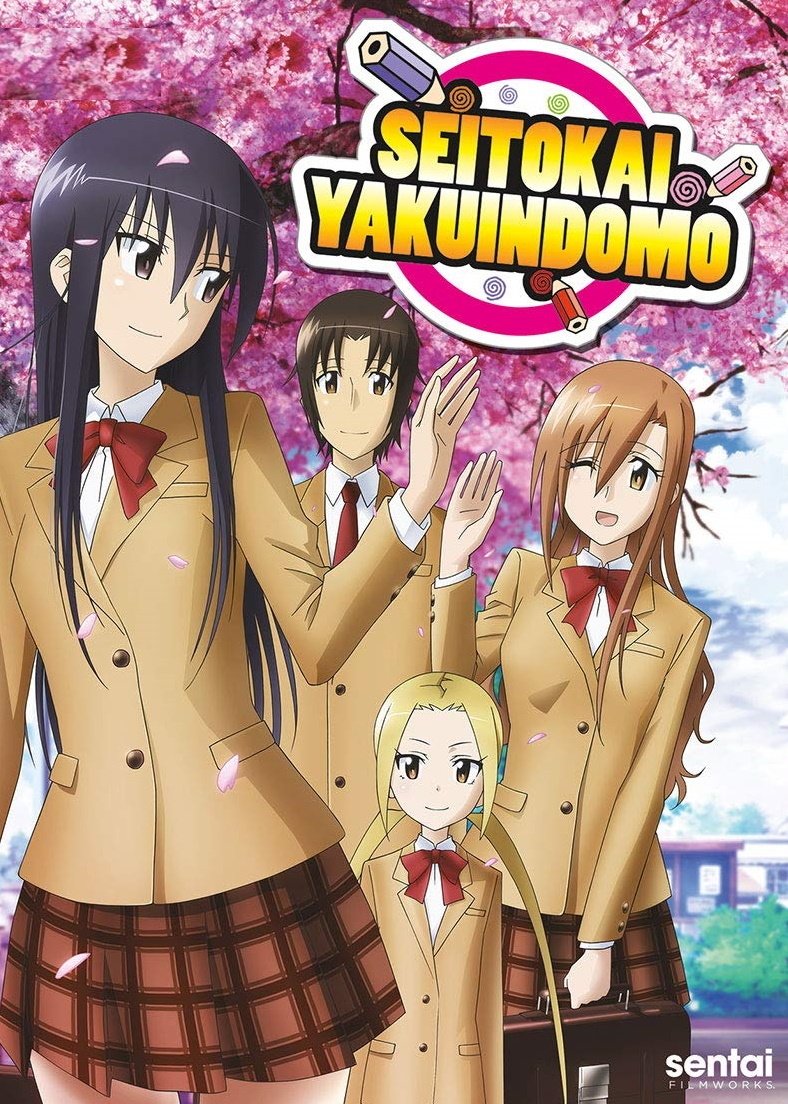
Takatoshi Tsuda is an ordinary student who is drafted into the student council of a formerly all-girls school. He finds himself surrounded by beautiful female officers who are obsessed with making constant, crude double entendres. Tsuda’s role is to tirelessly intercept and correct these lewd jokes with a tired, deadpan delivery that becomes a sport in itself. The humor relies entirely on his lightning-fast ability to catch every innuendo thrown his way.
‘Hinamatsuri’ (2018)
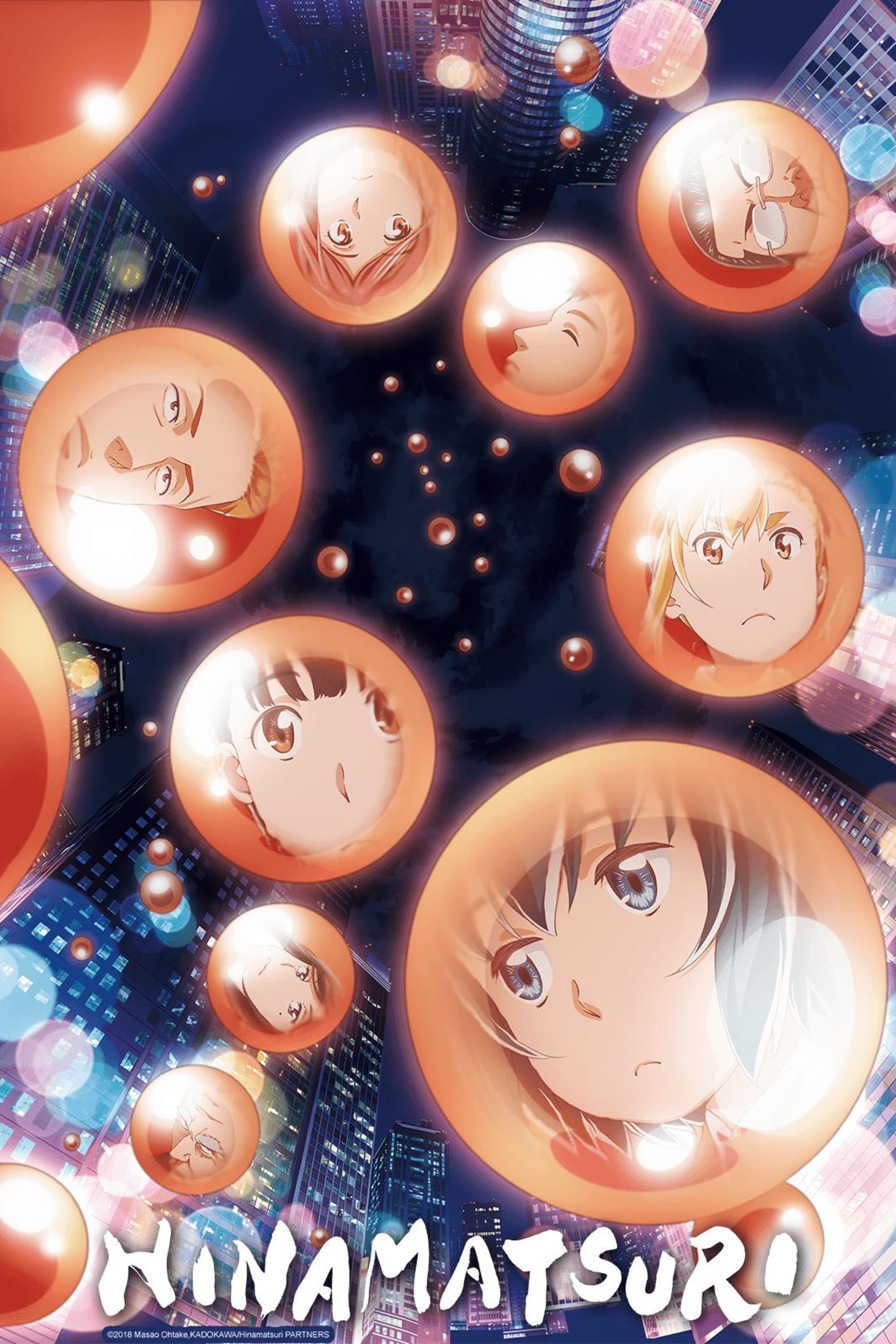
Yoshifumi Nitta is a mid-level yakuza member who enjoys his bachelor lifestyle and collection of rare vases. His life is ruined when a telekinetic girl named Hina literally drops into his apartment and forces him to become her guardian. Nitta’s attempts to maintain his tough yakuza image while performing domestic chores and parenting duties create a hilarious gap moe dynamic. He constantly finds himself in dangerous or embarrassing misunderstandings because of Hina’s lack of common sense.
‘Cromartie High School’ (2003–2004)
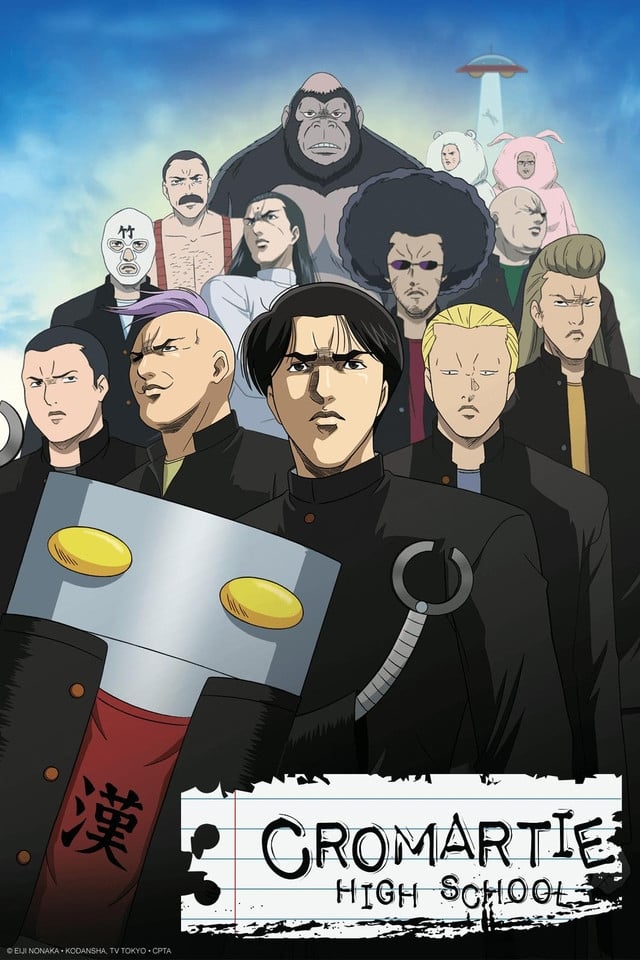
Takashi Kamiyama is a polite, mild-mannered student who enrolls in a notorious school for delinquents to prove a point. He treats everything with absolute seriousness, even when his classmates include a Freddie Mercury lookalike, a gorilla, and a robot that nobody acknowledges is a robot. Kamiyama’s ability to adapt to this surreal environment without batting an eye makes him arguably the weirdest character of them all. His deadpan acceptance of the insanity flips the “fish out of water” trope on its head.
‘Prison School’ (2015)
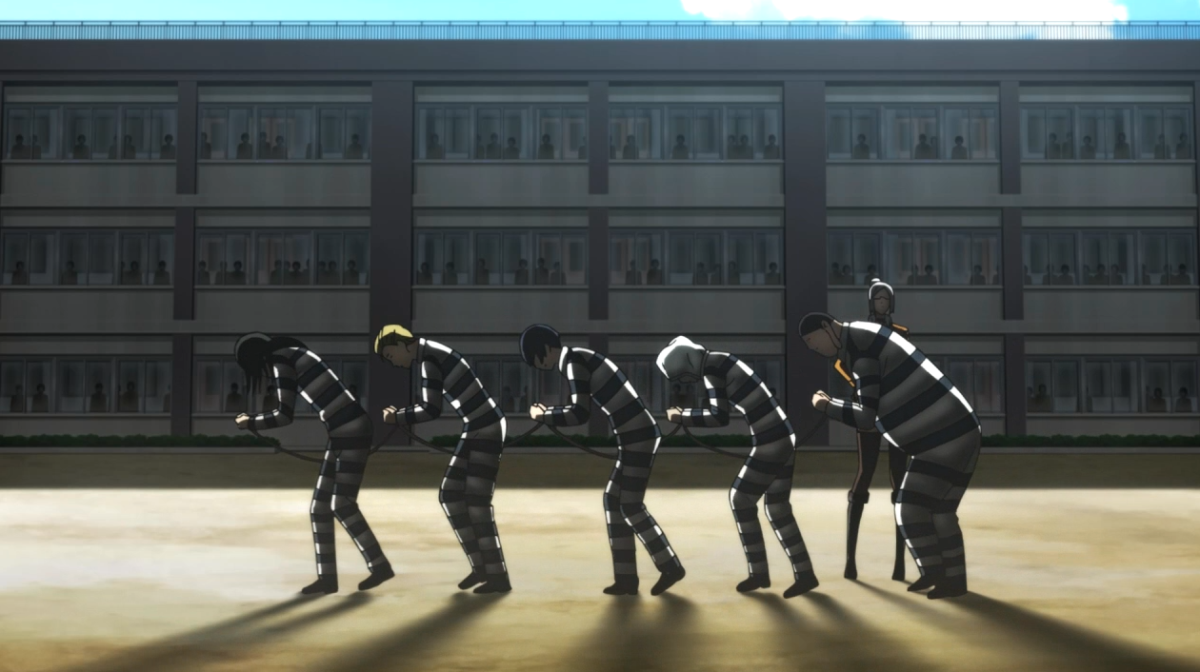
Kiyoshi Fujino is one of five boys admitted to a strict all-girls boarding school, only to be thrown into a school prison for peeping. While his friends are often caricatures of perversion or masochism, Kiyoshi acts as the frantic strategist trying to escape their predicament. His terrifyingly intense reactions to the sadistic punishments and the absurdity of the Underground Student Council drive the show’s tension and humor. Kiyoshi’s desperate, sweaty-faced internal monologues turn the thriller-like situations into pure comedy.
‘Grand Blue Dreaming’ (2018)
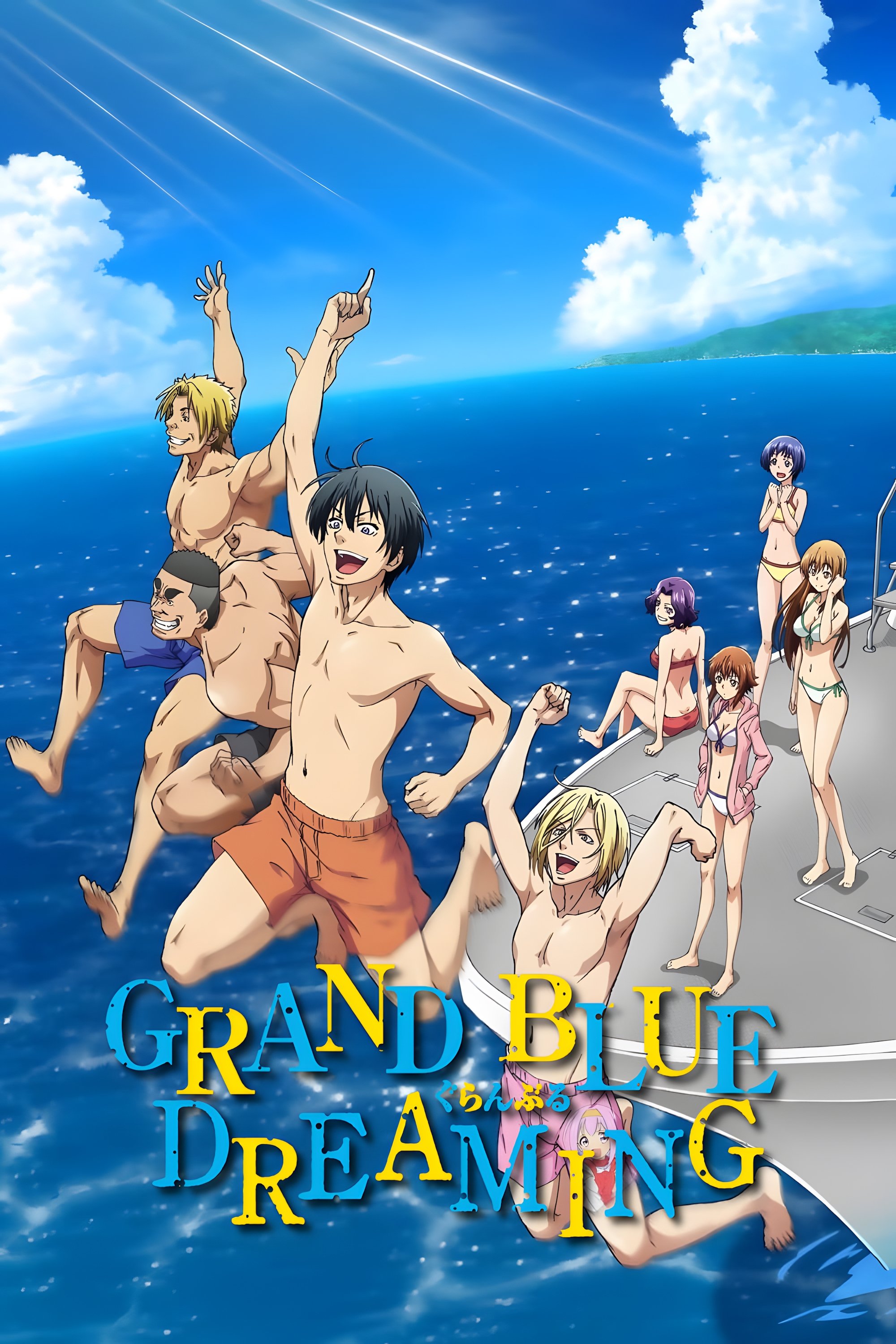
Iori Kitahara moves to a coastal town for college hoping for a fresh, innocent youth, but is immediately dragged into a diving club full of naked, alcoholic upperclassmen. He initially tries to resist the club’s chaotic culture, playing the straight man to their debauchery. However, the comedy shines when Iori inevitably succumbs to peer pressure and becomes just as wild and manipulative as the rest of them. His rapid descent from a normal guy to a “scum” character is the series’ running gag.
‘Detroit Metal City’ (2008)
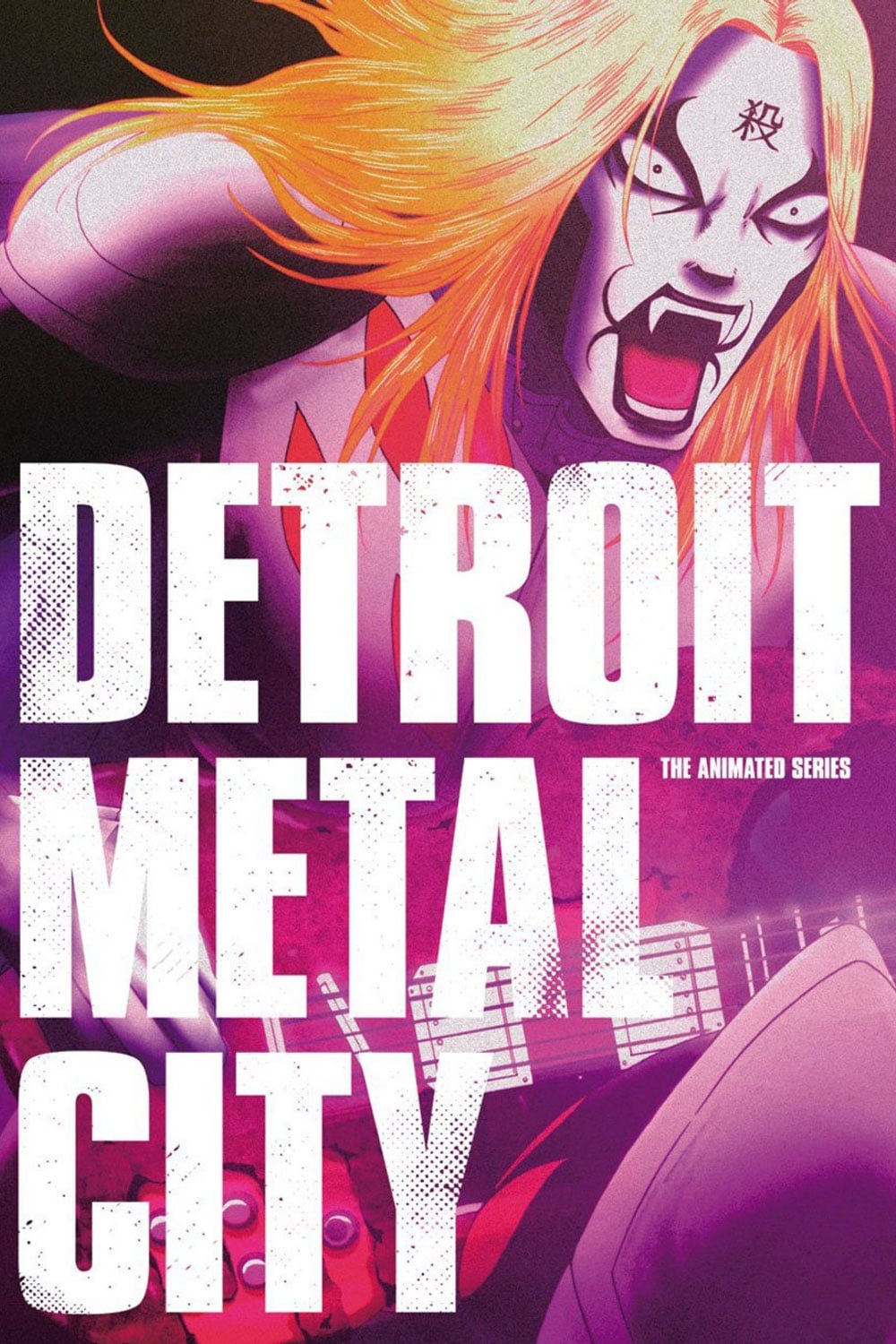
Soichi Negishi is a gentle soul who dreams of writing trendy Swedish pop songs and wearing fashionable clothes. Tragically, he possesses a demonic talent for death metal and acts as the lead singer of the brutal band Detroit Metal City. The comedy stems from his desperate internal struggle to be a nice guy while his alter ego, Krauser II, commits atrocities on stage. His inability to escape the persona, even in his personal life, leads to excruciatingly funny misunderstandings.
‘Tanaka-kun is Always Listless’ (2016)
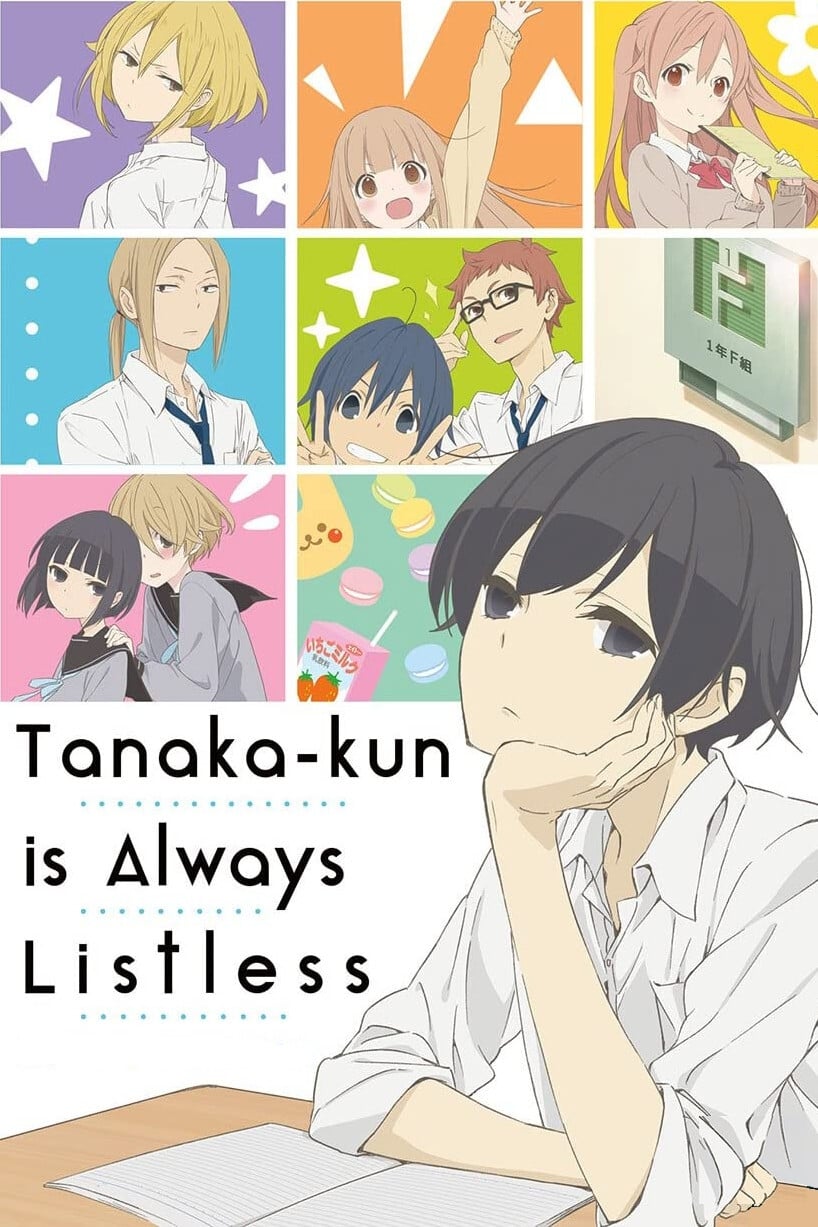
Ohta is the tall, reliable best friend of Tanaka, a boy who is lethargic to the point of immobility. Ohta essentially acts as Tanaka’s transportation and caretaker, carrying him around school like a piece of luggage. His patience and mother-like fretting over Tanaka’s laziness serve as the perfect contrast to the main character’s lack of energy. Ohta’s serious dedication to accommodating Tanaka’s ridiculous lack of effort is heartwarming and hilarious.
‘The Devil Is a Part-Timer!’ (2013–2023)
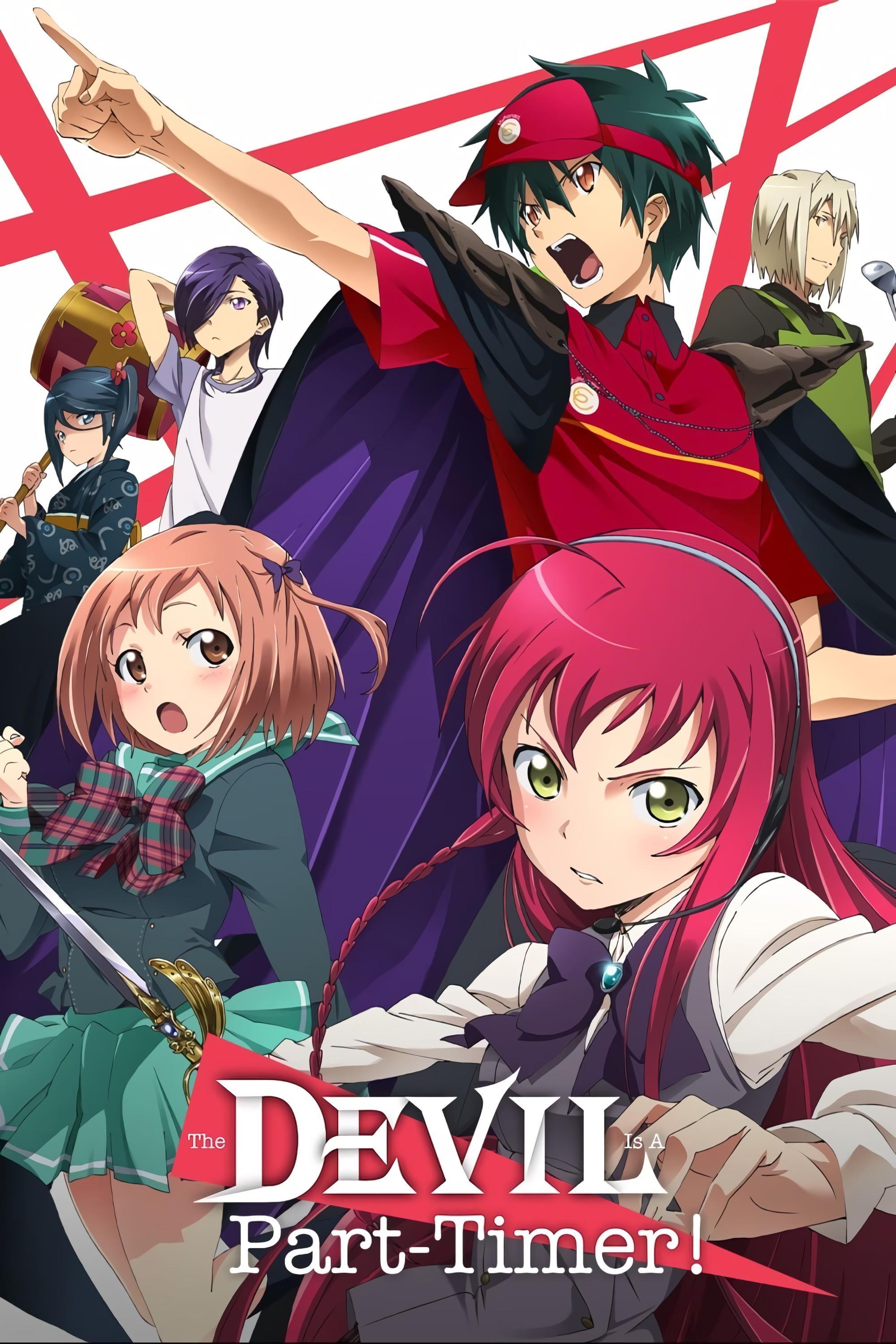
Sadao Maou, formerly the Demon Lord Satan, is forced to flee to modern Tokyo and take a job at a fast-food franchise to survive. He approaches his burger-flipping duties with the intense seriousness of a military conquest, acting as the grounded, responsible adult in the room. Maou frequently has to talk sense into his dramatic subordinates and the hero Emilia, who struggle to adapt to capitalism and Japanese laws. His commitment to being a model employee while ignoring his supernatural origins is a constant source of humor.
‘Monthly Girls’ Nozaki-kun’ (2014)
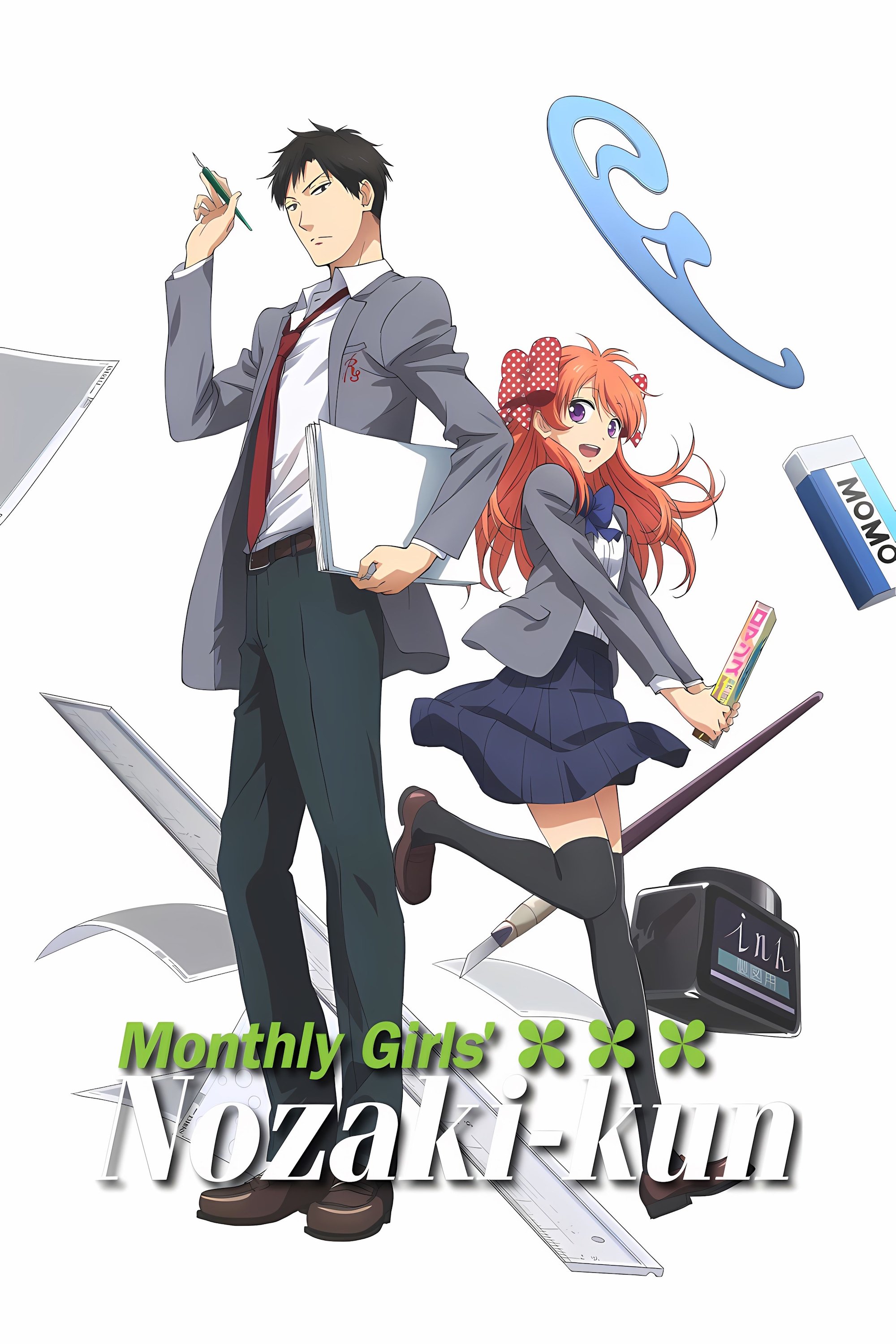
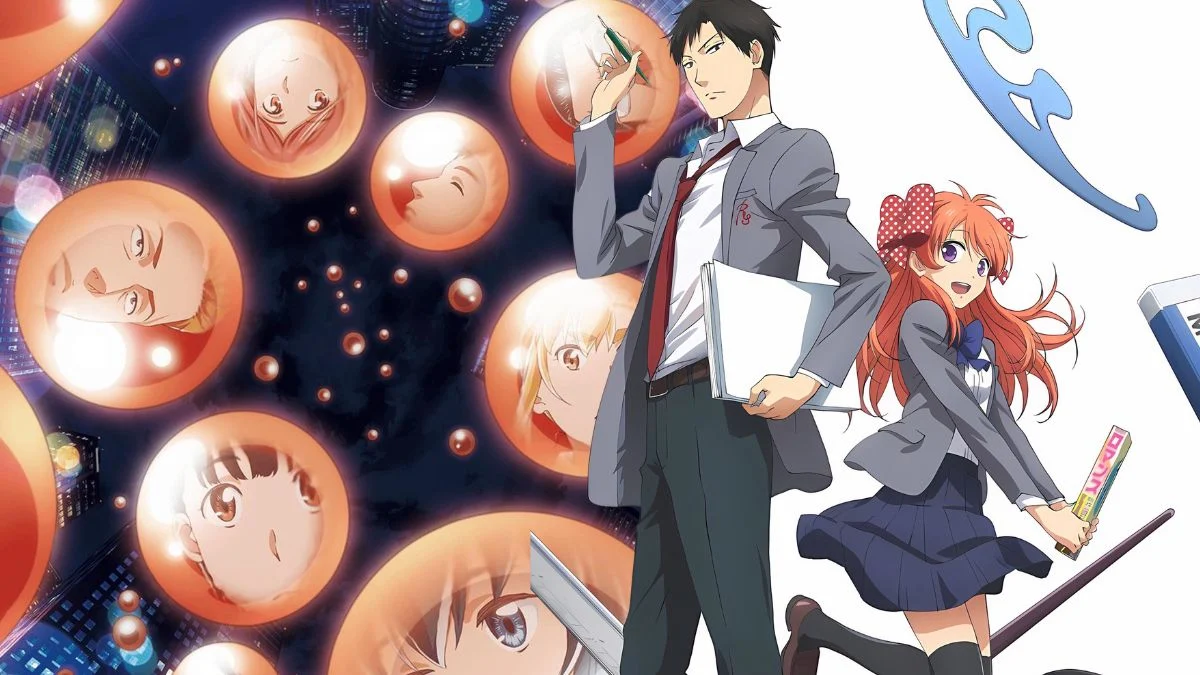
Chiyo Sakura is a high school girl who confesses her love to a classmate, only to be mistaken for a fan and recruited as his manga assistant. She spends the series internally screaming at the density and eccentricity of the manga artist Nozaki and his oddball friends. Her ribbon-wearing character design and deadpan expressions have become iconic memes within the anime community. Sakura’s perspective as the only person realizing how weird their situation is makes her the ultimate audience surrogate.
Which of these long-suffering characters is your favorite comedic anchor? Share your thoughts in the comments.