

Anime That Ruined Their Source Material



Adapting manga or light novels into anime is a difficult process that requires balancing pacing with visual storytelling. Many productions succeed in elevating the original works while others fail to capture the essence of the source material. Fans often express disappointment when studios make drastic changes to plotlines or omit crucial character development arcs. The following titles are often cited as examples where the adaptation diverged significantly from the creator’s original vision.
‘The Promised Neverland’ (2019–2021)
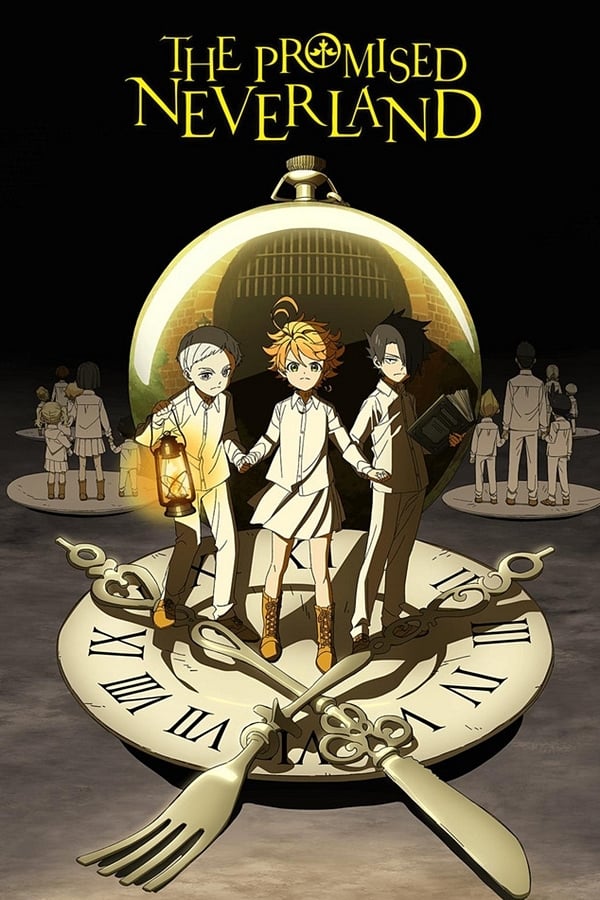
The first season of this series was widely praised for its faithful adherence to the manga but the second season took a different turn. The production team decided to skip the fan favorite Goldy Pond arc entirely and rush the remaining story content into eleven episodes. Viewers witnessed a slideshow ending that condensed multiple volumes of plot into a few minutes of montage. This drastic narrative compression removed the tension and strategic depth that defined the original work.
‘Tokyo Ghoul’ (2014–2018)
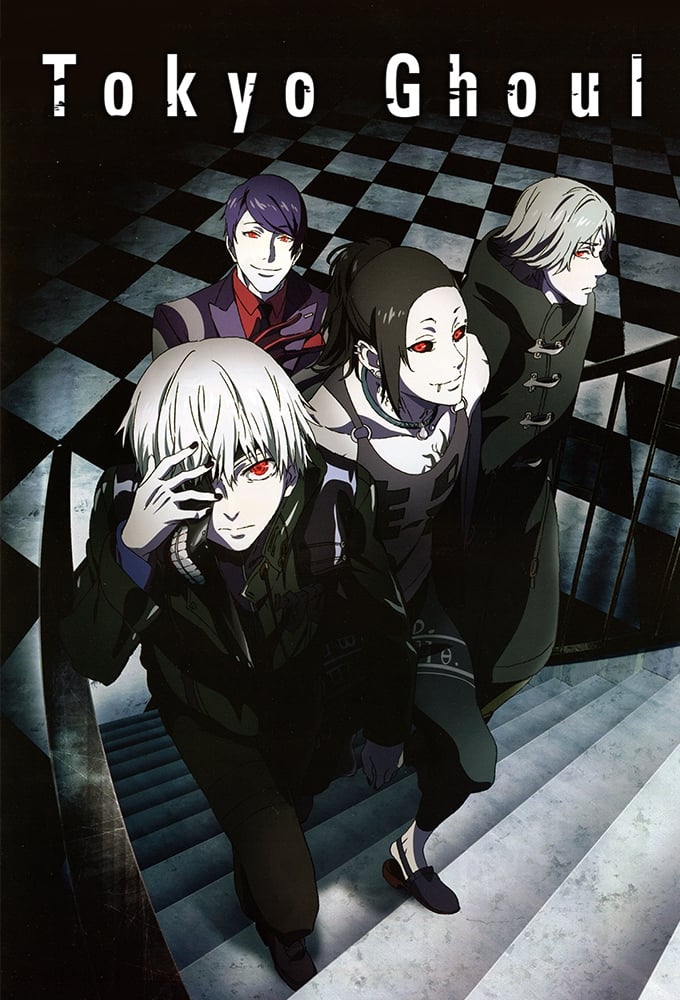
The initial season garnered popularity but the sequel titled Root A diverged completely from the manga narrative to tell an original story. This alternative route confused viewers and created inconsistencies when the third season attempted to return to the source material without proper setup. Important character nuances regarding Kaneki Ken were lost amidst the jumbled storytelling and rushed pacing. The animation quality also suffered in later seasons which further alienated fans of the dark fantasy series.
‘Berserk’ (2016–2017)
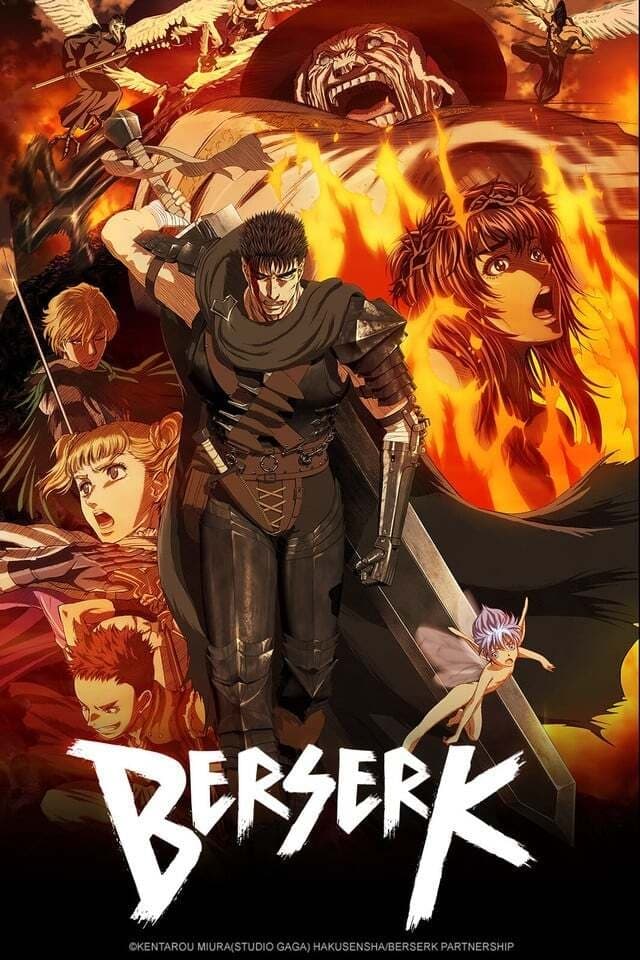
Kentaro Miura is celebrated for his intricate artwork yet this adaptation failed to translate that visual fidelity to the screen. The production relied heavily on awkward computer generated imagery that clashed with the gritty tone of the story. Pacing issues plagued the series as it skipped the Lost Children arc and rushed through the Conviction arc. The directing choices and sound design were widely criticized for lacking the weight and impact found in the manga panels.
‘Soul Eater’ (2008–2009)
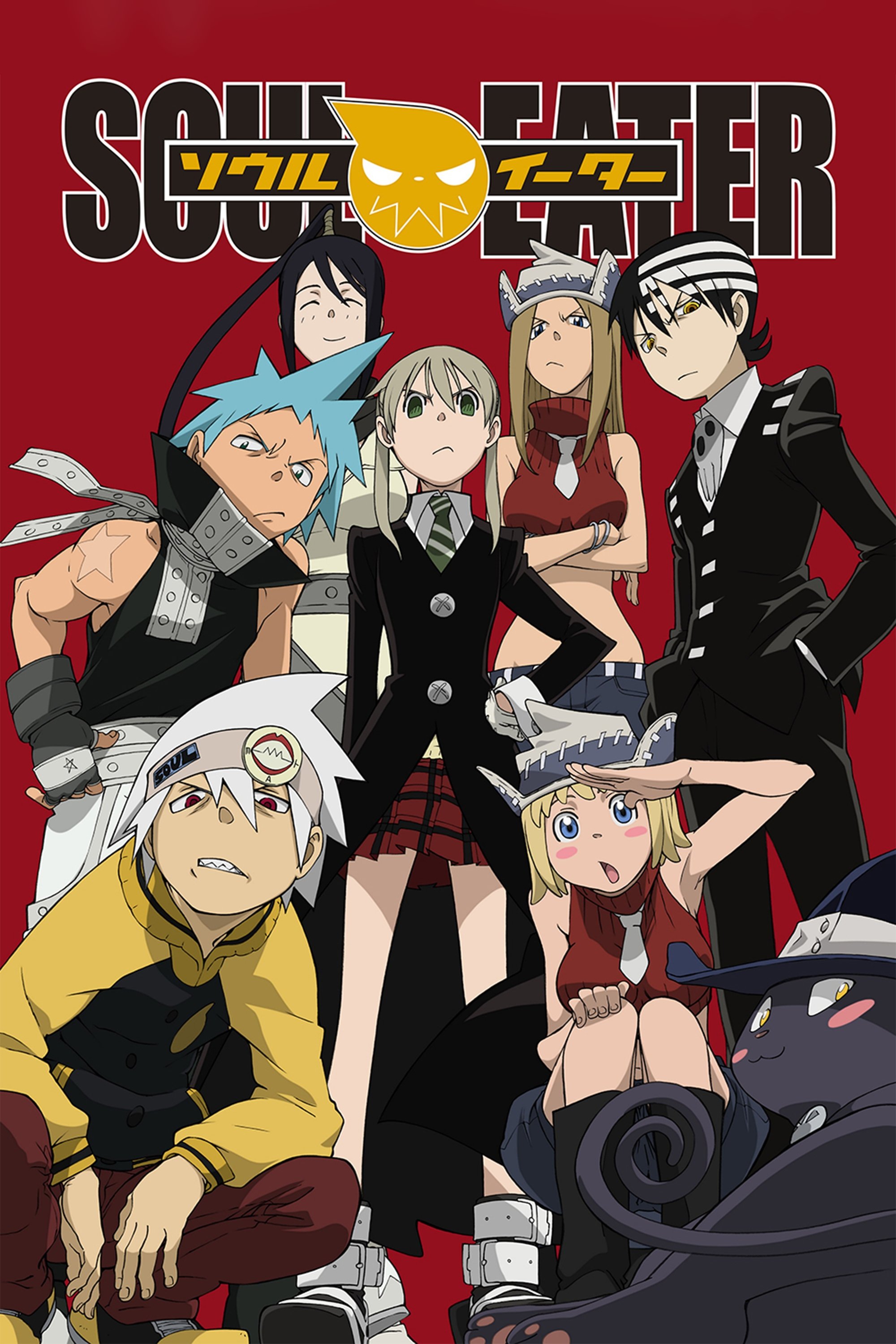
The anime adaptation proceeded faster than the manga publication which forced the studio to create an original ending. The divergence begins after the battle for BREW where the plot shifts away from the madness wavelength concepts explored in the source material. Characters like Maka Albarn defeat the antagonist Asura using a method that contradicts the established power system of the series. This conclusion left many plot threads unresolved and ignored the deeper lore that the manga author later developed.
‘Akame ga Kill!’ (2014)

The television series caught up to the ongoing manga and necessitated an original conclusion that killed off characters who survived in the source material. Tatsumi and Mine receive drastically different fates in the animated version compared to their manga counterparts. The final battle unfolds differently and omits the evolution of the Imperial Arms that plays a central role in the written work. These changes result in a bleak ending that lacks the thematic closure found in the eventual manga finale.
‘Claymore’ (2007)
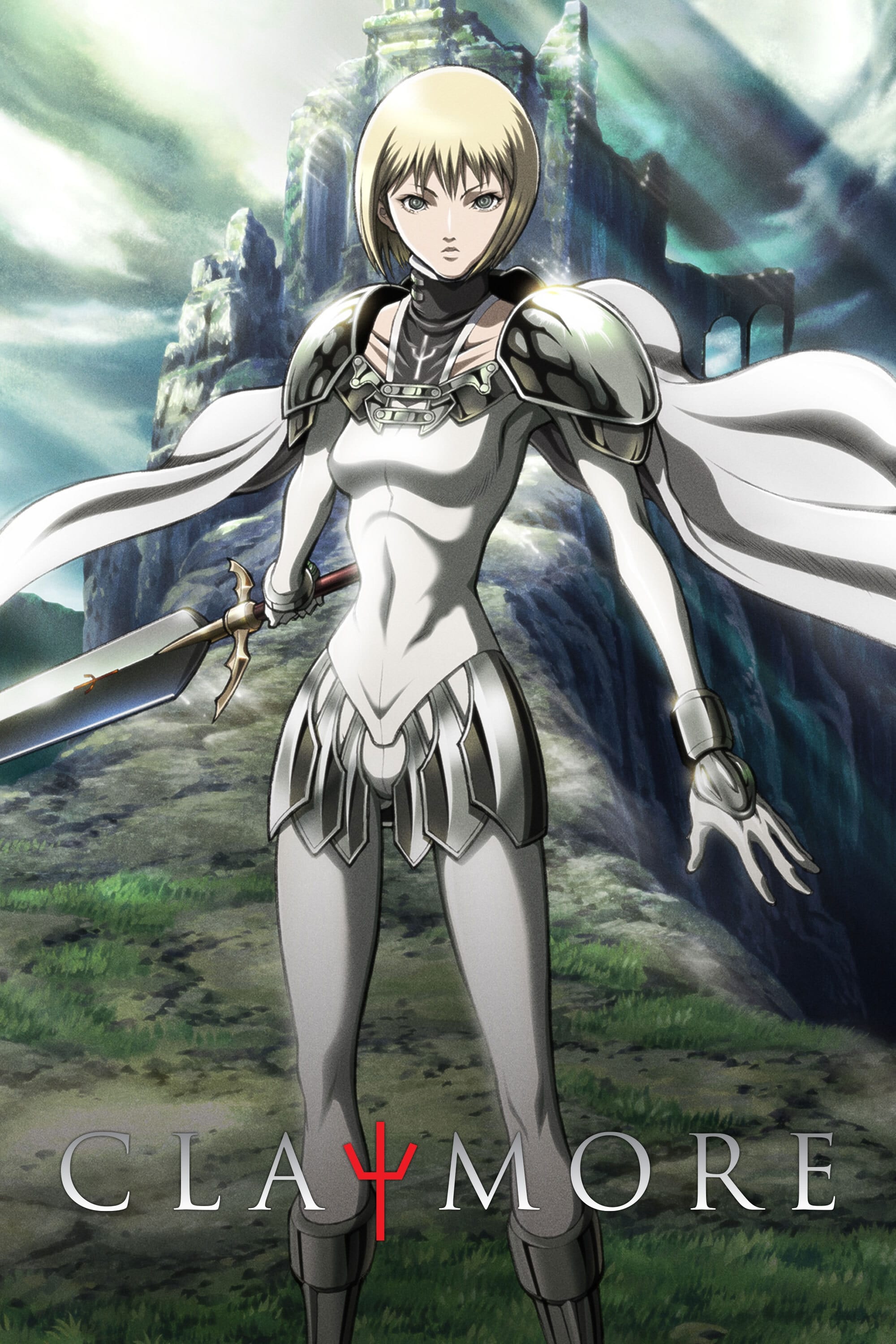
Madhouse produced a faithful adaptation for the majority of the episodes before devising a completely new ending. The final battle between Clare and Priscilla occurs much earlier than in the manga and resolves without the necessary power scaling. The storyline ignores the revelations regarding the true nature of the island and the organization controlling the warriors. This premature conclusion prevents the anime from exploring the larger world building that defines the second half of the manga.
‘Rosario + Vampire’ (2008)
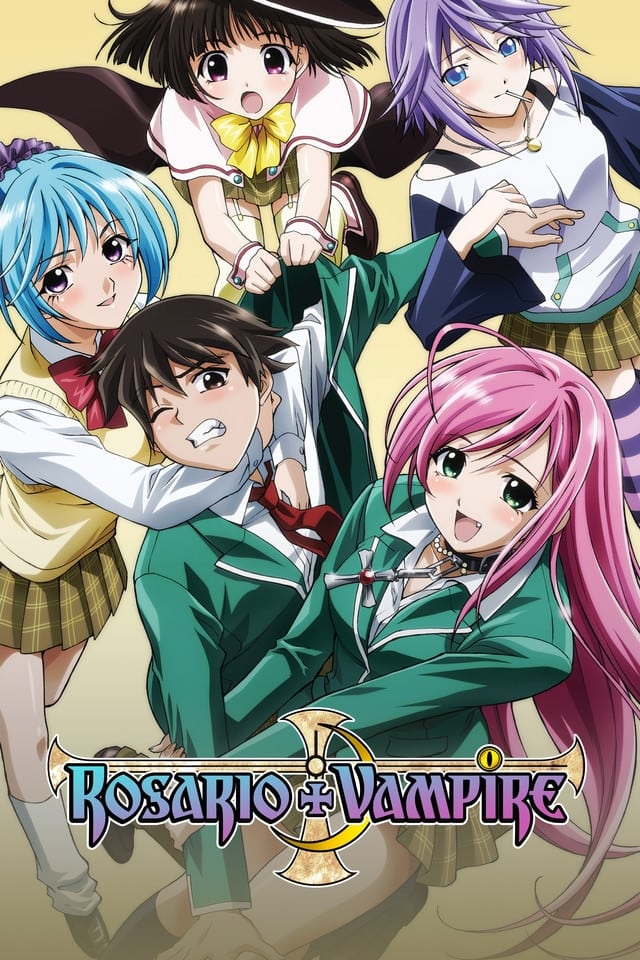
The manga is an action oriented series with significant character growth and battle elements but the anime focused almost exclusively on romantic comedy tropes. Tsukune Aono remains a weak character throughout the show whereas the source material depicts his transformation into a powerful ghoul. The adaptation removed the darker tone and serious plot progression in favor of episodic fan service. This shift in genre disappointed fans who expected the shonen battle aspects of the original story.
‘Deadman Wonderland’ (2011)
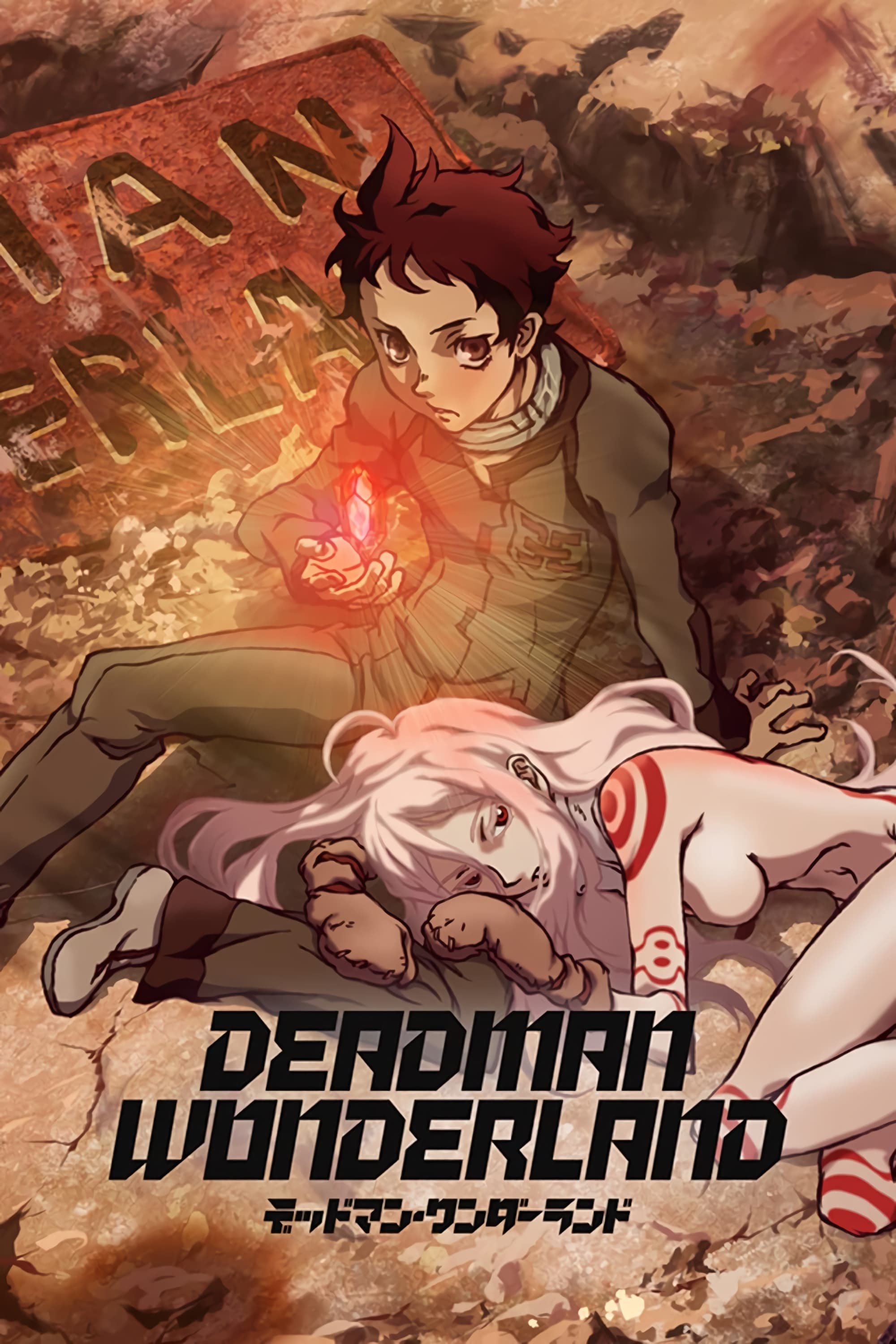
The anime adaptation covers the first few volumes of the manga but omits key characters necessary for the future plot. The most significant exclusion is Azami Mido whose role is essential for the development of the protagonist Ganta Igarashi. This omission made a second season impossible without a complete reboot of the storyline. The series ends on a cliffhanger that resolves none of the central mysteries regarding the Red Man or the prison system.
‘Blue Exorcist’ (2011)
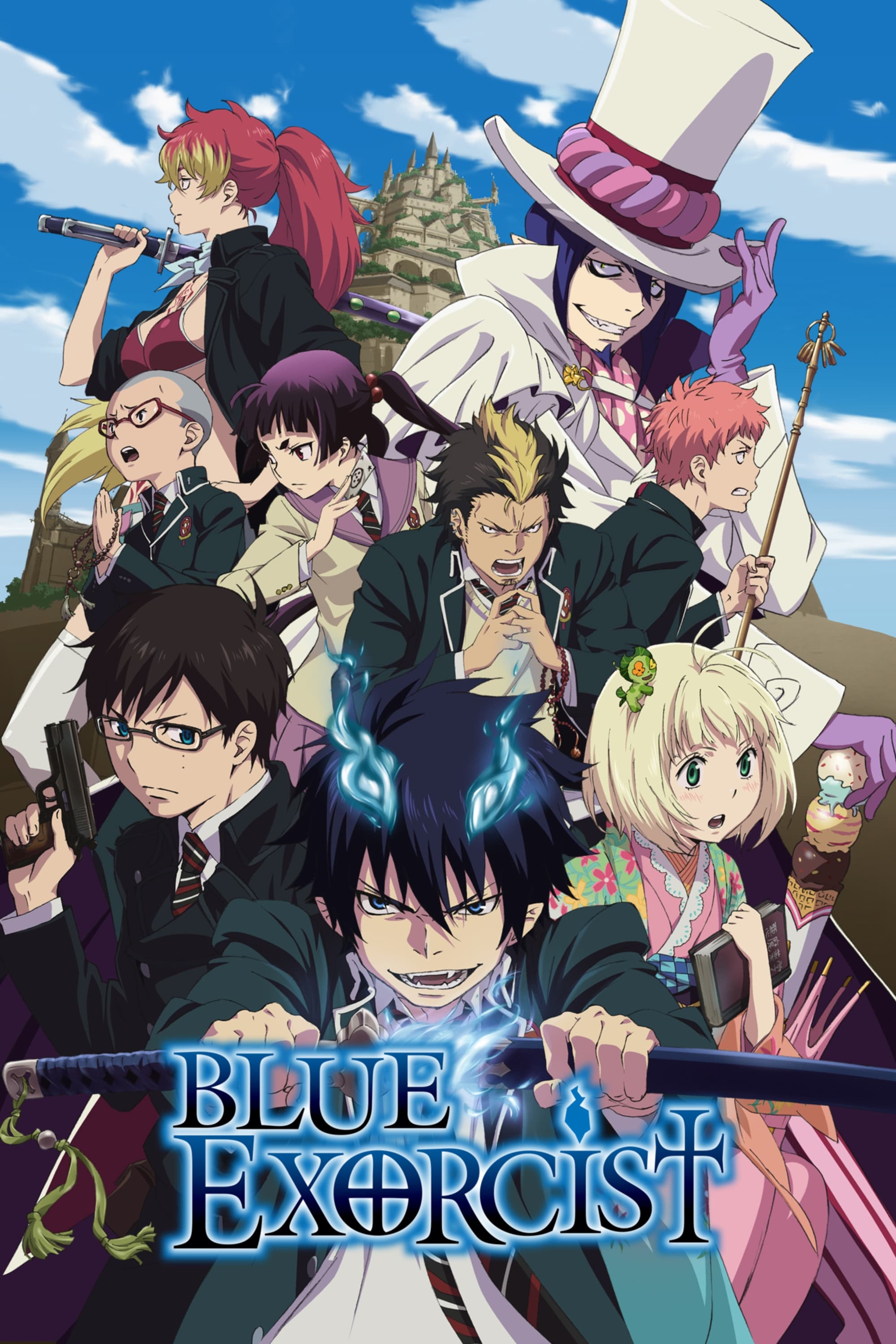
The first season diverged from the manga halfway through its run and invented a plot involving Satan possessing a main character. This original storyline contradicted the lore and mechanics of exorcism established by the author Kazue Kato. The subsequent season titled Kyoto Saga ignored these filler episodes and continued as if the anime original ending never happened. This disjointed continuity confuses new viewers trying to follow the canonical progression of Rin Okumura.
‘Fruits Basket’ (2001)
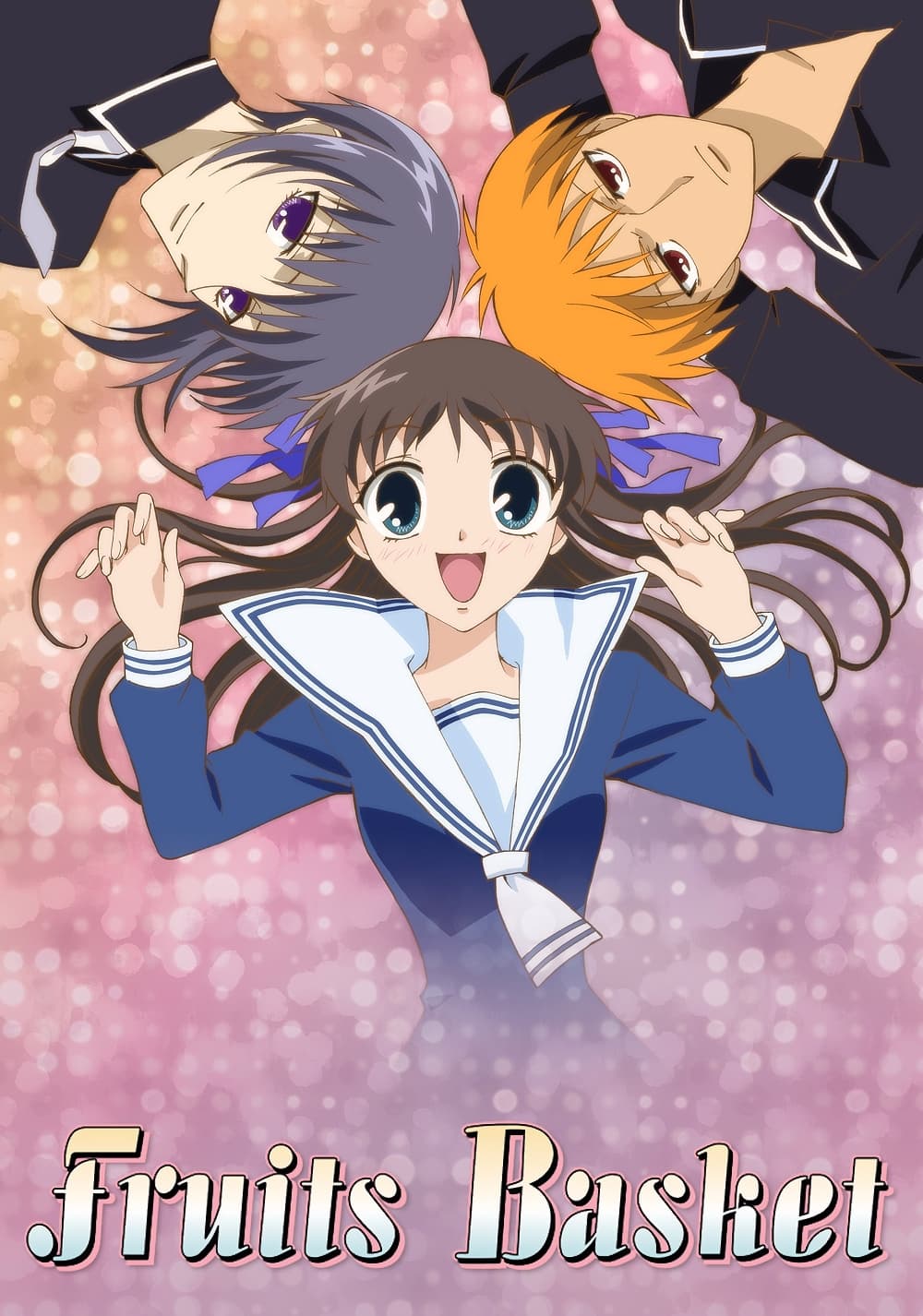
The first adaptation of this shoujo classic aired while the manga was still in the early stages of publication. The director chose to emphasize the comedic aspects of the story and removed many of the darker psychological elements. Several key members of the Sohma family and their traumatic backstories were excluded entirely from this version. The series concludes with an original ending that does not address the curse or the true nature of Akito.
‘Gantz’ (2004)
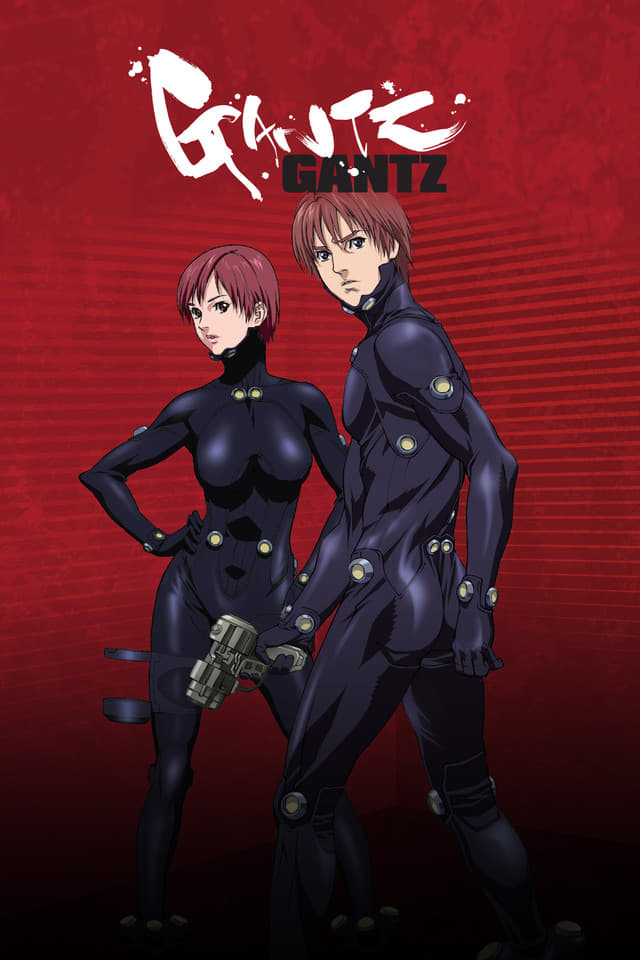
The anime faithfully adapts the first three major missions before creating a filler arc to conclude the series. This original ending involves a chaotic sequence that ignores the rules of the black sphere and the point system. The psychological tension and mystery surrounding the aliens are replaced by a confusing narrative that offers no real answers. The animation quality dips significantly during these final episodes and fails to capture the detailed art style of the manga.
‘Fullmetal Alchemist’ (2003–2004)
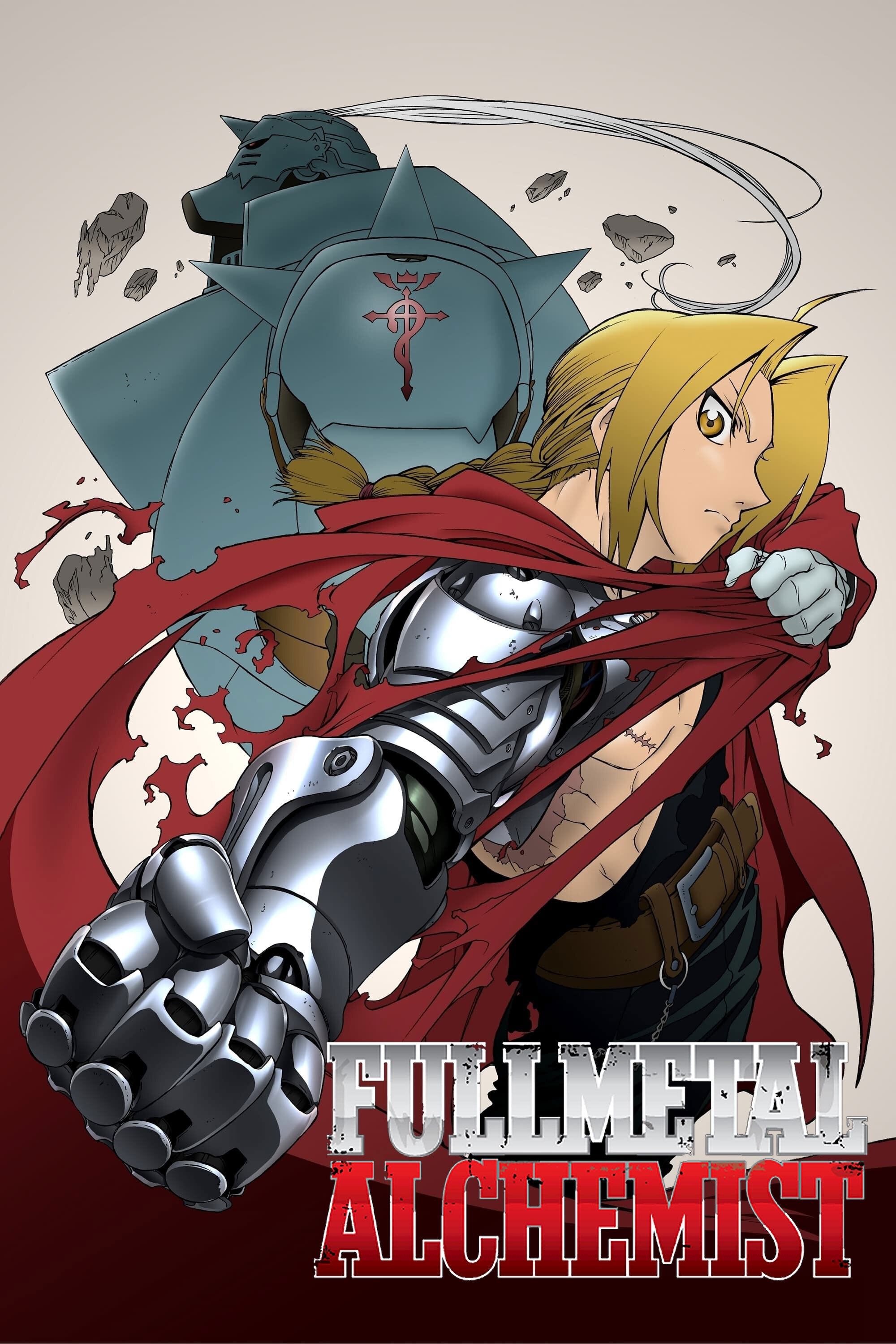
Bones produced this series when the manga was only partially finished and requested permission to create a unique storyline. The origin of the Homunculi and the intentions of the main antagonist differ completely from the source material written by Hiromu Arakawa. Dante replaces Father as the central villain and the gate of truth connects to our real world during World War I. While critically acclaimed on its own merits it presents a fundamentally different narrative than the original work.
‘Hellsing’ (2001–2002)
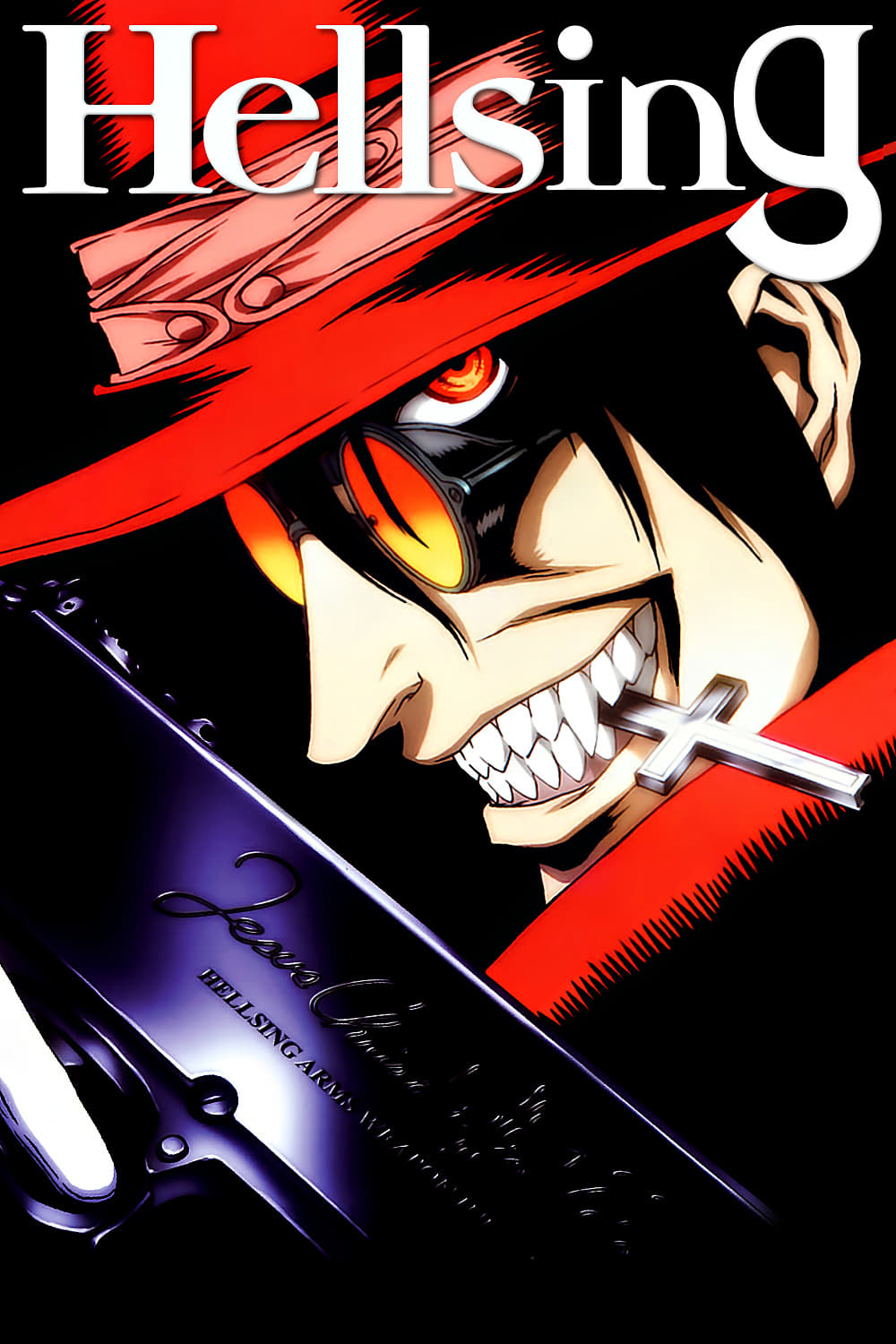
This television series ignores the major antagonistic organization Millennium and focuses on an original villain named Incognito. The intricate plot involving Nazi vampires and the Vatican is replaced by a smaller scale monster of the week format. Alucard displays different personality traits and the animation style lacks the sharpness of the manga art. The series concludes without the epic scale warfare that defines the later chapters of the source material.
‘Umineko: When They Cry’ (2009)
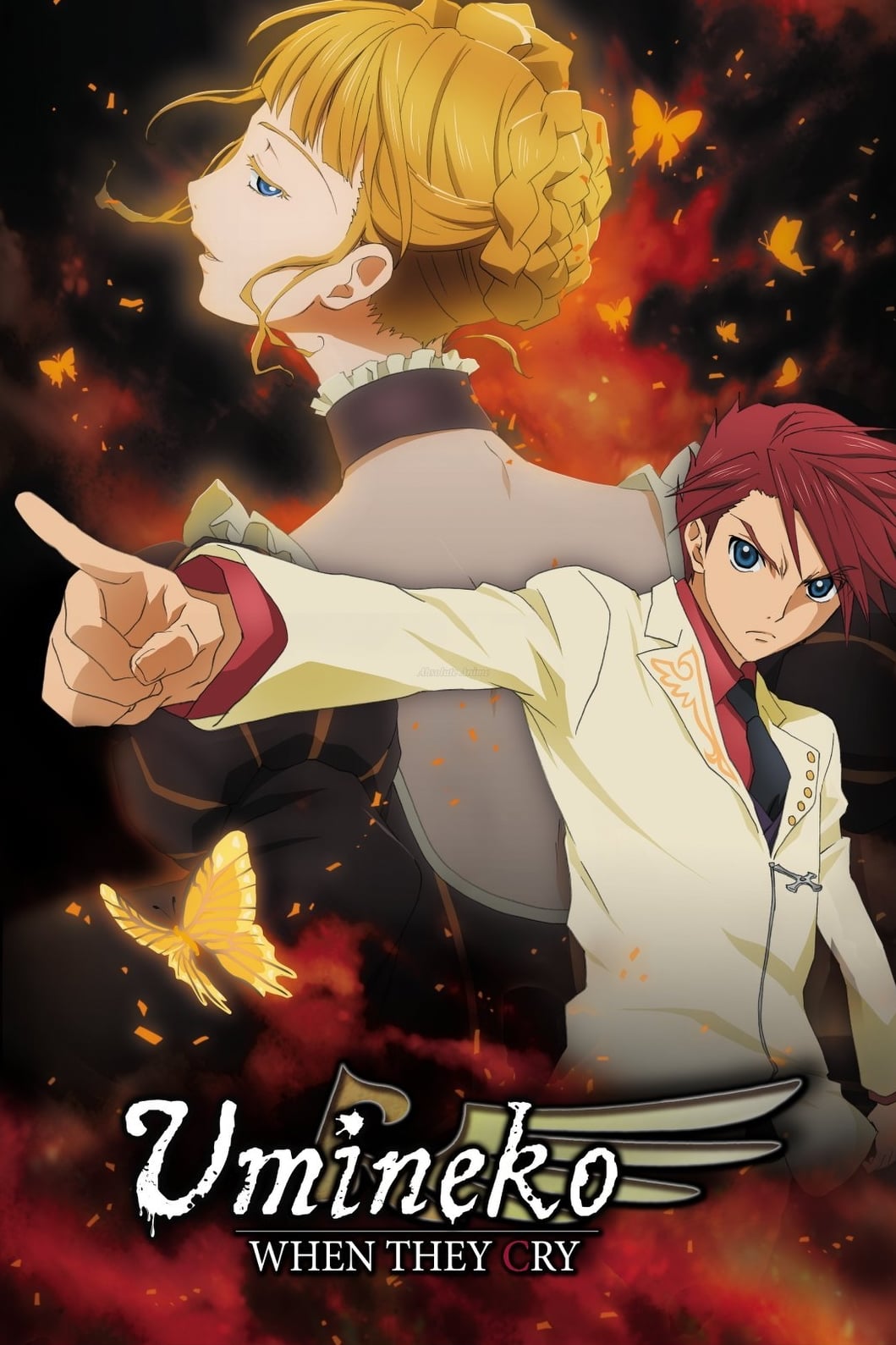
The adaptation attempts to compress a dense visual novel into a twenty six episode series with disastrous results. Crucial clues and red text rules required to solve the mystery are omitted or explained poorly. The complex character motivations and the meta narrative involving the witches are oversimplified to the point of incoherence. Fans of the original game criticize the anime for failing to provide the necessary information for viewers to engage with the mystery.
‘ChäoS;HEAd’ (2008)
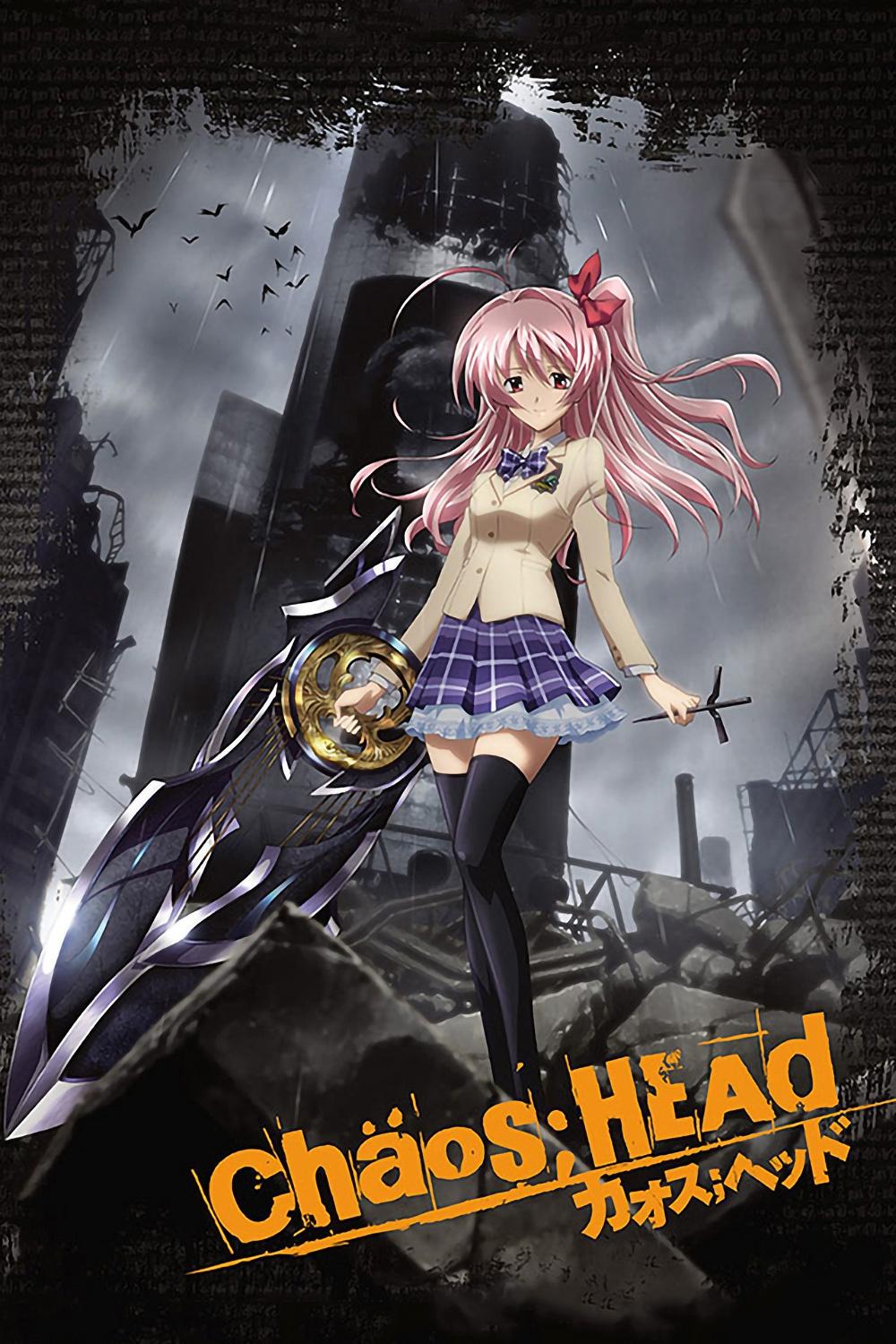
The anime condenses a long visual novel into twelve episodes and rushes through the complex scientific and psychological concepts. The pacing is erratic and leaves viewers confused about the delusion system that drives the plot. Key character interactions that build the paranoia of the protagonist Takumi Nishijou are cut for time. The animation quality is inconsistent and fails to convey the horror atmosphere present in the source material.
‘Lunar Legend Tsukihime’ (2003)

Fans of the visual novel often pretend this adaptation does not exist due to its poor representation of the story. The anime attempts to combine multiple routes but fails to fully develop the romance or the lore of the vampire world. Shiki Tohno lacks the internal monologue that defines his character and struggles in the game. The atmospheric music is praised but the lackluster animation and hollow storytelling result in a poor adaptation.
‘Pupa’ (2014)
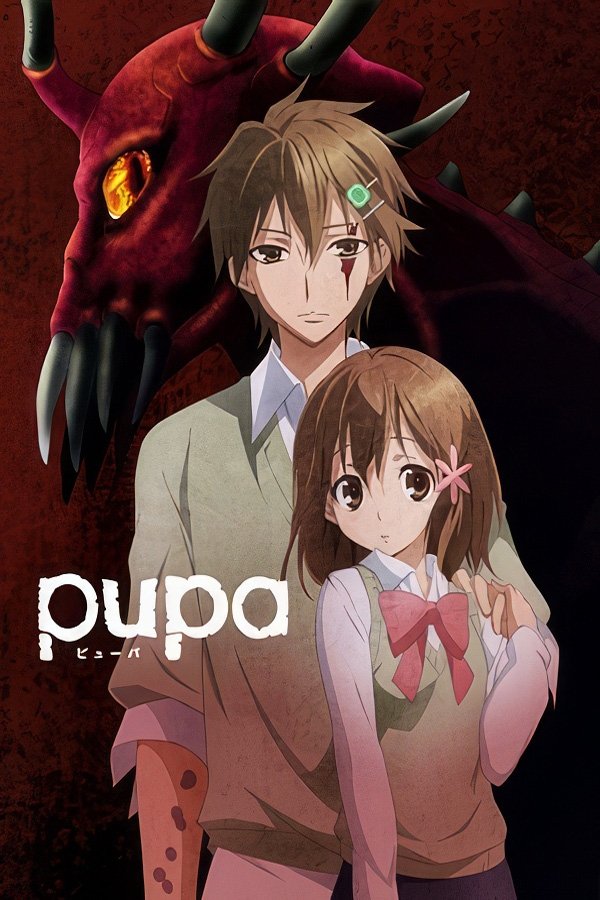
The horror manga was adapted into a series of short episodes lasting only four minutes each. The extreme censorship obscured the gore and body horror elements that were central to the narrative appeal. The disjointed editing makes the plot difficult to follow and ruins the tragic relationship between the siblings. This format change turned a disturbing story into an incomprehensible collection of scenes.
‘Hakyu Hoshin Engi’ (2018)
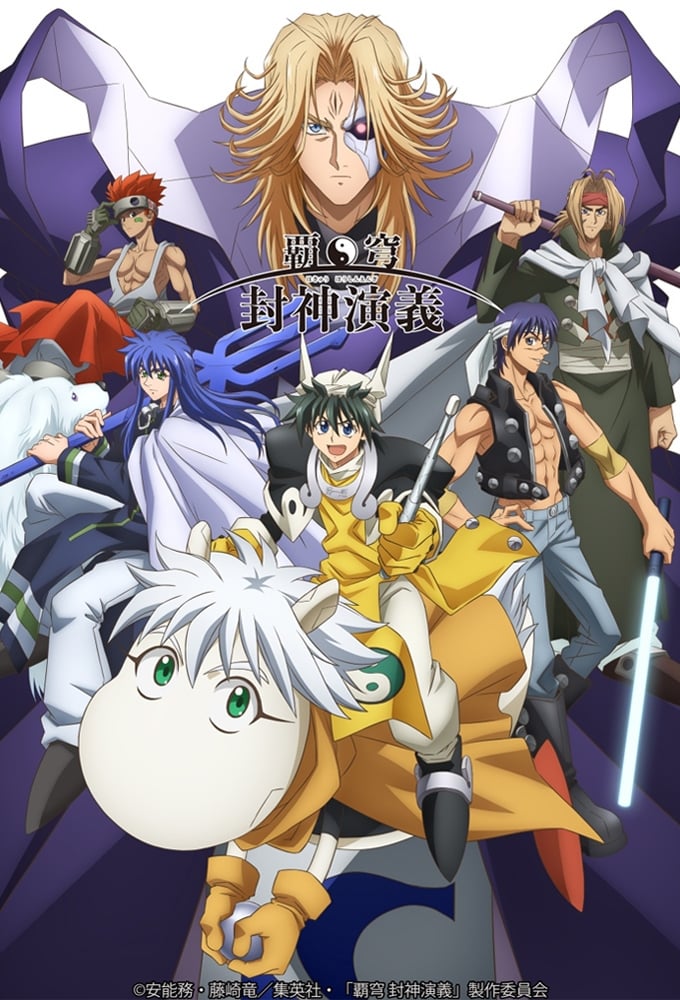
This remake attempted to cover twenty three volumes of manga in twenty three episodes. The pacing moves at a breakneck speed which forces the omission of entire story arcs and character introductions. Viewers who never read the manga found the plot impossible to follow due to the constant jumping between events. The emotional weight of the battles is lost because the audience is given no time to connect with the large cast of characters.
‘Toriko’ (2011–2014)
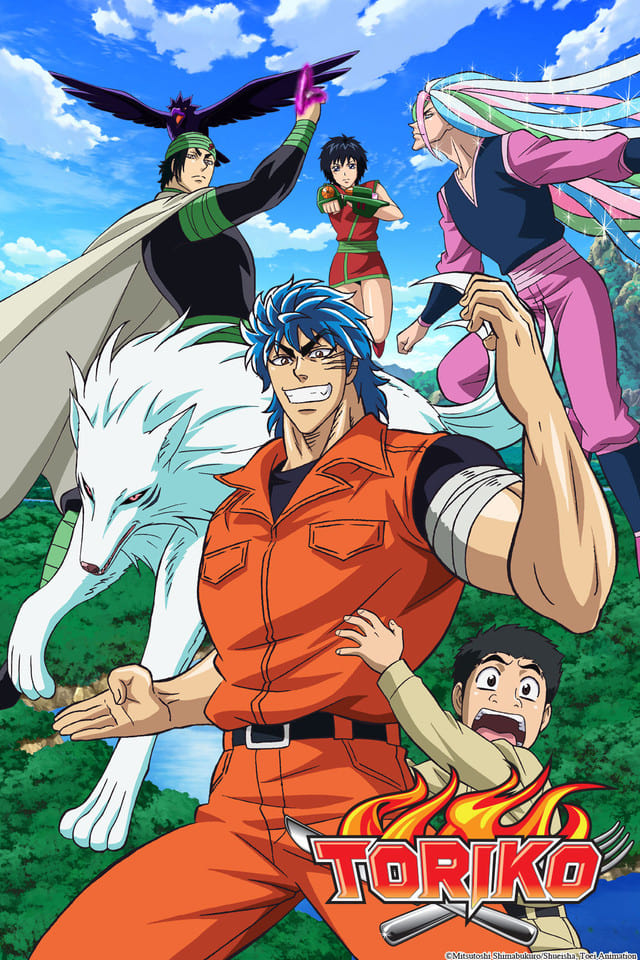
The anime introduces a reporter character named Tina who does not exist in the manga and consumes significant screen time. The violence and gore are heavily censored to appeal to a younger morning audience. The ending diverges completely from the manga and resolves the conflict with the Neo organization in a rushed manner. These changes sanitized the intense battle shonen atmosphere that made the original work popular.
‘Black Butler’ (2008–2010)
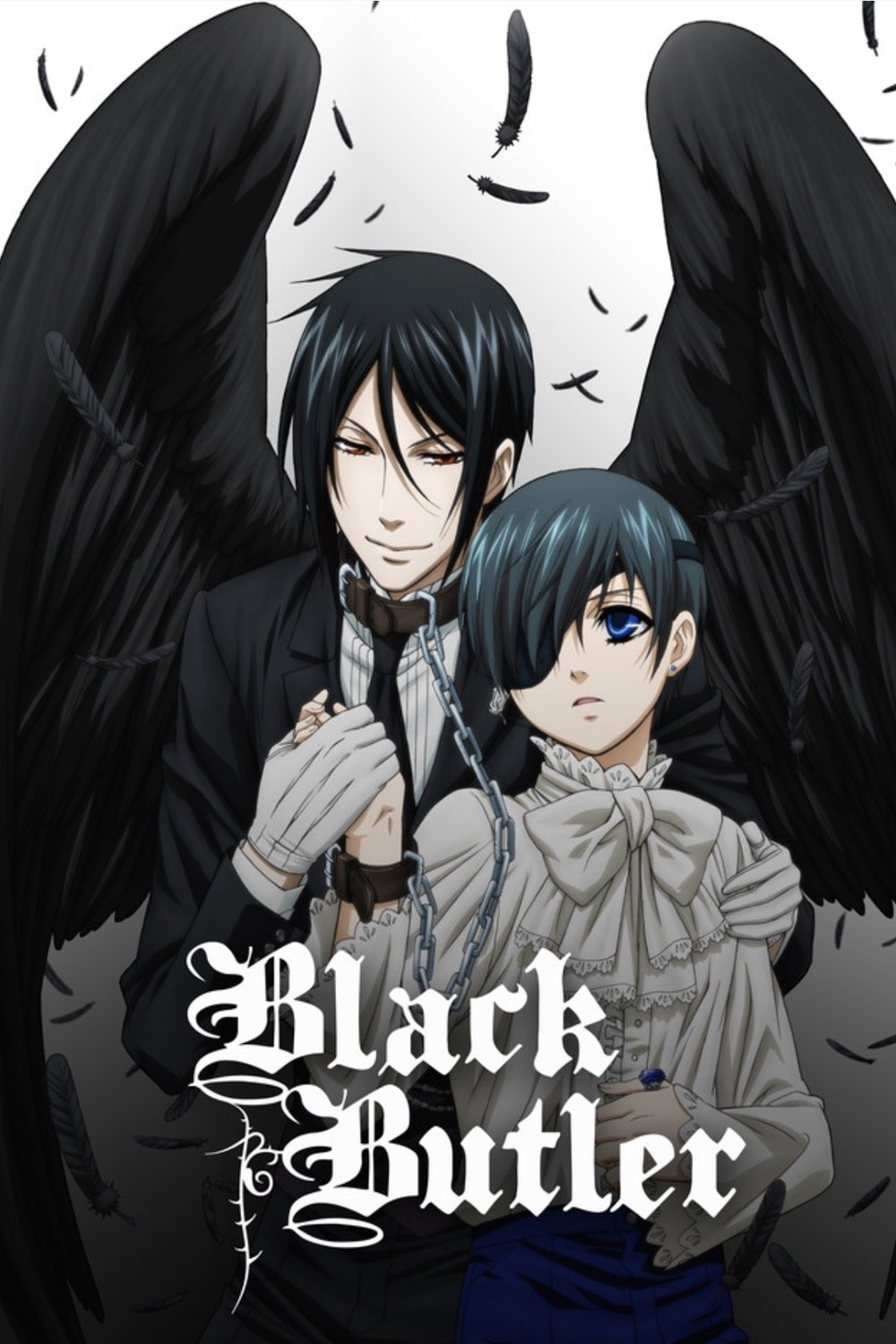
The first season diverges from the manga midway through and leads into a second season that is entirely original content. This sequel season introduces a new master and butler pair who dominate the storyline. The canonical personality of Ciel Phantomhive is altered to fit this new narrative direction. A later series titled Book of Circus was produced to ignore these events and adapt the manga faithfully.
‘Twin Star Exorcists’ (2016–2017)
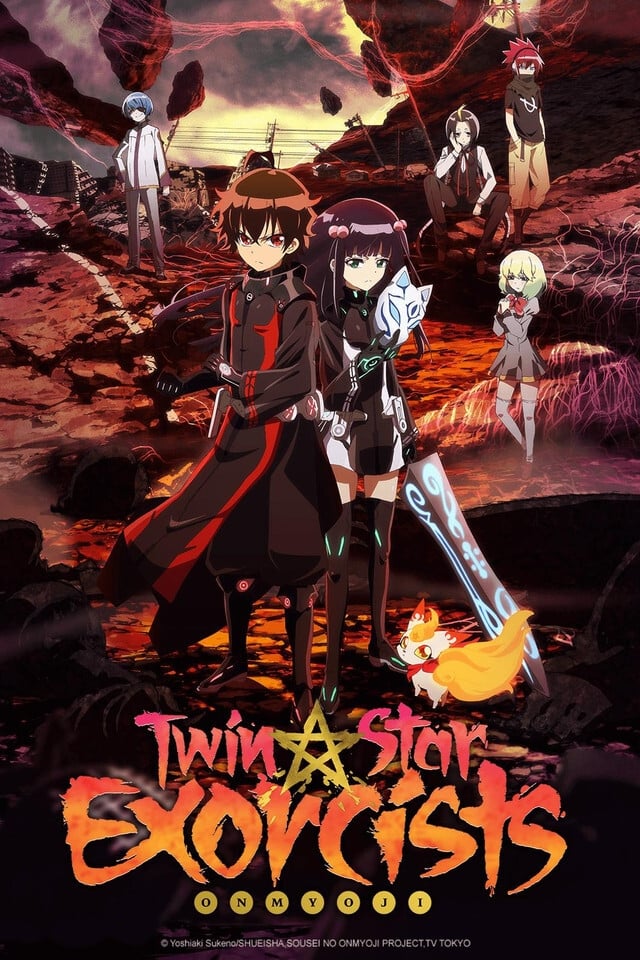
Studio Pierrot added a mascot character named Kinako who alters the tone of the series. The adaptation introduces a long original arc involving the Dragon Spots that delays the main plot progression. The relationship development between Rokuro and Benio is diluted by the addition of filler content. The power scaling and the nature of the Kegare take a different direction than the monthly manga series.
‘Rave Master’ (2001–2002)
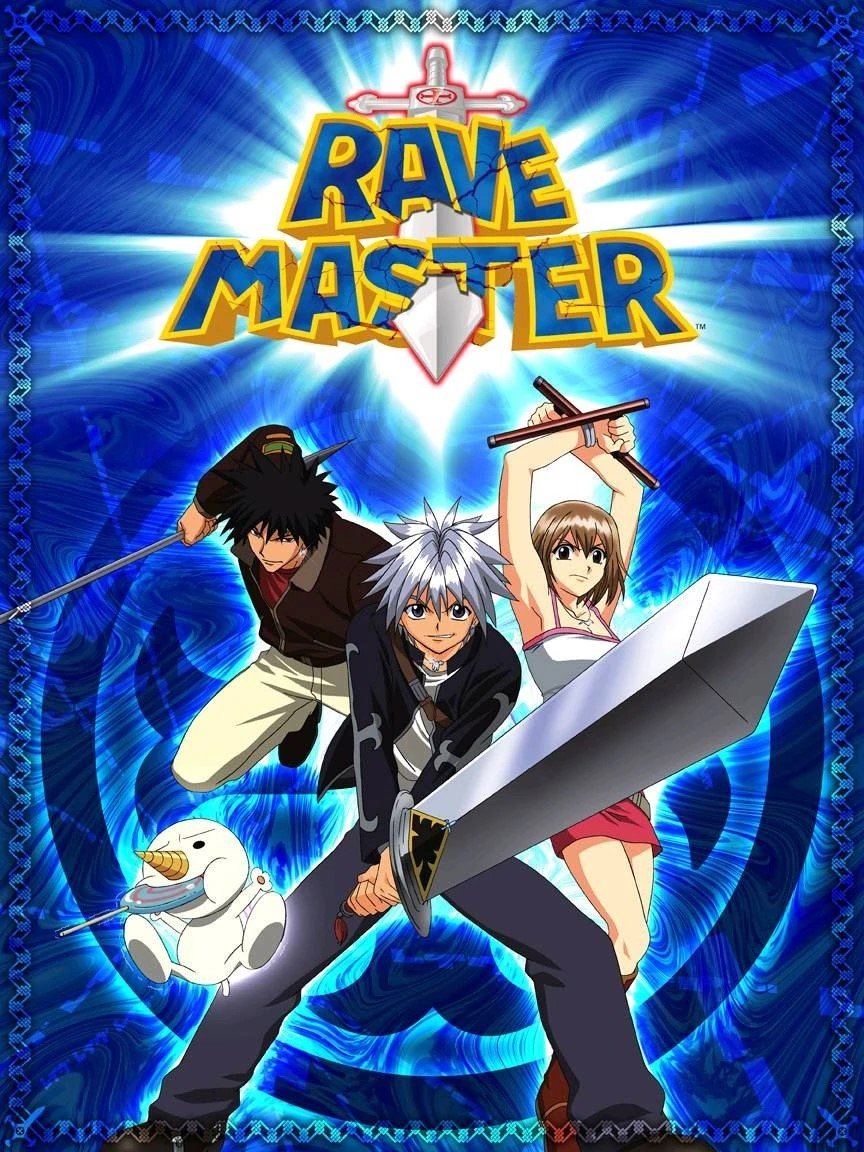
The adaptation of Hiro Mashima’s first major work suffers from low budget animation and significant censorship. The storyline is cut short just as the plot begins to expand into the more serious arcs. Several character designs and names were altered for the localized release which further confused fans. The series ends without resolving the search for the Rave Stones or the battle against Demon Card.
‘His and Her Circumstances’ (1998–1999)
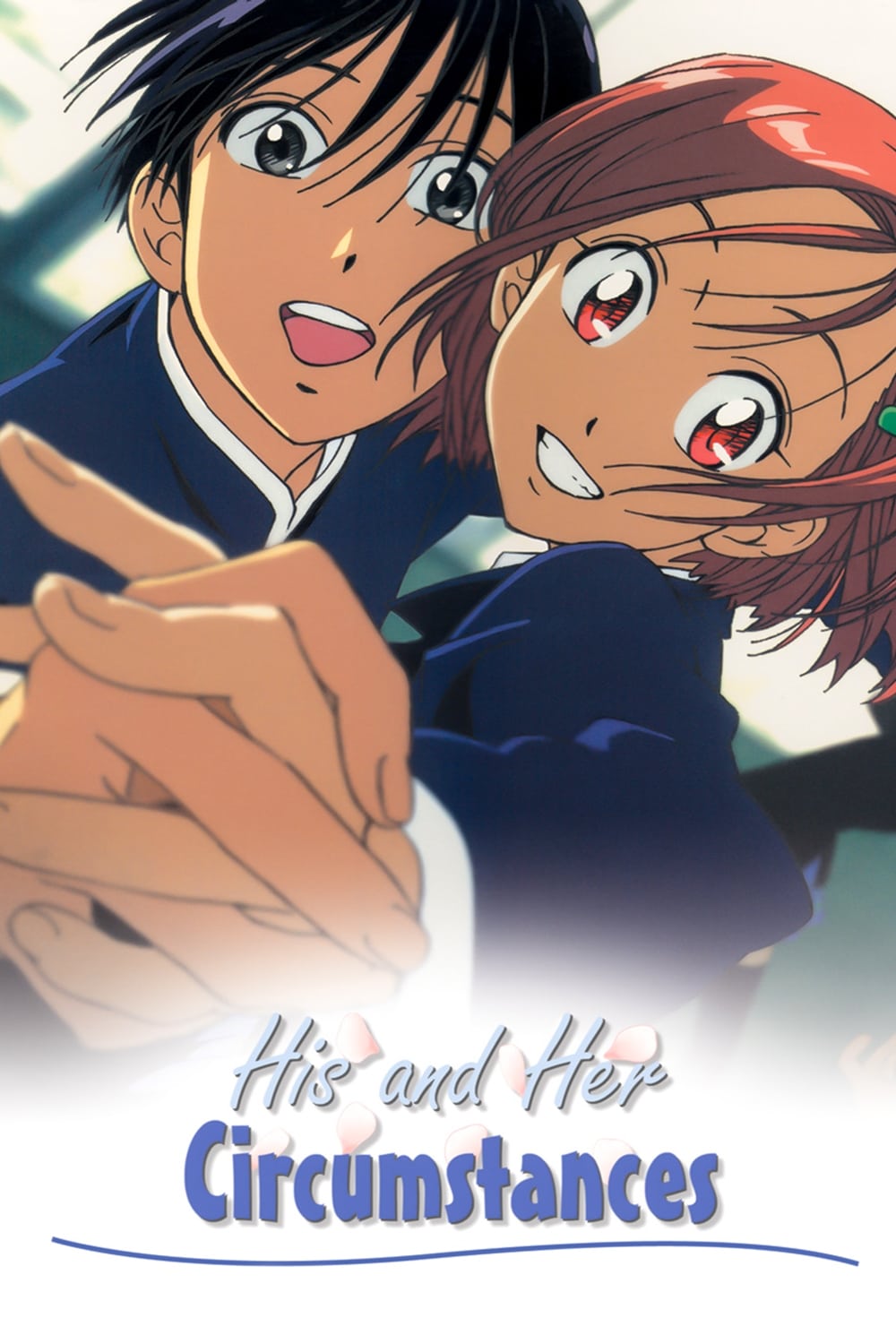
Production issues and creative disputes between the director and the manga author plagued this adaptation. The final episodes rely on paper cutouts and stick figures due to budget constraints. The story ends abruptly without resolving the romance or the personal issues of the protagonists. The tonal shift from serious drama to abstract comedy in the second half alienated viewers invested in the relationship.
‘Flame of Recca’ (1997–1998)
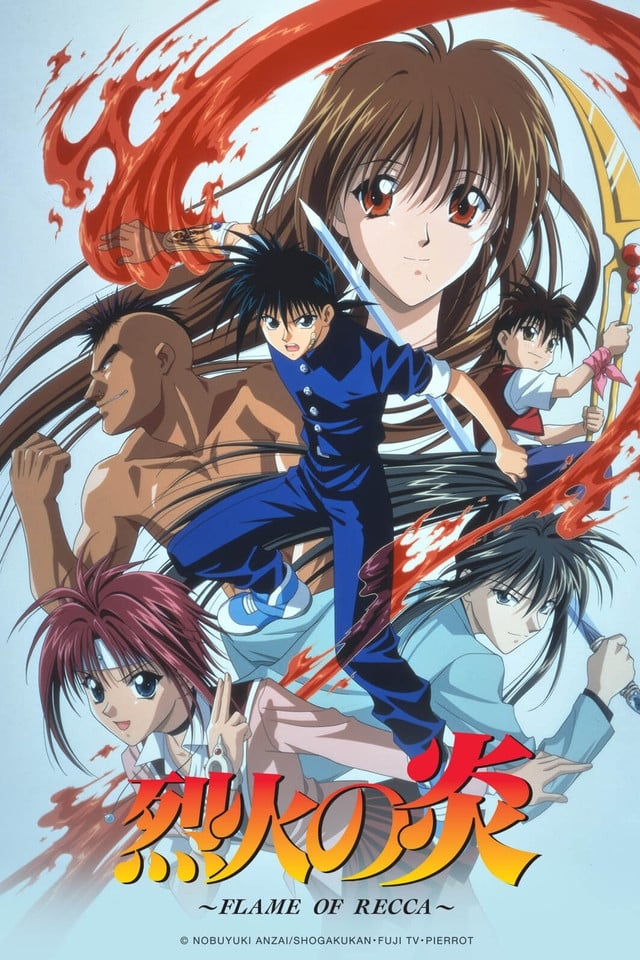
The anime adapts the early tournament arc but concludes before the story expands into the larger conflict with the Tendou Jigoku. The final battle in the anime is an original creation that simplifies the villain’s motivations. Many of the madougu weapons and their abilities are not fully explored or are changed for the screen. This premature ending leaves the true history of the Hokage ninja clan unresolved.
‘Trigun’ (1998)
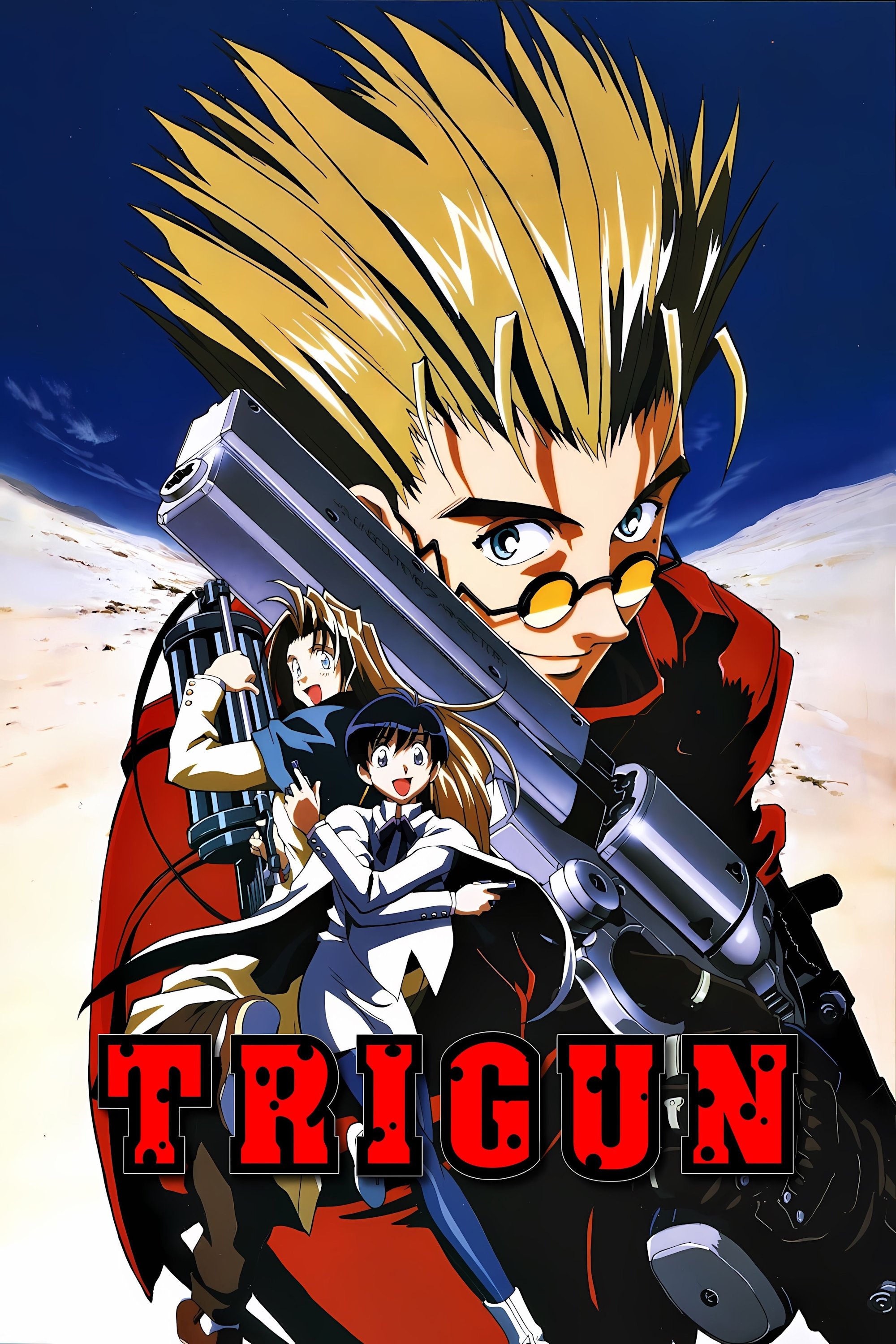
The anime was produced while the manga was still running and had to invent its own resolution to the conflict between Vash and Knives. The backstory regarding the Seeds and the nature of the plants is different in the animated version. While the anime is highly regarded it presents a simplified version of the moral philosophy found in the manga. The manga continues far beyond the point where the anime concludes and introduces complex sci-fi concepts absent from the show.
Share your thoughts on which anime adaptation disappointed you the most in the comments.