

Anime That Satirized Lobbyists as Shadowy Villains

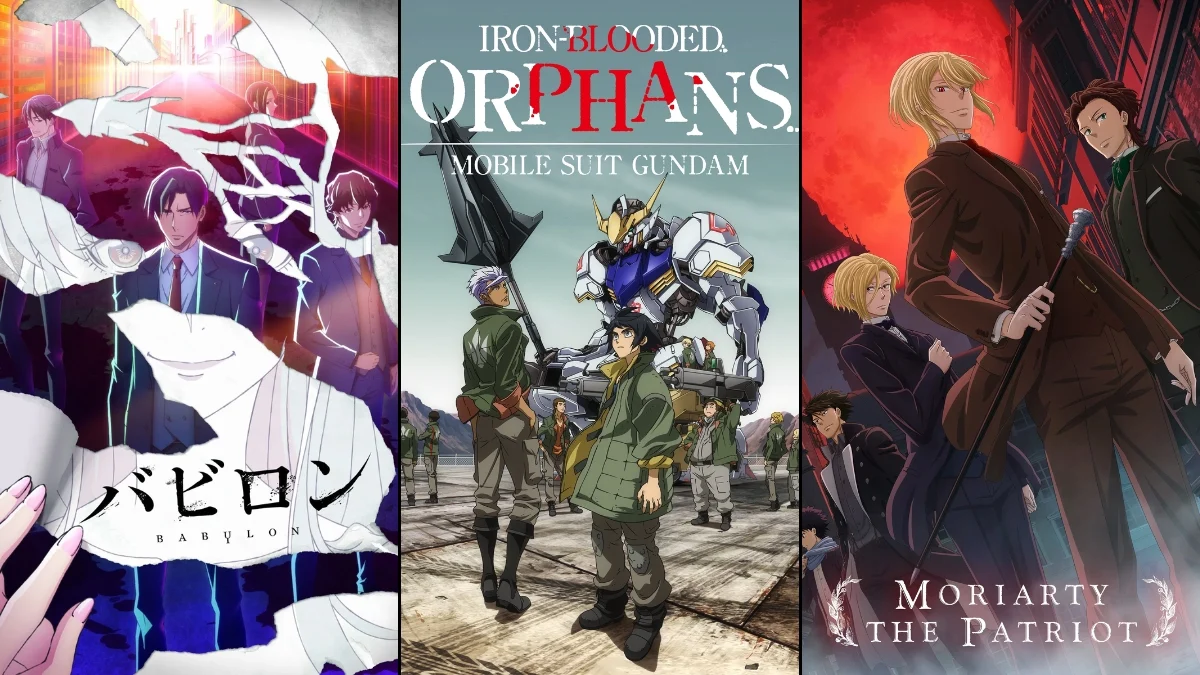


Anime frequently mirrors real world political complexities by depicting influential figures who operate behind the scenes to sway government policy. These stories often utilize lobbyists as shadowy villains who prioritize corporate profit or personal power over the public good. Through intricate plotting and social commentary these series examine how money and influence can distort the legislative process. This listicle explores fifteen anime that provide a satirical or critical look at the role of lobbyists in society. Each entry highlights a unique way that these power brokers manipulate the systems they inhabit.
‘Ghost in the Shell: Stand Alone Complex’ (2002–2005)

The series delves into a conspiracy involving pharmaceutical lobbyists who suppress a cure for cyberbrain sclerosis to protect their corporate profits. These figures use their influence within the government to ensure that more expensive and less effective treatments remain the legal standard. Section 9 must navigate a landscape of political bribery and media manipulation to reveal the truth to the public. The portrayal of these lobbyists emphasizes the calculation of entities that view human lives as mere variables in a financial ledger. This narrative arc serves as a critique of pharmaceutical industry practices and their impact on healthcare legislation.
‘Legend of the Galactic Heroes’ (1988–1997)
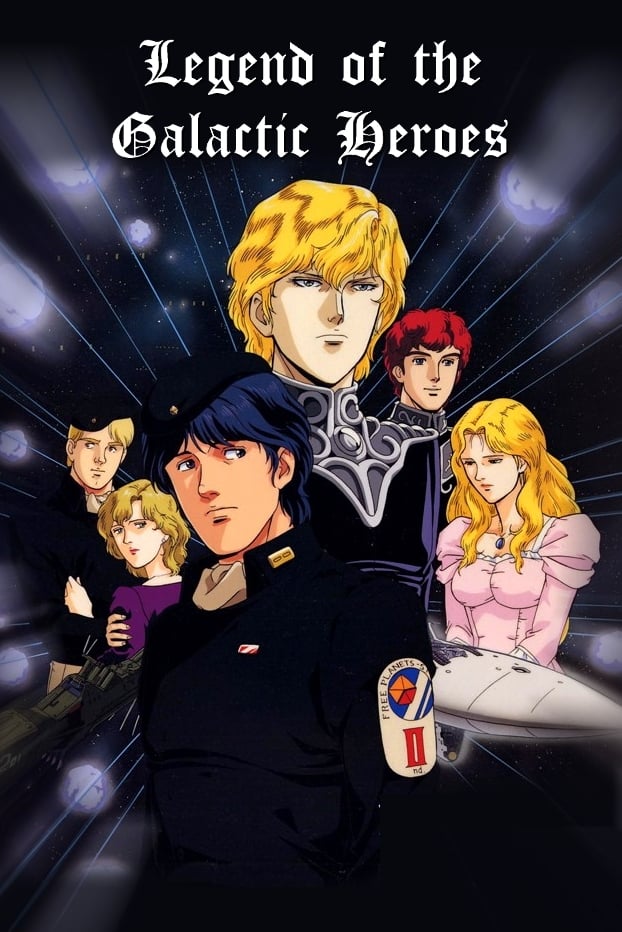
In this epic space opera the Dominion of Phezzan functions as a massive lobbying entity that manipulates the war between two galactic powers. Adrian Rubinsky orchestrates economic shifts and political scandals to ensure that neither side gains a decisive advantage too quickly. By controlling the flow of capital and information the lobbyists of Phezzan maintain their relevance and wealth at the cost of countless lives. The series illustrates how neutral parties can use lobbying and financial pressure to dictate the course of history for their own gain. The narrative provides a detailed look at the mechanics of political maneuvering and economic warfare in a futuristic setting.
‘Mobile Suit Gundam: Iron-Blooded Orphans’ (2015–2017)

Noblis Gordon acts as a powerful financier and lobbyist who secretly funds various rebel movements to destabilize the political climate for profit. He uses his vast resources to manipulate the media and public perception of the protagonists to suit his changing business interests. The narrative shows how lobbyists can manufacture conflict and then profit from the subsequent military spending and reconstruction efforts. Gordon represents the reality of war profiteers who treat revolution as a market opportunity rather than a struggle for freedom. His influence highlights the vulnerability of idealistic movements when faced with the machinery of corporate lobbying.
‘Babylon’ (2019–2020)
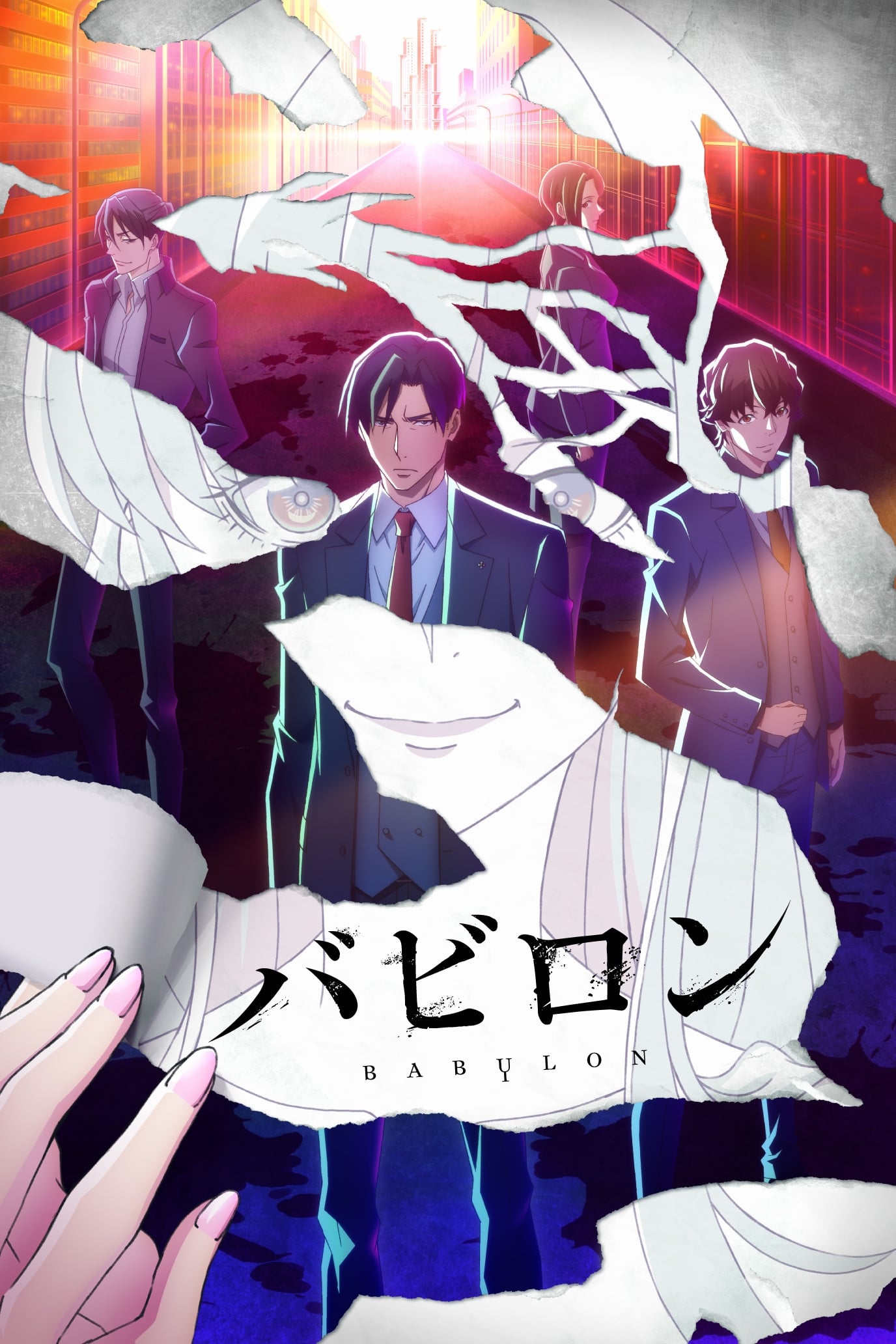
The story centers on a prosecutor investigating a pharmaceutical company and the shadowy lobbyists pushing for the legalization of a controversial suicide law. These antagonists use psychological manipulation and political pressure to force their agenda through the legislative system. The series explores the dark side of public policy where lobbyists can shape the moral fabric of society through coercive tactics. As the investigation deepens it reveals a global network of influencers dedicated to a nihilistic vision of the future. This anime provides a chilling look at the potential for lobbying to bypass democratic safeguards and ethical considerations.
‘Eden of the East’ (2009)

The plot involves twelve individuals known as the Selecao who are given massive funds to save Japan through any means they see fit. Many of these participants act as high level lobbyists or influencers who use their money to sway government officials and public opinion. Some members of the group prioritize their own visions of order which leads to corruption and the exploitation of the political system. The series satirizes the idea that a small group of wealthy individuals can or should determine the direction of a nation. It portrays the struggle between genuine social reform and the manipulative power of private interests.
‘[C] The Money of Soul and Possibility Control’ (2011)
![‘[C] The Money of Soul and Possibility Control’ (2011)](https://image.tmdb.org/t/p/original/qtJi38lUQut2USuI07A1dX4KJ3D.jpg)
This series personifies economic forces and depicts the battle between different financial ideologies through a shadowy organization known as the Financial District. Soichiro Mikuni acts as a powerful lobbyist who attempts to stabilize the Japanese economy by sacrificing the future potential of its citizens. He negotiates with political leaders to ensure that his vision of a managed economy remains the dominant reality regardless of the long term consequences. The narrative highlights the influence of financial lobbyists who prioritize short term stability over the well being of the population. It offers a unique visual metaphor for the impact of economic lobbying on the daily lives of people.
‘Moriarty the Patriot’ (2020–2021)
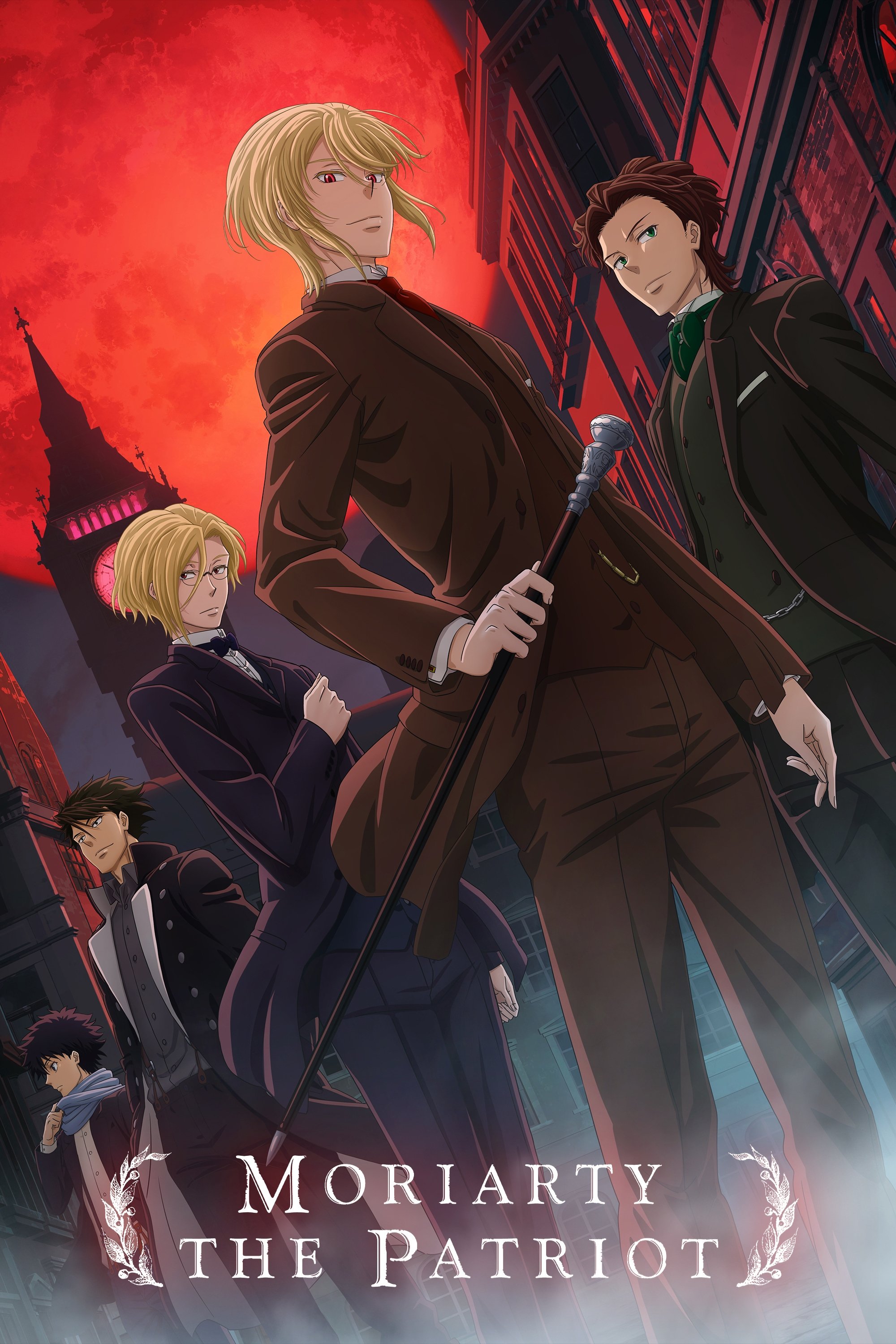
Set in Victorian London this anime features a cast of aristocratic villains who use their positions as lobbyists and legislators to oppress the lower classes. William James Moriarty takes on these corrupt figures by exposing their crimes and the unfair laws they champion. The series depicts the British political system as a playground for wealthy influencers who treat the law as a tool for personal gain. By satirizing the historical roots of lobbying the show comments on the persistent nature of systemic inequality and political corruption. It presents the Moriarty brothers as a radical response to a government controlled by shadowy private interests.
‘ACCA: 13-Territory Inspection Dept.’ (2017)
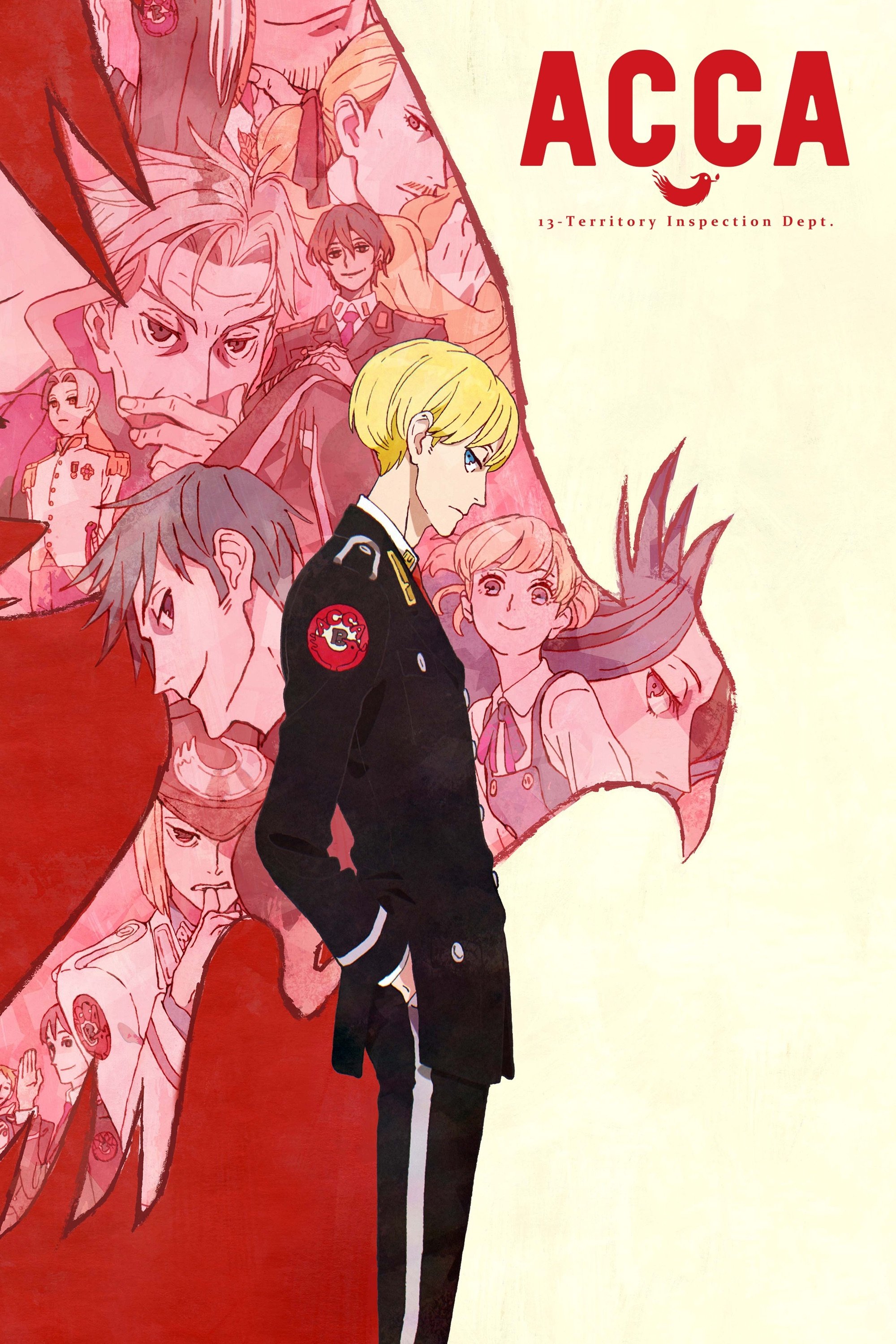
The story follows a high ranking inspector in a massive unified kingdom where various territories are plotting a coup through political lobbying. Powerful families and interest groups work behind the scenes to influence the succession of the throne and the future of the nation. The series focuses on the art of negotiation and the hidden agendas that drive bureaucratic decisions. It portrays lobbyists not as loud advocates but as quiet figures who use dinners and private conversations to shift the balance of power. The narrative emphasizes the fragility of peace when it is maintained through a web of conflicting private interests.
‘Psycho-Pass’ (2012–2019)

In a futuristic society governed by the Sibyl System various bureaucrats and shadowy advisors act as lobbyists to maintain the status quo. These figures manipulate the system to protect their own safety and social standing while the public is monitored for criminal intent. The series explores how a technocratic government can be influenced by internal interest groups that prioritize the survival of the system over justice. These lobbyists work to suppress any information that could undermine the perceived perfection of the Sibyl System. The story examines the lack of accountability in a world where data and influence replace traditional politics.
‘Log Horizon’ (2013–2021)

The story follows players trapped in a video game world who must form a government to maintain order and economic stability. Various merchant guilds act as lobbyists who attempt to influence the Round Table Council to pass laws that favor their specific trading interests. The narrative explores the complexities of wealth distribution and the power that economic influencers hold over social policy. Shiroe must balance the demands of these shadowy power brokers with the needs of the general population. This depiction provides a unique look at how lobbying functions even in a fantasy setting.
‘Akame ga Kill!’ (2014)

Prime Minister Honest serves as the primary antagonist who maintains his grip on power through the manipulation of a child emperor and the bribery of local officials. He acts as the ultimate corrupt lobbyist by ensuring that all state resources are funneled toward his personal desires and those of his loyalists. The series depicts a capital city where laws are sold to the highest bidder and the poor are left to suffer under oppressive taxes. Honest represents the extreme end of political corruption where the line between lobbying and tyranny completely disappears. The story follows a group of assassins who seek to dismantle this broken system by removing the lobbyists at its core.
‘Monster’ (2004–2005)

The narrative features various remnants of the East German political elite who act as shadowy lobbyists to influence the post unification government. These villains use their connections to cover up past crimes and secure positions of power in the new democratic landscape. The series portrays lobbying as a tool for the survival of corrupt ideologies and the protection of war criminals. Dr. Kenzo Tenma uncovers a vast network of influence that stretches into the highest levels of European politics. This depiction highlights the persistence of shadowy networks that operate outside the law to maintain their control over society.
‘Code Geass: Lelouch of the Rebellion’ (2006–2008)

The Holy Britannian Empire is filled with nobles and corporate leaders who lobby the imperial family for territorial rights and military resources. These figures prioritize the expansion of their own estates over the welfare of the colonized populations in Area 11. Lelouch Lamperouge exploits the greed and internal rivalries of these lobbyists to fuel his revolution against the empire. The series shows how private interests can drive imperialist policy and lead to widespread human rights abuses. It satirizes the decadence of a ruling class that views the world as a game board for their personal gain.
‘Jormungand’ (2012)

Koko Hekmatyar is an arms dealer who travels the world while negotiating with government officials and military leaders to influence local conflicts. The series depicts how weapons lobbyists can manipulate international relations and domestic policy to create a demand for their products. These figures operate in a shadowy world where large sums of money dictate the outcome of elections and the direction of national defense. The narrative highlights the intersection of private enterprise and state power where the line between business and governance becomes blurred. It offers a cynical view of the impact that military industrial lobbyists have on global stability.
‘Terror in Resonance’ (2014)
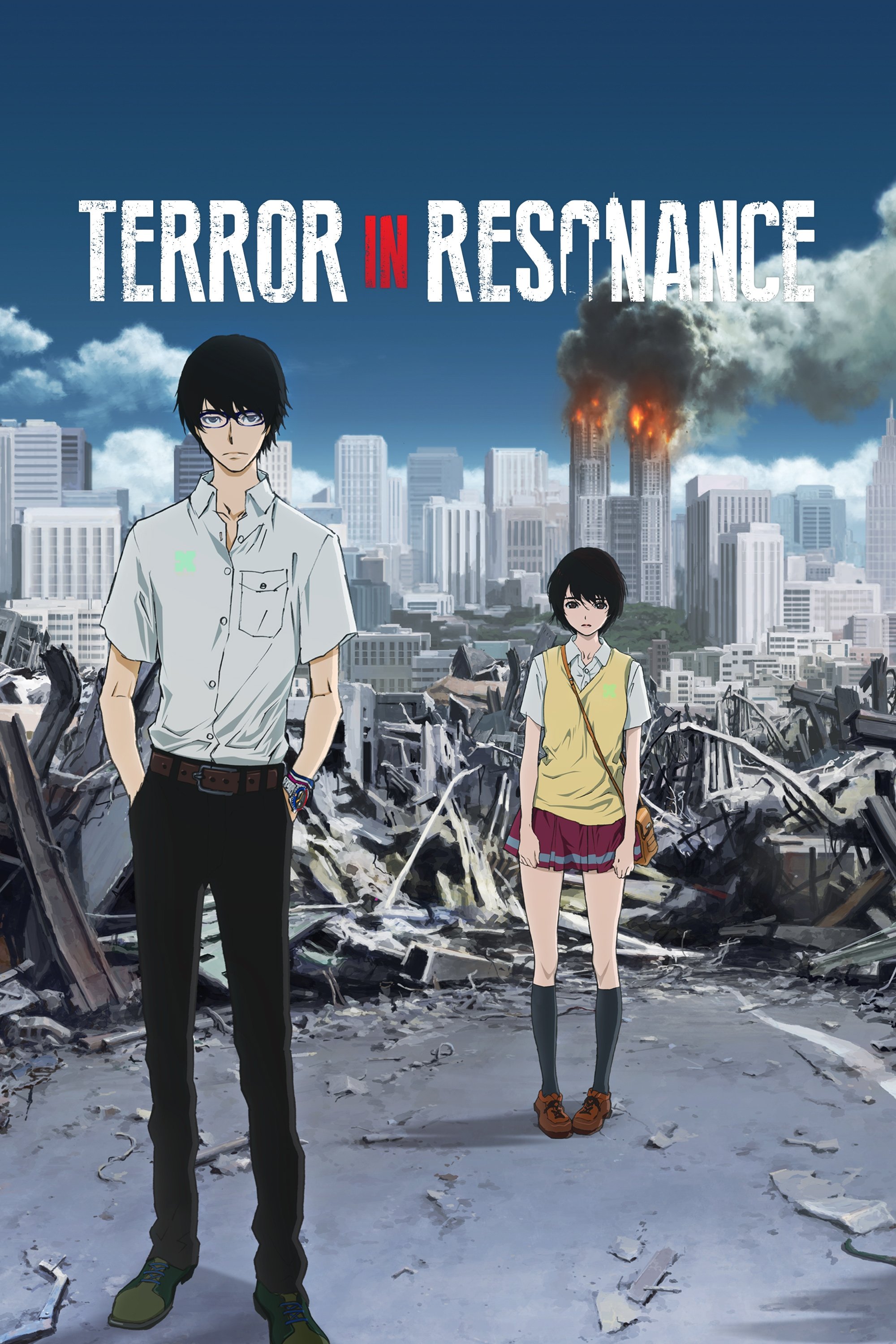
The plot revolves around two teenagers who commit acts of terrorism to draw attention to a secret government project from their past. The antagonists are aging politicians and lobbyists who have spent decades burying the truth about their human experiments. These shadowy figures use their influence to control the police investigation and manage the media narrative surrounding the bombings. The series highlights the lengths to which those in power will go to protect their legacy and avoid public accountability. It portrays the struggle between a forgotten generation and a political establishment built on secrets and lobbying.
Share your thoughts on which anime best captures the influence of political lobbying in the comments.