

Anime That Should Definitely be Rebooted

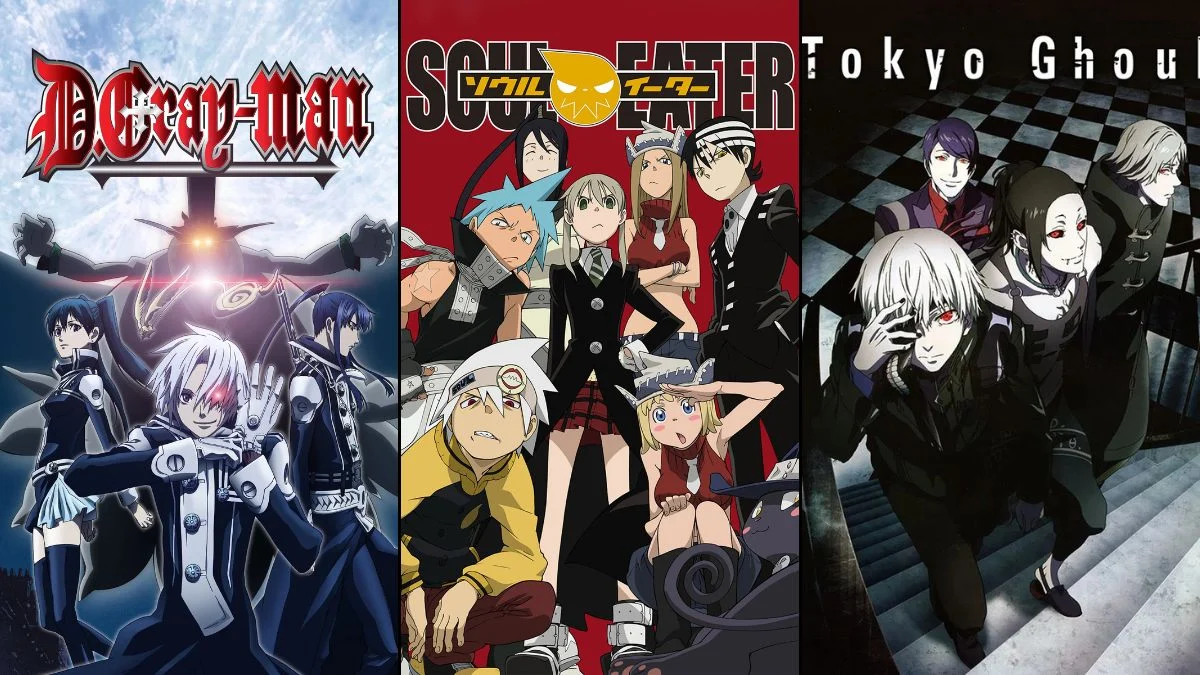


Some anime were adapted before the source material finished, which meant major arcs never reached the screen or the story took a different route to wrap up quickly. Others arrived with production limits of their era, from uneven pacing to dated visuals, and they now sit on top of rich manga or novel catalogs that are still waiting for a fuller treatment.
This list looks at series where a modern start over could deliver the complete story as written, with consistent continuity and room for world building that earlier runs could not fit. Each pick notes what the original adaptation covered, where it diverged or stopped, and what a new version could bring forward from the material fans already know exists.
‘Berserk’ (1997–1998)
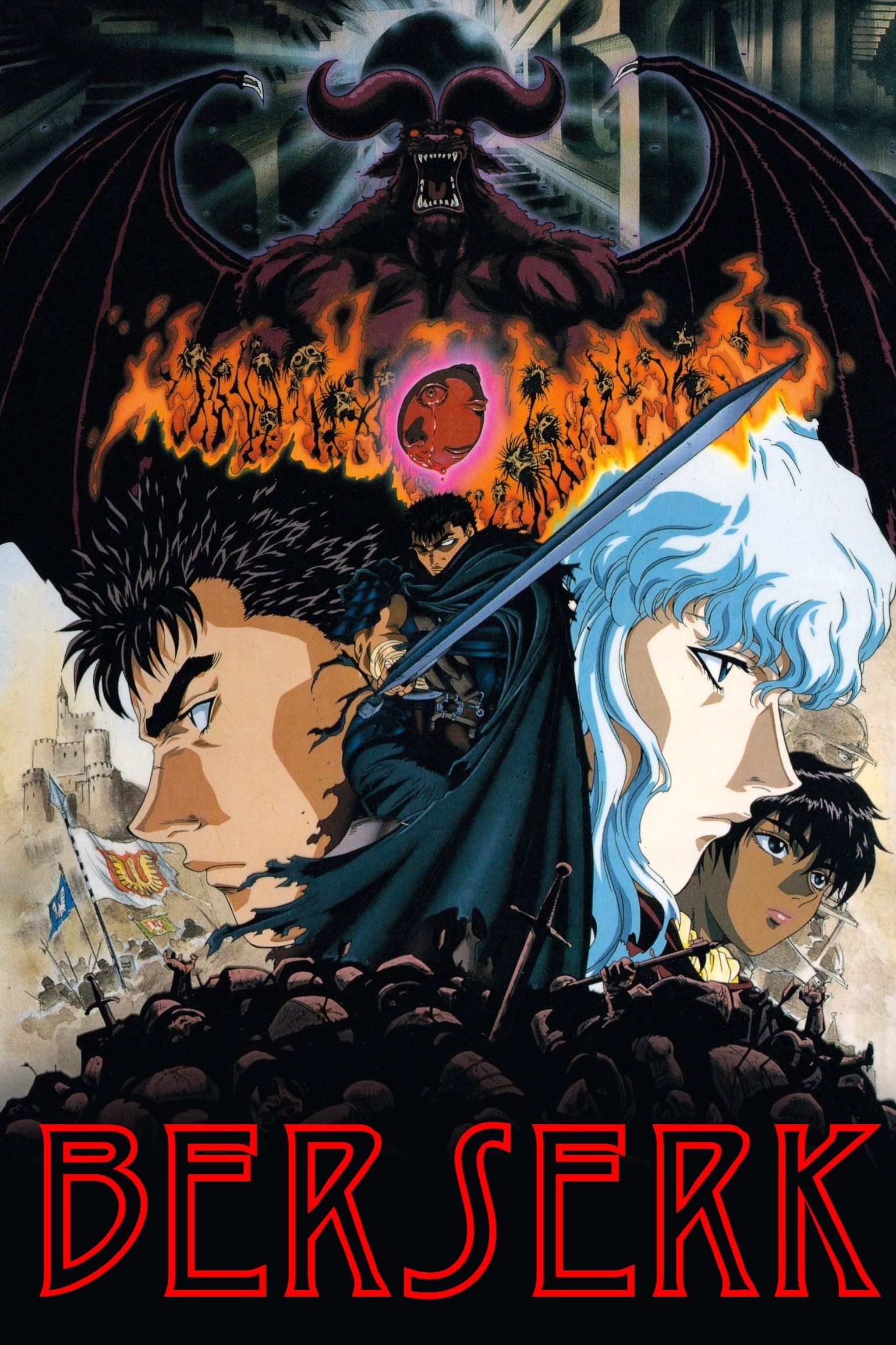
The original TV series primarily covered the Golden Age arc and ended at the Eclipse, leaving the long stretch of the Black Swordsman period and many later arcs without a television continuation. Later screen projects revisited parts of the story with different technology and scope, which resulted in multiple starting points rather than one continuous adaptation.
A full reboot could start at the true beginning or bridge from the early saga and then move forward in publication order. That approach would allow the cast, settings, and faction conflicts that define the middle and late narrative to appear on screen with proper setup and payoff.
‘Tokyo Ghoul’ (2014–2018)
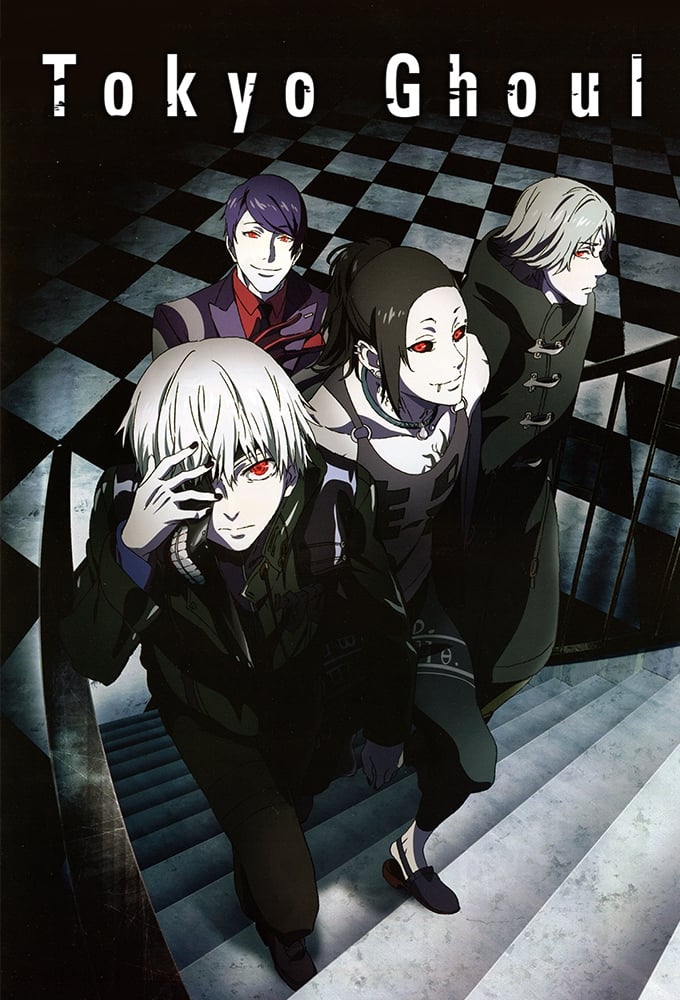
The first season followed the manga closely while the second season introduced an alternate path with different character choices and outcomes. The later seasons then condensed long arcs, moved events around, and skipped supporting material that explained new organizations and key power shifts.
A fresh adaptation could track the printed storyline from the start and maintain the intended sequencing of arcs. That would keep character motivations consistent and give the investigator and ghoul sides equal time to develop the investigation threads that tie the entire story together.
‘Soul Eater’ (2008–2009)
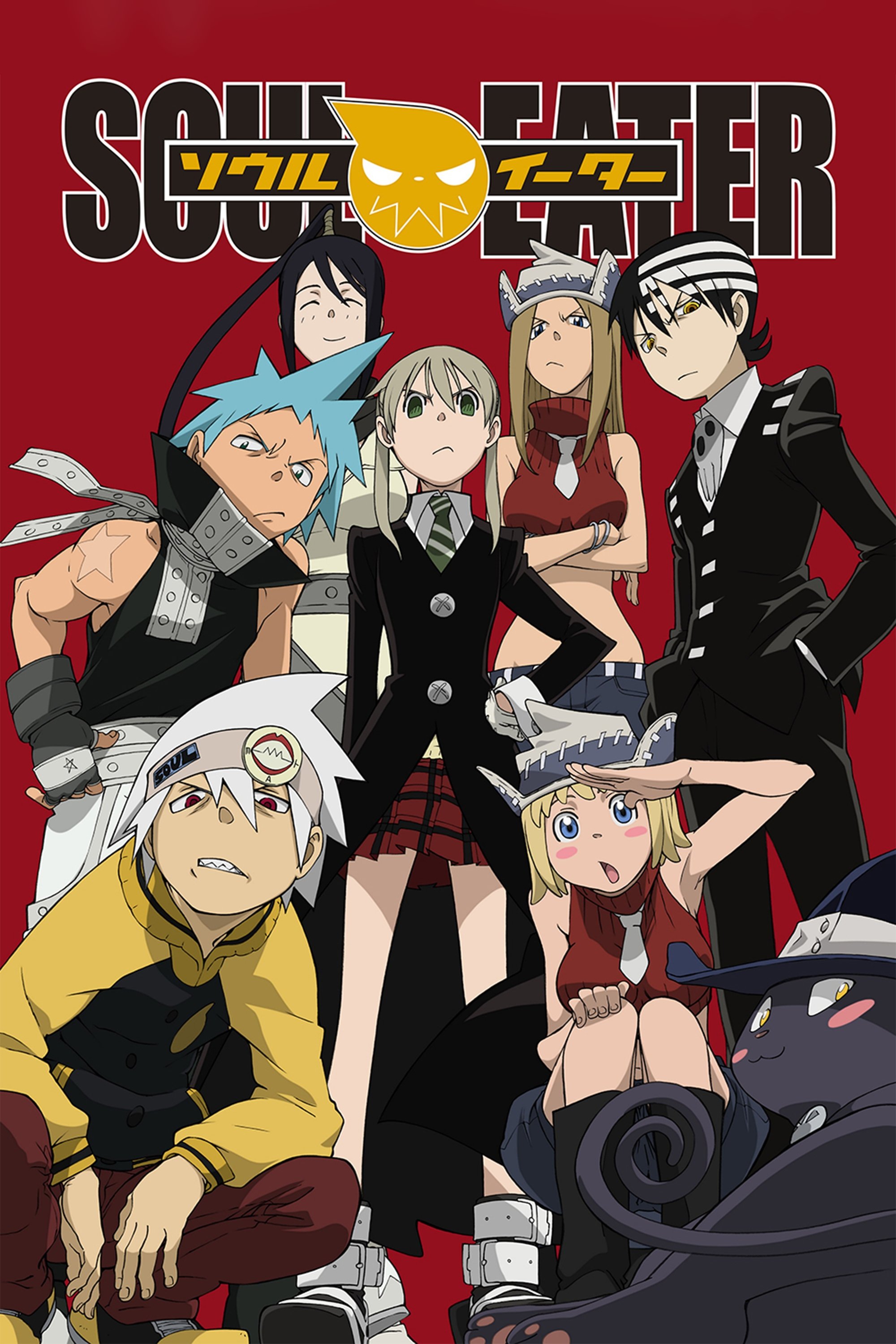
The anime reached a point where it created an original climax and ending, while the manga continued with additional arcs that deepened the lore and the relationships among meisters and weapons. Several late revelations and settings in the source were never animated.
A new version could follow the printed plot through to its conclusion and maintain the evolving tone from school life to large scale conflict. That would also let the show introduce important antagonists and power systems at the pace the story intended.
‘Claymore’ (2007)
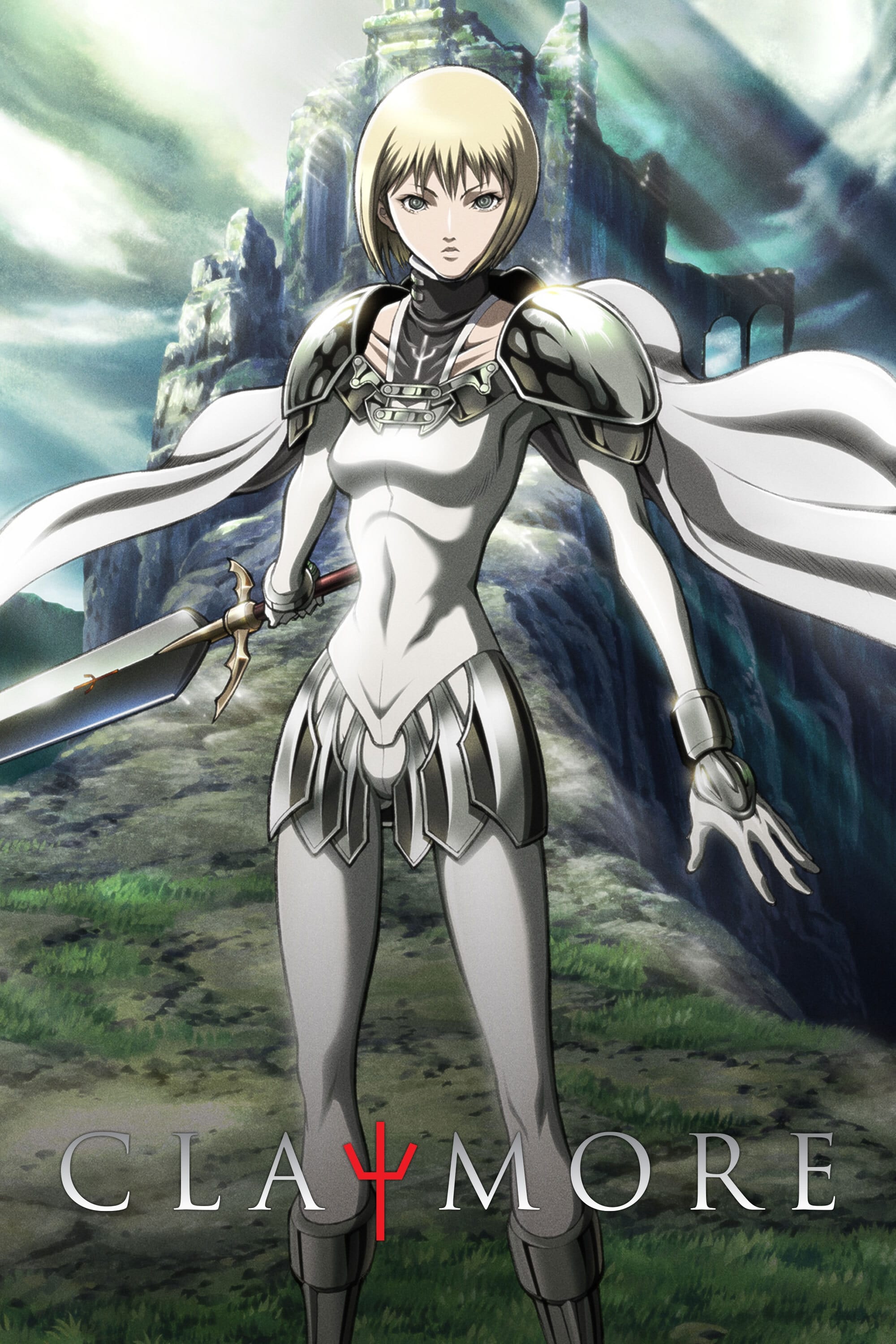
The TV run adapted the early northern campaign before moving to an anime only finale. The manga continued well beyond that point with major developments about the Organization, the origin of awakened beings, and the longer struggle across multiple regions.
A reboot could rebuild the timeline from the first assignment onward and then keep going through the unadapted material. That would give room for the political side of the conflict and the layered rivalries among the warriors that the print version carefully mapped out.
‘D.Gray-man’ (2006–2008)
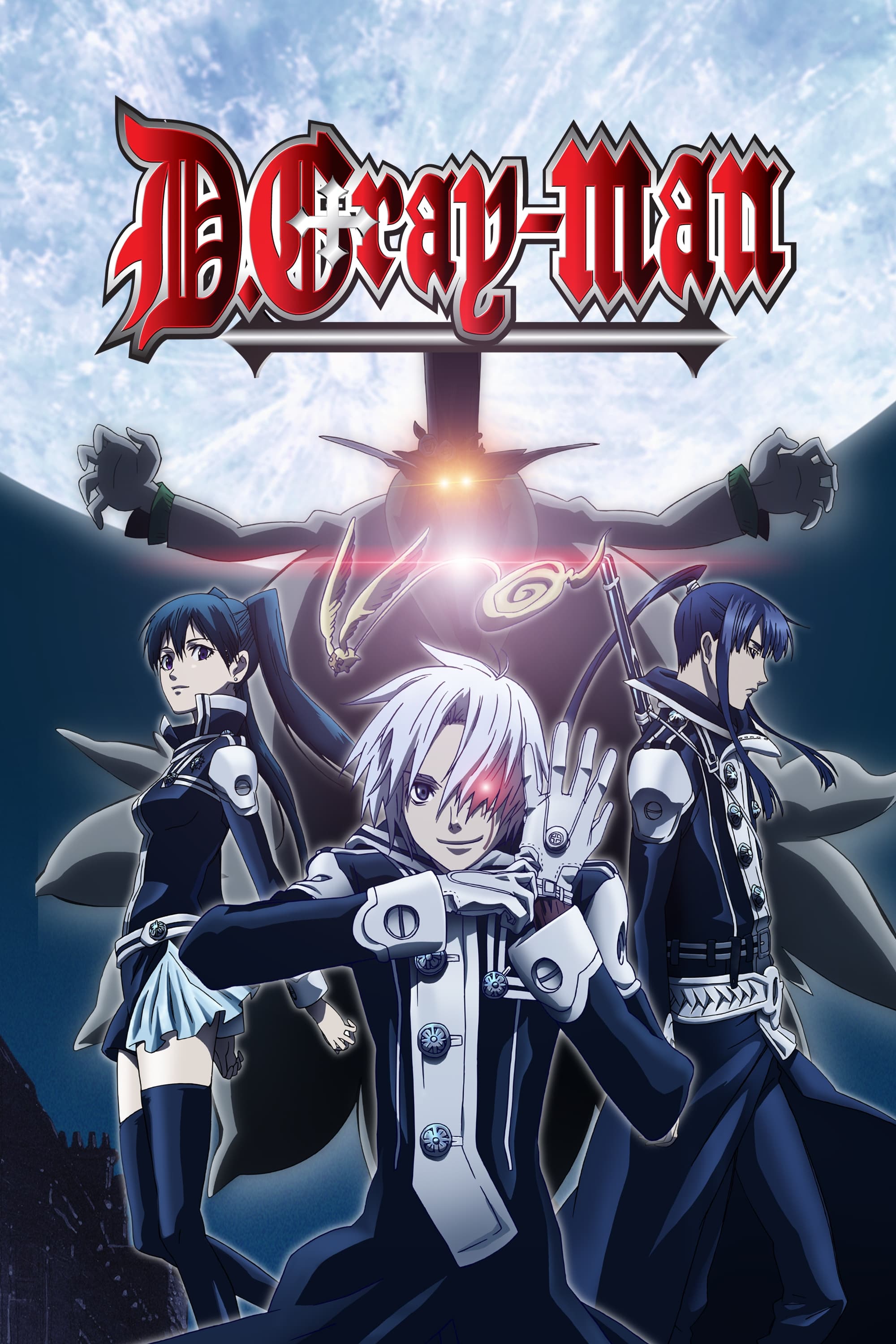
The first series ran for over one hundred episodes and the later return covered only a slice of the next arc with a shorter episode count. Many threads involving the Order, the Noah family, and the deeper mystery of Innocence never reached television.
A single continuous retelling could present the story from the beginning and carry through the later arcs without long gaps. Viewers would finally see the full progression of the central cast and the long planned reveals that sit late in the source.
‘Katekyo Hitman Reborn!’ (2006–2010)
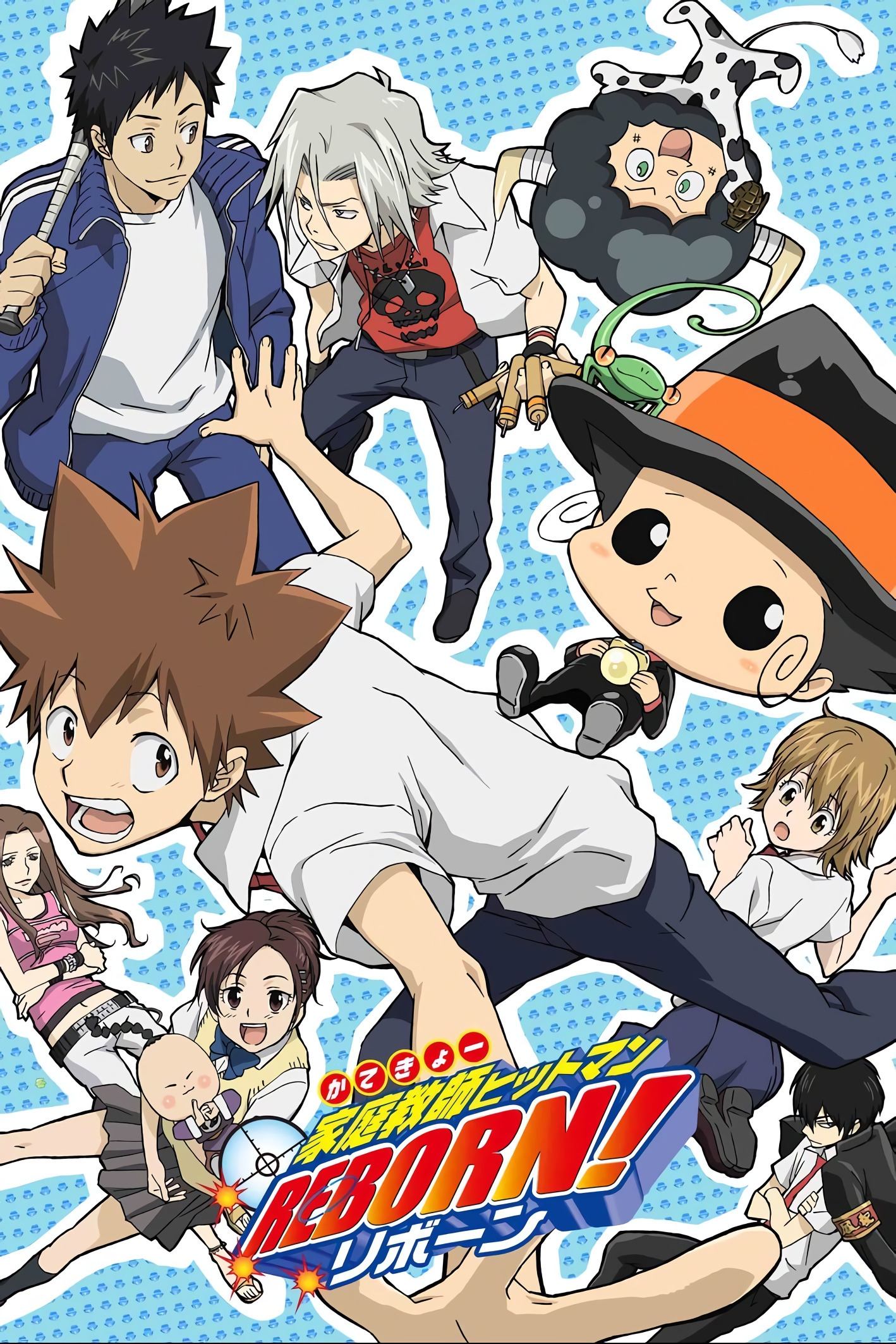
The anime ran for hundreds of episodes and then stopped before the final parts of the story, which meant several important battles and successions were left to the manga alone. The printed series continued with arcs that reshaped alliances and introduced new rule sets for conflicts.
A reboot could streamline the early comedic stretch, preserve the character growth, and then adapt the late game arcs that never aired. That path would bring the series to its intended endpoint with consistent rules and a clear through line for the main cast.
‘Air Gear’ (2006)
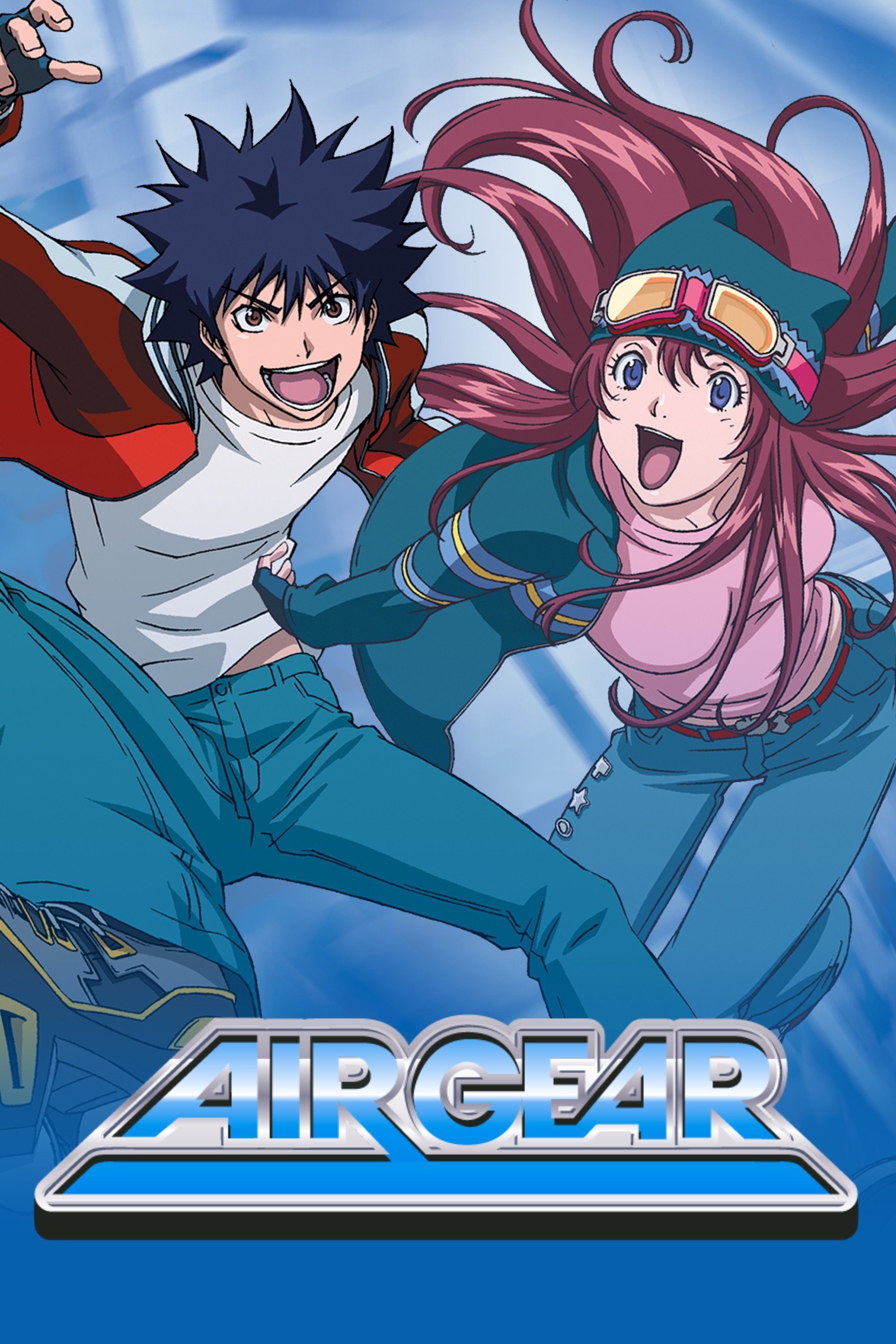
The adaptation introduced the setting and early teams, then closed before the high stakes tournaments and endgame matchups that define the back half of the manga. A few original video episodes covered side stories but did not push the plot to its conclusion.
Starting over would allow the show to build the trick progression, team dynamics, and political control of the sport at the center of the story. It would also finally animate the later rival groups and the large scale competitions that were left on the page.
‘Pandora Hearts’ (2009)
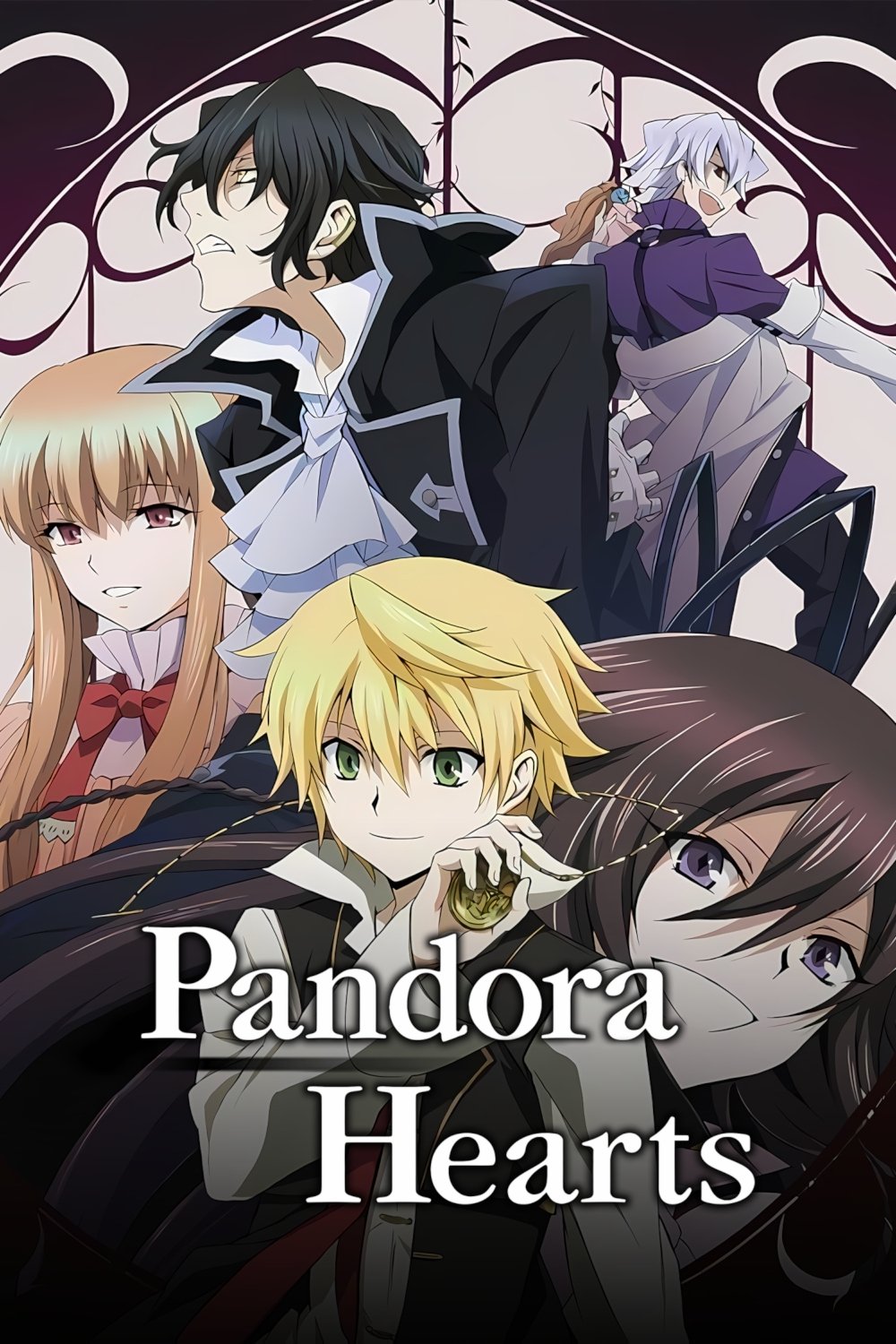
The television run followed the beginning of the manga and then created an original resolution, which diverged from the mystery structure and later reveals in the source. Characters with long arcs in print reached different destinations on screen.
A new adaptation could preserve the breadcrumb trail of clues and unveil the past events in the order the manga established. That would give weight to the contracts, the families, and the true history that the original material reveals piece by piece.
‘Deadman Wonderland’ (2011)
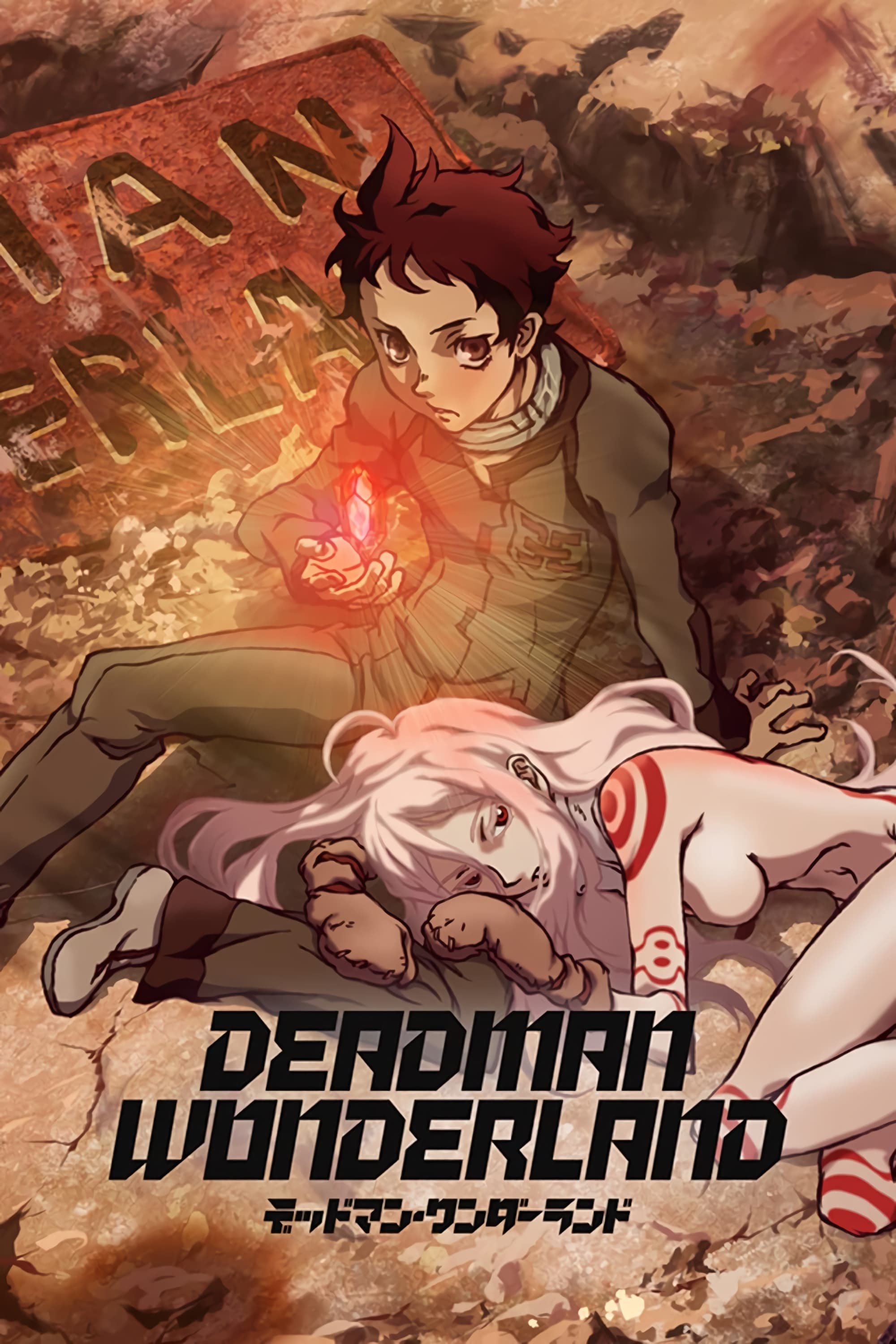
The series captured the premise and early prison arcs, then ended without a second season, leaving major confrontations and the broader conspiracy unanimated. A single original video episode filled in one backstory but did not reconnect to the main plot.
Rebooting from the beginning would let the story extend into the later conflicts and explain the origins and limits of the abilities that drive the battles. It would also deliver the resolution that the manga provided for the central characters.
‘Akame ga Kill!’ (2014)

The adaptation followed the source early on and then reworked character fates and the finale to finish within its episode count. The manga continued with a different path and later expanded the world further through sequels.
A faithful retelling could keep the mission structure and group dynamics intact while aligning outcomes with the printed version. That would also bring the political aftermath and the longer strategy of both sides into focus.
‘The Promised Neverland’ (2019–2021)
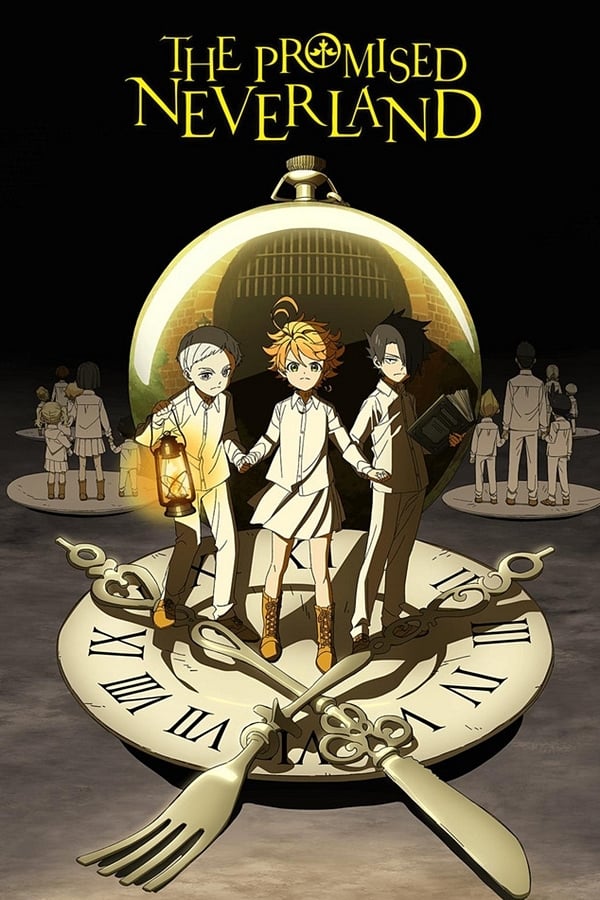
The first season recreated the original escape arc closely, while the second season compressed and skipped entire arcs that introduced major allies and adversaries. Several key locations and character bonds never appeared on screen.
A reboot could restore the missing journeys and the survival puzzle that links each location. It would keep the long trail of clues intact and give the cast the time needed to grow from one challenge to the next.
‘Gantz’ (2004)
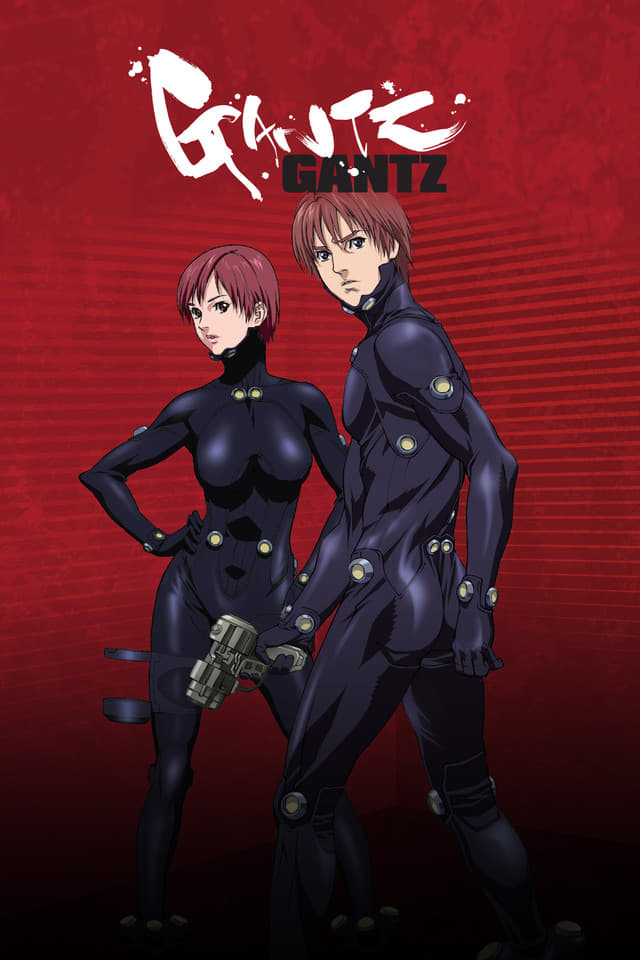
The adaptation began with the opening missions and then created an original wrap up while the manga kept publishing. As a result, later large scale events and the true scope of the conflict never reached television.
Restarting the story would allow the series to maintain the printed order of missions and the rising stakes that come with each phase. It would also set up the late arc revelations that reframe earlier events.
‘Rave Master’ (2001–2002)
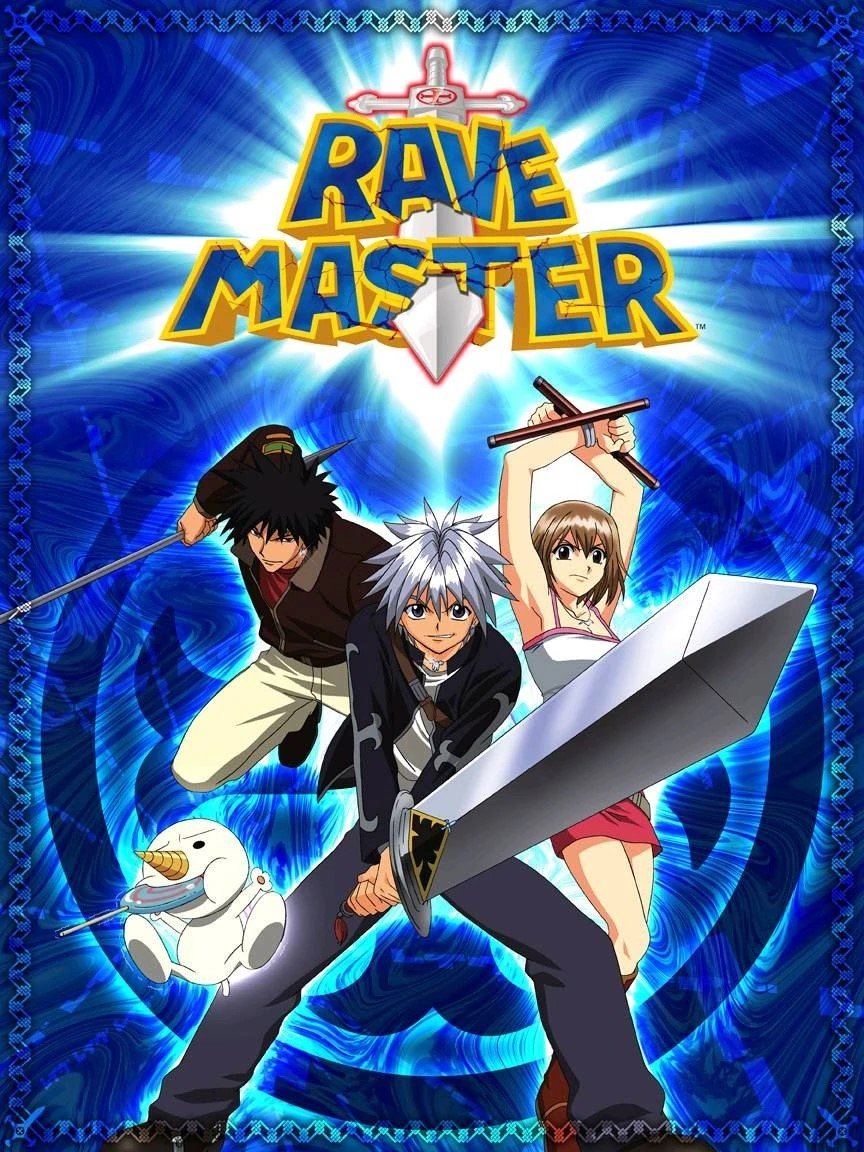
The show covered the early journey and then concluded before the manga’s longer mid and late arcs. Large portions of the world map, the deeper history of the stones, and many rival groups remained unadapted.
A modern adaptation could pace the travel and battles while carrying the quest through to completion. That plan would finally connect the early discoveries to the endgame that the print story laid out.
‘Soul Hunter’ (1999)
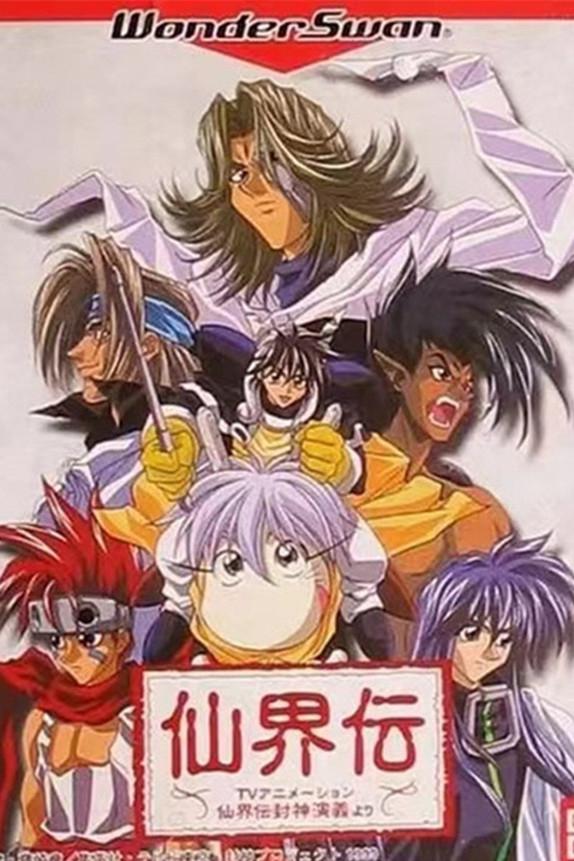
The original series condensed a long plot into a limited run and left many character histories and political turns truncated. A later television attempt also moved quickly through material and rearranged events, which reduced context for several factions.
A full scale reboot could take the time to introduce the cast, the court intrigue, and the long campaign as presented in the manga. That structure would keep the motivations clear and the strategy elements readable from start to finish.
‘Btooom!’ (2012)
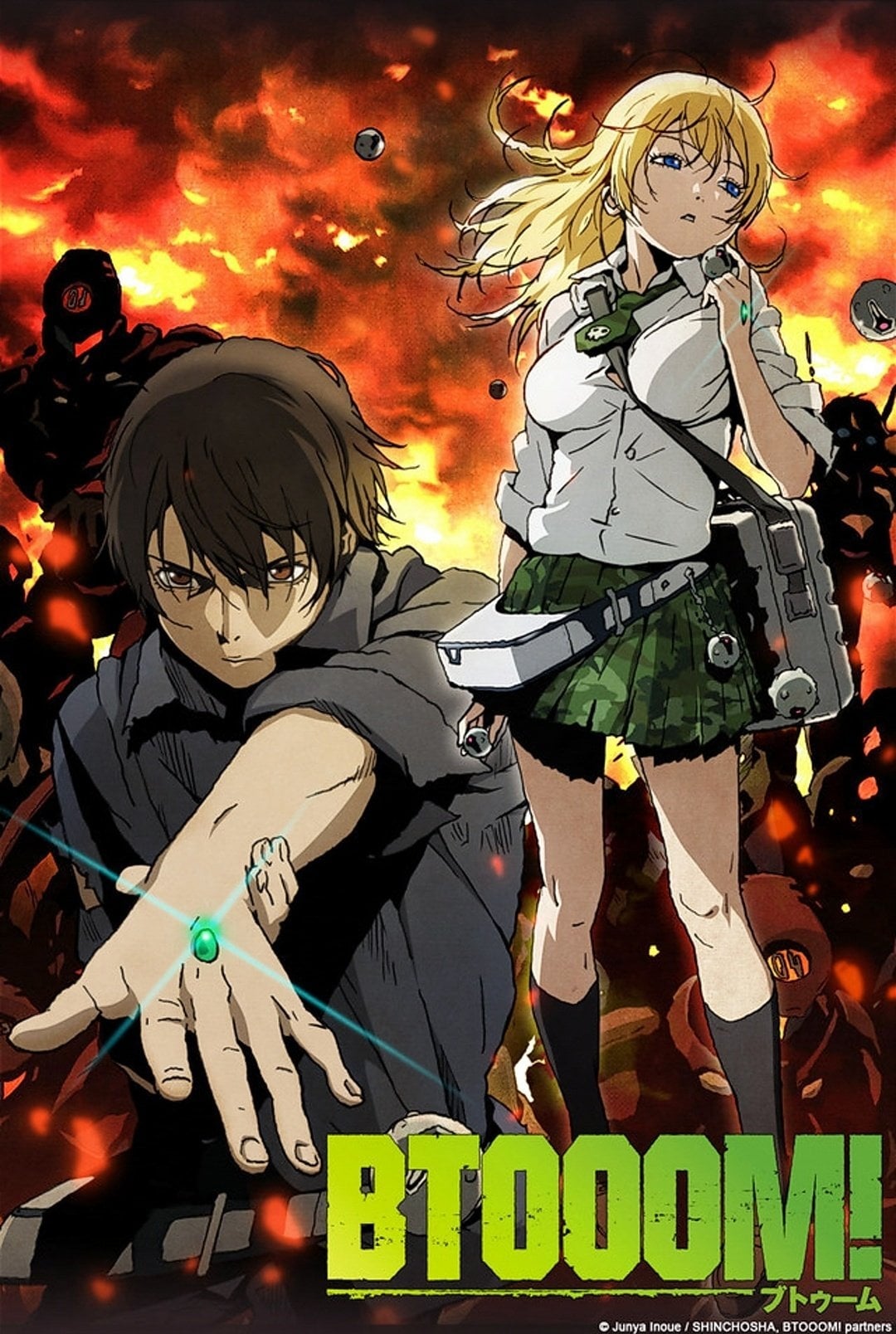
The anime delivered the survival setup and early confrontations and then stopped without adapting the larger faction battles and the island’s controlling systems. The manga continued and even presented alternate conclusions to resolve the story.
A new version could map the routes off the island while showing how alliances shift as rules change. It could also integrate the two printed endings by building toward a single definitive finish on screen.
‘Medaka Box’ (2012)
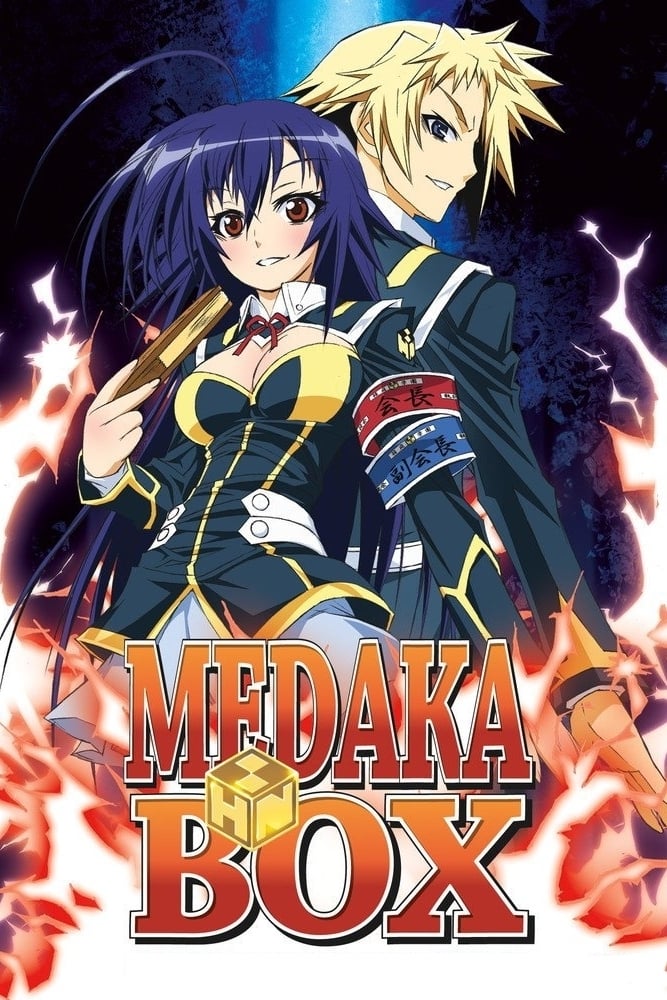
Two seasons introduced the school setting, the student council, and early antagonists, then ended before later arcs that expanded the power framework and the wider cast. Several pivotal conflicts and character backstories remained exclusive to the manga.
Rebooting would let the adaptation seed later plotlines earlier and keep escalating through the series of competitions the source uses to raise the stakes. It would also bring in fan favorite rivals whose stories never aired.
‘No. 6’ (2011)
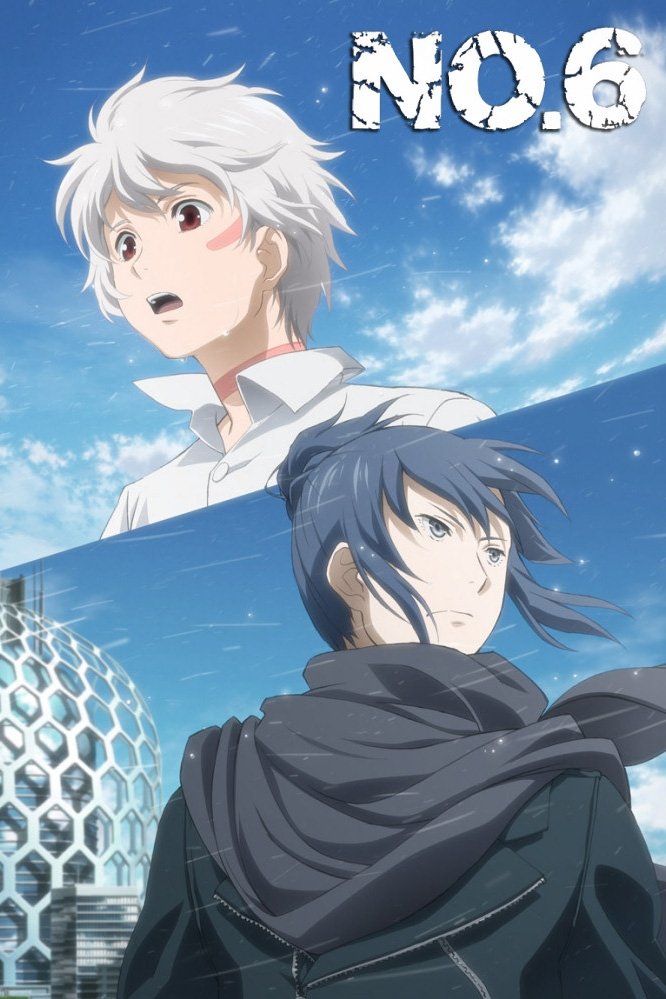
The show completed its narrative within one cour and changed or condensed multiple elements from the novels, which reduced time for world building beyond the central city. Several side stories and political details did not make it to television.
A start over could follow the prose more closely and explore the surrounding regions and underground networks that give the setting its scale. That would help the final act land with the context the source provides.
‘Highschool of the Dead’ (2010)

The adaptation covered the early outbreak and group formation and then paused without a second season. The manga went on hiatus and later remained unfinished following the passing of the original writer, which left later plans unadapted.
A reboot could retell the existing material with consistent pacing and clear tactical stakes while acknowledging the limits of the available story. It could also incorporate side stories that expand the cast and locations already established in print.
‘Negima! Magister Negi Magi’ (2005)
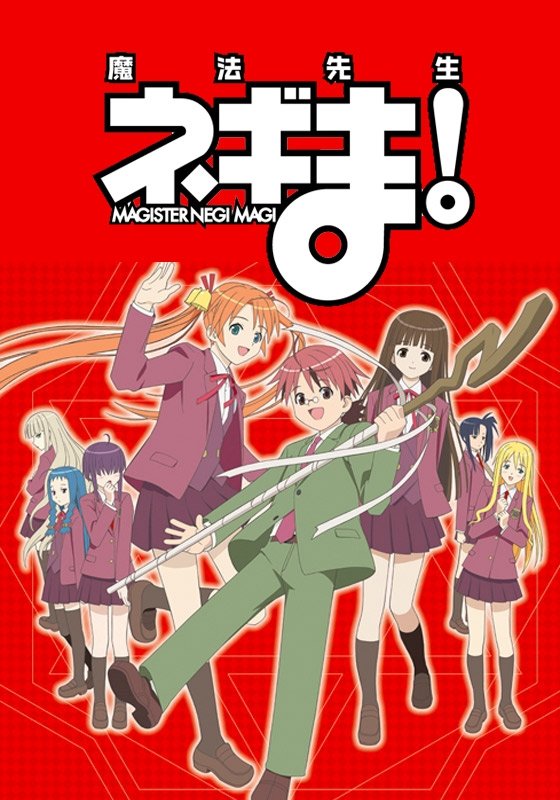
The first television version altered tone and created an anime original resolution, while a different series offered an alternate take with new material rather than a straight continuation. Later original animation releases adapted parts of major arcs but did not cover the full second half of the manga.
A complete retelling could chart the planned journey from the classroom to the wider magic world and then carry through the late revelations and final battles. That would also line up with the sequel world of ‘UQ Holder’ by presenting the full original timeline.
‘Twin Star Exorcists’ (2016–2017)
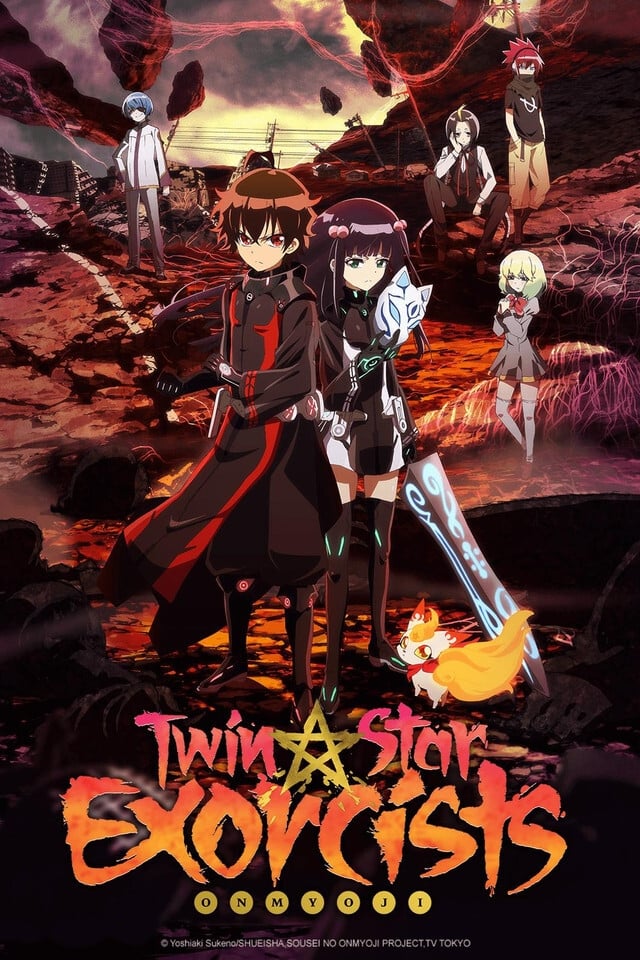
The show opened with the manga’s premise and early missions and then shifted into original territory with characters and events not found in print. The long term direction of the source continued on a different track.
A reboot could rebuild the arc order to match the printed version and give proper space to training, lineage, and the larger conflict that unfolds over time. That way the relationships at the core of the story would develop alongside the main plot as intended.
Share your picks for anime that deserve a fresh start in the comments and tell us which arcs you most want to see fully animated.