


Anime That Should Have Won Awards But Didn’t

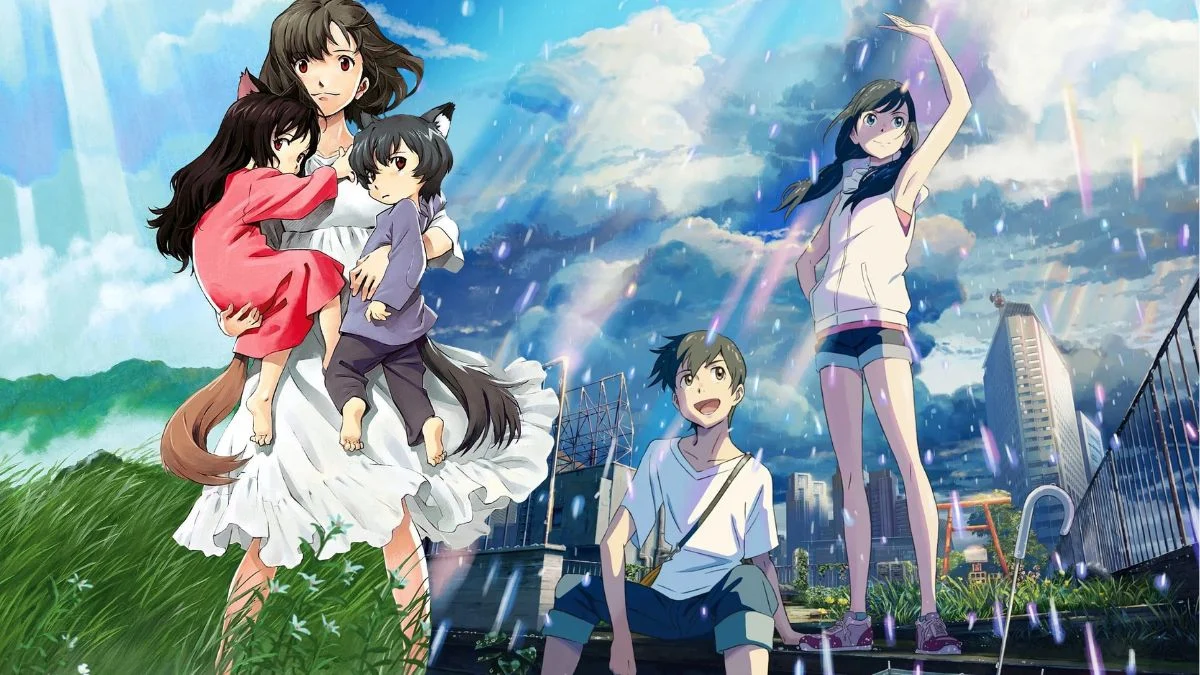


The world of anime is vast and filled with masterpieces that often go unnoticed by major award bodies. Many incredible films and series are frequently overshadowed by mainstream giants or completely ignored by western ceremonies like the Academy Awards. Critics and fans often argue that these titles deserved far more recognition than they received during their initial release. This list highlights exceptional anime that missed out on prestigious trophies despite their artistic brilliance and storytelling depth.
‘The Tale of the Princess Kaguya’ (2013)
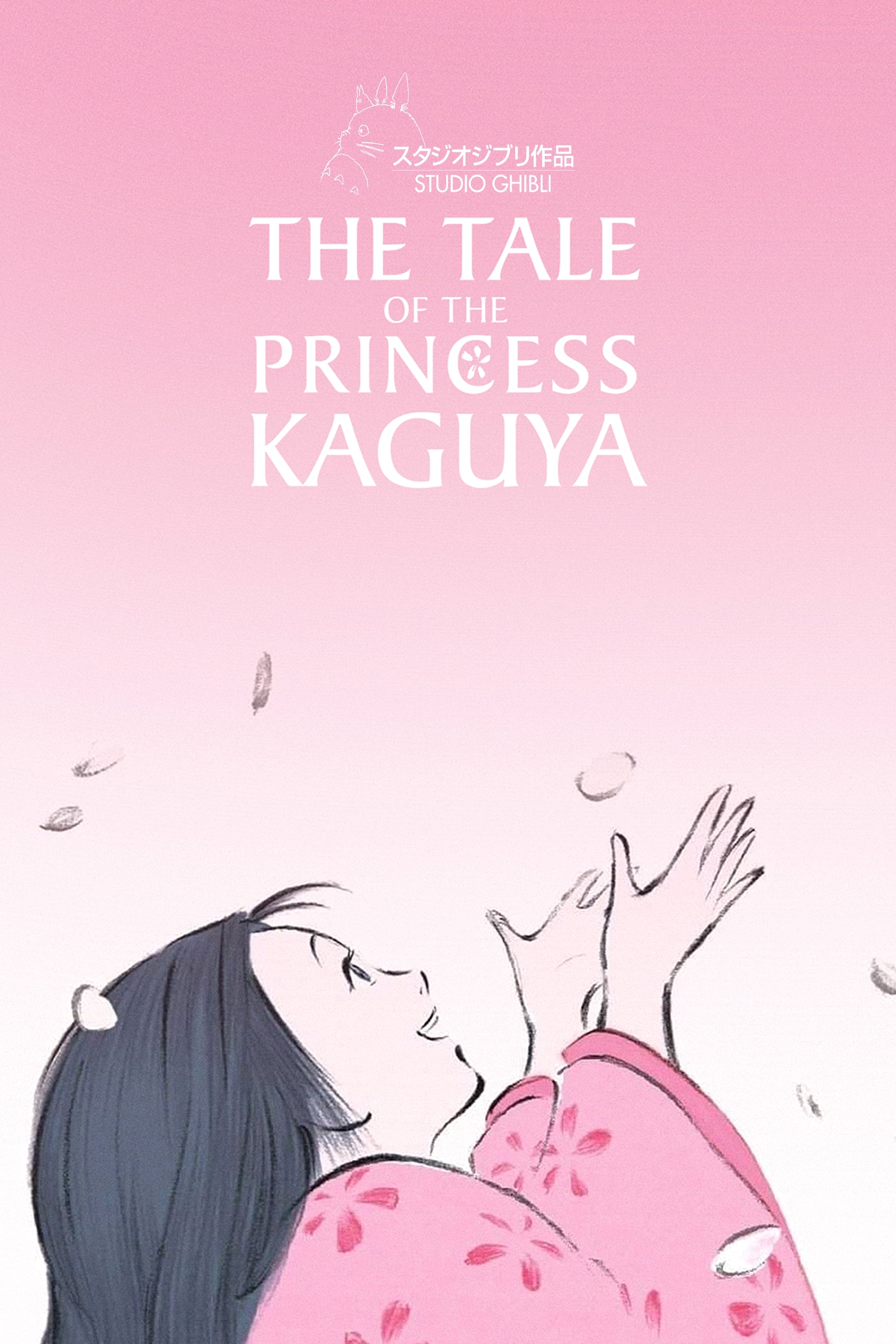
Isao Takahata directed this visual masterpiece that resembles a moving watercolor painting. The story adapts a classic Japanese folktale about a mysterious girl found inside a glowing bamboo stalk. Critics universally acclaimed its distinctive art style and emotional depth. It received an Academy Award nomination but lost to a commercially dominant Disney film. The film stands as a testament to traditional animation techniques that rarely get the trophies they merit.
‘Millennium Actress’ (2001)
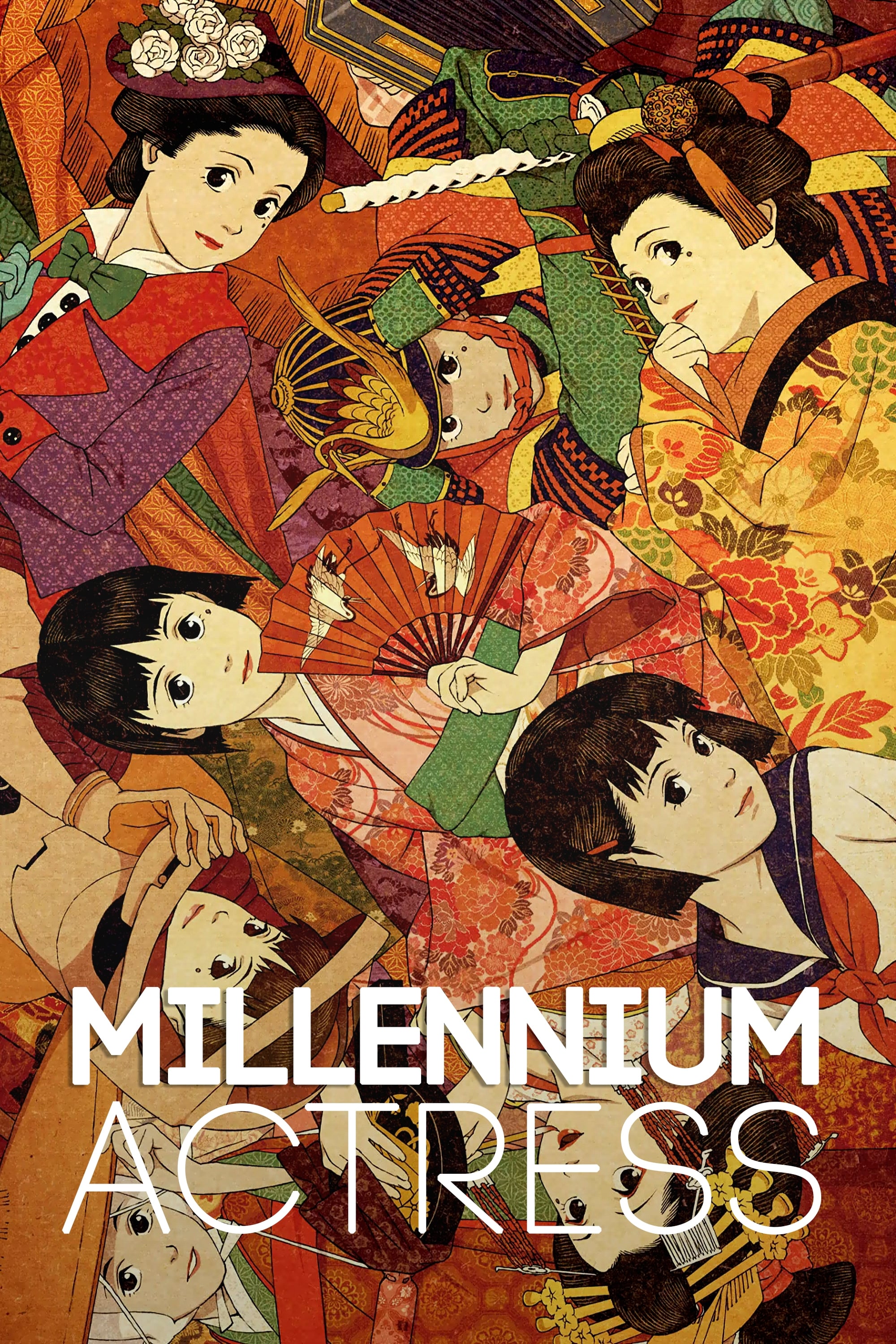
Satoshi Kon crafted a mind-bending narrative that blends the history of Japanese cinema with the life of a reclusive actress. Two documentary filmmakers journey through her memories as reality and fiction blur seamlessly together. The film showcases an innovative editing style that transitions between time periods with incredible fluidity. It remains a critical darling that was largely snubbed by mainstream western award bodies during its time. The movie serves as a brilliant love letter to the art of filmmaking itself.
‘Tokyo Godfathers’ (2003)
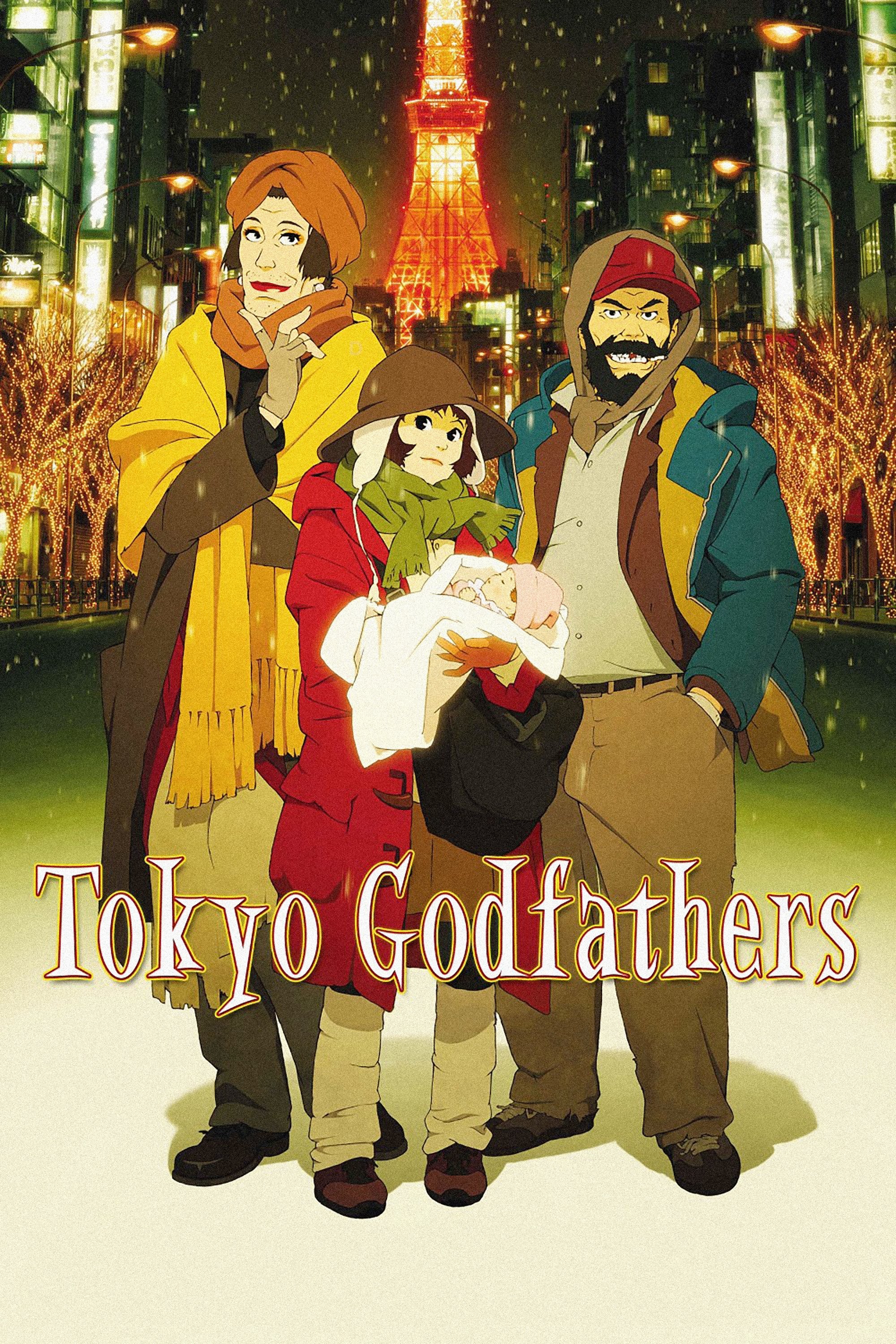
This unconventional Christmas story follows three homeless individuals who discover an abandoned baby on Christmas Eve. They embark on a chaotic quest through Tokyo to find the parents of the child while confronting their own pasts. The film balances humor and tragedy without relying on magical realism. It often goes unrecognized in award conversations compared to more fantastical Studio Ghibli productions. The narrative offers a deeply human look at marginalized members of society.
‘Perfect Blue’ (1997)
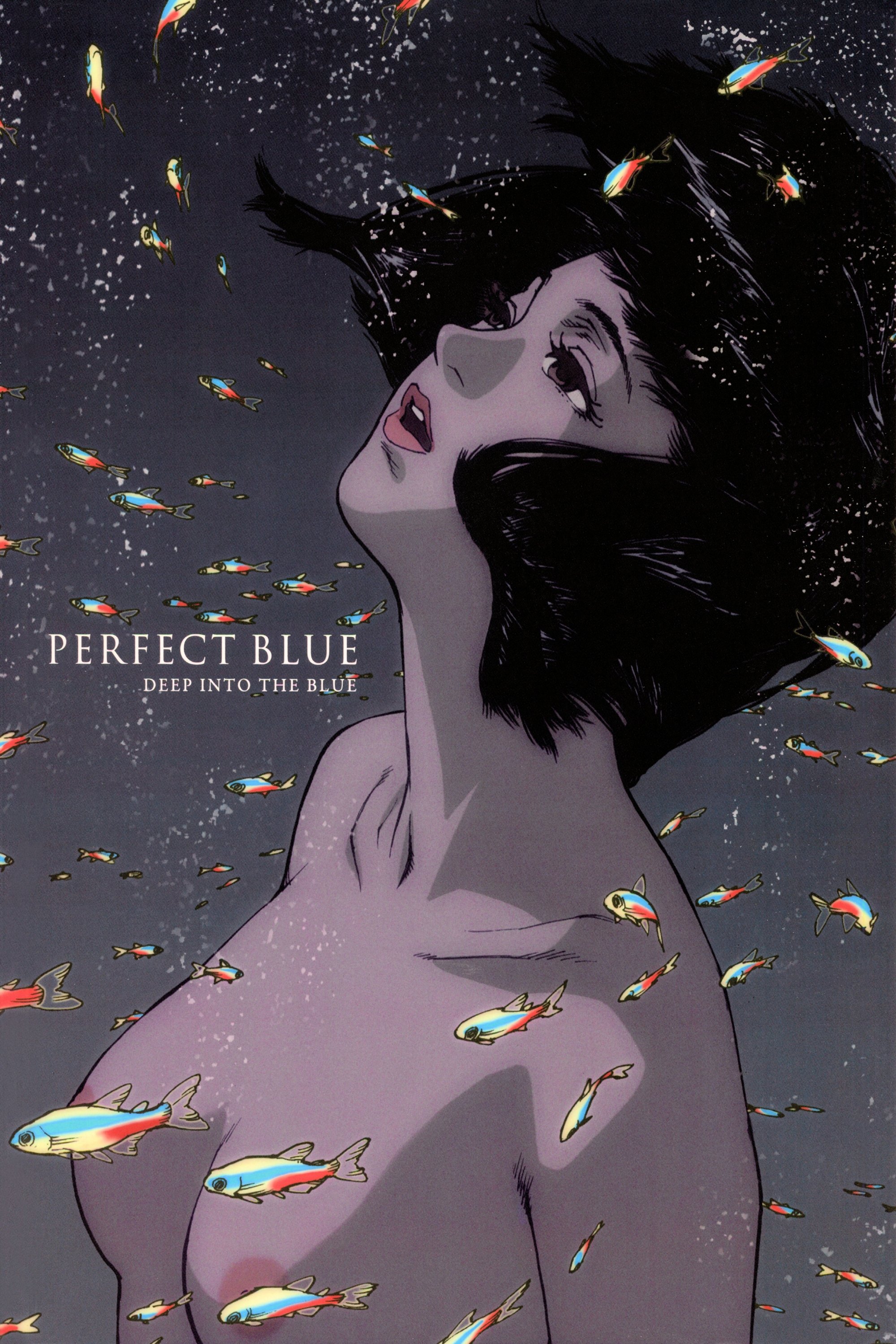
A pop idol attempts to transition into acting but finds herself stalked by an obsessive fan and haunted by her own double. The psychological thriller elements are so effective that they have influenced live-action Hollywood directors. It explores the dark side of fame and the fracturing of identity with terrifying precision. Major awards in the late nineties rarely acknowledged anime films with such mature and disturbing themes. This cult classic remains a benchmark for psychological horror in animation.
‘Redline’ (2009)
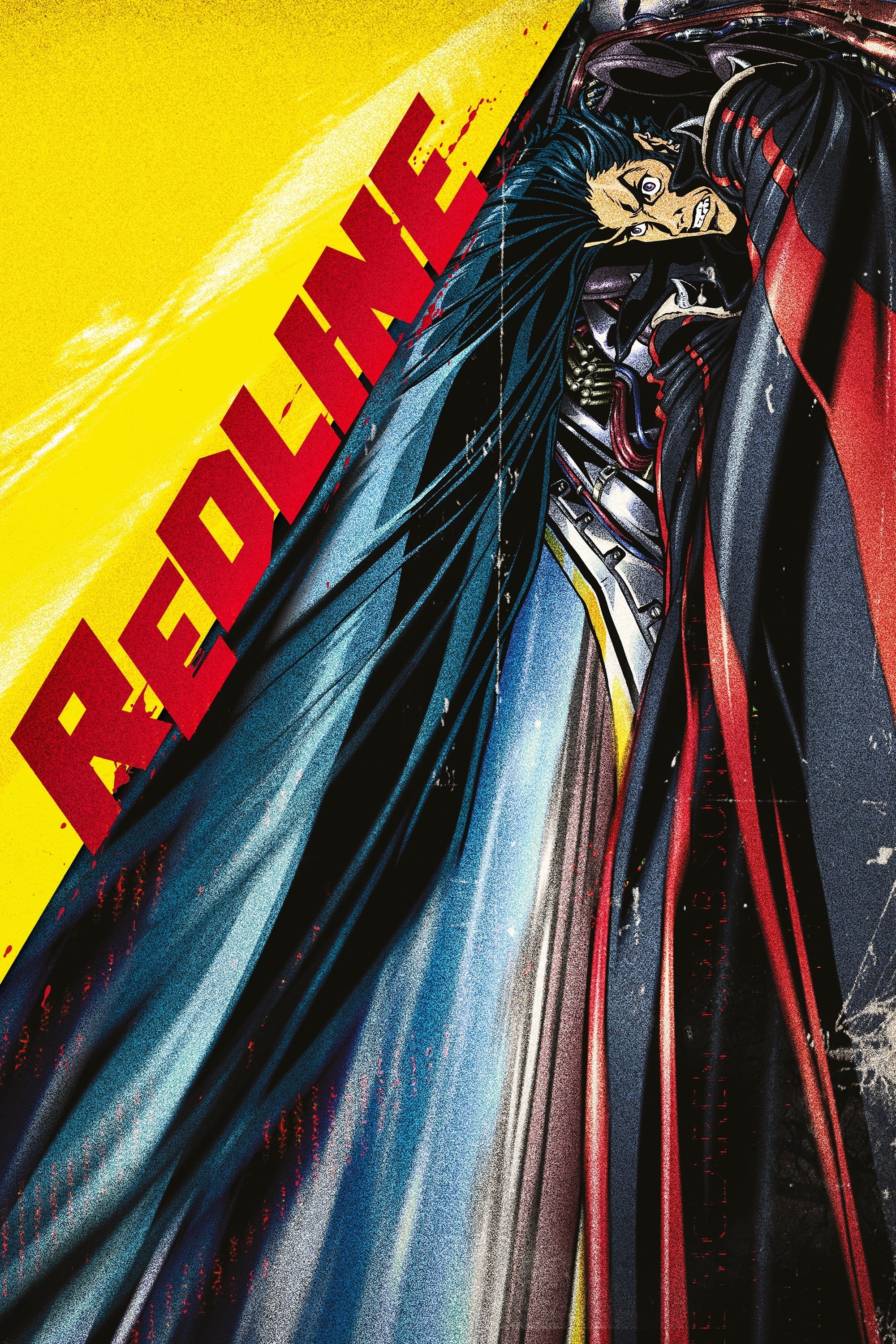
This high-octane racing film took seven years to hand-draw and features some of the most fluid animation ever produced. The plot follows a daredevil driver competing in the universe’s most dangerous illegal race. Every frame bursts with kinetic energy and distinctive stylistic flair. Despite its technical marvels, it was a commercial failure and was ignored by most prestige award committees. It stands today as a visual spectacle that deserved accolades for its sheer craftsmanship.
‘Wolf Children’ (2012)
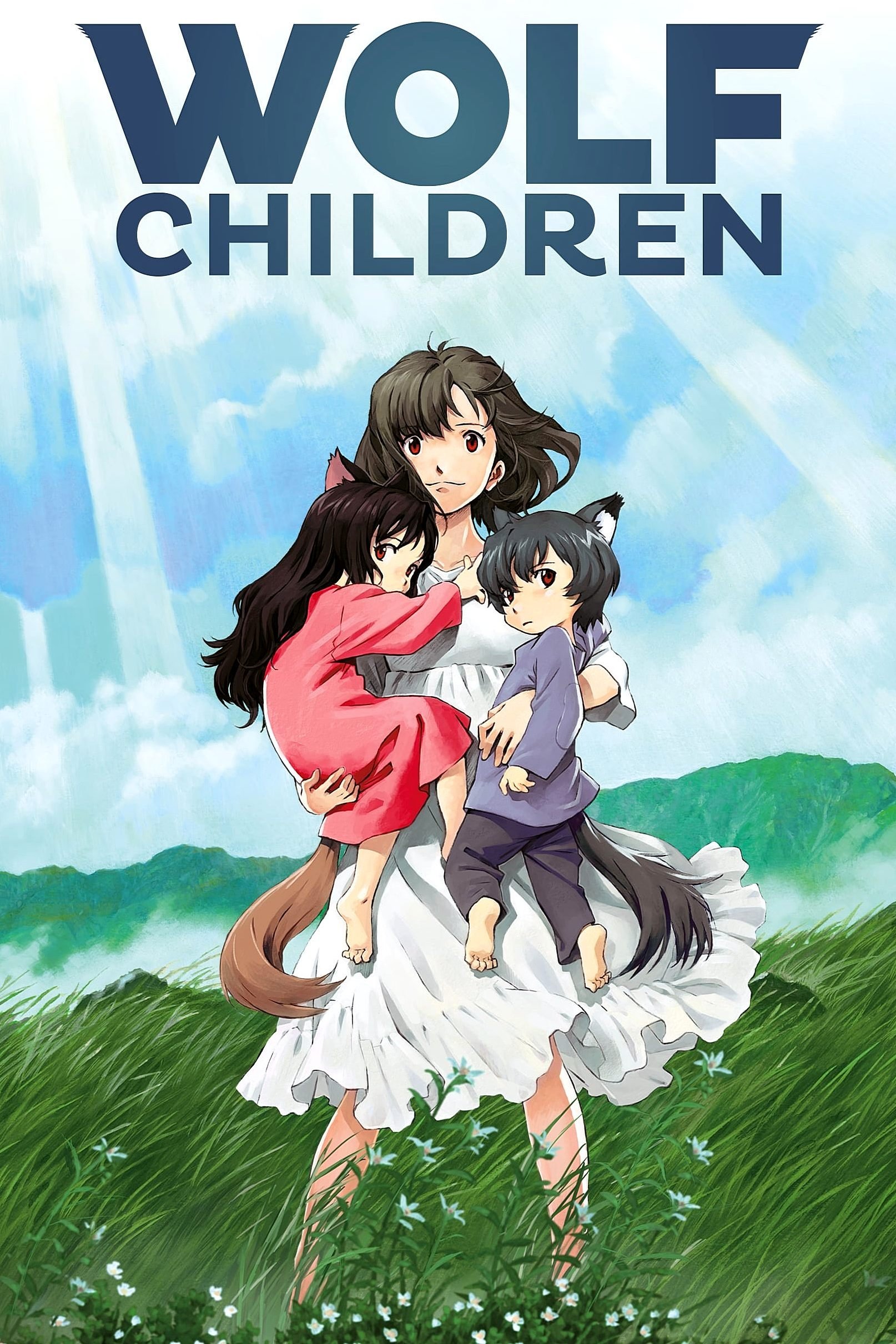
Mamoru Hosoda directs this touching story about a single mother raising two werewolf children after the death of their father. The film spans over a decade as the children grapple with their dual identities. It captures the struggles of parenthood with immense grace and realism despite the fantasy premise. While it won prizes in Japan, it was conspicuously absent from the Academy Award nominations that year. The movie remains a definitive work on the endurance and sacrifices of mothers.
‘The Girl Who Leapt Through Time’ (2006)
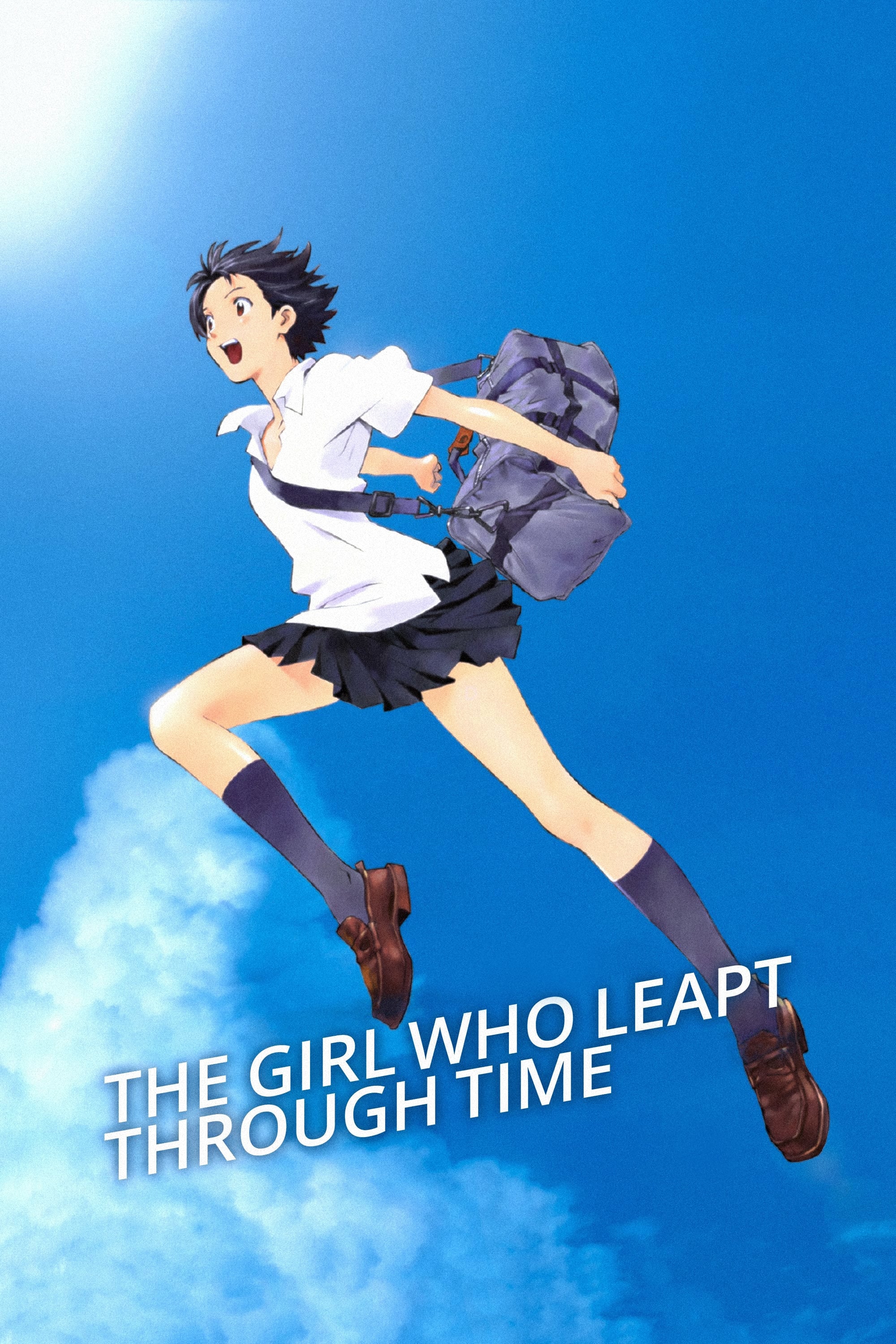
A high school girl discovers she has the ability to literally leap through time and uses it to fix minor inconveniences. She soon learns that changing the past has unforeseen and often serious consequences for the people around her. The film blends slice-of-life comedy with a touching romance and sci-fi elements. It swept some domestic awards but failed to garner the international trophy recognition it deserved. The storytelling is a masterclass in pacing and character development.
‘5 Centimeters per Second’ (2007)
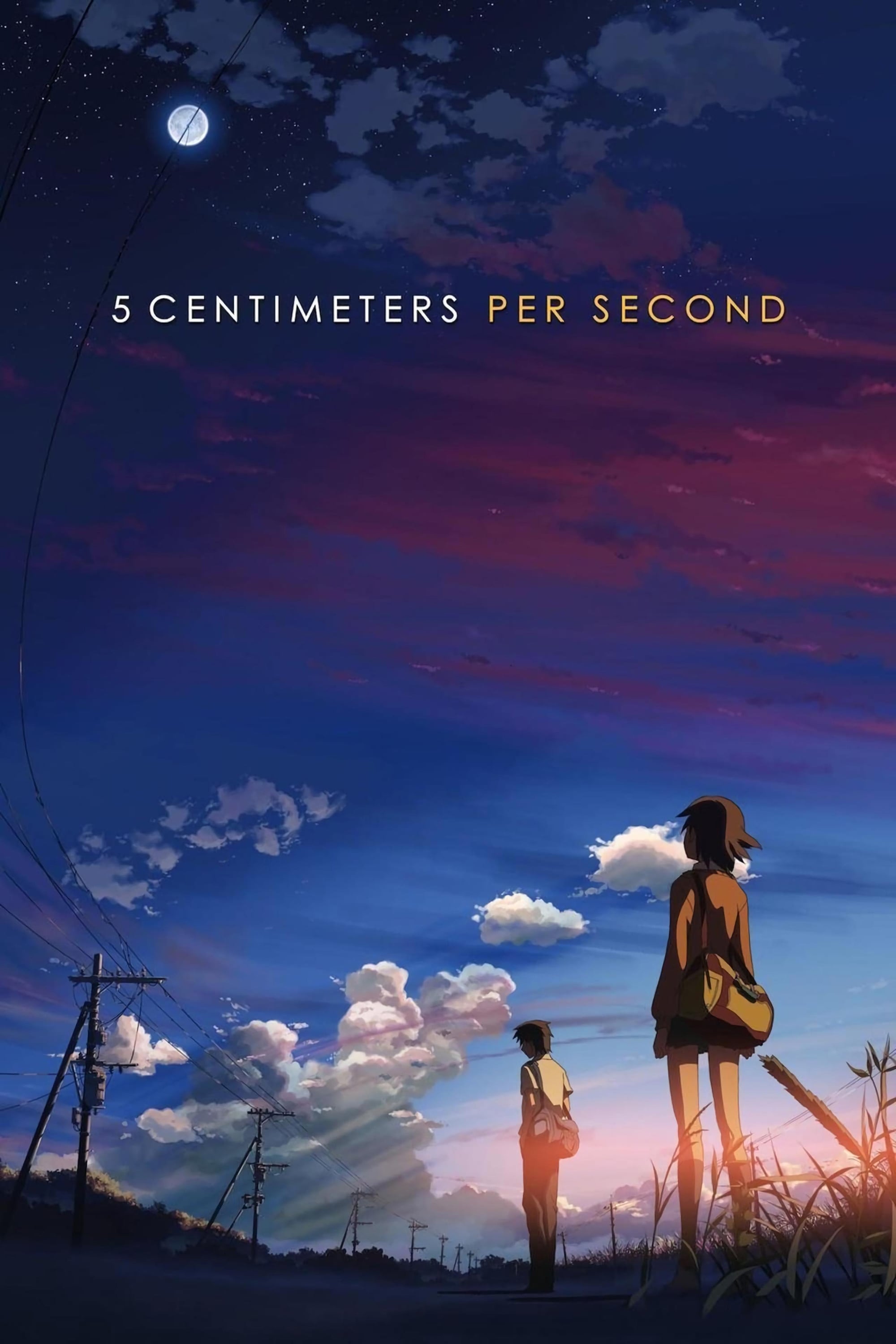
Makoto Shinkai creates a heartbreaking triptych about distance and the slow drift of relationships over time. The film is renowned for its photorealistic backgrounds and melancholic atmosphere. It captures the pain of lost love without offering a traditional happy resolution. The lack of a conventional narrative structure likely kept it from winning mainstream awards. Its visual beauty set a new standard for lighting and environmental detail in anime.
‘Maquia: When the Promised Flower Blooms’ (2018)
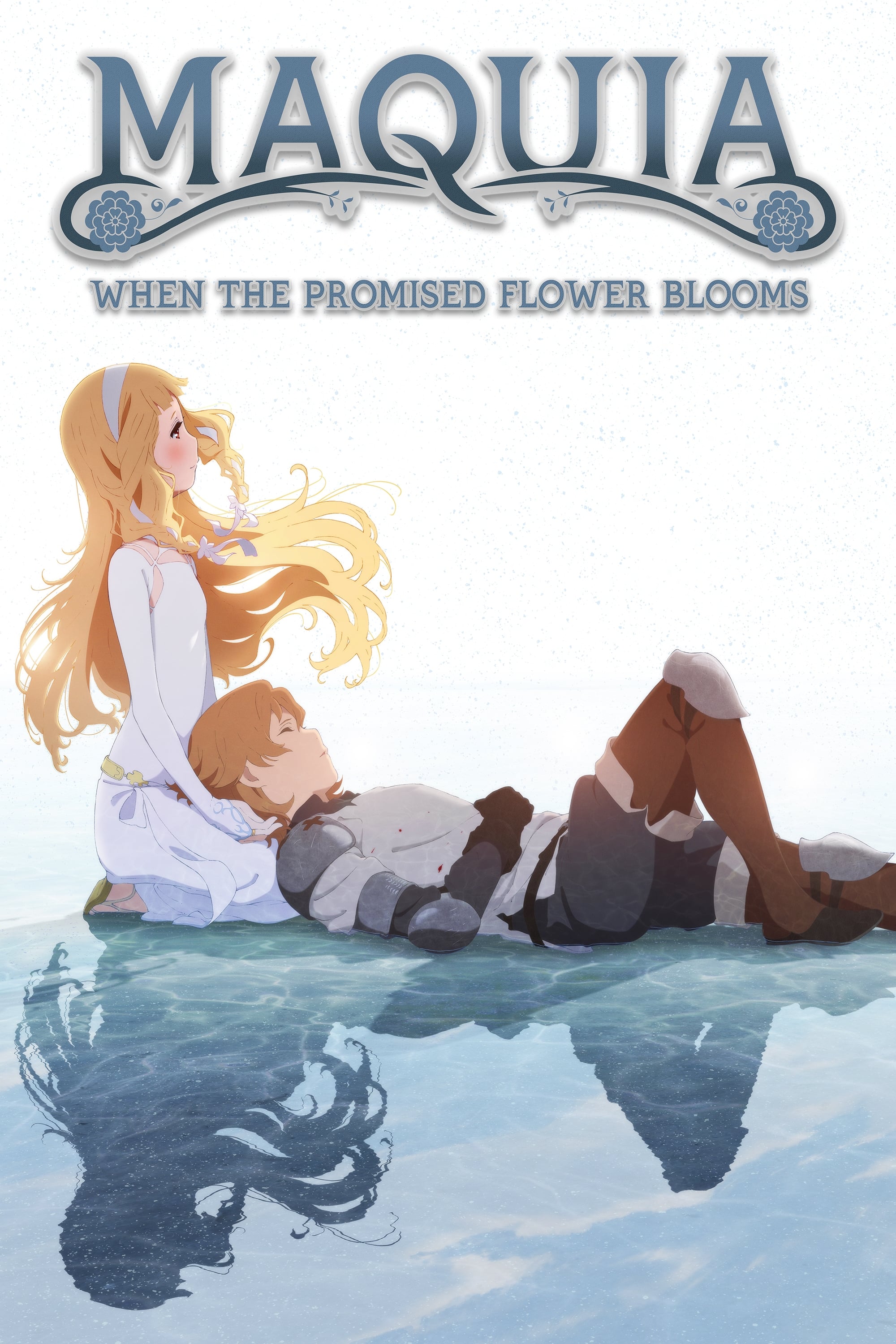
The story centers on an immortal girl who adopts a mortal human baby after her homeland is destroyed. As her son grows old and she remains young, the film explores the inevitability of separation. The high fantasy setting serves as a backdrop for an intimate drama about motherhood. It was overlooked by major western distributors and award panels despite its emotional potency. The rich world-building and tear-jerking finale make it an unforgettable experience.
‘Liz and the Blue Bird’ (2018)
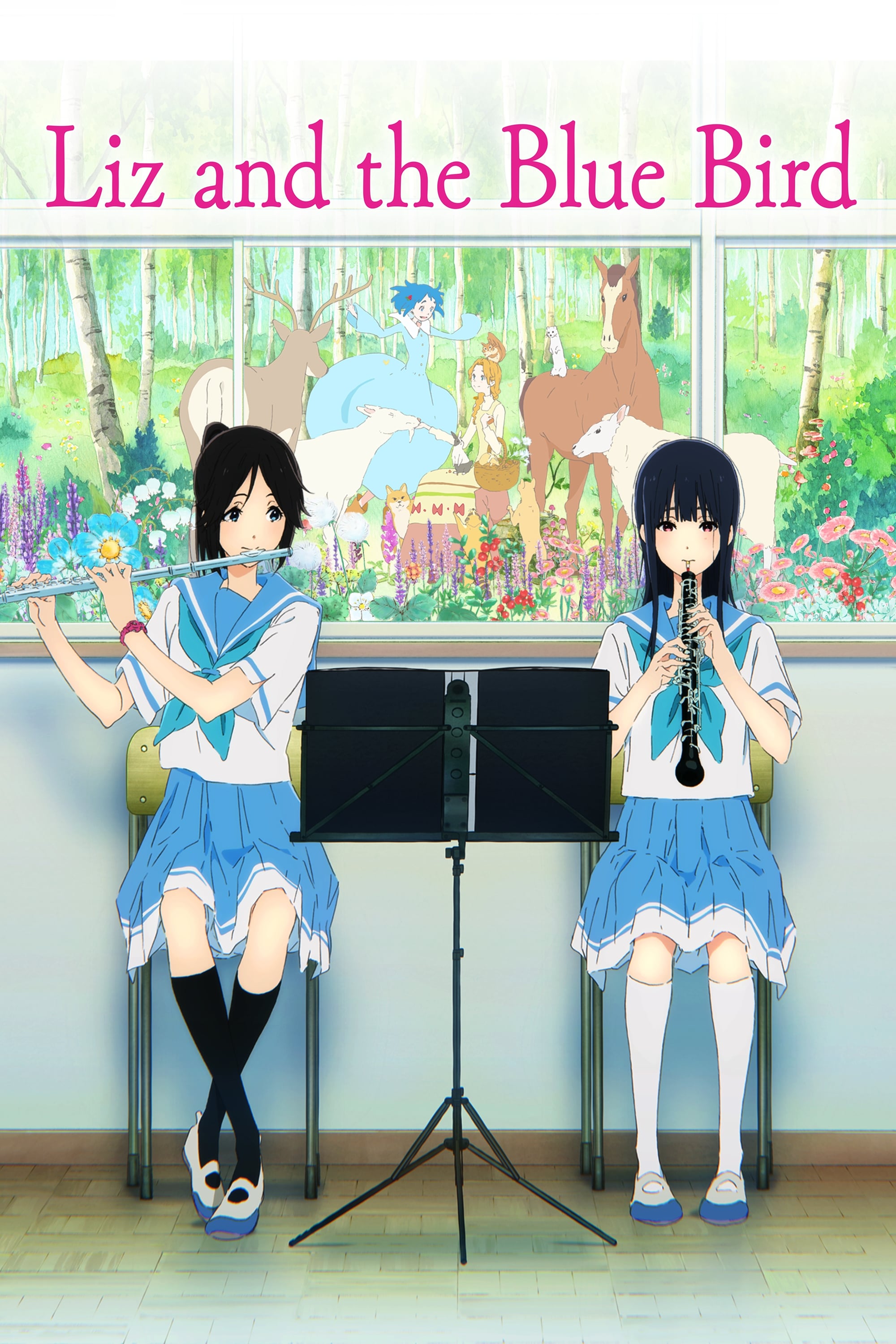
This film focuses on the quiet and complex friendship between two high school musicians preparing for a duet. The direction emphasizes subtle body language and the disjointed nature of their communication. It uses sound design and minimalism to convey feelings that words cannot express. The movie is often viewed as a niche spinoff rather than the standalone artistic triumph it is. Critics argue it deserved recognition for its experimental approach to visual storytelling.
‘In This Corner of the World’ (2016)
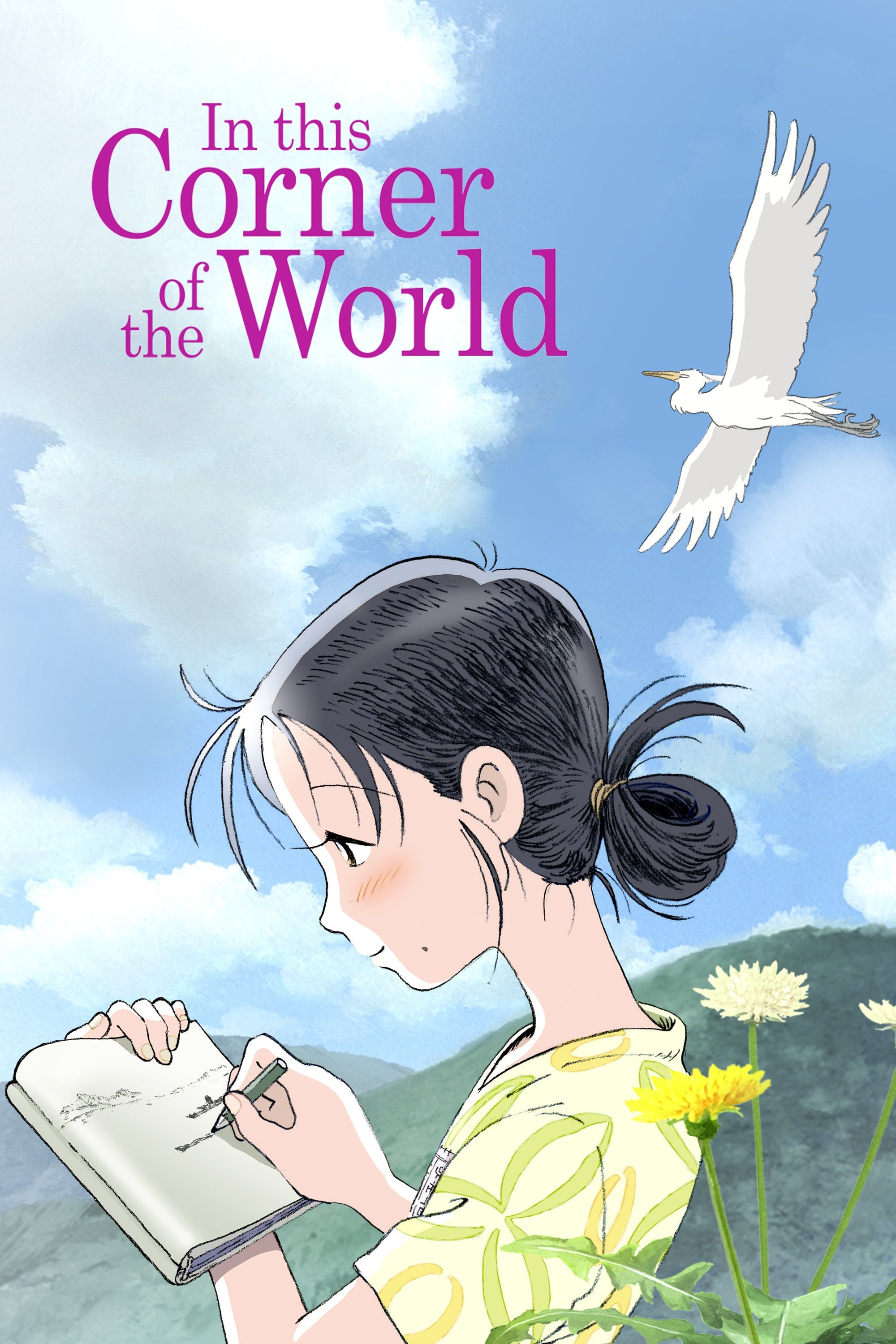
A young woman moves to a naval city near Hiroshima during World War II and tries to maintain a normal life. The soft art style contrasts sharply with the encroaching reality of war and loss. It offers a rare perspective on the daily lives of civilians living in the shadow of conflict. The film won acclaim in Japan but was largely ignored by the Oscars in favor of big-budget studio films. It remains a powerful historical drama that deserved a global spotlight.
‘Promare’ (2019)
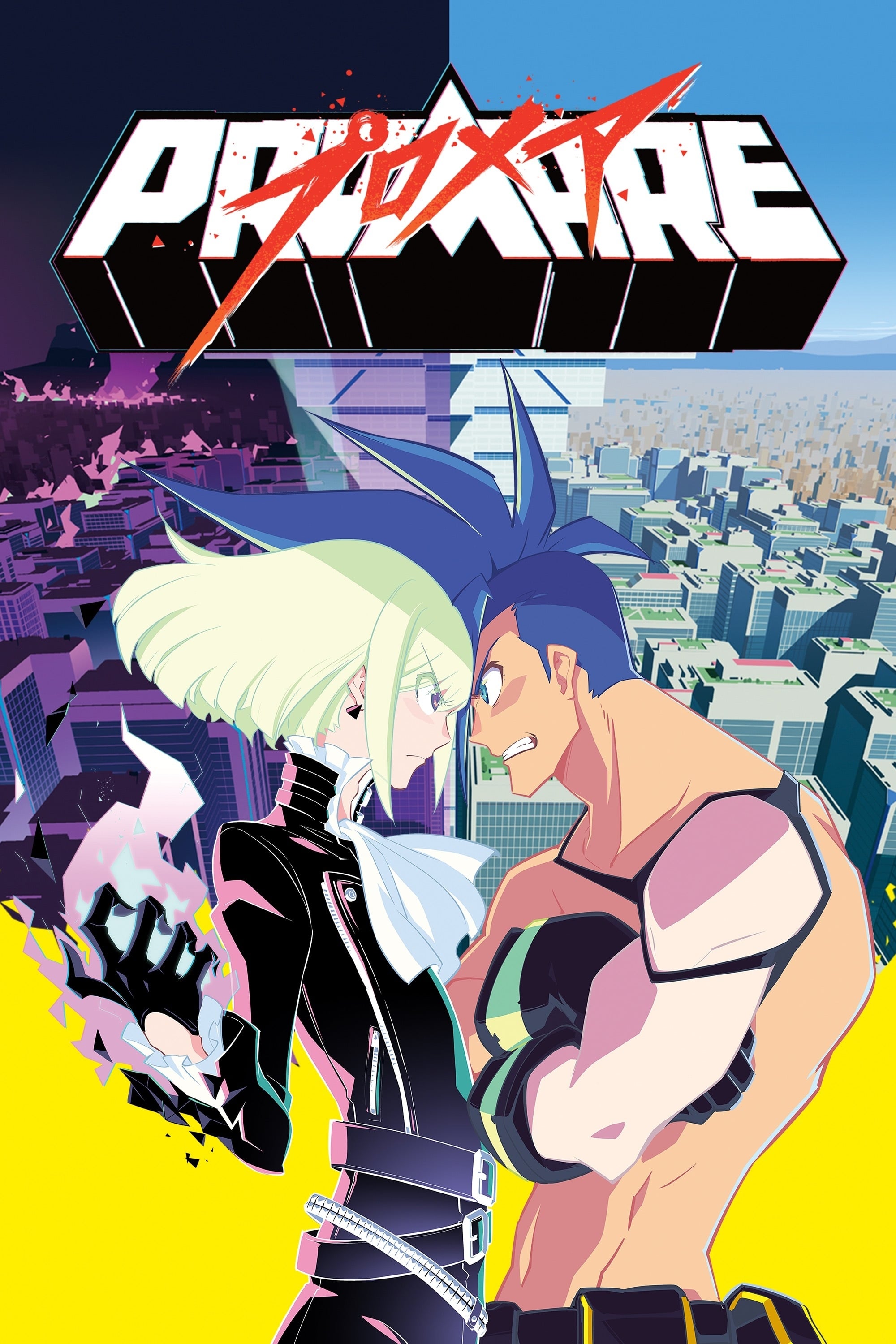
Trigger delivered a hyper-stylized action film about firefighters battling flame-wielding mutants. The visuals use a distinct neon color palette and geometric shapes that break traditional animation rules. The energy is relentless from start to finish with an accompanying bombastic soundtrack. It was a hit with fans but was too unconventional for conservative award voters. The movie is a celebration of pure animation joy that often goes unrewarded.
‘Weathering With You’ (2019)
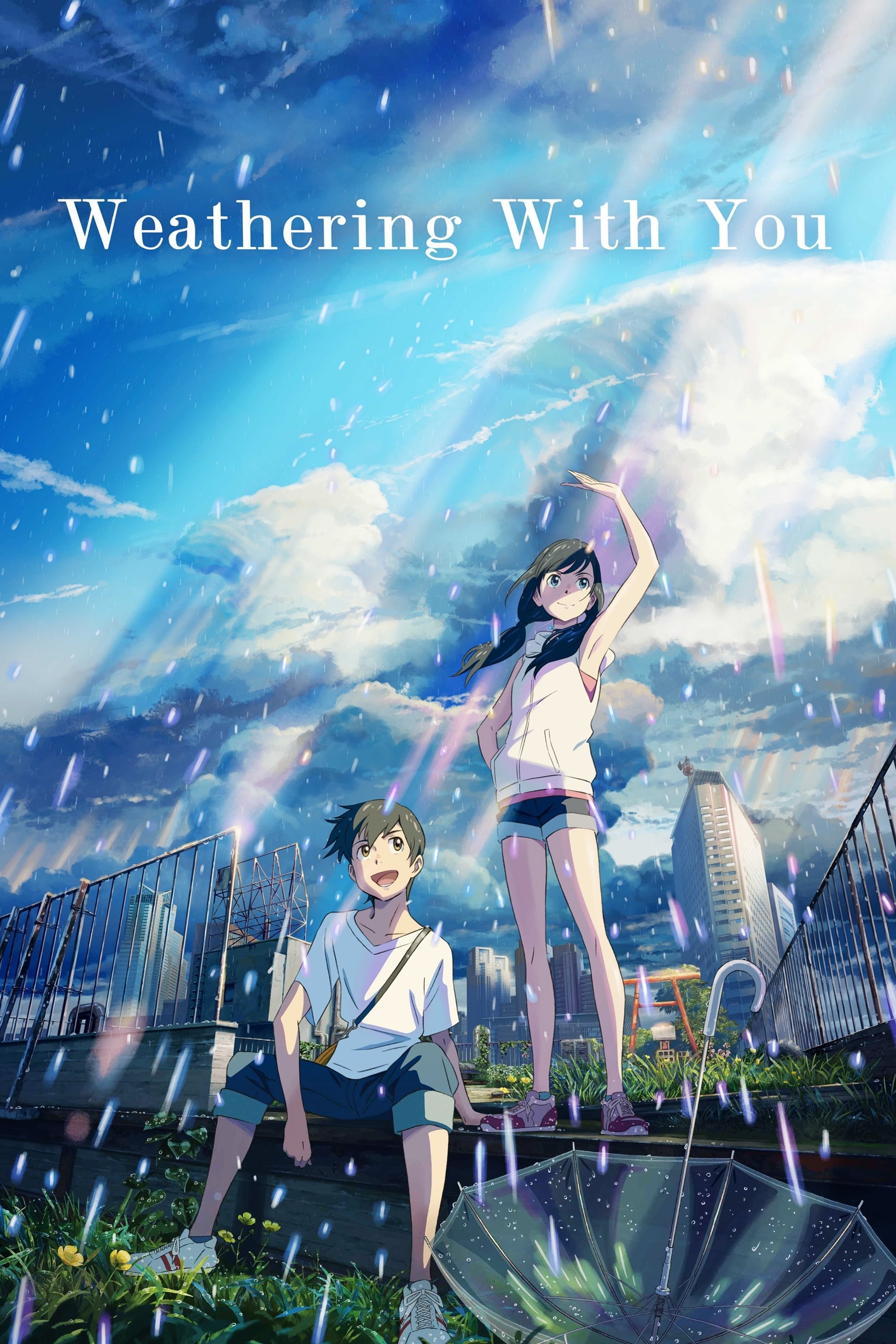
A runaway boy befriends a girl who can manipulate the weather in a rain-soaked Tokyo. The film tackles themes of climate change and personal sacrifice with stunning visual fidelity. While it was Japan’s entry for the Oscars, it failed to secure a nomination. Critics felt it lived in the shadow of the director’s previous work despite its own merits. The depiction of a submerged Tokyo is one of the most striking images in modern anime.
‘The Wind Rises’ (2013)
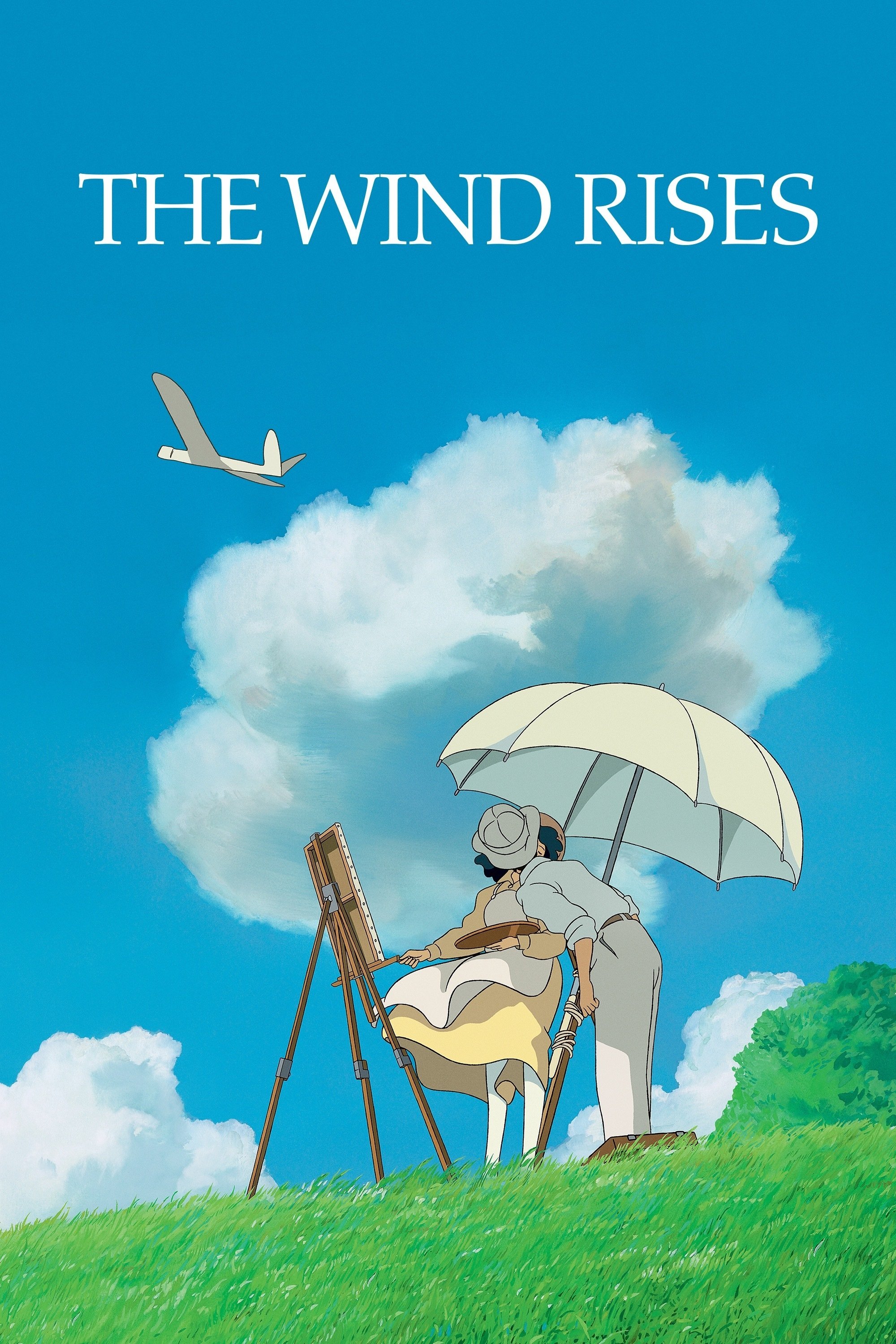
Hayao Miyazaki crafted a fictionalized biography of aviation engineer Jiro Horikoshi. The film explores the conflict between the beauty of flight and the destruction of war. It deals with mature themes of regret and mortality that alienated younger audiences. It lost the Academy Award to a blockbuster musical film in a controversial year. Many consider this one of the most personal and snubbed films in the Studio Ghibli catalog.
‘Howl’s Moving Castle’ (2004)

A young hatter is cursed with old age by a witch and seeks refuge in the walking castle of a wizard. The film is a lush anti-war fable filled with whimsical magic and detailed mechanical designs. It was nominated for an Oscar but lost to a claymation comedy. Fans argue that the complexity of its world and characters far exceeded the winner. The film remains a beloved classic that deserved the highest industry honor.
‘March Comes In Like a Lion’ (2016–2018)
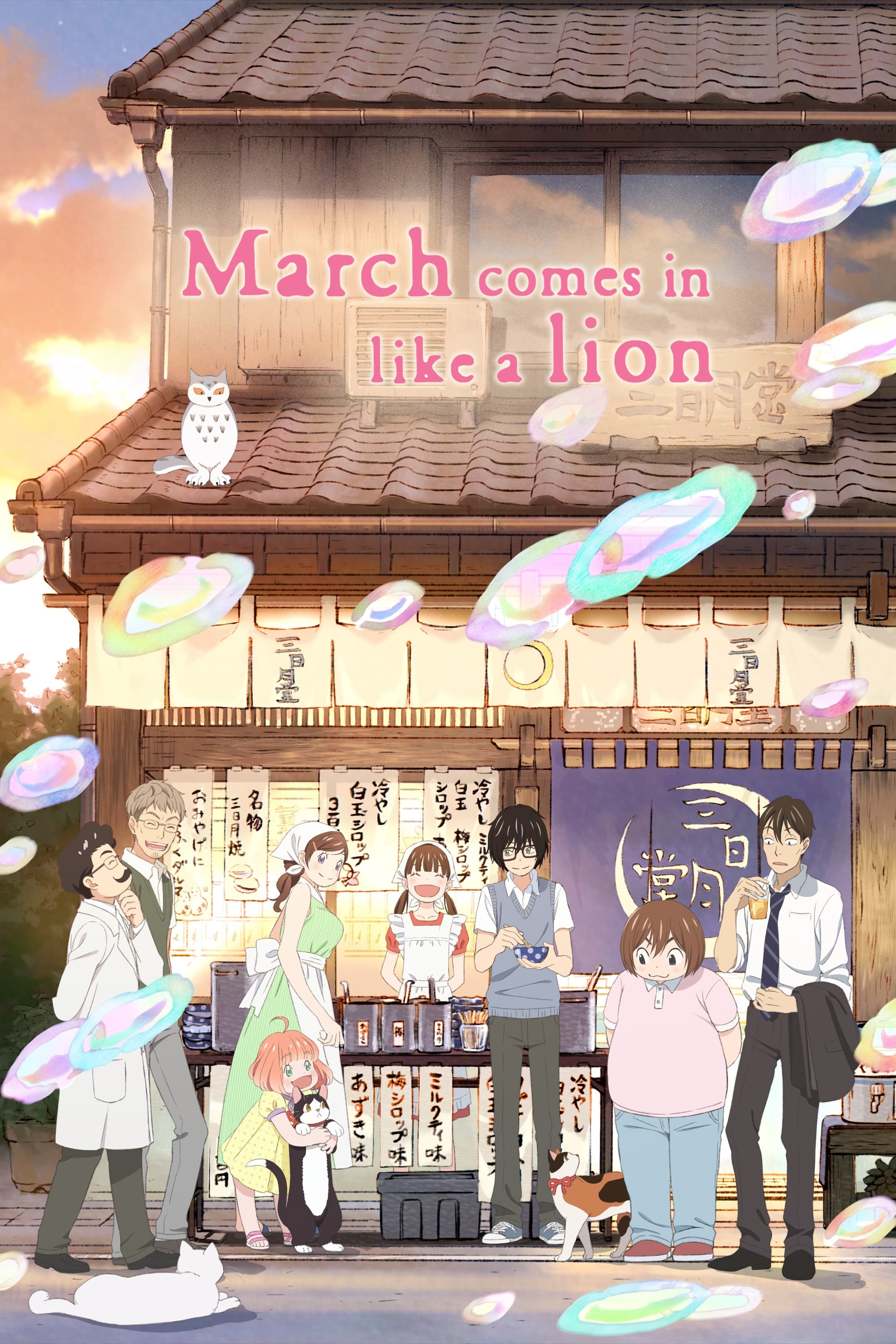
This series follows a teenage professional shogi player dealing with depression and isolation. He finds warmth and family in a trio of sisters who take him under their wing. The visual direction uses water imagery to represent the protagonist’s suffocating emotions. It is critically acclaimed but often loses in popularity contests to action-heavy shonen series. The show is a masterpiece of character study that rarely gets the hardware it deserves.
‘Showa Genroku Rakugo Shinju’ (2016–2017)
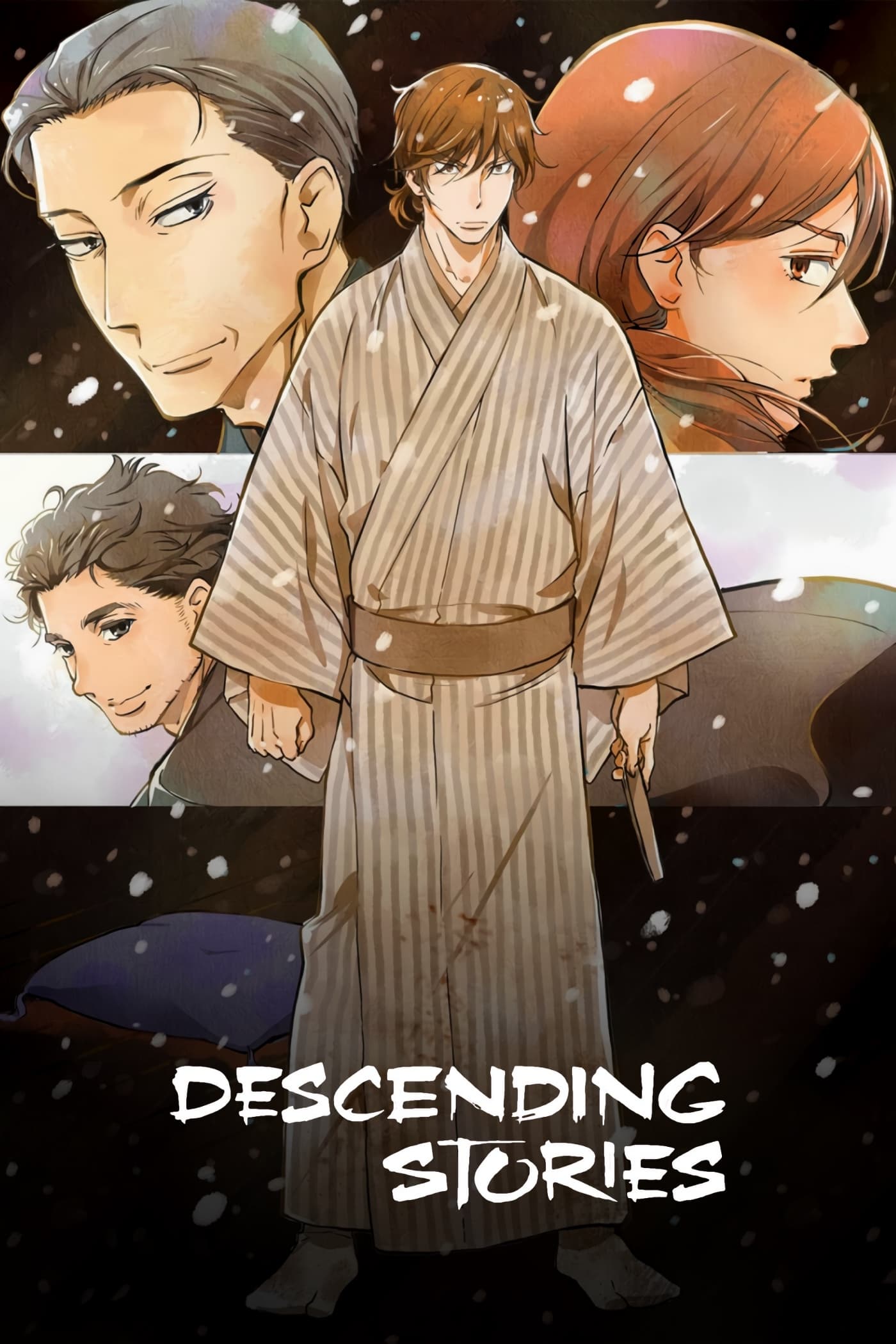
The art of traditional Japanese storytelling takes center stage in this multigenerational period drama. It explores the rivalry and friendship between two performers with opposing styles. The voice acting is some of the finest in the medium as actors perform full rakugo routines. It remains a niche favorite that was overlooked by mainstream awards due to its mature subject matter. The series is a brilliant tragedy that deserved far more widespread accolades.
‘Vinland Saga’ (2019)
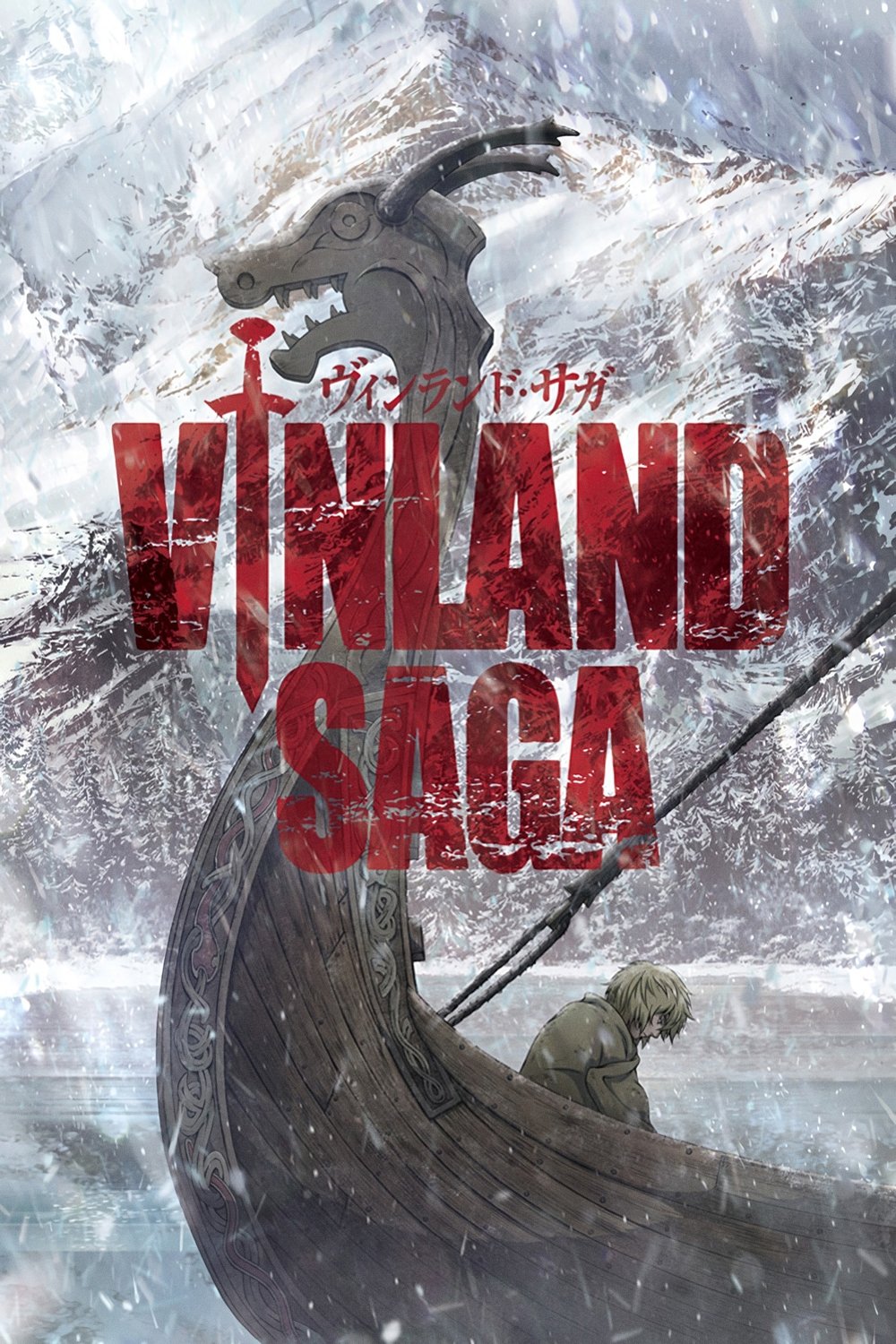
A young Viking seeks revenge against the man who killed his father by joining his mercenary band. The story evolves from a tale of vengeance into a complex historical, political drama. Wit Studio delivered movie-quality animation for a television production. It was often snubbed in “Anime of the Year” discussions in favor of more established franchises. The character development of the antagonist Askeladd is among the best in anime history.
‘Ping Pong the Animation’ (2014)
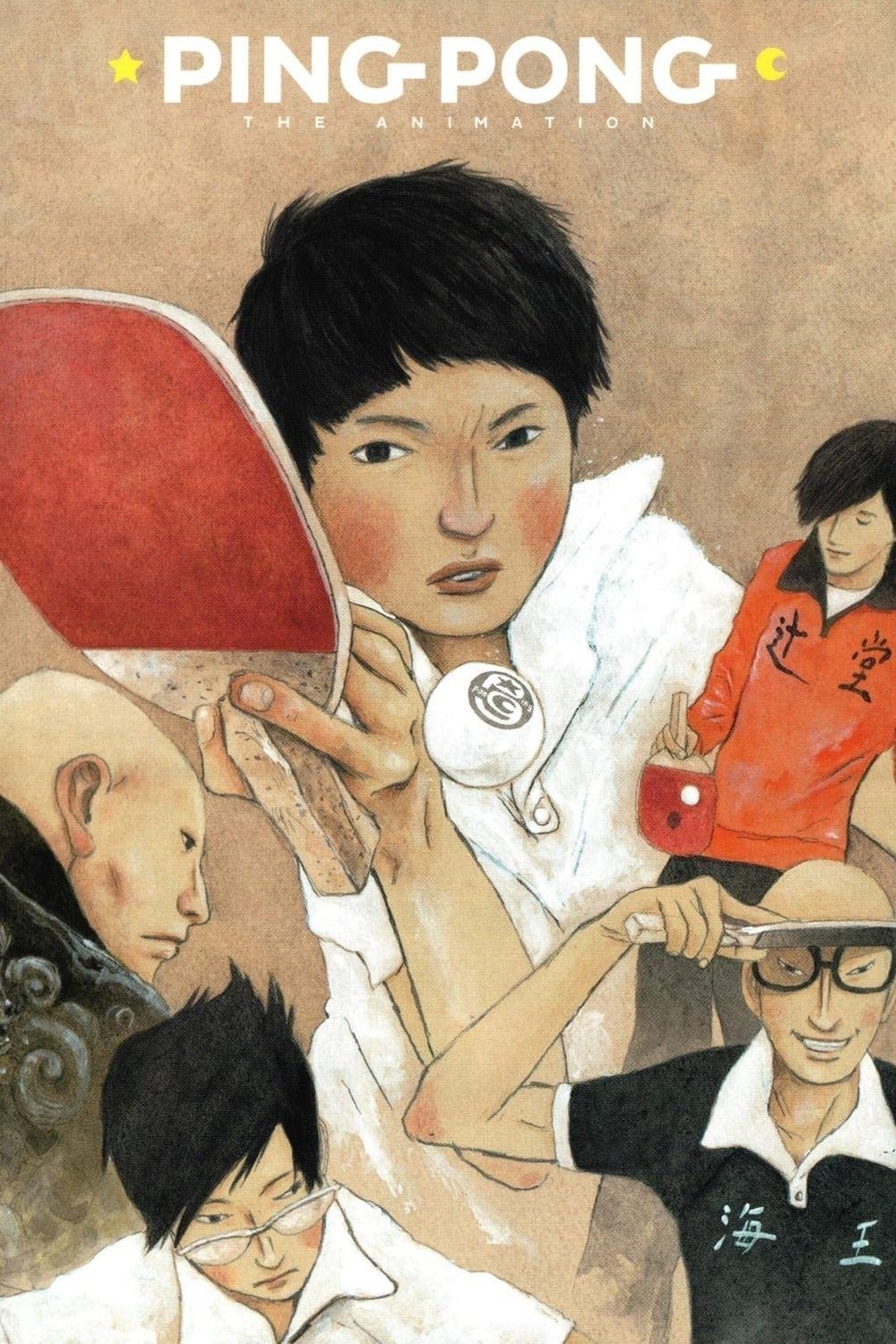
Masaaki Yuasa directs this sports anime that uses a sketchy and distorted art style. The story deconstructs the psychology of competition through the lives of high school table tennis players. Viewers initially dismissed it due to its unconventional look. It is now regarded as a storytelling masterpiece that went underappreciated during award season. The series proves that animation does not need to be polished to be profound.
‘The Tatami Galaxy’ (2010)
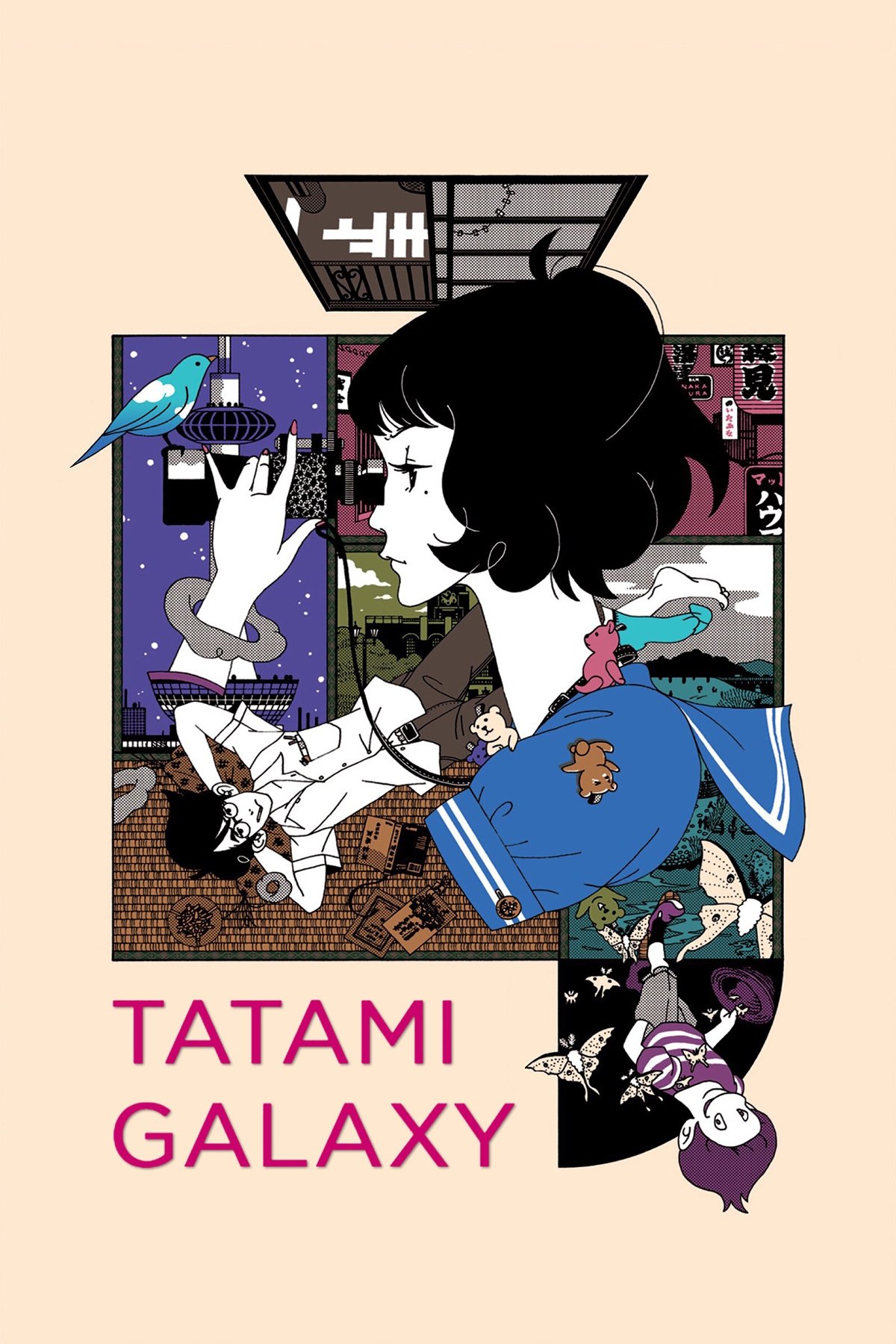
A college student relives his university years in parallel universes attempting to find the perfect campus life. The dialogue is delivered at a breakneck pace that challenges the viewer to keep up. The visual style combines vivid colors with mixed media elements. It won a major prize in Japan but is virtually unknown to western award bodies. The show is a brilliant exploration of regret and the paralysis of choice.
‘Monster’ (2004–2005)

A neurosurgeon saves the life of a young boy who grows up to be a charismatic sociopath. The doctor travels across Europe to stop the monster he resurrected. It plays out like a prestige HBO drama rather than a typical anime series. The slow burn pacing kept it from winning accolades that favor fast-paced action. It is widely considered one of the greatest thrillers ever written.
‘Baccano!’ (2007)
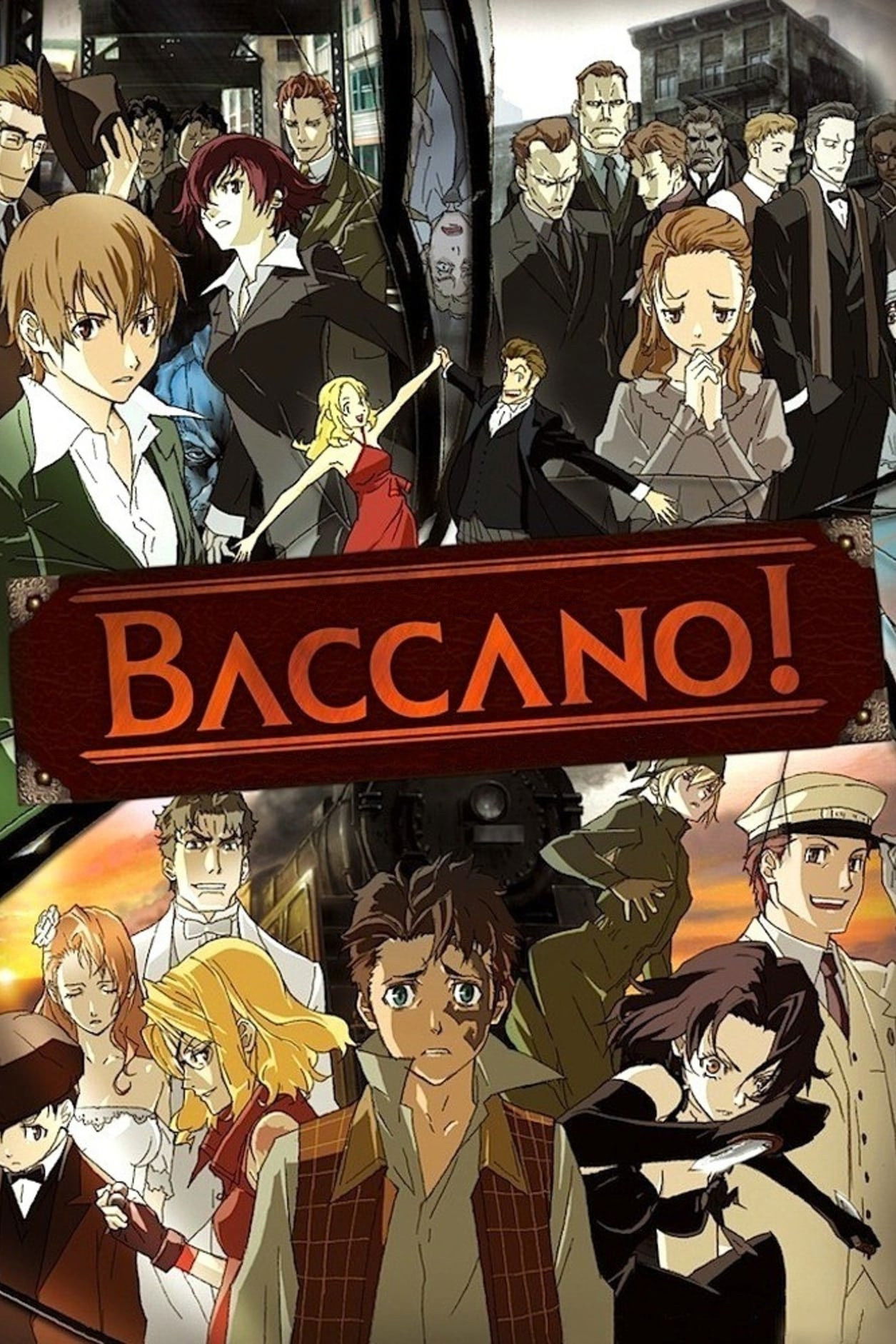
Multiple storylines involving alchemists and gangsters converge on a transcontinental train in the 1930s. The narrative is told out of chronological order and requires close attention from the audience. It features a massive ensemble cast where every character is important. The complexity of the plot likely hindered its mass appeal and award potential. It is a stylish puzzle box of a show that deserved more industry nods.
‘Land of the Lustrous’ (2017)
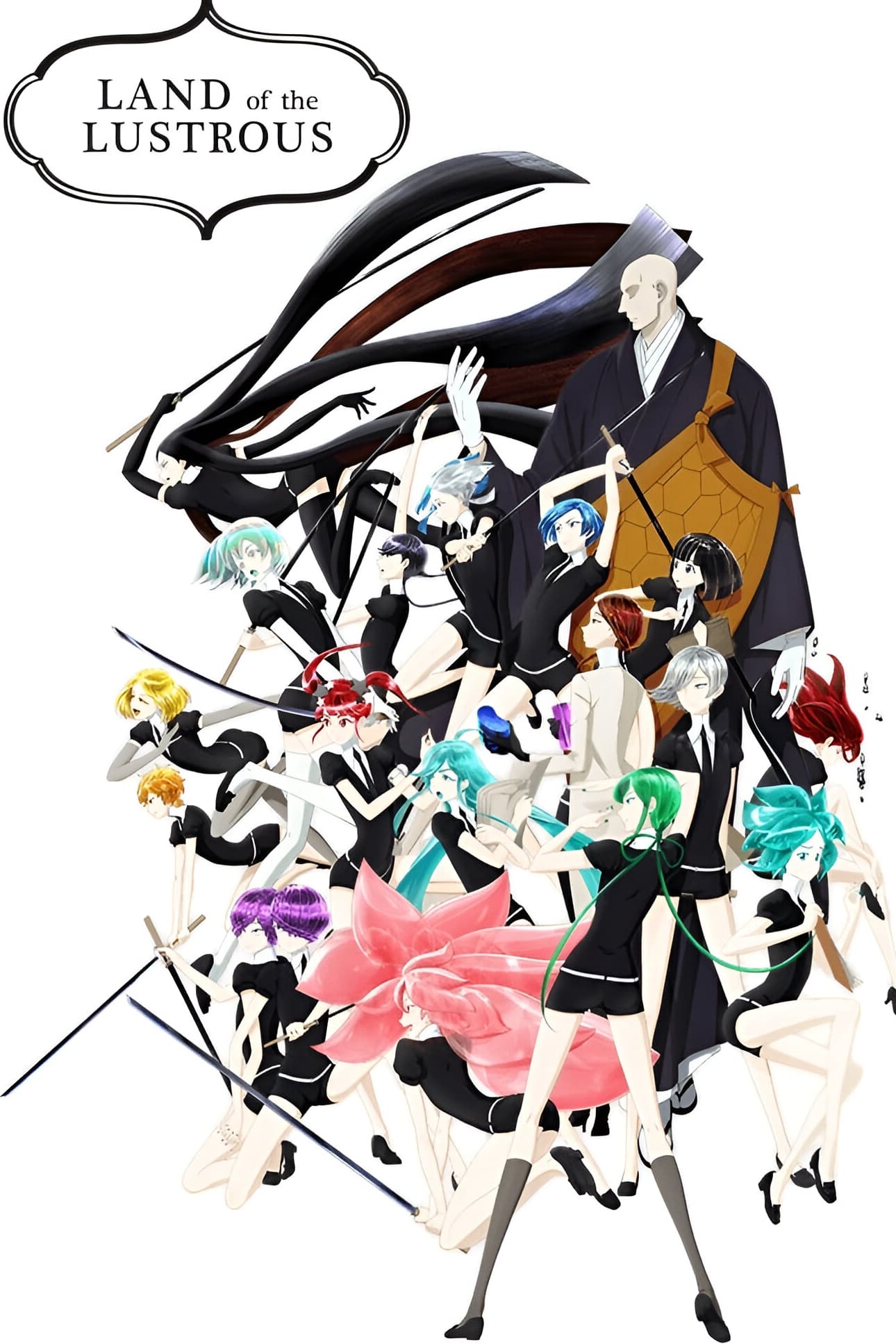
Gemstones with human forms fight against Lunarians who want to harvest them for decoration. This series revolutionized the use of 3D CGI in anime by proving it could be beautiful and expressive. The protagonist undergoes a drastic physical and psychological transformation. It was largely ignored by traditionalists who dislike CGI animation. The show deserved awards for its technical innovation and philosophical depth.
‘Sonny Boy’ (2021)
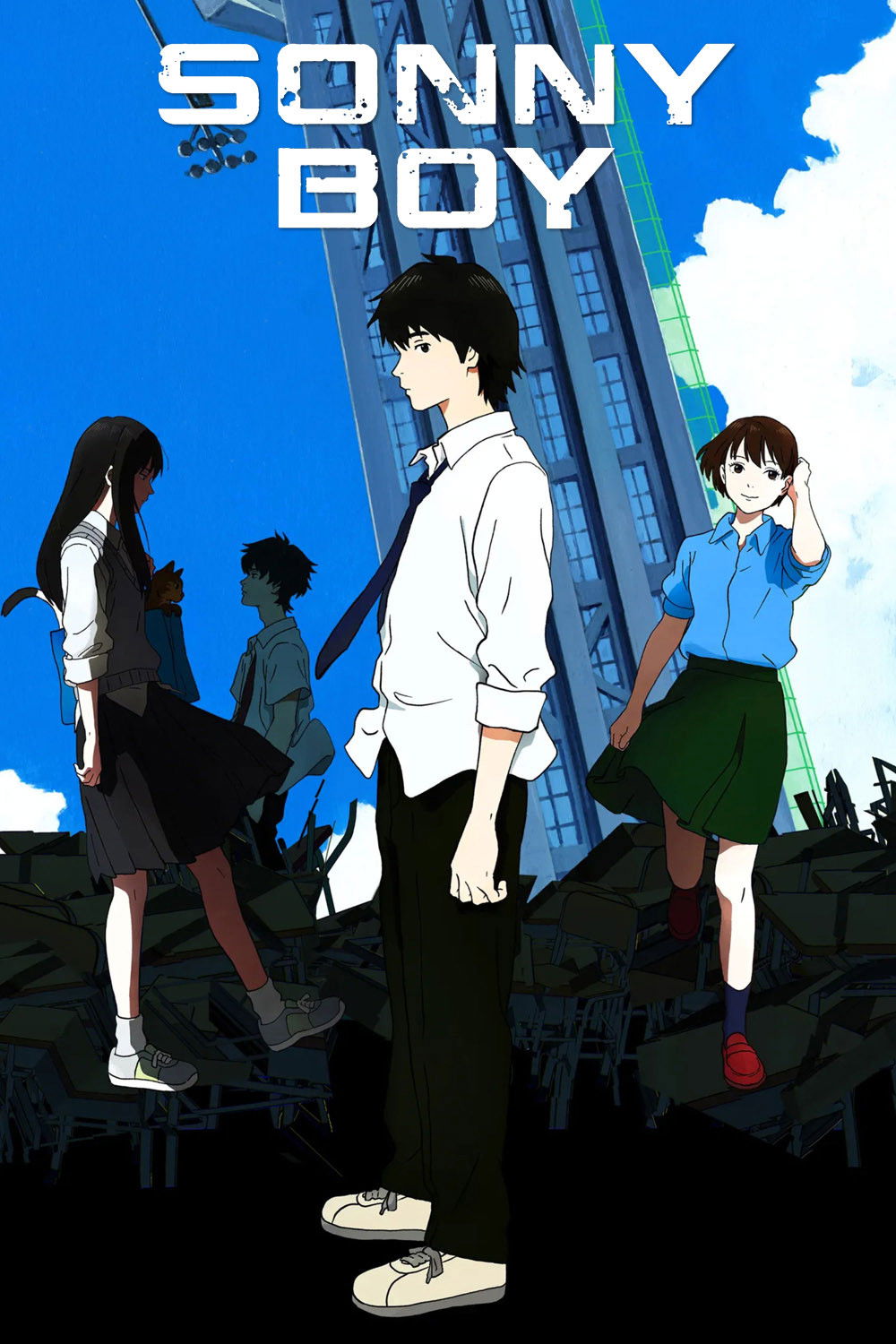
An entire school building drifts through dimensions leaving the students stranded with superpowers. The show eschews traditional narrative structures for a surreal and abstract experience. It focuses on the social dynamics and existential confusion of the cast. The lack of hand-holding and explanation alienated mainstream award voters. It stands as a unique artistic experiment that pushes the boundaries of the medium.
‘Keep Your Hands Off Eizouken!’ (2020)
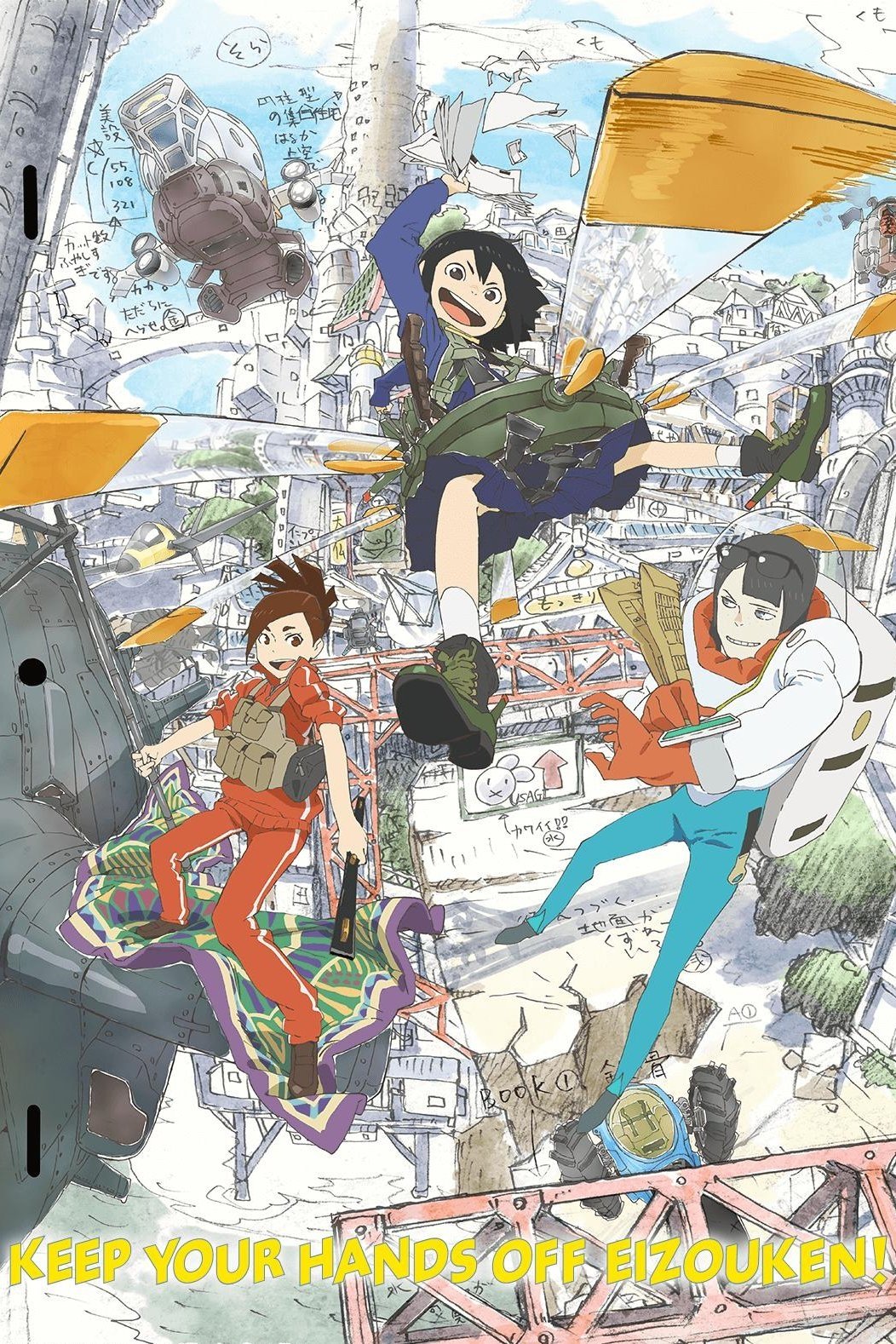
Three high school girls form a club to create their own anime while navigating budget constraints. The show visualizes their imagination as they brainstorm concepts for their projects. It is an educational and inspiring look at the animation production process. It won critical praise but often lost major titles to battle shonen series. The show is a passionate tribute to creators everywhere.
‘Great Pretender’ (2020)
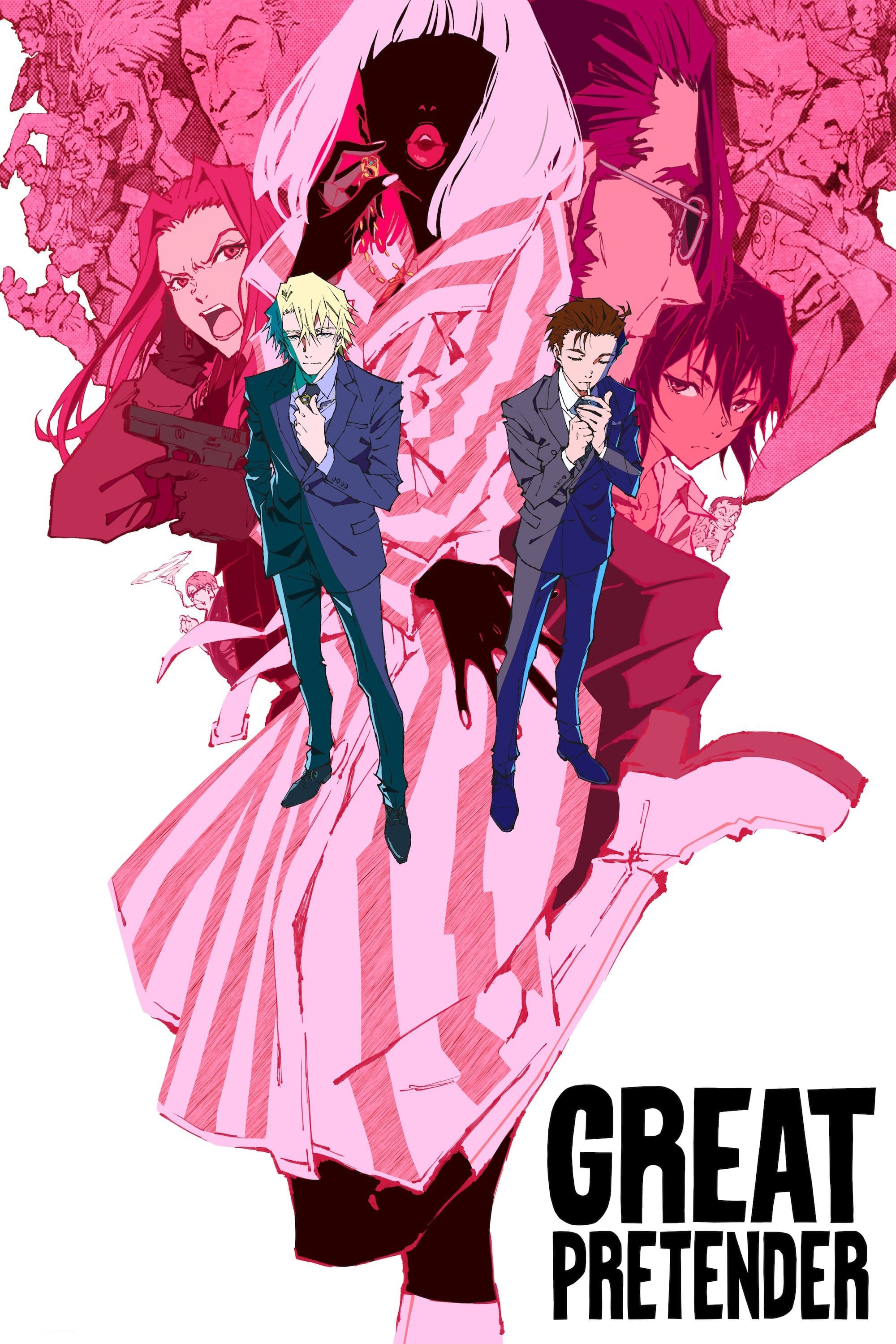
A Japanese con man gets swept up in the operations of a world-class confidence artist. The series spans the globe with vibrant color palettes and jazzy musical cues. It features a diverse international cast and clever heist scenarios. The show was released in batches on streaming which may have disjointed its award momentum. It remains one of the most stylish and entertaining original anime of the decade.
‘Violet Evergarden: The Movie’ (2020)

A former child soldier works as a ghostwriter to understand the meaning of love. The film features Kyoto Animation’s signature detailed art and fluid character movement. It provides a tearful conclusion to the journey of the protagonist. While popular, it often gets categorized as melodrama rather than high art by critics. The visual fidelity alone deserved technical awards that it did not receive globally.
‘Josee, the Tiger and the Fish’ (2020)
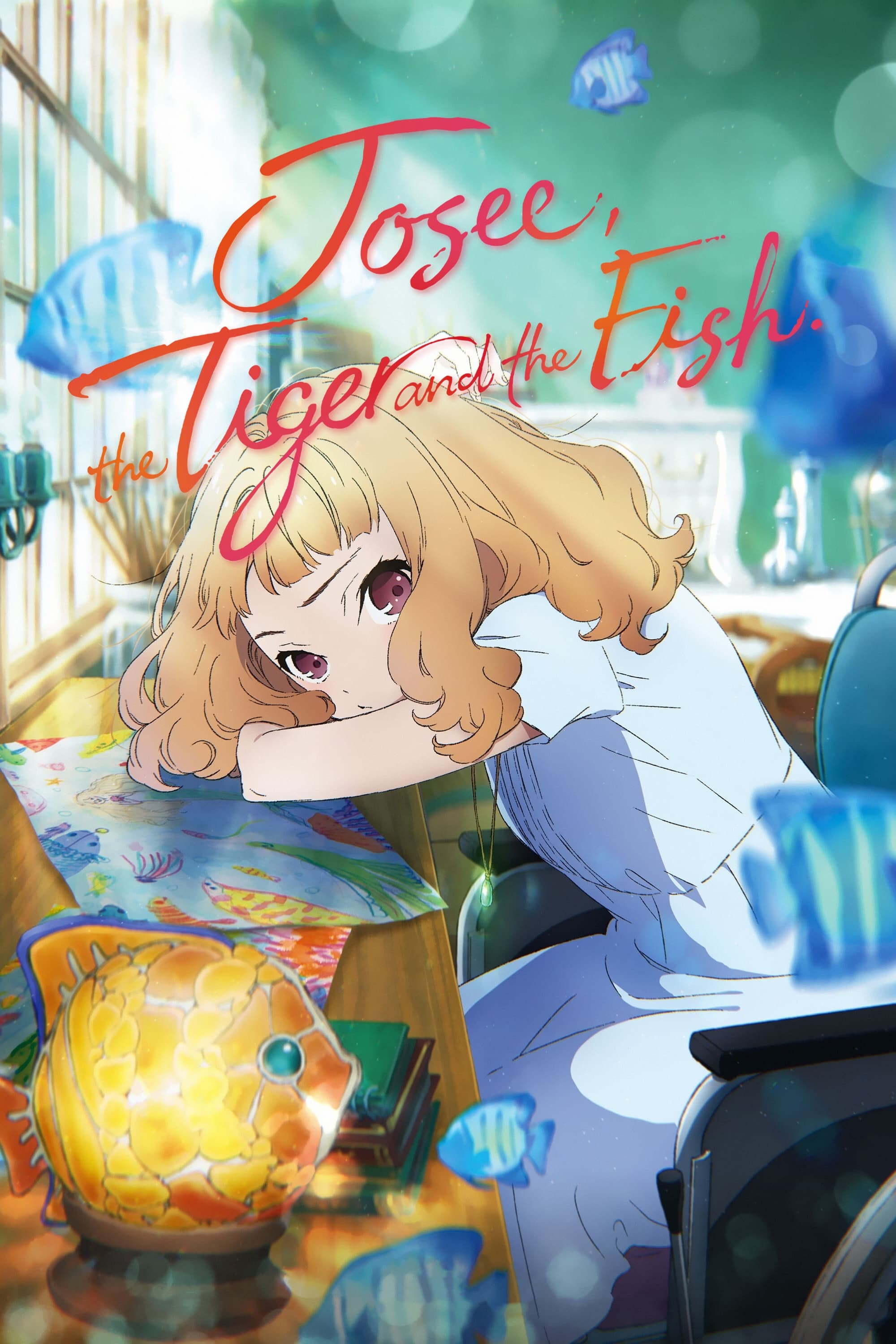
A university student becomes the caretaker for a paraplegic artist with a sharp tongue. They push each other to pursue their dreams despite physical and societal barriers. The film offers a refreshing take on disability and romance without being overly tragic. It was overshadowed by other releases during a crowded theatrical year. The authentic relationship dynamics make it a hidden gem.
‘Mind Game’ (2004)
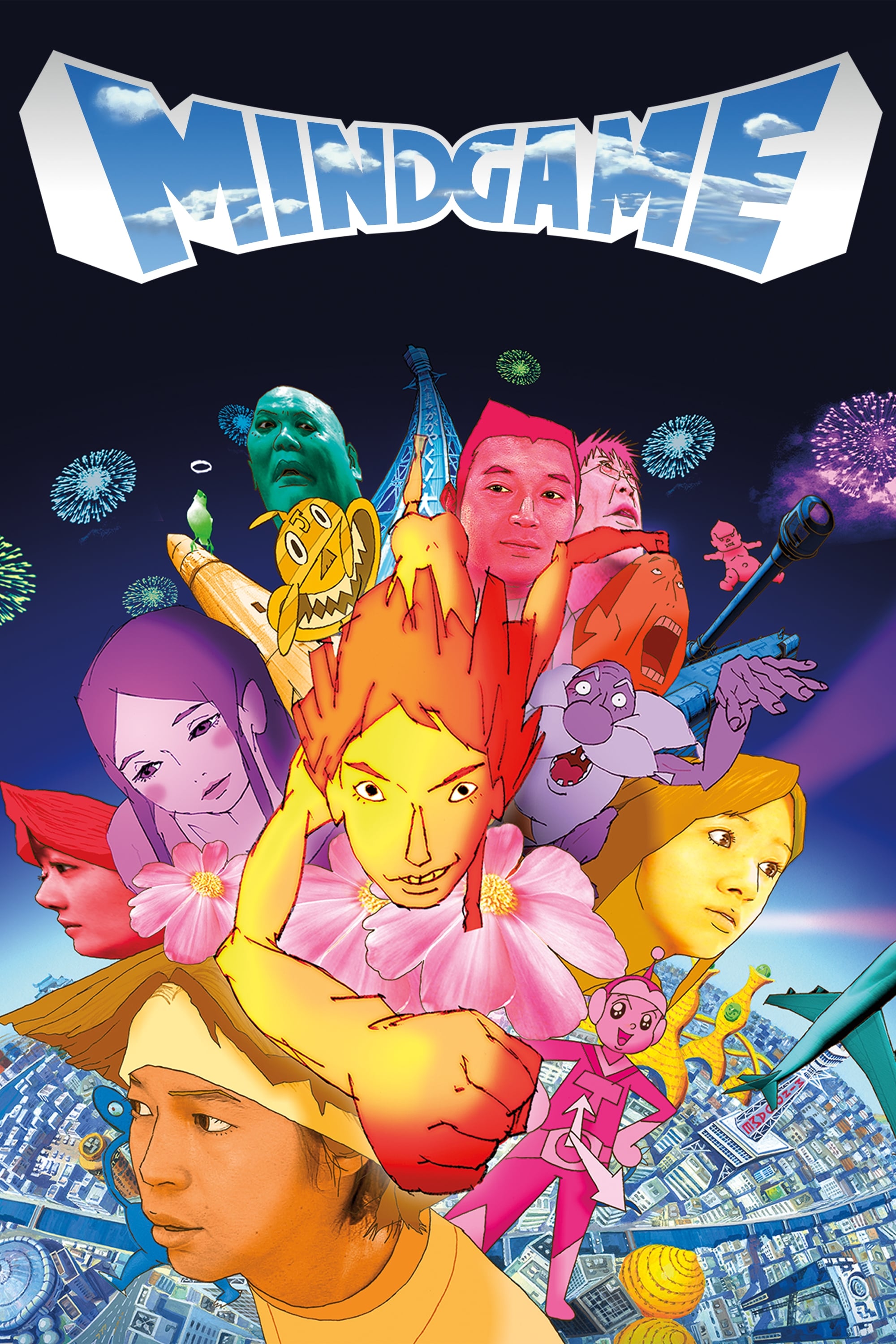
A loser dies and cheats death to return to life so he can confess to his childhood crush. The animation constantly shifts styles from sketch to live-action collage. It is a psychedelic trip that defies all genre classifications. The film was too experimental for the Academy Awards or mainstream festivals. It remains a cult favorite among animation historians and purists.
‘Tekkonkinkreet’ (2006)
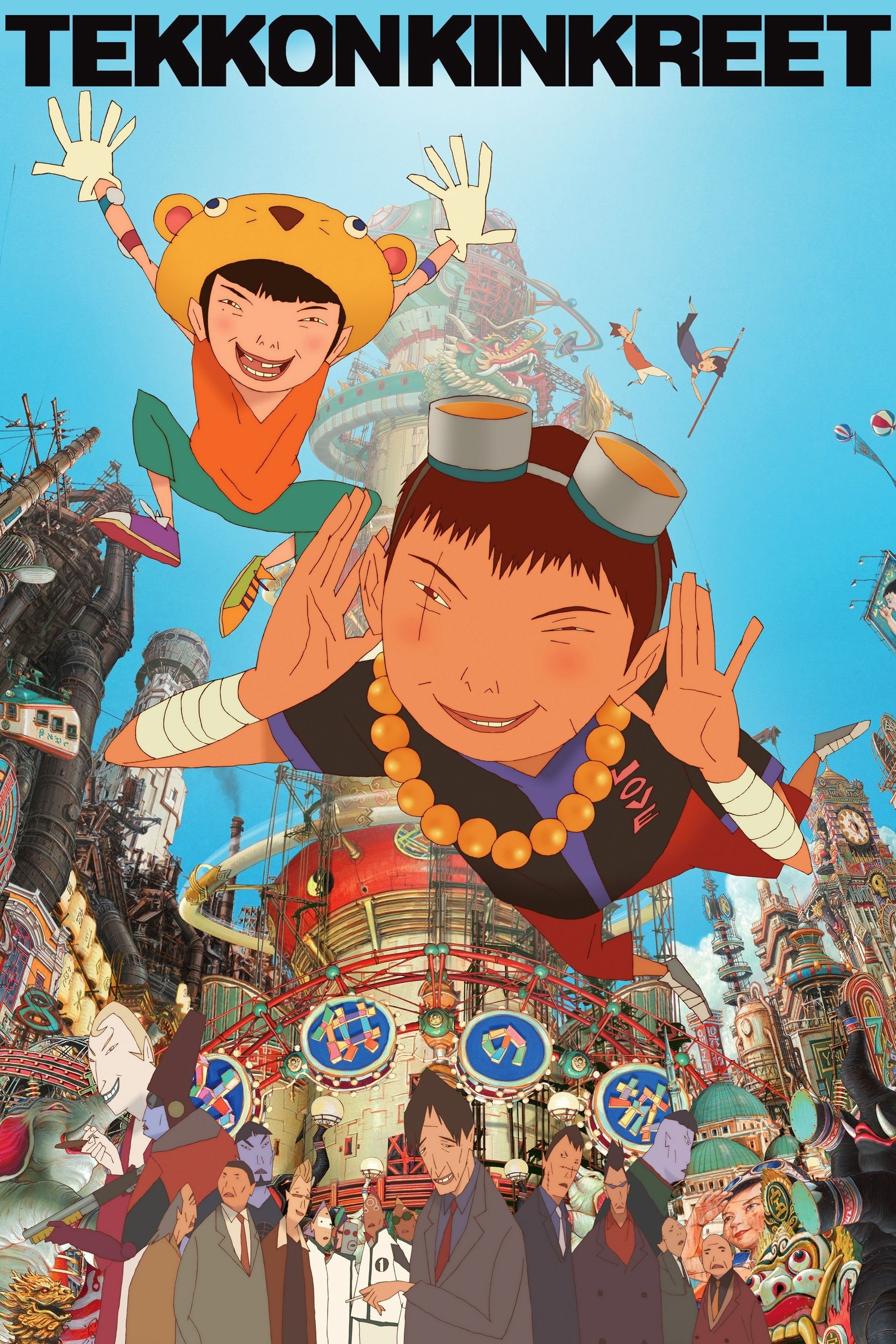
Two street orphans named Black and White defend their treasure town from Yakuza and developers. The art style is gritty and resembles street art more than traditional anime. It explores the bond of brotherhood amidst a crumbling urban landscape. The film won some niche awards but was largely ignored by the general public. It is a visual marvel that deserved a wider audience and more trophies.
‘Sword of the Stranger’ (2007)
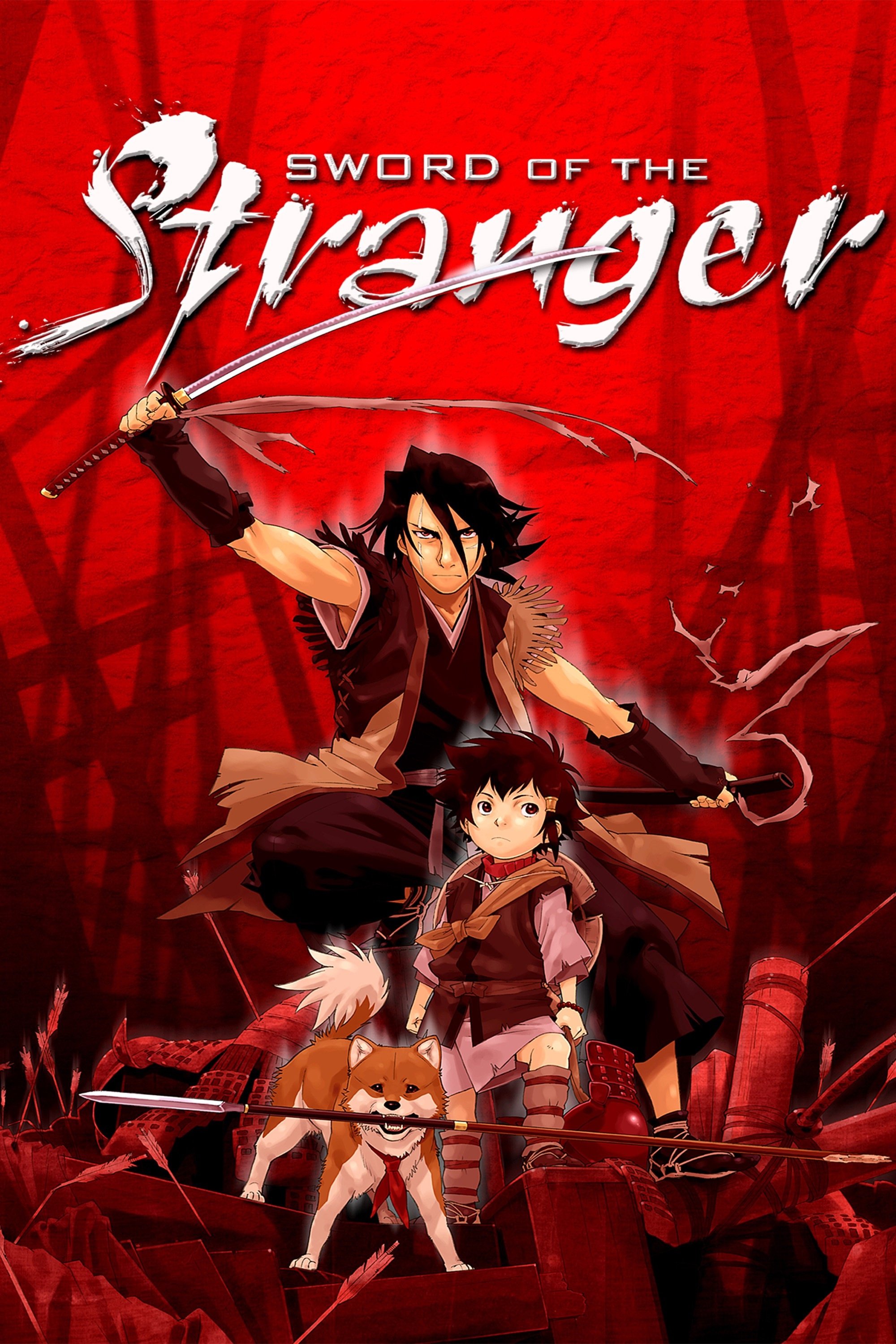
A nameless ronin protects a young orphan and his dog from Chinese warriors pursuing them. The film is renowned for having one of the best choreographed sword fights in animation history. The plot is simple but executed with absolute perfection. It lacked a major franchise attachment which hurt its visibility during award season. Action fans consider it a crime that it did not win more accolades.
‘Jin-Roh: The Wolf Brigade’ (1999)
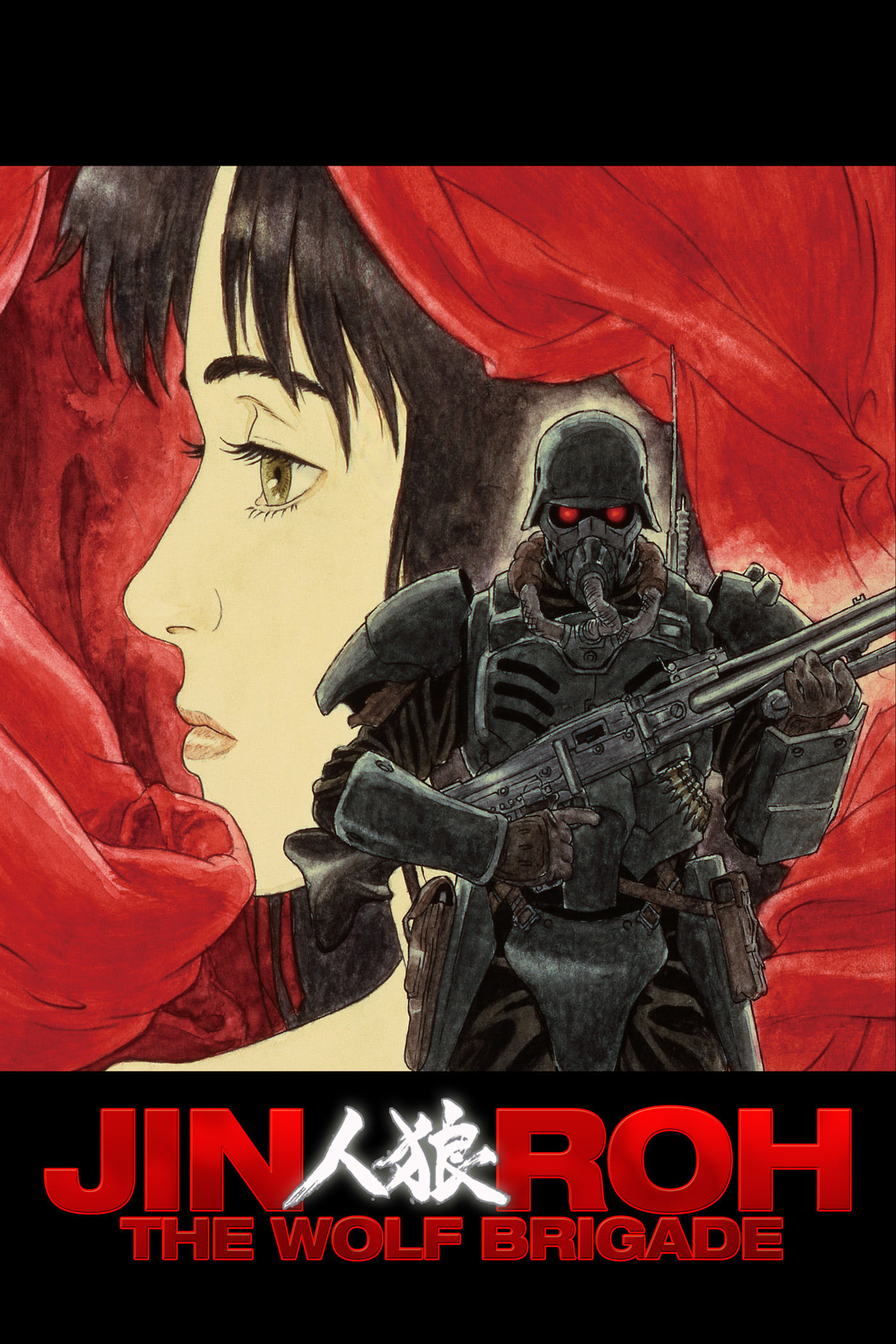
A member of a paramilitary police force in an alternate history Japan falls for the sister of a terrorist. The film is a somber political thriller with realistic character designs and heavy atmosphere. It uses the tale of Little Red Riding Hood as a dark allegory. The slow pace and depressing tone made it a hard sell for award voters. It is a masterpiece of cel animation that deserved more praise.
‘Ranking of Kings’ (2021–2022)
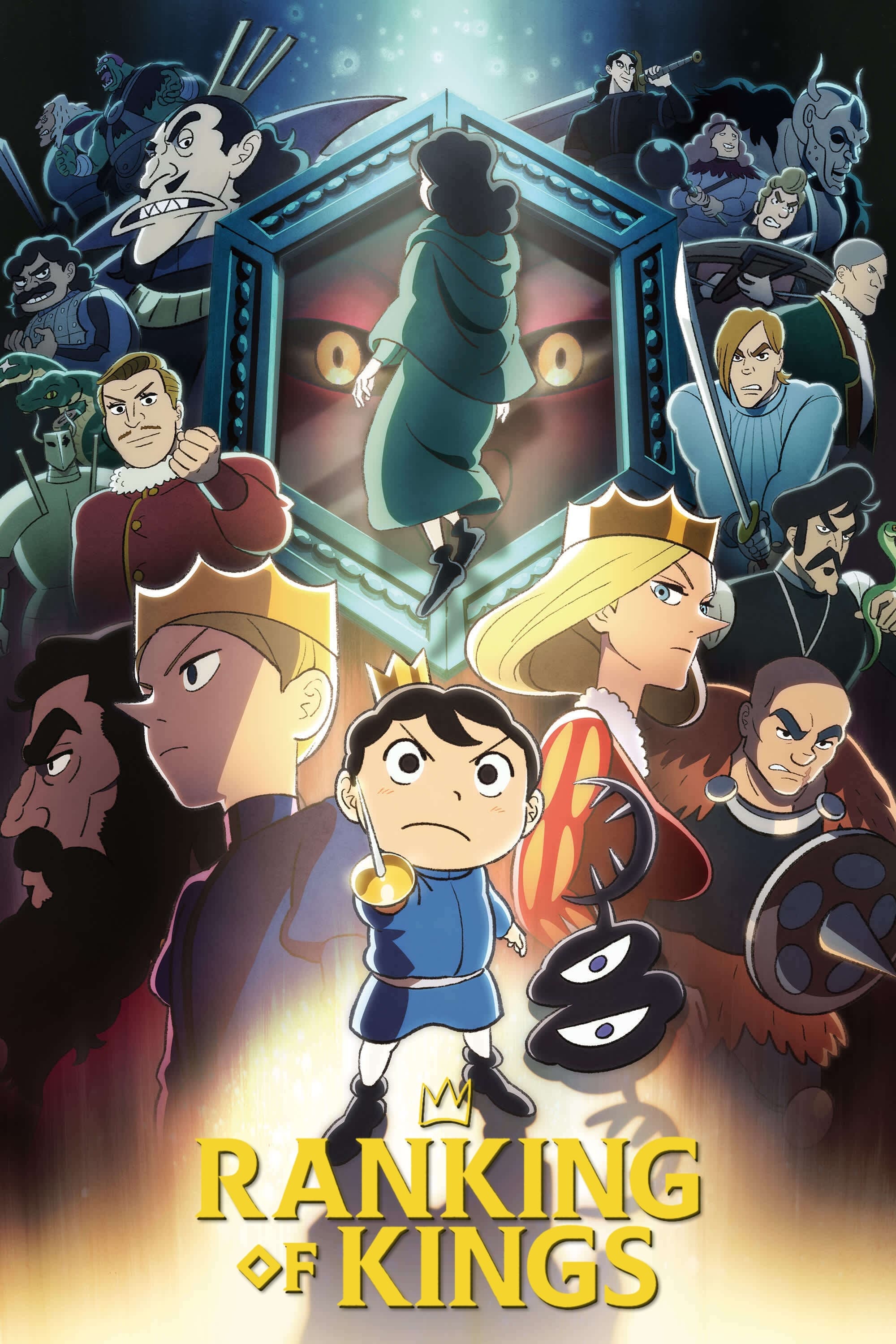
A deaf and powerless prince strives to become the greatest king in the land. The story looks like a children’s book but contains dark themes and complex political intrigue. It challenged viewers’ preconceptions about what a hero looks like. Despite universal acclaim, it missed out on the top prize at several major anime awards. Prince Bojji remains one of the most endearing protagonists in recent years.
‘Wonder Egg Priority’ (2021)
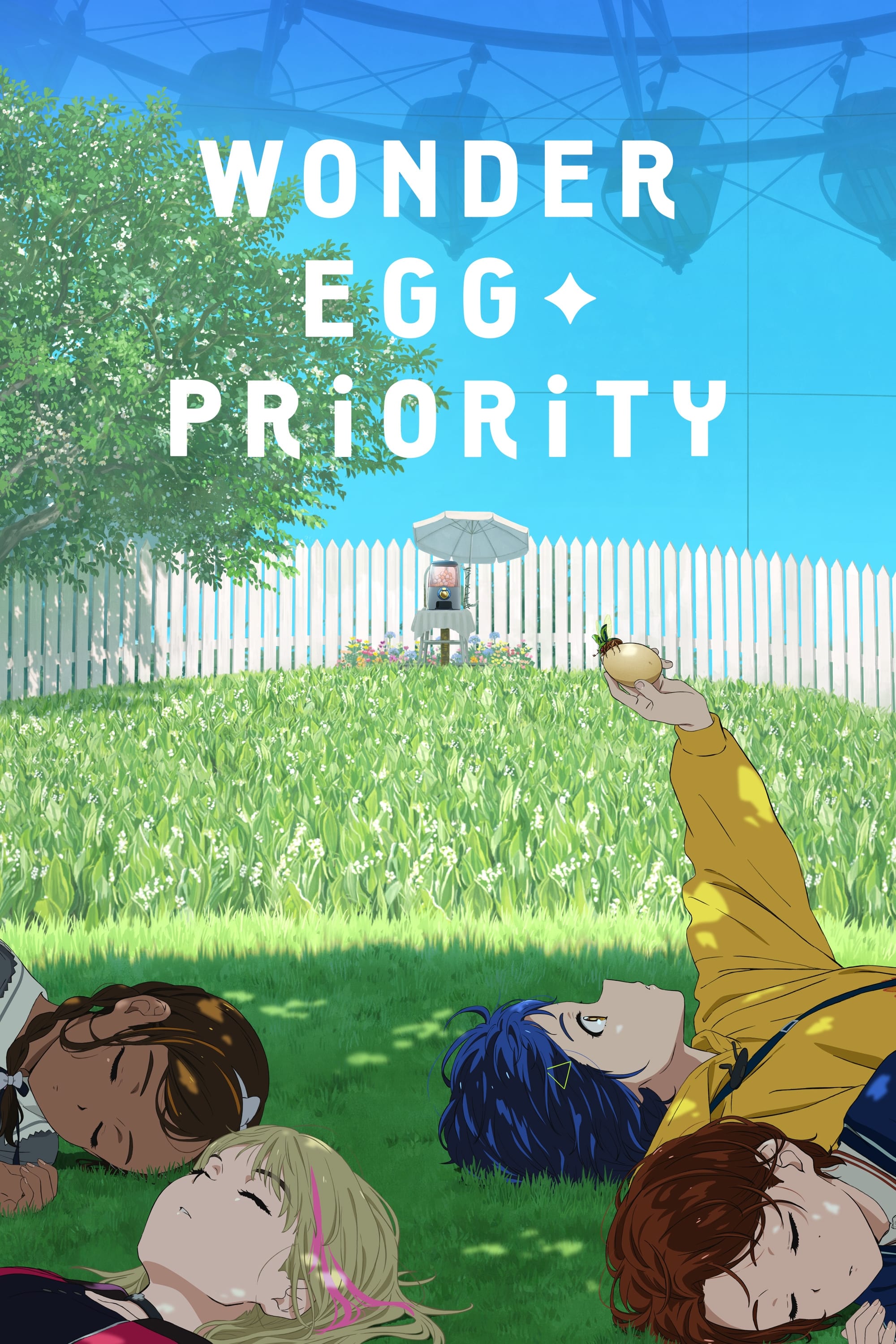
Girls fight monsters in a dream world to save the souls of people who committed suicide. The show tackles heavy issues like abuse and trauma with vibrant colors and high-quality animation. The production issues and controversial finale marred its legacy. However, the artistic direction and initial episodes were award-worthy. It stands as a flawed but beautiful attempt to address serious social issues.
Please share which of these titles you think was the biggest snub in the comments.