

Anime That Turned Political Rivalries Into Epic Battles

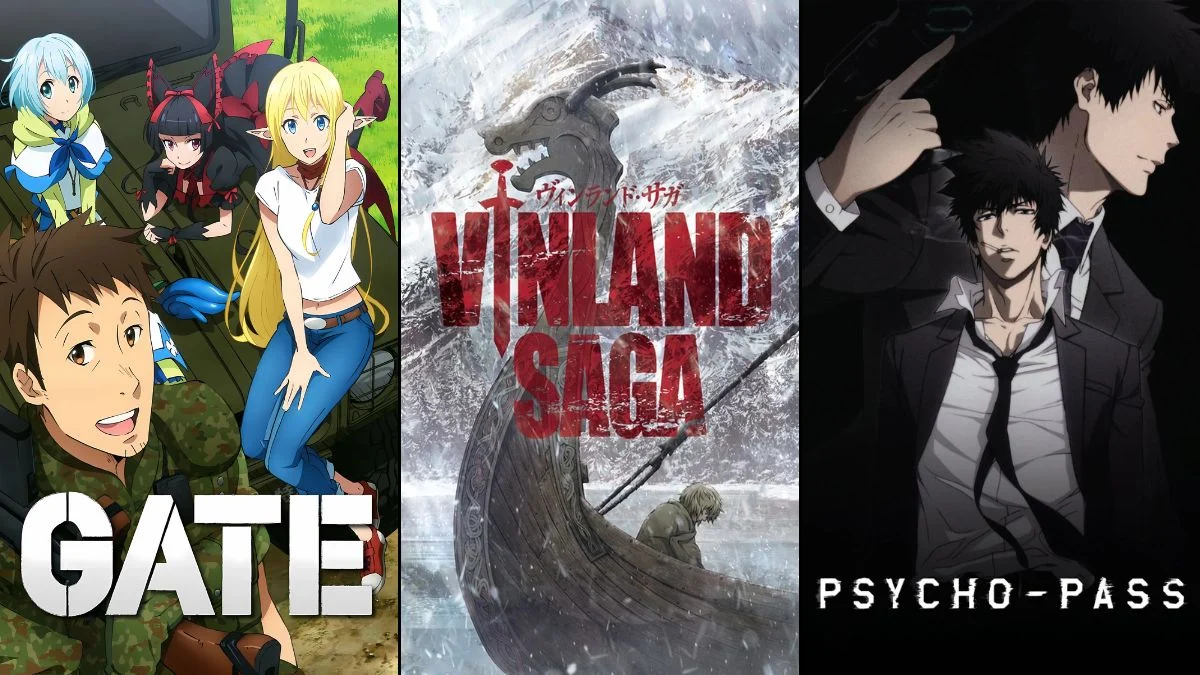


Political intrigue serves as a compelling backdrop for some of the most intense conflicts in anime history. These stories often elevate battlefield action by grounding it in ideological clashes and government conspiracies. Viewers witness how diplomatic failures and power struggles escalate into full-scale wars involving mechs or magic. The following series demonstrate how complex political rivalries can drive narrative tension and culminate in spectacular combat sequences.
‘Code Geass: Lelouch of the Rebellion’ (2006–2008)
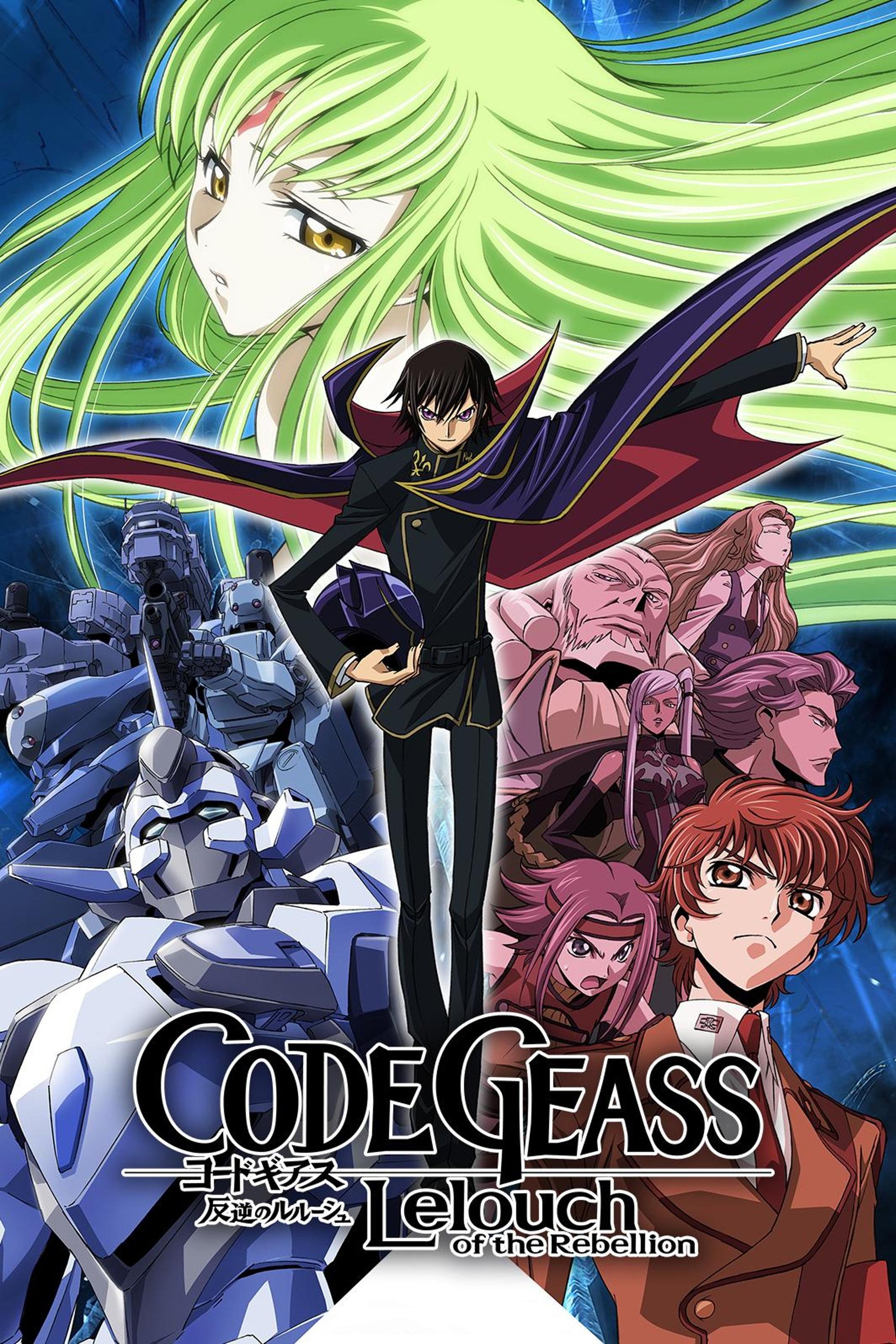
Lelouch vi Britannia leads a rebellion against the Holy Britannian Empire to create a better world for his sister. He utilizes the power of Geass to command others while navigating complex political landscapes and military strategies. The conflict escalates from small skirmishes to massive mecha battles involving global superpowers. Betrayal and strategic maneuvering define the struggle between the Black Knights and the imperial forces.
‘Attack on Titan’ (2013–2023)
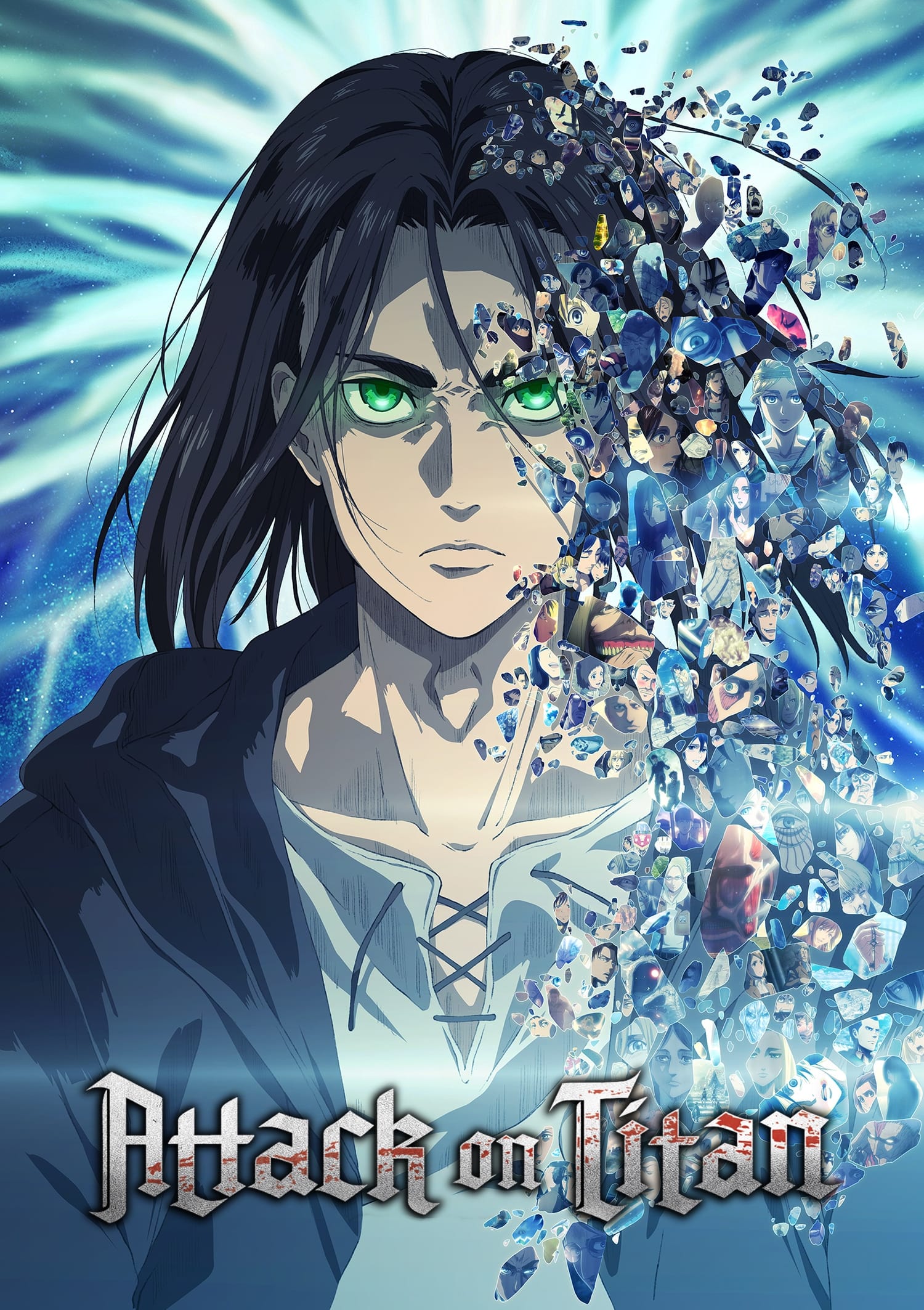
Humanity fights for survival against man-eating giants while uncovering a deep conspiracy involving the royal government and foreign nations. The Survey Corps eventually learns that their enemies are not just monsters but fellow humans with opposing ideologies. Political coups and international warfare replace the initial survival horror elements as the scope of the conflict widens. Eren Yeager initiates a catastrophic plan that forces the world to unite against a common threat.
‘Legend of the Galactic Heroes’ (1988–1997)
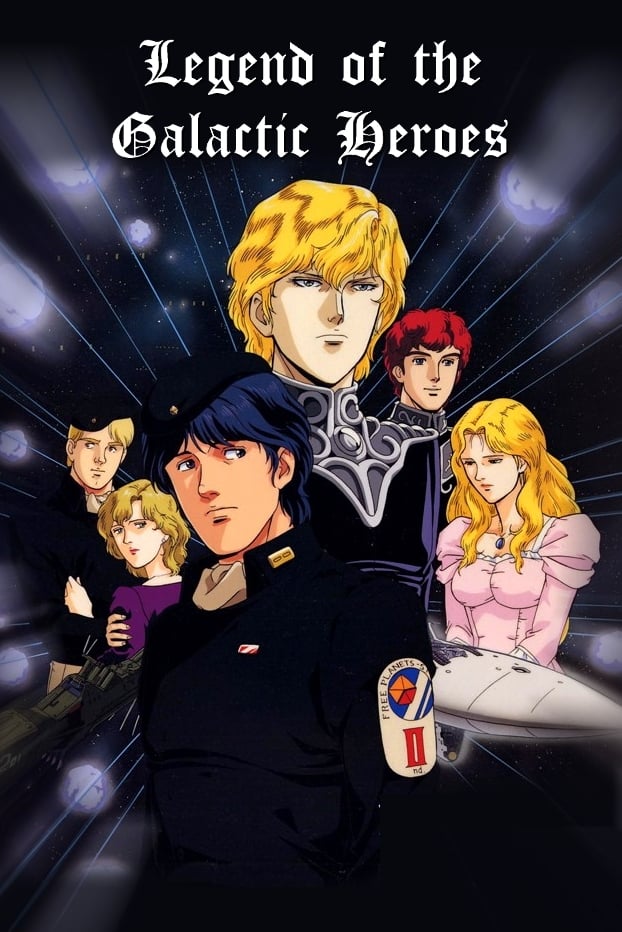
The Galactic Empire and the Free Planets Alliance engage in a century-long interstellar war driven by opposing political philosophies. Reinhard von Lohengramm seeks to unite the galaxy under an autocracy while Yang Wen-li defends democracy despite its corruption. Massive fleet battles serve as the backdrop for debates on the merits of dictatorship versus democracy. Every tactical engagement reflects the political maneuvers occurring within the respective high commands.
‘Mobile Suit Gundam’ (1979–1980)
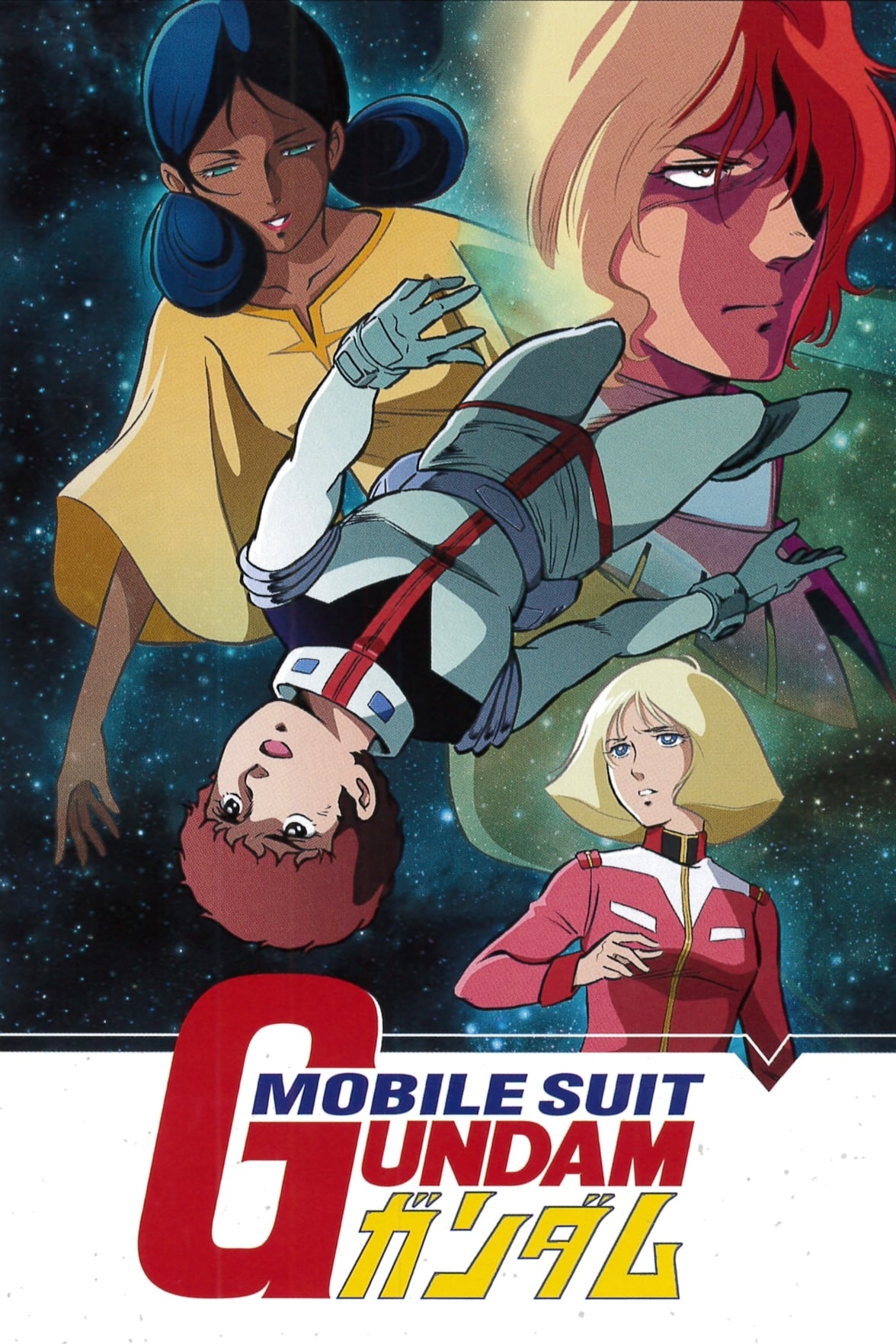
The Principality of Zeon declares a war of independence against the Earth Federation using revolutionary mobile suit technology. Amuro Ray pilots the Gundam to defend the Federation while grappling with the horrors of war and political propaganda. The conflict highlights the struggles of spacenoids seeking autonomy from an oppressive earthbound government. This series established the real robot genre by focusing on military logistics and political tension.
‘Fullmetal Alchemist: Brotherhood’ (2009–2010)
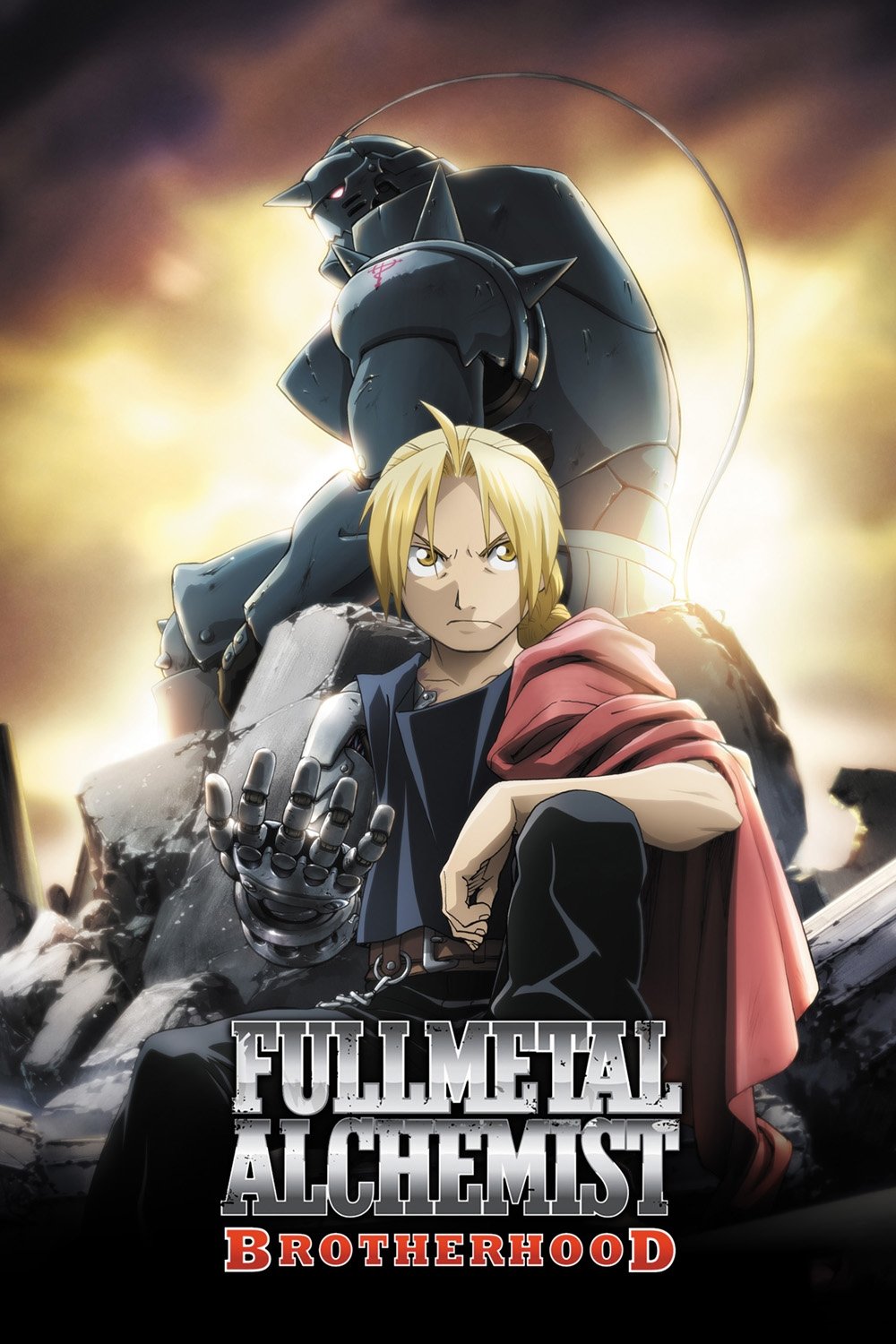
Edward and Alphonse Elric uncover a nationwide conspiracy orchestrated by the military government of Amestris. The leadership sacrifices citizens to fuel an ancient alchemical plot while waging wars against neighboring nations like Ishval. Internal factions within the military eventually stage a coup to overthrow the homunculus controlling the country. The final battle involves a multi-front assault that combines alchemical combat with military strategy.
‘Kingdom’ (2012–Present)
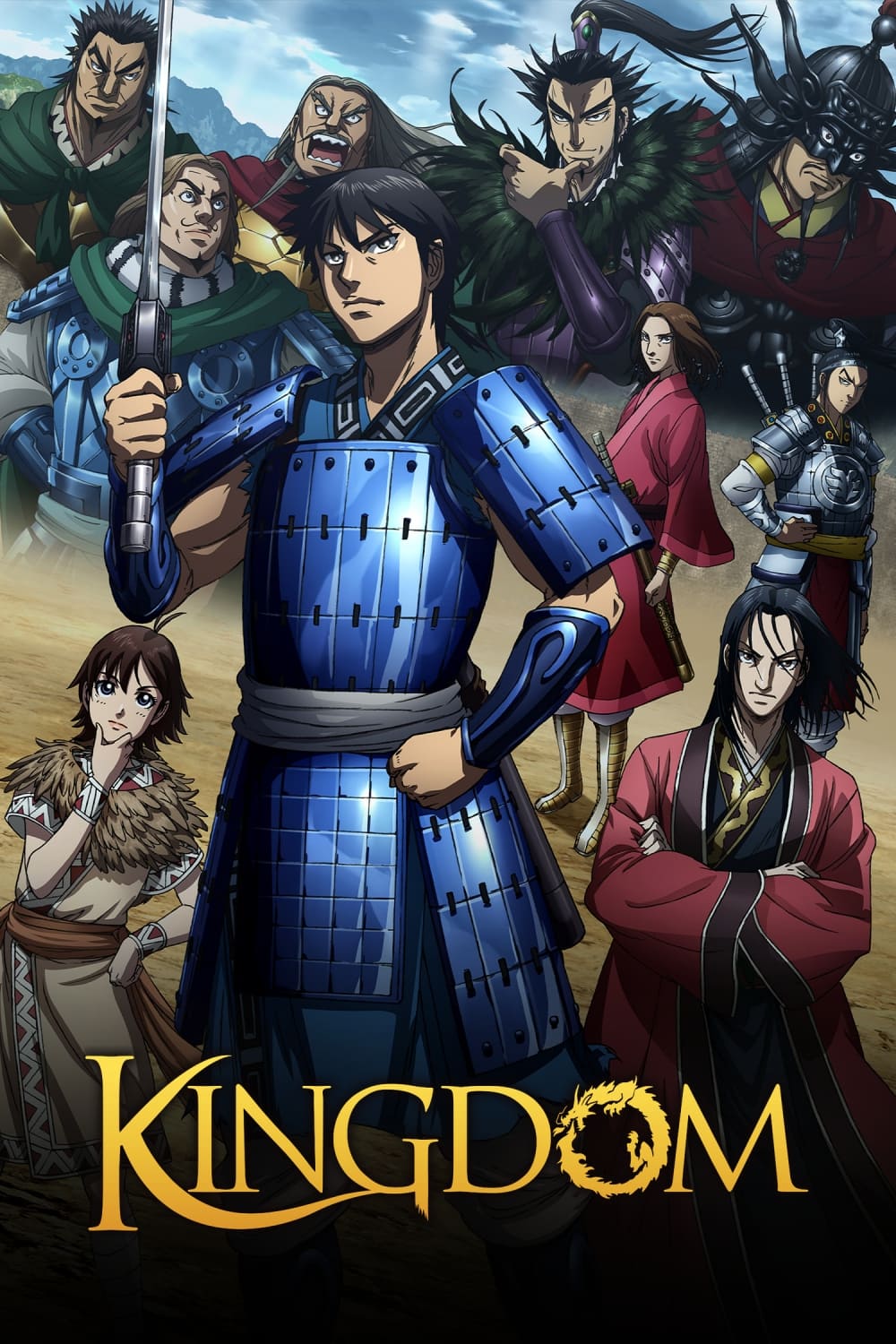
Xin dreams of becoming a Great General of the Heavens during the chaotic Warring States period of China. He joins forces with the young King Ei Sei who aims to unify the fractured nation through military conquest. Political intrigue within the royal court constantly threatens to undermine their campaigns against rival states. Massive armies clash in strategic warfare where morale and leadership determine the fate of dynasties.
‘Vinland Saga’ (2019–2023)
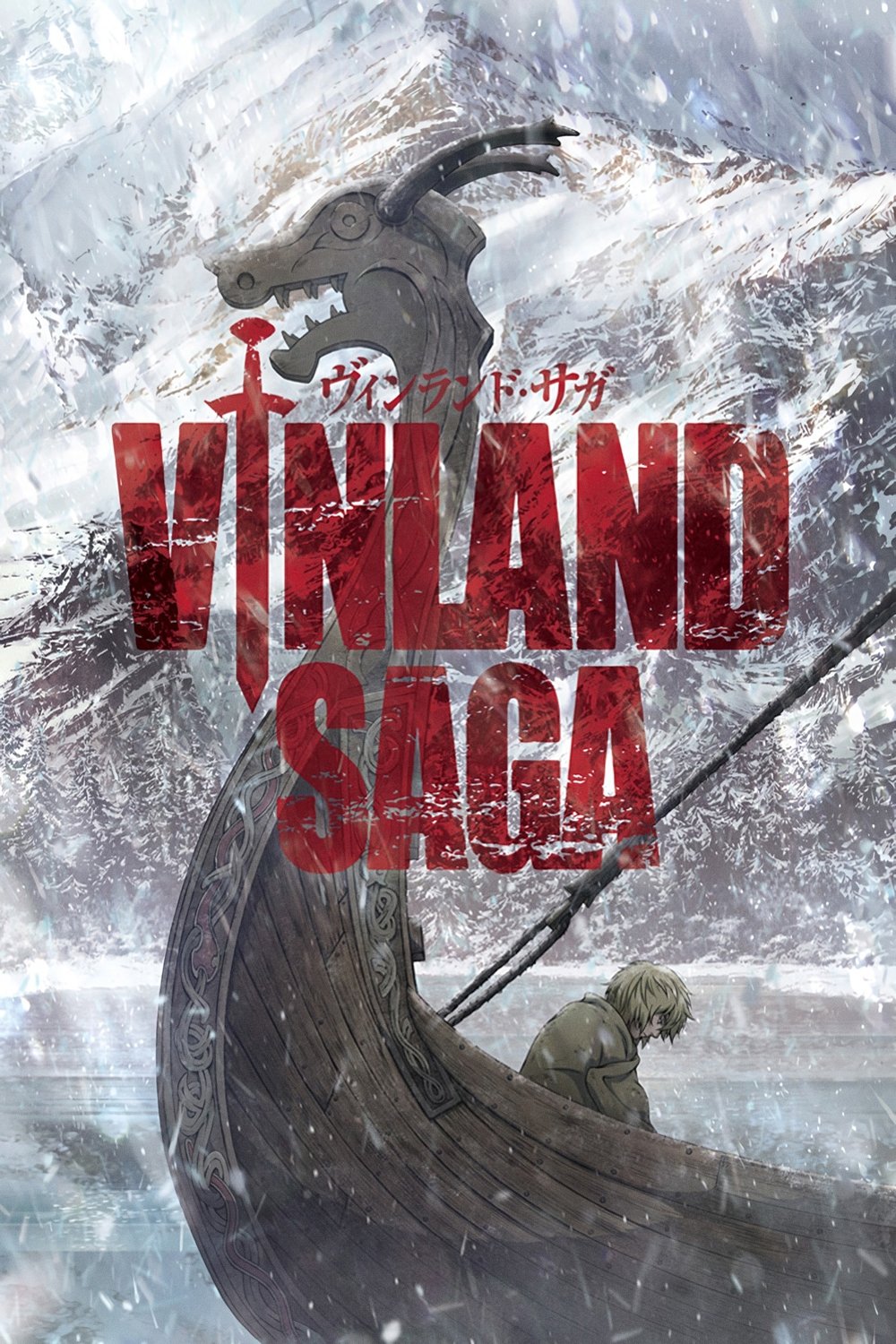
Thorfinn gets swept up in the Danish invasion of England while seeking revenge for his father. The series depicts the brutal politics of succession as Prince Canute undergoes a transformation to seize the throne. Viking bands serve as mercenaries in a complex web of alliances and betrayals among European monarchs. The narrative shifts from personal vengeance to the political machinations required to build an ideal nation.
‘Ghost in the Shell: Stand Alone Complex’ (2002–2003)
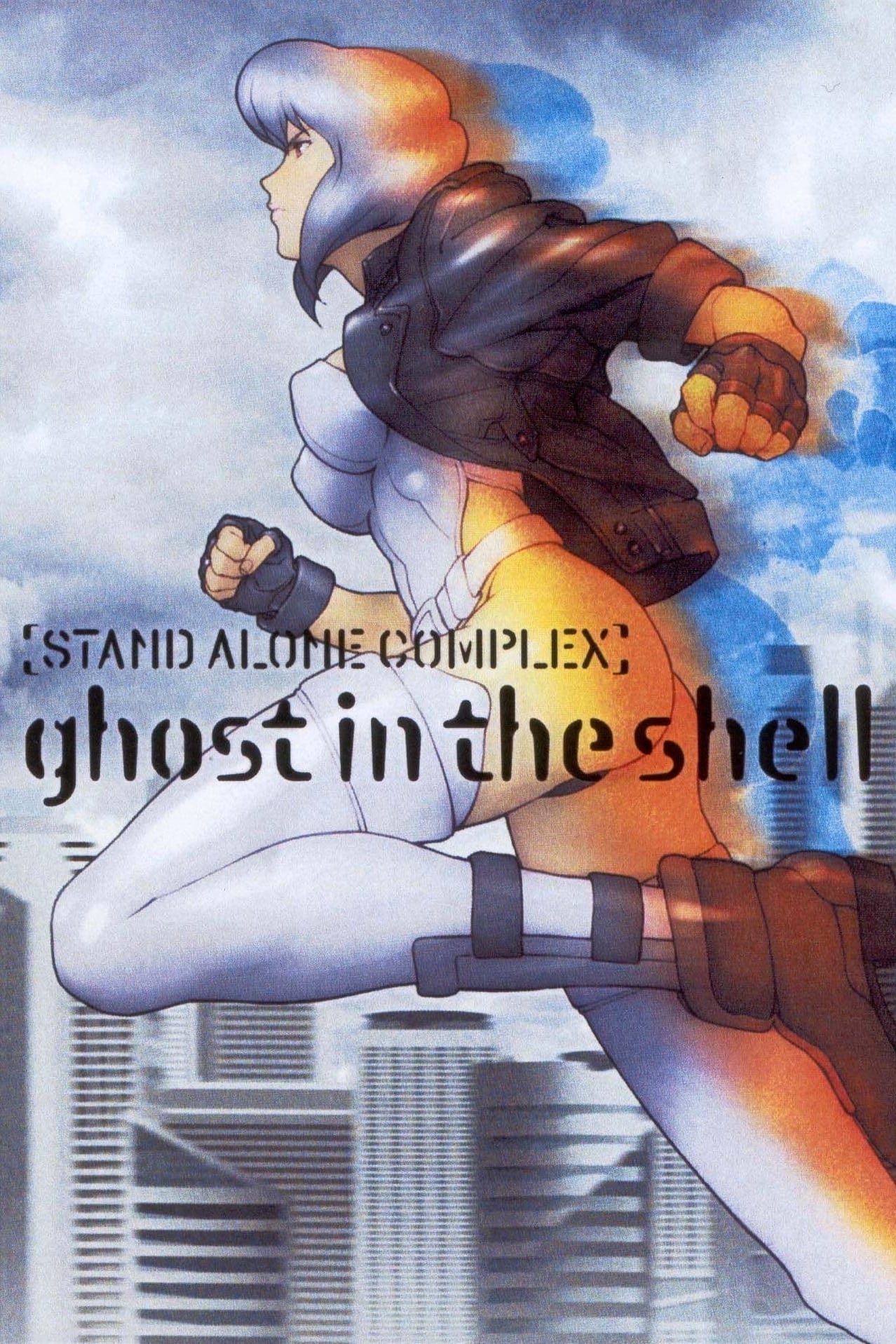
Section 9 investigates cyber-crimes and terrorism in a futuristic society where technology and politics are inseparable. Major Motoko Kusanagi leads her team against hackers and corrupt officials who use bureaucracy to hide their crimes. The Laughing Man incident reveals a massive corporate cover-up involving the government and medical industries. Tactical operations blend with espionage to dismantle systemic corruption within the Japanese state.
‘The Heroic Legend of Arslan’ (2015)
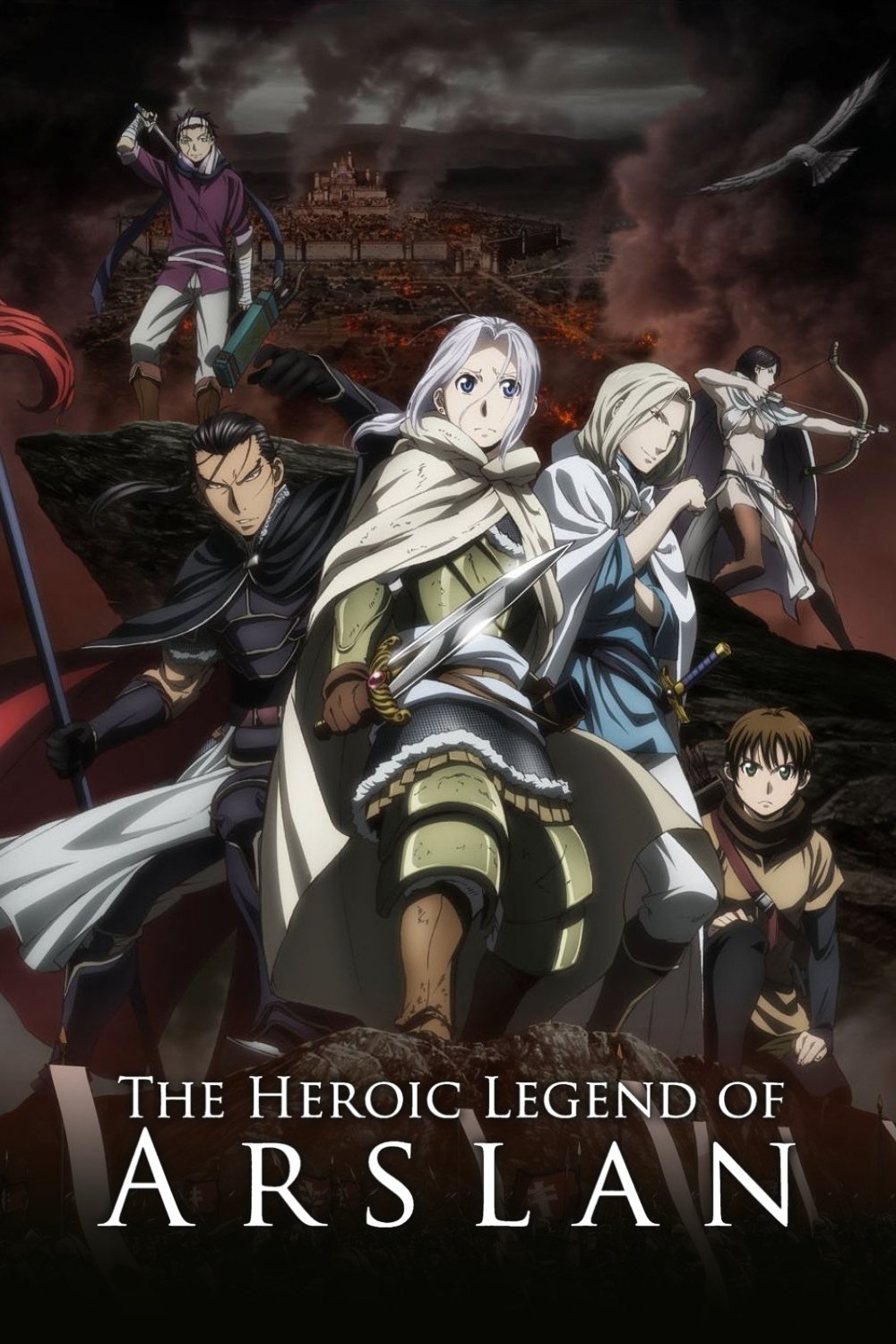
Prince Arslan flees his kingdom of Pars after a betrayal leads to a devastating defeat by the religious zealots of Lusitania. He gathers a diverse group of allies to liberate his homeland and abolish the institution of slavery. The story focuses on the logistics of raising an army and the necessity of political reform to gain public support. Battles rely heavily on terrain usage and the strategic acumen of Arslan’s advisor Narsus.
‘Magi: The Labyrinth of Magic’ (2012–2014)

Aladdin and Alibaba travel the world to explore dungeons and understand the magical systems governing their reality. Various nations compete for power and economic dominance while dealing with poverty and class disparity. The Kou Empire seeks to unite the world through force while the Sindria Kingdom advocates for alliances. Magical combat scales up to involve entire armies representing different political ideologies.
‘Gate’ (2015–2016)
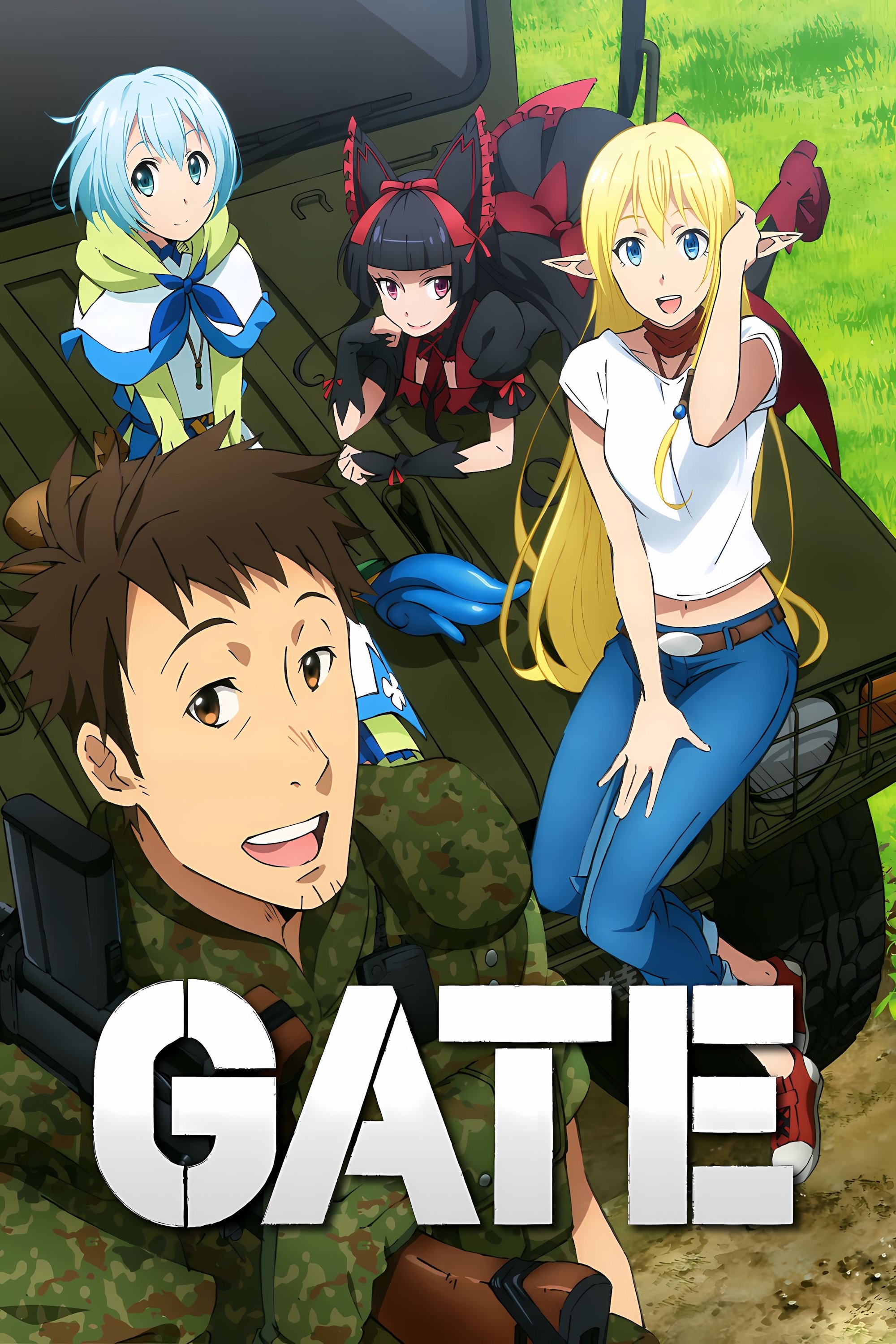
A portal opens in Tokyo allowing soldiers from a fantasy world to invade modern Japan. The Japanese Self-Defense Forces counterattack and establish a base of operations to negotiate with the Empire beyond the gate. Modern military hardware overwhelms fantasy creatures while diplomats navigate the political fallout with international powers. The protagonist Itami balances military duties with fostering relations between two vastly different civilizations.
‘Aldnoah.Zero’ (2014–2015)
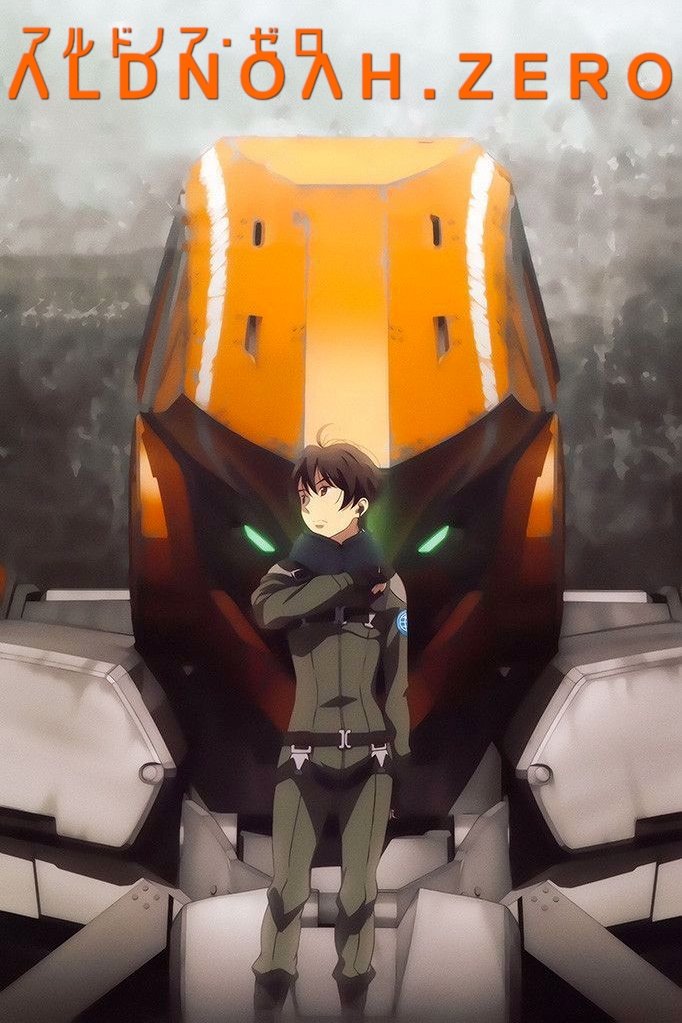
Humanity splits into two distinct civilizations after colonists on Mars discover ancient technology called Aldnoah. The Vers Empire declares war on Earth and utilizes superior mechs to conquer major cities. Inaho Kaizuka uses tactical ingenuity to combat the overwhelming firepower of the Martian Kataphrakts. Assassination plots and royal succession crises drive the conflict as factions on both sides seek peace or total annihilation.
’86 EIGHTY-SIX’ (2021–2022)
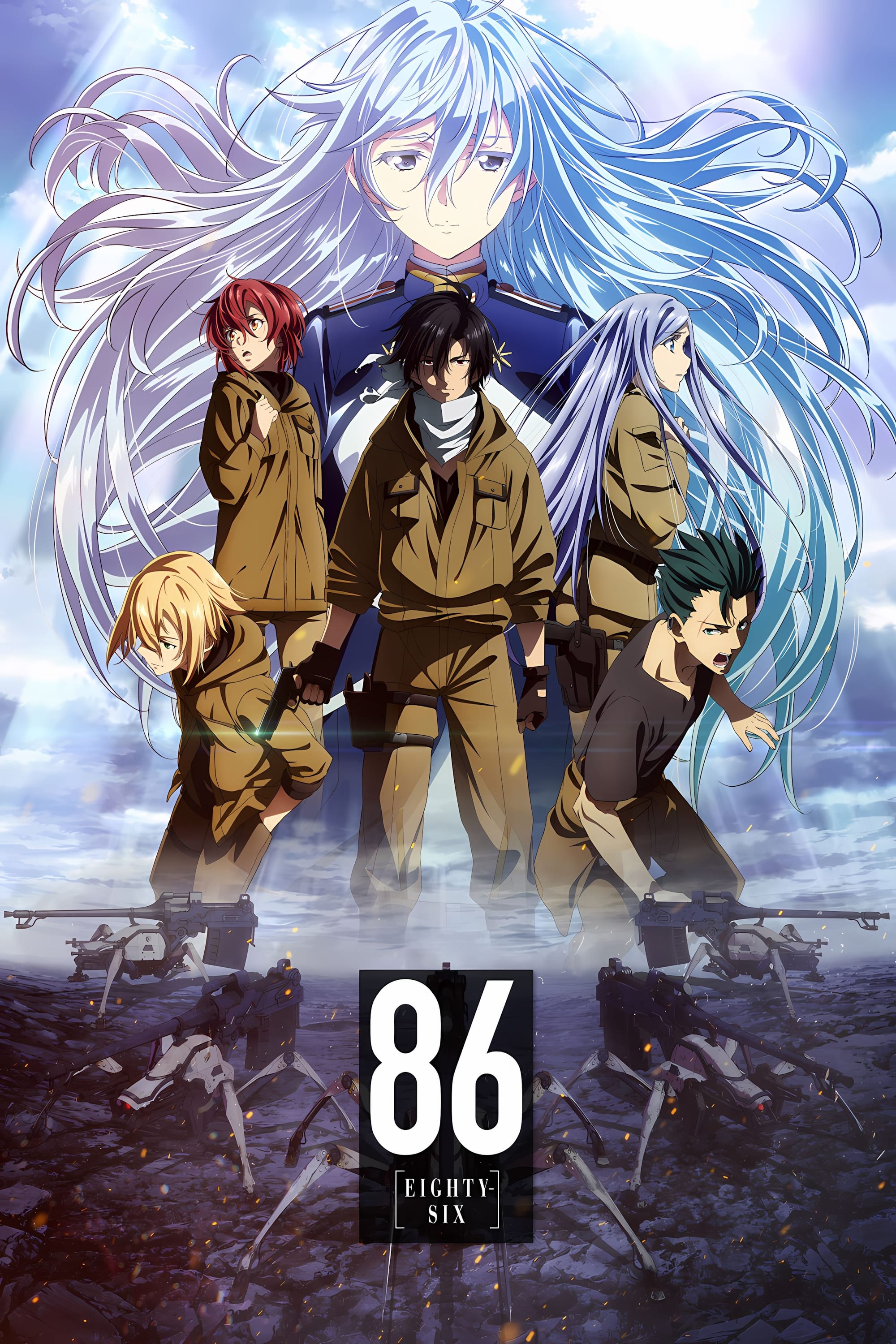
The Republic of San Magnolia fights a war using autonomous drones piloted by a marginalized minority known as the 86. Lena Milizé commands these soldiers from safety while slowly uncovering the state propaganda dehumanizing them. The narrative critiques state-sanctioned discrimination and the ethics of remote warfare. Battles are desperate struggles for survival against an unrelenting legion of machines.
‘Mobile Suit Gundam: Iron-Blooded Orphans’ (2015–2017)

Child soldiers from a private security company on Mars escort a diplomat seeking independence from Earth. Tekkadan rises from poverty to become a major military player by intervening in various political disputes. Corruption within the governing organization Gjallarhorn leads to internal strife and open rebellion. The series emphasizes the cost of war on the youth who are used as tools by ambitious adults.
‘Overlord’ (2015–2022)
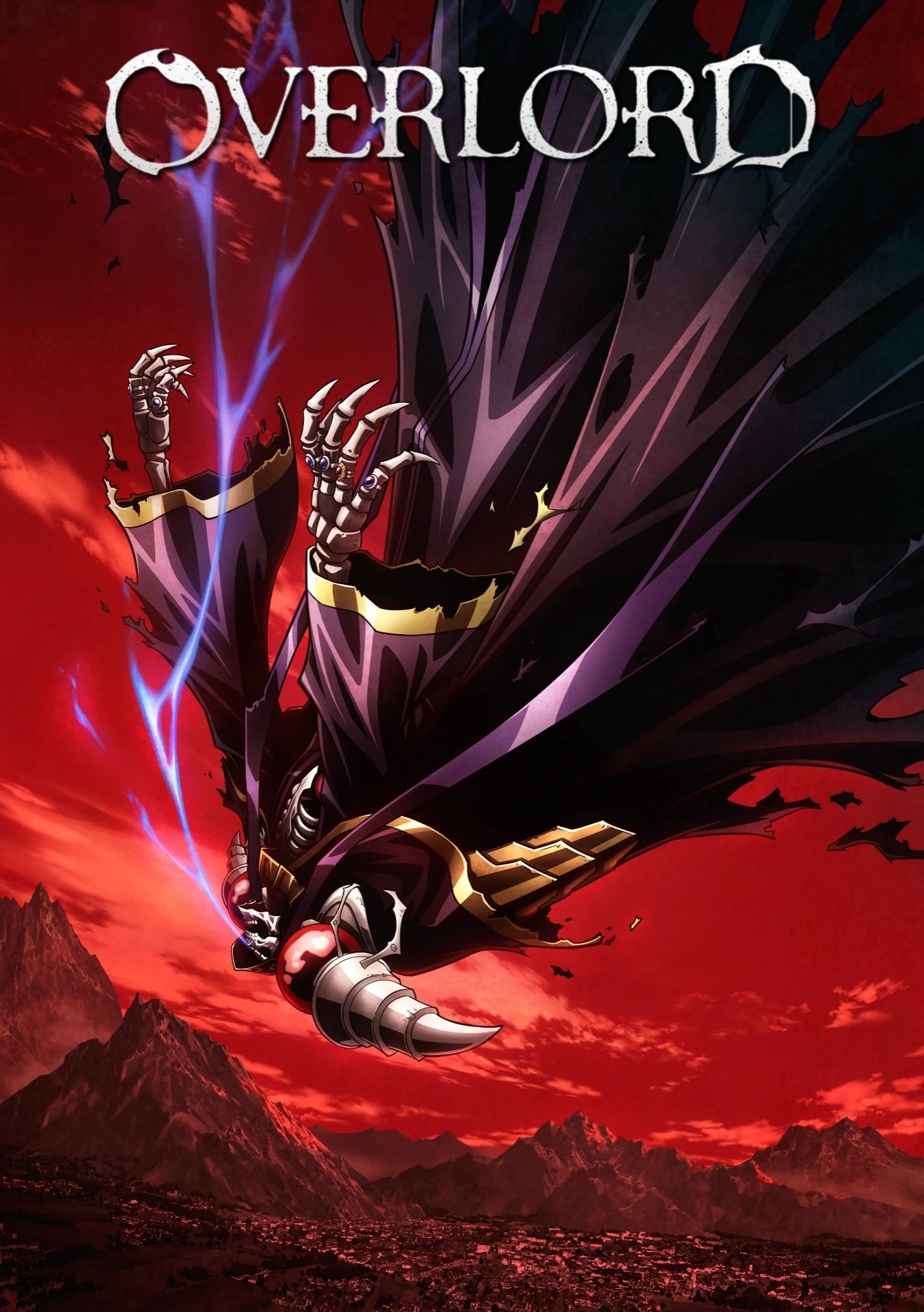
Ainz Ooal Gown finds himself trapped in a new world where he acts as the supreme ruler of the Great Tomb of Nazarick. He employs world-class magic and strategic manipulation to expand his territory and influence neighboring kingdoms. The narrative explores the perspective of a conqueror subverting political structures to establish dominance. Guardian overseers execute military campaigns that crush human armies with overwhelming force.
‘Saga of Tanya the Evil’ (2017)
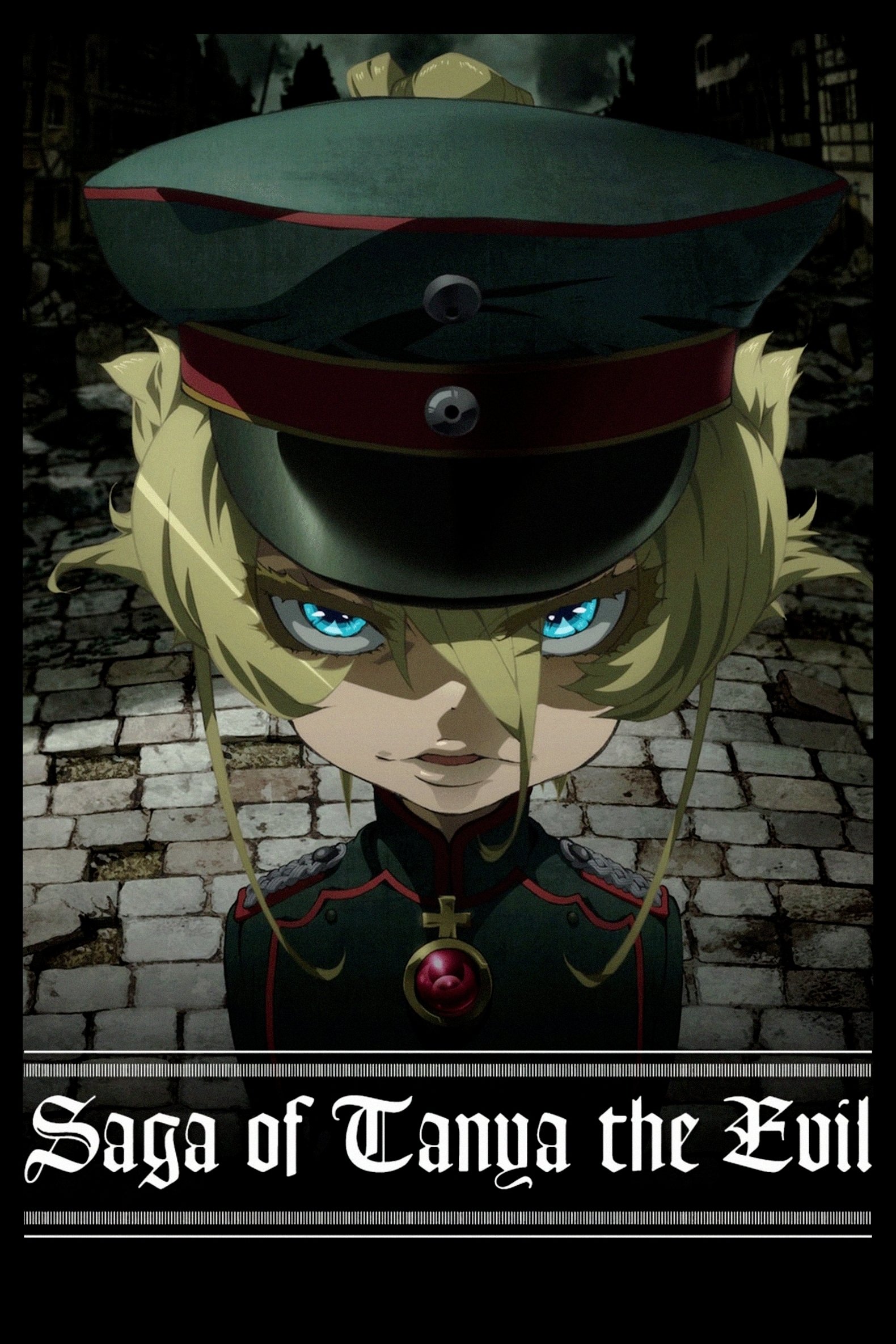
A ruthless salaryman is reincarnated as a young girl in an alternate version of World War I Europe. Tanya Degurechaff rises through the military ranks by combining magical aptitude with modern tactical knowledge. The Empire faces enemies on all sides as political blunders force the military into increasingly difficult situations. Aerial mage battles dictate the flow of trench warfare and strategic bombing runs.
‘Record of Grancrest War’ (2018)
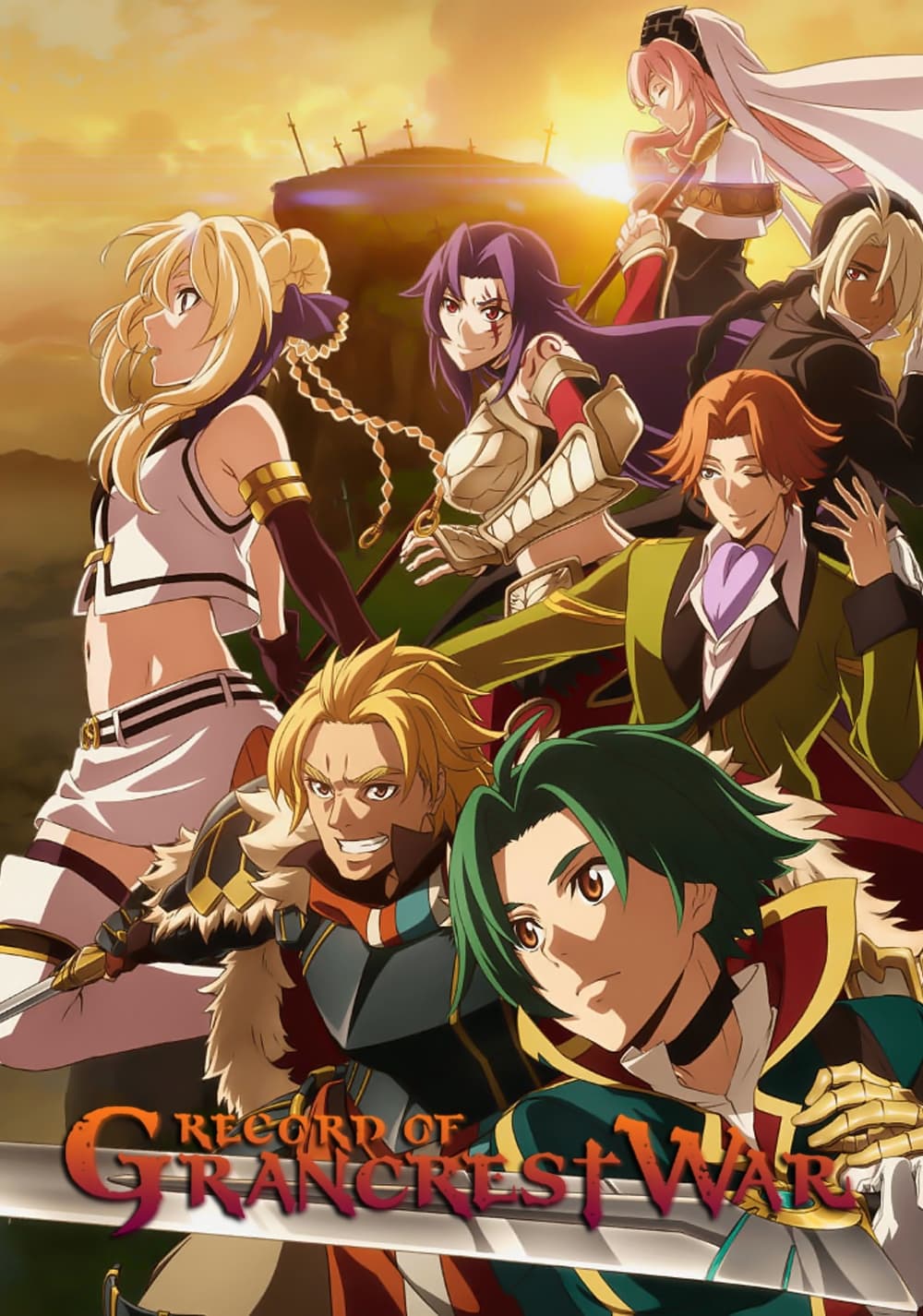
Chaos energy threatens a continent ruled by lords who possess special crests granting them power. Theo Cornaro captures a crest to liberate his hometown but gets drawn into a larger war for unification. Alliances shift rapidly as lords betroth their heirs and betray one another for territorial gain. Large-scale battles involve magic and soldiers fighting to establish a new order under a supreme emperor.
‘Akame ga Kill!’ (2014)

Tatsumi joins a group of assassins called Night Raid to overthrow a corrupt Prime Minister manipulating the young Emperor. The capital suffers under heavy taxation and brutal law enforcement that sparks a revolutionary army. Members of Night Raid target key political figures and military leaders to weaken the government. Each battle involves unique imperial arms that grant users supernatural abilities.
‘Mobile Suit Gundam 00’ (2007–2009)
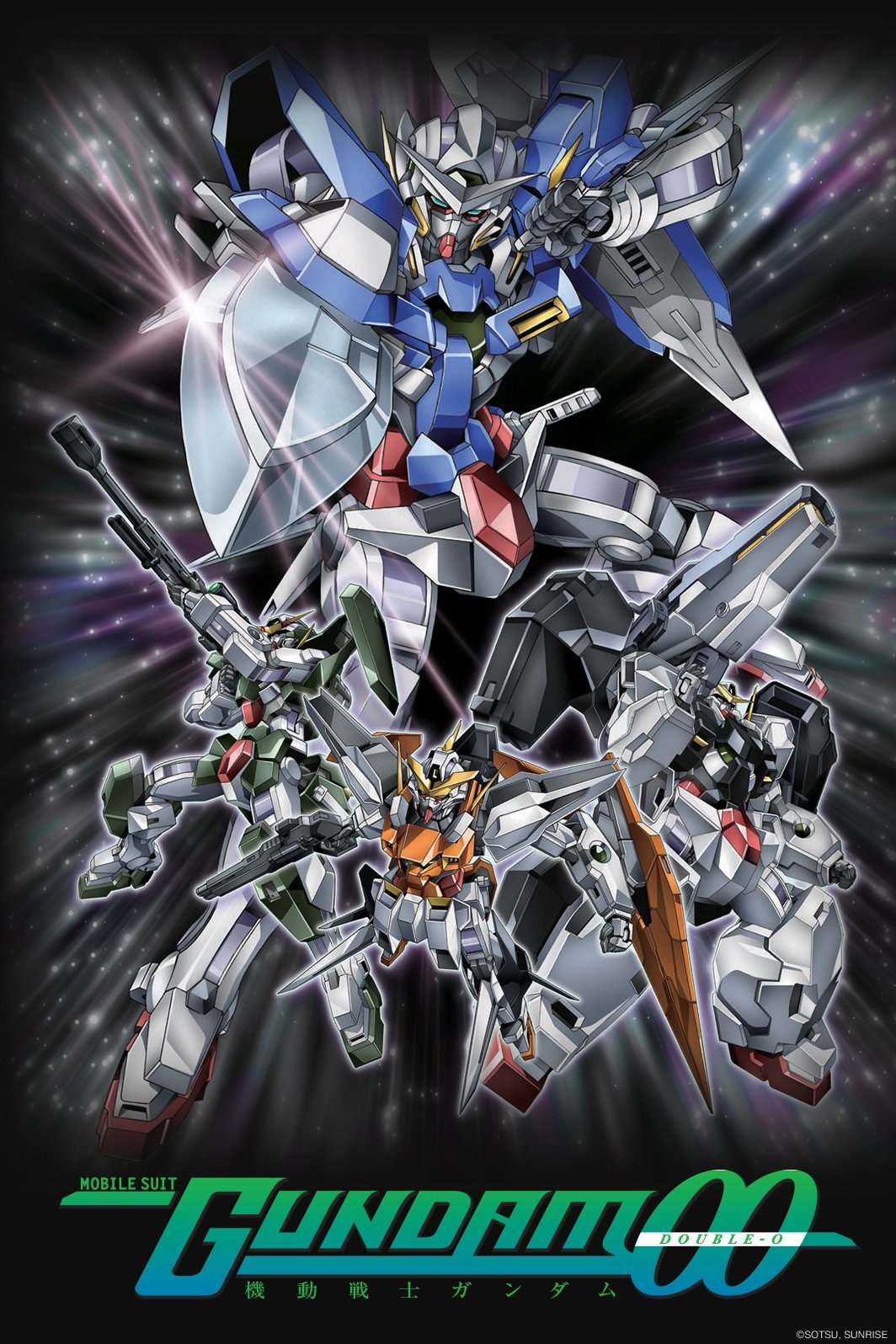
Celestial Being is a paramilitary organization that intervenes in conflicts to eradicate war through superior force. Four Gundam pilots target the military assets of three global superpowers to force a unification of humanity. The world governments eventually form a coalition to hunt down the Gundams and secure their technology. Political ideals clash as the world struggles to understand the true intentions of the armed interventionists.
‘Psycho-Pass’ (2012–2013)
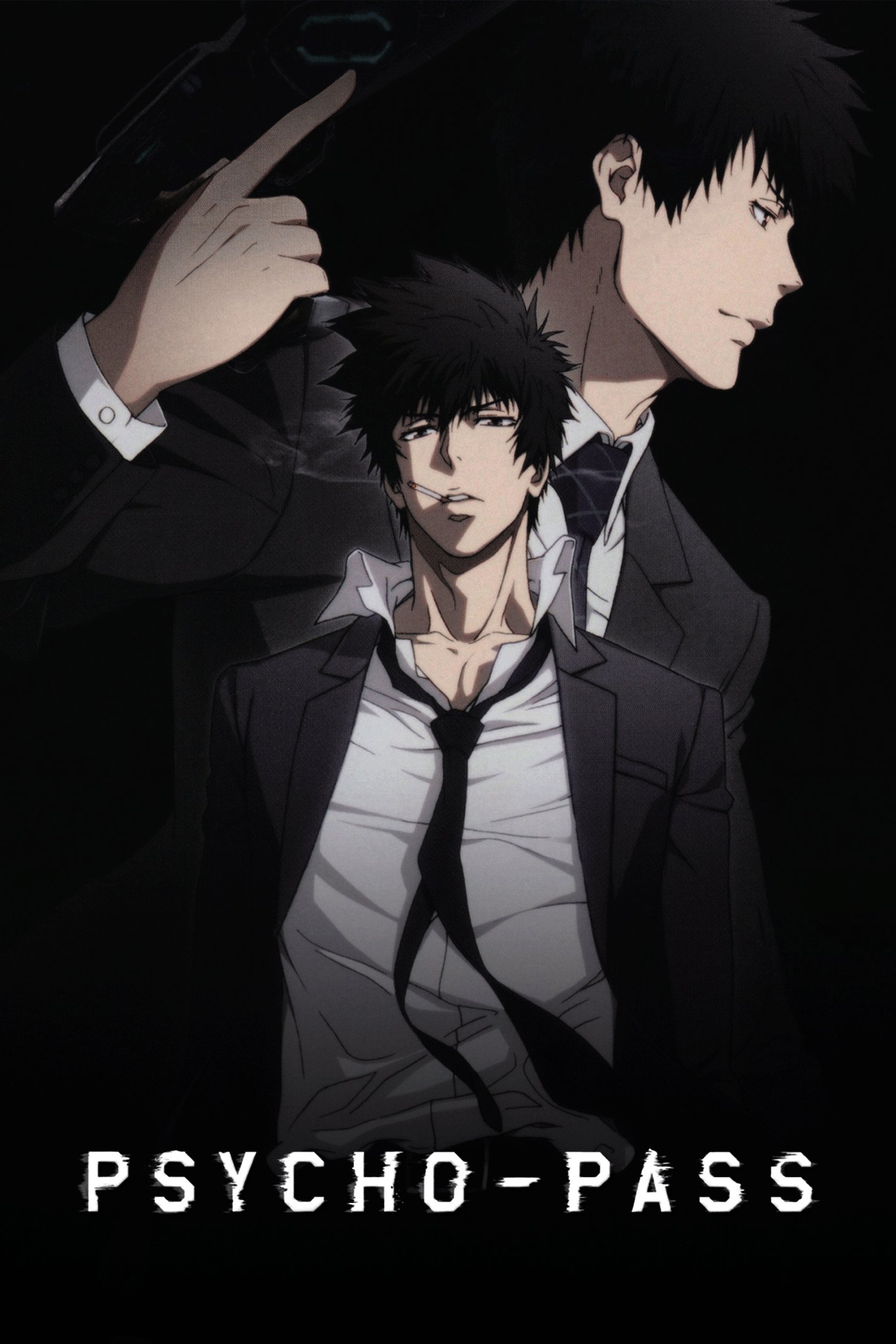
The Sibyl System governs Japan by measuring the mental state and criminal potential of every citizen. Akane Tsunemori works as an inspector to uphold the law while questioning the morality of a system that judges people before they act. Terrorism and political dissent manifest as direct attacks on the infrastructure supporting the Sibyl System. The conflict represents a philosophical battle between security and free will played out through high-tech weaponry.
Please explain in the comments which political anime rivalry you believe had the most satisfying conclusion.