

15 Anime That Were Clearly Rip-Offs Of Hollywood Movies

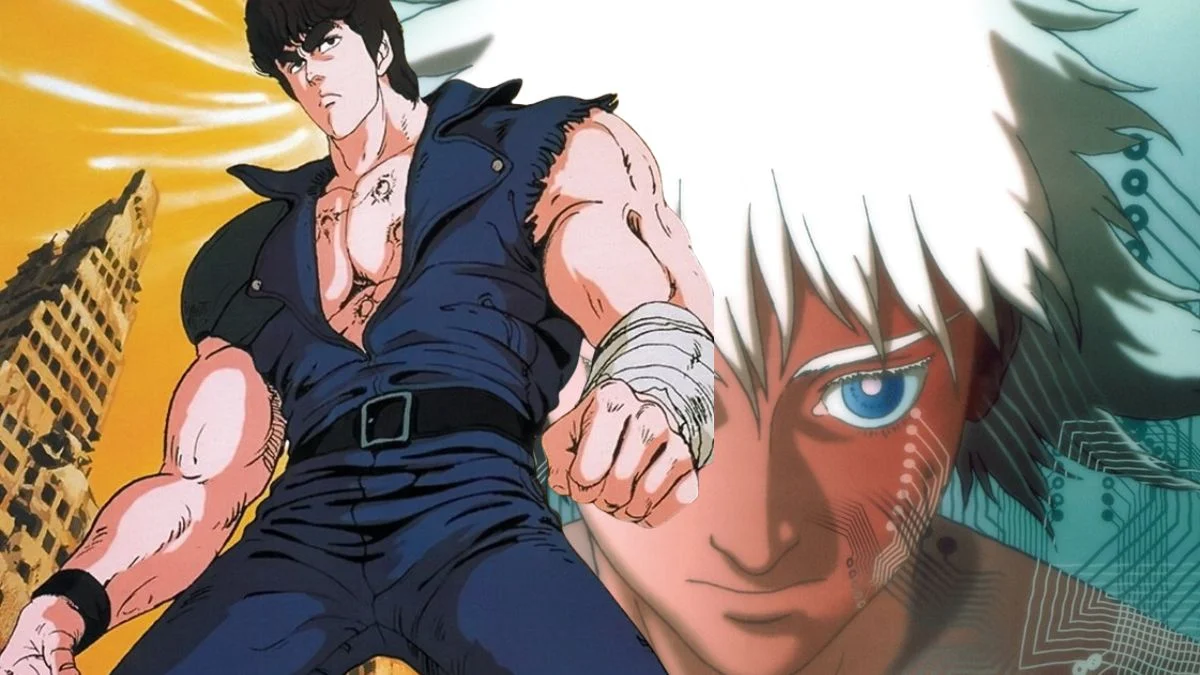


Hollywood has influenced global pop culture for decades and the anime industry often draws inspiration from American blockbuster hits. Japanese animation studios frequently pay homage to western cinema through character archetypes and plot structures or visual aesthetics. Some series adapt these elements so closely that the resemblance becomes undeniable to movie buffs. These distinct productions showcase how western storytelling tropes translate into the medium of anime.
‘Fist of the North Star’ (1984–1988)

This post-apocalyptic series draws immense visual and thematic inspiration from the film ‘Mad Max 2: The Road Warrior’. The protagonist Kenshiro wanders a desert wasteland filled with mohawked bikers and leather-clad villains. Its setting mirrors the desolate Australian outback featured in the George Miller classic. Even the costume designs for the main characters bear a striking resemblance to Max Rockatansky and his enemies.
‘Psycho-Pass’ (2012–2013)
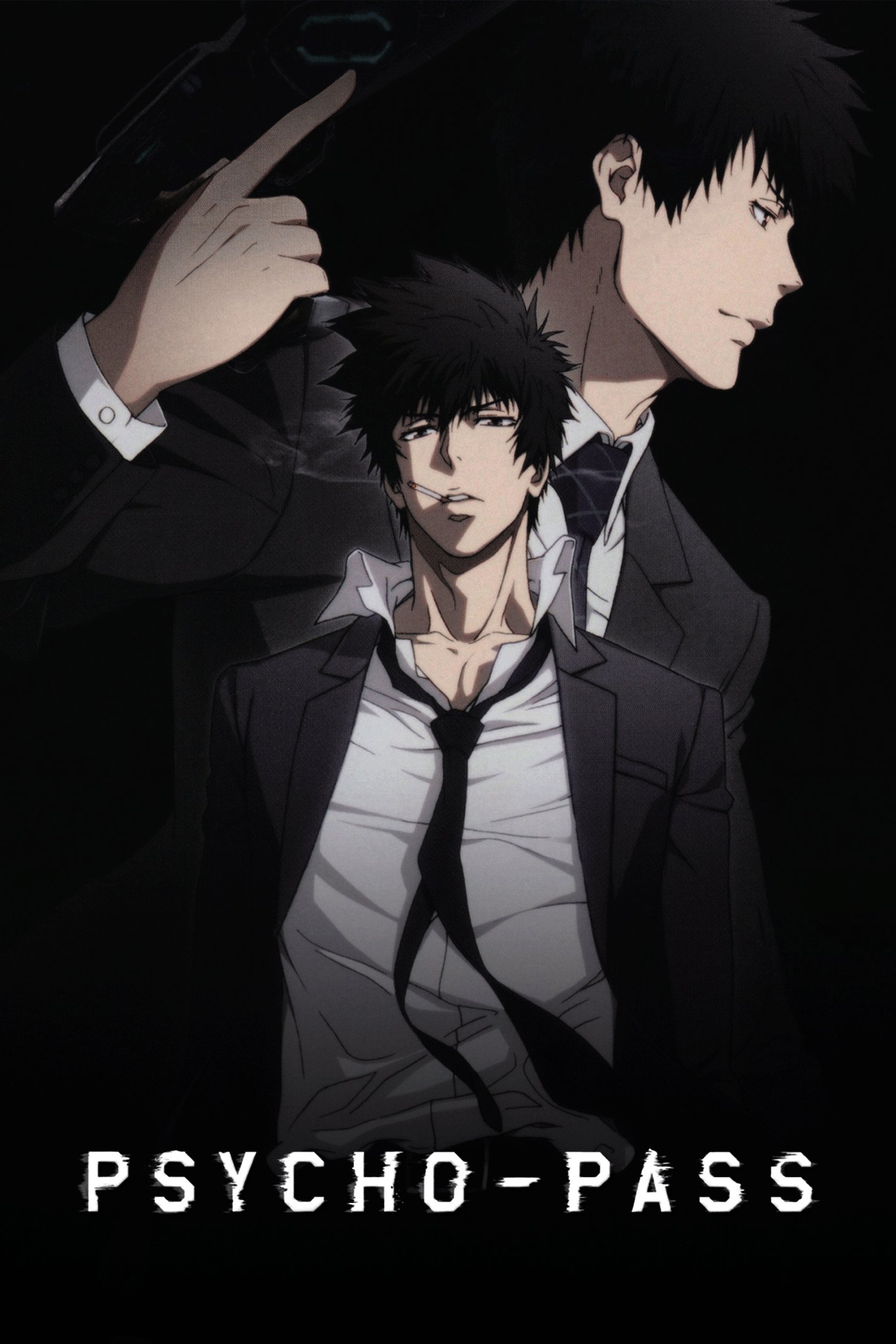
The Sybil System determines a citizen’s potential for criminality before they commit a crime in a manner identical to the plot of ‘Minority Report’. Officers wield special weapons that judge targets on the spot much like the precognitive police force in the Steven Spielberg film. This cyberpunk society struggles with the ethics of arresting people for thoughts rather than actions. The visual aesthetic blends high-tech holograms with a noir atmosphere similar to ‘Blade Runner’.
‘The Big O’ (1999–2003)
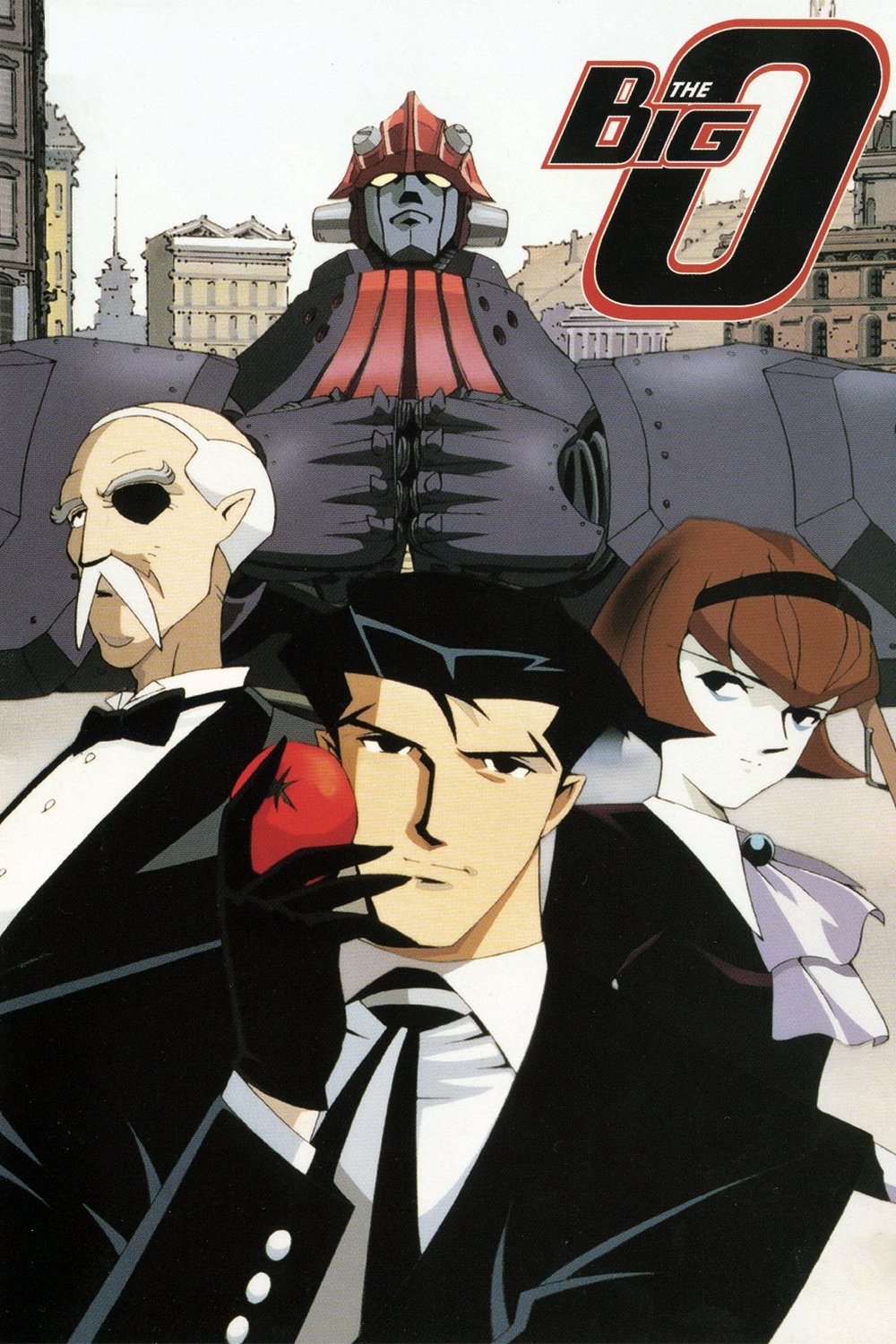
Roger Smith is a wealthy negotiator who operates out of a domed city that looks exactly like Gotham. The art style heavily mimics ‘Batman: The Animated Series’ with its film noir shadows and art deco architecture. Roger drives a long black car filled with gadgets and commands a giant robot when negotiations fail. He relies on a butler named Norman who functions much like Alfred Pennyworth does for Bruce Wayne.
‘Pet Shop of Horrors’ (1999)
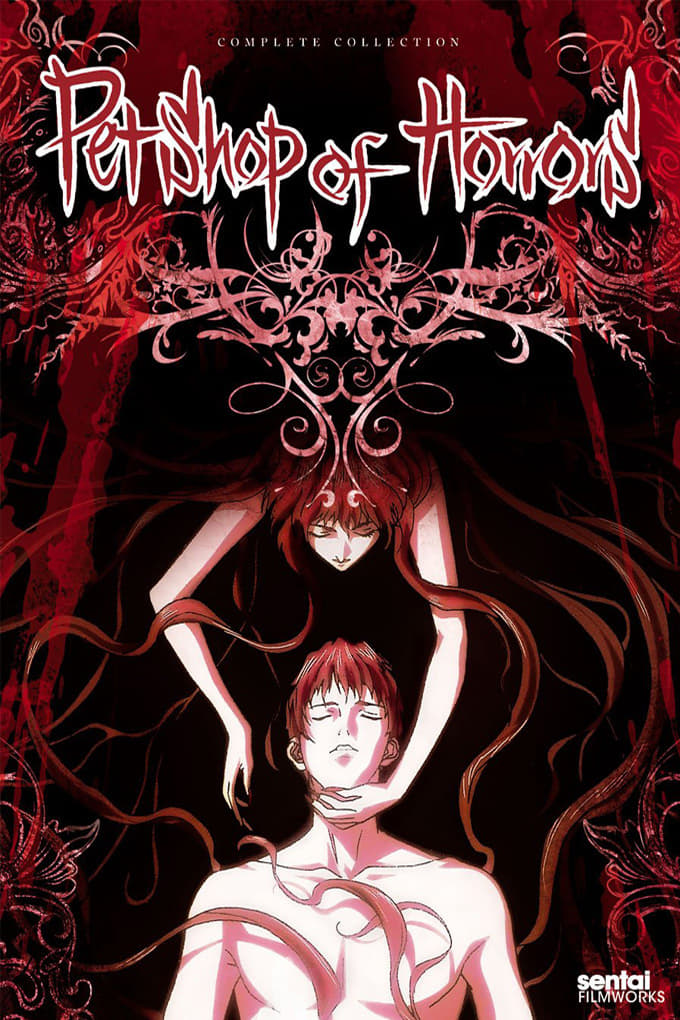
Count D runs a mysterious shop in Chinatown where he sells rare and dangerous creatures to unsuspecting customers. Each sale comes with a strict contract containing three specific rules that the owner must never break. This premise mirrors the plot of ‘Gremlins’ where the care instructions for the Mogwai are central to the narrative. Inevitable chaos ensues when the buyers ignore the warnings and the pets transform into monstrosities.
‘Monster’ (2004–2005)

Dr. Kenzo Tenma is a brilliant neurosurgeon who goes on the run after being framed for a series of murders. He travels across the country while pursued by a relentless detective who believes he is guilty. The narrative structure parallels the 1993 film ‘The Fugitive’ where Dr. Richard Kimble flees from U.S. Marshal Samuel Gerard. Tenma attempts to clear his name while hunting down the true perpetrator of the horrific crimes.
‘Bubblegum Crisis’ (1987–1991)
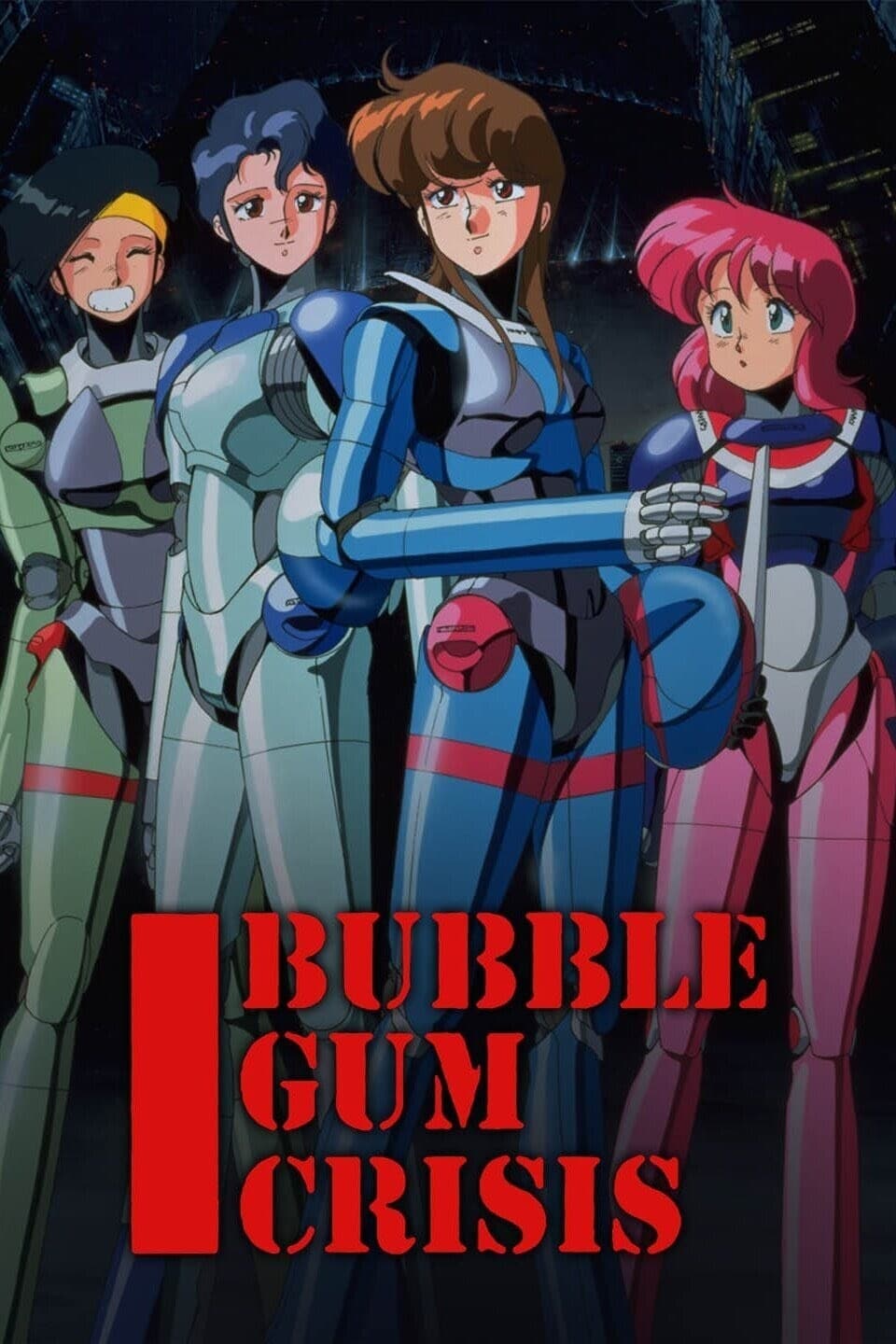
This cyberpunk series features a team of mercenaries fighting rogue robots in a futuristic metropolis. The opening sequence and musical motifs pay direct homage to the rock opera style of ‘Streets of Fire’. Its visual design and the concept of artificial life forms mimicking humans pull heavily from the replicants in ‘Blade Runner’. The show blends these two 1980s cult classics into a distinct action-packed animation.
‘Tokyo Godfathers’ (2003)
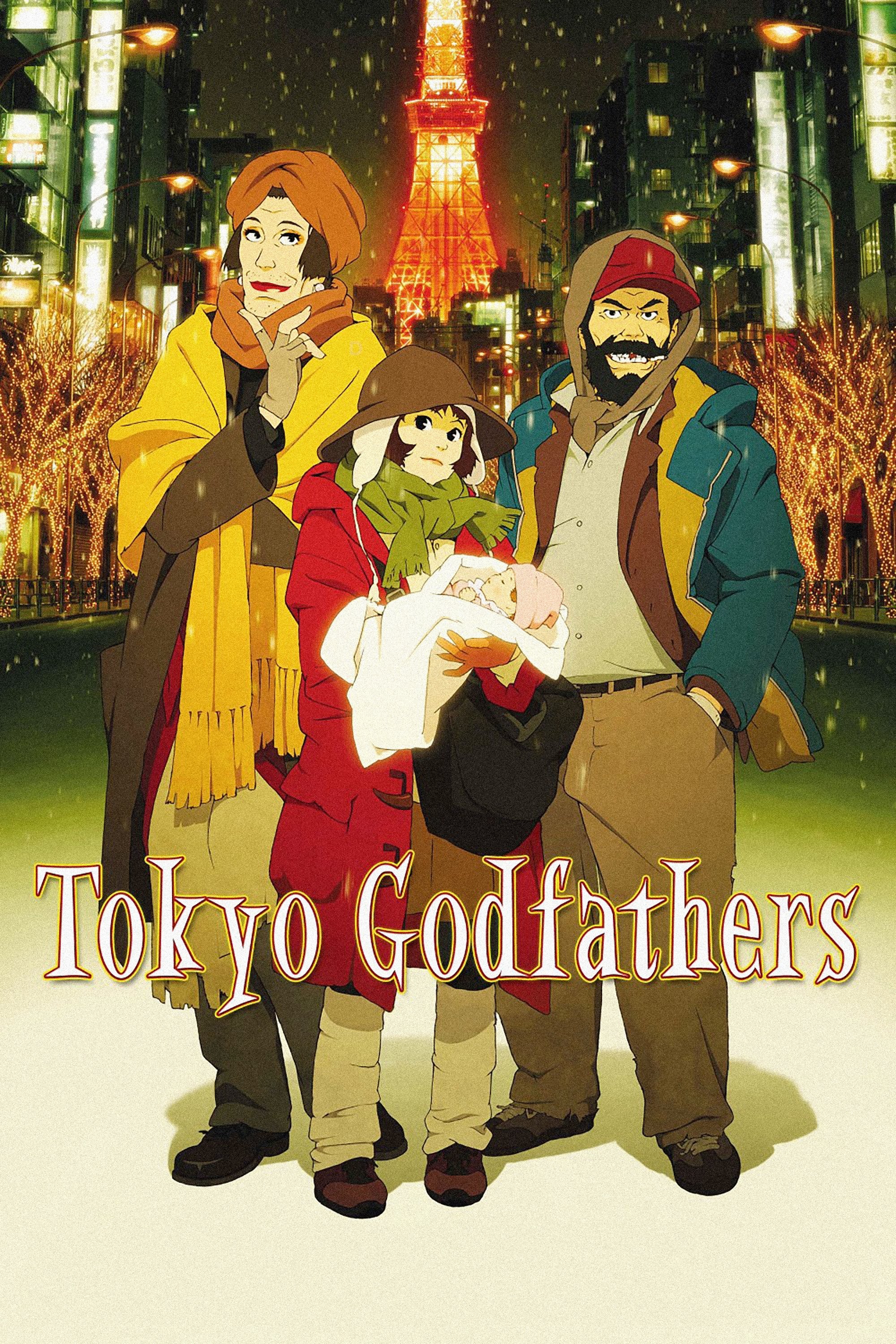
Three homeless individuals discover an abandoned baby on Christmas Eve and embark on a quest to find its parents. Satoshi Kon directed this heartwarming film as a loose adaptation of the western ‘3 Godfathers’ by John Ford. The trio consists of a runaway girl, a trans woman, and a middle-aged alcoholic who form a makeshift family unit. They encounter various miracles and coincidences that help them navigate the snowy streets of Tokyo.
‘Gantz’ (2004)
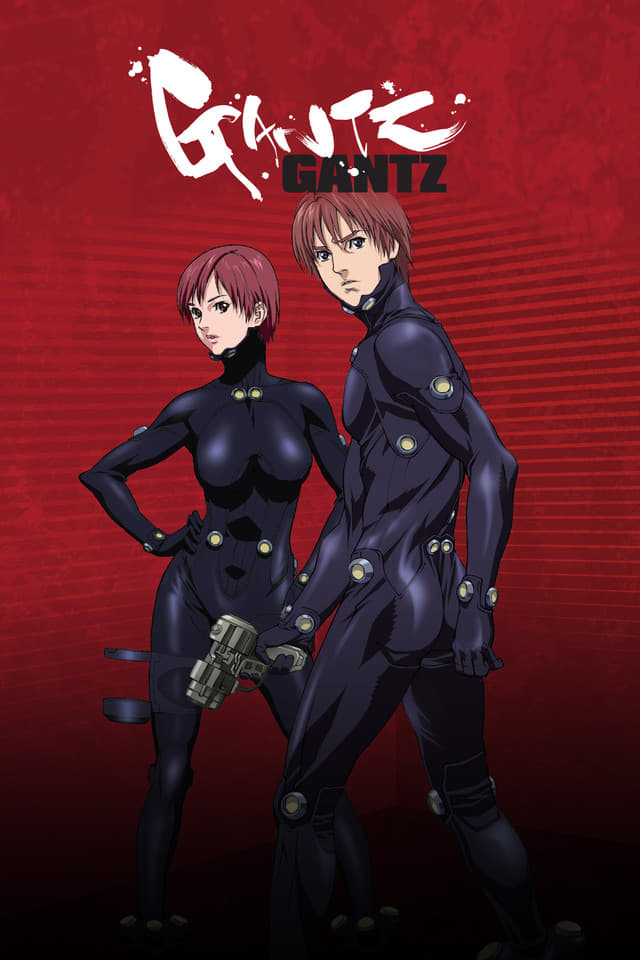
Recently deceased people find themselves in a room with a mysterious black sphere that orders them to hunt aliens. The characters wear skintight black suits and wield advanced futuristic weaponry to eliminate extraterrestrial threats. This setup closely resembles the premise of ‘Men in Black’ regarding secret agents managing alien activity. The series takes a much darker and more violent approach to the concept of defending Earth from invaders.
‘Highschool of the Dead’ (2010)

A sudden pandemic turns the population into flesh-eating zombies as a group of students tries to survive. The series serves as a direct tribute to George A. Romero and his seminal horror film ‘Dawn of the Dead’. Characters frequently reference zombie movie tropes and the slow-moving nature of the undead antagonists. The survivors seek refuge in a shopping mall during their escape to further cement the homage.
‘Parasyte: The Maxim’ (2014–2015)
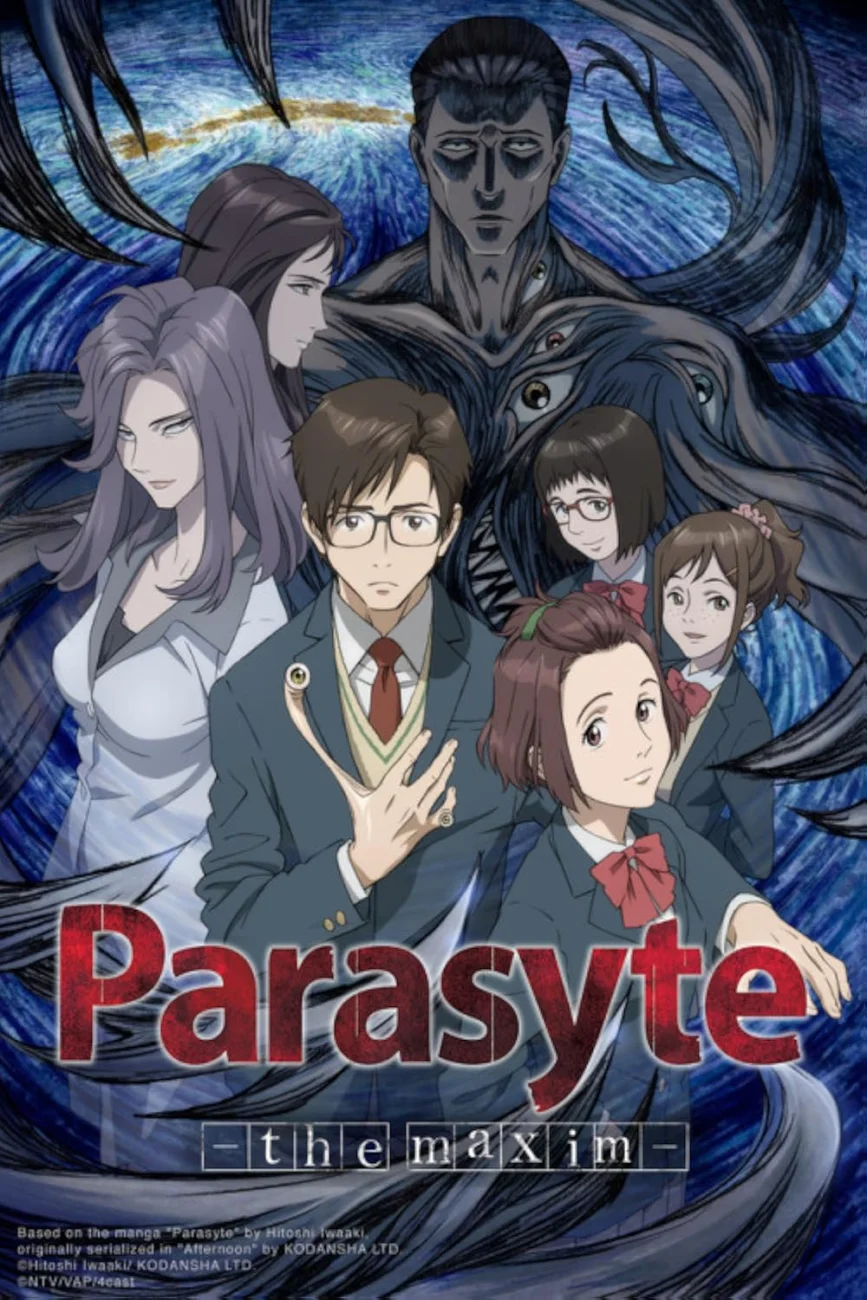
Alien spores descend upon Earth and take over human hosts by burrowing into their brains. The creatures can shapeshift their heads into grotesque forms to attack and consume other humans. This body horror concept shares significant DNA with the classic sci-fi horror ‘The Thing’. The paranoia of not knowing who is human and who is a monster drives the tension throughout the story.
‘Golgo 13’ (2008–2009)

Duke Togo is a stoic professional assassin who completes impossible contracts with a custom M16 rifle. His character archetype and the international espionage setting draw from the thriller ‘The Day of the Jackal’. He travels the world as a cold and calculated killer who never fails a mission. The series embraces the grounded realism of 1970s political thrillers rather than supernatural anime tropes.
‘A Kite’ (1998)
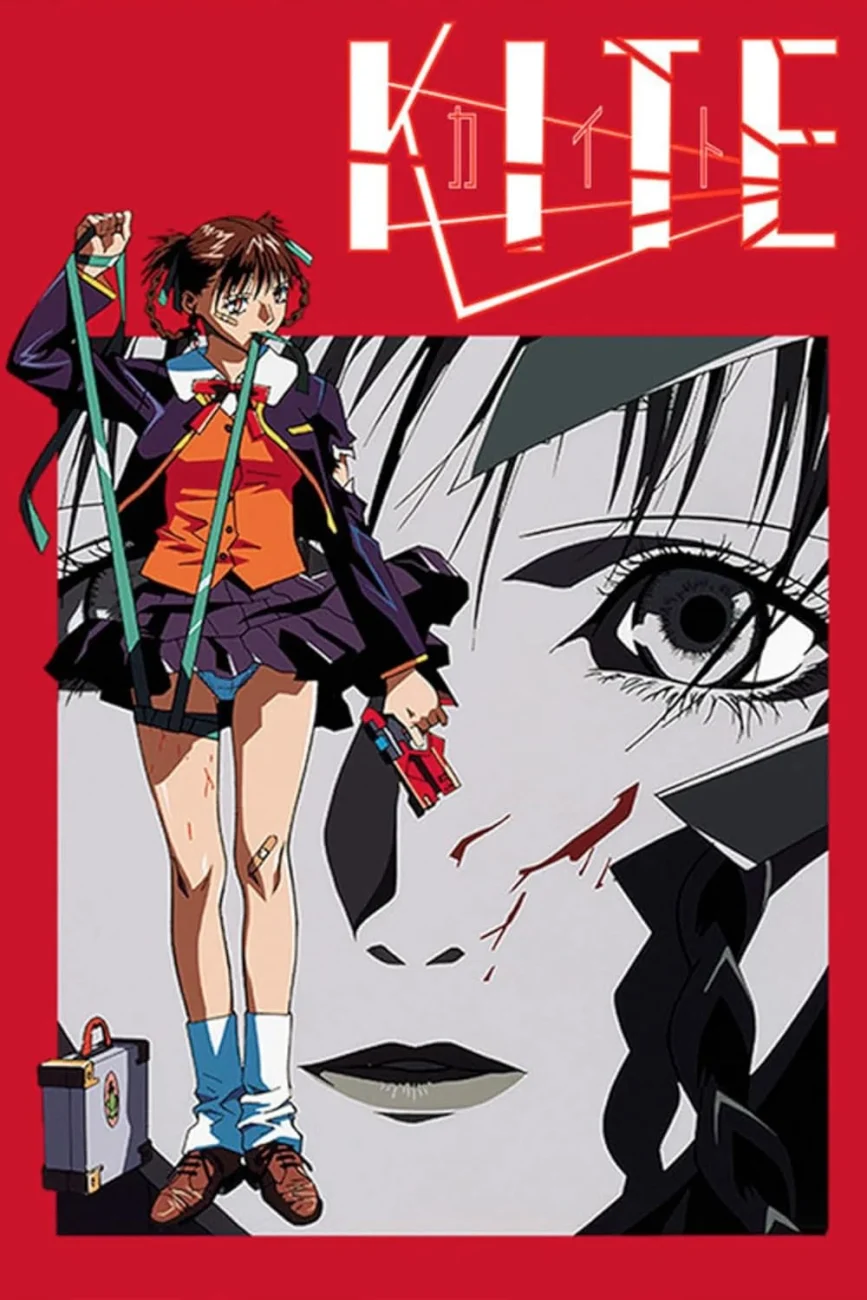
A young girl works as an assassin under the control of corrupt police detectives who exploit her. She uses explosive bullets and deceptive innocence to eliminate targets in a gritty urban setting. The plot and character dynamics are a clear nod to Luc Besson’s film ‘La Femme Nikita’. It explores themes of lost innocence and violent retribution within a criminal underworld.
‘Lupin the 3rd’ (1971–1972)
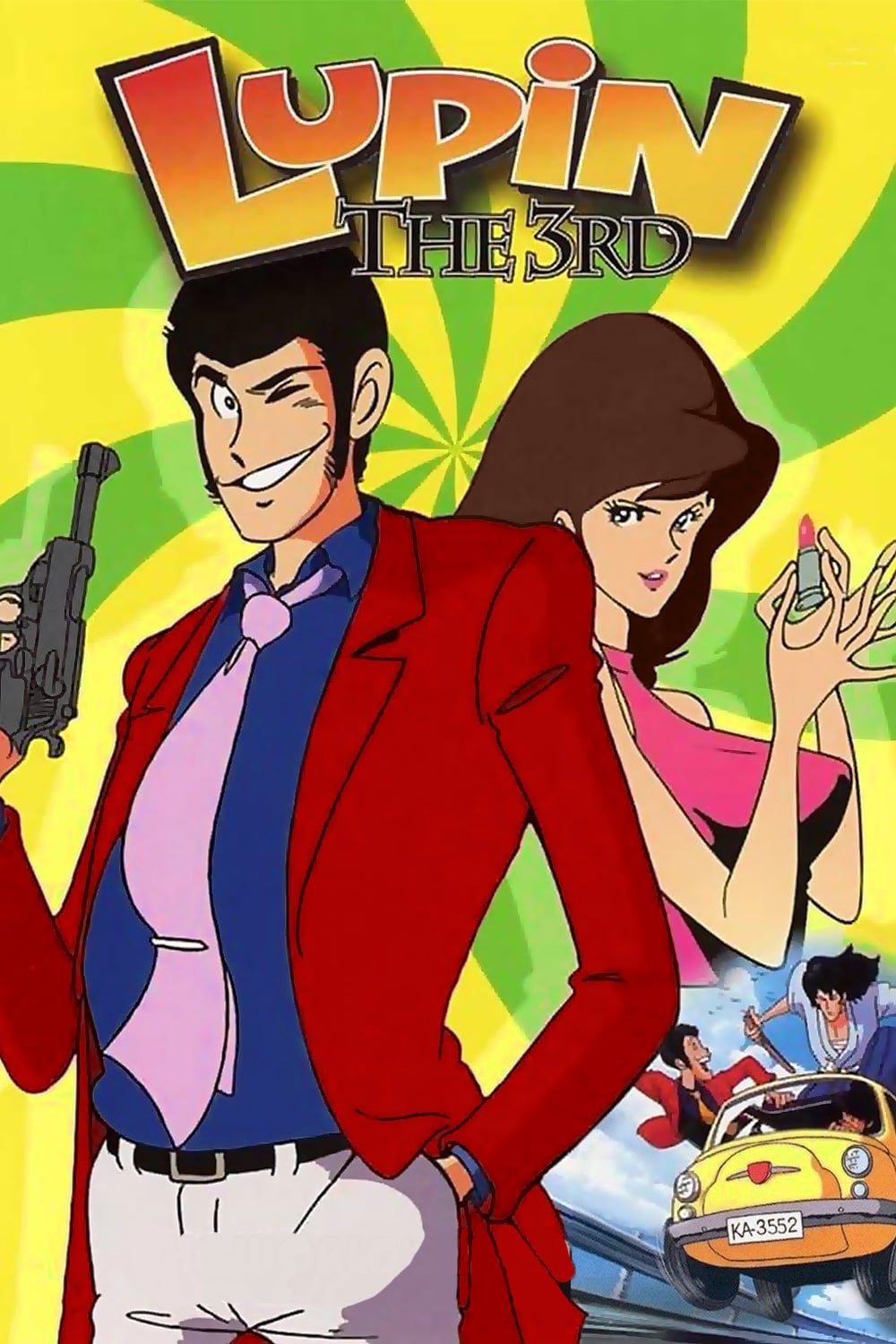
Arsene Lupin III is the world’s greatest thief who pulls off elaborate heists with his skilled partners. The character borrows the suave demeanor and gadgetry associated with the ‘James Bond’ film franchise. His adventures often involve car chases, femme fatales, and international intrigue. The franchise blends the gentleman thief archetype with the high-octane action of 1960s spy cinema.
‘Cyber City Oedo 808’ (1990–1991)
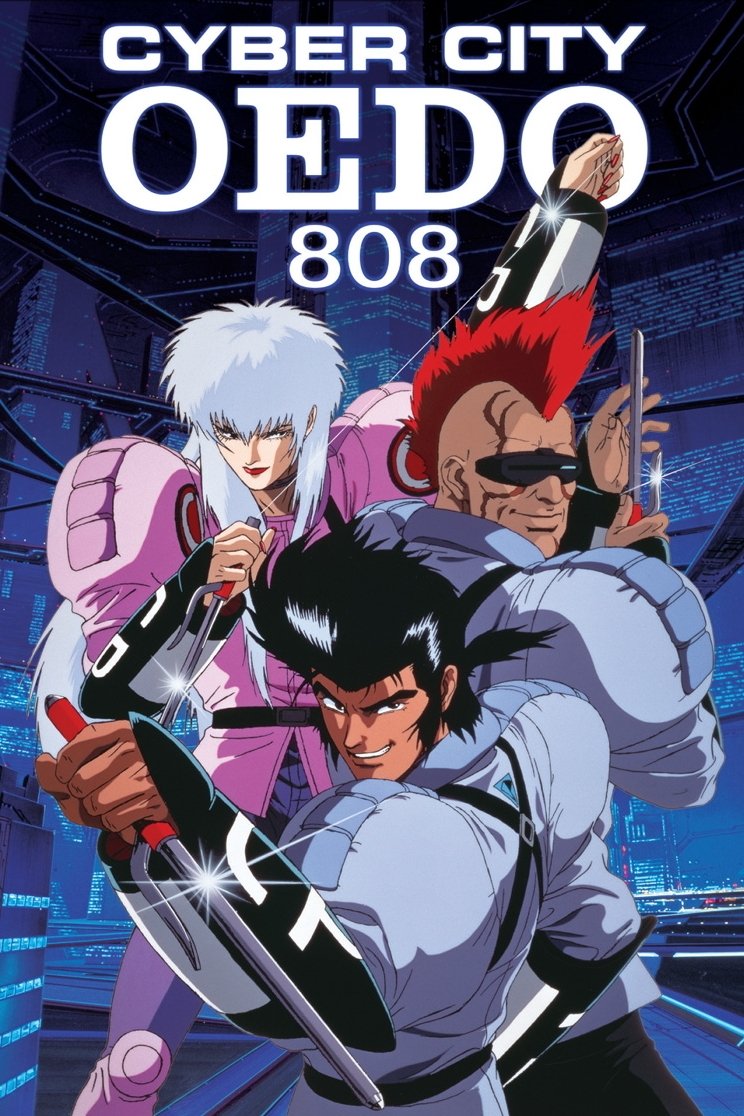
Three criminals serve their sentences by working as cyber-police in a futuristic Japanese city. They wear explosive collars that will detonate if they fail their assigned missions or attempt to escape. This plot device comes directly from the dystopian action movie ‘Escape from New York’. The aesthetic combines traditional cyberpunk elements with the gritty anti-hero atmosphere of 1980s sci-fi.
‘Ghost in the Shell’ (1995)
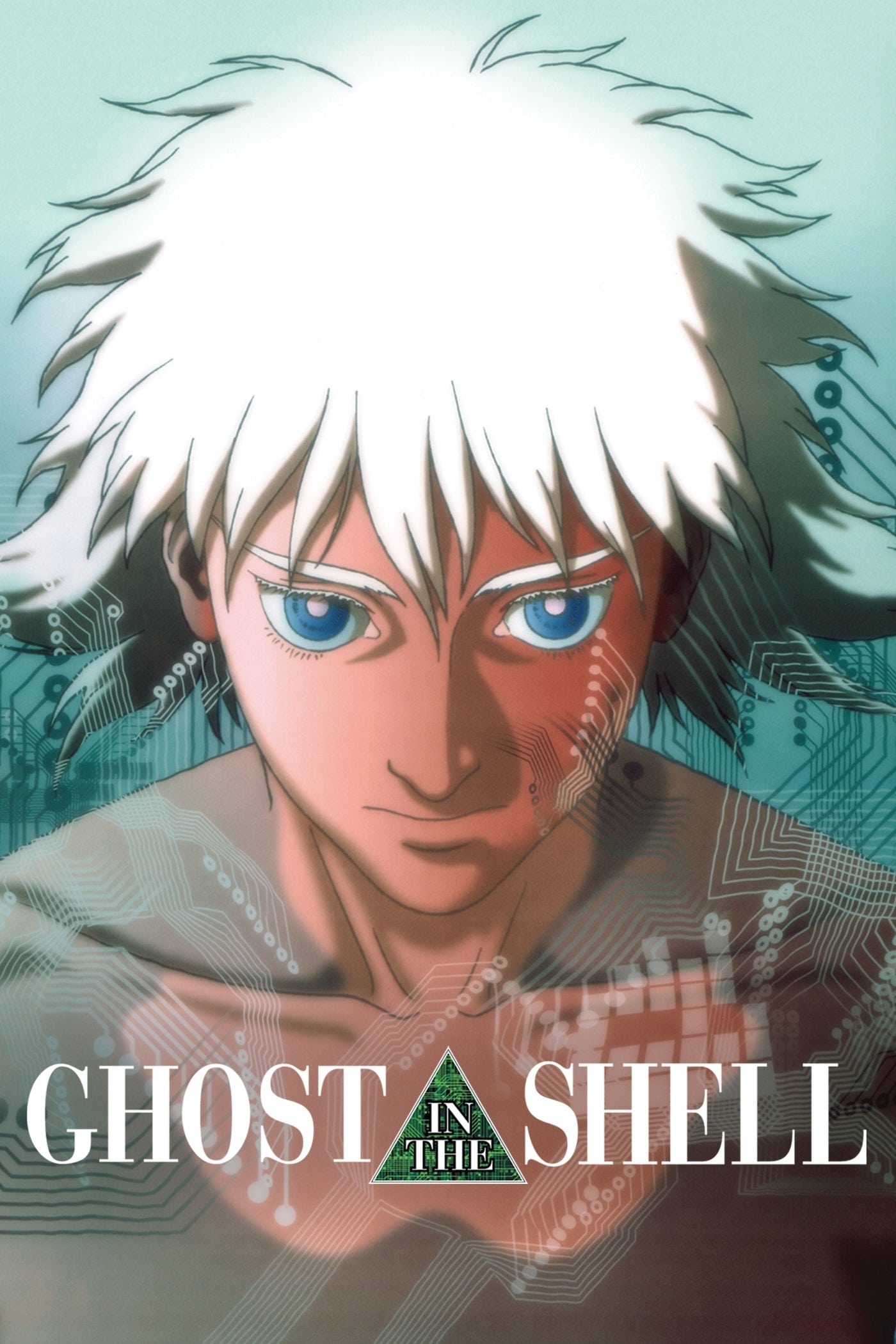
A cyborg federal agent leads a counter-cyberterrorist organization in a neon-lit future where humanity merges with machines. The cityscape and philosophical questions regarding artificial intelligence mirror the world of ‘Blade Runner’. Rain-slicked streets and towering advertisements create an atmosphere almost identical to the Ridley Scott film. Director Mamoru Oshii used these Hollywood visual cues to explore the definition of the human soul.
Let us know which of these Hollywood-inspired anime series is your favorite in the comments.