

Anime That Were Overlooked at Release but Later Gained Cult Followings

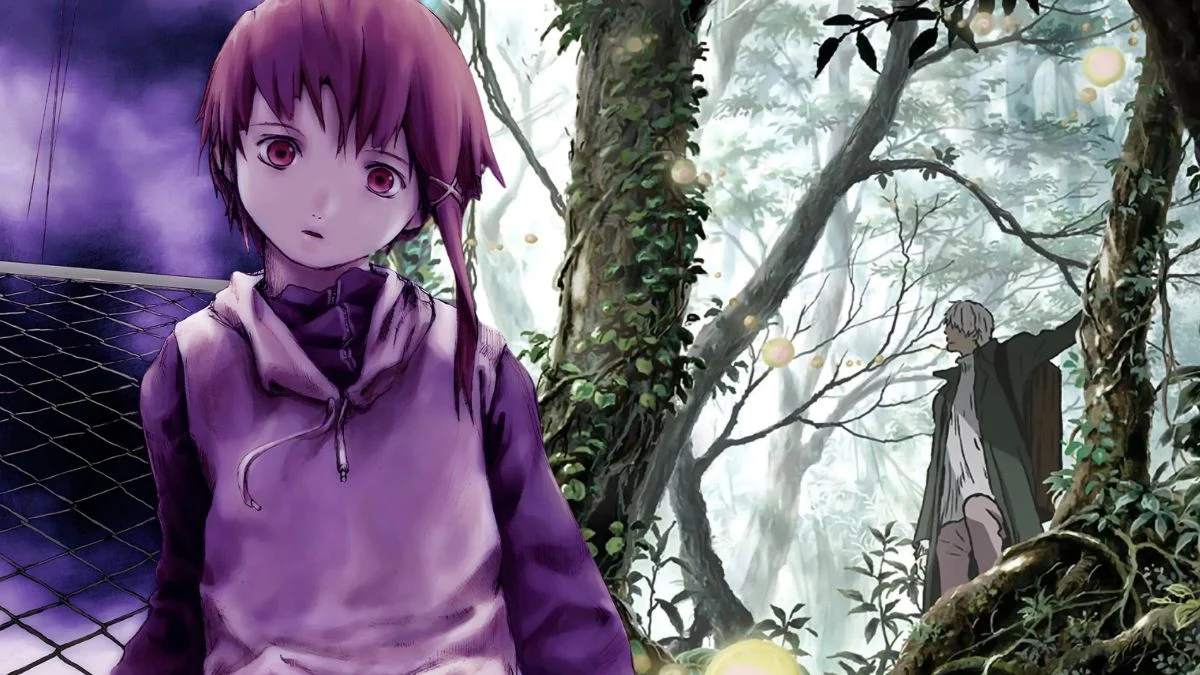


Many anime series fail to capture mainstream attention during their initial broadcasts due to poor scheduling or niche themes. These productions often find their dedicated audiences years later through home video releases and word-of-mouth recommendations. The following titles struggled to find their footing initially but eventually secured their status as beloved classics within the community.
‘Cowboy Bebop’ (1998)
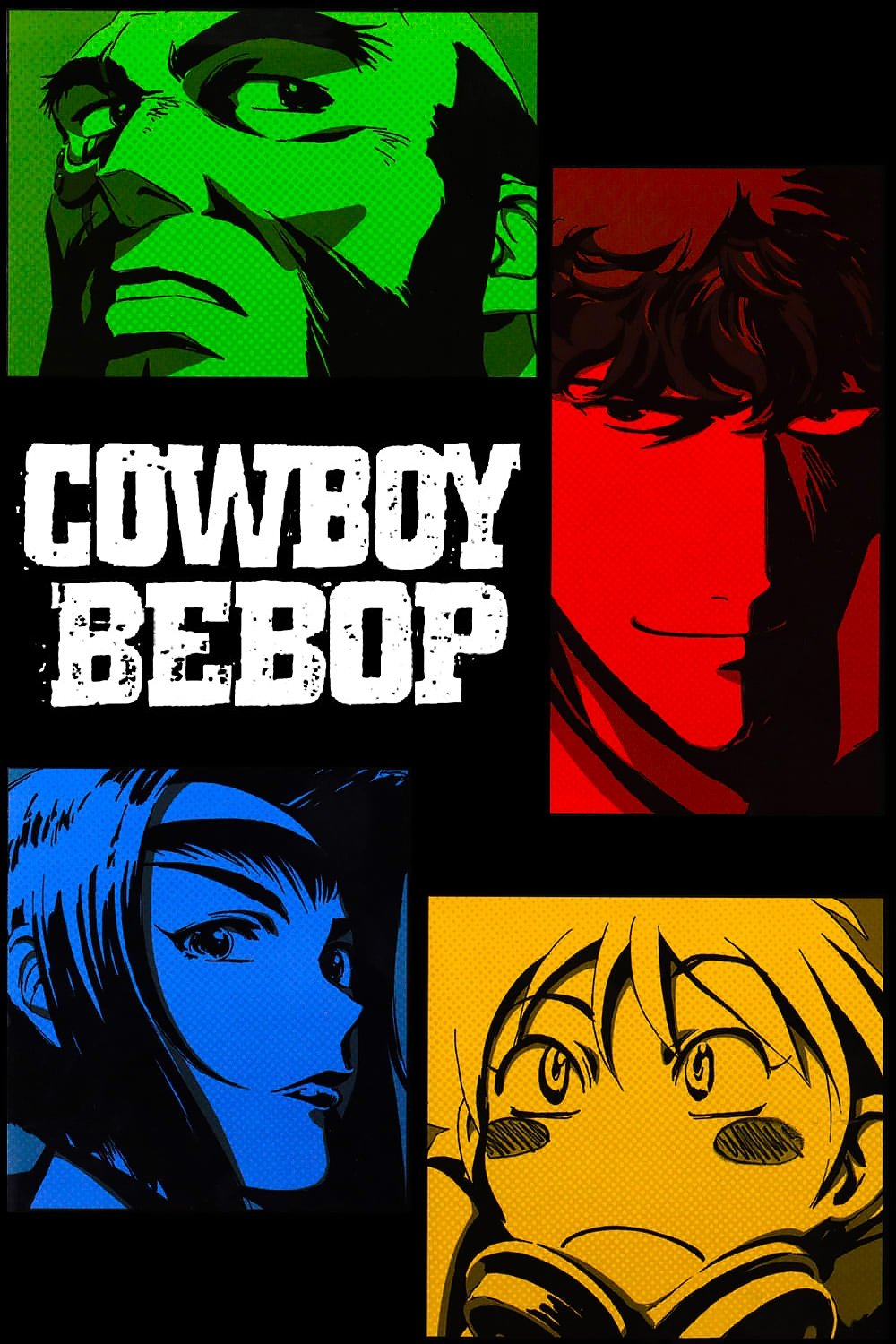
It is hard to believe this jazz-infused space western faced cancellation during its original run on TV Tokyo. The broadcaster only aired a handful of episodes because they deemed the content too mature for the time slot. ‘Cowboy Bebop’ found its true success after moving to the WOWOW satellite network where it could air in its entirety. Western audiences later embraced the series on Adult Swim and cemented its legacy as a gateway anime.
‘Gunbuster’ (1988)
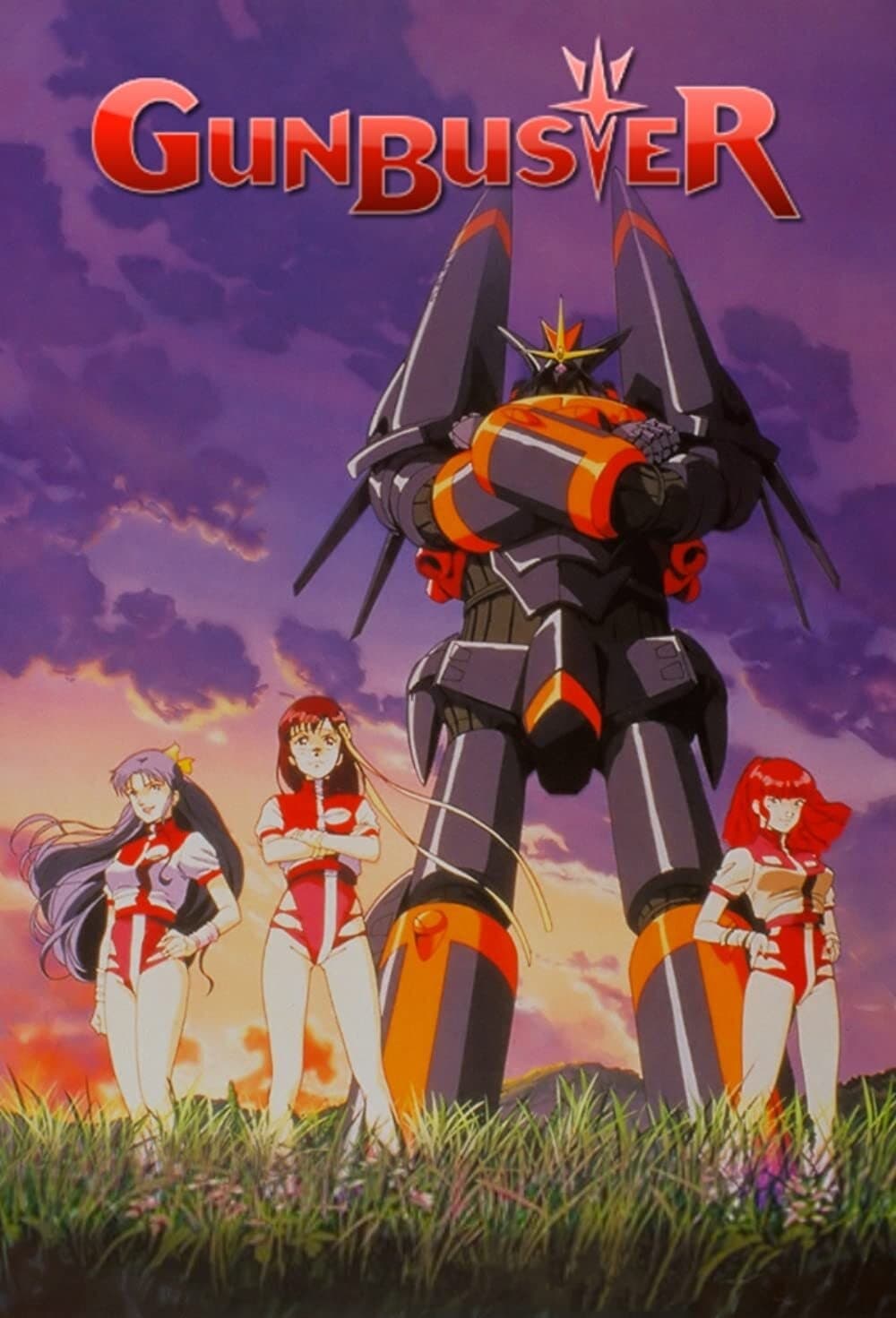
Hideaki Anno made his directorial debut with this six-episode OVA that mixes parody with hard science fiction. The series starts as a lighthearted spoof of tennis dramas before shifting into a serious exploration of time dilation and interstellar war. It did not achieve immediate blockbuster status due to its release format and tonal shifts. Modern fans now recognize it as a pivotal work that laid the foundation for the mecha genre evolution.
‘The Big O’ (1999)
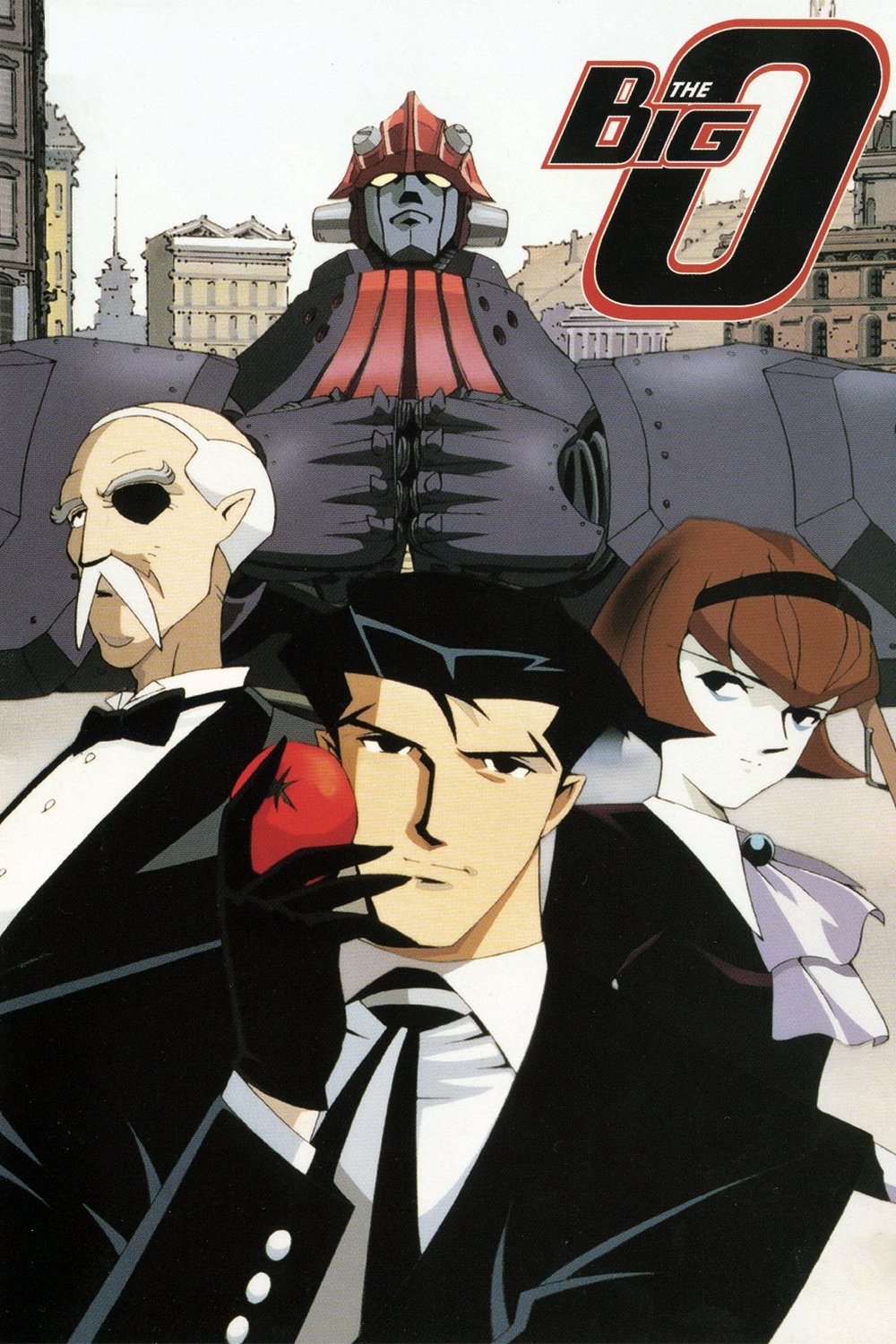
This noir-inspired mecha series originally suffered from low viewership numbers in Japan which led to a reduced episode count. The creators designed the show with a distinct Western aesthetic that failed to resonate with local otaku audiences at the time. International broadcasts on Cartoon Network garnered strong ratings and generated enough interest to fund a second season. The show is now celebrated for its stylistic homage to Batman and giant robot dramas.
‘Serial Experiments Lain’ (1998)
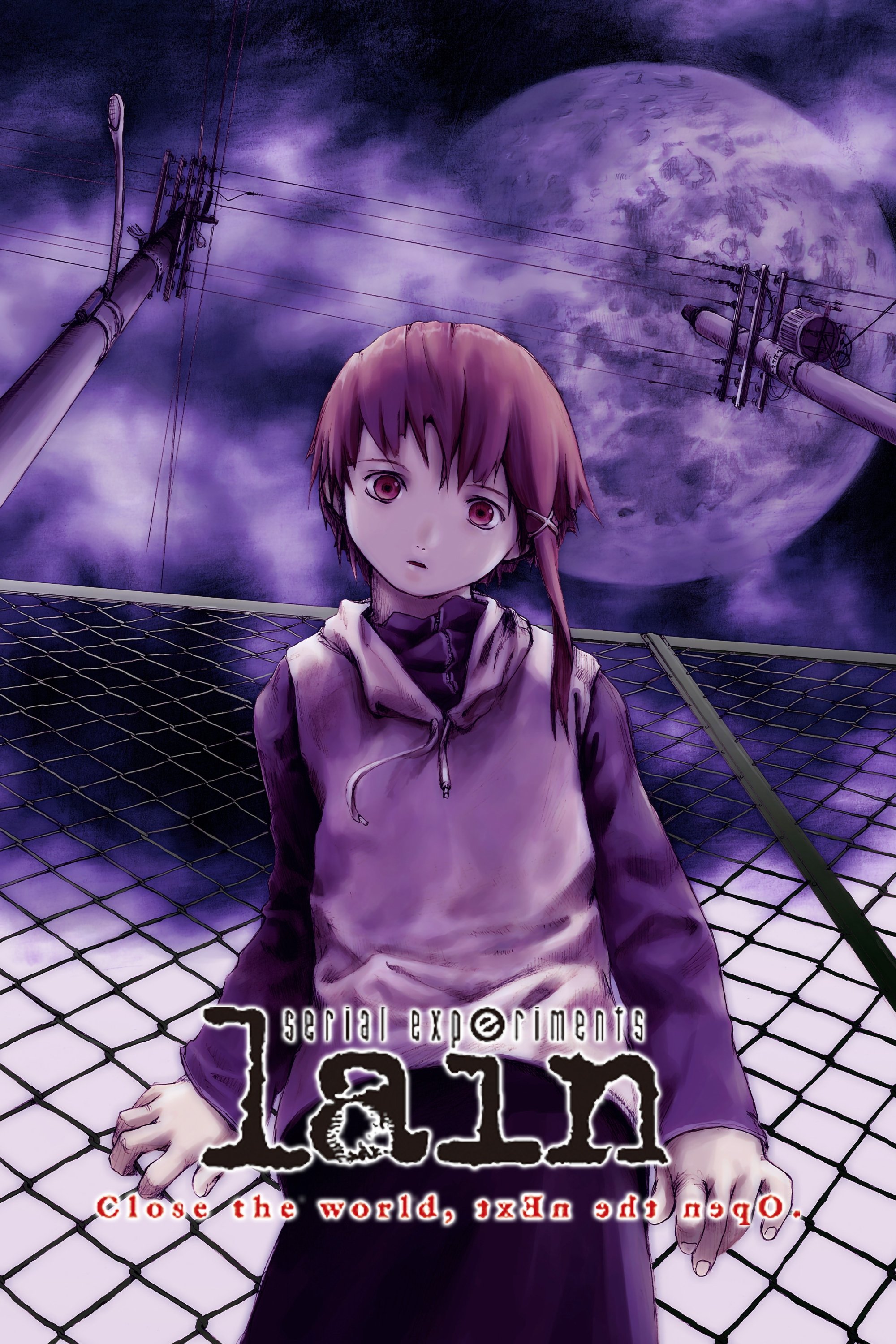
This avant-garde series bewildered many viewers during its initial late-night broadcast with its dense philosophical themes. The plot follows a young girl named Lain who becomes inextricably linked to a global communications network called the Wired. Its complex exploration of internet culture and identity was years ahead of its time. Tech-savvy audiences eventually turned it into a cyberpunk staple through online discussion boards.
‘Haibane Renmei’ (2002)
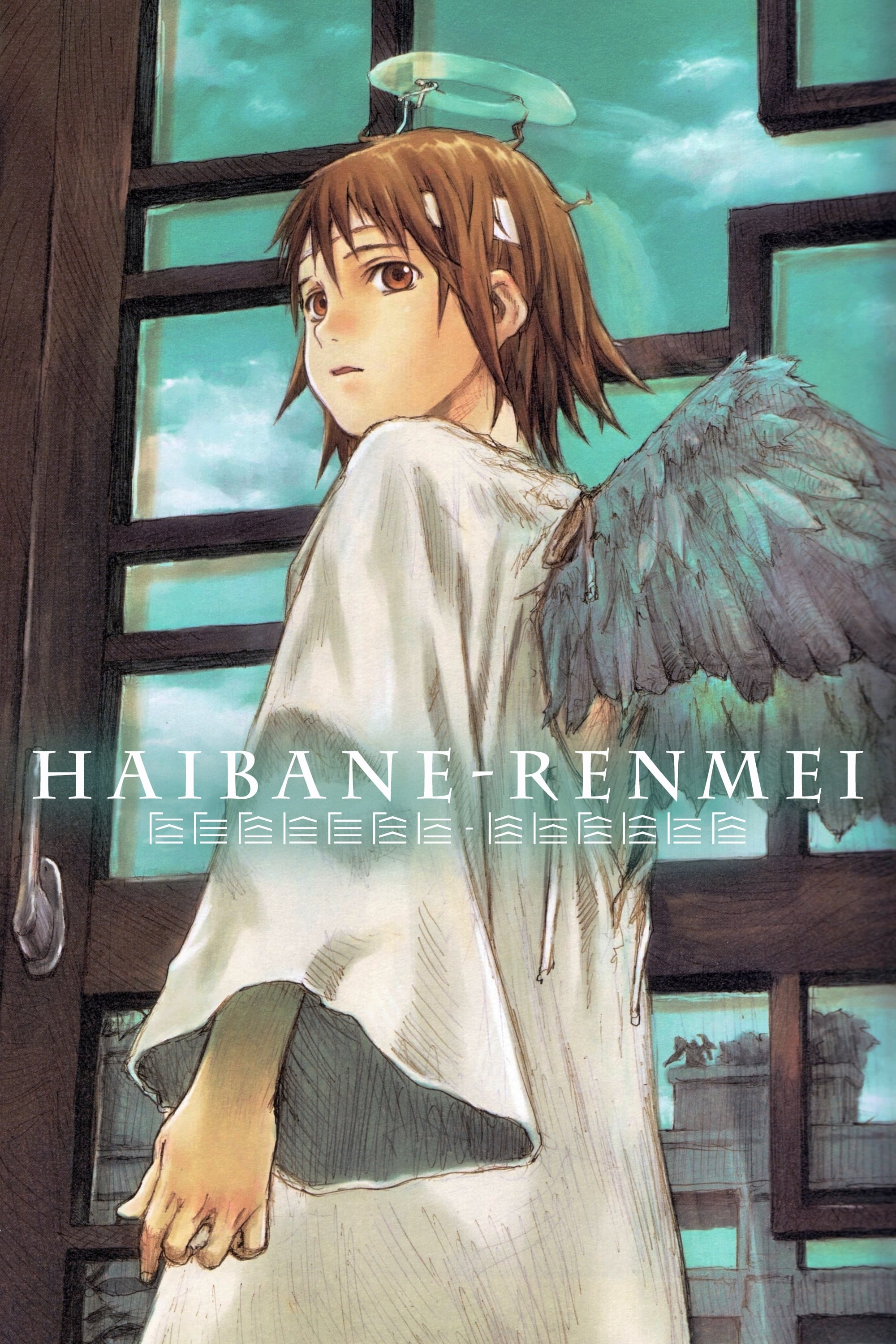
Yoshitoshi ABe created this gentle yet melancholic series about angel-like beings living in a walled town. The show eschews action for slow-paced character studies and metaphorical storytelling regarding sin and redemption. Its quiet nature meant it was easily overshadowed by louder and more flashy releases of the early 2000s. It has since gained a reputation as a masterpiece of slice-of-life fantasy.
‘Texhnolyze’ (2003)
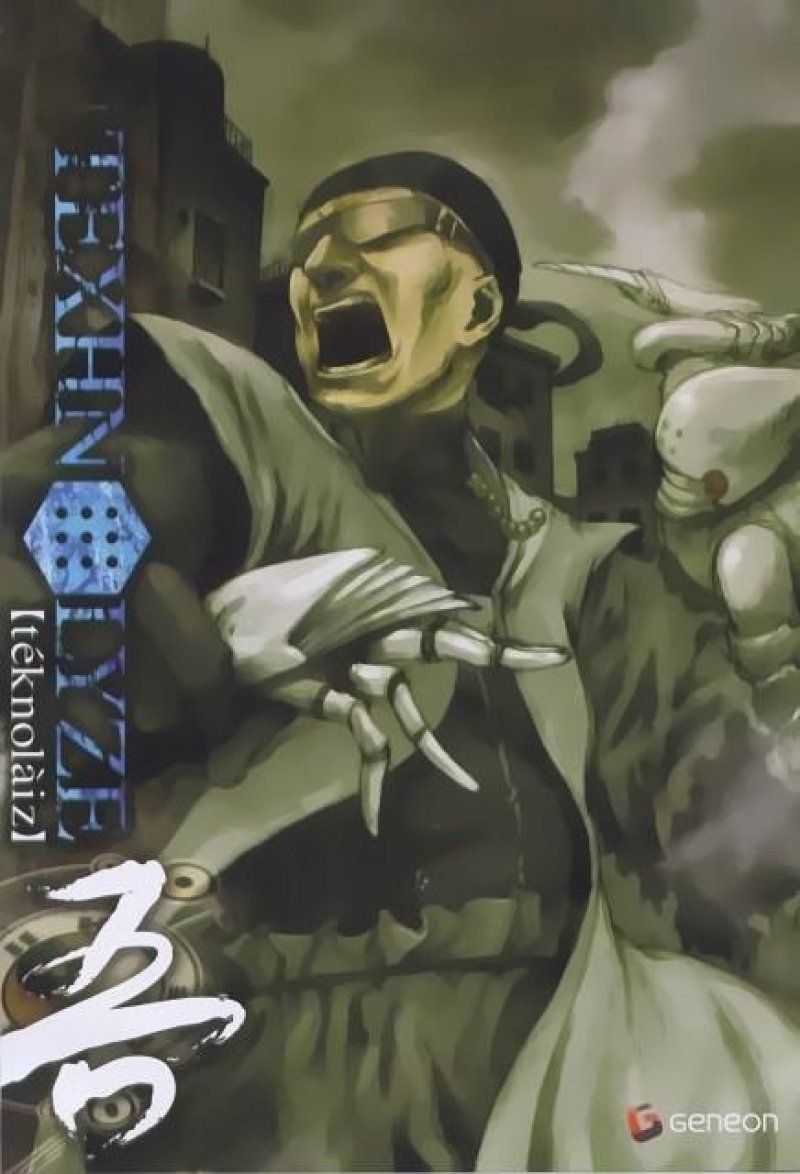
Madhouse produced this bleak and nihilistic sci-fi series that alienated casual viewers with its slow pacing and limited dialogue. The story takes place in a crumbling underground city where factions fight for control using cybernetic prosthetics. Viewers who stuck with the oppressive atmosphere found a rewarding and uncompromising artistic vision. It remains a cult favorite for fans of dark and psychological narratives.
‘Paranoia Agent’ (2004)
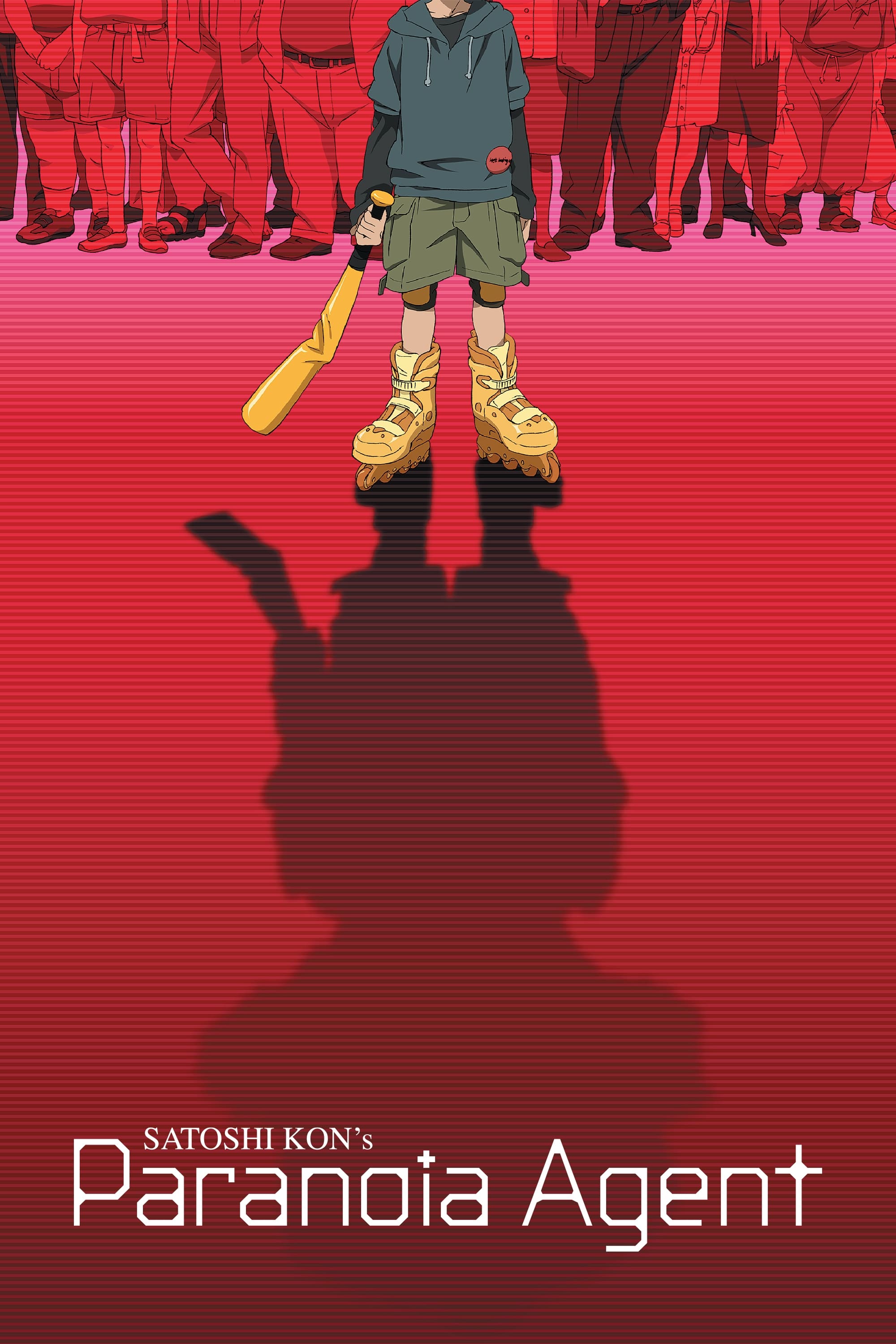
Satoshi Kon directed this psychological thriller as his only television series to explore ideas he could not fit into his films. The anthology-style format focuses on different citizens of Tokyo who are attacked by a mysterious assailant named Li’l Slugger. It initially confused audiences with its shifting tone and surreal imagery. Critics and fans now regard it as a brilliant social satire on mass hysteria and escapism.
‘Outlaw Star’ (1998)
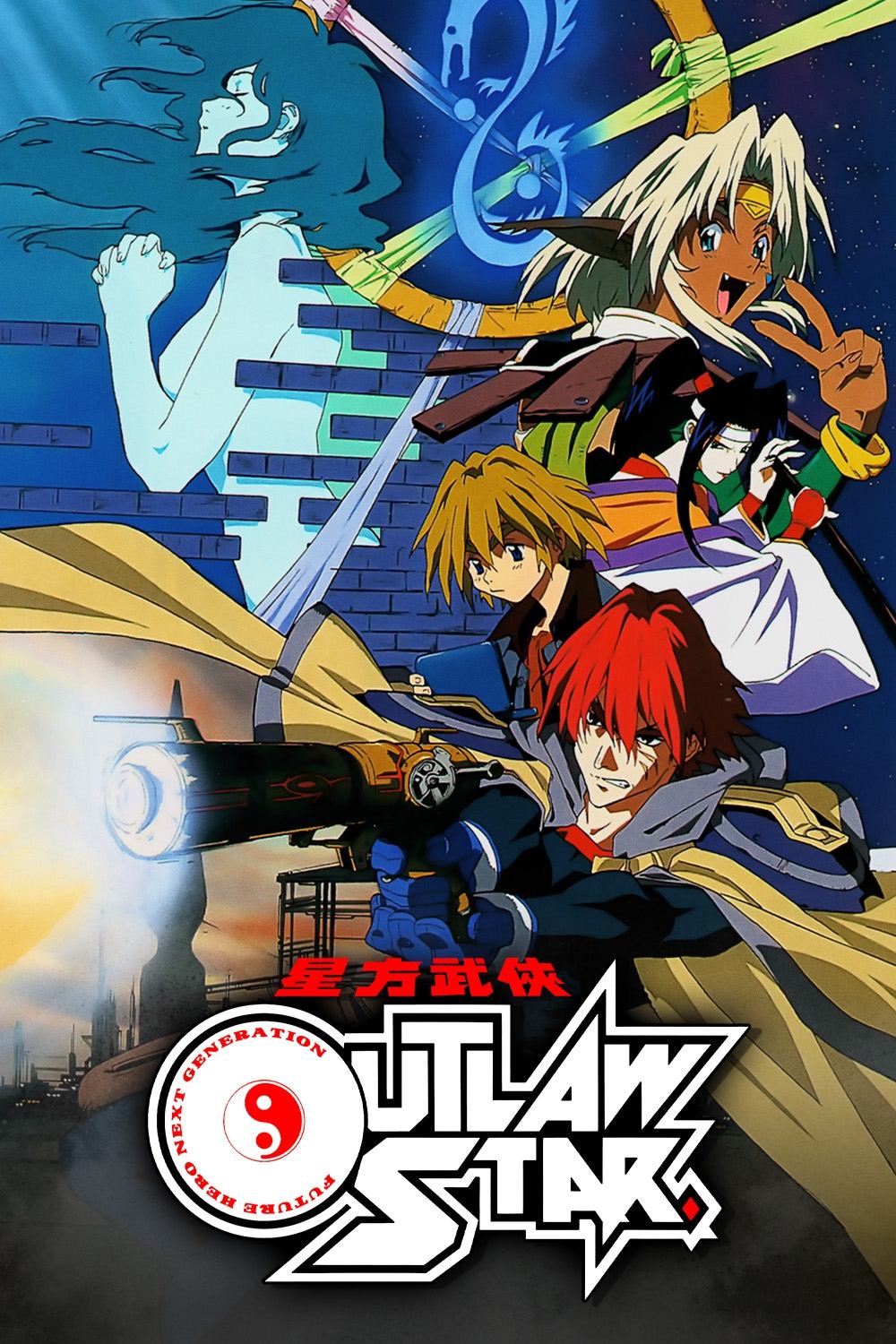
This space opera often lived in the shadow of its more popular contemporary ‘Cowboy Bebop’ during the late nineties. The series features a ragtag crew searching for a legendary treasure known as the Galactic Leyline. While it performed moderately well in Japan, it exploded in popularity after airing on Western television blocks like Toonami. Fans appreciate its adventurous spirit and unique ship grappling-arm combat system.
‘Wolf’s Rain’ (2003)
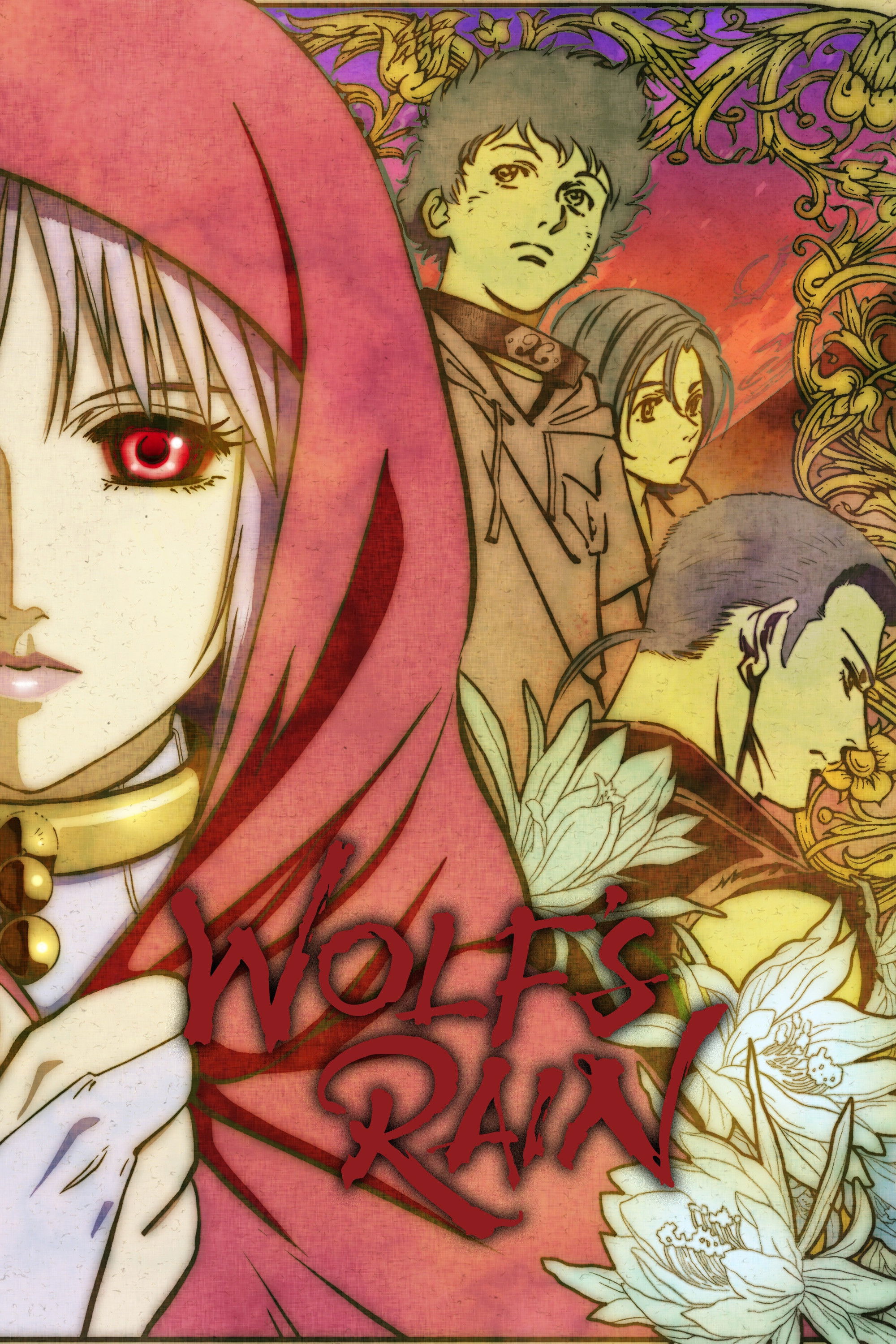
Bones studio animated this dark fantasy about wolves who disguise themselves as humans to search for paradise. The series suffered from production delays that resulted in four recap episodes in the middle of its broadcast. These scheduling issues caused many viewers to drop the show before the finale aired as an OVA. It later found a devoted audience who appreciated Yoko Kanno’s score and the tragic storyline.
‘Ergo Proxy’ (2006)
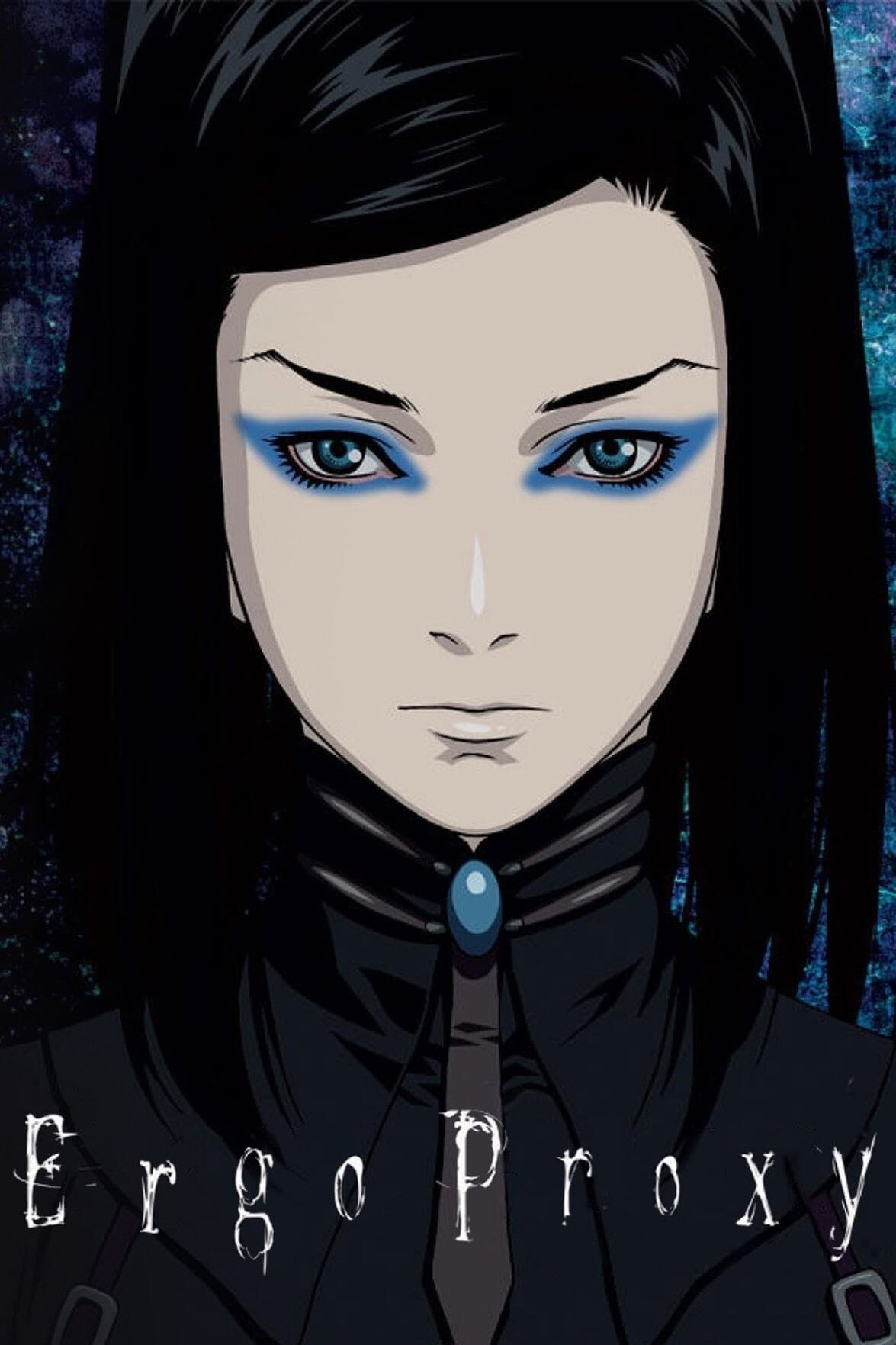
This cyberpunk mystery combines Goth aesthetics with heavy philosophical references to Descartes and Turing. The complex plot involves a dystopian future where humans and androids coexist in a domed city. Many viewers found the narrative convoluted and the middle episodes too slow during the first watch. It has aged well as a visually stunning example of experimental science fiction.
‘Revolutionary Girl Utena’ (1997)
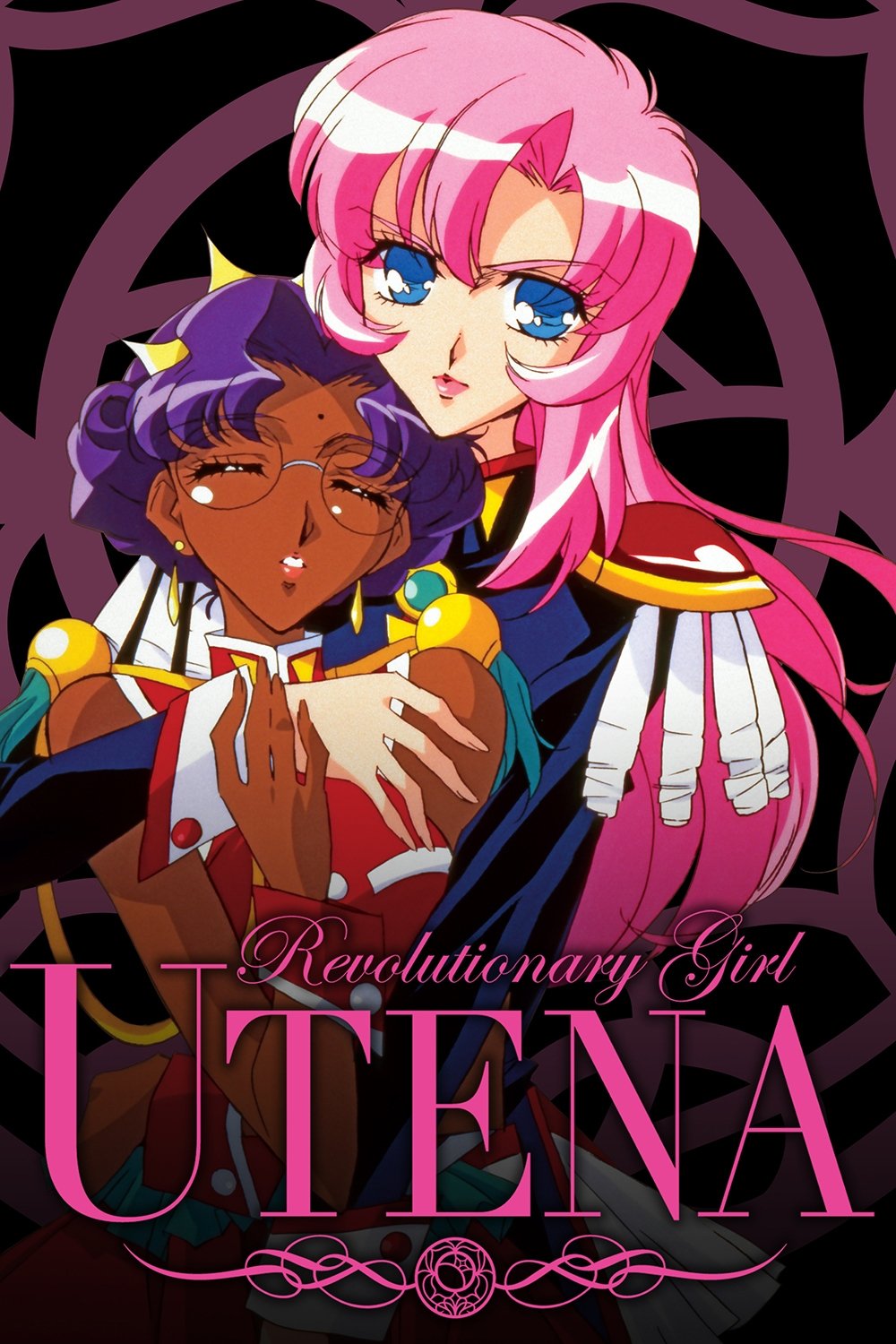
Kunihiko Ikuhara directed this surreal deconstruction of the magical girl and shoujo genres. The repetitive stock footage and metaphorical duels confused younger audiences who expected a standard romance. Older viewers later unpacked its heavy themes regarding gender roles and adolescence. It stands today as a landmark title for its bold symbolism and allegorical storytelling.
‘Baccano!’ (2007)
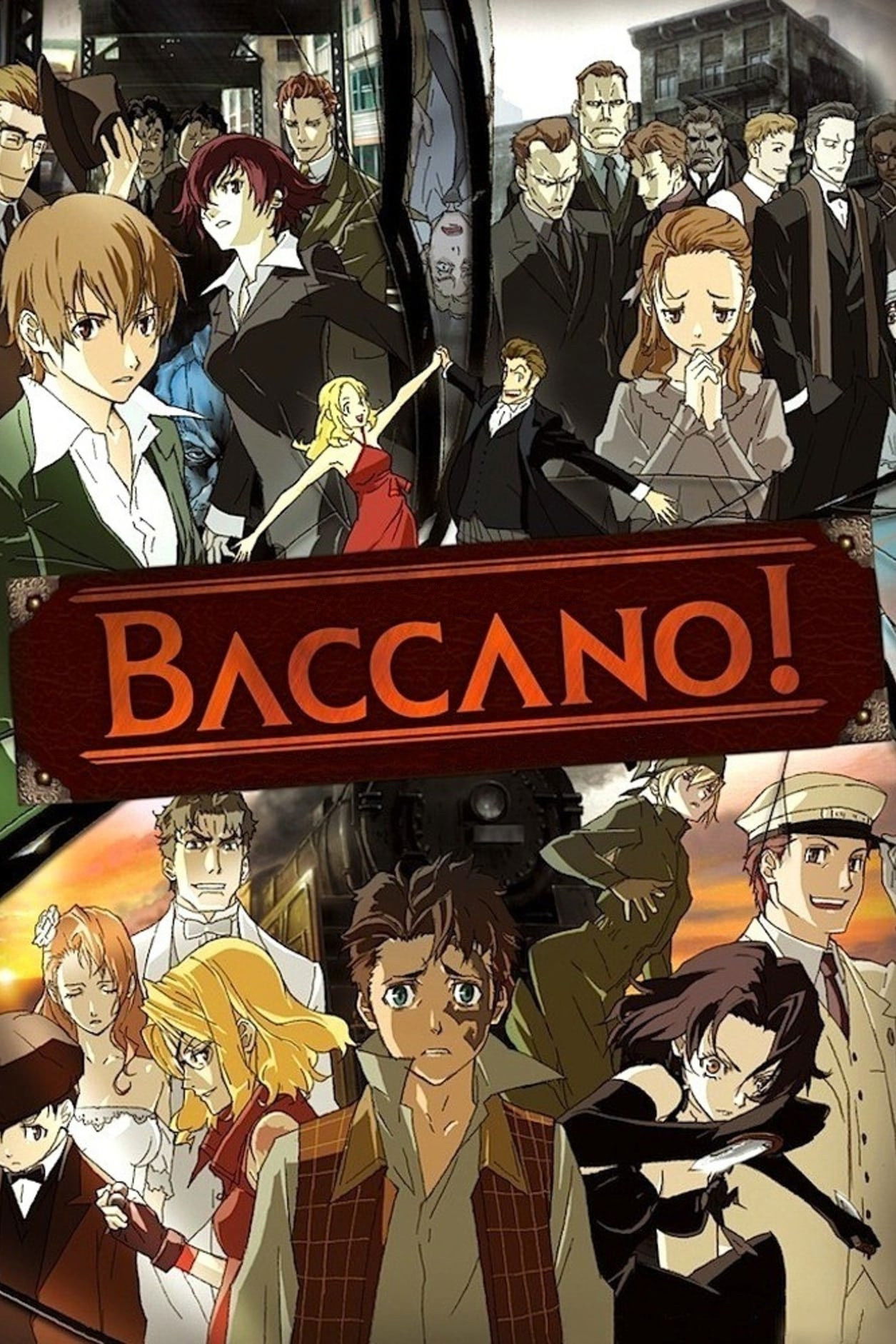
This series tells a non-linear story involving alchemists and gangsters in prohibition-era America. The fragmented narrative jumps between different years and viewpoints which made it difficult to follow on a weekly basis. DVD sales were initially low despite the high production values and energetic jazz soundtrack. Streaming services helped the show find a new life as fans binged the episodes to connect the plot threads.
‘Mushi-Shi’ (2005)
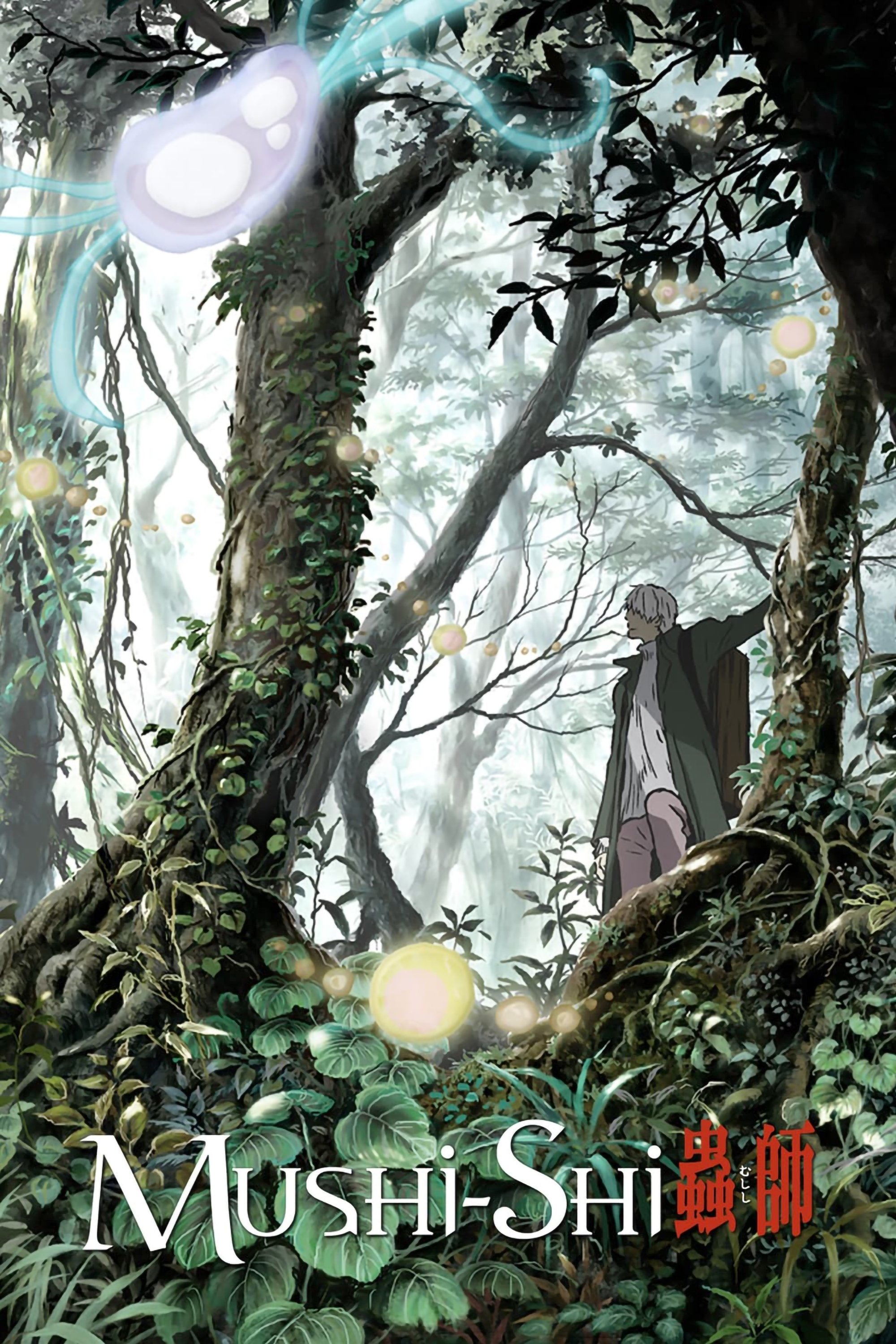
Ginko travels the countryside investigating supernatural creatures called Mushi in this episodic supernatural drama. The show lacks an overarching villain or high-stakes action which limited its immediate mass appeal. Its soothing atmosphere and philosophical questions about nature attracted a dedicated following over time. It is now frequently cited as one of the most relaxing and thoughtful anime ever made.
‘Monster’ (2004)

Naoki Urasawa’s thriller spans seventy-four episodes and follows a neurosurgeon hunting a former patient who became a serial killer. The commitment required to watch such a long and grounded mystery deterred some viewers accustomed to faster pacing. Those who watched the entire run praised its intricate writing and terrifying antagonist. It is widely considered one of the greatest suspense stories in the medium.
‘Planetes’ (2003)
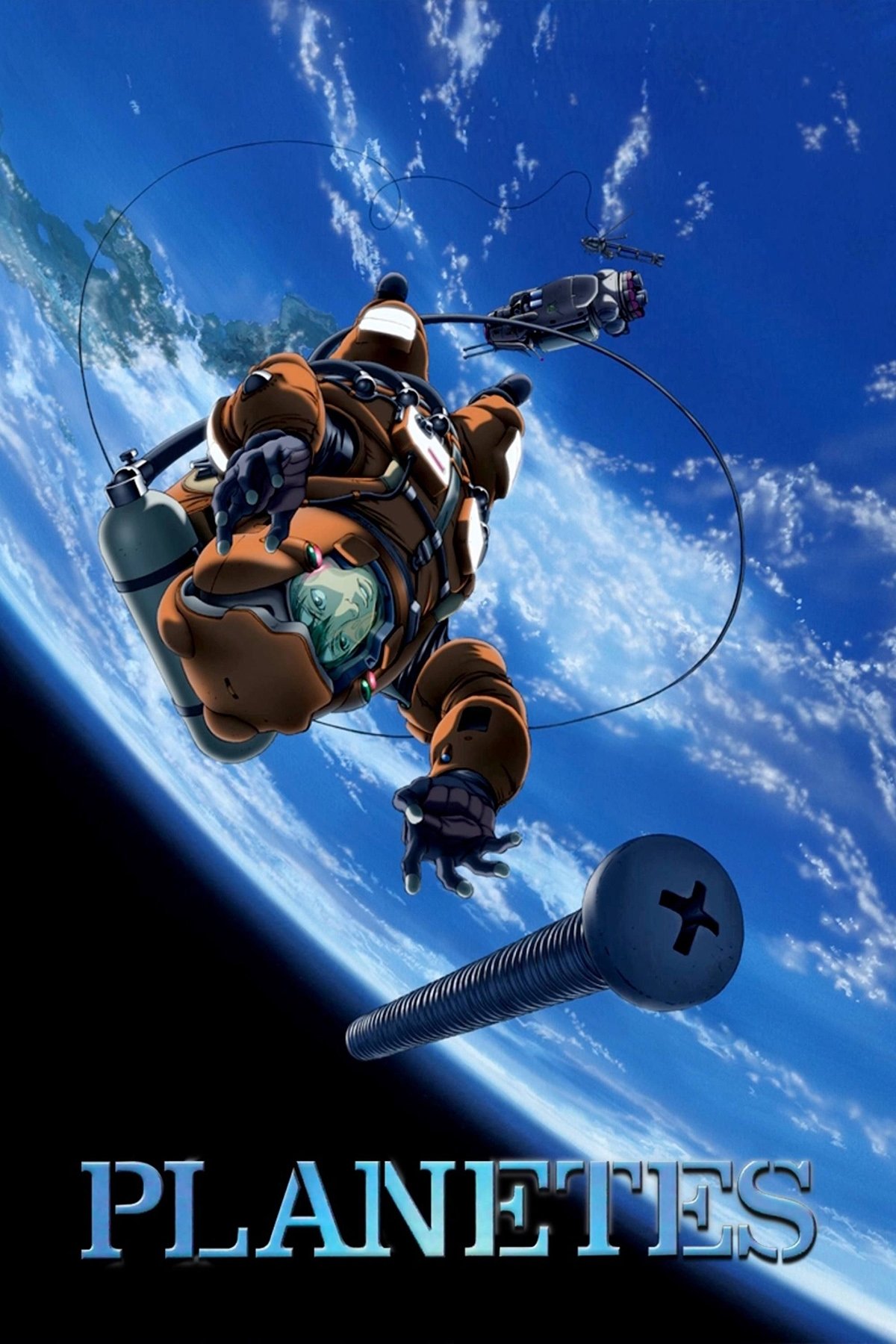
The story focuses on a team of debris collectors clearing space junk to prevent accidents in orbit. It begins as a workplace comedy before evolving into a serious political drama about the colonization of space. Hard sci-fi enthusiasts championed the show for its realistic depiction of zero-gravity physics. It remains a gold standard for realistic space travel narratives.
‘Ghost Stories’ (2000)
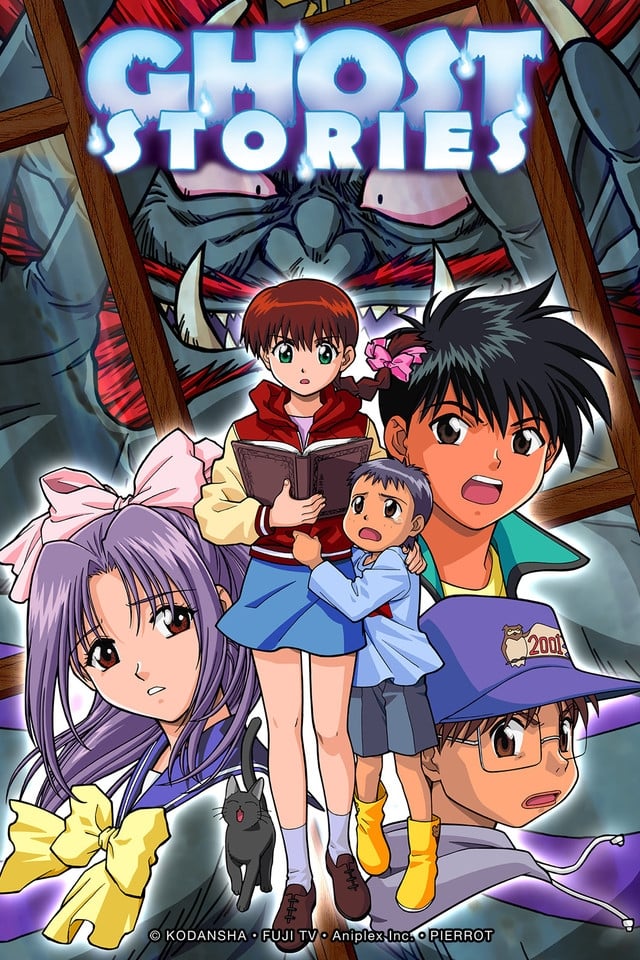
The original Japanese broadcast was a standard horror show for children that failed to garner significant ratings. The American licensor later commissioned a gag dub that completely rewrote the script into an offensive comedy to sell the show. This drastic change transformed ‘Ghost Stories’ from a forgotten flop into a legendary viral hit in the West. Clips of the absurd dialogue continue to circulate on the internet decades later.
‘Samurai Champloo’ (2004)
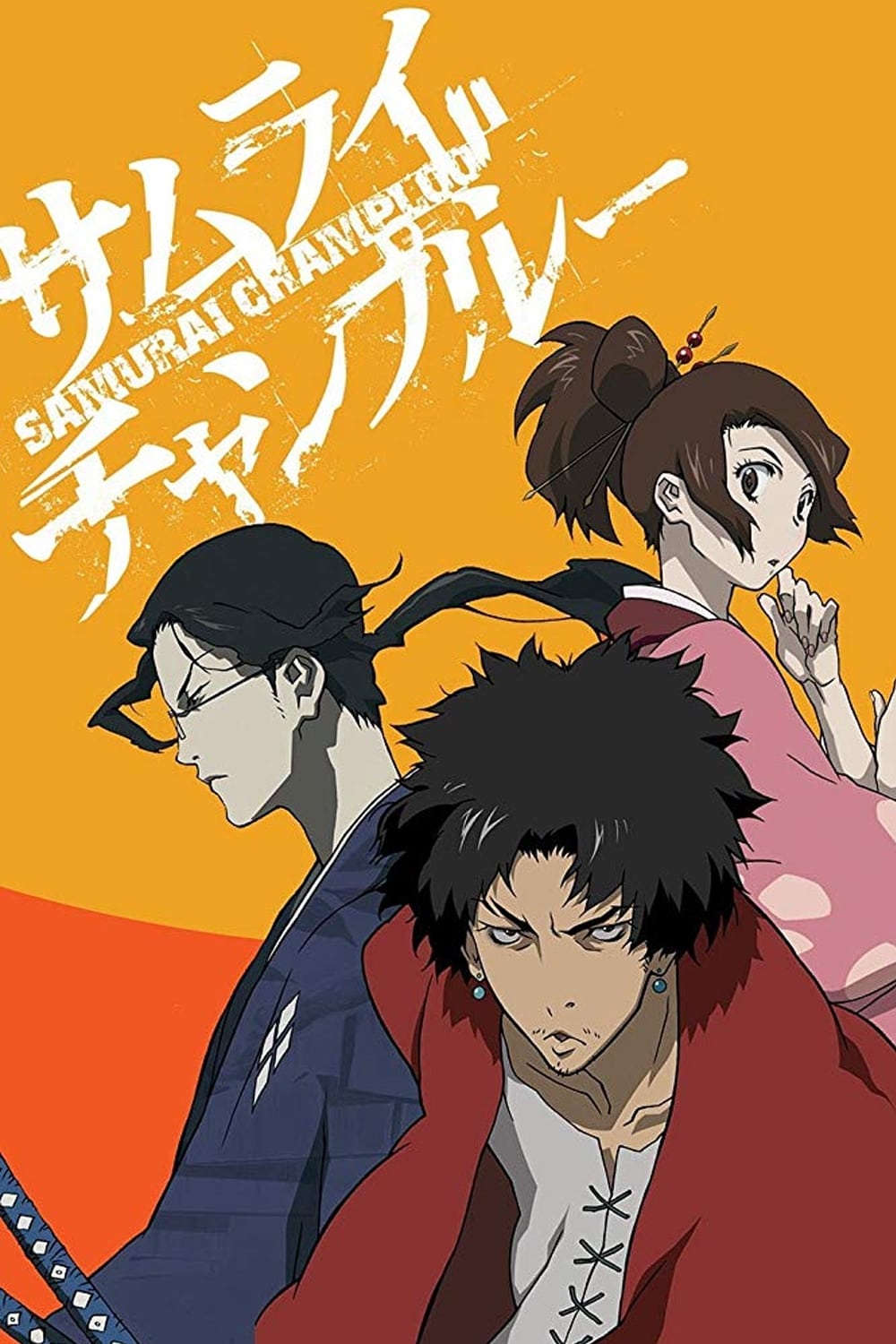
Shinichiro Watanabe followed up his previous success with this series that blends Edo-period history with modern hip-hop culture. While popular, it did not initially match the overwhelming cultural impact of his earlier work. The soundtrack by Nujabes and the fluid sword choreography helped it build a lasting legacy. It is now viewed as a perfect stylistic companion piece to his space western.
‘Golden Boy’ (1995)

This six-episode OVA follows a wandering freeter named Kintaro who stumbles into various odd jobs. The show relies heavily on crude humor which caused many critics to dismiss it upon release. The English dub is responsible for its cult status thanks to the over-the-top vocal performance of the protagonist. It is frequently meme-d and remembered for its educational yet ridiculous tone.
‘Beck: Mongolian Chop Squad’ (2004)
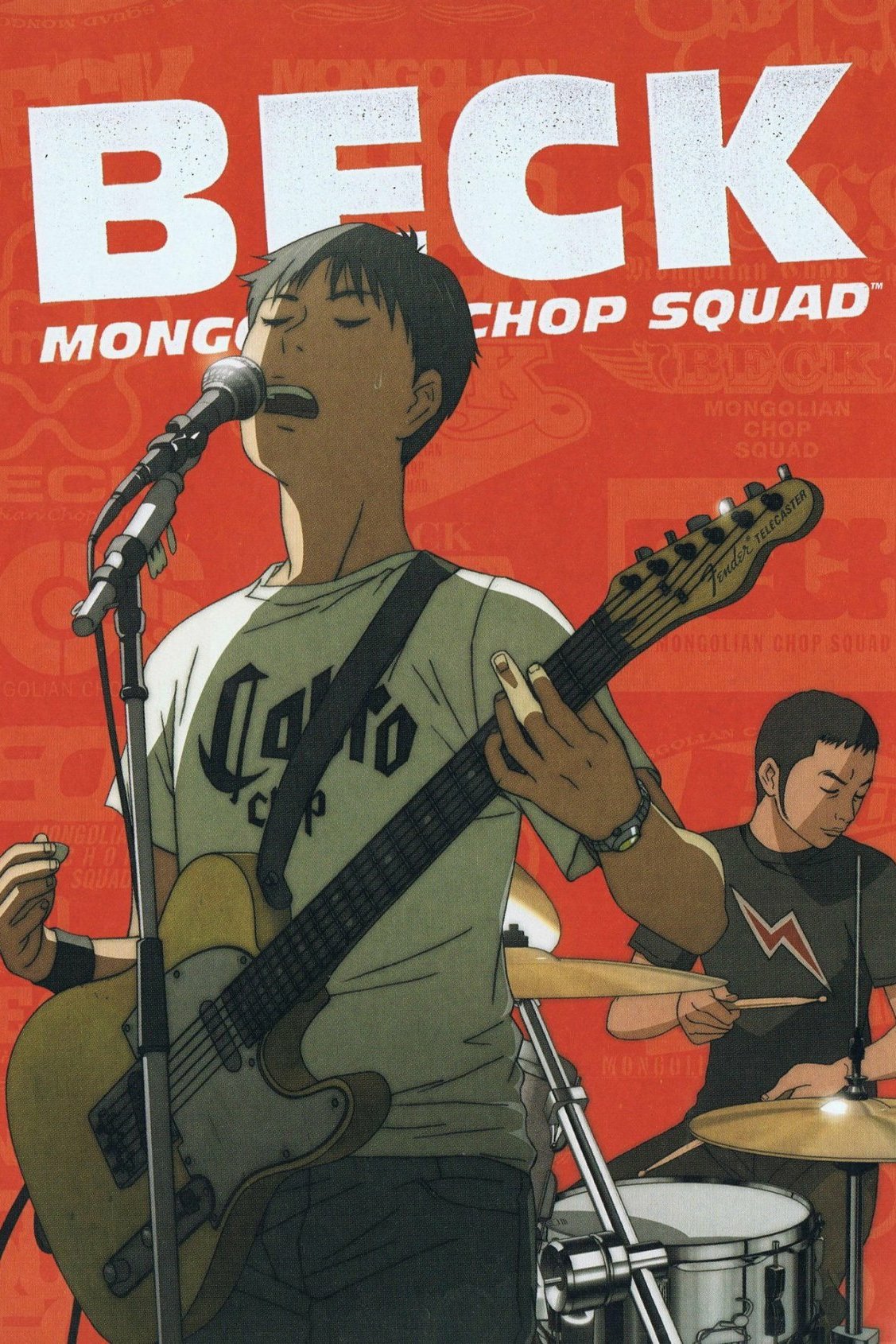
This coming-of-age story details the formation and struggles of a rock band trying to make it big. The animation quality was inconsistent at times which may have turned away animation purists. Music lovers connected deeply with its authentic portrayal of the indie rock scene and instrument playing. The soundtrack remains a favorite among fans of music-themed anime.
‘Honey and Clover’ (2005)
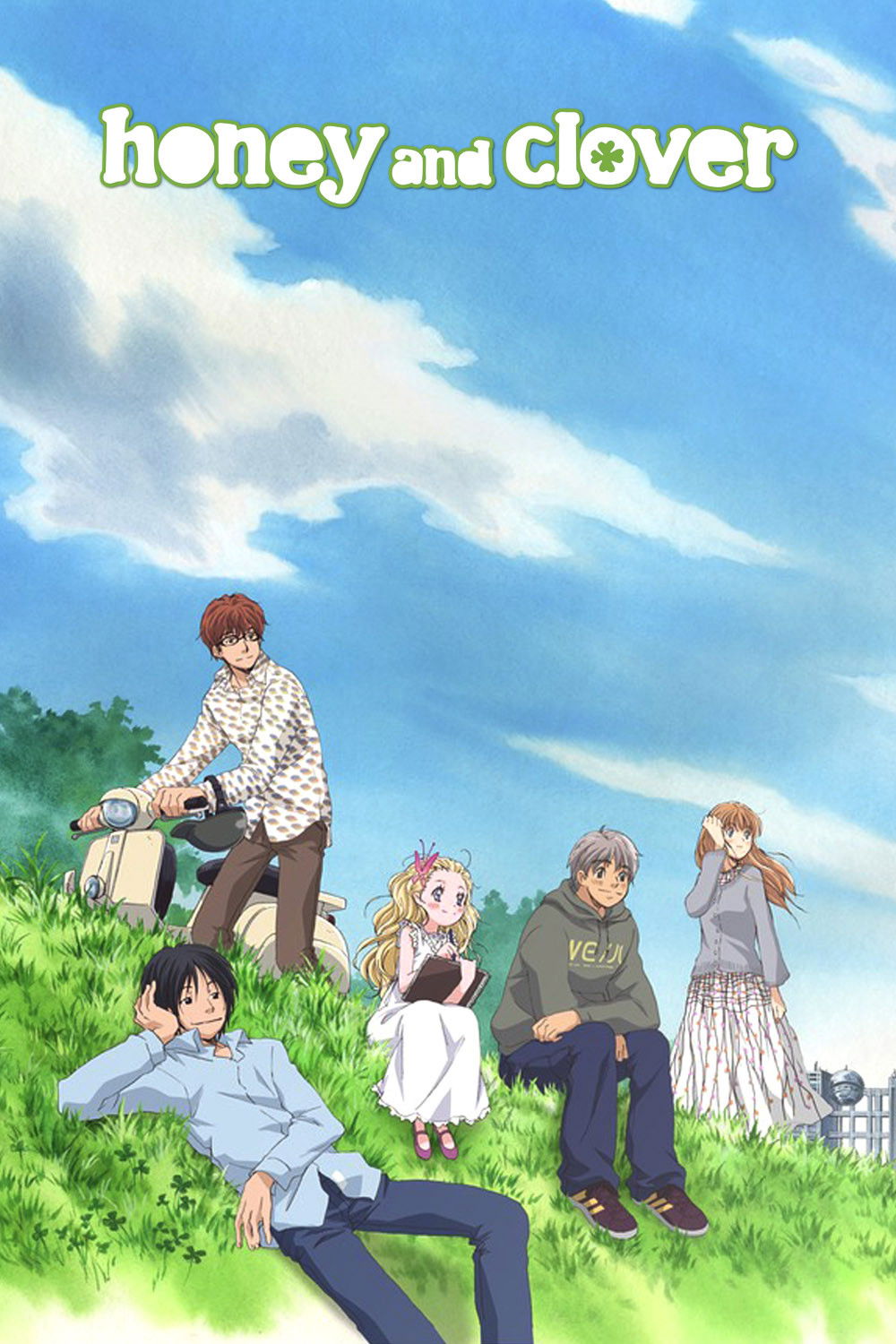
Five art students navigate love and career uncertainty in this josei slice-of-life drama. Its pastel aesthetic and introspective monologues catered to a demographic often ignored by mainstream shonen hits. Viewers resonated with the realistic depiction of unrequited love and the struggle to find one’s talent. It established a high bar for college-setting dramas.
‘Kino’s Journey’ (2003)
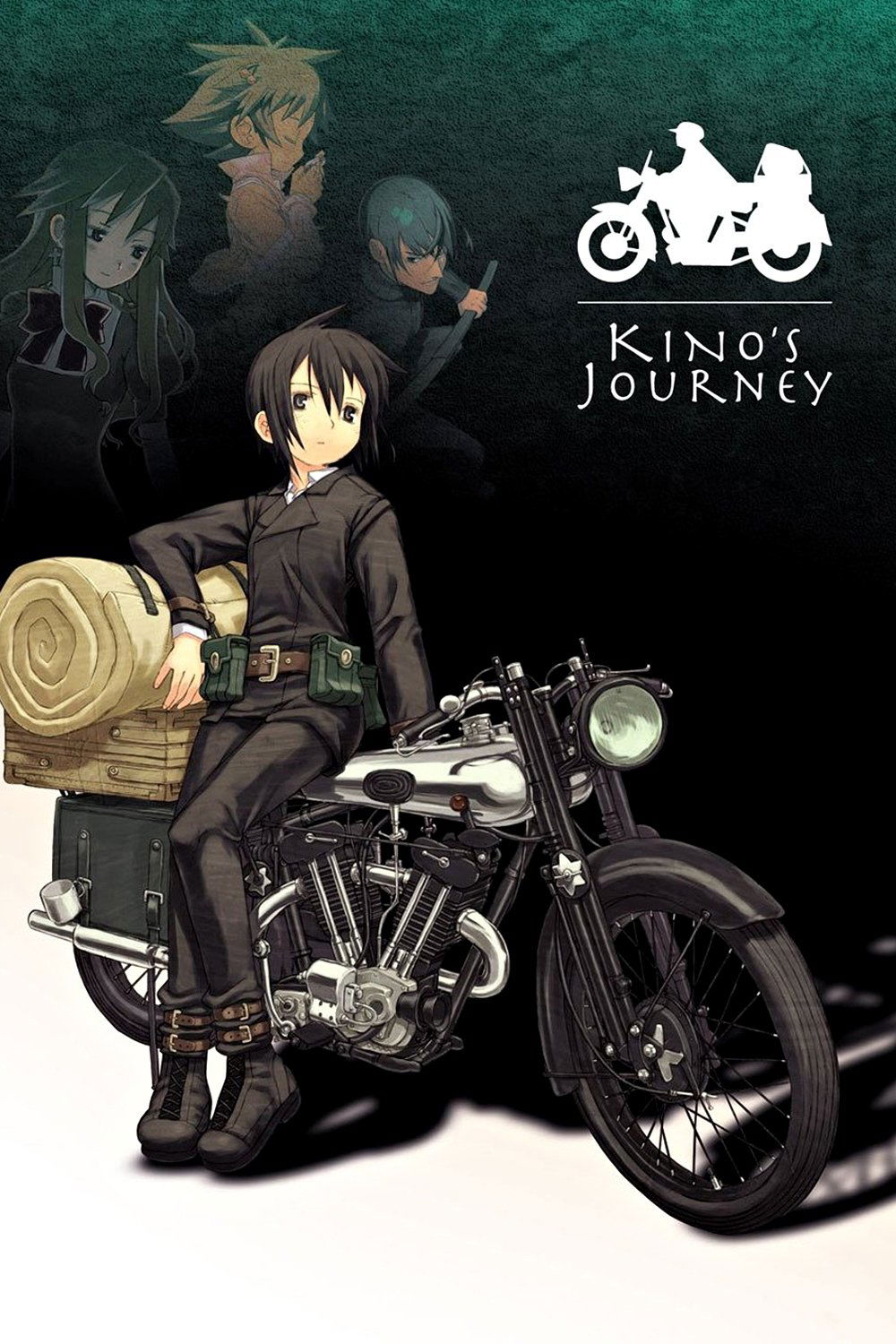
Kino travels to different countries on a talking motorcycle and stays for only three days in each location. The episodic parables offer philosophical critiques of society and human nature. Its understated presentation allowed it to fly under the radar compared to action-heavy fantasy series. It is now revered for its thought-provoking writing and melancholic atmosphere.
‘Mononoke’ (2007)
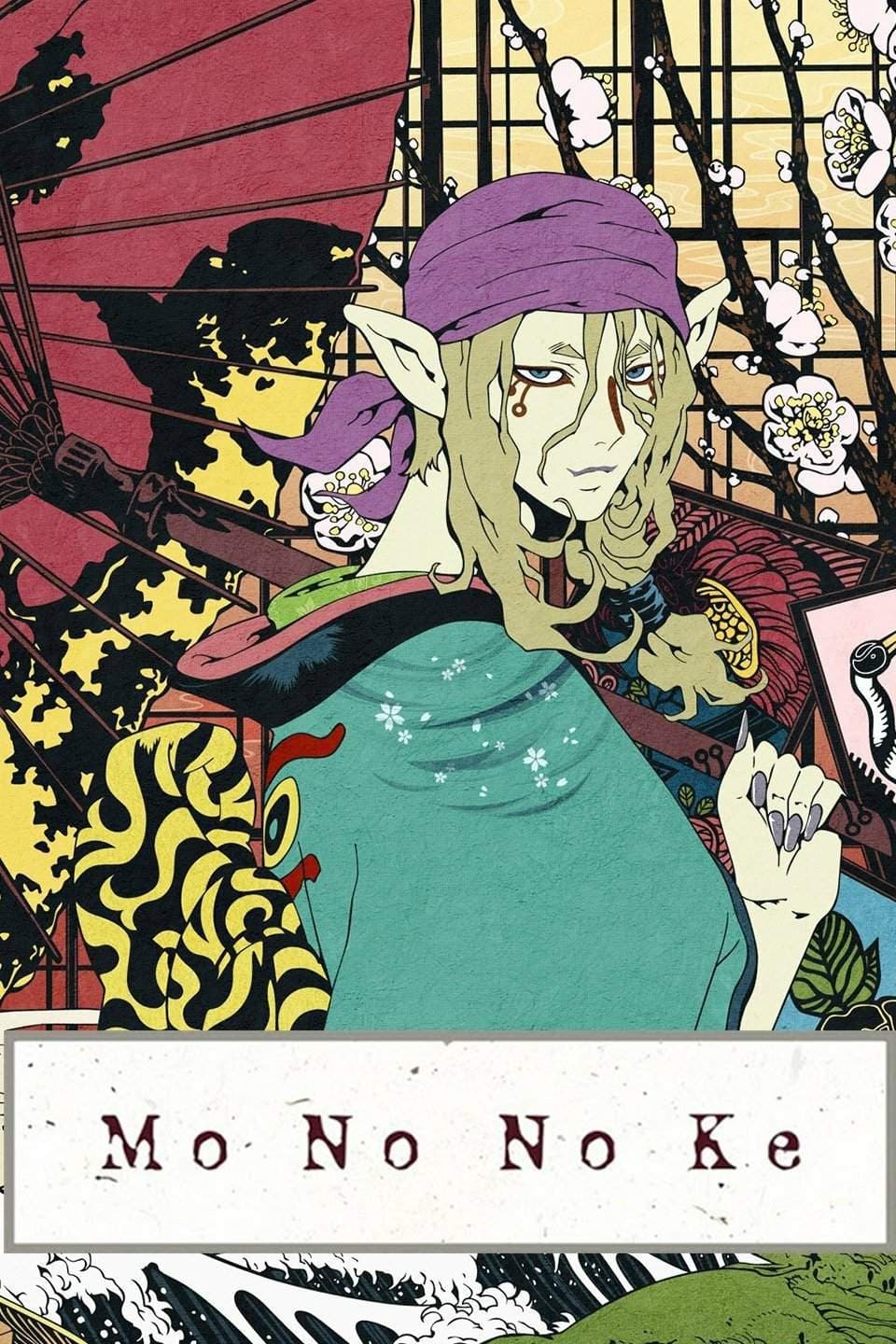
A medicine seller travels across feudal Japan to exorcise spirits by learning their form and truth. The visual style mimics traditional Japanese paper textures and paintings which sets it apart from standard anime aesthetics. This avant-garde approach limited its initial audience but secured its place as an artistic triumph. It is frequently analyzed for its visual symbolism and use of color.
‘Kaiba’ (2008)
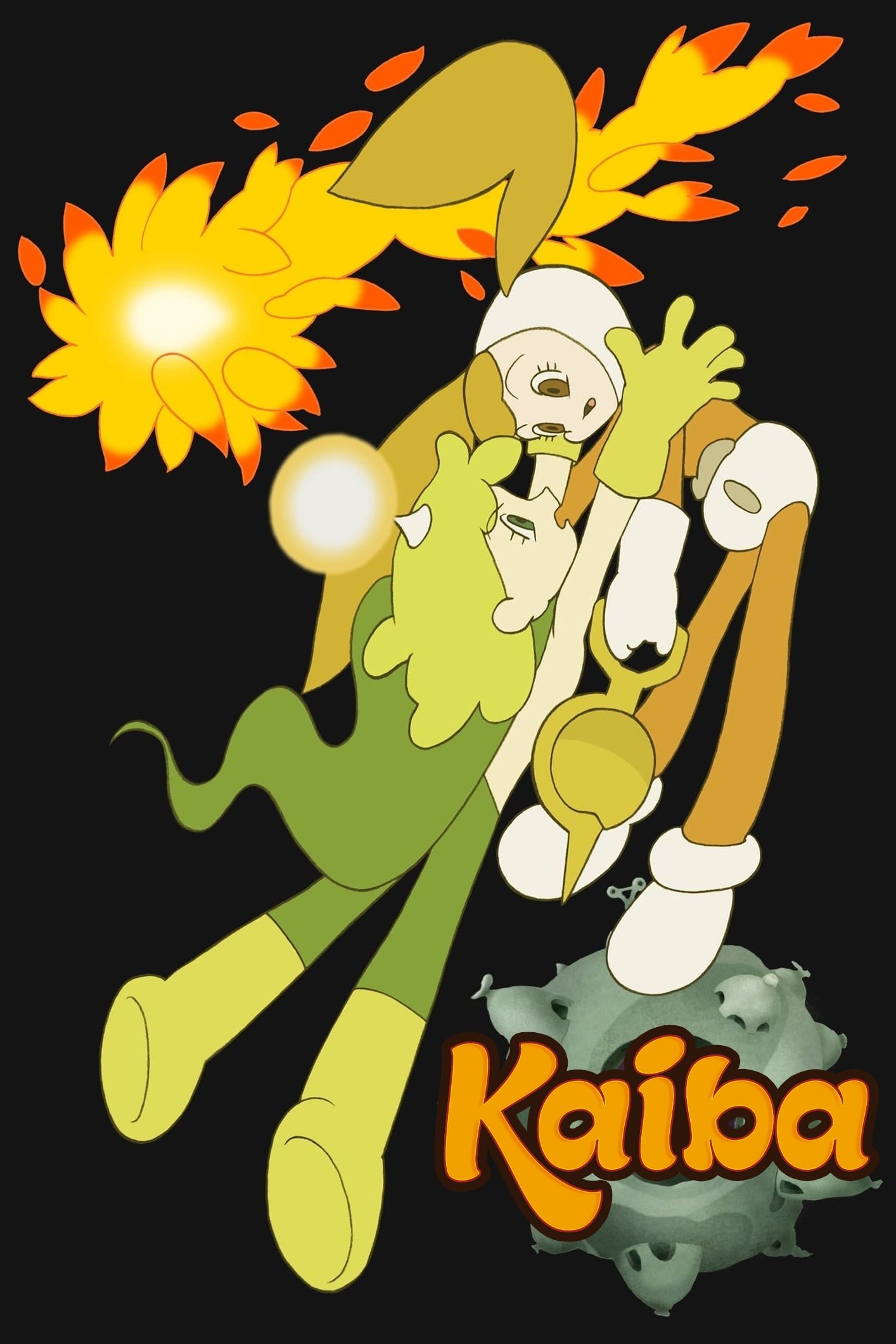
Masaaki Yuasa directed this sci-fi series that features an art style reminiscent of classic Astro Boy or Disney cartoons. The childish visuals hide a mature and often disturbing story about memory transfer and body swapping. Many viewers skipped it because they assumed it was a show for young children. It is now recognized as a deep exploration of the soul and identity.
‘The Tatami Galaxy’ (2010)
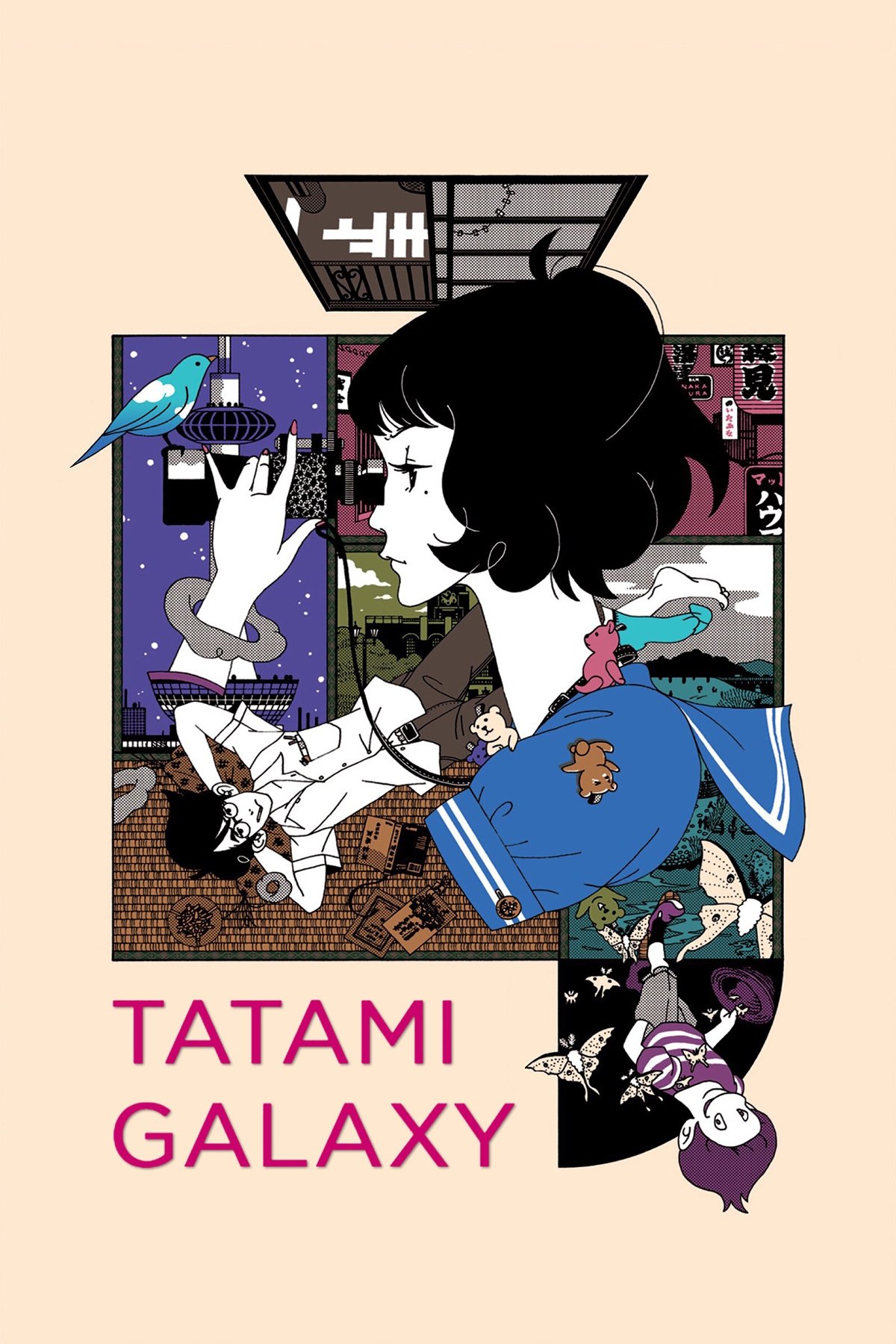
This series features rapid-fire dialogue and a surreal visual style that can be overwhelming for first-time watchers. The protagonist relives his college years in a time loop as he attempts to find the perfect campus life. Fans who adapted to the subtitle speed found a hilarious and poignant story about regret and opportunity. It is considered one of the best directed anime of the 2010s.
‘Ping Pong the Animation’ (2014)
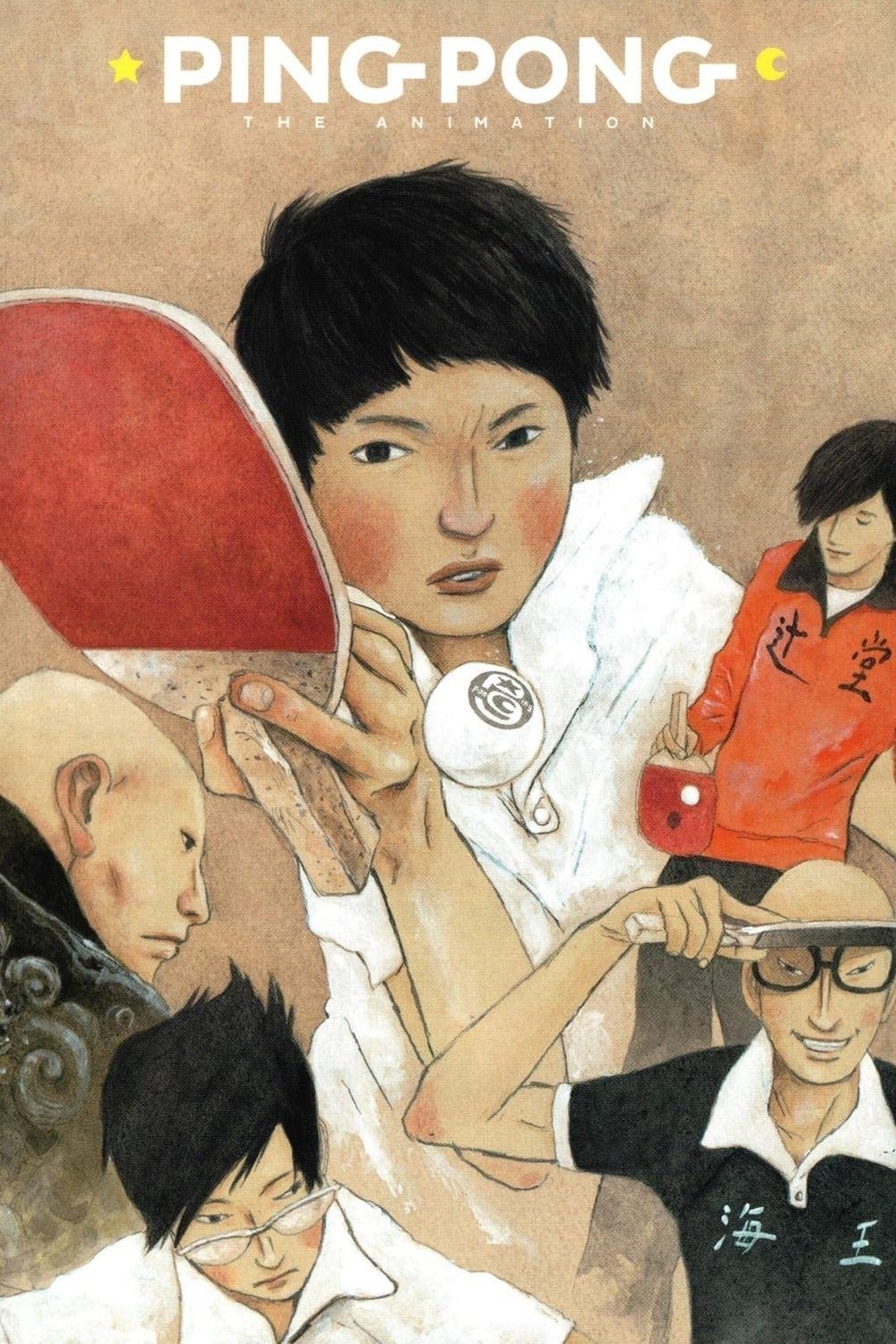
The sketchy and unpolished art style of this sports anime turned away many viewers who preferred clean character designs. Those who ignored the unconventional visuals discovered a masterful character study centered around table tennis. The animation allows for dynamic and expressive movement that standard styles cannot replicate. It is now widely regarded as one of the best sports anime ever produced.
‘Princess Tutu’ (2002)
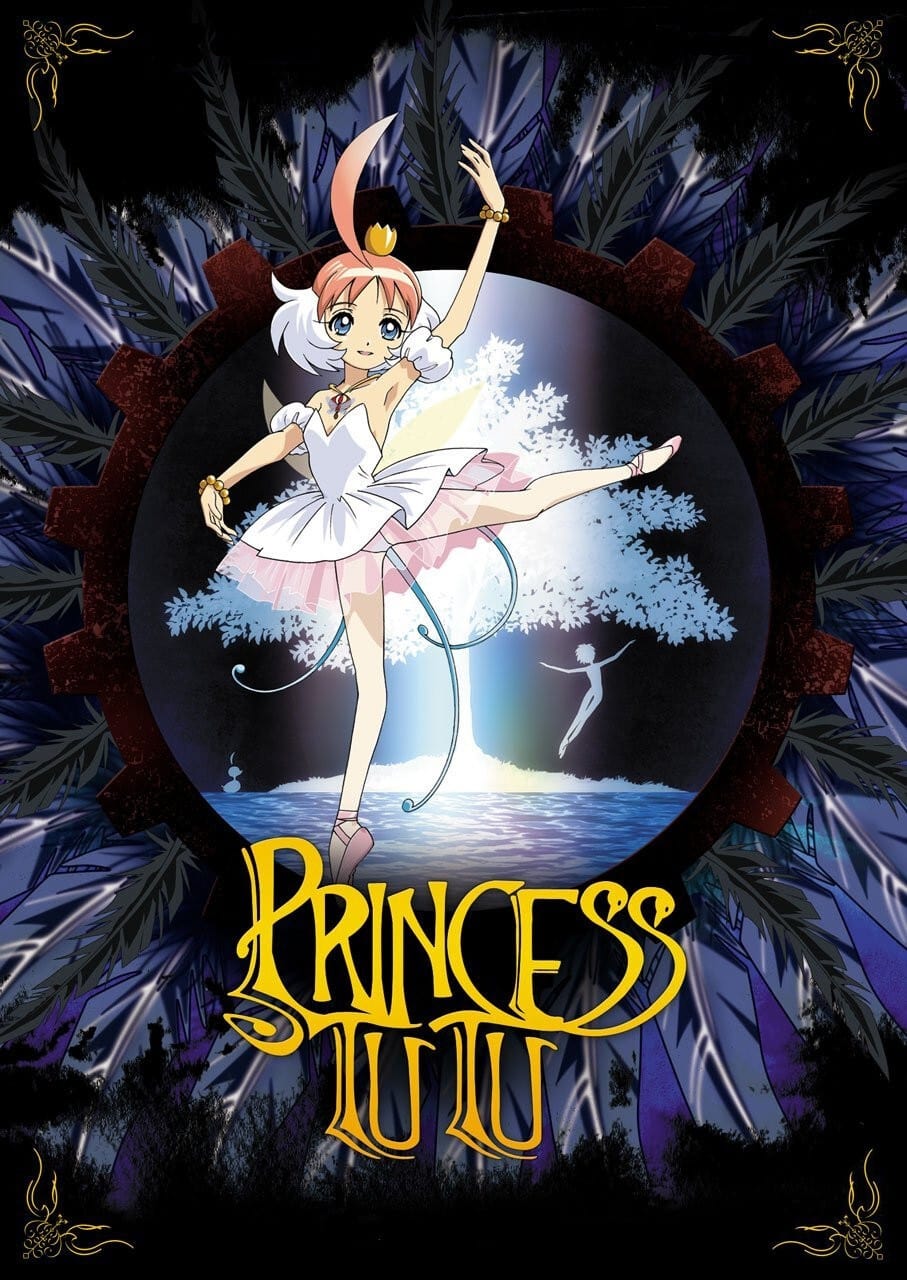
The title and magical girl premise suggest a simple show for little girls involving ballet and fairy tales. The story actually subverts these tropes to tell a dark and tragic meta-narrative about fighting against one’s fate. Male audiences and older viewers largely ignored it until word spread about its sophisticated writing. It is now a prime example of not judging a series by its cover.
‘Redline’ (2009)
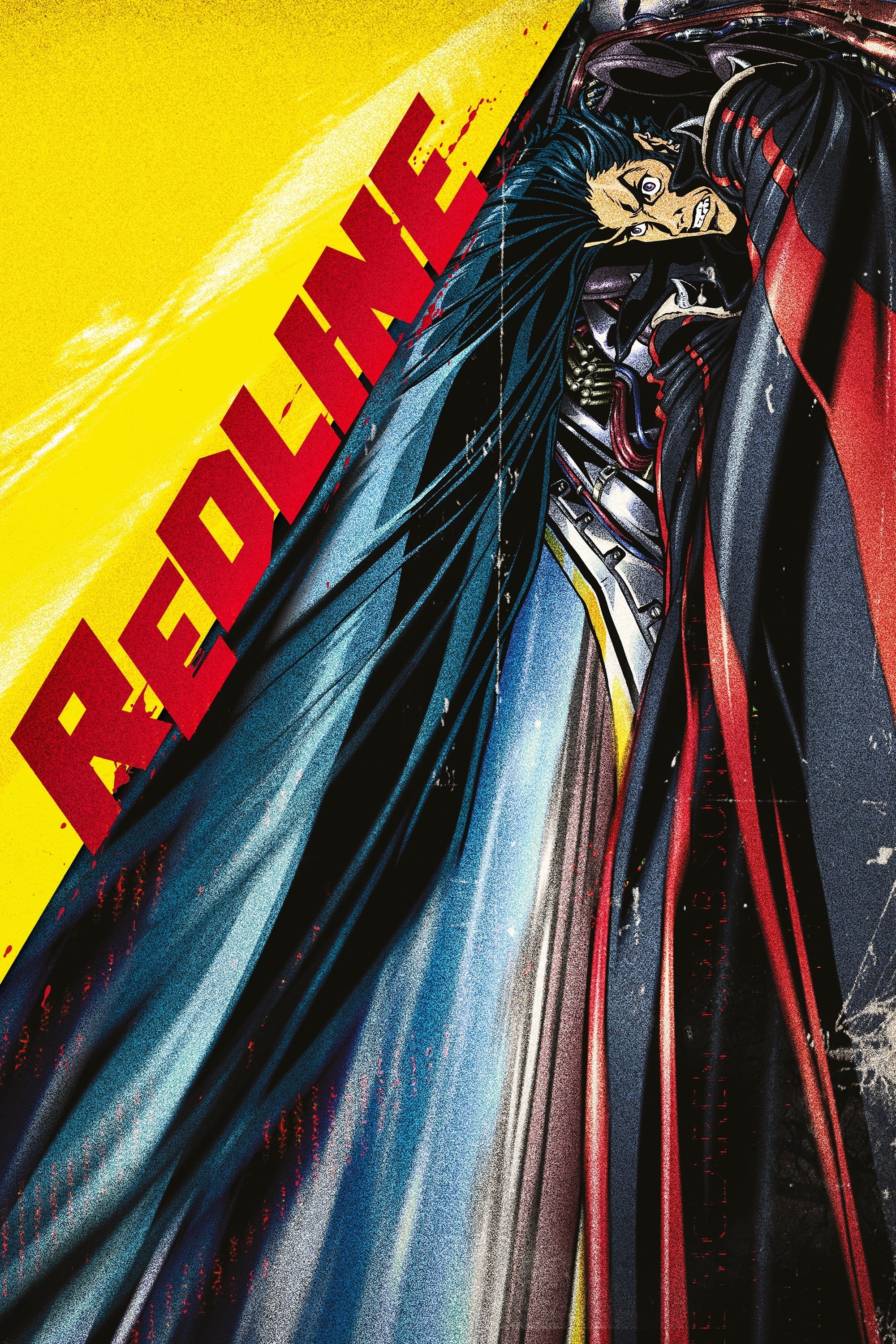
Takeshi Koike spent seven painstaking years hand-drawing this high-octane racing film without the use of computer shortcuts. The movie failed to recoup its budget at the box office despite the immense labor involved. Animation enthusiasts later discovered ‘Redline’ and praised its fluid motion and unique visual style. It now stands as a testament to the dying art of traditional cel animation.
‘Angel’s Egg’ (1985)
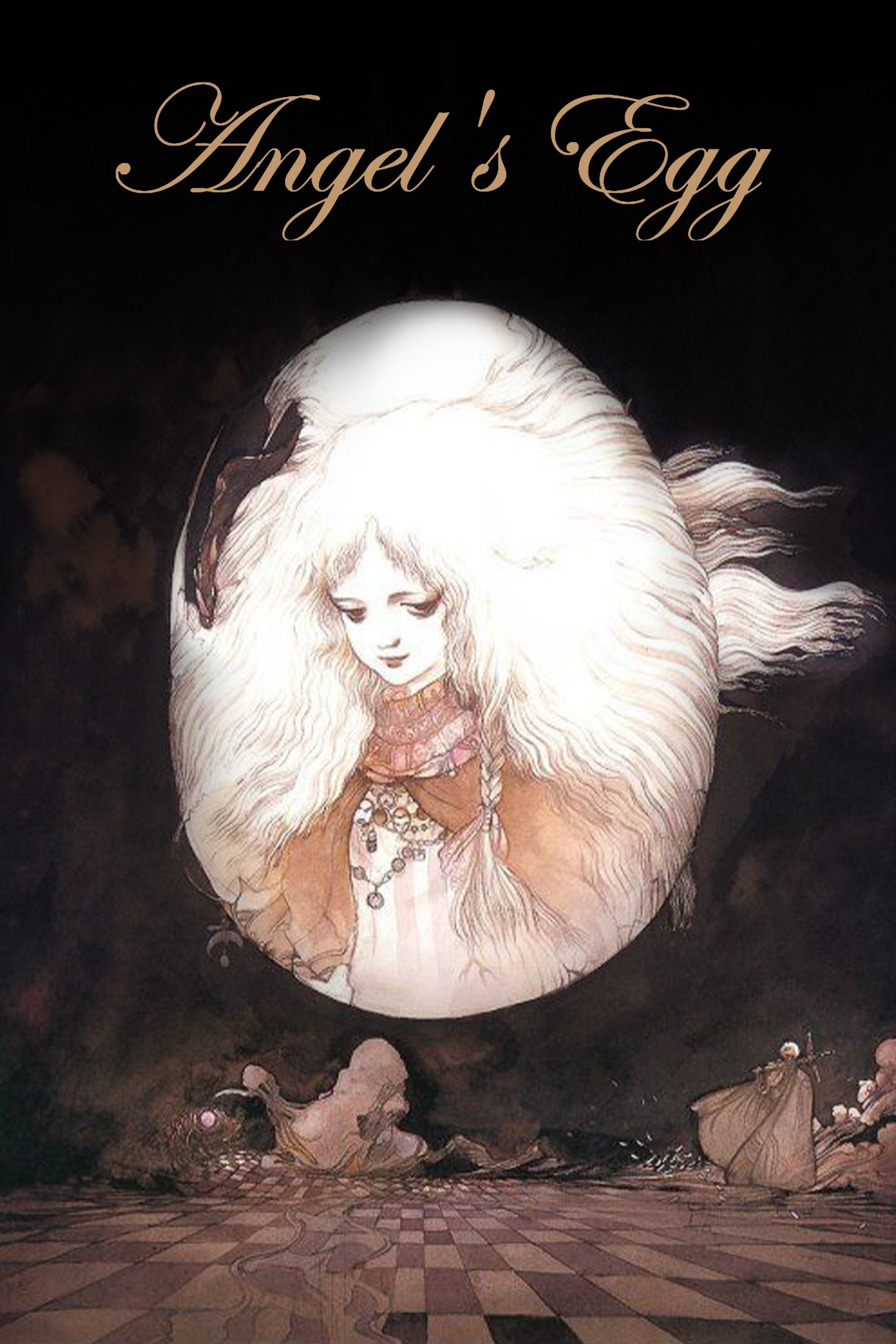
Mamoru Oshii collaborated with artist Yoshitaka Amano to create this dialogue-sparse OVA. The film consists almost entirely of atmospheric shots of a girl protecting an egg in a desolate world. Its lack of a traditional plot made it impenetrable for mainstream audiences of the eighties. Art house fans consider it a surreal masterpiece of mood and visual storytelling.
‘Perfect Blue’ (1997)
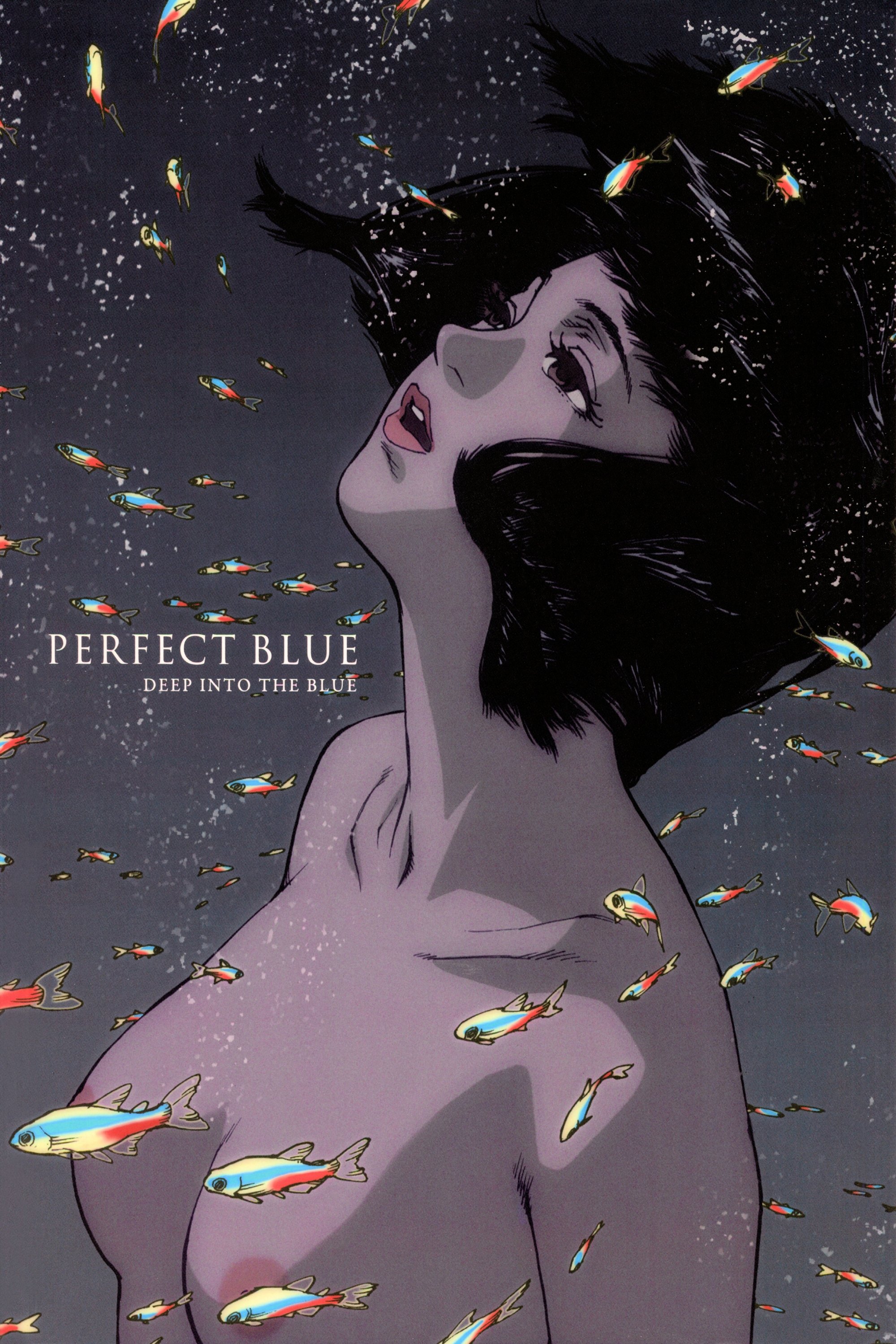
Satoshi Kon’s debut film is a psychological horror about a pop idol who transitions into acting and loses her grip on reality. It was a moderate success initially but gained massive international acclaim over the years. Filmmakers in Hollywood have cited it as an influence on their own psychological thrillers. It remains a chilling commentary on the toxicity of celebrity culture.
‘Millennium Actress’ (2001)
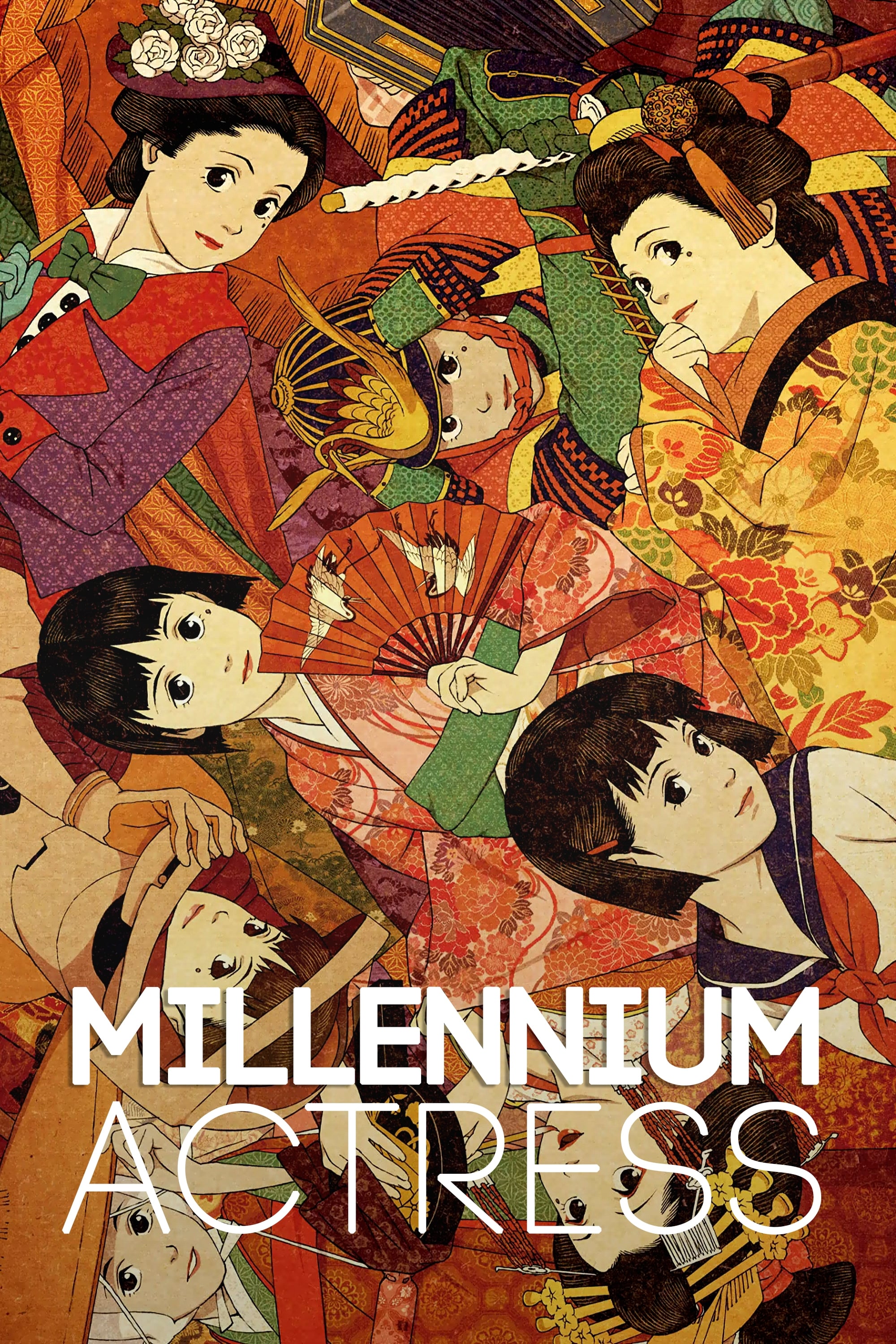
Two documentary filmmakers interview a retired actress whose life story blends seamlessly with the roles she played. The film matches the history of Japanese cinema with the personal history of the protagonist. It did not receive the same box office attention as Studio Ghibli films released around the same time. Critics now rank it among the finest animated films for its editing and narrative structure.
‘Bubblegum Crisis’ (1987)
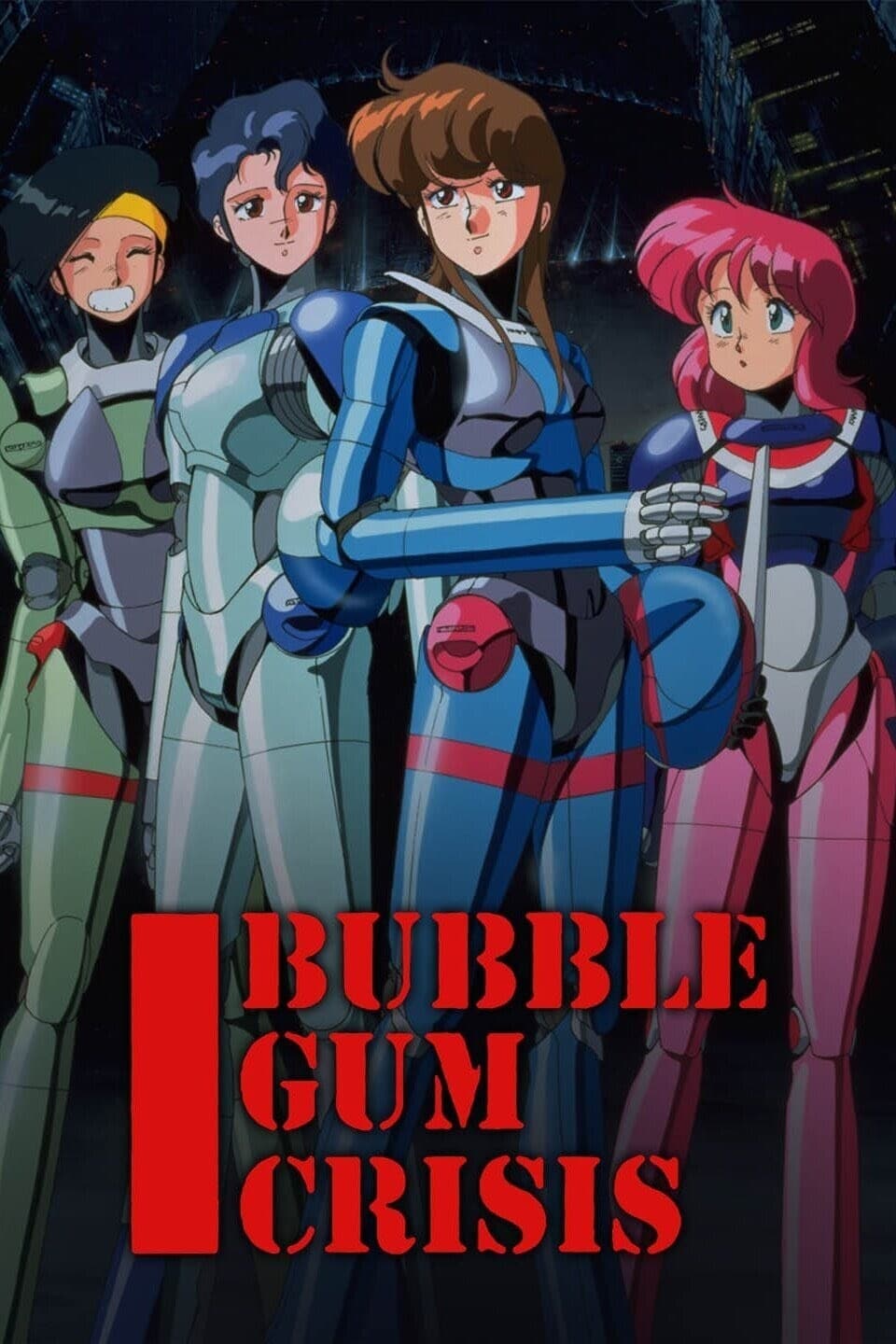
This OVA series draws heavy inspiration from ‘Blade Runner’ and features a team of women fighting rogue robots in a cyberpunk Tokyo. It faced production issues and legal disputes that prevented it from being completed as originally planned. The show thrived on the international market where fans fell in love with its eighties aesthetic and rock soundtrack. It defines the cyberpunk look of that era for many retro anime fans.
‘Legend of the Galactic Heroes’ (1988)
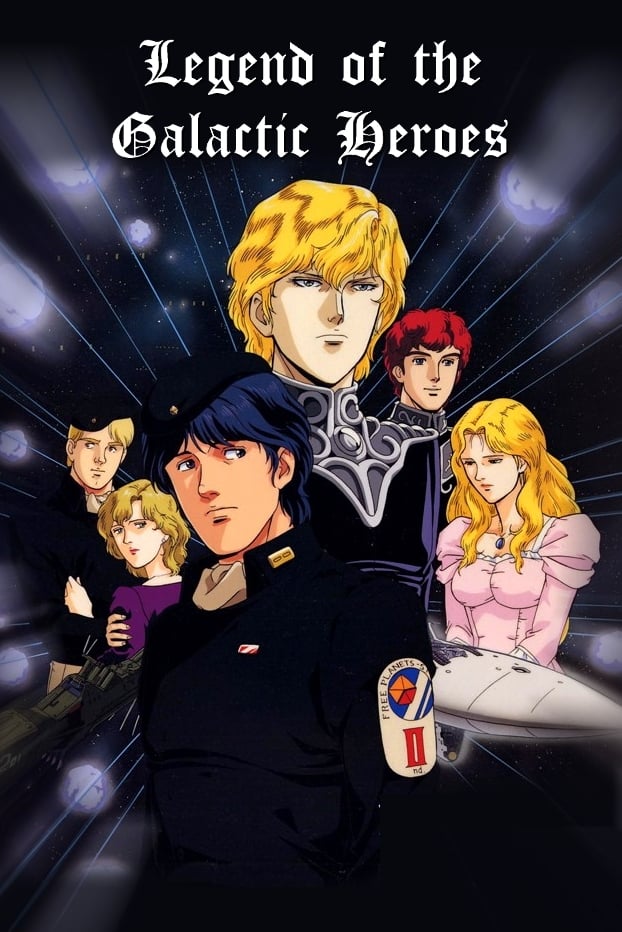
This massive space opera spans over one hundred episodes and was released directly to home video over nearly a decade. The sheer length and dense political dialogue made it inaccessible to casual viewers. It built a reputation as the most intellectual anime ever made through fan translations and tape trading. A recent remake has helped new audiences discover the depth of the original series.
‘Now and Then, Here and There’ (1999)
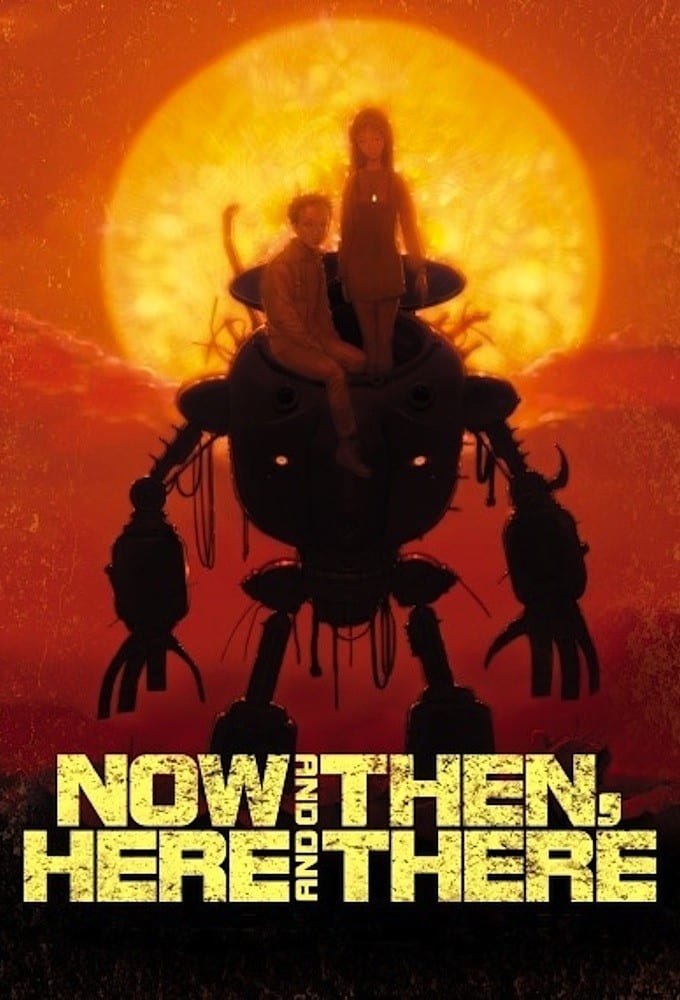
A young boy is transported to a brutal dystopian world where water is scarce and children are conscripted into armies. The director created the series as a response to the perceived glamorization of war in other anime. Its grim tone and depiction of suffering made it a difficult watch for many. It is remembered today for its unflinching look at the horrors of conflict.
‘Infinite Ryvius’ (1999)
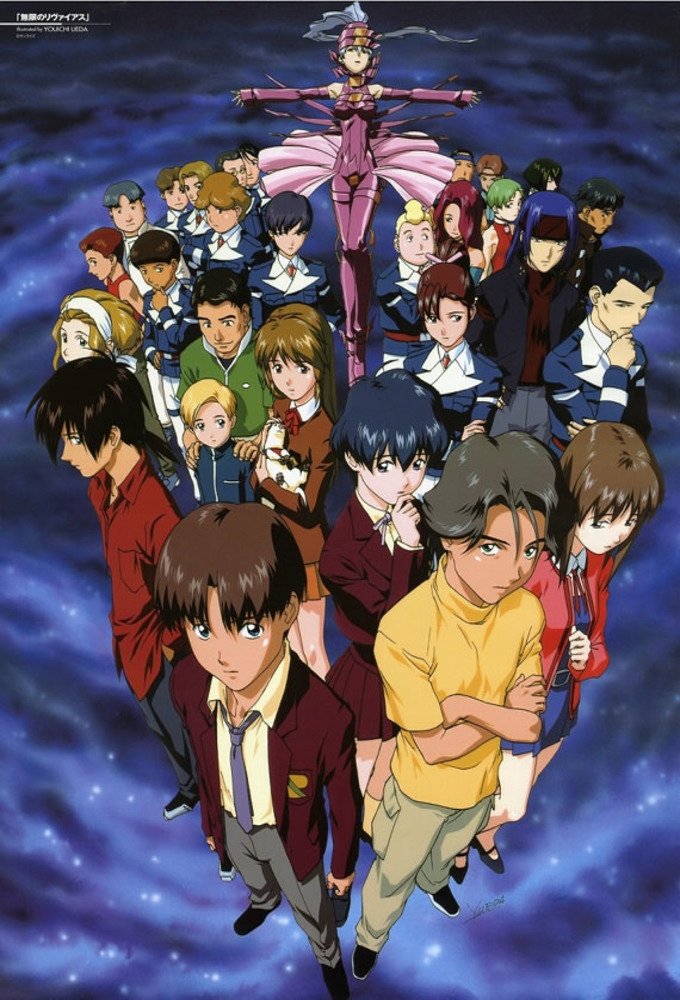
Hundreds of students are trapped aboard a space station cut off from the rest of humanity. The series explores the psychological breakdown and political maneuvering that occurs as resources dwindle. It is often described as ‘Lord of the Flies’ in space and offers a tense viewing experience. The character drama is praised for its realism and lack of clear heroes or villains.
‘Casshern Sins’ (2008)
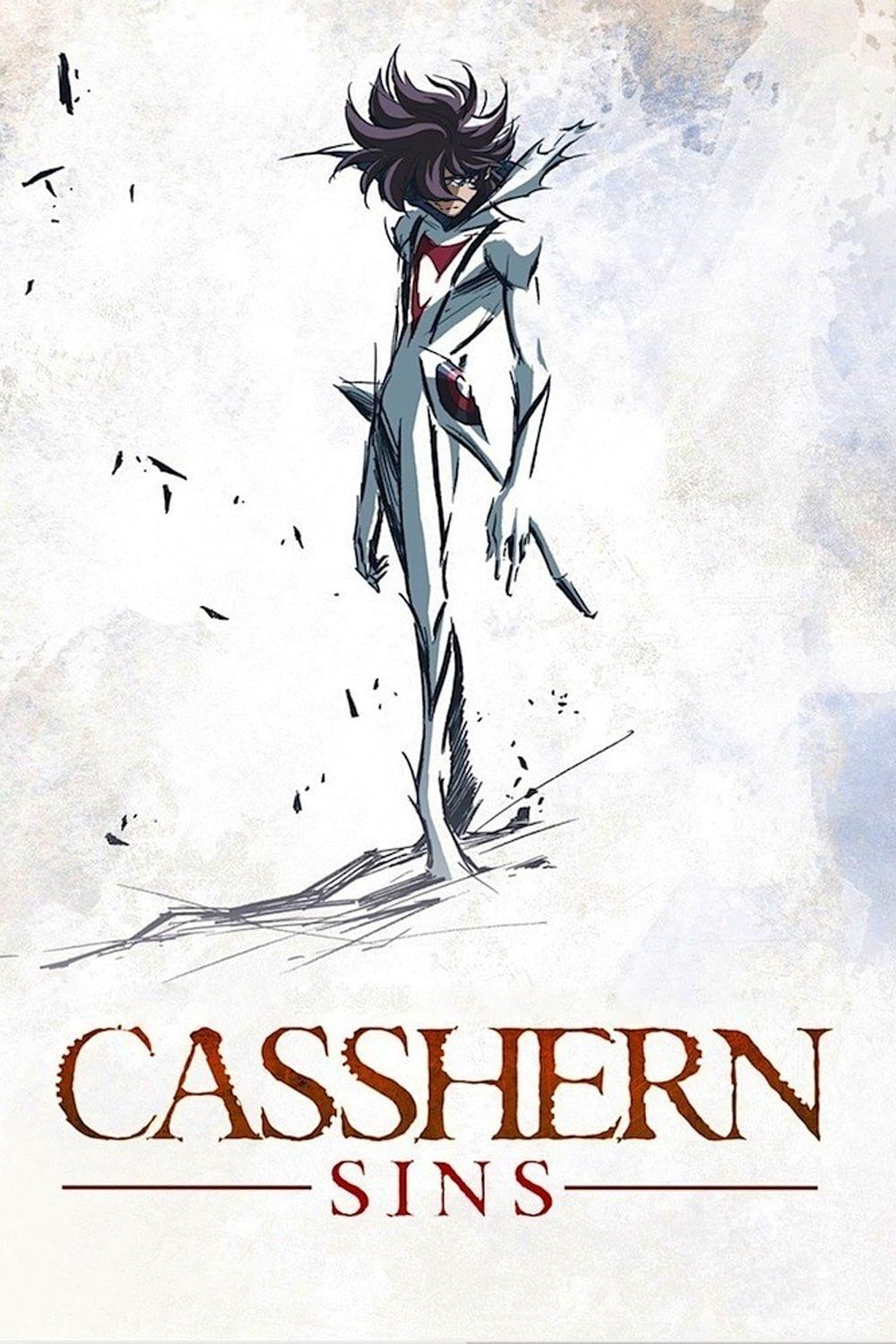
This reboot of a classic seventies hero turns the franchise into a somber post-apocalyptic journey. Casshern wanders a dying world where robots are rusting away and blaming him for their demise. The slow pacing and melancholy tone were a sharp departure from the action-packed original. It gained a cult following for its atmospheric direction and stunning fight choreography.
‘Dead Leaves’ (2004)
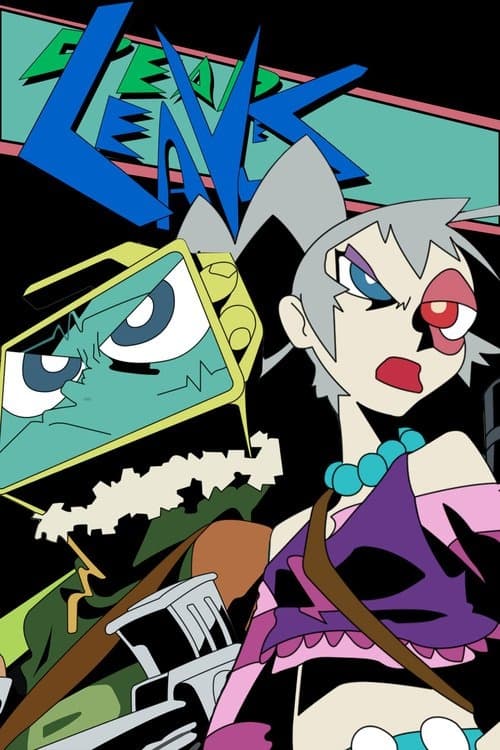
Production I.G released this frenetic and bizarre film about two amnesiacs breaking out of a space prison. The visual style is chaotic and grotesque with a pace that never slows down for exposition. It was too experimental for mainstream success but became a favorite among fans of stylized animation. The film is often cited as a precursor to the style of Studio Trigger.
‘Mind Game’ (2004)
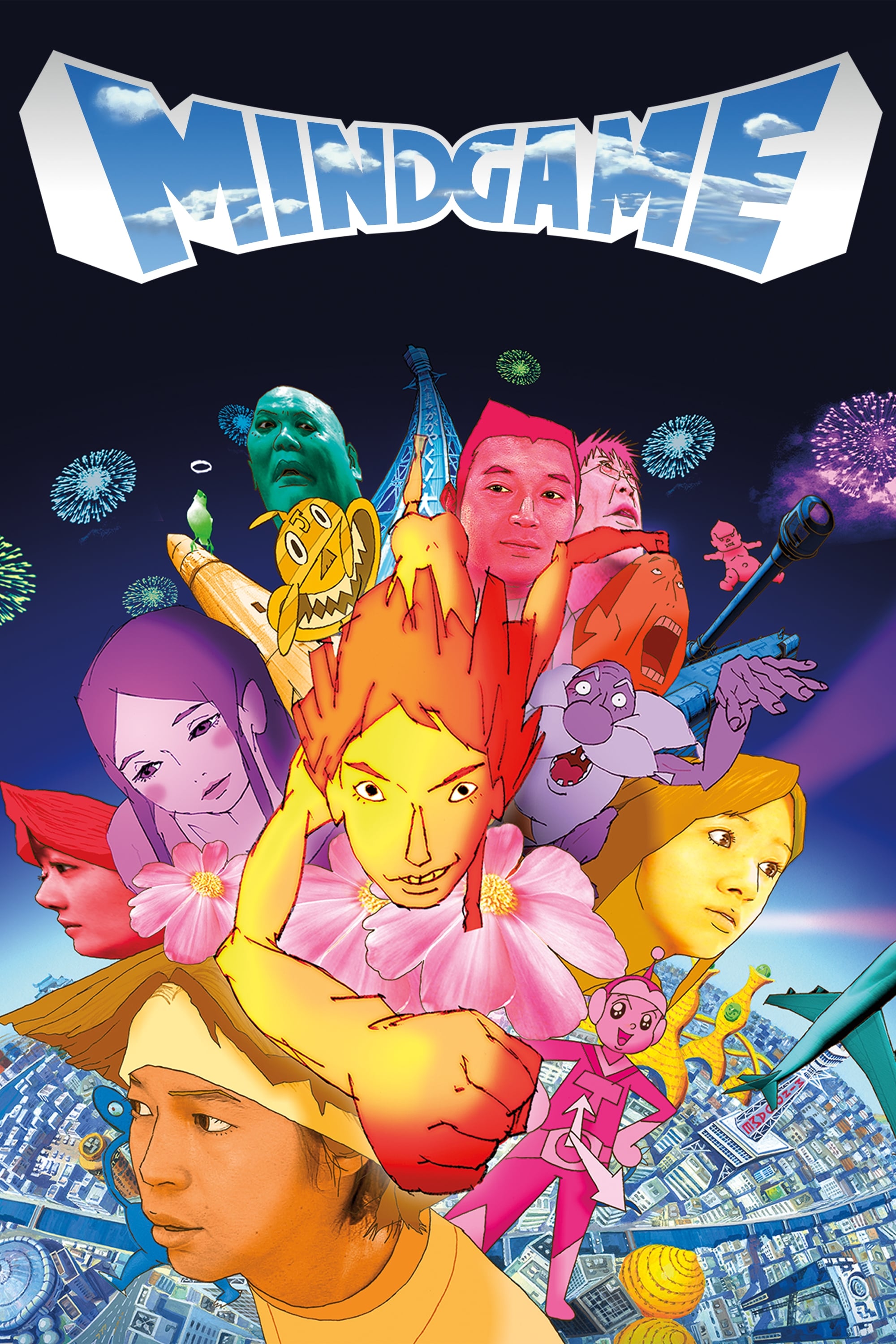
Masaaki Yuasa’s film uses a collage of different animation styles to tell a story about living life to the fullest. The narrative involves a loser who is killed by yakuza and wills himself back to life. Its unconventional narrative structure and visuals garnered awards but limited box office returns. It is now considered a landmark film in the world of experimental animation.
‘Michiko & Hatchin’ (2008)

An escaped convict rescues a young girl from an abusive foster home and takes her on a road trip across a fictional South American country. The show is notable for its distinct setting and fashion which differs from typical anime tropes. It gained a strong following overseas for its strong female leads and killer soundtrack. The series exudes a sense of cool that few other shows manage to capture.
‘Shiki’ (2010)
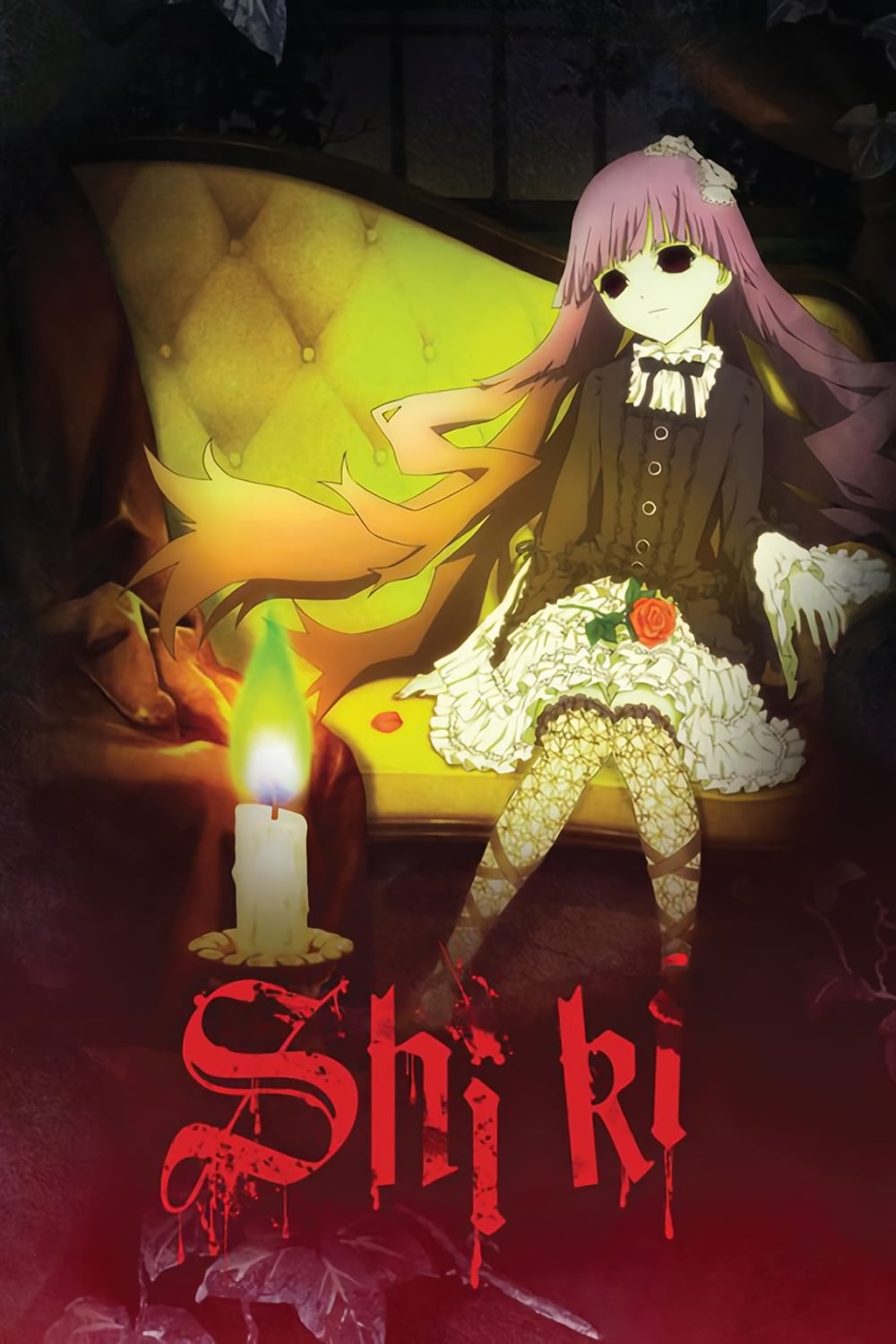
A secluded village is slowly decimated by a family of vampires who move into a mansion on the hill. The character designs are bizarre with exaggerated hairstyles that distracted some viewers from the horror elements. The story builds slowly into a brutal conflict that questions who the real monsters are. Horror fans appreciate its nihilistic ending and moral ambiguity.
‘Flip Flappers’ (2016)

Two girls explore surreal alternate dimensions called Pure Illusion that reflect their inner psyches. The show features incredible animation and different art styles for each dimension they visit. The plot can be abstract and confusing which prevented it from becoming a major hit while airing. Sakuga fans and critics have kept the conversation alive regarding its visual creativity.
Share your favorite overlooked anime gems in the comments.