

Anime That Were Ruined By Terrible CGI Animation

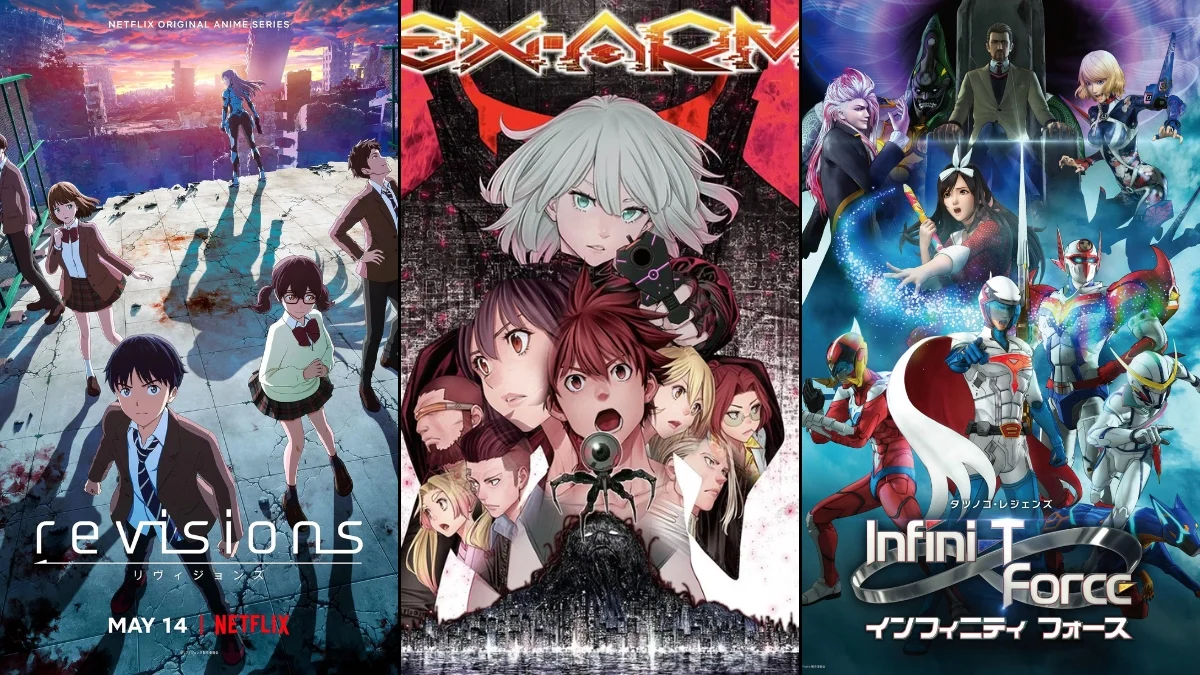


The evolution of anime has seen a significant shift toward the integration of computer-generated imagery to streamline production and handle complex sequences. While some series have successfully utilized 3D animation to enhance their visual storytelling, others have faced heavy criticism for technical failures that distract from the narrative. Poorly integrated models, stiff character movements, and inconsistent frame rates can alienate audiences and overshadow the source material’s strengths. From legendary franchises to modern experimental projects, several titles have become infamous for their visual execution. This list highlights various anime where the implementation of CGI was widely regarded as detrimental to the overall viewing experience.
‘EX-ARM’ (2021)
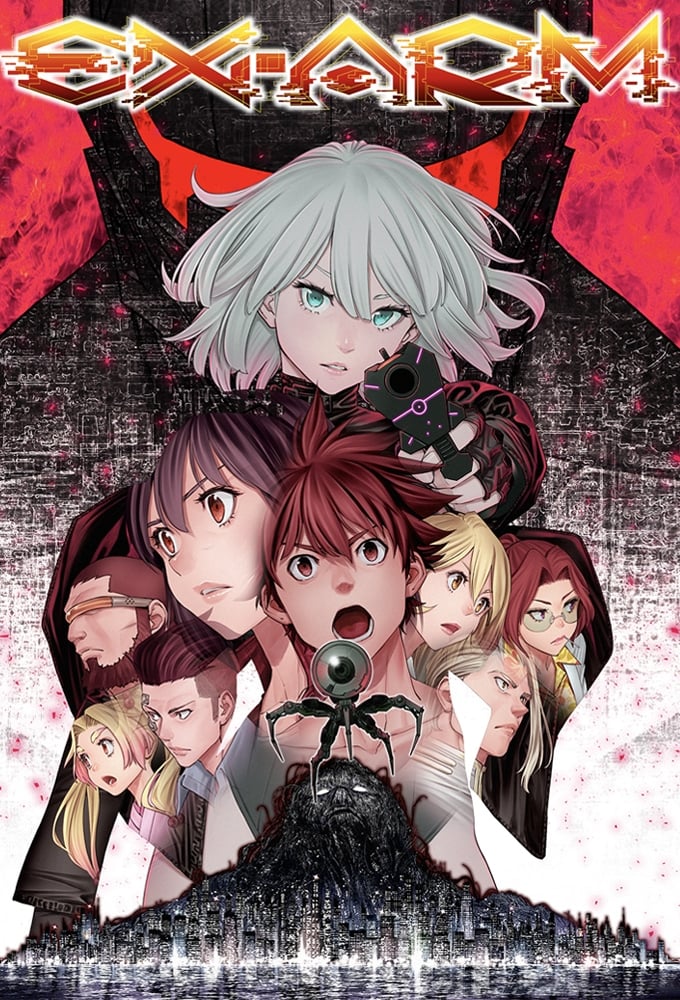
This science fiction series follows Akira Natsume, who wakes up years after an accident to find his brain inside a combat-ready artificial intelligence. The production opted for a full 3D computer-generated approach for the primary cast while maintaining 2D backgrounds and minor characters. The animation was widely noted for its lack of fluid motion and awkward physical interactions between the character models. Many viewers found the visual disconnect between the 3D and 2D elements to be jarring. This technical execution resulted in the series being one of the lowest-rated shows on several database platforms.
‘Berserk’ (2016–2017)
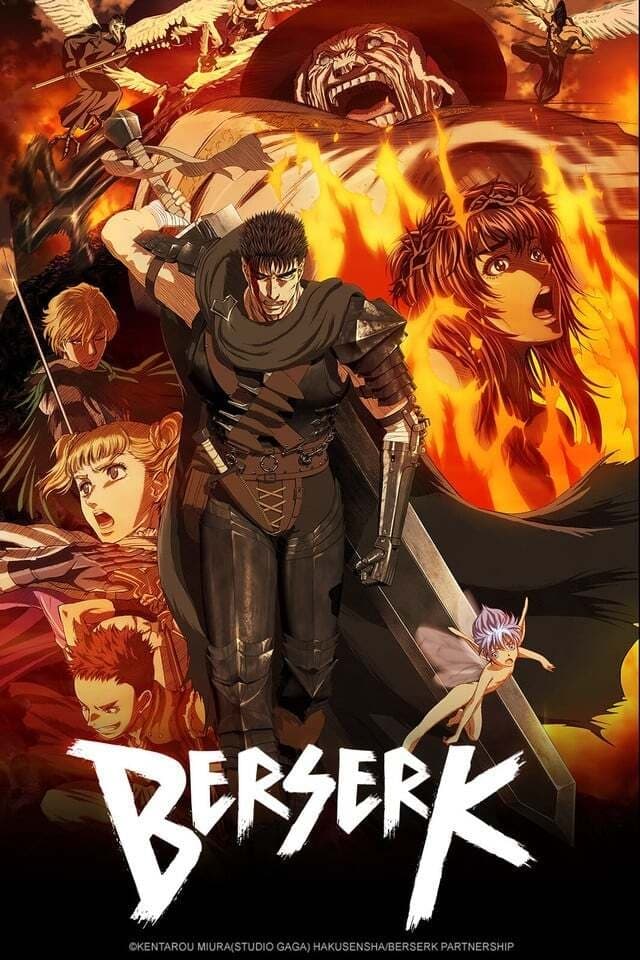
Continuing the story of Guts the Black Swordsman, this adaptation focuses on the Conviction and Falcon of the Millennium Empire arcs from the manga. The series attempted to blend 3D models with 2D textures to mimic the original detailed artwork. Fans frequently criticized the stiff character movements and the metallic sound effects associated with the armor. The inconsistent frame rates often drew attention away from the dark fantasy narrative. The project faced significant scrutiny for failing to capture the aesthetic quality of the source material.
‘Gibiate’ (2020)
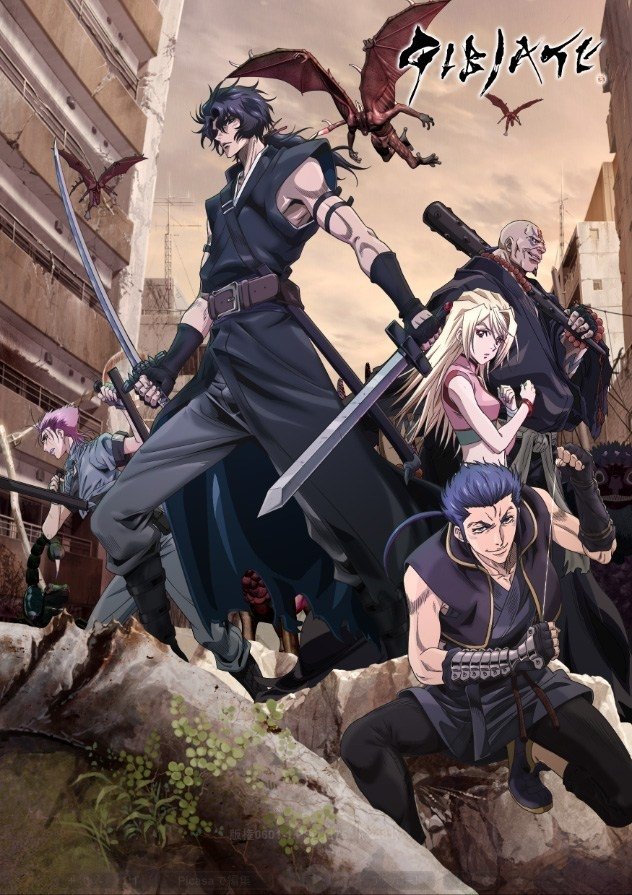
Set in a post-apocalyptic Japan, a samurai and a ninja travel from the Edo period to help a doctor find a cure for a virus that turns humans into monsters. While the character designs were created by Yoshitaka Amano, the monsters themselves were rendered using 3D models. These computer-generated creatures were often noted for their lack of detail and poor integration with the hand-drawn backgrounds. The visual contrast led to significant negative feedback during its broadcast. Many reviewers cited the monster designs as a primary reason for the show’s poor reception.
‘Tesla Note’ (2021)
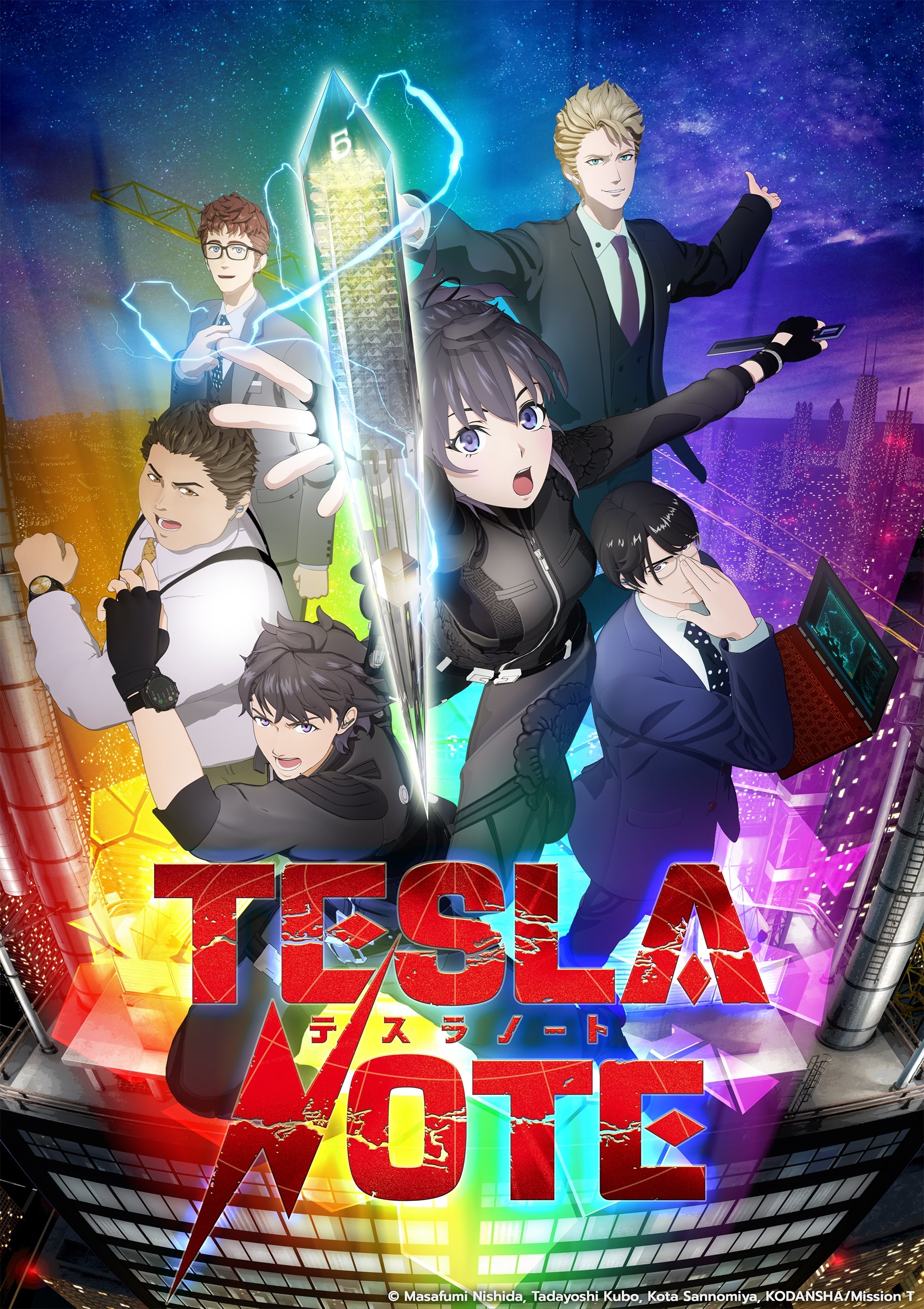
This spy thriller revolves around Botan Negoro and Kuruma as they hunt for the Shards of Tesla to prevent global destruction. The animation style relies heavily on 3D character models that often move with a robotic quality. During fast-paced action sequences, the character assets frequently appeared to slide across the floor without proper weight. Critics pointed to the lackluster visual fidelity as a major distraction from the plot throughout the broadcast. The series became a subject of discussion online specifically due to the viral nature of its animation clips.
‘Hand Shakers’ (2017)
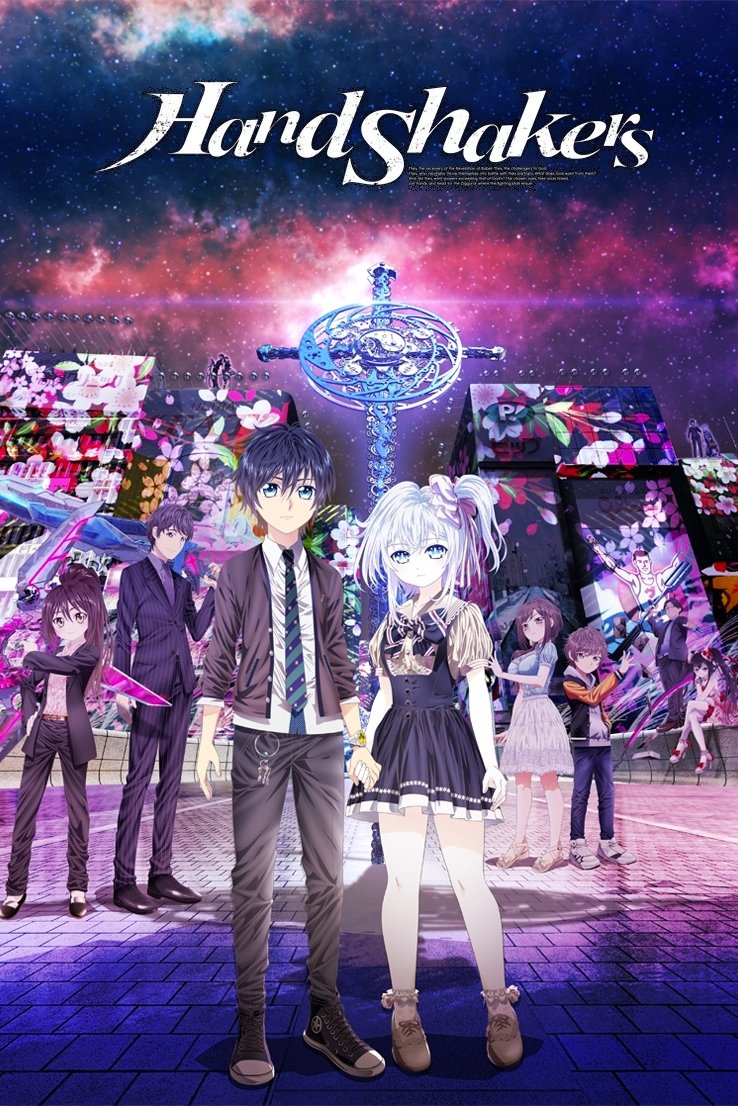
Produced by studio GoHands, this series features pairs of ‘Hand Shakers’ who can summon weapons and fight in a transcendental world. The show is known for its highly experimental visual style that combines 2D character art with incredibly busy 3D backgrounds and constant camera movement. The resulting imagery was often described as visually overwhelming and difficult for audiences to follow. Many viewers reported experiencing motion sickness due to the erratic perspective shifts and neon-saturated colors. This creative direction was widely panned for being over-produced and visually chaotic.
‘Arifureta: From Commonplace to World’s Strongest’ (2019)

Hajime Nagumo is transported to a fantasy world where he must survive a treacherous dungeon after being betrayed by a classmate. The series features numerous large-scale monsters, such as hydras and behemoths, that are rendered entirely with CGI. These models often lacked complex textures and appeared visually distinct from the 2D character animations. The quality of the creature effects was a common point of contention among the fan base upon the show’s release. Many felt the 3D elements looked dated compared to contemporary seasonal anime.
‘Kingdom’ (2012–2013)
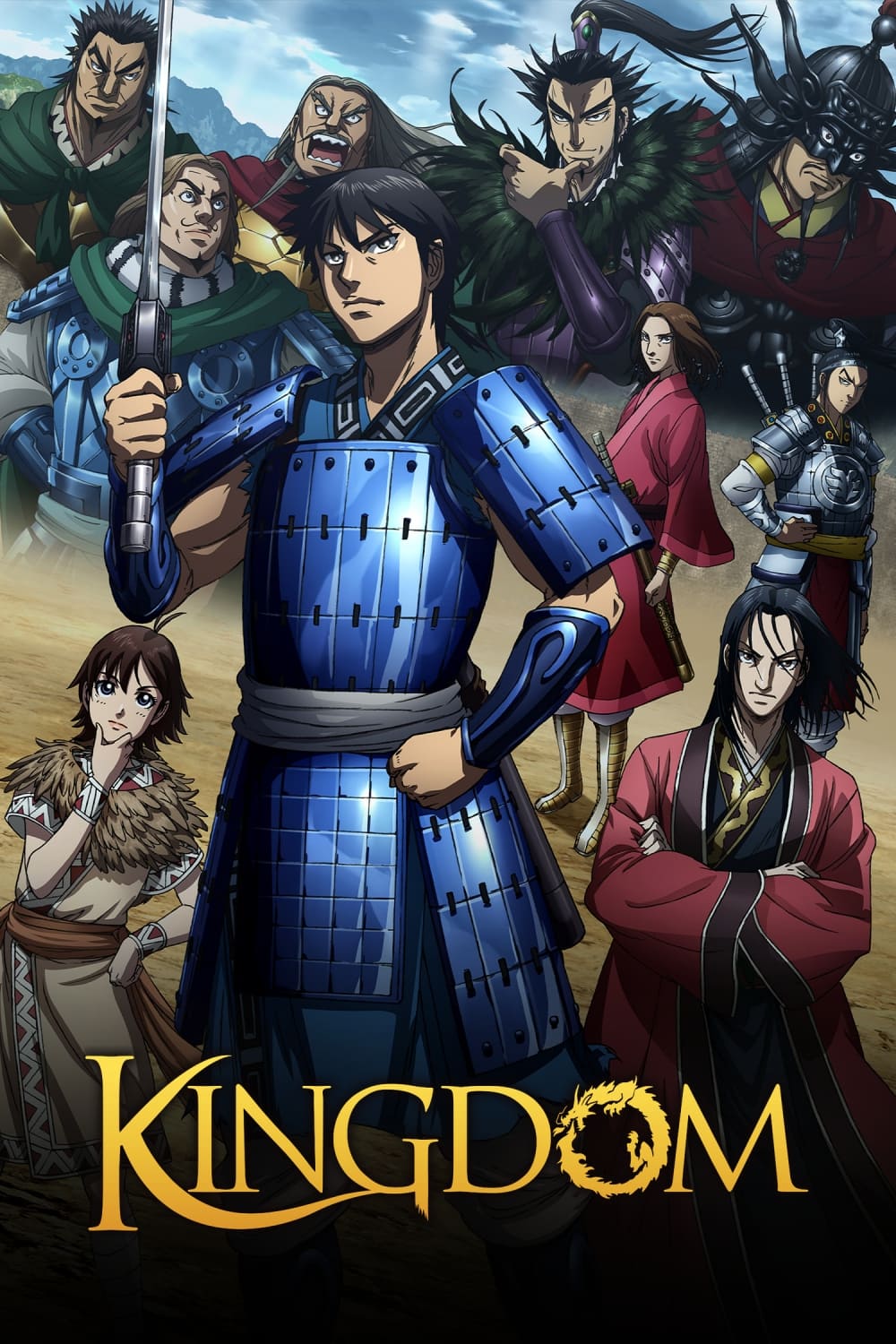
This historical epic tells the story of Xin and his ambition to become a Great General under the Heavens during China’s Warring States period. The first season utilized extensive 3D models for large-scale battles and individual character movements. The CGI was frequently criticized for being clunky and out of place compared to traditional 2D anime styles of the era. Later seasons eventually transitioned to a more conventional animation style to address these visual concerns. Despite the strong narrative, the initial animation remains a significant hurdle for new viewers to overcome.
‘Overlord’ (2015)
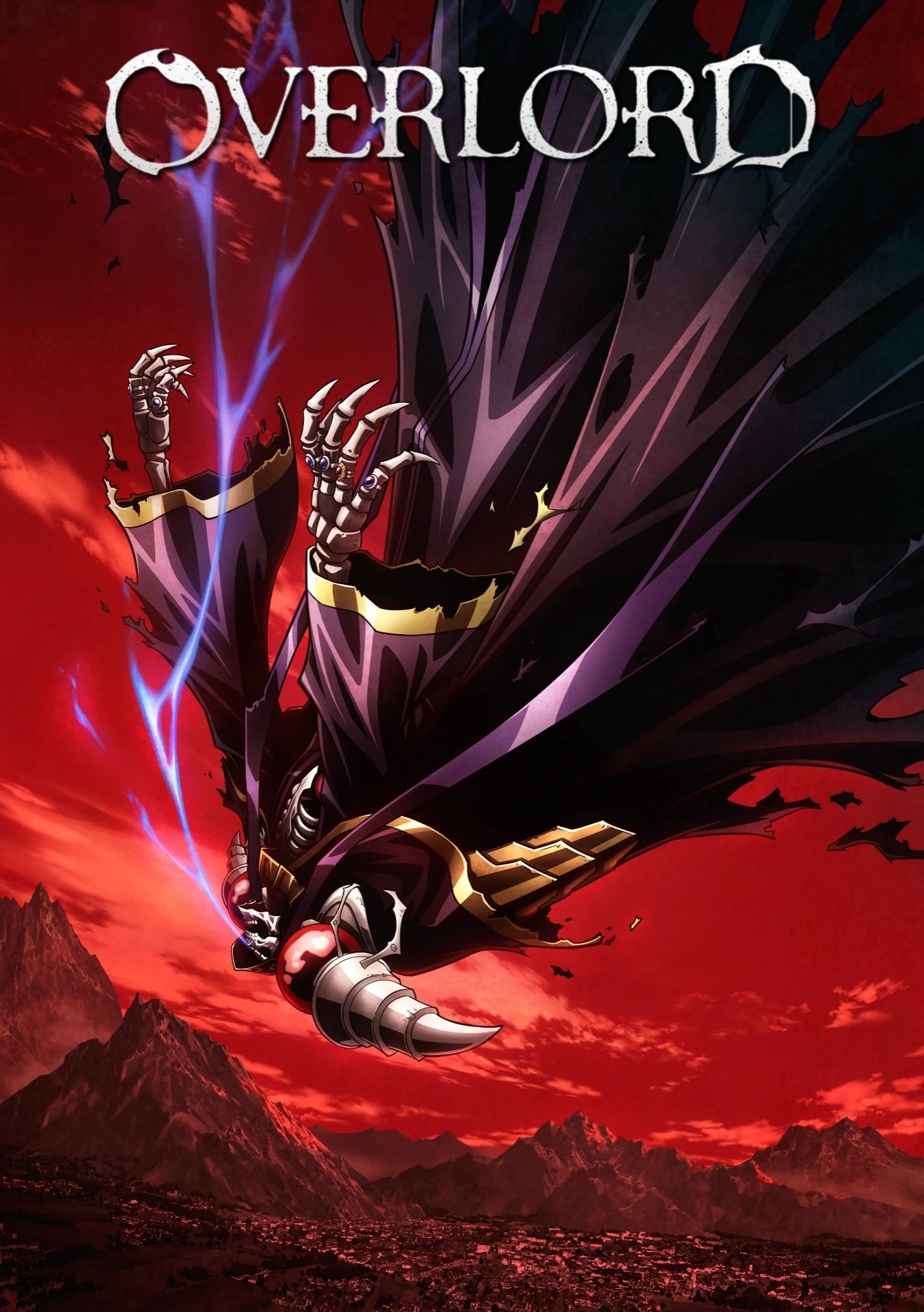
Ainz Ooal Gown continues his quest for world domination in the third season of this dark fantasy isekai. One specific sequence involving a massive army of “Dark Young” summoned by Ainz drew heavy criticism for its visual execution. The hundreds of soldiers and monsters were rendered using low-detail 3D assets that repeated the same animations. This lack of visual variety and polish in the season’s climax disappointed many long-time fans of the light novel. The scene is frequently cited as a significant dip in production quality for the franchise.
‘So I’m a Spider, So What?’ (2021)
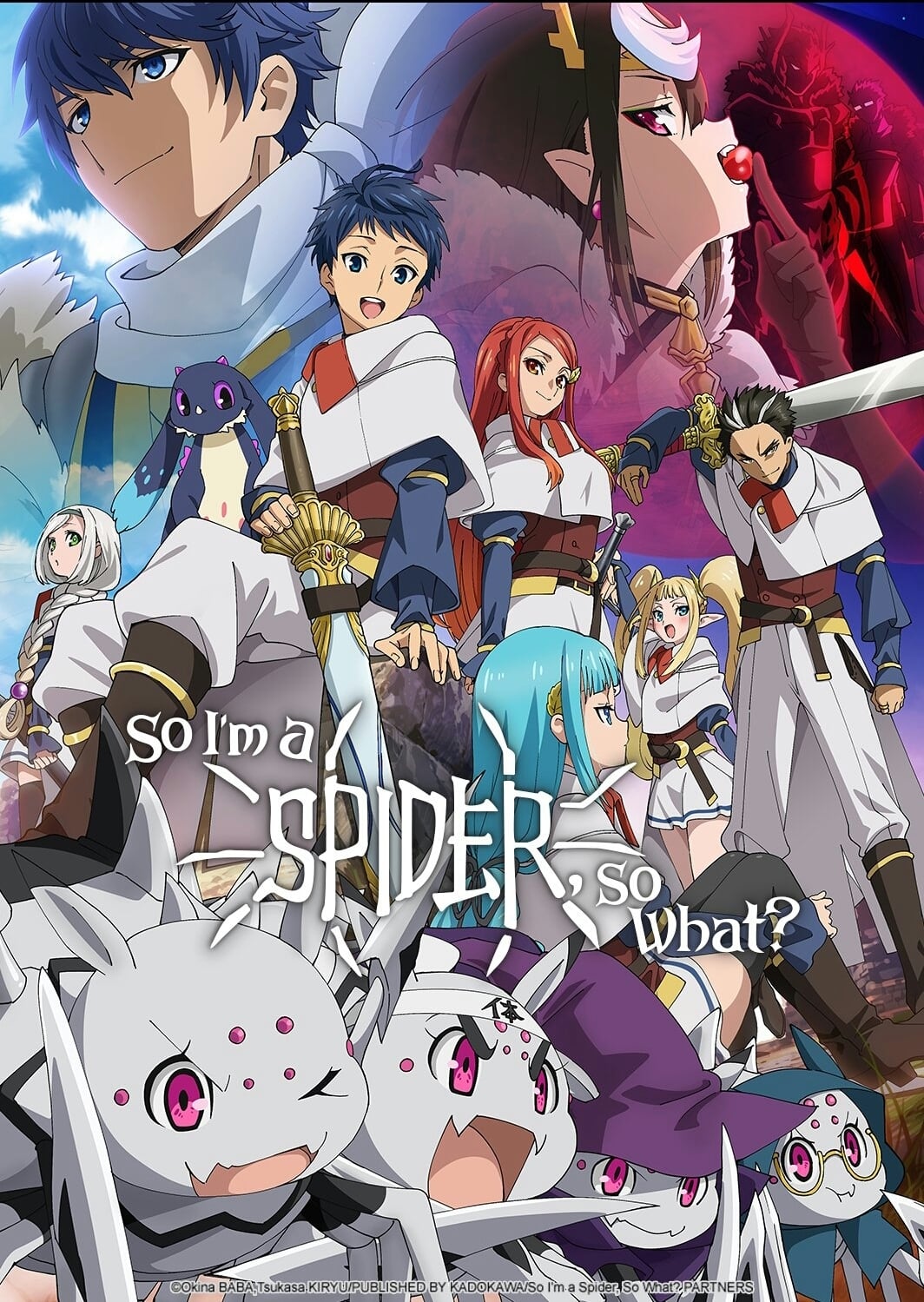
After a classroom explosion, a high school girl is reincarnated as a lowly spider monster in a dangerous labyrinth. The production used 3D animation for the spider protagonist and the various creatures she encounters. While the early episodes were well-received, the quality of the CGI declined significantly toward the end of the season during large battles. Many viewers noted the drop in frame rate and the simplistic textures used for the human characters when they appeared in 3D. The technical issues were attributed to production struggles during the final arc.
‘Fist of the Blue Sky: Regenesis’ (2018)

Serving as a prequel to the legendary ‘Fist of the North Star’, this series follows Kenshiro Kasumi in 1930s Shanghai. The entire show was animated using 3D CGI to depict the intense martial arts combat. Many fans of the original franchise found the character models to be lifeless and the movements to be poorly paced. The visual style was often compared unfavorably to the classic hand-drawn aesthetic of its 1980s predecessor. The choice of animation was seen as a missed opportunity to modernize the series for a new generation.
‘Ghost in the Shell: SAC_2045’ (2020–2022)
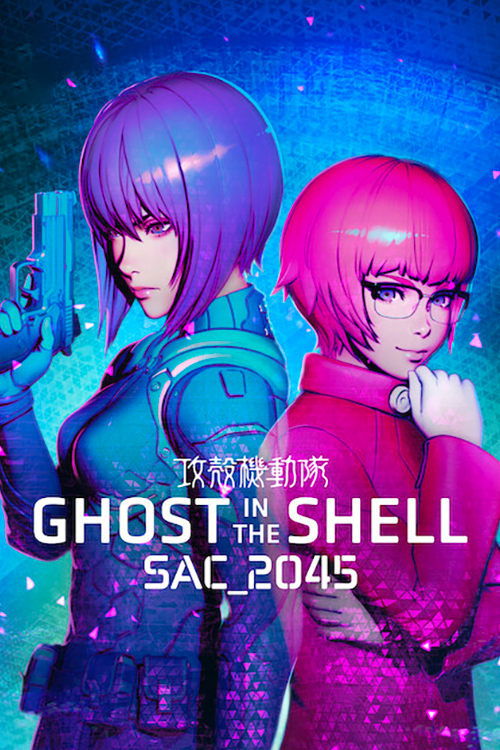
Major Motoko Kusanagi and Section 9 return in this 3D-animated continuation of the ‘Stand Alone Complex’ timeline. The switch to a full CGI style by Production I.G and Sola Digital Arts resulted in a smoother look that some felt lacked the grit of previous iterations. The character designs by Ilya Kuvshinov were noted for appearing more doll-like and less expressive in a 3D environment. This stylistic shift was a polarizing point for fans of the franchise’s traditional animation history. The visuals often felt more reminiscent of a video game than a prestige television series.
‘Golden Kamuy’ (2018)

Saichi Sugimoto and Asirpa search for hidden gold in the wilderness of Hokkaido following the Russo-Japanese War. The first season gained notoriety for a specific scene involving a 3D-rendered grizzly bear. The bear’s movements and textures did not blend naturally with the realistic 2D character art surrounding it. This visual anomaly became a frequent topic of discussion in the anime community during the show’s initial run. Later seasons saw improvements in how animals were integrated into the environment to avoid such jarring contrasts.
‘The Seven Deadly Sins: Grudge of Edinburgh’ (2022)
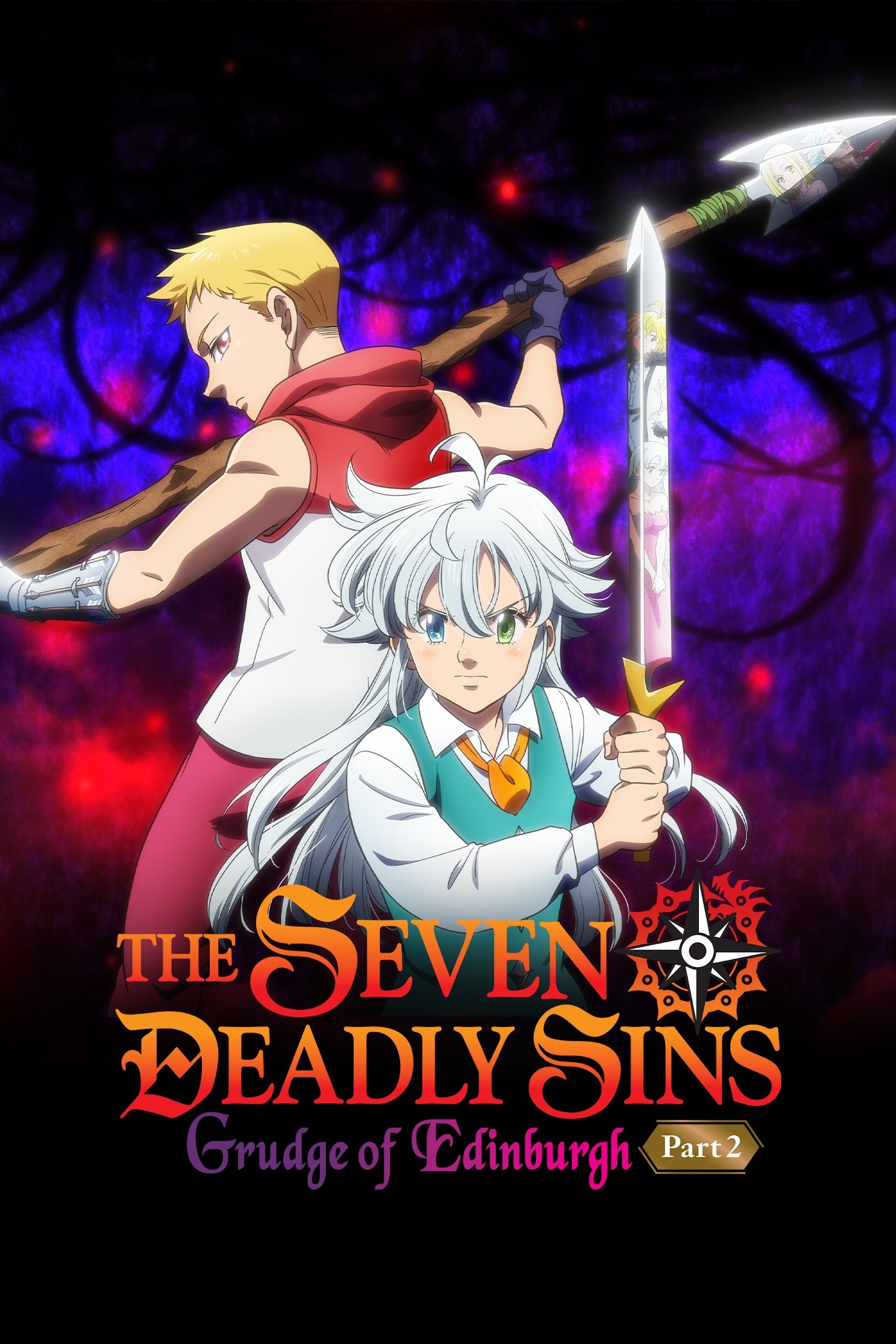
This two-part film project bridges the gap between the original series and ‘Four Knights of the Apocalypse’. It features Tristan, the son of Meliodas and Elizabeth, as he embarks on a journey to save his mother. Unlike the television series, these films utilize full 3D animation for the characters and environments. Many fans expressed disappointment with the change, citing flat textures and a lack of detail compared to previous 2D work. The move to CGI was perceived as a step back in visual quality for the popular brand.
‘Saint Seiya: Knights of the Zodiac’ (2019–2022)
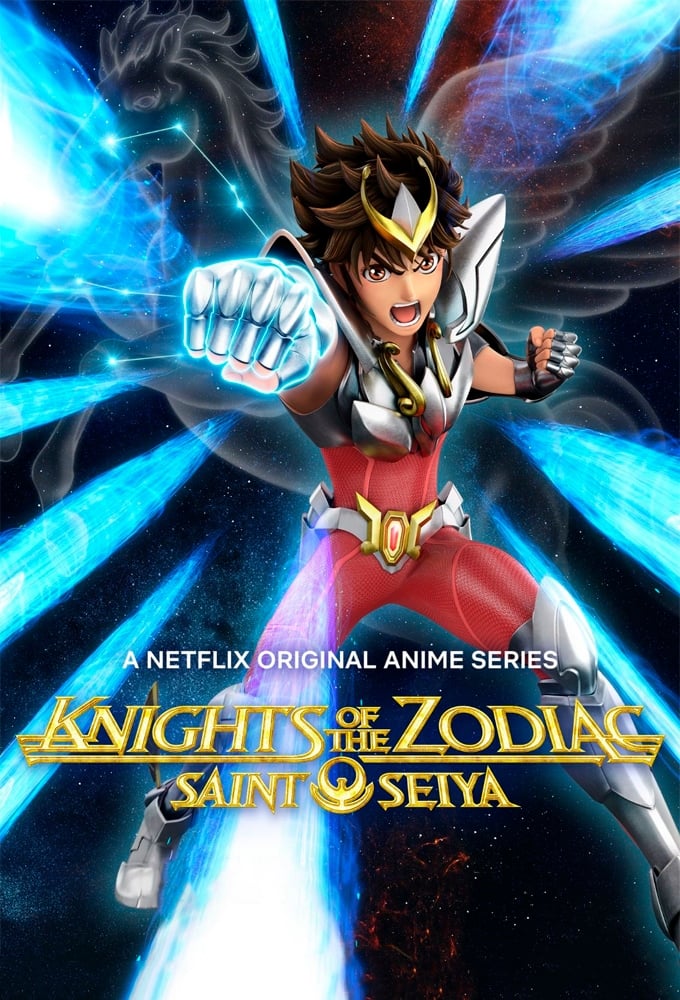
This Netflix original series reimagines the classic story of Seiya and the Bronze Saints. The production moved away from the iconic 2D art of the 1980s in favor of modern 3D computer graphics. Critics noted that the new visual style made the action feel weightless and less impactful than the original hand-drawn battles. The character models were often described as looking more like static action figures than living characters. This change in art direction alienated many long-time enthusiasts of the franchise.
‘Kado: The Right Answer’ (2017)
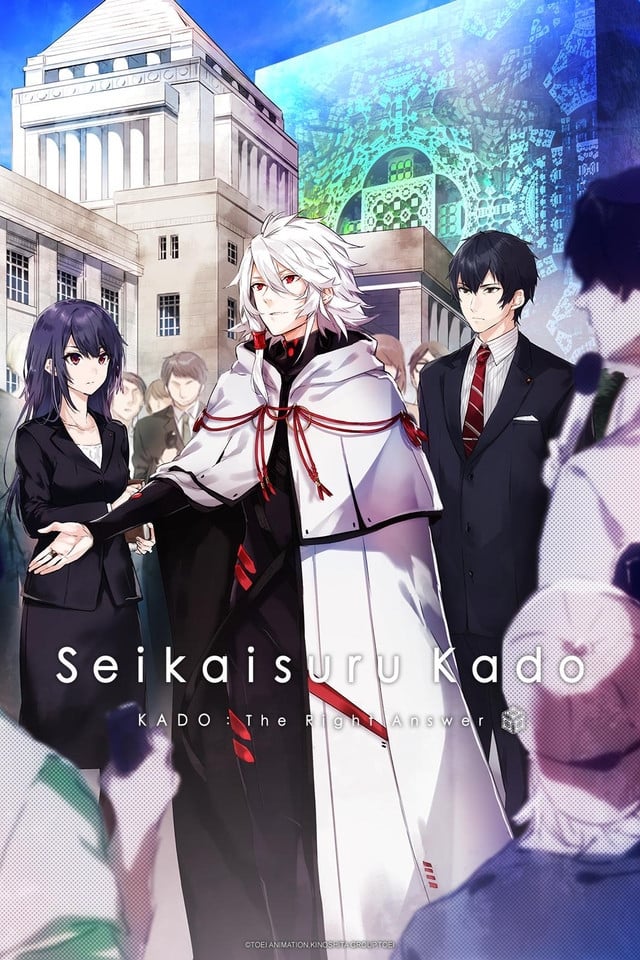
A massive cube called Kado descends upon Tokyo, containing an otherworldly entity who wants to negotiate with humanity. The series primarily uses 3D models for the characters, which allowed for complex cinematography and lighting effects. However, the final episodes featured a shift in character actions and designs that many felt were not well-supported by the CGI medium. The visual execution of the climax received mixed reviews regarding its realism and emotional impact. The transition to 3D was a bold experiment that struggled to maintain visual consistency.
‘Ajin: Demi-Human’ (2016)
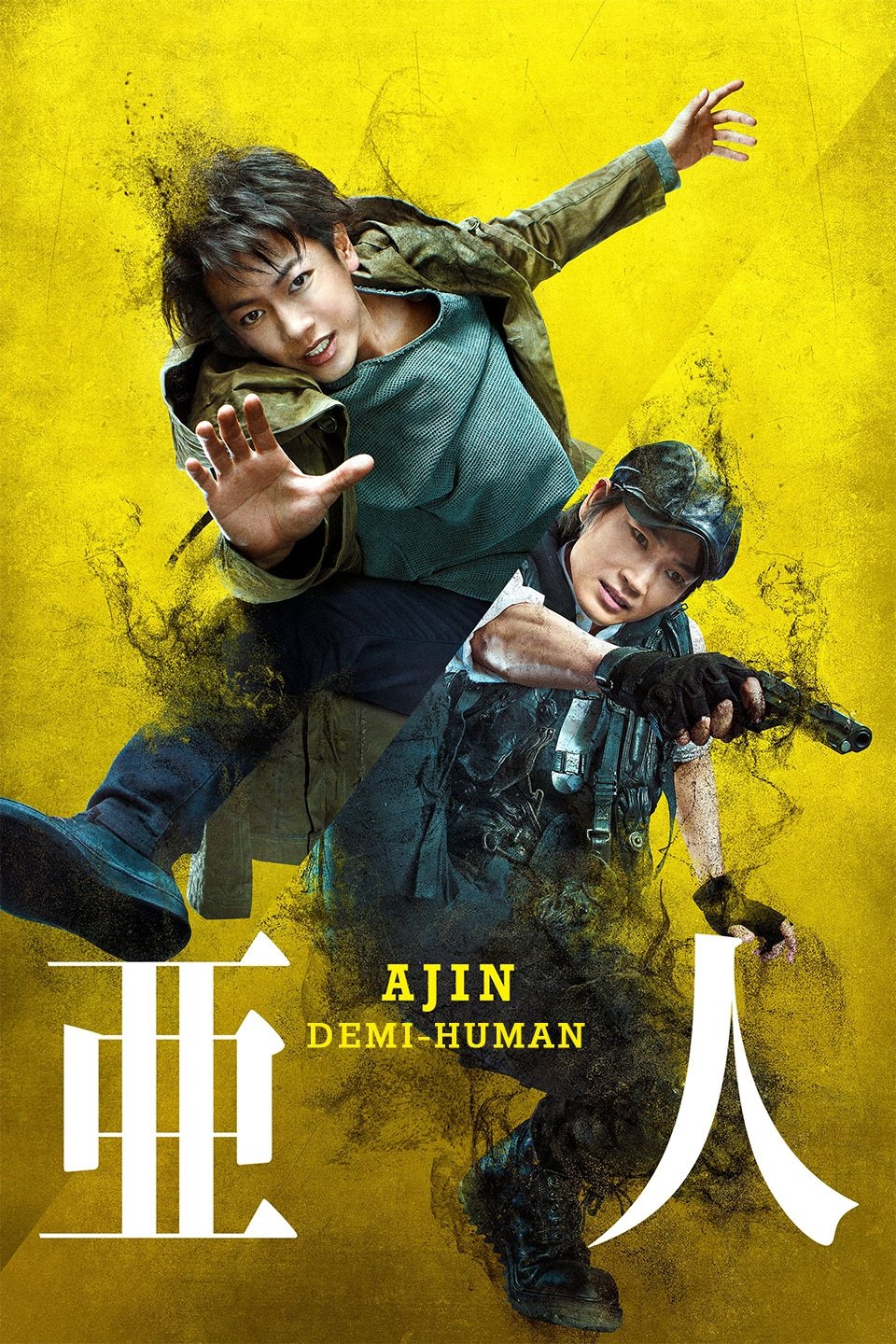
Kei Nagai discovers he is an immortal ‘Ajin’ and becomes a fugitive sought by the government. Polygon Pictures utilized a specialized cel-shaded 3D technique to give the show a distinct look. While the supernatural ‘IBM’ entities were praised, the character movements often suffered from a low frame rate that appeared jittery. This stylistic choice became a barrier for those accustomed to the fluidity of standard 2D animation. Many viewers found the choppy visuals to be an obstacle to enjoying the psychological thriller.
‘Revisions’ (2019)
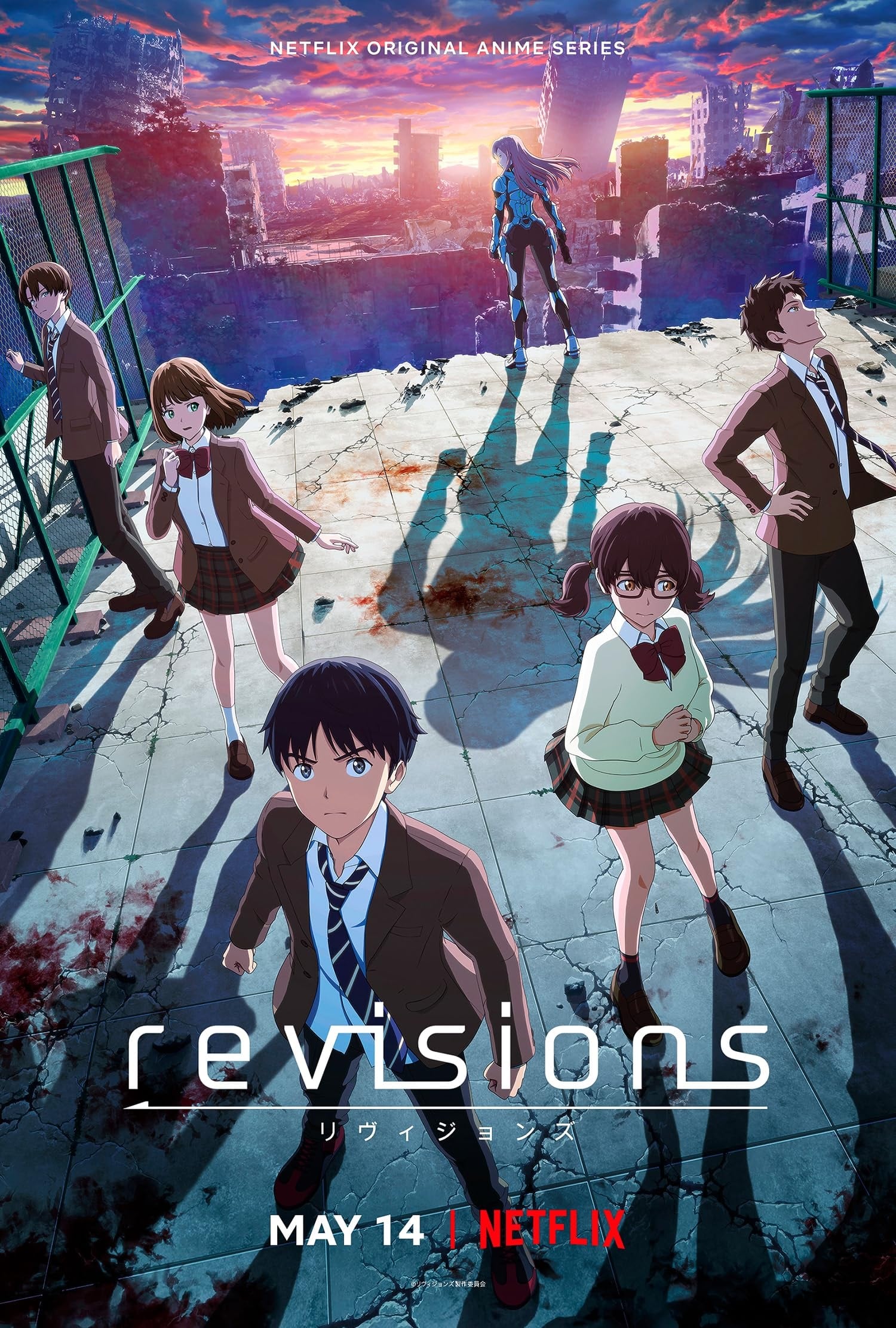
Shibuya is transported 300 years into the future, where high school students must pilot mechanical suits to fight against hostile cyborgs. The series is animated entirely in 3D, focusing on the mechanical designs and large-scale destruction. Some viewers found the human character models to be stiff and lacking in emotional depth during intense dramatic scenes. The technical limitations of the CGI were often highlighted when compared to high-budget 2D mecha series from the same period. The show struggled to gain a significant following due to these visual hurdles.
‘Infini-T Force’ (2017)
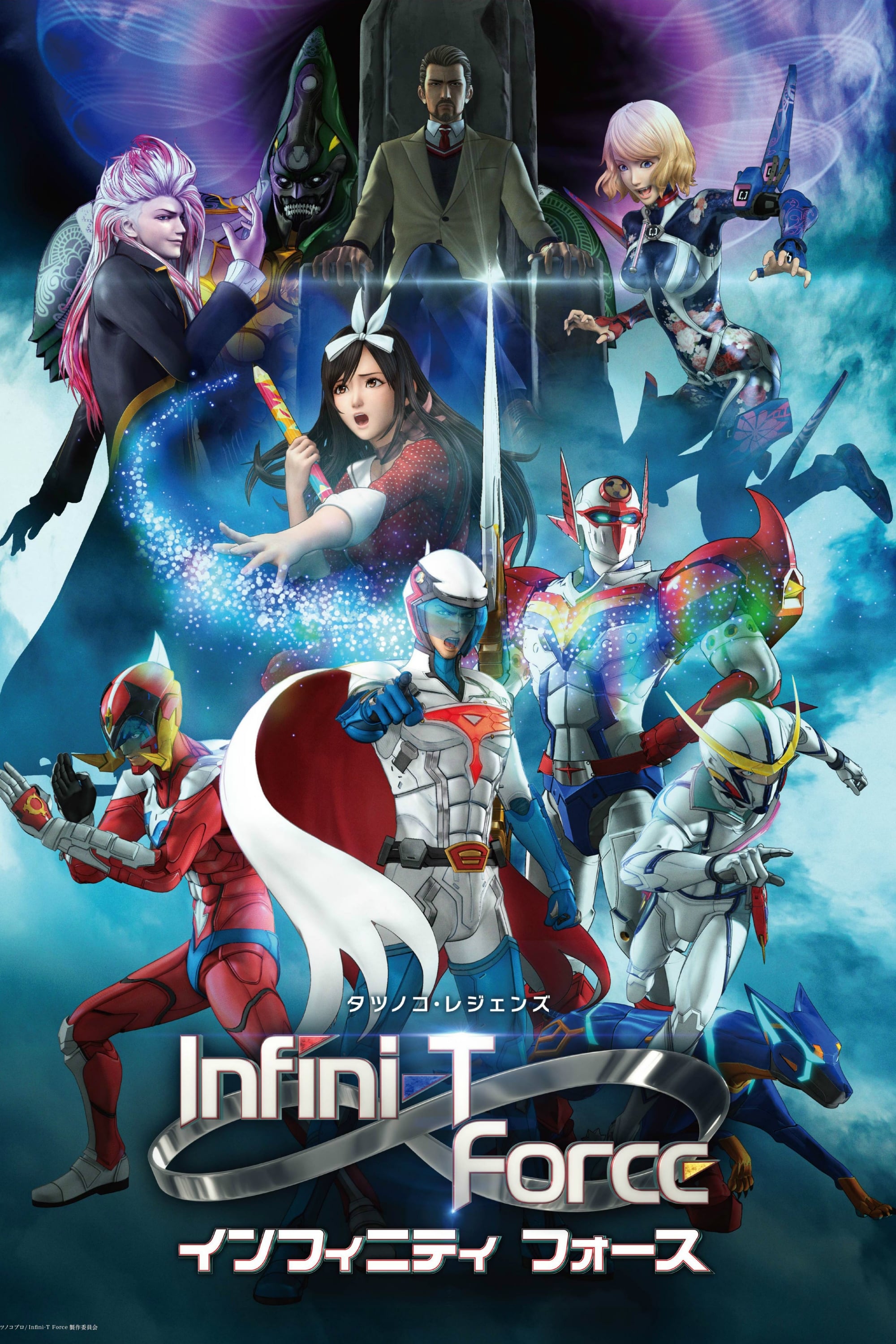
This crossover project brings together heroes from Tatsunoko Production, including ‘Gatchaman’ and ‘Casshern’, in a modern setting. The series uses high-definition 3D models to update the classic designs for a contemporary audience. While the action sequences were technically proficient, many felt the character faces were uncanny and lacked personality. The shift from classic 2D roots to full 3D was a major point of contention for older fans of these legendary characters. The sleek look was often viewed as sterile compared to the original hand-drawn shows.
‘Initial D’ (1998)
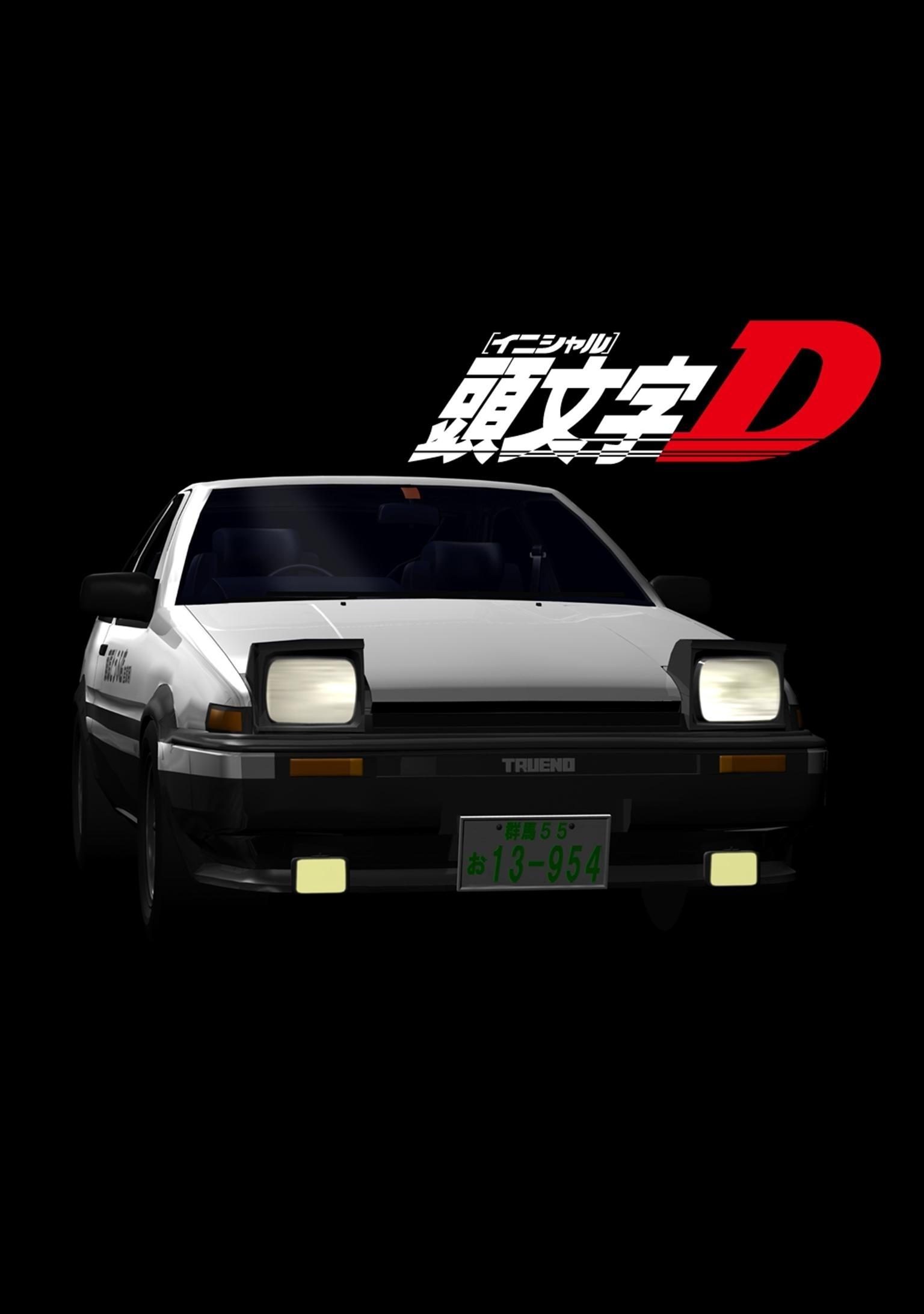
Takumi Fujiwara becomes a legendary street racer in his Toyota AE86 through the mountain passes of Japan. As one of the earliest series to use CGI for racing segments, the car models look extremely primitive by modern standards. The low-polygon count and simple textures of the vehicles often stood in sharp contrast to the hand-drawn characters. While revolutionary at the time, the CGI has aged poorly and is often cited as a visual distraction for new viewers. The series remains a classic despite the dated nature of its digital effects.
‘Baki’ (2018)
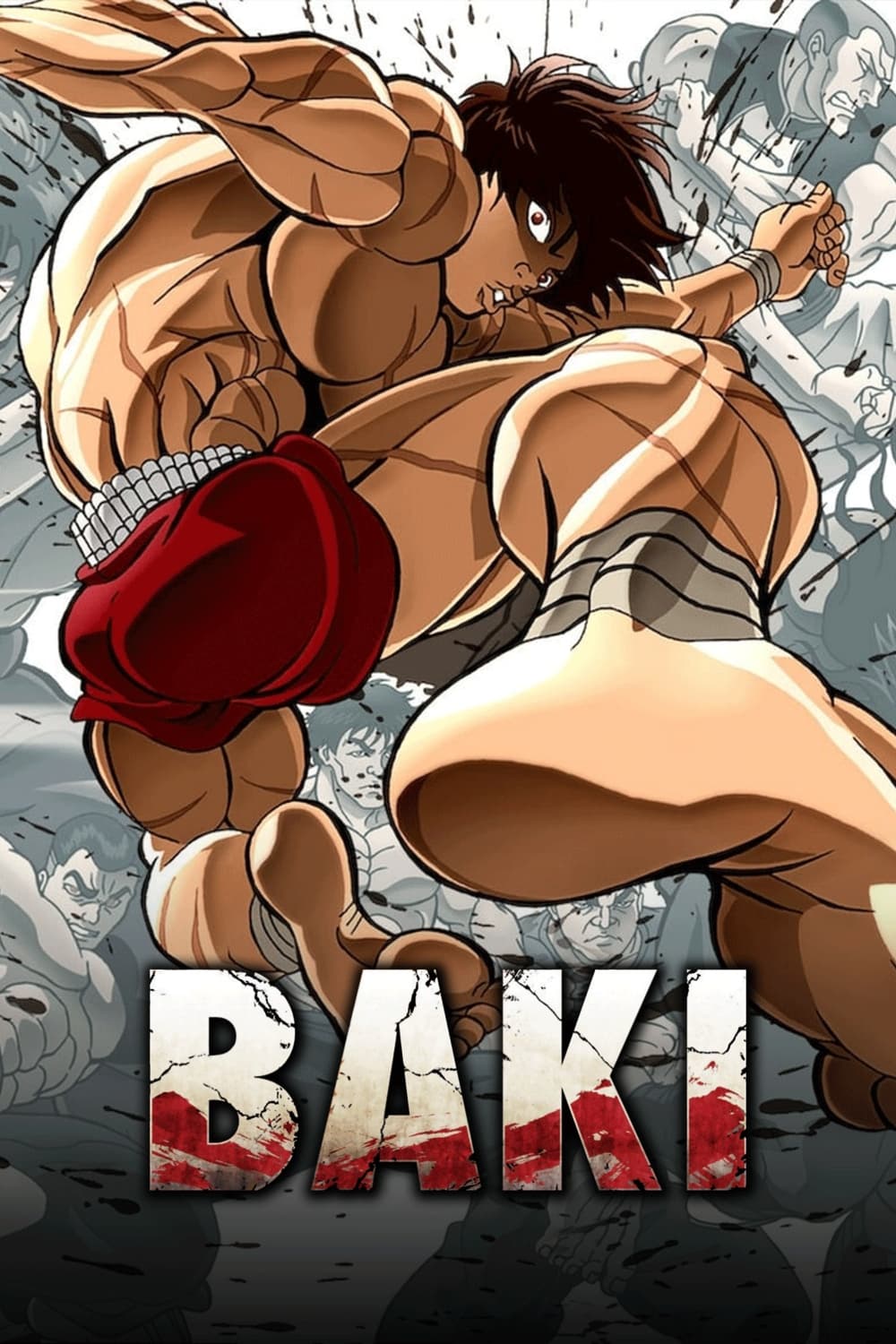
Baki Hanma faces off against five death row convicts in a series of brutal underground matches. During several high-intensity fight scenes, the production swapped hand-drawn animation for 3D character models. These transitions were often abrupt and resulted in characters appearing rubbery and lacking physical impact. The inconsistency between the detailed 2D art and the simplified 3D assets was a frequent complaint among the audience. This specific use of CGI was seen as a way to manage the workload during difficult-to-animate fight sequences.
Tell us which of these anime you feel was most impacted by its CGI animation in the comments.