

Anime That Wove Folklore into Tech Gadgets



The intersection of ancient mythology and futuristic technology creates a fascinating subgenre in the world of anime. These series explore how traditional spirits or magical concepts can coexist with smartphones and advanced weaponry. Creators often reimagine classic legends by filtering them through the lens of science fiction and digital innovation. The result is a unique storytelling landscape where gods send text messages and exorcists wield mechanical weapons.
‘Yo-kai Watch’ (2014)
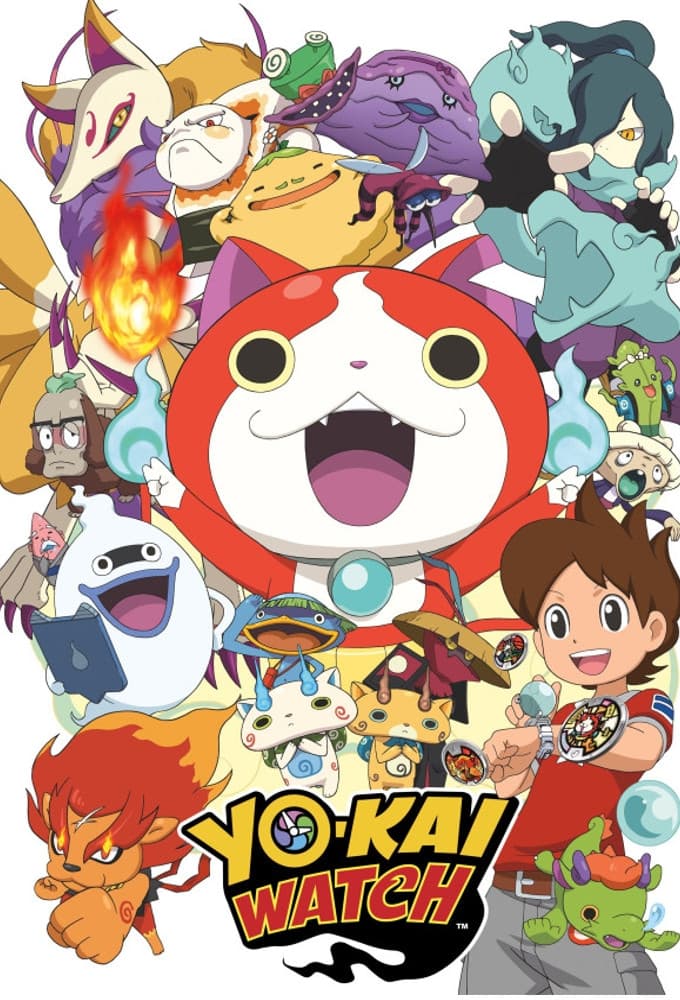
The protagonist discovers a peculiar capsule machine in the forest that grants him a special wristwatch. This device reveals the existence of mischievous spirits known as Yo-kai that influence human behavior. The watch updates the traditional concept of spiritual sight into a tangible and collectible mechanic for a modern audience. It serves as a bridge between everyday life and the invisible world of Japanese folklore.
‘Neon Genesis Evangelion’ (1995–1996)
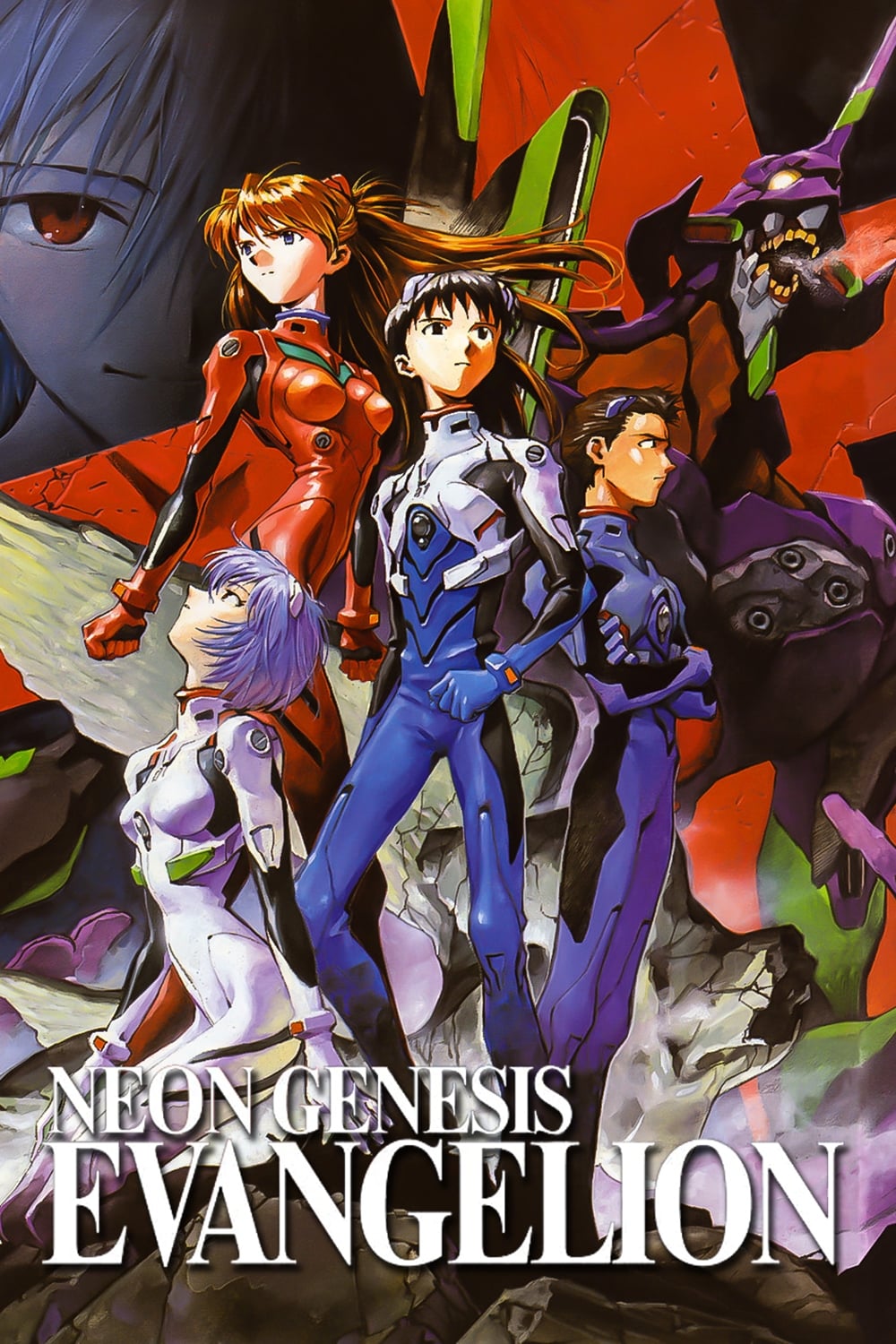
Humanity defends itself against monstrous beings called Angels using massive bio-machines known as Evangelions. These mechs are not merely robots but contain biological components and human souls. The narrative heavily references Judeo-Christian mysticism and the Dead Sea Scrolls while grounding them in scientific jargon. It blends psychological trauma with the metaphysical concept of the soul inhabiting a machine.
‘Outlaw Star’ (1998)
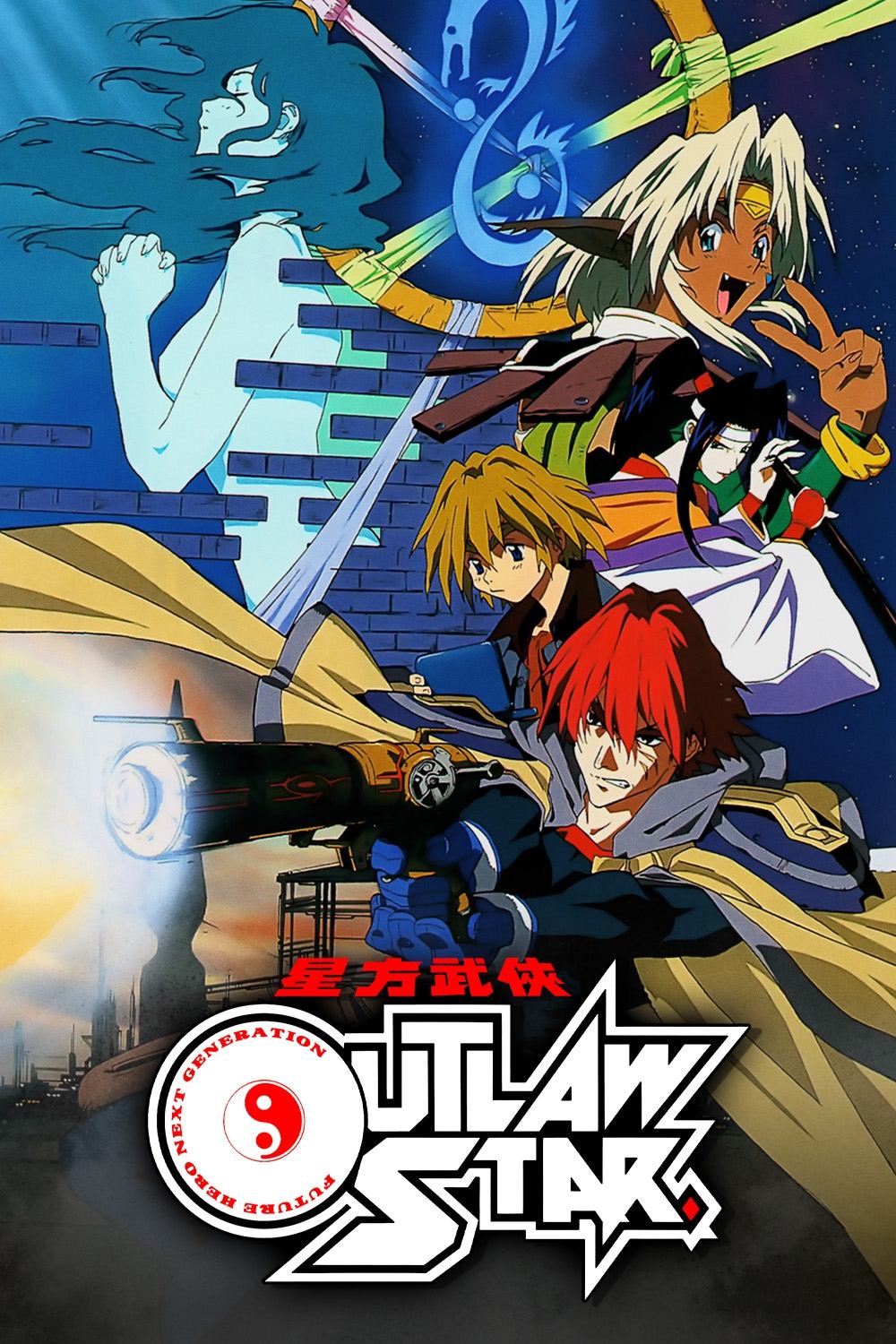
The crew of a highly advanced spaceship searches for the Galactic Leyline which is a treasure of immense power. Characters utilize caster guns that fire magical shells containing ancient spells rather than standard bullets. The series combines space opera elements with fantasy magic systems and Taoist influences. This fusion creates a universe where mana and machinery are equally vital for survival.
‘Ghost in the Shell’ (1995)
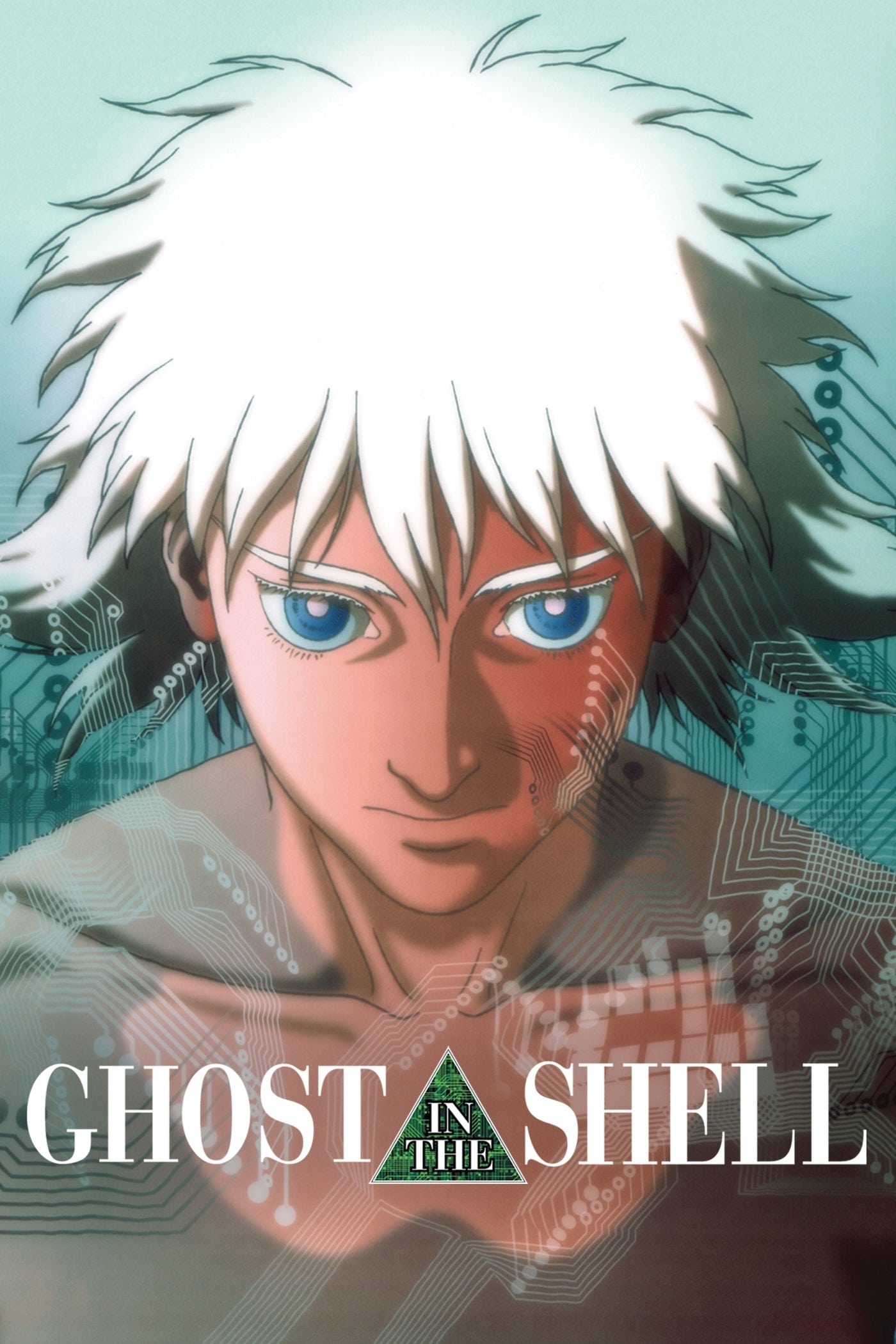
This film explores the philosophical implications of a future where human consciousness can be transferred into cybernetic bodies. The concept of the ghost represents the soul or spirit which remains distinct from the artificial shell. It draws parallels to dualistic philosophies regarding the separation of mind and body. The technology raises questions about what it means to be human when the physical form is entirely synthetic.
‘Ah! My Goddess’ (2005)

A college student accidentally dials the wrong number and summons a goddess who grants him a wish. The divine realm runs on a complex computer system called Yggdrasil that manages reality and spiritual energy. Angels and demons operate like software programs or viruses within this celestial mainframe. The show cleverly interprets Norse mythology through the lens of computer engineering and system administration.
‘Serial Experiments Lain’ (1998)
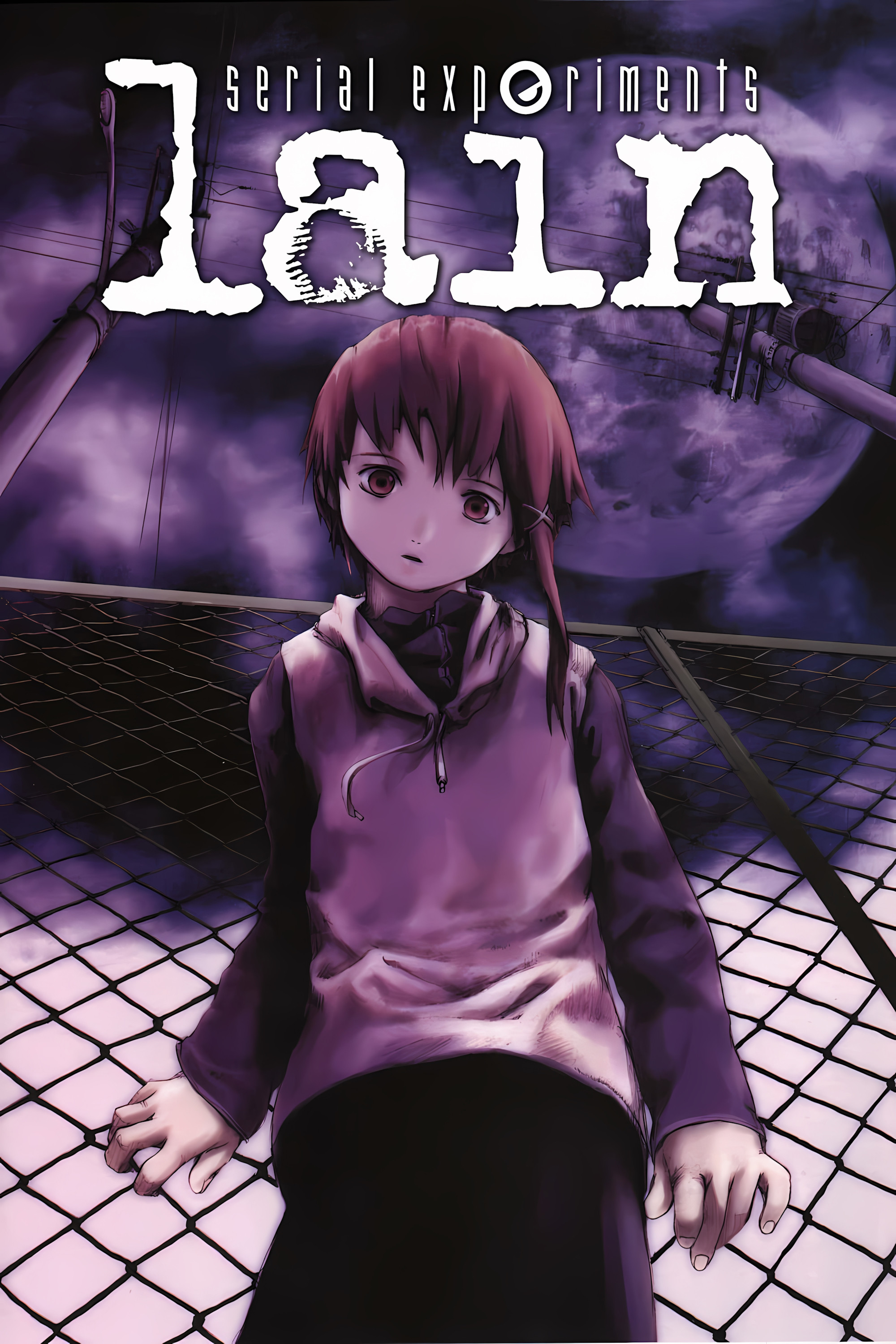
A quiet girl becomes obsessed with the Wired which serves as a global communications network similar to the internet. The boundary between the physical world and the digital realm begins to blur as rumors of a god within the machine spread. The story delves into the idea of a collective unconsciousness made manifest through technology. It treats the digital space as a new plane of existence for the human spirit.
‘Shaman King’ (2001–2002)
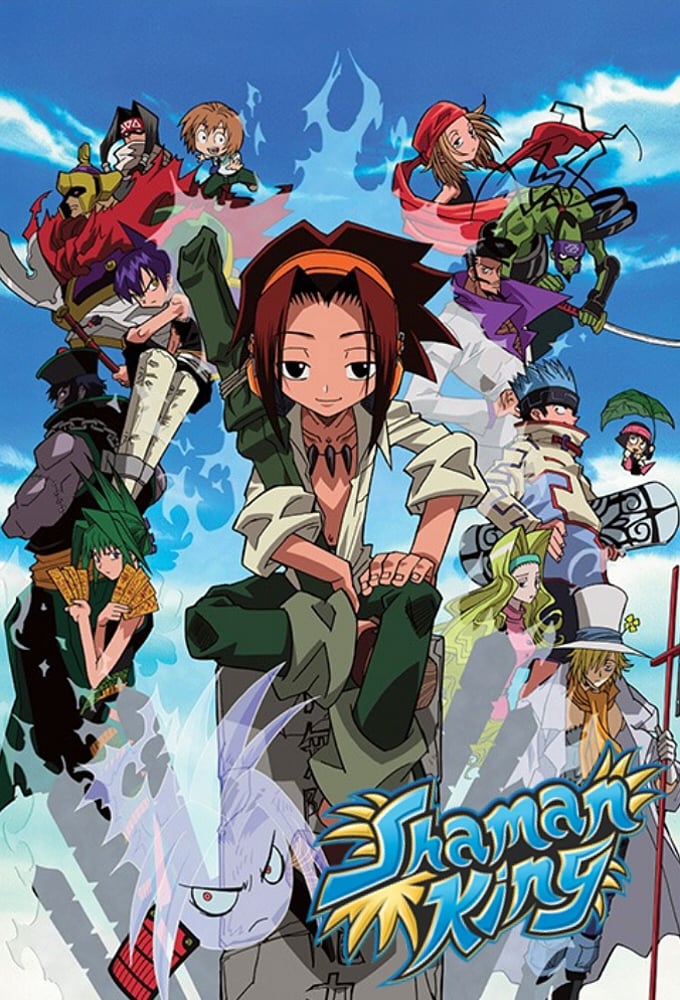
Shamans from around the world compete in a tournament to become the one who links with the Great Spirit. They utilize portable devices called Oracle Bells to track their progress and communicate with tournament officials. These gadgets quantify spiritual power levels and facilitate the ancient combat rituals in a modern setting. The blend of tribal traditions and handheld technology highlights the modernization of spiritual practices.
‘Digimon Tamers’ (2001–2002)
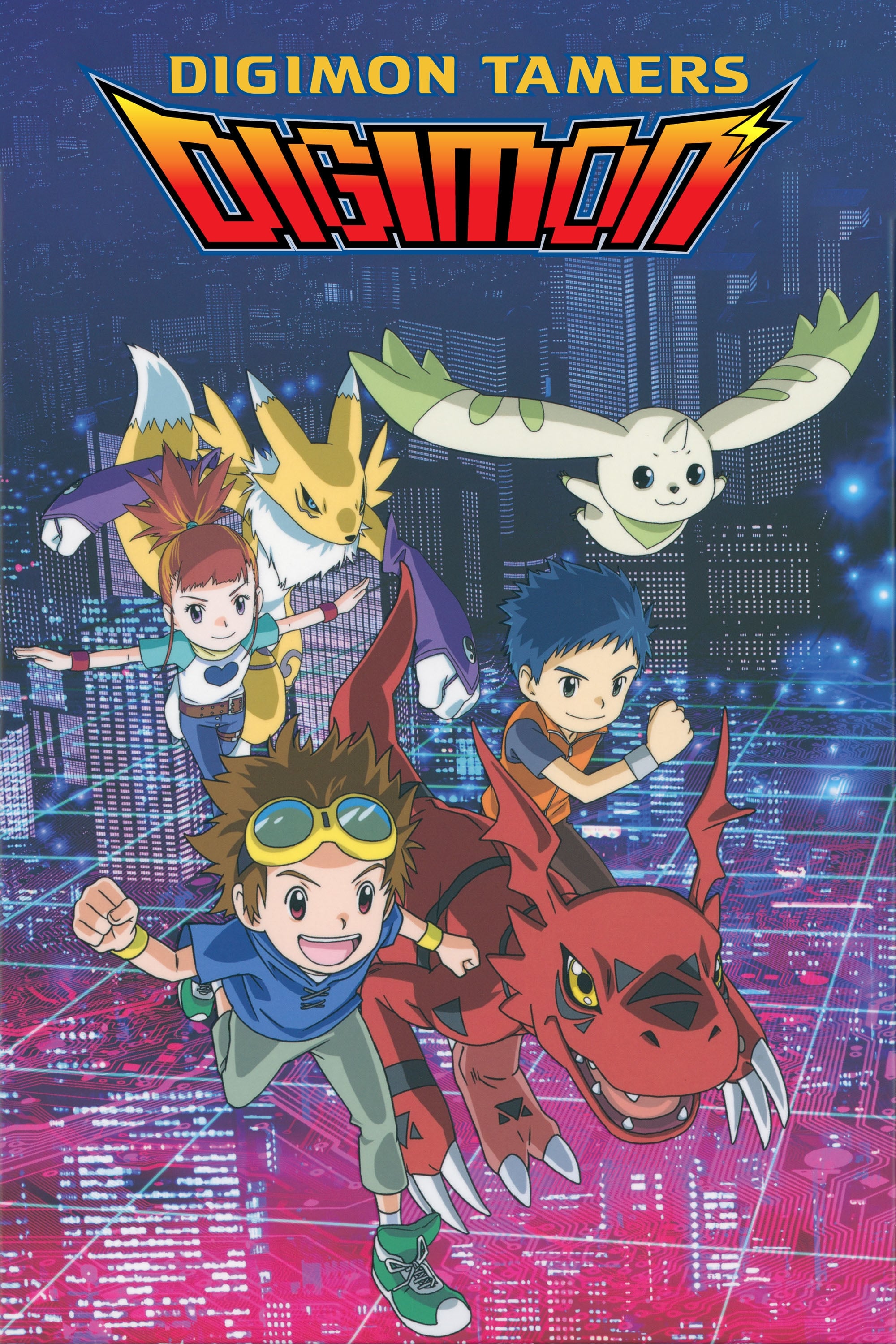
Children use card-slashing devices to modify and empower their digital monsters during battles in the real world. The creatures themselves are data entities that often draw inspiration from global mythology and cryptids. The technology allows human intent to directly influence the evolution and abilities of these digital beings. It creates a dynamic where computer code manifests as living folklore in Tokyo.
‘Magical Girl Lyrical Nanoha’ (2004)
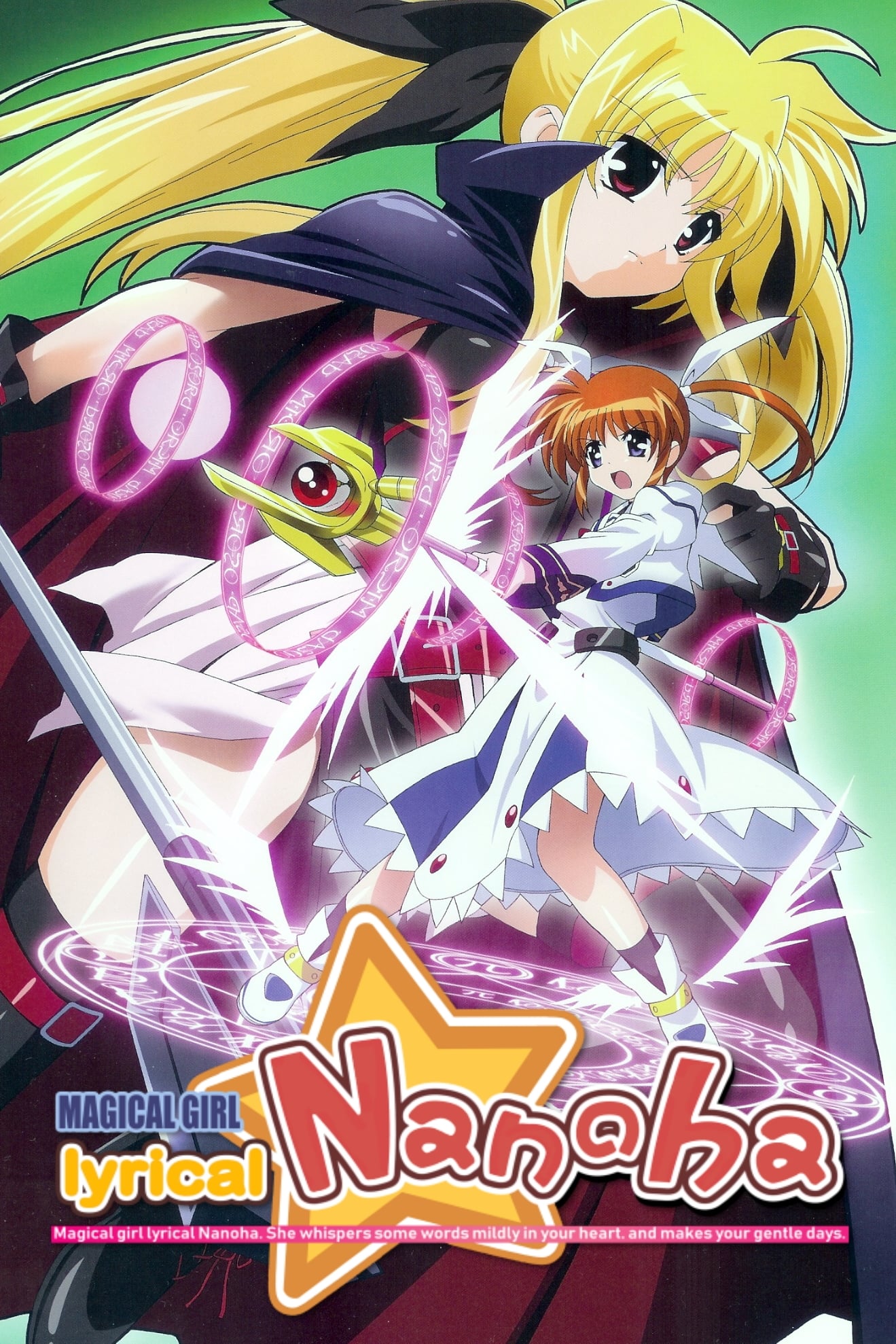
The protagonist stumbles upon a wounded ferret who is actually a mage from another dimension. She receives an intelligent device that functions as a weapon and a sophisticated computer interface for casting spells. Magic in this universe is treated like a programming language that requires precise calculations and command inputs. The series replaces mystical incantations with technological activation sequences and beam weaponry.
‘The Irregular at Magic High School’ (2014)

Magic has become a systematized technology taught in high schools rather than an occult practice. Students use Casting Assistant Devices to execute spell sequences with speed and precision. These gadgets replace traditional wands and staffs with hardware that looks like smartphones or pistols. The story treats supernatural abilities as a branch of physics that can be engineered and optimized.
‘A Certain Magical Index’ (2008–2009)
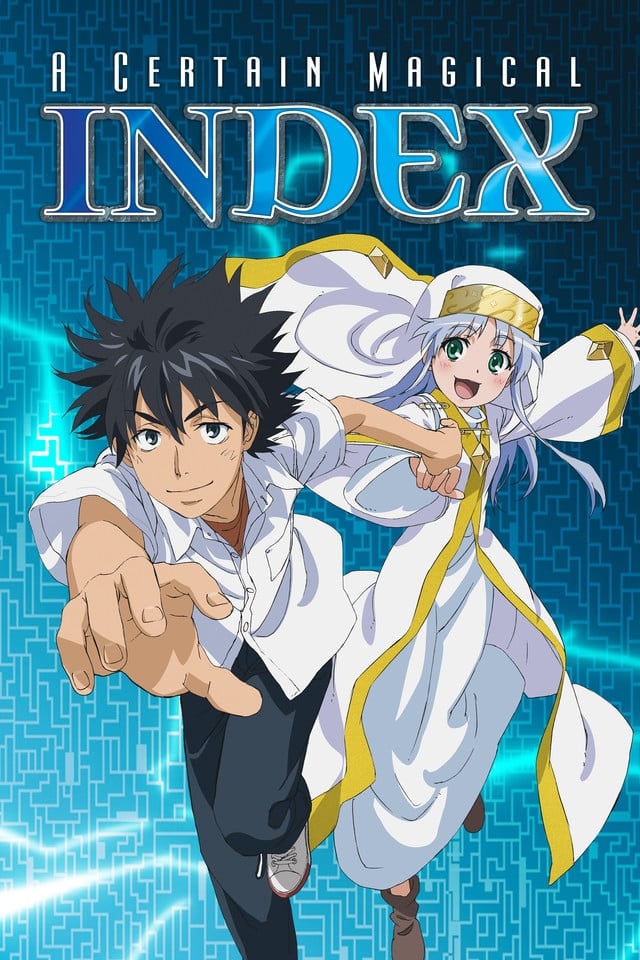
The story takes place in Academy City where supernatural abilities are developed through scientific curriculum and drug administration. This scientifically advanced society clashes with the world of traditional magic and religious organizations. One character possesses a right hand that can negate any supernatural power whether it is scientific or magical in origin. The conflict highlights the tension and overlap between occult lore and psychic development.
‘Blue Exorcist’ (2011)

The son of Satan decides to become an exorcist to defeat his biological father and protect humanity. The order of exorcists uses modern firearms and technology alongside traditional swords and holy scriptures. They employ Holy Water grenades and other tactical gear infused with religious significance to fight demons. This approach modernizes the age-old battle between good and evil with military precision.
‘Hell Girl’ (2005–2006)

A mysterious website accessible only at midnight allows users to enter the name of someone they want to take revenge on. Submitting a name summons a spirit who offers a straw doll to seal a contract that sends the target to hell. The show updates the concept of a curse or a grudge by using the internet as the medium of transmission. It explores how ancient vengeance rituals adapt to the anonymity of the digital age.
‘Psycho-Pass’ (2012–2013)
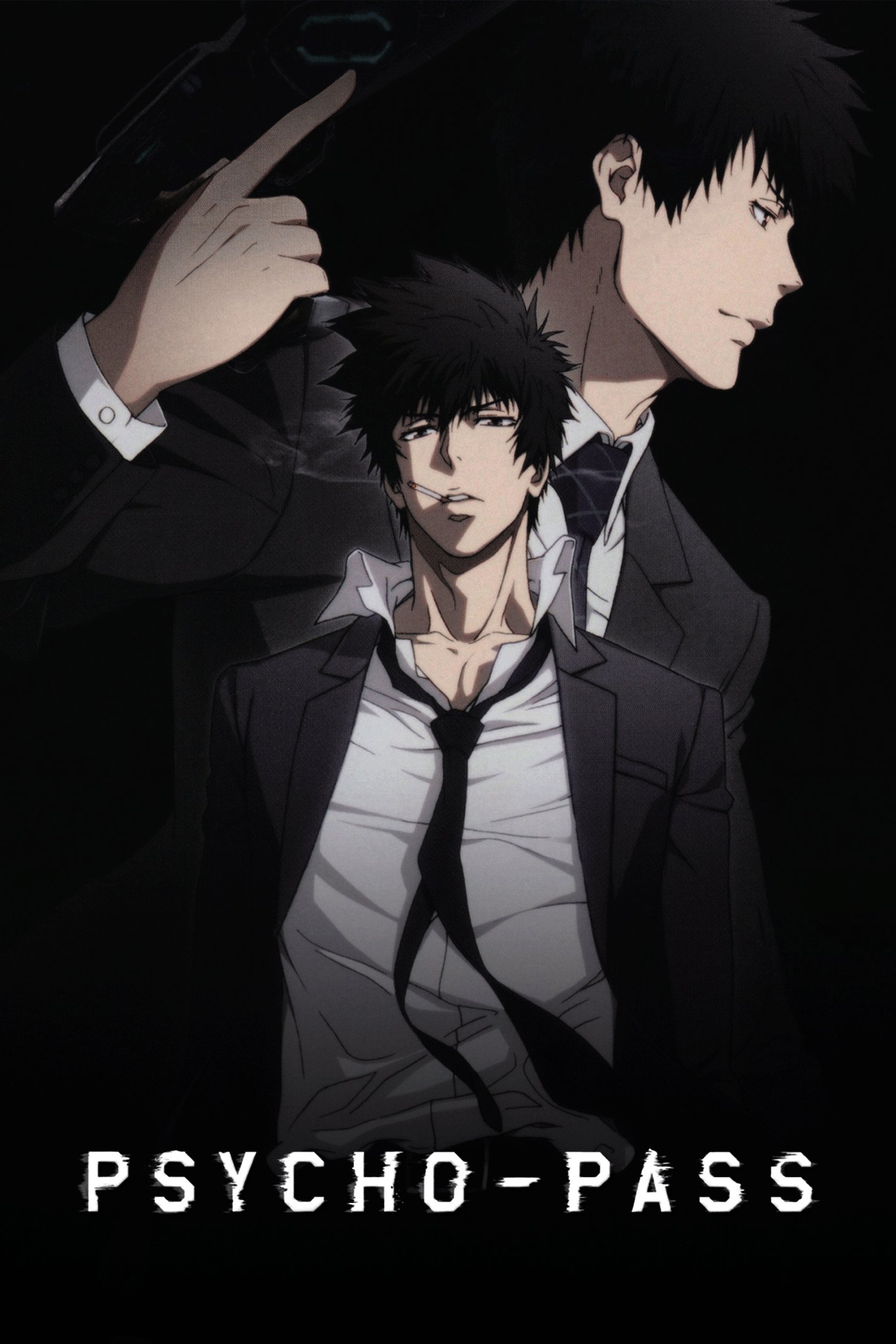
A powerful computer network constantly scans the mental states and emotional levels of every citizen. This system judges the likelihood of a person committing a crime and essentially acts as a mechanical god of judgment. The specialized handguns used by police only fire if the system determines the target has a clouded hue. The technology assumes the role of karma and divine retribution in a dystopian society.
‘Fate/Extra Last Encore’ (2018)
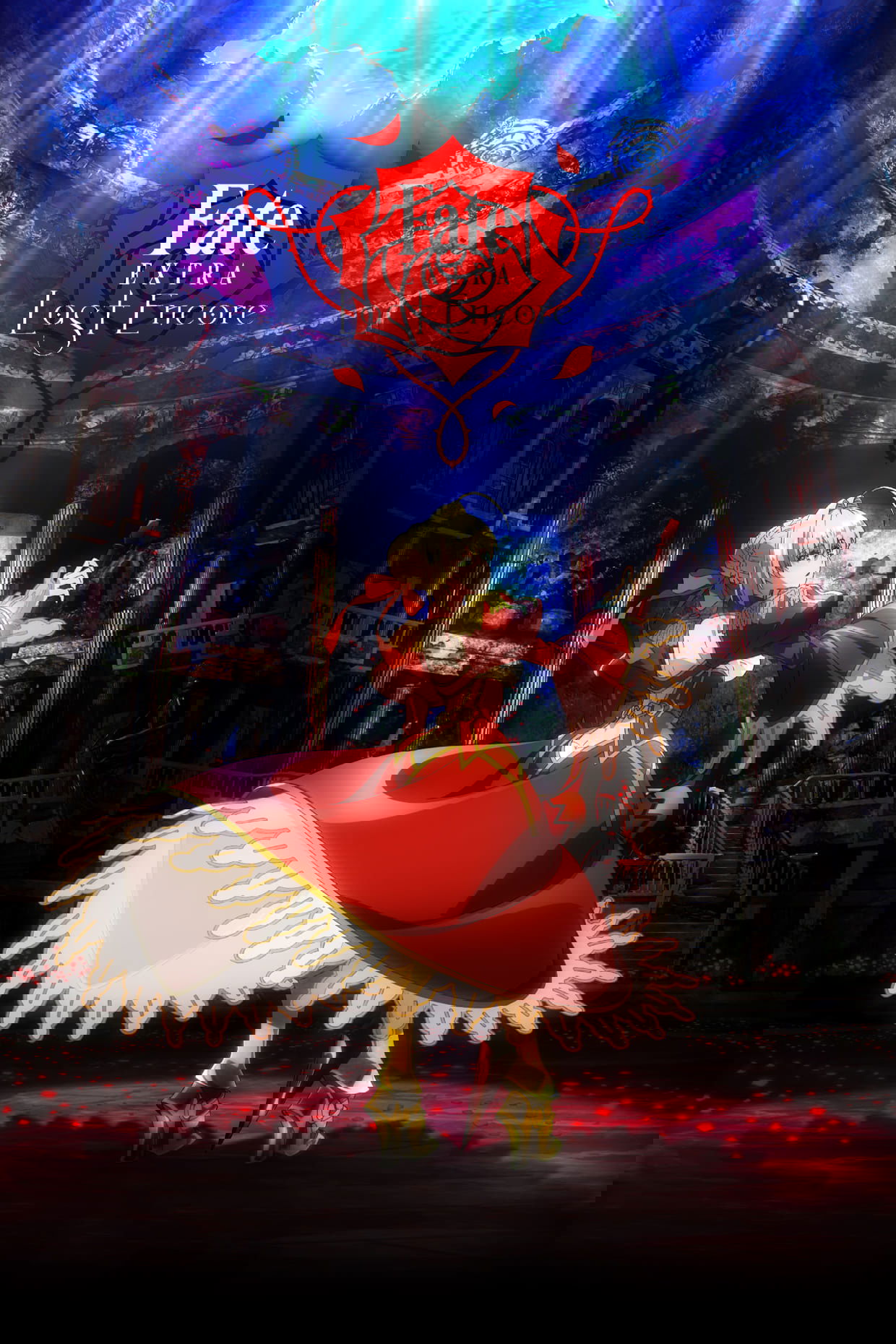
Mages hack into a digital environment on the moon to participate in a war for a wish-granting grail. They summon legendary heroes from history and folklore who appear as digital avatars known as Servants. The setting transforms the magical rituals of the franchise into a cyberspace dungeon crawler. It reinterprets the souls of ancient warriors as data packets fighting within a supercomputer.
‘Sword Art Online’ (2012)

Players become trapped in a virtual reality massive multiplayer online role-playing game. The second arc introduces a world based on Norse mythology where players take on the roles of fairies. Technology facilitates the experience of flight and magic which were previously the domain of dreams and legends. The narrative examines how digital spaces allow humans to enact mythical fantasies.
‘Eden of the East’ (2009)
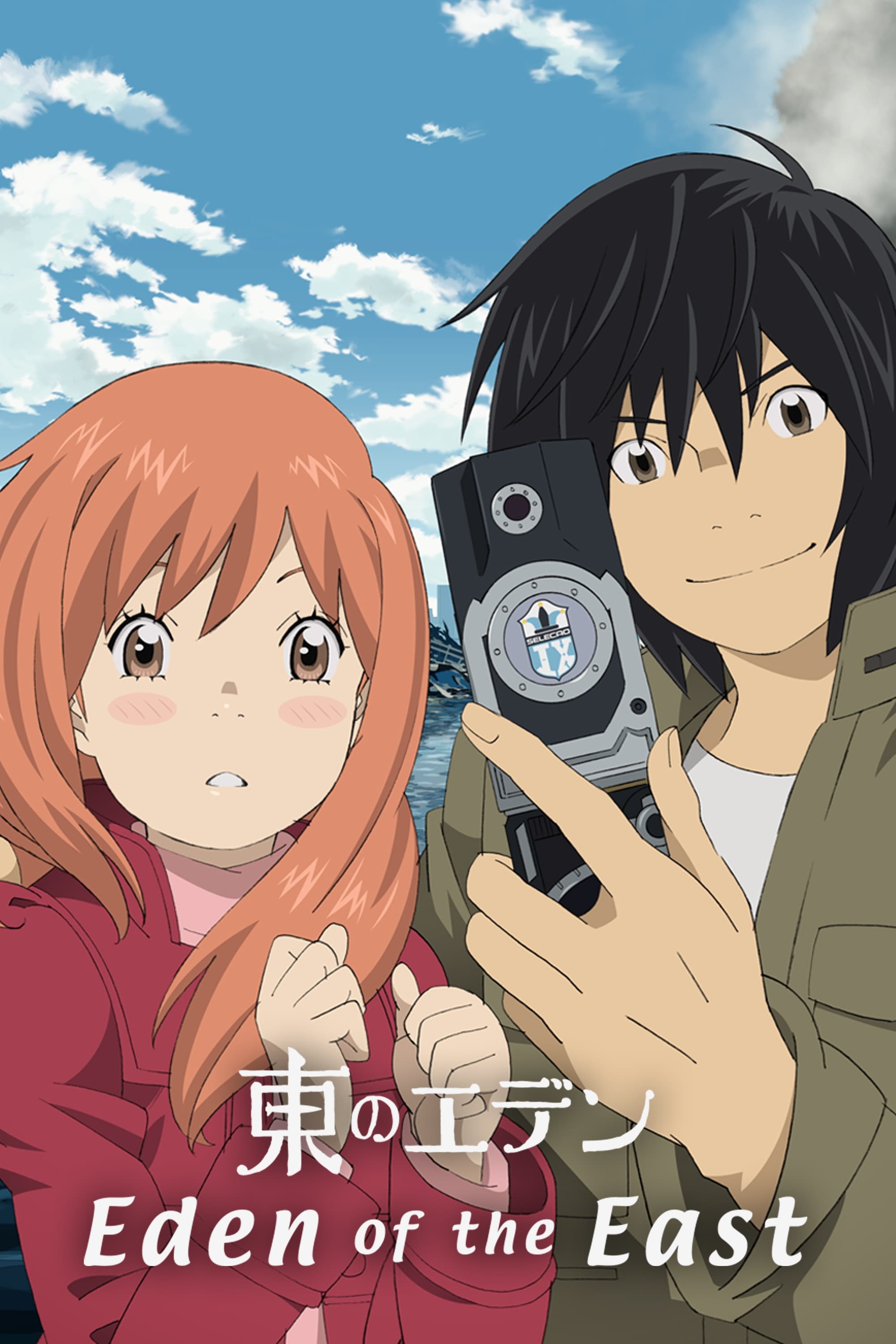
Twelve selected individuals are given phones loaded with ten billion yen and a concierge aiming to save Japan. The phone connects them to a mysterious system that can grant almost any request through social engineering. The device acts like a modern magic lamp that grants wishes through bureaucratic and technological means. The story involves saving the country from political stagnation using these miraculous tools.
‘Occultic;Nine’ (2016)
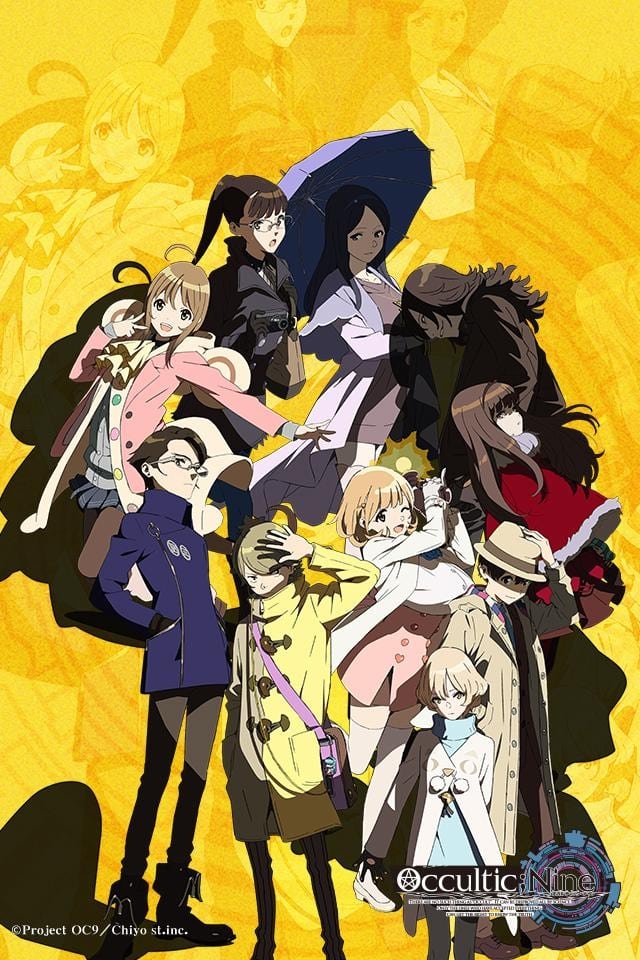
A group of eccentrics is drawn together by a blog dedicated to debunking supernatural phenomena. The plot intertwines ghosts and curses with scientific theories involving scandium and radio waves. It treats the existence of spirits as a phenomenon that can be explained and manipulated through high-tech equipment. The series bridges the gap between urban legends and cutting-edge biophysics.
‘Steins;Gate’ (2011)
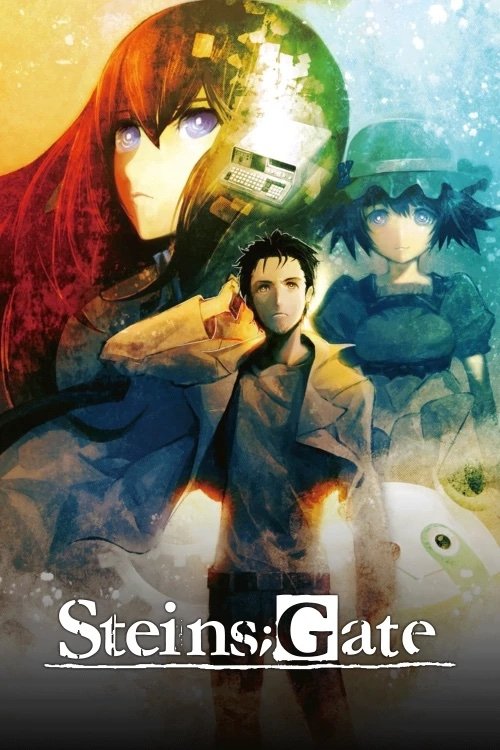
A self-proclaimed mad scientist accidentally invents a gadget that can send text messages to the past. The story borrows heavily from internet folklore regarding time travel and urban legends about John Titor. The microwave phonewave creates a scientific basis for altering destiny and timelines. It grounds the fantastical concept of time travel in gritty amateur experimentation.
‘Noragami’ (2014)
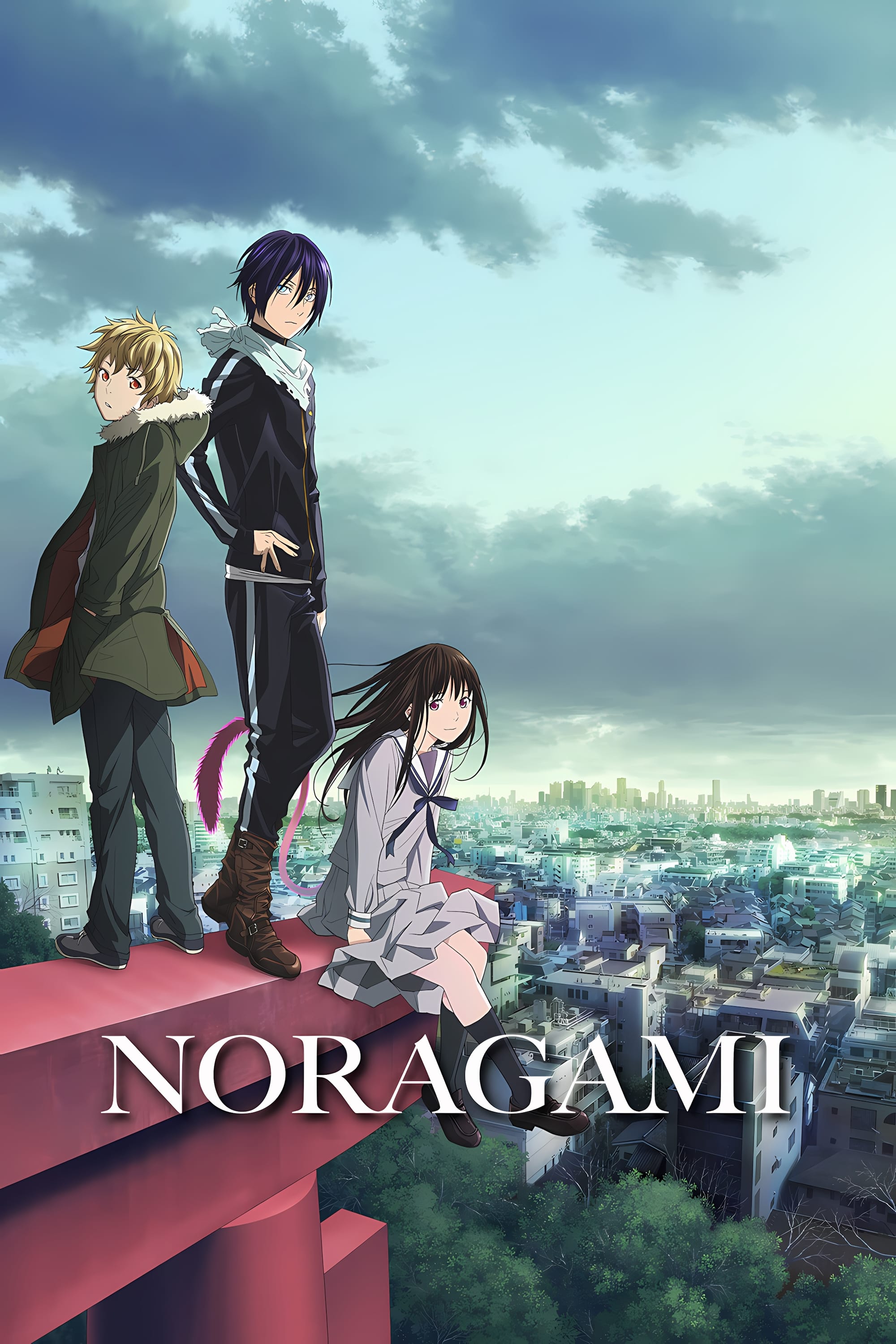
A minor god without a shrine accepts odd jobs for five yen to build his reputation and following. He and other deities use smartphones to communicate and coordinate their divine duties in the modern world. The spirits they wield as weapons transform into sleek items that resemble modern design aesthetics. The series shows gods adapting to social media and cellular technology to stay relevant.
‘Kamisama Kiss’ (2012)
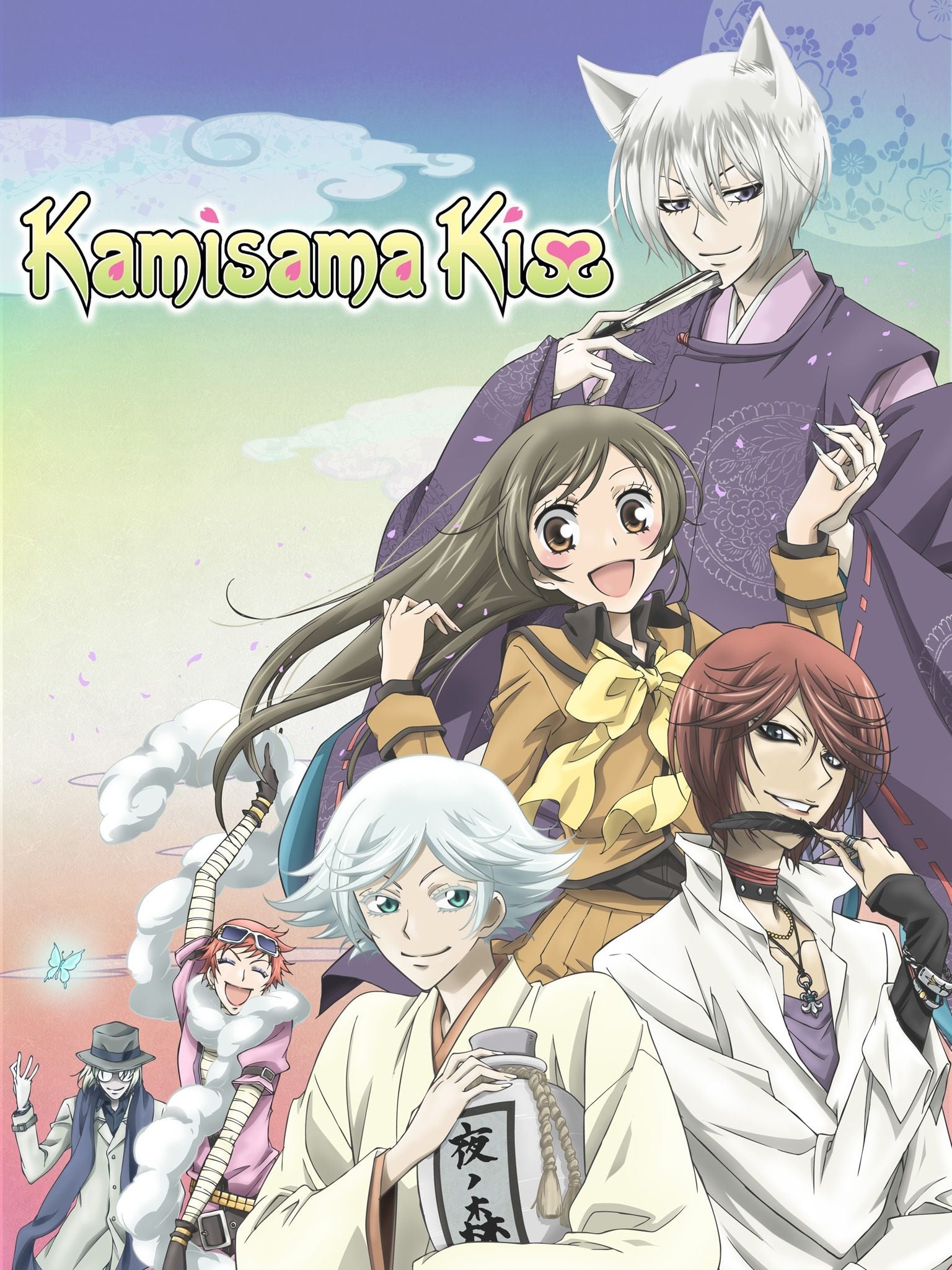
A homeless high school girl accidentally becomes the land god of a run-down shrine. She utilizes magical items like a time-traveling incense burner alongside her mobile phone. The story blends the responsibilities of traditional Shinto priesthood with the life of a modern teenager. It highlights the humorous contrast between ancient spirit attendants and modern convenience.
‘Tokyo Ravens’ (2013–2014)
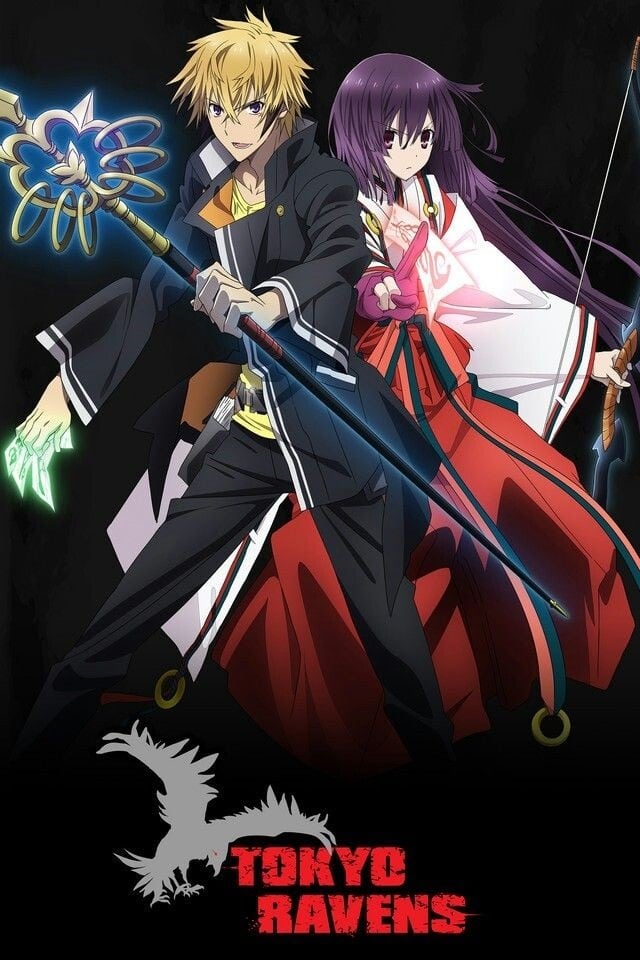
The practice of Onmyoudou magic has been modernized and is used for national defense and general welfare. Practitioners use talismans and mechanical devices to control spiritual energy and shikigami. The series presents a world where traditional shamans operate as certified civil servants. Magic circles and incantations are treated as standard operating procedures in this society.
‘D.Gray-man’ (2006–2008)
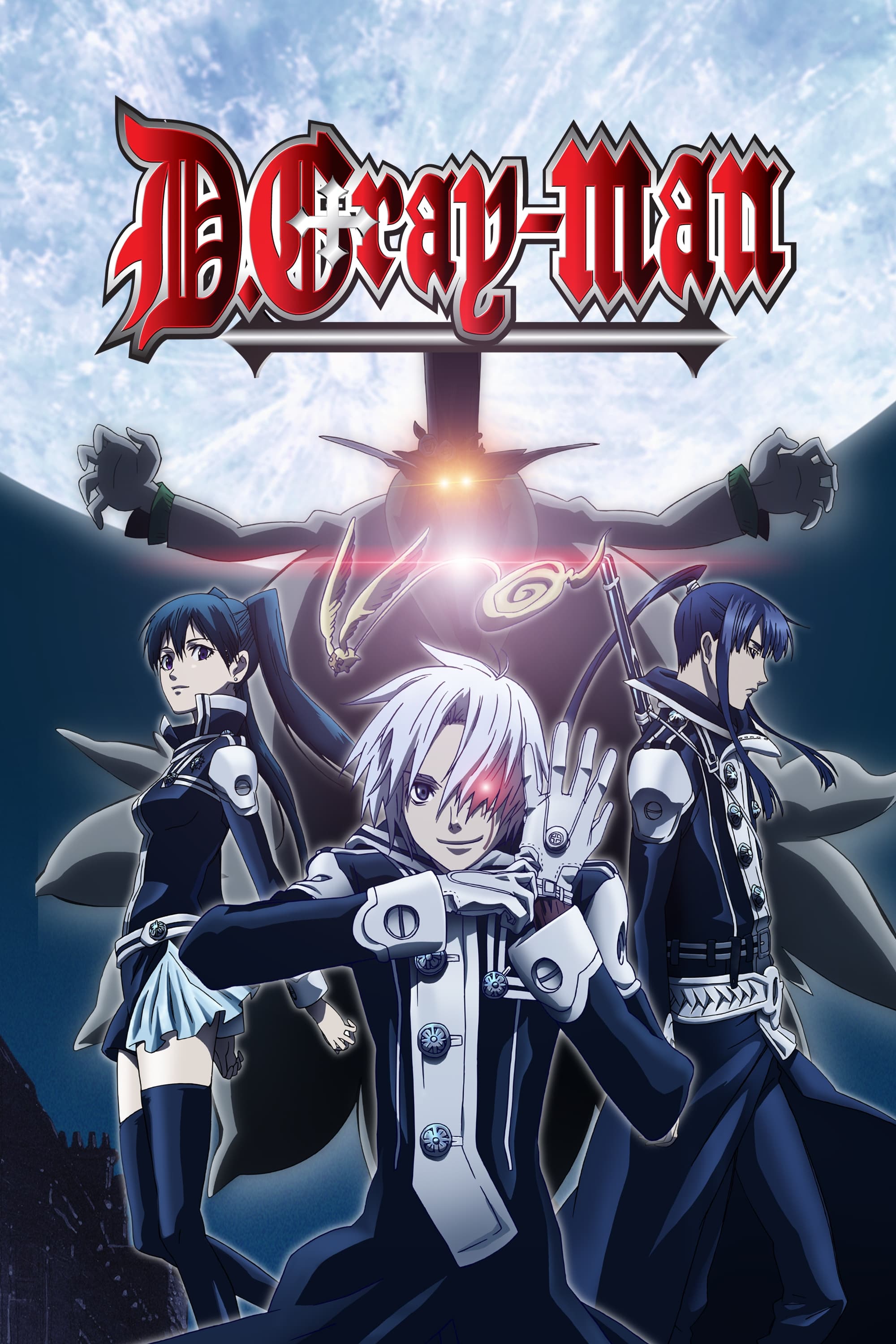
Exorcists fight against the Earl of Millennium who creates weapons called Akuma from the souls of the dead. The heroes use a divine substance called Innocence which bonds with them to create anti-demon weaponry. These weapons often take mechanical forms like boots or guns that evolve over time. The story fuses gothic horror and religious tragedy with steampunk technology.
‘Tenchi Muyo!’ (1992–1993)
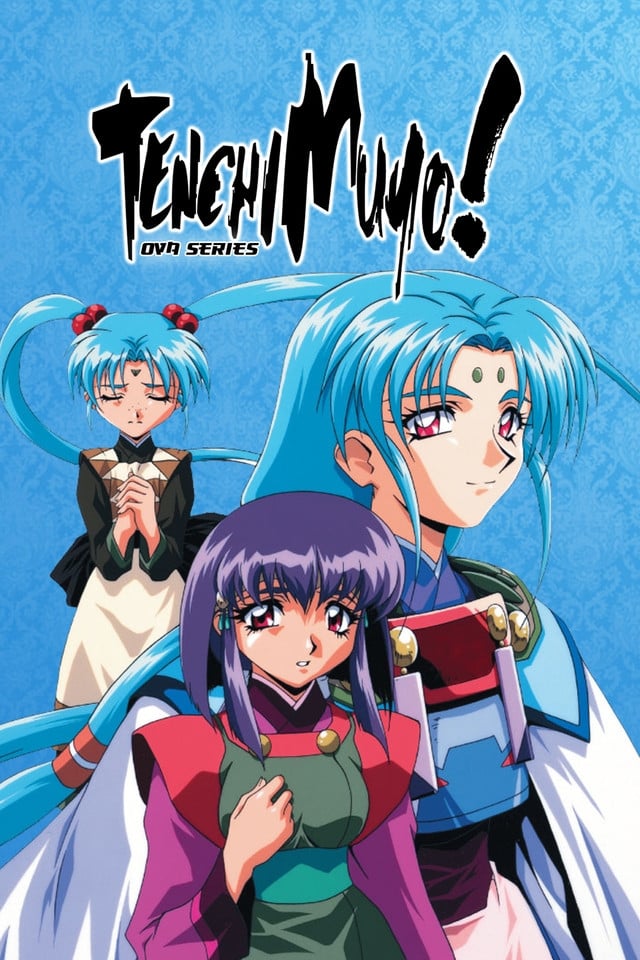
An alien prince crashes on Earth and reveals that his spaceship is actually a sentient tree. The advanced technology of the Jurai empire is grown rather than built and is rooted in nature worship. These living ships bond with their pilots and possess immense power that borders on magic. The series merges hard science fiction with animistic beliefs about the spirits of trees.
‘Ghost Hunt’ (2006–2007)
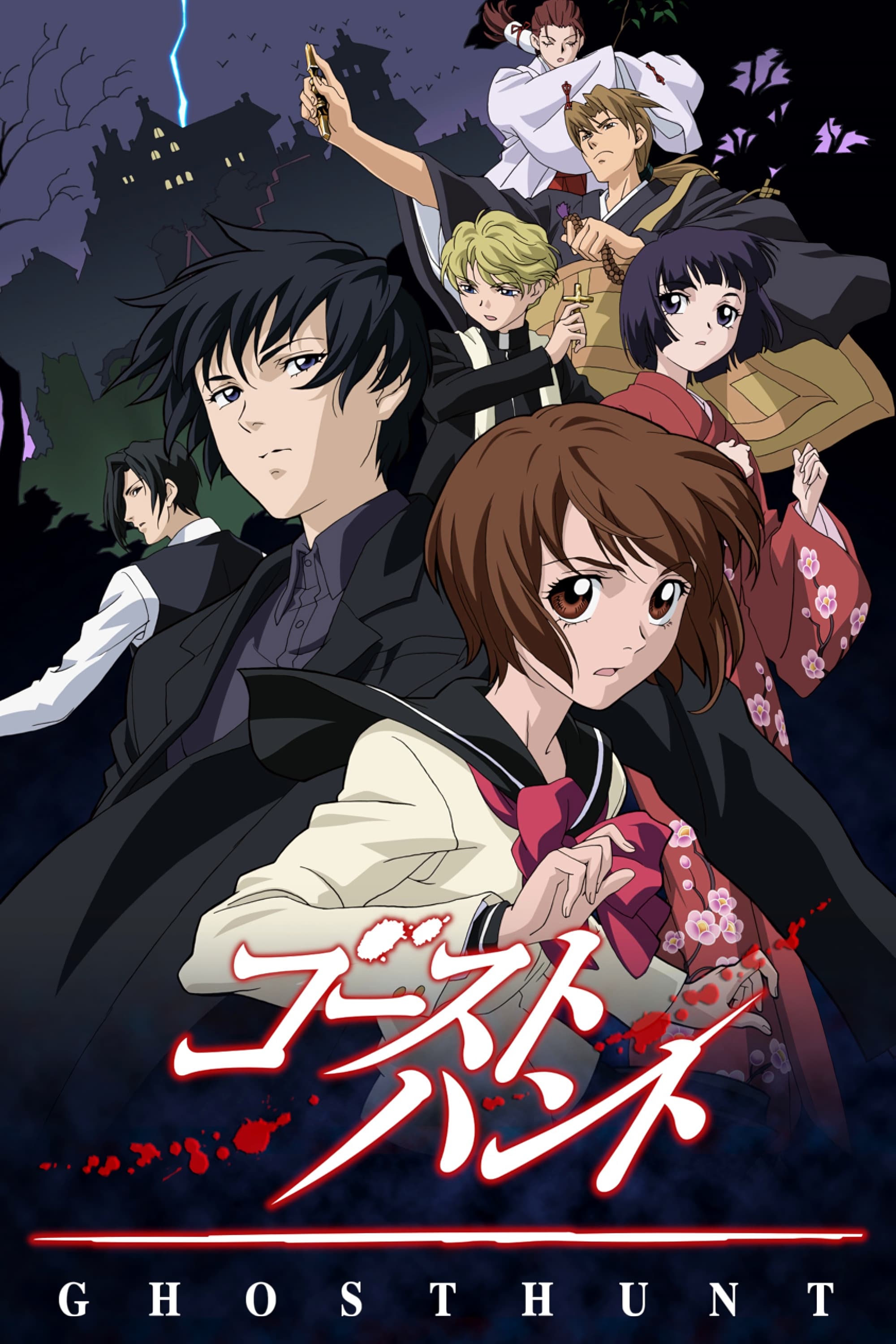
A team of paranormal investigators uses both spiritual abilities and high-tech equipment to solve cases. They employ thermography cameras and sensitive audio recorders to detect ghosts alongside buddhist chants. The show emphasizes the validation of supernatural phenomena through empirical data gathering. It presents a balanced view where science supports rather than debunks the existence of spirits.
‘Guilty Crown’ (2011–2012)
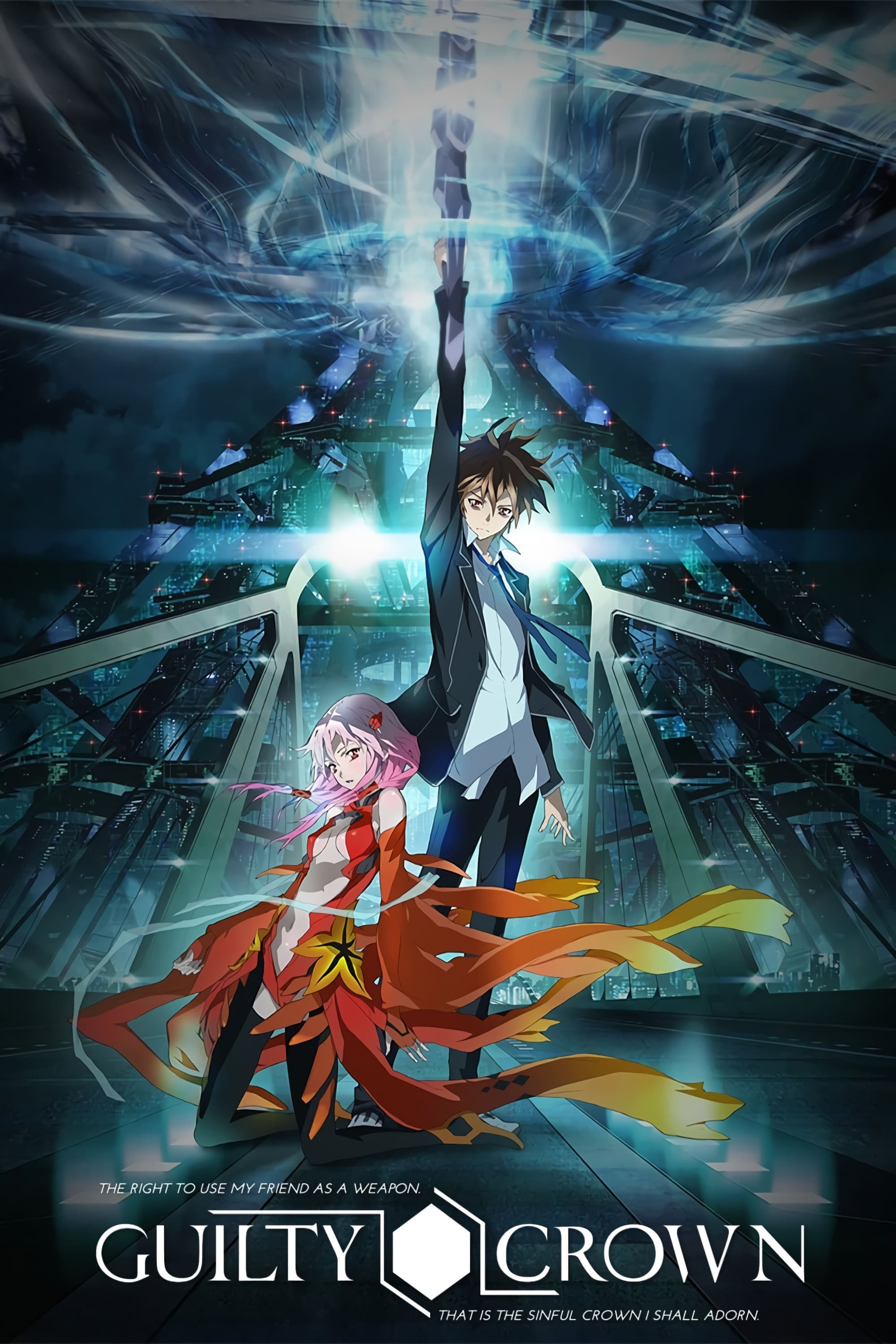
A high school student gains the Power of the King which allows him to draw weapons from the hearts of others. This technology is linked to a mysterious virus and genetic resonance that touches on themes of the soul. The weapons manifest as physical representations of a person’s personality and inner void. The sci-fi setting uses this mechanic to explore the metaphysical shape of the human heart.
‘RahXephon’ (2002)
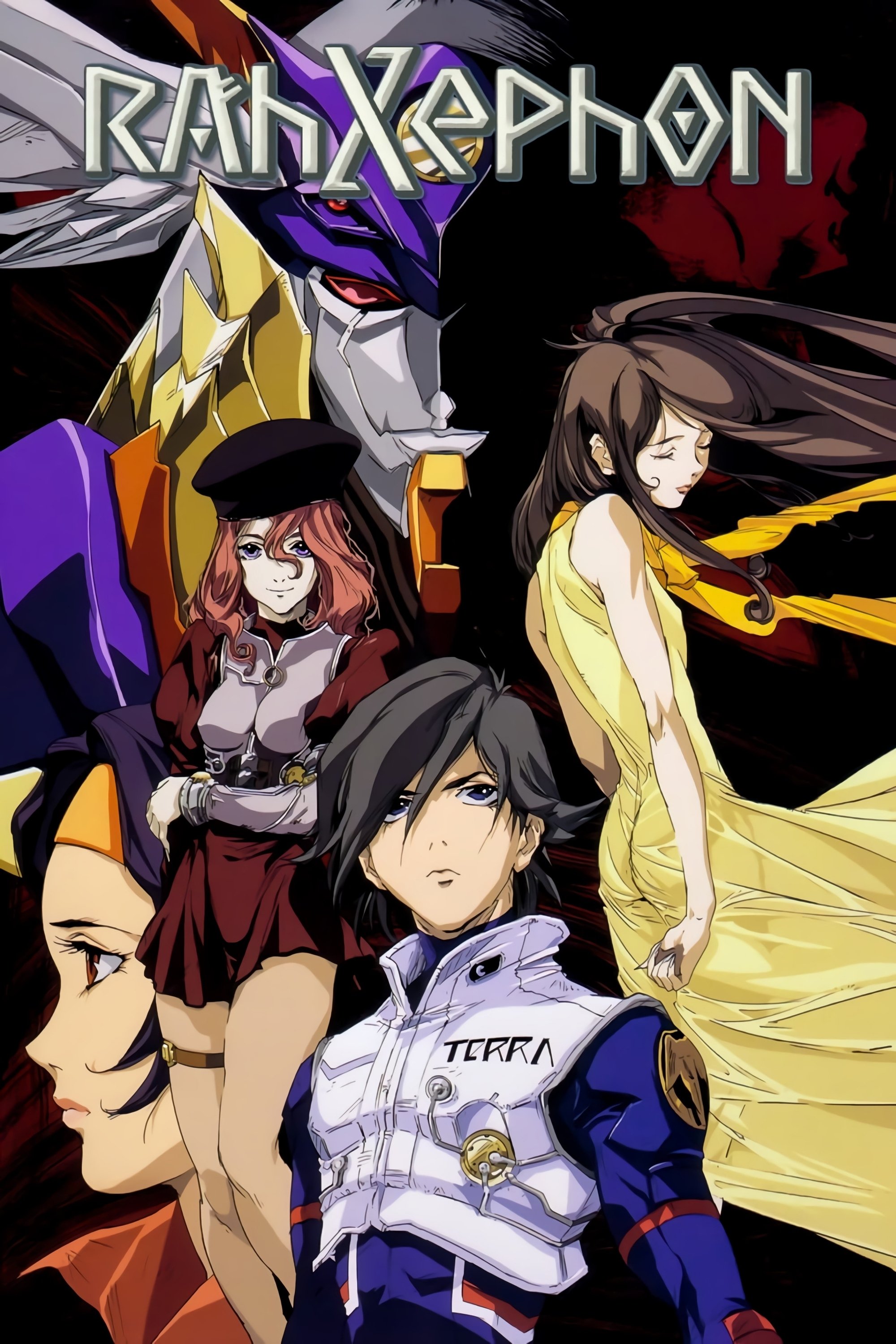
A young man pilots a giant robot that is deeply connected to music and pre-Columbian mythology. The mecha acts as a conduit for sound and reshapes reality through its god-like powers. The enemies are dimensional invaders who resemble clay statues and abstract art. The series treats the robot as a divine instrument rather than a military weapon.
‘Aquarion’ (2005)
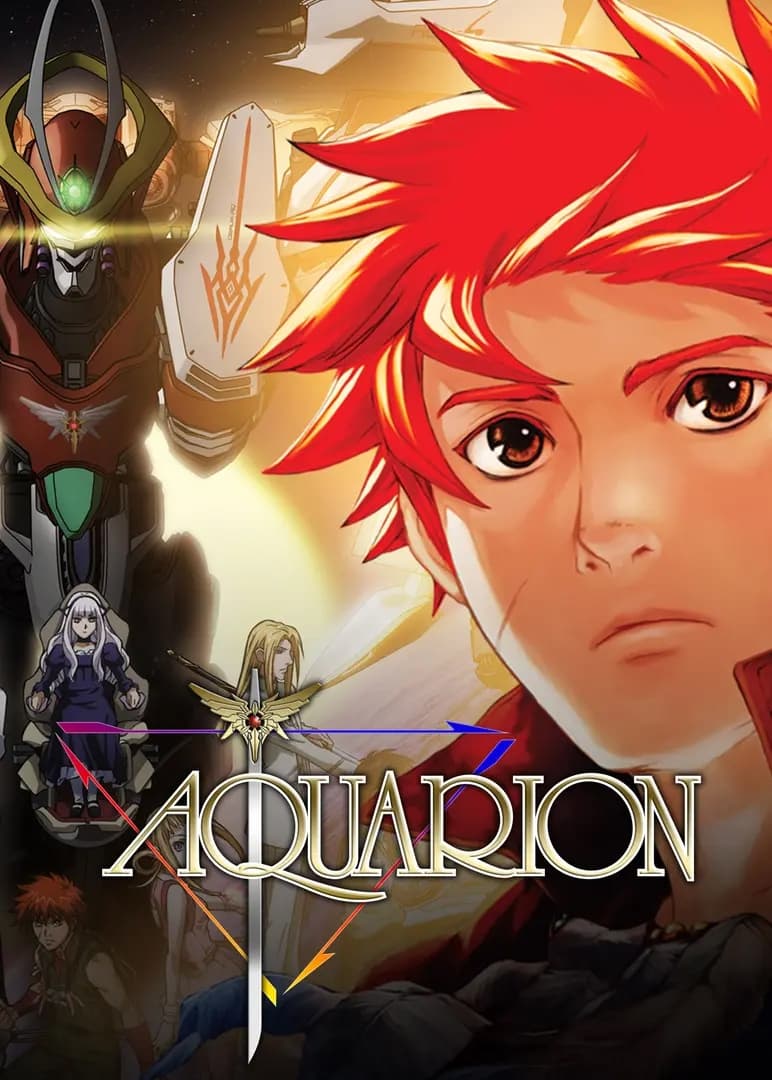
Pilots must merge their minds and souls to control a giant robot that is the reincarnation of a fallen angel. The machine harnesses the power of the elements and demands emotional unity from its operators. The narrative relies heavily on themes of reincarnation and eternal love spanning thousands of years. The technology functions only when the spiritual connection between the pilots is pure.
‘Star Driver’ (2010–2011)
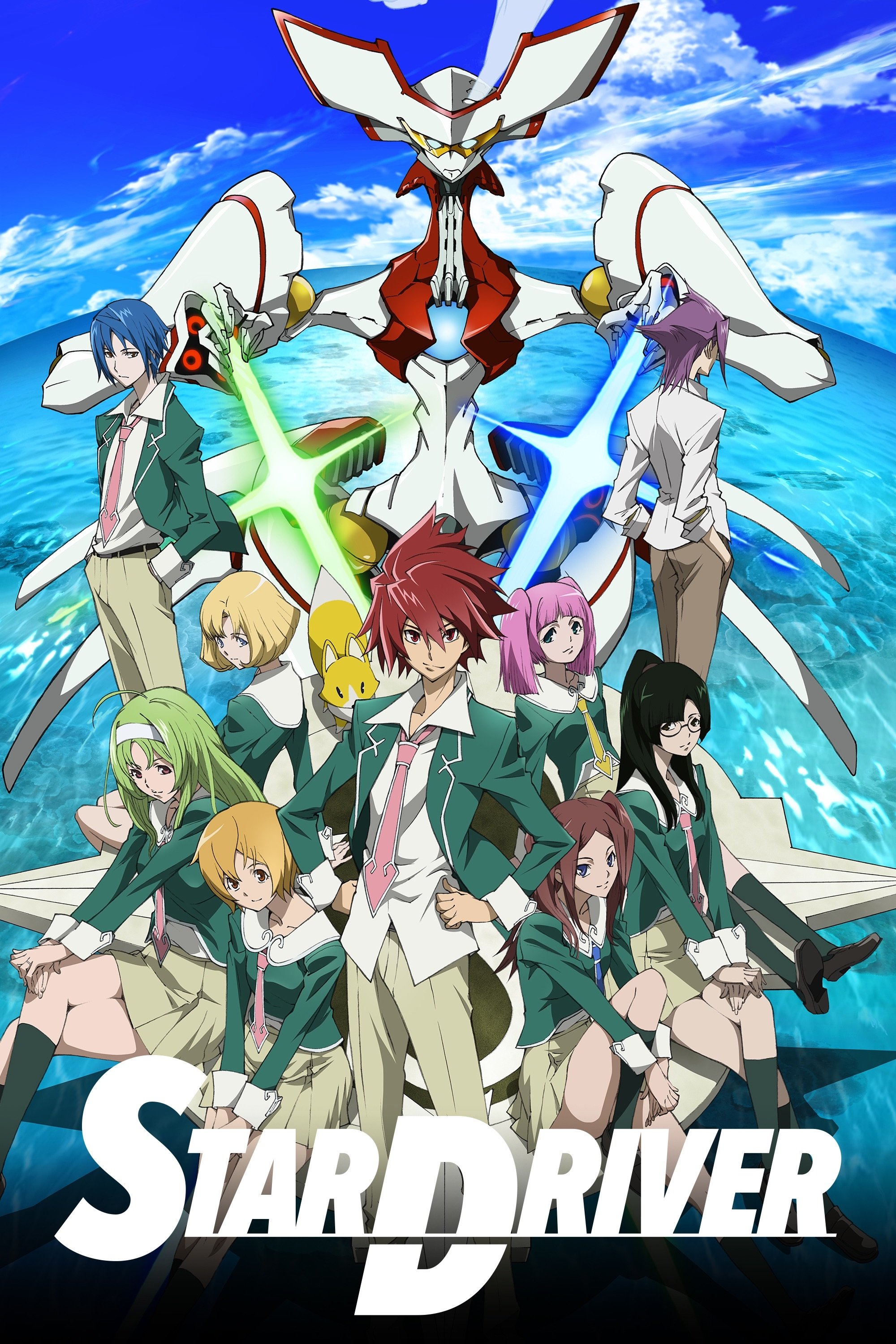
A boy washes ashore on an island where a secret organization uses mask-like technology to control giant robots within a pocket dimension. The robots are sealed behind shrines and require specific maidens to unlock their power. The show combines the flair of theatre and galactic mythology with mecha combat. It treats the piloting experience as a glamorous and ritualistic performance.
‘Darling in the Franxx’ (2018)
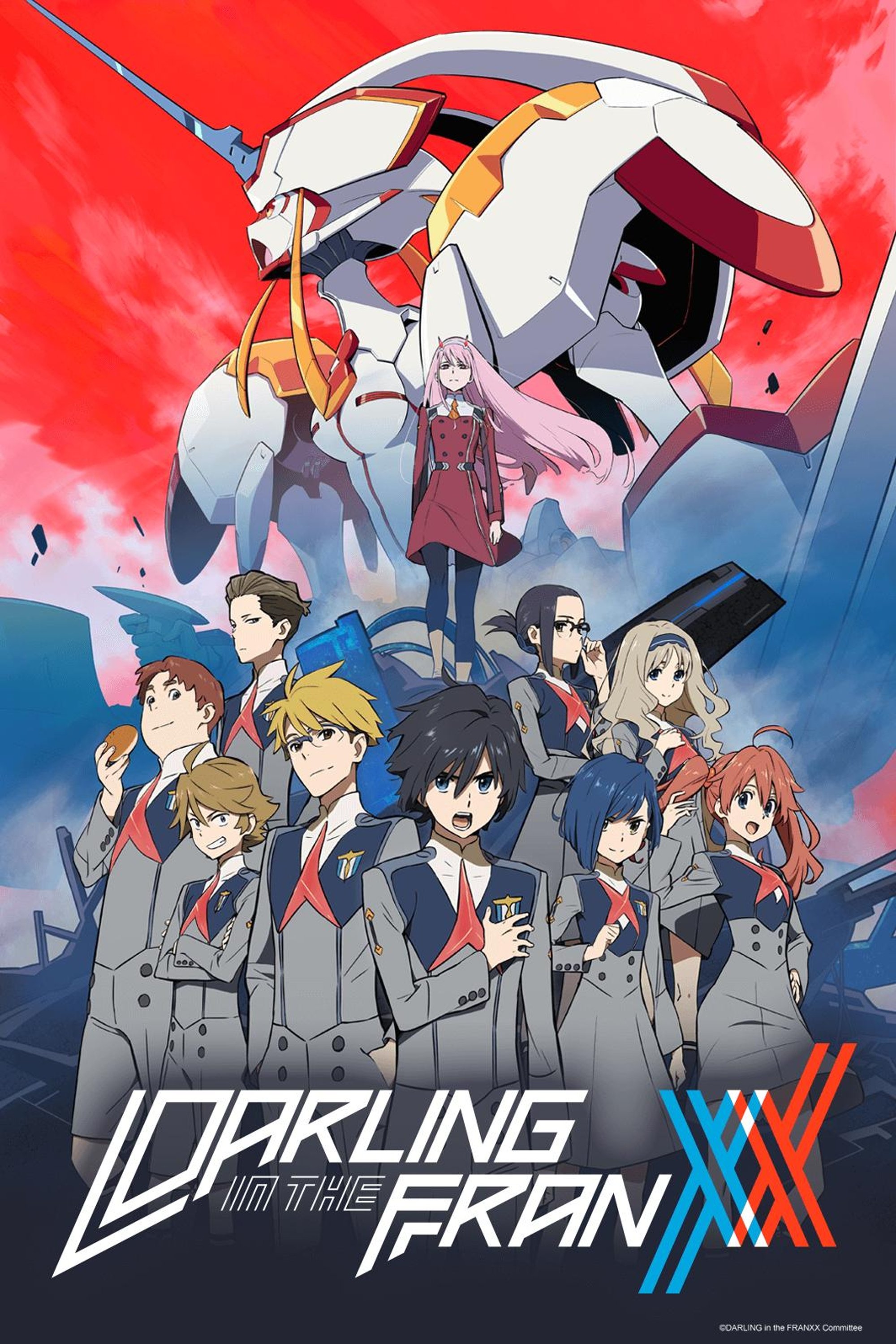
Humanity lives in mobile fortress cities and defends against Klaxosaurs using robots piloted by boy-girl pairs. The mecha designs and the enemies draw inspiration from geology and dinosaur mythology. The piloting system relies on the reproductive symbolism and emotional bond between the partners. The series mixes biological machinery with folklore about the Jian bird that needs a partner to fly.
‘Eureka Seven’ (2005–2006)
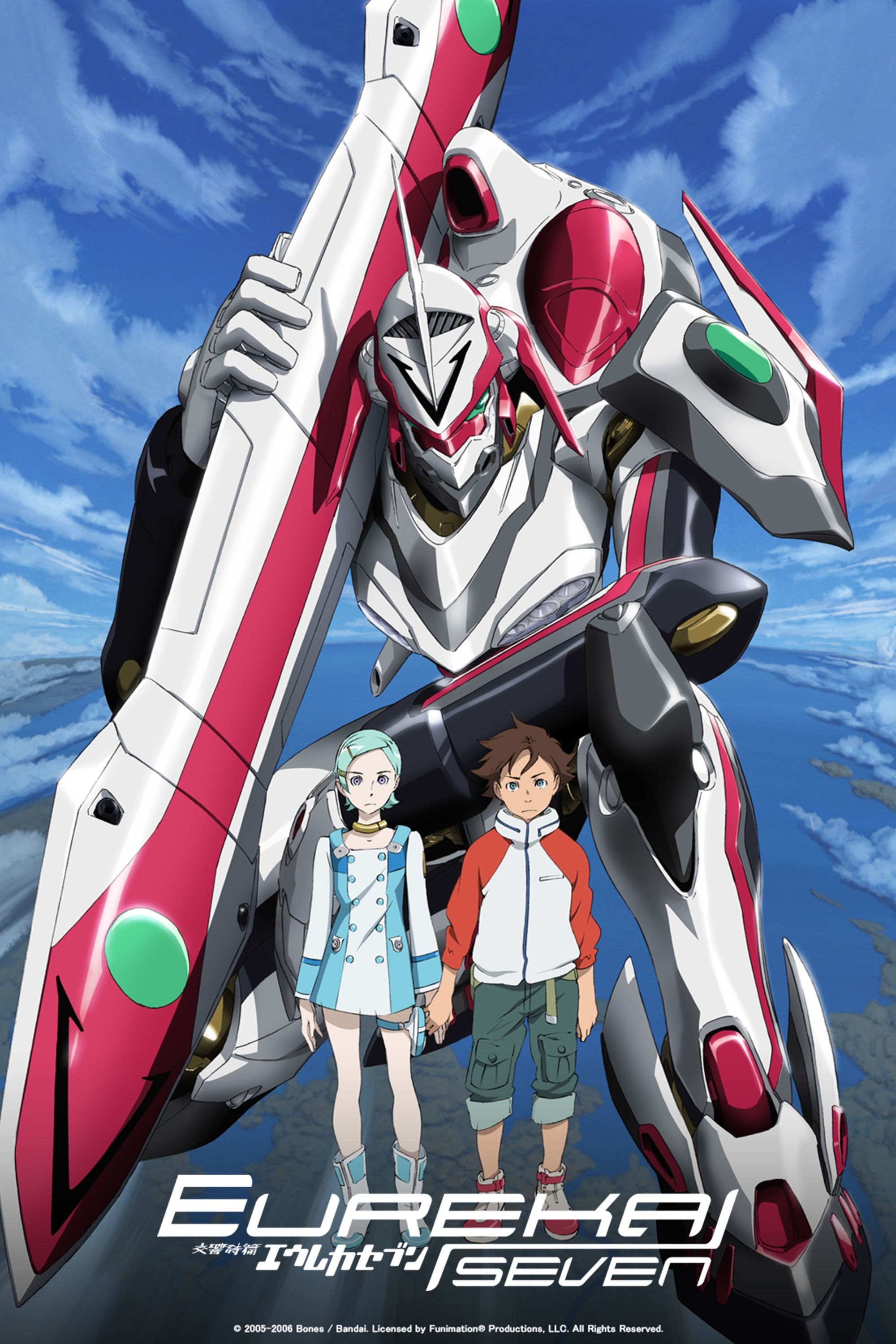
Robots surf on waves of transparent particles in the atmosphere in a world teeming with mysterious coral-like life forms. The machines are excavated from the earth rather than built and seem to be semi-organic artifacts. The story involves a girl who is a humanoid manifestation of the planet’s consciousness. It blends surf culture with animistic themes regarding the living earth.
‘Cardcaptor Sakura’ (1998–2000)
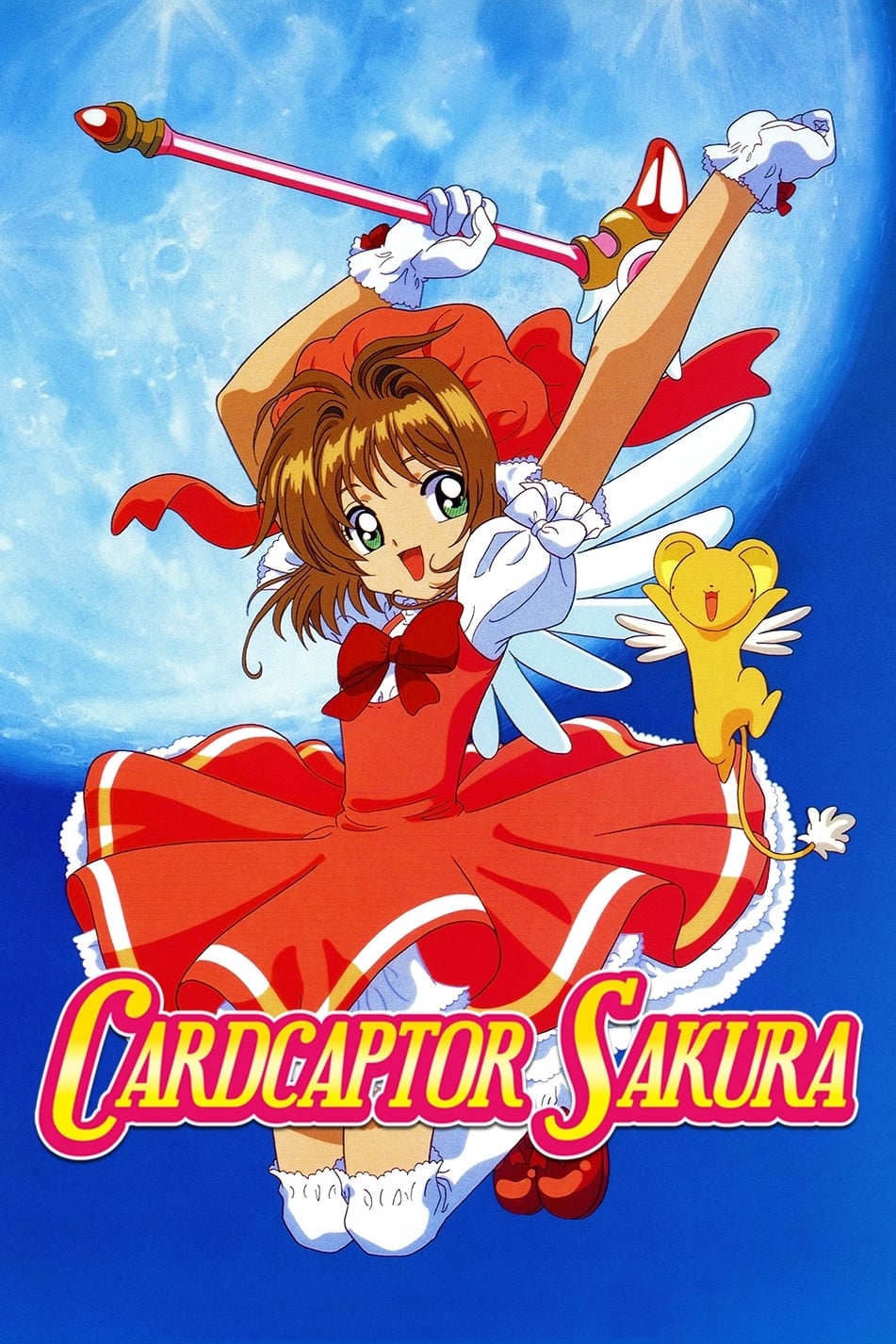
A young girl accidentally releases magical cards from a book and must retrieve them to prevent a catastrophe. While primarily magical, the cards interact with modern life and the girl uses rollerblades to chase them. The artifacts themselves have distinct personalities and govern elements like wind or time. The show depicts magic as a hidden layer of wonder within a normal suburban setting.
‘xxxHOLiC’ (2006)

A high school student plagued by spirits stumbles into a shop that grants wishes in exchange for a fair price. The shop exists between dimensions and connects to various supernatural and modern worlds. The mysterious owner uses a pipe and magical items to manipulate probability and human fate. It explores the consequences of desires in a world where magic operates on equivalent exchange.
‘Vampire Knight’ (2008)
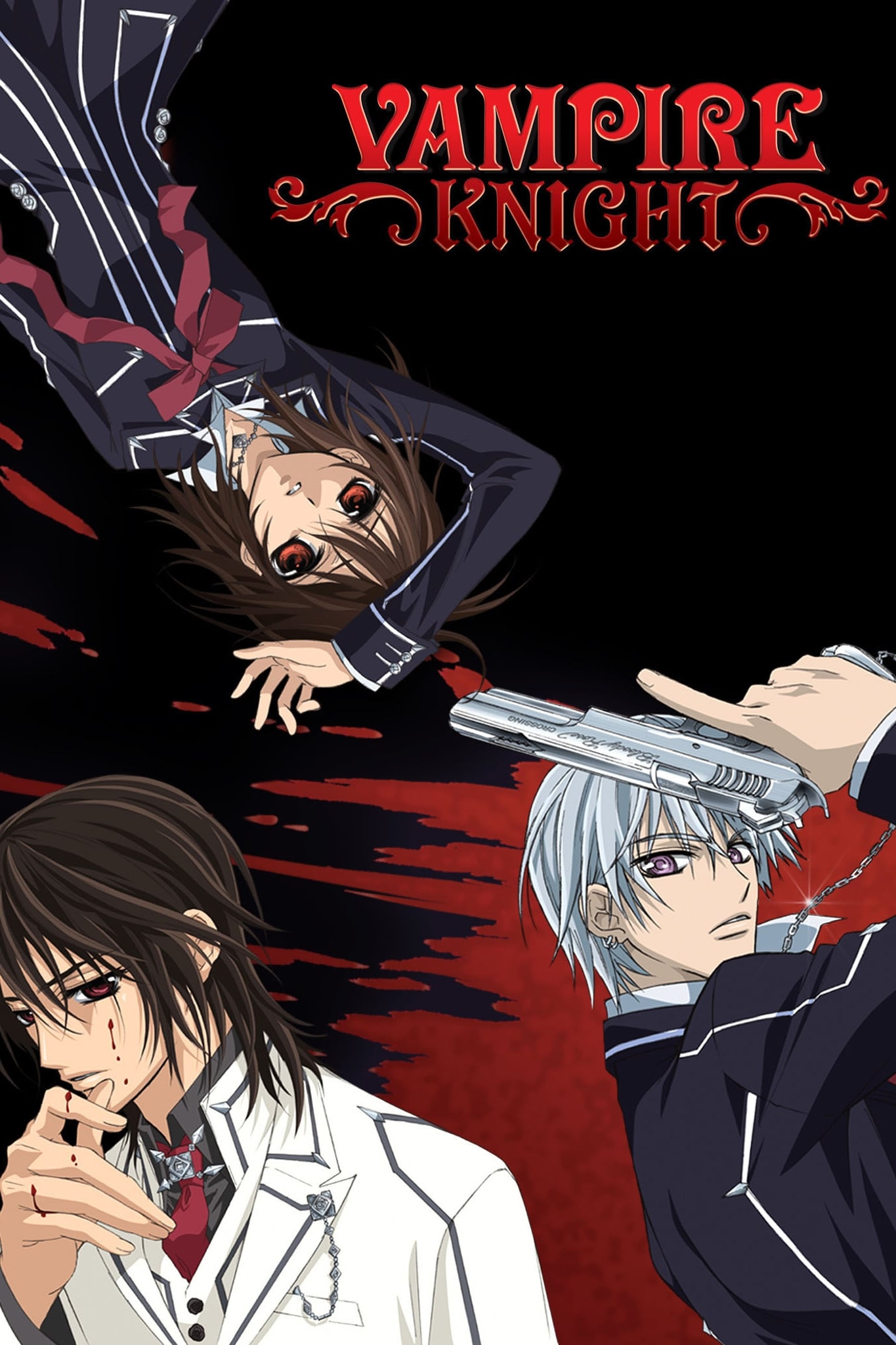
Guardians at a prestigious academy protect the secret that the night class consists entirely of vampires. The protagonists use anti-vampire weaponry like the Bloody Rose gun and the Artemis rod. These weapons are technologically advanced but rely on magical barriers and spells to be effective. The setting mixes gothic romance tropes with specialized monster-hunting gear.
‘Hellsing Ultimate’ (2006–2012)

The Hellsing Organization protects England from supernatural threats using a powerful vampire and military technology. The vampire Alucard wields massive handguns inscribed with holy scriptures and magical runes. The show features a mix of nazi occult science and protestant mysticism. It glories in the excessive use of heavy weaponry against ghouls and undead armies.
‘Trinity Blood’ (2005)
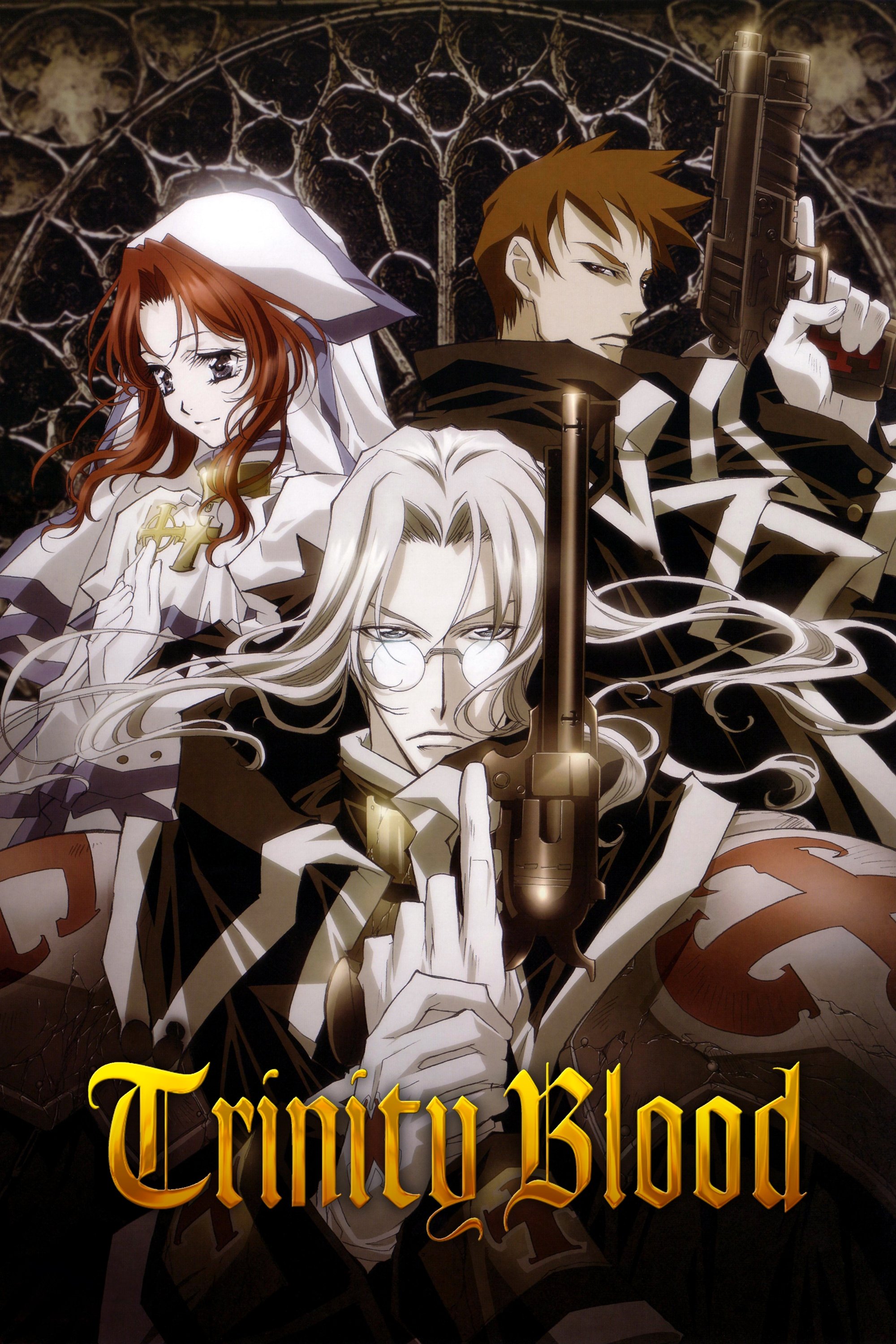
In a post-apocalyptic future, the Vatican and the vampire empire remain in a cold war. The protagonist is a Crusnik who feeds on the blood of vampires and utilizes nanomachines to transform. The series portrays the church as a technologically advanced military power. It reimagines vampirism as a result of lost technology and biological experimentation.
‘Witch Hunter Robin’ (2002)
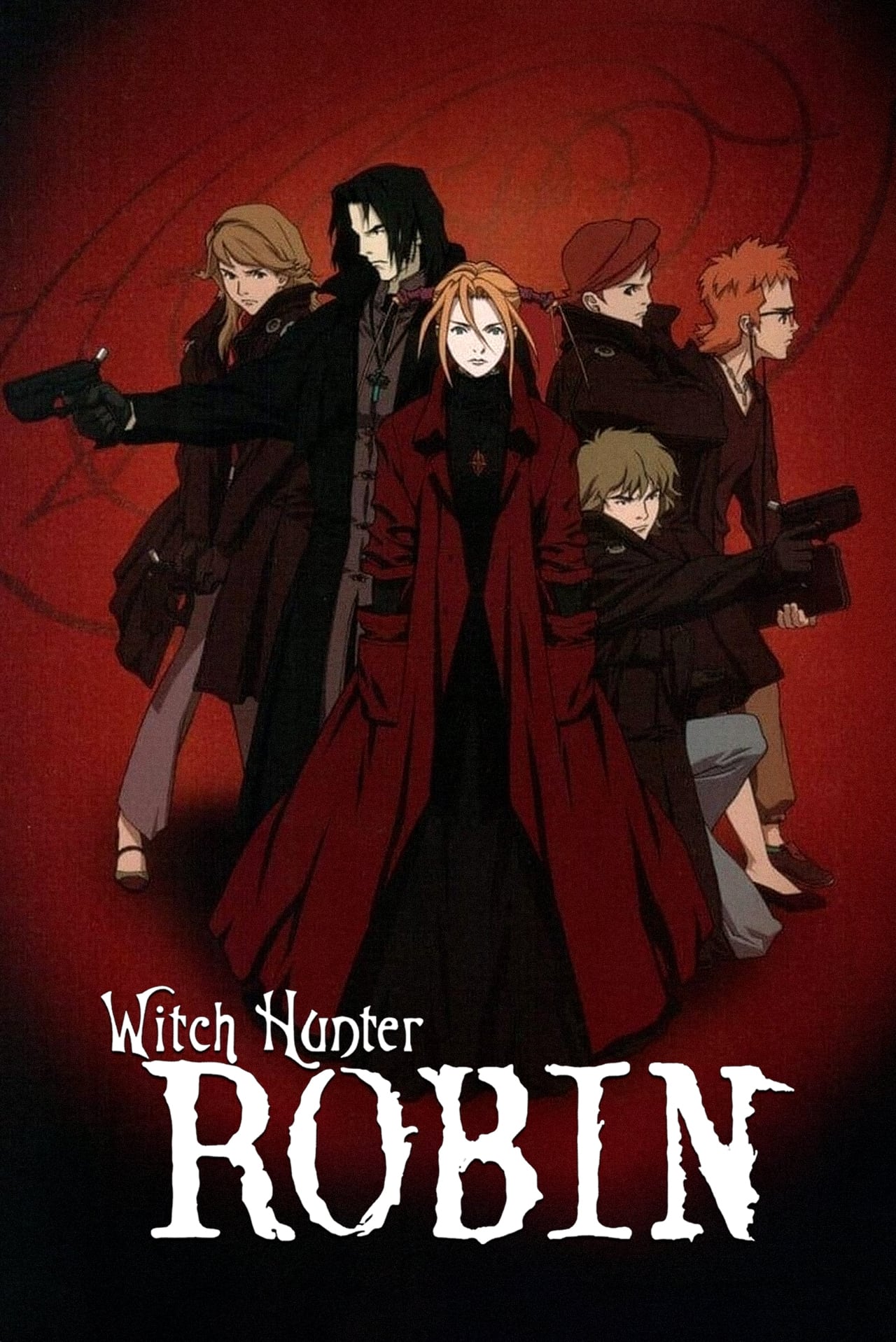
A secret organization tracks down individuals who use witchcraft and genetic powers. The hunters use a liquid substance called Orbo to neutralize the powers of the witches. The show treats magic as a genetic trait that can be suppressed with chemical engineering. It blends the aesthetic of a police procedural with the hunting of medieval-style witches.
‘Darker Than Black’ (2007)
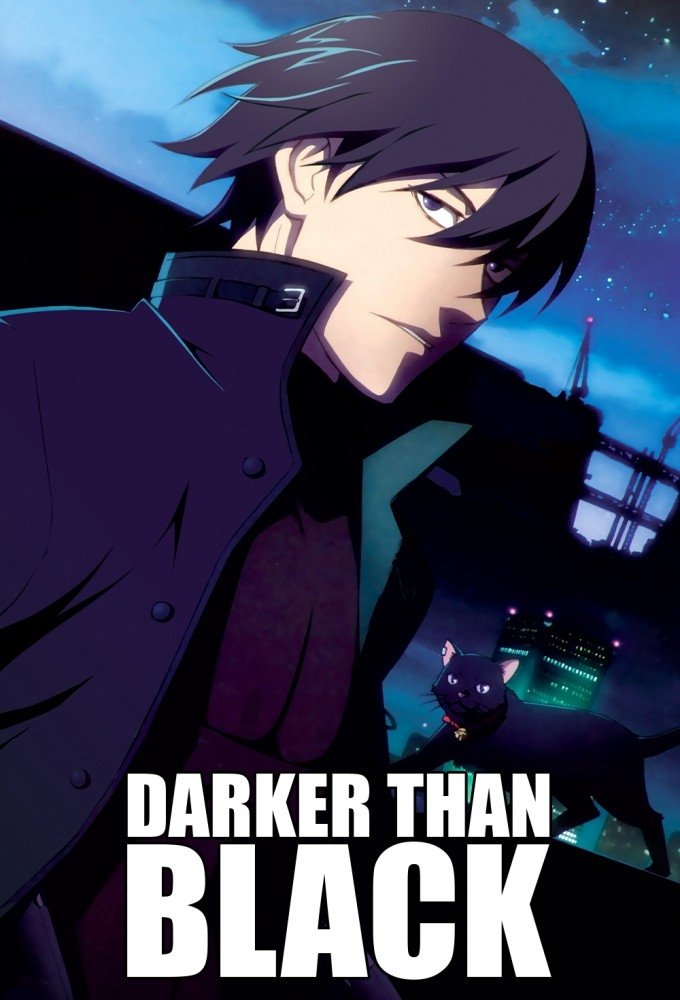
A mysterious wall appears in Tokyo and grants certain individuals supernatural powers at the cost of their humanity. These Contractors must pay a compulsive price or obeisance after using their abilities. The powers range from gravity manipulation to electricity and are often used in espionage. The series frames these supernatural gifts within a noir spy thriller involving intelligence agencies.
‘Chobits’ (2002)
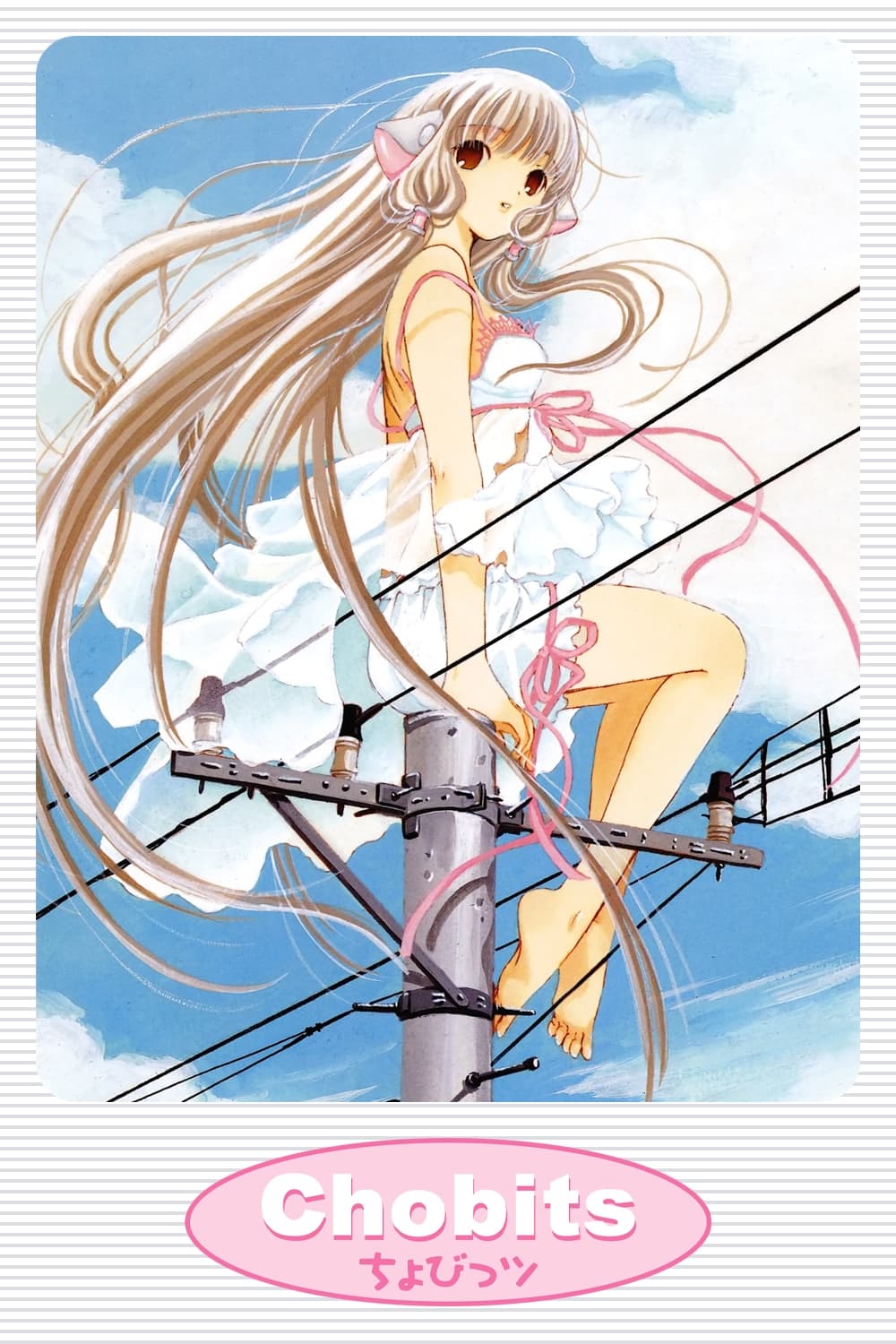
Personal computers have evolved into human-shaped androids called Persocoms that can perform various tasks. The protagonist finds an abandoned unit that may be a Chobit, a type of Persocom from urban legends capable of free will. The story questions the nature of love and consciousness in artificial beings. It treats the rumored existence of sentient machines as a modern fairy tale.
‘Angelic Layer’ (2001)
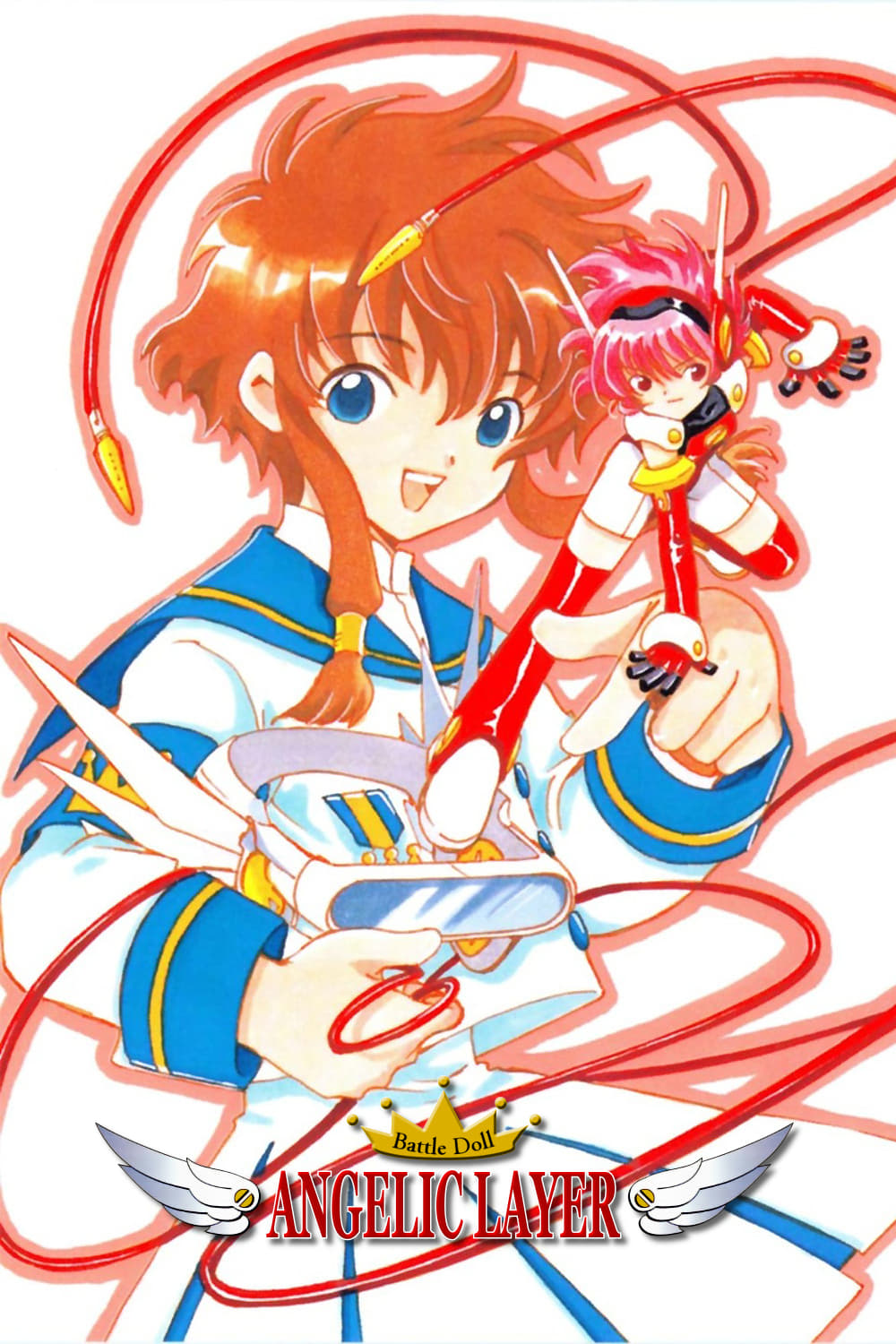
Competitors battle using custom dolls on a special field that allows the dolls to move via mental commands. The technology, called the Layer, creates a space where the dolls can physically interact and fight. The bond between the user and the doll determines the speed and strength of the movements. It spiritualizes the connection between a creator and their creation through advanced interface technology.
‘Saber Marionette J’ (1996–1997)
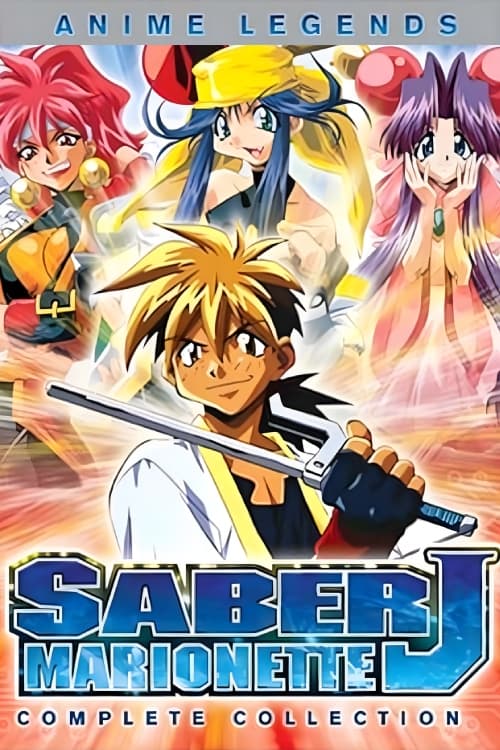
On a planet with only men, female androids called Marionettes are used for labor and companionship. The protagonist discovers three special Marionettes equipped with Maiden Circuits that give them emotions. These circuits allow the androids to develop human hearts and feelings. The story uses sci-fi comedy to explore themes of emotional growth and the definition of a soul.
‘Kannagi: Crazy Shrine Maidens’ (2008)

An art student carves a statue from wood that was part of a sacred tree and it transforms into a goddess. The goddess moves in with him and attempts to cleanse impurities while enjoying modern conveniences. She becomes fascinated by television and other electronic entertainment. The show highlights the clash between ancient divine duties and the distractions of the modern living room.
‘Mob Psycho 100’ (2016)
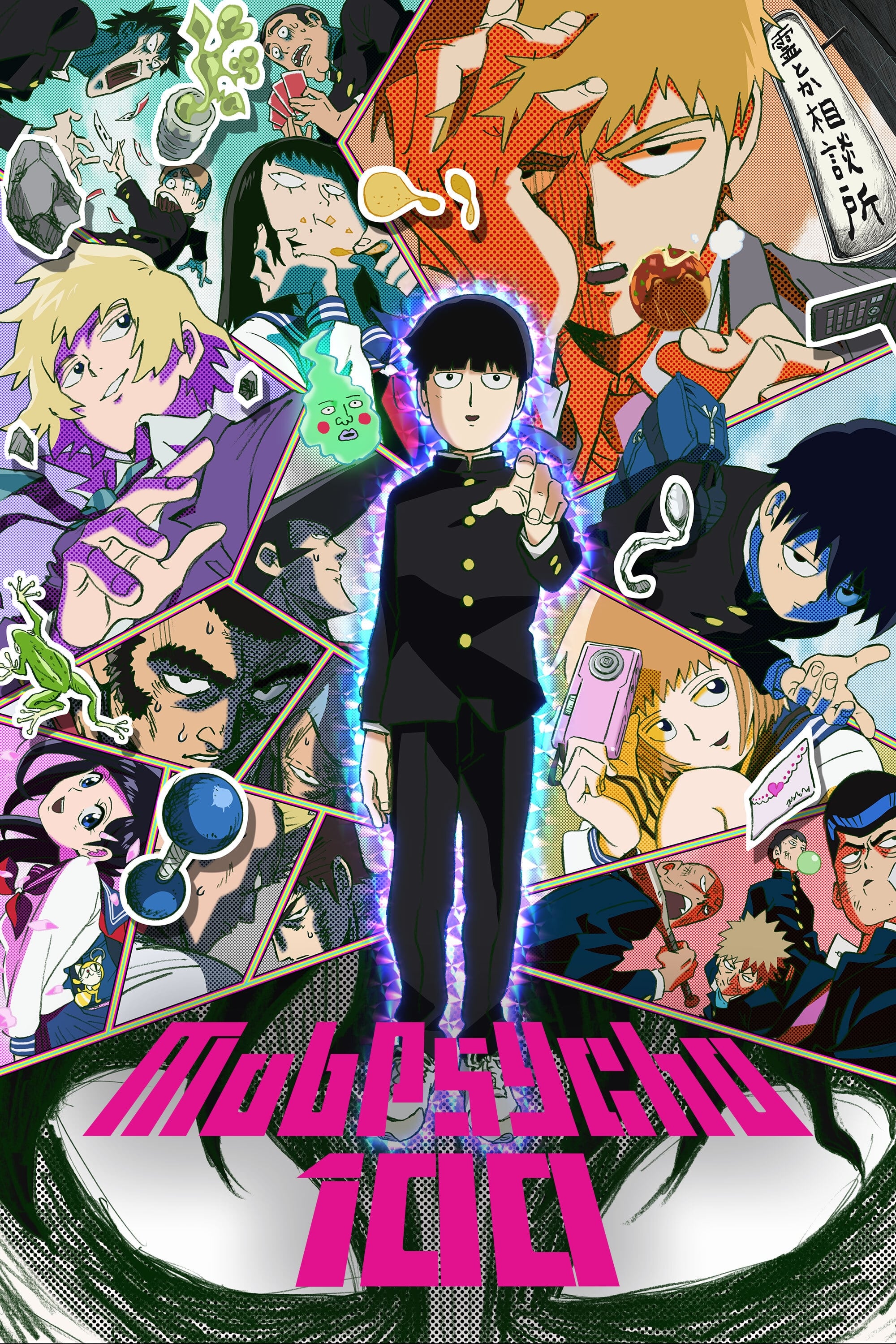
A powerful psychic boy wants to live a normal life but works for a con artist who claims to be an exorcist. The mentor uses salt splashes and photo editing software to fake spiritual cleansings for clients. While the boy has real power, the show focuses on the mundane and fraudulent side of the spirit business. It creates humor by contrasting genuine psychic phenomena with cheap parlor tricks.
Share your favorite example of folklore meeting technology in the comments.