

14 Anime Villains Whose Backlash Sparked Real-World Culture Wars

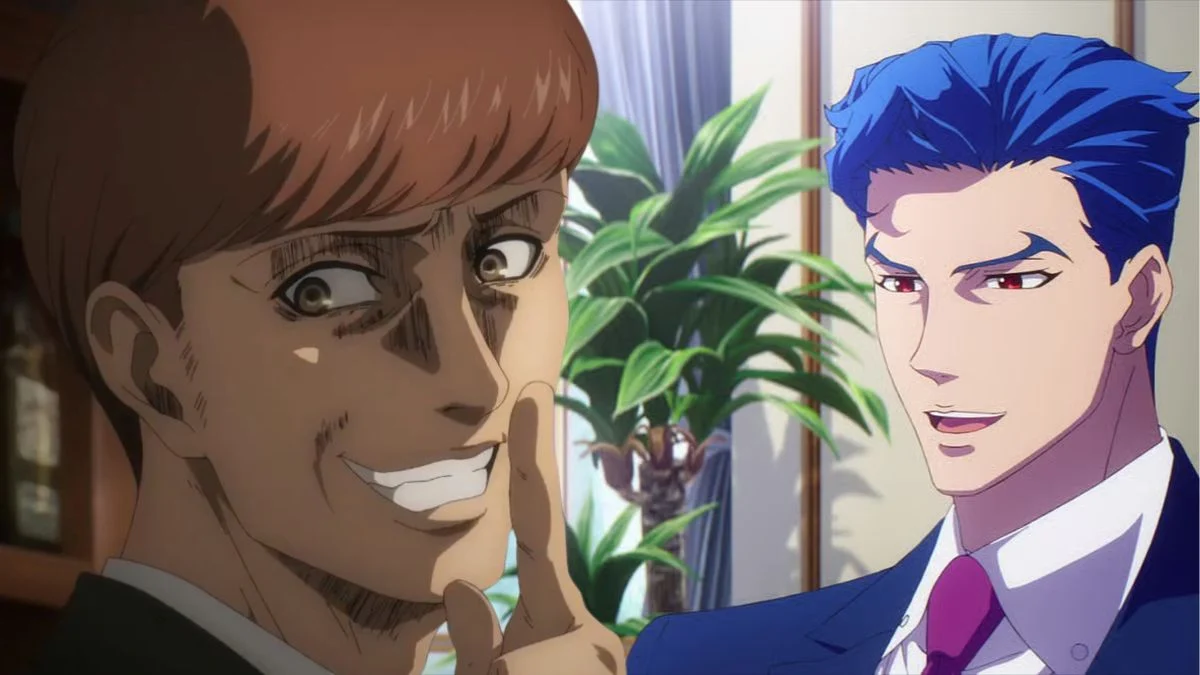


Anime villains often serve as dark reflections of society or narrative obstacles for heroes to overcome. Some antagonists generate controversy that spills over into real-world discourse regarding politics and morality. These characters have sparked heated debates about representation and censorship across social media platforms. The following list explores the figures who managed to offend or divide audiences far beyond the anime community.
Malty S. Melromarc
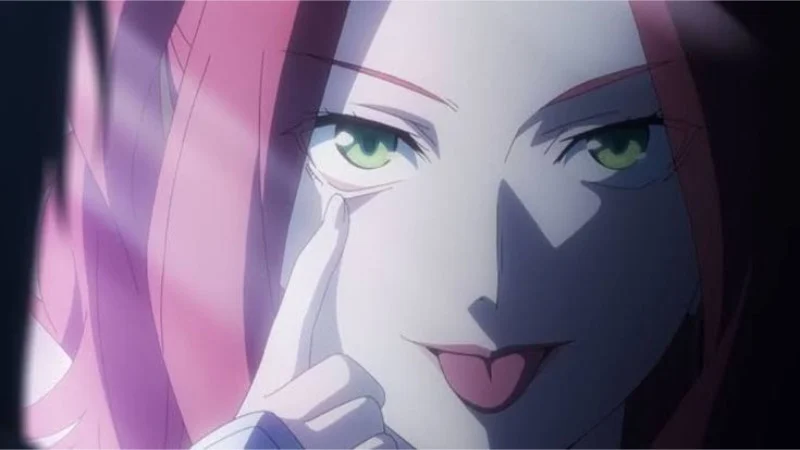
Malty appears in ‘The Rising of the Shield Hero’ and serves as the catalyst for the protagonist’s downfall. Her fabrication of a sexual assault accusation ignited a fierce debate regarding the depiction of false allegations in media. Western audiences engaged in heated arguments about how this storyline intersected with the real-world #MeToo movement. Critics argued the plot point was misogynistic while defenders claimed it was a narrative tool to establish the hero’s struggle. This character remains one of the most polarizing figures in modern anime history due to these sociopolitical implications.
Sister Krone
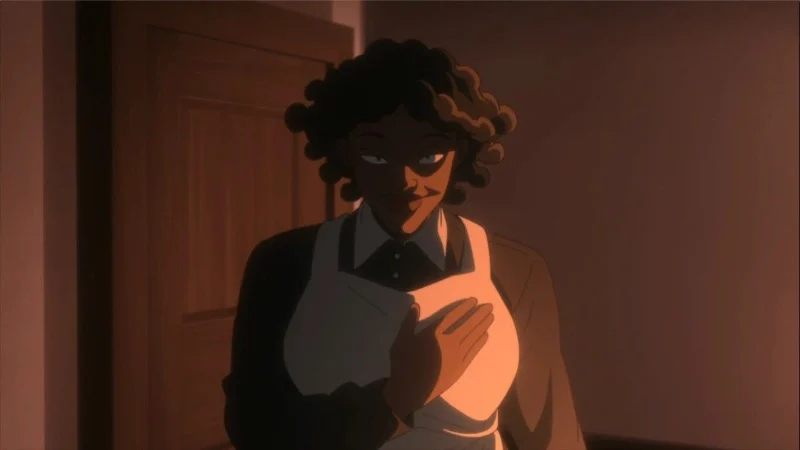
Sister Krone serves as an antagonist in the first season of ‘The Promised Neverland’ who attempts to thwart the children’s escape. Her exaggerated physical features and mannerisms drew immediate backlash from international viewers who identified similarities to historical racial caricatures. The discourse focused on whether the design was an intentional homage to racist tropes or a cultural misunderstanding by the Japanese creators. Many fans felt uncomfortable with the portrayal and demanded better representation for Black characters in anime. The controversy highlighted the growing need for cultural sensitivity in a globalized entertainment market.
Gabi Braun
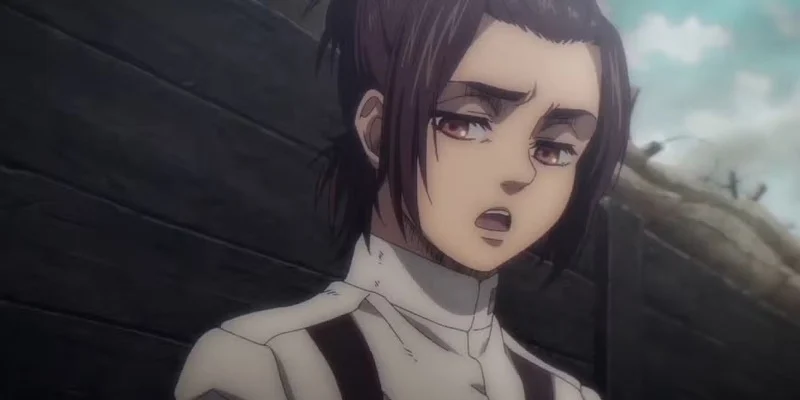
Gabi Braun enters the story of ‘Attack on Titan’ as a child soldier indoctrinated to hate the protagonists. Her killing of a beloved main character caused an immediate uproar that devolved into harassment of the voice actors and staff. The backlash sparked intense conversations about the cycle of hatred and the difficulty of sympathizing with brainwashed aggressors. Viewers debated whether her age should absolve her of her crimes or if she was simply an irredeemable monster. Her character arc forced the audience to confront their own biases regarding war and perspective.
The Goblin Lord
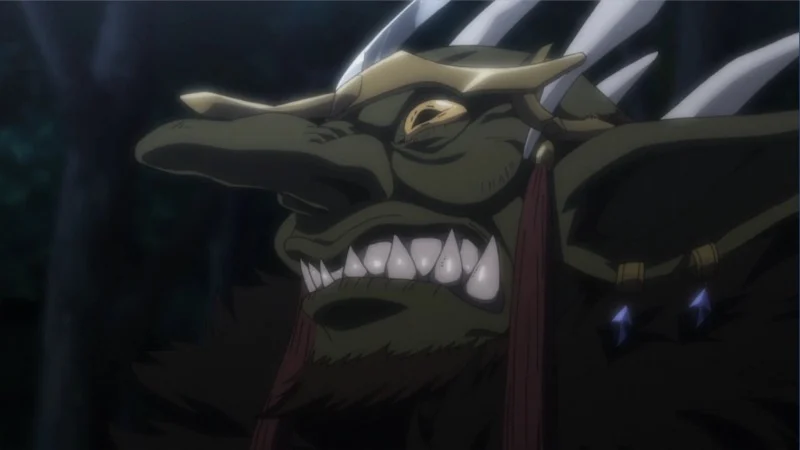
The antagonists in ‘Goblin Slayer’ caused a massive stir immediately after the first episode aired. The graphic depiction of the goblins committing sexual violence against a novice adventuring party led to widespread calls for censorship. Streaming services were forced to add content warnings after viewers expressed shock at the brutality. The backlash centered on whether such extreme content was necessary for dark fantasy or if it was merely gratuitous shock value. This controversy reignited the eternal debate about age ratings and content moderation in animation.
Endeavor
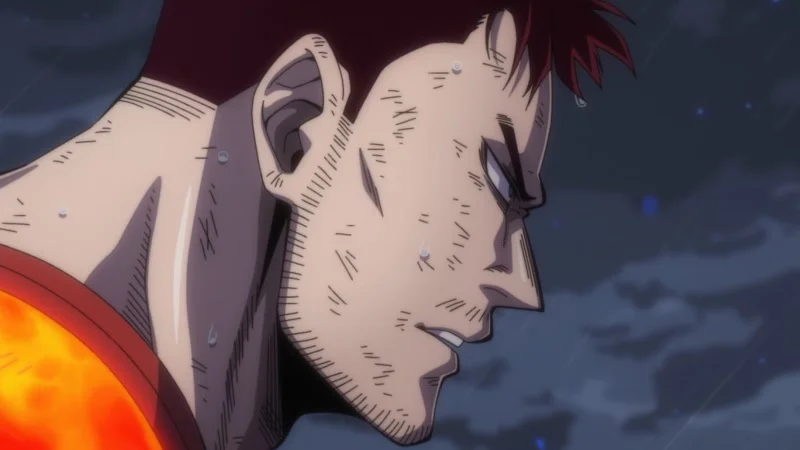
Endeavor is a complex figure in ‘My Hero Academia’ who begins the series as an abusive father driven by obsession. His subsequent redemption arc polarized the fanbase between those who believed in his growth and those who felt his past abuse was unforgivable. The discourse touched on real dynamics of domestic violence and the moral responsibilities of survivors to forgive their abusers. Many readers felt the narrative let him off too easily for the trauma he inflicted on his family. This ongoing debate questions the limits of redemption in superhero fiction.
Hero Killer Stain
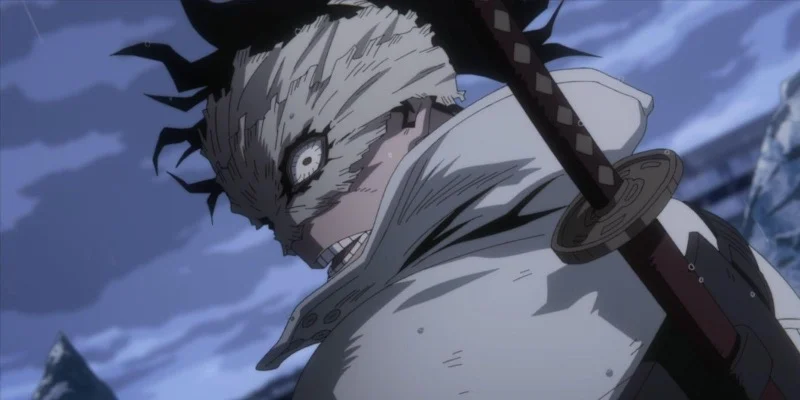
Stain appears in ‘My Hero Academia’ as a serial killer who targets heroes he deems unworthy or corrupt. His ideology resonated with a section of the fanbase who agreed with his critique of a commercialized hero society. This support sparked arguments about the glorification of terrorism and violent activism within media consumption. The character became a symbol for anti-establishment sentiments while others criticized the narrative for validating his twisted logic. His impact demonstrated how charismatic villains can blur the lines of morality for impressionable viewers.
Keyaru
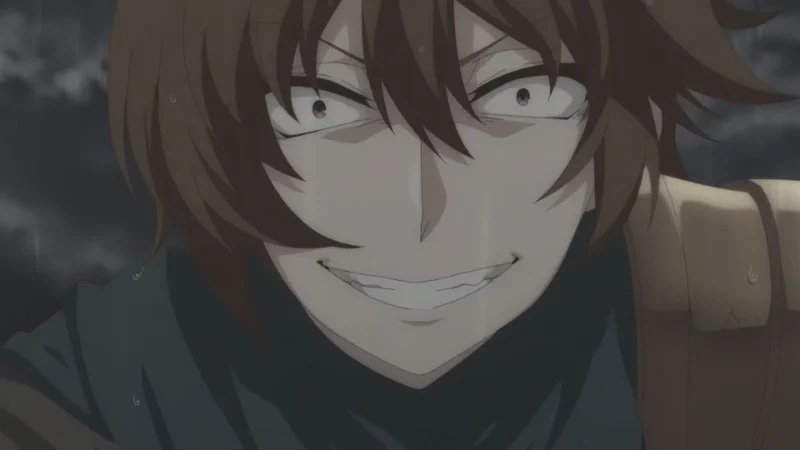
Keyaru acts as the protagonist of ‘Redo of Healer’ but functions as a villain through his sadistic methods of revenge. His use of sexual violence and psychological torture against his former abusers triggered a massive culture war regarding ban limits and artistic freedom. Critics labeled the series as disguised pornography that promoted misogyny and violence. Supporters argued that it was a dark revenge fantasy that should not be held to moral standards. The backlash resulted in the series being banned or heavily censored in multiple territories.
Rudol von Stroheim
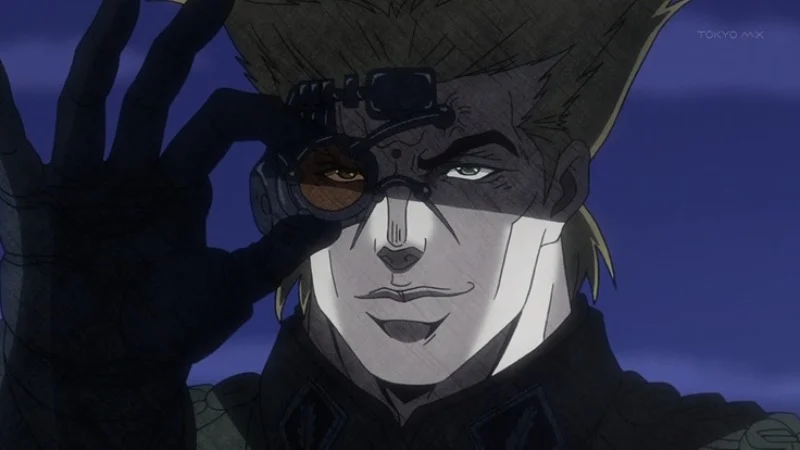
Stroheim appears in ‘JoJo’s Bizarre Adventure’ as a Nazi major who ends up allying with the heroes against a greater threat. His depiction as a jovial and courageous fighter sparked debates about the trivialization of historical atrocities and Nazi symbols in pop culture. Western audiences often struggle with the separation of his charismatic on-screen presence from the real-world regime he represents. The controversy questions the ethics of using historical villains as comedic or heroic relief figures. This character highlights the cultural dissonance between Eastern and Western approaches to World War II history.
Esdeath

General Esdeath serves as a primary antagonist in ‘Akame ga Kill!’ and leads a totalitarian regime. Her immense popularity despite her sadistic and fascist actions led to discourse about the fetishization of authoritarian figures in otaku culture. Fans frequently debated whether liking a villainous character equated to endorsing their political ideologies. The character became a flashpoint for arguments about “waifu culture” overlooking war crimes for the sake of attractive character designs. Her role forced fans to examine why they root for characters who represent oppressive systems.
Adam
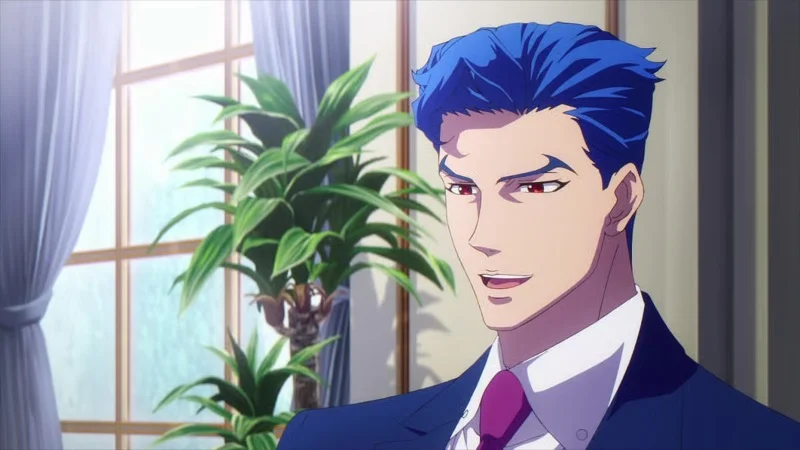
Adam is the flamboyant antagonist of ‘SK8 the Infinity’ who displays predatory behavior toward the teenage protagonists. His interactions with the main characters triggered widespread concern and discourse regarding grooming and consent in anime. Viewers pointed out that the show framed his possessiveness as dangerous but the visual language remained stylistically alluring. The backlash focused on the responsibility of creators to clearly condemn predatory dynamics rather than romanticizing them. This controversy underscored the importance of distinguishing between eccentricity and abuse.
Bondrewd
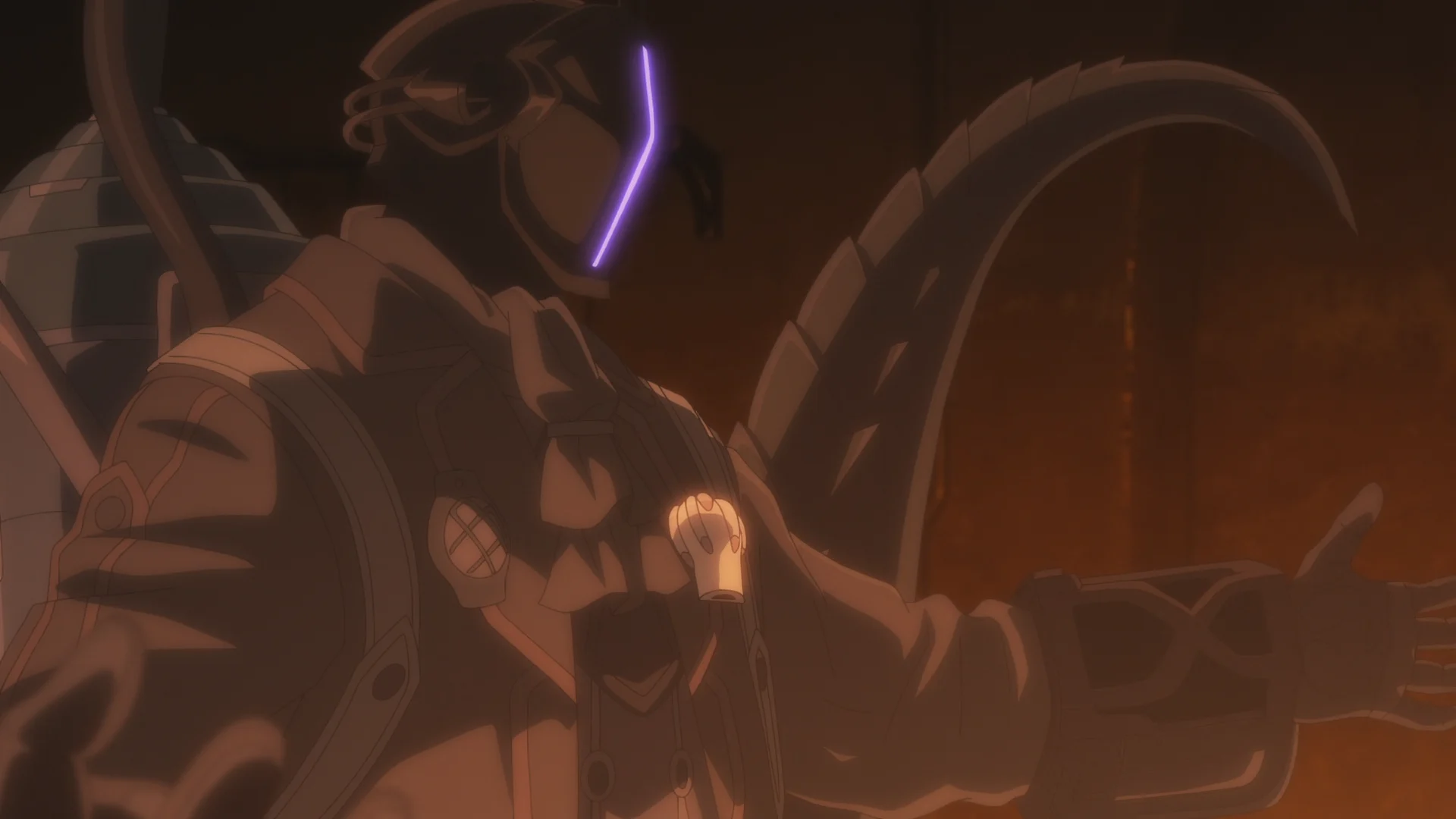
Bondrewd creates conflict in ‘Made in Abyss’ through his horrifying scientific experiments on children. His utilitarian philosophy that justifies torture for the sake of human advancement sparked debates about the ethics of science in fiction. The graphic nature of his actions caused some viewers to drop the series and question the rating systems for anime movies. Discussions centered on whether the emotional payoff of the narrative justified the extreme body horror and child suffering. He remains a prime example of a villain who tests the endurance and moral boundaries of the audience.
Floch Forster
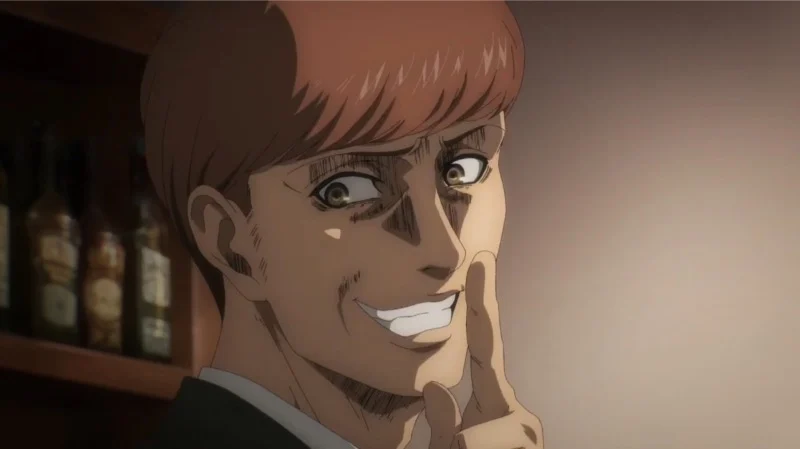
Floch acts as a divisive figure in the final arcs of ‘Attack on Titan’ by leading a nationalist movement. His transformation from a coward to a radical fascist fueled intense political debates among the global fanbase. Supporters viewed him as a patriot doing what was necessary for his country while detractors saw him as a symbol of dangerous extremism. The arguments often mirrored real-world political polarization regarding nationalism and military intervention. His character proved that fictional politics can evoke genuine anger and division among viewers.
Sugou Nobuyuki
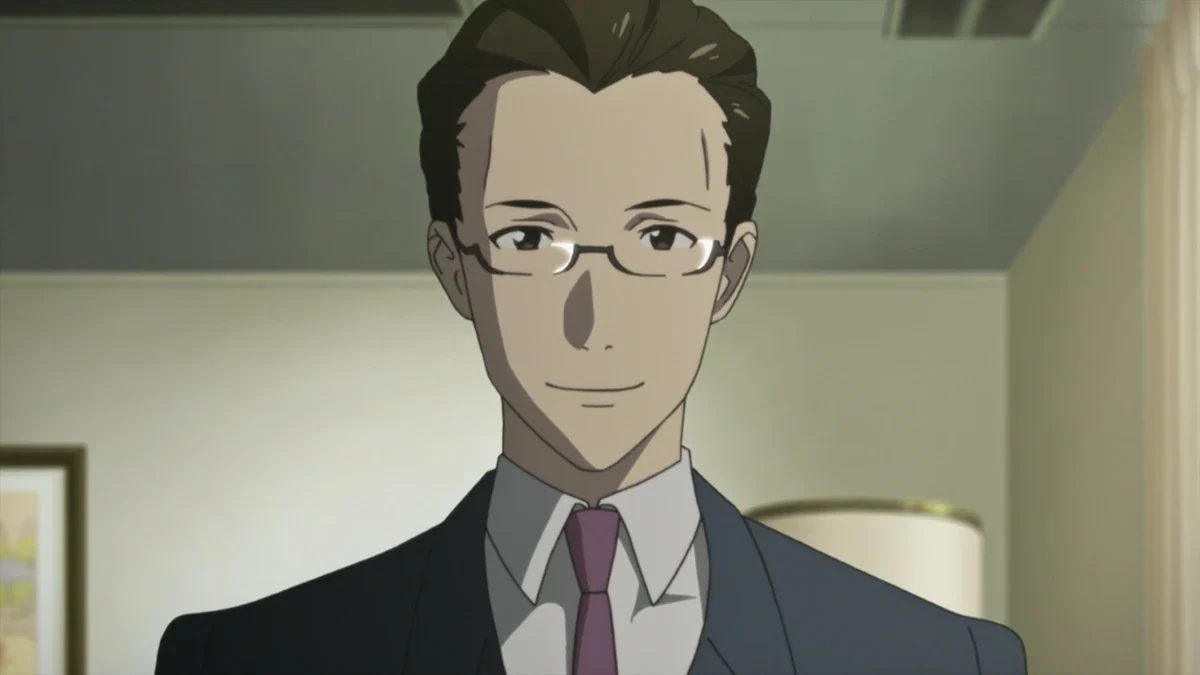
Sugou acts as the villain of the Fairy Dance arc in ‘Sword Art Online’ and is universally reviled for his treatment of the female lead. The controversy surrounding him focused on a scene of attempted assault that critics deemed exploitative and unnecessary. This moment reignited discussions about the use of sexual violence as a cheap plot device to induce anger in the audience. Many viewers cited this specific character as the reason they stopped watching the franchise entirely. The backlash highlighted the fatigue audiences feel toward damsel-in-distress tropes that rely on violation.
Makima
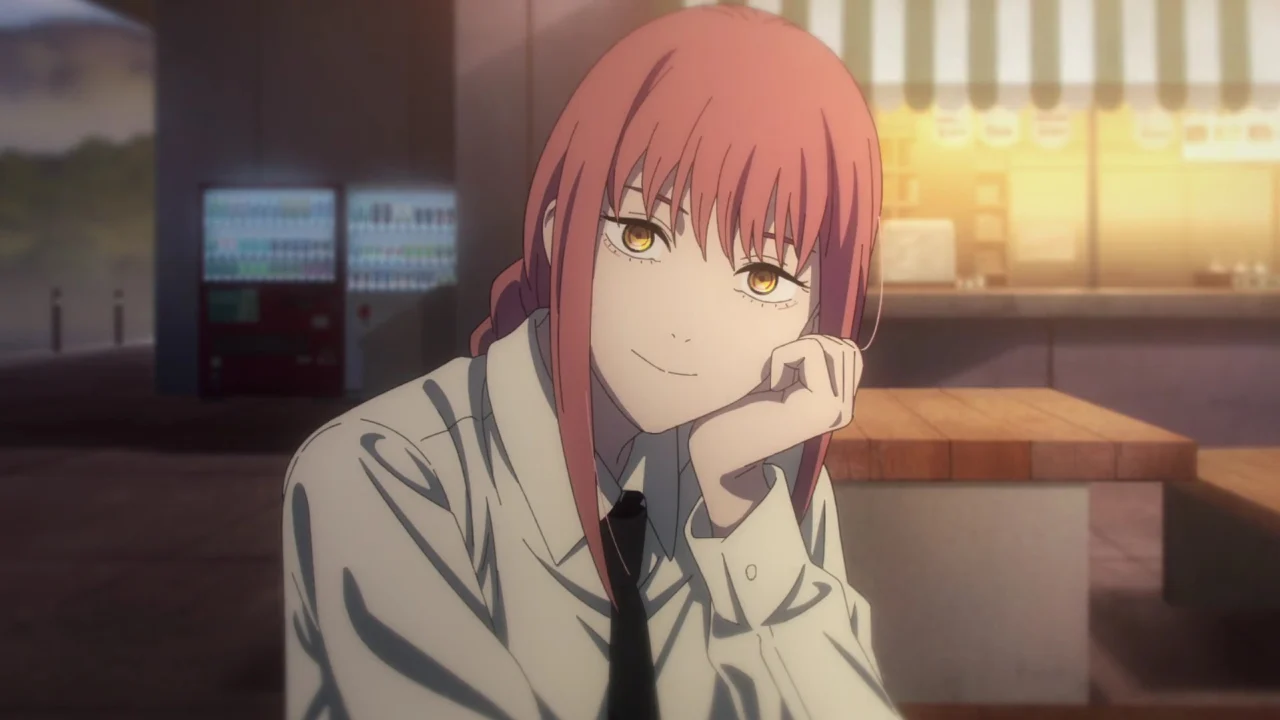
Makima serves as a central figure in ‘Chainsaw Man’ and manipulates the young protagonist throughout the series. Her relationship with the minor main character sparked fierce debates about grooming and power dynamics in the workplace. The fanbase split into factions that either idolized her dominating presence or condemned her predatory actions. This divide brought attention to the double standards often applied to female abusers in media compared to their male counterparts. Her character continues to generate think pieces about agency and manipulation in modern storytelling.
Tell us which anime villain you think caused the biggest controversy in the comments.