

Anime Where Creators Defended Bad Endings Against All Criticism



Anime endings often spark intense debate among fans who feel betrayed by the conclusion of a beloved series. Creators sometimes face massive backlash for their narrative choices but choose to stand firm in their decisions. These writers and directors have publicly explained why their controversial finales were necessary for the story they wanted to tell. The following list explores various anime where the staff refused to back down despite the audience’s outrage.
‘Neon Genesis Evangelion’ (1995–1996)
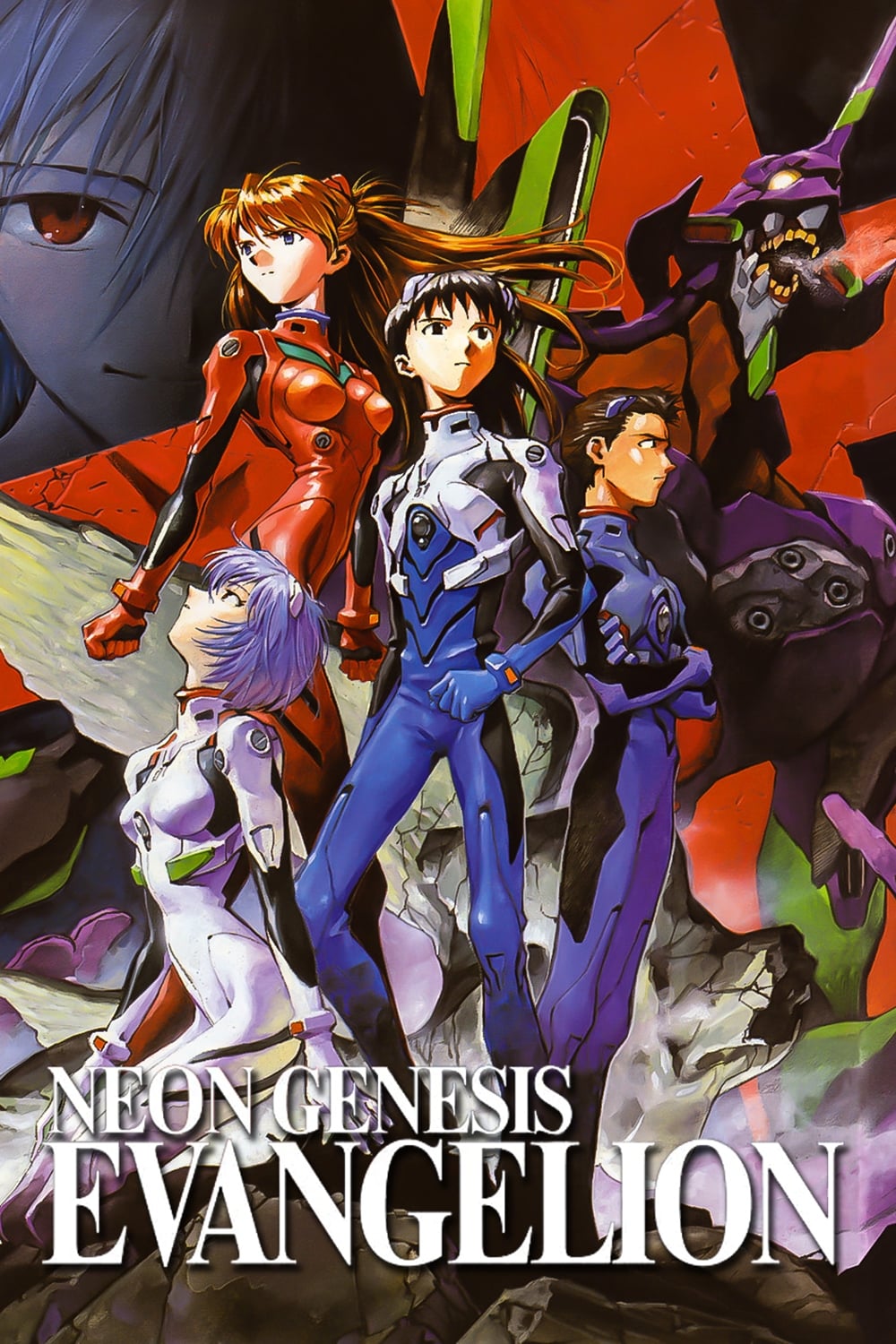
Hideaki Anno famously decided to end the original television series with an abstract psychological introspection rather than a traditional robot battle. Fans sent death threats and vandalized the studio because they felt cheated by the lack of a clear resolution. Anno stood by his artistic choice and stated that the ending was about Shinji finding self-acceptance in a harsh world. He argued that the audience needed to look at their own lives instead of seeking escapism through his work.
‘Bleach’ (2004–2012)
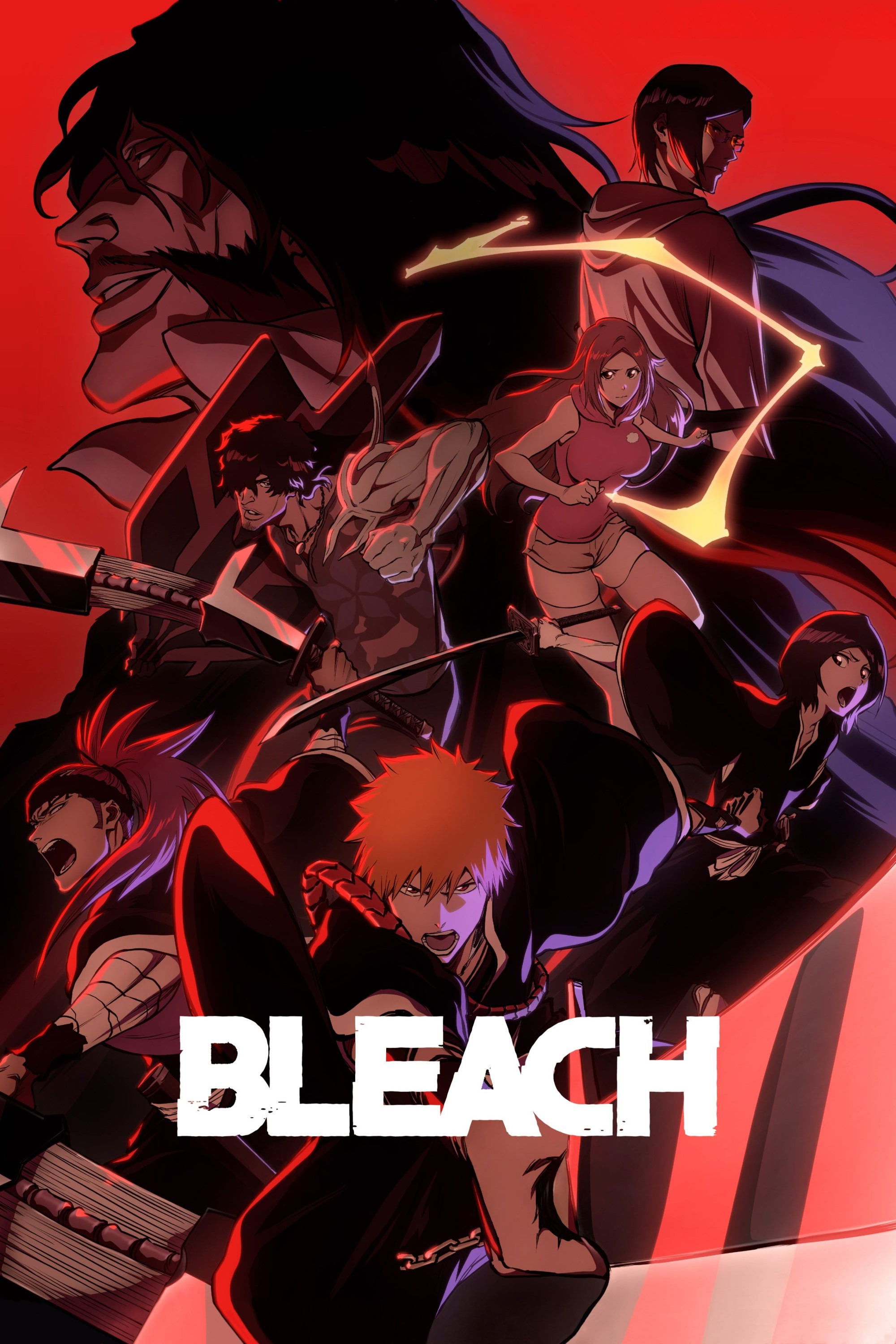
The manga conclusion of this series rushed through final battles and established romantic pairings that angered a large portion of the fanbase. Author Tite Kubo received harassment on social media from fans who demanded he change the outcome for Ichigo and Rukia. Kubo responded by telling critics that he drew the story he wanted to draw and suggested they create their own manga if they were unsatisfied. He maintained that the series ended exactly how he intended despite the pressure from editorial deadlines.
‘Attack on Titan’ (2013–2023)
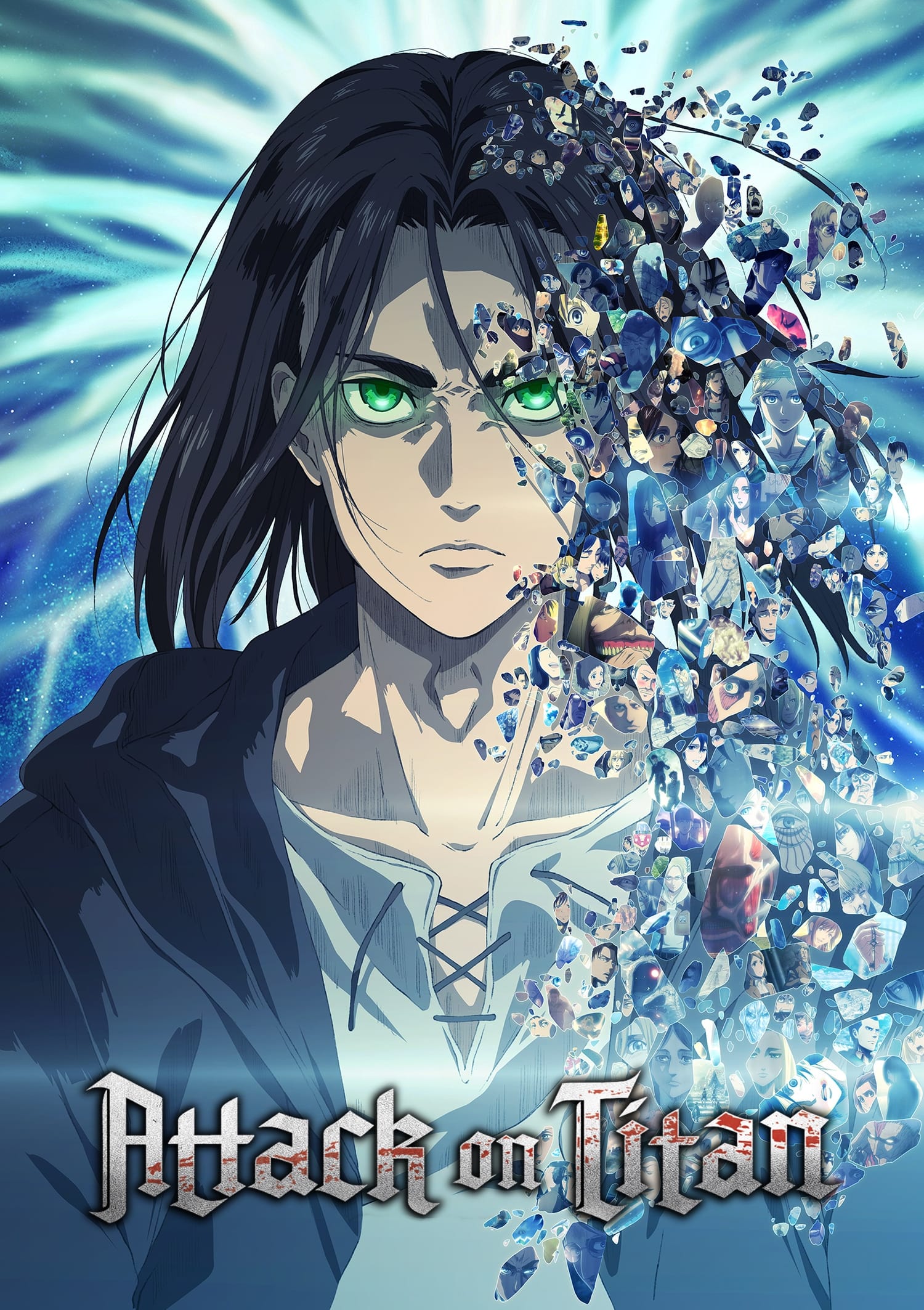
Hajime Isayama faced a global firestorm when the manga concluded with a controversial twist regarding Eren Yeager’s motivations. He admitted that the execution might have been lacking but insisted that the core themes of the cycle of violence were non-negotiable. Isayama explained that a happy ending would have felt dishonest to the dark narrative he had built over a decade. The anime adaptation retained these controversial plot points because the author believed they were the only fitting conclusion.
‘Domestic Girlfriend’ (2019)
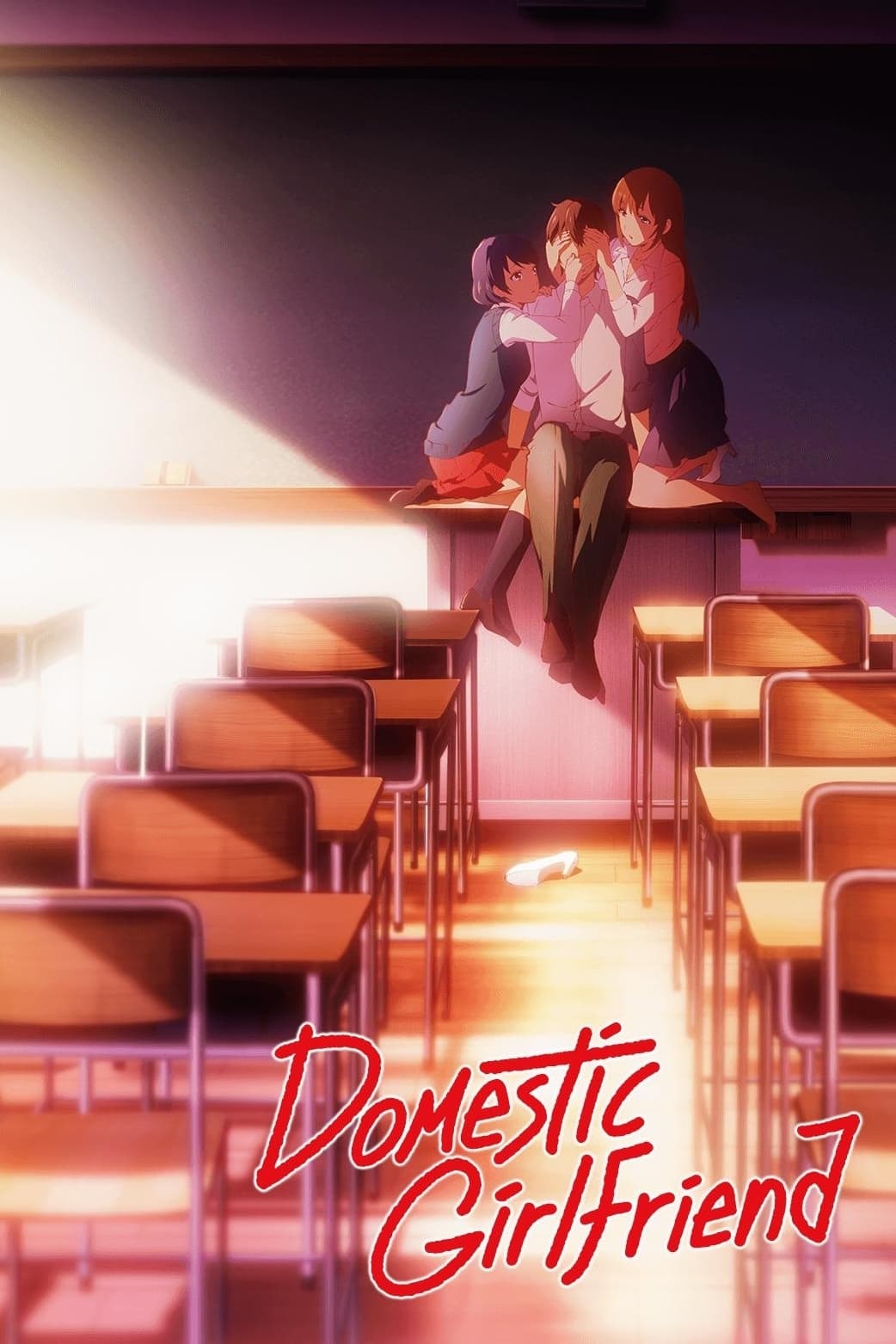
The author Kei Sasuga received overwhelming harassment from international fans after the manga concluded with a twist that negated much of the character development. She blocked abusive users on Twitter and issued a statement that she stood by her planned ending. Sasuga explained that the final relationship was the one she had always envisioned since the start of the serialization. She refused to apologize for the creative direction and insisted that true fans would understand the themes of fate.
‘Oreimo’ (2010–2013)
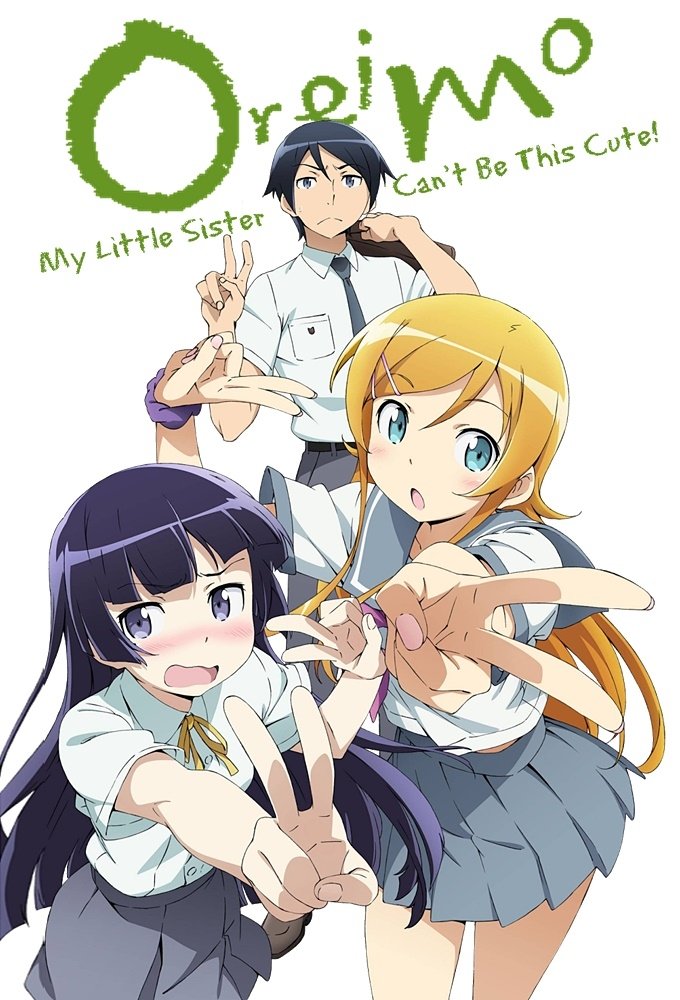
Tsukasa Fushimi wrote a finale that involved the siblings engaging in a romantic relationship only to break up immediately after a mock wedding. The author revealed that he fought with his editors to include the incestuous elements despite their strong objections. He explained that he wanted to push the boundaries as far as he could within the restrictions of the publishing industry. Fushimi defended the temporary nature of the relationship as the only way to release the story he wanted to tell.
‘Cyberpunk: Edgerunners’ (2022)
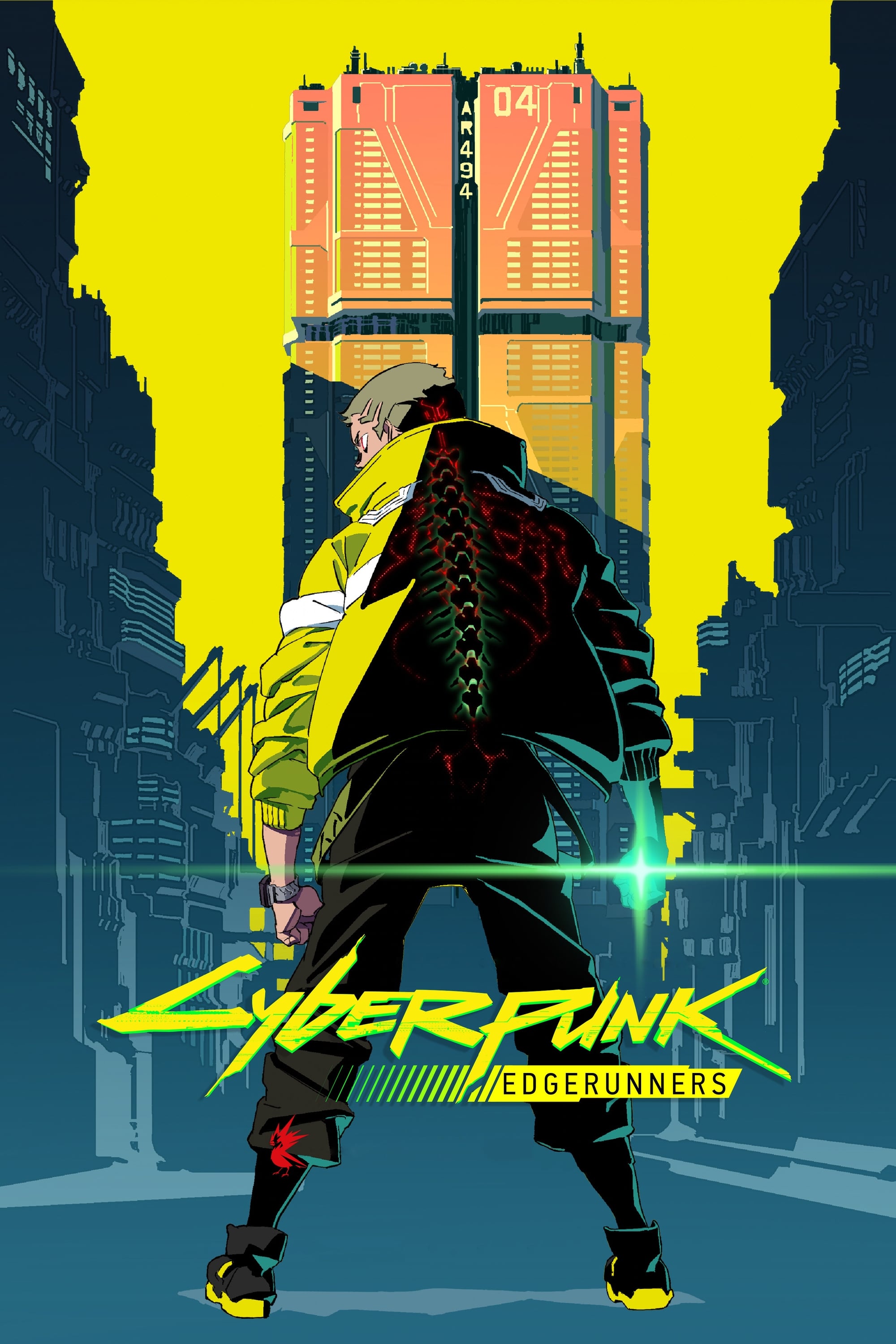
Viewers were heartbroken by the tragic demise of the main character and the bittersweet survival of his love interest. The showrunner Rafal Jaki and Studio Trigger addressed the sadness by stating that there are no happy endings in Night City. They defended the narrative choice by pointing out that the cyberpunk genre is inherently dystopian and fatalistic. The creators felt that a miraculous survival would have undermined the gritty tone established by the original video game.
‘Gurren Lagann’ (2007)
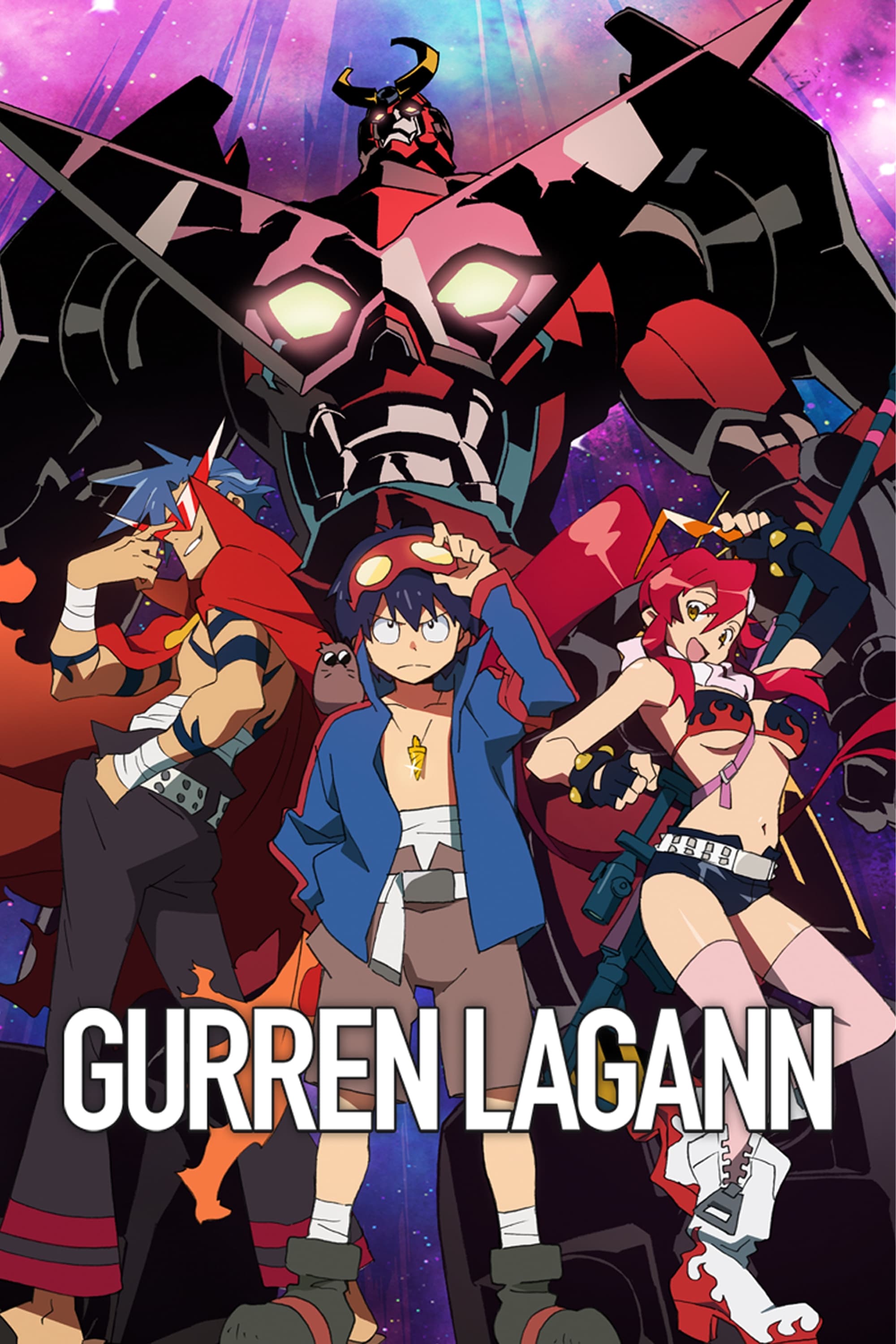
The death of Nia in the final moments of the show angered fans who wanted a completely happy ending for Simon after his victory. Scriptwriter Kazuki Nakashima defended the decision by explaining that Simon had to accept the natural laws of the universe. He argued that using Spiral Power to revive the dead would have made Simon a tyrant similar to the villain he just defeated. The staff believed this bitter conclusion was essential to show Simon’s maturity and responsibility.
‘Mobile Suit Gundam: Iron-Blooded Orphans’ (2015–2017)

Director Tatsuyuki Nagai and writer Mari Okada chose to kill off the main protagonist and destroy his organization in the finale. Fans criticized the bleak outcome and felt that the characters deserved a better payoff for their struggles. The creators defended the total defeat by stating that the protagonists were child soldiers who were doomed from the start. They wanted to depict the harsh reality that force and violence do not always lead to a happy ending.
‘Aldnoah.Zero’ (2014–2015)
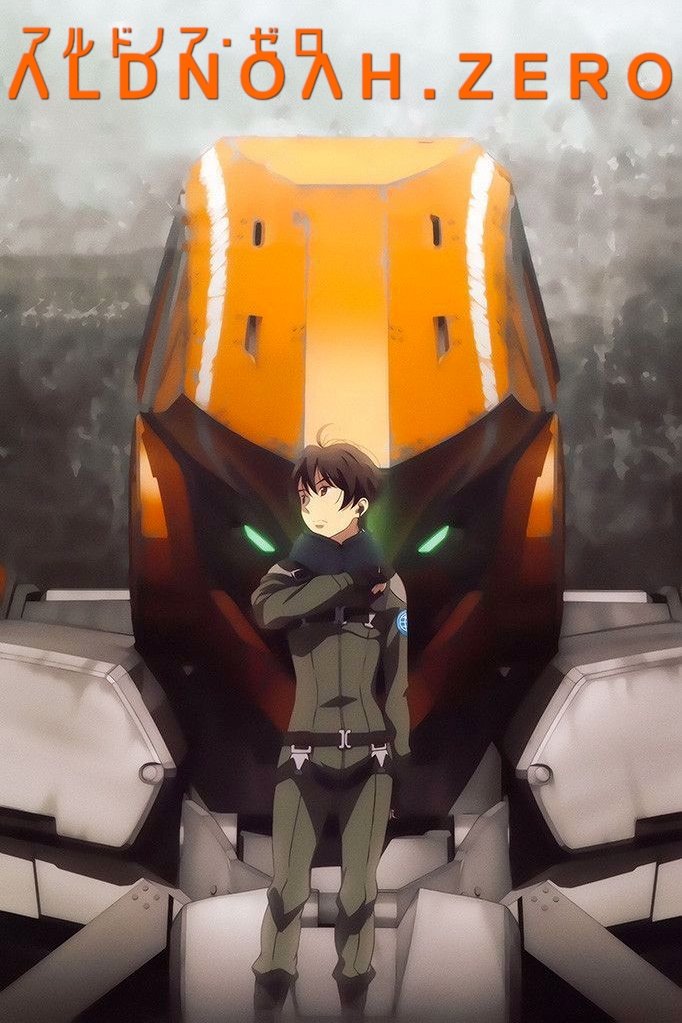
The decision to have the princess marry a minor character instead of either male lead caused a significant uproar among the audience. The creative team defended the choice by explaining that the series was about war and politics rather than romance. They stated that the marriage was a political move necessary to achieve peace between Earth and Mars. The staff stood by the idea that personal feelings often have to be sacrificed for the greater good in a realistic conflict.
‘The Quintessential Quintuplets’ (2019–2021)
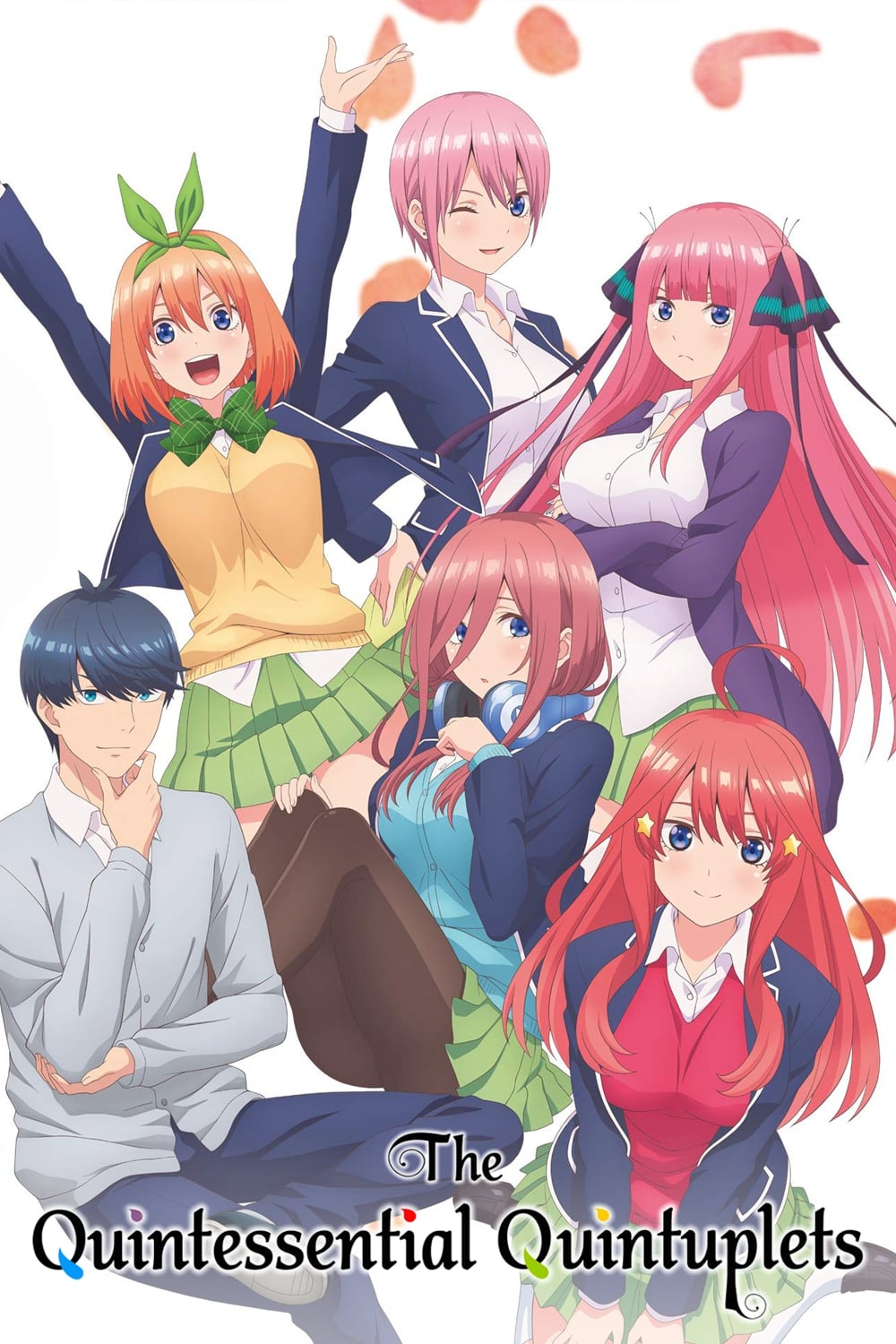
Negi Haruba surprised readers by choosing Yotsuba as the winner of the romantic competition despite her having less screen time than her sisters. The author defended his choice by stating that he had planned her victory from the very beginning of the manga. He explained that he wanted to write a romance where the first girl introduced did not automatically win. Haruba maintained that the clues were present throughout the story for those who paid attention.
‘Death Note’ (2006–2007)
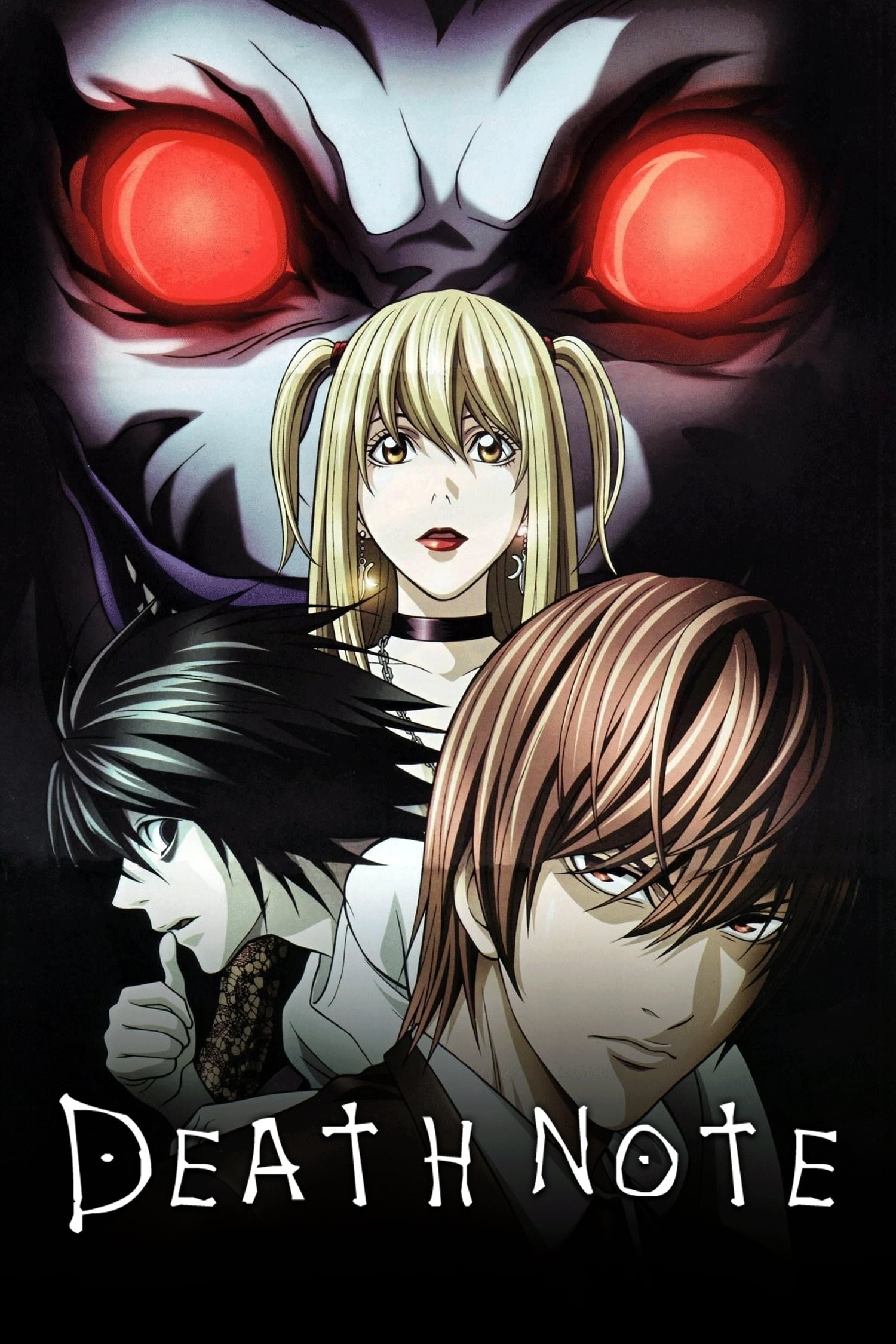
Some fans were disappointed that Light Yagami died in a pathetic and desperate manner rather than going out in a blaze of glory. Writer Tsugumi Ohba defended the ending by stating that he never viewed Light as a god or a hero. He explained that a mass murderer deserved a humiliating death to show the foolishness of his ambitions. The creators wanted to emphasize that using the notebook brings only misfortune to the user.
‘Fullmetal Alchemist’ (2003–2004)
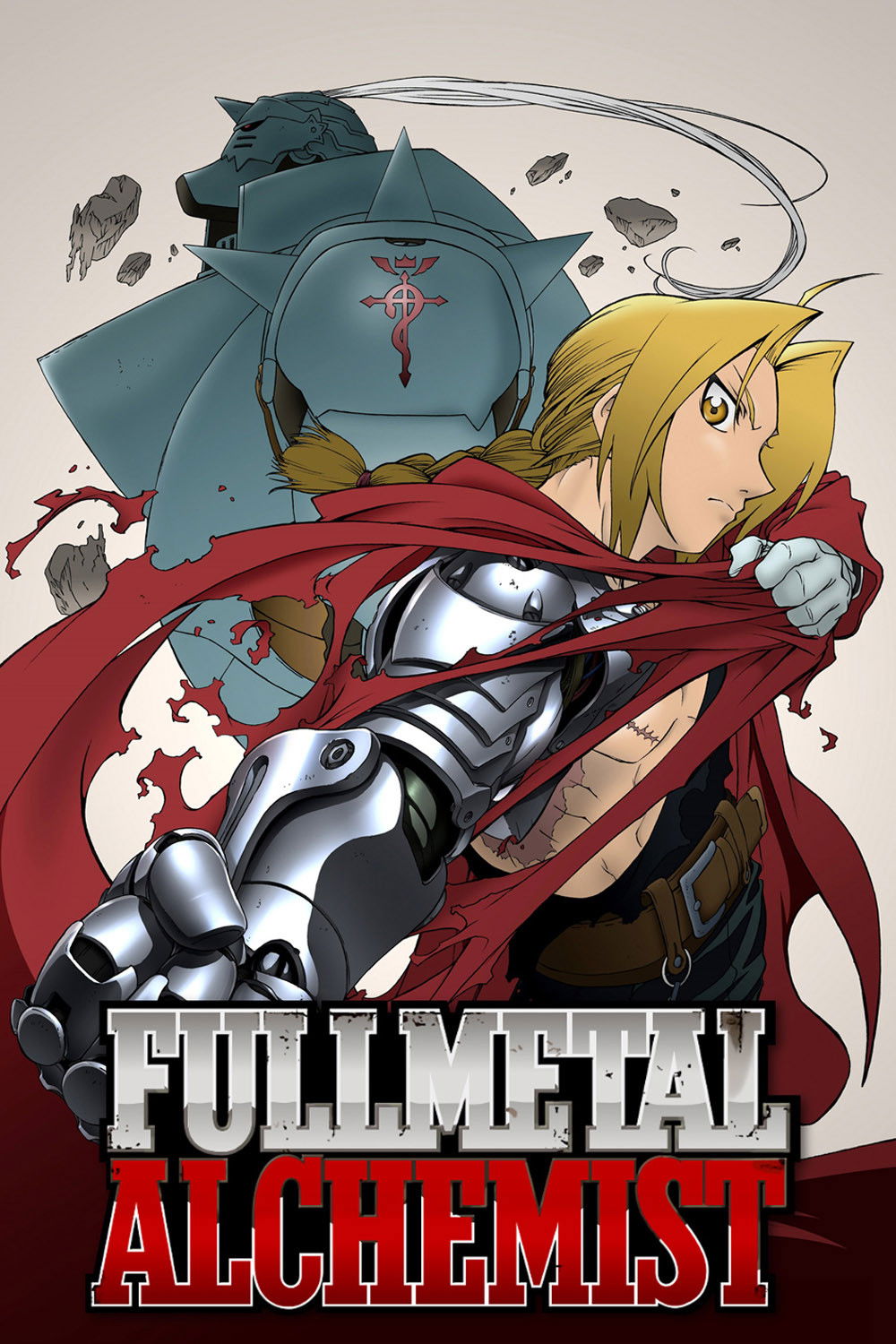
The first anime adaptation ended with Edward being stranded in our world and separated from his brother Alphonse. Director Seiji Mizushima defended this original ending by stating that he wanted to explore the consequences of Equivalent Exchange. He argued that a perfect happy ending would have cheapened the sacrifices the brothers made throughout their journey. The staff stood by the bittersweet conclusion as a distinct and valid interpretation of the source material.
‘Cowboy Bebop’ (1998–1999)

The ambiguous fate of Spike Spiegel left many viewers desperate for confirmation of his survival. Director Shinichiro Watanabe has repeatedly refused to confirm whether Spike lived or died. He defends this ambiguity by stating that not knowing is more artistic and true to the spirit of the show. Watanabe believes that defining the ending would ruin the lasting impact of the final scene.
‘Samurai Flamenco’ (2013–2014)
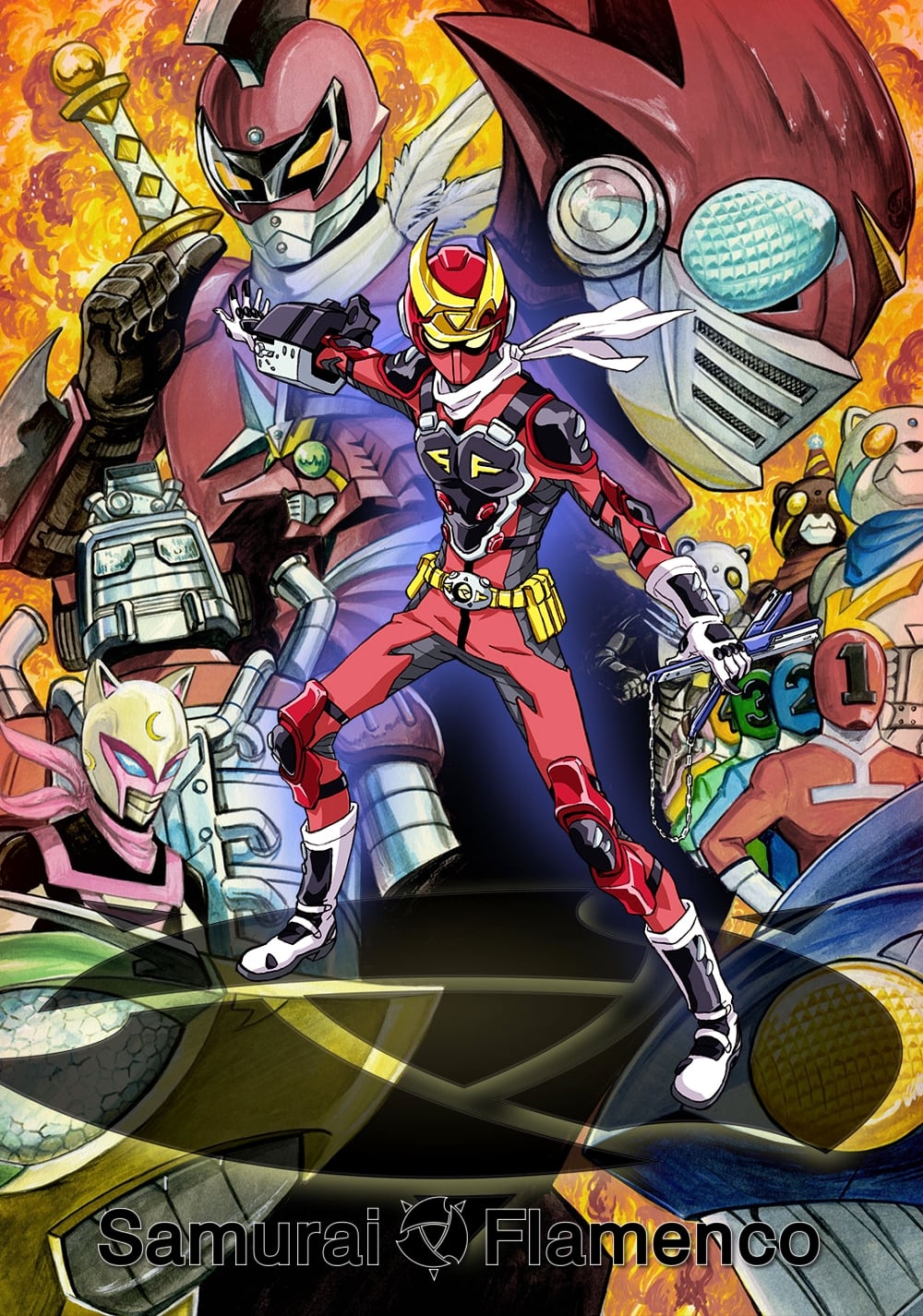
The sudden shift from a realistic vigilante show to a fantasy sentai series with monsters confused and angered many viewers. Director Takahiro Omori defended the genre shift as a tribute to the history of hero shows in Japan. He explained that the series was always intended to deconstruct the escalation found in superhero narratives. The staff refused to apologize for the wild tonal changes and insisted they were integral to the message.
‘Akame ga Kill!’ (2014)

The anime killed off the main character Tatsumi and deviated significantly from the manga which was still ongoing. The studio and writers defended the tragic conclusion by stating they needed to provide closure within the episode count. They argued that the high death toll was consistent with the brutal world they had established. The staff stood by the decision to have the hero sacrifice himself for the revolution.
‘Soul Eater’ (2008–2009)
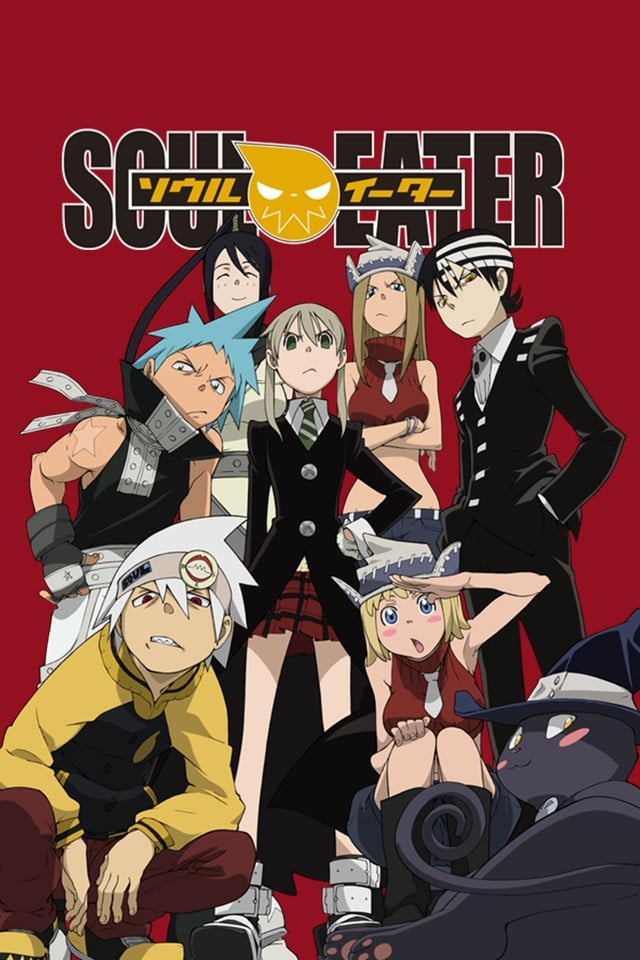
The anime concluded with Maka defeating the villain using a punch of bravery rather than a complex weapon attack. Studio Bones staff defended the ending by explaining that they had caught up to the manga and needed an original resolution. They argued that the theme of the show was about overcoming fear rather than just physical strength. The creators felt that a moral victory was more thematic than a violent one.
‘Darling in the Franxx’ (2018)
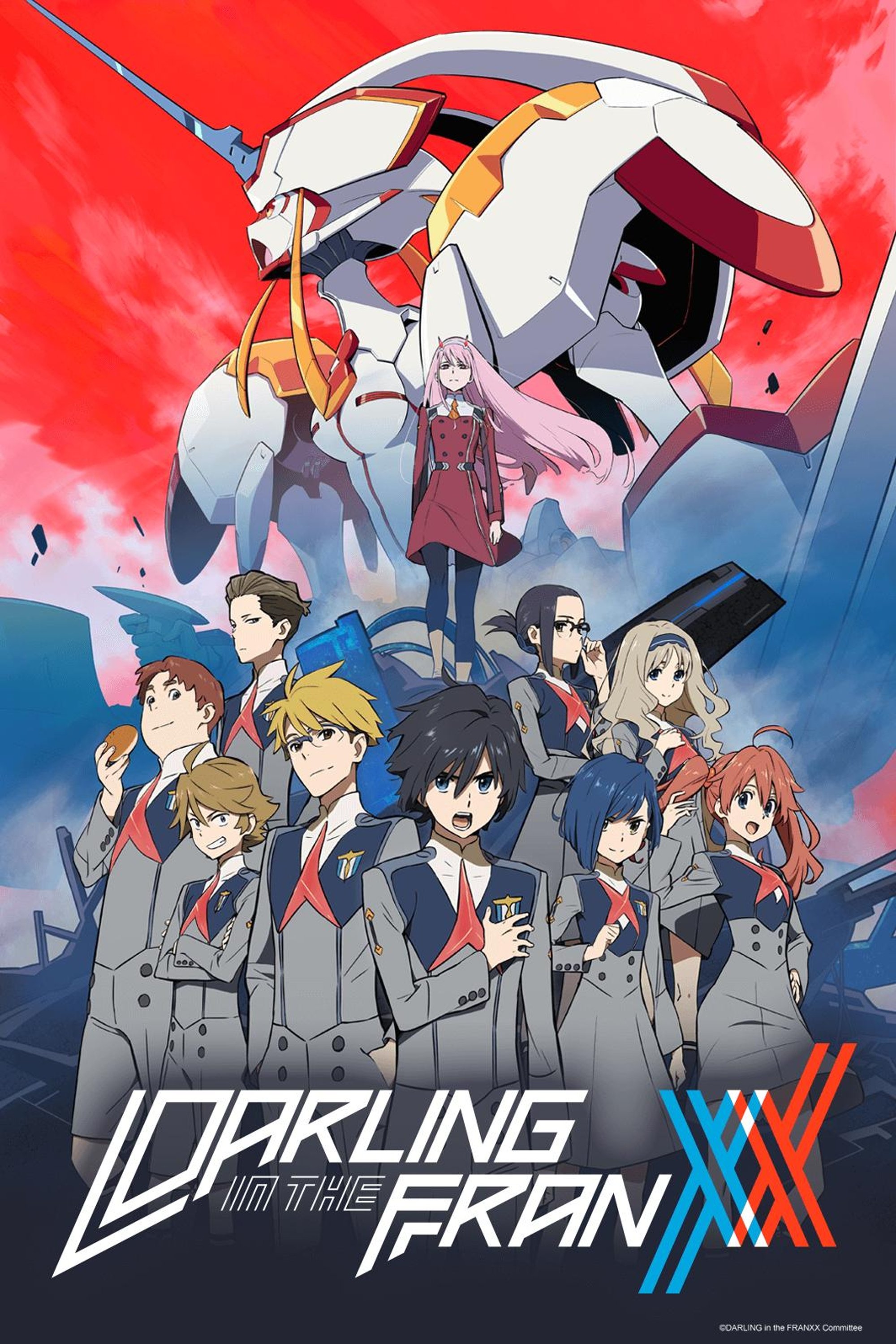
The sudden introduction of a space battle and alien collective consciousness in the final episodes was jarring for many viewers. Director Atsushi Nishigori defended the scale of the finale by stating he wanted to show the power of love transcending the universe. He explained that the story needed to go beyond Earth to prove the strength of the bond between Hiro and Zero Two. The creative team stood by the decision to turn the mecha romance into a galactic epic.
‘Prison School’ (2015)
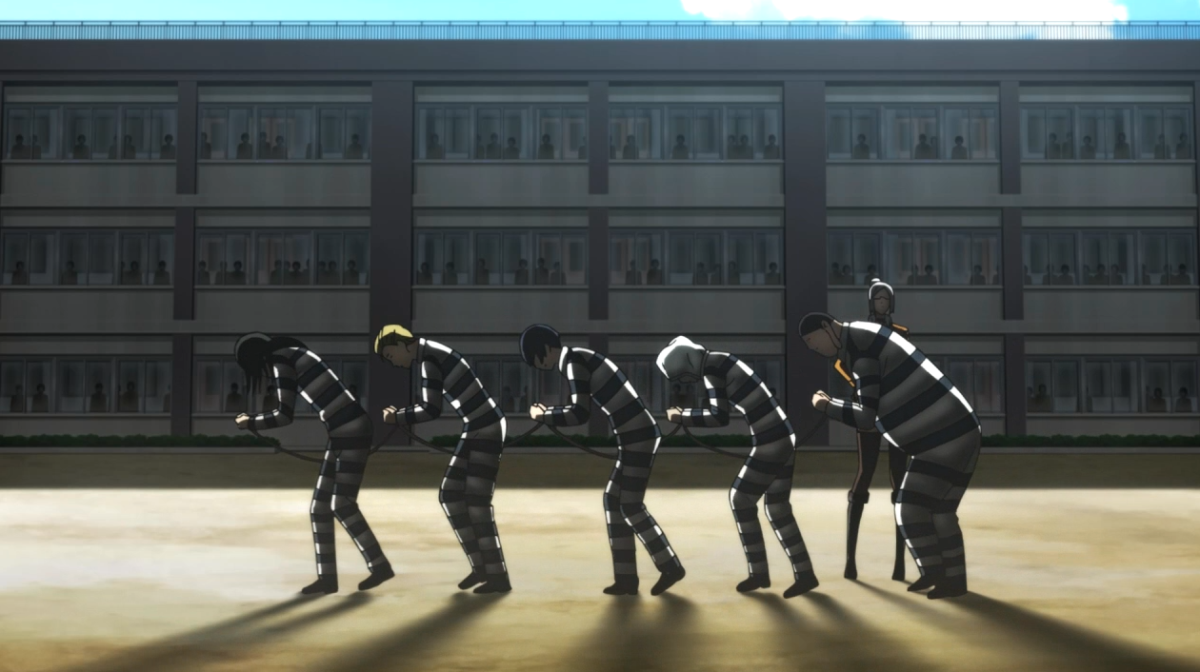
The manga ending undid years of character development and left the protagonist in a miserable state. Author Akira Hiramoto defended the conclusion as a deliberate subversion of typical harem tropes. He implied in interviews that he wanted to troll the audience who expected a standard happy ending. Hiramoto maintained that the absurdity of the finale fit the comedic tone of the series perfectly.
‘School Days’ (2007)
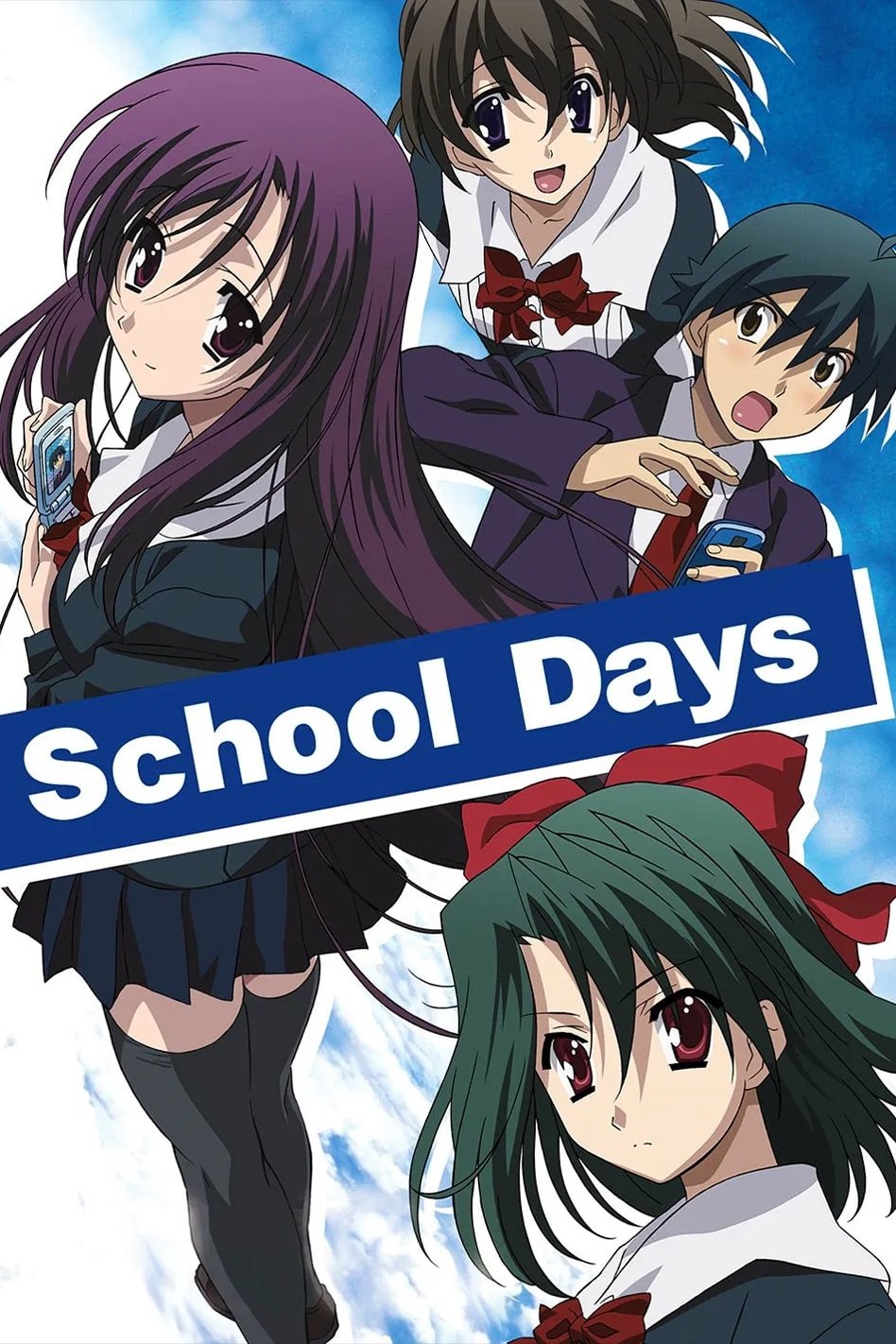
The violent and shocking conclusion to this romance anime became infamous for its brutality. The creators defended the gruesome ending by stating that it was the natural consequence of the protagonist’s terrible actions. They argued that a standard romance ending would not have held the character accountable for his infidelity. The staff embraced the shock value and believed it made the series memorable.
‘Wolf’s Rain’ (2003)
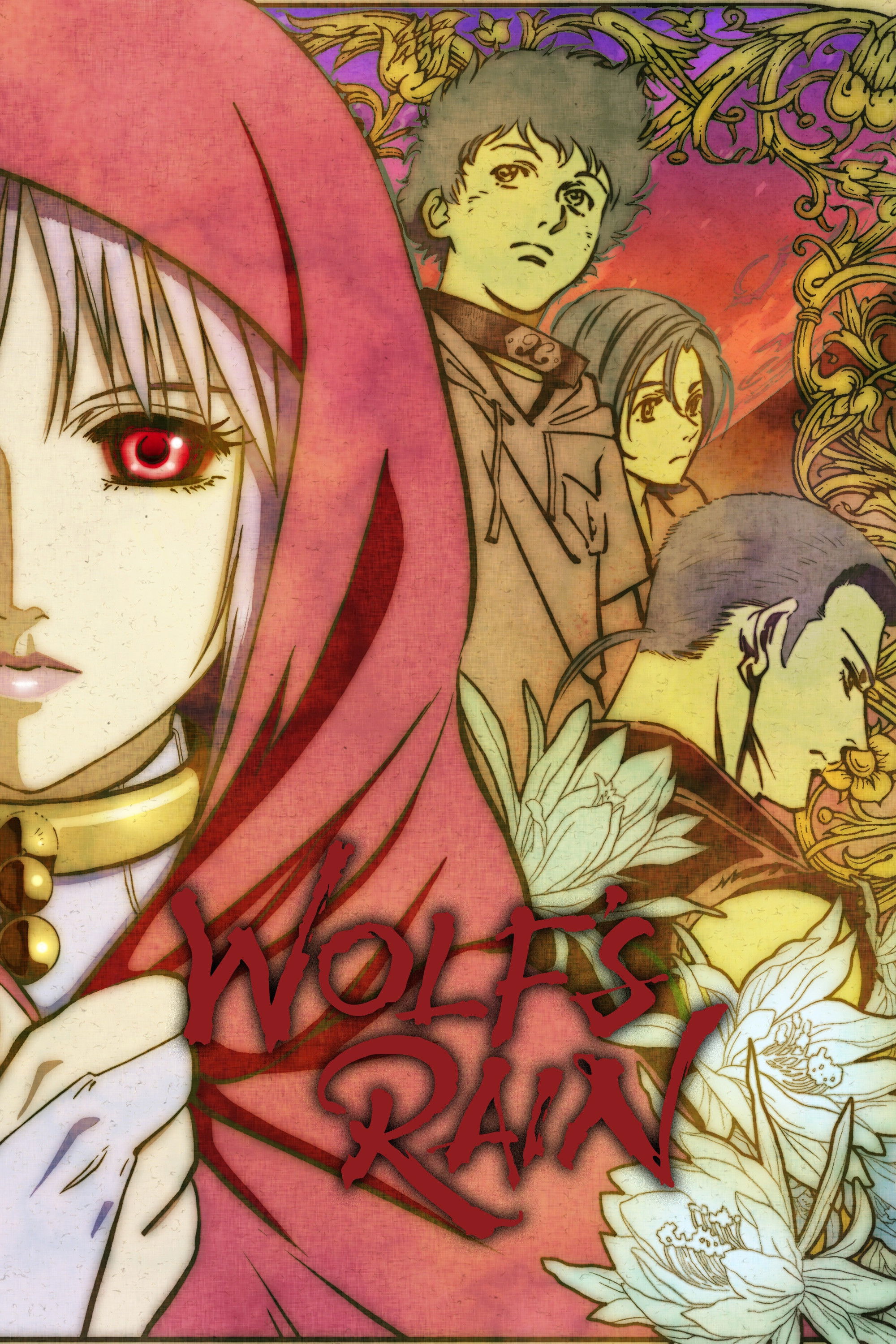
The OVA finale killed off every major character and restarted the world in a cycle that implied the suffering would repeat. The writers defended the nihilistic conclusion by explaining that the search for Paradise is an eternal journey. They stated that death was the only way for the wolves to transcend their corrupted world. The staff believed that a traditional happy ending would have betrayed the spiritual tone of the show.
‘Texhnolyze’ (2003)
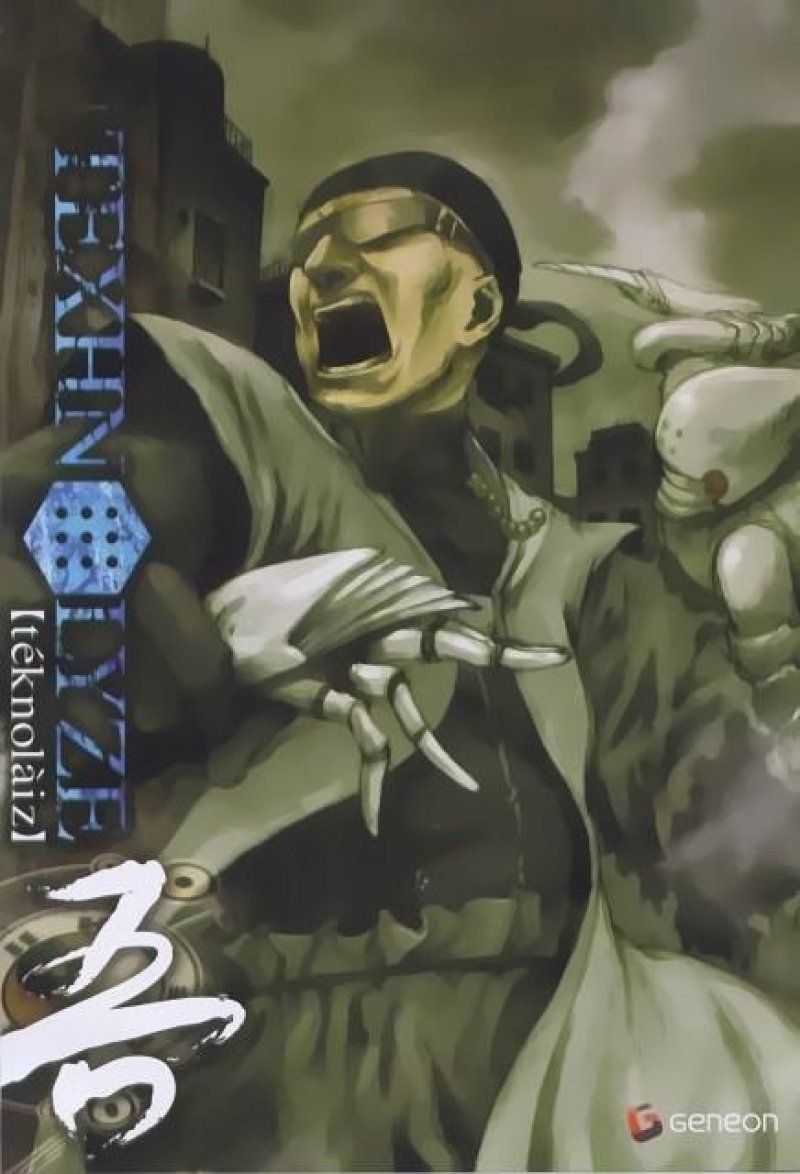
The series ended with the extinction of humanity and the death of the protagonist in a desolate underground city. The creators defended the relentless depression of the story by calling it a pure expression of nihilism. They argued that they wanted to create a work that did not compromise to please the audience. The staff stood by the artistic integrity of an ending where absolutely no one is saved.
‘Devilman Crybaby’ (2018)
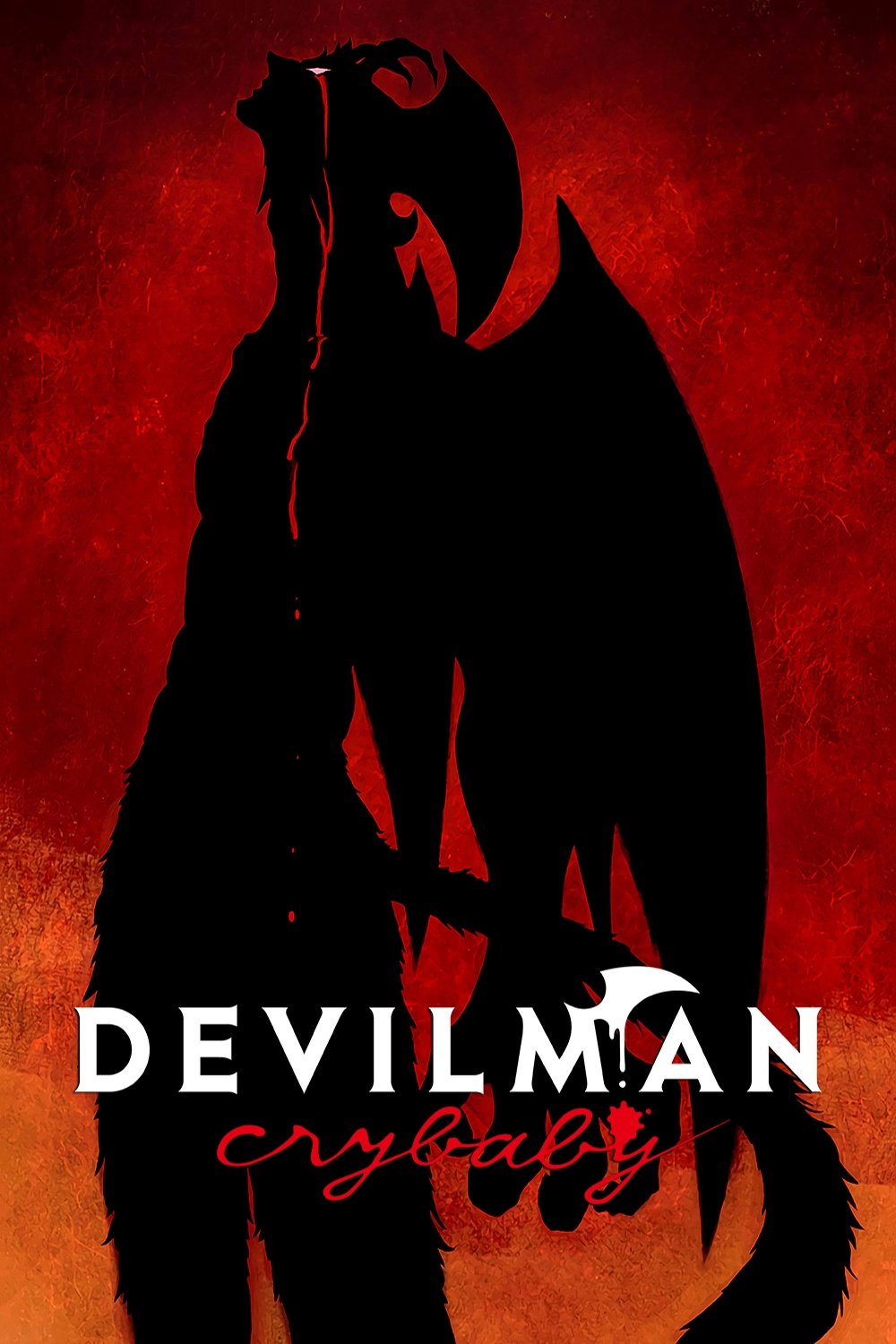
Director Masaaki Yuasa kept the original manga’s apocalyptic ending where Satan cries over the divided body of the hero. Yuasa defended the tragedy by stating that it was the core message of the entire franchise. He explained that love and sadness are the only things that remain after destruction. The director refused to soften the blow because he wanted the audience to feel the weight of the loss.
‘Erased’ (2016)
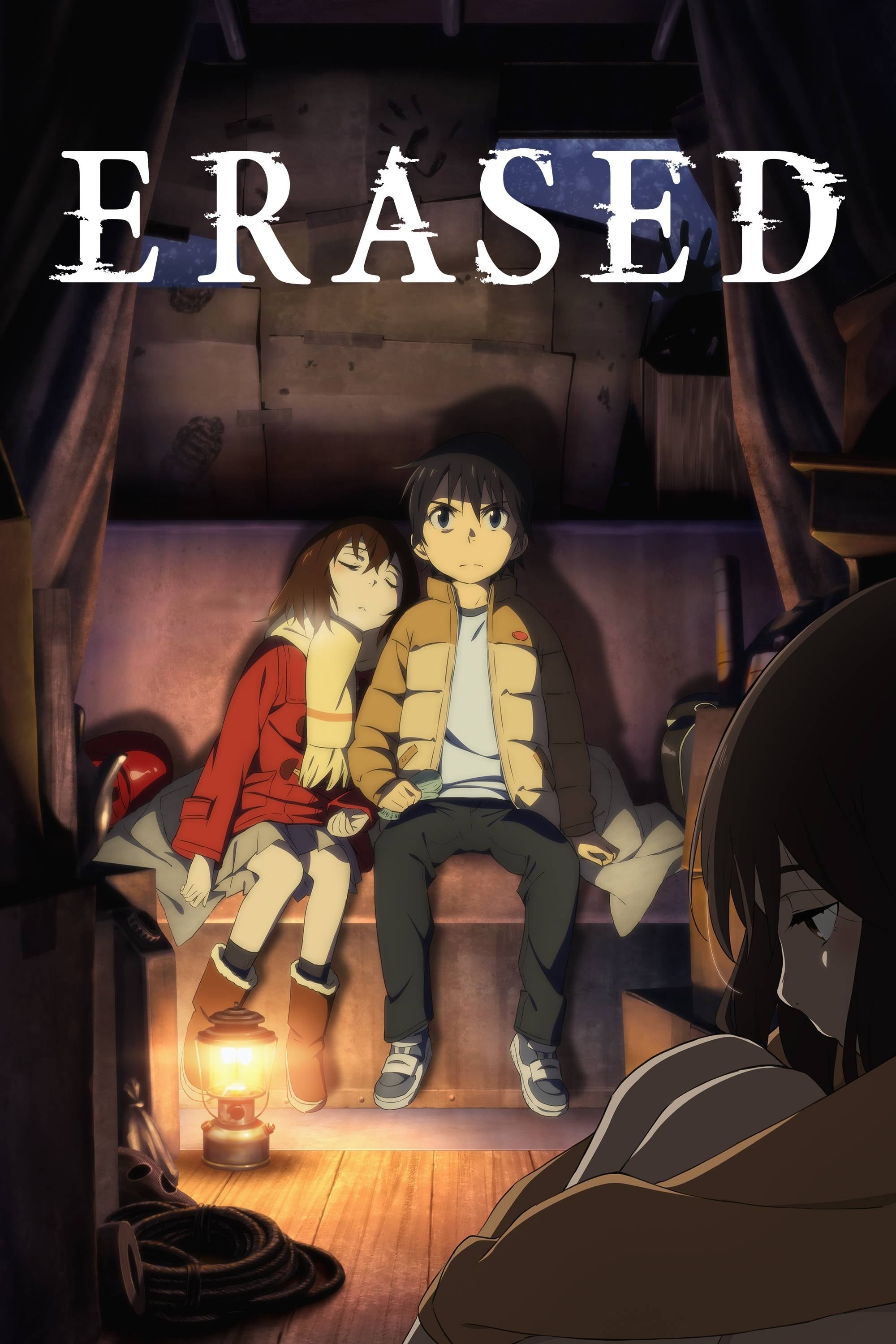
Fans were upset that the protagonist did not end up with the girl he saved from a serial killer in the past. The author and anime director defended the realistic outcome by explaining that life moves on when someone is in a coma for years. They argued that the girl finding happiness with someone else was the ultimate proof that the hero succeeded in saving her. The creators insisted that the story was about heroism and not just winning a girlfriend.
‘5 Centimeters Per Second’ (2007)
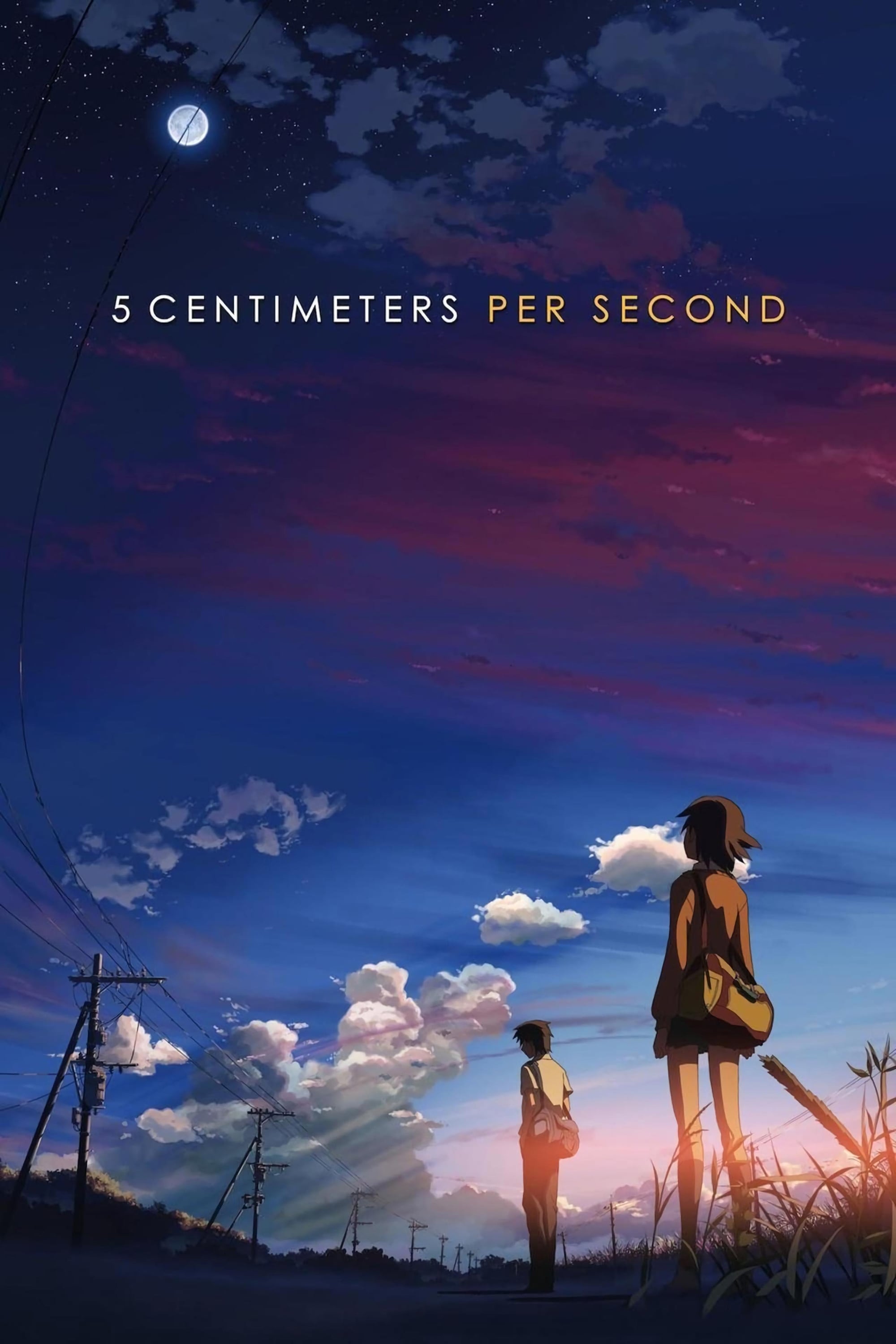
Makoto Shinkai ended the film with the two main characters walking past each other at a train crossing without reuniting. He defended the lack of a happy reunion by stating that he wanted to portray realistic relationships. Shinkai argued that people often drift apart and that there is beauty in the memories of the past. He stood by the ending as a representation of how life does not always offer clear closure.
‘Panty & Stocking with Garterbelt’ (2010)
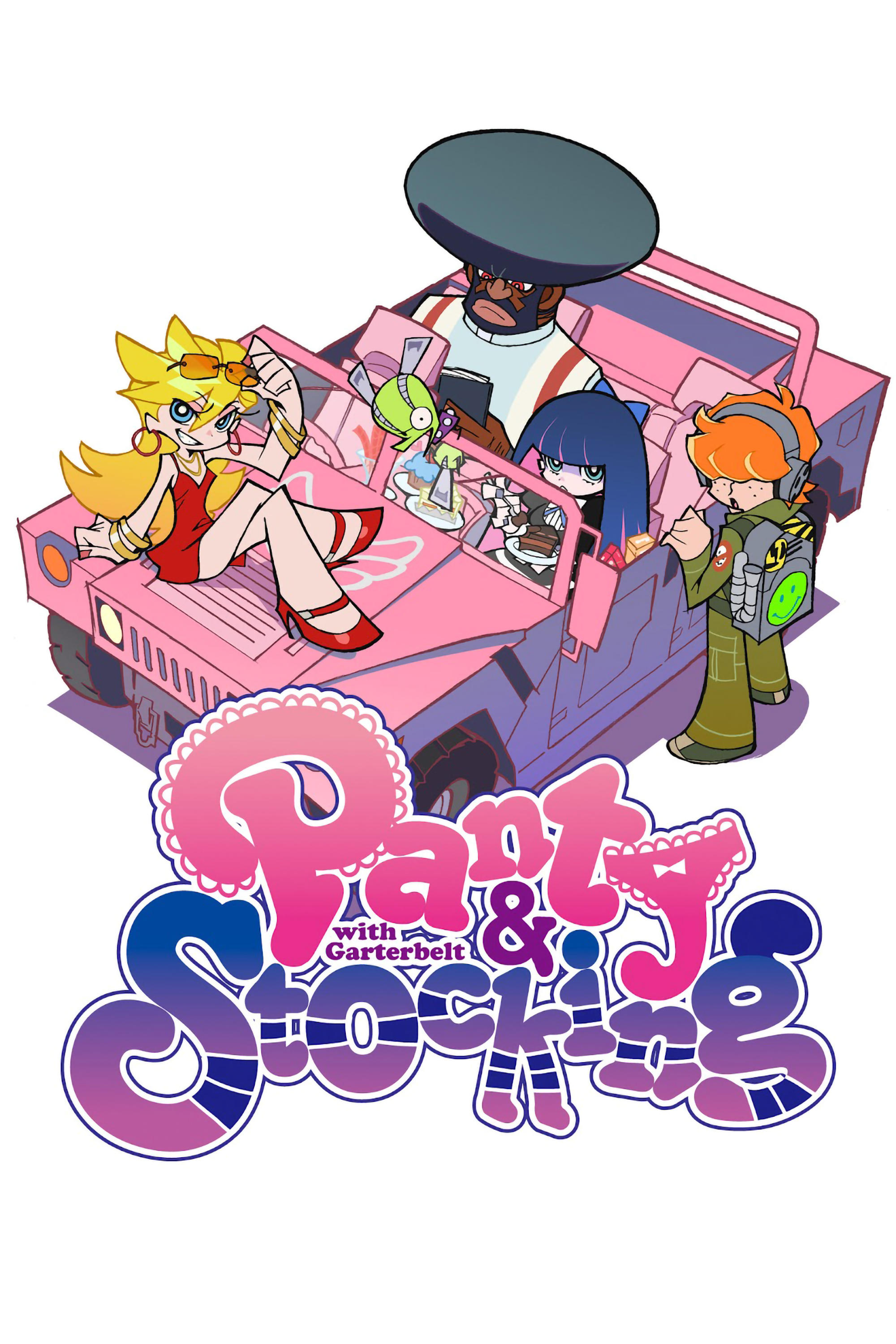
The final episode featured a nonsensical twist where one of the heroines betrays her sister and fragments the plot. Director Hiroyuki Imaishi defended the cliffhanger as a final joke on the audience. He explained that the show was built on chaos and that a serious ending would have been out of place. The staff maintained that the confusion was part of the entertainment value.
‘Dragon Ball GT’ (1996–1997)
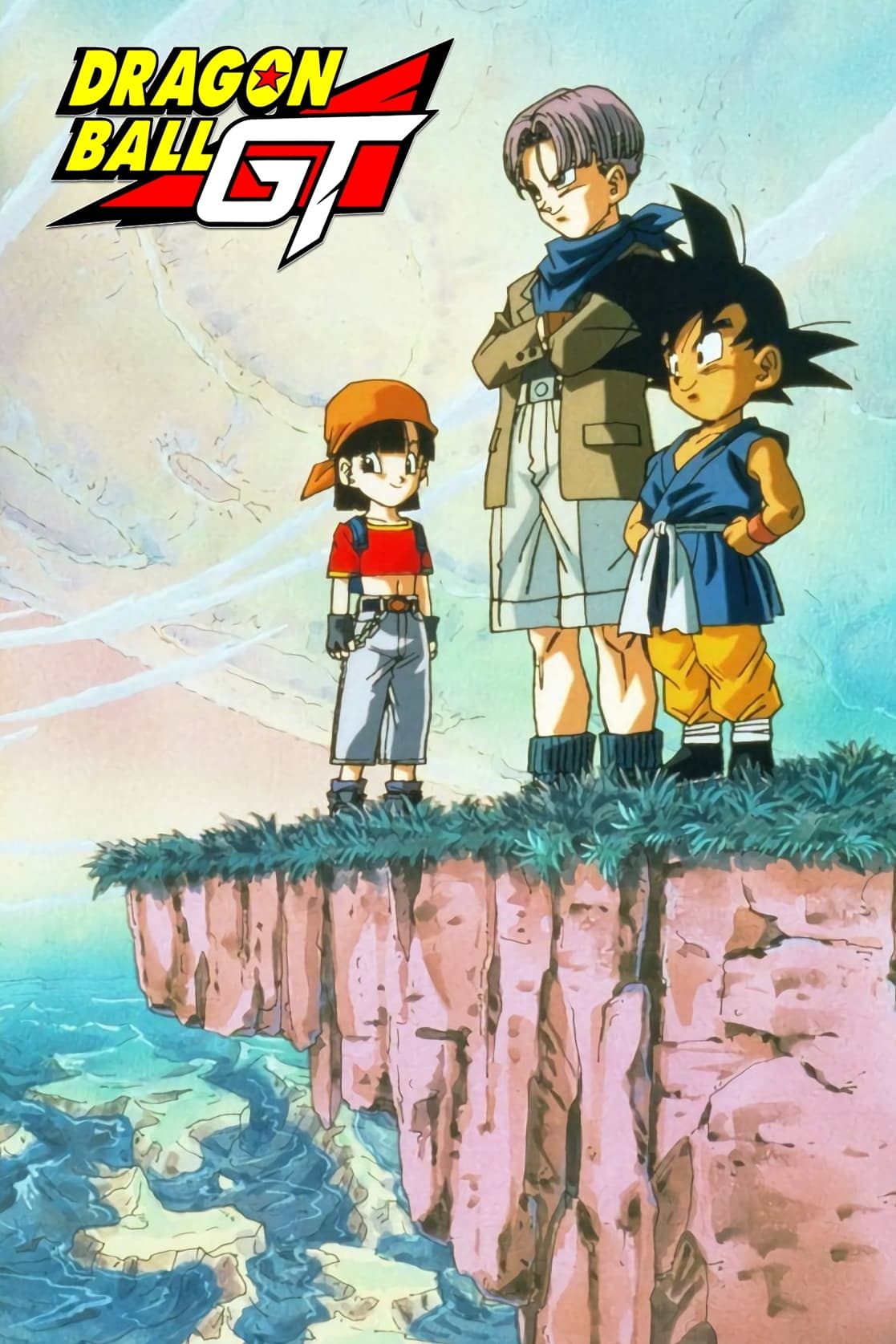
The series ended with Goku merging with the dragon and leaving the Earth behind. The staff defended this departure by calling it the perfect way to retire the character after decades of fighting. They argued that Goku had become too powerful for the world and needed to ascend to a higher plane. The creators maintained that this poignant goodbye was the best way to close the franchise at the time.
Tell us which anime ending you think deserved the defense it got in the comments.