

Anime Where Queer Characters Only Existed for Fan Service

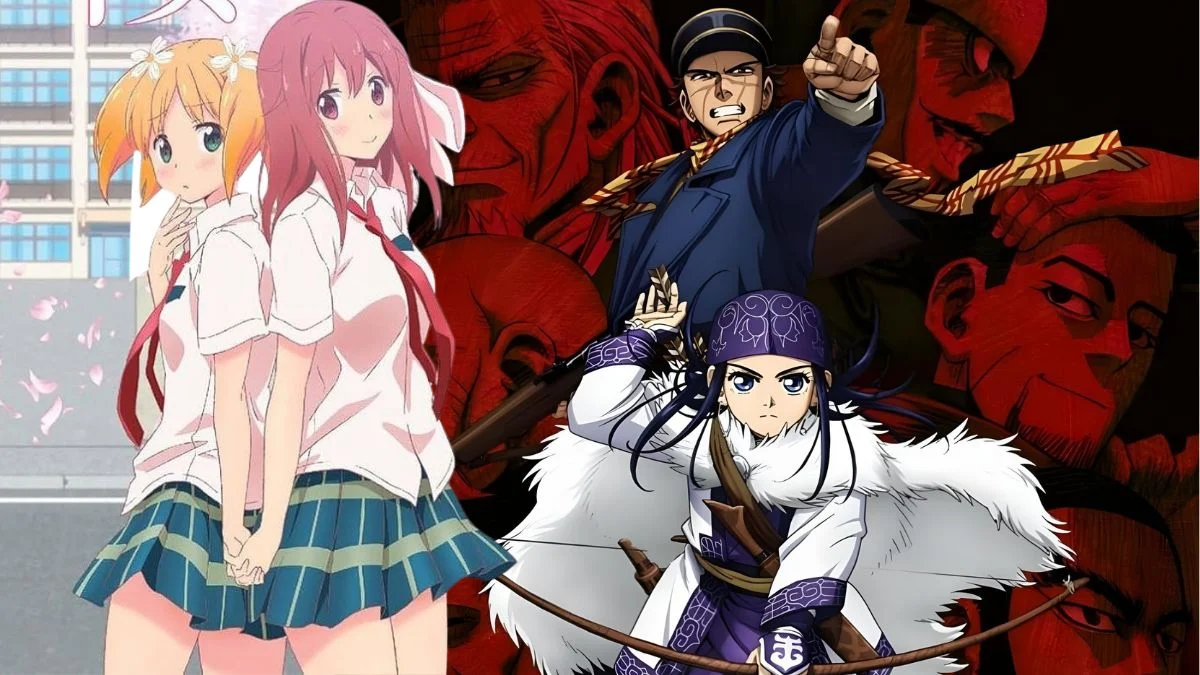


The medium of anime often incorporates queer themes and characters through various genres ranging from deep romances to action packed adventures. In certain productions these characters appear to exist primarily to provide visual stimulation or satisfy specific tropes associated with fan service. These depictions frequently focus on the physical aspects of attraction or provocative scenarios instead of developing meaningful narrative arcs for LGBTQ individuals. This list explores several anime titles where the inclusion of queer characters or relationships is largely centered on audience appeal through sexualized framing.
‘Valkyrie Drive: Mermaid’ (2015)
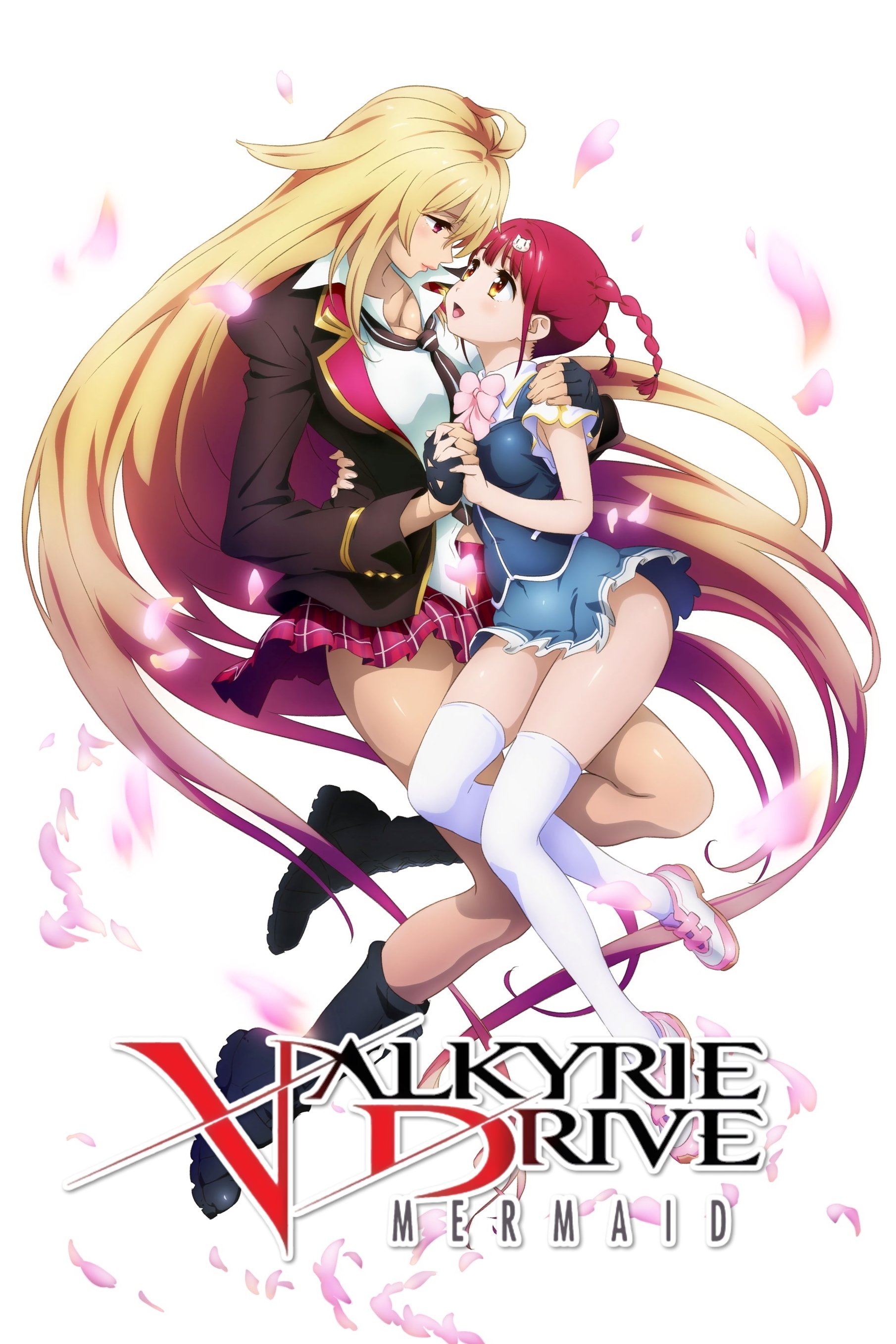
This series features artificial islands where young women must engage in intimate physical contact to transform into powerful weapons. The central mechanic of ‘Valkyrie Drive: Mermaid’ relies on sexual arousal to trigger combat abilities during battles. Most of the relationships between the female characters are presented through a lens of extreme fan service rather than genuine emotional bonding. The queer dynamics serve as a primary draw for the target audience looking for provocative visual content. Narrative substance is often sacrificed to prioritize scenes of high physical intimacy.
‘Queen’s Blade’ (2009–2012)
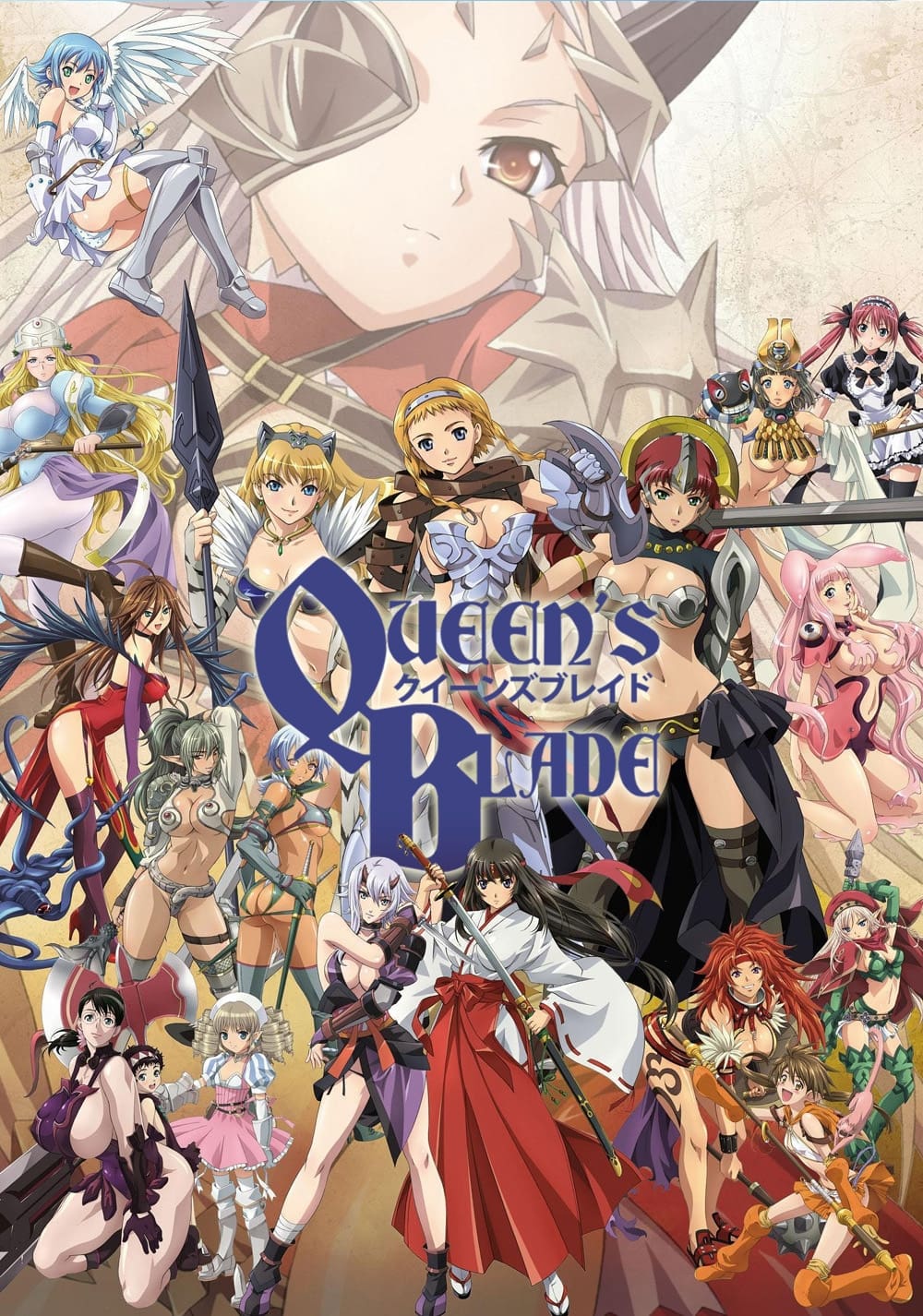
This production centers on a competition where female warriors fight for the right to rule the land. Many characters in ‘Queen’s Blade’ display romantic or sexual interest in their rivals during and after intense combat sequences. The framing of these interactions emphasizes the physical beauty of the participants through suggestive camera angles. Every encounter is designed to maximize the titillation factor for the viewers watching at home. There is very little exploration of the characters as queer individuals outside of these highly sexualized moments.
‘Sakura Trick’ (2014)
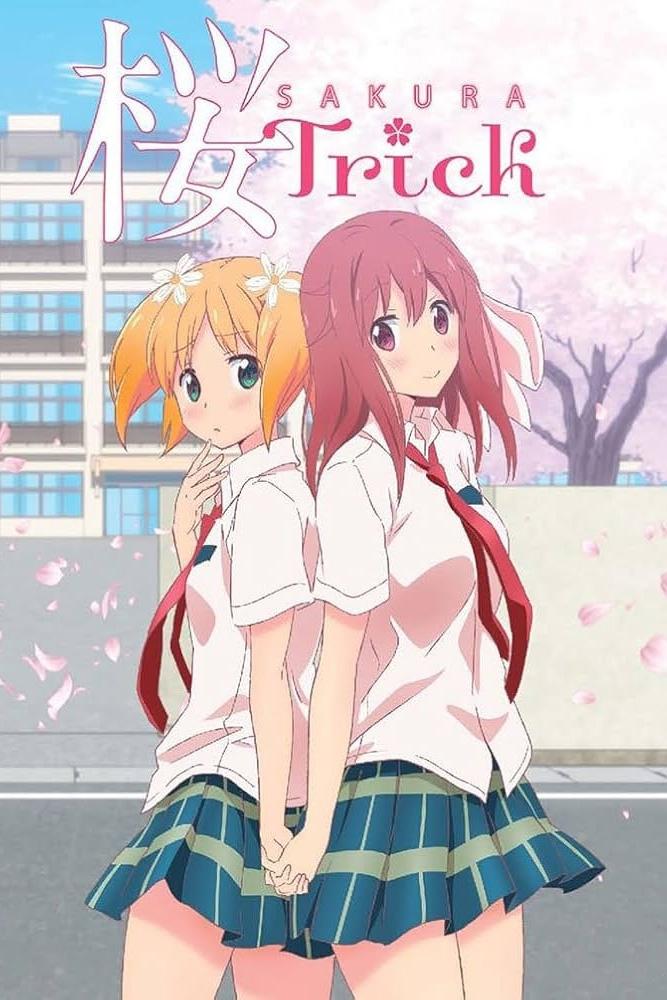
Two best friends decide to make their relationship more special by engaging in frequent and elaborate kissing sessions. The entire premise of ‘Sakura Trick’ is built around these moments of physical affection between the female cast members. While the characters are clearly portrayed as being in a relationship the focus remains strictly on the visual charm of their interactions. It avoids deep discussions about sexuality or the challenges of queer identity in favor of lighthearted fan service. Each episode provides multiple scenes designed to appeal to fans of the yuri genre through cute and suggestive imagery.
‘Seven Mortal Sins’ (2017)
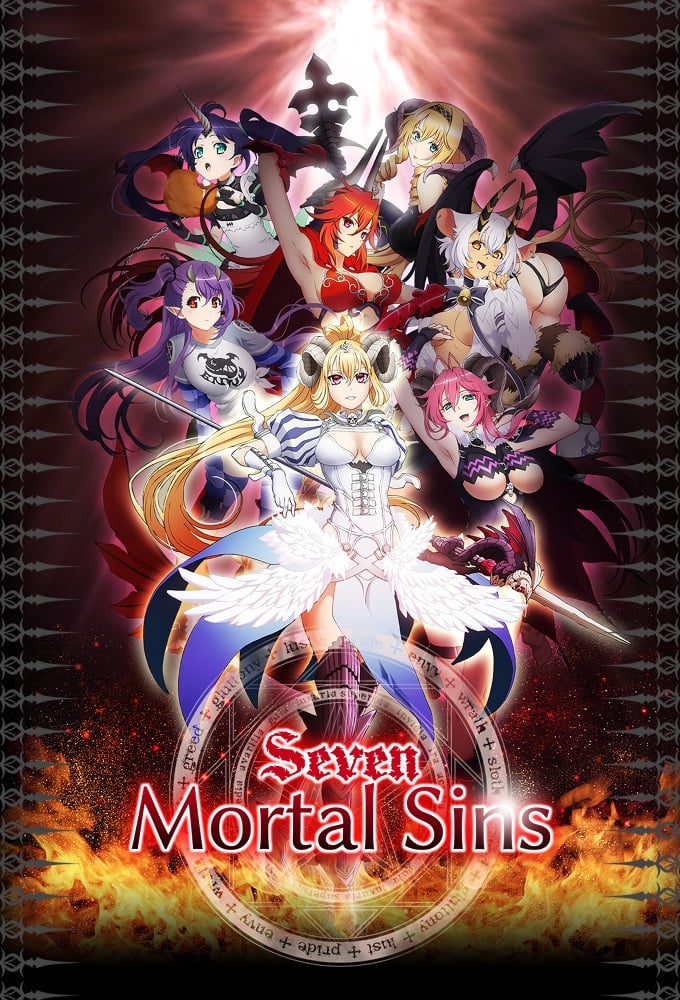
This anime depicts various personifications of the deadly sins as powerful and attractive women. The narrative of ‘Seven Mortal Sins’ involves numerous scenes where these characters interact in highly sexualized and intimate ways. These queer elements are used to highlight the sinful nature of the characters while providing fan service for the audience. The relationships are fleeting and exist primarily to showcase the physical designs of the cast during provocative encounters. Very little time is spent developing the actual romantic or identity based aspects of these figures.
‘Keijo!!!!!!!!’ (2016)
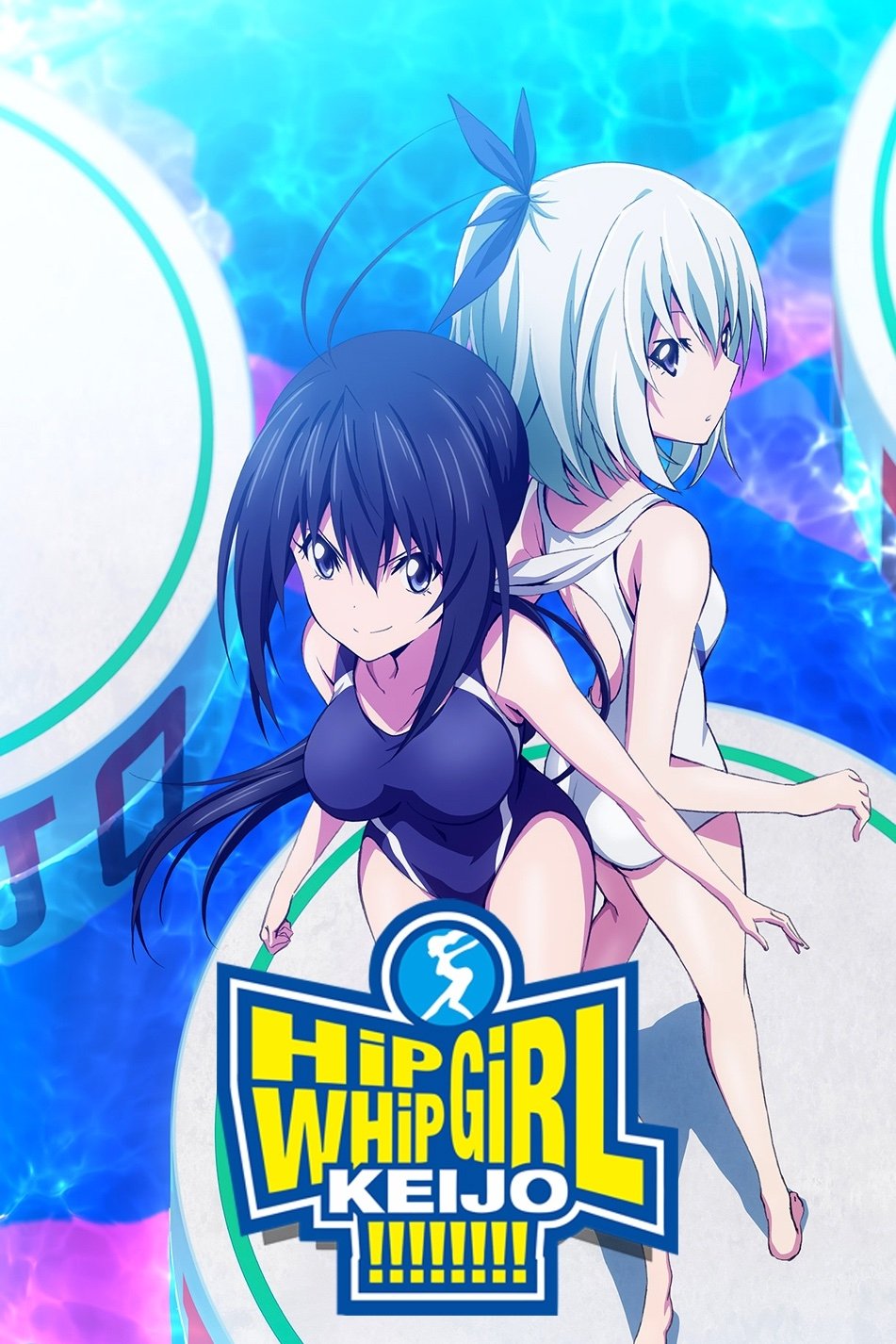
In this sports anime girls compete in a game where they must knock opponents off a platform using only their bodies. The sport itself in ‘Keijo!!!!!!!!’ is inherently sexualized and often involves intense physical contact between the participants. Many of the girls show signs of attraction to their teammates or rivals within this competitive environment. These queer undertones are used as a comedic or provocative element to keep the audience entertained. The focus remains on the spectacle of the physical sport rather than the internal lives of the characters.
‘Ikki Tousen’ (2003–2015)
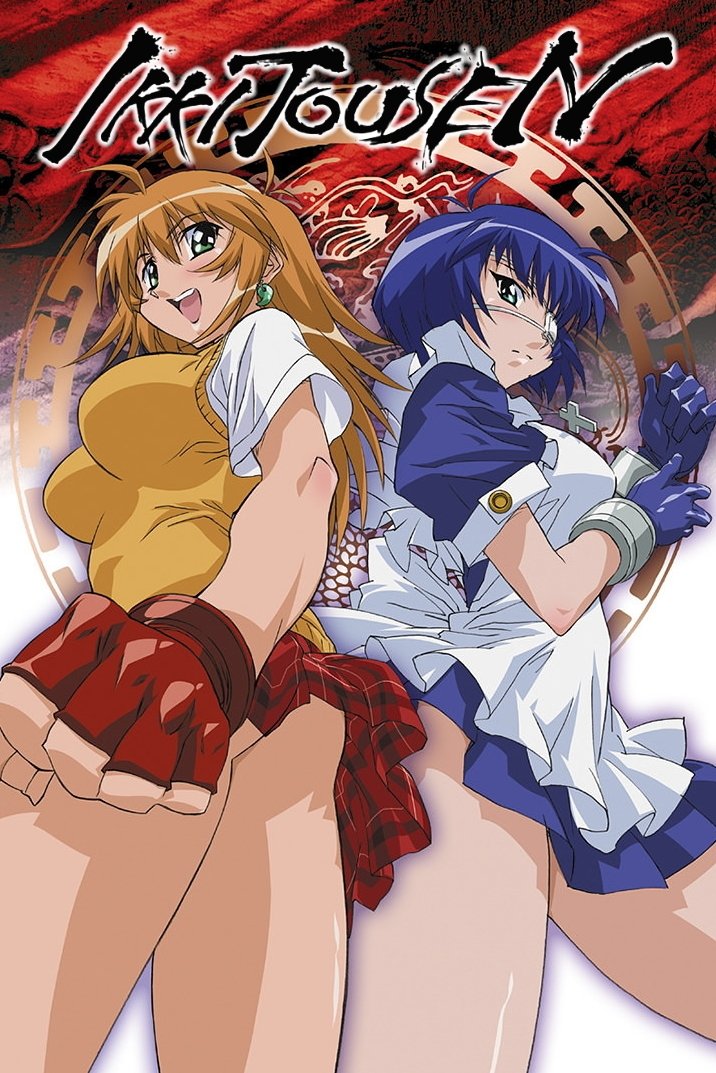
This series reimagines historical figures from ancient literature as high school students fighting in a modern day setting. The battles in ‘Ikki Tousen’ often result in clothing damage and highly suggestive poses between the female combatants. Many of the female characters express intense physical attraction to one another during the heat of battle. These moments are framed specifically to provide fan service and do not lead to meaningful relationship growth. The queer content is a staple of the series meant to enhance the visual appeal of the action.
‘Free!’ (2013)
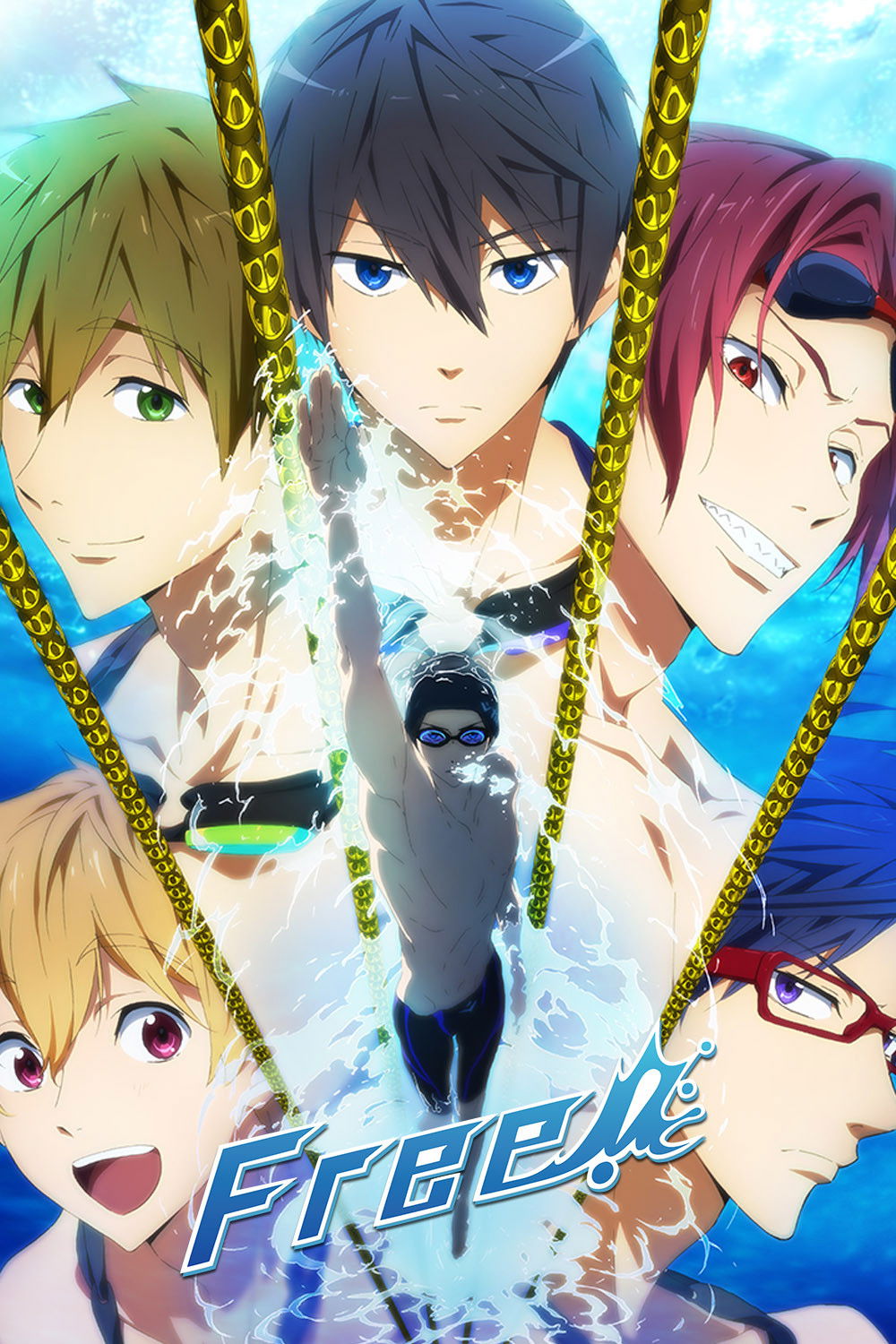
This sports anime focuses on a group of high school boys who form a competitive swimming club. While no characters in ‘Free!’ are explicitly confirmed as queer the show heavily utilizes homoerotic subtext and male fan service. The interactions between the boys are framed to appeal to fans who enjoy pairing characters in romantic relationships. Many scenes focus on the physical beauty of the male body and the intense emotional tension between the leads. This approach relies on queer coding and baiting to maintain a dedicated viewer base without committing to actual representation.
‘Kakegurui’ (2017–2019)

Students at a prestigious academy gamble their fortunes and status in high stakes games that often become psychological and physical. Several female characters in ‘Kakegurui’ show an obsessive and almost romantic devotion to their rivals or the student council president. These moments are characterized by intense physical reactions and suggestive behavior during the excitement of the games. The queer tension is used to enhance the dark and provocative atmosphere of the series. Most of these relationships remain focused on the thrill of the gamble rather than authentic romantic development.
‘Cross Ange’ (2014–2015)
A princess is exiled to a military base where she must fight giant dragons alongside other women who have been cast out of society. The environment in ‘Cross Ange’ is depicted as highly sexualized with frequent scenes of physical intimacy and harassment between the female soldiers. Many of the queer interactions are aggressive or exist purely to shock the audience during the early parts of the story. While some relationships evolve they are often framed through the lens of trauma or extreme fan service. The show uses these dynamics to maintain a gritty and provocative tone throughout its run.
‘The Testament of Sister New Devil’ (2015)
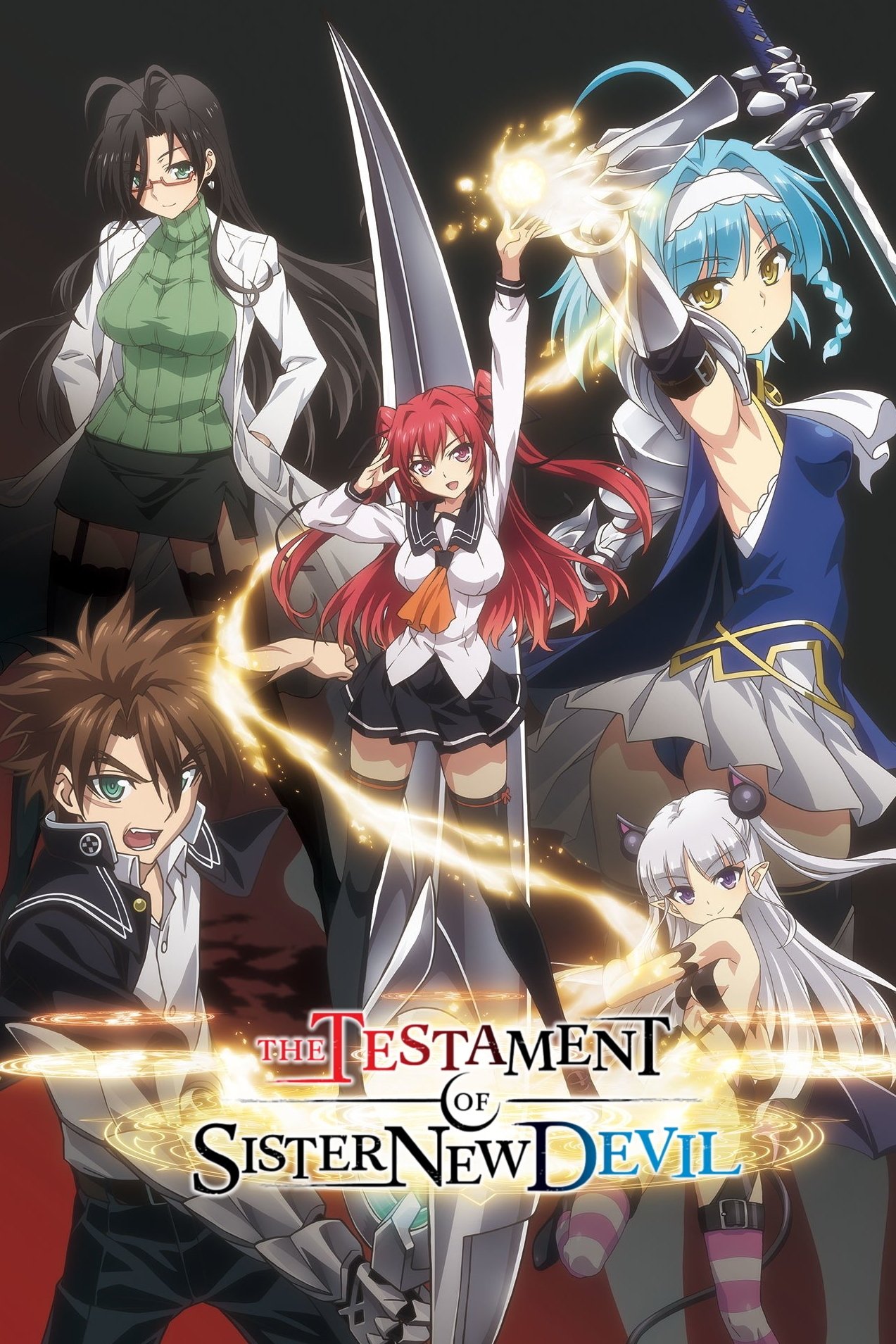
A young man discovers that his new sisters are actually demons and he must enter into a master and servant contract with them. These contracts in ‘The Testament of Sister New Devil’ require various forms of physical intimacy that often involve the female characters interacting with each other as well. The queer elements are strictly tied to the supernatural mechanics that justify the constant fan service. The show prioritizes the visual impact of these scenes to cater to an audience looking for adult themes. There is almost no effort to explore these connections outside of their sexualized context.
‘Gushing over Magical Girls’ (2024)
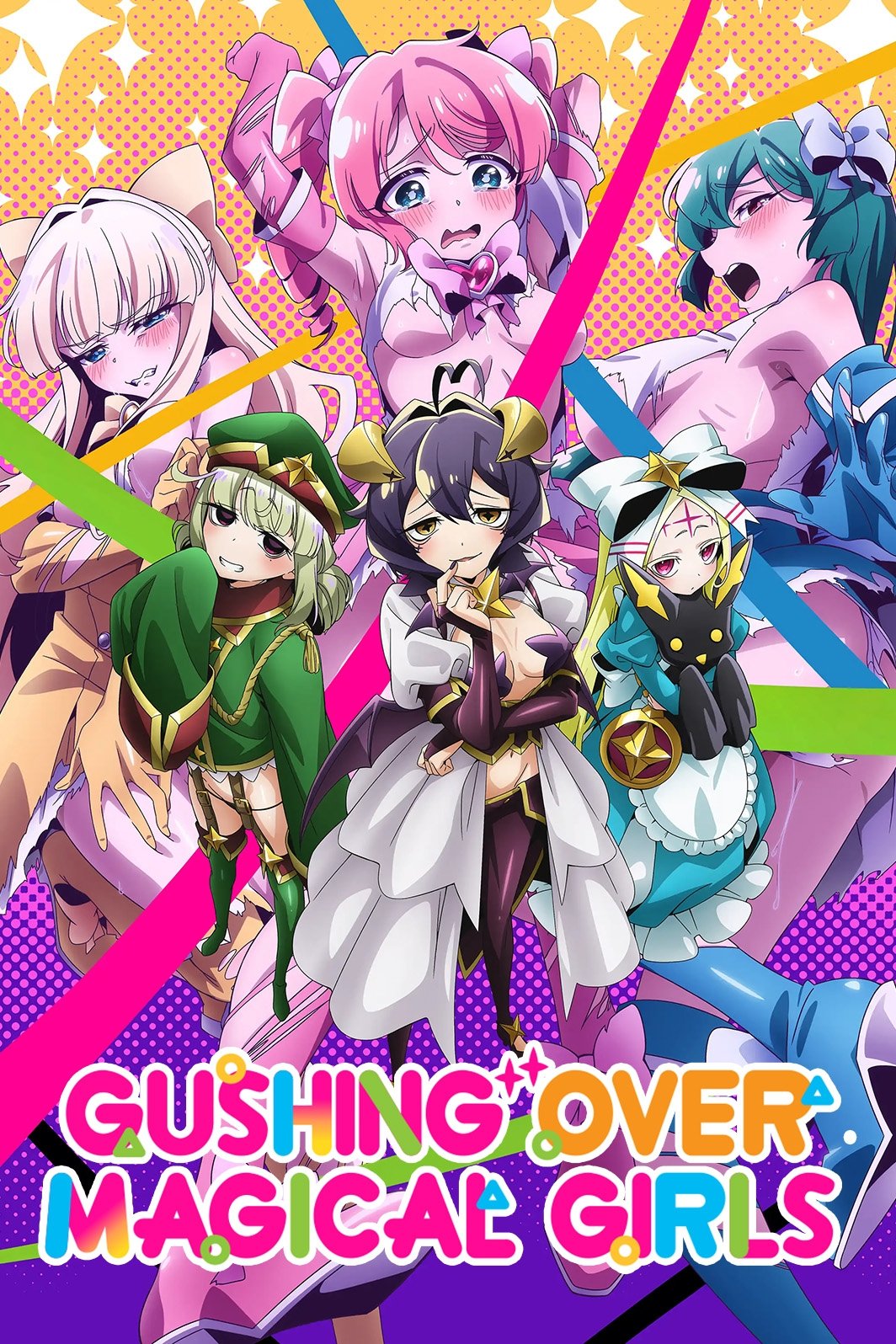
A girl who loves magical girls finds herself transformed into a villain who must battle her idols in suggestive ways. The combat in ‘Gushing over Magical Girls’ is heavily focused on physical restraint and the arousal of the magical girls being attacked. The queer attraction the protagonist feels toward the heroes is the driving force behind the provocative battles. The series is explicitly built around the concept of magical girl fan service and fetish themes. The relationships and identities within the show are entirely centered on these sexualized encounters.
‘Candy Boy’ (2008)
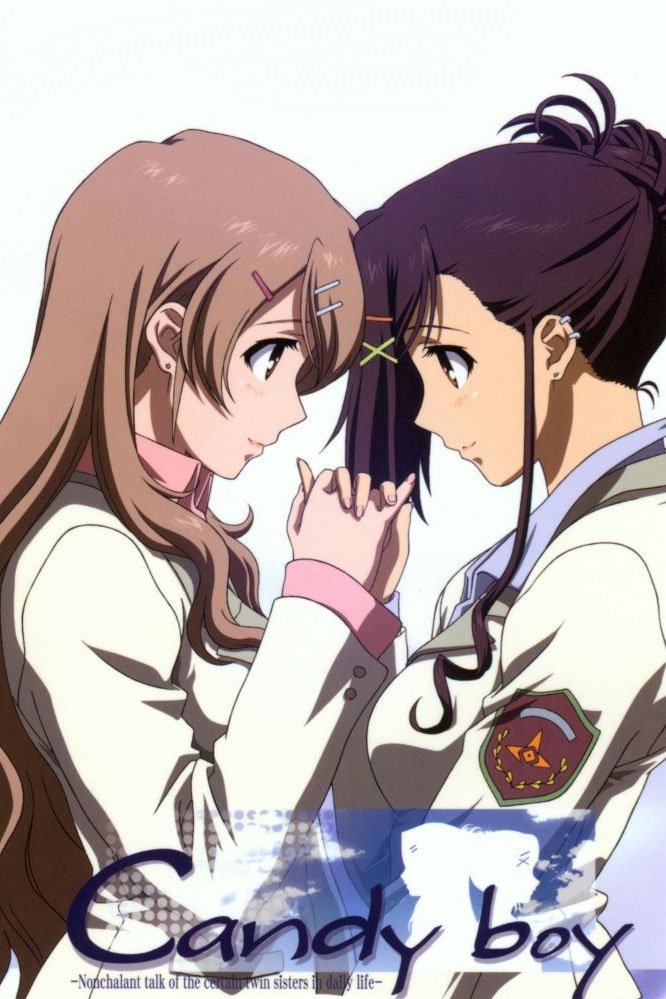
This series focuses on the daily lives of twin sisters who share a very close and often suggestive relationship. The boundary between sisterly affection and romantic interest in ‘Candy Boy’ is frequently blurred to provide a specific type of fan service. Most of the episodes consist of short segments showing the girls in various states of dress or intimate proximity. The show relies on the charm of the characters and the tension of their bond to attract viewers. It avoids any definitive statements on their sexuality in favor of maintaining the provocative status quo.
‘Kämpfer’ (2009–2011)

A boy is chosen to become a magical fighter who can only transform into a girl to engage in battles. This premise leads to various scenarios where he interacts with other girls who are attracted to his female form in ‘Kämpfer’. The show uses this gender bending mechanic to create numerous fan service opportunities involving the female cast. The queer attraction from the other girls is often used for comedic effect or to create awkward situations. The focus remains on the visual appeal of the transformations and the resulting suggestive encounters.
‘Prison School’ (2015)
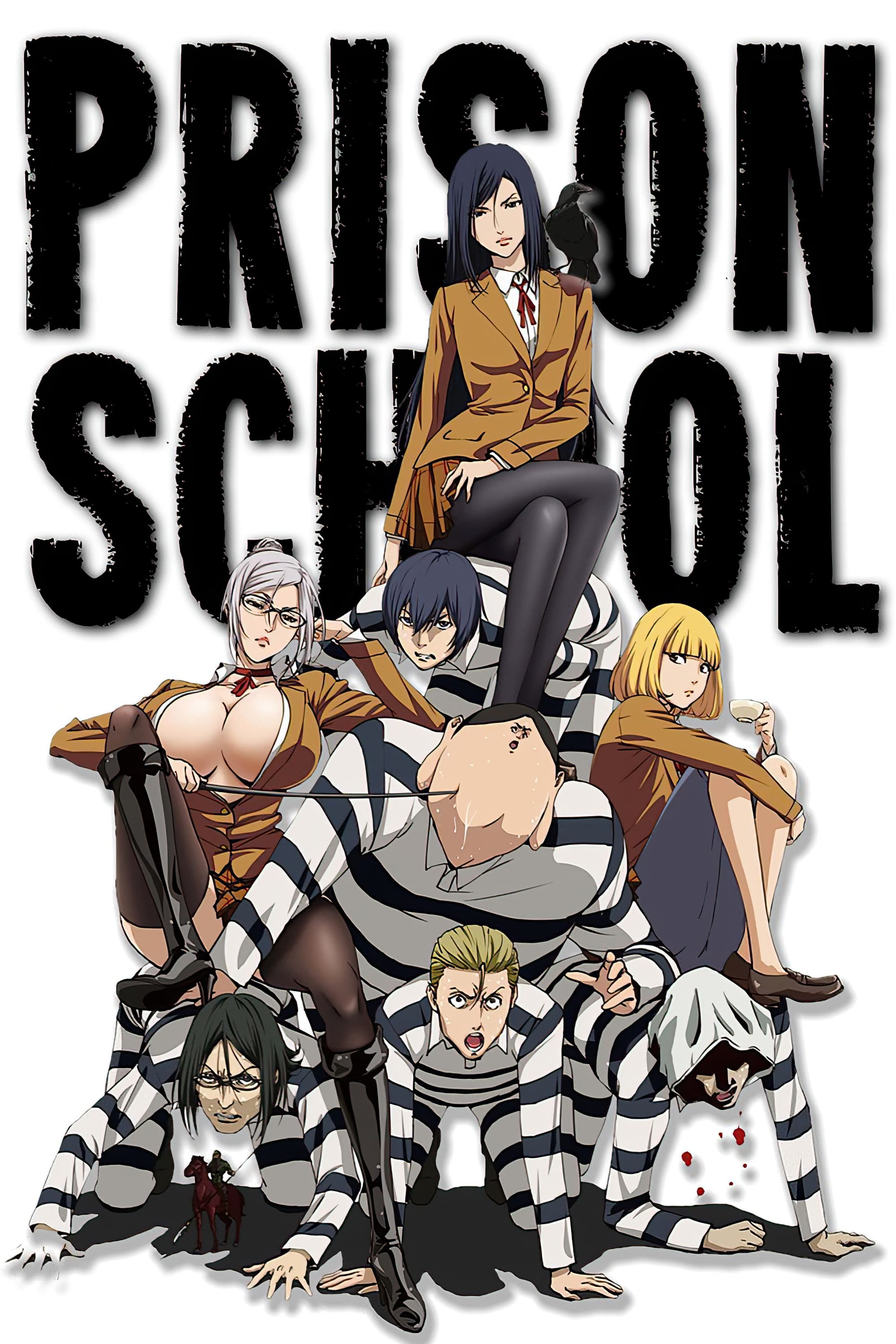
Five boys are admitted to an all girls school and find themselves imprisoned for peeping on the female students. The student council members in ‘Prison School’ who oversee the prison are depicted as figures who often have intimate or suggestive moments with each other. These scenes are used to establish the power dynamics and provide fan service for the audience. The queer subtext is presented through a lens of dominance and physical beauty to enhance the mature themes of the show. These relationships are never explored beyond their immediate visual and plot functions.
‘Bikini Warriors’ (2015)
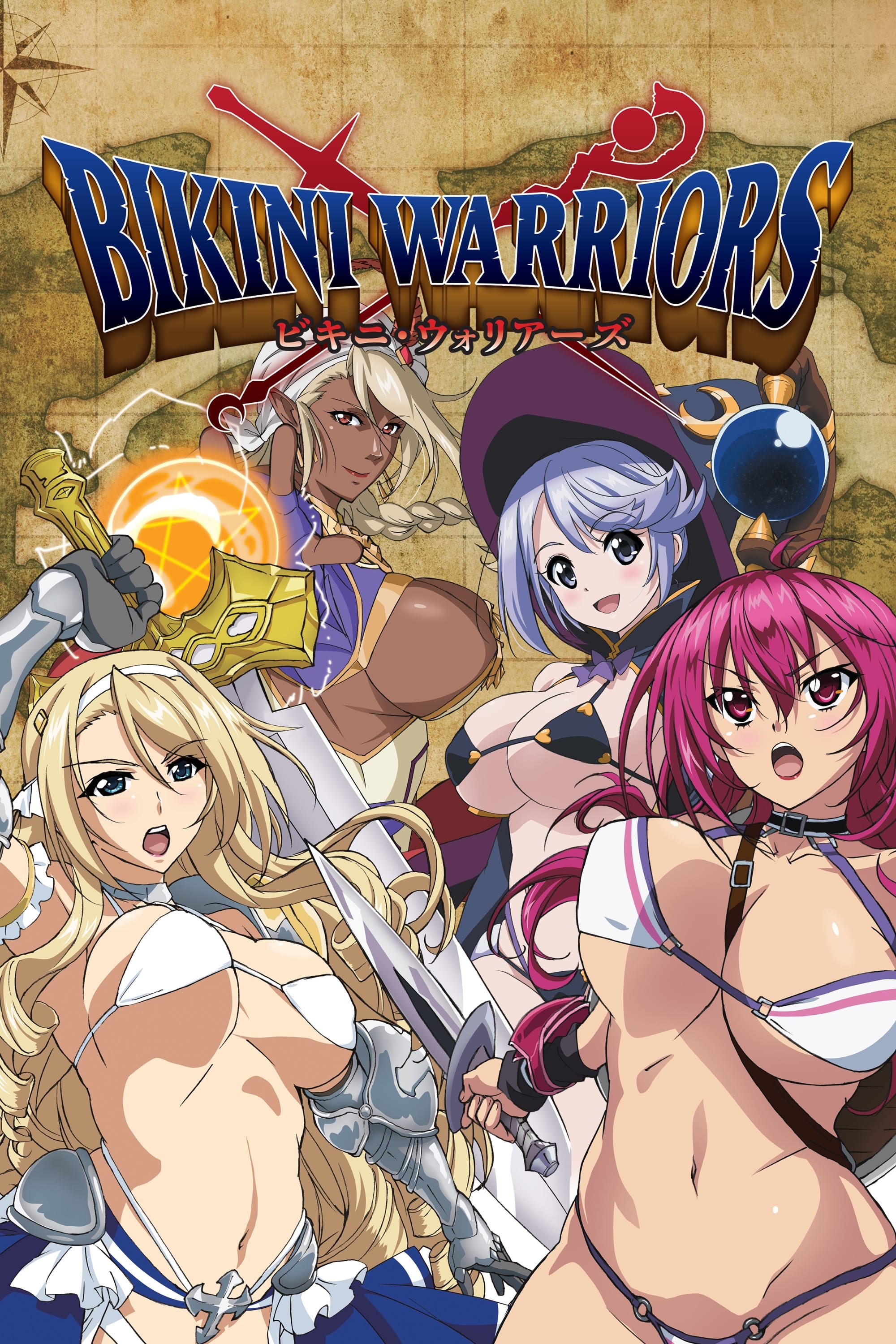
This short form anime follows a group of female adventurers who wear revealing armor while performing classic fantasy tasks. ‘Bikini Warriors’ is a parody of tropes that focuses almost entirely on the physical designs of the characters. Many episodes involve the women interacting in suggestive ways that hint at queer attraction for the sake of a joke or fan service. The content is designed to be a quick look at attractive characters in provocative situations. There is no room for character development or serious narrative exploration in this format.
‘Softenni’ (2011)
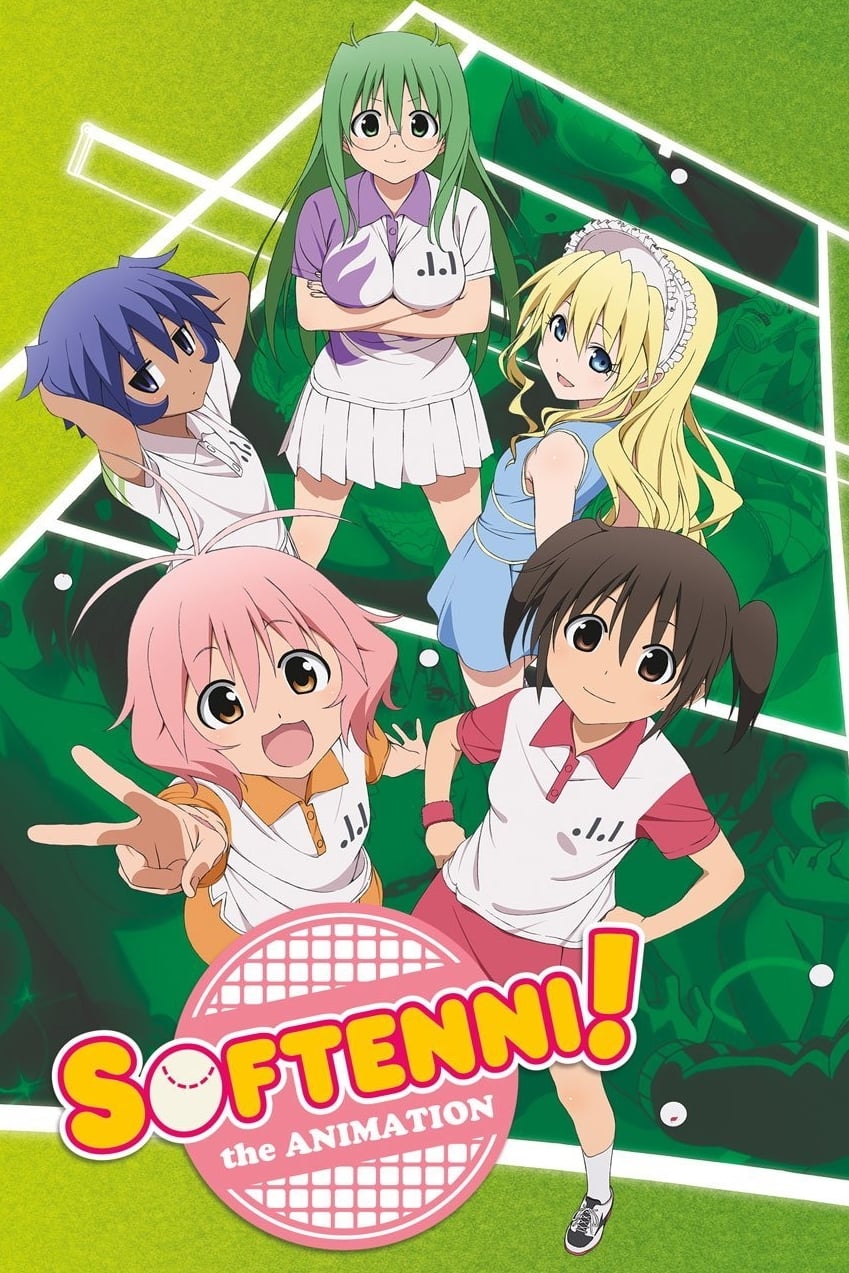
A group of girls on a soft tennis team spends much of their time engaging in bizarre training exercises and suggestive antics. ‘Softenni’ is known for its frequent use of fan service and the physical closeness of the female cast members. Queer attraction is used as a recurring gag where characters fantasize about each other in provocative ways. These moments are purely for comedic and visual appeal and do not contribute to any actual character growth. The tennis matches are often secondary to the suggestive humor and character interactions.
‘Vermeil in Gold’ (2022)

A student at a magic academy accidentally summons a powerful demon who must replenish her mana through physical intimacy. While the main relationship in ‘Vermeil in Gold’ is between the student and the demon the show includes various other female characters who participate in suggestive scenes. These moments often involve physical contact or attraction between the women to provide additional fan service. The queer elements are integrated into the magical system to justify their frequent occurrence. The focus is consistently on the provocative nature of these mana transferring acts.
‘Trinity Seven’ (2014)
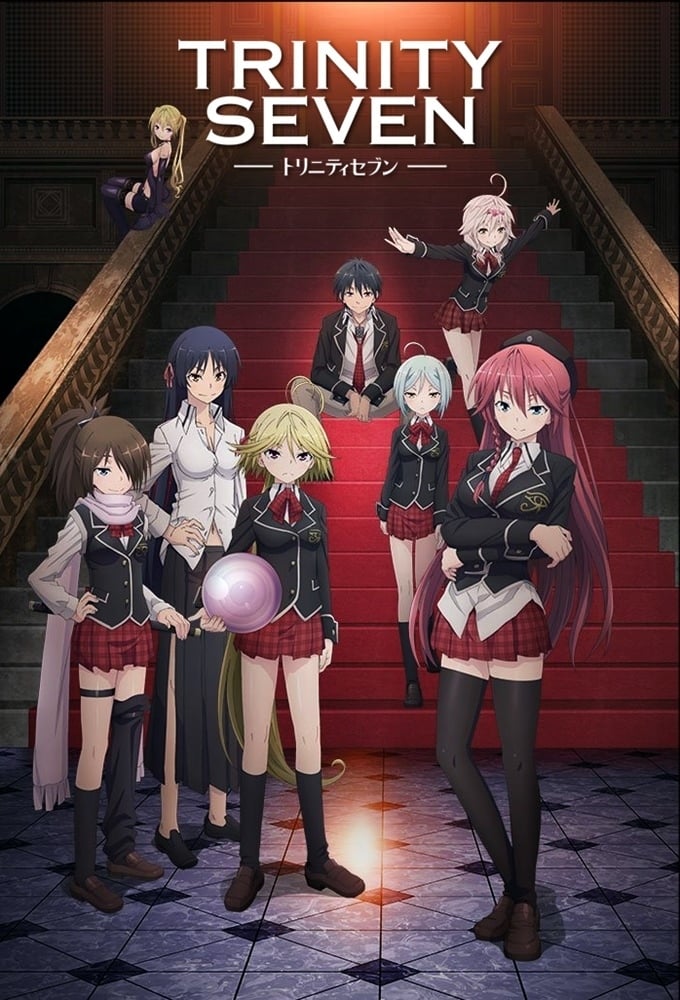
A young man enrolls in a magic school and finds himself working with seven powerful female mages. ‘Trinity Seven’ is a harem anime that utilizes a wide range of fan service techniques to engage the audience. Several of the mages have close and suggestive relationships with each other that are played for titillation. These queer interactions are part of the larger ensemble dynamic designed to appeal to fans of the genre. The show does not delve into the complexities of these relationships beyond their visual presentation.
‘Vampire Knight’ (2008)
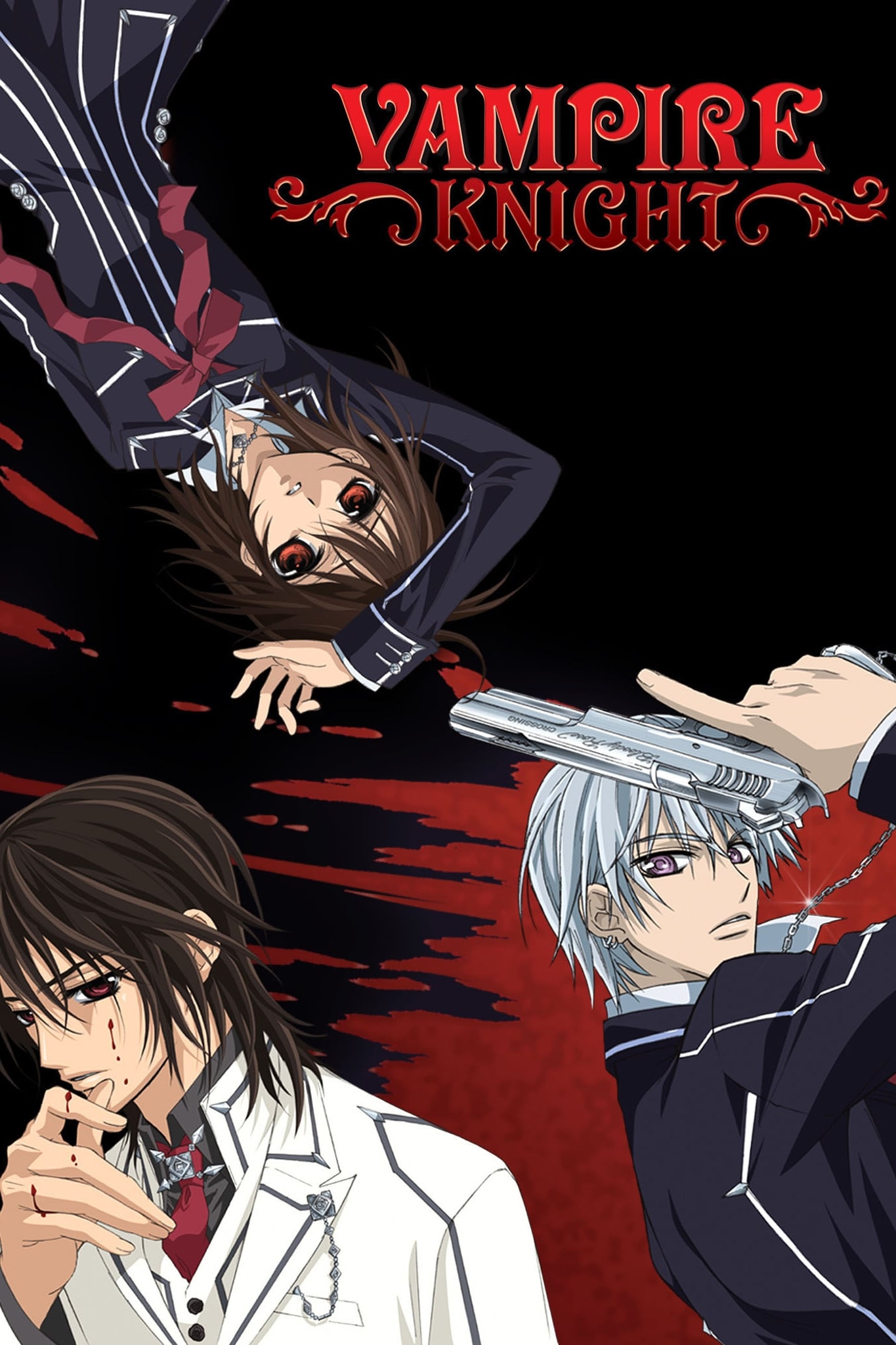
The story follows a girl at a school divided into human and vampire classes where she acts as a guardian. While the main romance is a love triangle the series includes significant homoerotic tension between the two male protagonists of ‘Vampire Knight’. These moments are framed to appeal to the fan base through dramatic and suggestive physical proximity. The potential for a queer relationship is used to heighten the emotional stakes without ever being confirmed or developed properly. It serves as a form of audience baiting and fan service throughout the run of the show.
‘Black Butler’ (2008–2010)
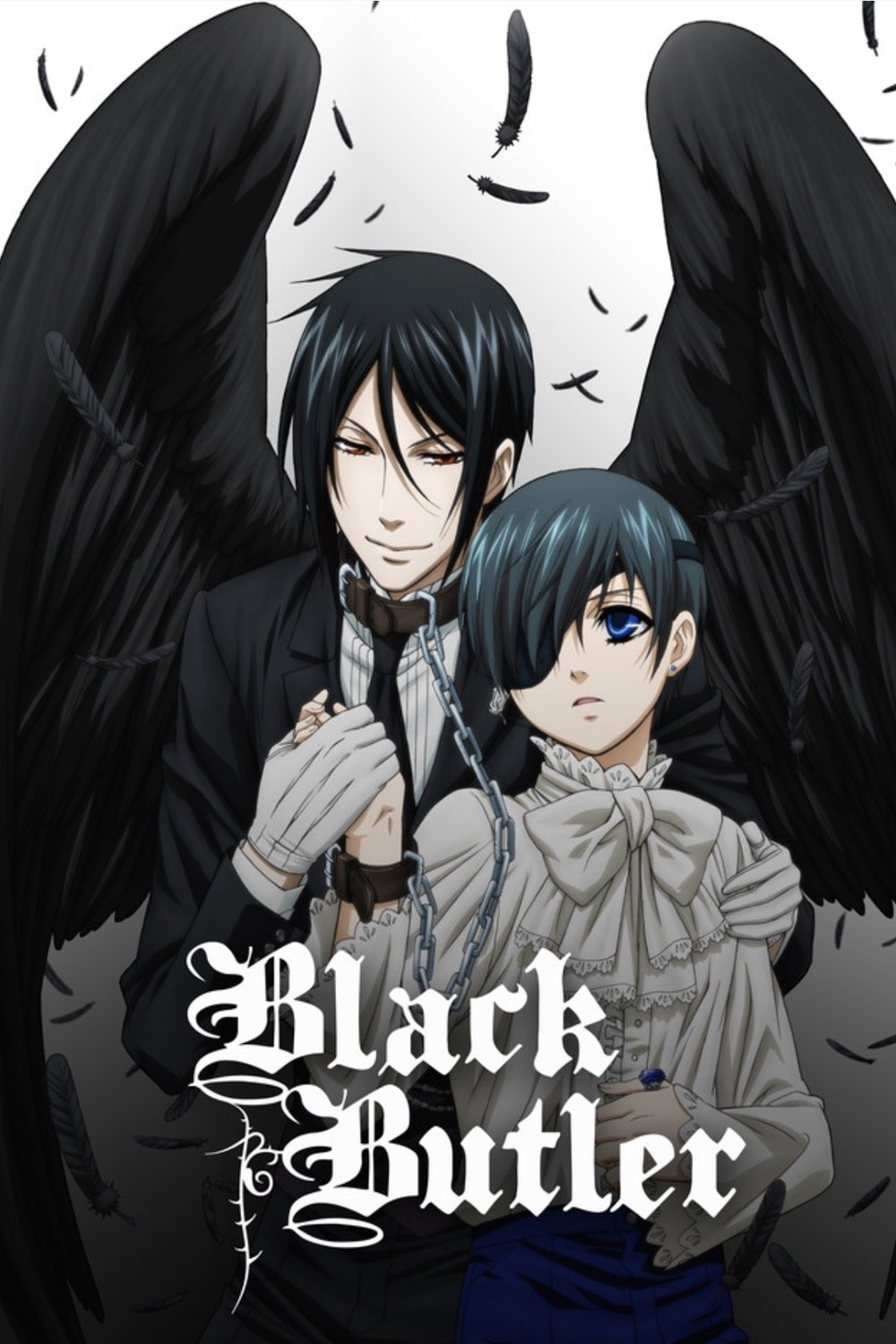
A young boy makes a deal with a demon butler to seek revenge against those who wronged his family. One of the recurring characters in ‘Black Butler’ is a reaper who expresses flamboyant and intense romantic interest in the main butler. This character is often used as a source of comedic relief or for provocative and over the top interactions. The depiction relies on queer stereotypes and serves to provide a specific type of dark fan service for the audience. There is little focus on the character identity beyond these stylized and exaggerated moments.
‘Is This a Zombie?’ (2011–2012)
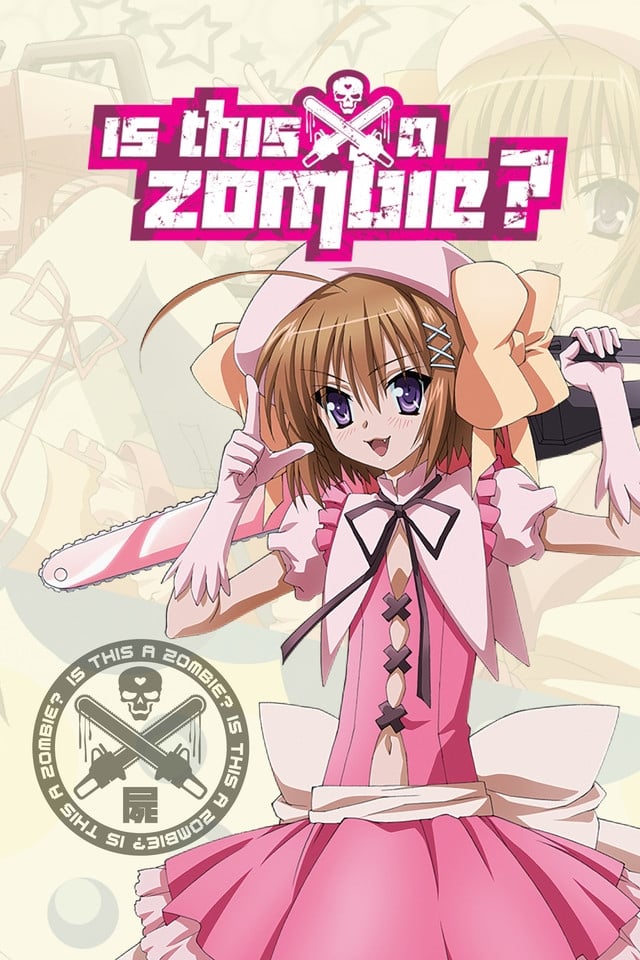
A high school boy is resurrected as a zombie and finds himself living with a necromancer and several magical girls. ‘Is This a Zombie?’ is known for its absurd humor and frequent use of suggestive scenarios involving the entire cast. Several female characters engage in flirtatious behavior or accidental physical intimacy with one another. These moments are included to enhance the comedic harem atmosphere and provide visual fan service. The queer subtext is treated as another layer of the show provocative nature.
‘Golden Kamuy’ (2018–2023)
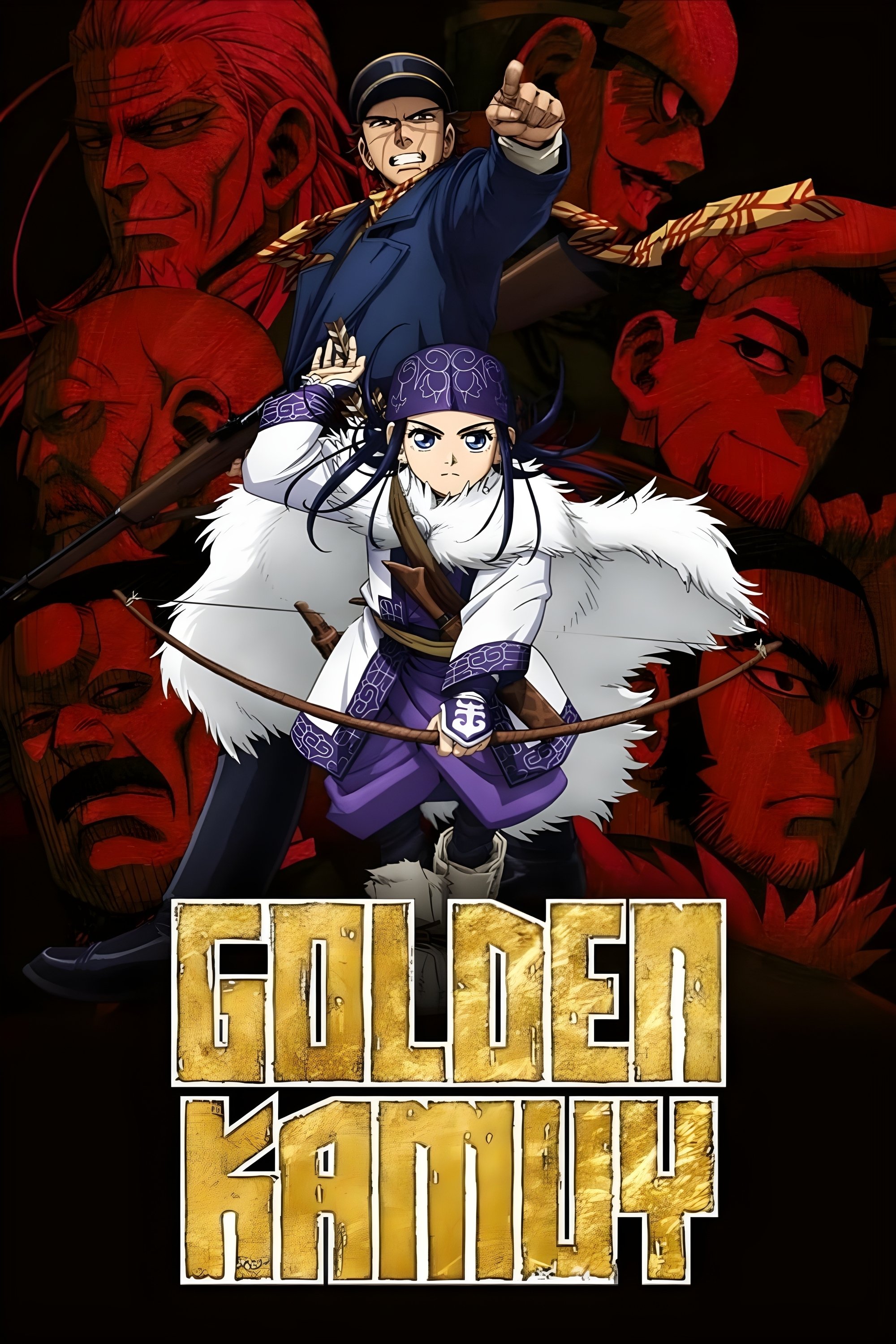
Set in the early twentieth century this adventure follows a veteran and a young girl searching for hidden treasure. ‘Golden Kamuy’ is notable for its frequent and intense scenes of male fan service featuring the muscular cast. Many interactions between the male soldiers involve homoerotic subtext and suggestive scenarios during their travels. While the characters are well developed these specific moments are often framed to provide visual appeal for the audience. The queer undertones are used for both humor and provocative imagery within the gritty narrative.
‘Brave Witches’ (2016)

In an alternate history girls with magical abilities use specialized equipment to fight alien invaders. ‘Brave Witches’ focuses heavily on the bonds between the female pilots and their shared living arrangements. Many scenes emphasize the physical beauty of the characters through suggestive poses and close physical contact. The queer attraction between some of the characters is used as a tool for fan service and emotional tension. It follows the established pattern of the franchise by prioritizing provocative visuals over deep character exploration.
‘Strike Witches’ (2008–2020)

This long running franchise features young girls who use mechanical legs to fly and battle an alien threat. The character designs in ‘Strike Witches’ are famously focused on a lack of pants which leads to constant fan service throughout every episode. The relationships between the girls often hint at romantic or physical attraction to one another. These elements are used to create a sense of camaraderie that is also highly sexualized for the viewer. The queer subtext is a primary feature of the show marketing and audience appeal.
‘Azur Lane’ (2019–2020)
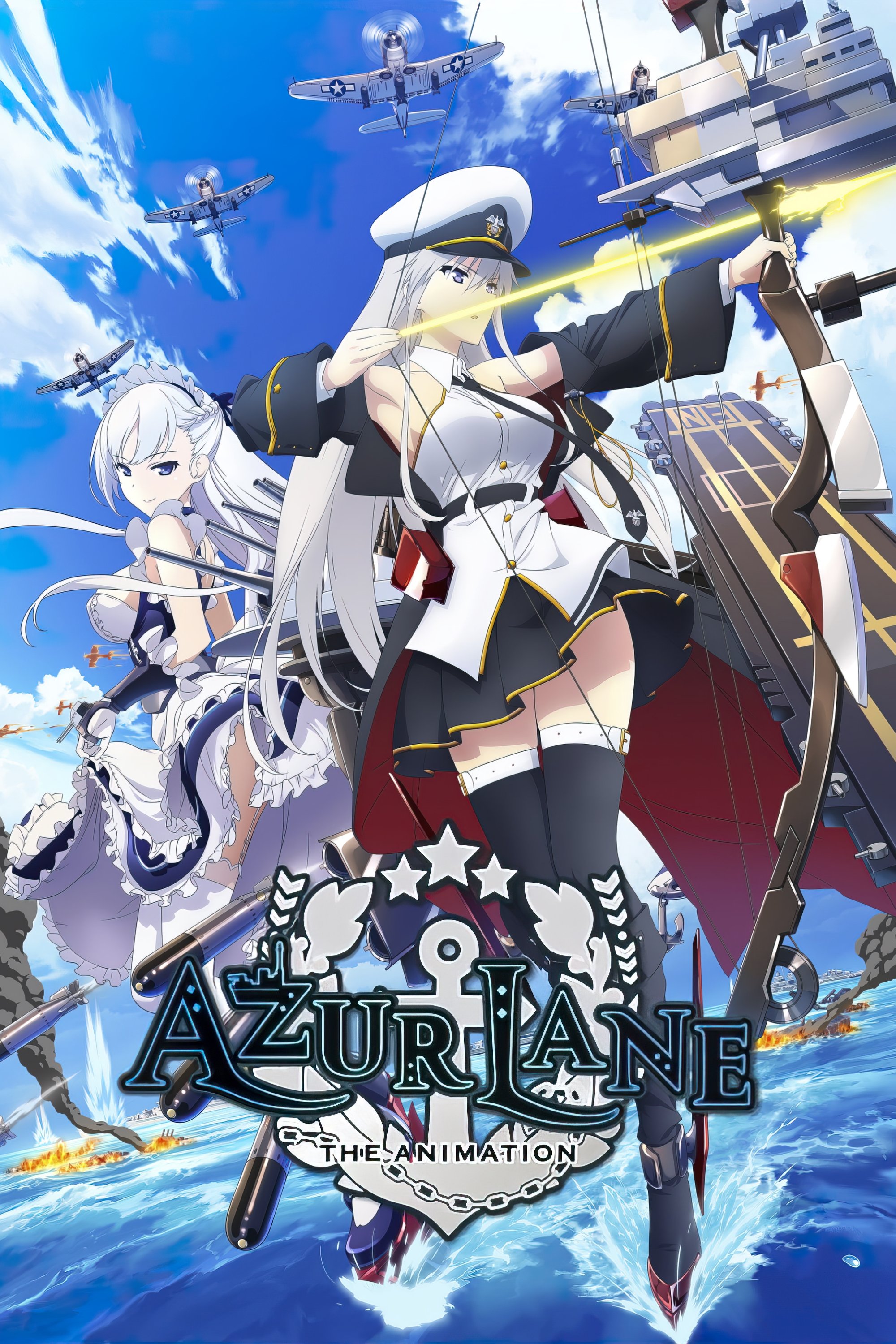
Anthropomorphic ship girls from different factions engage in naval warfare and navigate their complex social lives. The anime adaptation of ‘Azur Lane’ features many scenes where the characters interact in intimate and suggestive ways. These queer moments are designed to satisfy fans of the original mobile game who enjoy the various character pairings. The focus remains on the visual appeal and the fan service potential of a large all female cast. Each interaction is a way to showcase the different ship girls in a provocative light.
Share your thoughts on these anime depictions in the comments.