

Anime Where the Hero’s Politics Divide the Fandom



Anime protagonists are often designed to be morally righteous paragons, but complex storytelling frequently introduces heroes whose ideologies spark intense debate among viewers. These characters operate in gray areas where their political or ethical stances challenge the audience’s perception of right and wrong. Whether they advocate for peace through violence, prioritize the many over the few, or justify tyranny for the sake of order, these heroes leave fandoms split on the validity of their actions.
‘Attack on Titan’ (2013–2023)
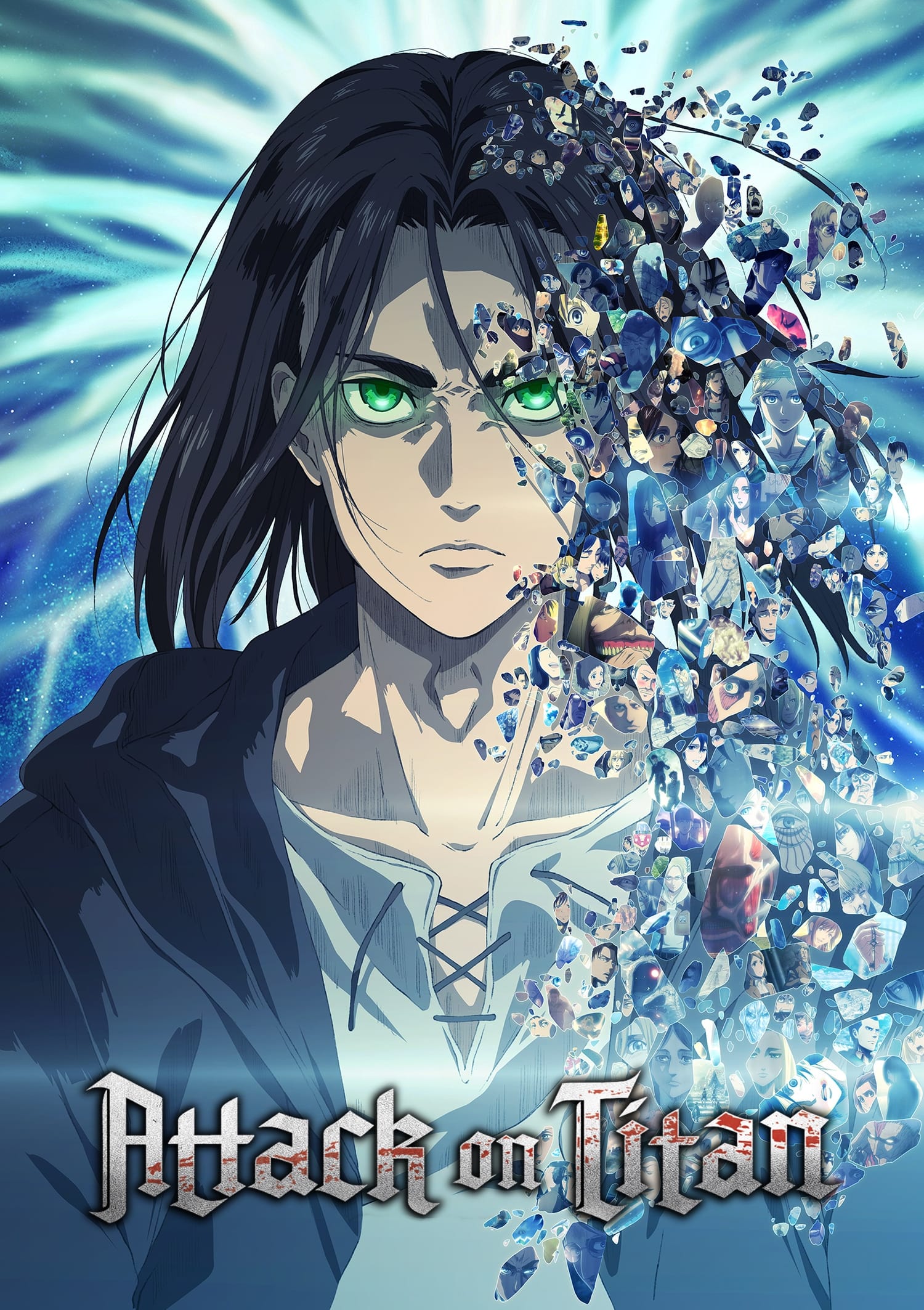
Eren Yeager begins his journey as a victim seeking freedom from the oppression of man-eating giants, but his path eventually shifts toward radical extremism. His decision to initiate the Rumbling, a cataclysmic event designed to wipe out all life outside his home island, transforms him from a defender into a global threat. Fans continue to debate whether his actions were a necessary evil to ensure his people’s survival or an indefensible act of genocide. The narrative frames his choices as the inevitable result of a cycle of hatred, forcing viewers to question the cost of absolute freedom.
‘Death Note’ (2006–2007)
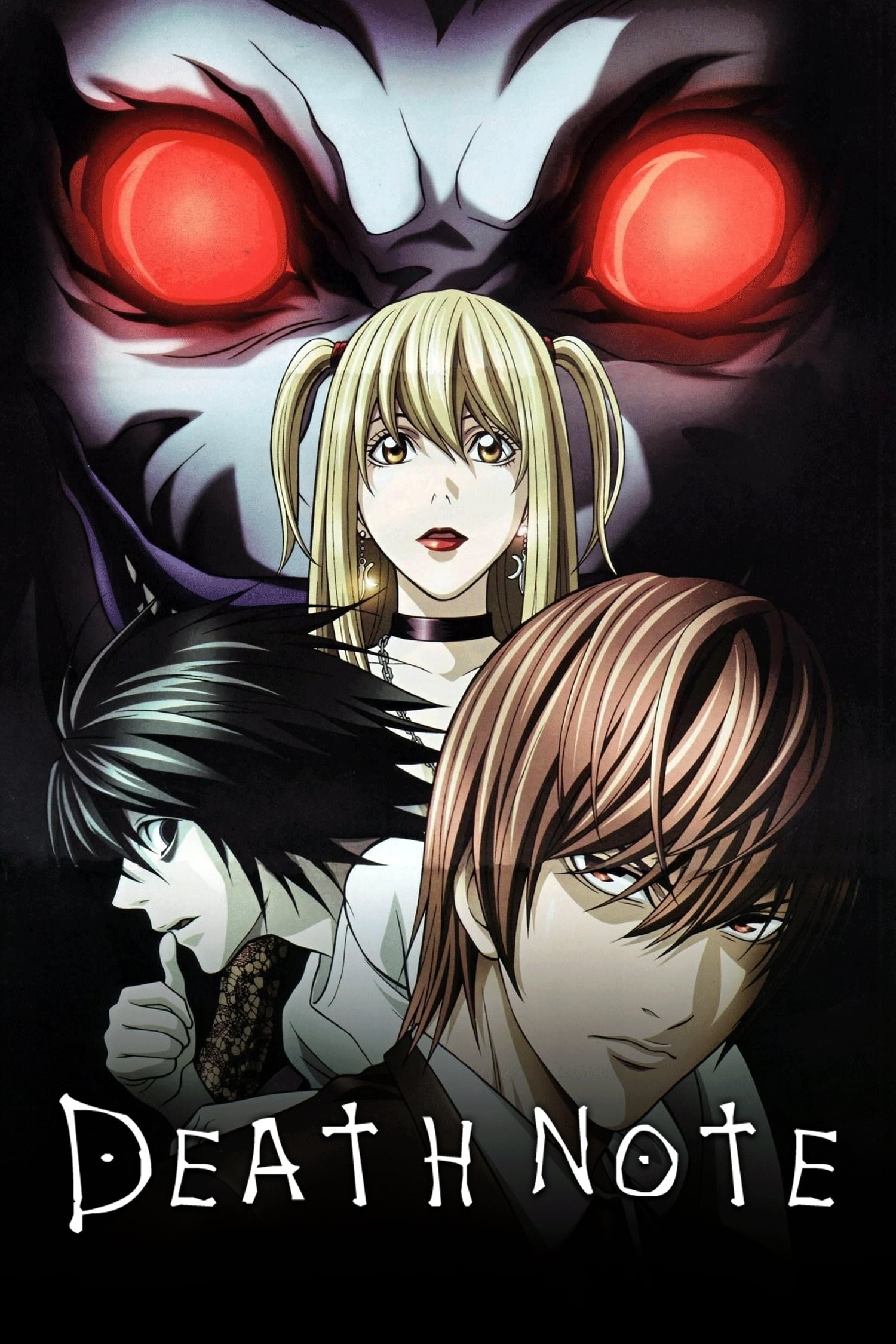
Light Yagami acquires the power to kill anyone by writing their name in a notebook and immediately uses it to execute criminals in pursuit of a crime-free utopia. While his stated goal is to create a peaceful world, his methods involve unilateral judgment and the elimination of anyone who opposes him, including law enforcement. The series presents a clash between Light’s “New World” order and the established rule of law, sparking endless arguments about whether the results justify his tyrannical means. His descent into a god-complex complicates the debate, as his initial altruism is consumed by ego and a desire for control.
‘Code Geass: Lelouch of the Rebellion’ (2006–2008)
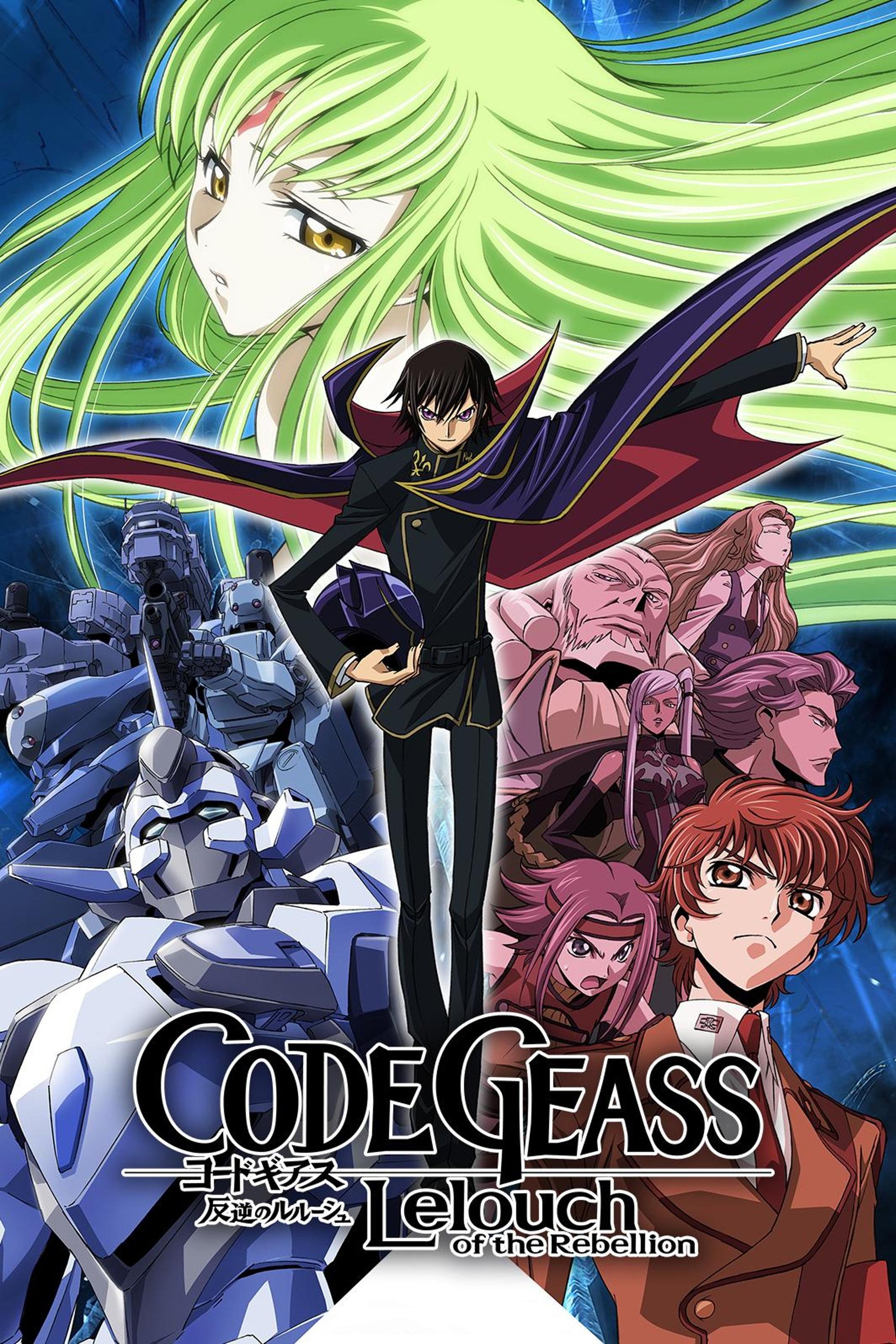
Lelouch Lamperouge leads a violent insurrection against the Holy Britannian Empire to create a safer world for his sister, utilizing a power that forces absolute obedience. His “Zero Requiem” plan involves focusing the world’s hatred onto himself and then orchestrating his own assassination to break the cycle of war. This utilitarian approach to peace requires deception, betrayal, and the sacrifice of countless lives, polarizing audiences regarding the morality of his manipulation. Viewers often struggle to reconcile his genuine desire for a better future with the Machiavellian tactics he employs to achieve it.
‘The Rising of the Shield Hero’ (2019–Present)
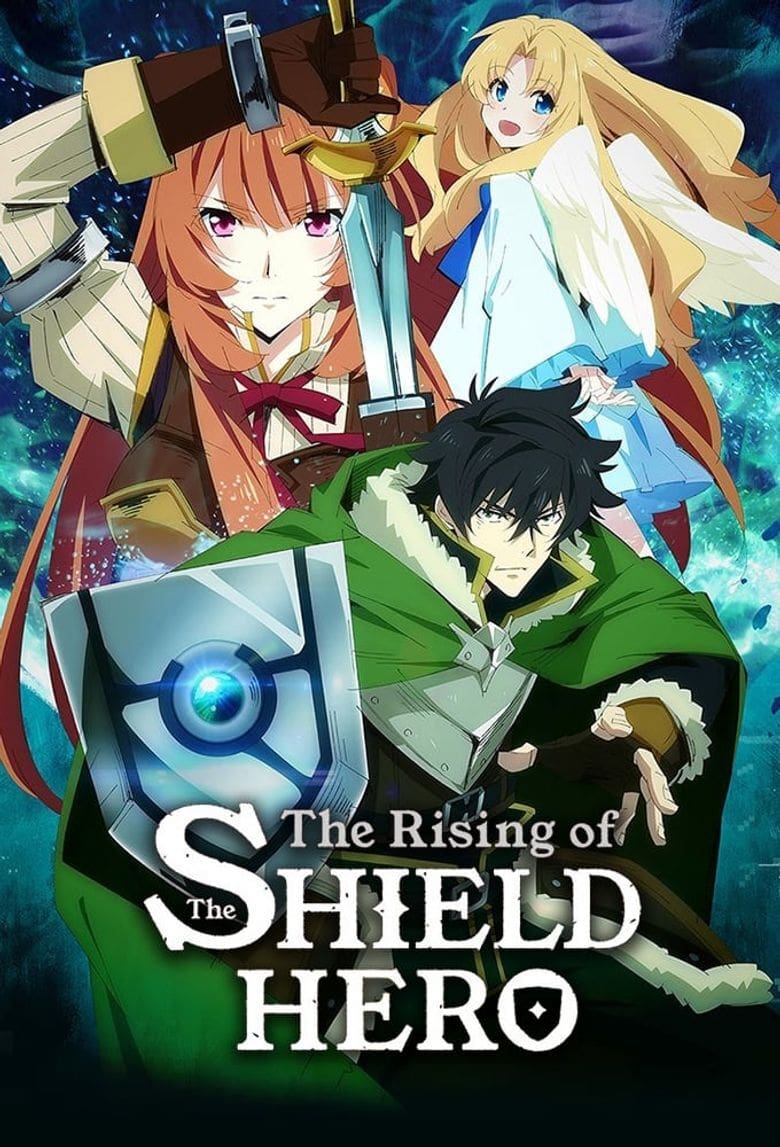
Naofumi Iwatani is summoned to another world and falsely accused of a crime, leading him to become cynical and pragmatic in his quest for survival. His decision to purchase a demi-human slave, Raphtalia, to fight on his behalf remains the series’ most contentious plot point. While the narrative frames this as a necessity due to his inability to wield offensive weapons, many viewers criticize the show’s attempt to justify the institution of slavery through Naofumi’s benevolent treatment of her. The fandom remains divided on whether his circumstances excuse his participation in such an exploitative system.
‘Legend of the Galactic Heroes’ (1988–1997)
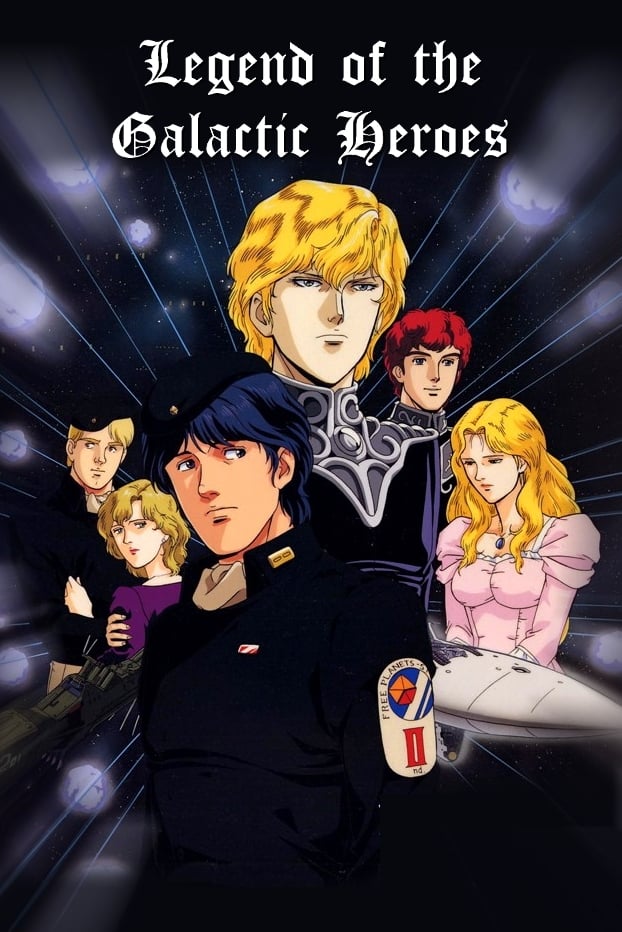
This space opera contrasts two opposing political philosophies through its protagonists: the democratic Yang Wen-li and the autocratic Reinhard von Lohengramm. Yang upholds the ideals of democracy despite its corruption and inefficiency, arguing that the right to choose is paramount even if it leads to poor outcomes. Conversely, Reinhard establishes a benevolent dictatorship that brings swift reform and prosperity but denies the populace political agency. The series refuses to validate one side over the other, leaving audiences to debate the merits of a flawed democracy versus a perfect autocracy.
‘Fate/Zero’ (2011–2012)
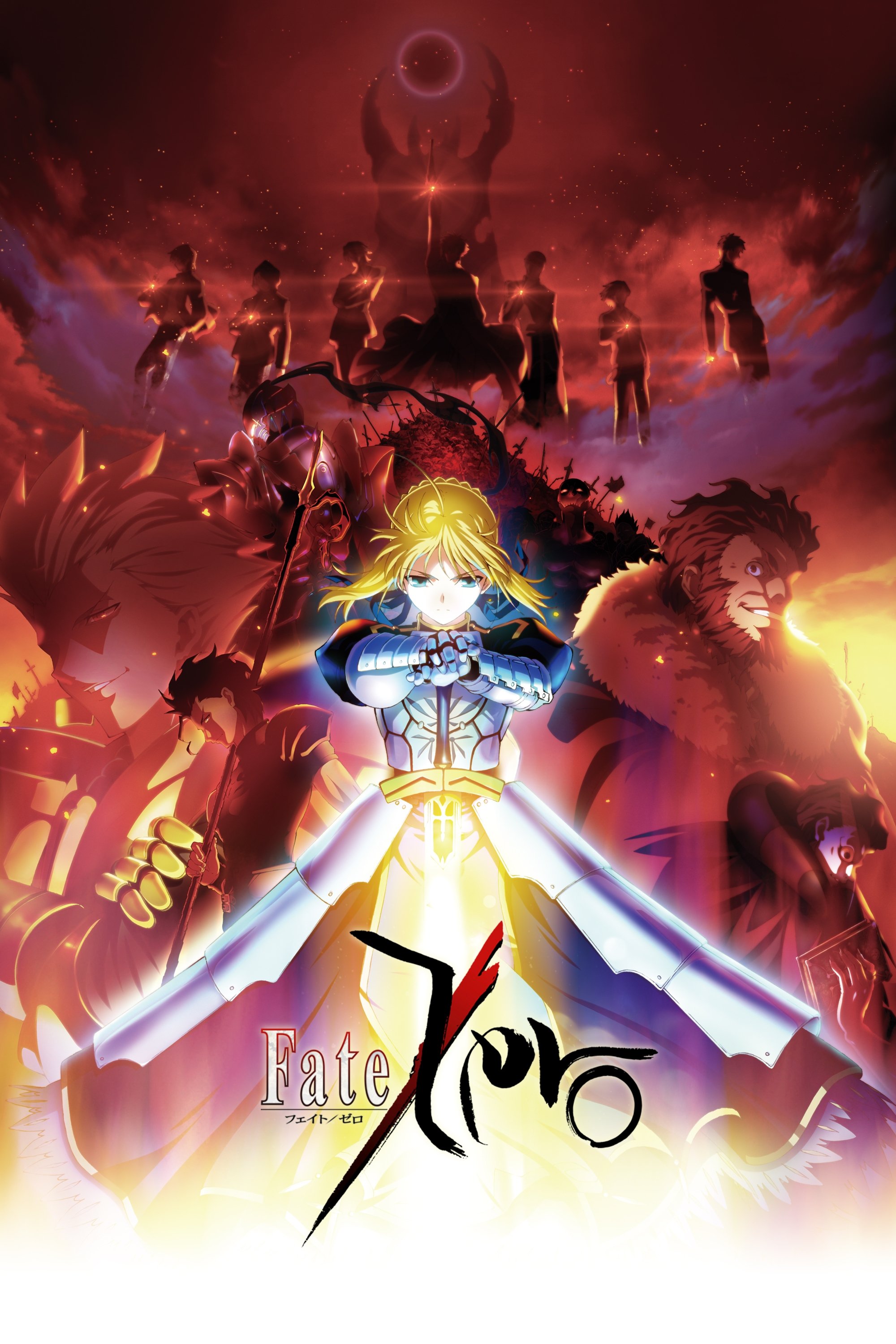
Kiritsugu Emiya acts as a “Hero of Justice” who operates on a strict utilitarian calculus, believing that sacrificing the few to save the many is the only logical path. He employs brutal methods, including assassination and hostage-taking, to eliminate threats to the greater good during the Fourth Holy Grail War. His ideology is challenged when the Grail reveals the inherent flaw in his logic: saving the majority continuously requires an endless cycle of slaughter. Fans are often split between admiring his selfless dedication to a peaceful ideal and condemning the inhumanity of his mathematical approach to life.
‘Psycho-Pass’ (2012–Present)
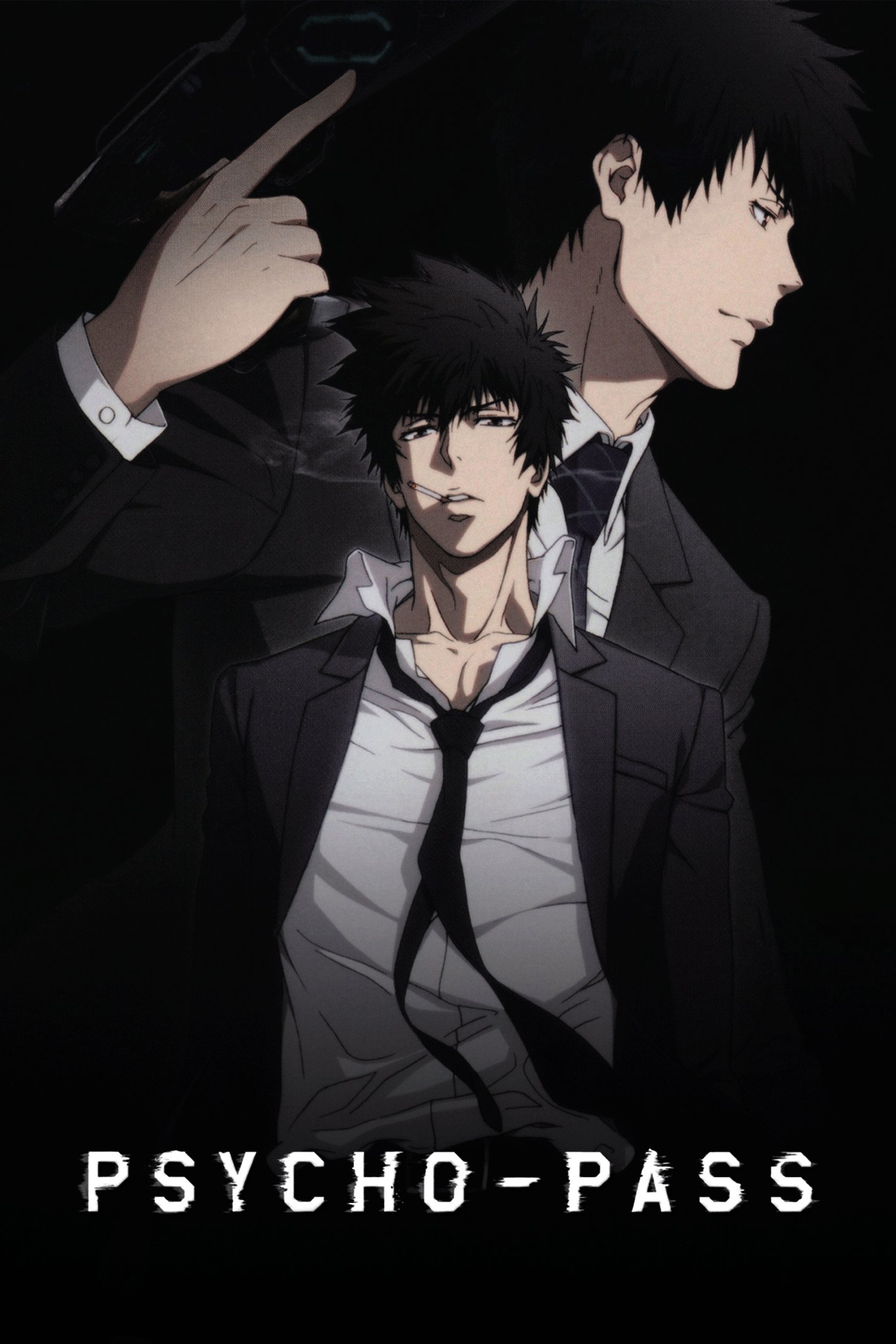
Akane Tsunemori works as an inspector in a society governed by the Sibyl System, an authoritarian network that arrests potential criminals based on their mental state. Although she discovers the gruesome truth behind the system’s operation, she chooses to uphold it to prevent societal collapse and anarchy. Her decision prioritizes order and stability over individual liberty and transparency, a stance that frustrates viewers who favor revolution. The narrative positions her as a pragmatist who seeks gradual reform from within, contrasting sharply with the violent rebellion advocated by the series’ antagonists.
‘Vinland Saga’ (2019–Present)
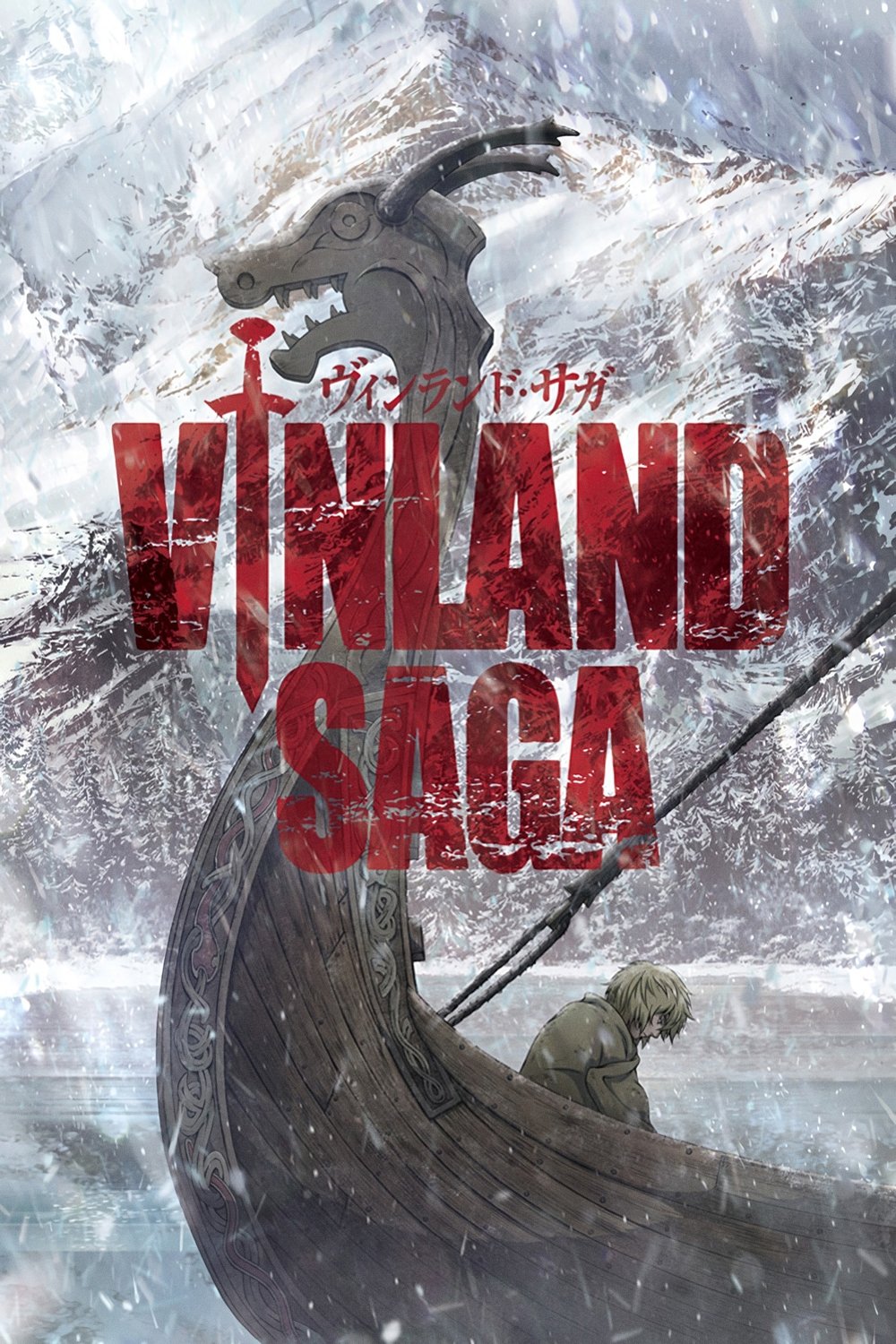
Thorfinn’s evolution takes him from a vengeance-fueled warrior to a strict pacifist who refuses to harm others, even in self-defense. This radical shift in ideology during the “Farmland Arc” alienates viewers who preferred the action-heavy nature of his earlier life. His commitment to non-violence is tested by the brutal reality of the Viking Age, forcing him to find non-lethal solutions to life-threatening conflicts. The fandom debates whether his absolute pacifism is a noble enlightenment or a naive philosophy that endangers those he seeks to protect.
‘Mobile Suit Gundam: Iron-Blooded Orphans’ (2015–2017)

Orga Itsuka and Mikazuki Augus lead a group of child soldiers who form a private military company to escape poverty and oppression. Unlike traditional Gundam protagonists who fight for peace or ideology, Tekkadan fights for profit and survival, often accepting dirty contracts that perpetuate conflict. Their ruthlessness and willingness to crush opposition without mercy challenge the standard anti-war message of the franchise. Audiences are divided on whether they are tragic figures forced into violence or complicit warmongers who lost their way.
‘Saga of Tanya the Evil’ (2017)
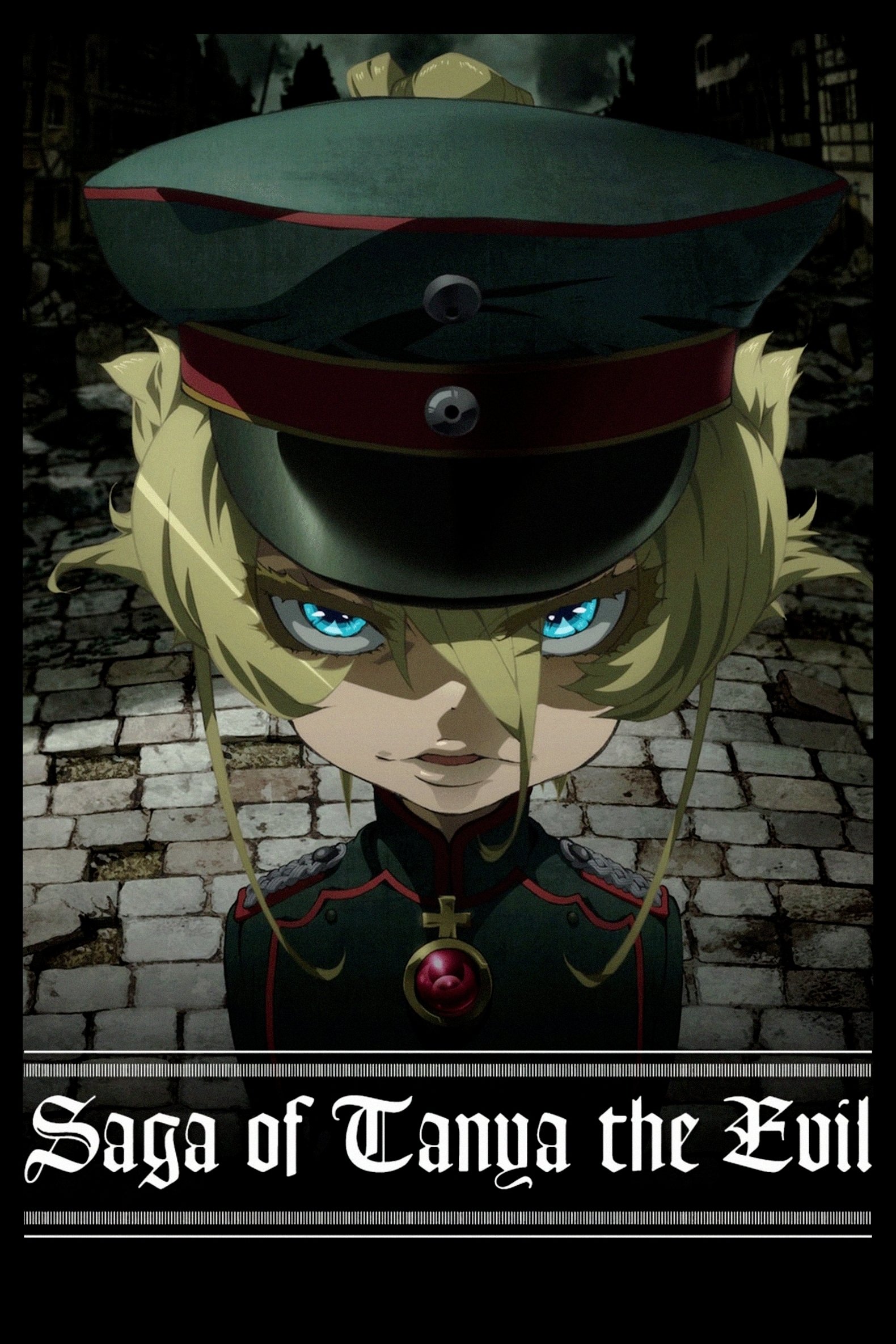
Tanya Degurechaff is a reincarnated salaryman who applies ruthless free-market efficiency and libertarian logic to magical warfare. She views war strictly through the lens of cost-benefit analysis, disregarding human rights and emotional appeals in favor of career advancement and survival. Her adherence to rules and regulations to justify atrocities critiques the concept of “just following orders” while simultaneously presenting her as a hyper-competent soldier. Viewers often debate whether her rational evil is a product of her environment or a damning indictment of unchecked capitalism and bureaucracy.
‘Overlord’ (2015–Present)
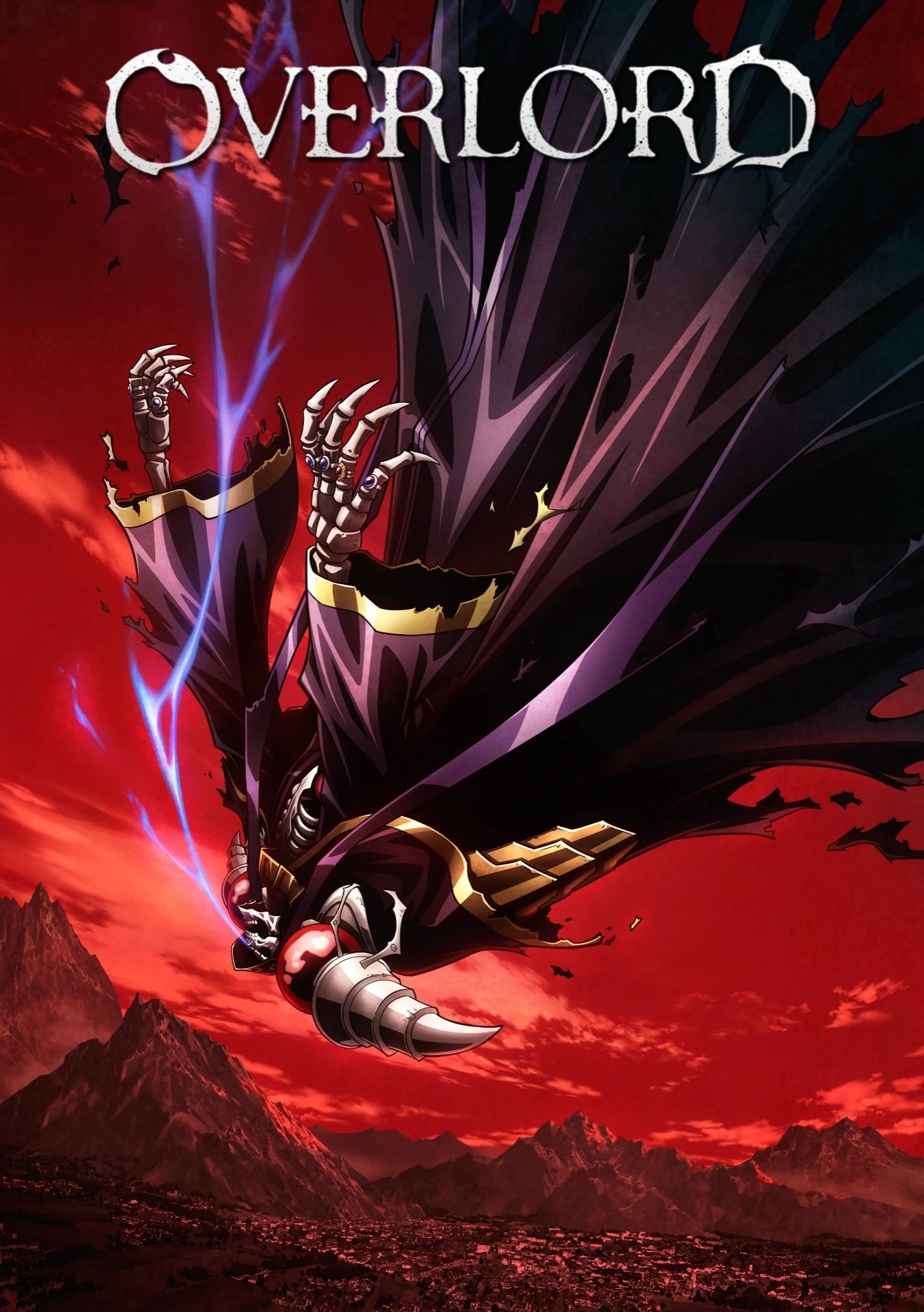
Ainz Ooal Gown is an ordinary human trapped in the body of an undead lich who proceeds to conquer the new world he inhabits. While he creates a utopia for his subjects, his expansionist methods involve genocide, torture, and the subjugation of sovereign nations. The series presents the story entirely from his perspective, framing these horrors as necessary administrative tasks for the benefit of his organization, Nazarick. Fandom discussions frequently revolve around the “villain protagonist” trope and whether Ainz retains any humanity or has become a true monster.
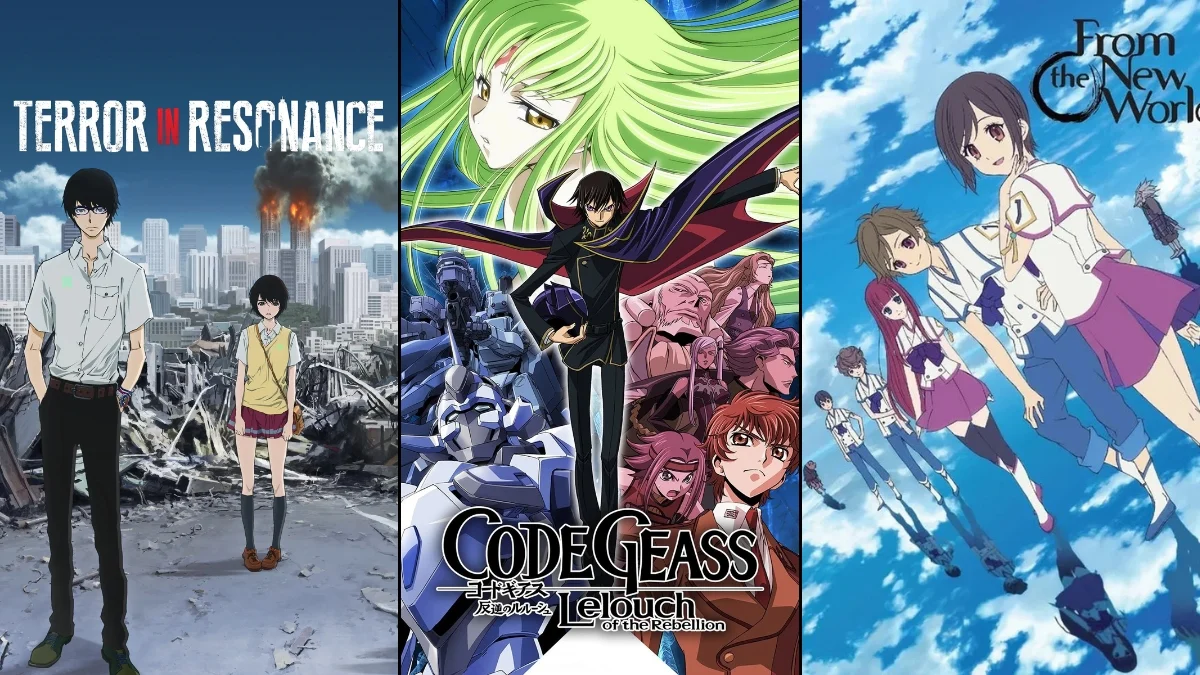
‘Terror in Resonance’ (2014)
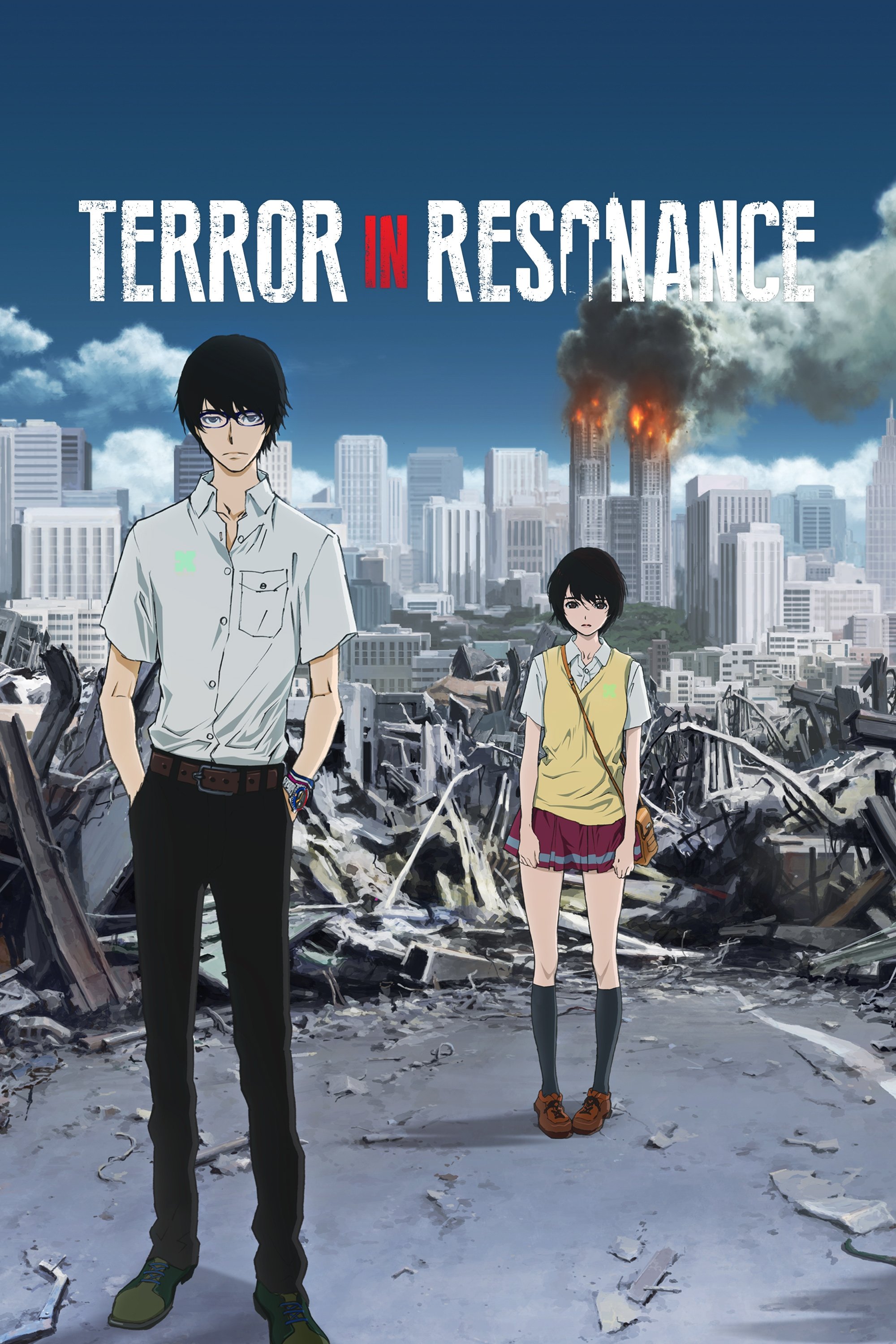
Protagonists Nine and Twelve are teenage terrorists who bomb buildings across Tokyo to expose a government conspiracy involving human experimentation. They go to great lengths to avoid casualties, aiming to wake up the public rather than kill, but their methods still spread fear and destruction. The show treats them as sympathetic anti-heroes fighting a corrupt state, yet their use of terror as a communication tool remains controversial. Audiences are split on whether their traumatic pasts and noble intentions justify acts that would universally be condemned in the real world.
‘From the New World’ (2012–2013)
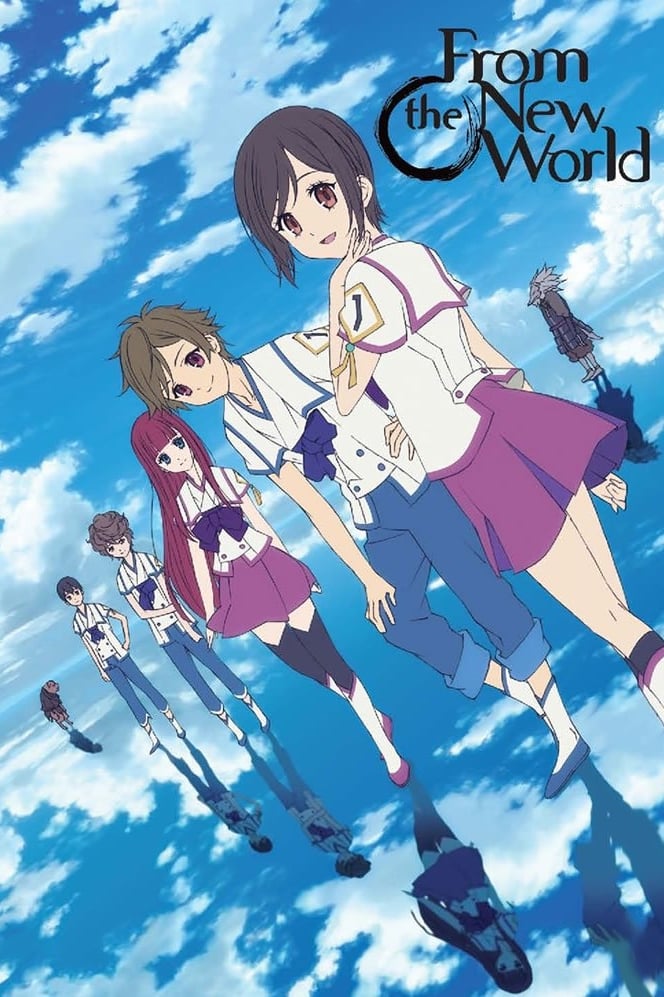
Saki Watanabe lives in a future society where psychic humans maintain peace through genetic modification and the oppression of a non-psychic species known as Monster Rats. As she uncovers the dark history of her world, she ultimately chooses to preserve the status quo rather than risk the extinction of humanity. This complicity in a system built on slavery and eugenics is presented as a grim survival necessity rather than a moral triumph. The ending leaves viewers fiercely debating whether Saki became a wise leader or an upholder of a monstrous regime.
‘Kingdom’ (2012–Present)
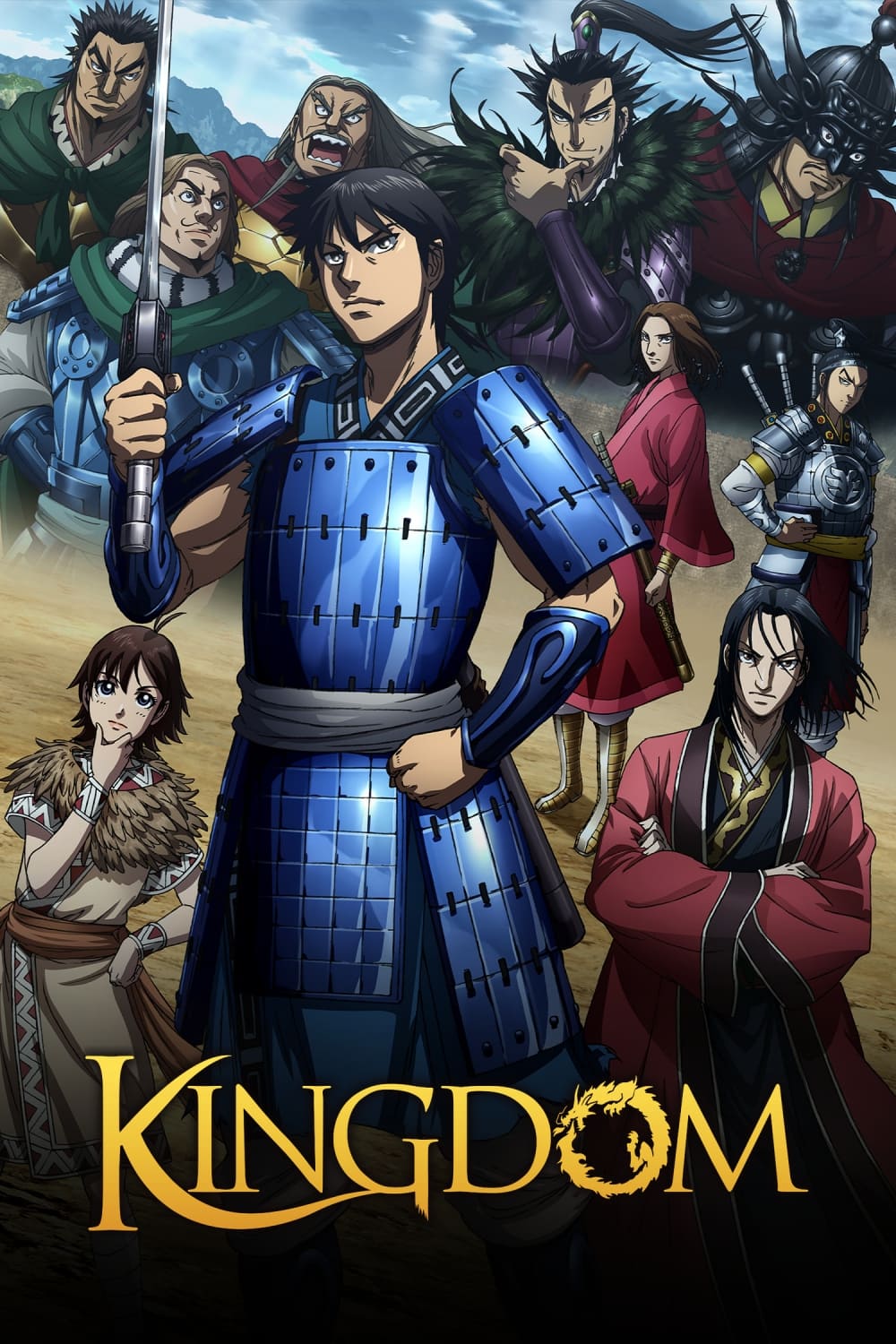
Xin fights to become the “Greatest General Under the Heavens” by aiding King Ei Sei in his goal to unify China through military conquest. The narrative frames this unification as the only path to end centuries of constant warfare, portraying the resulting peace as worth the bloodshed required to achieve it. However, this ideology inherently justifies imperialism and the destruction of independent states for a “greater good.” Fans often grapple with the protagonist’s heroic framing despite his role as the sword of an authoritarian conqueror.
‘The Irregular at Magic High School’ (2014–Present)

Tatsuya Shiba is a highly skilled magician who operates within a meritocratic system that heavily discriminates against those with lesser magical abilities. The series frequently champions perspectives that align with Japanese nationalism and exceptionalism, often portraying foreign nations as caricatured aggressors. Tatsuya’s cold pragmatism and defense of this hierarchical social structure have drawn criticism for promoting elitist and right-wing political undertones. The divide in the fandom largely centers on whether the show is a power fantasy or a vehicle for controversial political messaging.
‘GATE’ (2015–2016)
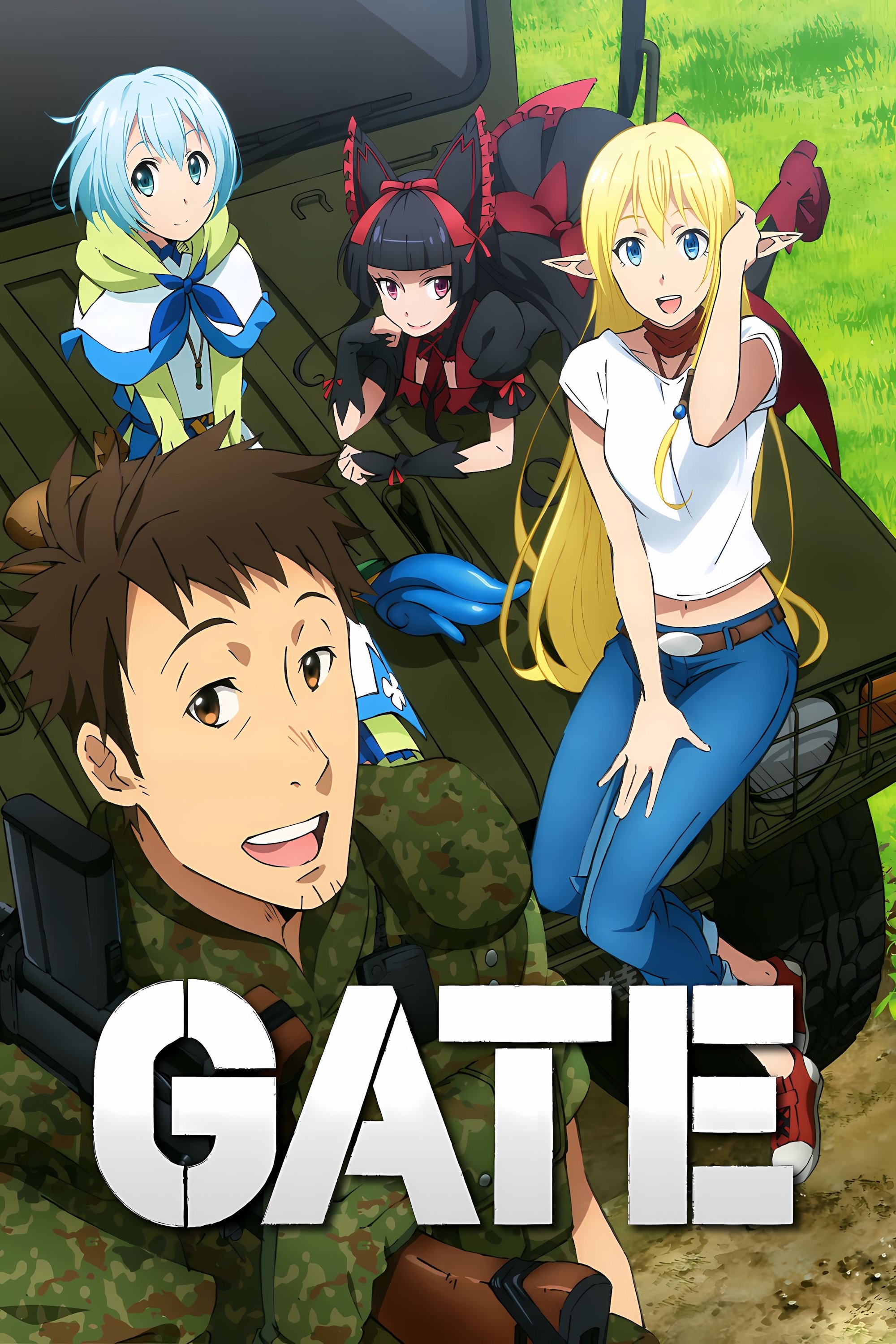
Youji Itami is a member of the Japan Self-Defense Forces (JSDF) who travels to a fantasy world after a portal opens in Tokyo. The series is frequently criticized for acting as propaganda for the JSDF, portraying the Japanese military as flawlessly benevolent while depicting other nations, particularly the US and China, as incompetent or villainous. Itami acts as the bridge between worlds, bringing modern civilization to “savages” in a narrative that mirrors colonialist tropes. Viewers are split between enjoying the “modern military vs. fantasy” concept and critiquing its heavy-handed nationalist politics.
‘Trigun’ (1998)
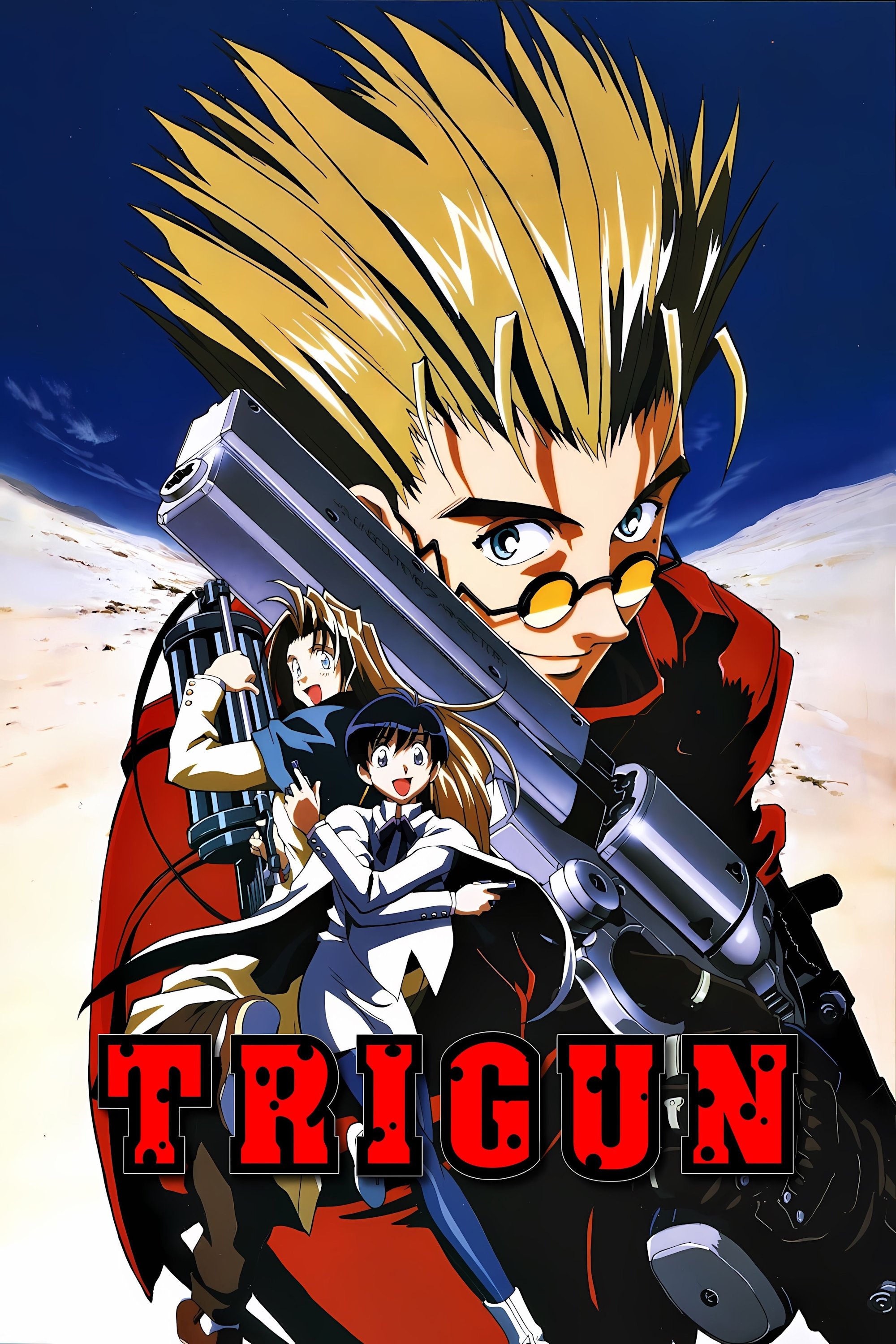
Vash the Stampede is a legendary gunman who steadfastly adheres to a “thou shalt not kill” code, even when facing enemies who slaughter innocents. His absolute pacifism frequently results in him sustaining severe injuries and allows villains to continue causing harm, challenging the efficacy of his ideology. Characters within the show, specifically Wolfwood, criticize Vash’s idealism as childish and impractical in a harsh, lawless world. The audience debate centers on whether Vash’s refusal to compromise his morals is the ultimate strength or a selfish weakness that endangers others.
‘Moriarty the Patriot’ (2020–2021)
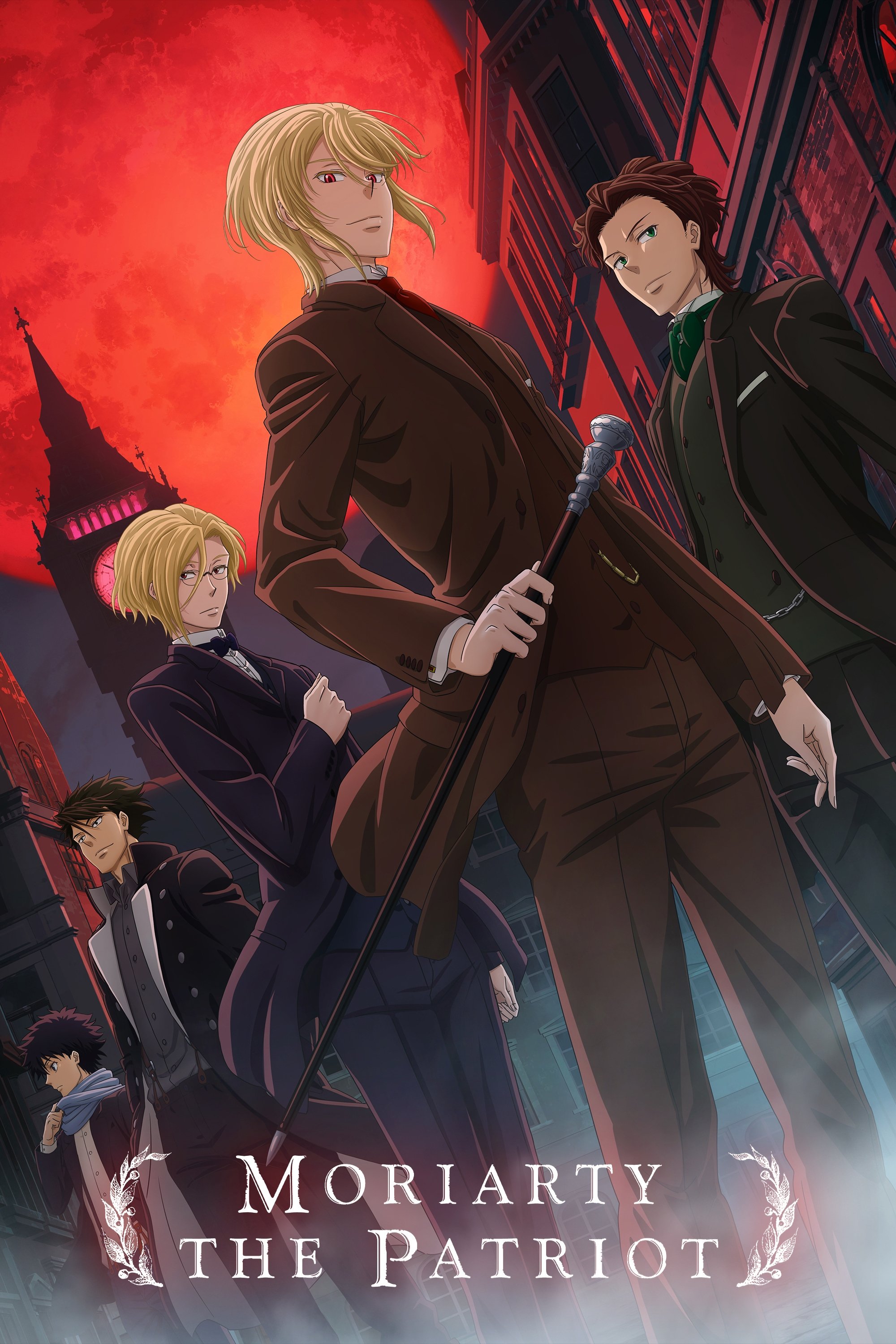
William James Moriarty is re-imagined as a revolutionary mastermind who orchestrates crimes to expose the corruption of the British nobility and destroy the rigid class system. He functions as a vigilante who believes that murder is a necessary tool to balance the scales of social justice and empower the working class. The show frames his actions as heroic, positioning him against a status quo that legally abuses the poor. Fans debate the morality of his “eat the rich” methodology and whether a fair society can truly be built on a foundation of assassination.
‘Mobile Suit Gundam SEED’ (2002–2003)
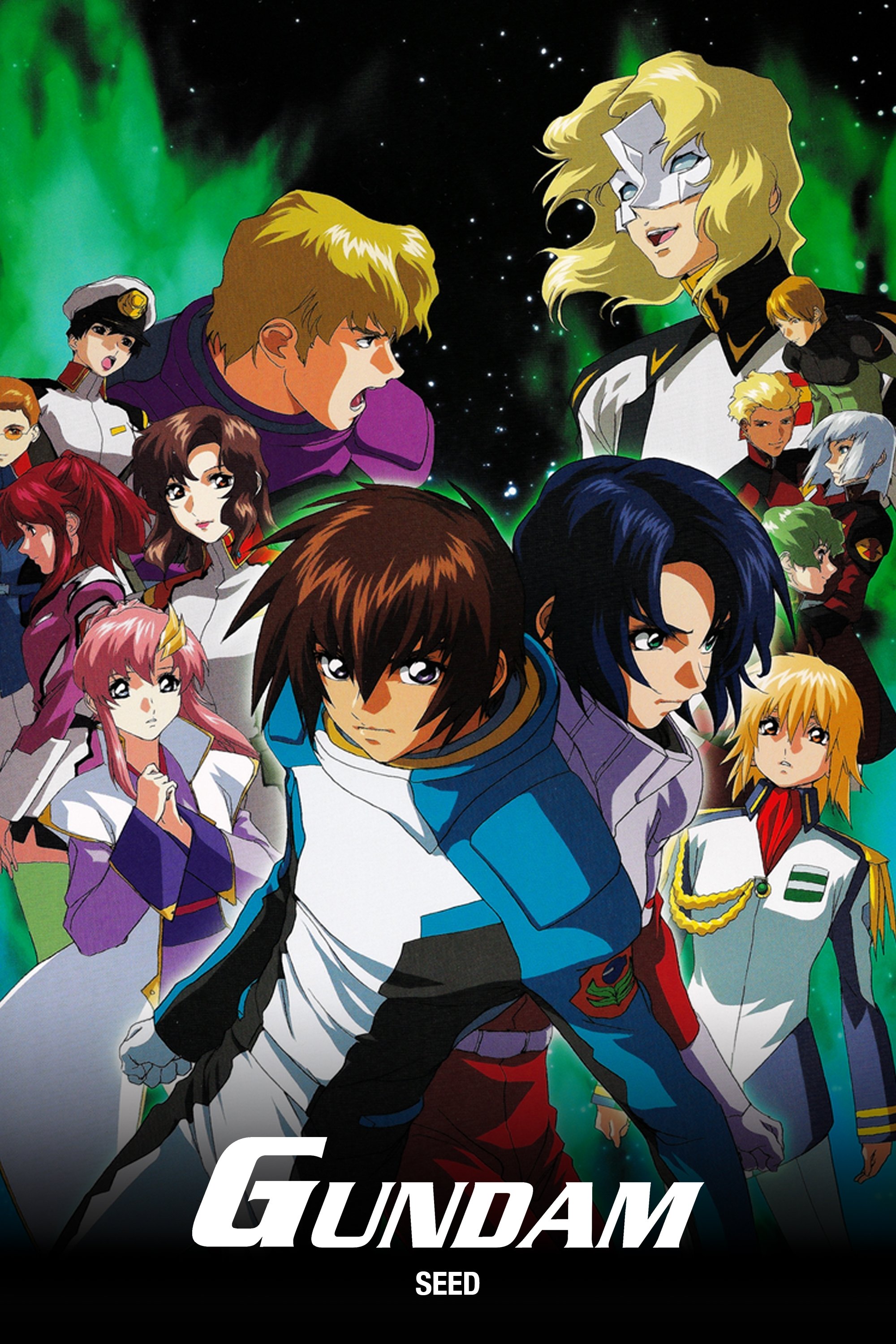
Kira Yamato pilots a mobile suit with the ability to disable enemies without killing them, adhering to a pacifist philosophy while actively participating in a war. Critics argue that his ability to target only weapons and cameras is a hypocritical luxury that allows him to feel morally superior while still neutralizing soldiers who may die from the aftermath. His refusal to kill is often contrasted with the reality of the battlefield, where his mercy can be seen as disrespectful to soldiers fighting for their lives. The fandom remains divided on whether Kira is a true pacifist or a self-righteous hypocrite.
‘Akame ga Kill!’ (2014)

Tatsumi joins Night Raid, a group of assassins dedicated to overthrowing a corrupt empire through targeted killings of government officials and military leaders. The series presents these assassinations as the only viable method to remove a rot that has infected the entire nation, forcing the heroes to dirty their hands for a revolution. Unlike other shows that shy away from the brutality of rebellion, the protagonists here accept that they are murderers who may face judgment. The political division stems from the glorification of terrorism and extrajudicial killing as legitimate tools for social change.
Share your take on which hero was right or wrong in the comments!