

16 Anime Where the Villain Is the Only Queer-Repped Character

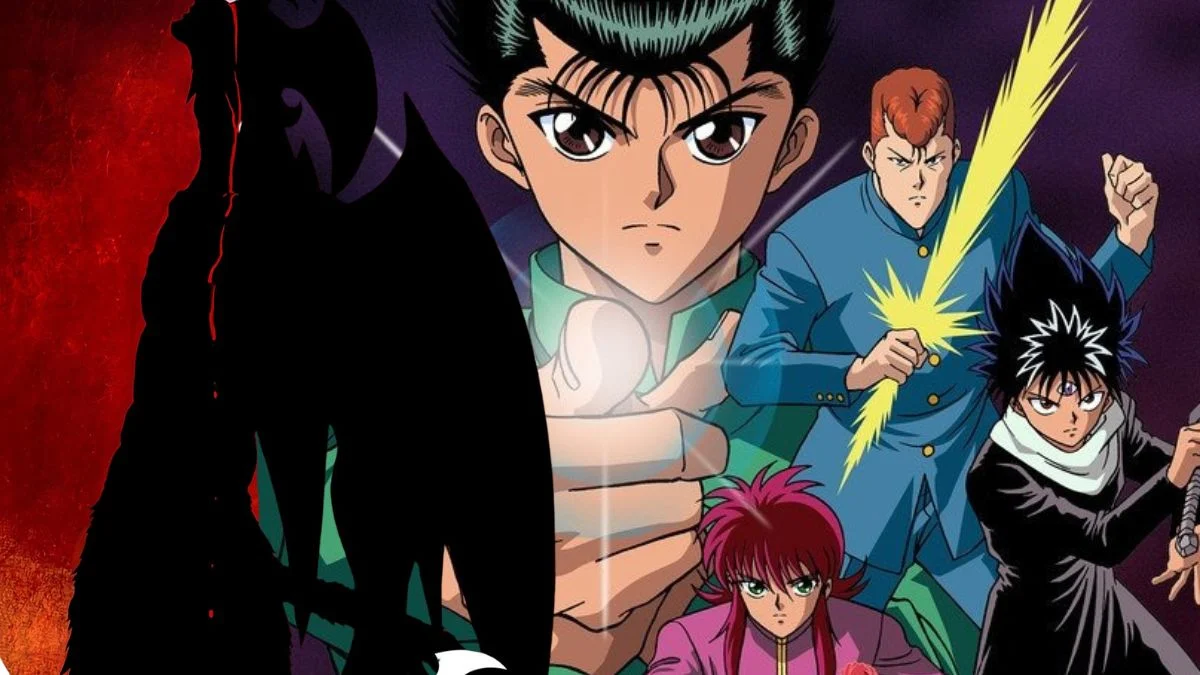


The “Queer-Coded Villain” is a longstanding trope in media where antagonists are given traits associated with the LGBTQ+ community to distinguish them from the heteronormative heroes. This narrative device often isolates these characters as the sole representation of queerness within their respective series. Creators frequently used flamboyance or gender non-conformity to signal a character’s deviance or otherness. While modern anime has moved toward more positive and diverse representation, many classic and popular shows still feature this specific dynamic. The following titles feature villains who stand alone as the primary queer representation in their stories.
‘Science Ninja Team Gatchaman’ (1972–1974)

Berg Katse serves as the primary antagonist who leads the criminal organization known as Galactor. The character was created by a superior alien being and possesses a mutable gender identity that shifts between male and female. The show presents this gender fluidity as a chaotic and deceptive trait inherent to their villainy. The Science Ninja Team fights against this shapeshifting commander to protect Earth from destruction.
‘Dragon Ball’ (1986–1989)
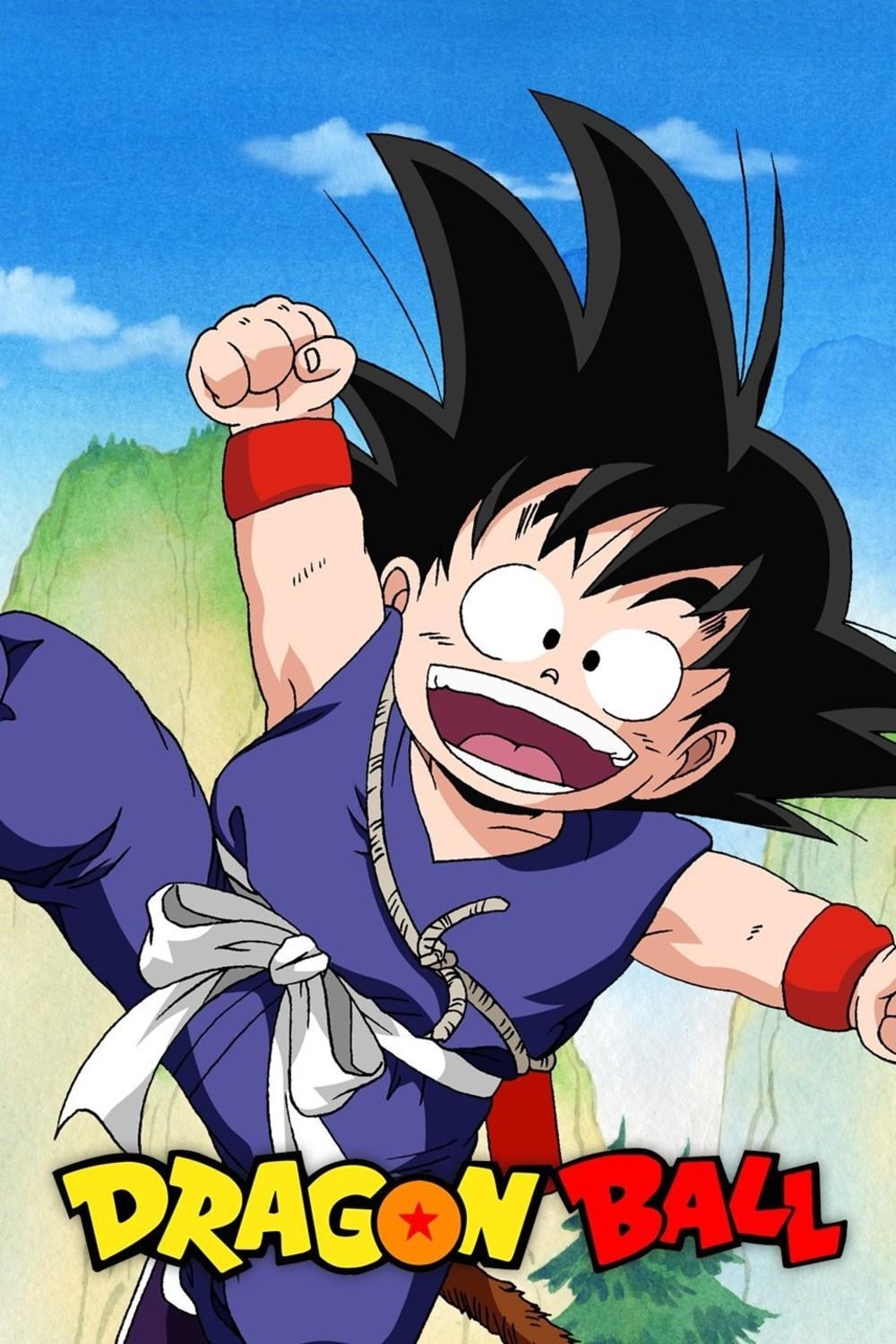
General Blue acts as a high-ranking officer in the Red Ribbon Army and opposes the young protagonist Goku. The series depicts him with many stereotypes associated with gay men such as a fear of mice and an obsession with his appearance. He acts as a formidable psychic foe who paralyzes his enemies with a gaze. His characterization relies heavily on the trope of the effeminate villain who acts as a foil to the masculine heroes.
‘The Vision of Escaflowne’ (1996)
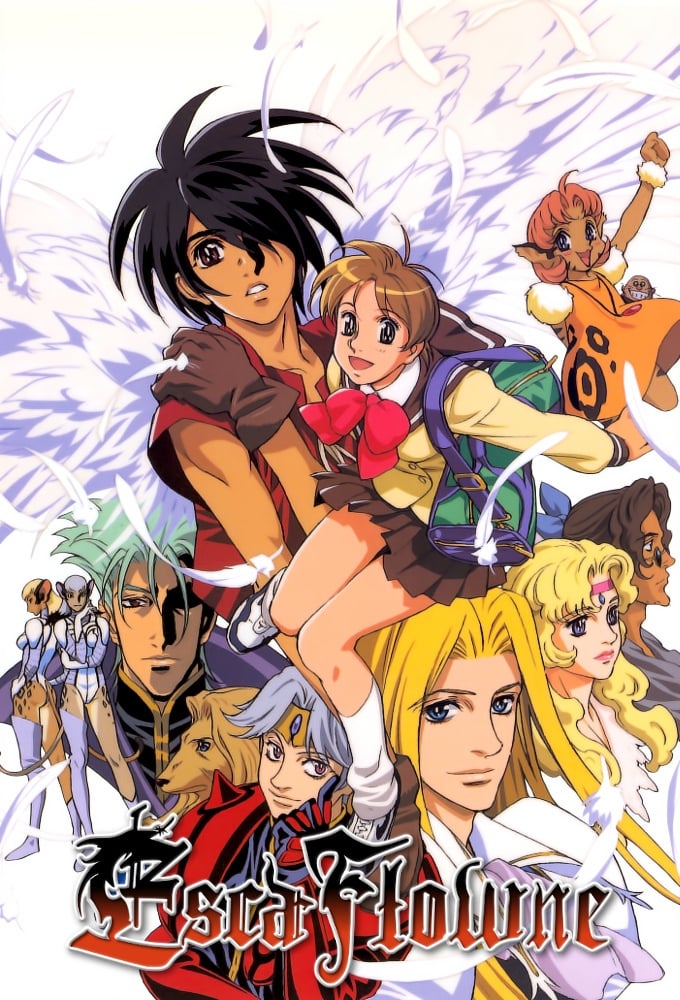
Dilandau Albatau leads the Dragon Slayers and relentlessly hunts the protagonists throughout the series. He exhibits extreme emotional instability and a flamboyant obsession with beauty and destruction. The narrative reveals that his identity is the result of magical experimentation which forcibly altered his physical form. His chaotic behavior and vanity stand in stark contrast to the stoic demeanor of the hero Van Fanel.
‘Inuyasha’ (2000–2004)

Jakotsu is a member of the Band of Seven mercenaries resurrected to kill Inuyasha and his friends. He openly expresses his attraction to male characters and treats his battles as flirtatious encounters. The series portrays him as a sadistic killer who derives pleasure from combat and admiring beautiful men. He remains the only explicitly queer character in a cast dominated by heterosexual romances.
‘Rurouni Kenshin’ (1996–1998)
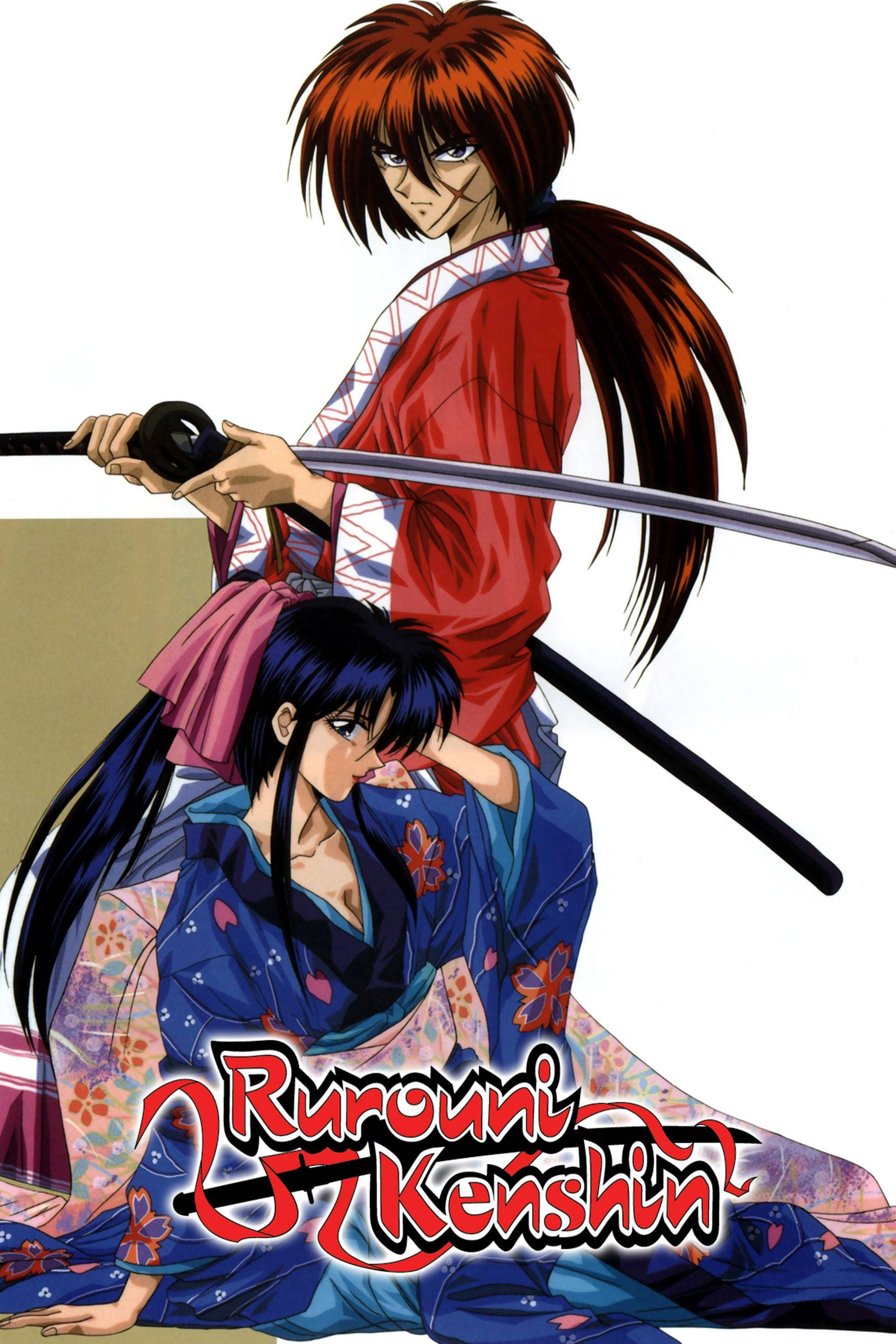
Kamatari Honjo works as a scythe-wielding agent for the villainous Shishio Makoto. He identifies as a woman at heart and is deeply in love with his master Shishio. The story frames his devotion as tragic since he believes he can never truly be the woman Shishio desires. Kenshin and his allies must defeat him during the Kyoto arc despite his intense loyalty.
‘Yu Yu Hakusho’ (1992–1994)
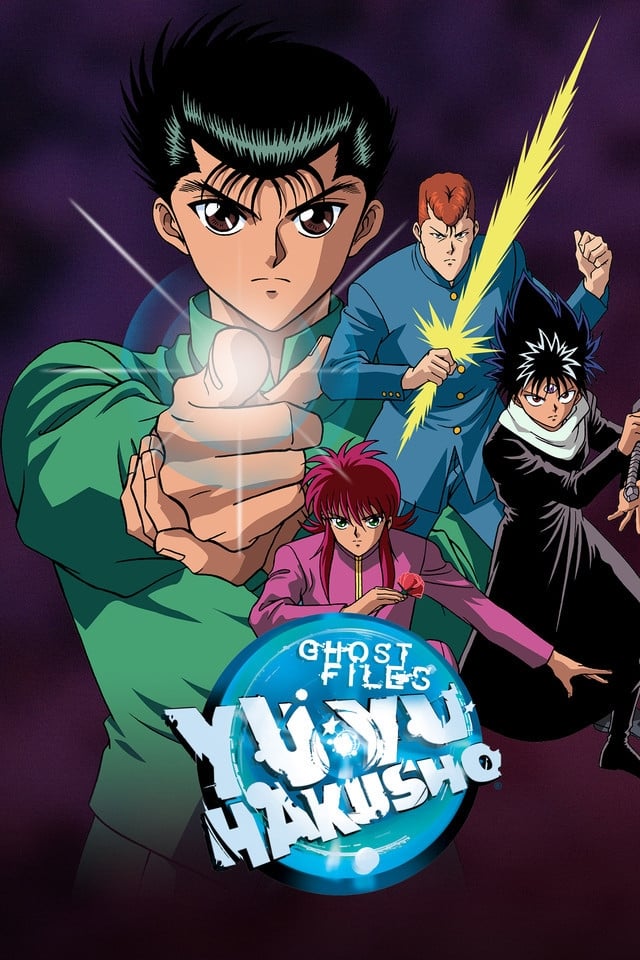
Shinobu Sensui and his partner Itsuki serve as the primary antagonists during the Chapter Black Saga. Itsuki is a demon who holds a deep and abiding love for the fallen Spirit Detective Sensui. Their relationship is the emotional core of their faction as they attempt to open a portal to the Demon World. The protagonists must overcome this devoted pair to save humanity from annihilation.
‘Berserk’ (1997–1998)
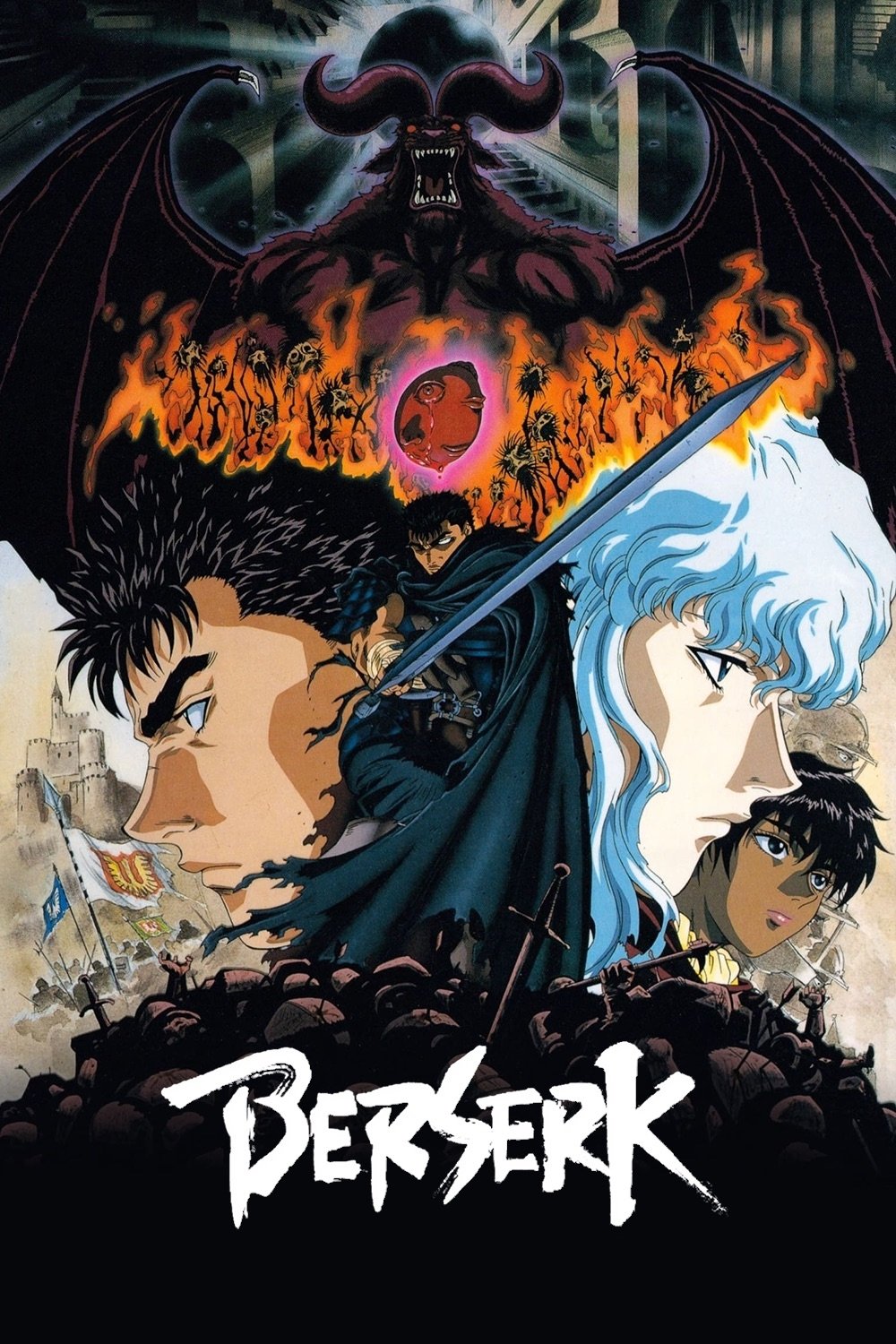
Griffith begins as the charismatic leader of the Band of the Hawk before his ambition leads him down a dark path. He uses his beauty and charm to manipulate those around him including the protagonist Guts. His obsession with Guts crosses the line between camaraderie and intense possessiveness. The eclipse ceremony cements his transformation into a godlike entity devoid of human morality.
‘Naruto’ (2002–2007)
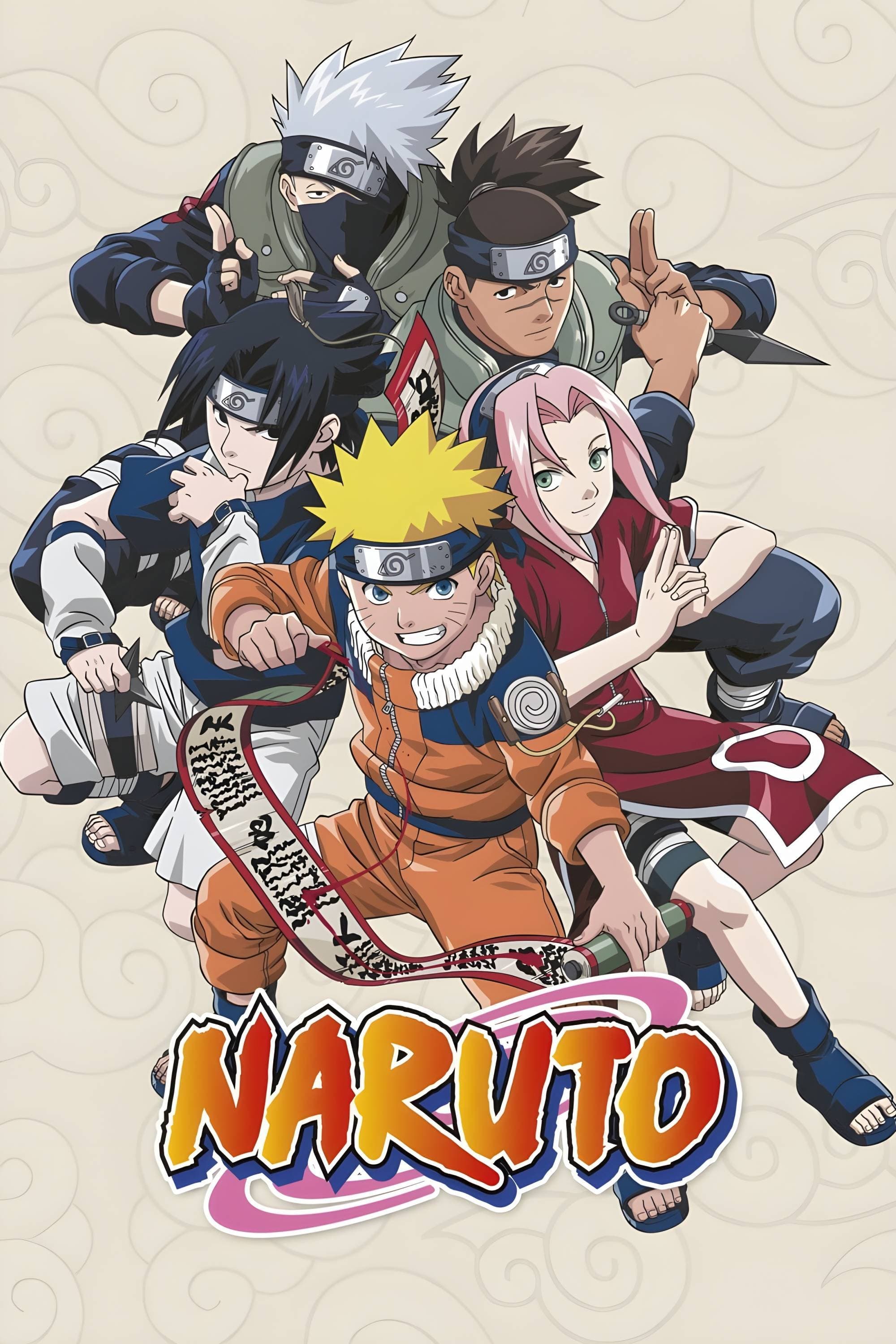
Orochimaru seeks immortality and possesses a fluidity that allows him to inhabit bodies of different genders. He acts as a primary antagonist who preys upon young ninjas to use as vessels for his soul. His mannerisms and refusal to adhere to traditional gender norms mark him as distinct from the Konoha ninja. The narrative frames his body-hopping and obsession with youth as a violation of nature.
‘Soul Eater’ (2008–2009)
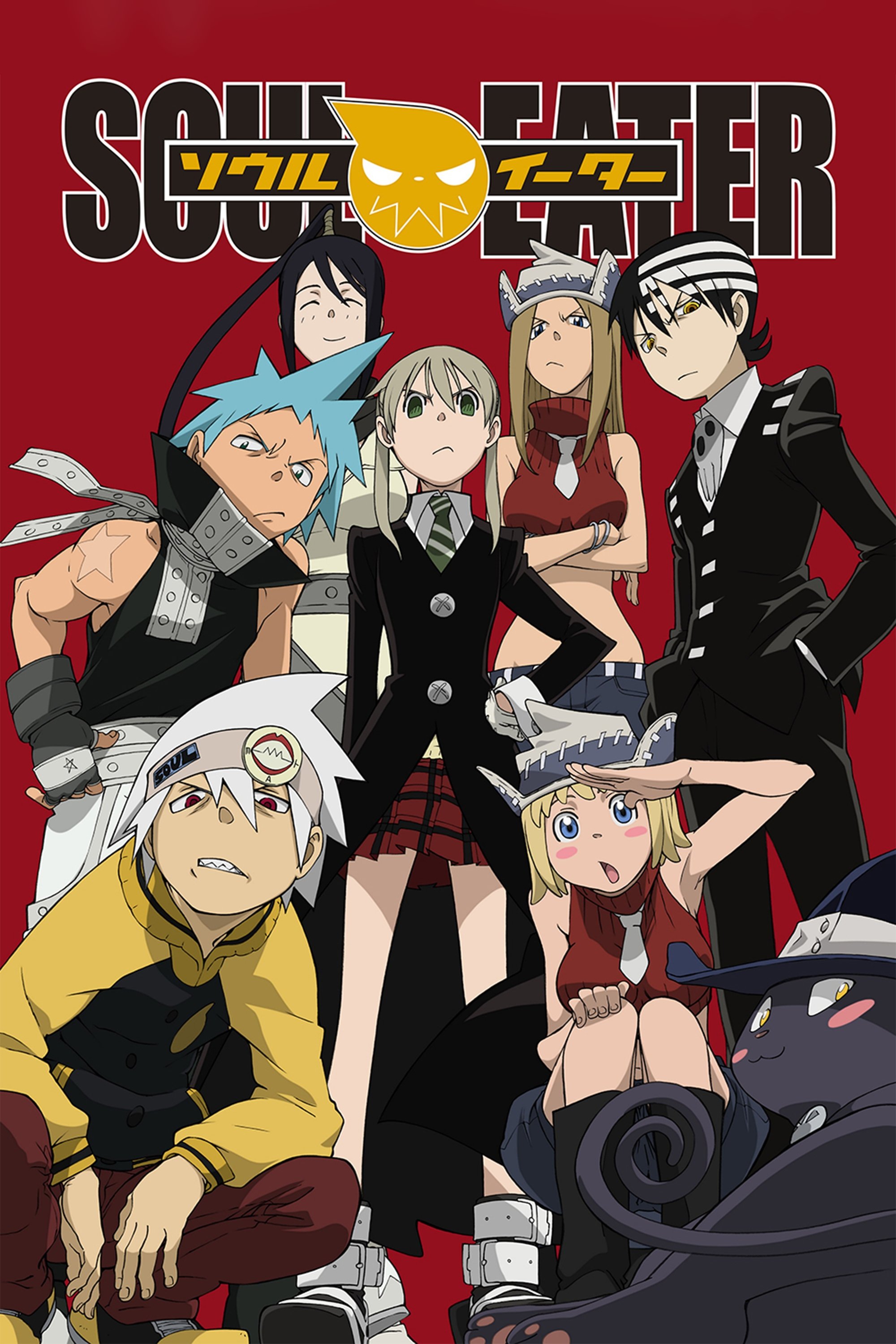
Crona is the child of the witch Medusa and is raised to be a weapon of mass destruction. The character has an ambiguous gender and is constantly plagued by anxiety and madness. They serve as a tragic antagonist who is forced to fight the students of the Death Weapon Meister Academy. The heroes eventually try to save Crona from the abusive influence of Medusa.
‘Fullmetal Alchemist’ (2003–2004)
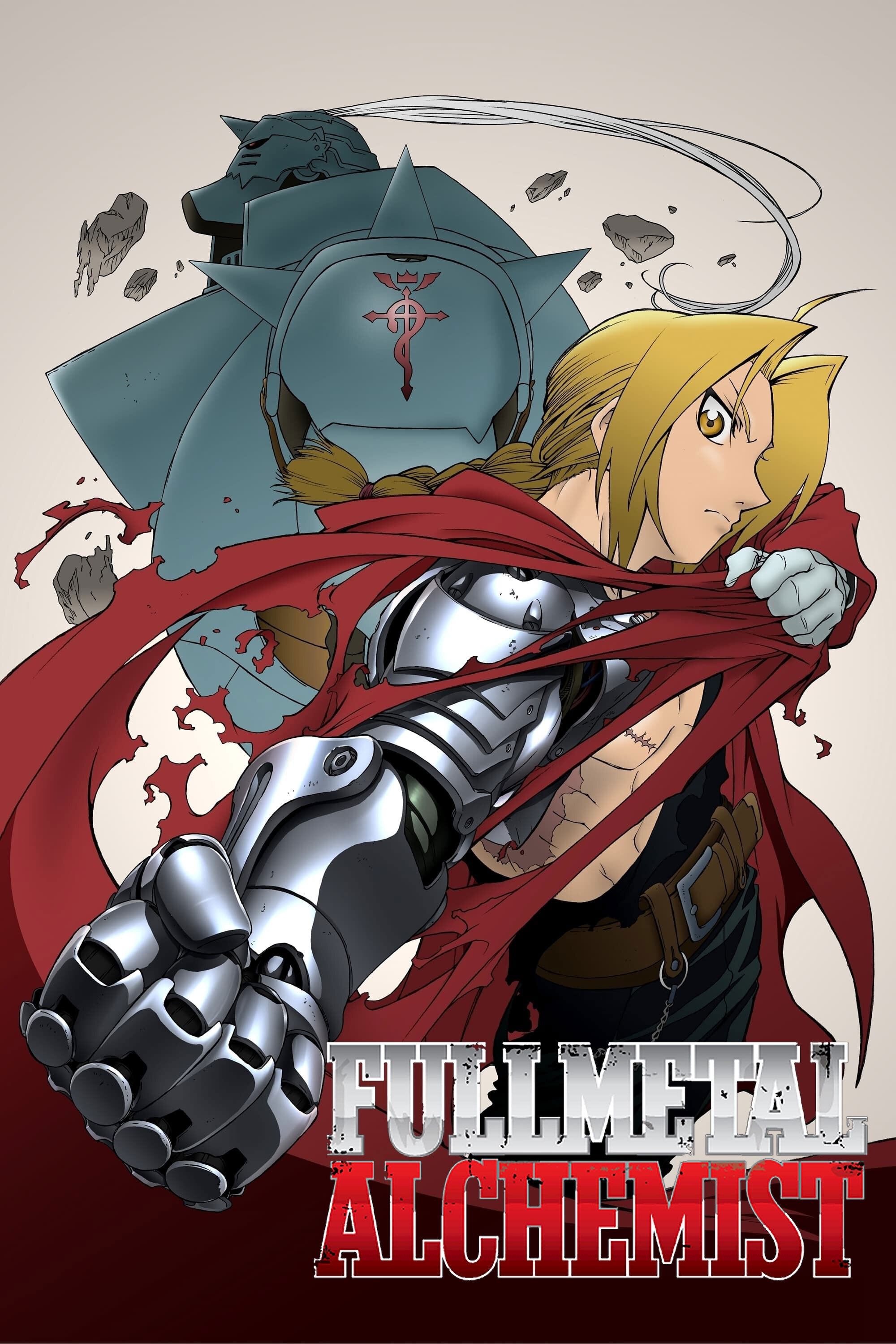
Envy is a Homunculus who can shapeshift into any person or animal at will. This character despises humans and often mocks them while assuming a gender-neutral or androgynous form. The 2003 adaptation particularly highlights their ambiguous identity as a source of their deceptive power. The Elric brothers must uncover the truth behind Envy and the other Homunculi to save their country.
‘Pokémon’ (1997–Present)
James of Team Rocket is one of the most recognizable antagonists in anime history. He frequently engages in cross-dressing and displays mannerisms that code him as queer. His dedication to his partners Jessie and Meowth often outweighs his commitment to actual villainy. Ash Ketchum and his friends routinely blast him off into the sky at the end of every episode.
‘Powerpuff Girls Z’ (2006–2007)

Him is a powerful demon who serves as the ultimate enemy of the magical girl trio. This character wears makeup and women’s clothing while employing a high-pitched voice to unsettle his opponents. The show presents his gender non-conformity as a sign of his otherworldly and sinister nature. The Powerpuff Girls must use their combined light to defeat his darkness.
‘Devilman Crybaby’ (2018)
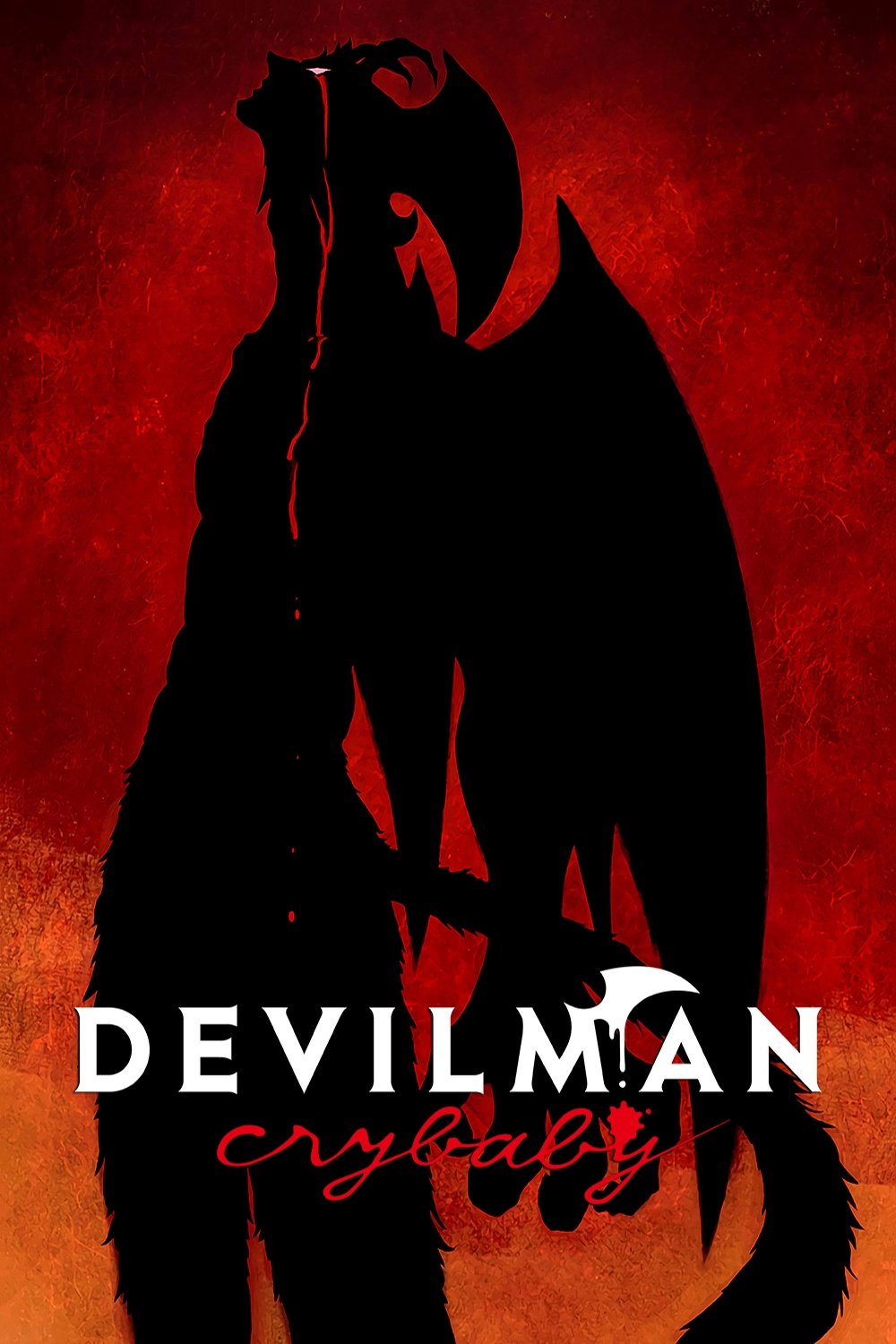
Ryo Asuka is the best friend of the protagonist Akira Fudo but harbors a secret identity. He holds a deep love for Akira that drives many of the catastrophic events in the series. His angelic form is intersex and represents a beauty that transcends human categorization. The story ends with a tragic confrontation between the two former friends.
‘Digimon Frontier’ (2002–2003)
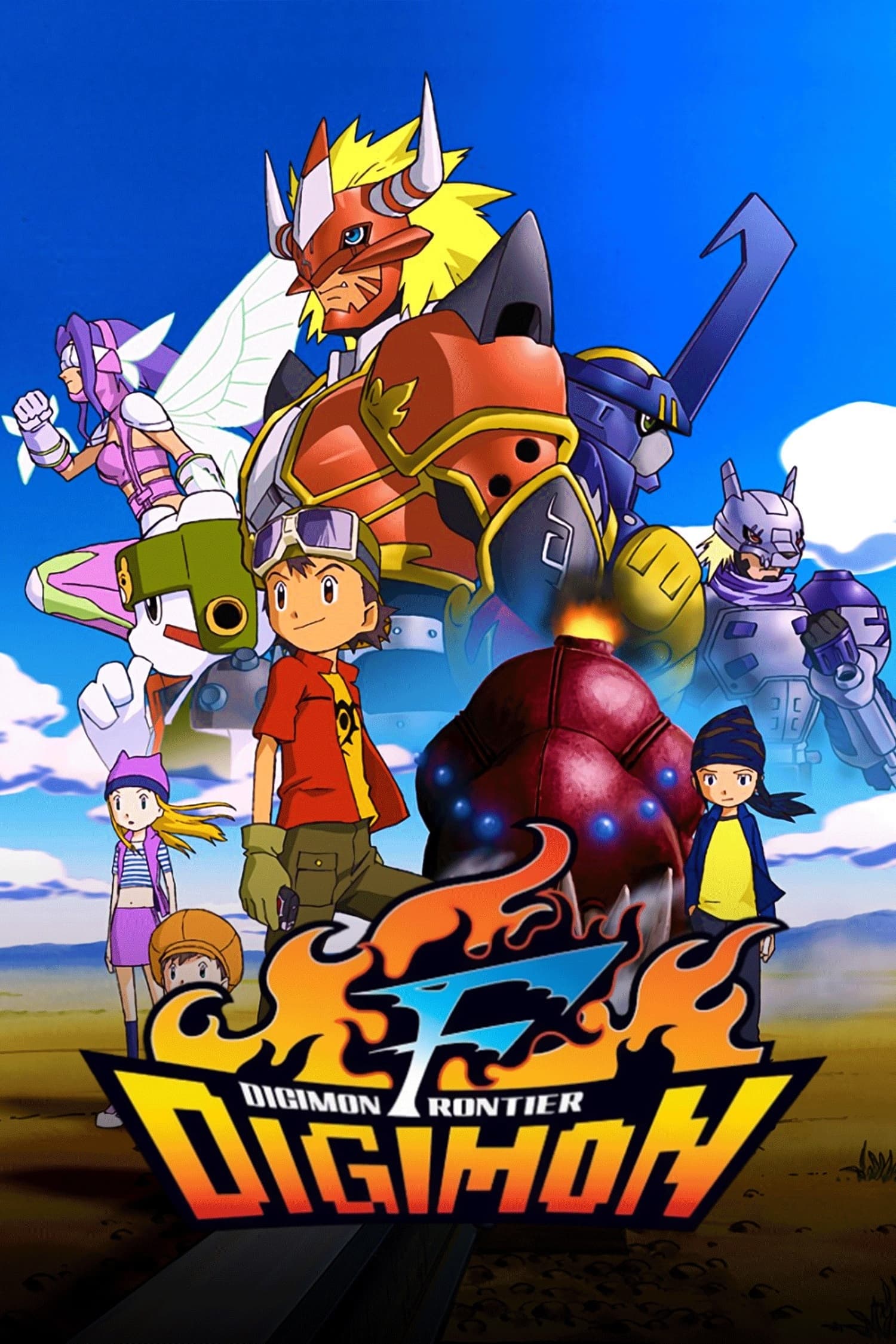
Crusadermon serves as one of the Royal Knights who attempts to destroy the Digital World. This antagonist is male but exhibits an effeminate personality and obsesses over beauty. The heroes struggle against his overwhelming power and his ruthless dedication to his mission. He acts as a foil to the rugged determination of the young protagonists.
‘Black Butler’ (2008–2010)
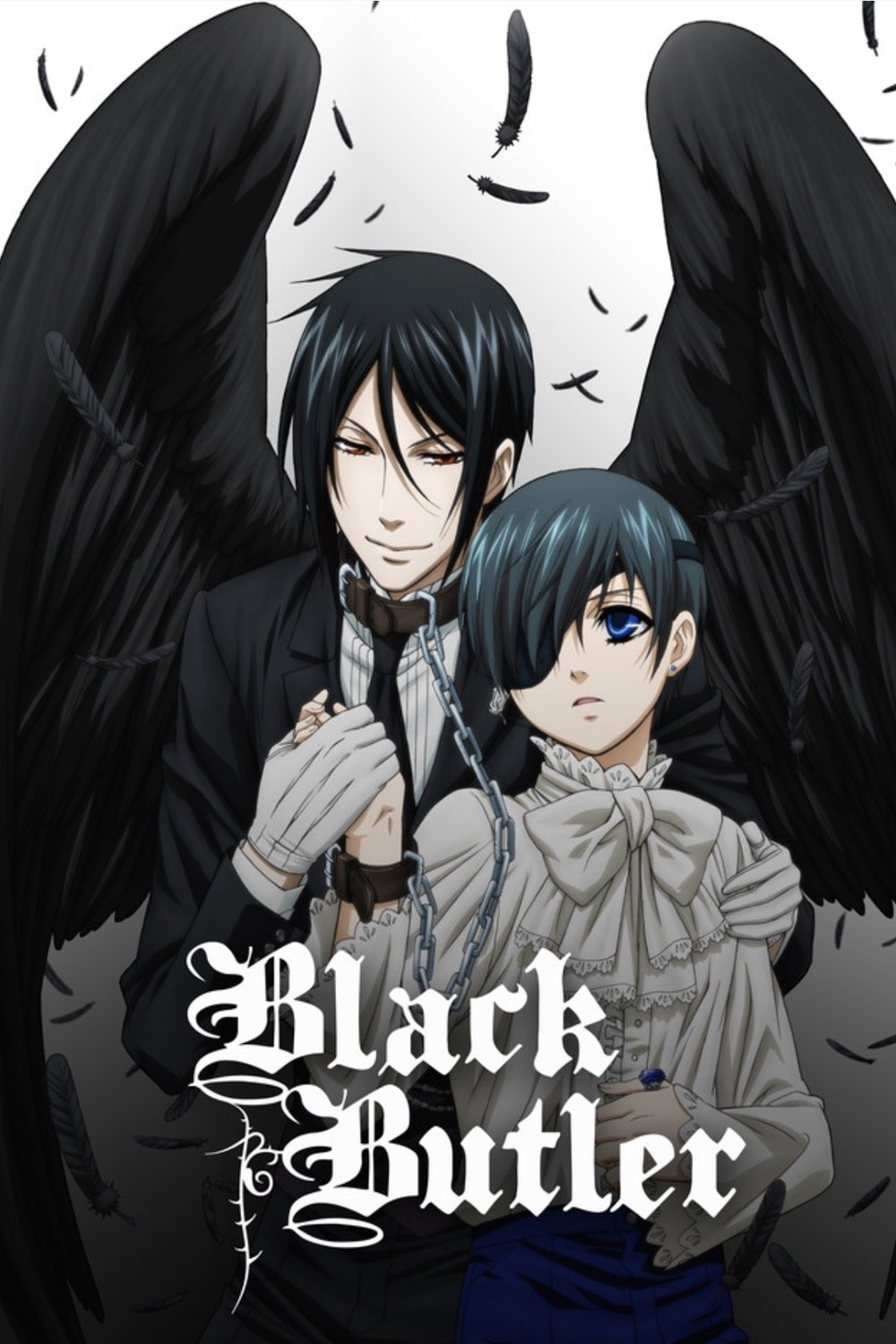
Grell Sutcliff is a Grim Reaper who initially poses as a clumsy butler before revealing a bloodthirsty nature. She refers to herself with female pronouns and expresses a passionate attraction to the demon Sebastian Michaelis. Her role as an antagonist involves harvesting souls with a customized death scythe. The series utilizes her flamboyant personality to contrast with the dark victorian setting.
‘Akame ga Kill!’ (2014)

Dr. Stylish is a scientist for the Empire who conducts horrific experiments on human subjects. He is openly gay and obsesses over adding style and flair to his biological weapons. The show depicts him as a narcissistic villain who views others merely as raw material for his art. Night Raid must eliminate him to stop his grotesque creations from spreading.
Share your thoughts on these anime villains in the comments.