

Anime Whose Sequels Never Lived Up To The Hype

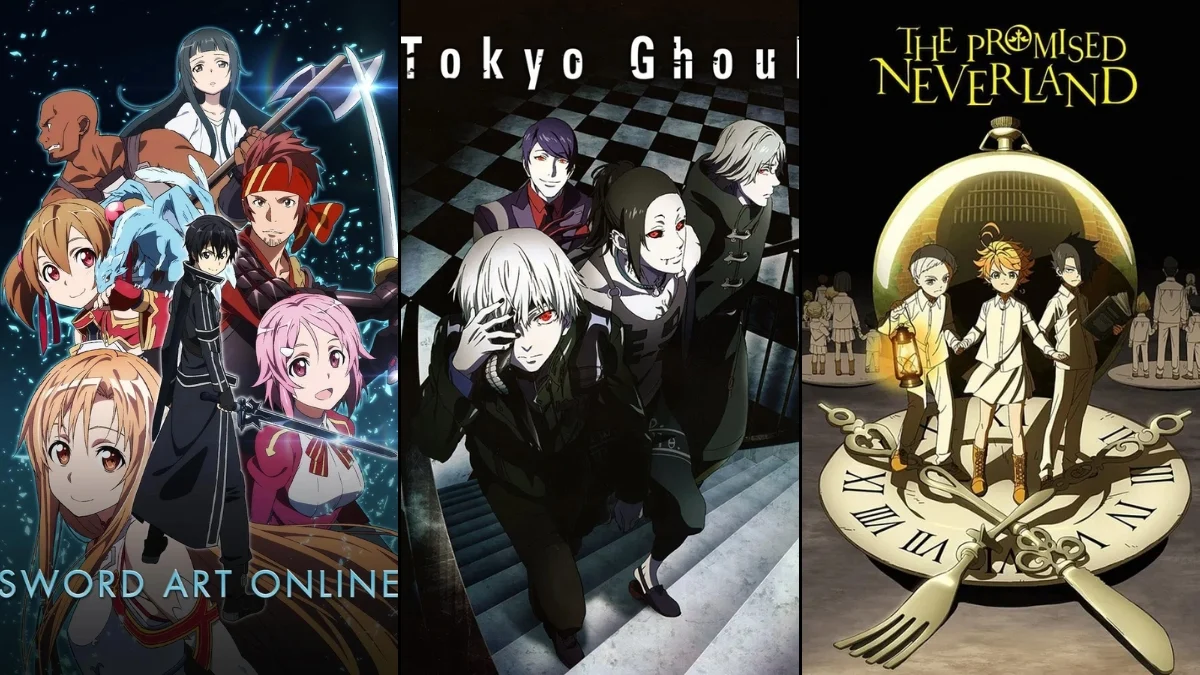


The landscape of anime is filled with legendary titles that set a high bar for storytelling and production value. When a series achieves massive success, the anticipation for a continuation can reach unprecedented levels among the global fanbase. However, maintaining that level of quality across multiple seasons or spin-offs is a significant challenge for production studios and creative teams. Factors such as studio changes, deviations from the original manga, or shifts in thematic direction often result in sequels that fail to resonate with viewers. This list examines thirty prominent anime whose subsequent installments struggled to match the impact and reception of their initial releases.
‘Minami-ke’ (2007)
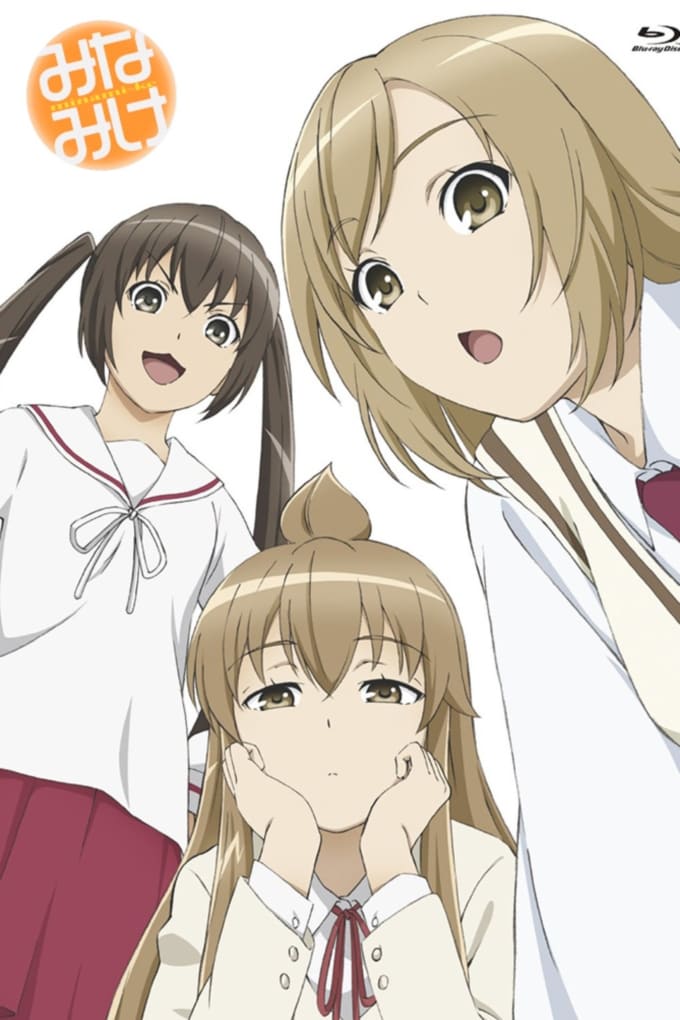
The second season of this slice-of-life comedy, titled ‘Minami-ke Okawari’, was produced by Studio Asread rather than Daume. This transition resulted in a significant change to the character designs and a more muted color palette that many fans found unappealing. The humor also shifted toward a more serious tone that deviated from the lighthearted atmosphere established in the original series. Many viewers noted that the background art and animation quality were less consistent throughout this installment. It remains a frequently cited example of how a change in production staff can affect the identity of a long-running comedy.
‘Gunslinger Girl’ (2003)
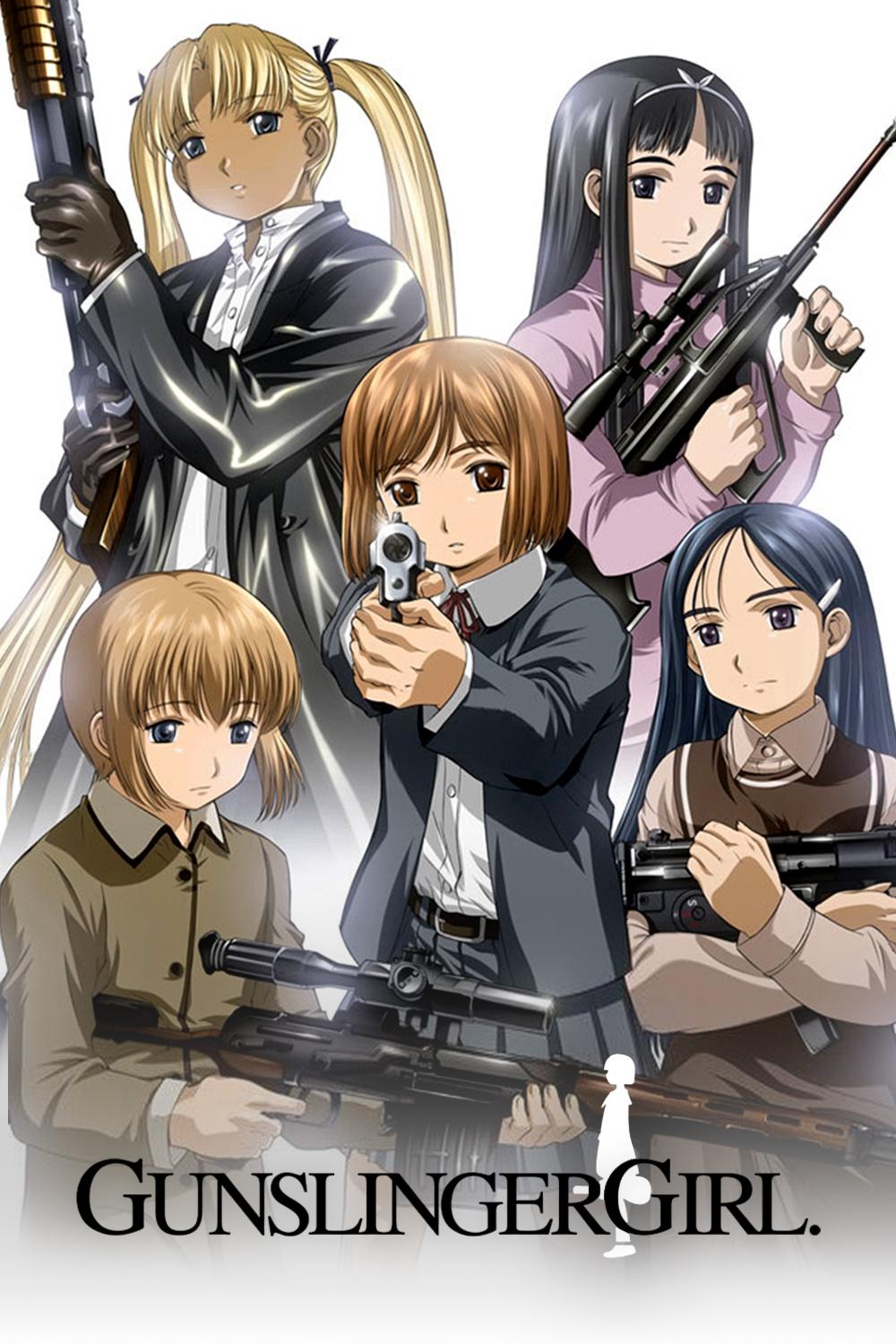
The follow-up series, ‘Gunslinger Girl: Il Teatrino’, featured a drastic shift in visual direction after the production moved from Madhouse to Artland. The original series was praised for its cinematic, melancholic aesthetic, while the sequel adopted a more conventional and less detailed art style. This change in atmosphere impacted the narrative weight of the story, which focuses on young cybernetic assassins. The character designs were also altered to more closely match the manga, but the transition lost the unique mood of the 2003 adaptation. Consequently, the sequel struggled to maintain the prestige of the initial project.
‘Log Horizon’ (2013–2014)
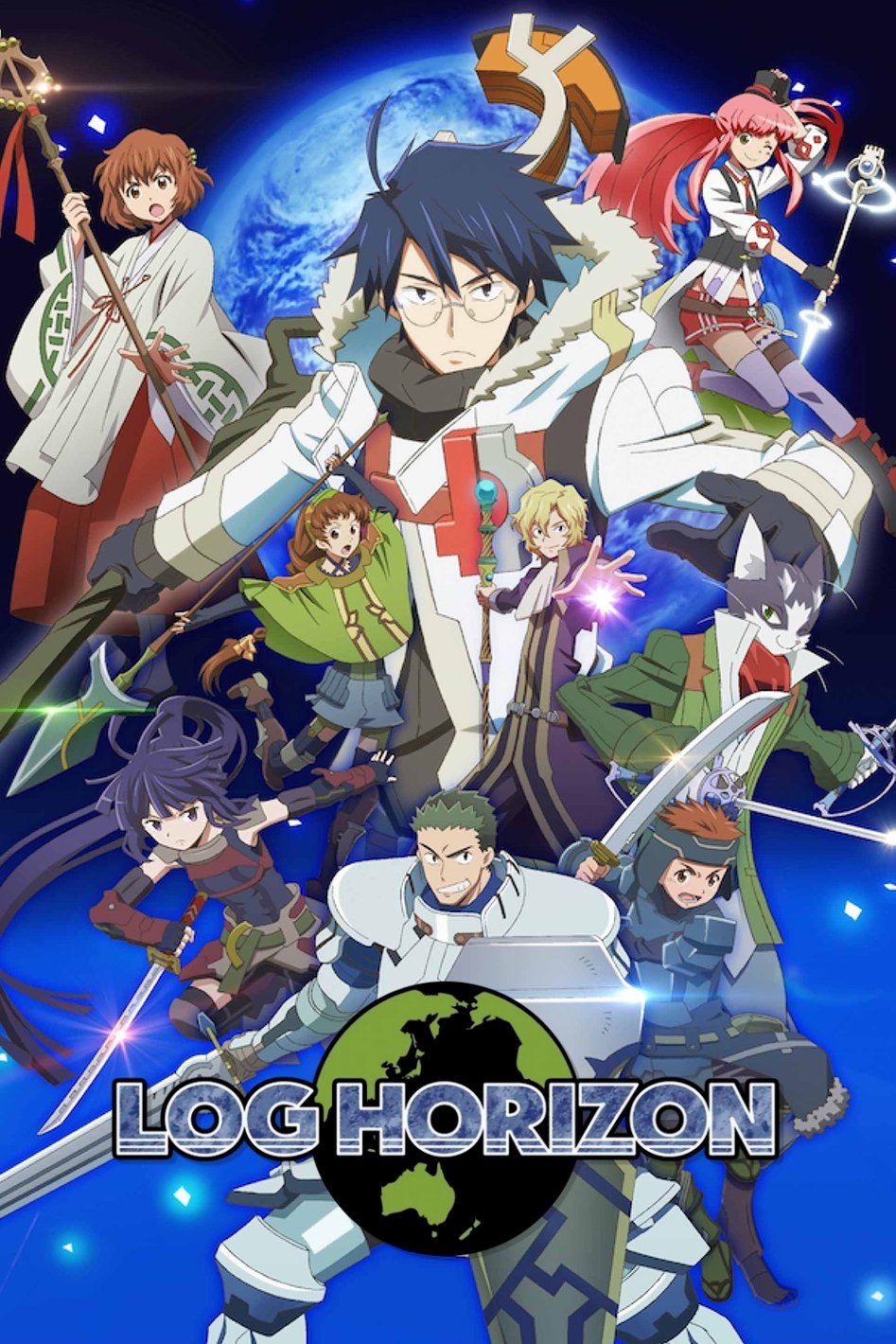
After a highly praised first season, the second installment of this gaming-themed series faced challenges due to a change in production studios. The move to Studio Deen resulted in simplified character designs and inconsistent animation during critical action sequences. The narrative also slowed down significantly, focusing on subplots involving the younger cast members that some viewers found less engaging than the primary political intrigue. Certain story arcs were stretched out, which affected the momentum built up by the initial world-building. While it retained its intellectual core, the visual and pacing shifts were widely noted by the audience.
‘Durarara!!’ (2010)
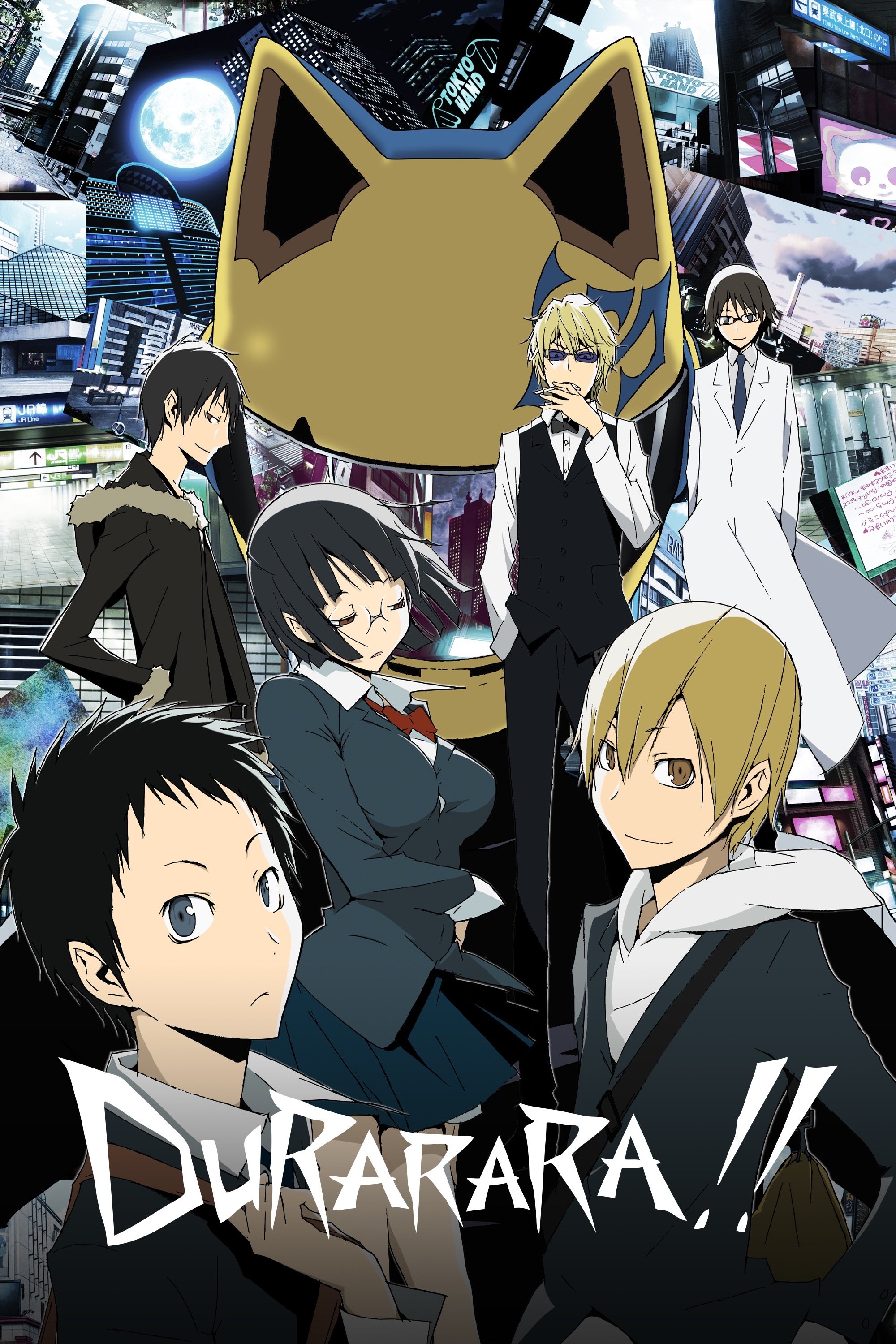
Returning after a five-year hiatus, ‘Durarara!!x2’ attempted to adapt the remaining volumes of the light novel series across three separate parts. The massive cast of characters expanded even further, making it difficult for the narrative to give each individual sufficient development or screen time. Some viewers found the interconnected subplots to be increasingly convoluted and less focused than the original mystery of the Dollars. The animation quality also fluctuated throughout the run, lacking the consistent polish of the 2010 production. While it completed the story, it failed to recapture the cultural buzz of its predecessor.
‘To Your Eternity’ (2021)
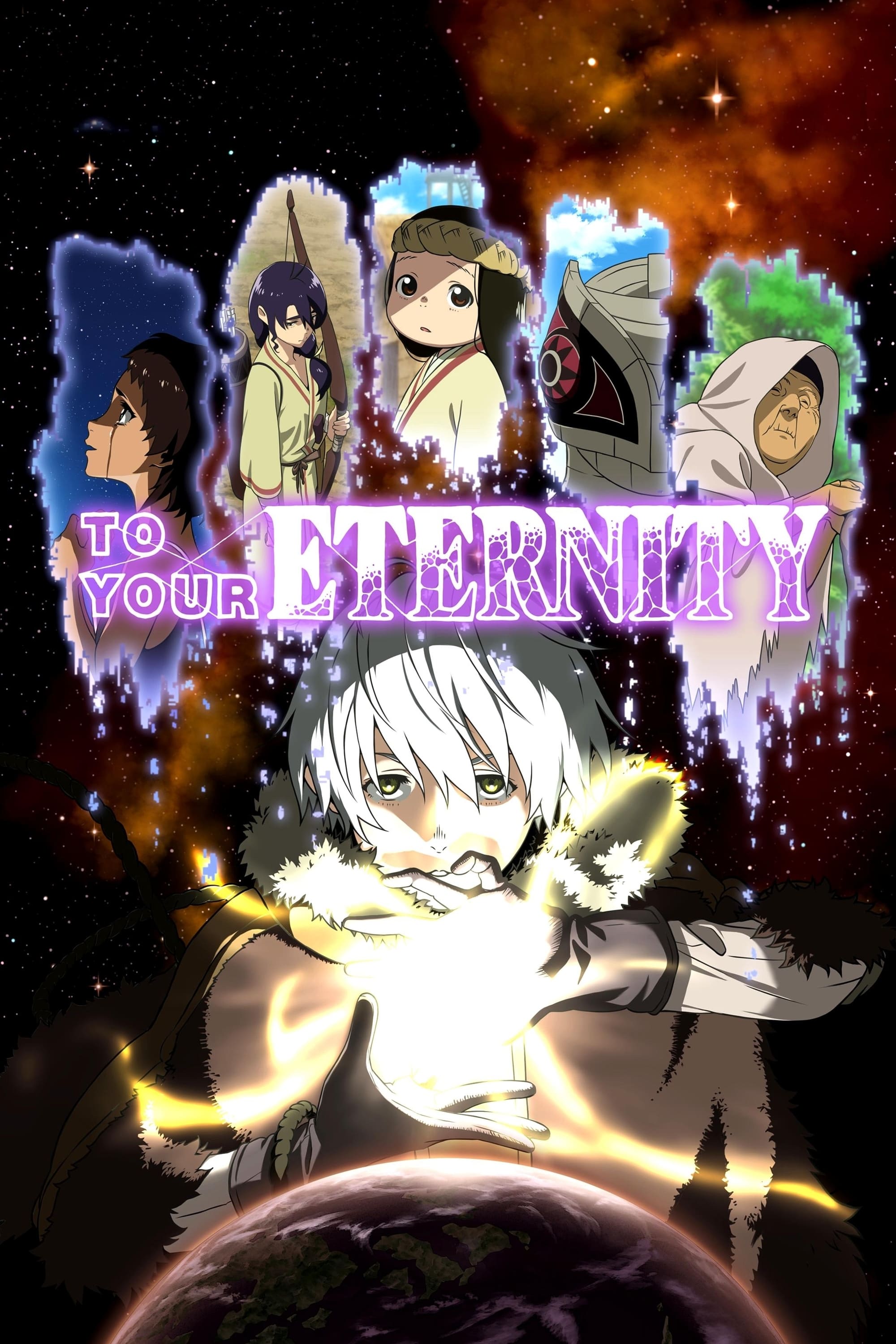
The second season followed the protagonist Fushi into a new era marked by a large-scale conflict against the immortal Nokkers. A change in the production team led to a visual style that many felt was less detailed and atmospheric than the initial season. The pacing of the narrative arcs was also criticized for being uneven, with some segments feeling rushed while others lacked immediate stakes. The emotional impact of the character deaths, a hallmark of the first season, was perceived as less effective in this continuation. As a result, the series saw a decline in critical momentum compared to its debut.
‘Is It Wrong to Try to Pick Up Girls in a Dungeon?’ (2015)
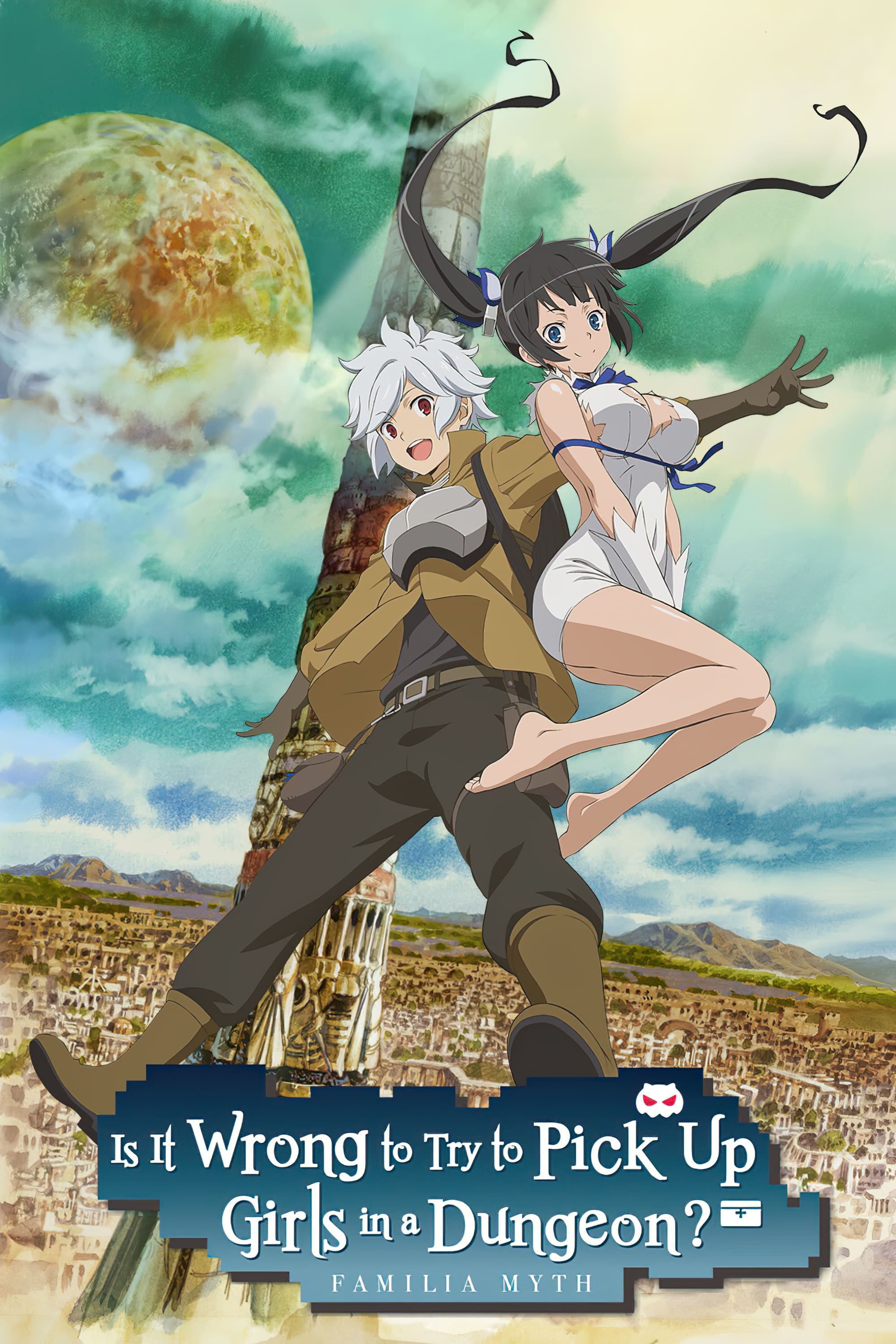
The second season of this fantasy series adapted the War Game and Ishtar arcs, both of which are pivotal moments in the source material. However, the adaptation was criticized for skipping significant character development and world-building details to fit the limited episode count. The animation quality for the major battles did not consistently match the high standards set by the iconic Minotaur fight in the first season. Fans of the light novels felt that the relationship dynamics between Bell Cranel and the supporting cast were not given enough time to mature. This resulted in a sequel that felt more like a summary than a full continuation.
‘Blue Exorcist’ (2011)
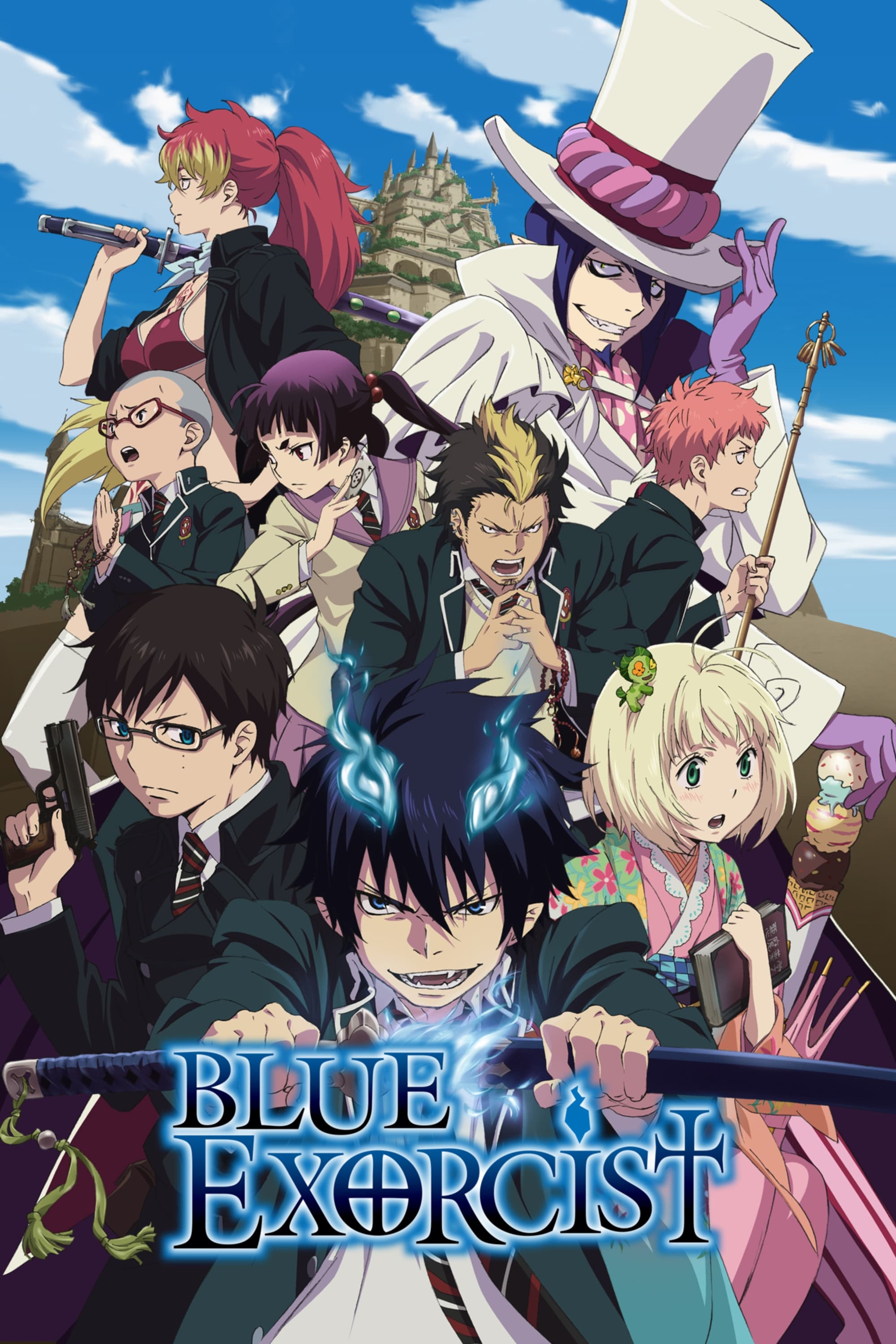
‘Blue Exorcist: Kyoto Saga’ arrived six years after the original series and served as a soft reboot that ignored the previous anime-original ending. This decision caused significant confusion for viewers who were not familiar with the manga’s true timeline. The pacing of the Kyoto arc was much slower than the action-packed first half of the original show, focusing heavily on internal group conflict and reconciliation. While the production quality was technically high, the lack of high-stakes action made it feel less impactful to a general audience. The long gap between seasons also contributed to a loss of the franchise’s initial popularity.
‘Sword Art Online’ (2012)

The second season, ‘Sword Art Online II’, introduced the Gun Gale Online setting and the character Sinon. While the initial arc was well-received for its darker tone, the subsequent Calibur arc was criticized for being a low-stakes side story that slowed the narrative momentum. The final Mother’s Rosario arc was praised for its emotional depth, but the inconsistent pacing across the entire season divided the fanbase. Many viewers felt that the tension of the original Aincrad storyline was missing from these new adventures. This led to a perception that the series was struggling to redefine itself after the initial death-game premise.
‘A Certain Magical Index’ (2008–2009)
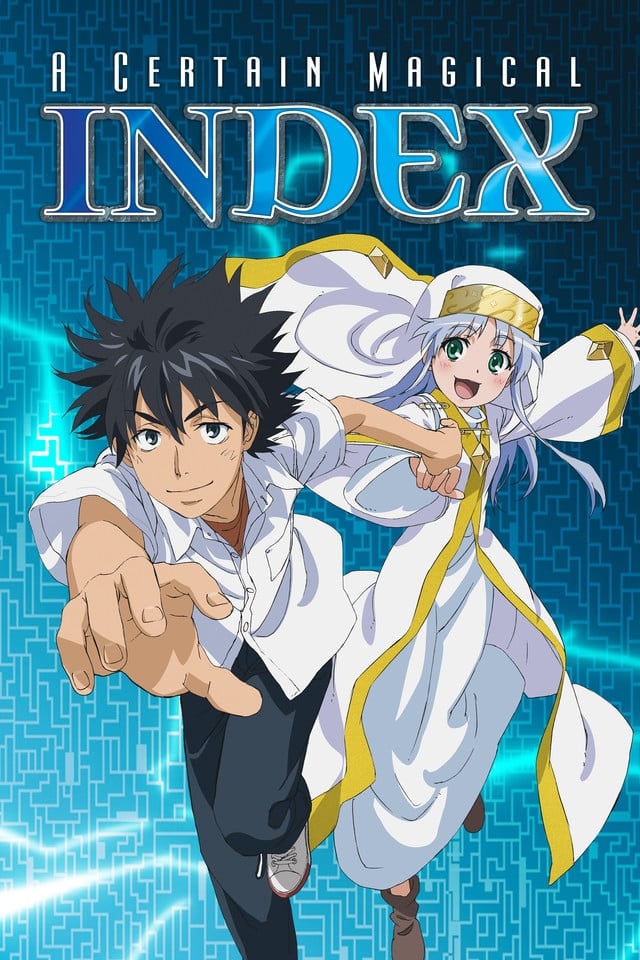
The long-awaited ‘A Certain Magical Index III’ attempted to adapt nine volumes of the light novel series into just twenty-six episodes. This resulted in a narrative that felt extremely rushed, making it difficult for viewers to follow the complex political and magical conflicts. Many important character motivations and world-building details were condensed or entirely omitted to reach the story’s climax. The animation quality also suffered under the weight of the ambitious schedule, leading to several inconsistent episodes. This sequel failed to provide the cohesive experience that fans had anticipated during the eight-year wait.
‘Steins;Gate’ (2011)
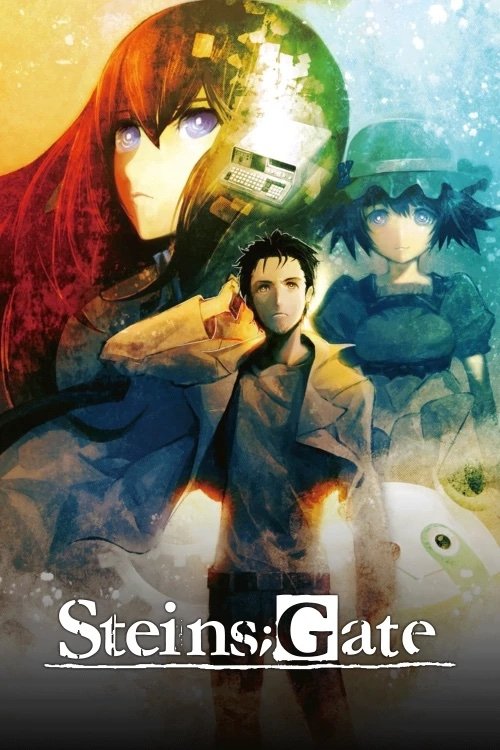
‘Steins;Gate 0’ explored an alternate timeline where the protagonist fails to save a key character, leading to a much darker narrative. While the series provided valuable context for the original’s ending, the pacing was noted to be much slower in the first half. Some of the new characters introduced were felt to be less compelling than the original members of the Future Gadget Lab. The visual direction also faced occasional criticism for not maintaining the same level of polish as the 2011 masterpiece. While it was a necessary addition for lore enthusiasts, it didn’t quite achieve the same universal acclaim.
‘FLCL’ (2000–2001)
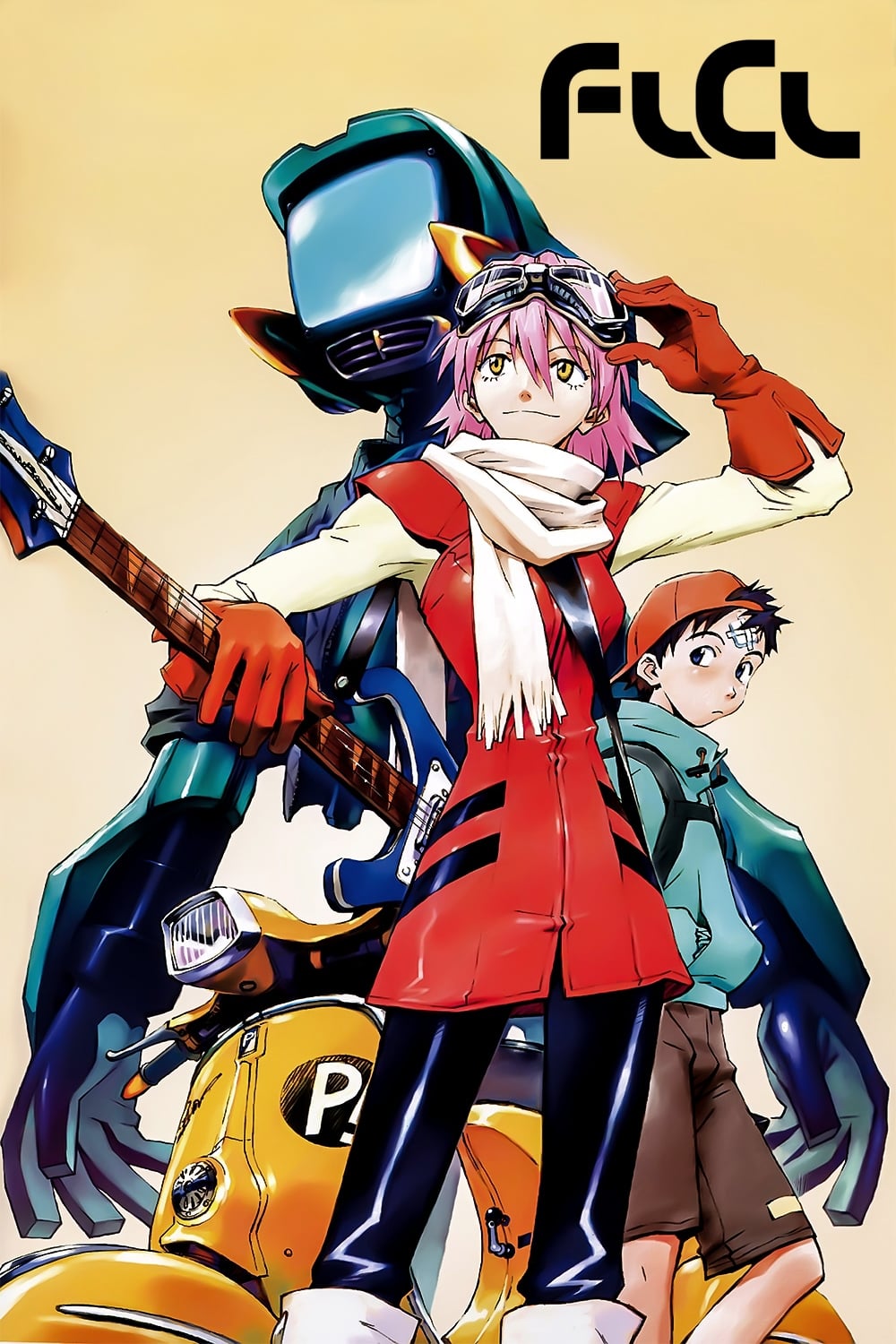
Nearly two decades after the original OVA, ‘FLCL Progressive’ was released as a direct follow-up to the cult classic. The series attempted to recapture the surreal energy and experimental animation of the original but was criticized for relying too heavily on nostalgia. Many fans felt the new story lacked the organic coming-of-age themes that made the first ‘FLCL’ so resonant. The animation, while fluid, did not push boundaries in the same way the 2000 production had. It was ultimately viewed as a service to existing fans rather than a groundbreaking new entry in the franchise.
‘Black Butler’ (2008–2009)
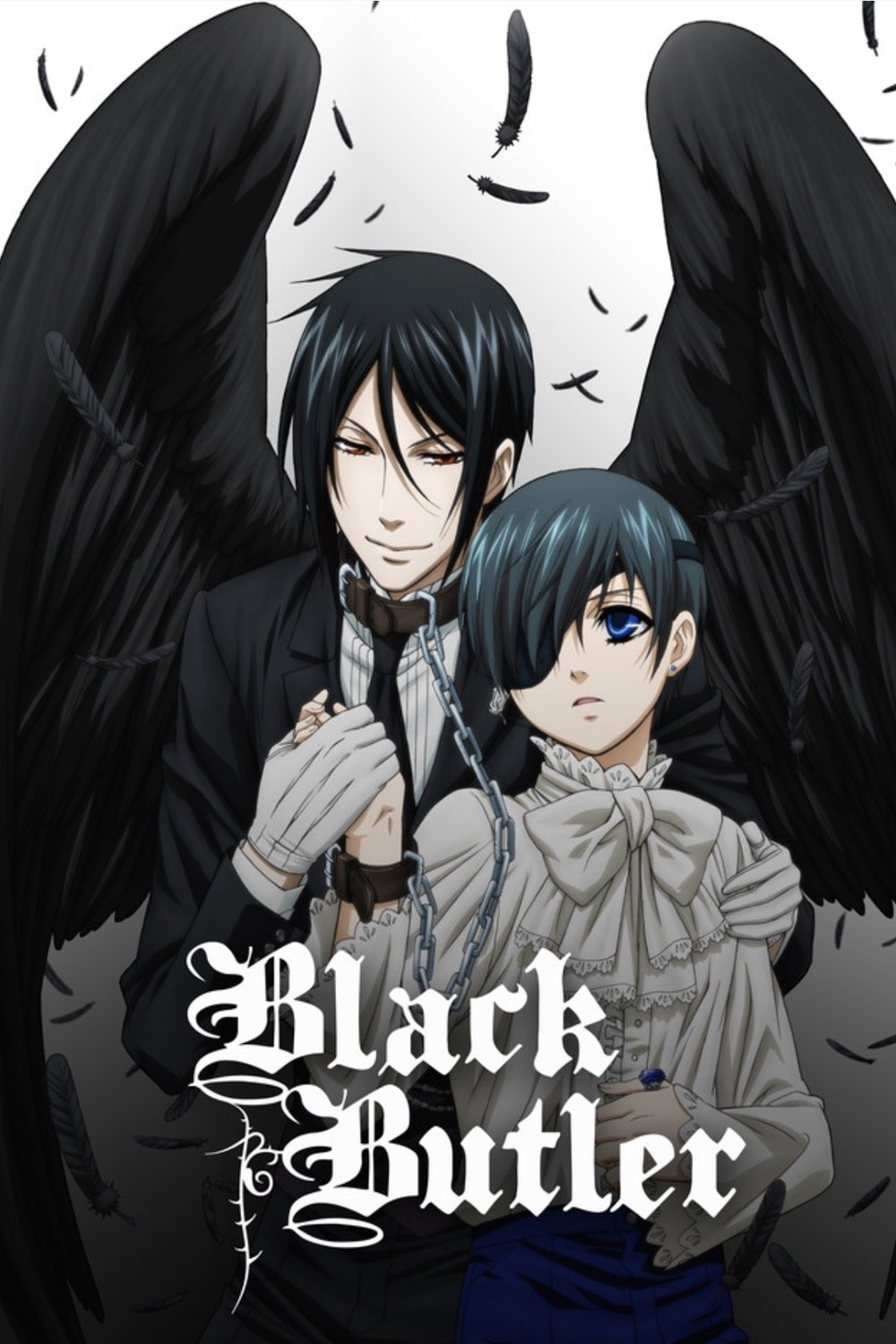
The second season, ‘Black Butler II’, introduced a completely original storyline and new characters that were not present in the manga. This decision was controversial as it deviated from the gothic mystery themes that fans had come to expect. The plot twists were often viewed as repetitive, echoing the dynamics of the first season without adding significant new depth to the world. While the production values remained high, the narrative direction alienated many viewers who preferred a faithful adaptation of the source material. Later projects eventually returned to the manga’s canon to restore interest in the series.
‘The Rising of the Shield Hero’ (2019)
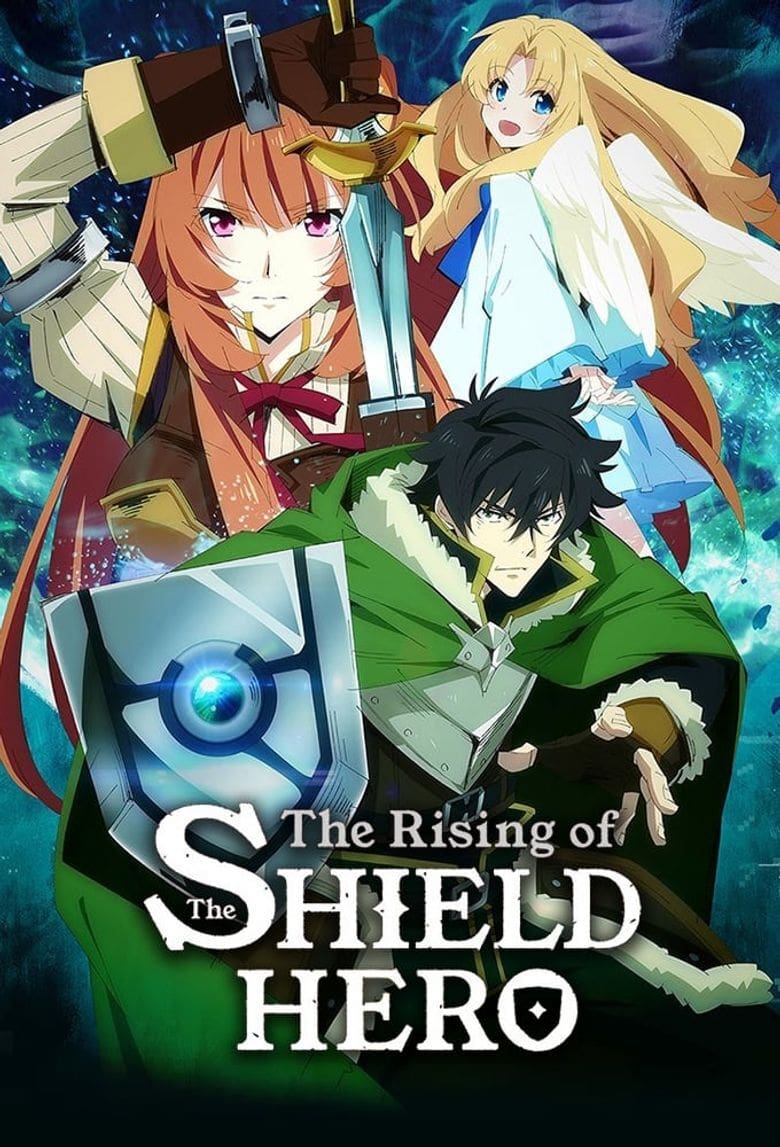
The second season of this isekai hit faced immediate criticism for its pacing and the execution of the Spirit Tortoise arc. Several volumes of the light novel were condensed into a few episodes, which stripped away much of the character development and tactical planning. The reliance on unpolished CGI for the massive tortoise battles was also a point of contention for many viewers. This installment lacked the emotional weight and the “underdog” struggle that defined the first season’s success. Consequently, the show lost a significant portion of its critical momentum during this run.
‘InuYasha’ (2000–2004)

The sequel series, ‘Yashahime: Princess Half-Demon’, focused on the daughters of the original protagonists in a new feudal-era adventure. Many fans felt the series relied too much on the mystery surrounding the original cast’s disappearance, which was dragged out for several episodes. The new protagonists were often criticized for lacking the immediate charm and depth of Inuyasha and Kagome. The episodic nature of the early segments made the overarching plot feel stagnant and disconnected. While it offered nostalgia, it struggled to establish its own identity as a worthy successor to the classic franchise.
‘Aldnoah.Zero’ (2014)
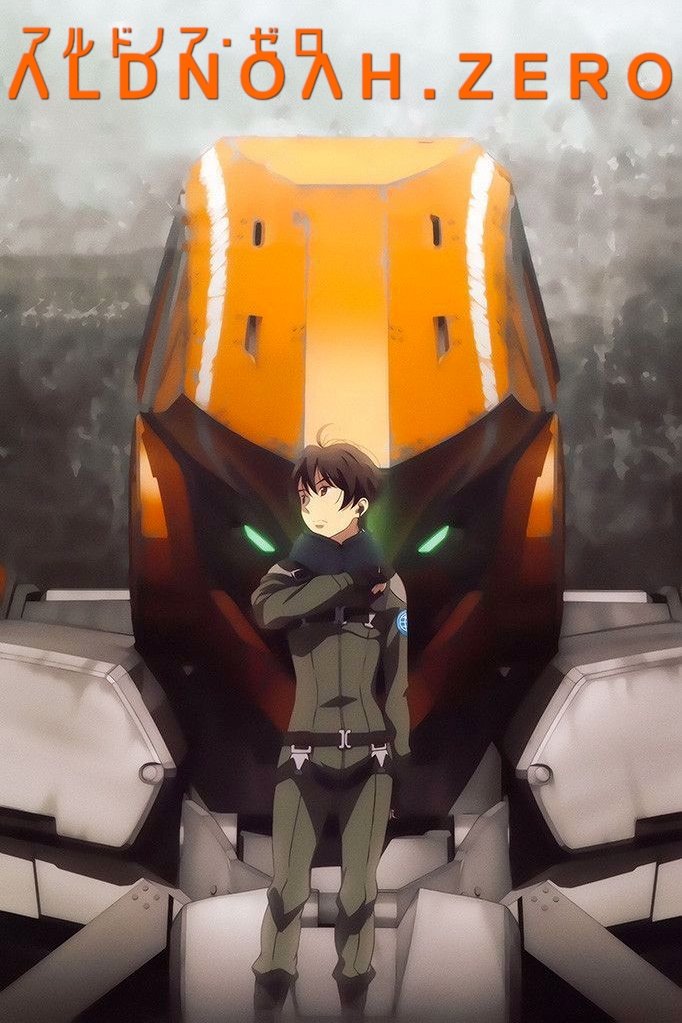
The second season of this mecha series had to resolve a massive cliffhanger that saw the apparent deaths of the main characters. Many viewers felt the resolution of this event was unsatisfying and undermined the stakes established in the first half. The protagonist, Inaho, was criticized for a lack of emotional development, remaining a largely stoic and invincible figure throughout the conflict. The political intrigue and the ending were also viewed as rushed, leaving many character arcs without a proper conclusion. The series ultimately failed to deliver on the high-concept promise of its initial episodes.
‘Darker than Black’ (2007)
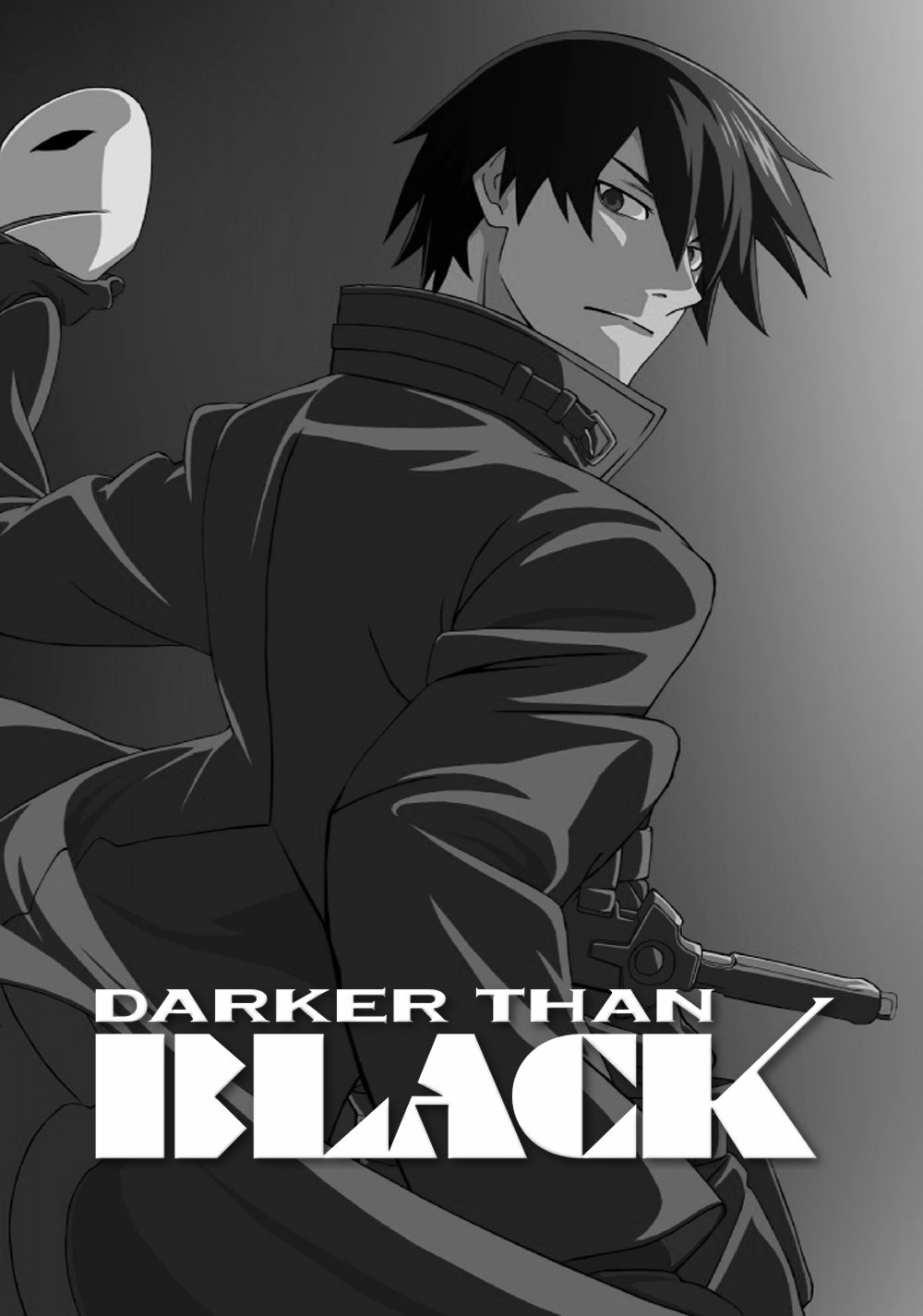
‘Darker than Black: Gemini of the Meteor’ shifted the focus from the original lead, Hei, to a new protagonist named Suou. This change in perspective was poorly received by many fans who were deeply invested in the noir-inspired story of the “Black Reaper.” The plot became increasingly convoluted with the introduction of new powers and mysterious entities that lacked clear explanation. The atmospheric, episodic mystery of the first season was replaced by a more linear and confusing narrative. Many felt the ending was abrupt and failed to provide a satisfying wrap-up for the franchise.
‘Mobile Suit Gundam SEED’ (2002–2003)
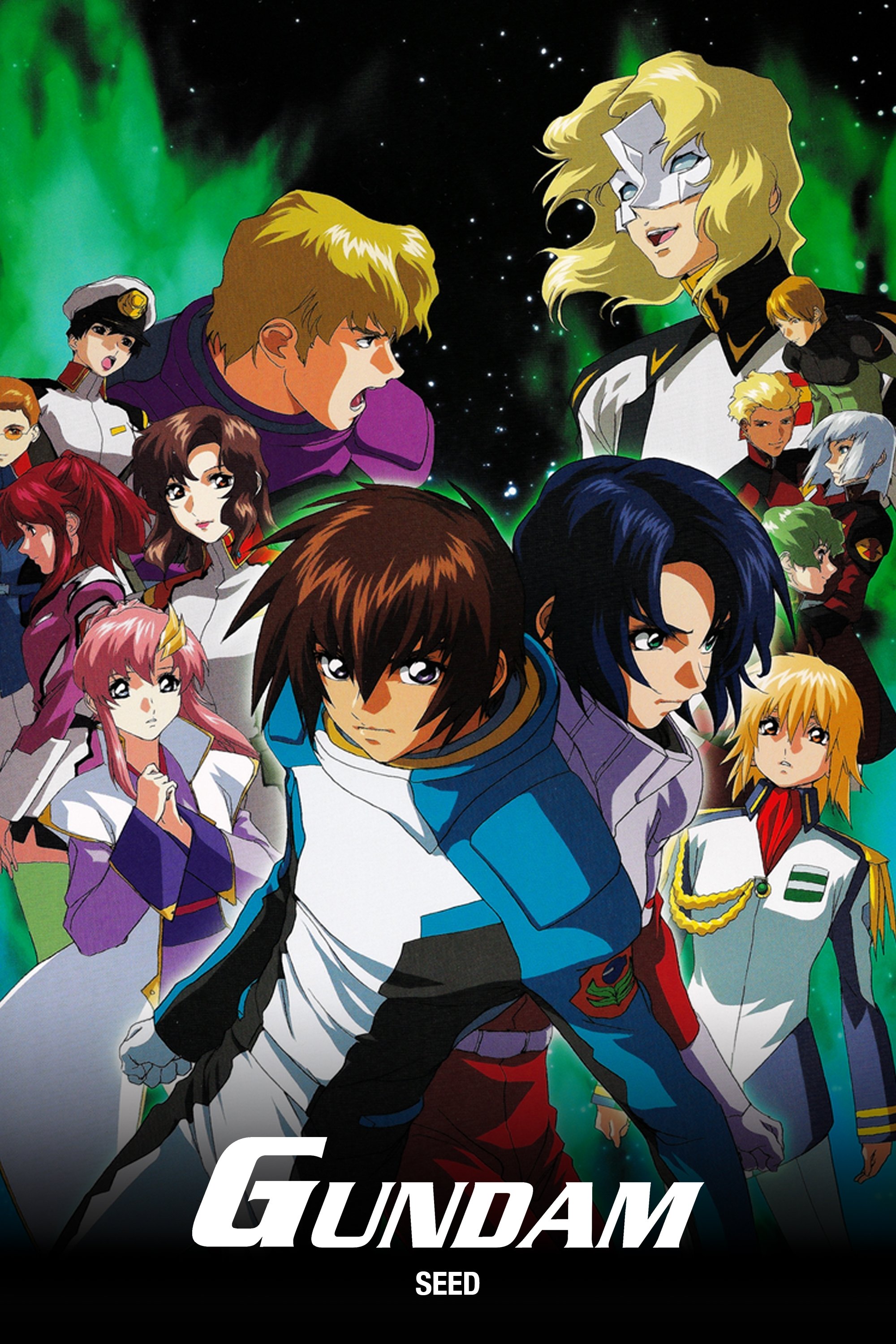
The direct sequel, ‘Mobile Suit Gundam SEED Destiny’, was intended to follow a new protagonist, Shinn Asuka, during a new global conflict. However, the narrative eventually shifted focus back to the original leads, which led to a disjointed story and poor character growth for the new cast. The production was notorious for its heavy use of recycled animation and recap episodes, which frustrated viewers during its original run. Many themes and plot points were seen as repetitive mirrors of the first series rather than innovative additions. It remains a polarizing entry in the ‘Gundam’ franchise due to these creative choices.
‘Eureka Seven’ (2005–2006)
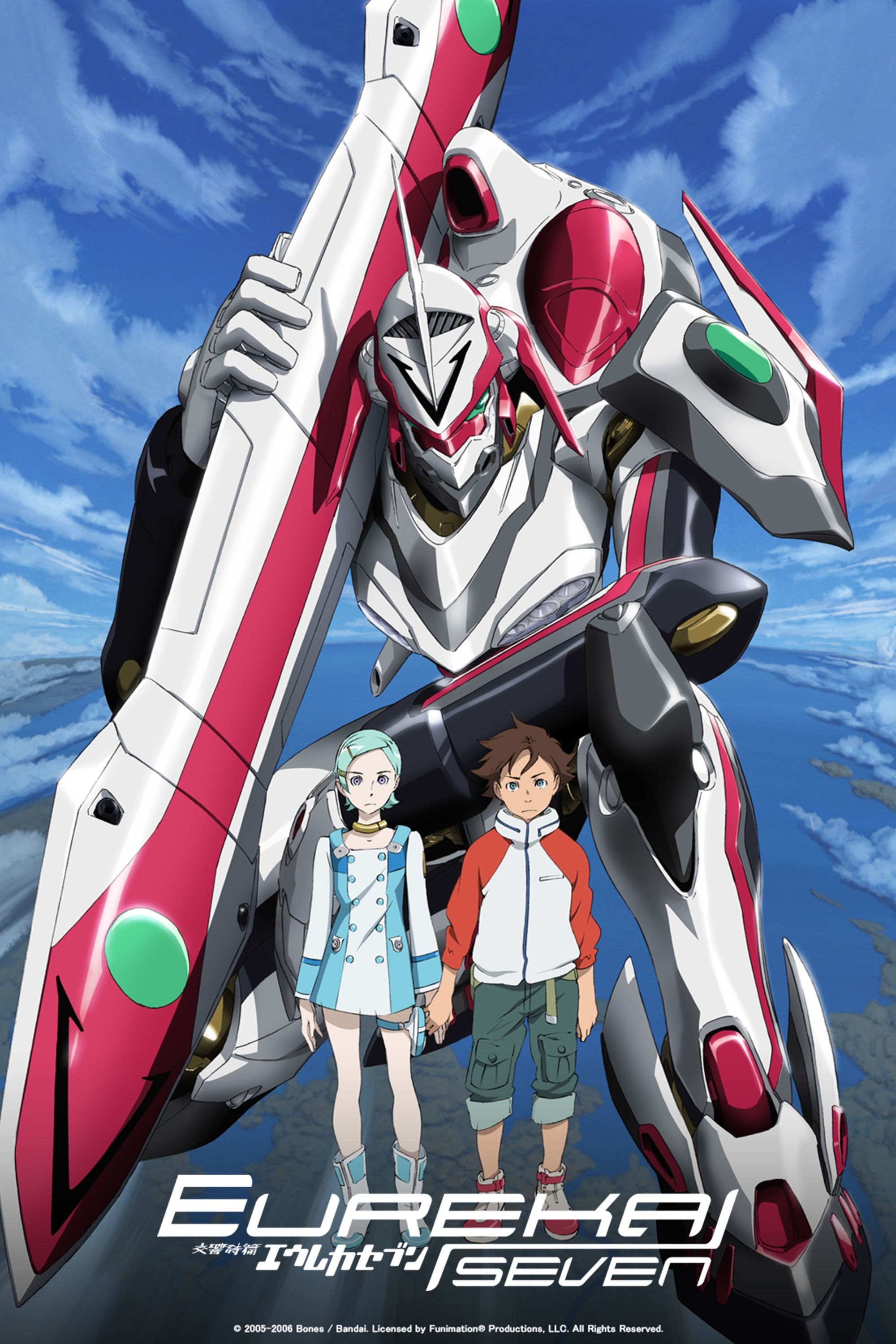
‘Eureka Seven AO’ served as a sequel set in a different timeline and followed the son of the original protagonists. It introduced complex time-travel elements and world-building that many fans found confusing and contradictory to the established lore. The emotional connection to the original series was sparse, leading to a lack of resonance for those who loved the story of Renton and Eureka. While the animation and music were of high quality, the narrative failed to capture the cohesive “coming-of-age” spirit of the 2005 series. The ending was particularly criticized for being overly convoluted and unsatisfying.
‘Dragon Ball Z’ (1989–1996)

‘Dragon Ball GT’ was produced by Toei Animation as a sequel to the main story without the direct involvement of the original creator, Akira Toriyama. It attempted to return to the adventure-heavy roots of the franchise by turning Goku back into a child, a move that was divisive among the fanbase. Many of the new villains and story arcs, such as the Super 17 arc, were criticized for poor writing and inconsistent power scaling. While the Super Saiyan 4 transformation became iconic, the series as a whole was viewed as a step down in quality. It was eventually removed from the official timeline following the release of ‘Dragon Ball Super’.
‘Naruto Shippūden’ (2007–2017)
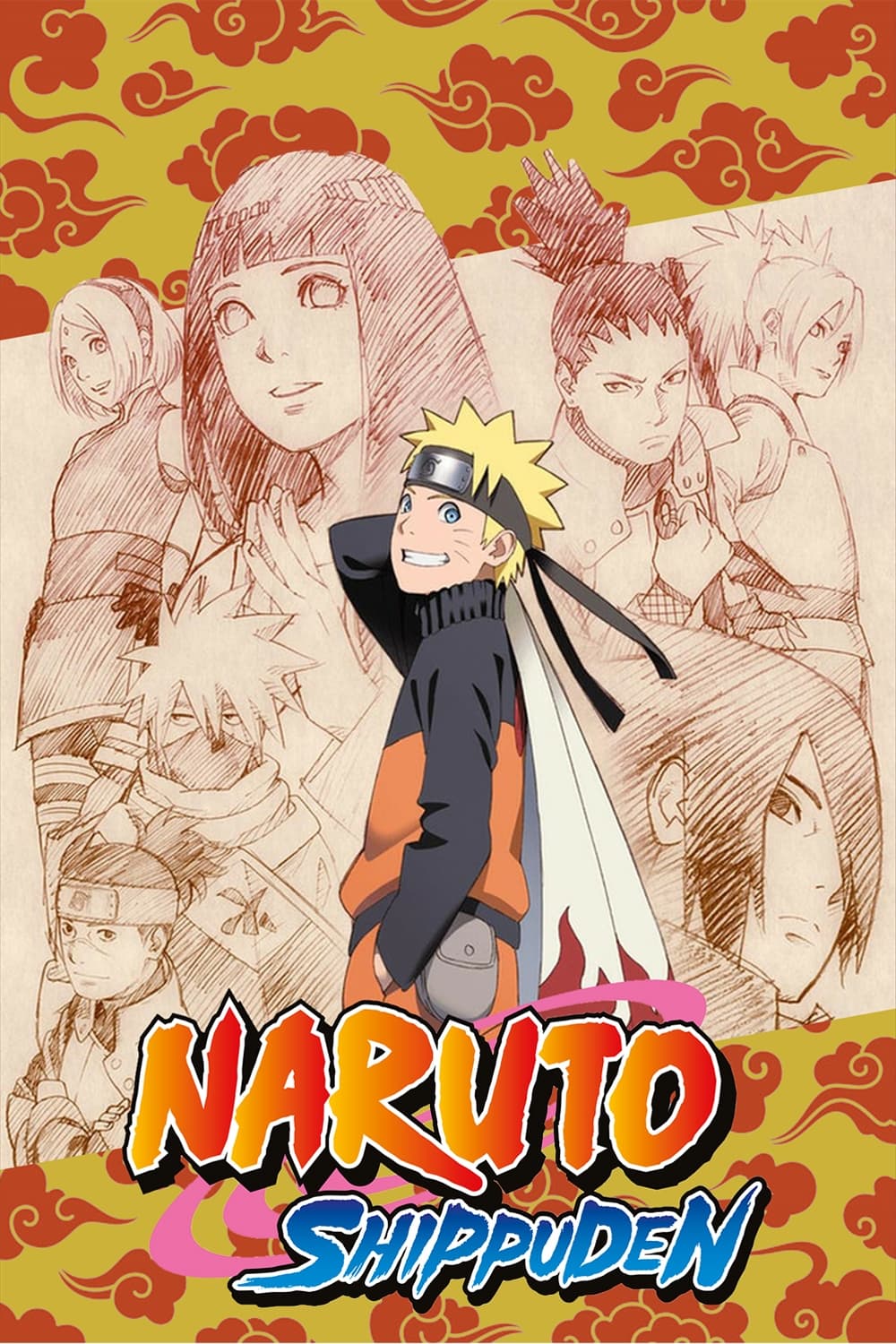
The sequel series, ‘Boruto: Naruto Next Generations’, follows the children of the original cast in a more technologically advanced ninja world. The series has faced consistent criticism for its high volume of anime-only filler content and a much slower narrative pace. Many fans felt that the power levels of the new characters often undermined the legendary status of the original heroes. The shift from a world at war to a peaceful setting changed the tone in a way that some long-time viewers found less compelling. While it has high-quality highlights, it has struggled to maintain the consistent hype of the original ‘Naruto’ run.
‘The Devil is a Part-Timer!’ (2013)
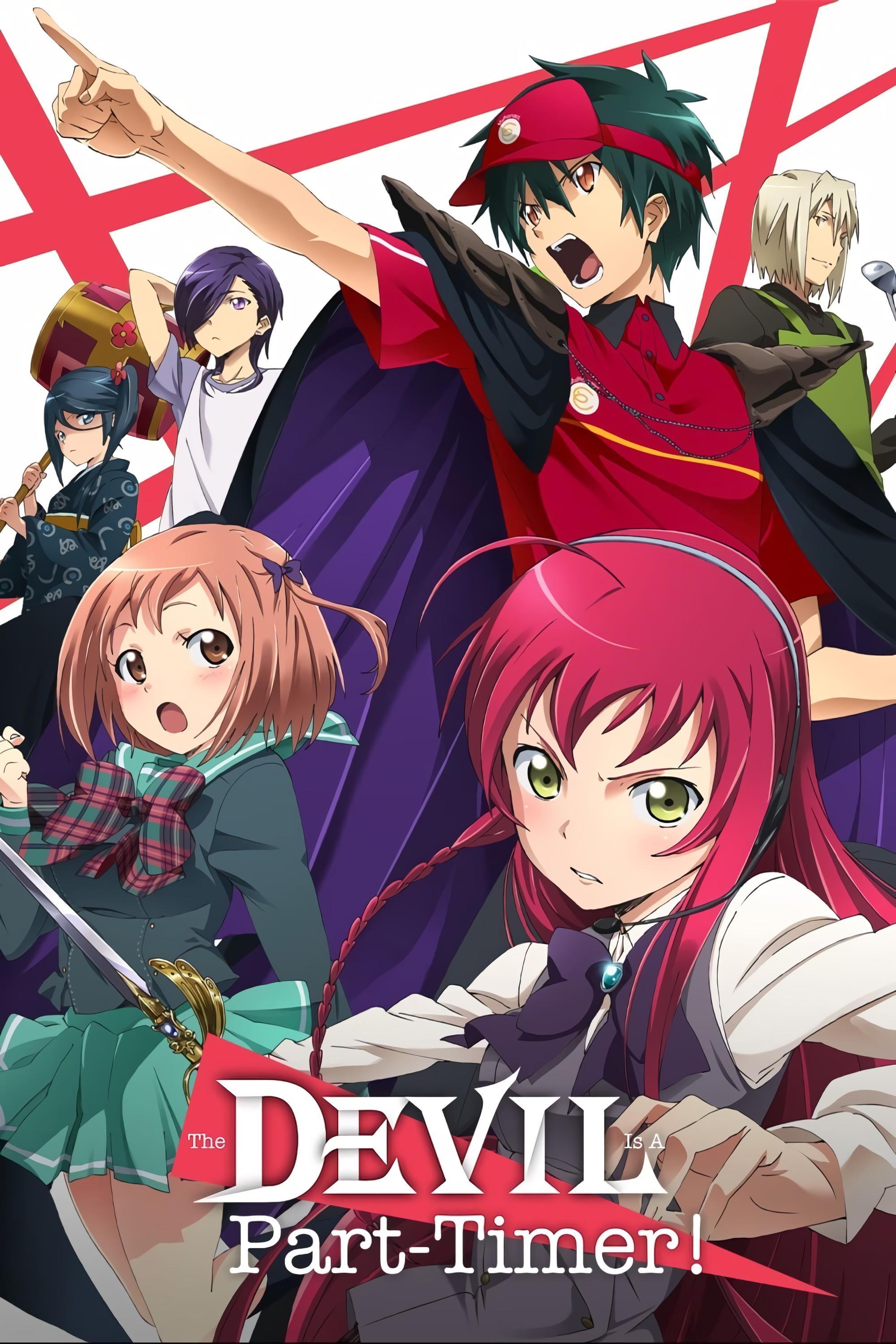
Returning after a nine-year hiatus, ‘The Devil is a Part-Timer!!’ featured a change in production studio and a significantly different art style. The new character designs were more simplified, and the animation lacked the expressive polish that made the first season a comedy hit. The comedic timing was also perceived as slightly off, failing to recapture the unique charm of the 2013 episodes. Pacing issues arose as the story attempted to introduce several new characters and plot points within a limited timeframe. For many fans, the long wait resulted in a product that felt like a shadow of the original.
‘One-Punch Man’ (2015)
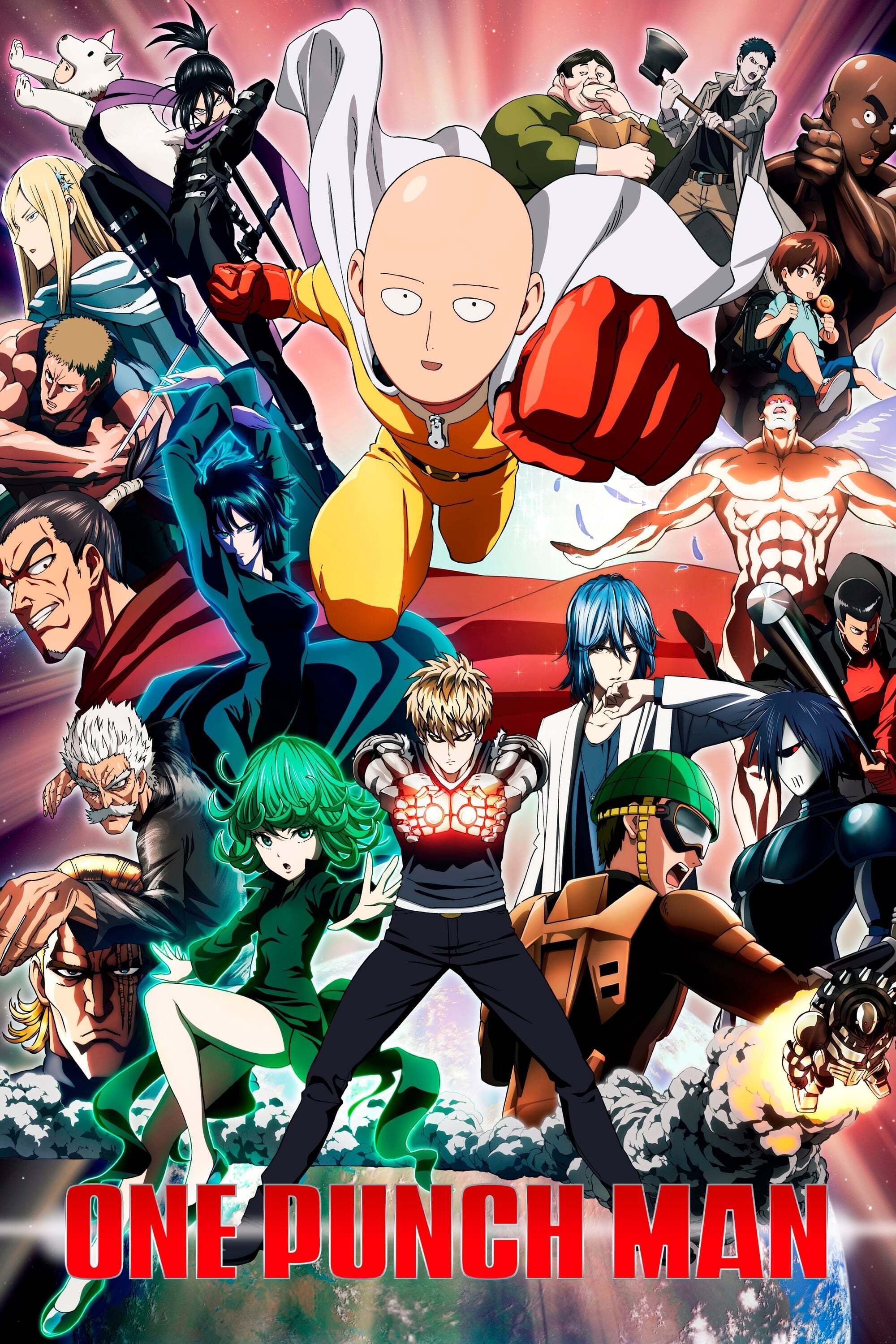
The second season of this superhero series saw a change in production from Madhouse to J.C.Staff. This transition led to a noticeable shift in the animation style, with many viewers criticizing the use of digital textures and less fluid combat sequences. The narrative focus moved toward the hero hunter Garou, which relegated the protagonist Saitama to a supporting role for much of the story. While the season covered significant manga events, it struggled to maintain the visual standard established by the original episodes. Consequently, the follow-up failed to generate the same level of critical acclaim as the 2015 debut.
‘Psycho-Pass’ (2012–2013)
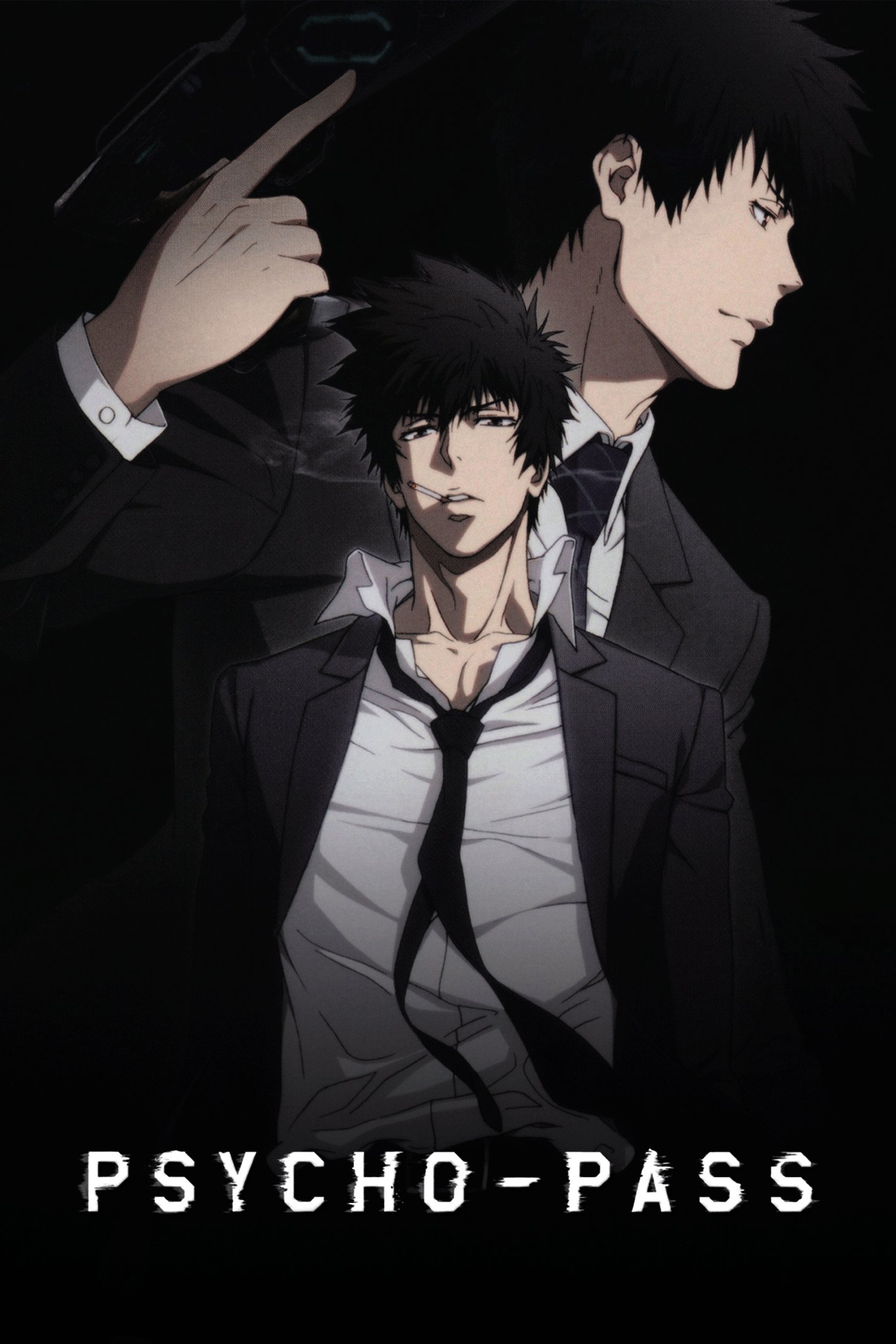
‘Psycho-Pass 2′ was produced without the involvement of the original lead writer, Gen Urobuchi, which many felt impacted the story’s philosophical depth. The new antagonist, Kirito Kamui, was often compared unfavorably to the complex Shogo Makishima from the first season. The plot relied more heavily on graphic violence and gore rather than the psychological tension that defined the series’ debut. Many of the supporting characters were felt to be less developed, and the narrative twists were seen as less impactful. This sequel is generally regarded as the low point of the ‘Psycho-Pass’ franchise by its core fanbase.
‘Food Wars! Shokugeki no Soma’ (2015)
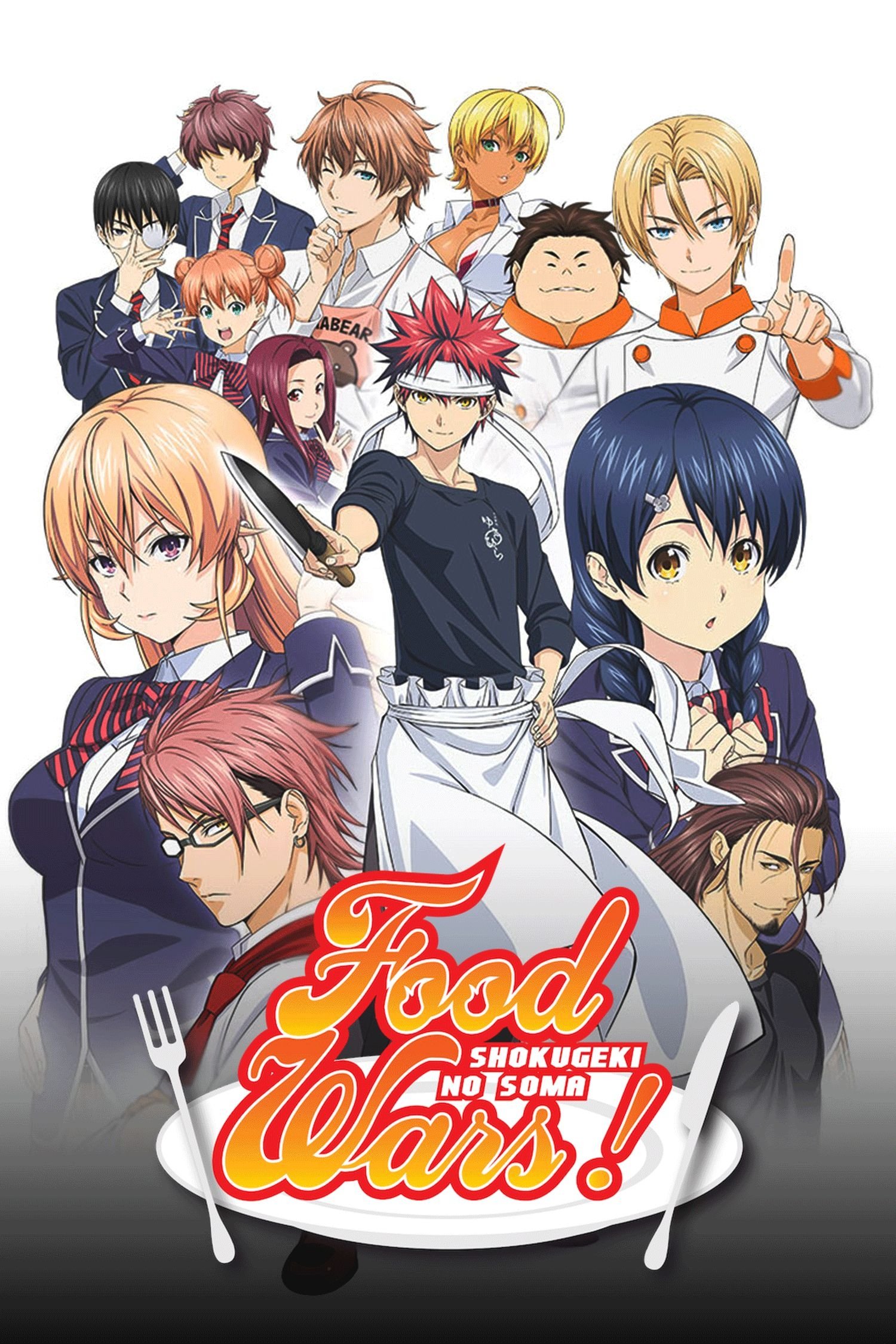
The final installment, ‘Food Wars! The Fifth Plate’, adapted an arc from the manga that was already controversial for its shift toward supernatural elements. The introduction of “Noir” chefs with superhuman cooking abilities was seen as a betrayal of the series’ grounded culinary roots. The animation quality saw a significant decline, with many cooking battles being depicted through still frames and minimal movement. The resolution of the main character’s journey and the final tournament were viewed as rushed and emotionally unsatisfying. Many fans felt the series lost its identity in its final run.
‘Tokyo Ghoul’ (2014)
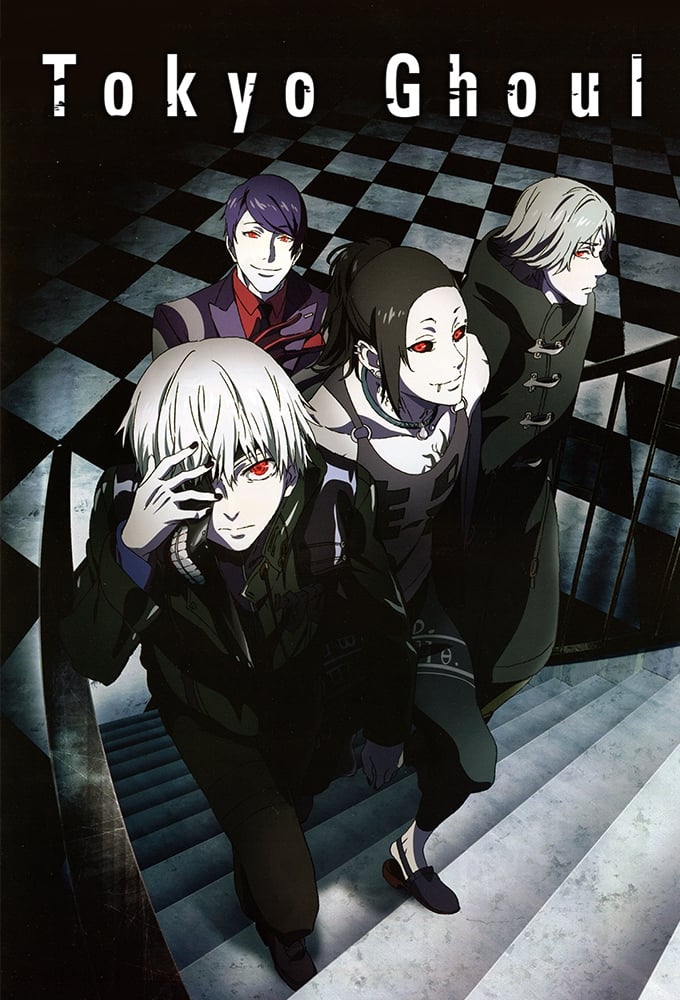
The second season, ‘Tokyo Ghoul √A’, opted to tell an original story that deviated significantly from the source manga by Sui Ishida. This decision led to a fragmented narrative where character motivations were unclear and major plot developments were skipped. The production was criticized for inconsistent animation, particularly during the large-scale battles in the final episodes. Because it ignored the manga’s canon, the subsequent sequel series ‘:re’ was forced to ignore the events of ‘√A’, leading to further confusion. It is often cited as a prime example of a failed anime-original deviation.
‘Terra Formars’ (2014)
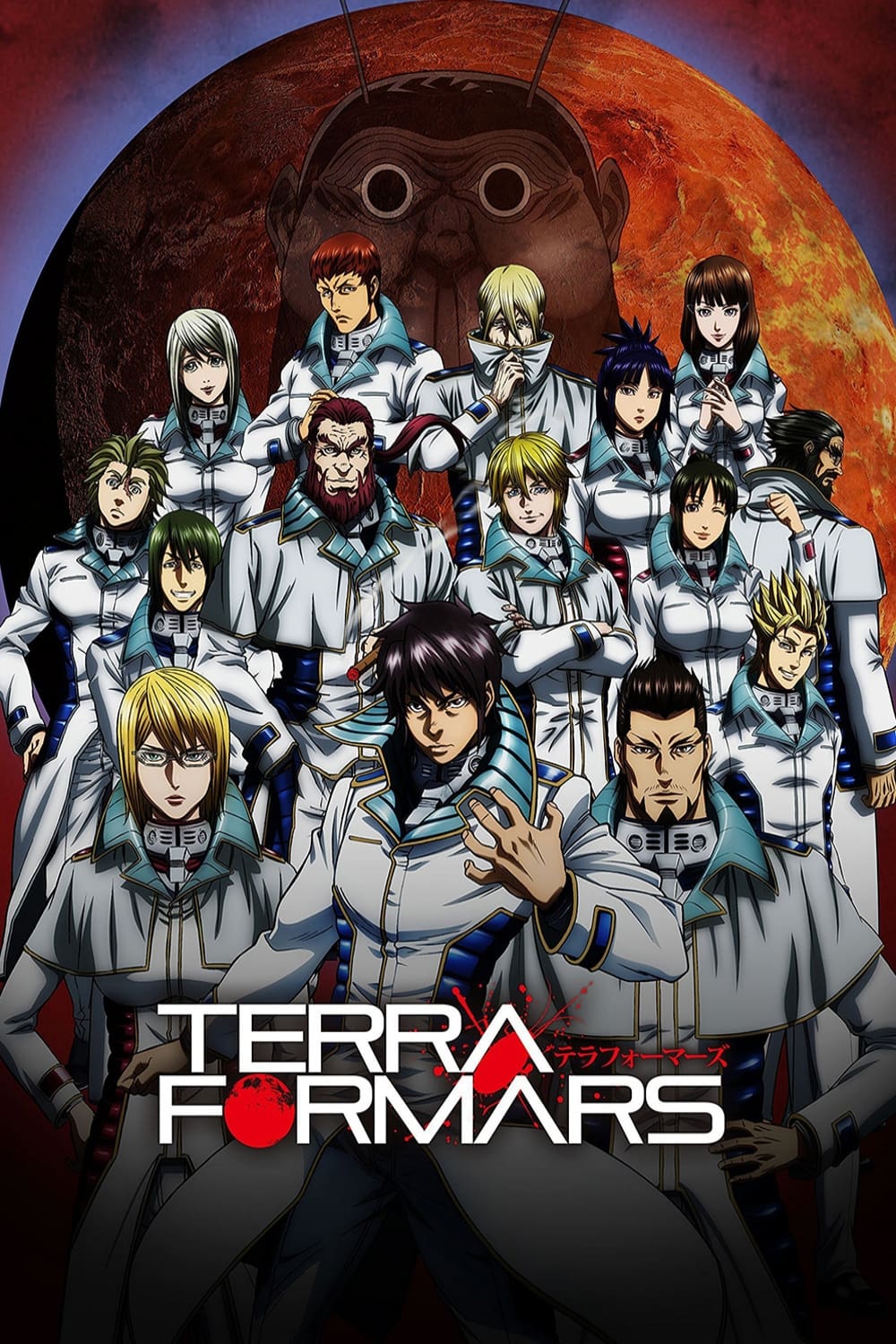
The sequel, ‘Terra Formars Revenge’, underwent a complete overhaul of its visual style and tone, moving away from the dark, gritty aesthetic of the first season. The new art style was much more colorful and included significant censorship, which clashed with the series’ violent survival horror premise. Many fans found the addition of lighthearted humor to be jarring and inappropriate for the high-stakes story. The character designs were also simplified, losing the intricate detail that characterized the original Martian expedition. These changes resulted in a significant loss of interest from the original audience.
‘The Seven Deadly Sins’ (2014–2015)
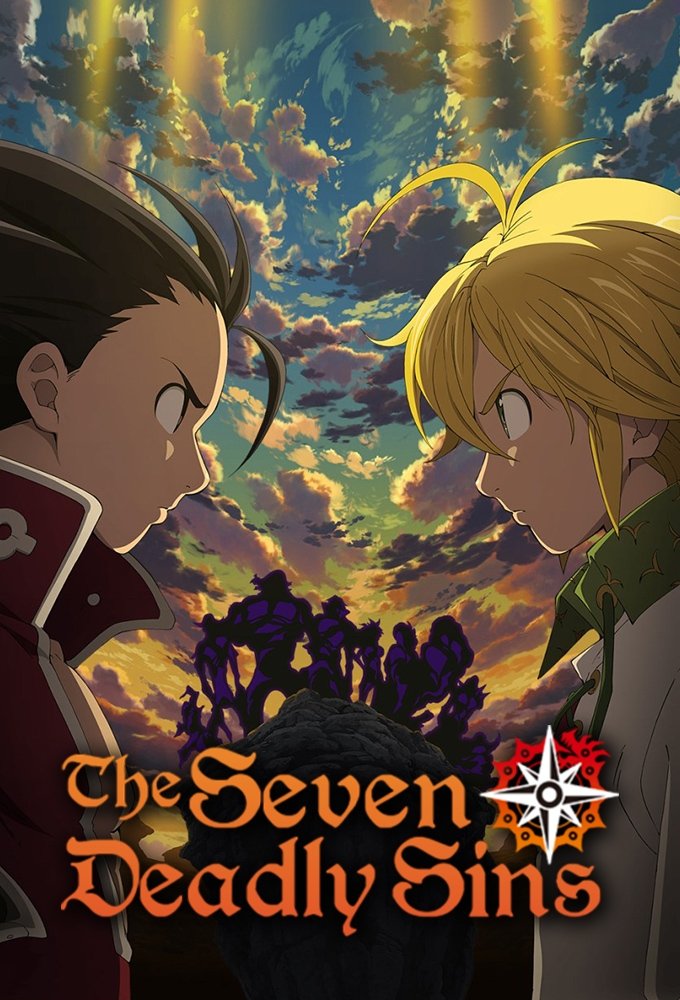
‘The Seven Deadly Sins: Imperial Wrath of the Gods’ marked a major decline in animation quality after the production moved to a new studio. Fans noted numerous instances of off-model characters and poorly animated fight scenes that lacked impact. The decision to censor blood by turning it into a white glow was widely mocked and criticized for ruining the intensity of the battles. Despite the story entering some of its most anticipated manga arcs, the poor visual execution overshadowed the narrative. This installment severely damaged the franchise’s reputation among mainstream anime fans.
‘Berserk’ (1997)
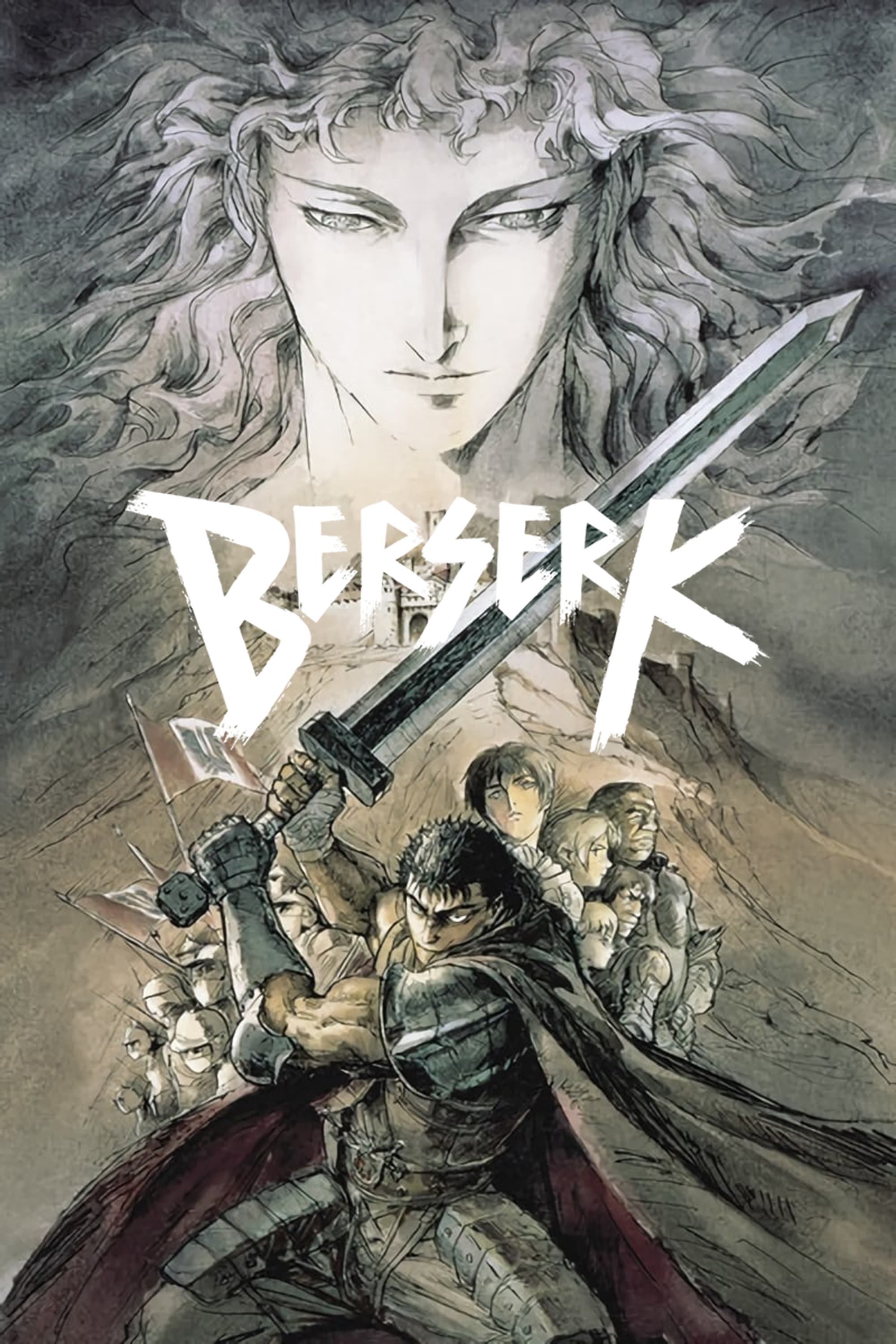
The 2016 ‘Berserk’ series served as a direct sequel to the Golden Age arc but was met with immediate backlash for its use of 3D CGI. The animation was often described as clunky and stiff, failing to capture the detailed and visceral artwork of Kentaro Miura’s manga. Jarring camera movements and poor lighting choices further detracted from the dark fantasy atmosphere. The sound design, particularly the metallic “clang” of the protagonist’s sword, became a point of ridicule among the community. It stands as a disappointing follow-up to both the 1997 series and the high-quality manga source material.
‘Kemono Friends’ (2017)

‘Kemono Friends 2’ was produced following the controversial firing of the original director, Tatsuki, which led to a massive backlash from the fanbase. The sequel featured a new protagonist and a different art style that many felt lacked the low-budget charm of the first season. The narrative failed to capture the same sense of mystery and heart that had made the original a viral sensation in Japan. Critical and audience reception was overwhelmingly negative, with the show receiving some of the lowest ratings in the history of several streaming platforms. It remains a cautionary tale of how behind-the-scenes turmoil can destroy a franchise’s momentum.
‘The Promised Neverland’ (2019)
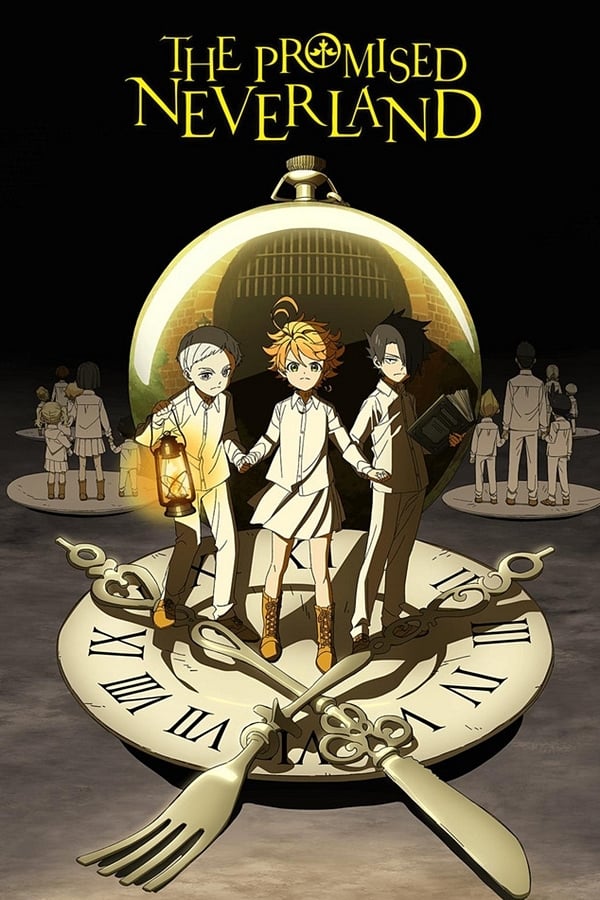
The second season of this series attempted to adapt the remainder of the manga within a short eleven-episode run. This necessitated the removal of major story arcs, including the highly popular Goldy Pond Battle arc. The character development for the children was heavily condensed, leading to a narrative that felt rushed and lacked emotional stakes. The season concluded with a still-image montage that summarized several years of story in a matter of minutes. This adaptation is widely regarded as one of the most significant failures to honor a successful source material in modern anime history.
Share your thoughts on these sequels and which ones you think were the most disappointing in the comments.