

Anime with Controversial Themes

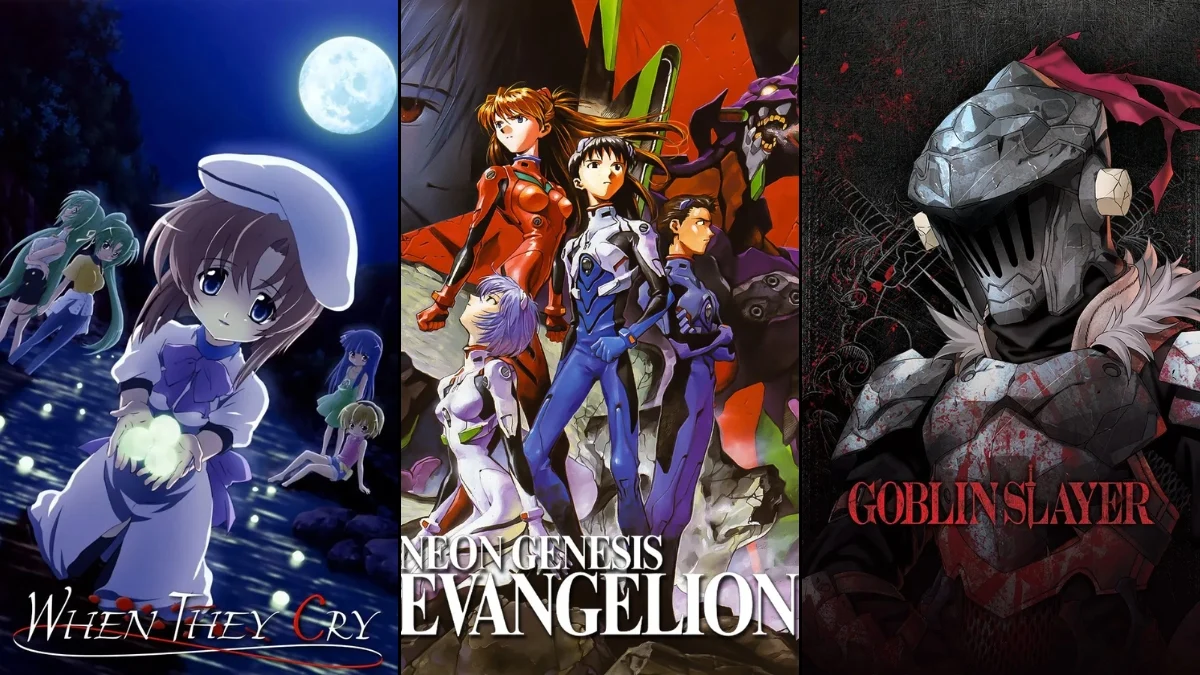


The medium of animation frequently explores mature concepts that challenge social norms and provoke intense public discourse. Some series become famous for their use of extreme violence while others are debated for their handling of sensitive political and ethical issues. These titles often push the boundaries of traditional storytelling and force audiences to confront uncomfortable truths about human nature. This list examines several anime that have sparked significant controversy across the globe due to their provocative themes. Understanding the context of these discussions reveals how cultural standards and viewer expectations continue to shift over time.
‘Death Note’ (2006–2007)

Light Yagami discovers a notebook that allows him to kill anyone whose name he writes in it. He attempts to create a utopia by eliminating criminals while being pursued by a mysterious detective known as L. The series explores themes of absolute justice and the morality of playing god with human lives. Public debate often focuses on whether the protagonist is a hero or a villain.
‘Attack on Titan’ (2013–2023)
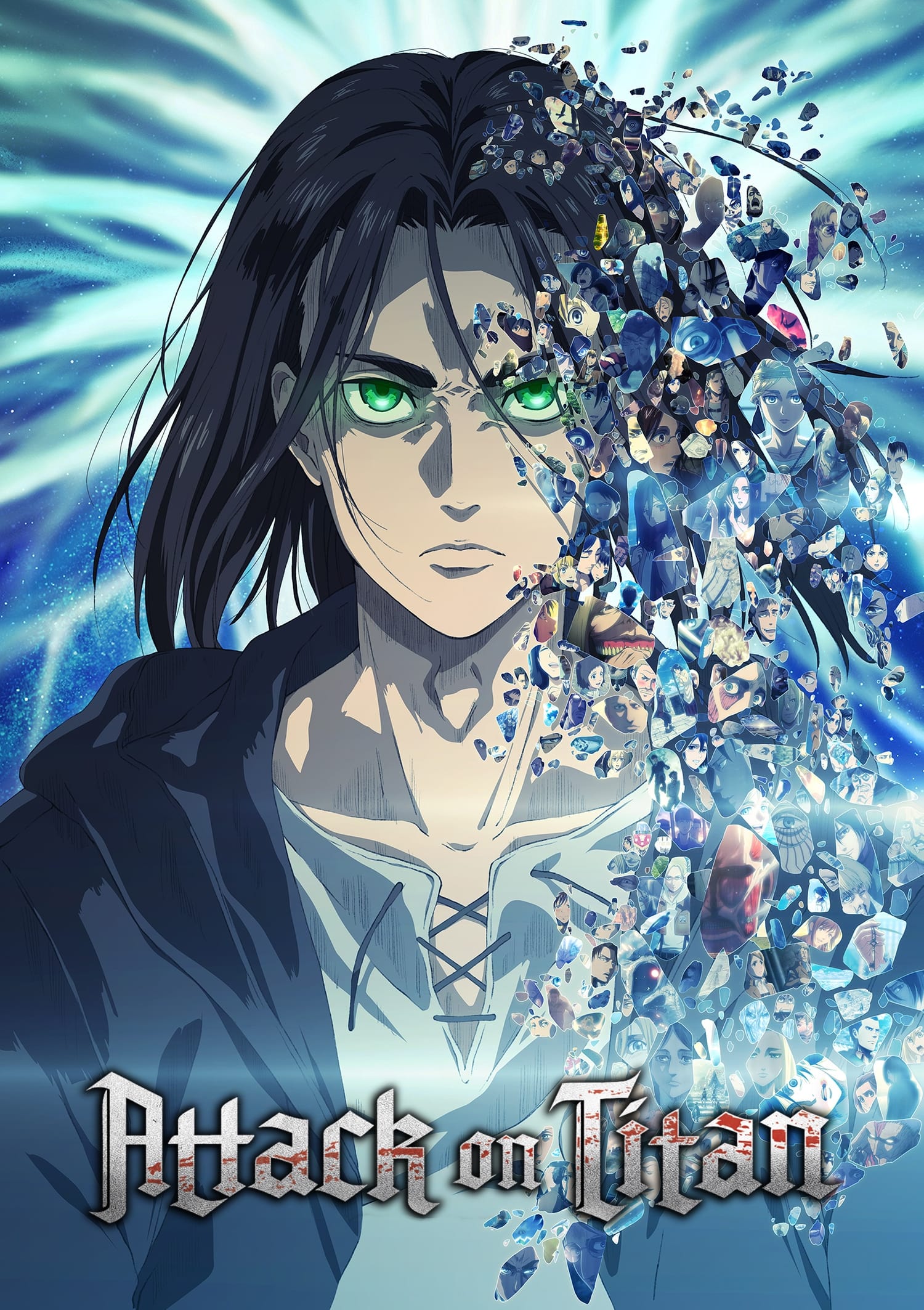
Humanity lives within walls to protect themselves from giant man eating creatures known as Titans. The story follows Eren Yeager as he seeks revenge for his mother and discovers the truth about the world. This anime drew controversy for its complex political allegories and depictions of nationalism. Many discussions center on the cycle of violence and the ethical compromises made during war.
‘Neon Genesis Evangelion’ (1995–1996)
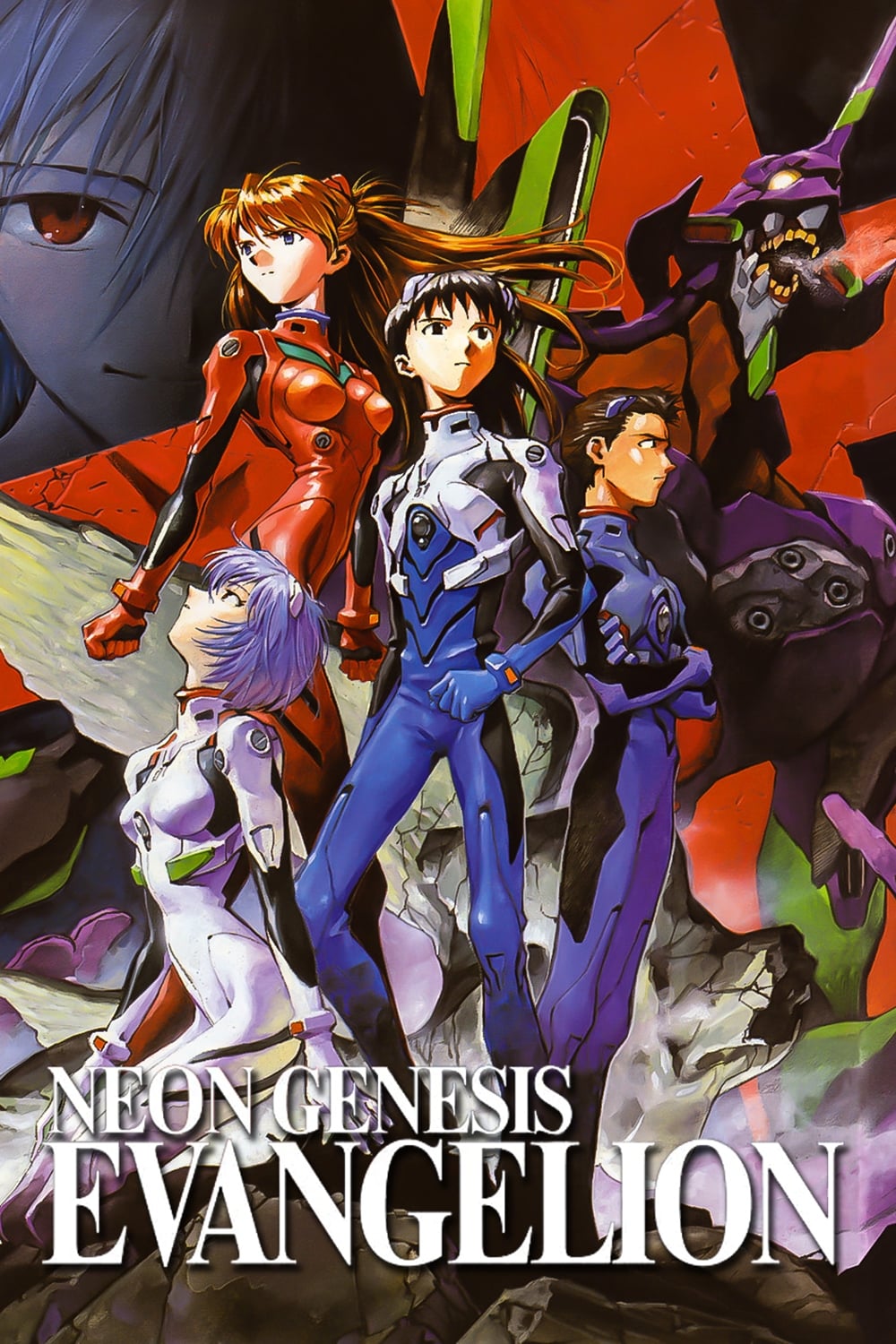
Teenagers pilot giant biological machines to defend Tokyo against mysterious beings called Angels. The narrative shifts from a standard mecha series into a psychological exploration of depression and religious symbolism. Some viewers found the heavy use of Judeo Christian imagery and the abstract ending to be confusing or offensive. It remains a polarizing masterpiece that challenged the standards of the animation industry.
‘Made in Abyss’ (2017–2022)
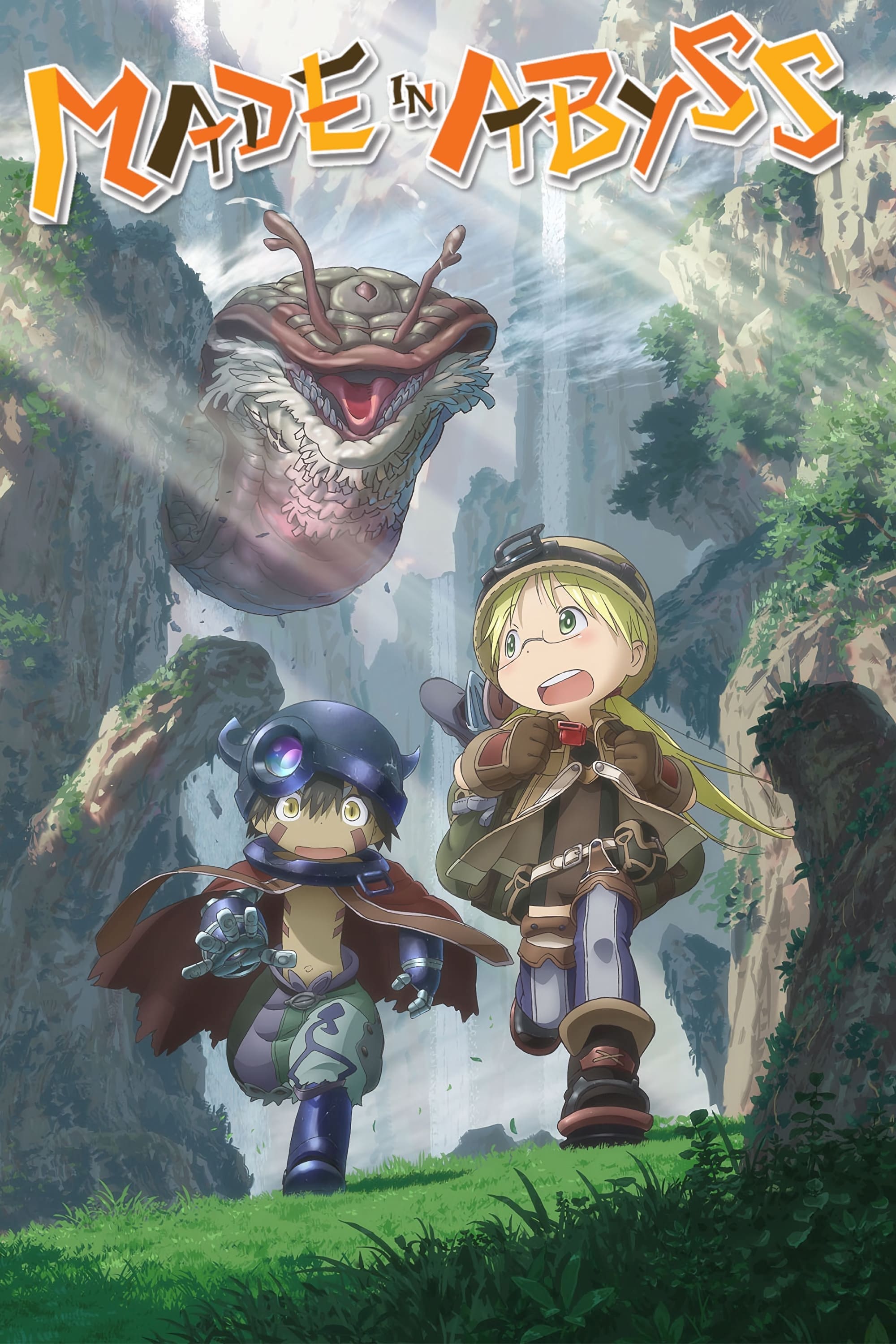
Two young explorers descend into a massive and dangerous chasm to find a lost parent and discover ancient secrets. Despite its cute art style, the show features extreme body horror and psychological trauma inflicted on children. Many critics question the appropriateness of putting young characters through such graphic and disturbing scenarios. The contrast between the aesthetic and the dark content is a primary source of debate.
‘Goblin Slayer’ (2018–2023)

A warrior known only as Goblin Slayer dedicates his life to hunting small but deadly monsters that terrorize rural villages. The premiere episode caused an immediate uproar due to a scene depicting the brutal treatment of female adventurers. Critics argued about the necessity of such graphic depictions for establishing the stakes of the world. Fans often defend the show as a gritty take on traditional fantasy tropes.
‘Redo of Healer’ (2021)

A healing mage who was exploited and abused by his peers uses magic to reset the world and seek vengeance. The series depicts extreme acts of retaliation including sexual assault and physical torture. It was heavily censored or removed from many streaming platforms shortly after its debut. This title is frequently cited as one of the most problematic and controversial anime ever produced.
‘Mushoku Tensei: Jobless Reincarnation’ (2021–2024)

A reclusive man dies and is reborn in a magical world where he resolves to live a meaningful life as Rudeus Greyrat. This series received significant backlash for the early behavior and perverted tendencies of the protagonist. While some praise the character development, others find the sexual humor involving minors to be unacceptable. It has faced various levels of censorship and broadcasting bans in different countries.
‘Elfen Lied’ (2004)
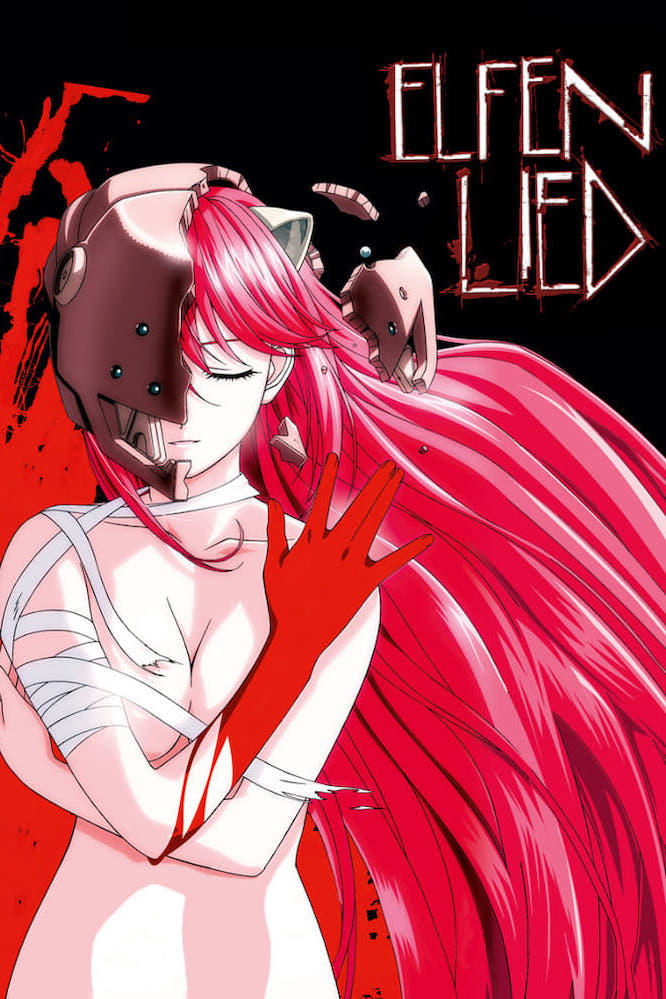
A mutated humanoid known as a Diclonius escapes from a research facility and causes massive destruction. The show is famous for its extreme levels of gore and nudity right from the opening sequence. Discussions often revolve around the way the story handles themes of social alienation and domestic abuse. Critics are divided on whether the violence serves a narrative purpose or is simply gratuitous.
‘Psycho-Pass’ (2012–2019)
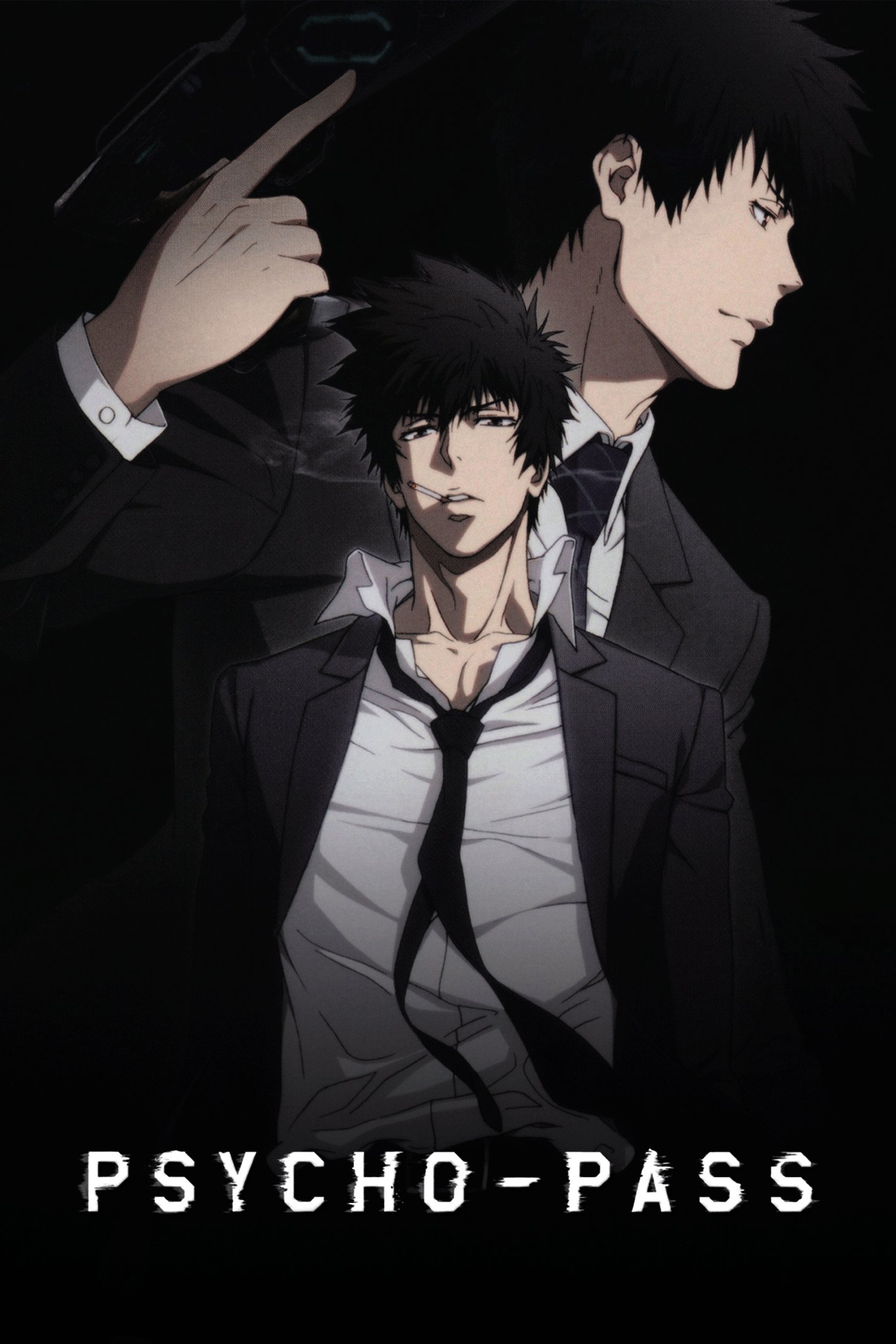
In a futuristic society, a computer system monitors the mental states of citizens to determine their likelihood of committing crimes. The series explores the loss of privacy and the ethics of a pre emptive justice system. Some themes involve government corruption and the dehumanization of those deemed unfit for society. It challenges viewers to consider the balance between safety and personal freedom.
‘Devilman Crybaby’ (2018)

Akira Fudo gains the power of a demon to protect humanity while retaining his human heart. The production features intense graphic violence and sexual content alongside a nihilistic message. It explores the dark nature of humanity and the tendency for society to turn on its own members during a crisis. The ending is particularly controversial for its bleak outlook on the future of the world.
‘Berserk’ (1997–1998)
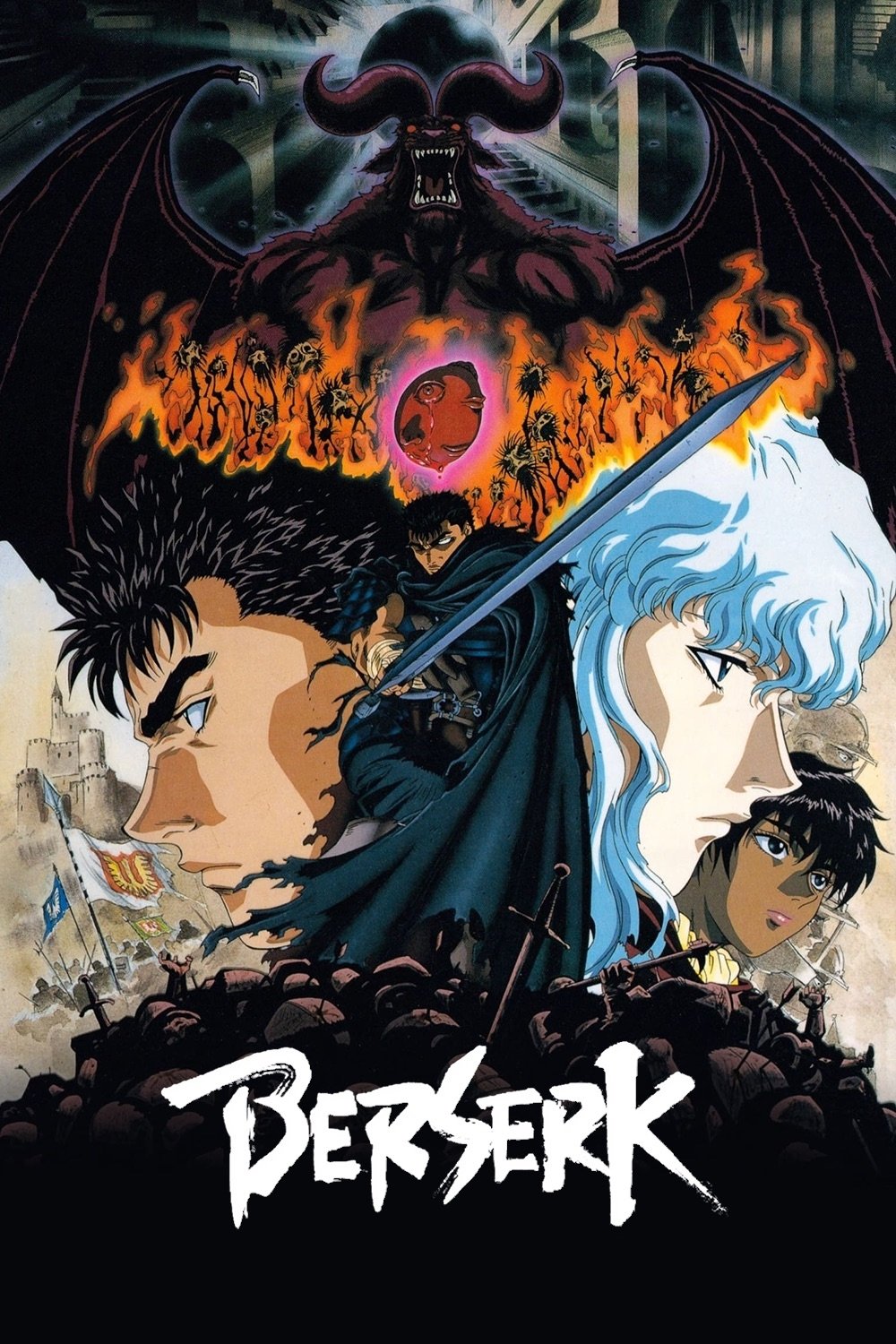
Guts is a lone mercenary who joins a group known as the Band of the Hawk led by the ambitious Griffith. The story culminates in a betrayal that features some of the most disturbing imagery in the medium. It explores themes of destiny, ambition, and the consequences of sacrificing others for power. The franchise is known for being extremely mature and challenging for many viewers to watch.
‘Vinland Saga’ (2019–2023)
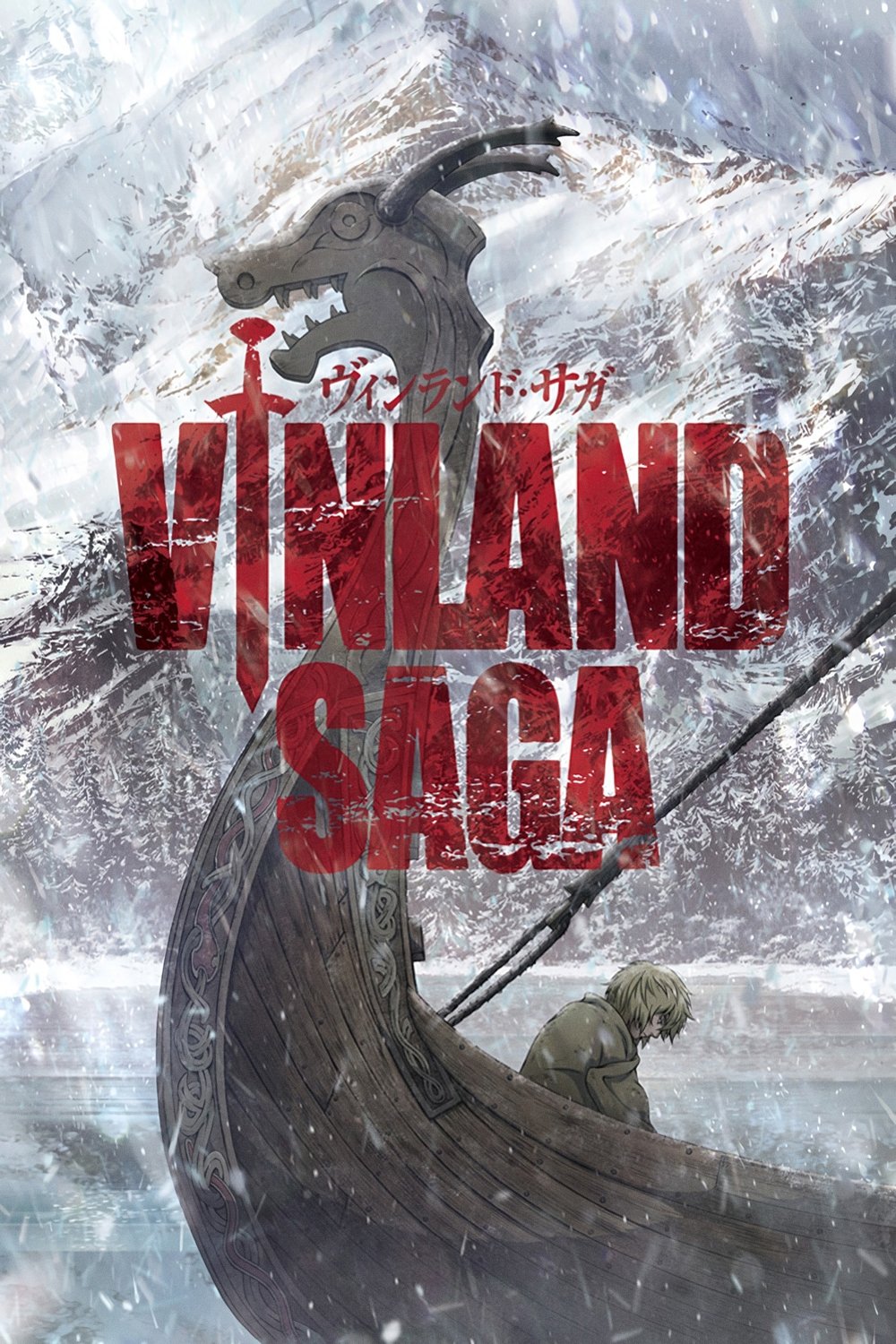
A young man named Thorfinn joins the mercenary crew of the man who killed his father to seek a duel of honor. The series provides a brutal look at Viking culture and the futility of a life defined by revenge. Some viewers found the political maneuvers and slow pacing of the second season to be a jarring shift. It questions the concept of a true warrior in a world governed by violence and conquest.
‘Serial Experiments Lain’ (1998)
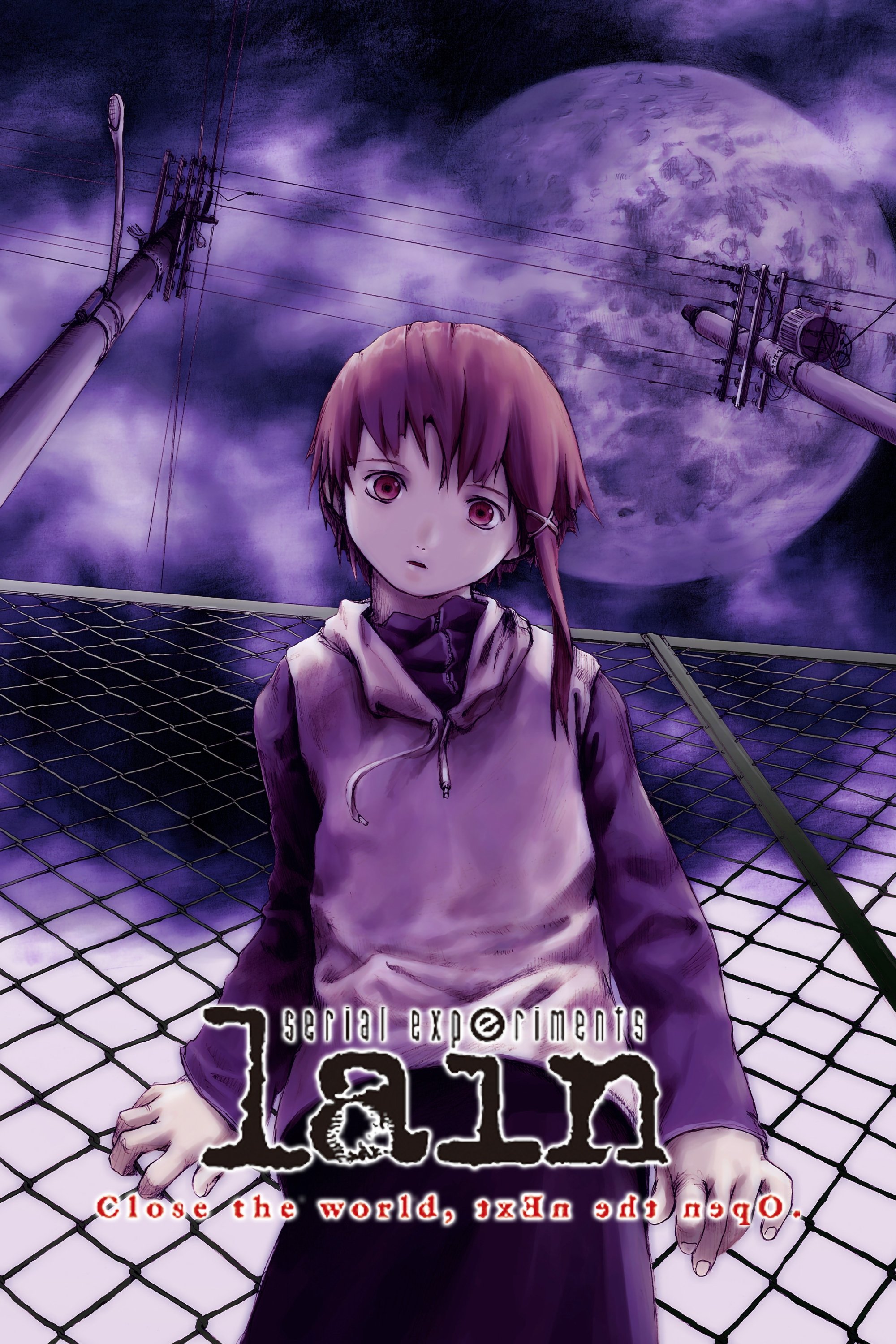
Lain Iwakura becomes obsessed with a global communications network called the Wired and begins to lose her sense of reality. The anime explores complex ideas regarding identity, consciousness, and the blurring line between technology and humanity. Its non linear storytelling and surreal imagery left many audiences confused during its initial run. It is now considered a cult classic that accurately predicted many aspects of the modern internet.
‘Monster’ (2004–2005)

Dr. Kenzo Tenma saves the life of a young boy who grows up to be a cold blooded serial killer. The narrative follows Tenma as he tries to correct his mistake while uncovering a massive conspiracy. The show delves into the origins of evil and the value of a single human life. It is highly regarded but remains controversial for its dark subject matter and psychological manipulation.
‘Puella Magi Madoka Magica’ (2011)
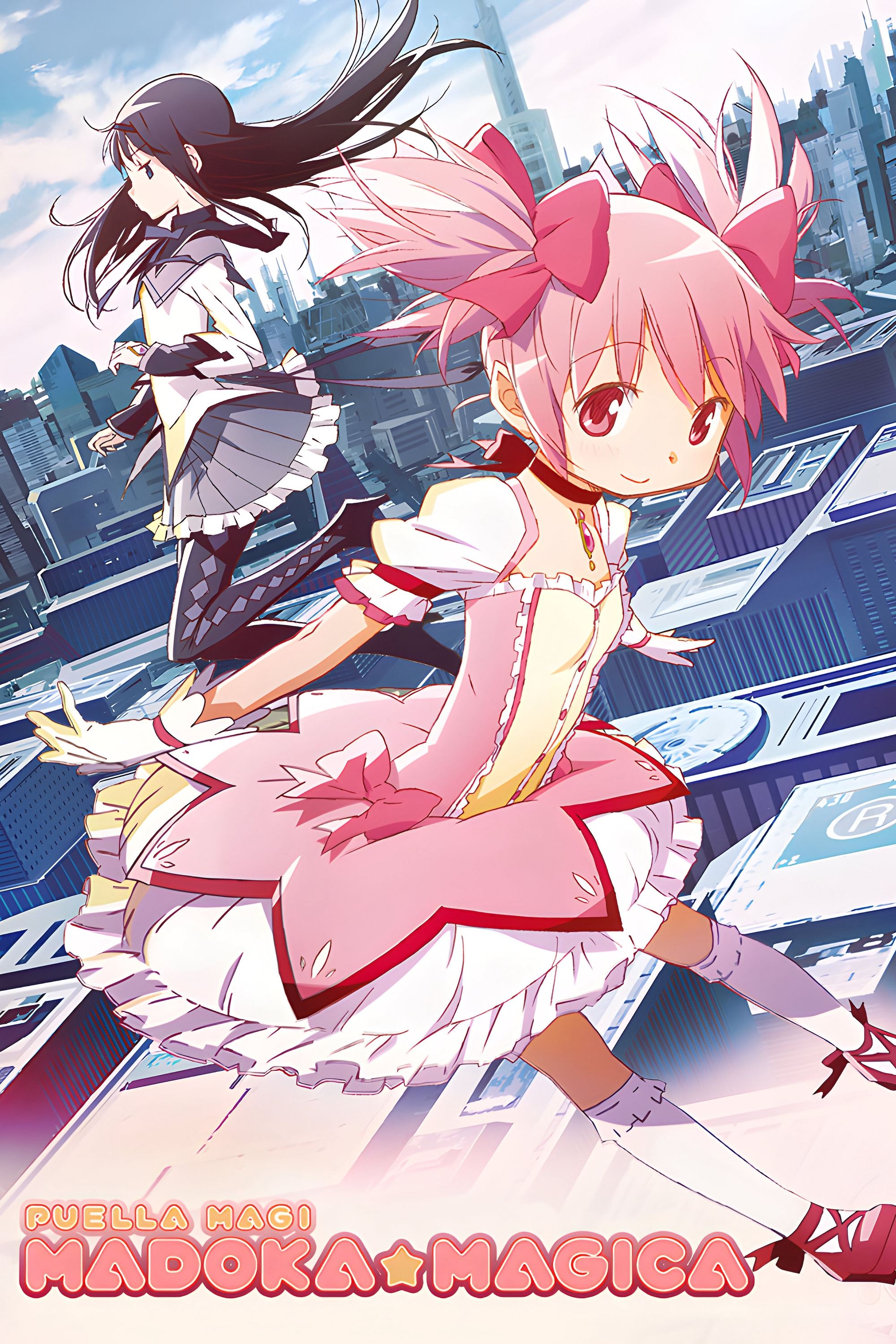
Middle school girls are offered the chance to have any wish granted if they agree to become magical girls and fight witches. The series subverted the magical girl genre by introducing elements of despair and horrific consequences for making a contract. Many parents were surprised by the sudden shift in tone from a cute show to a dark psychological thriller. It remains a benchmark for how to deconstruct traditional anime tropes.
‘Paranoia Agent’ (2004)
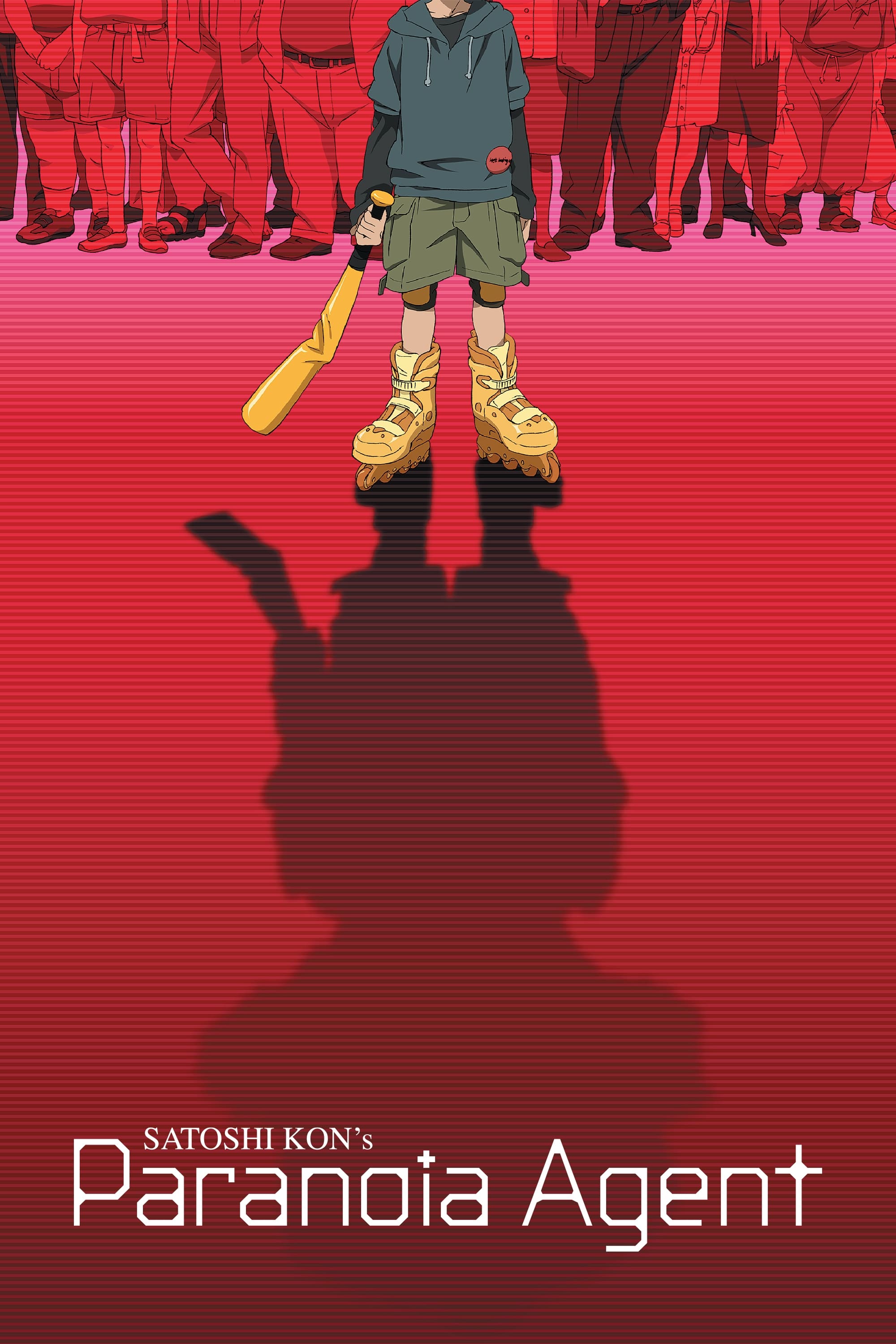
A series of attacks by a boy with a golden baseball bat causes mass hysteria across Tokyo. The anime examines how society creates its own monsters and the escapism people use to avoid reality. It addresses sensitive topics like suicide and the pressures of modern urban life. The surreal nature of the plot makes it a frequent subject of academic and fan analysis.
‘The Future Diary’ (2011–2012)
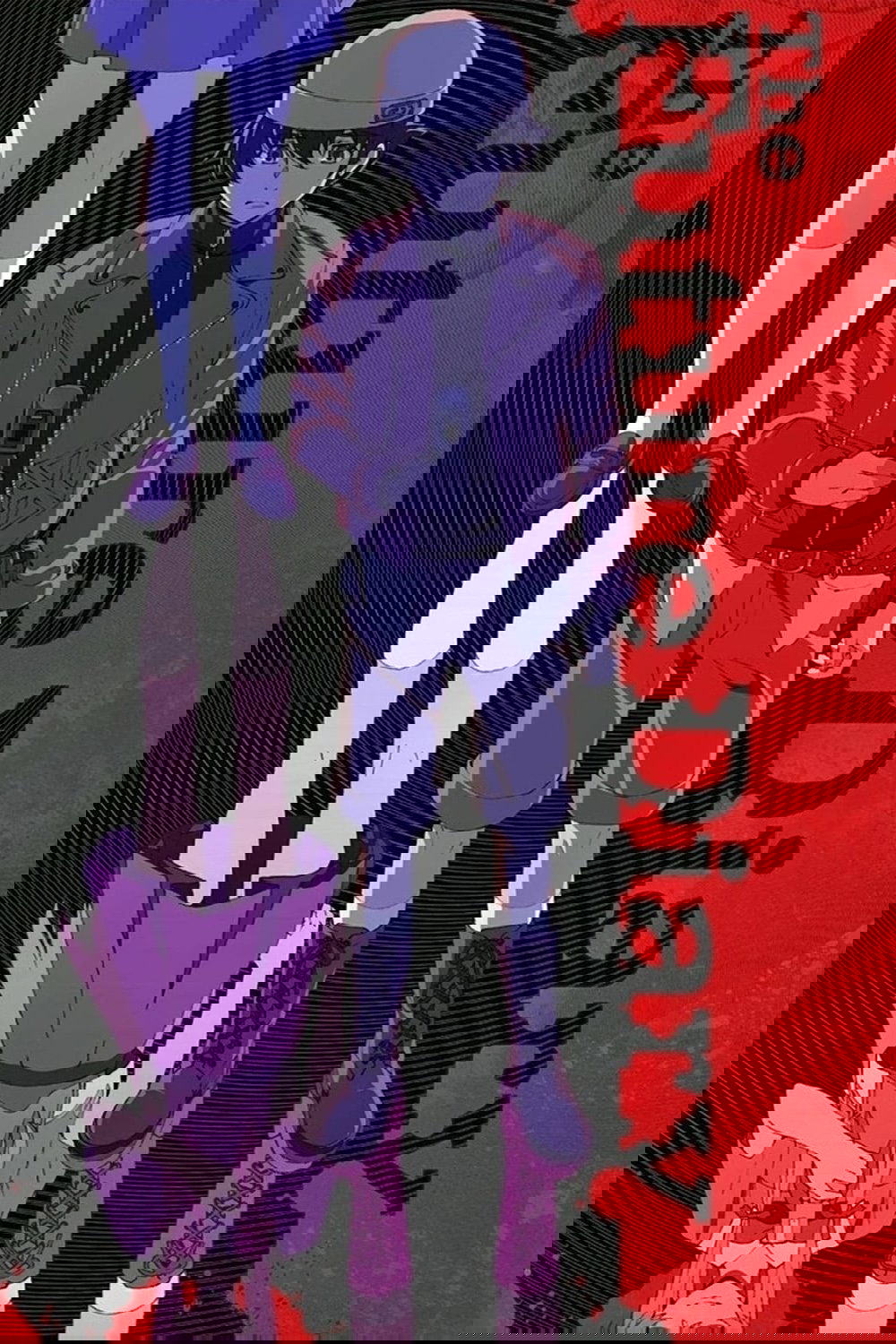
Twelve participants are forced into a battle royale where they must use special diaries that predict the future to kill one another. The character Yuno Gasai became a controversial icon for her obsession and violent tendencies toward the protagonist. The show features various taboos and extreme depictions of psychological instability. Fans often debate whether the romance in the series is a depiction of true love or a toxic fixation.
‘Deadman Wonderland’ (2011)
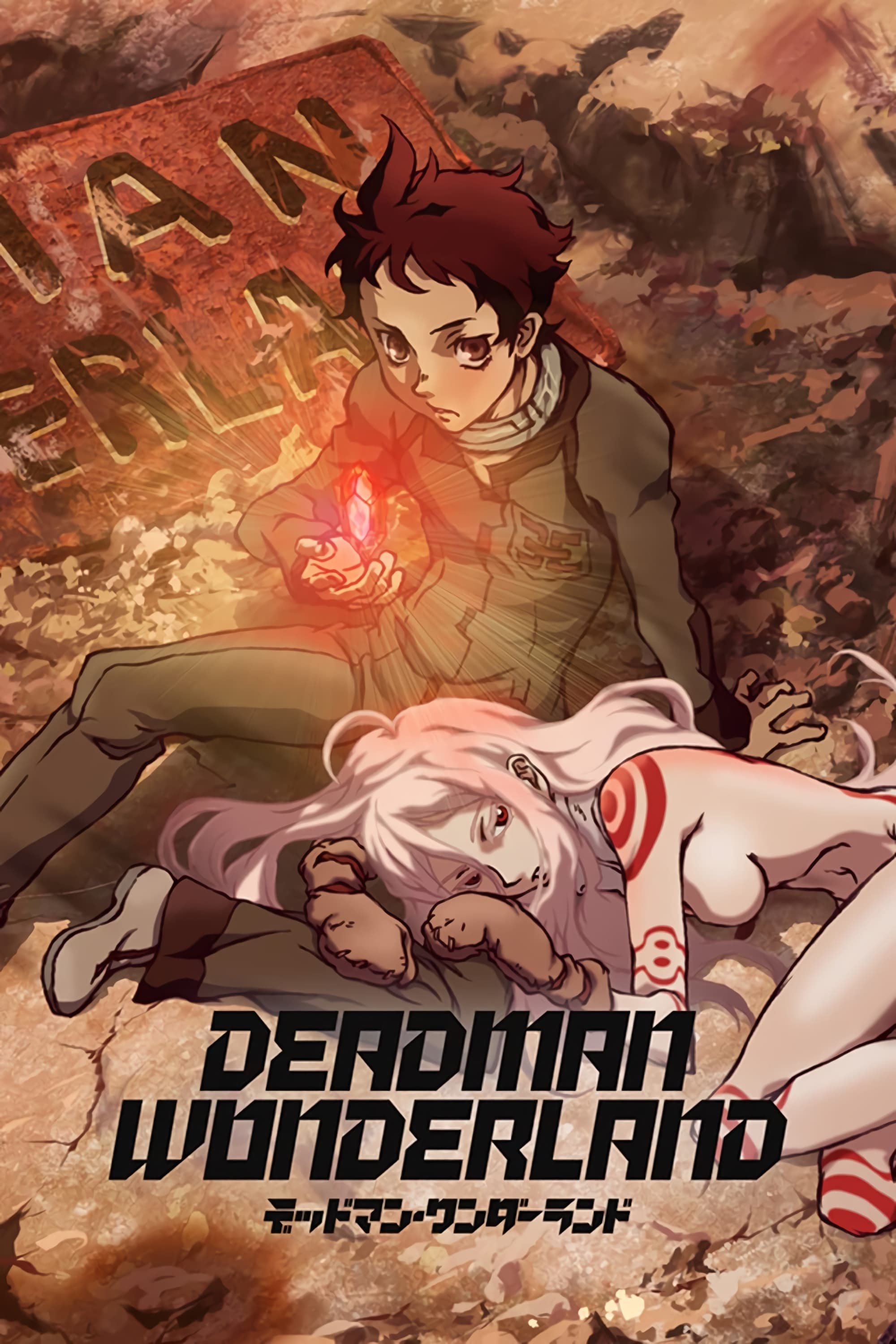
Ganta Igarashi is falsely accused of murdering his classmates and sent to a private prison where inmates fight for survival. The prison operates as a theme park where the public watches brutal combat for entertainment. The series was criticized for its high level of gore and the bleak treatment of its young characters. It raises questions about the privatization of justice and the ethics of violent media consumption.
‘Akame ga Kill!’ (2014)

Tatsumi joins a group of assassins known as Night Raid to overthrow a corrupt government and help his impoverished village. The series is notorious for killing off major characters in sudden and brutal ways. Some viewers felt that the constant use of shock value undermined the actual plot development. The anime original ending also sparked debate among fans of the manga source material.
‘Grave of the Fireflies’ (1988)
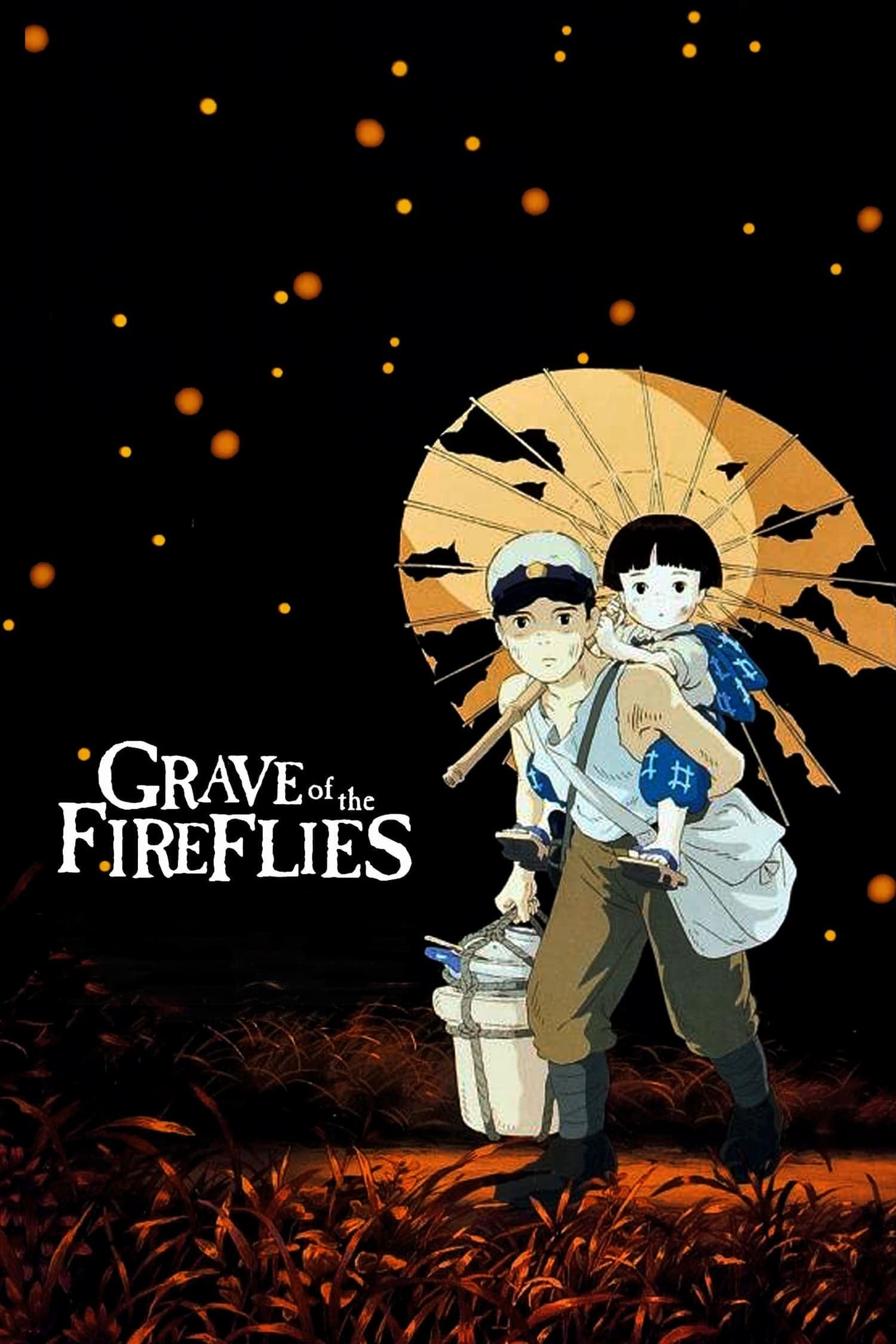
Two siblings struggle to survive in Japan during the final months of World War II. The film is universally acclaimed but remains controversial due to its devastating emotional impact and depiction of suffering. It provides a stark look at the consequences of war on civilians and the failure of society to protect its most vulnerable members. Many people find the movie too painful to watch more than once.
‘Higurashi: When They Cry’ (2006–2007)
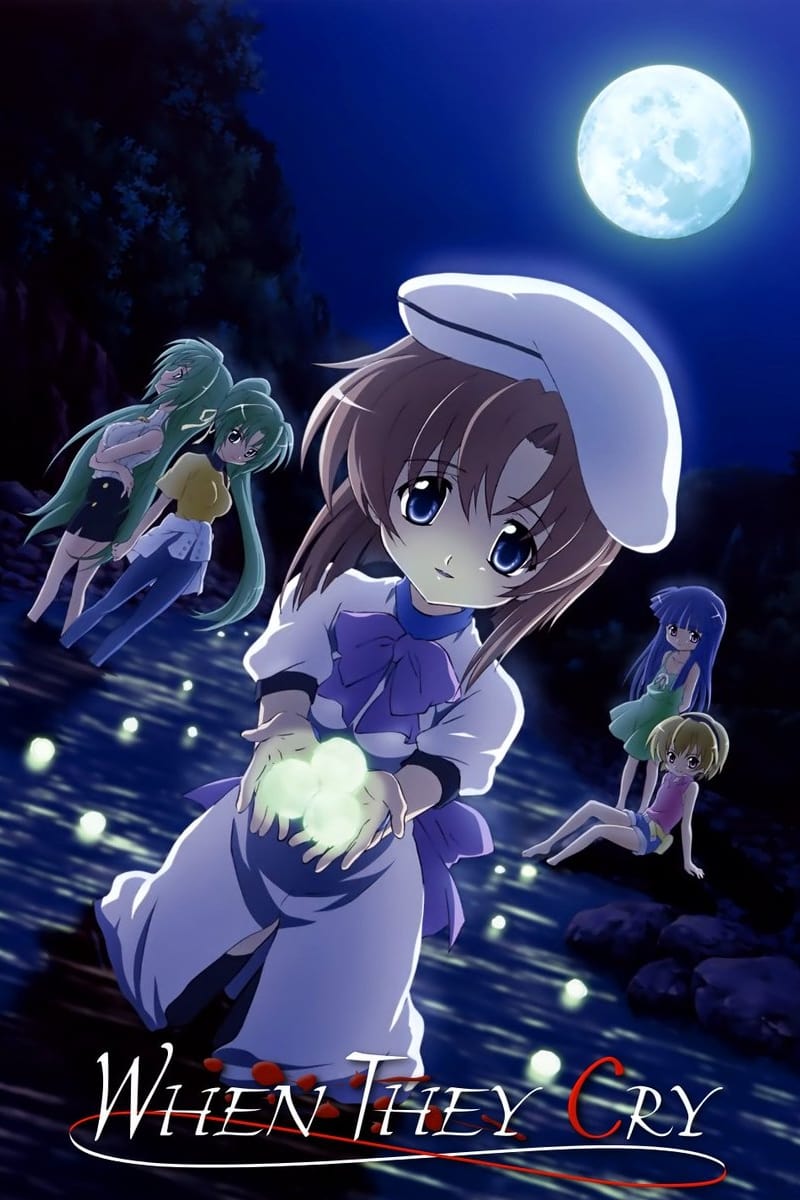
Keiichi Maebara moves to a quiet village where he discovers a series of mysterious deaths and disappearances. The show features a looping narrative where the characters frequently succumb to paranoia and commit horrific acts of violence. The contrast between the moe character designs and the bloody content was a significant point of discussion. It explores the psychological effects of isolation and the weight of hidden secrets.
‘Scum’s Wish’ (2017)
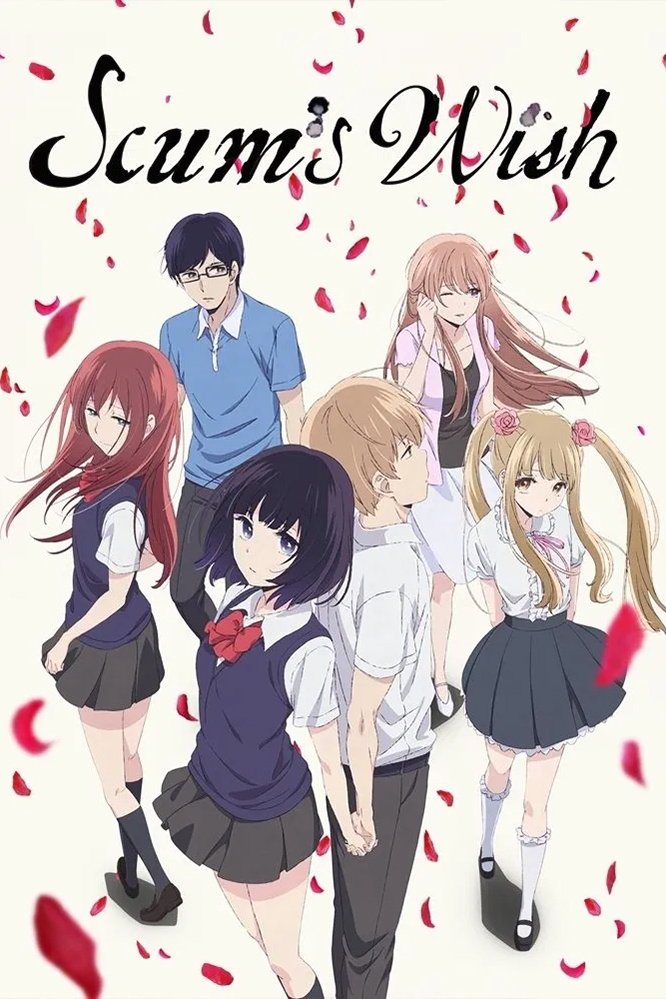
Two high school students enter a fake relationship to deal with their unrequited love for other people. The series depicts a very cynical and mature view of teenage sexuality and emotional manipulation. Many viewers found the characters to be unlikable or the situations to be overly depressing. It remains controversial for its honest and sometimes uncomfortable portrayal of human intimacy.
Share your thoughts on which controversial anime surprised you the most in the comments.