

Anime with Factions Based on Real Political Ideologies

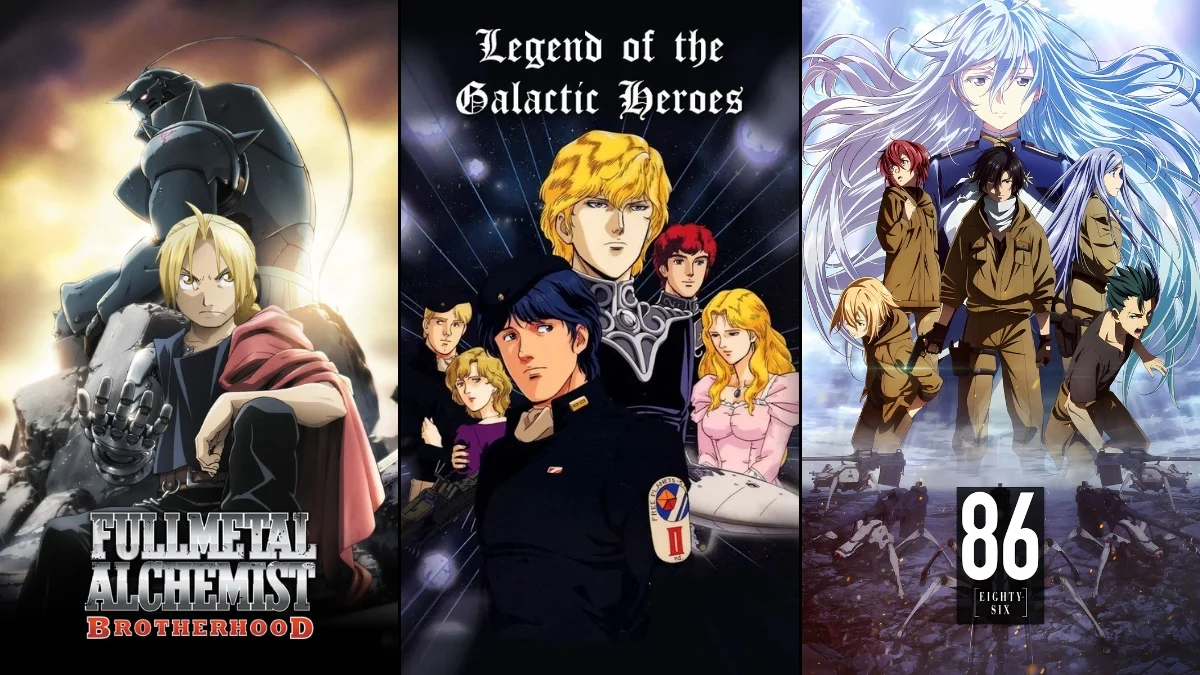


Anime often serves as a mirror to reality, using fantastical settings to explore complex real-world sociopolitical systems. Many series feature factions that embody distinct ideologies, from authoritarian regimes to anarchistic movements, allowing viewers to witness the clash of these philosophies in heightened narratives. These shows do not merely depict battles between good and evil but often delve into the gray areas of governance, freedom, and control. The following titles prominently feature groups rooted in recognizable political theories and historical governments.
‘Legend of the Galactic Heroes’ (1988–1997)
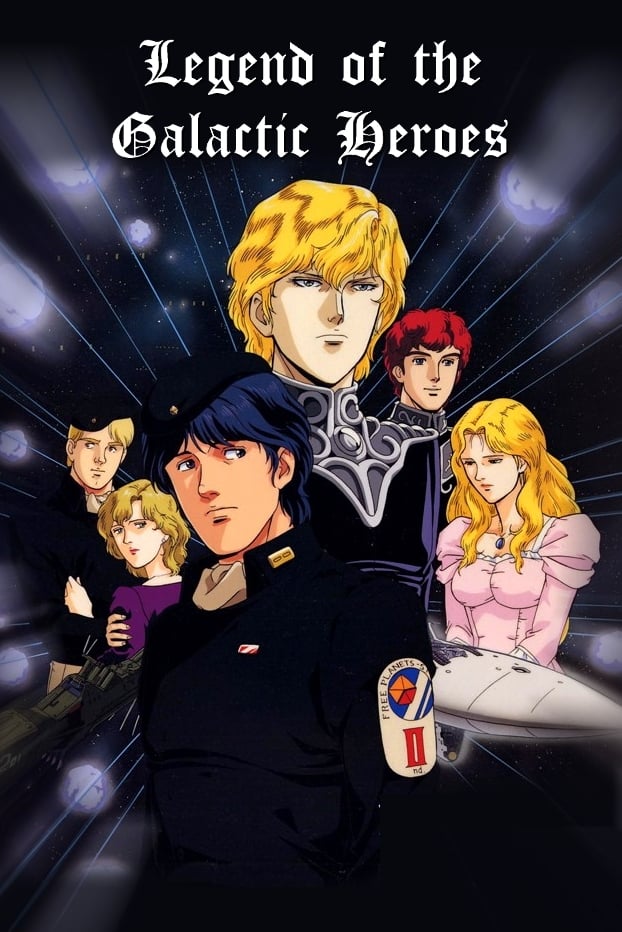
This space opera is renowned for its detailed exploration of the conflict between two interstellar superpowers representing opposing political systems. The Galactic Empire operates as an autocracy led by a benevolent dictator who believes in efficiency and order above all else. In contrast, the Free Planets Alliance functions as a democratic republic that suffers from corruption, mob rule, and bureaucratic inefficiency. The series presents a nuanced debate on whether a corrupt democracy is preferable to a clean and efficient dictatorship.
‘Code Geass: Lelouch of the Rebellion’ (2006)
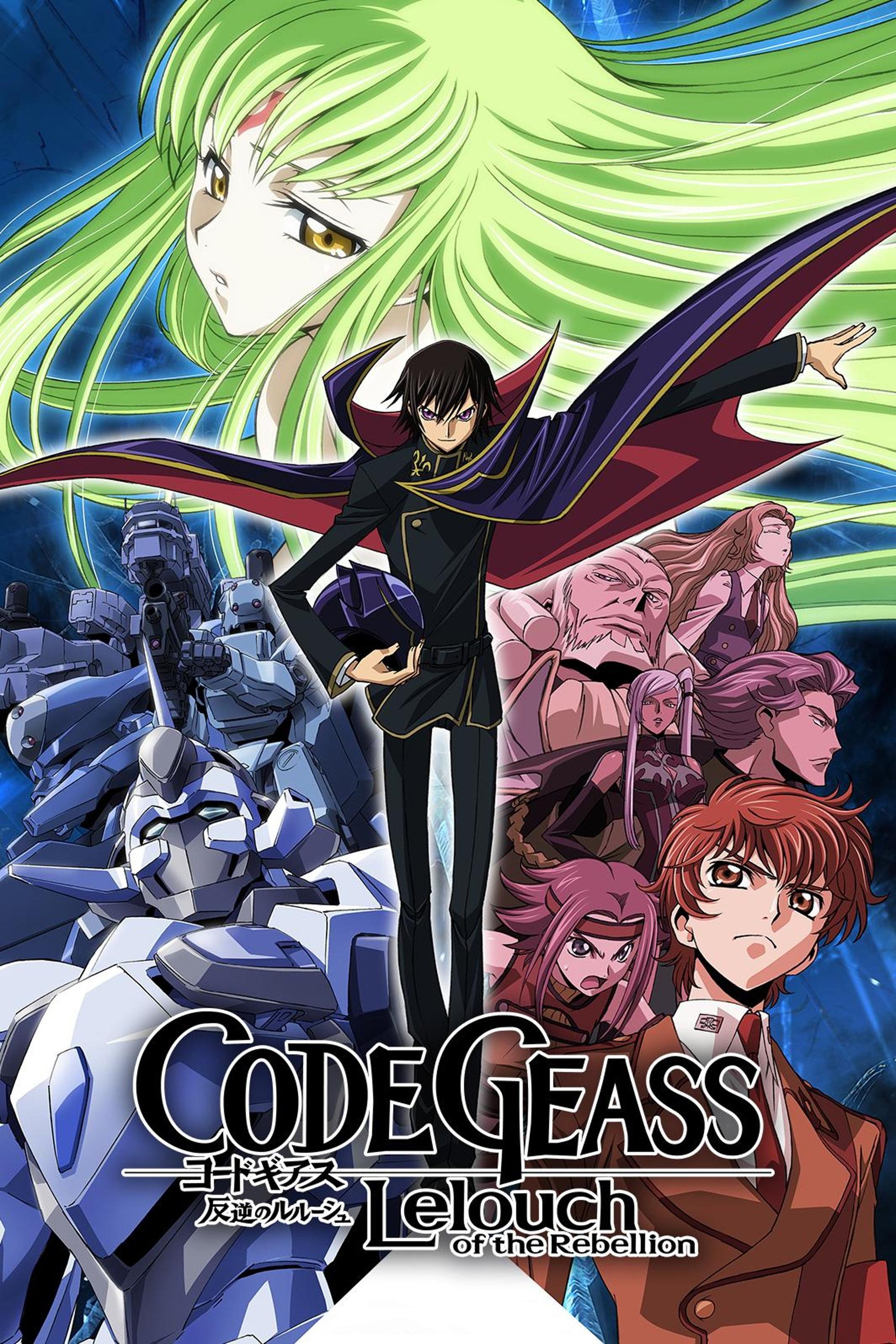
The Holy Britannian Empire in ‘Code Geass: Lelouch of the Rebellion’ is a superpower built on the principles of Social Darwinism and imperialism. Emperor Charles zi Britannia famously declares that all men are not created equal, justifying the subjugation of “weaker” nations like Japan, which is renamed Area 11. The empire enforces a rigid class system where nobles thrive while conquered peoples are stripped of their rights and identities. This ideology drives the central conflict as the protagonist seeks to dismantle the oppressive regime.
‘Fullmetal Alchemist: Brotherhood’ (2009)
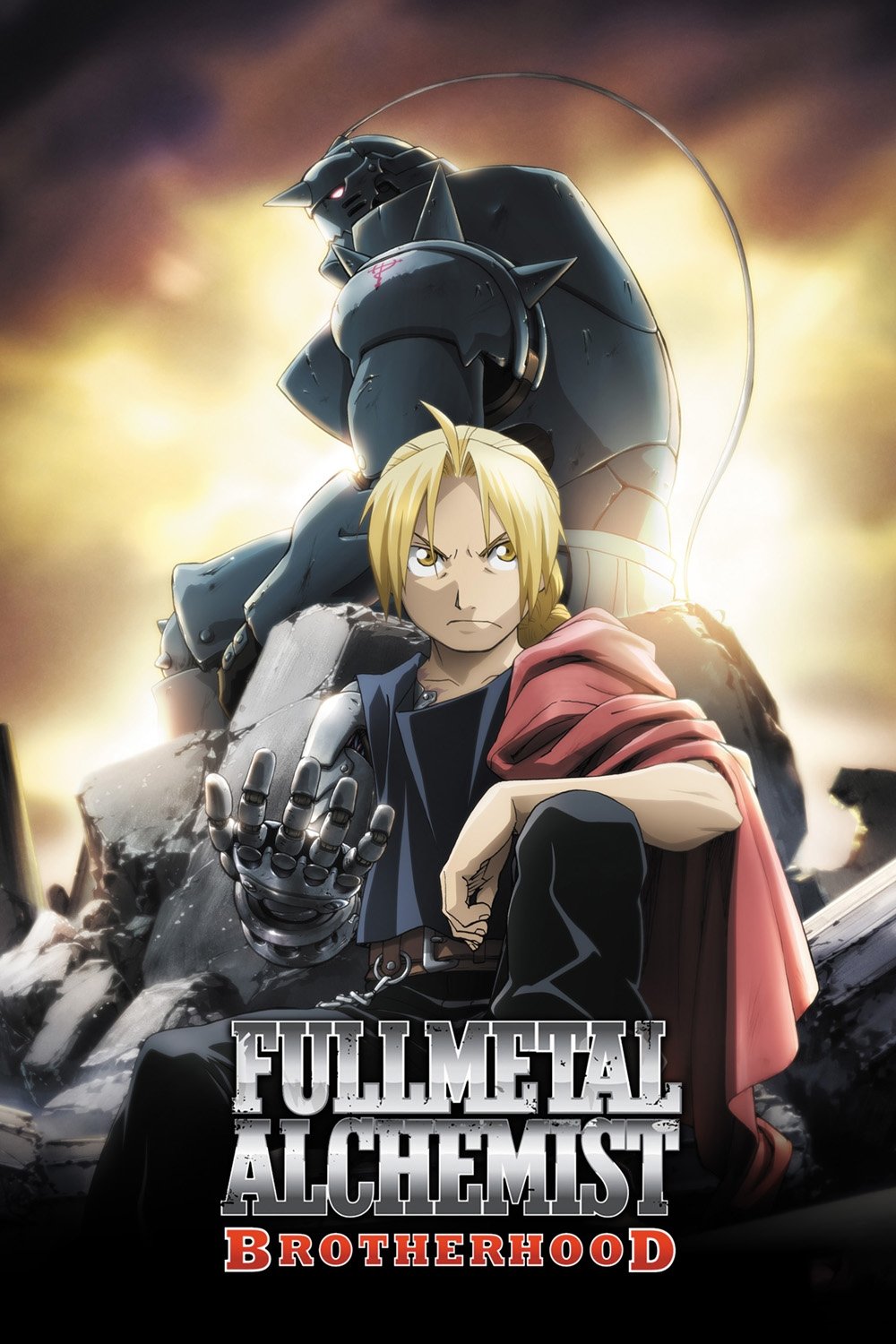
The nation of Amestris functions as a military dictatorship with strong parallels to early 20th-century fascist regimes. Its government is headed by the Führer, a title directly referencing Nazi Germany, and the country constantly engages in expansionist wars to fuel its economy and influence. The narrative reveals how the state uses propaganda and state-controlled alchemy to maintain order and suppress dissent among its citizens. Beneath the surface, the military’s actions are driven by a dark conspiracy that treats the population as a resource rather than a citizenry.
‘Attack on Titan’ (2013–2023)
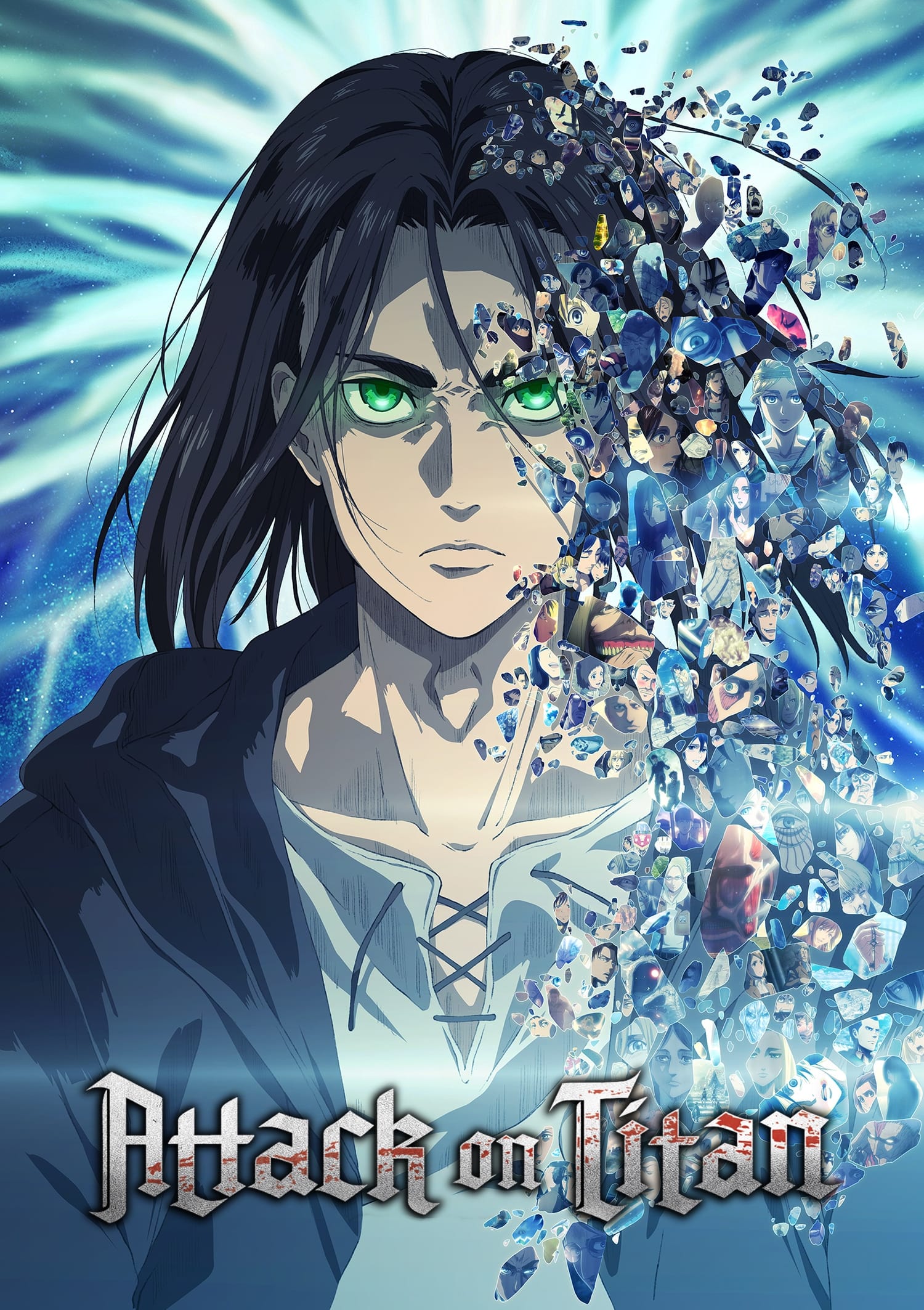
In the later seasons of ‘Attack on Titan’, the nation of Marley is depicted as a militaristic empire that enforces strict segregation and dehumanization of the Eldian people. Marleyan society operates on fascist principles, utilizing propaganda to indoctrinate its citizens and confining Eldians to internment zones similar to ghettos. The Yeagerists eventually emerge as a counter-faction representing extreme nationalism and restorationism, willing to commit global genocide to ensure their nation’s survival. The story grimly illustrates the cycle of hatred perpetuated by these totalitarian ideologies.
‘Mobile Suit Gundam’ (1979)
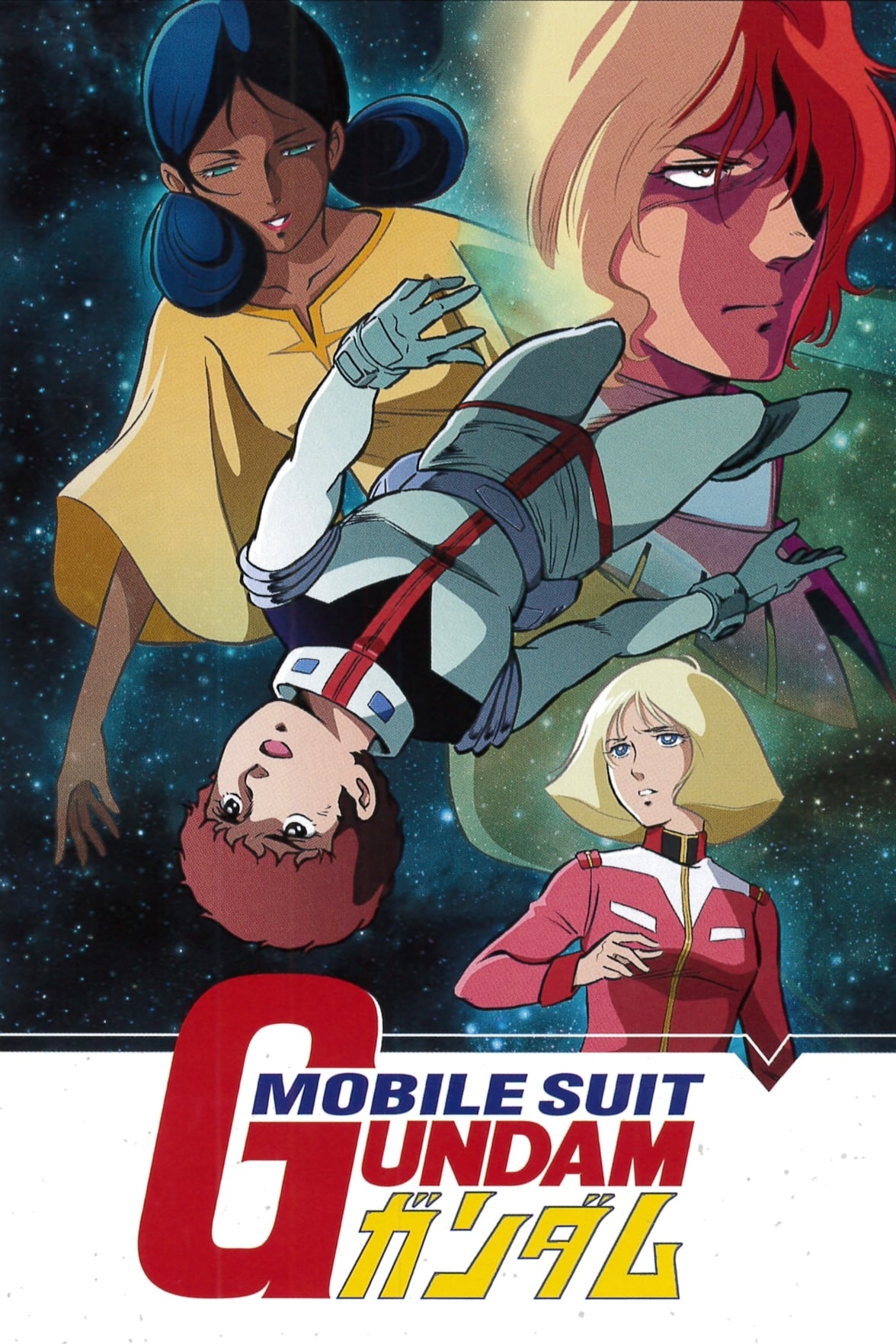
The Principality of Zeon is explicitly modeled after fascist movements, particularly Nazi Germany, during the One Year War. Ruled by the Zabi family, Zeon promotes the idea of Spacenoid superiority and seeks independence from the Earth Federation through violent conquest. Their ideology, Contolism, twists the original philosophy of space autonomy into a justification for dictatorship and racial elitism. The faction’s use of terror tactics, such as dropping space colonies on Earth, reflects the extreme measures employed by totalitarian regimes.
‘Psycho-Pass’ (2012)
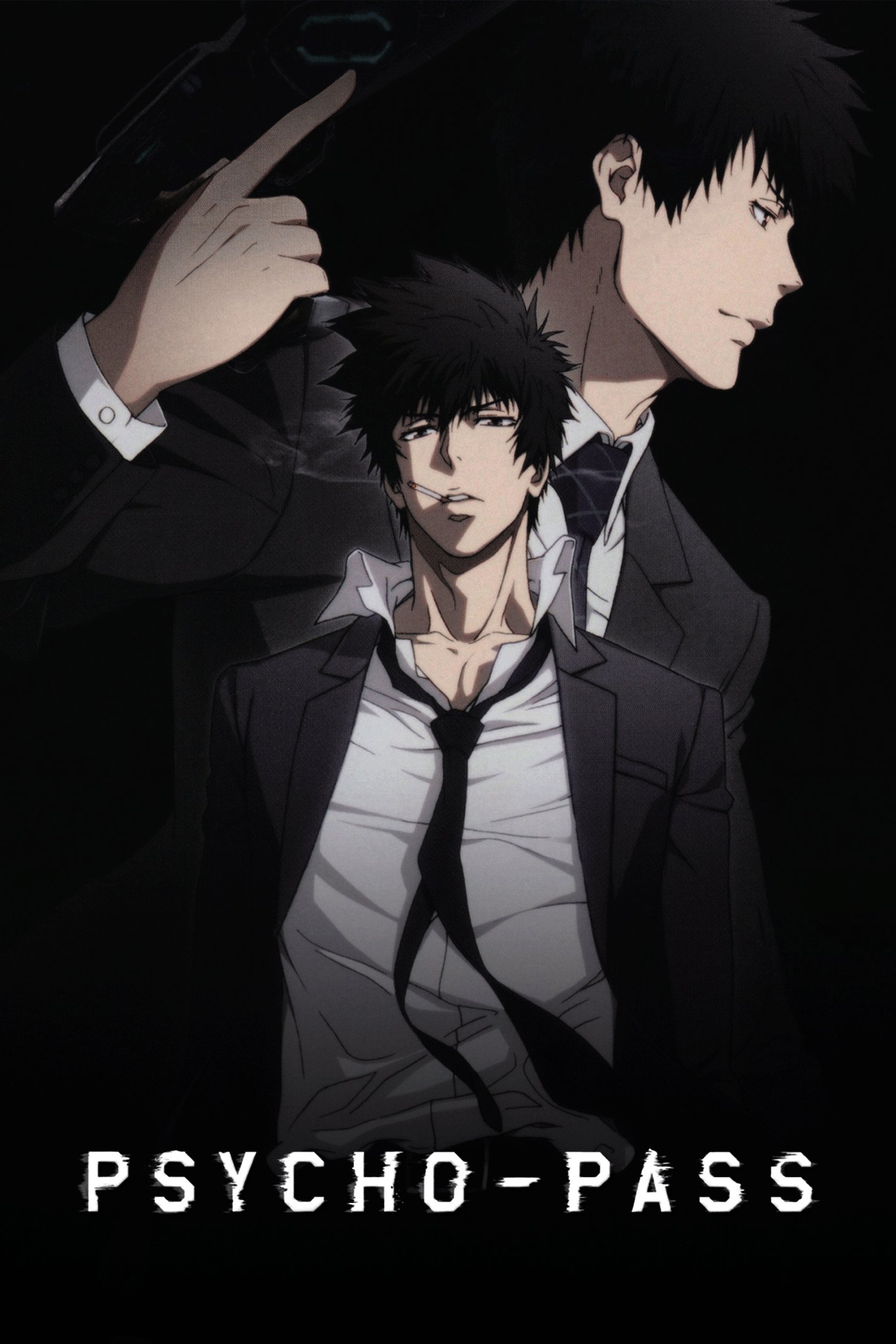
The Sibyl System governs Japan through a form of authoritarian utilitarianism, where the collective happiness is prioritized over individual privacy and free will. By quantifying a person’s mental state and potential for crime into a “Crime Coefficient,” the state preemptively detains or eliminates citizens before they commit any wrongdoing. This technocracy aims to create a stress-free society but achieves it by removing human agency and appointing an unchallengeable, hidden oligarchy as the judge of all morality. The series questions the cost of peace when it requires total submission to a surveillance state.
‘Saga of Tanya the Evil’ (2017)
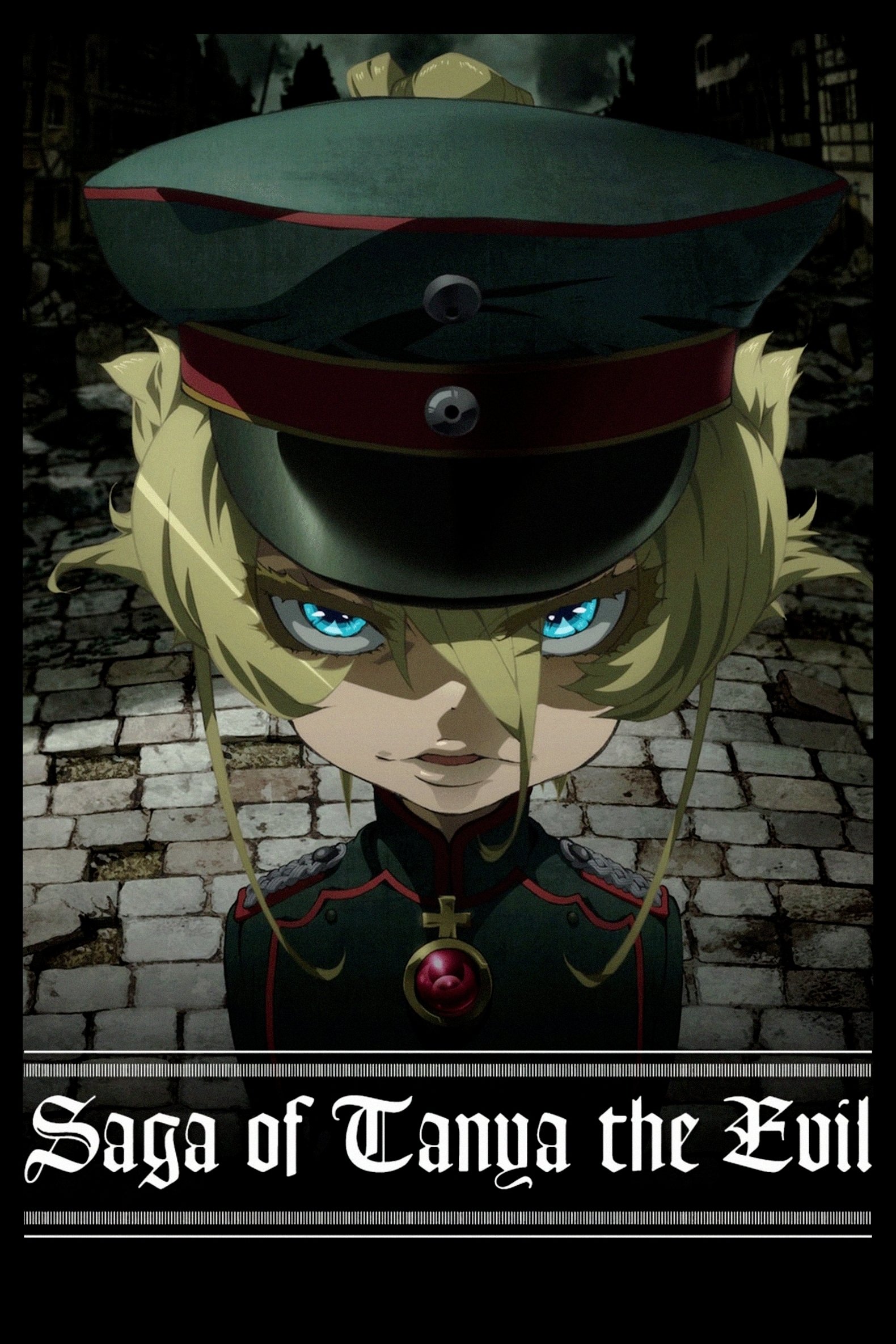
Set in an alternate world reminiscent of early 20th-century Europe, this series features the Empire, which parallels Imperial Germany with its focus on efficiency, industrialization, and nationalism. The Empire is surrounded by enemies, including the Russy Federation, which is a direct representation of the communist Soviet Union. The Federation is depicted as a totalitarian state where political officers enforce loyalty and purge dissidents within their own ranks. The clash between these powers highlights the brutal pragmatism of military expansionism and state-controlled ideologies.
’86 Eighty-Six’ (2021)
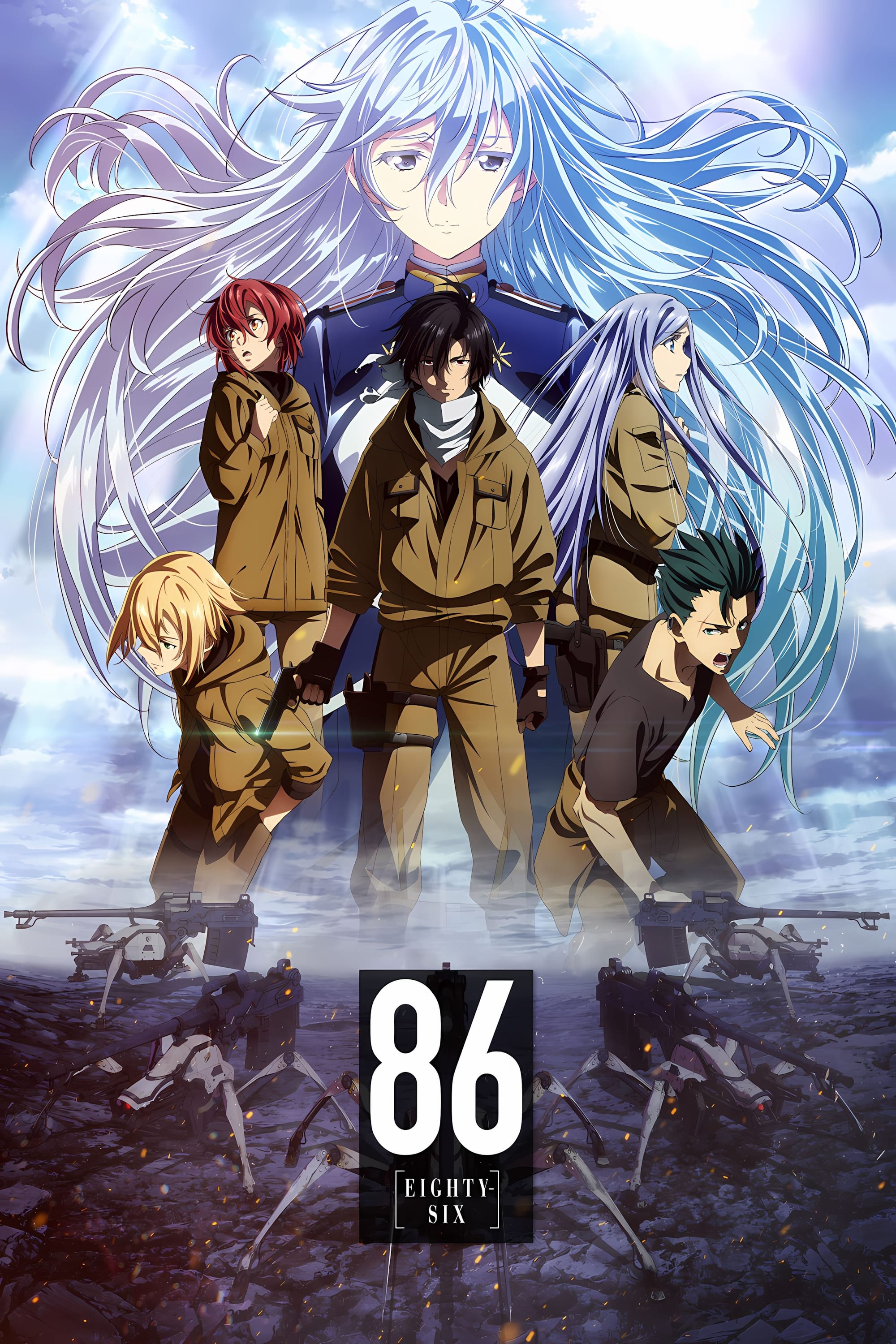
The Republic of San Magnolia claims to be a democracy valuing freedom and equality but practices state-sponsored apartheid. The dominant Alba race has stripped the Colorata minorities of their humanity, forcing them to pilot drone weapons in a war against the Empire of Giad. This hypocrisy critiques flawed democracies that maintain a veneer of civility while exploiting a disenfranchised underclass. The Republic’s propaganda machine convinces its citizens that the war is bloodless, hiding the genocidal reality of their survival strategy.
‘My Hero Academia’ (2016)
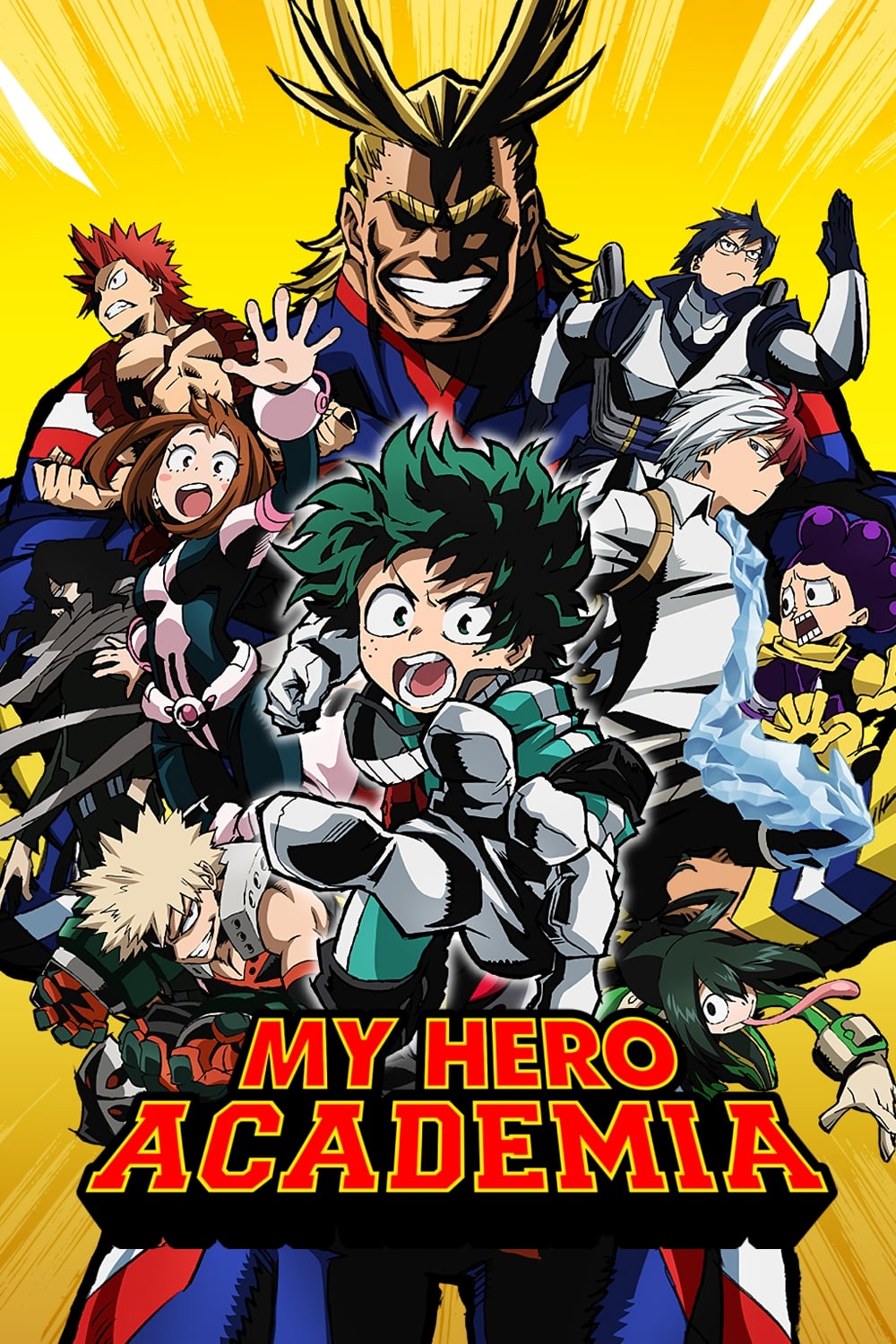
The Meta Liberation Army is a villainous organization rooted in a radical libertarian ideology that opposes government regulation of superpowers. They believe that individuals should be free to use their “Quirks” without restriction, advocating for a society where social status is determined by raw power rather than laws. This philosophy aligns with Social Darwinism, aiming to dismantle the current hero society that protects the weak. Their goal is to create a new order where the strong dominate, rejecting the safety nets provided by the state.
‘Dr. Stone’ (2019)
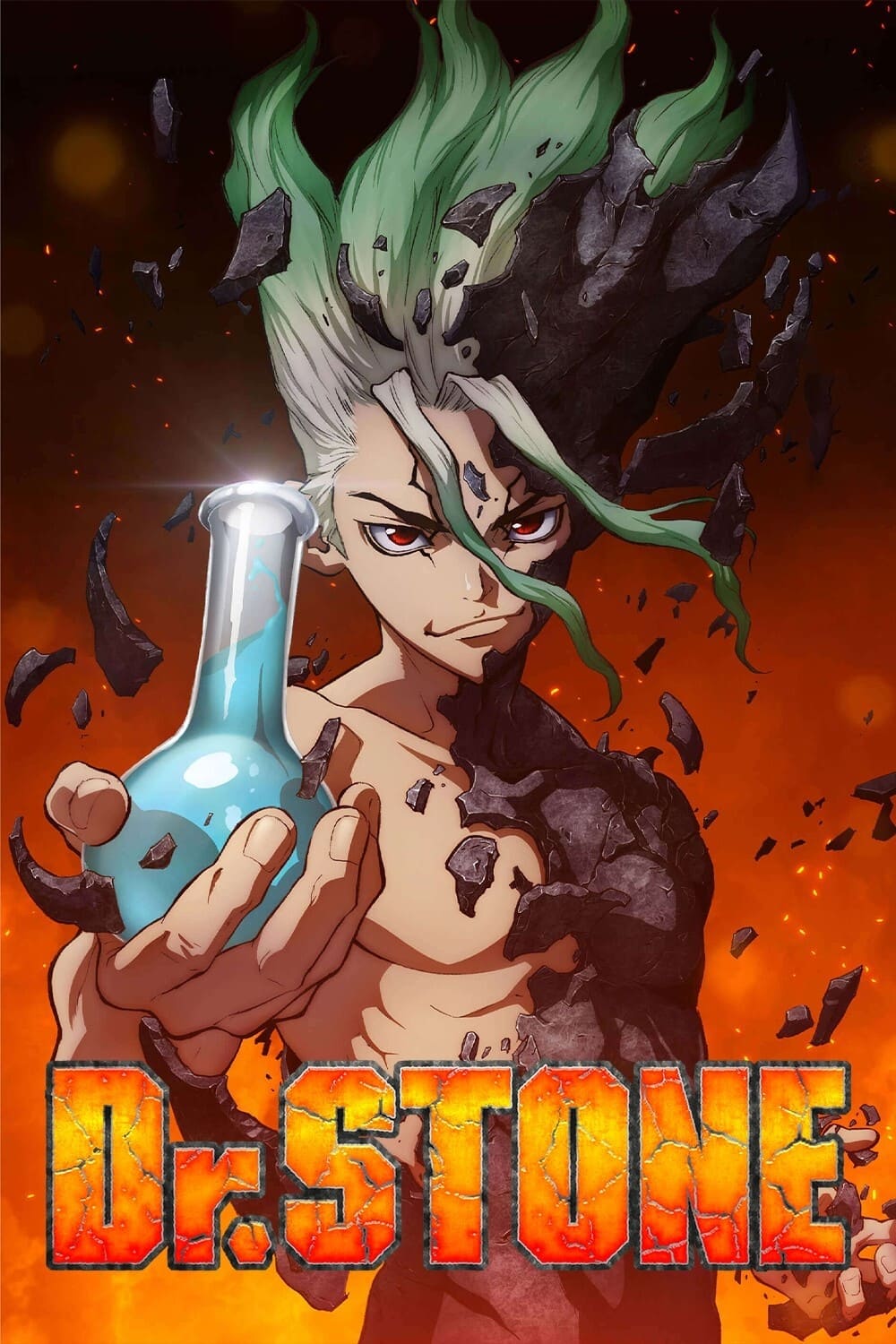
Tsukasa Shishio establishes the Empire of Might based on an anarcho-primitivist ideology that rejects the “corrupt” adult world and modern technology. He aims to revive only the young and unblemished, creating a society that lives in harmony with nature and relies on physical strength. This vision stands in direct opposition to the protagonist’s Kingdom of Science, which seeks to restore civilization through technological advancement. Tsukasa’s faction views the old world’s hierarchy and capitalism as sources of evil that must be purged.
‘Hellsing Ultimate’ (2006–2012)

The antagonist group Millennium is a remnant of the Nazi SS that seeks to plunge the world into eternal war. Led by the Major, this faction is driven by a nihilistic and fanatical obsession with conflict, seeking to recreate the chaos of World War II. They utilize supernatural means to create an army of vampires, embodying the destructive nature of fascism pushed to its supernatural extreme. The organization serves as a literal and metaphorical revival of the Third Reich’s ideologies.
‘Library War’ (2008)
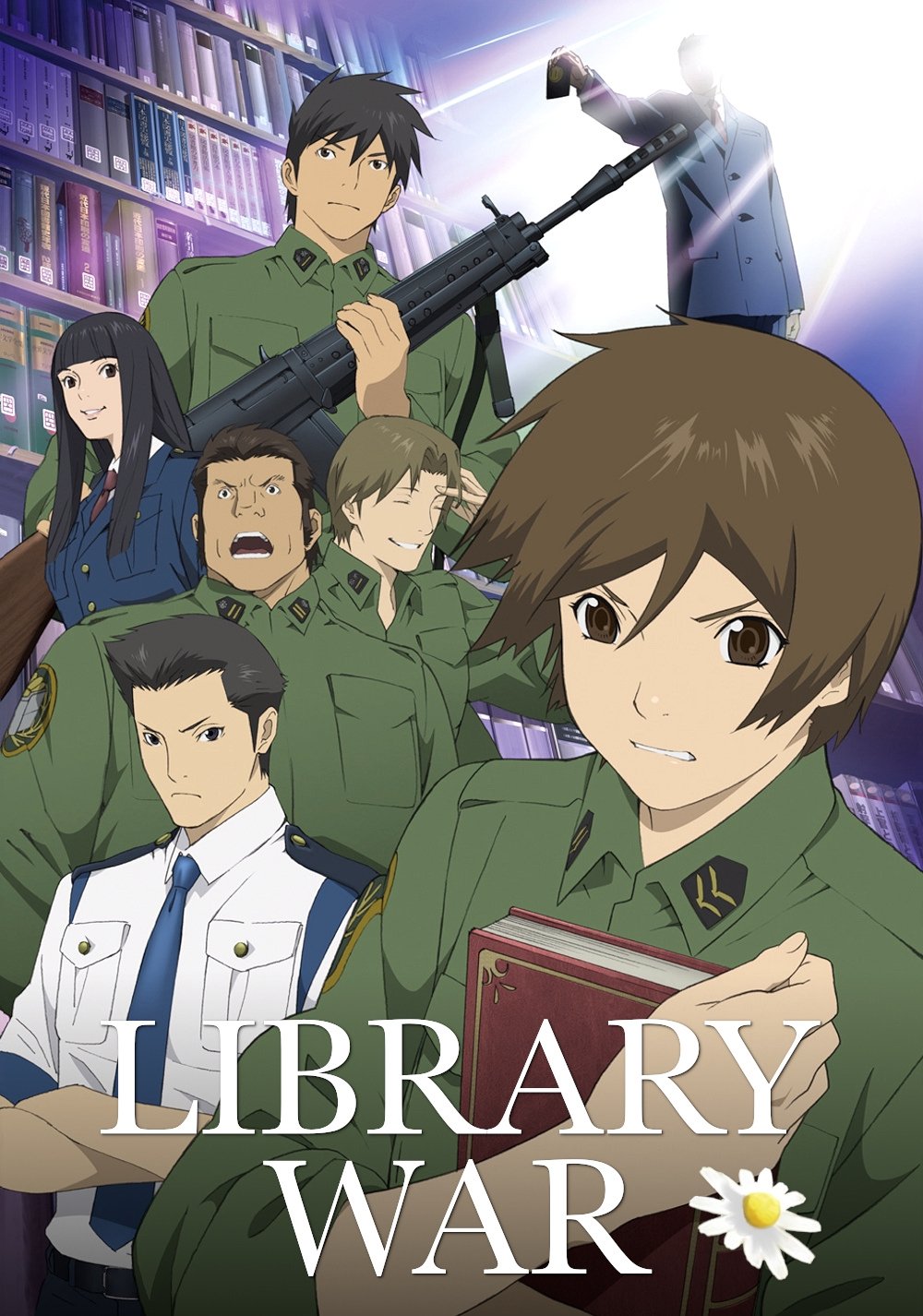
In this series, the Media Betterment Committee is a government agency dedicated to censorship and the suppression of information deemed harmful to society. They operate under the guise of protecting public morals, utilizing legal authority to seize books and media that challenge state-approved narratives. Opposing them is the Library Defense Force, which operates on the principle of intellectual freedom and the right to access information. The conflict allegorizes the struggle between authoritarian information control and democratic liberties.
‘Kill la Kill’ (2013)
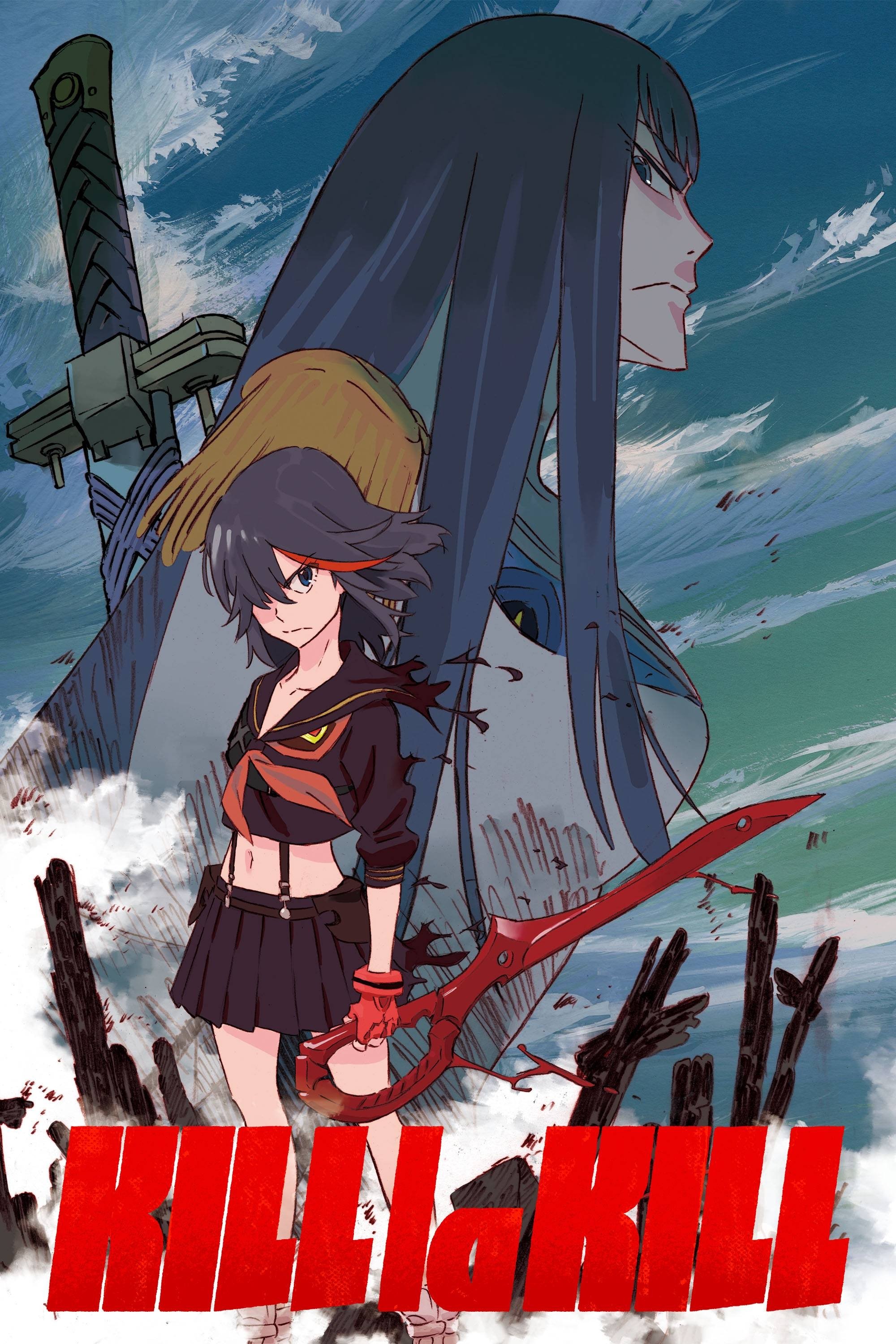
Honnouji Academy functions as a fascist micro-state where the student council president, Satsuki Kiryuin, rules with absolute authority. The social hierarchy is determined by the uniforms students wear, which grant them superhuman abilities and improved living conditions. This system enforces a rigid totalitarian structure where the weak are trampled by the strong and dissent is met with severe punishment. The academy’s layout and Satsuki’s rhetoric mirror the aesthetics and philosophies of historical totalitarian regimes.
‘Mobile Suit Gundam: Iron-Blooded Orphans’ (2015)

Gjallarhorn is an international peacekeeping organization that maintains order across the Earth Sphere through a corrupt oligarchy. Controlled by seven noble families, they manipulate economies and politics to maintain their grip on power, often engaging in neocolonial exploitation of Mars and other colonies. While they claim to exist for the sake of stability, their actions reveal a self-serving agenda that suppresses independence movements and labor rights. The series exposes how such entities can become agents of oppression rather than protectors of peace.
‘One Piece’ (1999)
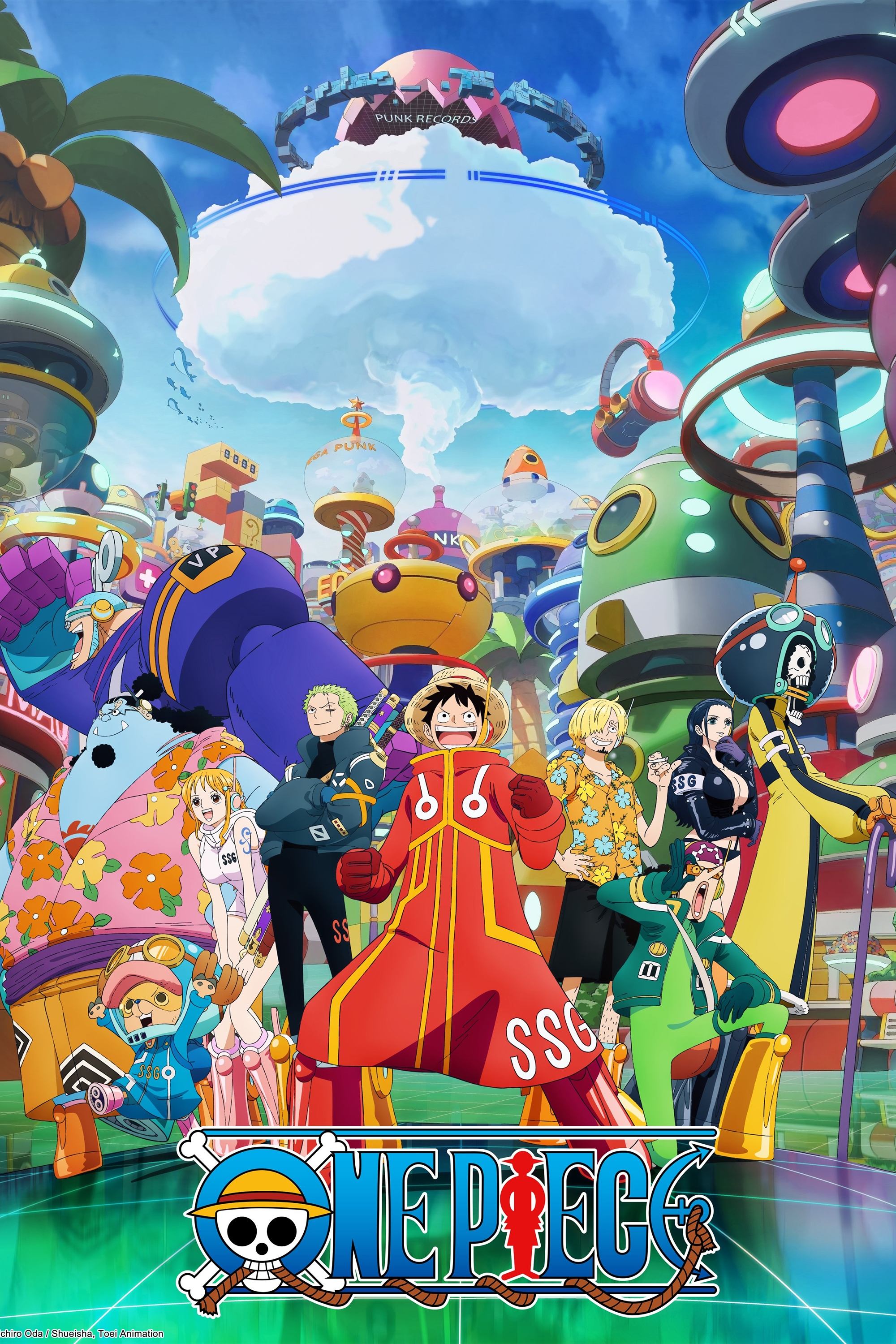
The World Government acts as a totalitarian super-state that maintains control over the globe through absolute military power and historical revisionism. Governed ostensibly by the Empty Throne but truly by a secret sovereign, they censor the “Void Century” to hide the atrocities committed during their founding. The regime employs the Marines to enforce their law and the Cipher Pol agencies to conduct espionage and assassinations. Their ideology emphasizes “Absolute Justice,” which justifies any cruelty or oppression in the name of maintaining global order.
‘Spy x Family’ (2022)
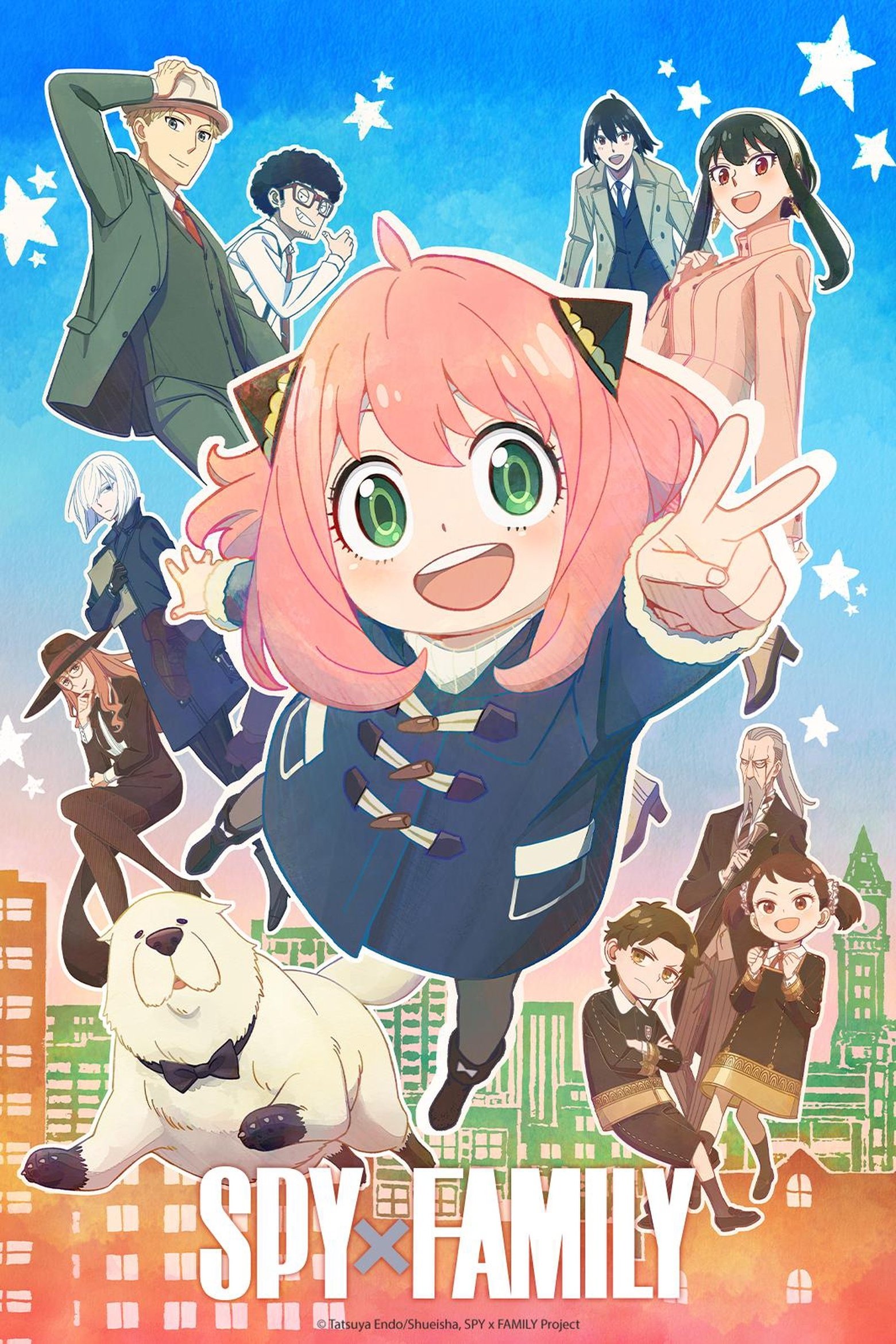
The nation of Ostania is modeled after East Germany during the Cold War, featuring a government that relies heavily on surveillance and secret police. The State Security Service, or “Secret Police,” actively hunts down spies and dissidents to maintain the ruling party’s control. In contrast, Westalis represents the West, engaging in intelligence warfare to prevent open conflict. The setting captures the paranoia and tension of a world divided by opposing political ideologies and the constant threat of war.
‘Akame ga Kill!’ (2014)

The Empire in ‘Akame ga Kill!’ is a decaying totalitarian state where a child emperor is manipulated by a corrupt prime minister. The government allows the wealthy and powerful to abuse and exploit the poor with impunity, leading to widespread poverty and suffering. The revolutionary army, Night Raid, seeks to overthrow this regime, which is characterized by extreme decadence and a lack of moral restraint among the ruling class. The story highlights the inevitable collapse of a society built on unchecked corruption and tyranny.
‘Mobile Suit Gundam 00’ (2007)
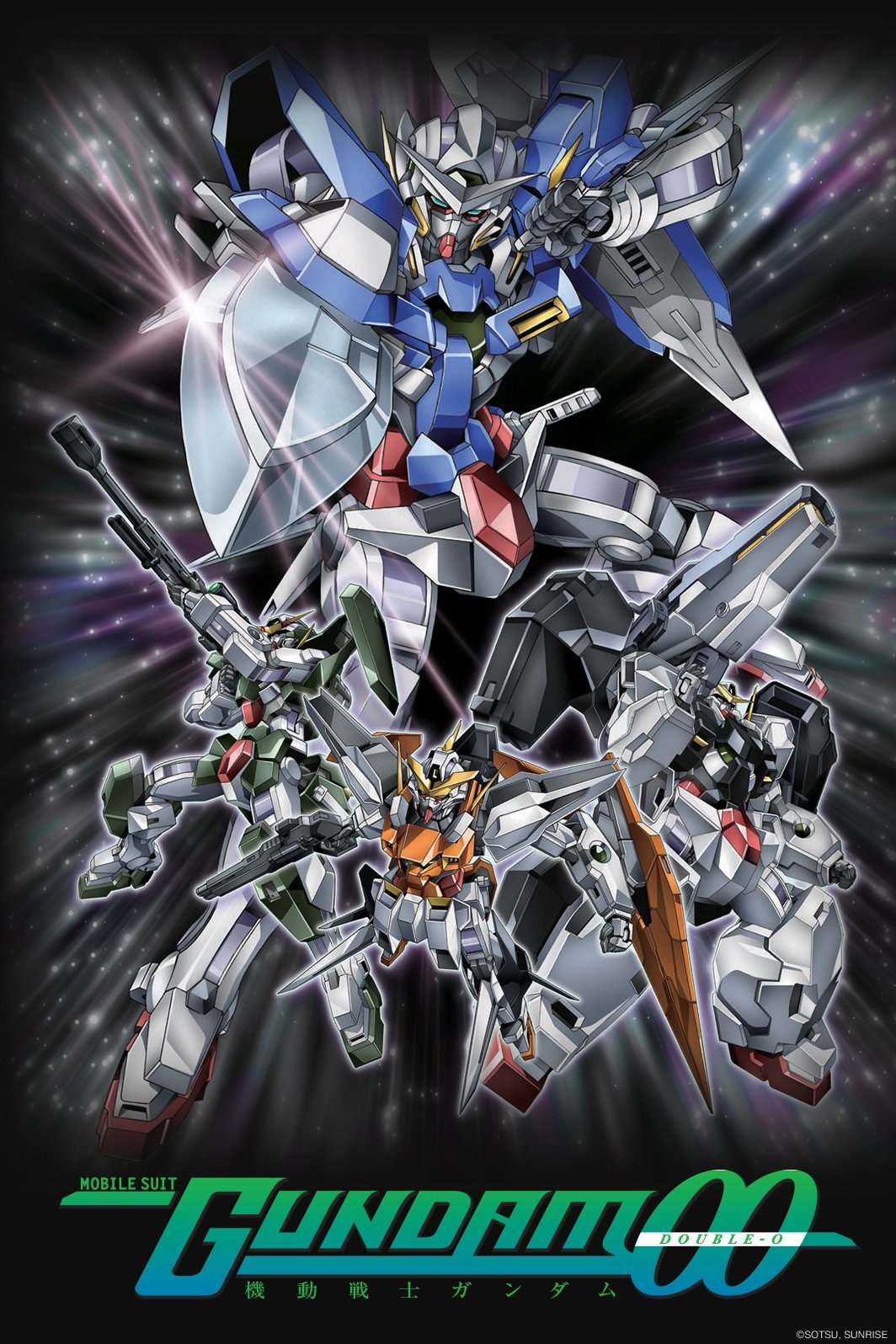
The world of ‘Mobile Suit Gundam 00’ is divided into three major power blocs: the Union, the Human Reform League, and the AEU, mirroring real-world geopolitical alliances. These superpowers engage in a constant zero-sum game for energy resources and influence, ignoring the suffering of smaller nations. The protagonist organization, Celestial Being, intervenes with superior technology to force a unified world peace, challenging the imperialist behaviors of the established blocs. The series critiques the resource wars and political gridlock inherent in a multipolar world.
‘From the New World’ (2012)
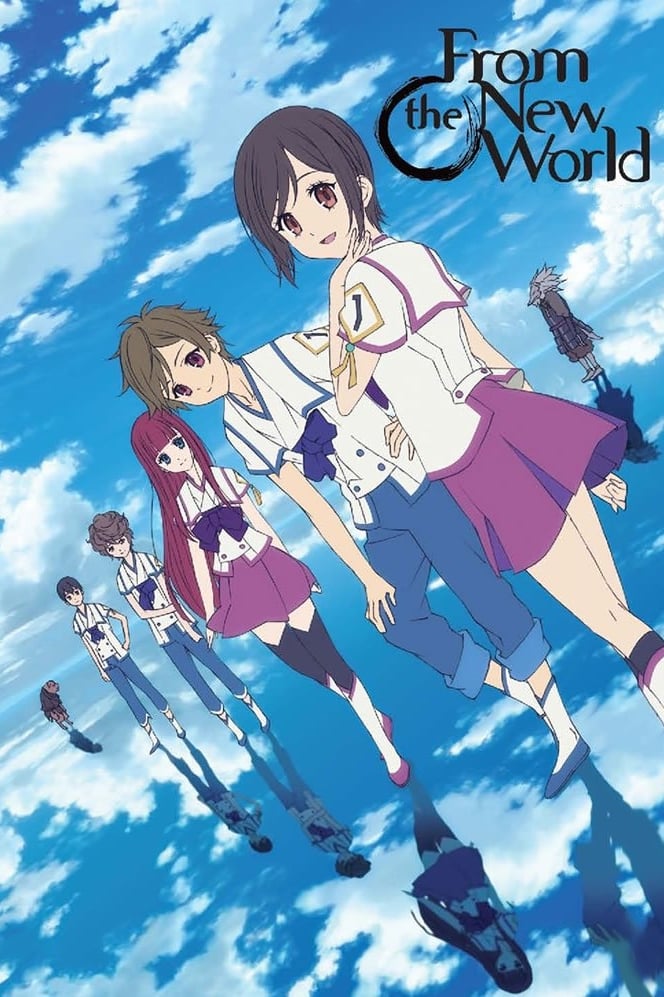
This series presents a future society governed by a strict form of utilitarianism and collectivism to manage the population’s psychokinetic powers. The Ethics Committee controls every aspect of life, eliminating children who show signs of instability or lack of control to protect the majority. The society is built on genetic modification and conditioning, suppressing individual desires for the sake of communal safety. It serves as a chilling examination of how a utopia can be built on the bones of those deemed dangerous or unnecessary.
‘The Rose of Versailles’ (1979)

Set in the years leading up to the French Revolution, this classic anime depicts the clash between the Absolute Monarchy of the Ancien Régime and the rising republican ideals of the common people. The series portrays the excess and detachment of the aristocracy at Versailles in stark contrast to the poverty of the Parisian masses. Characters grapple with the concepts of liberty, equality, and fraternity as the social order begins to crumble. It provides a dramatic retelling of the historical shift from feudalism to modern democracy.
What other anime factions based on real-world politics do you think should be on this list? Share your thoughts in the comments.