

Anime with Political Satire So Sharp It Got Censored



Political satire in anime often pushes the boundaries of free speech, using humor and allegory to critique government corruption, societal flaws, and international relations. While many series fly under the radar with subtle messages, some are so direct or controversial that broadcasters and governments step in to silence them. Censorship ranges from blurred scenes and bleeped dialogue to entire episodes being pulled from the air or banned in specific countries. These cancellations often stem from depictions that authorities deem subversive, offensive to national image, or legally problematic due to copyright infringement used for parody. The following titles demonstrate how sharp wit and bold commentary can lead to significant regulatory backlash.
‘Gintama’ (2006–2010)
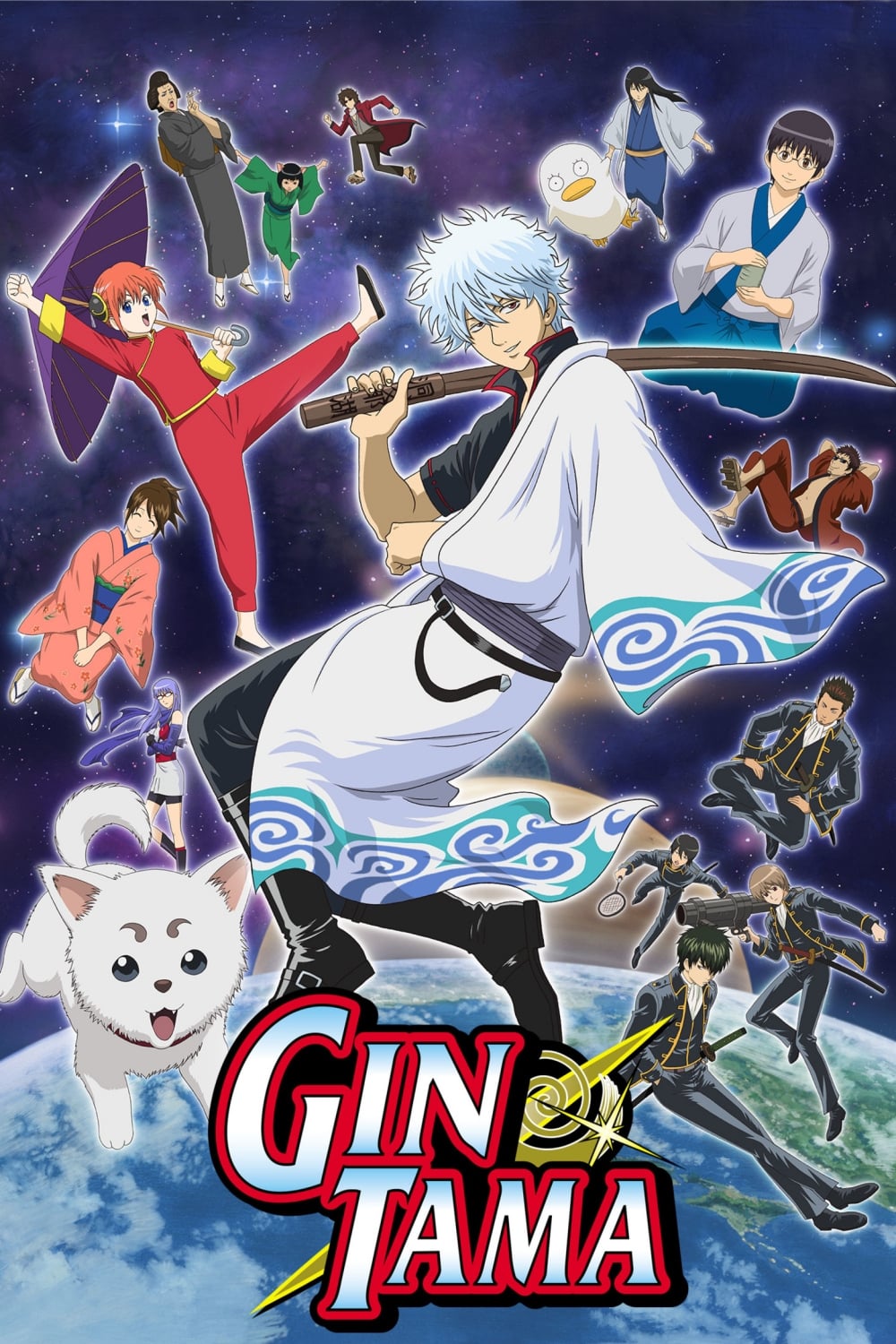
Known for its fearlessness in mocking real-world figures, this series faced significant backlash during the “Renho Arc” (Episodes 232-236). The storyline parodied Renhō Murata, a prominent Japanese politician and the then-Minister for Government Revitalization, depicting her in a manner that broadcasters found too risky. The arc was notably absent from subsequent reruns on the AT-X network, and the specific episodes faced censorship in streaming versions and home video releases. The controversy highlighted the thin line between parody and defamation in Japanese media, forcing the studio to alter the content to avoid legal repercussions.
‘Mr. Osomatsu’ (2015)
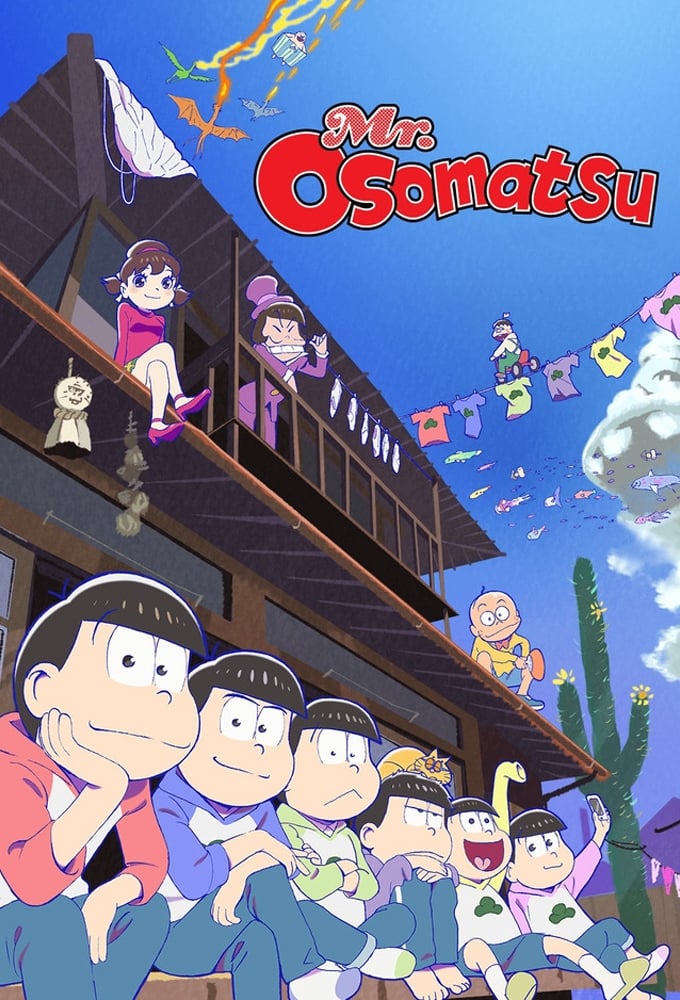
The premiere episode of this reboot was so aggressive in its satire of the modern anime industry that it was permanently pulled from distribution. The episode mocked popular franchises like ‘Attack on Titan’, ‘Sailor Moon’, and ‘Naruto’, while also satirizing the commercialization of male idols. Japanese production committees feared copyright lawsuits and backlash from other studios, leading to the decision to scrub the episode from streaming services and exclude it from the Blu-ray release. It stands as a rare example of a show censoring its own debut to ensure the survival of the rest of the series.
‘Hetalia’ (2009)
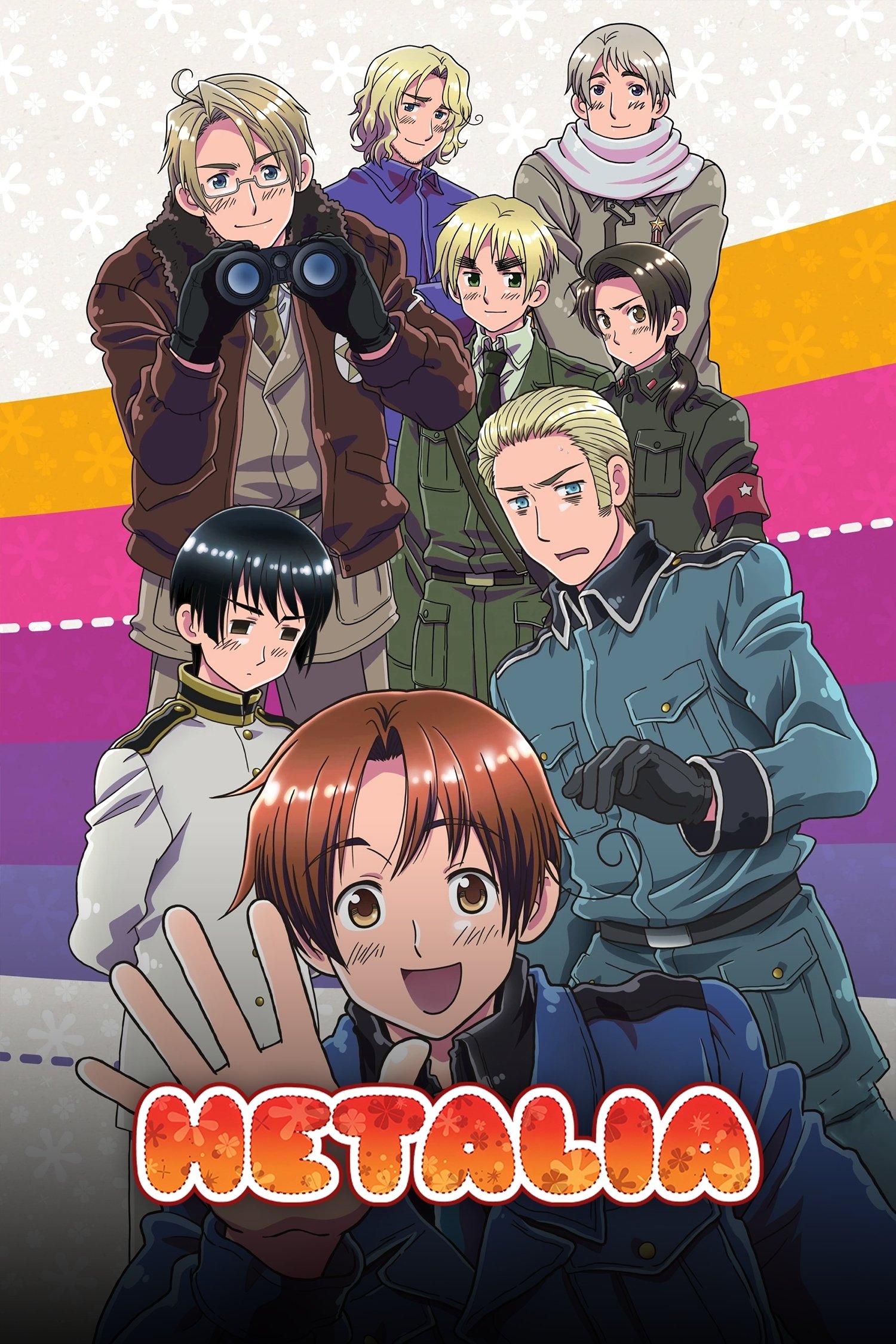
This series personifies nations as characters to satirize historical and political relationships, but its portrayal of South Korea caused an international incident. South Korean officials and citizens found the character’s behavior and the trivialization of historical grievances to be deeply offensive and insulting to national dignity. The outcry was so severe that the anime adaptation was banned from airing on television in South Korea, and the character was largely removed from the anime adaptation entirely. The controversy demonstrated how political satire regarding sensitive diplomatic history can lead to immediate government-level censorship.
‘SHIMONETA: A Boring World Where the Concept of Dirty Jokes Doesn’t Exist’ (2015)
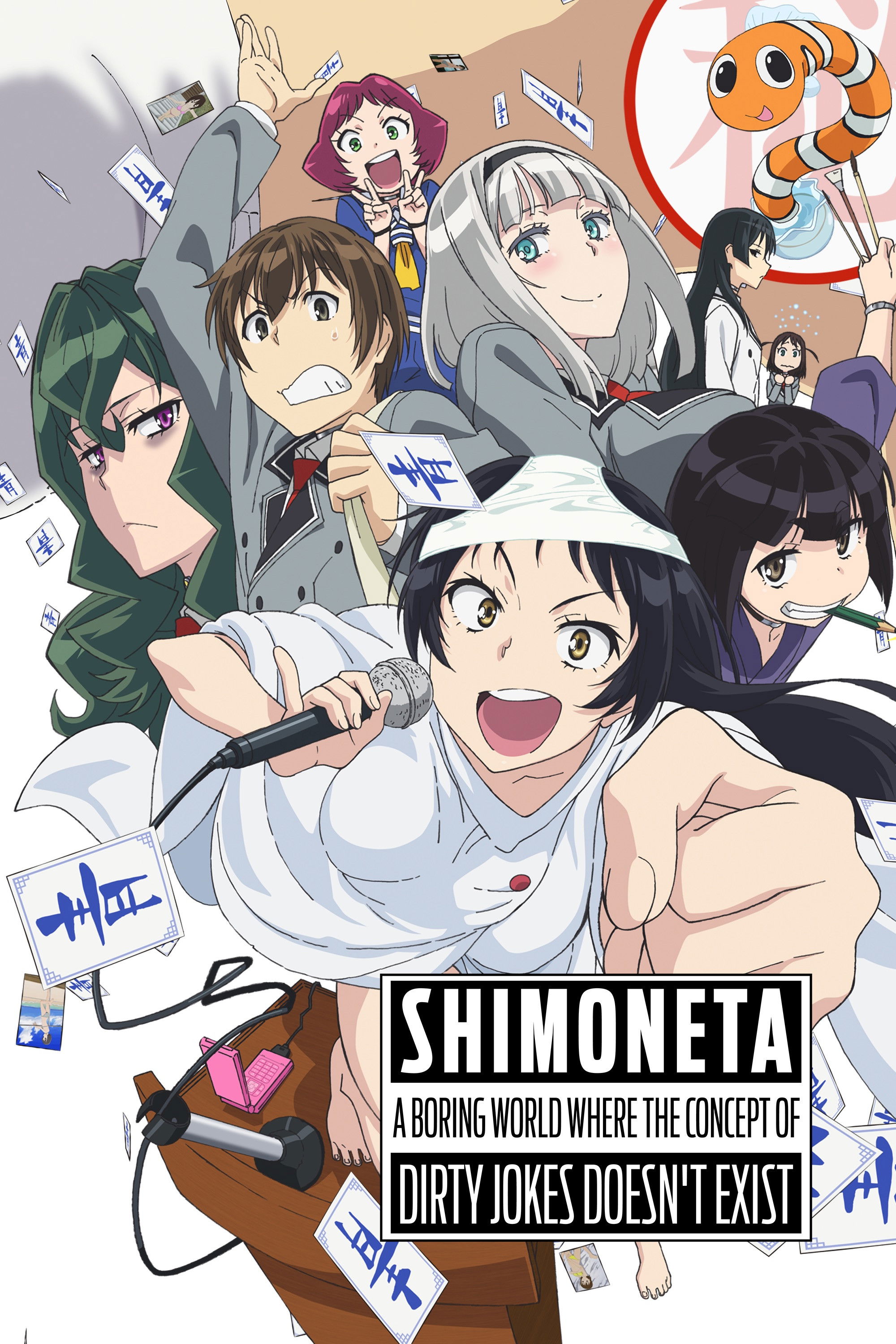
The entire premise of this show serves as a biting satire of censorship laws, depicting a dystopian future where the Japanese government requires citizens to wear collars that monitor for “obscene” language or gestures. Ironically, the anime itself faced heavy censorship during its broadcast, with visual blockers covering even mild risqué content to comply with real-world broadcasting standards. The series critiques the absurdity of over-regulation by forcing the audience to experience the very restrictions the protagonists are fighting against. It remains a meta-commentary on how “public morality” laws can stifle expression.
‘Kinnikuman’ (1983)
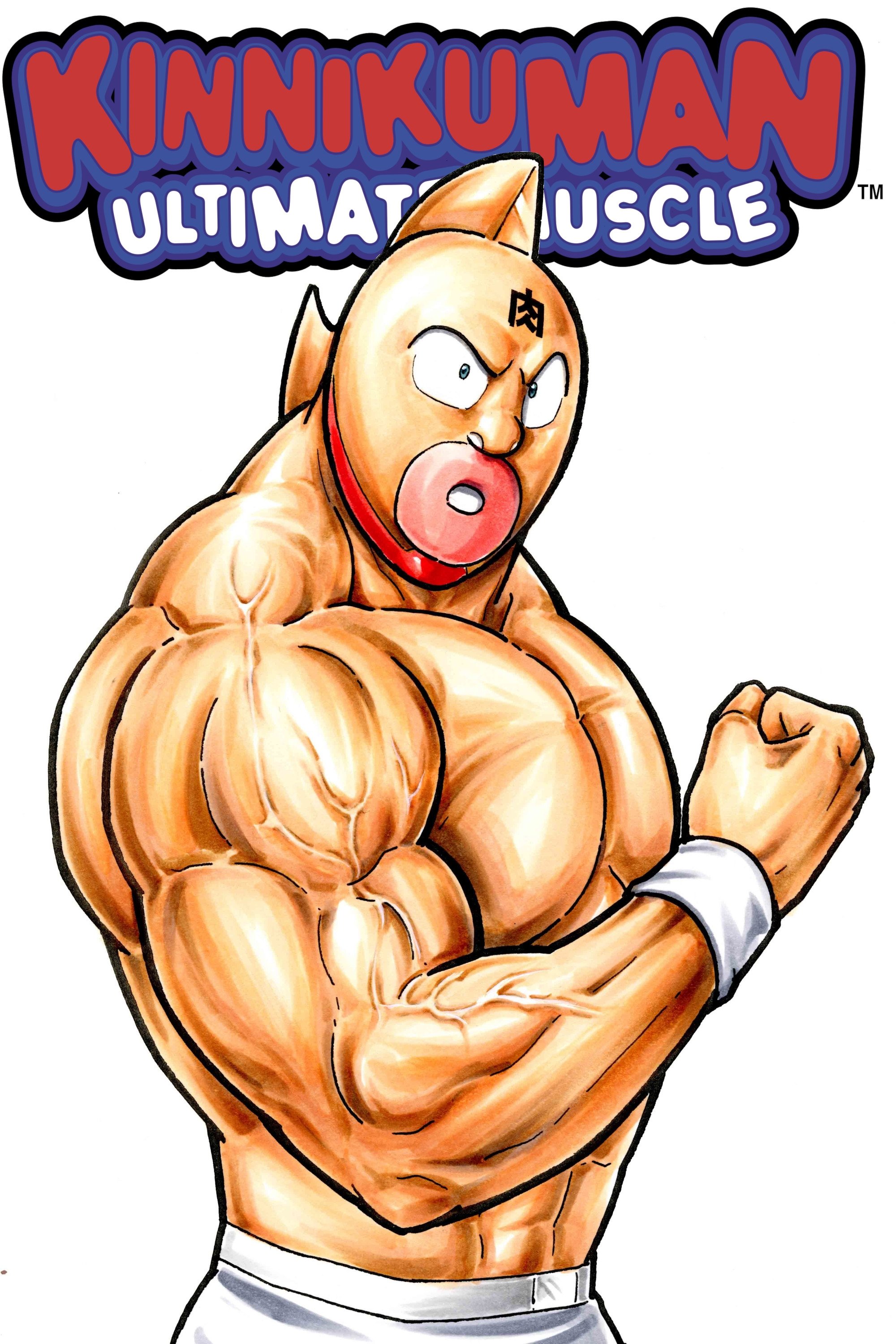
While popular in Japan, this wrestling anime faced a total ban in France due to its satirical use of World War II imagery. The character Brocken Jr. was depicted as a “good guy” wrestler who wore a Nazi uniform and utilized gas-based attacks, which the creators intended as a caricature rather than an endorsement. French regulators, however, viewed the imagery as a violation of hate speech laws and banned the series to prevent the normalization of Nazi symbols among children. This censorship highlights the cultural gap in how political symbols are utilized for satire versus how they are perceived in countries with different historical contexts.
‘Excel Saga’ (1999)
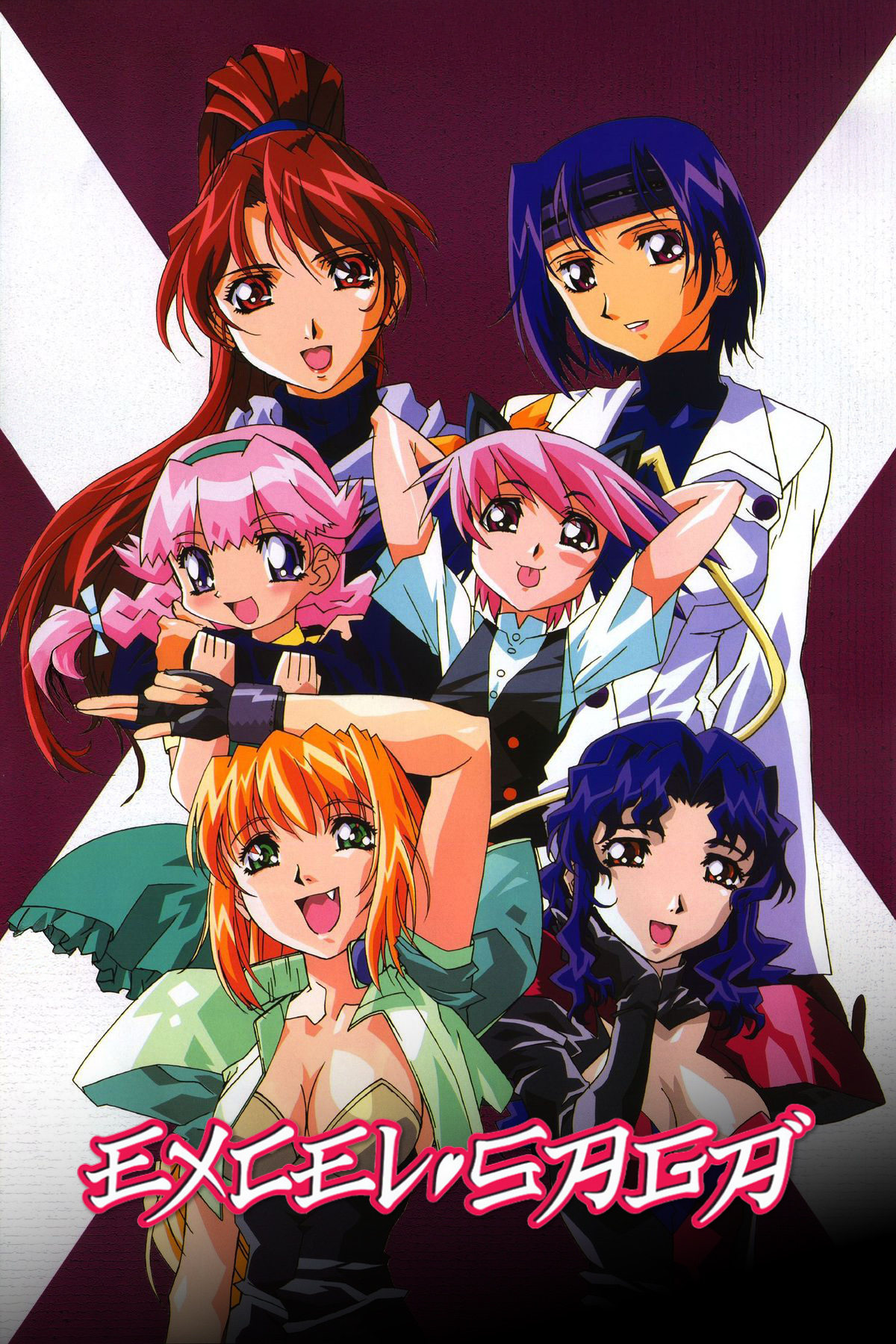
Director Shinichi Watanabe deliberately crafted the final episode, titled ‘Going Too Far’, to violate as many broadcasting standards as possible. The episode included excessive violence, obscenity, and political incorrectness specifically to satirize the limitations placed on TV anime. As intended, the episode was rejected by TV Tokyo and was never aired during the original television run. It was eventually released as a DVD-exclusive bonus, cementing its legacy as a piece of satire that successfully baited the censors into banning it.
‘Psycho-Pass’ (2012)
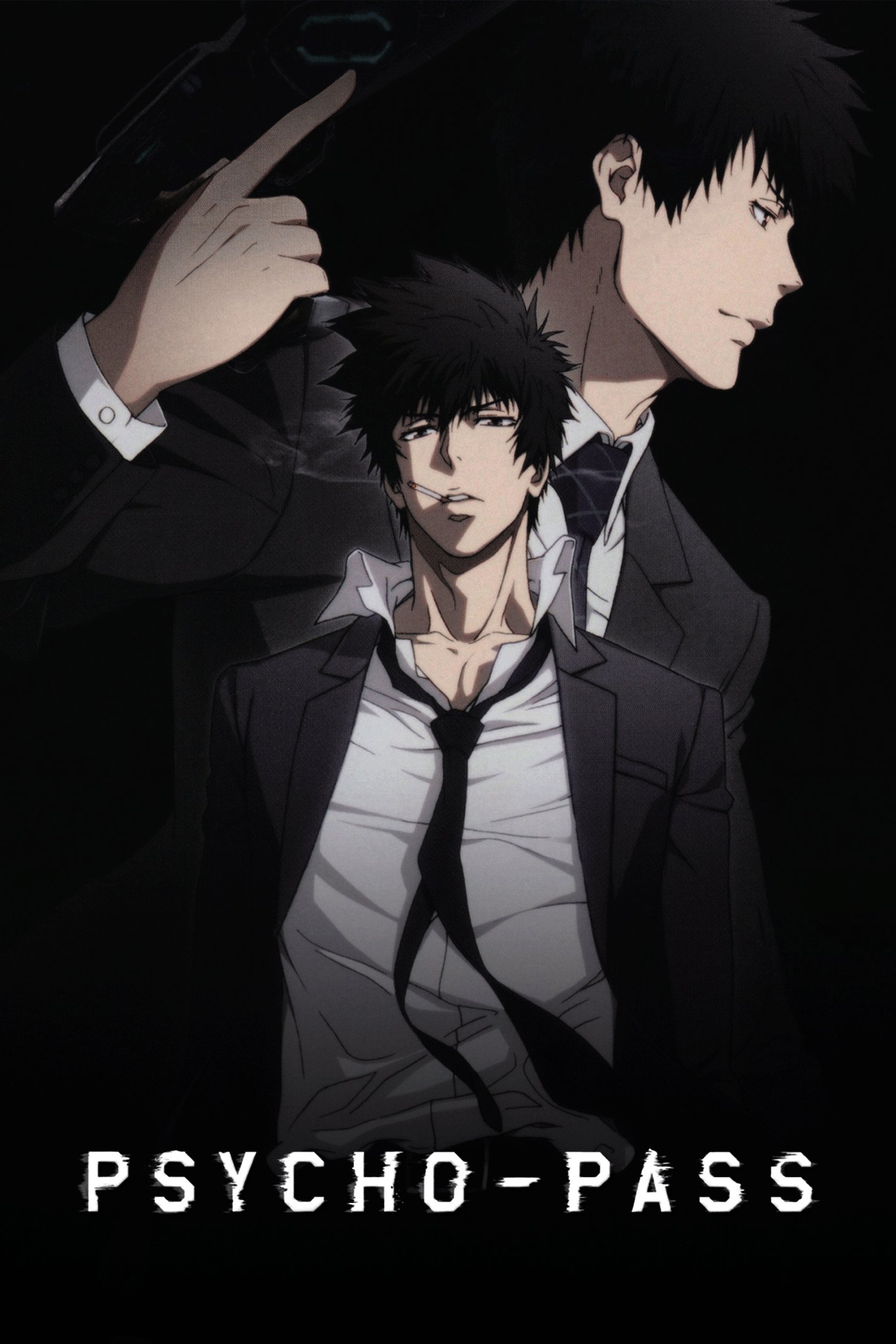
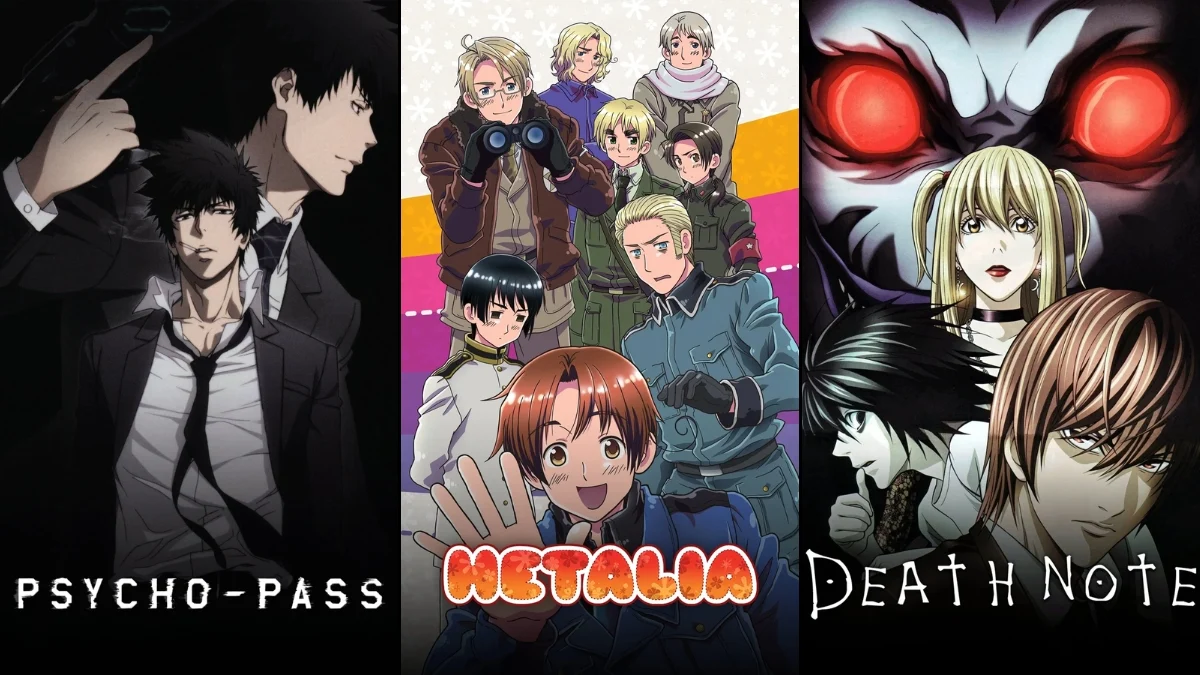
This cyberpunk series critiques authoritarian governance through the Sibyl System, a network that monitors the mental states of citizens to prevent crime before it happens. The show was banned in China, likely due to the uncomfortable parallels between the Sibyl System and real-world surveillance and social credit systems. The narrative questions the morality of sacrificing privacy and free will for the sake of national security and social order. By portraying a society where the government determines a person’s worth, the anime offers a sharp political commentary that proved too subversive for strict regimes.
‘Attack on Titan’ (2013)
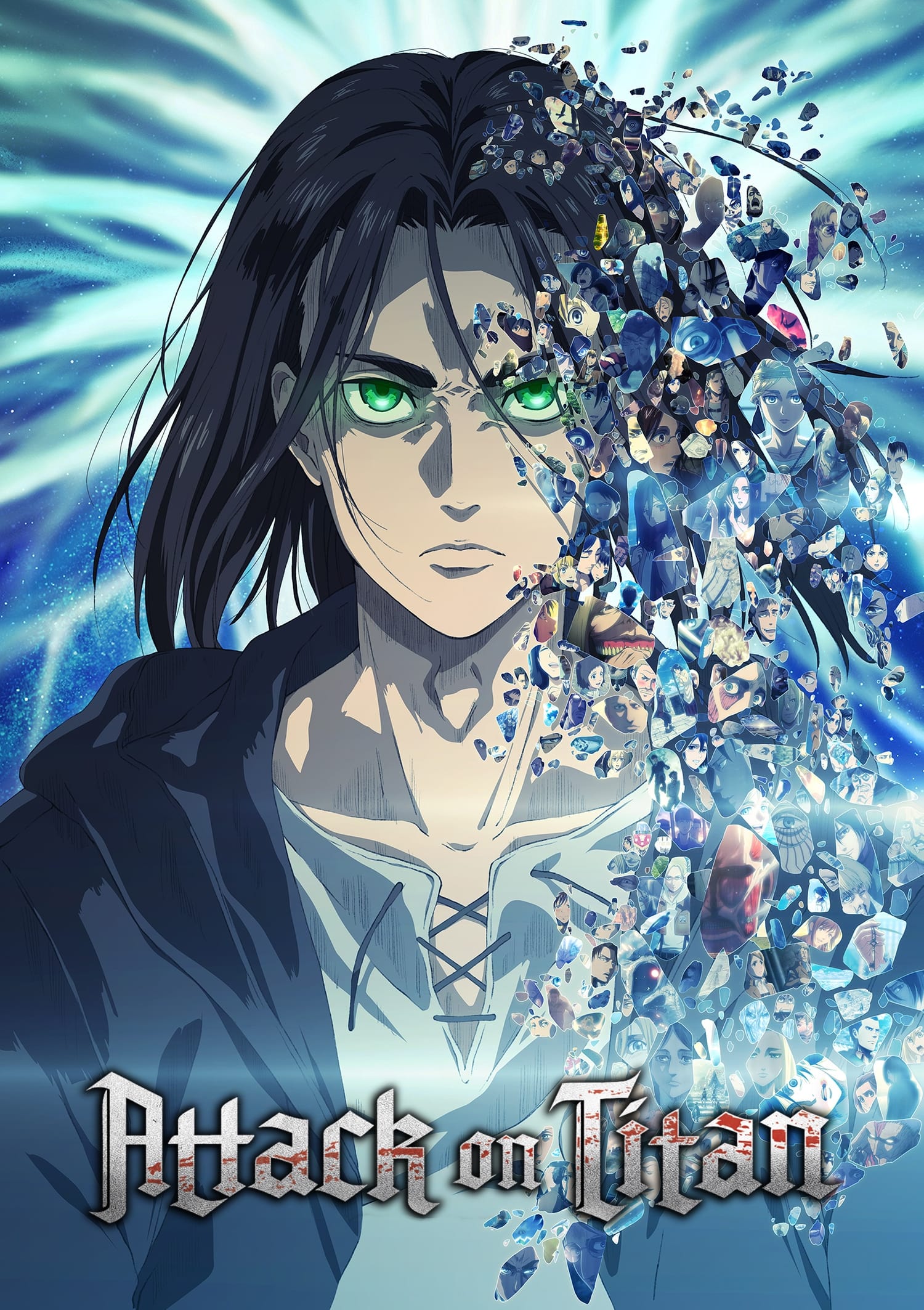
Although primarily an action series, the show was banned in China for its themes of rebellion against a corrupt government and military establishment. The narrative focuses on a group of young soldiers who eventually uncover that their leaders are manipulating history and suppressing the truth to maintain power. These themes of political subversion and youth insurrection were deemed “crimes against public morality” by the Chinese Ministry of Culture. The ban reflects a fear that the show’s depiction of overthrowing authority could inspire dissent among the viewing public.
‘Code Geass: Lelouch of the Rebellion’ (2006)
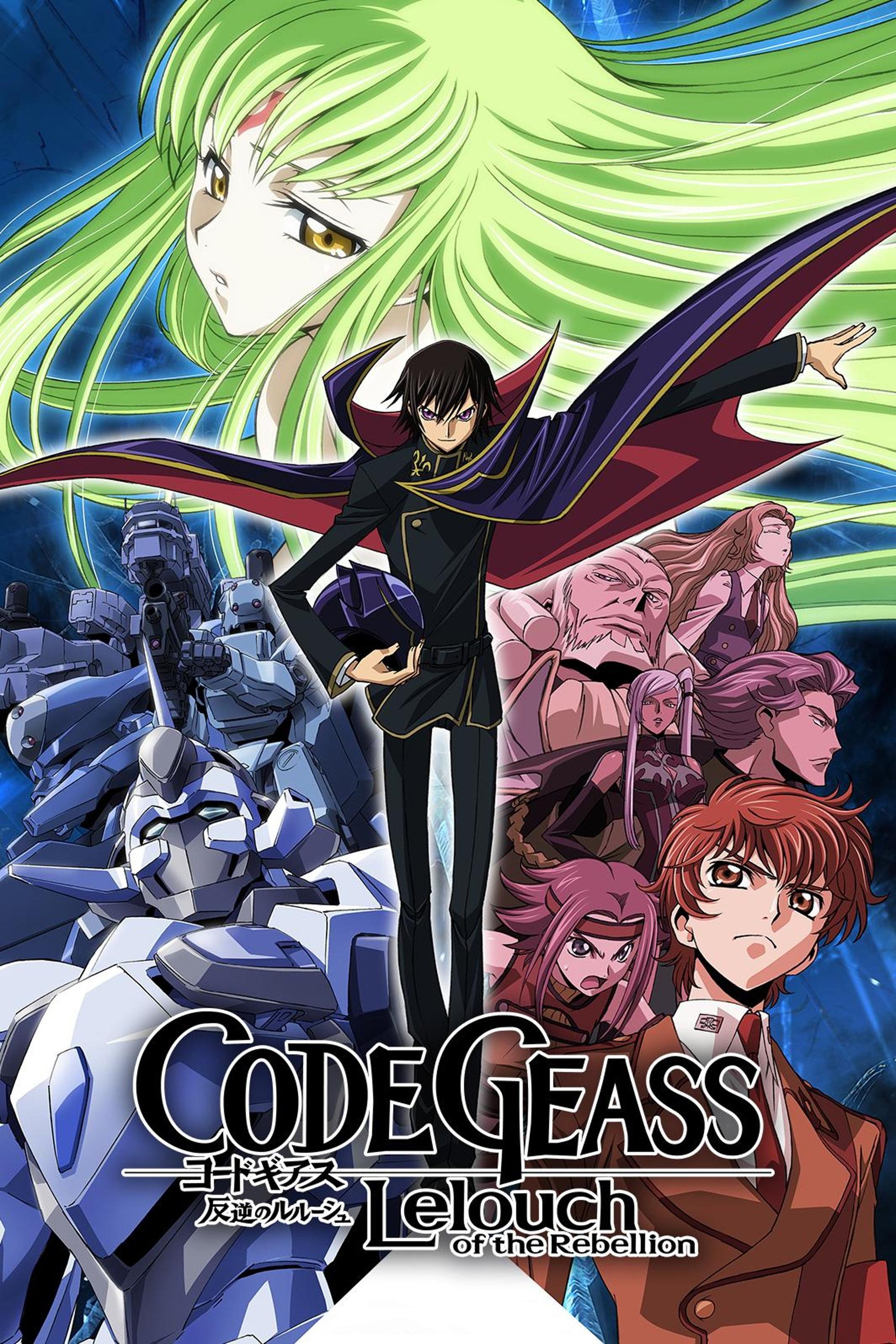
The series follows an exiled prince who organizes a terrorist rebellion to overthrow the Holy Britannian Empire, a superpower that has conquered Japan. Its depiction of insurgency, terrorism, and the moral complexities of violent revolution led to it being blacklisted in China. The show’s protagonist uses a power called Geass to force absolute obedience, serving as a metaphor for the corrupting nature of absolute political power. The heavy focus on dismantling an imperialist regime resonated too strongly with real-world political anxieties, resulting in its censorship.
‘Death Note’ (2006)
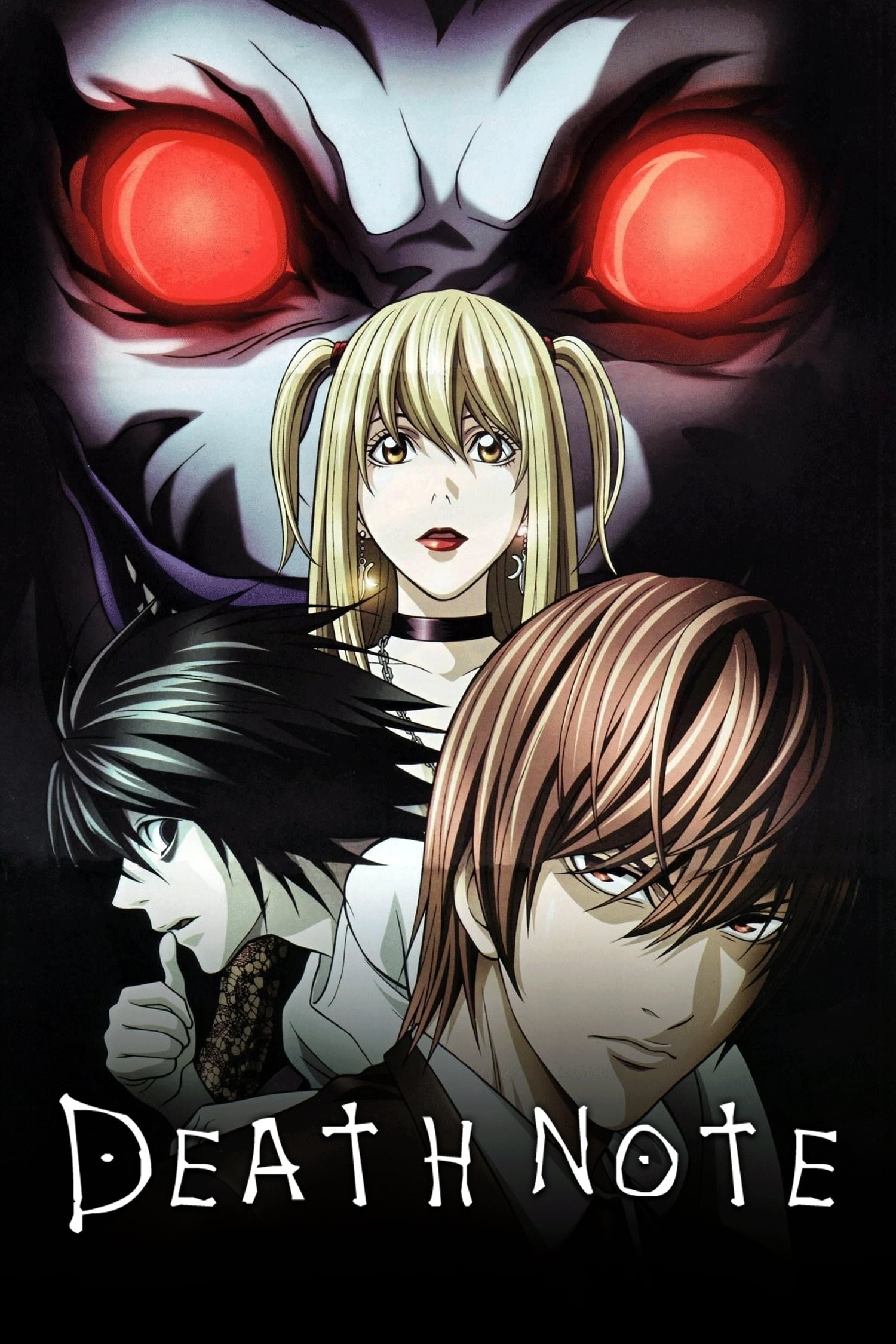
This psychological thriller was banned in China and Russia due to concerns that it encouraged anti-social behavior and challenged the state’s monopoly on justice. The story features a student who finds a notebook that allows him to kill anyone by writing their name, effectively becoming a judge, jury, and executioner outside the law. Authorities feared the “Death Note” concept would incite anarchy and undermine the legal system, especially after students were caught making their own “notebooks” with the names of teachers. The ban targeted the show’s subversive message that a single individual could and should take justice into their own hands.
‘Shin Chan’ (1992)
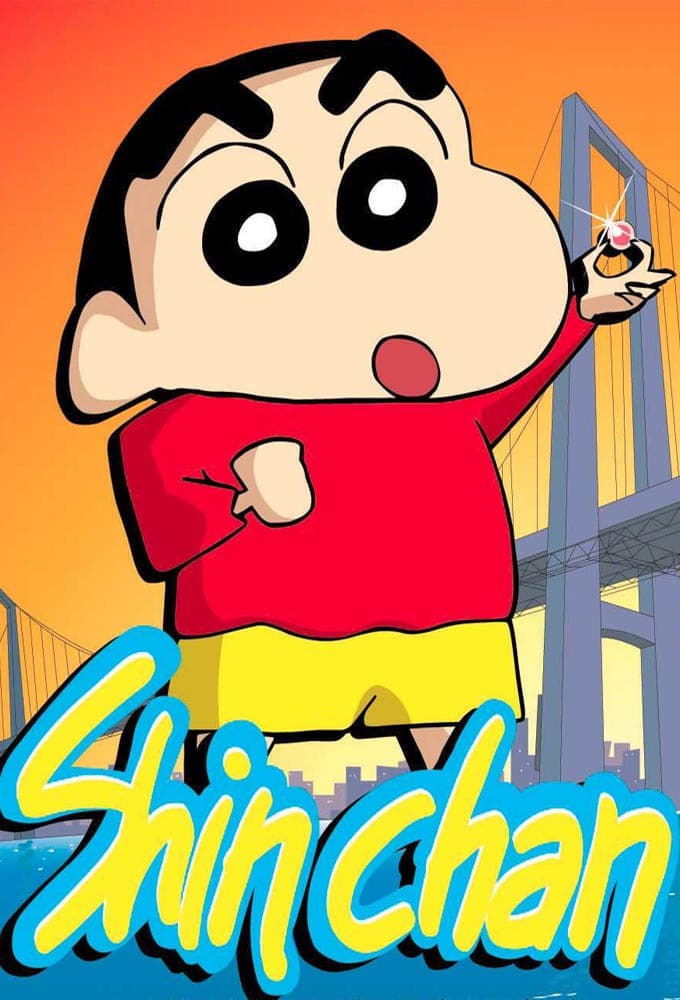
Known for its crude humor and satire of Japanese family dynamics, this long-running series has faced censorship in multiple countries, including India and China. The protagonist is a kindergarten boy whose inappropriate behavior and disrespect for authority figures mock traditional social values. In 2008, the Indian Ministry of Information and Broadcasting banned the series for its “objectionable” content, arguing it had a negative influence on children’s behavior. The ban was later lifted, but only after the broadcaster agreed to heavily edit scenes involving nudity and “disrespectful” dialogue.
‘Sayonara Zetsubou Sensei’ (2007)
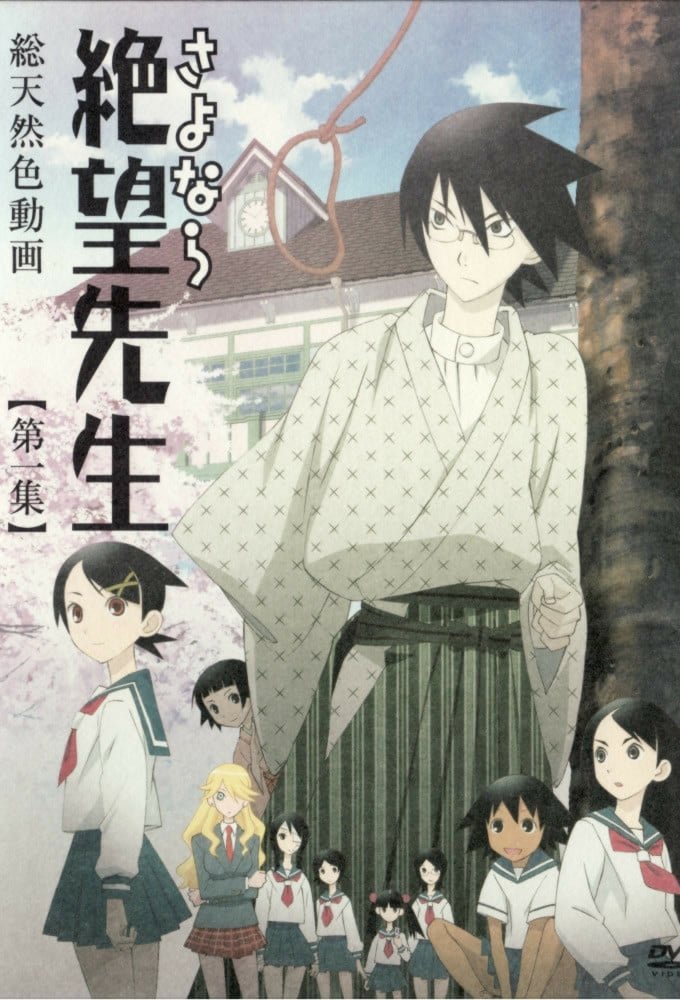
This series is a dense, rapid-fire satire of modern Japanese society, politics, and media, often using visual gags to mock current events. The show frequently employed a unique form of self-censorship where the face of the author’s assistant, Maedax, was used to cover up legally or socially sensitive imagery. This meta-joke drew attention to the absurdity of the censorship itself while allowing the show to reference taboo topics without getting pulled from the air. It stands as a creative workaround that turned the act of suppression into part of the comedy.
‘Terror in Resonance’ (2014)
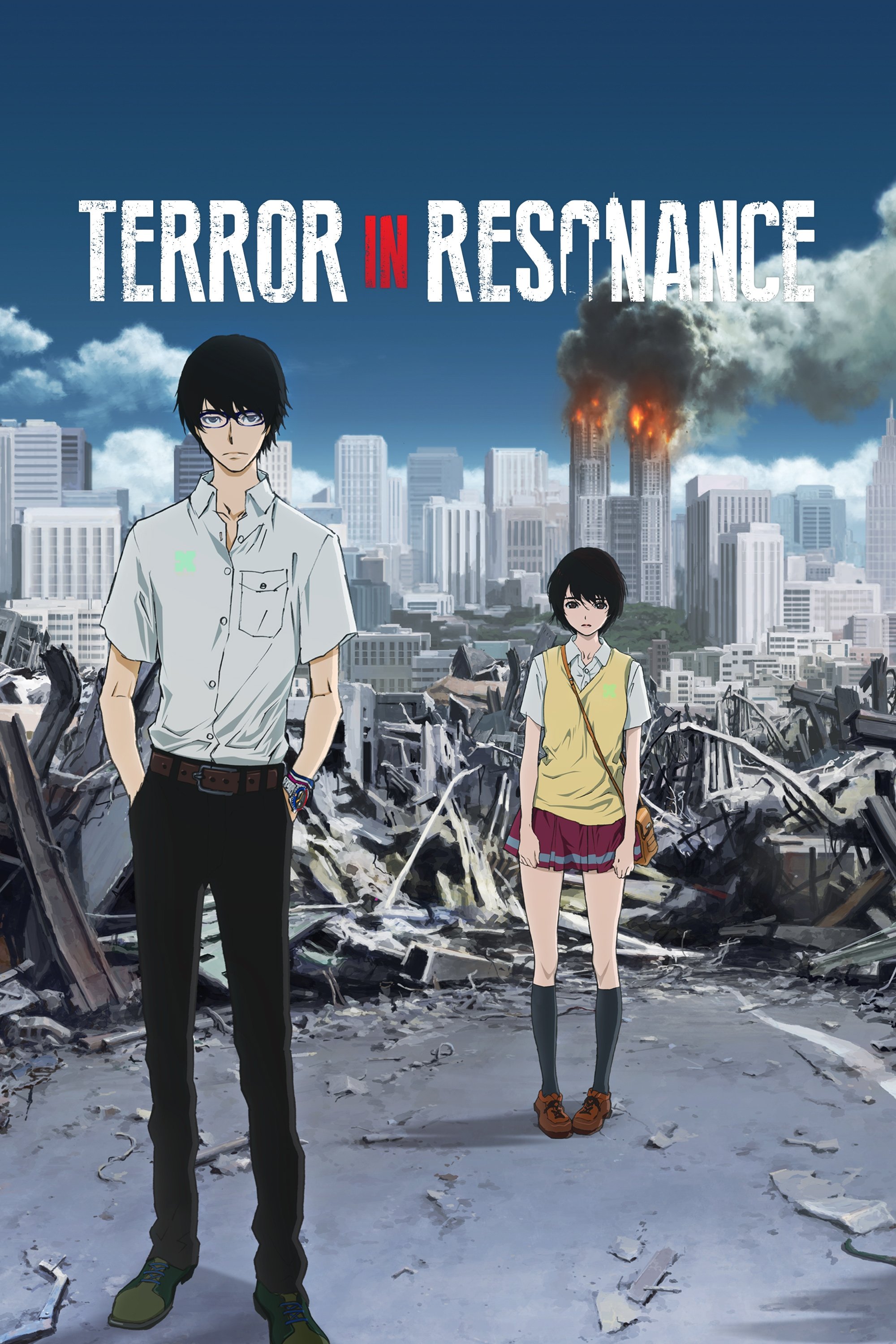
The plot centers on two teenage boys who steal a prototype atomic bomb and execute terrorist attacks across Tokyo to expose a government conspiracy. The show was banned in China for its sympathetic portrayal of domestic terrorism and its harsh critique of post-war Japanese nationalism and US foreign policy interference. The narrative suggests that extreme measures are sometimes necessary to wake a complacent society, a message that regulators found dangerous. Its realistic depiction of urban terrorism and government incompetence made it a target for censorship in restrictive markets.
‘Paranoia Agent’ (2004)
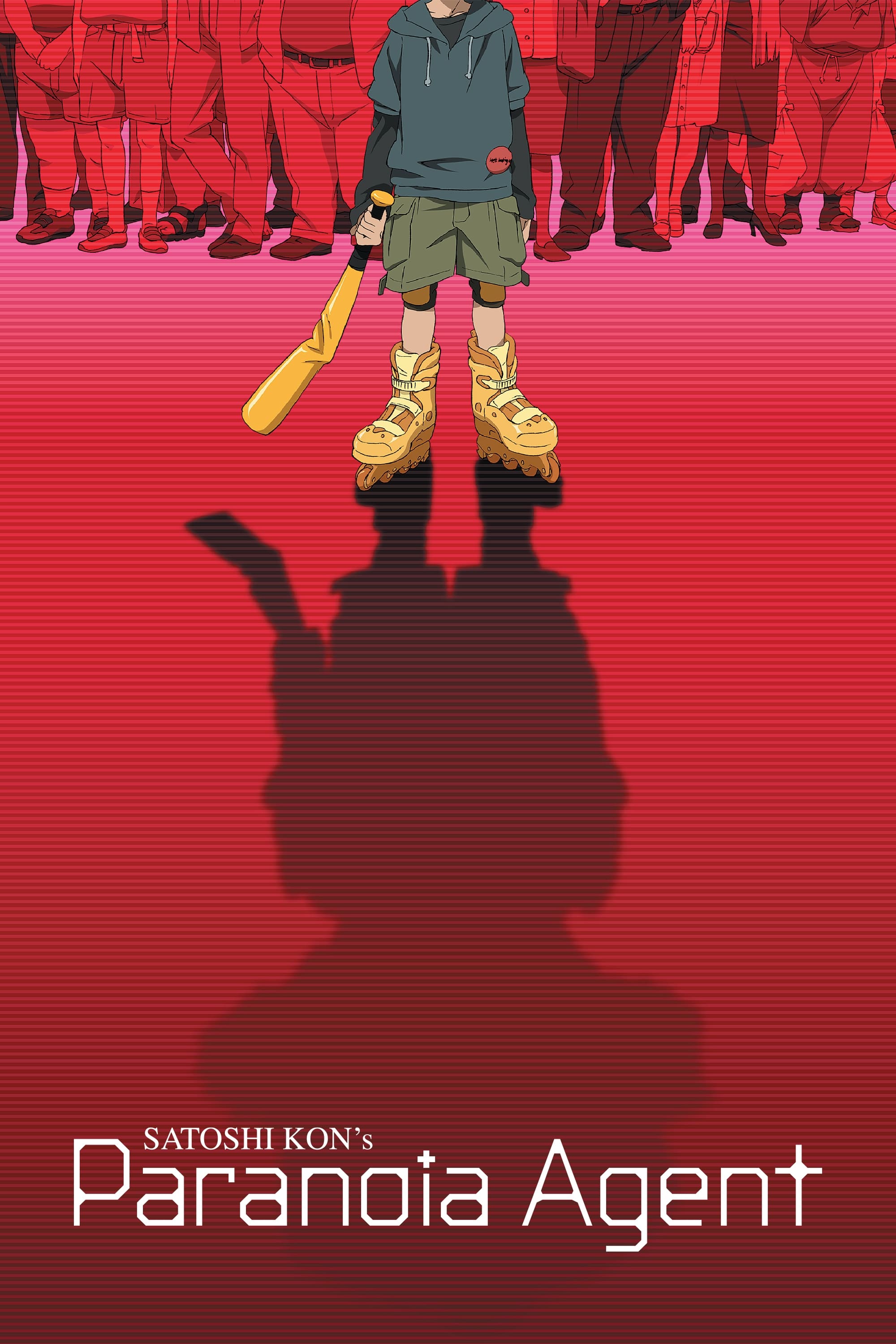
Satoshi Kon’s psychological drama critiques the mass hysteria and escapism of modern society, but one episode crossed the line for broadcasters. Episode 8, which depicts a jovial suicide pact between three characters, was censored or banned in Japan and the US due to the sensitive nature of the topic. The satire focuses on how people use collective delusion to avoid facing their personal and societal problems. The suppression of this specific episode highlights the taboo surrounding the discussion of suicide in media, even when used for social commentary.
‘Panty & Stocking with Garterbelt’ (2010)
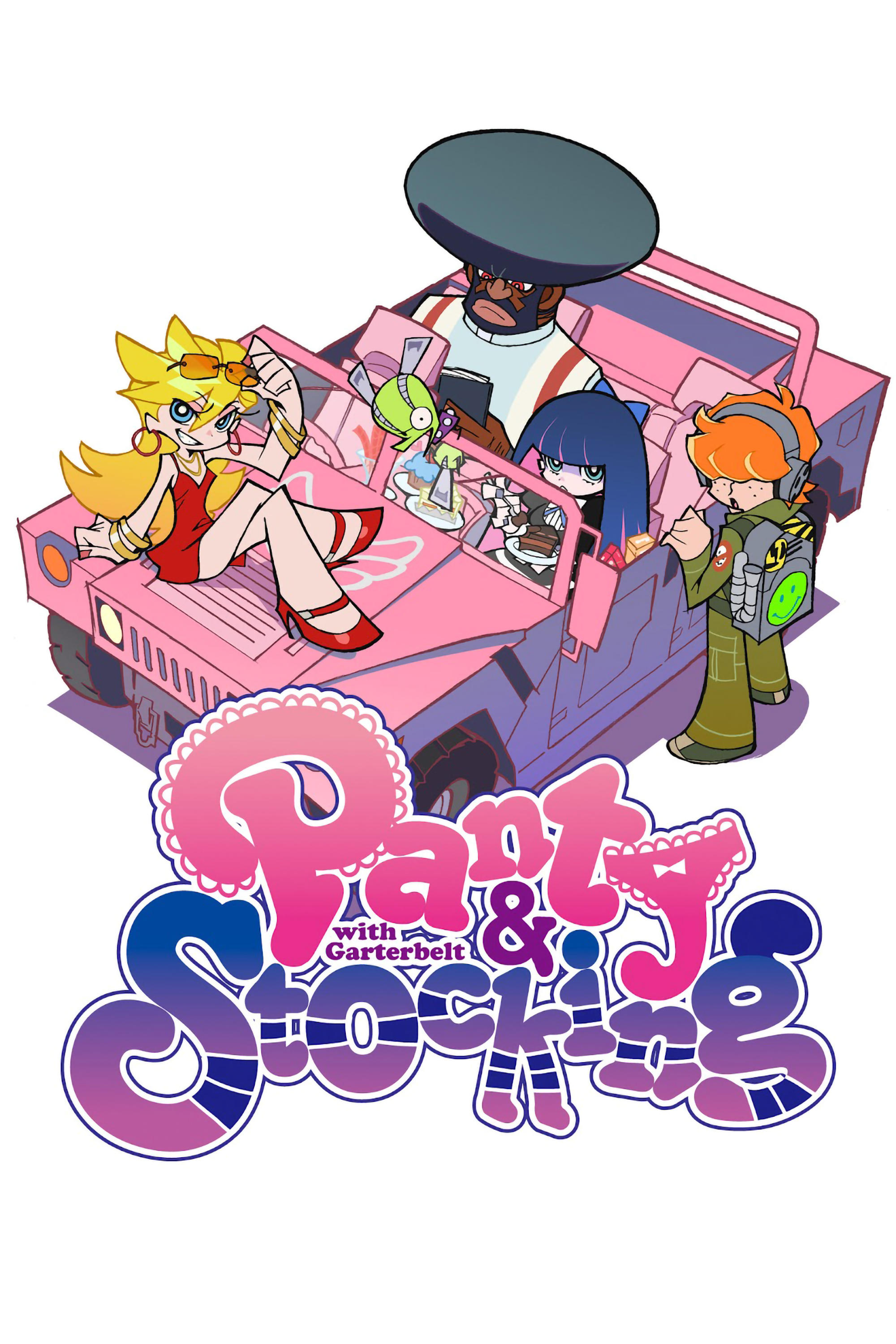
Modeled after American cartoons, this series satirizes Western animation styles while injecting explicit Japanese “ecchi” humor. The show was heavily censored for its television broadcast, with bleeped dialogue and pixelated visuals covering the constant stream of sexual innuendo and bodily fluids. The creators anticipated this, designing the show so that the censorship became a stylistic element that enhanced the raunchy comedy. It mocks the dichotomy between “child-friendly” art styles and “adult” content, challenging the standards of what is acceptable on public television.
‘Kill la Kill’ (2013)
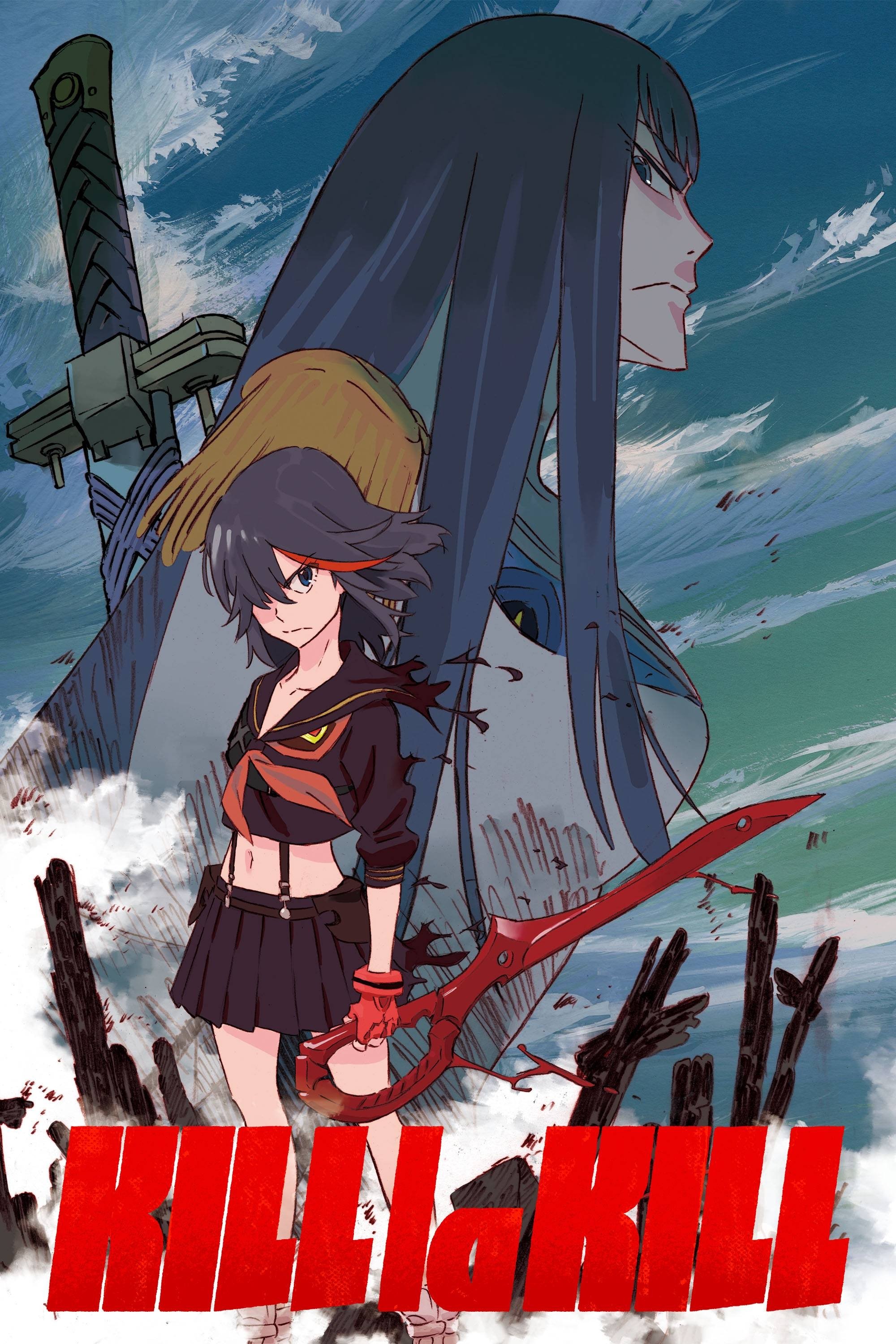
The series uses the concept of clothing and nudity as a metaphor for fascism and conformity, with the villains seeking to control the world through “Life Fibers.” While the nudity serves a thematic purpose about liberation from societal norms, it resulted in the show being censored on broadcast television in the United States and Japan. The political undercurrents critique totalitarianism and the way uniforms can strip away individuality. Censorship of the nudity often obscured the show’s central message: that shame is a tool of control used by authoritarian regimes.
‘Detroit Metal City’ (2008)
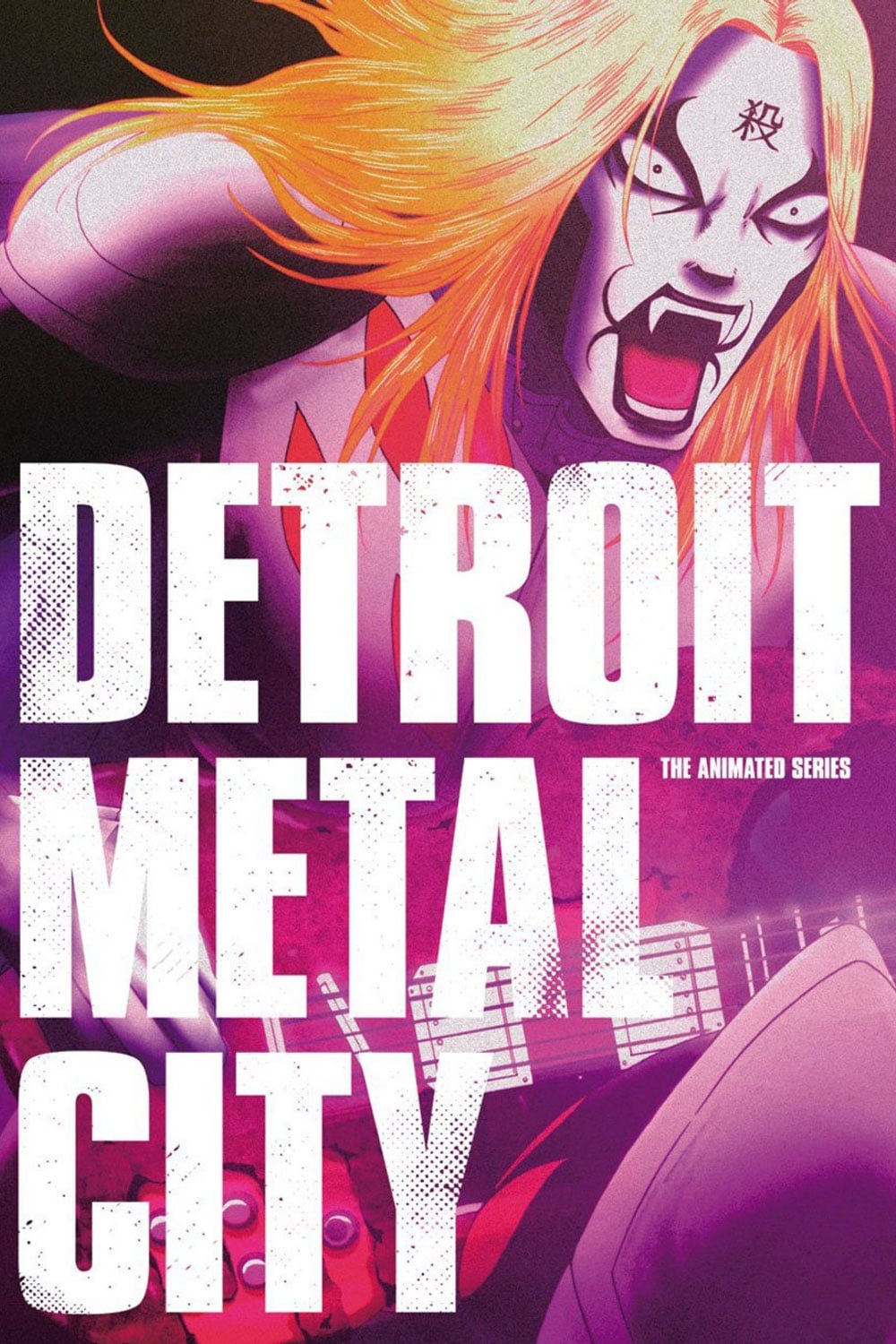
Satirizing the death metal scene and the idol industry, this series features a protagonist who hates violence but fronts a vulgar metal band to pay the bills. The lyrics and dialogue are intentionally grotesque, parodying the “satanic panic” associated with heavy metal music. Due to the extreme profanity and references to sexual violence in the songs, the anime faced distribution restrictions and required censorship for broadcast. The show exposes the performative nature of the music industry, where a polite pop-lover can become a “demon lord” for commercial success.
‘Tokyo Ghoul’ (2014)
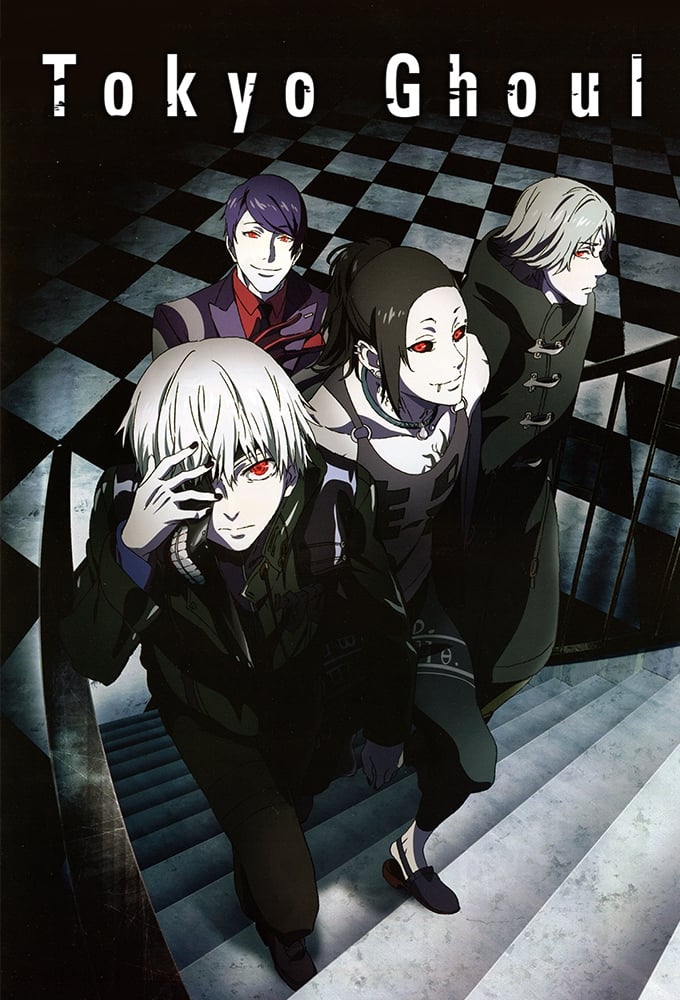
This dark fantasy series was banned in China and Russia for its graphic violence and themes that were interpreted as promoting social unrest. The story of flesh-eating ghouls living in secret among humans serves as an allegory for segregation and the cycle of hatred between different social groups. Authorities in banned regions cited the “crimes against public morality” and the potential for the show to desensitize youth to violence. The political subtext regarding police brutality and state-sanctioned discrimination against minorities was considered too inflammatory for general audiences.
‘Akira’ (1988)
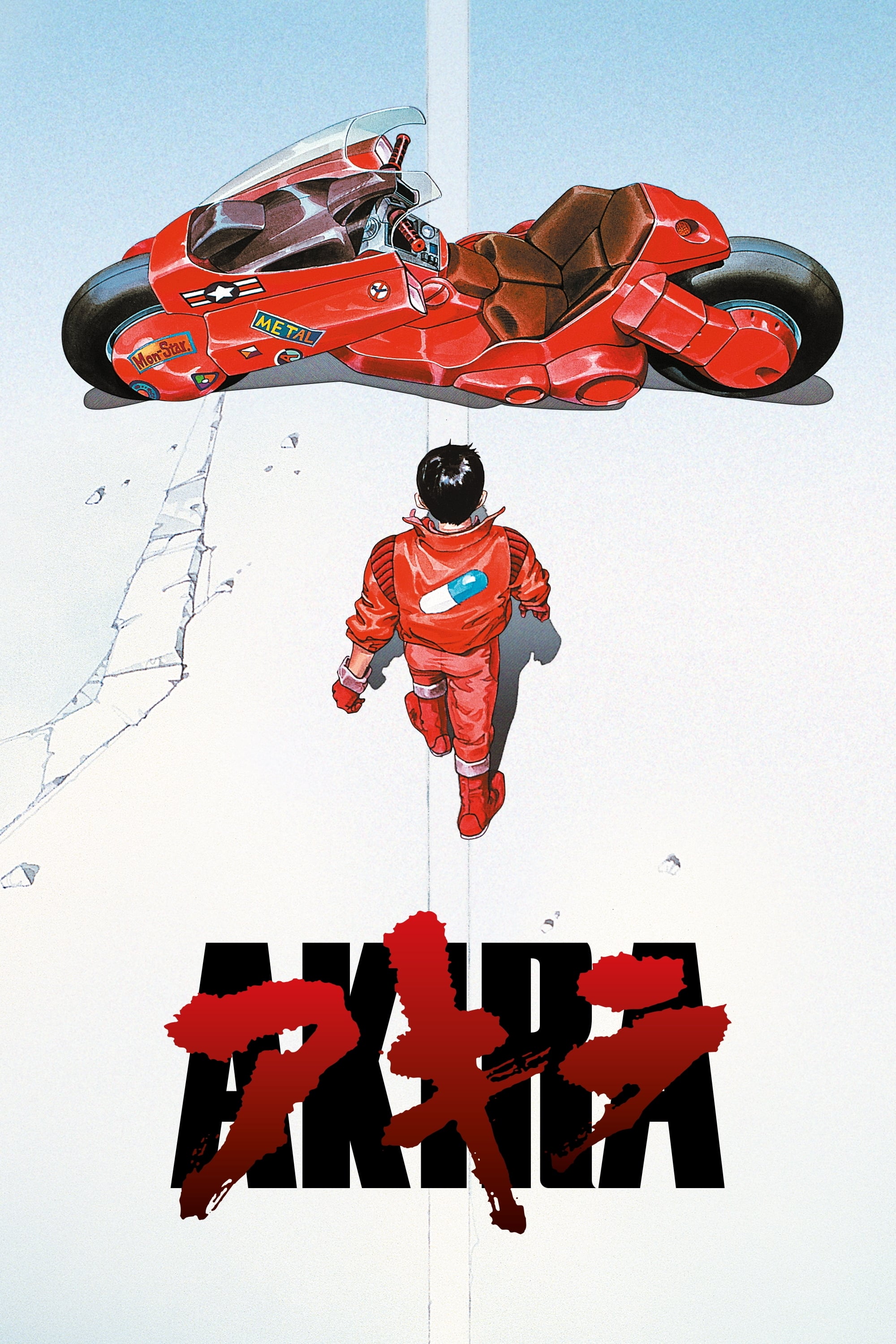
A landmark film in animation history, it critiques government corruption, military overreach, and the unrest of the Japanese youth in a post-Olympic Tokyo. Despite its acclaim, the film was banned in Russia as recently as 2021, with courts citing that it could be harmful to the health and mental development of children. The film’s depiction of a government losing control over its own experiments and its citizens remains a potent political statement. The censorship reflects a lingering fear of media that depicts the complete collapse of government authority.
‘High School of the Dead’ (2010)
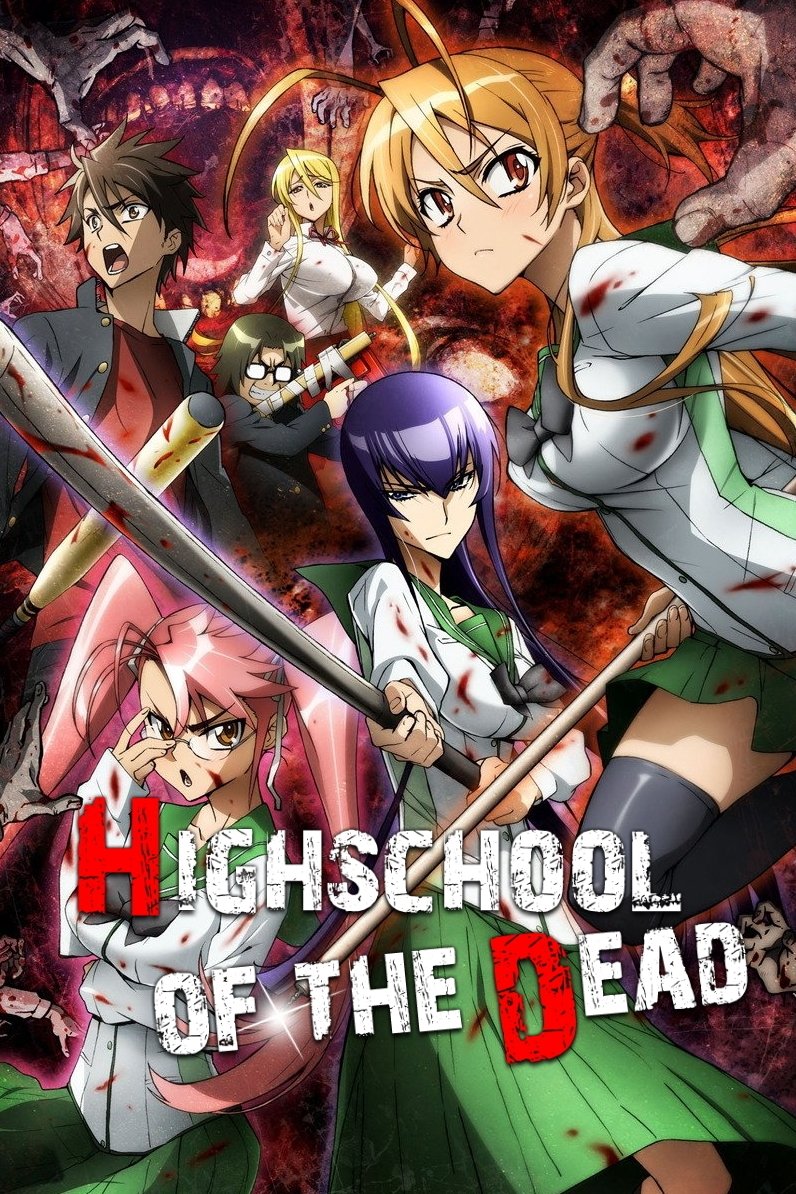
While famous for its zombies and fanservice, the show was banned in China for its borderline pornographic content and “subversive” themes of societal collapse. The series depicts a group of students surviving a pandemic where the government and police force have completely failed to protect the citizens. This portrayal of incompetent authority figures and the breakdown of law and order was categorized as a threat to public morality. The ban illustrates how even a B-movie style horror anime can be targeted when it suggests that the state cannot save its people.
Share your favorite banned anime or let us know if we missed any controversial titles in the comments.