

Anime with Strong Sibling Relationships as Emotional Cores

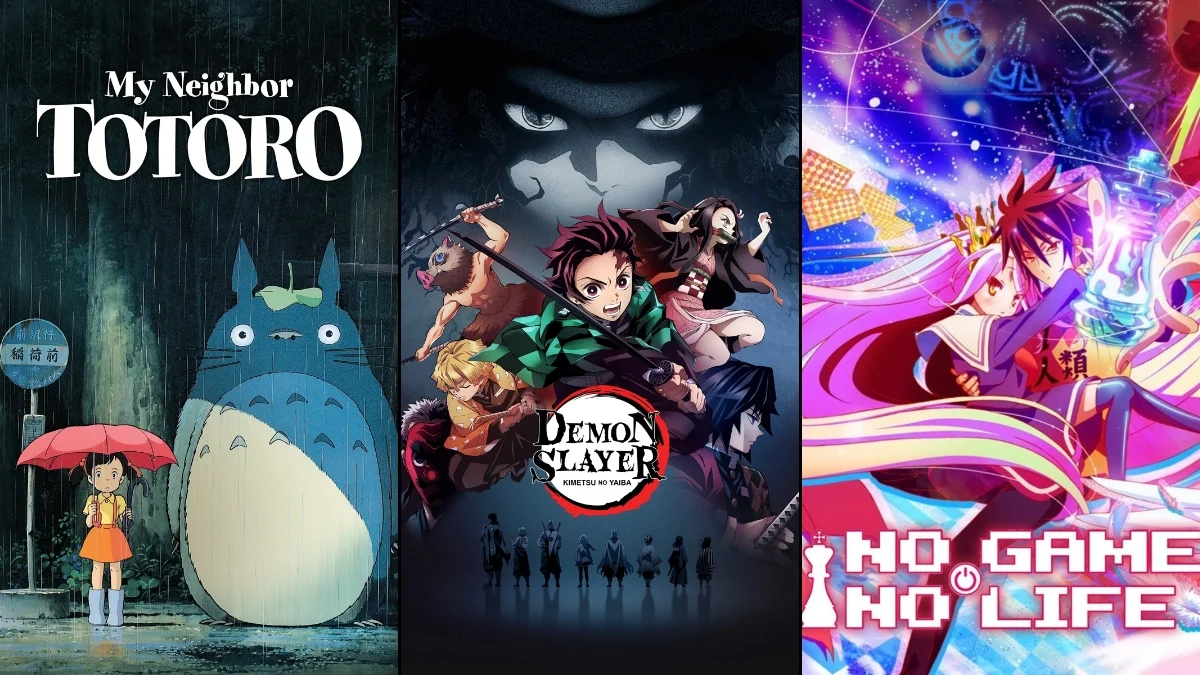


Sibling dynamics often serve as the narrative foundation for many of the most celebrated stories in the medium. These relationships provide a source of motivation, conflict, and growth, grounding fantastical premises in universal human experiences. From the shared trauma of loss to the competitive drive of athletic rivalry, the bond between brothers and sisters frequently dictates the pacing and emotional resonance of a series. This list explores various anime where sibling connections are central to the overarching plot and character development.
‘Fullmetal Alchemist: Brotherhood’ (2009–2010)
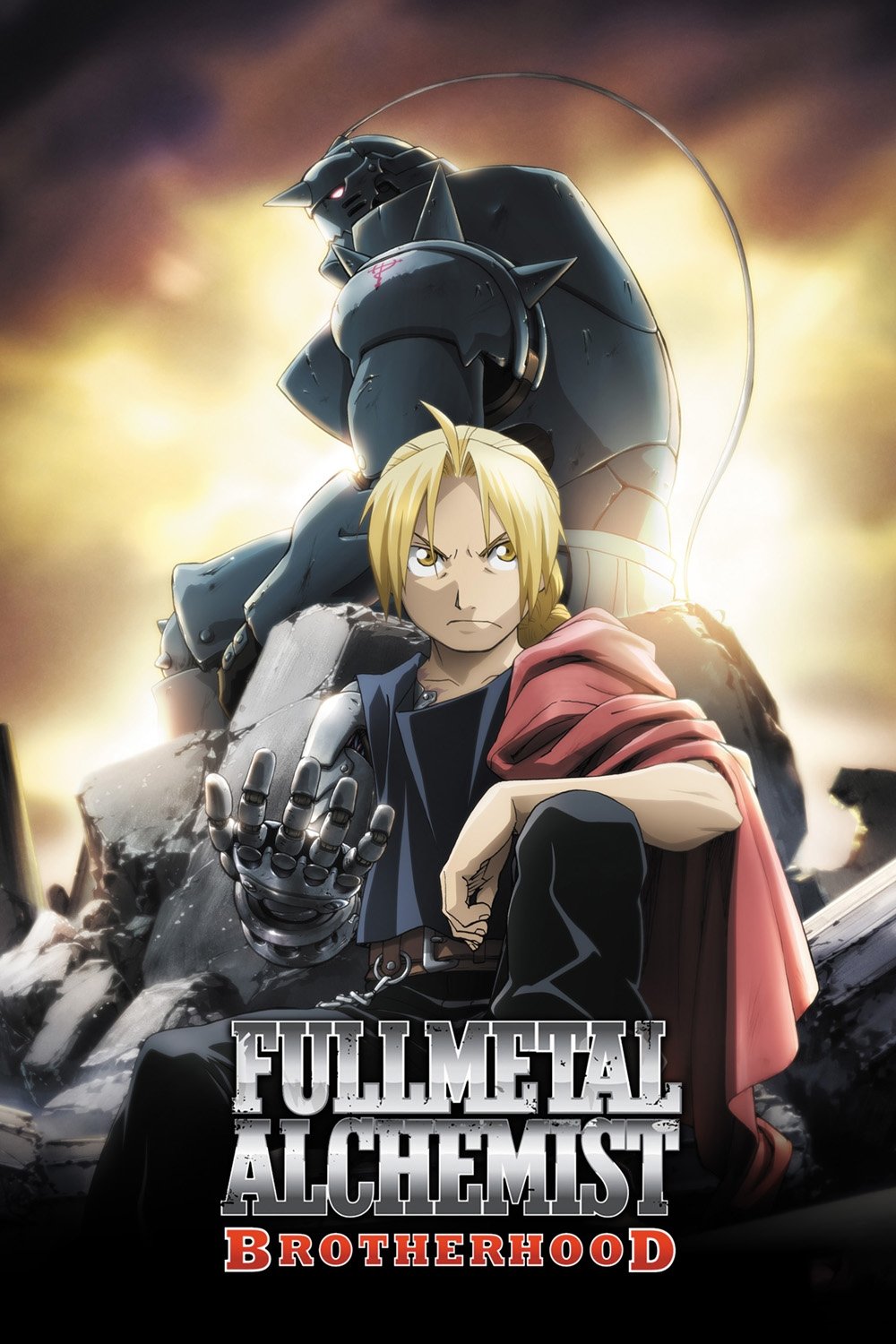
Edward and Alphonse Elric seek the Philosopher’s Stone to restore their bodies after a failed human transmutation. Their bond is the central motivation for the entire series as they navigate political conspiracies and supernatural threats. Despite the loss of their physical forms, they remain each other’s primary source of emotional support. The narrative frequently emphasizes their shared sacrifice and the weight of their fraternal commitment. Their journey concludes by reinforcing the idea that their relationship is more valuable than any alchemical power.
‘Demon Slayer: Kimetsu no Yaiba’ (2019–Present)
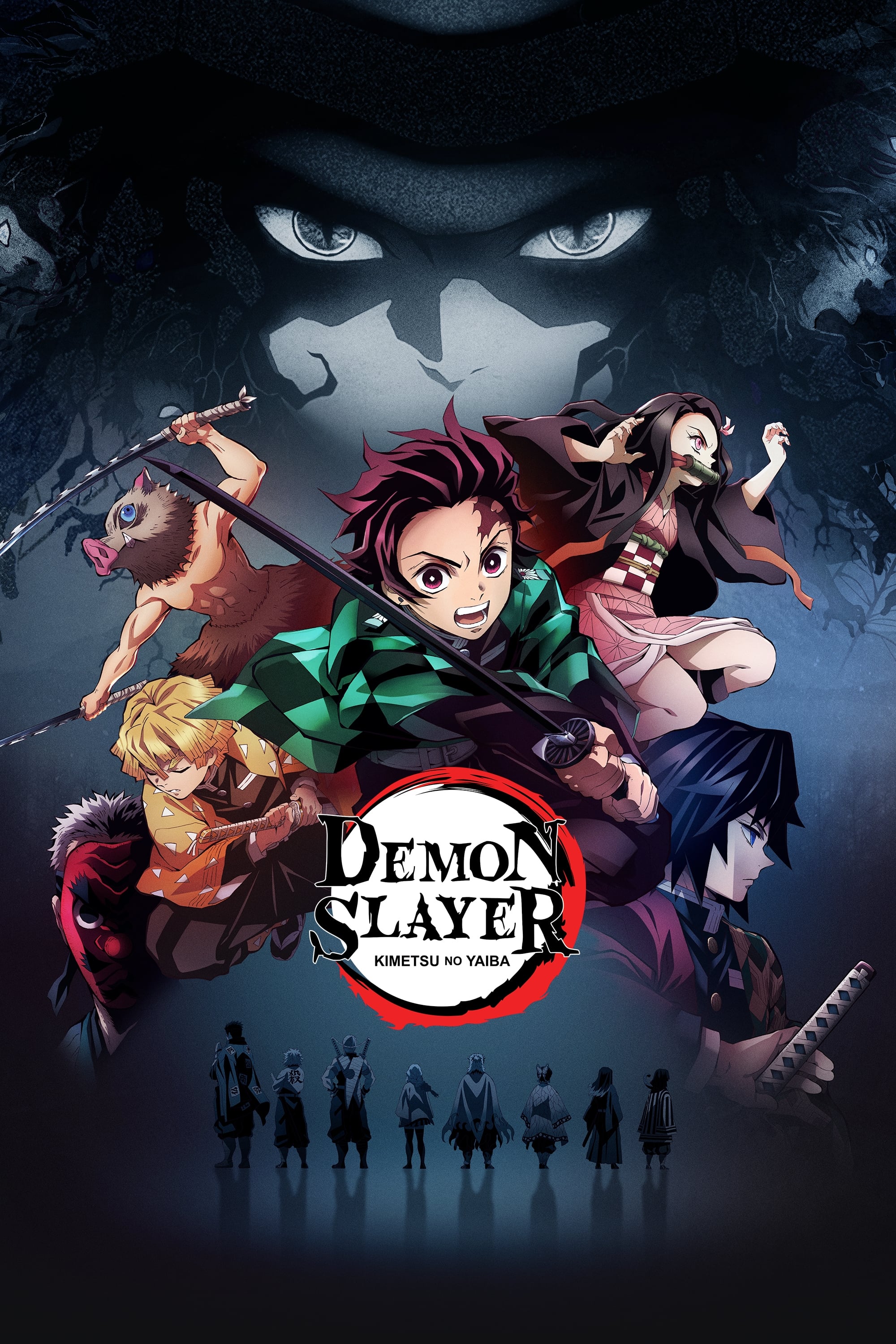
After a demon slaughters his family, Tanjiro Kamado discovers that his sister Nezuko has been transformed into a demon. He joins the Demon Slayer Corps with the sole purpose of finding a way to return her to human form. Throughout ‘Demon Slayer: Kimetsu no Yaiba’, Nezuko fights alongside her brother, using her demonic abilities to protect him. Their relationship serves as the series’ moral compass and emotional anchor in a world filled with violence. Tanjiro’s training and battles are entirely focused on his devotion to his last remaining family member.
‘Grave of the Fireflies’ (1988)
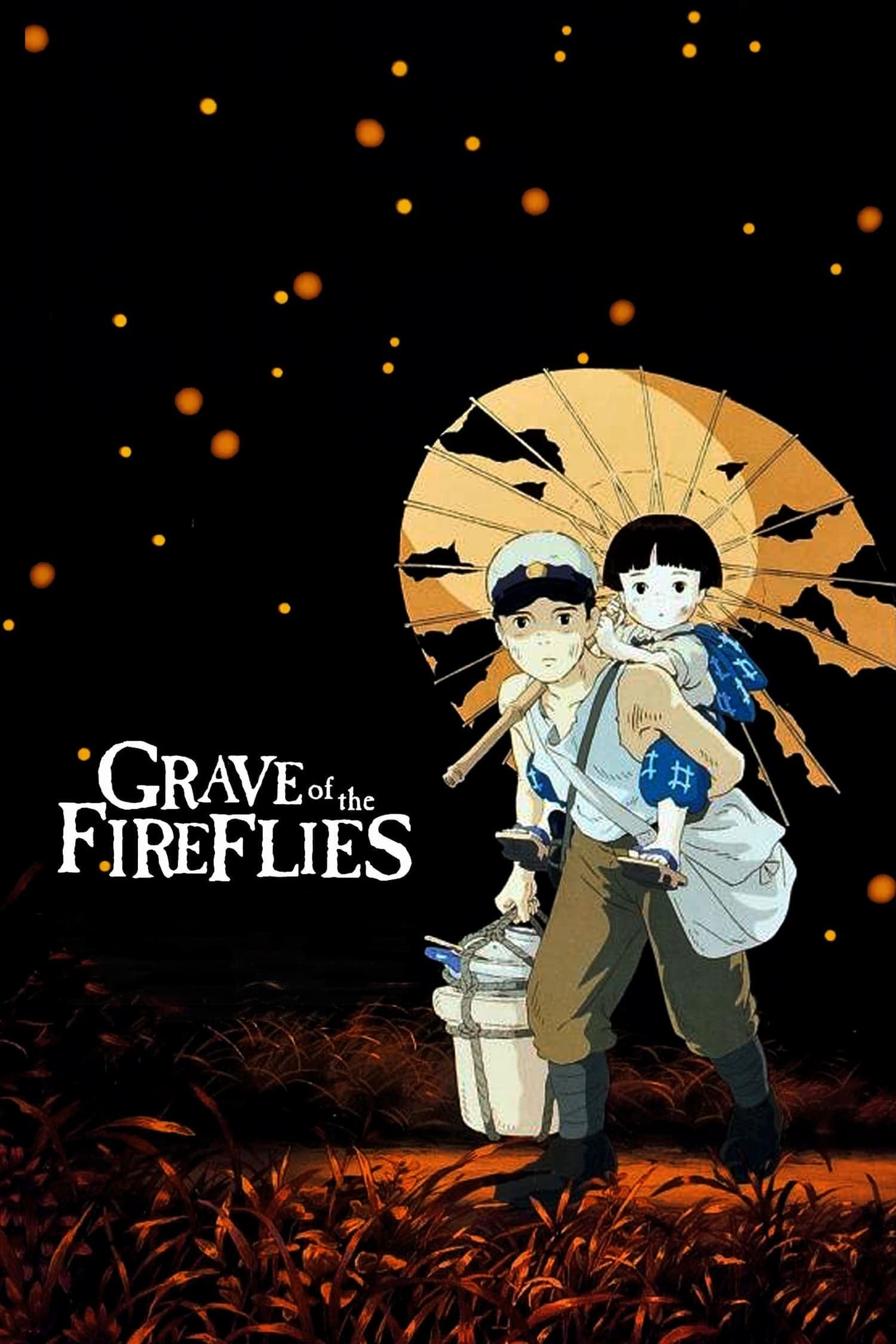
Set during the final months of World War II, ‘Grave of the Fireflies’ depicts the struggle of a teenage boy, Seita, and his younger sister, Setsuko. After their home is destroyed in a firebombing, the siblings must navigate a society that has become indifferent to their plight. Seita takes on a parental role, attempting to shield Setsuko from the harsh realities of starvation and disease. Their devotion to one another provides brief moments of light amidst the overwhelming tragedy of the conflict. The film is widely recognized for its poignant exploration of the responsibilities and burdens of siblinghood.
‘Blue Exorcist’ (2011–2024)
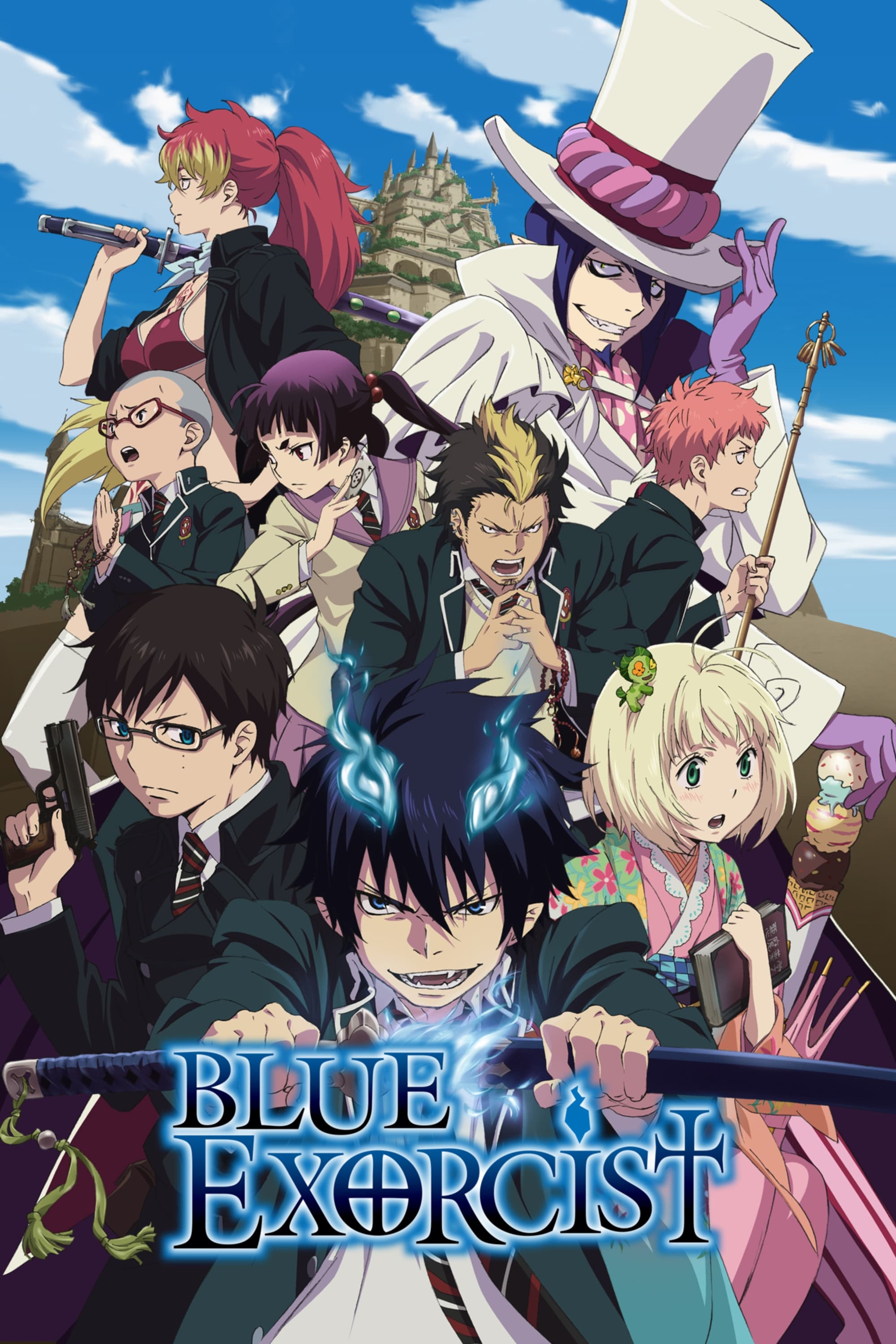
Rin Okumura discovers he is the son of Satan and decides to become an exorcist to defeat his biological father. His twin brother Yukio, a prodigy who has known about their heritage for years, serves as Rin’s teacher and protector. Their contrasting personalities and skill sets lead to frequent friction but ultimately result in a deep mutual reliance. The story focuses on their shared burden and the different ways they process their traumatic upbringing. Their relationship in ‘Blue Exorcist’ highlights how siblings can be both rivals and essential allies.
‘Code Geass: Lelouch of the Rebellion’ (2006–2008)
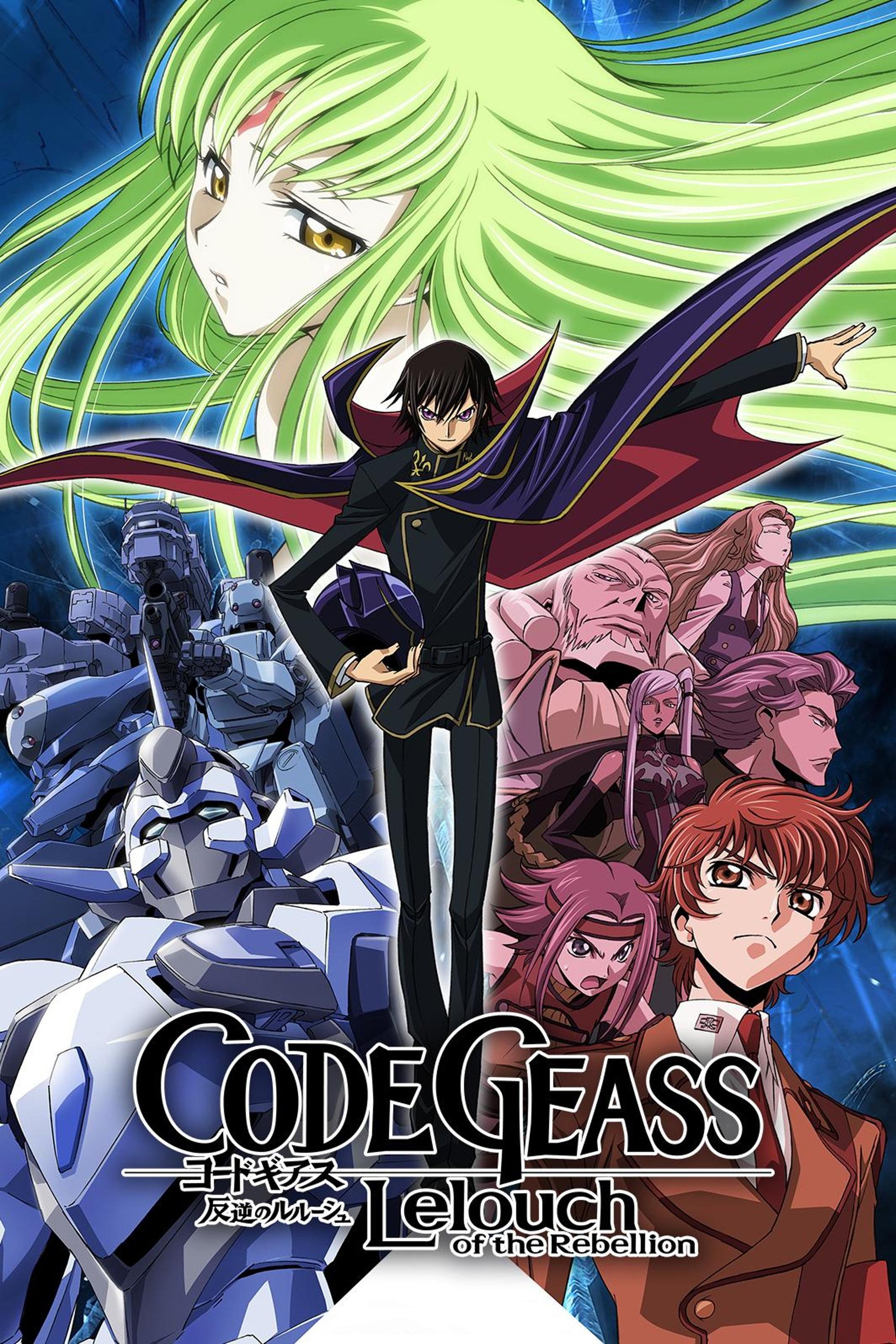
Lelouch vi Britannia launches a massive revolution against the Holy Britannian Empire under the masked persona of Zero. His primary motivation is to create a peaceful world for his younger sister, Nunnally, who is blind and uses a wheelchair. Many of Lelouch’s tactical decisions and moral compromises are influenced by her safety and future happiness. The tragedy of ‘Code Geass: Lelouch of the Rebellion’ often stems from the distance his secret life creates between them. Their connection remains the catalyst for the political upheaval that reshapes the world.
‘No Game No Life’ (2014)
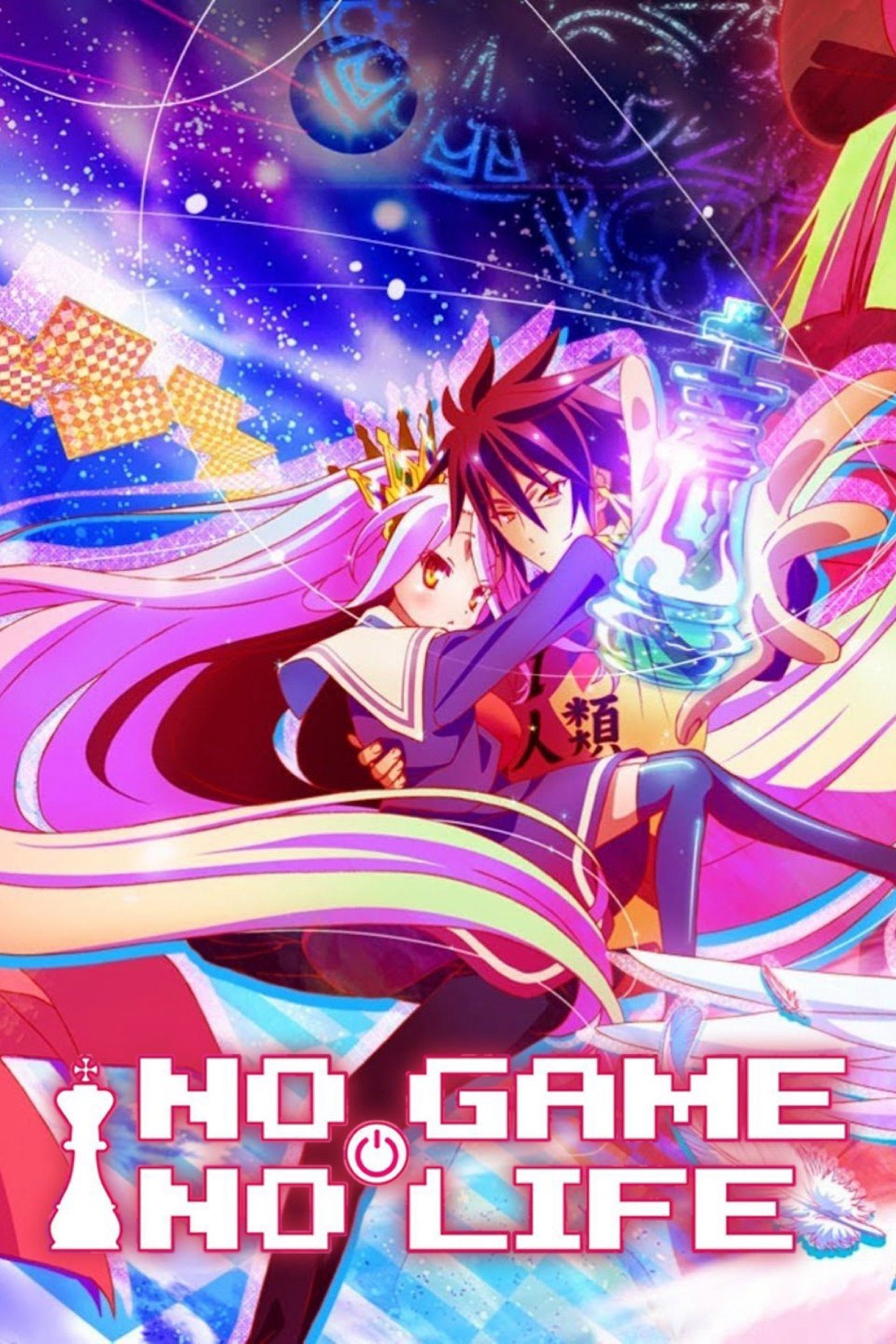
Sora and Shiro are step-siblings known in the gaming world as the legendary, undefeated duo ‘Blank’. They are socially reclusive in the real world and suffer from severe anxiety whenever they are separated. After being transported to a world where everything is decided by games, they use their complementary intellectual strengths to challenge various races. The narrative of ‘No Game No Life’ highlights their codependency as their greatest tactical advantage. Their bond is depicted as a singular unit that functions optimally only when they are together.
‘March Comes in Like a Lion’ (2016–2018)
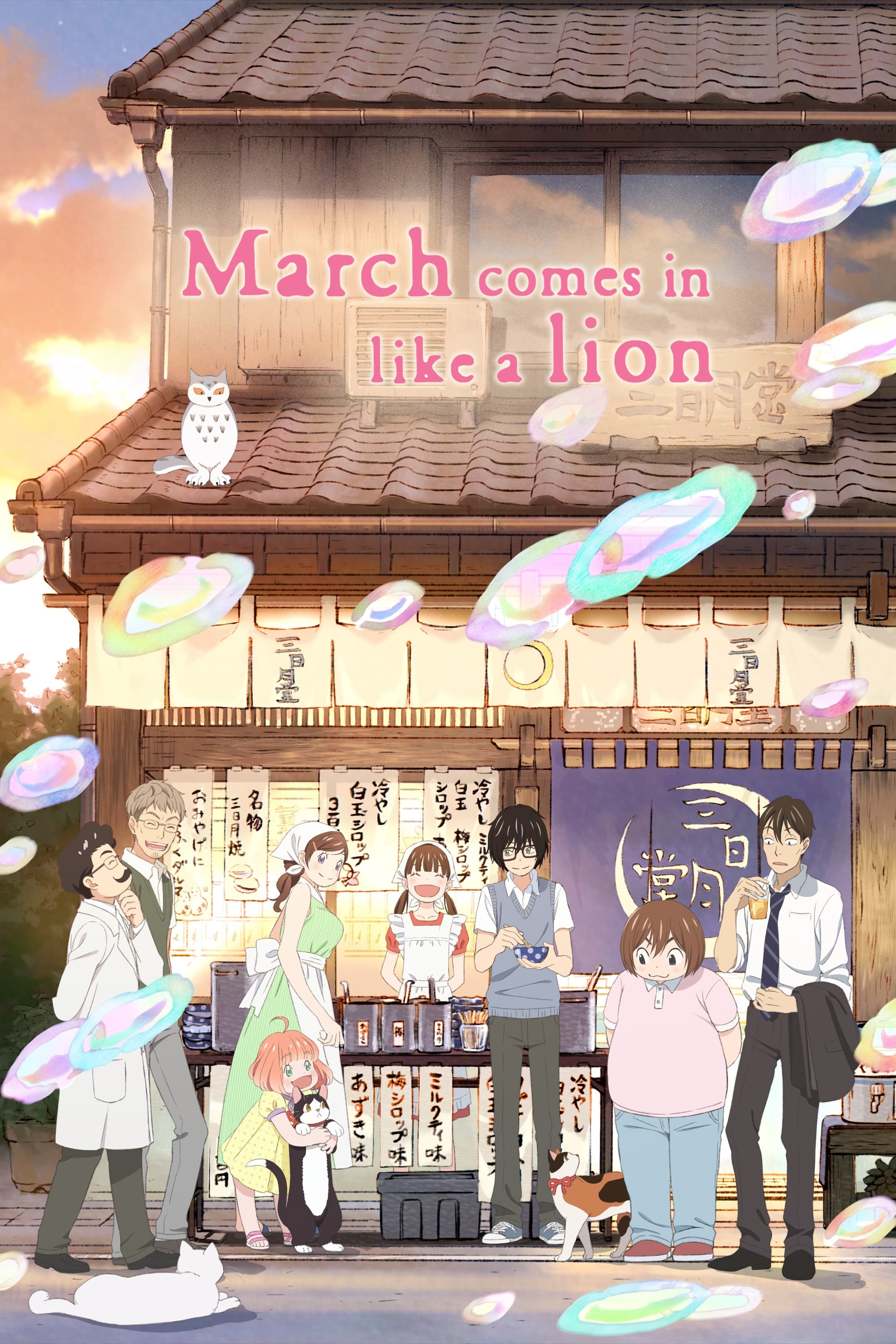
Rei Kiriyama is a professional shogi player who struggles with severe depression and social isolation after losing his family in an accident. He finds emotional solace and a sense of belonging with the three Kawamoto sisters: Akari, Hinata, and Momo. The bond between the sisters themselves is a cornerstone of the series’ healing atmosphere, and they eventually welcome Rei into their family circle. ‘March Comes in Like a Lion’ explores how sibling-like support systems can help individuals navigate trauma. The sisters’ collective care provides Rei with the stability he needs to pursue his career and personal growth.
‘Mob Psycho 100’ (2016–2022)
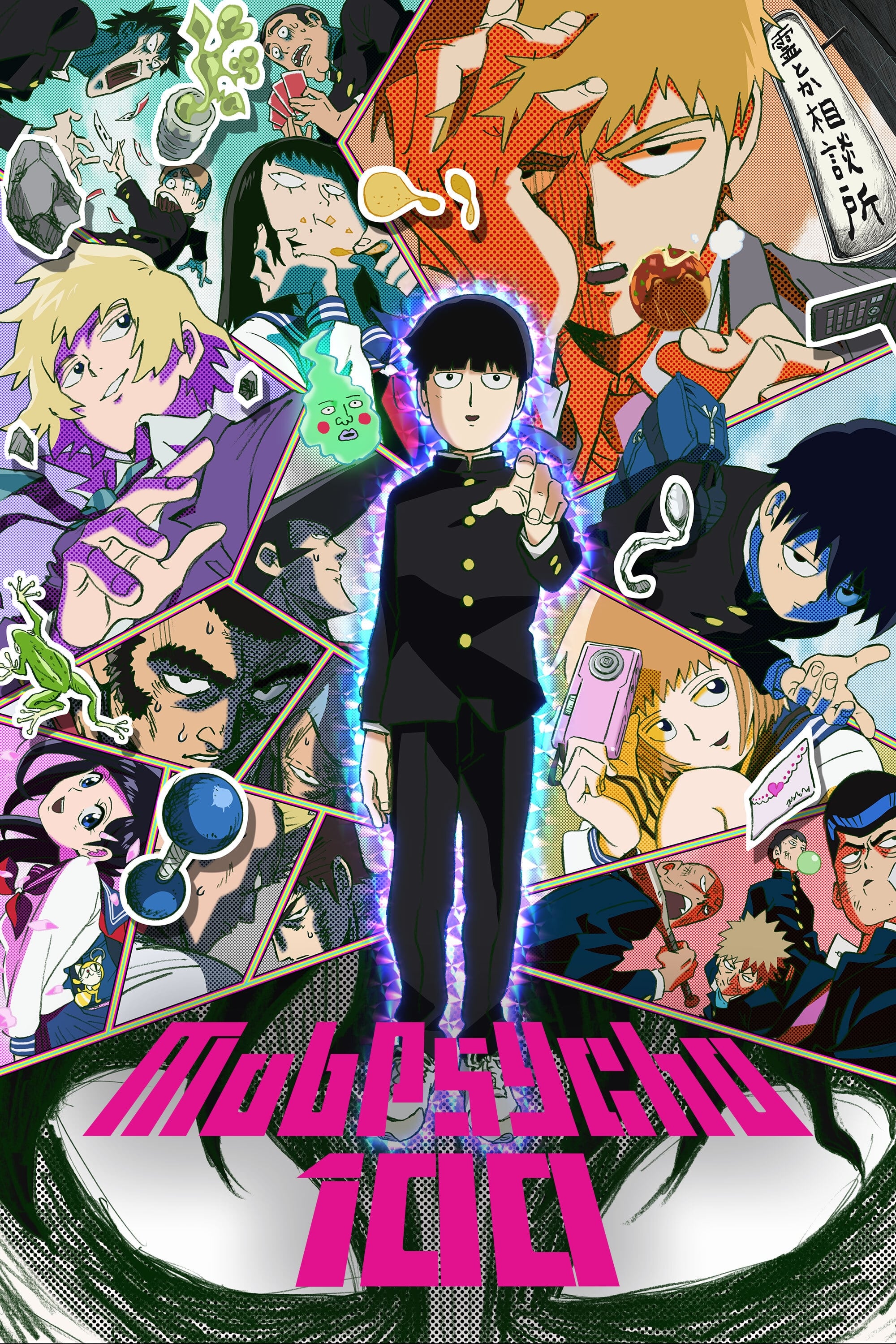
Shigeo ‘Mob’ Kageyama possesses immense psychic powers but wishes for a normal life without relying on his abilities. His younger brother Ritsu initially envies Mob’s powers while Mob deeply admires Ritsu’s intelligence and social competence. Their relationship evolves as they both learn to accept their individual flaws and hidden insecurities. The protection of one another frequently triggers the most significant emotional and supernatural developments in ‘Mob Psycho 100’. Their bond reinforces the theme that character and kindness are more important than innate power.
‘Tokyo Magnitude 8.0’ (2009)
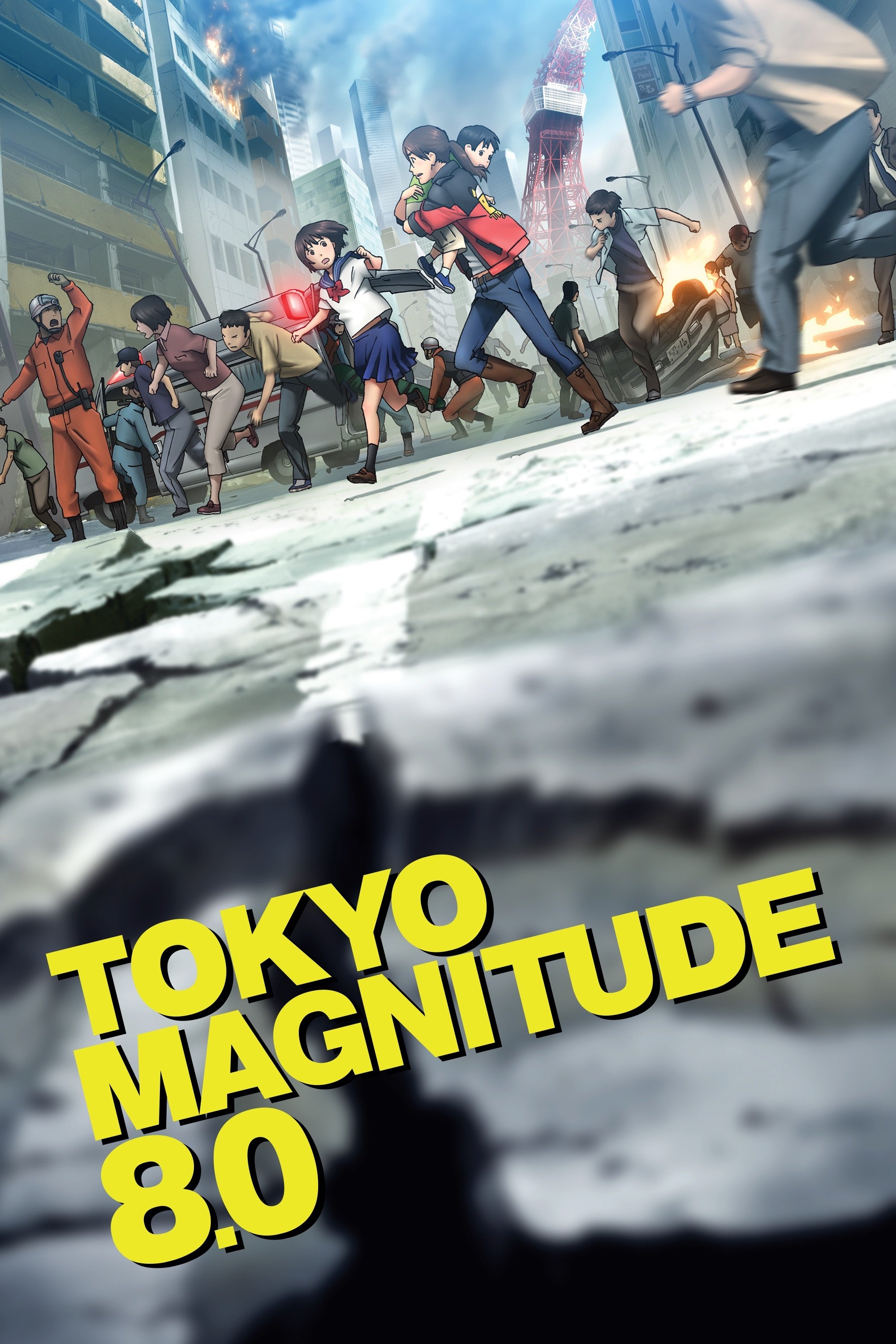
When a massive earthquake strikes Tokyo, siblings Mirai and Yuki are separated from their parents and must navigate the ruins of the city. Mirai, initially a cynical teenager, is forced to mature quickly as she takes responsibility for her younger brother’s safety. The series meticulously details the physical and emotional toll of their journey as they attempt to return home. Their connection is the primary focus of the survival narrative, showcasing the evolving protective instincts of an older sibling. ‘Tokyo Magnitude 8.0’ presents a realistic and grounded look at family bonds during a catastrophe.
‘My Neighbor Totoro’ (1988)
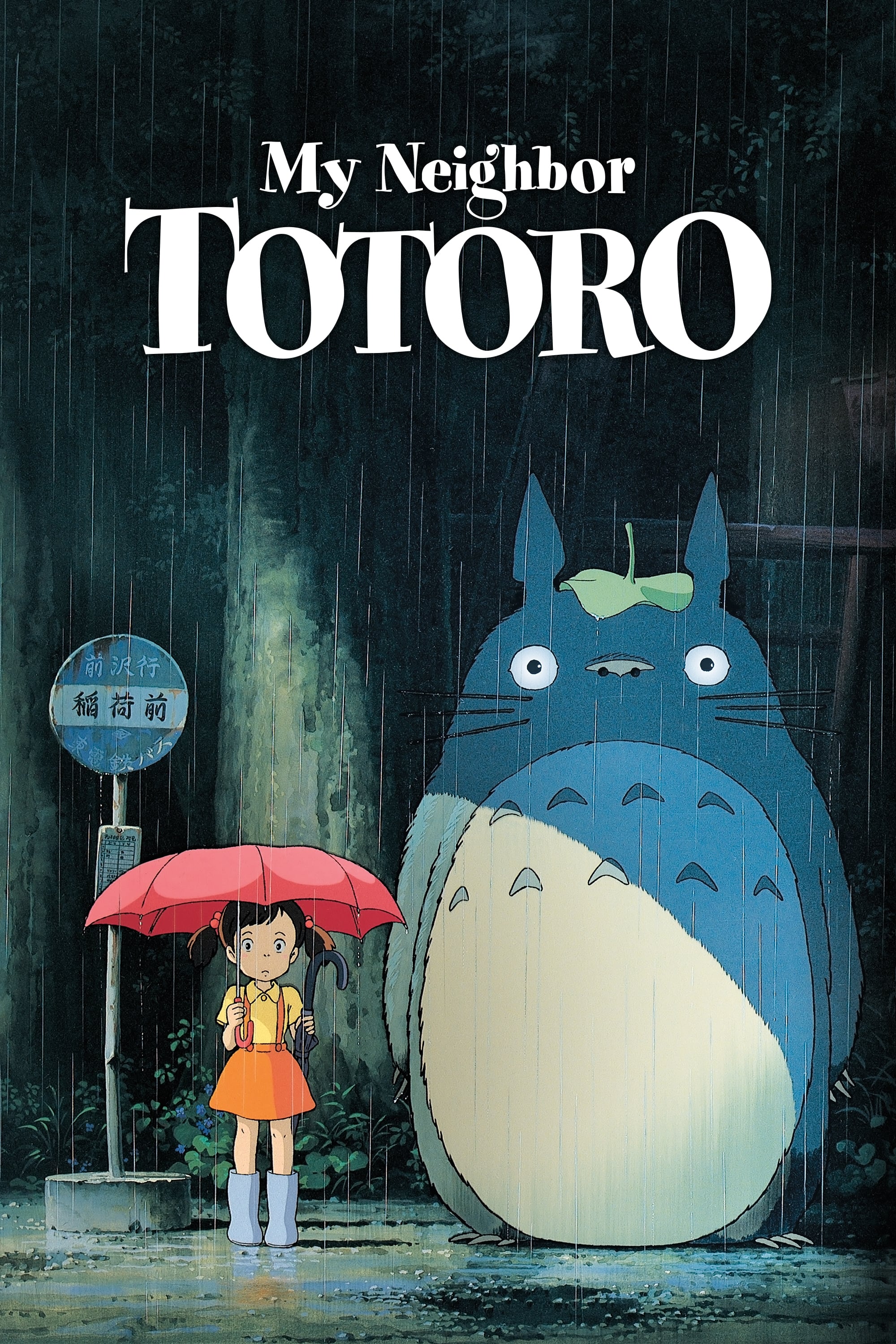
Satsuki and Mei move to the countryside with their father to be closer to the hospital where their mother is recovering. The two sisters explore their new environment and encounter magical forest spirits, including the titular Totoro. Satsuki takes on a maternal role for the younger Mei, reflecting the maturity forced upon her by her family’s circumstances. Their shared wonder and mutual care form the heart of this Studio Ghibli classic. ‘My Neighbor Totoro’ captures the essence of childhood sibling dynamics through exploration and emotional vulnerability.
‘Wolf Children’ (2012)
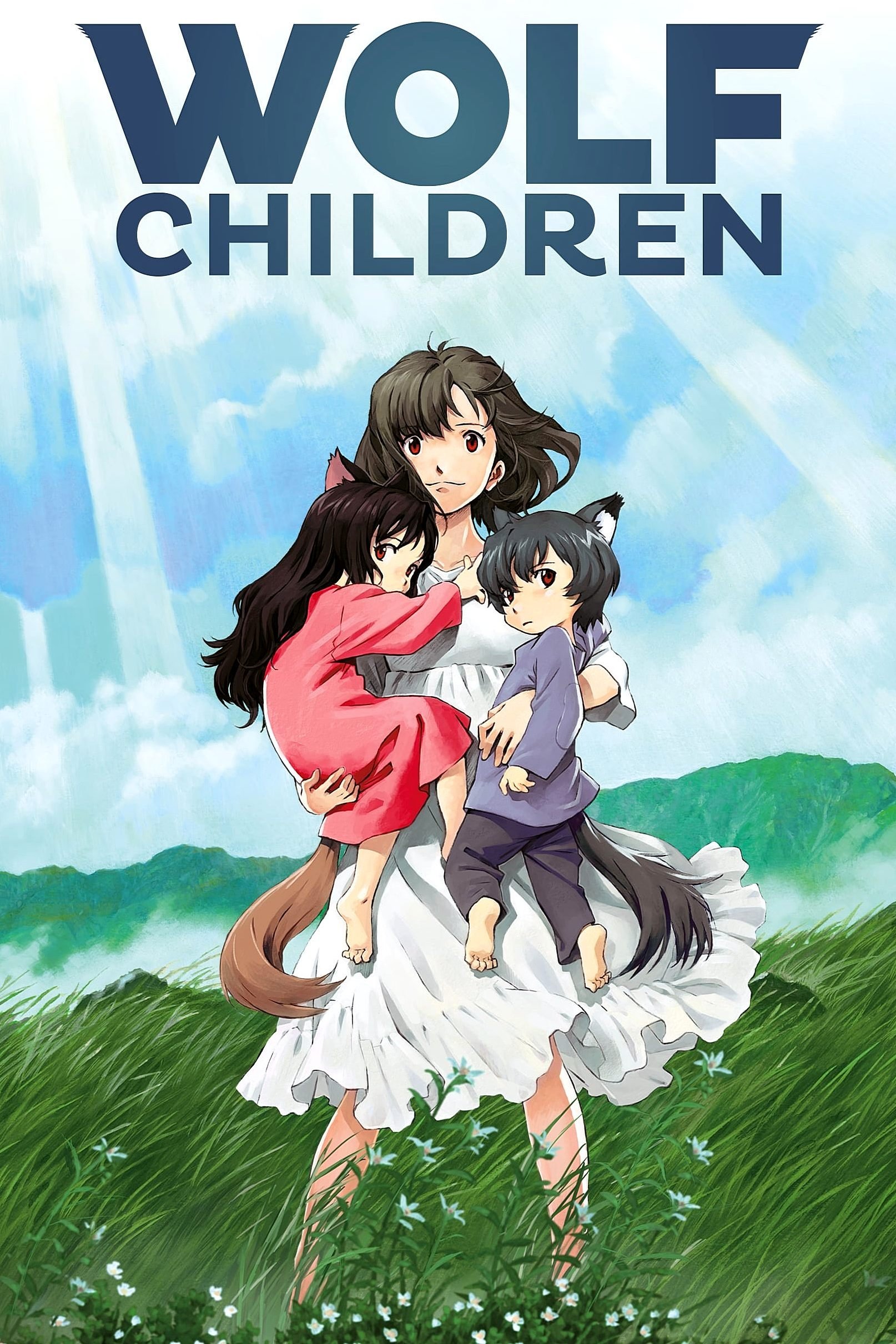
After the death of their father, Hana raises her half-wolf children, Ame and Yuki, in a secluded rural home. The story follows the siblings as they grow and eventually choose different paths in life, one embracing humanity and the other the wild. While they start their lives closely bonded, their diverging identities create a poignant and complex dynamic. The film explores the challenges of parenting and the natural progression of siblings finding their own purpose. ‘Wolf Children’ is a narrative about the strength of family ties even when paths diverge.
‘Fruits Basket’ (2019–2021)
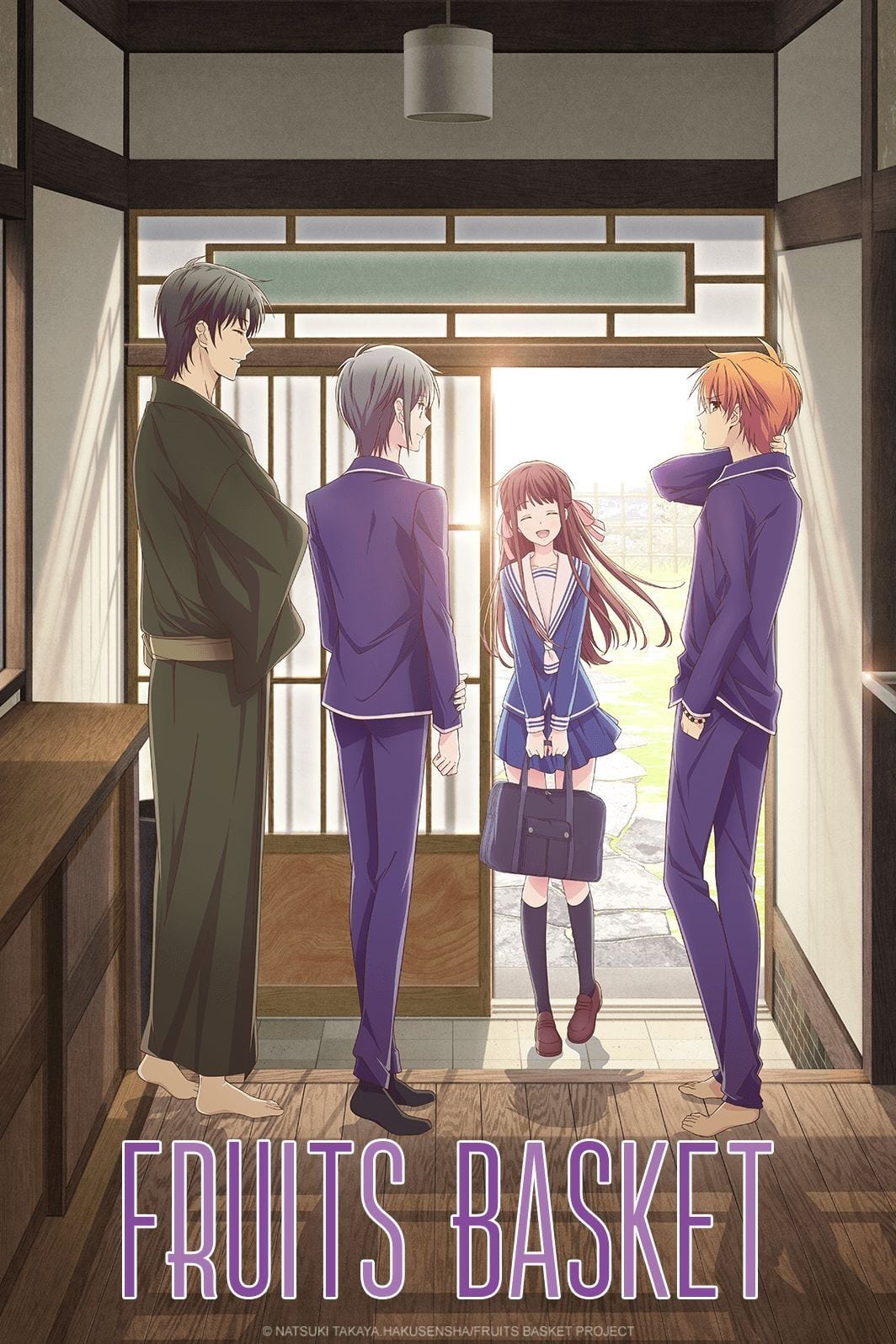
The series features several sets of siblings within the cursed Sohma family, most notably the strained relationship between Yuki and Ayame. Ayame attempts to bridge the gap created by years of neglect and misunderstanding, seeking to become a better older brother. Their reconciliation process is a significant subplot that deals with themes of forgiveness and the effort required to maintain family bonds. Other sibling pairs, such as the Momiji and Kagura dynamics, further illustrate the impact of the family curse. ‘Fruits Basket’ emphasizes that blood relations require active communication and empathy to flourish.
‘Dororo’ (2019)
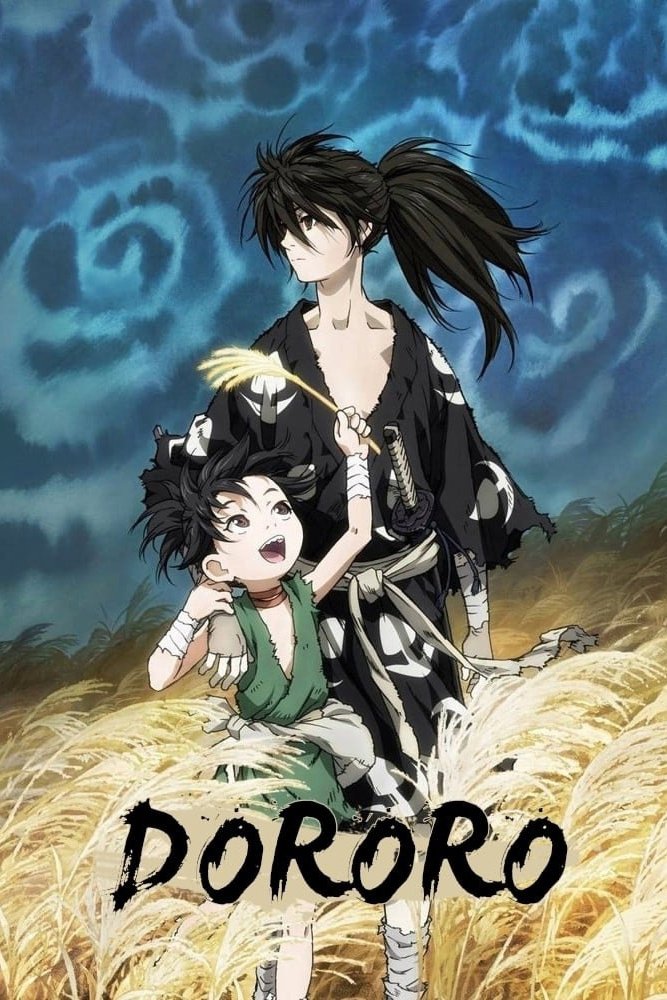
Hyakkimaru travels across feudal Japan to slay demons and reclaim his stolen body parts. During his journey, he eventually encounters his biological younger brother, Tahomaru, who was raised as the heir to their father’s land. Their relationship is defined by tragedy and the political machinations of their father, who sacrificed Hyakkimaru’s body for prosperity. While Tahomaru struggles with loyalty to his people, Hyakkimaru’s existence challenges his sense of duty. Their final confrontation in ‘Dororo’ highlights the sorrow of a family divided by ambition and betrayal.
‘Akame ga Kill!’ (2014)

Akame and her sister Kurome were sold into the Empire’s service and trained from childhood as elite assassins. They eventually end up on opposite sides of a civil war, with Akame joining the revolutionary group Night Raid. Despite their opposing allegiances, they maintain a deep, albeit twisted, love for each other. Both sisters believe that the only way to express their affection is to kill the other and end their cycle of suffering. This fatalistic bond drives one of the most emotional and violent character arcs in ‘Akame ga Kill!’.
‘Kyousougiga’ (2013)
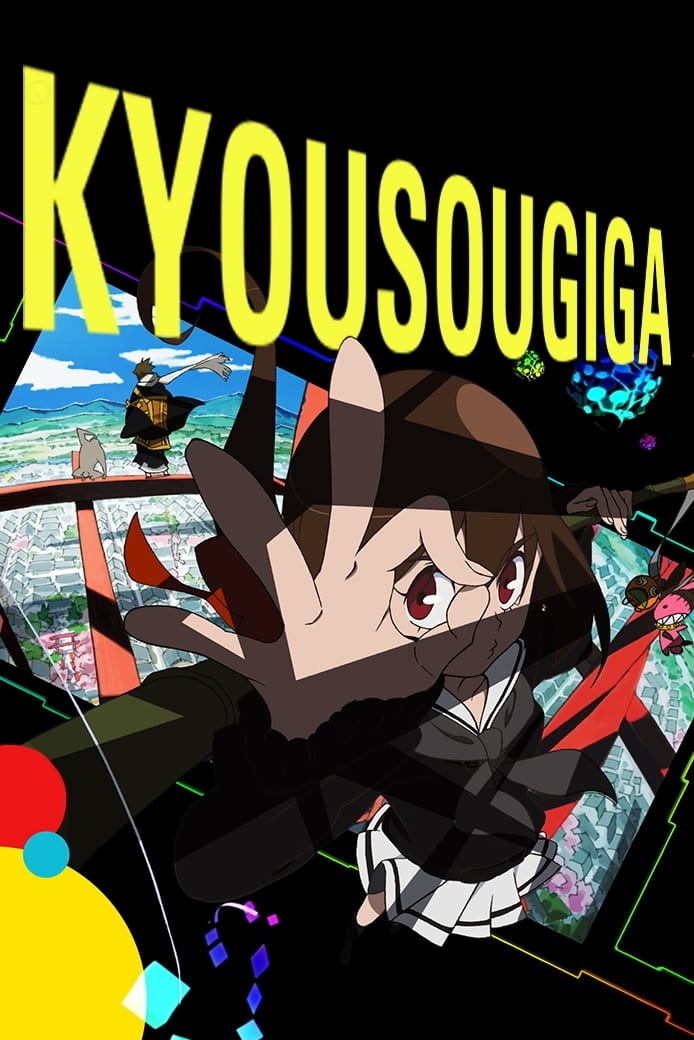
Three siblings—Kurama, Yase, and Myoue—live in the Mirror Capital, a magical version of Kyoto, while waiting for their parents to return. Their internal conflicts and personal baggage dictate the stability and atmosphere of their surreal world. The arrival of a young girl named Koto forces the siblings to confront their shared past and their duties to the family. The narrative explores how sibling dynamics can become stagnant over time and the necessity of change for emotional growth. ‘Kyousougiga’ is a visually distinct exploration of legacy and familial responsibility.
‘Cardcaptor Sakura’ (1998–2000)
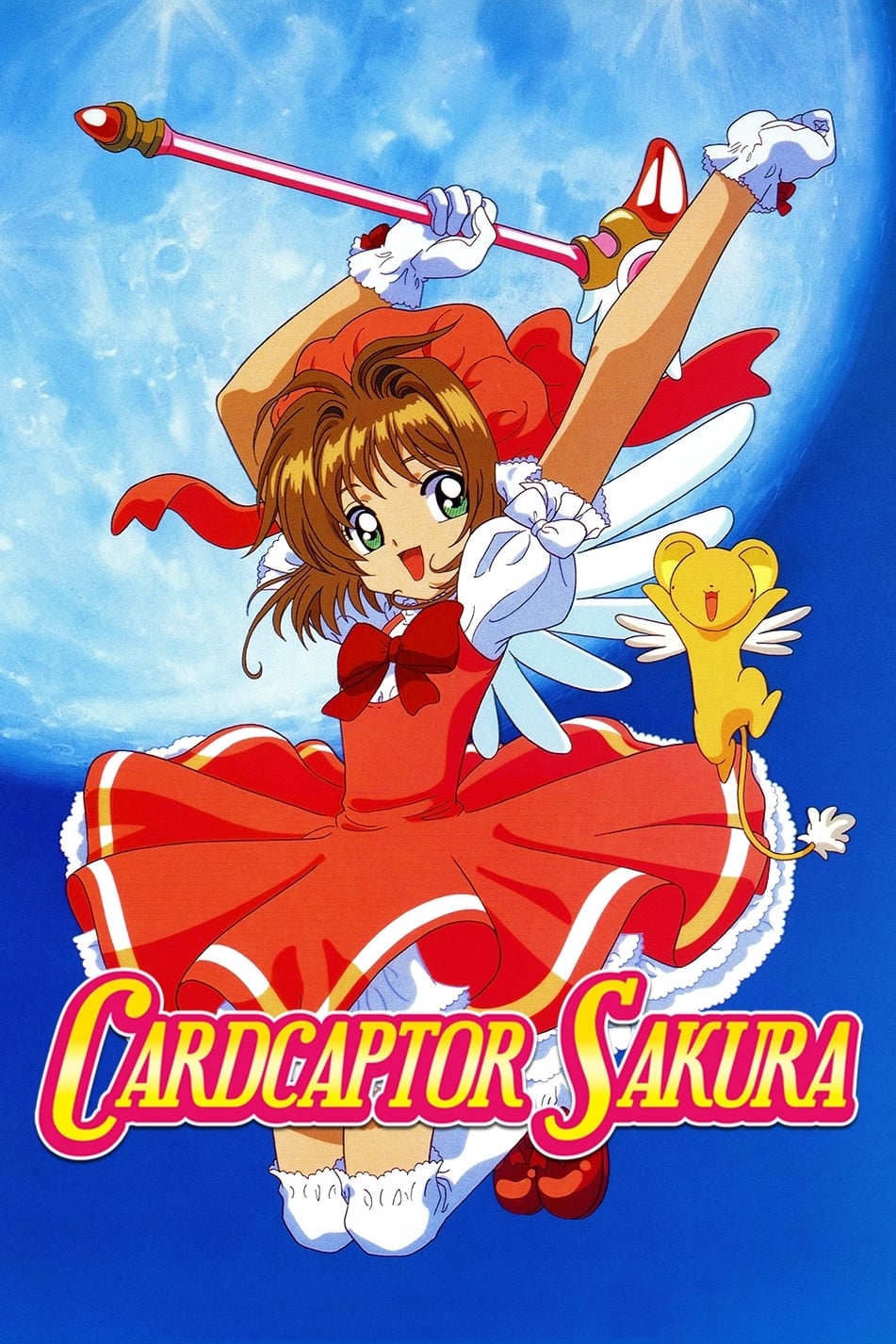
Sakura Kinomoto often bickers with her older brother Toya, who frequently teases her and calls her a “monster.” Despite their playful antagonism, Toya is deeply protective and possesses his own spiritual awareness of the dangers Sakura faces. He often works various part-time jobs specifically to be near Sakura during her adventures as a Cardcaptor. Their relationship provides a grounded and realistic depiction of sibling love hidden behind everyday banter. In ‘Cardcaptor Sakura’, Toya’s subtle support is a constant throughout Sakura’s magical journey.
‘Trigun’ (1998)
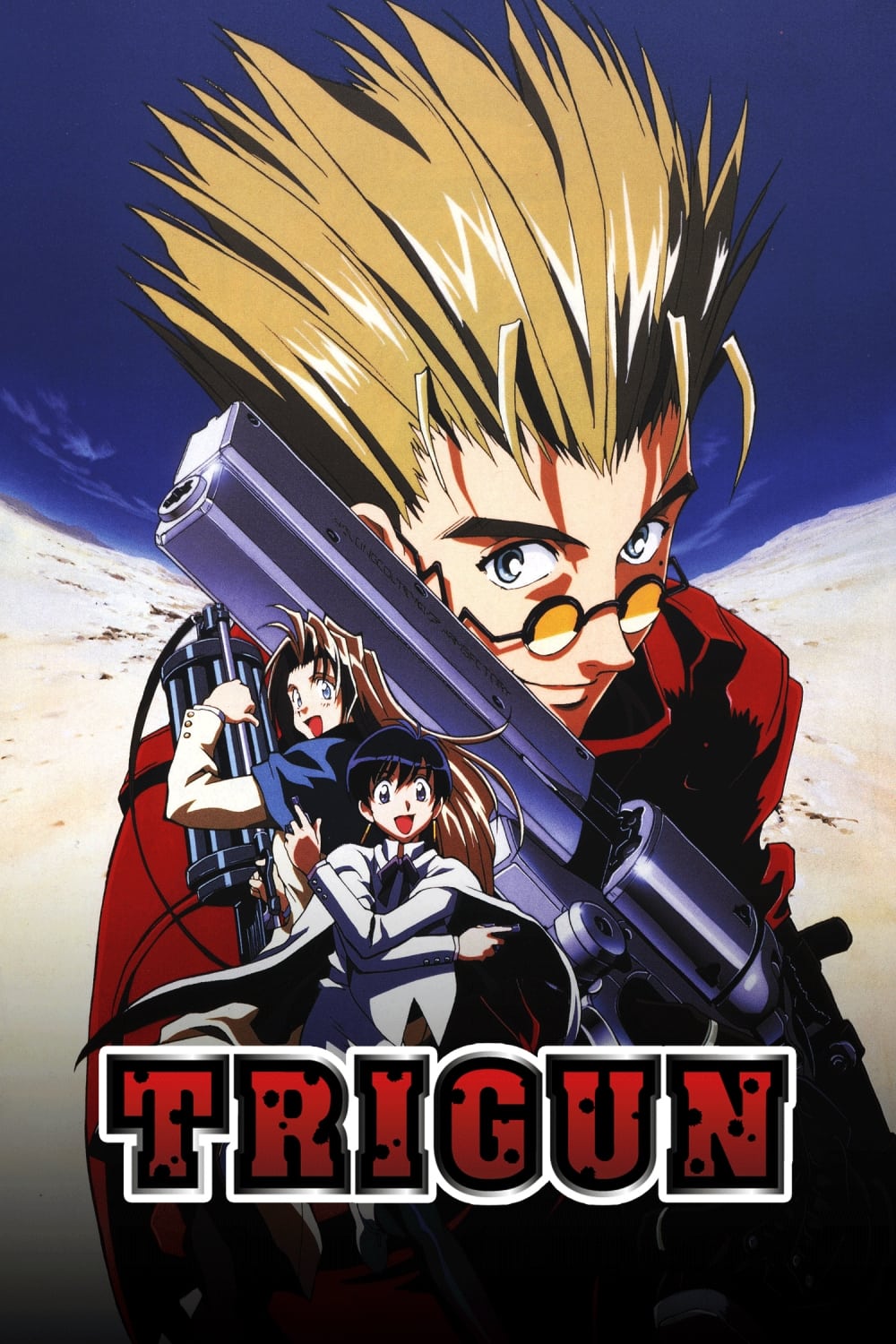
Vash the Stampede and his twin brother Millions Knives are “Plants,” powerful beings who represent opposing views on humanity. While Vash advocates for pacifism and the protection of all life, Knives seeks to eradicate humans to protect their own kind. Their centuries-long conflict is the primary driving force behind the plot and the series’ philosophical themes. The tragedy of their bond lies in their inability to reconcile their conflicting ideologies despite their shared origin. ‘Trigun’ uses this sibling rivalry to explore the depths of morality and the consequences of absolute power.
‘One Piece’ (1999–Present)
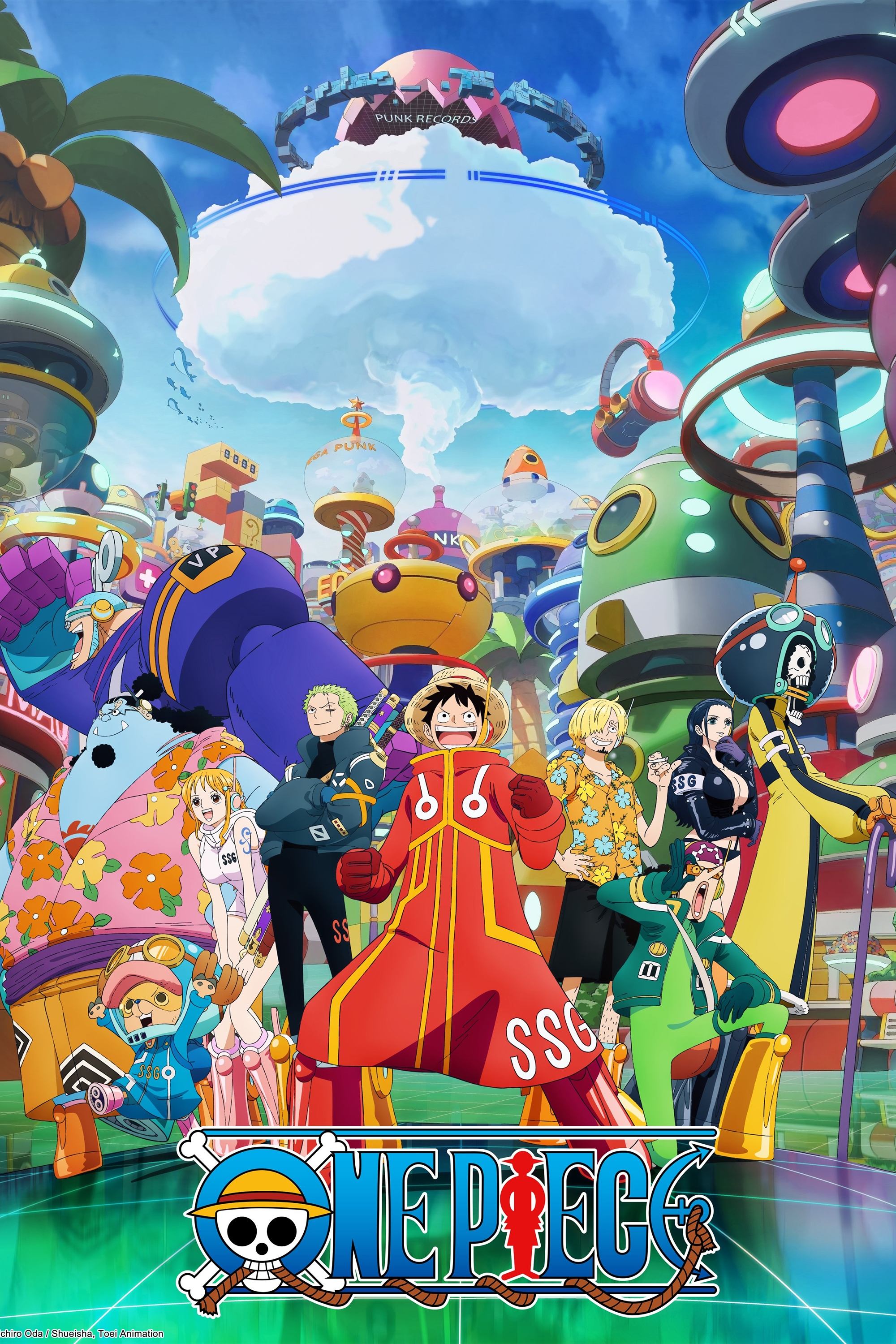
Although not biologically related, Monkey D. Luffy, Portgas D. Ace, and Sabo shared a childhood bond as sworn brothers. They exchanged cups of sake to solidify their commitment to protecting one another and pursuing their dreams as pirates. This relationship serves as a major emotional pillar for Luffy, influencing his growth and his resolve during the series’ most difficult moments. The impact of their brotherhood is felt through major world-altering events, such as the Summit War of Marineford. ‘One Piece’ frequently highlights how chosen family can be as significant as blood relations.
‘Bleach’ (2004–2012)
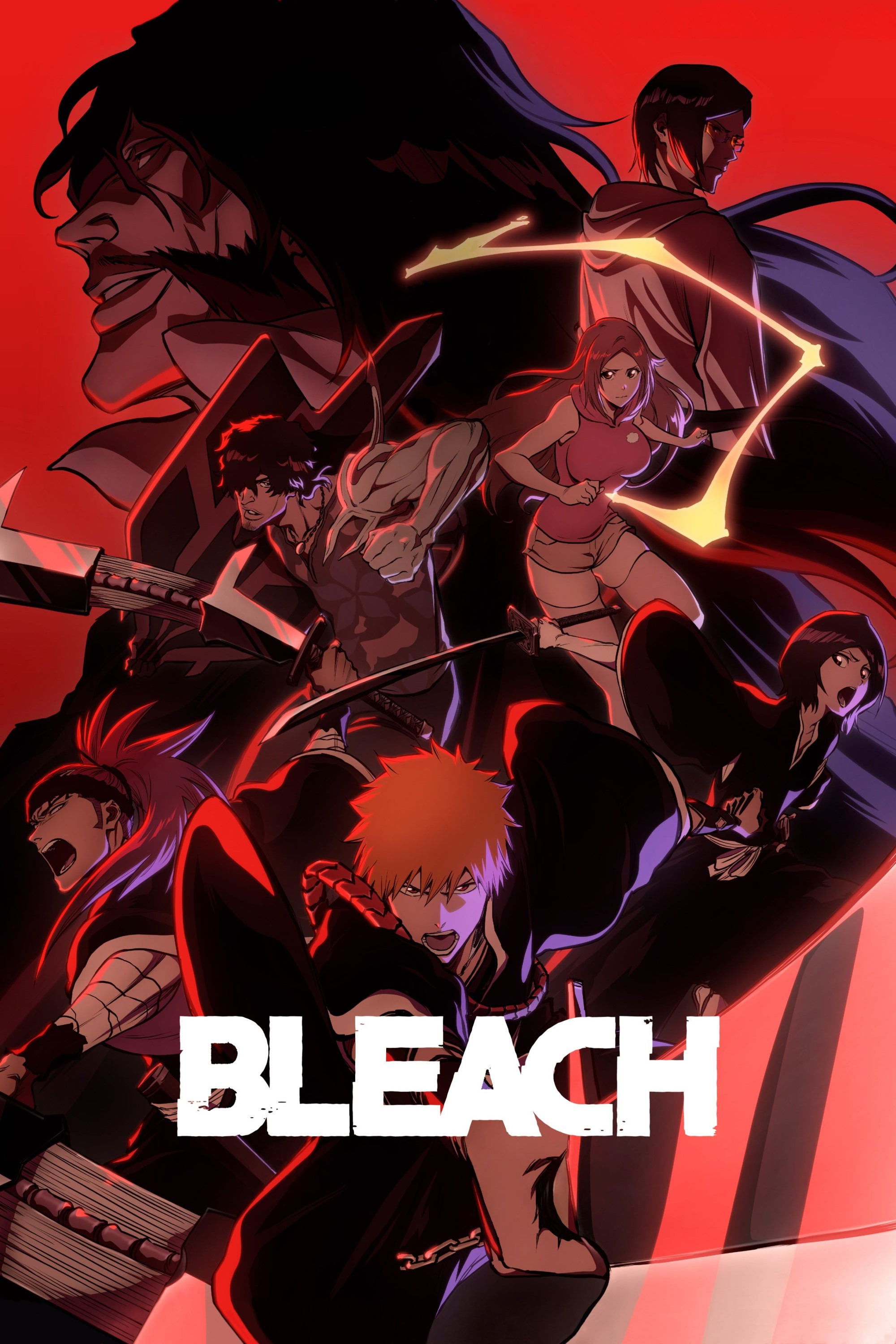
Byakuya Kuchiki adopts his sister-in-law Rukia into the noble Kuchiki clan to honor a deathbed promise to his late wife. While he initially appears cold and prioritizes the law over his family, he eventually risks his life and reputation to protect her. Their relationship highlights the conflict between societal duty and personal affection within a rigid hierarchy. Byakuya’s character development is fundamentally tied to his evolving role as Rukia’s older brother and protector. Their bond becomes a symbol of emotional growth and the breaking of stagnant traditions in ‘Bleach’.
‘Seraph of the End’ (2015)
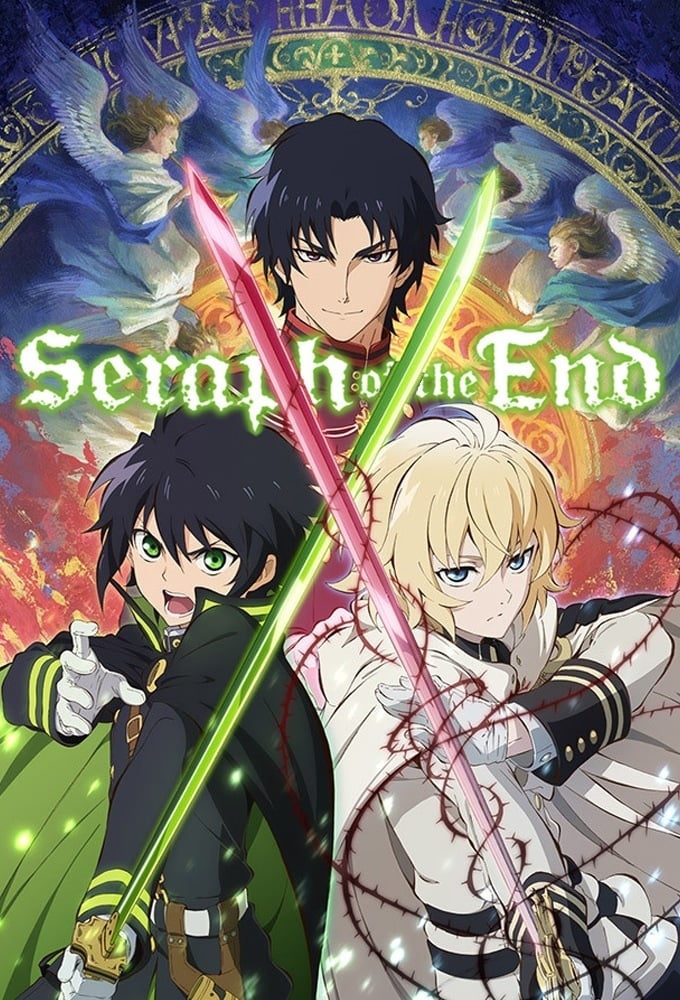
Yuuichirou and Mikaela are the only survivors of their orphanage family after a vampire-induced apocalypse. Their desire to save each other from their respective factions—the humans and the vampires—is the primary driver of the plot. They consider their bond stronger than blood, defining their very identity through their status as brothers. The series explores how far one will go to rescue a sibling from a monstrous fate and the corruption of their humanity. Their relationship in ‘Seraph of the End: Vampire Reign’ remains the only constant in a world of betrayal.
‘Charlotte’ (2015)
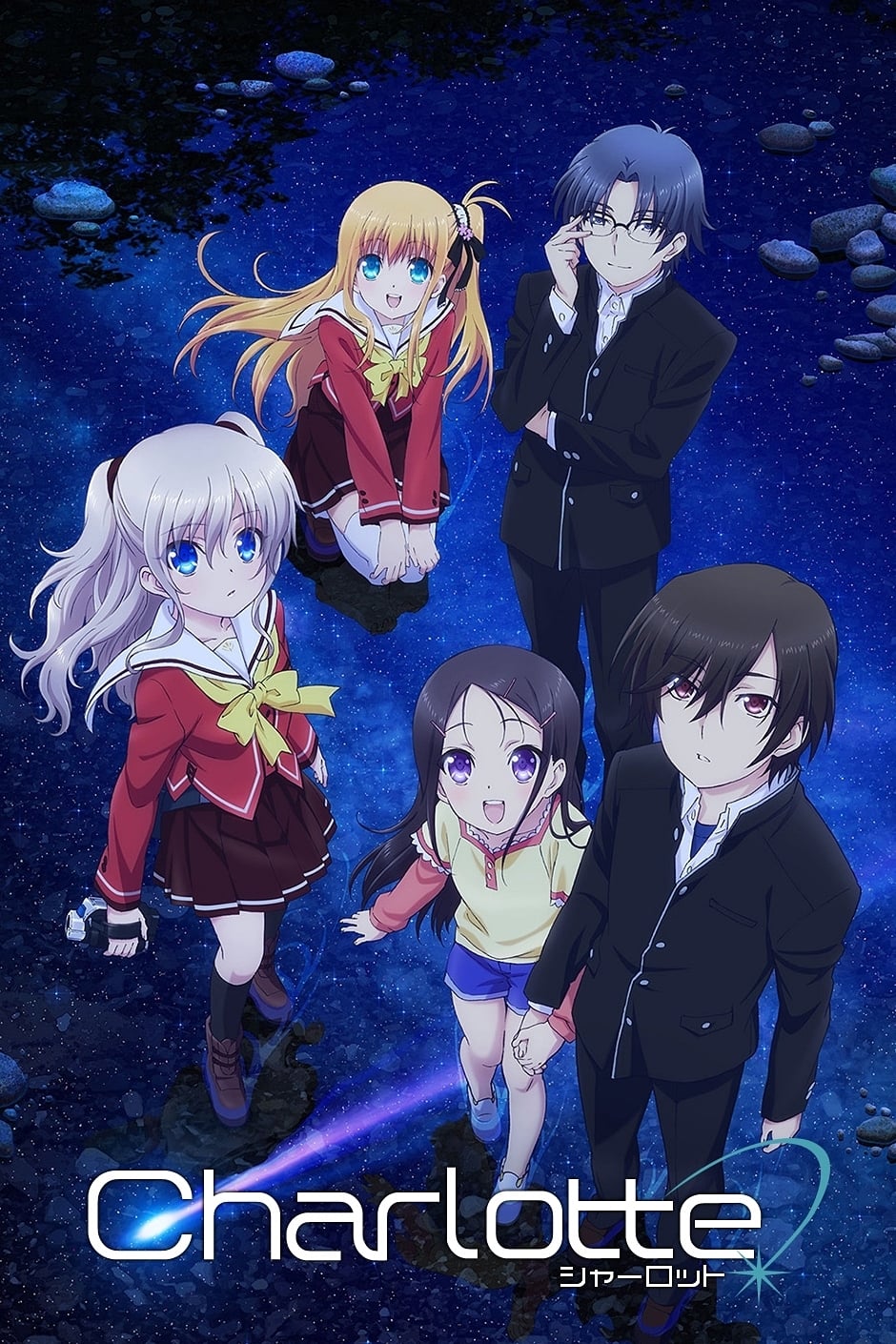
Yuu Otosaka is a high school student with the ability to temporarily possess others, and he is extremely close to his younger sister, Ayumi. He handles all household responsibilities and prepares special meals to ensure her happiness, showing a side of him that he hides from others. When Ayumi’s own dangerous supernatural ability awakens, Yuu’s life is completely transformed by the ensuing events. His grief and subsequent quest for redemption are deeply rooted in his love for her. ‘Charlotte’ shifts from a school-life comedy to a high-stakes drama based on this sibling connection.
‘D.Gray-man’ (2006–2008)
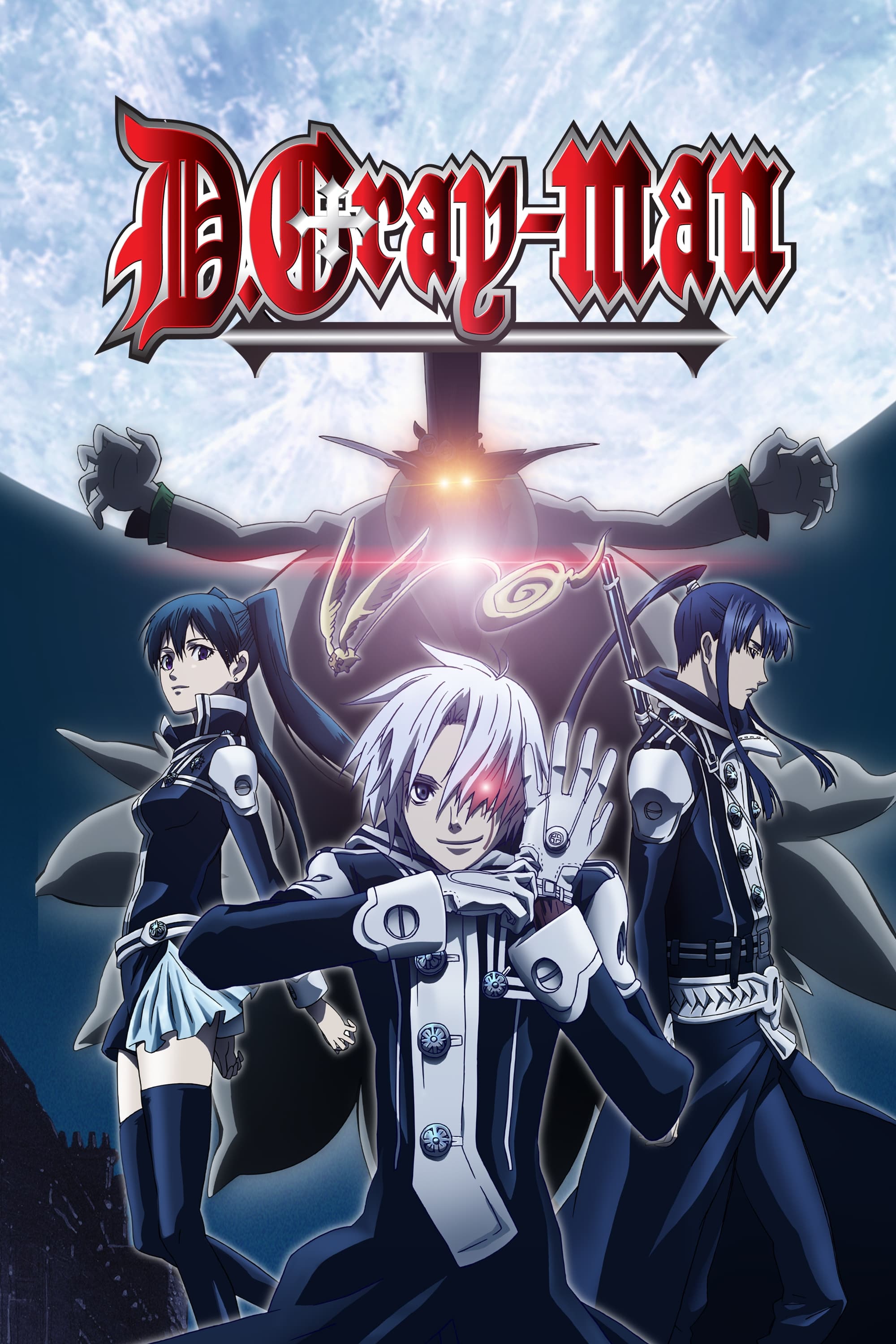
Lenalee Lee is a powerful Exorcist who fights demons primarily to protect her friends and her older brother, Komui. Komui is the supervisor of the Black Order and is often depicted as comically overprotective of Lenalee. However, his dedication to her safety and his guilt over her involvement in the war are central to his character. Their relationship provides emotional levity and a sense of “home” within the dark, gothic setting of the series. ‘D.Gray-man’ emphasizes how familial bonds provide the strength to face existential threats.
‘The Irregular at Magic High School’ (2014–Present)
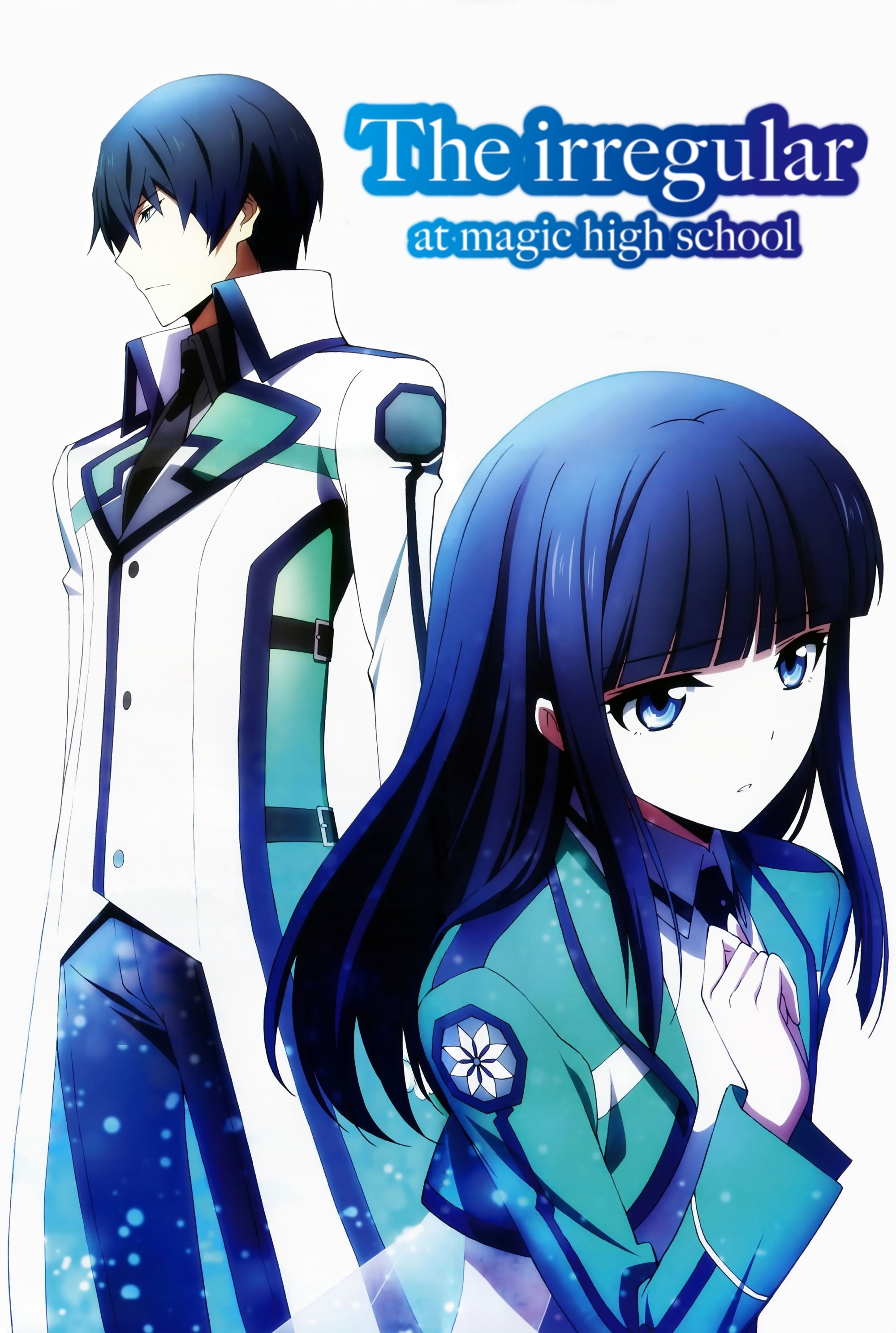
Tatsuya and Miyuki Shiba are siblings attending a prestigious magic academy where their social standings are vastly different. Miyuki is a talented magician of high status who deeply admires and depends on her brother, who is considered “irregular” due to his unique magic. Tatsuya acts as her bodyguard and emotional anchor, often prioritizing her safety over his own life. Their bond is the most prominent feature of the series’ social and tactical dynamics, influencing how they interact with the world around them. ‘The Irregular at Magic High School’ explores a relationship built on absolute trust and mutual protection.
‘Spy x Family’ (2022–Present)
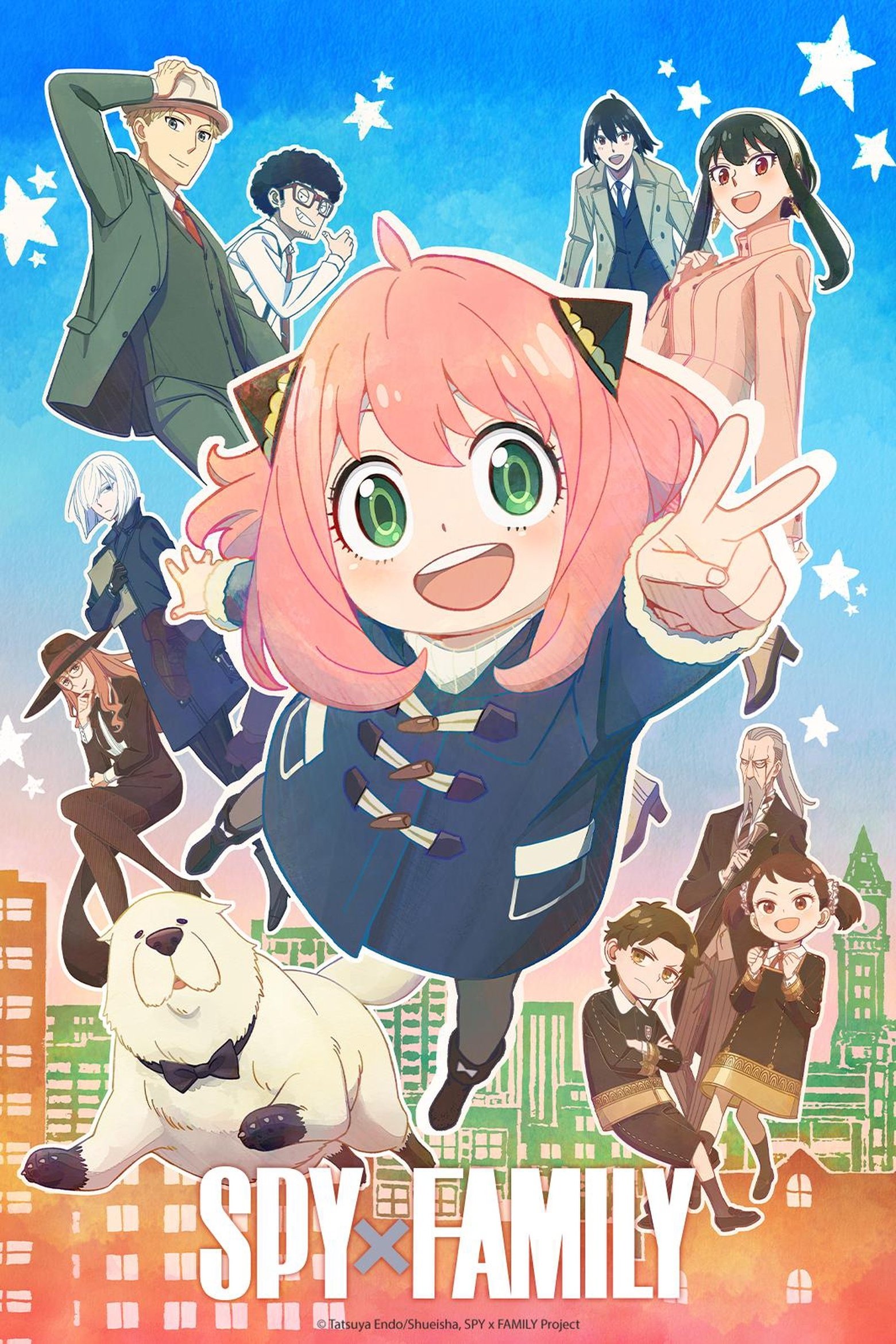
Yor Forger is a secret assassin who maintains a facade of a normal life to provide for her younger brother, Yuri. Yuri, who is secretly a member of the State Security Service, is equally devoted to Yor and remains protective of her. Their mutual desire for each other’s happiness leads to various comedic and high-stakes situations as they hide their true professions from one another. The series illustrates how sibling bonds can persist and flourish even through layers of secrets and deception. ‘Spy x Family’ highlights the length individuals will go to maintain a sense of family.
‘Haikyu!!’ (2014–2020)
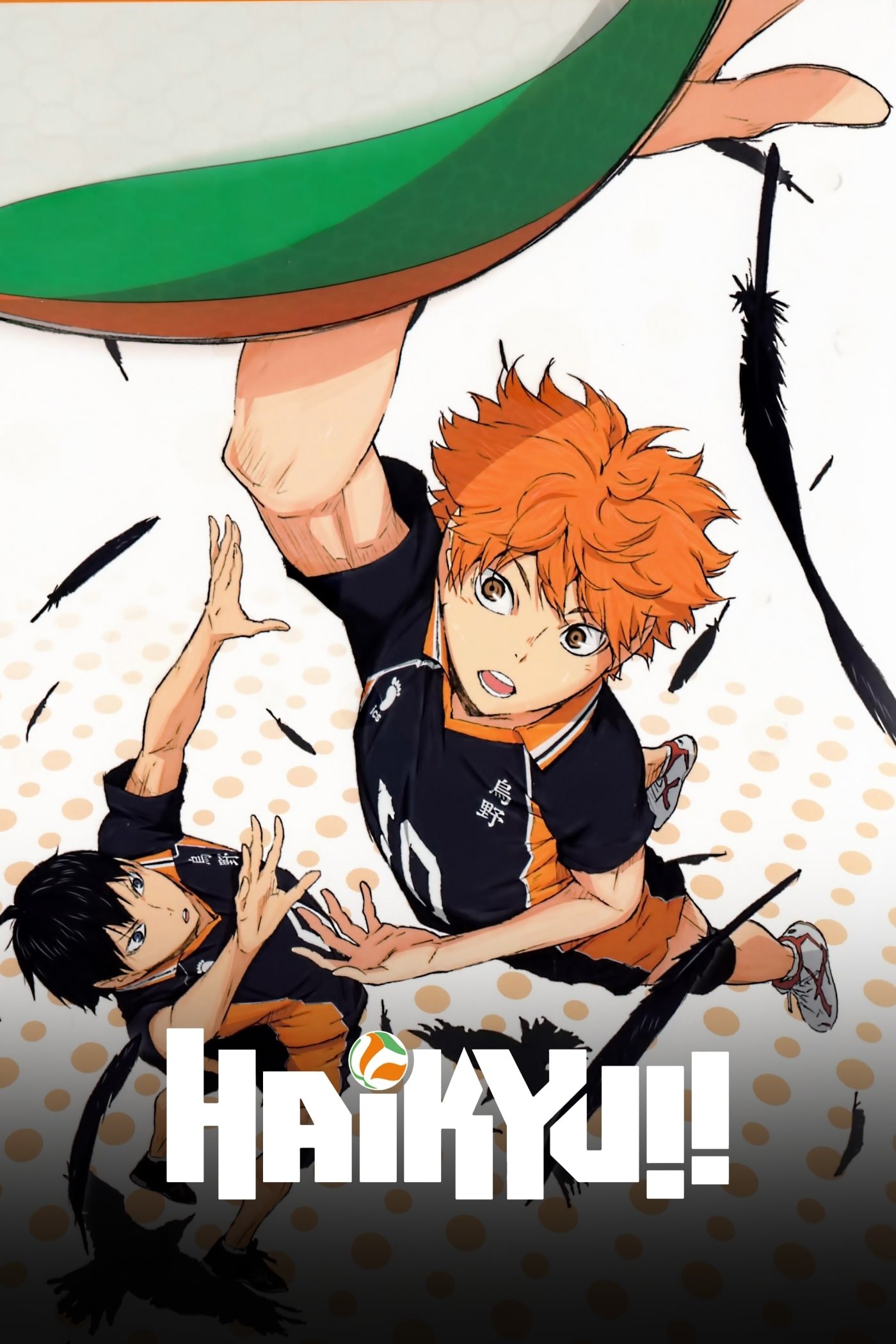
The relationship between Kei Tsukishima and his older brother Akiteru is a pivotal part of Kei’s internal conflict and character development. A childhood lie regarding Akiteru’s position on his high school volleyball team created a rift and shaped Kei’s cynical view of the sport. Their eventually honest communication allows Kei to move past his insecurities and rediscover his passion for volleyball. This arc in ‘Haikyu!!’ emphasizes the impact of sibling expectations and the healing power of transparency. Their dynamic is one of the more realistic explorations of sibling disappointment and reconciliation in sports anime.
‘Fairy Tail’ (2009–2019)
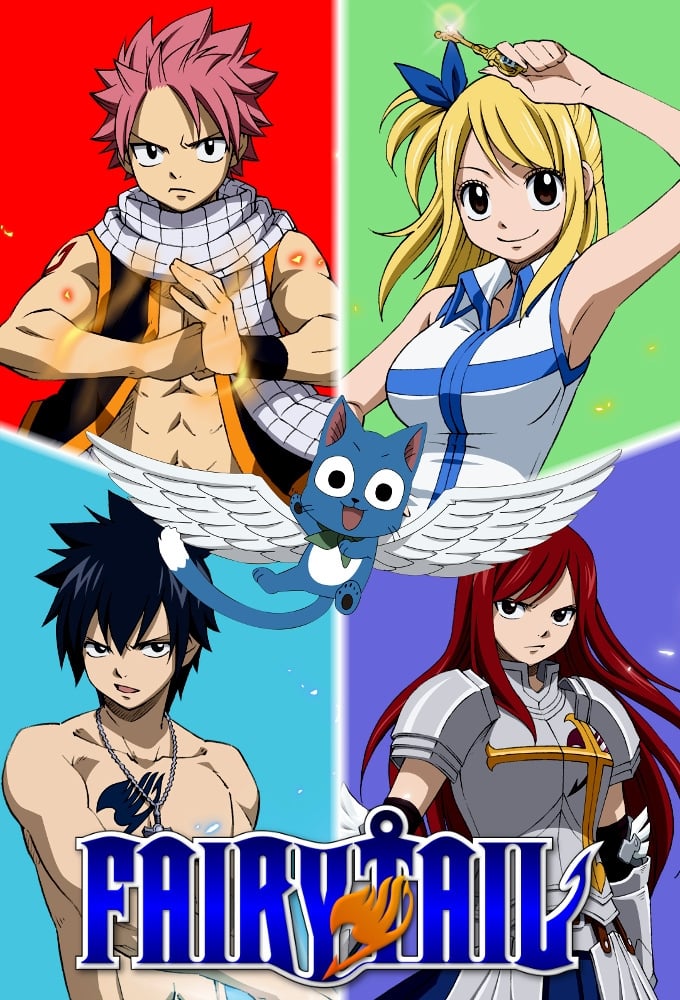
The Strauss siblings—Mirajane, Elfman, and Lisanna—share a tragic past involving a magic accident that resulted in Lisanna’s disappearance. This event deeply affected their personalities and magic, making Mirajane and Elfman fiercely protective of one another. Their eventual reunion and their collective strength as members of the Fairy Tail guild are recurring themes. They rely on their bond to overcome trauma and support their “found family” within the guild. Their unity is a testament to the theme of familial endurance that permeates ‘Fairy Tail’.
‘Inuyasha’ (2000–2004)

The half-demon Inuyasha and his full-demon older brother Sesshomaru share a bitter rivalry over their father’s legacy and his powerful swords. Much of the series involves their clashing philosophies regarding strength and their shared history of resentment. While their relationship is primarily antagonistic, they are occasionally forced to work toward common goals. Their slow and difficult journey toward a begrudging mutual respect is a major recurring theme in ‘Inuyasha’. The series uses their conflict to explore the concepts of bloodline and personal worth.
‘The Eccentric Family’ (2013–2017)
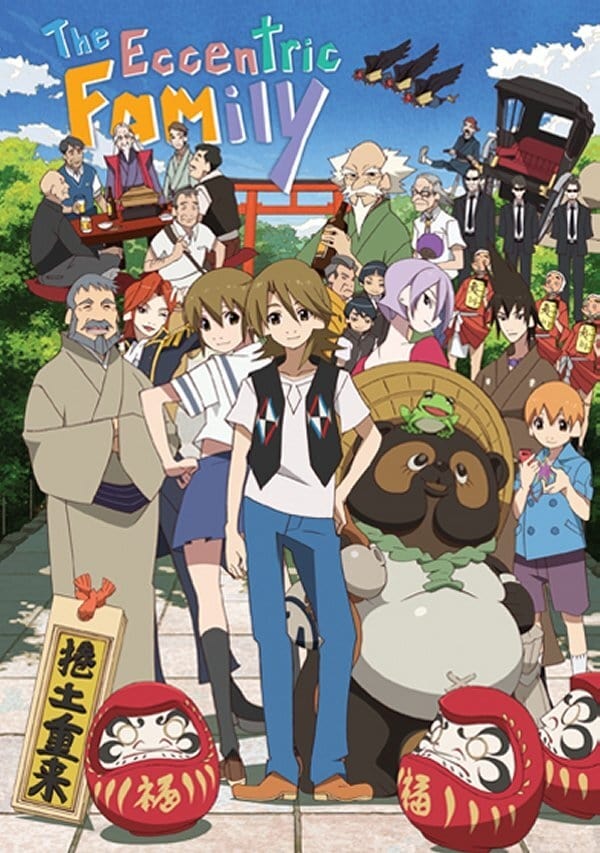
The Shimogamo brothers are four tanuki living in modern Kyoto after the untimely death of their father, the former leader of the tanuki community. Each brother inherited a different trait from their father, leading to varied and often clashing approaches to life and family duty. They must work together to navigate the dangers posed by humans, tengu, and rival tanuki clans. The series celebrates the messy and enduring nature of familial loyalty in a changing world. ‘The Eccentric Family’ presents a unique look at how siblings handle the weight of a family legacy.
‘Blood+’ (2005–2006)
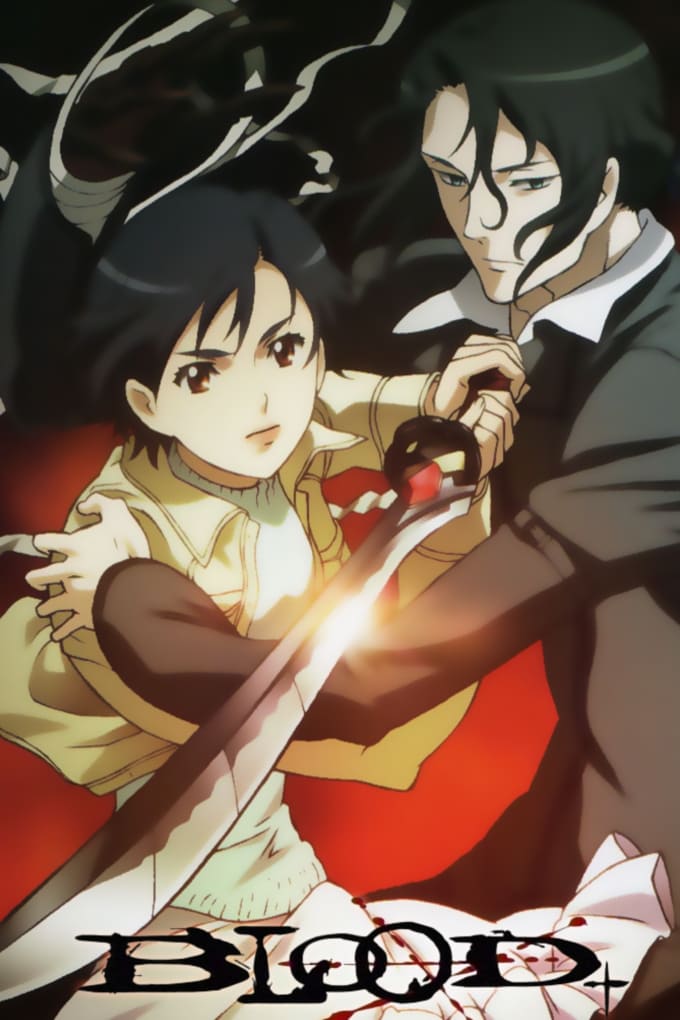
Saya Otonashi lives a normal life with her adoptive brothers, Kai and Riku, before discovering her true nature as a hunter of vampiric creatures. Kai, despite having no supernatural powers, remains fiercely dedicated to protecting both Saya and Riku as they are pulled into a global conflict. The siblings’ journey across the world is fueled by their desire to stay together and return to their peaceful life in Okinawa. Their bond serves as Saya’s primary link to her humanity as she faces her violent past. ‘Blood+’ focuses on the resilience of sibling bonds in the face of horrific circumstances.
‘Mr. Osomatsu’ (2015–2021)
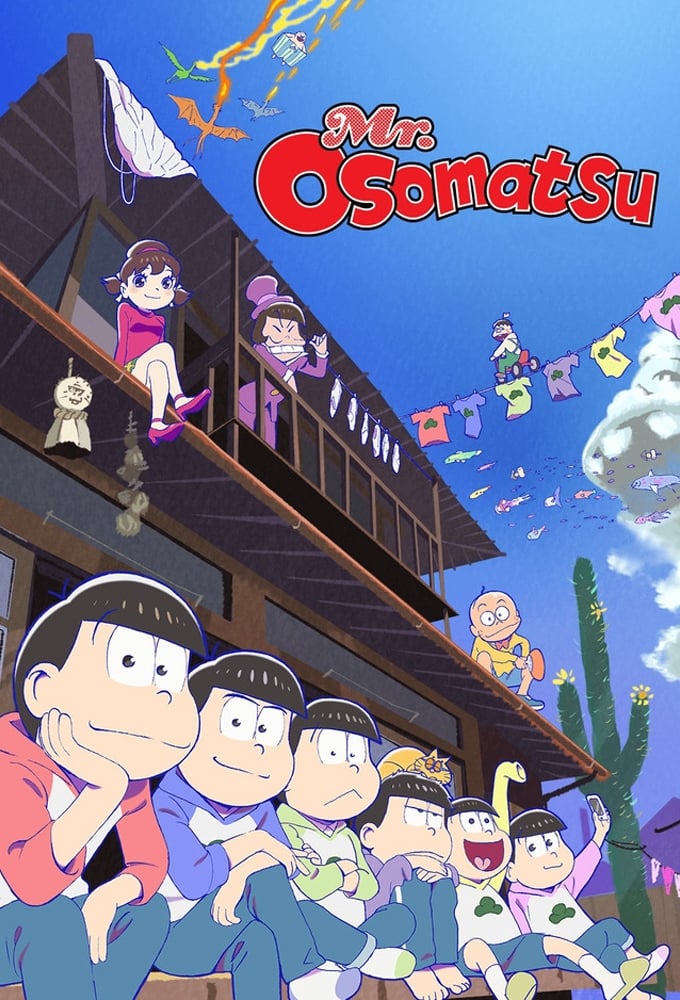
The Matsuno sextuplets are identical brothers who navigate their way through adulthood as unemployed “NEETs.” While they frequently fight, compete, and sabotage one another, their shared identity as a group is unbreakable. Each brother possesses a distinct personality that either clashes or harmonizes with the others in various comedic scenarios. Underneath the surreal humor, ‘Mr. Osomatsu’ explores the comfort and stagnation that can result from being inseparable siblings. The series highlights the unique and often absurd reality of growing up as one of six.
Share your favorite anime sibling duo and why their relationship resonates with you in the comments.