

Anime With Stupid Plots That We Love Anyways

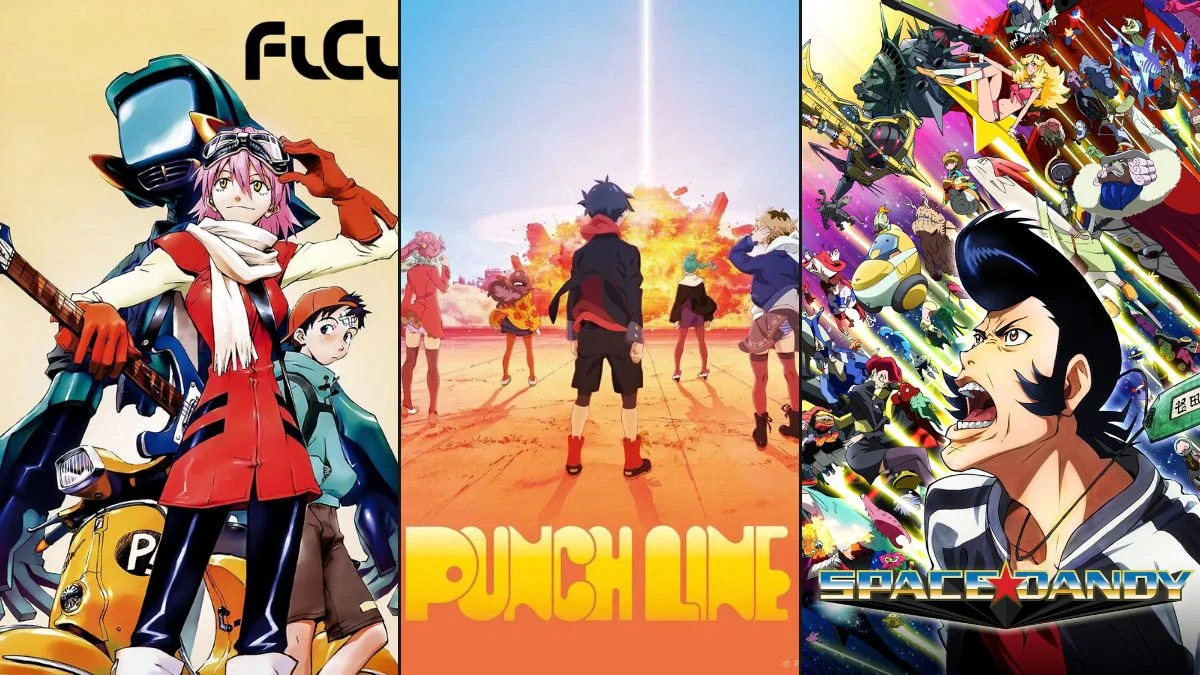


Anime has a long history of taking outlandish premises and turning them into full productions with writing rooms, storyboards, and release schedules. Creators use parody, slapstick, and surreal escalation to build entire worlds around ideas that sound ridiculous when you first hear them. Viewers then get everything from high energy action to rapid fire gags, all organized within formats like TV runs, OVAs, and short ONAs.
This list gathers series that lean into absurd setups yet follow clear production details such as episode counts, broadcast blocks, and credited studios or creators. You will find titles from the late 1990s through the late 2010s, adapted from manga or built as originals, often with directors and teams known for stylized comedy. Each entry notes the core premise and basic release information so you can place the show in context quickly.
‘Bobobo-bo Bo-bobo’ (2003–2005)
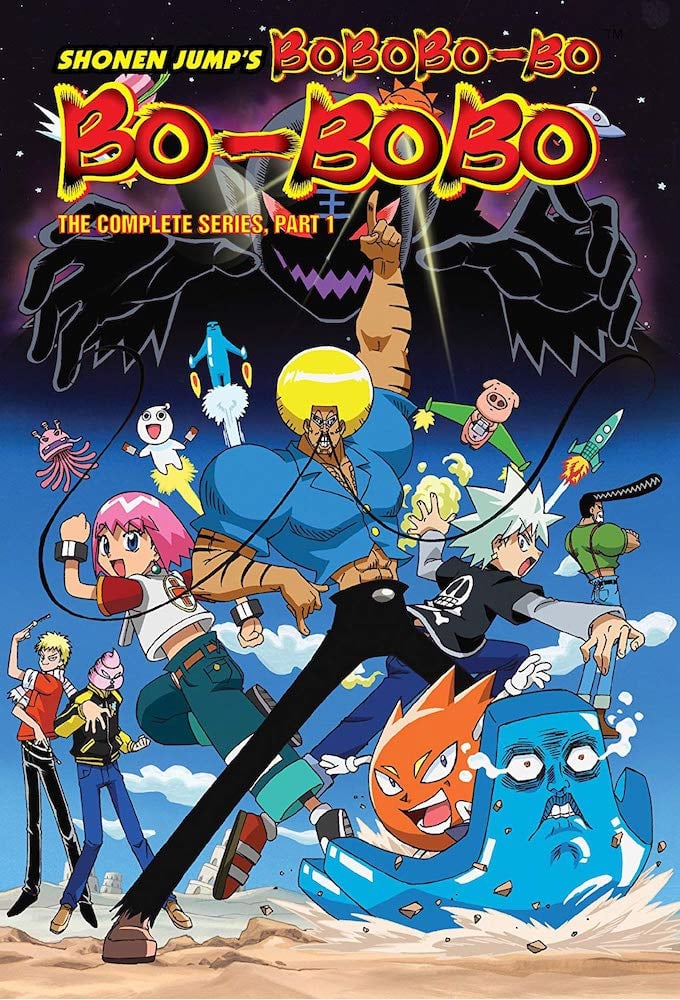
This adaptation of Yoshio Sawai’s gag manga follows a muscular hero who fights the world conquering Maruhage Empire using a martial art based on nose hair. The story travels through fast changing skits that introduce allies and villains while spoofing shonen battle conventions through constant visual puns and fourth wall jokes.
The anime aired on Japanese television across seventy plus episodes and was produced in a standard weekly slot. Its structure mirrors long running manga arcs with self contained clashes and tournament style setups that reset the status quo after each big punchline.
‘Excel Saga’ (1999–2000)
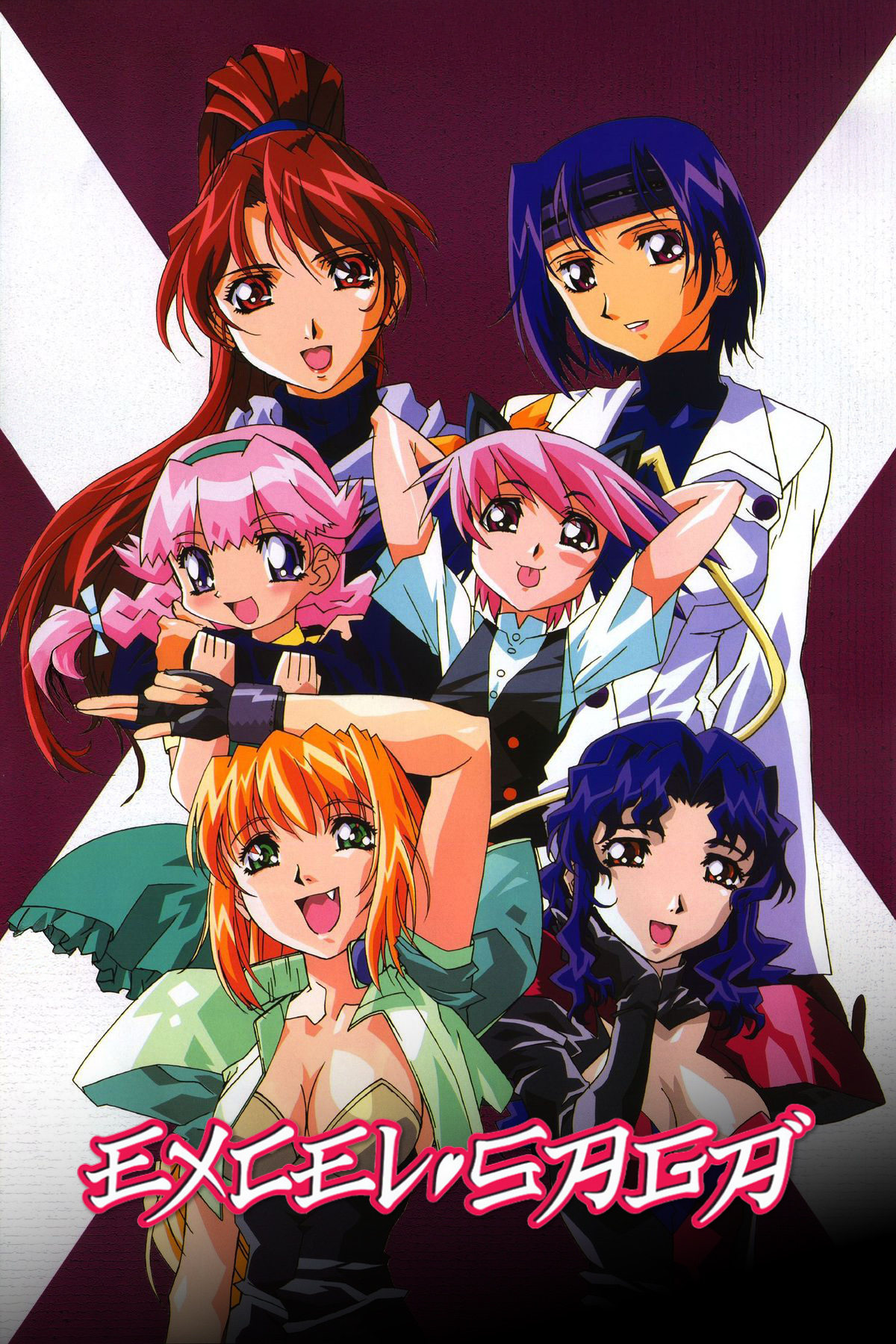
Based on Rikdo Koshi’s manga, this series tracks the chaotic attempts of a secret organization to take over a city one tiny step at a time. Each episode swaps genres to parody everything from sci fi to romance while keeping a through line about incompetent agents and their ever escalating “micro conquests.”
Animated by J C Staff across twenty six episodes, the show is directed by Shinichi Watanabe, whose on screen alter ego appears as a recurring gag. The final episode was intentionally produced as too extreme for broadcast in Japan, so the TV run originally stopped at episode twenty five with the extra included for home release.
‘FLCL’ (2000–2001)
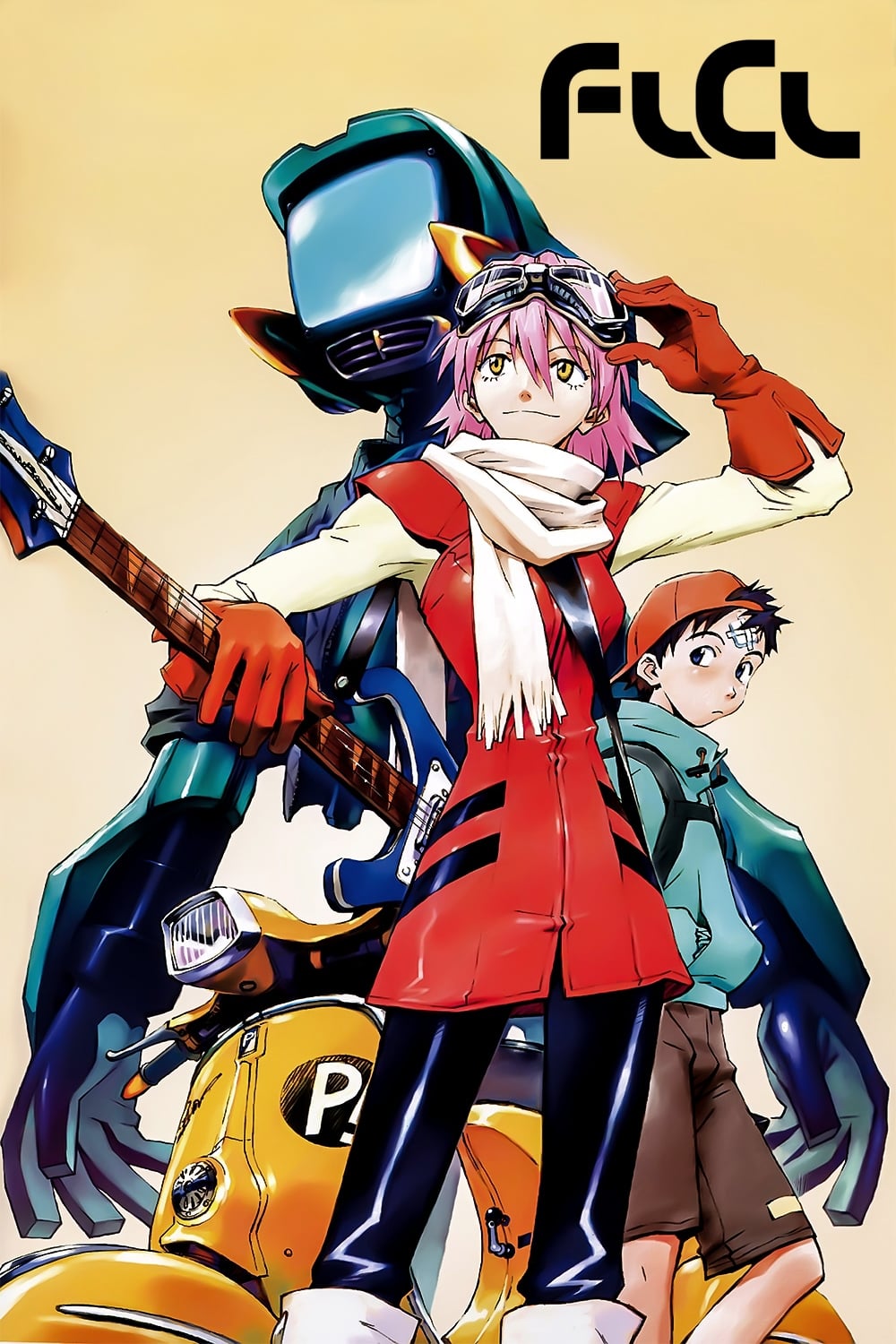
This six episode OVA centers on a boy whose quiet town life is interrupted by a woman on a vespa who wields a guitar and summons robots from his head. The plot uses a coming of age frame while staging fights against entities tied to a shadowy industry giant called Medical Mechanica.
Produced by Gainax with Production I G and King Records, the project released direct to video and later aired on television blocks. Its compact length and music driven editing made it a standout OVA of the era, and it later spawned follow up seasons produced many years after the original run.
‘Panty & Stocking with Garterbelt’ (2010)
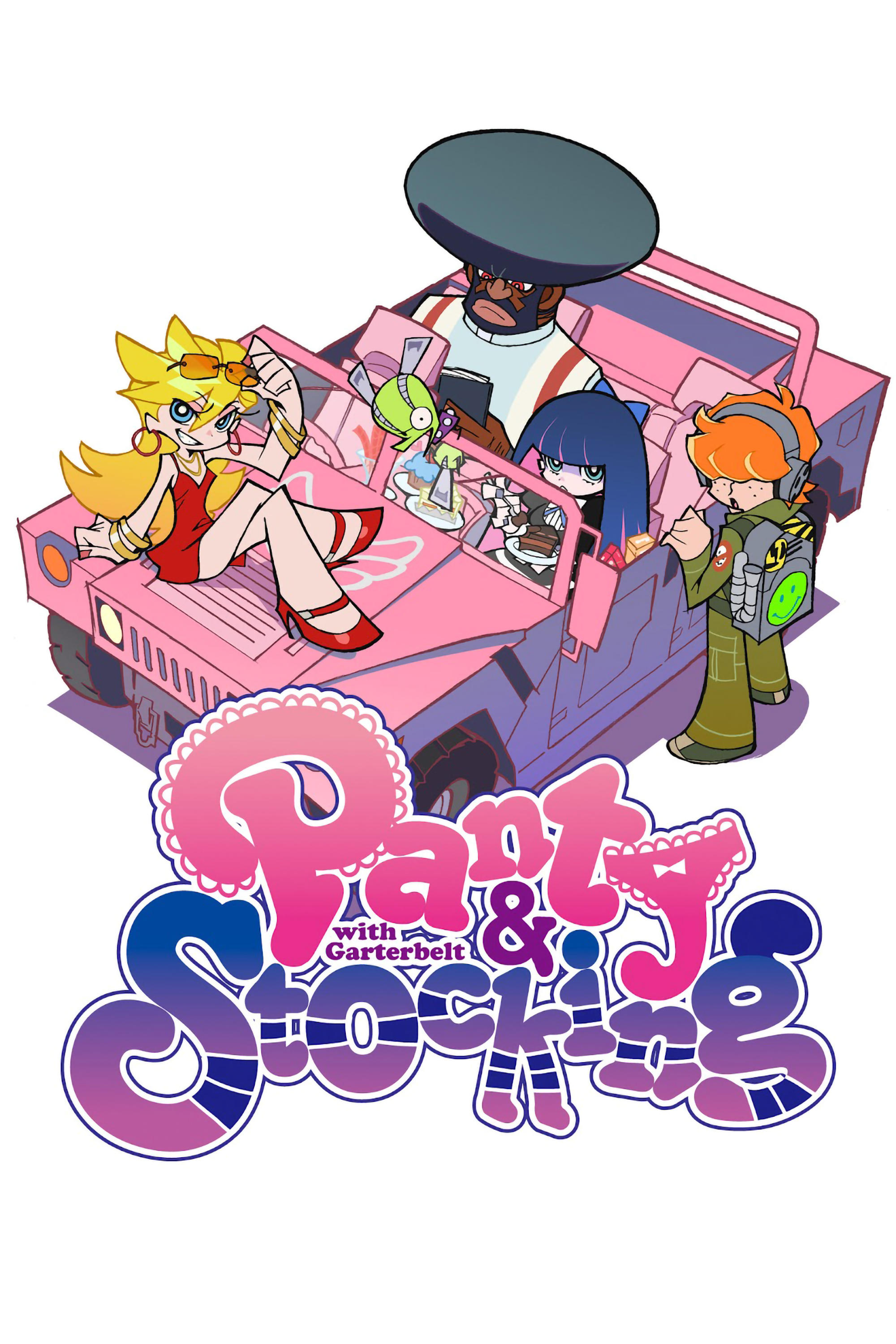
Two fallen angels are tasked with defeating Ghosts in a city that functions like a nonstop monster of the week machine. Their transformations convert lingerie into weapons, and the show’s scenes are arranged in short sketches that lean on bold cuts and exaggerated timing.
Gainax produced thirteen episodes with a visual style that references Western cartoon aesthetics and quick cut gag structures. Many installments contain two separate stories per broadcast slot, which lets the series cycle through new villains and set pieces at a rapid pace.
‘Keijo!!!!!!!!’ (2016)

Set in a world where a water sport has become a professional spectacle, trainee athletes compete on floating platforms using only hip and chest attacks. The school setting supports practice arcs and evaluation matches while introducing signature moves that get named and ranked like techniques in a fighting series.
Animated by Xebec across a single cour of twelve episodes, the show adapts Daichi Sorayomi’s manga. It follows a familiar sports anime structure with tryouts, training camps, and rival schools, all tailored to the rules of its invented competition.
‘Cromartie High School’ (2003–2004)
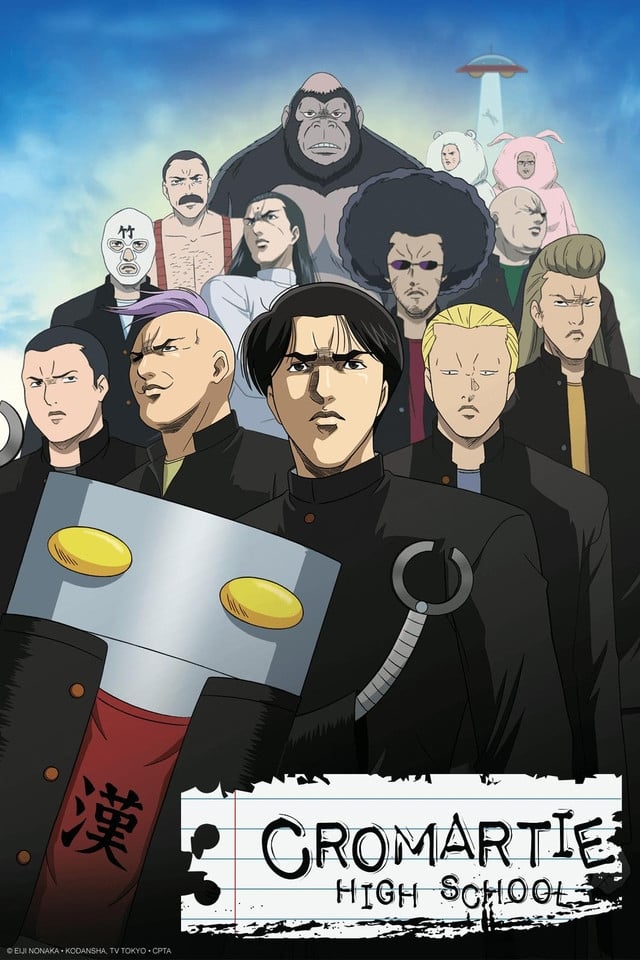
A studious transfer student ends up at a school filled with legendary delinquents, a gorilla, and a silent man who looks exactly like a famous rock vocalist. The plot moves through deadpan conversations that treat the bizarre cast as everyday classmates.
The series adapts Eiji Nonaka’s manga and runs for twenty six episodes. Each broadcast uses short vignettes that build recurring jokes about student life, keeping stories compact so new oddities can be introduced at a steady pace.
‘Space Dandy’ (2014)
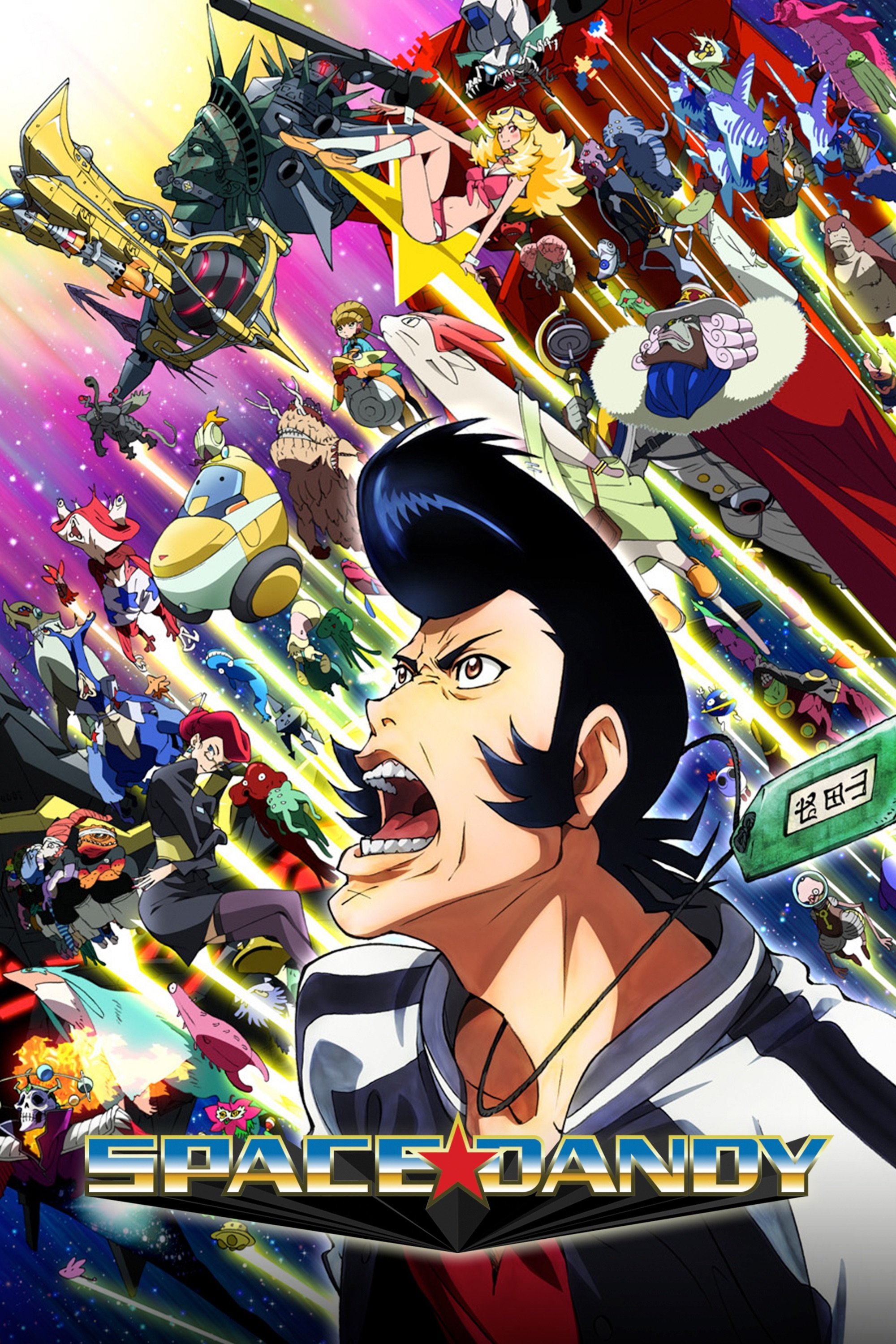
An easygoing alien hunter roams the galaxy with a robot and a catlike companion while chasing rare species for reward money. Episodes often reboot character situations so directors can explore different sci fi settings that include alternate timelines and experimental narratives.
Bones produced twenty six episodes with Shinichiro Watanabe credited as general director. The series was notable for its international rollout and its roster of guest directors and writers, which gave individual episodes distinct tones within a consistent comedic framework.
‘Prison School’ (2015)
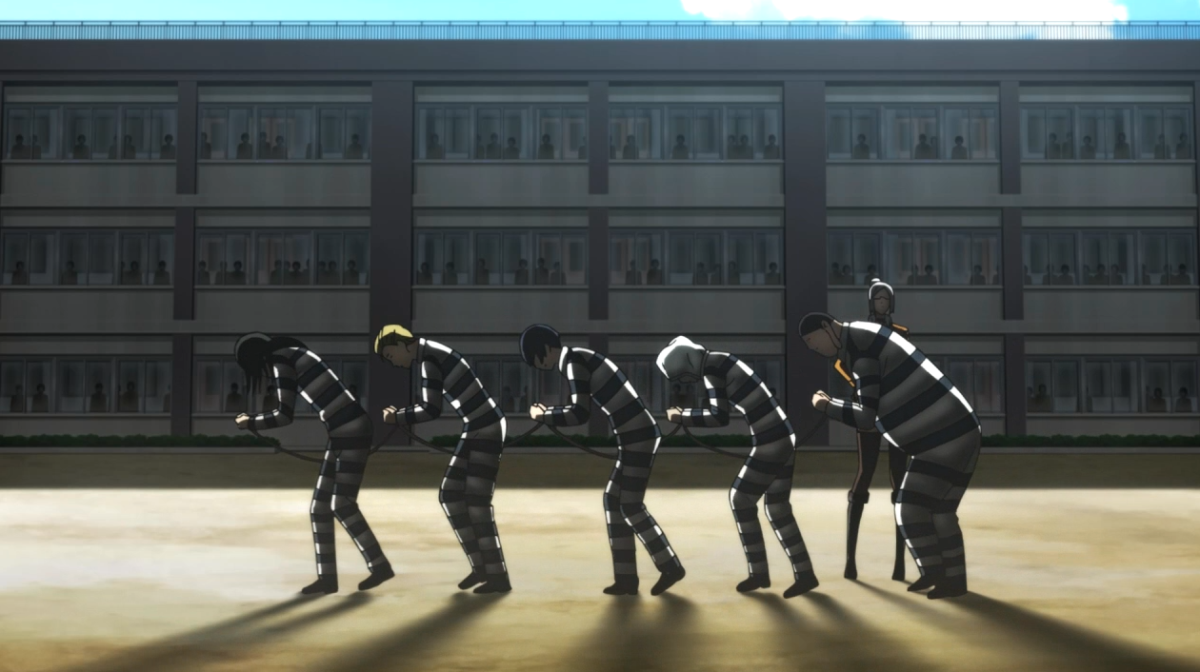
Five boys enroll in a former all girls academy and are immediately punished by a strict underground council that confines them on campus. The story uses prison tropes within a school setting to create escape plans, disciplinary schemes, and shifting alliances among students.
The anime adapts Akira Hiramoto’s manga across a twelve episode run. It maintains the manga’s chapter arc pacing by staging multi episode operations that resolve with rule based twists and consequences set by the student authority groups.
‘Midori Days’ (2004)
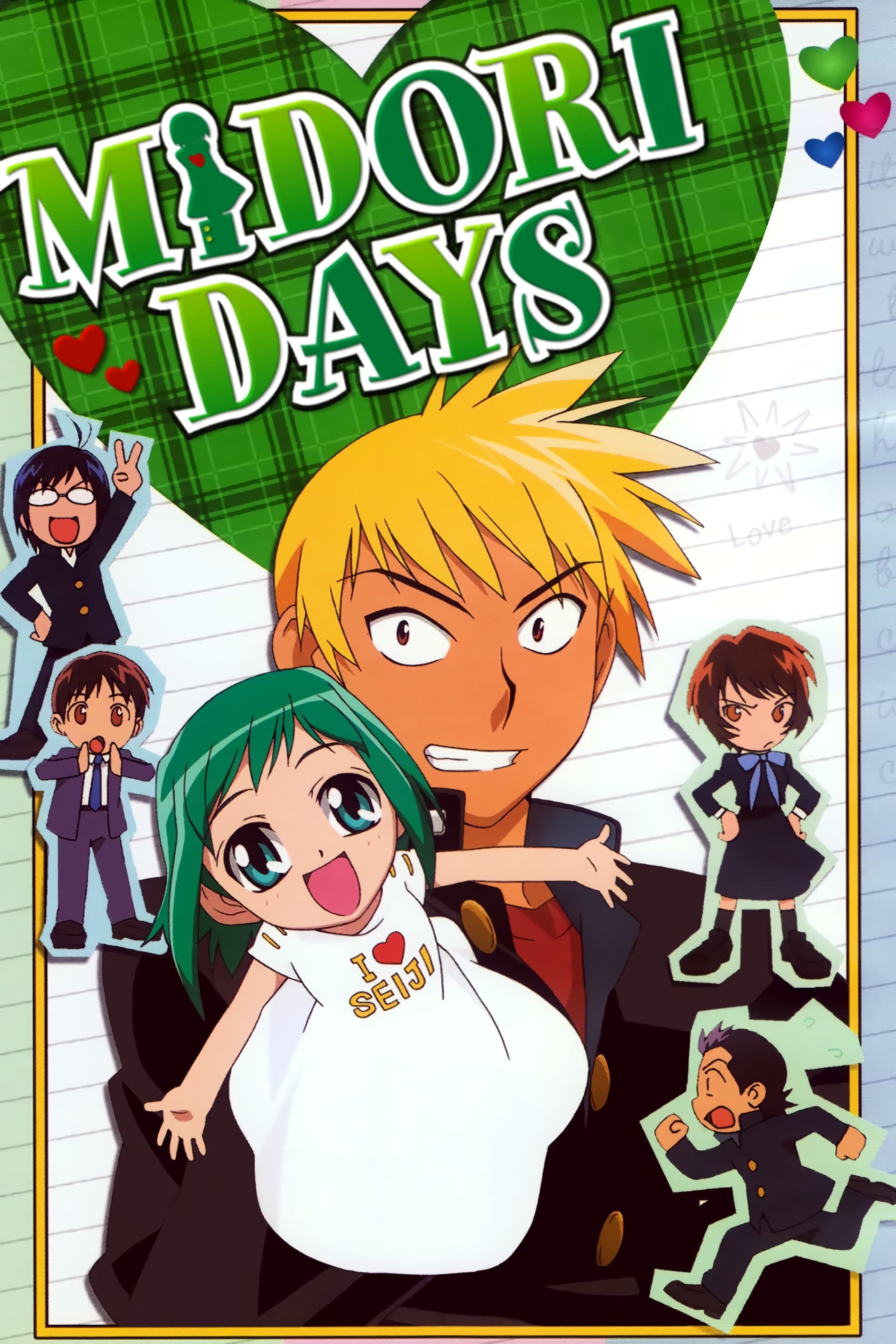
A tough delinquent wakes up to find his right hand transformed into a miniature version of a shy classmate who has a crush on him. Episodes track daily life as the pair figures out practical solutions for school, family visits, and personal privacy while searching for a way to reverse the change.
The television adaptation runs thirteen episodes and follows the beats of Kazurou Inoue’s manga. It balances romantic comedy situations with a monster of the week style of mishaps that bring new characters into the central secret.
‘Sekko Boys’ (2016)
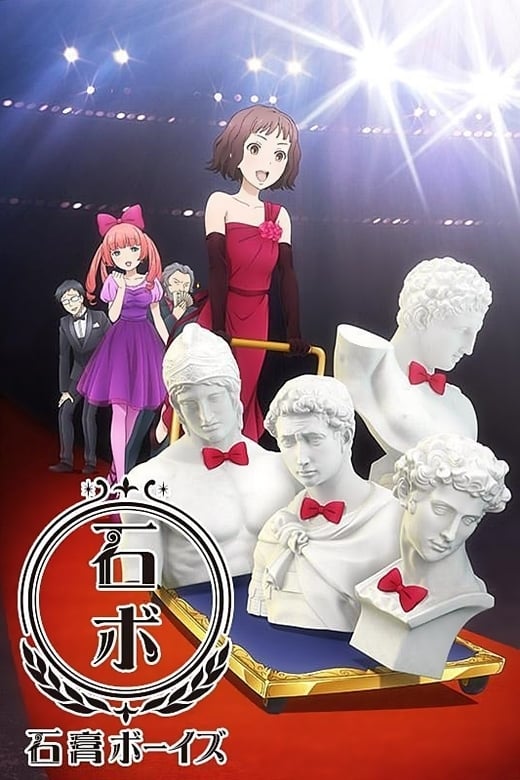
A rookie talent manager is assigned an idol group whose members are literally Greco Roman busts that speak and perform. The concept drives music show appearances, handshake events, and media training episodes that mirror standard idol industry storylines with a stone faced twist.
The short form series aired across one season with compact episodes that fit into variety blocks. Produced by Liden Films, it treats each promotional push like a mini arc, complete with scheduling problems and fan response metrics.
‘Inferno Cop’ (2012–2013)
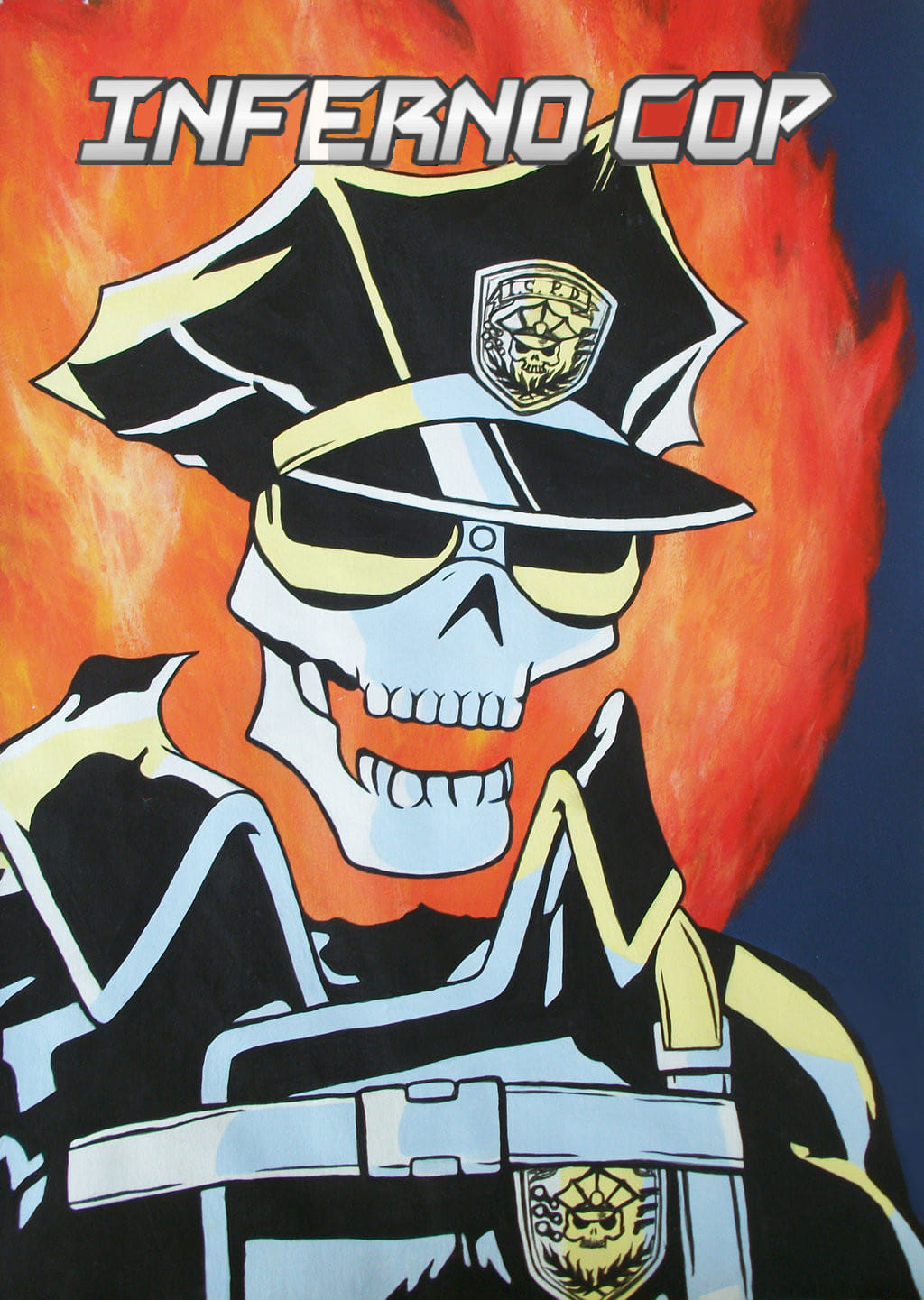
A skeletal vigilante delivers explosive justice in a city overrun by crime syndicates, supernatural threats, and sudden plot turns. Scenes cut rapidly between chase sequences and monologues that escalate to world ending stakes in minutes.
This original net animation from Studio Trigger released as a string of very short episodes on the web. The production embraces minimal motion and bold compositing to deliver quick punchline driven storytelling that still tracks a loose villain ladder across the season.
‘Punch Line’ (2015)
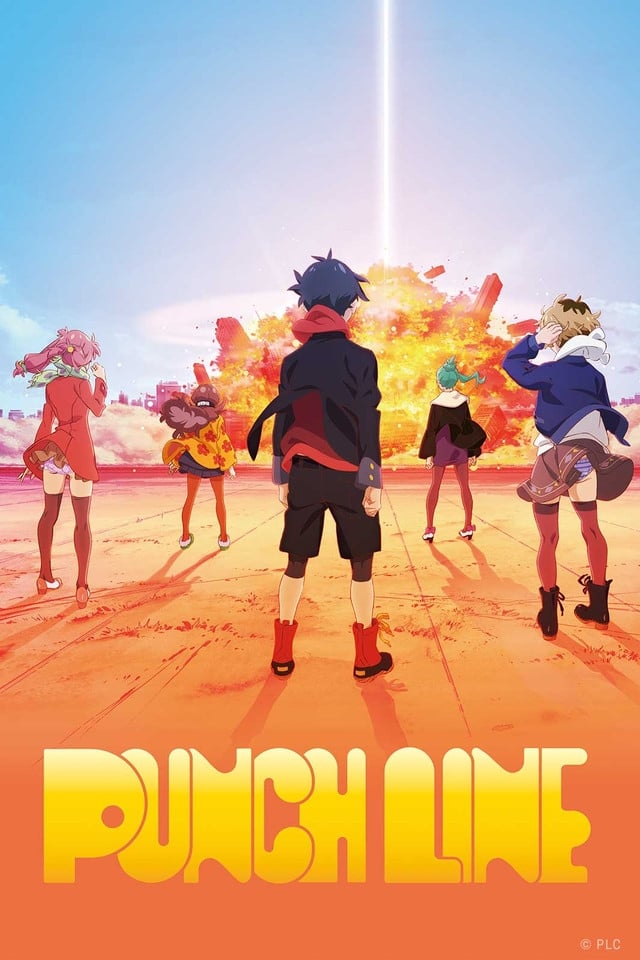
After a bus hijacking incident, a high schooler becomes a spirit who can observe his share house but cannot interact normally. If he gets overstimulated his power spikes trigger a chain reaction that destroys Earth, so each episode constructs puzzle like routes to avoid catastrophe while solving a larger mystery.
The series is an original by MAPPA with scenario work by Kotaro Uchikoshi. It aired in the Noitamina block and runs twelve episodes, layering time travel and identity reveals over an episodic structure that resets variables to reach a stable outcome.
‘Nichijou’ (2011)
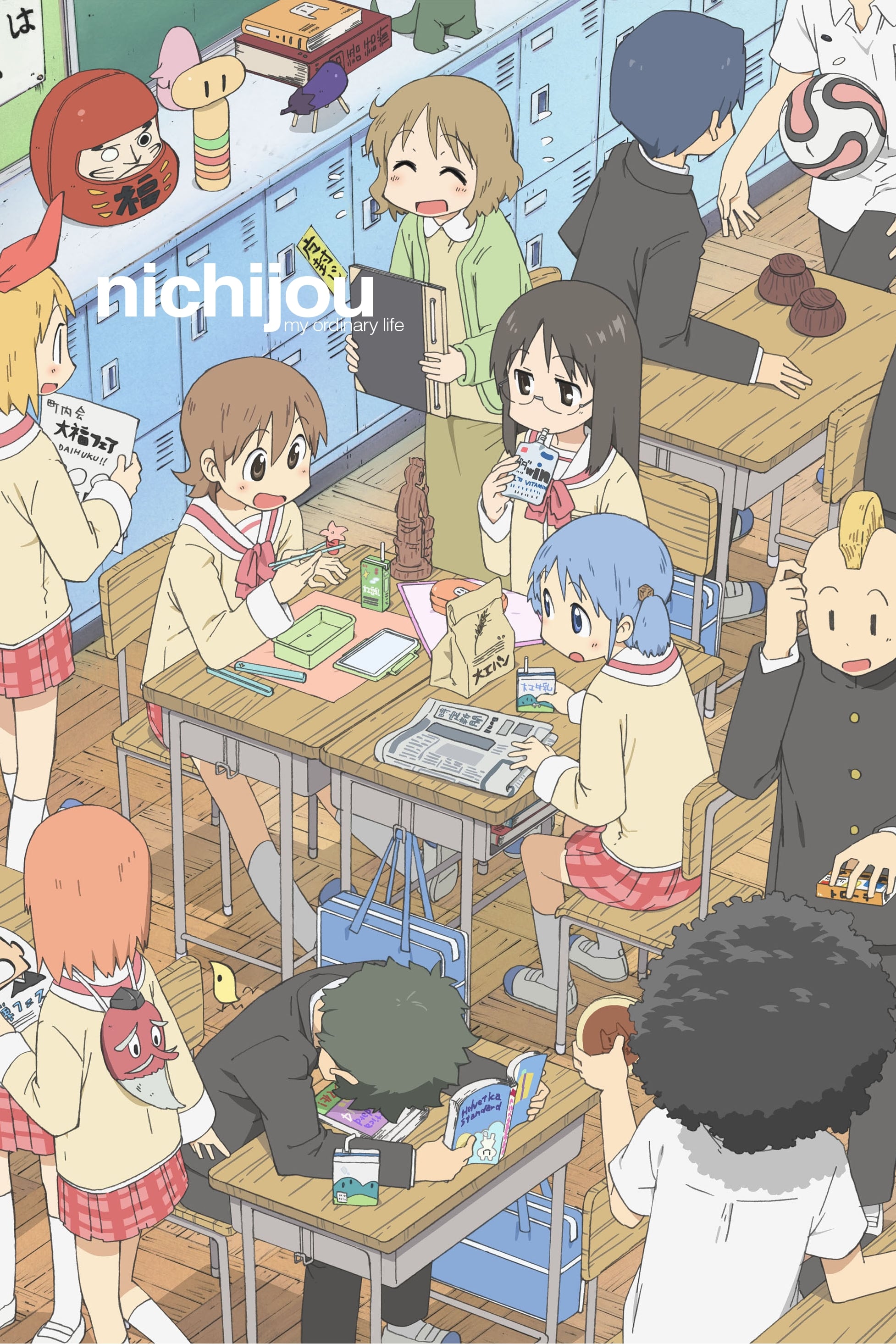
Everyday school life unfolds alongside outlandish events such as a principal wrestling a deer and a robot girl hiding her nature from classmates. The humor relies on precise timing, sudden escalation, and repeated bits that expand slightly each time they return.
Kyoto Animation adapted Keiichi Arawi’s manga into a twenty six episode television series. The production arranges chapters into thematic pairings so that quieter classroom scenes sit next to high energy set pieces without breaking the overall rhythm.
‘Sarazanmai’ (2019)
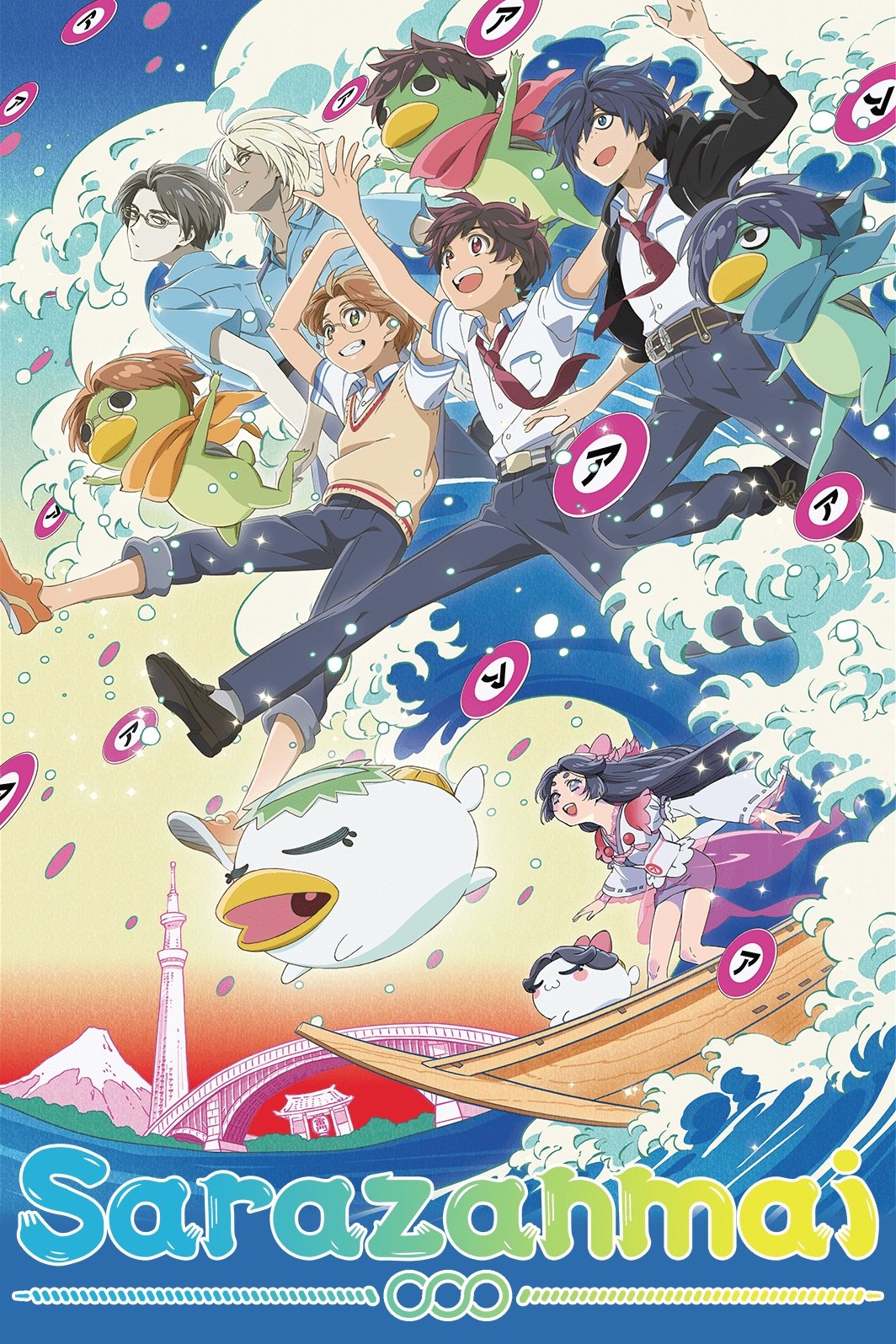
Three middle school boys are transformed into kappas and must extract spiritual organs from monsters born of human desires. Completing each mission restores them briefly, but they must also confront secrets that connect their families and friends.
Directed by Kunihiko Ikuhara and produced by MAPPA with Lapin Track, the show aired across eleven episodes. Musical numbers, repeated transformation sequences, and case of the week structure support a serialized narrative that advances the main conflict in measured steps.
‘Detroit Metal City’ (2008)
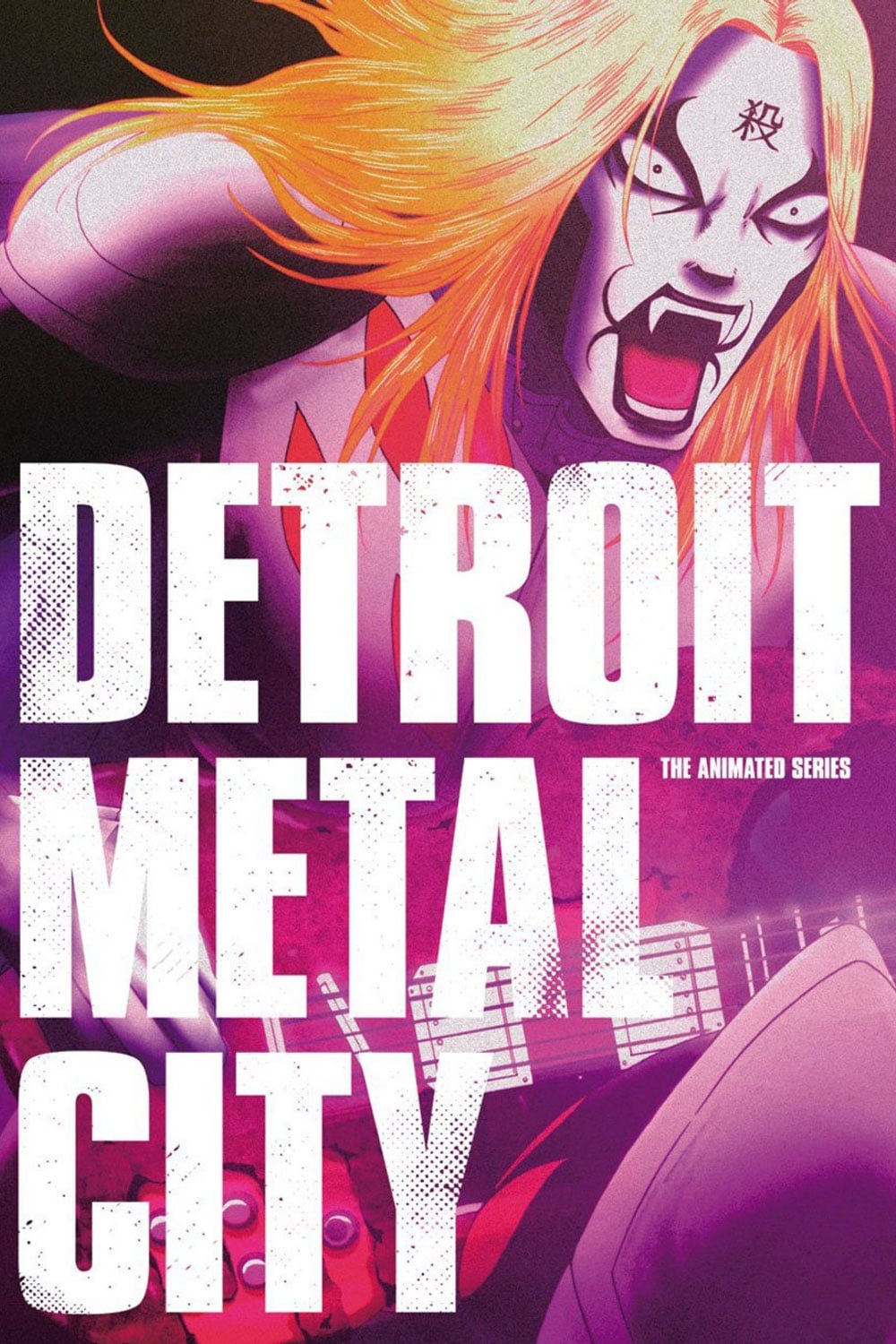
A gentle musician who prefers catchy pop ends up as the masked frontman of a notorious death metal band. Episodes flip between his attempts at a normal life and performances that amplify the band’s shocking stage persona.
The anime adaptation is a short form OVA series from Studio 4°C with twelve installments. It follows Kiminori Wakasugi’s manga arcs and released alongside a live action film in the same year, which helped the property reach both anime and mainstream audiences.
Share the one that made you laugh the hardest in the comments.