

Anime with Subtle Nods to Video Game Mechanics

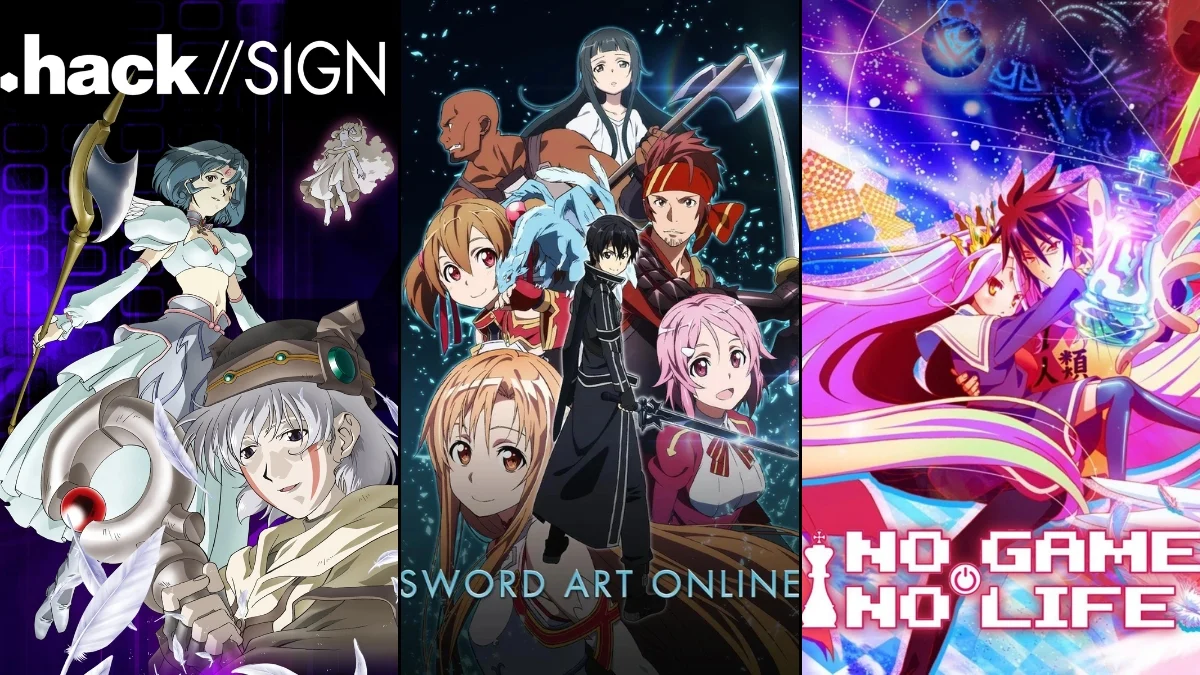


The intersection of Japanese animation and video game culture has created a unique subgenre where narrative rules mimic gameplay logic. These series often utilize visual cues like status screens or plot devices such as experience points to ground their fantasy worlds. Viewers familiar with role-playing games will recognize specific mechanics like cooldown timers and inventory management woven into the character development. The following titles demonstrate how anime creators integrate the structure of interactive media into passive storytelling.
‘.hack’ (2002)
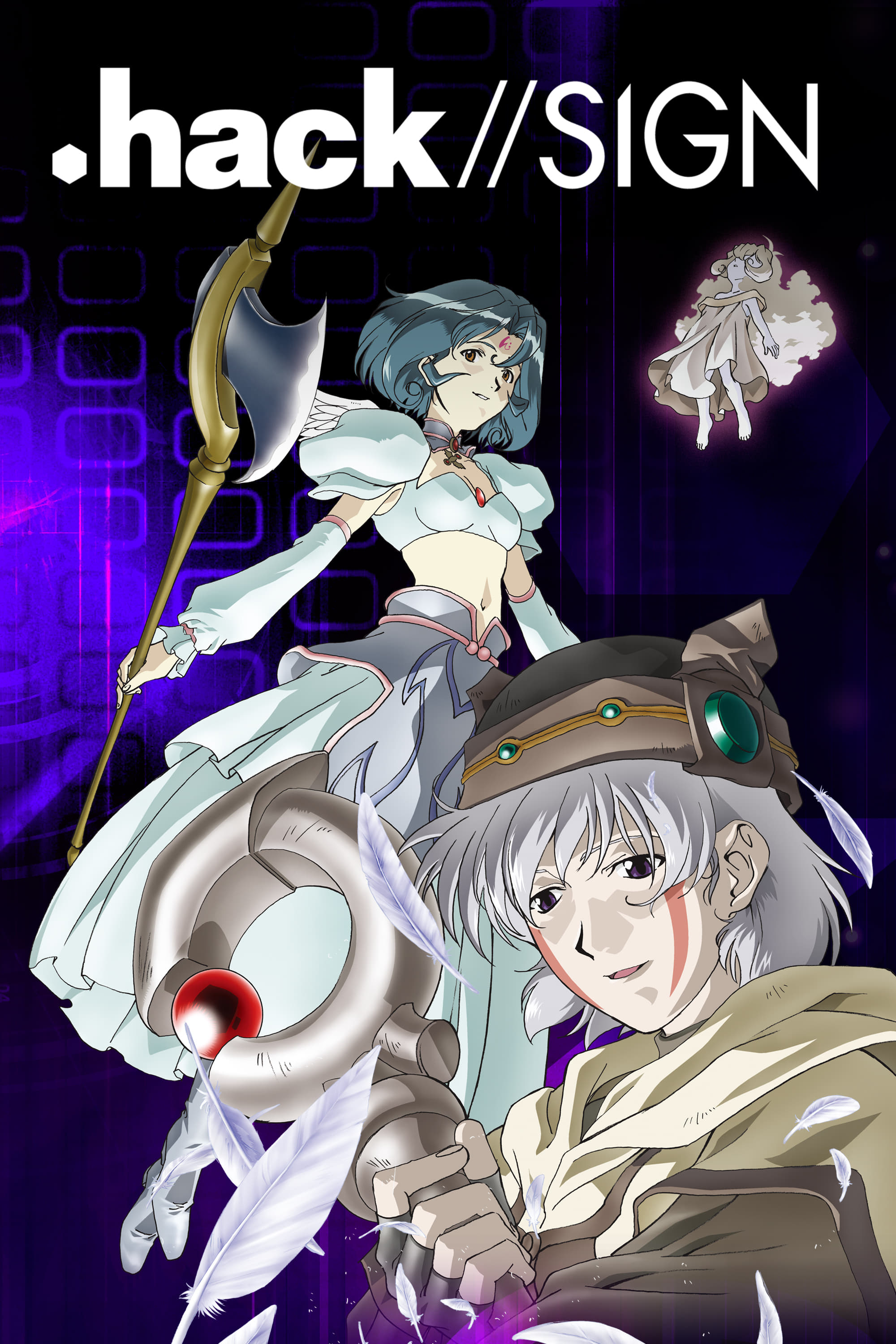
Tsukasa wakes up inside a massively multiplayer online role-playing game called The World with no memory of his past. He discovers he is unable to log out and must wander the digital landscape while interacting with other players. The series focuses heavily on the social dynamics and mystery aspects of online gaming communities rather than just combat. It serves as a precursor to modern iterations of the trapped in a game genre.
‘Sword Art Online’ (2012)

Thousands of players become trapped in a virtual reality helmet that fries the brain of anyone who dies in the game. Kirito must navigate the floors of Aincrad using sword skills that operate on system-assisted motion logic. The show frequently displays heads-up displays that track health points and cursor menus for equipping gear. This franchise played a massive role in popularizing the integration of MMO mechanics into anime narratives.
‘Log Horizon’ (2013–2021)

Veteran gamers find themselves transported into the world of Elder Tale after a software update. Shiroe uses his deep knowledge of game mechanics like cooldowns and raid positioning to establish political order in the city of Akihabara. The story emphasizes the importance of resource management and guild administration over simple hack-and-slash action. Characters must adapt to living in a world that operates strictly by the rules of software code.
‘No Game No Life’ (2014)
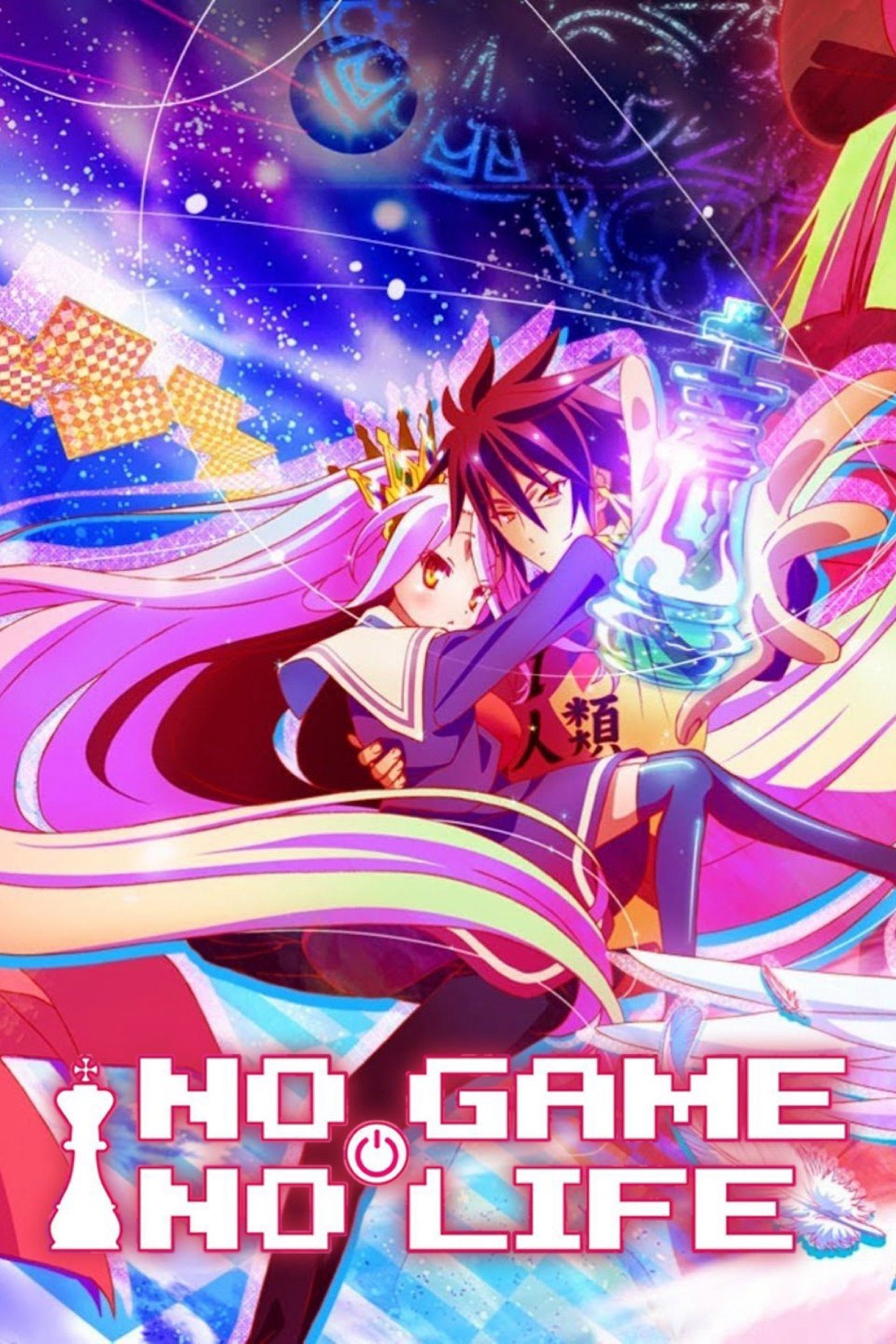
Two genius siblings are transported to Disboard where all conflict is resolved through high-stakes games. The world is governed by ten absolute rules known as the Ten Covenants that prevent violence and enforce betting outcomes. Sora and Shiro exploit logical loopholes and cheating strategies common in competitive gaming to conquer neighboring territories. Every battle effectively functions as a puzzle that requires mastering the specific ruleset of the match.
‘Overlord’ (2015–2022)
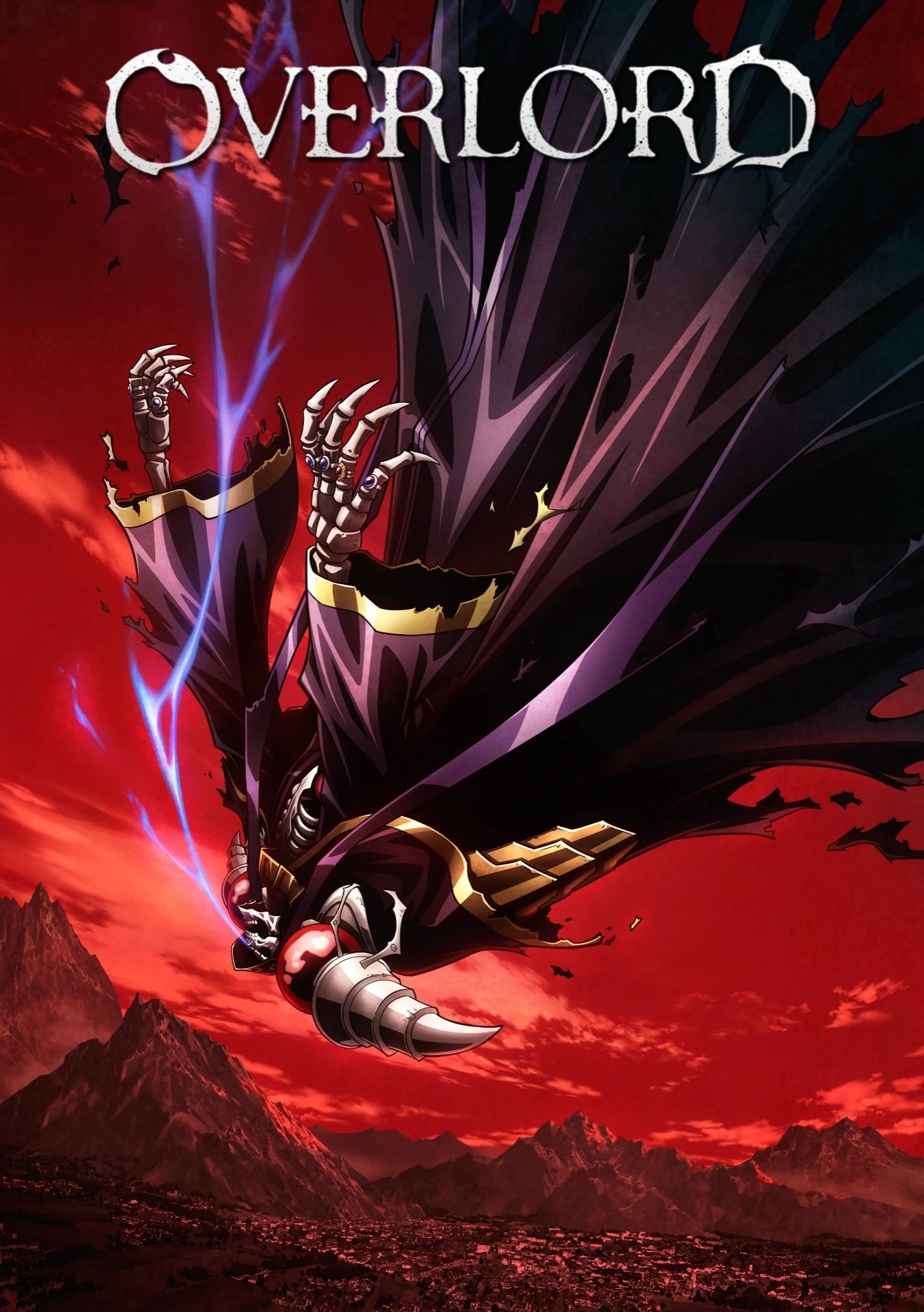
A dedicated player decides to stay logged in until the servers of his favorite game shut down but finds himself transported to a new reality as his skeletal avatar. Momonga retains access to his high-level spells and guild base management systems while interacting with sentient non-player characters. He tests the limits of the new world by using tiered magic systems and item restrictions from the original game. The narrative explores what happens when a max-level character enters a starter zone.
‘Is It Wrong to Try to Pick Up Girls in a Dungeon?’ (2015)
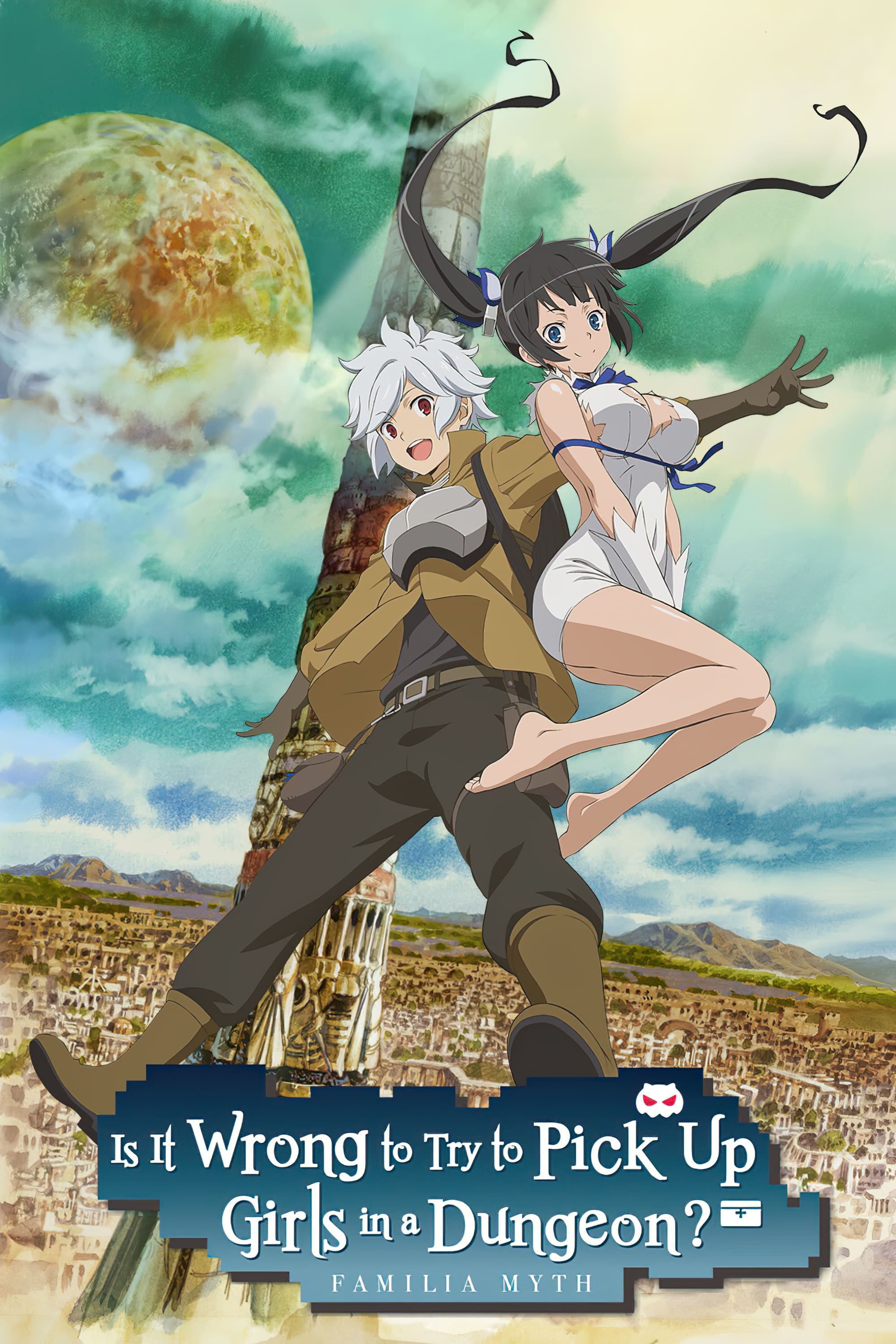
Adventurers in the city of Orario explore a massive subterranean labyrinth to defeat monsters and collect crystal shards. Characters receive status updates from their patron deities that appear as tattooed statistics on their backs. These stats quantify strength and agility in a manner identical to character sheets in role-playing games. Bell Cranel seeks to level up his abilities quickly to catch up to the swordswoman he admires.
‘KONOSUBA – God’s blessing on this wonderful world!’ (2016–2024)
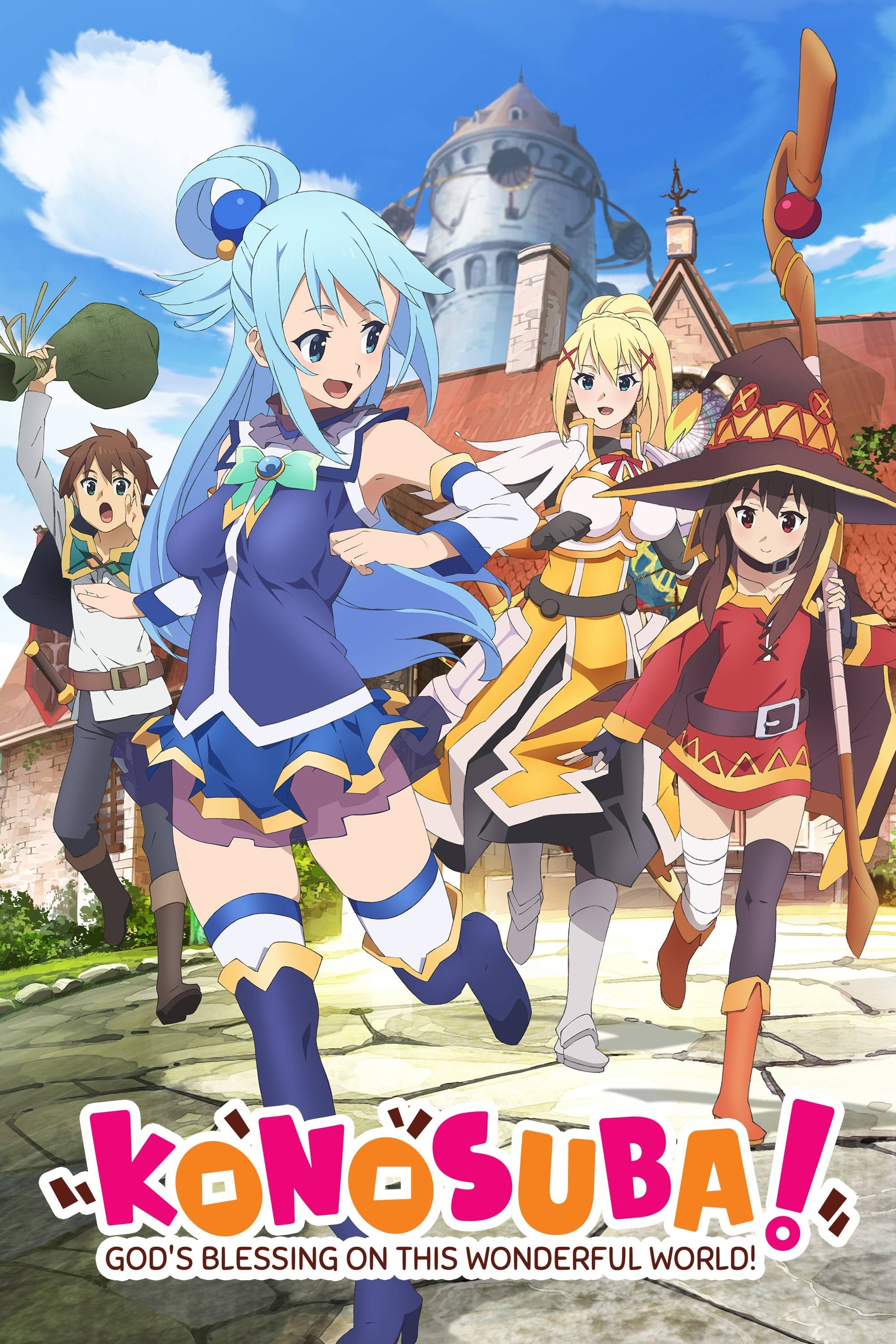
Kazuma Satou dies a laughable death and chooses to bring a goddess with him to a fantasy world. The series parodies RPG tropes by assigning the main cast extreme stats that make them dysfunctional as a party. Characters spend skill points to learn new abilities that often have hilarious drawbacks or limited utility. The humor relies heavily on subverting the expectations of standard progression systems found in fantasy games.
‘Re:Zero – Starting Life in Another World’ (2016)

Subaru Natsuki is summoned to a magical world where he discovers he has the ability to rewind time upon death. This mechanic functions exactly like a video game checkpoint system that forces him to retry difficult scenarios until he succeeds. He retains his memories across loops and uses trial and error to alter the outcome of tragic events. The psychological toll of repeated failure mirrors the frustration of a player stuck on a difficult level.
‘Grimgar of Fantasy and Ash’ (2016)
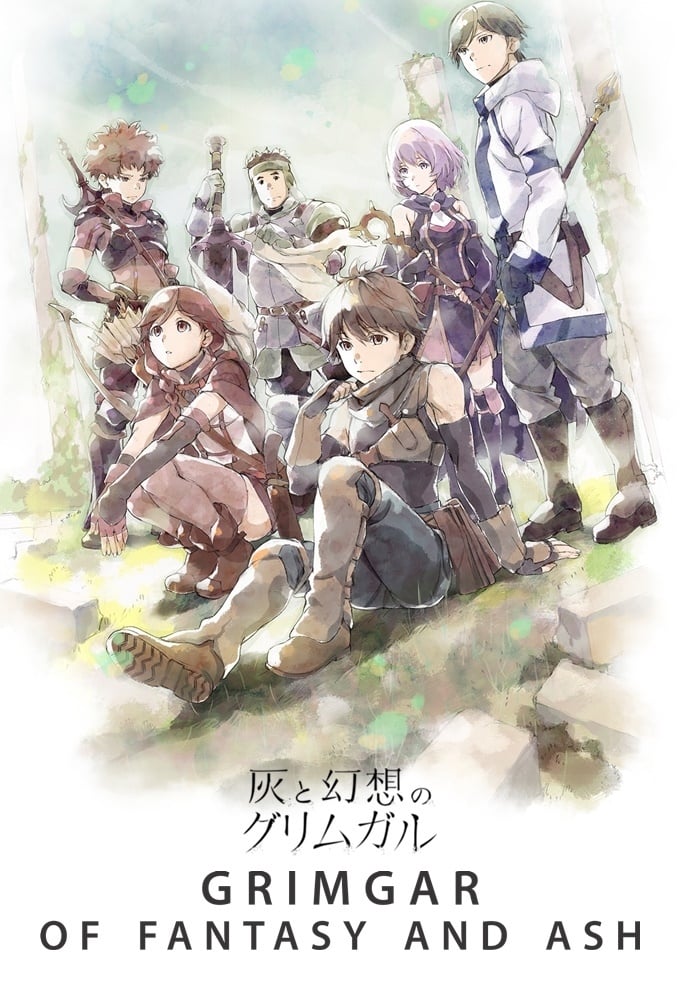
A group of strangers awakens in a fantasy world with no memory of their previous lives and must join the Reserve Army to survive. The show takes a grounded approach where learning a single skill requires money and days of physical training. Killing even the weakest goblin is a desperate struggle that emphasizes the weight of taking a life. It deconstructs the power fantasy by showing the brutal reality of low-level adventuring.
‘The King’s Avatar’ (2017)
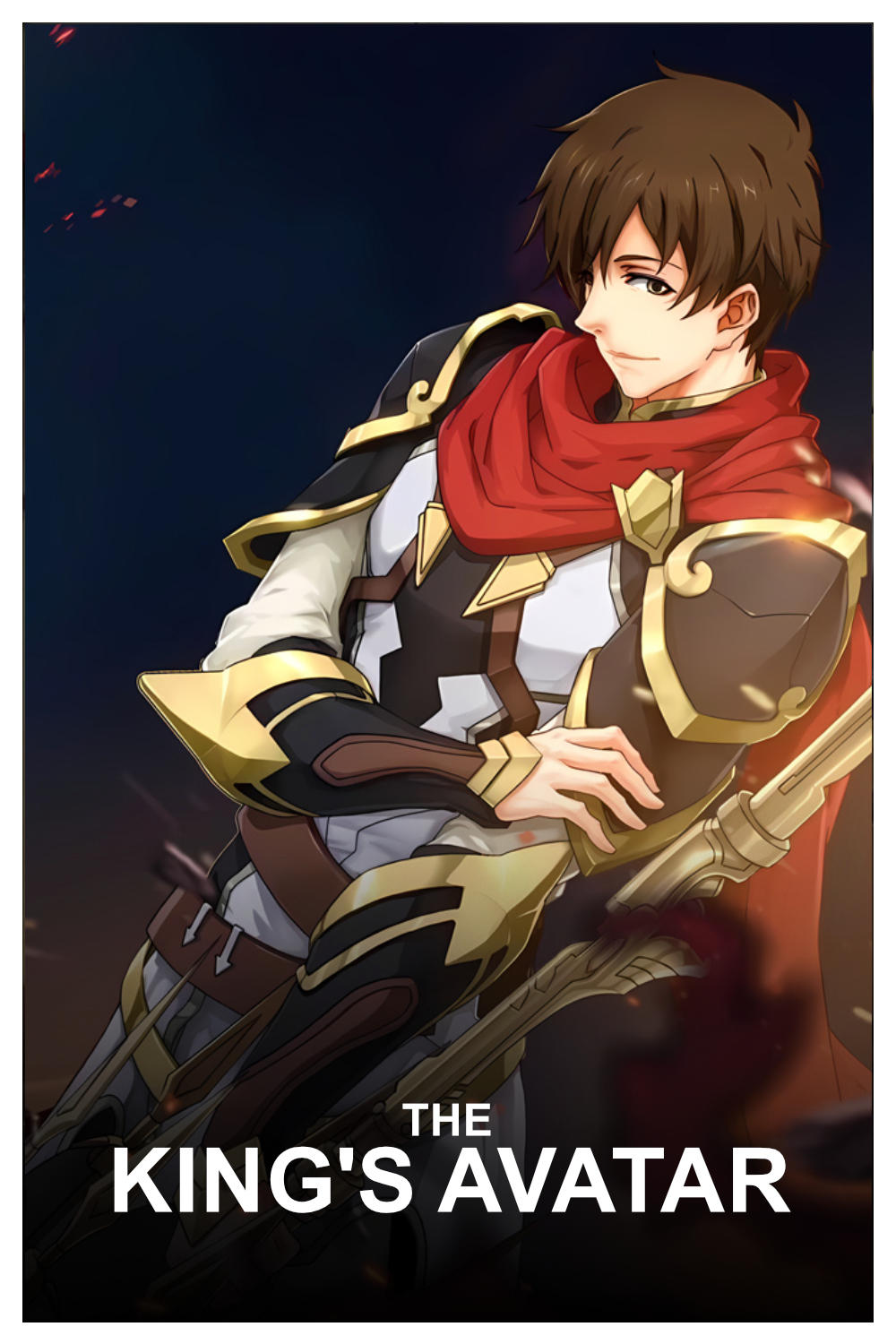
Ye Xiu is a top-tier professional player who is forced to retire from his esports team and start over on a new server. The animation visualizes keyboard strokes and mouse movements to depict high-level play in the fictional game Glory. Narrative tension revolves around cooldown management and actions per minute during intense player-versus-player duels. It offers a detailed look at the competitive gaming industry and the mechanics of dungeon speed runs.
‘Recovery of an MMO Junkie’ (2017)

Moriko Morioka quits her corporate job to become a full-time gamer in a fantasy MMORPG. She plays a male character named Hayashi and navigates the complexities of online social interactions and guild drama. The series highlights the contrast between her disheveled real-world appearance and her polished in-game avatar. It captures the specific feeling of finding emotional solace through digital role-playing.
‘Gamers!’ (2017)
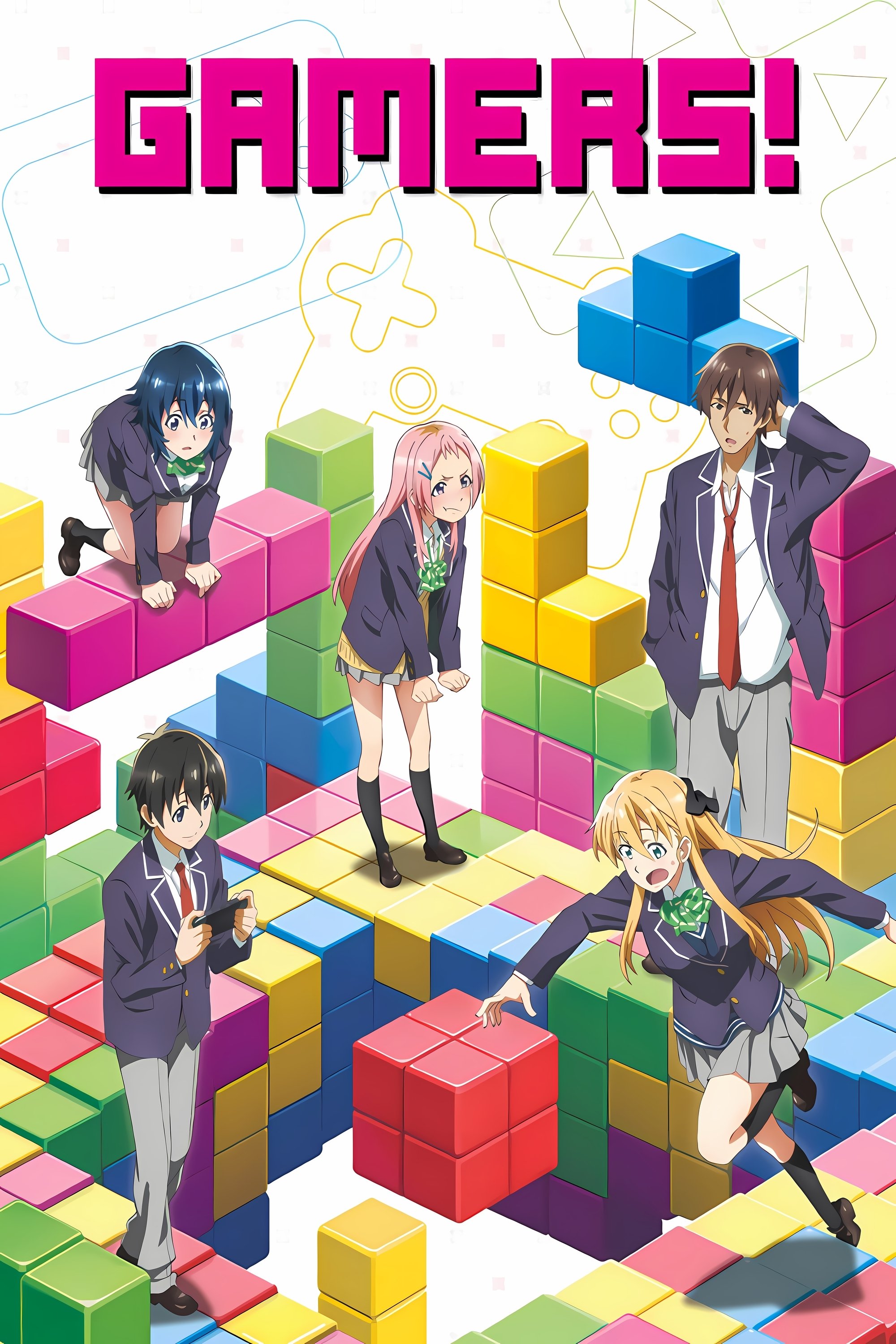
Keita Amano loves video games but declines an invitation to join the competitive gaming club at his school. The story is a romantic comedy of errors driven by misunderstandings about the types of games the characters enjoy. Scenes often reference specific genres like fighting games or dating simulators to explain character motivations. It explores the different ways people engage with gaming culture from casual enjoyment to hardcore obsession.
‘Goblin Slayer’ (2018)

A stoic adventurer dedicates his life exclusively to the extermination of goblins using pragmatic and brutal methods. The world operates on logic derived from tabletop role-playing games where the gods roll dice to determine outcomes. Magic users have a limited number of spell slots per day rather than a regenerating mana pool. This restriction forces characters to rely on physical tools and environmental traps during combat.
‘That Time I Got Reincarnated as a Slime’ (2018)
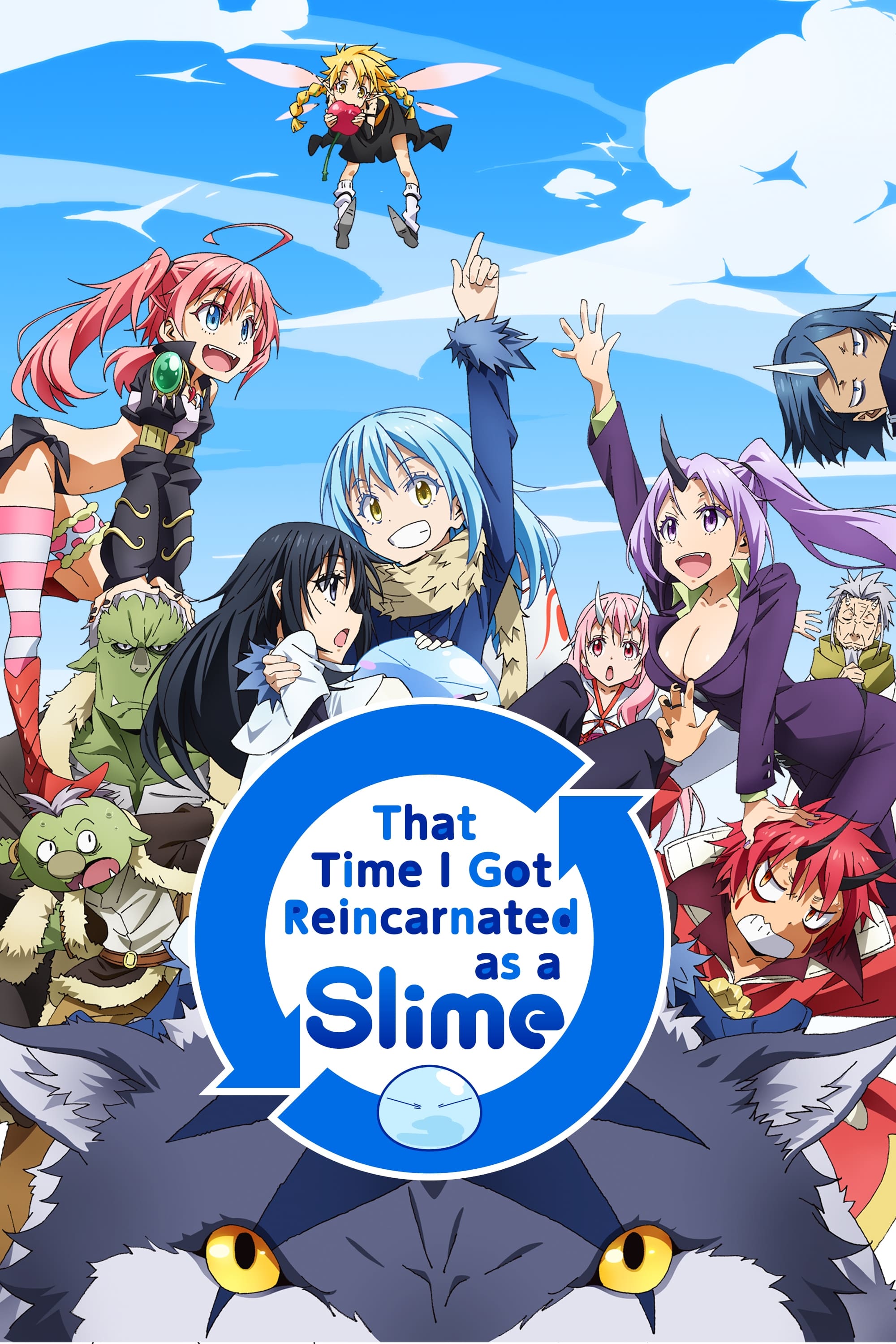
Satoru Mikami dies and reincarnates as a slime monster in a world where he can devour others to gain their skills. A mysterious voice known as the Great Sage acts as a system interface that analyzes threats and manages his abilities. He builds a nation by naming monsters which causes them to evolve into stronger forms. The progression mirrors a strategy game where the protagonist expands his territory and upgrades his units.
‘Hi Score Girl’ (2018–2019)
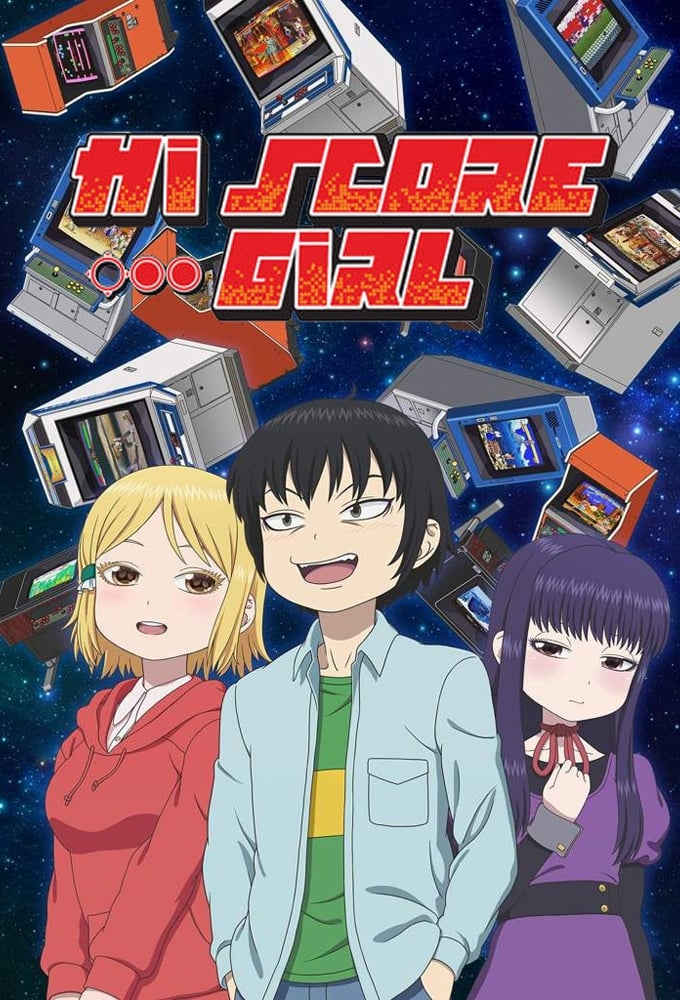
Haruo Yaguchi is a student in the 1990s who is obsessed with arcade culture and fighting games. The series features accurate gameplay footage from classic titles like Street Fighter II to illustrate the characters’ developing relationships. Visual metaphors often depict the protagonists as game sprites during moments of emotional conflict. It serves as a nostalgic love letter to the era of coin-operated entertainment.
‘The Rising of the Shield Hero’ (2019)
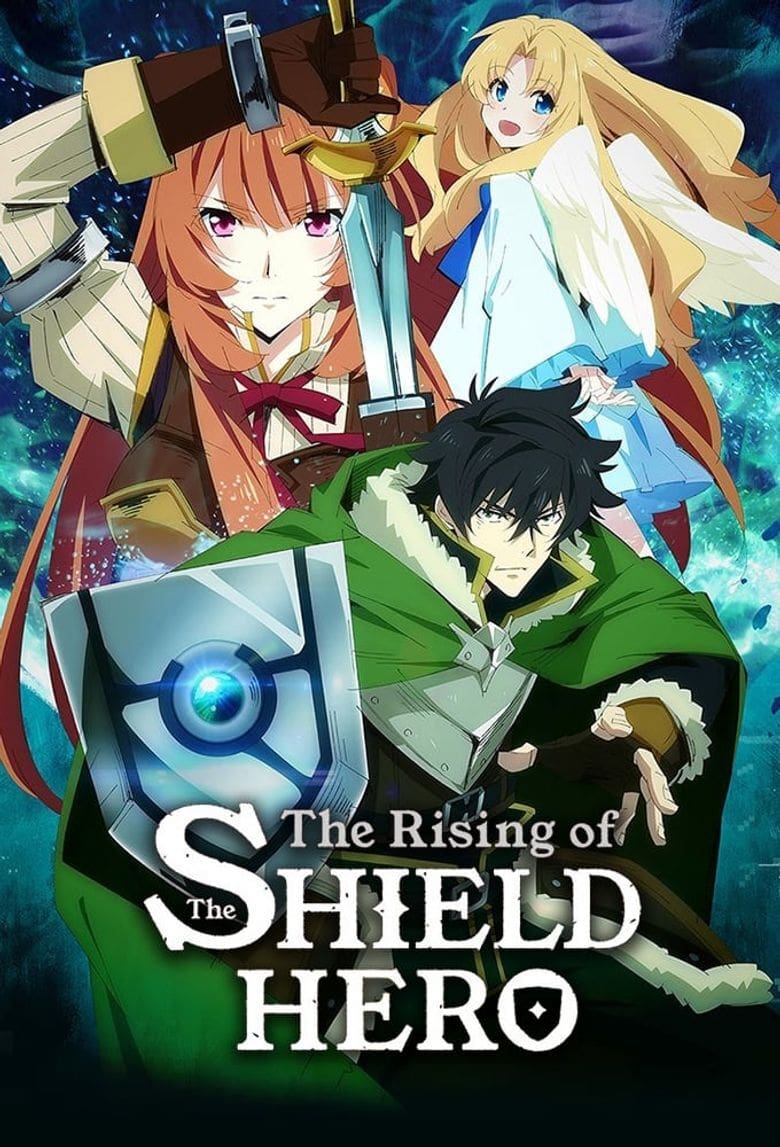
Naofumi Iwatani is summoned as one of four legendary heroes and is equipped with a shield that feeds on materials to unlock new forms. He sees a skill tree interface that allows him to upgrade his defenses by absorbing monster parts. The world operates on wave-based survival mechanics where heroes must defend humanity within a specific time limit. His inability to use offensive weapons forces him to rely on party management and aggro control.
‘Bofuri: I Don’t Want to Get Hurt, so I’ll Max Out My Defense.’ (2020)
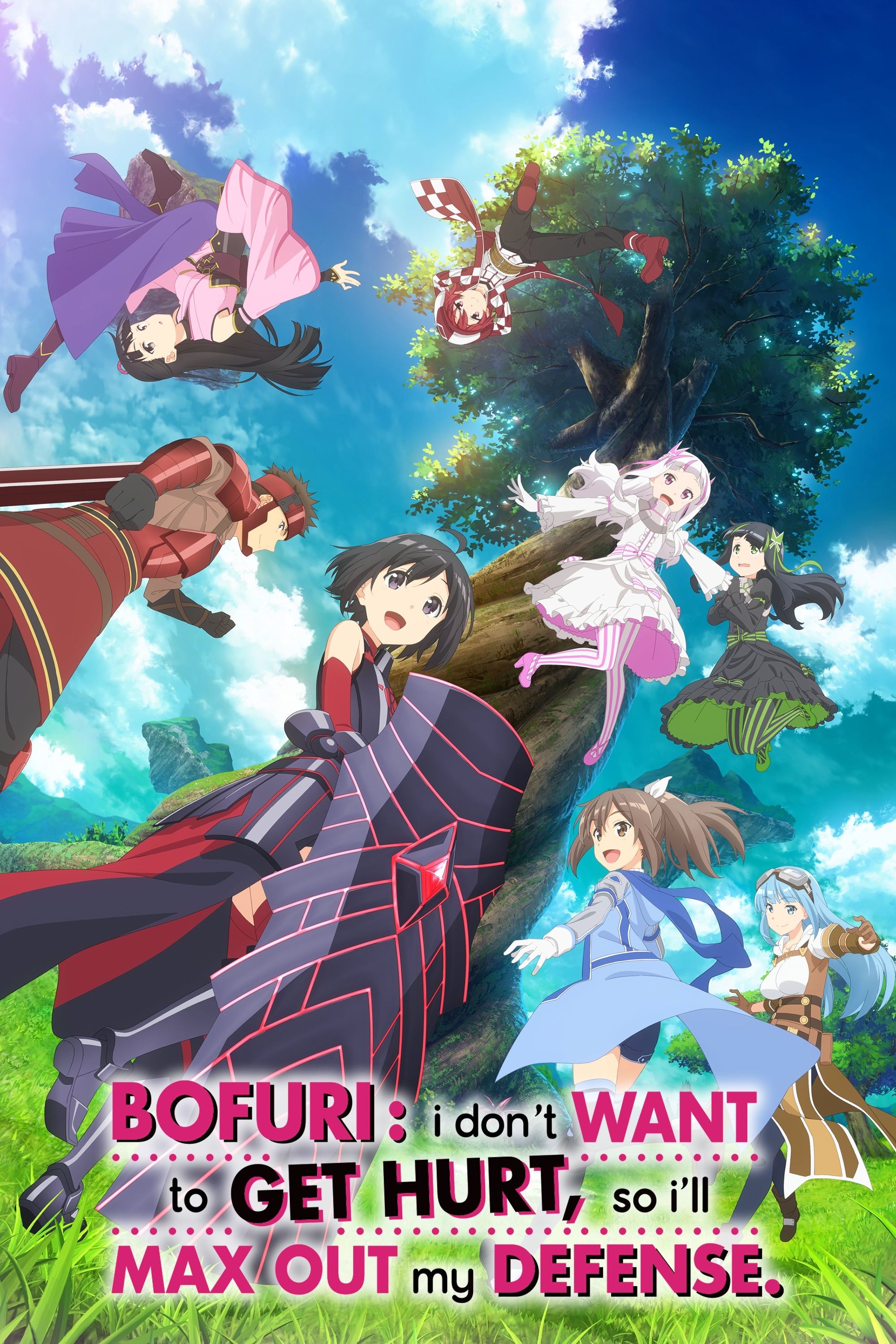
Kaede Honjo begins playing a VRMMO and puts every single status point into vitality to avoid feeling pain. Her unorthodox build makes her virtually invincible and allows her to defeat bosses through passive damage. The game developers constantly scramble to patch her abilities because she breaks the game balance. It humorously depicts the way creative players can exploit flexible skill systems.
‘So I’m a Spider, So What?’ (2021)
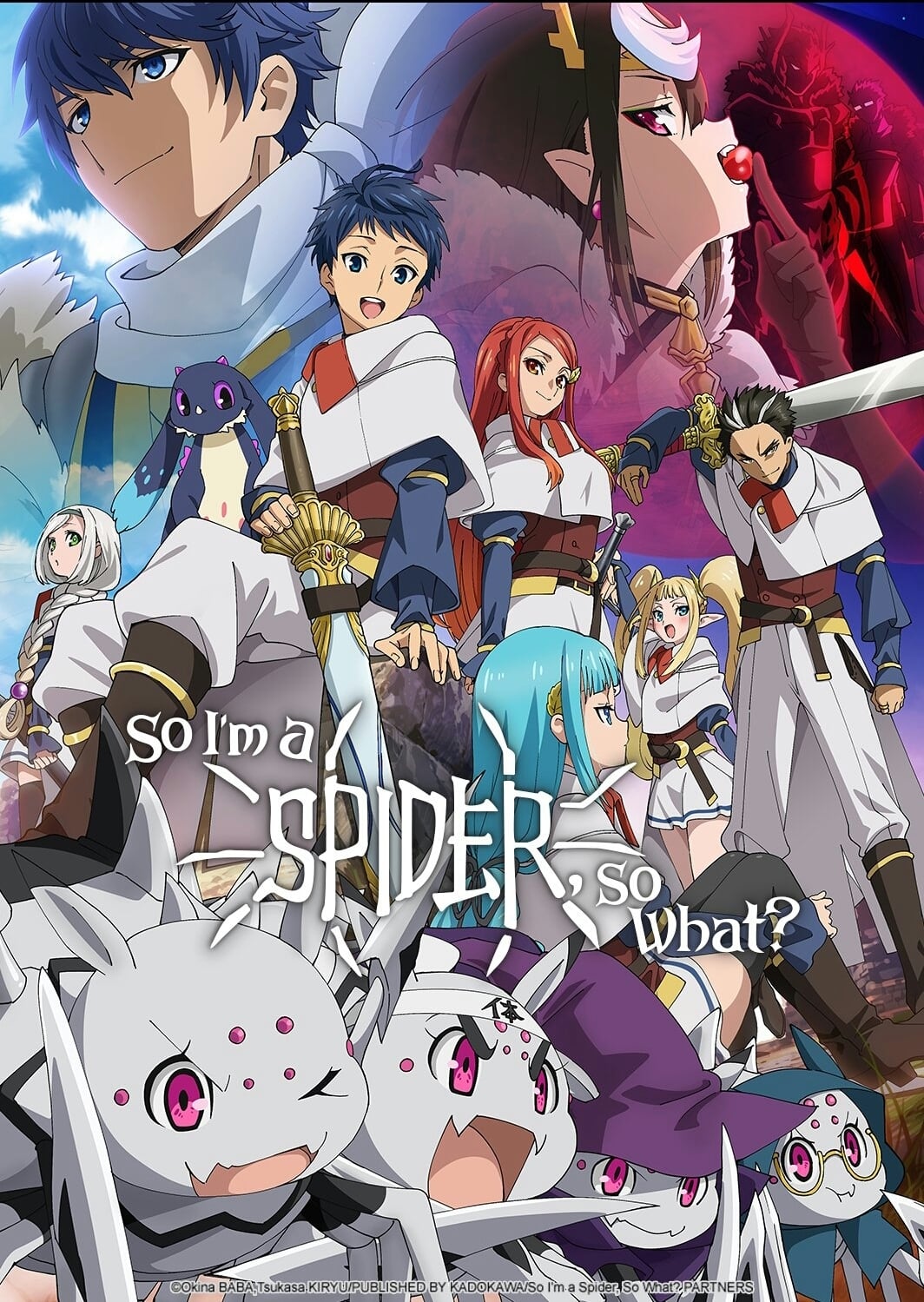
A high school girl is reincarnated as a weak spider monster in a perilous dungeon and must fight to survive. She constantly hears a system voice that announces when her skill proficiency reaches a new level. The protagonist uses the Appraisal skill to view the stats of enemies to determine if she can win the fight. The narrative focuses on the grind of leveling up and evolving into new species varieties.
‘Trapped in a Dating Sim: The World of Otome Games is Tough for Mobs’ (2022)
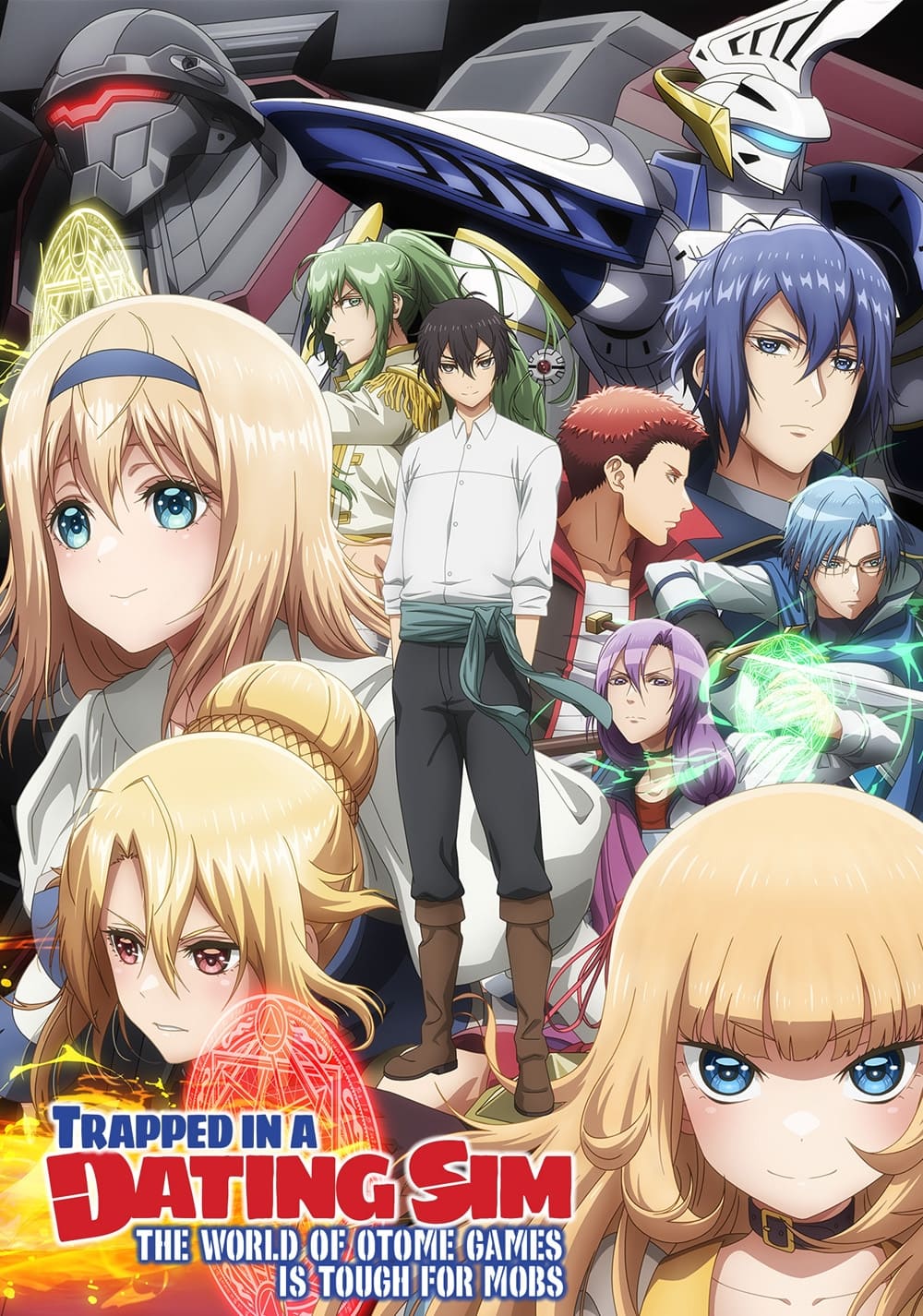
Leon is reincarnated as a background character in a game he was forced to play by his sister. He uses his knowledge of pay-to-win items and hidden locations to gain an advantage over the wealthy nobility. The world combines fantasy elements with sci-fi mechs and follows the strict social hierarchy of the original dating simulation. He navigates relationship flags and affection meters to avoid bad endings.
‘Uncle from Another World’ (2022)
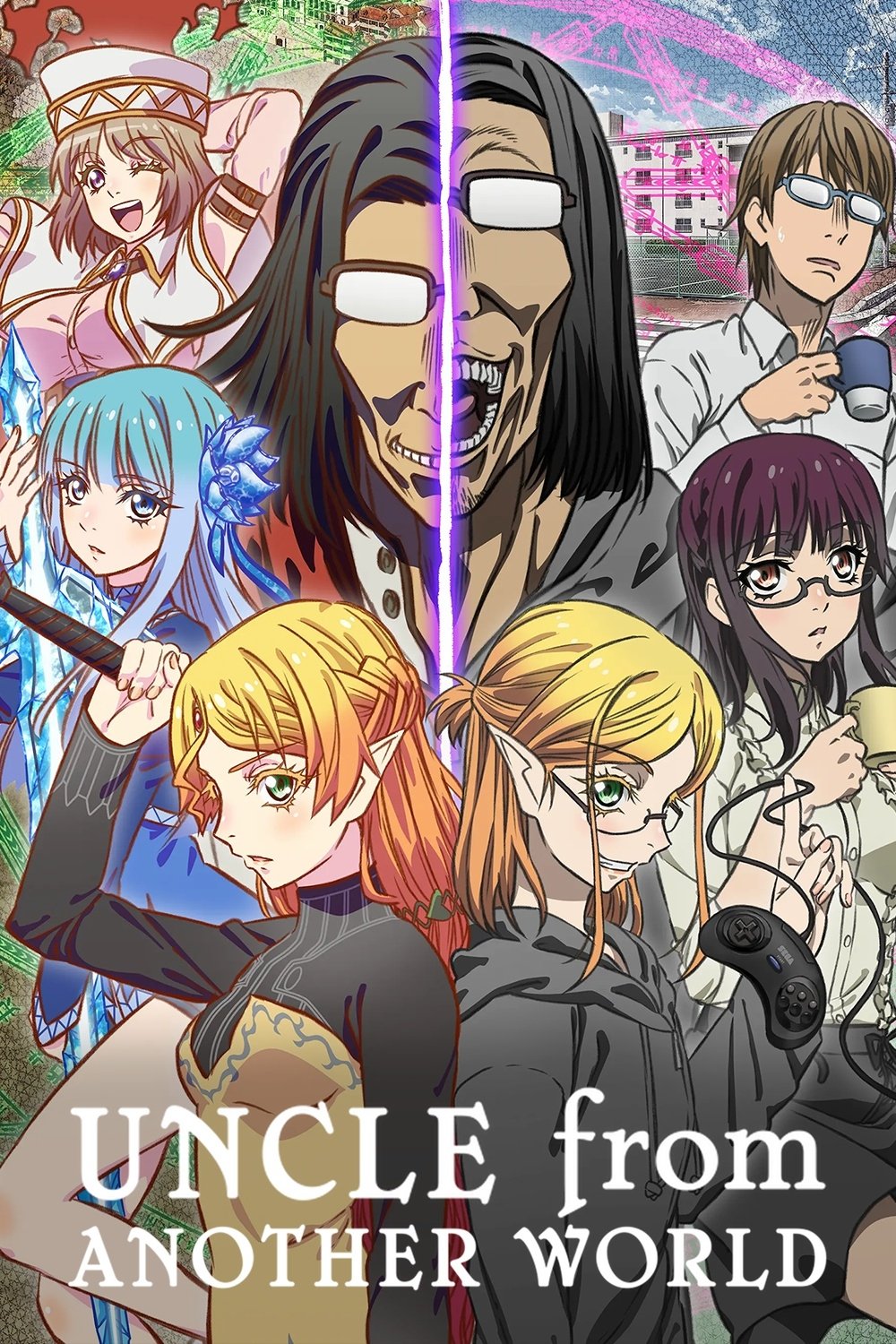
Takafumi’s uncle wakes up from a coma and reveals he spent seventeen years in a magical world. He explains his adventures using Sega console metaphors and references to classic 90s gaming logic. The magic he brought back allows him to project his memories onto a screen like a “Let’s Play” video. The humor stems from his inability to understand social cues that do not fit into video game tropes.
‘Campfire Cooking in Another World with My Absurd Skill’ (2023)

Mukoda is summoned to a fantasy world but his only special power is access to an online supermarket interface. He purchases modern food ingredients using fantasy currency and cooks meals that provide temporary stat buffs. Powerful monsters become his familiars simply because they want to eat his delicious cooking. The story focuses on the inventory management and crafting aspects of adventure games.
‘Shangri-La Frontier’ (2023)
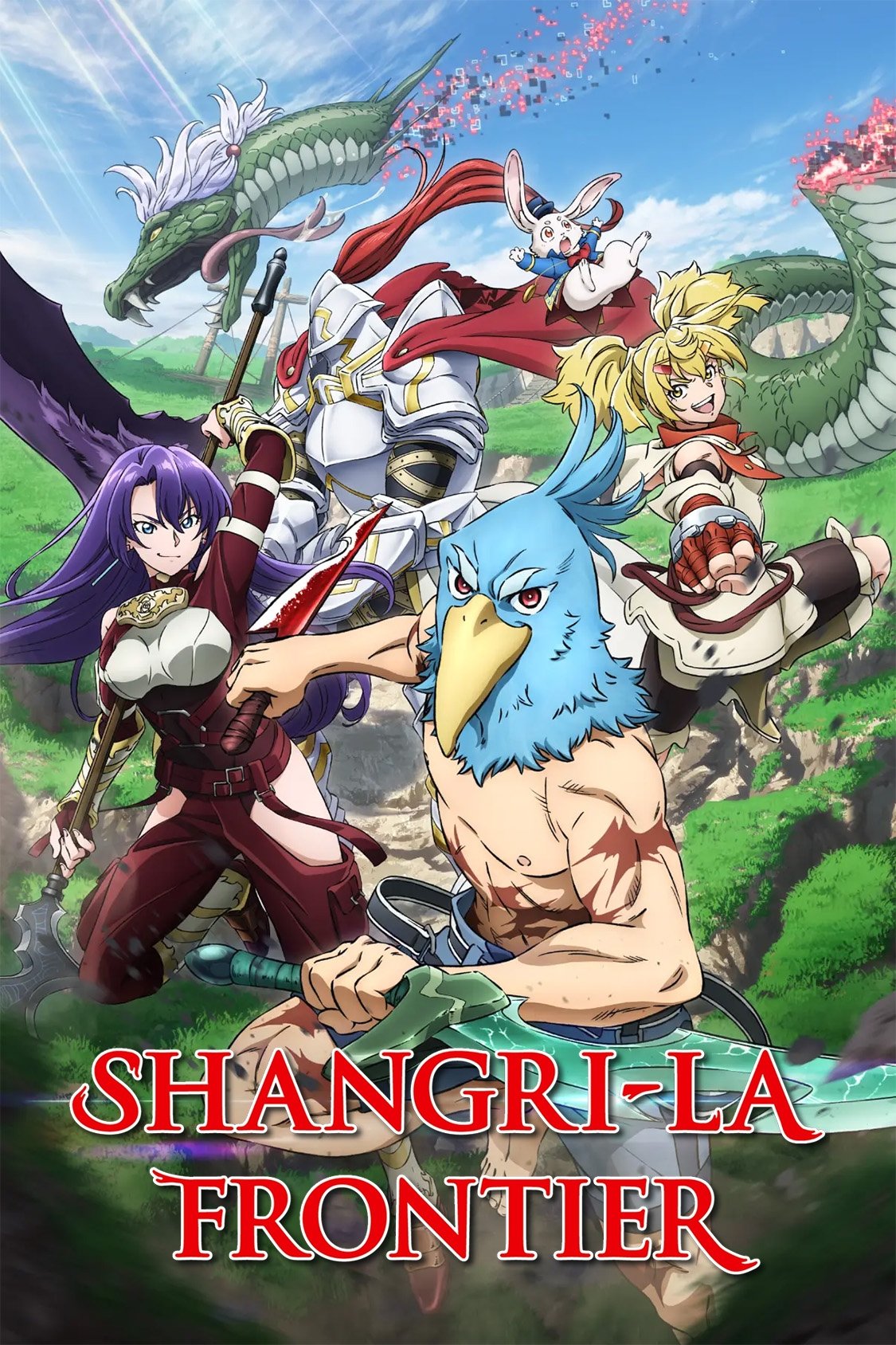
Rakuro Hizutome is a hunter of “trash games” who decides to play a top-tier VRMMO called Shangri-La Frontier. He applies skills learned from buggy and broken games to dominate the high-quality mechanics of the new world. The show highlights advanced techniques like frame-perfect parrying and exploiting enemy AI patterns. It celebrates the mindset of a completionist who enjoys mastering difficult gameplay loops.
‘Solo Leveling’ (2024)
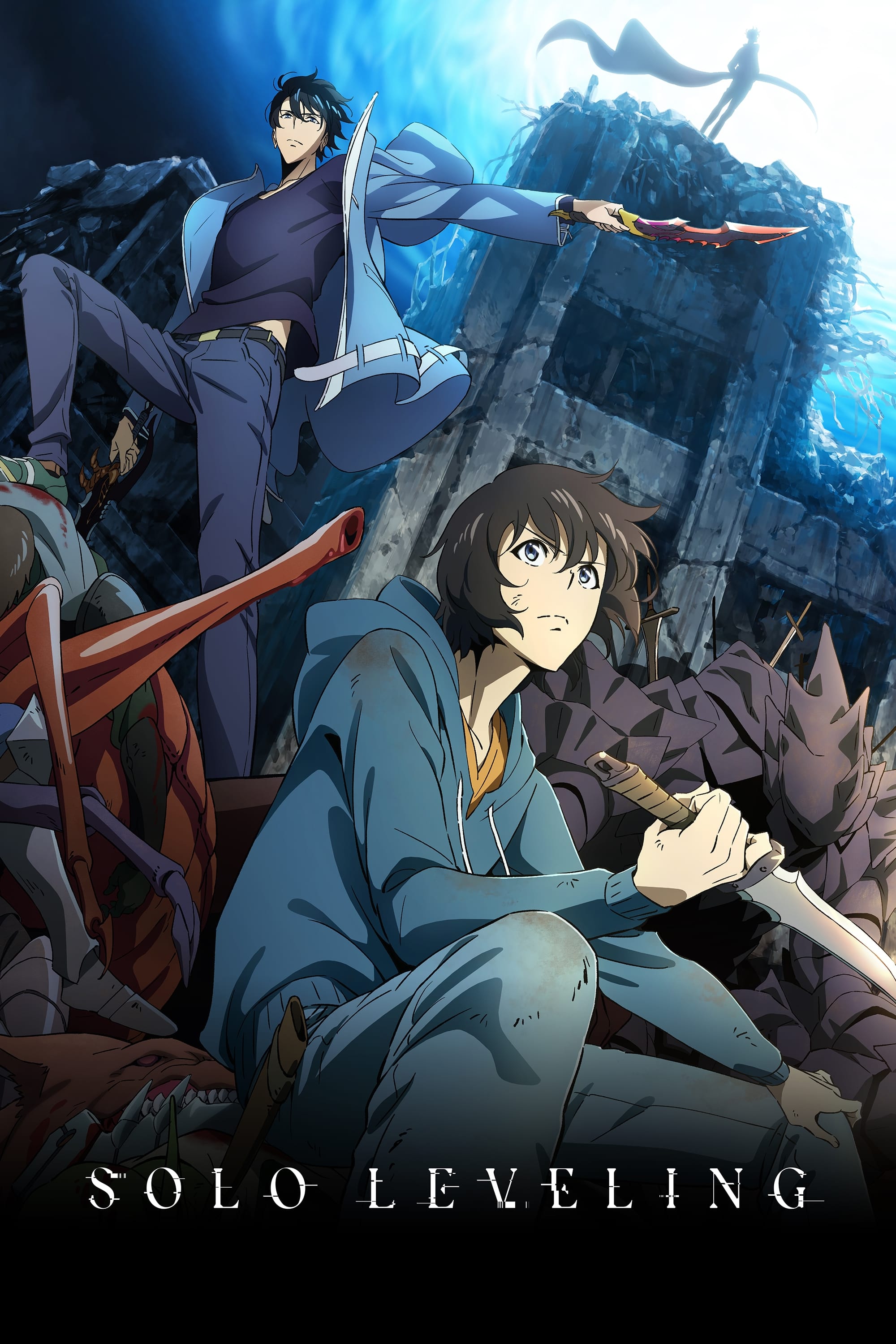
Dungeons have appeared in the modern world and hunters must clear them to harvest resources. Jinwoo Sung is the only person who can see a holographic system window that assigns him daily quests and stat points. He grows from the weakest hunter to the strongest by grinding through instant dungeons alone. The visual language of the show heavily utilizes RPG interfaces to signify his growth.
‘Delicious in Dungeon’ (2024)
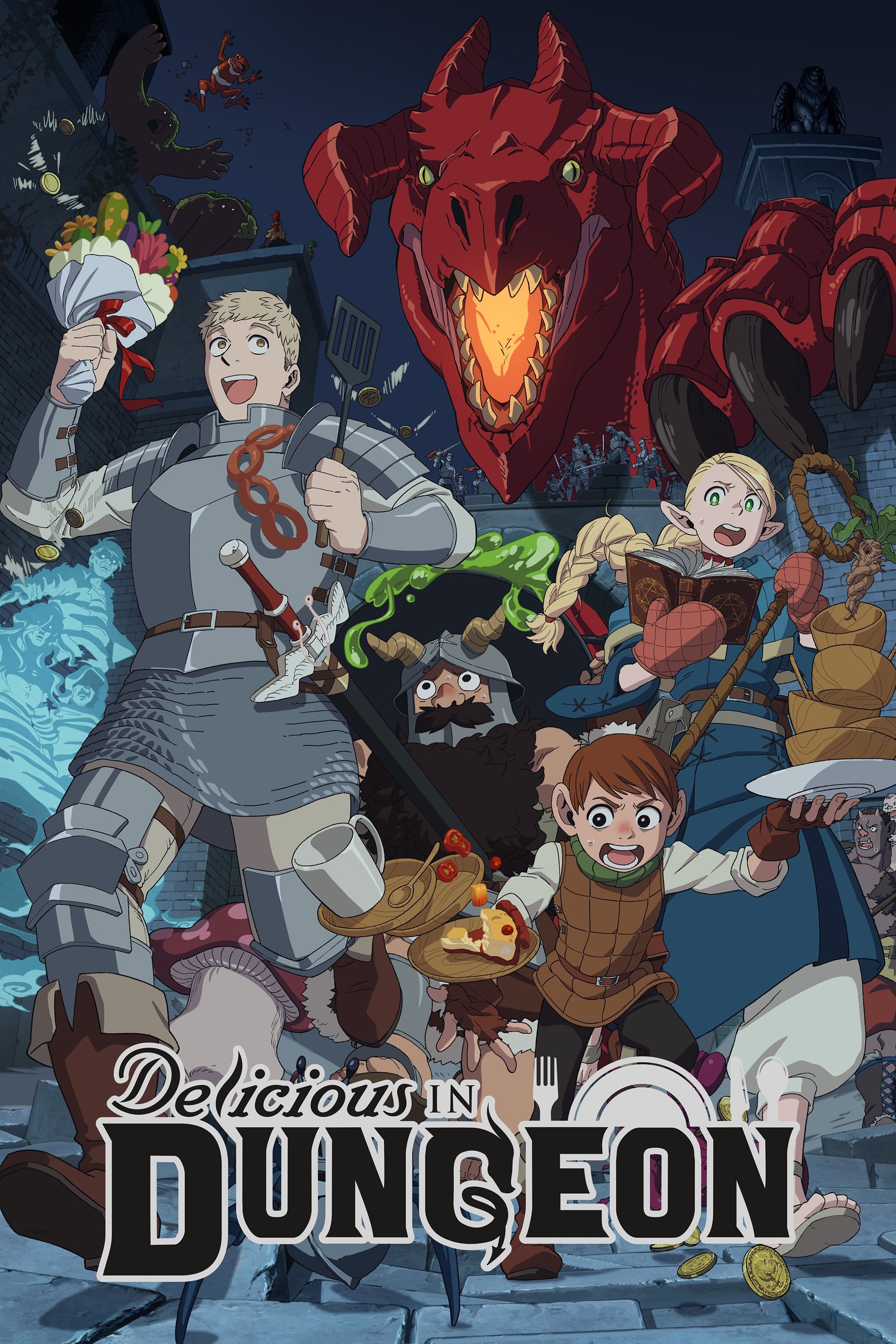
Laios and his party venture deep into a dungeon to rescue a team member who was eaten by a dragon. The world operates on strict resource management rules where adventurers must eat monsters to maintain their stamina. Resurrection is possible at designated shrines but carries a risk of failure based on the condition of the body. The ecological system of the dungeon mimics the complex interactions found in immersive simulation games.
‘Quality Assurance in Another World’ (2024)

Nikola is a village girl who meets a debugger named Haga who is investigating anomalies in her world. Haga treats the environment as a VR simulation and uses developer commands to test for glitches like walls with no collision. He explains concepts like NPC pathing and event triggers to the confused locals. The series offers a meta-commentary on the technical side of game development and bug testing.
Share your favorite anime that uses game mechanics in the comments.