

Anime Worlds Expanding Through Fan-Made Expansions

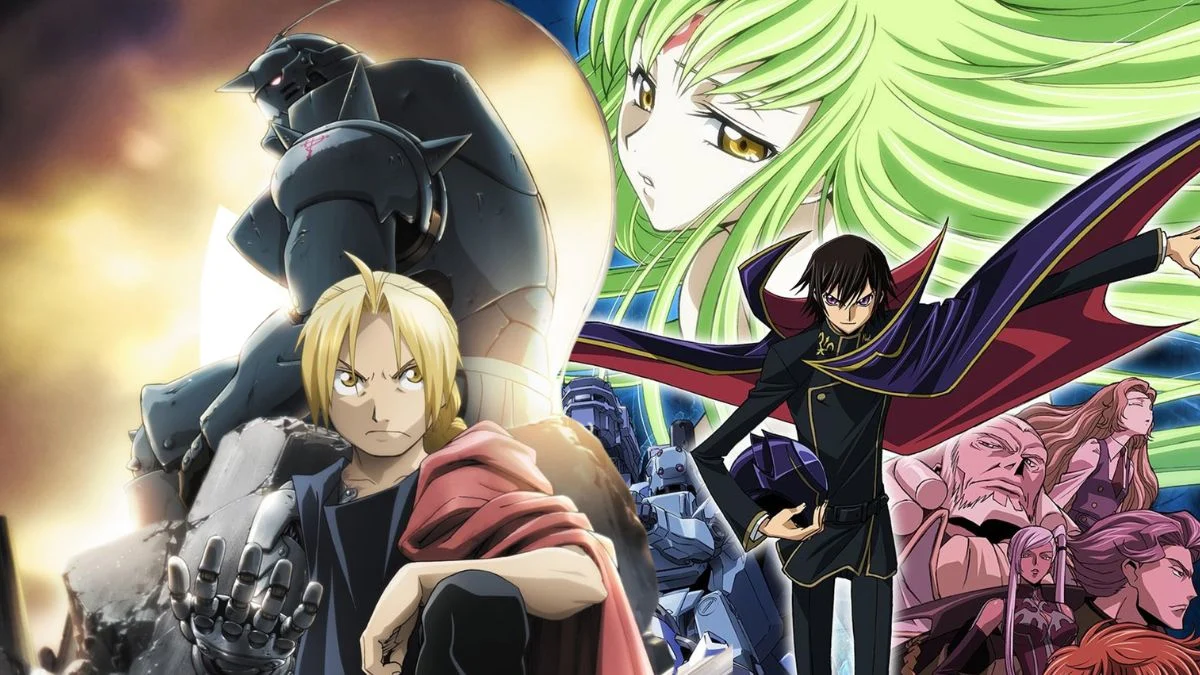


The phenomenon of fan created content keeps anime franchises alive long after the official broadcasts conclude. Devoted communities build upon established lore to craft new narratives and explore unexplored character dynamics. These expansions range from elaborate fan fiction novels to fully animated unofficial episodes. The dedication of these fanbases proves that a compelling universe creates endless possibilities for storytelling. This list explores the worlds that continue to grow through the passion of their viewers.
‘Dragon Ball’ (1986)
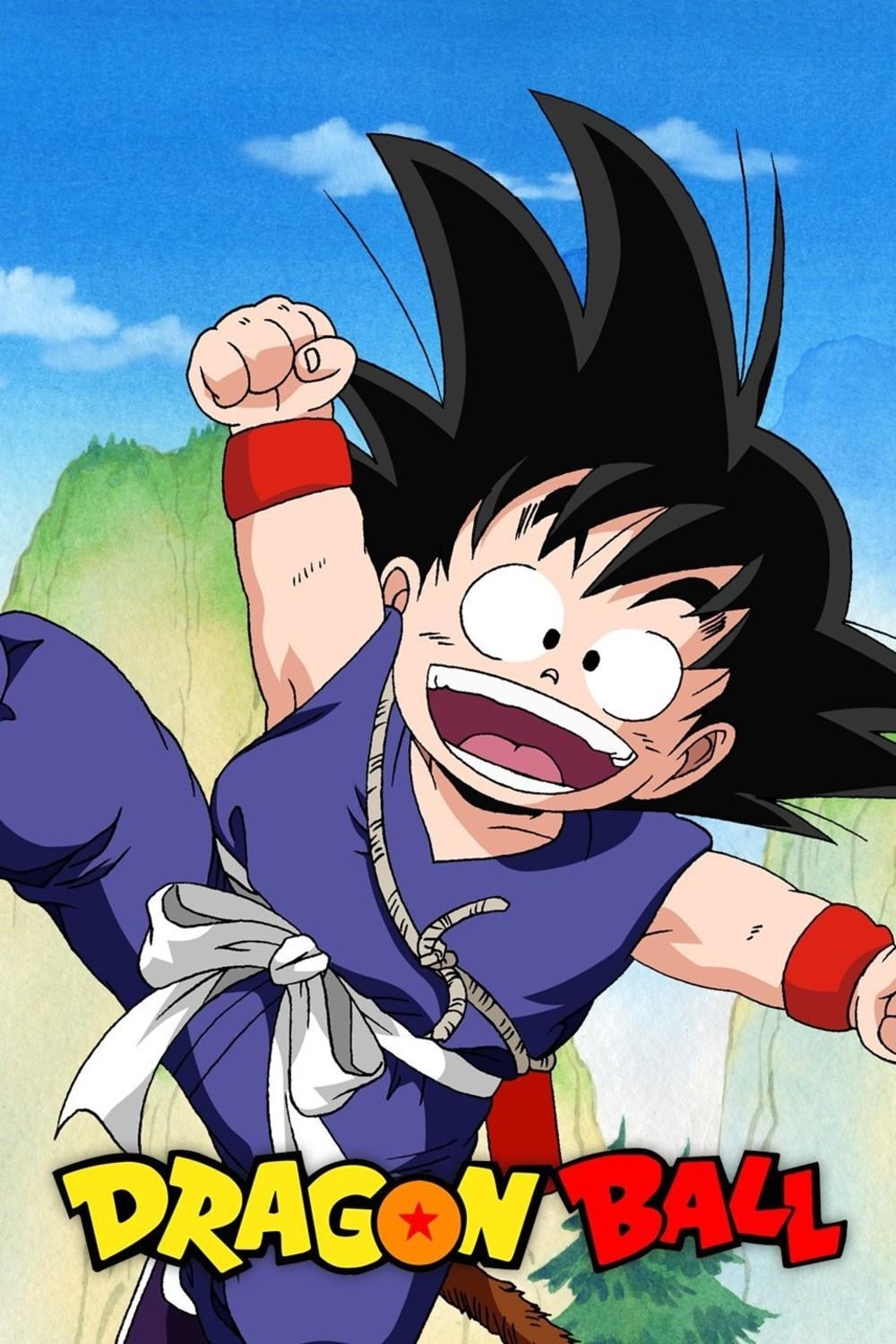
Akira Toriyama created a universe that enthusiasts have expanded through countless unauthorized comics and animations. Fans frequently develop alternate timelines where forgotten characters achieve new levels of power. The community modifies video games to include these original transformations and hypothetical storylines. This persistence keeps the franchise vibrant and evolving between official releases.
‘Pokémon’ (1997)
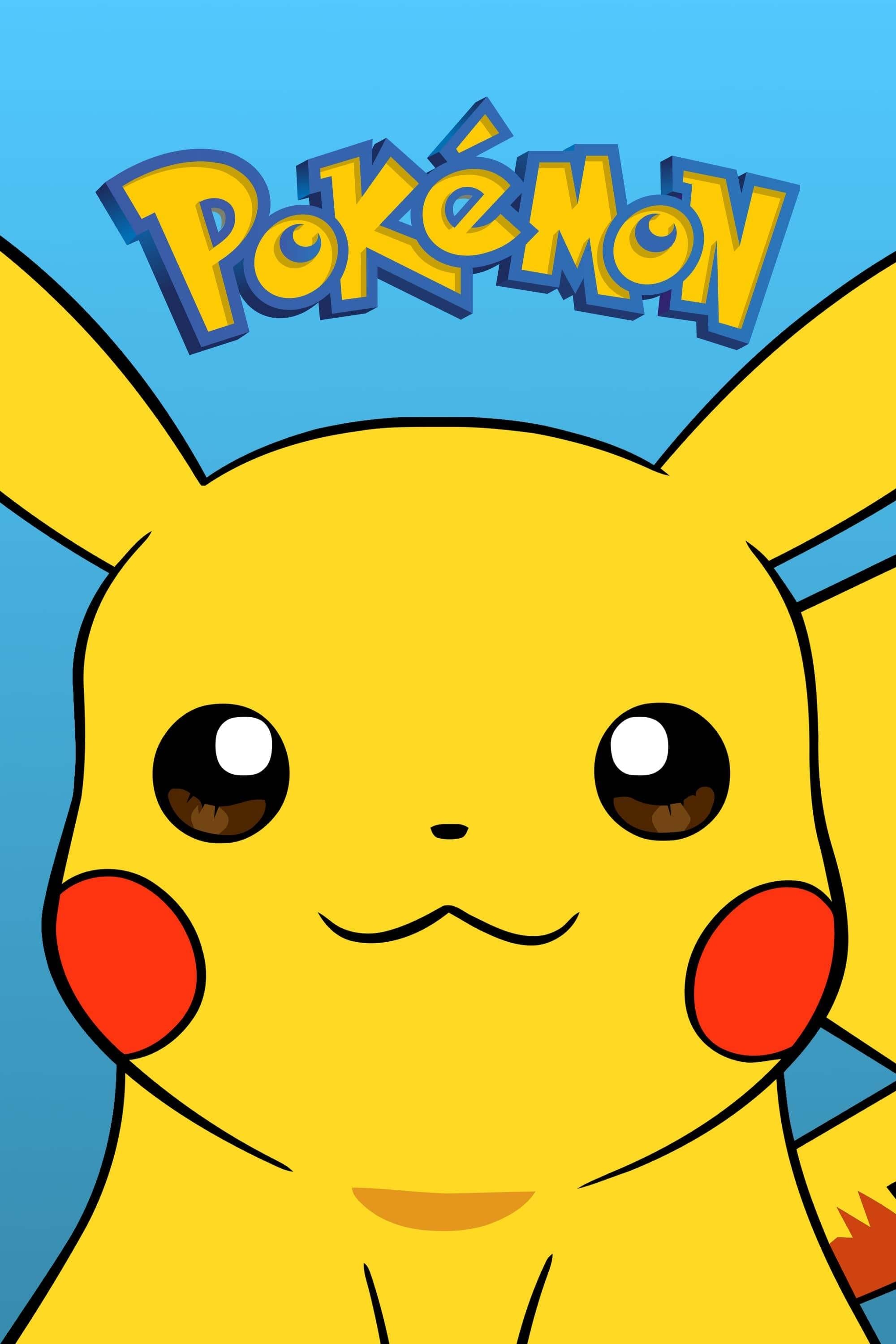
The vast creature collection mechanic inspires artists to design thousands of original monsters known as Fakemon. Programmers develop elaborate modified game files that offer entirely new regions and mature narratives. Illustrators depict realistic versions of these creatures to expand the visual scope of the series. The global community organizes tournaments using custom rule sets that completely alter the competitive landscape.
‘Naruto’ (2002)
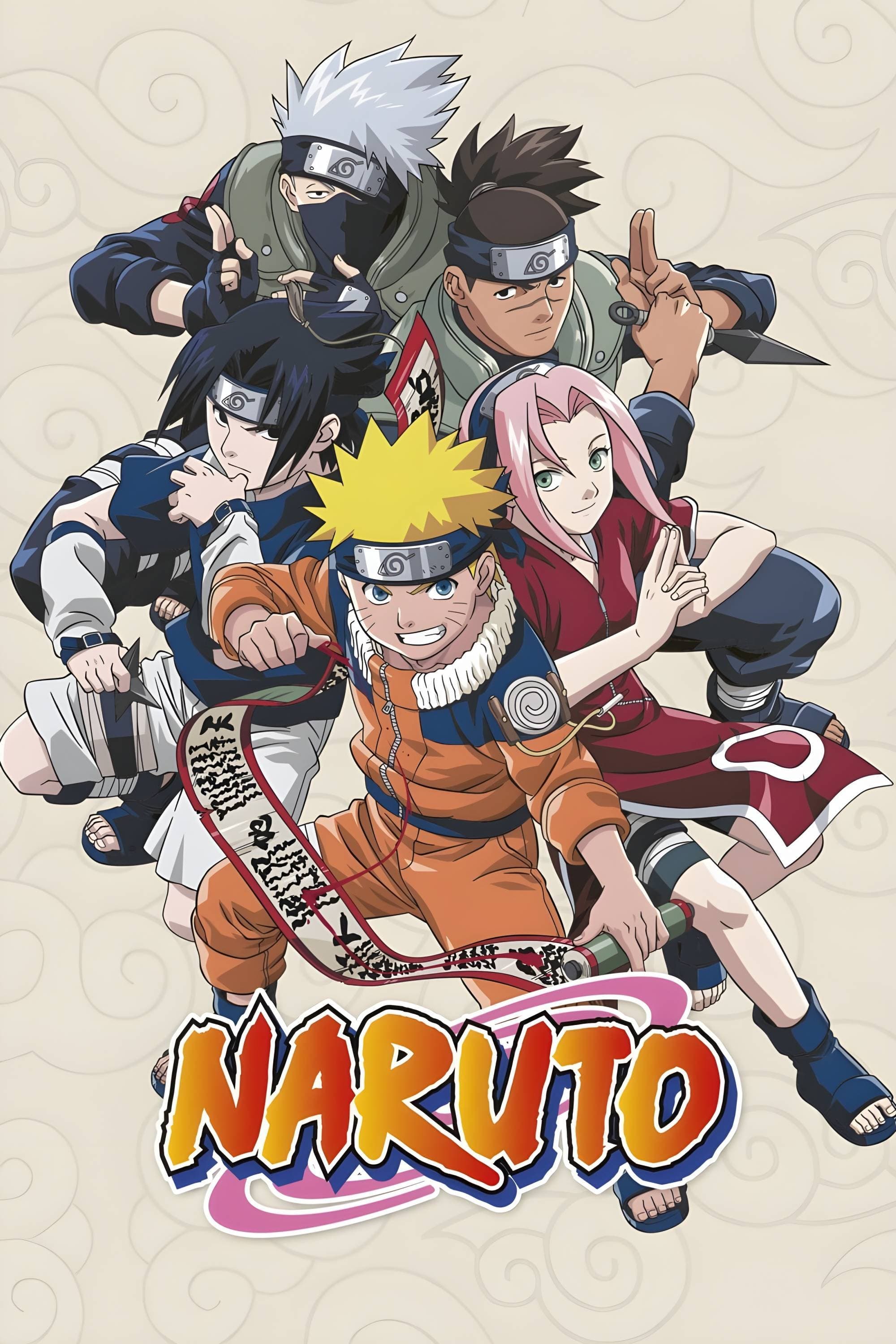
Followers of this ninja saga frequently write diverse stories exploring the lives of characters during the time skips. Writers craft scenarios where major villains find redemption or heroes walk a darker path. The intricate power system allows fans to invent original techniques and jutsu styles. Devotees also create roleplaying groups that establish entirely new ninja villages and political conflicts.
‘One Piece’ (1999)
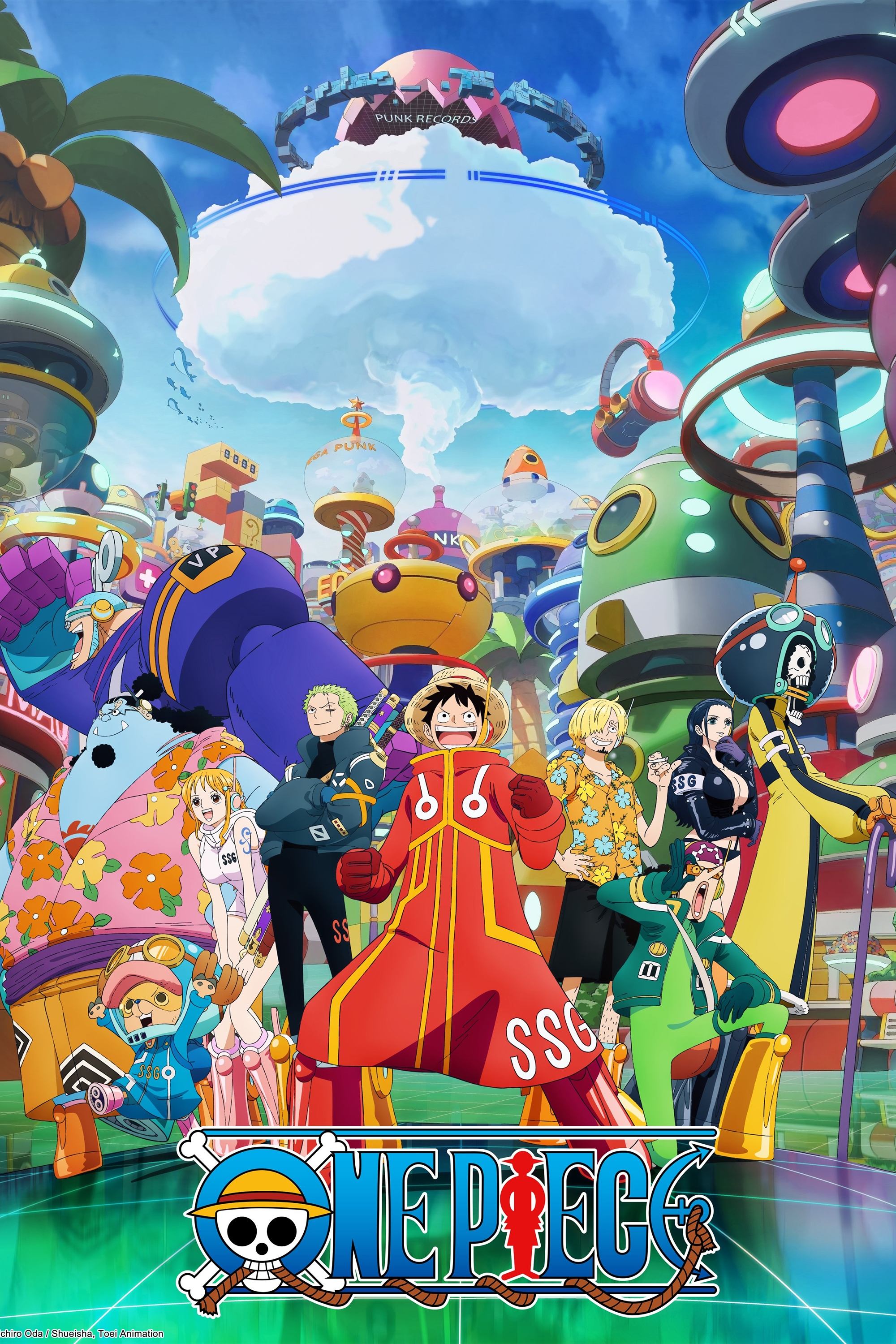
The massive geography of the Grand Line encourages fans to map out uncharted islands and pirate crews. Readers speculate on the mysteries of the Void Century through detailed theories and essays. Artists draw original devil fruits and design unique characters that fit into the whimsical art style of Eiichiro Oda. The adventurous spirit of the series fuels a constant stream of creative speculation and original content.
‘Sailor Moon’ (1992)
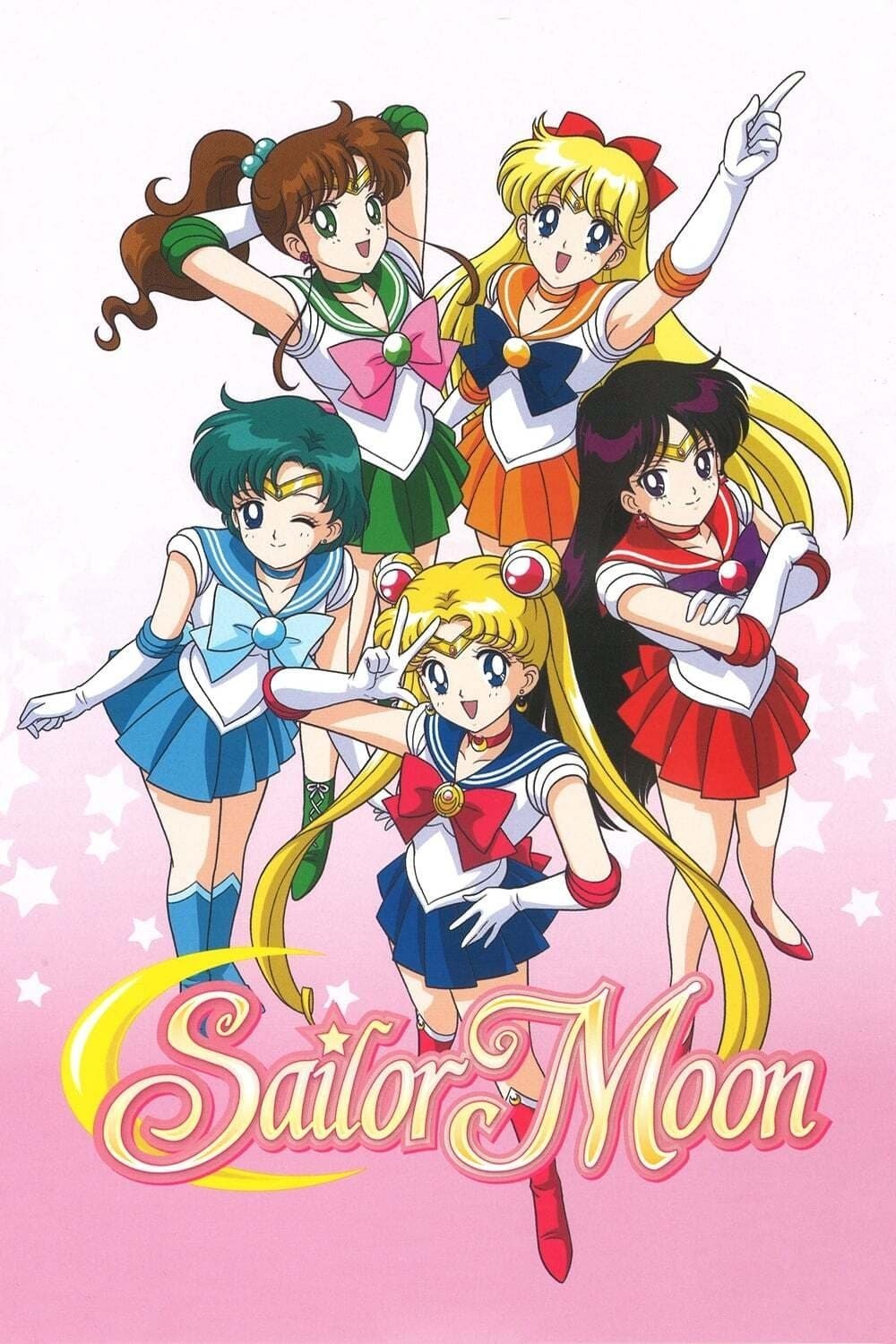
This magical girl franchise inspired a generation of artists to create their own guardians and planetary alignments. Fans produce elaborate costumes and props that bring the animated transformations to reality. Writers explore the past lives of the Sailor Guardians through detailed historical fan fiction. The message of love and justice resonates with creators who expand the mythology into new galaxies.
‘Neon Genesis Evangelion’ (1995)
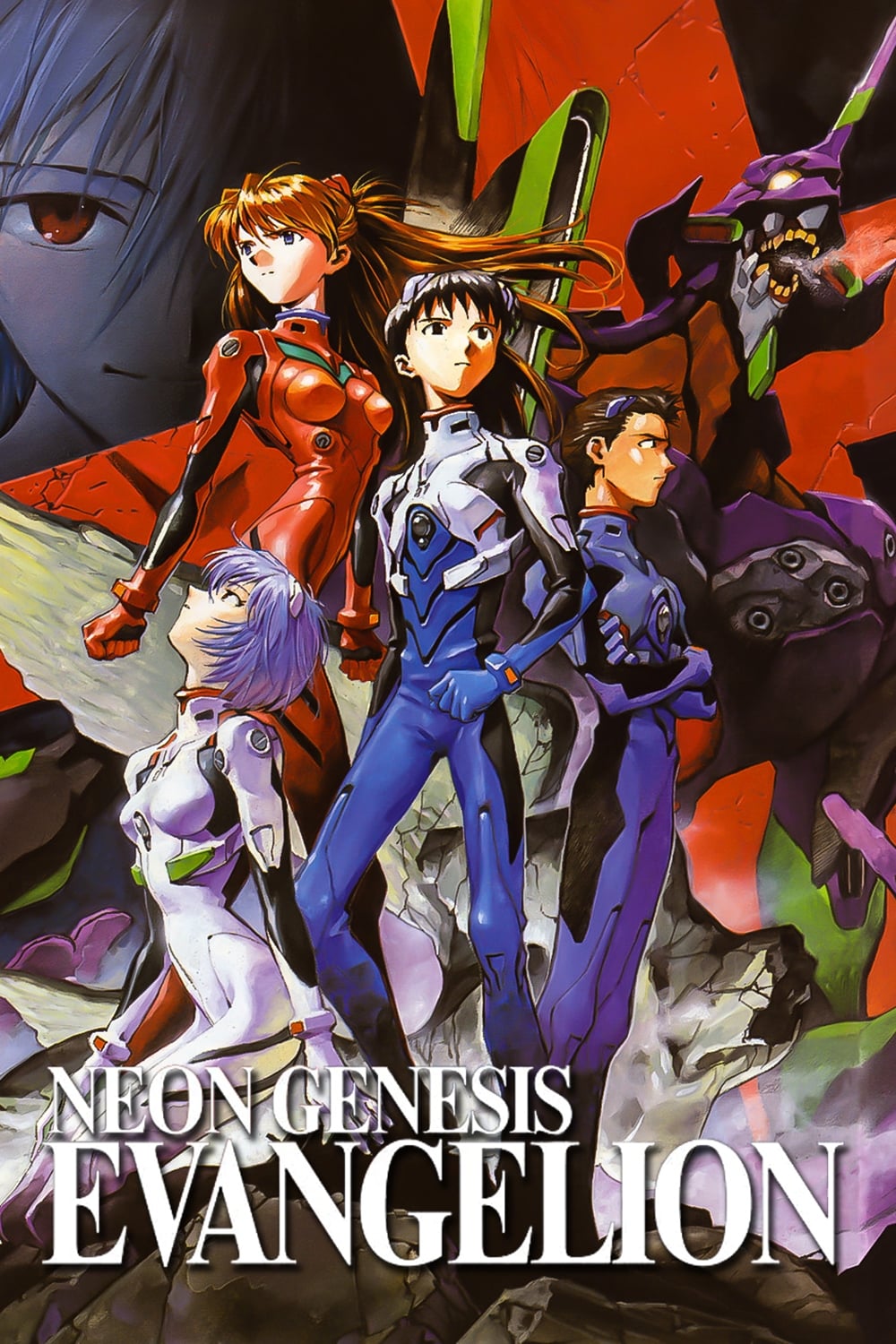
The ambiguous ending of this psychological mecha series sparked decades of fan interpretation and alternative conclusions. Creators produce high quality doujinshi that explore happier timelines or deeper psychological horror. Enthusiasts analyze every frame to construct complex philosophical essays about the nature of the story. The distinct visual style inspires animators to recreate iconic battles using different artistic techniques.
‘Mobile Suit Gundam’ (1979)
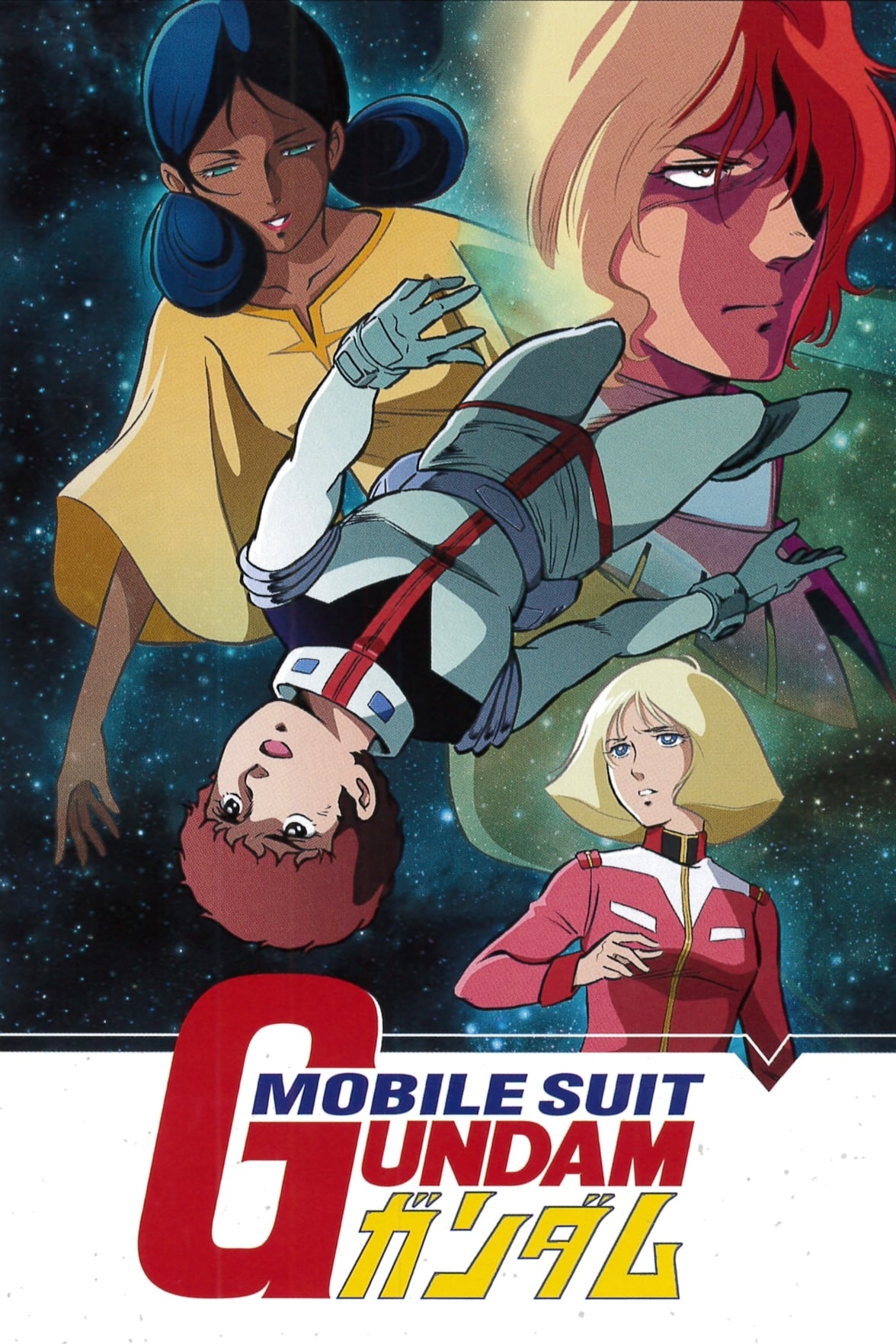
Model kit builders expand the Universal Century timeline by customizing plastic models into unique mobile suit variants. Writers create technical manuals and historical logs for battles never shown on screen. The gritty war setting allows fans to tell stories from the perspective of ordinary soldiers on both sides. This franchise thrives on the technical creativity and mechanical obsession of its fanbase.
‘JoJo’s Bizarre Adventure’ (2012)
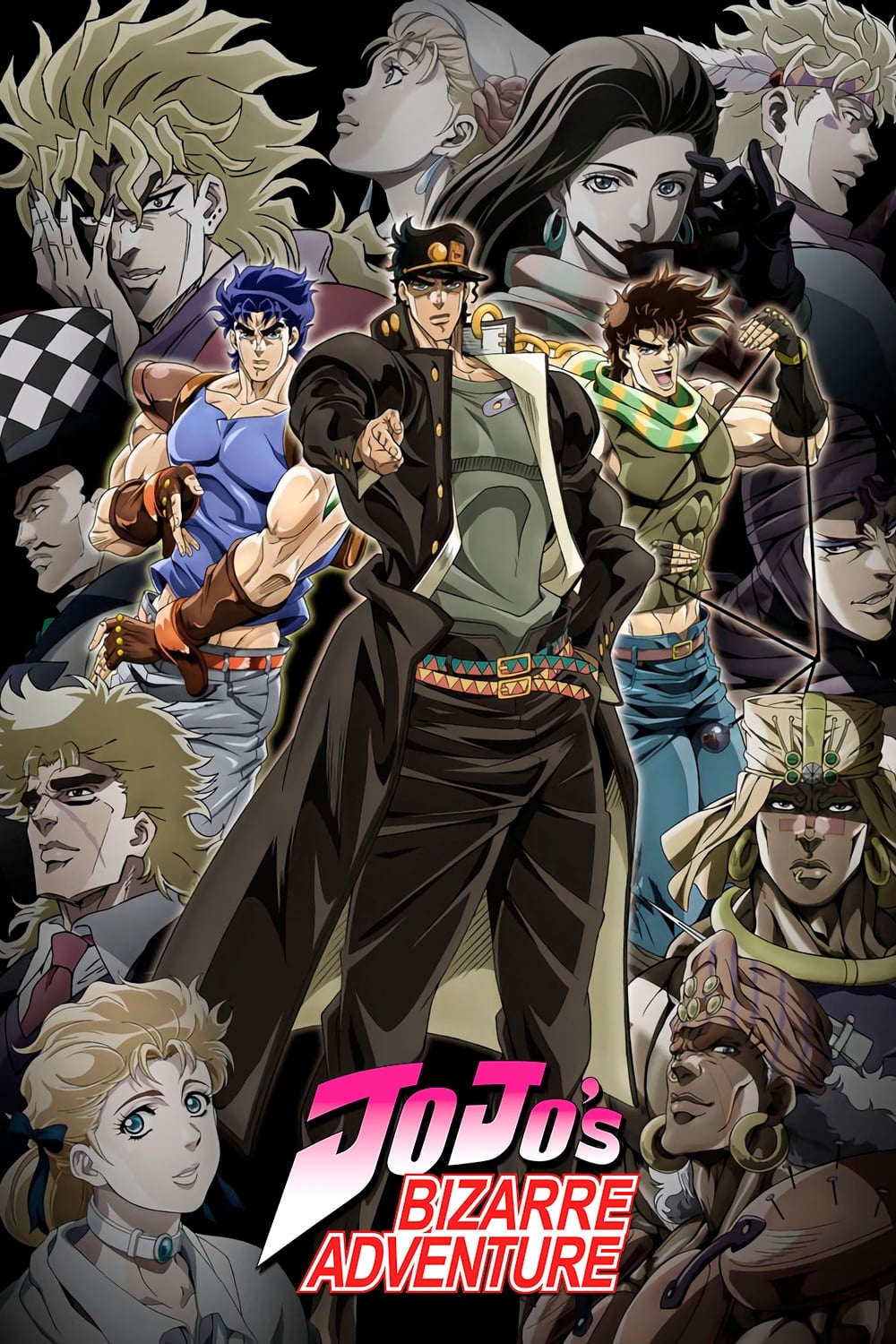
The unique power system of Stands allows fans to design their own abilities based on music references. Artists mimic the distinct fashion and posing style of Hirohiko Araki in their original character designs. The community creates fan games that simulate battles between characters from different story arcs. The generational structure of the series encourages writers to invent new lineages and settings.
‘Fate/stay night’ (2006)
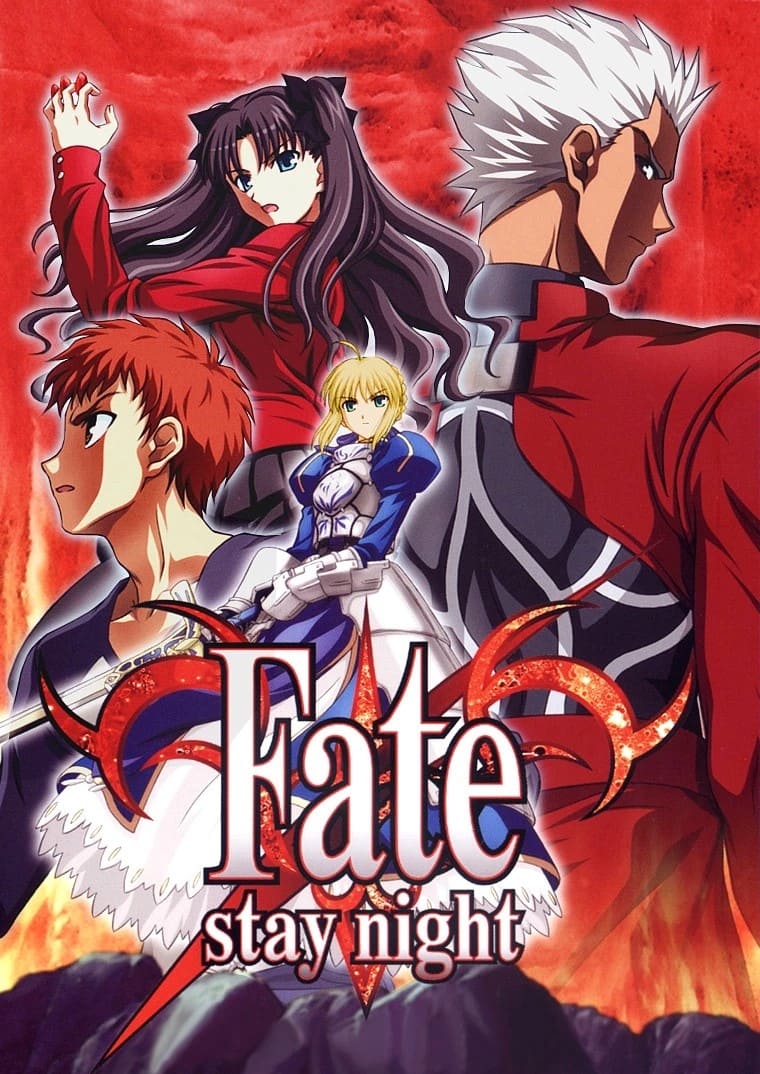
This franchise invites fans to summon historical figures as servants in their own imagined Holy Grail Wars. Writers research mythology to adapt legendary heroes into the specific class system of the series. The complexity of the multiverse allows for an infinite number of alternate reality scenarios. Enthusiasts frequently debate the rules of magic and create distinct mage families.
‘Attack on Titan’ (2013)
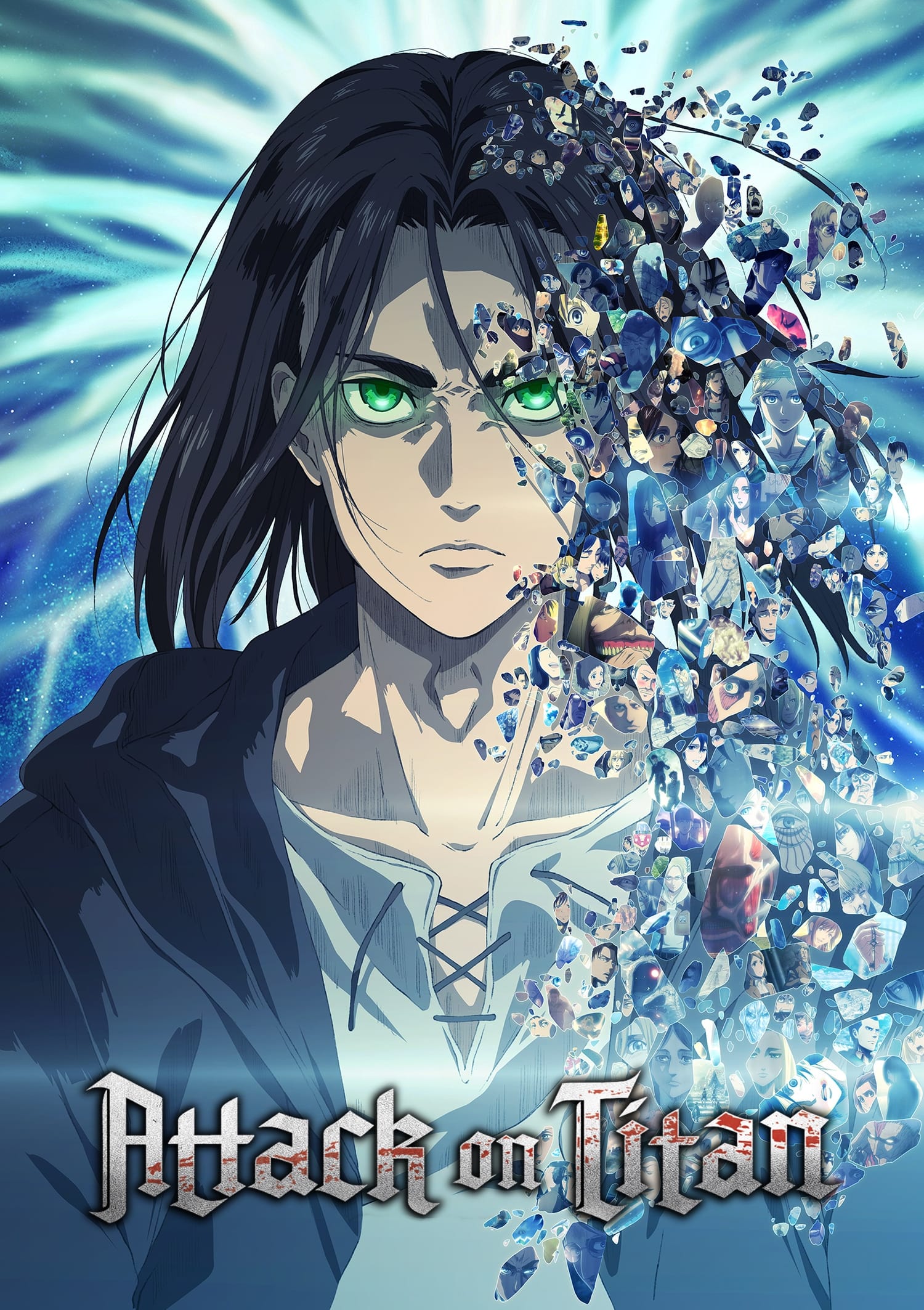
The rich history of the Eldian people inspires fans to write prequels set centuries before the main story. Artists design original Titans with unique abilities and horrifying appearances. Strategists map out alternative military campaigns and survival scenarios within the walls. The political intrigue of the later seasons fuels complex fan narratives about war and morality.
‘My Hero Academia’ (2016)
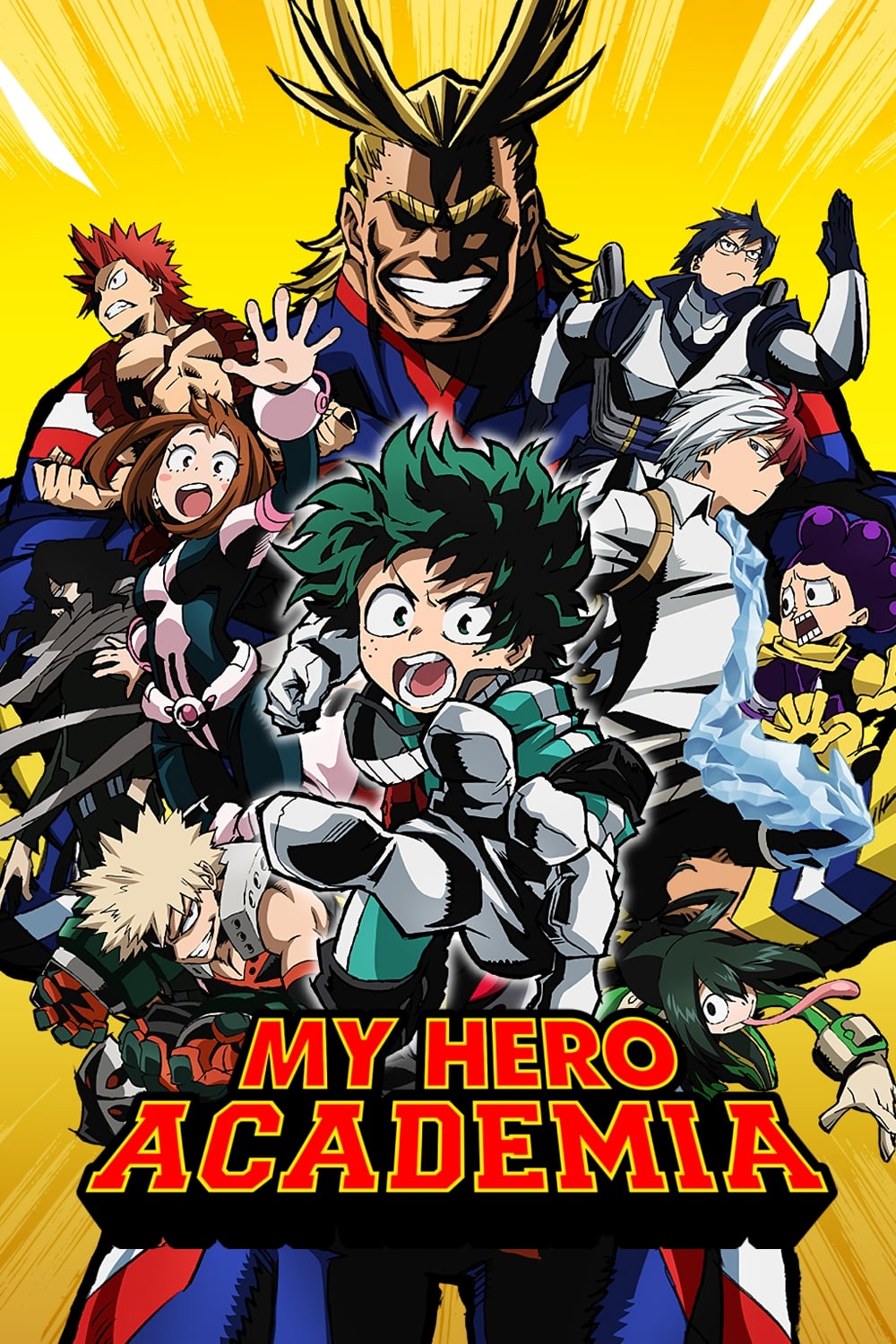
The concept of Quirks provides an endless sandbox for fans to create original superheroes and villains. Writers focus on the daily lives of students at rival hero schools or the operations of underground agencies. The distinct character designs inspire artists to imagine the cast in different fantasy or futuristic settings. This world allows for a blend of western comic book tropes and manga storytelling.
‘Digimon Adventure’ (1999)
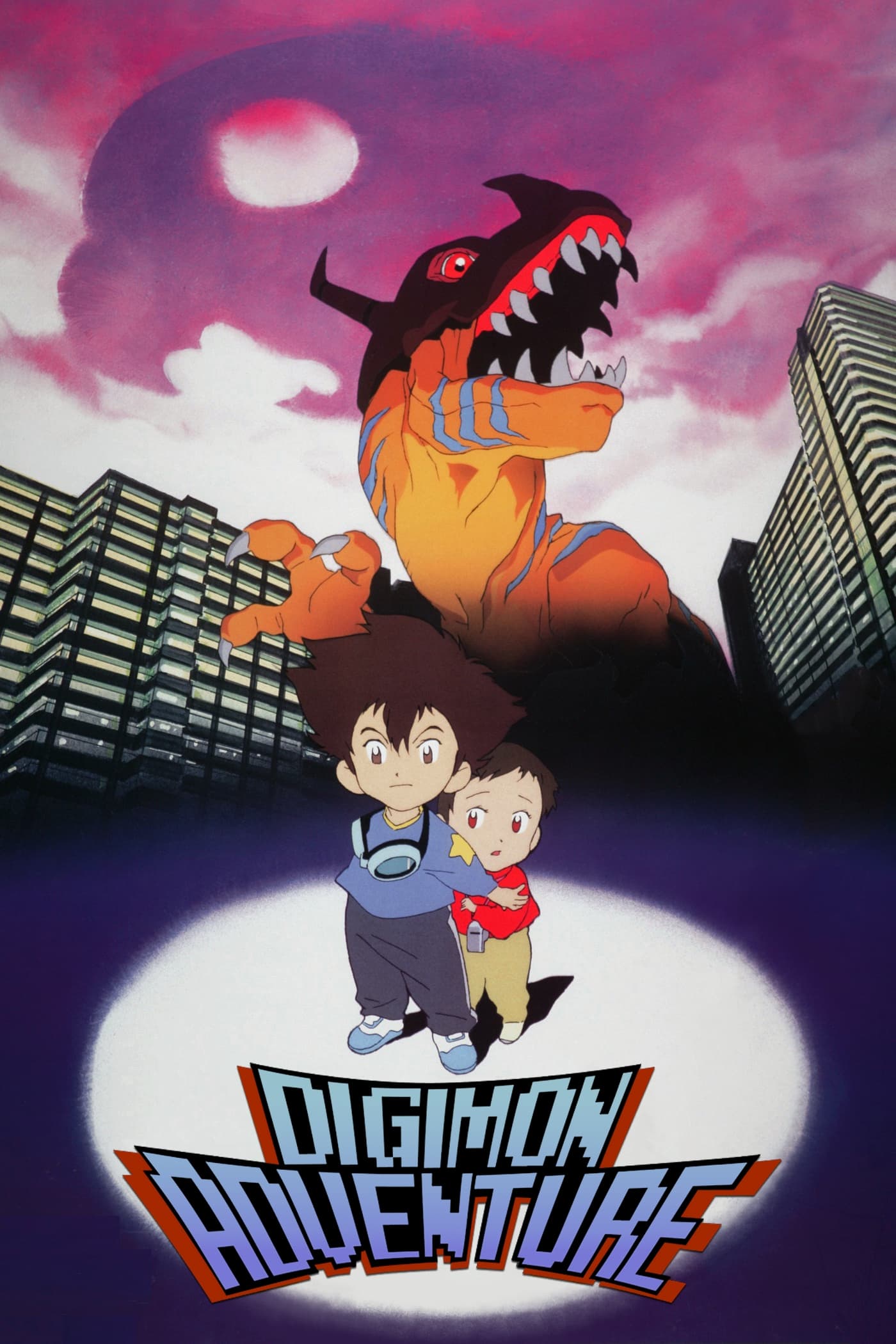
Fans of this digital world design their own partner monsters with complete evolutionary lines. Communities organize roleplaying games where participants explore the Digital World as chosen children. Programmers create virtual pet simulators that capture the nostalgia of the original devices. The bond between human and monster serves as the core for countless emotional fan stories.
‘Bleach’ (2004)
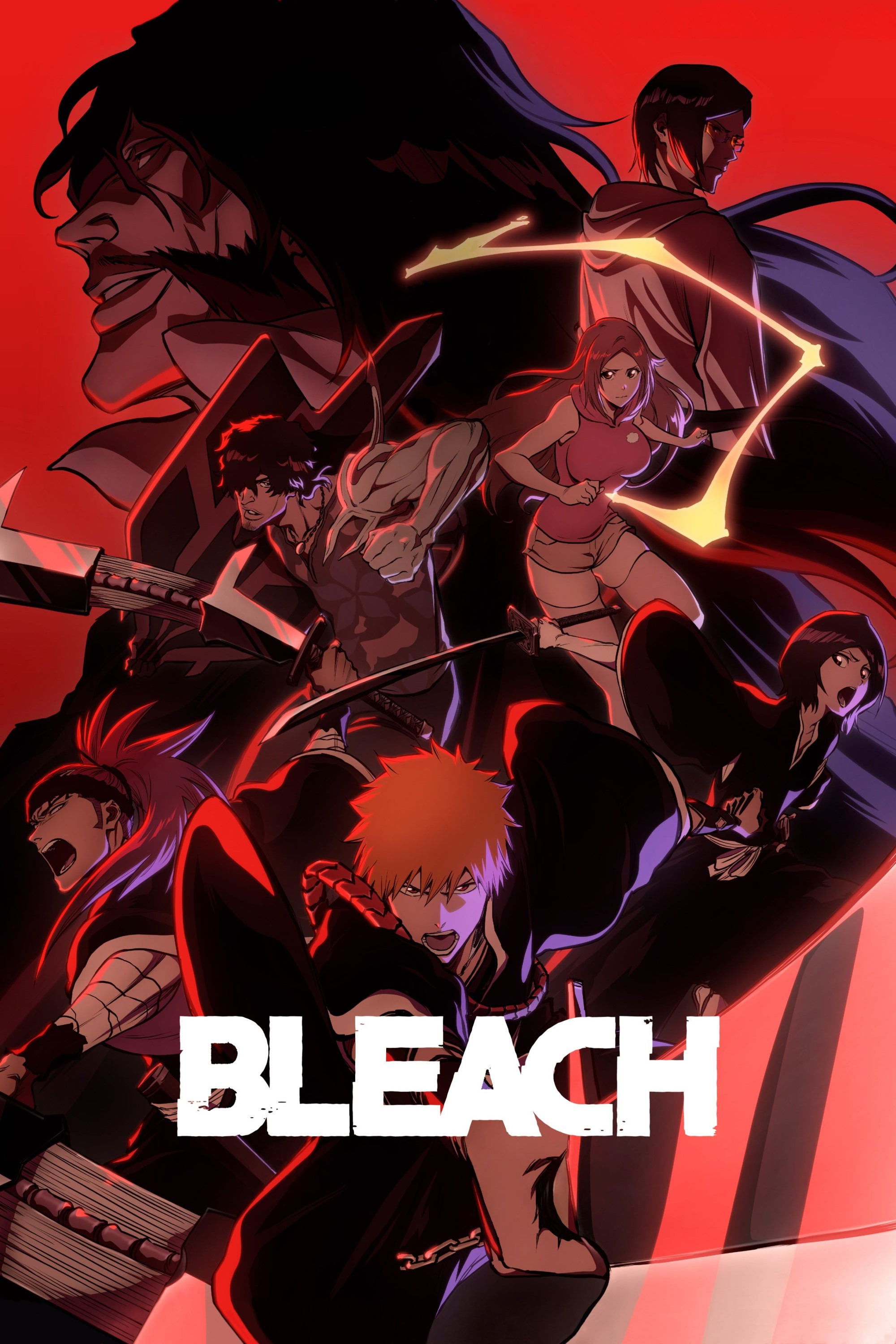
The structured organization of the Soul Society allows fans to create original captains and squads. Artists design unique Zanpakuto swords with specific release commands and abilities. Writers explore the history of the Quincy and the Arrancar through detailed fan fiction. The stylish character designs inspire fashion focused fan art and cosplay photography.
‘Fairy Tail’ (2009)
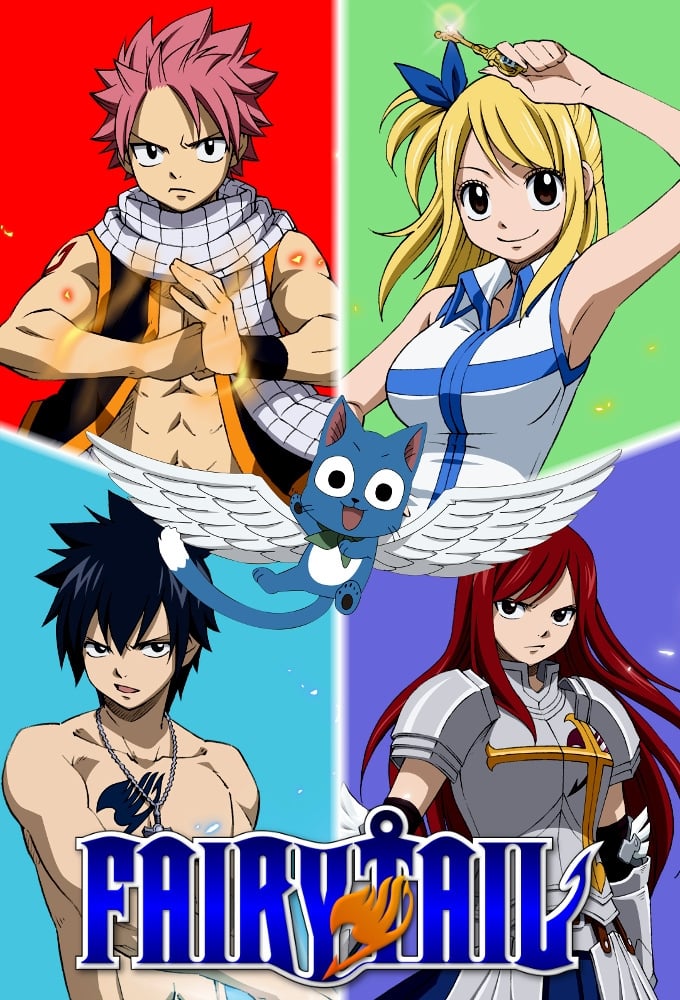
The guild system encourages fans to form their own magical groups with distinct emblems and creeds. Writers invent new types of magic and explore the politics of the magical world. The emphasis on friendship and adventure inspires lighthearted stories about guild quests. Fans often expand upon the background relationships between secondary characters.
‘Fullmetal Alchemist: Brotherhood’ (2009)
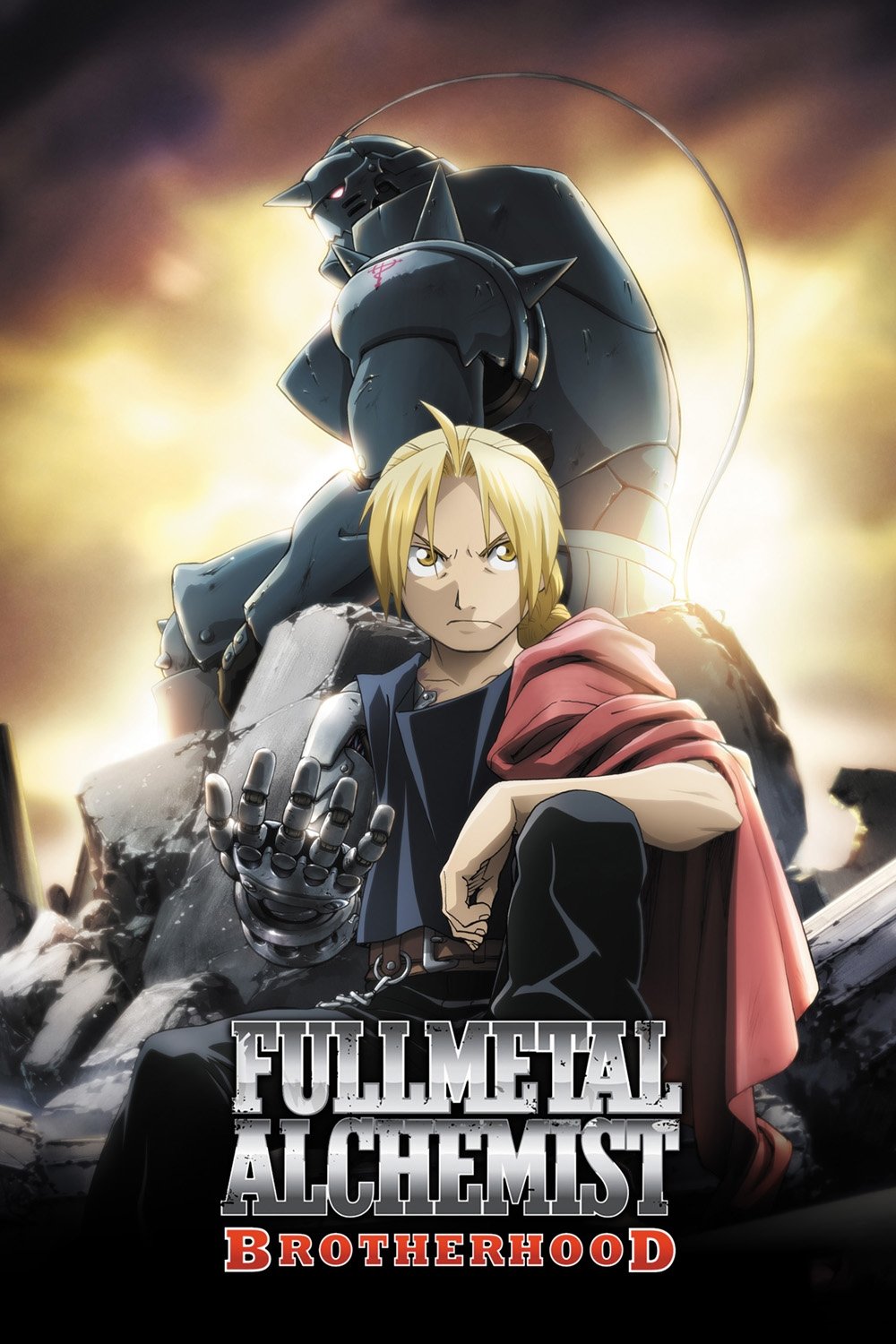
The rules of equivalent exchange provide a grounded magic system for fans to explore through alchemy. Writers craft stories set in neighboring nations like Drachma or Xing. The rich political setting allows for narratives focused on military intrigue and state alchemy examinations. This series inspires deep analytical content regarding its philosophical themes.
‘Death Note’ (2006)
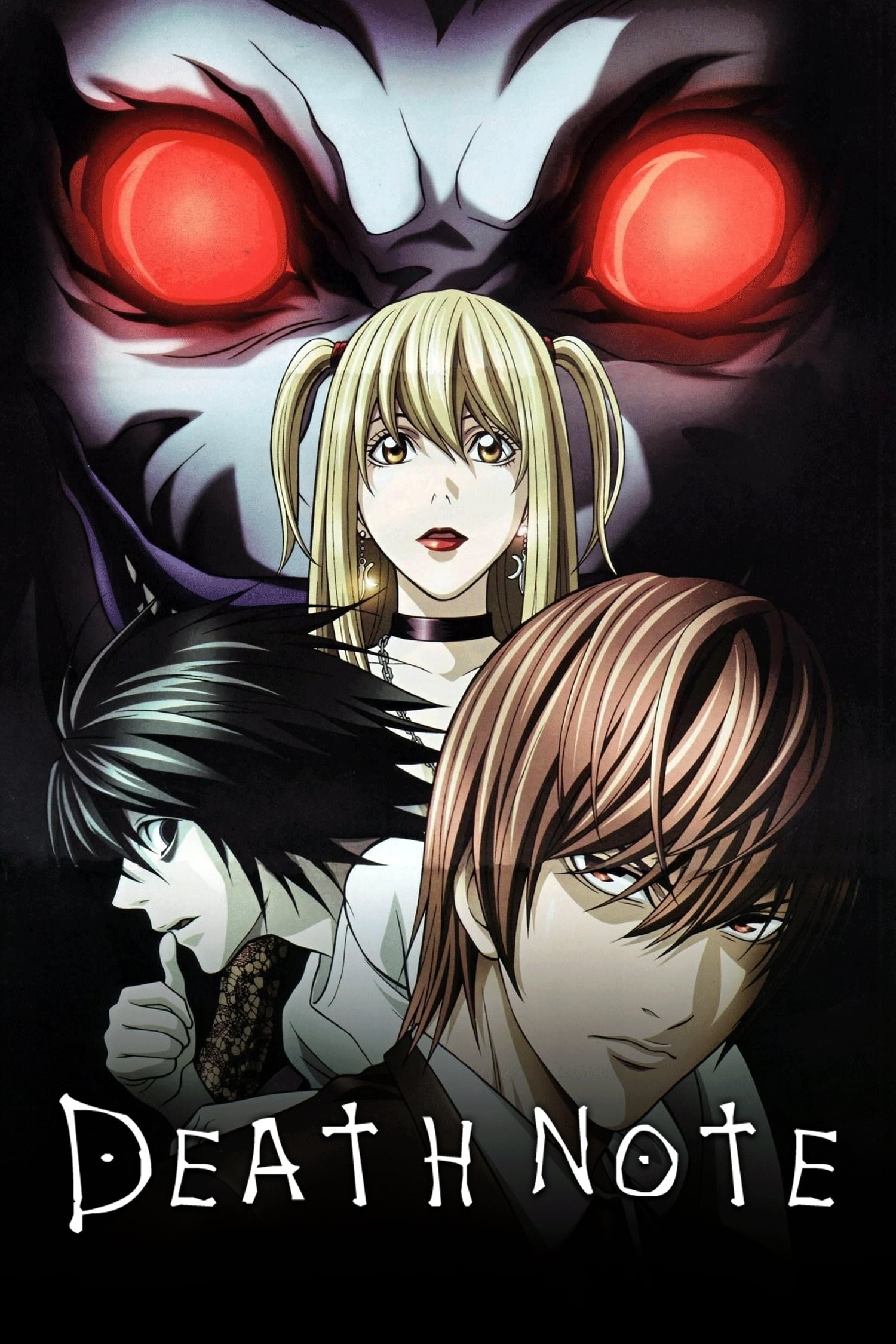
The psychological cat and mouse dynamic inspires fans to write scenarios with new genius detectives and notebook users. Creators explore how the existence of Shinigami would affect different historical periods. The moral ambiguity of the premise fuels debates and essays about justice. Filmmakers produce live action shorts that attempt to capture the tension of the anime.
‘Code Geass: Lelouch of the Rebellion’ (2006)
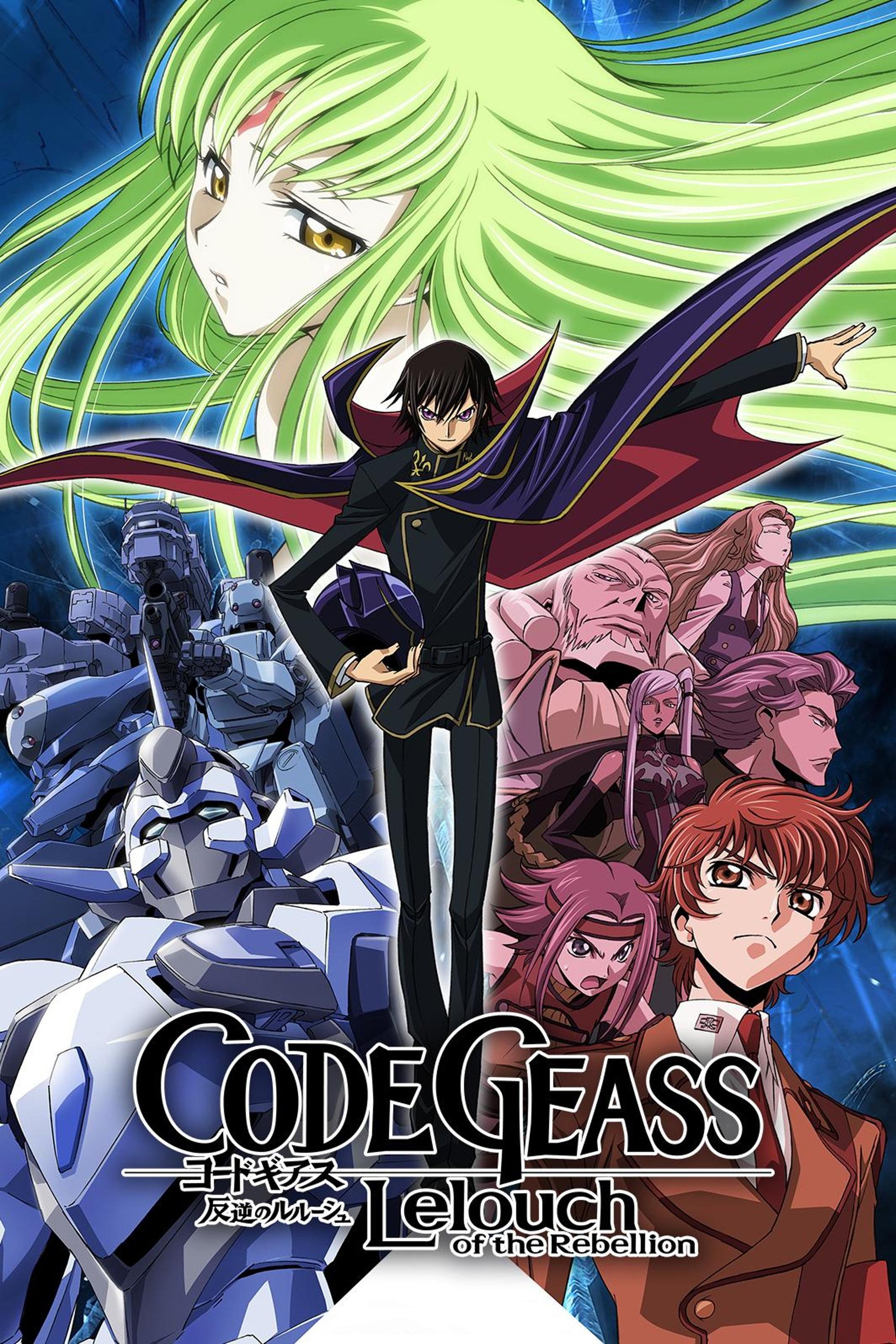
The alternate history setting invites fans to redraw the world map and invent new geopolitical conflicts. Mecha enthusiasts design original Knightmare Frames with specialized weaponry. Writers explore the consequences of the ending through sequel fics and political dramas. The strategic battles inspire fans to create tactical scenarios and war games.
‘Sword Art Online’ (2012)

The concept of full dive virtual reality allows fans to design original game worlds and mechanics. Writers explore the psychological impact of being trapped in a digital space. The community creates fan games that attempt to replicate the user interface and combat system. This series serves as a primary inspiration for the LitRPG genre of fan fiction.
‘Tokyo Ghoul’ (2014)
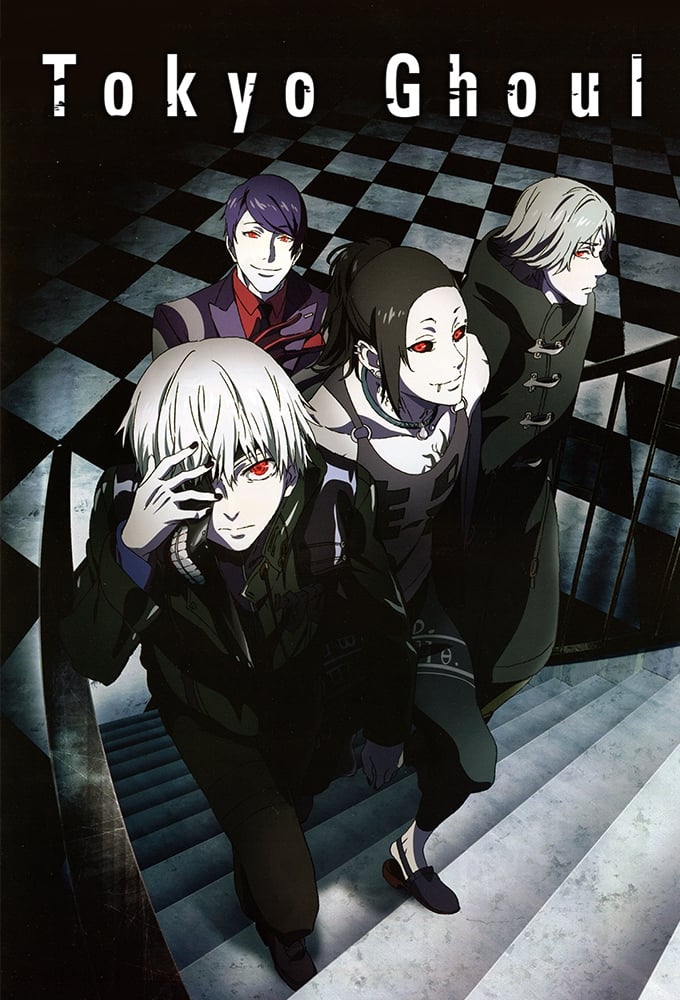
The biological distinctiveness of ghouls inspires fans to design original kagune types and mask designs. Writers explore the underground society of ghouls and their struggle for survival. The dark urban setting provides a backdrop for gritty crime dramas and horror stories. Artists capture the tragic beauty of the series through stylized illustrations.
‘Hunter x Hunter’ (2011)
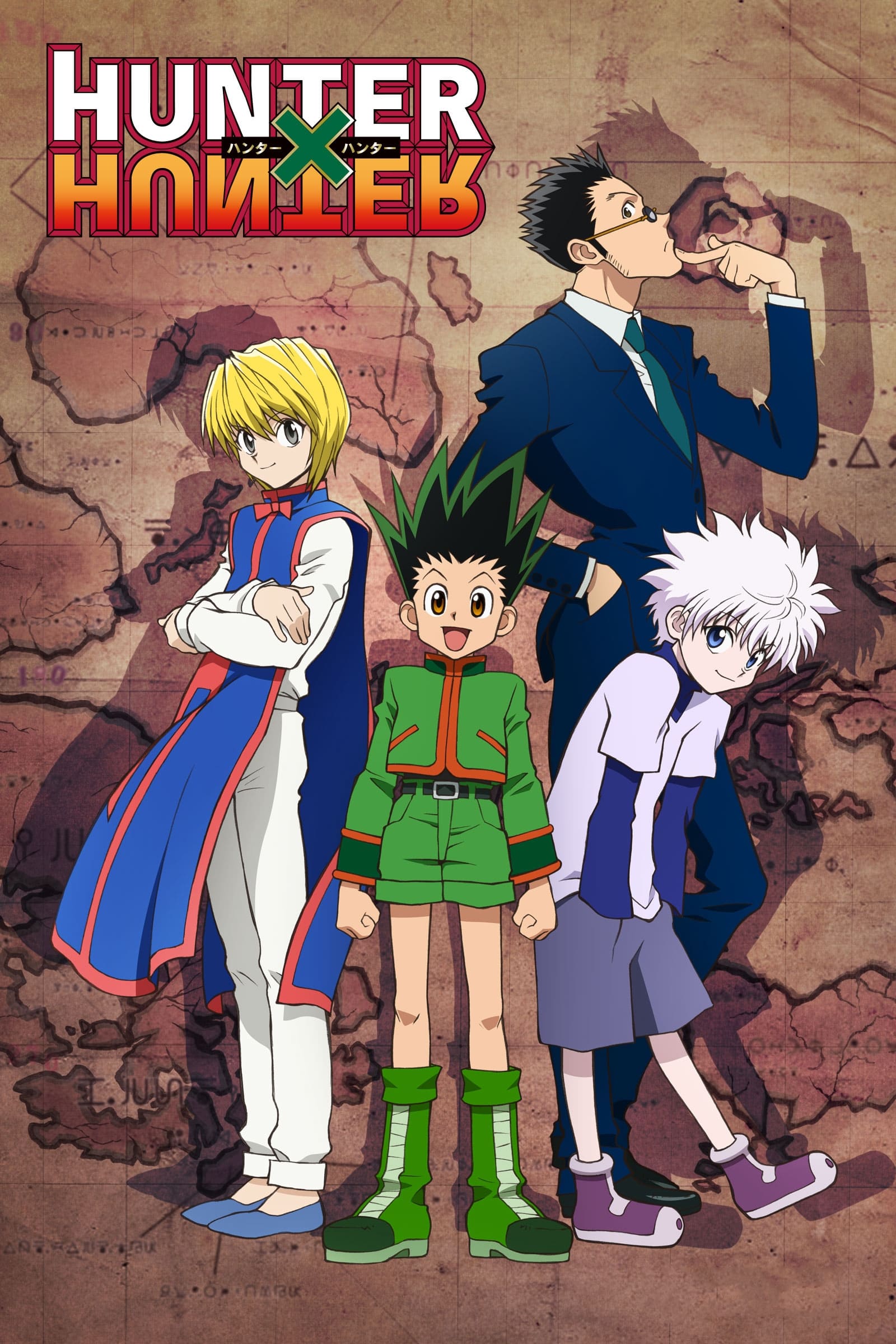
The complex Nen power system encourages fans to categorize themselves and their original characters into distinct aura types. Writers craft original hunter exams with unique challenges and puzzles. The vast and dangerous Dark Continent invites speculation and creature design. This world rewards creativity and logical consistency in fan creations.
‘Saint Seiya’ (1986)
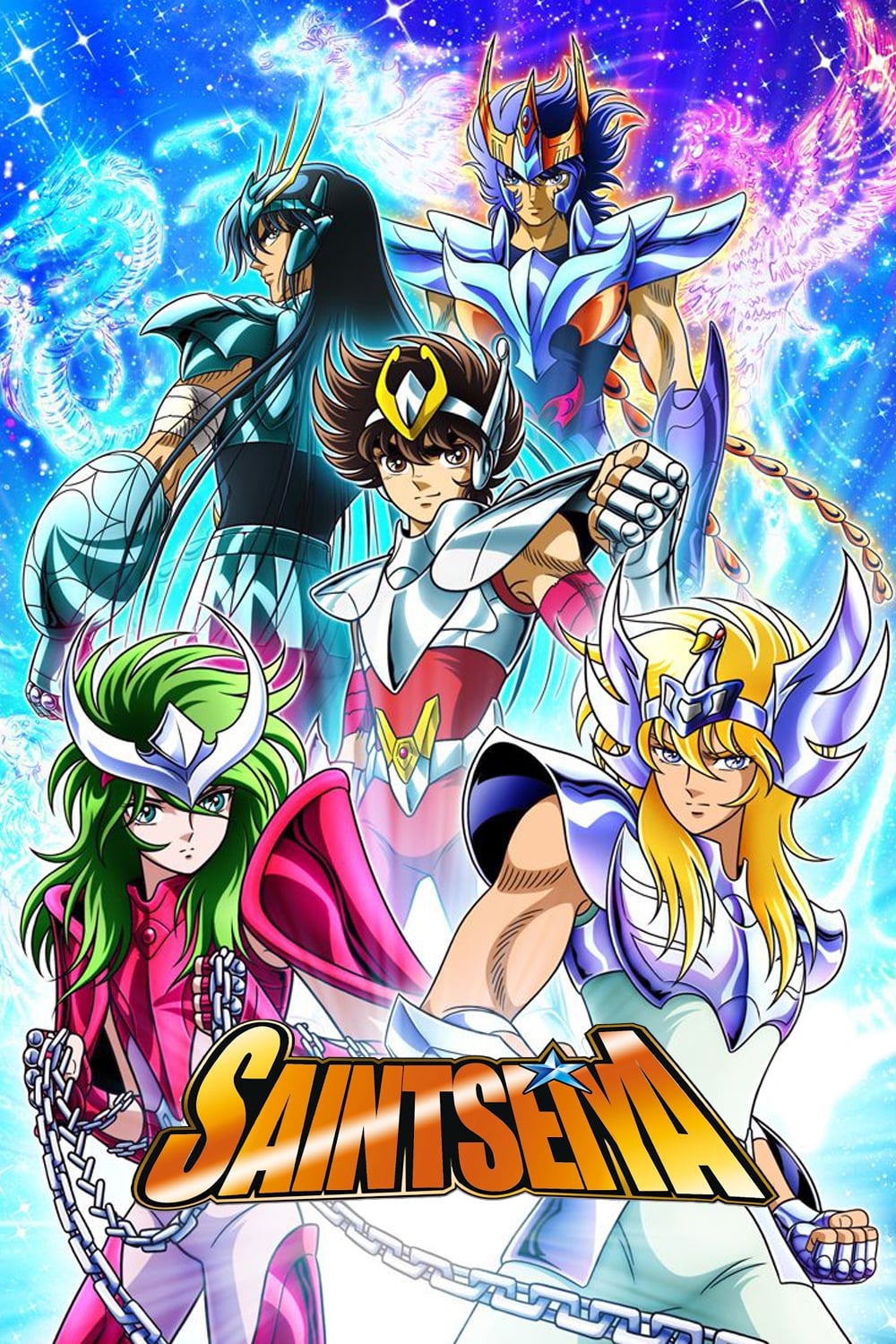
The connection to astronomy inspires fans to design armor sets based on modern constellations. Writers expand the mythology to include pantheons from other cultures and religions. The intense action and dramatic dialogue fuel passionate fan dubs and reenactments. This series maintains a loyal global following that produces high quality fan art.
‘Captain Tsubasa’ (1983)
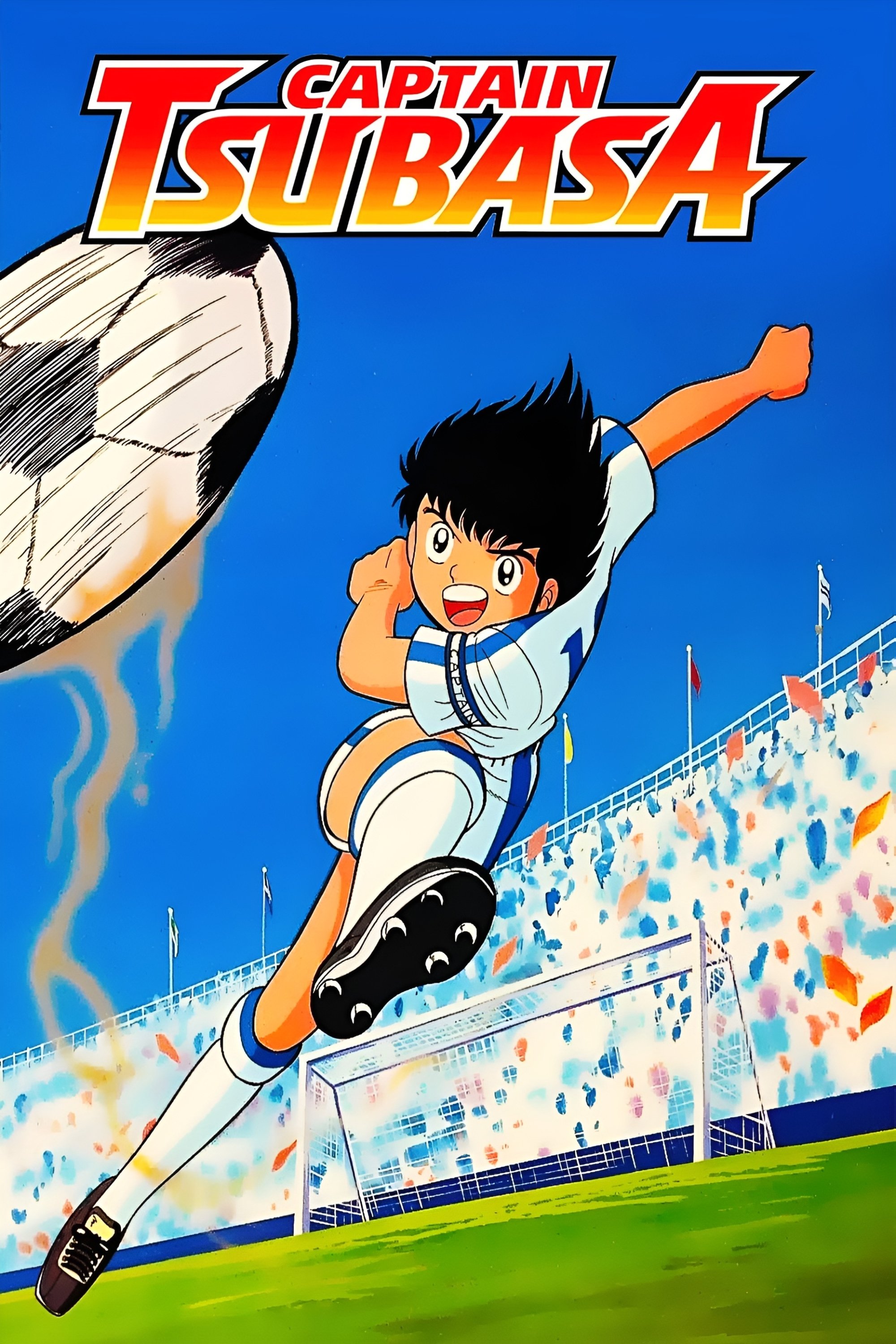
Soccer fans create original teams and tournaments within the universe of the series. Writers develop career arcs for characters as they join professional leagues around the world. The exaggerated special moves inspire animators to create their own physics defying shots. This anime played a major role in popularizing soccer culture globally.
‘Detective Conan’ (1996)
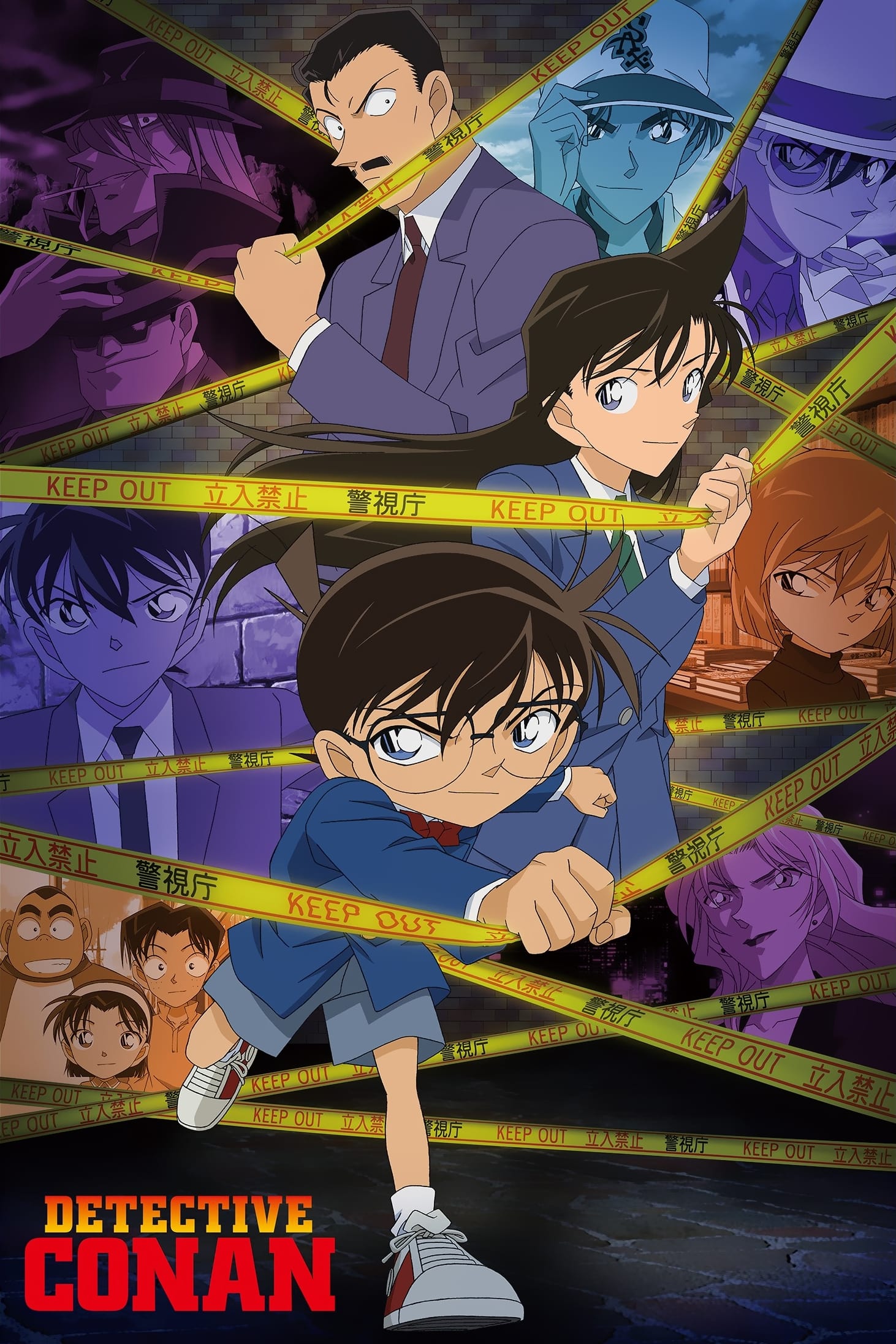
Mystery enthusiasts write original cases and locked room puzzles for the young detective to solve. The Black Organization plotline encourages theories and speculative fiction about the true identity of the villains. Writers explore the romantic subplots between the large cast of characters. The longevity of the series provides a massive amount of material for expansion.
‘Doraemon’ (1979)
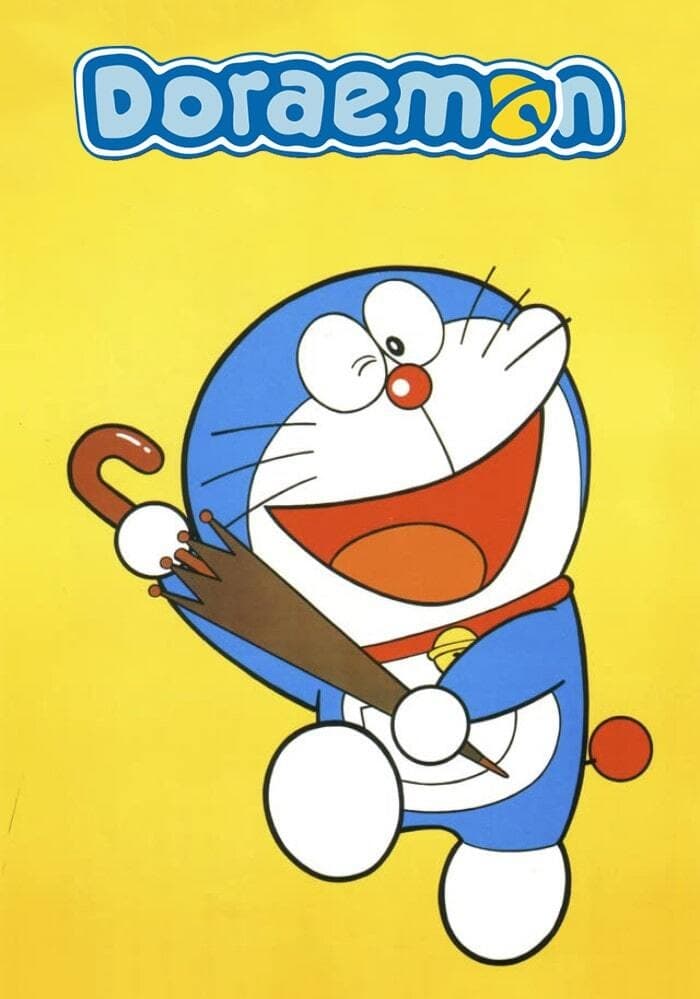
The concept of futuristic gadgets allows fans to invent imaginative tools to solve daily problems. Writers craft heartwarming stories about childhood and friendship using the established cast. The distinct art style is easily replicated by younger fans and aspiring artists. This series serves as a cultural touchstone that inspires generations of creators.
‘Ghost in the Shell’ (1995)
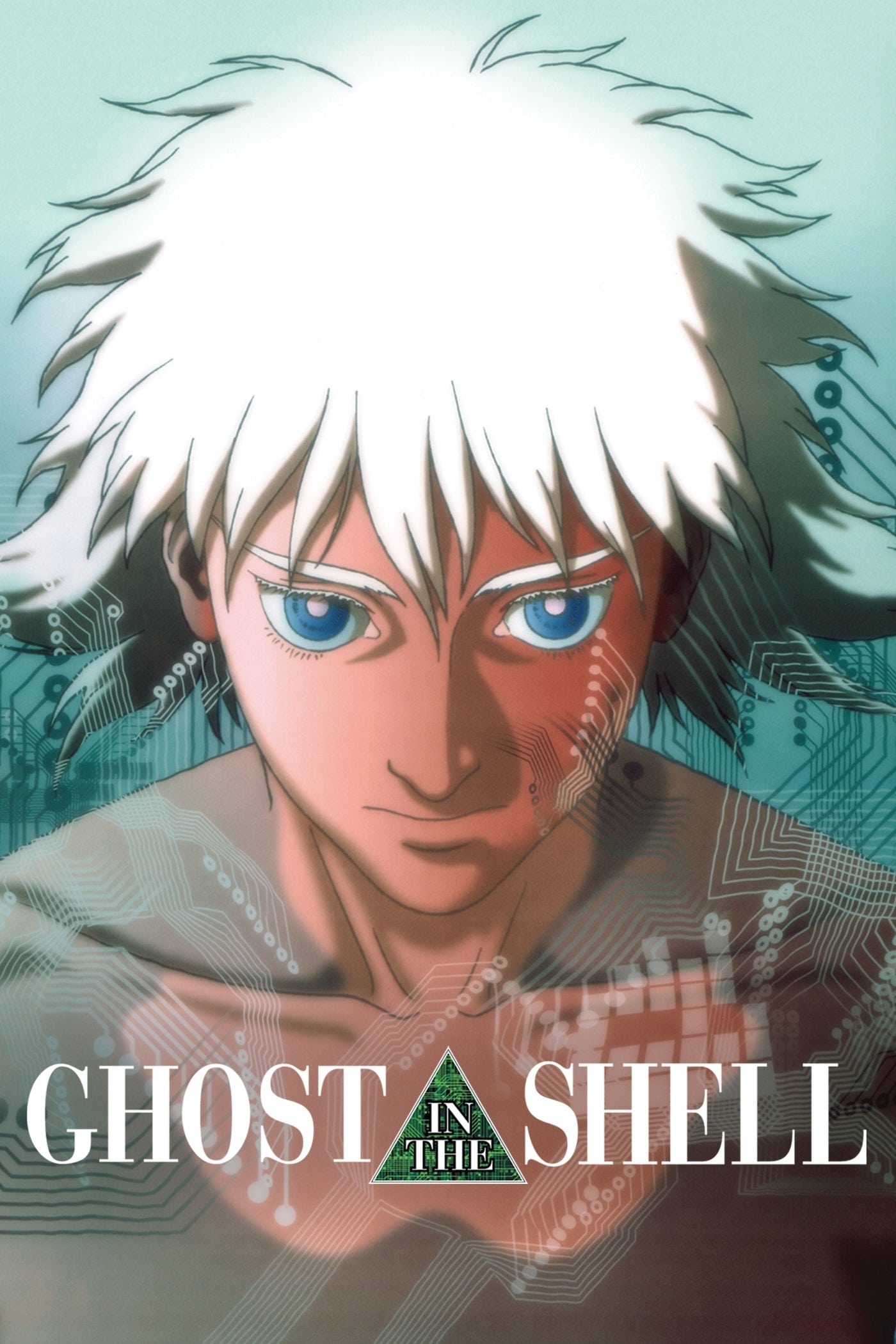
The cyberpunk setting invites fans to explore themes of transhumanism and artificial intelligence. Writers create stories focused on cyber crime investigation and political espionage. Designers create futuristic tech concepts and cyborg bodies inspired by the series. The philosophical depth of the franchise fuels academic discussions and video essays.
‘Cowboy Bebop’ (1998)
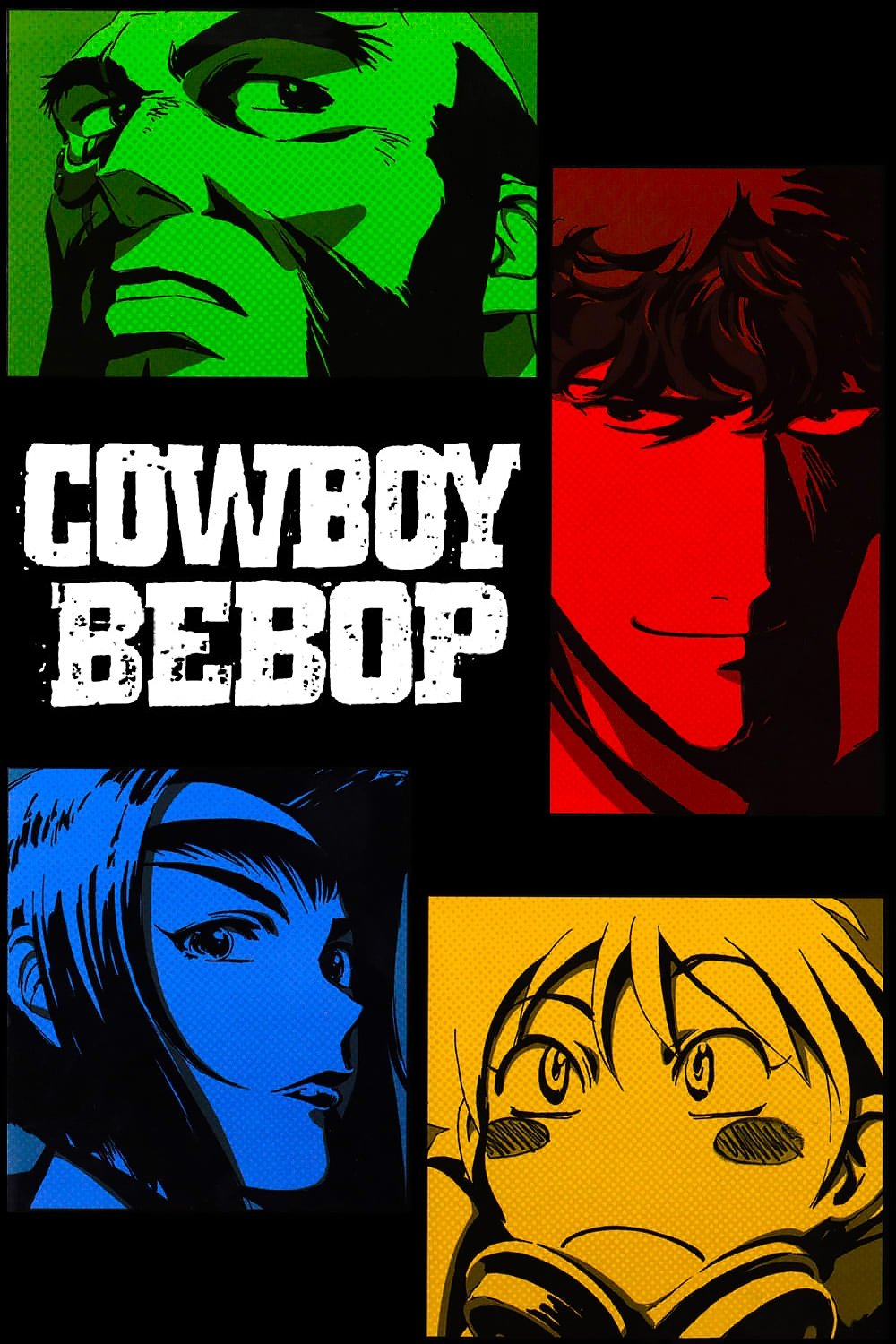
The fusion of western and noir genres inspires fans to write gritty bounty hunter adventures. Musicians create jazz and blues covers of the iconic soundtrack. Artists design original spaceships and planets within the colonized solar system. The episodic nature of the show allows for seamless insertion of fan made narratives.
‘FLCL’ (2000)
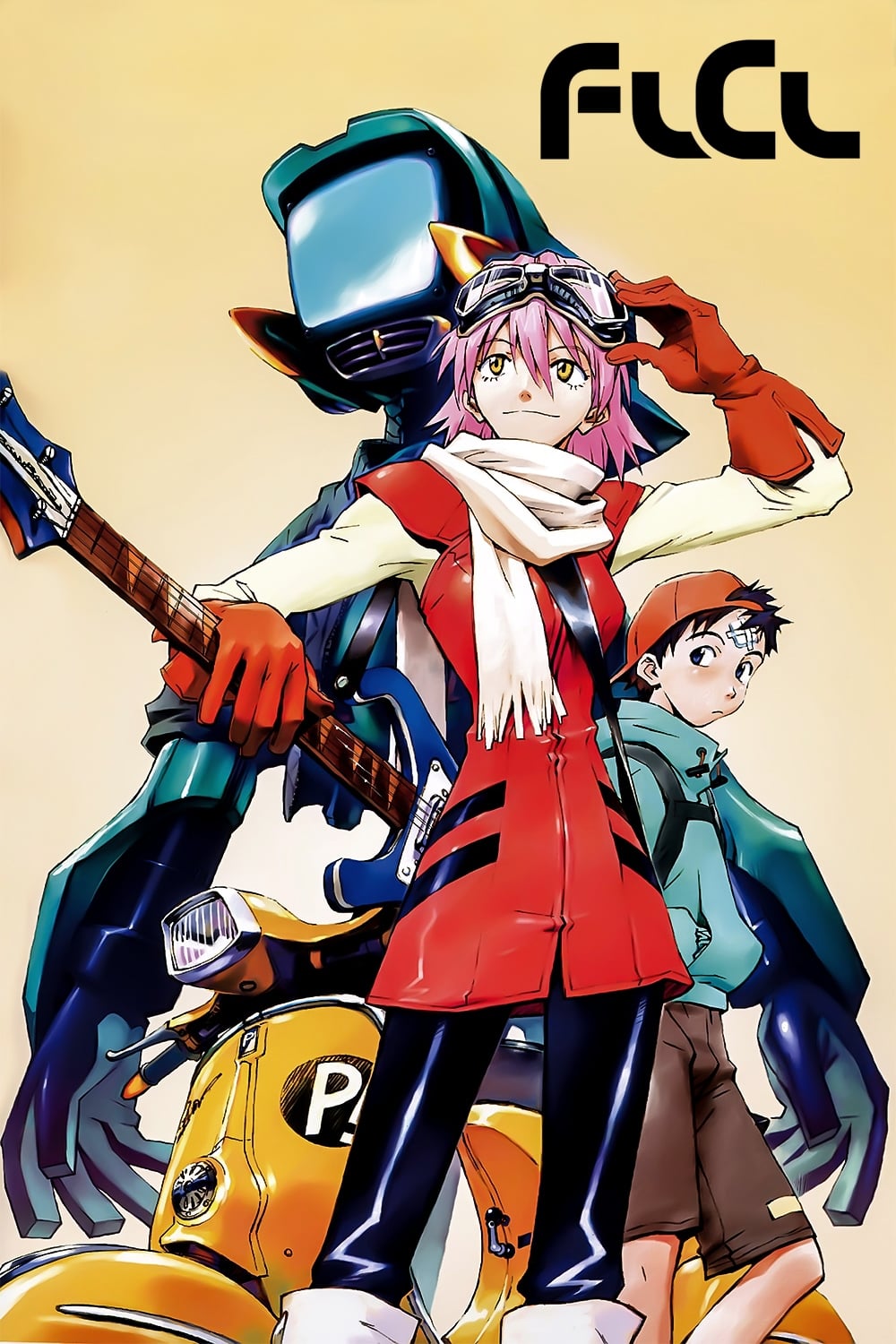
The chaotic visual style inspires animators to experiment with mixed media and rapid editing. Writers attempt to capture the coming of age themes through surreal and symbolic storytelling. The rock soundtrack culture surrounding the show leads to fan bands and music videos. This series encourages abstract and experimental creative expression.
‘The Melancholy of Haruhi Suzumiya’ (2006)
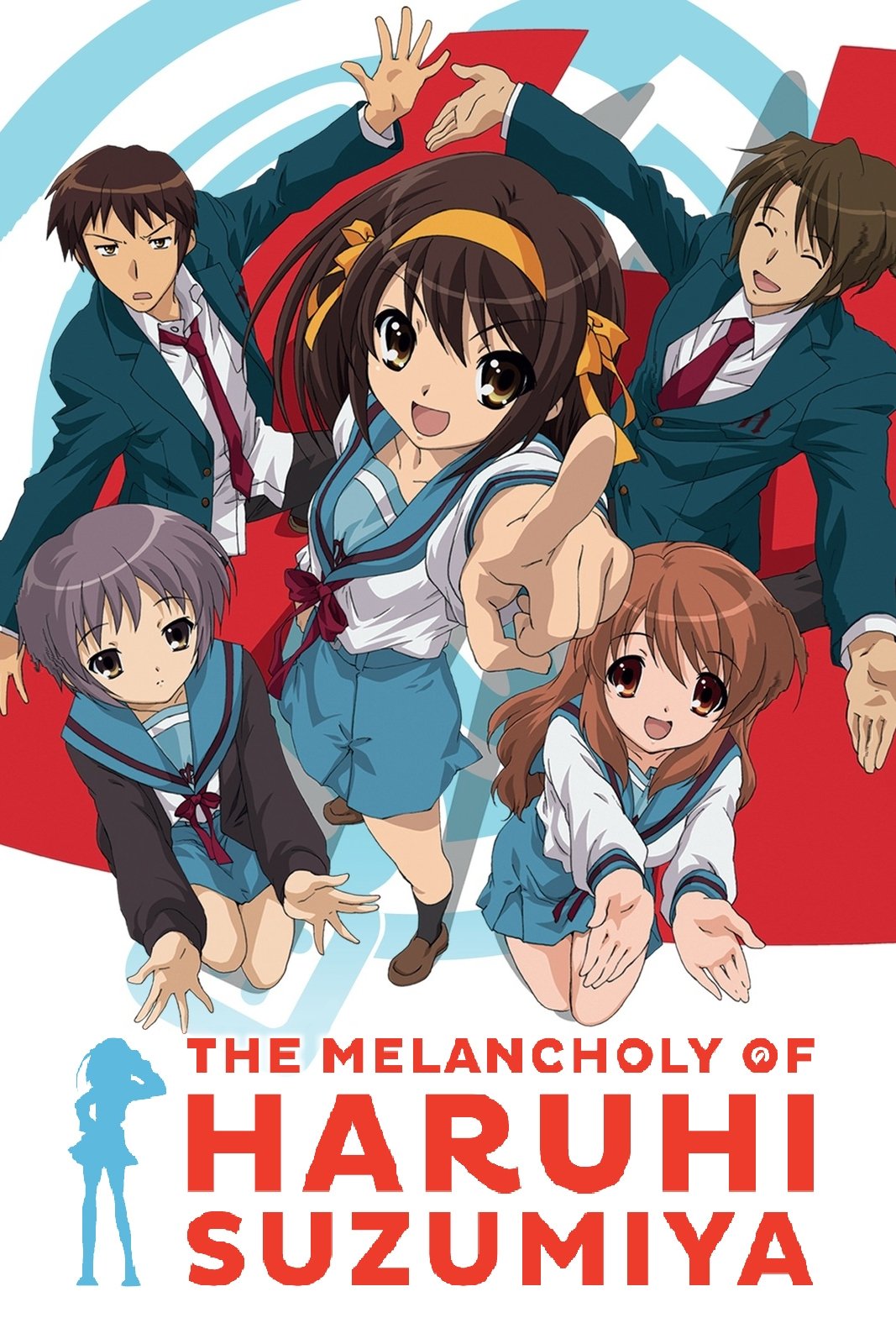
The meta fictional elements of the story encourage fans to blur the line between reality and fiction. Enthusiasts organize flash mobs to perform the famous dance sequence from the ending theme. Writers explore the consequences of reality warping powers in mundane settings. This franchise pioneered many aspects of modern online fan culture.
‘K-On!’ (2009)
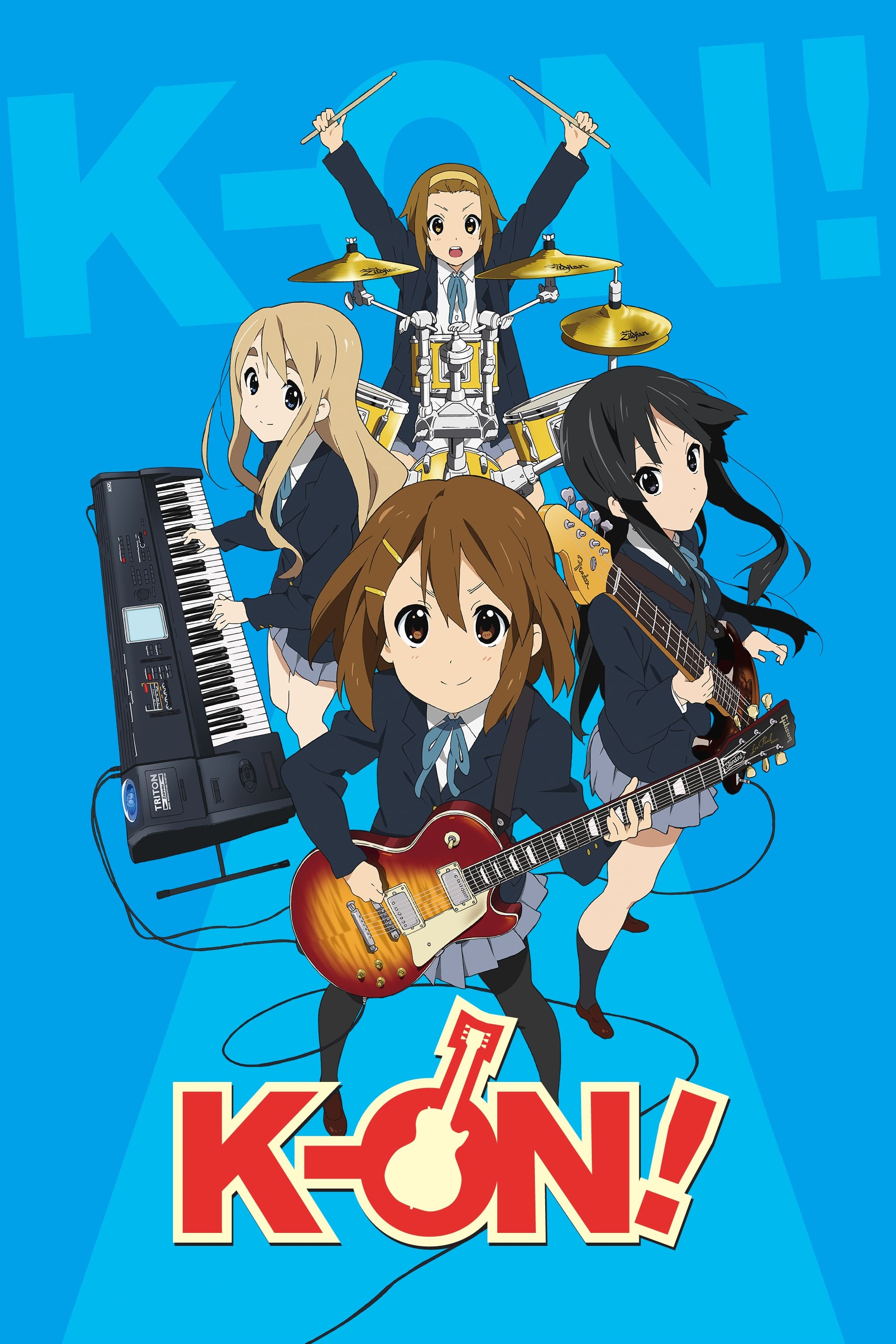
Music lovers form real bands to cover the songs performed by the characters. Artists draw original instruments and band merchandise inspired by the show. Writers craft slice of life stories about the characters attending university or adulthood. The Kyoto Animation art style heavily influences the aesthetic of moe fan art.
‘Legend of the Galactic Heroes’ (1988)
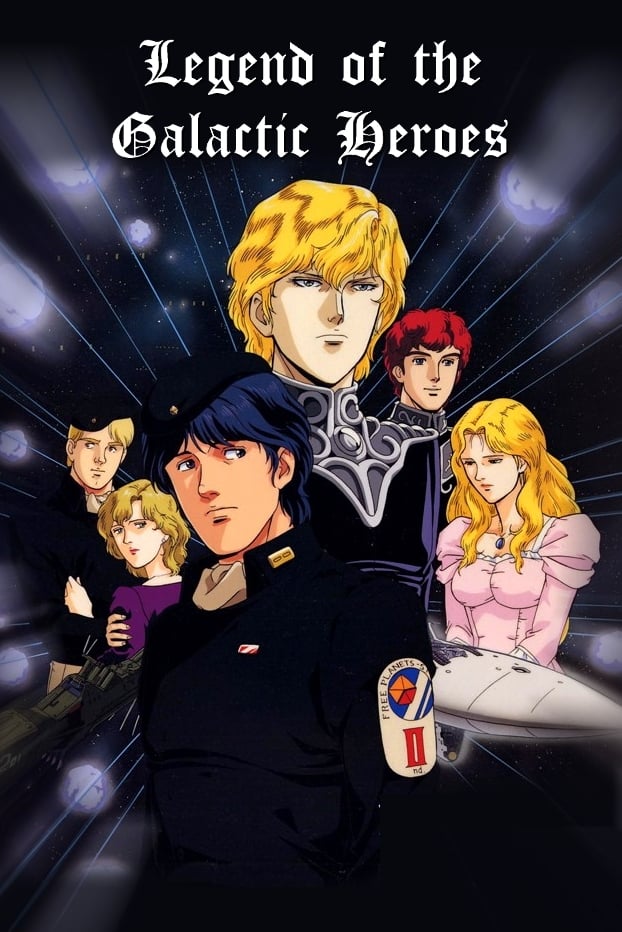
History buffs treat the series as a real historical record and write detailed tactical analyses. Writers expand the lore by detailing minor battles and political maneuvers. The focus on strategy and philosophy inspires intellectual discussions and roleplay. This series attracts a mature fanbase dedicated to complex world building.
‘Berserk’ (1997)
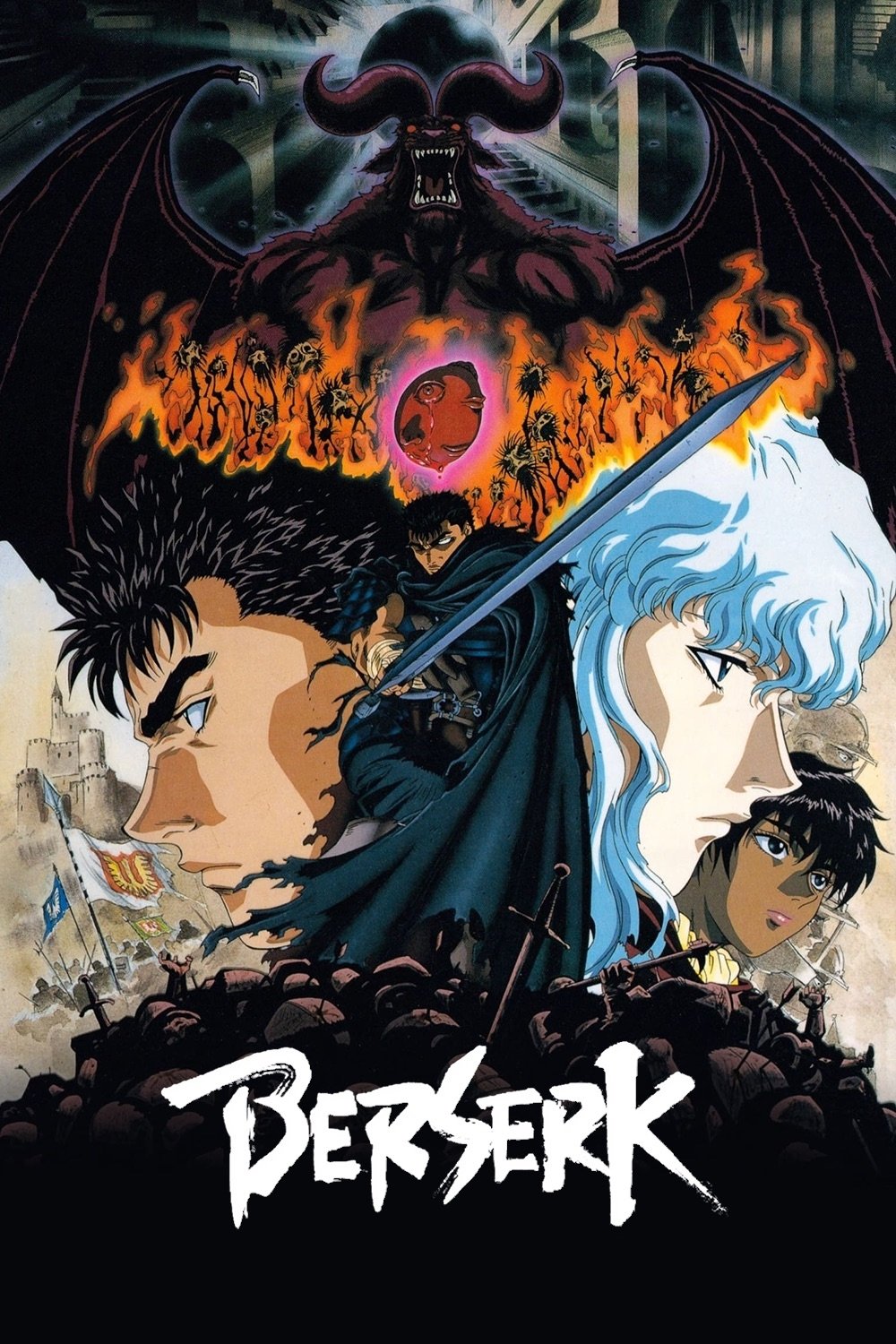
Artists attempt to replicate the incredibly detailed line work of Kentaro Miura in their tributes. The dark fantasy setting inspires fans to create grim stories about survival and causality. Motion comic creators animate panels from the manga to fill the gaps left by anime adaptations. The tragic narrative resonates deeply with creators who explore themes of struggle.
‘Initial D’ (1998)
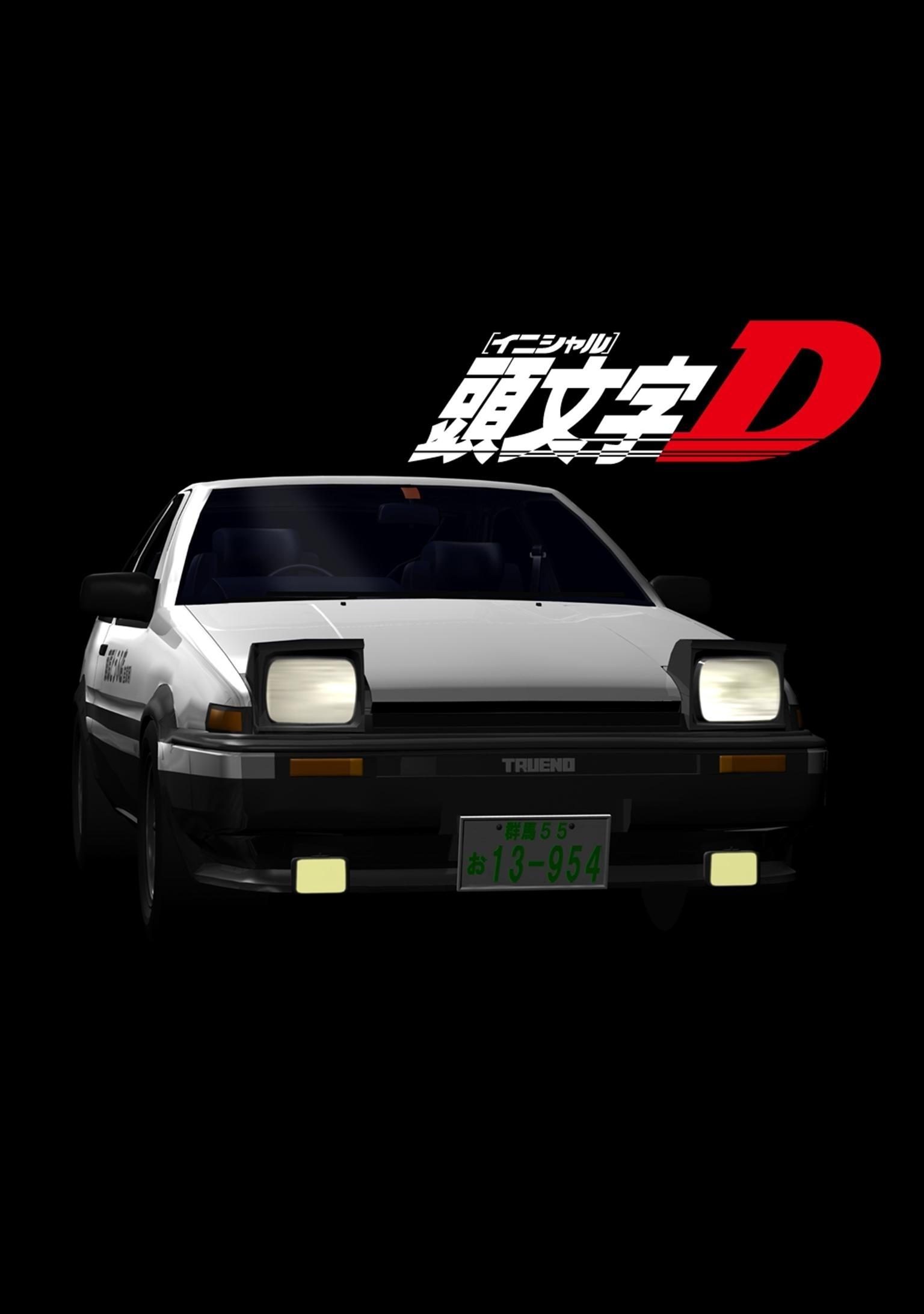
Car enthusiasts replicate the drift techniques and vehicle modifications seen in the series. Eurobeat music producers create original tracks that fit the high speed racing atmosphere. Gamers build simulation rigs to experience the mountain passes virtually. The series serves as a gateway for many fans into real automotive culture.
‘Cardcaptor Sakura’ (1998)
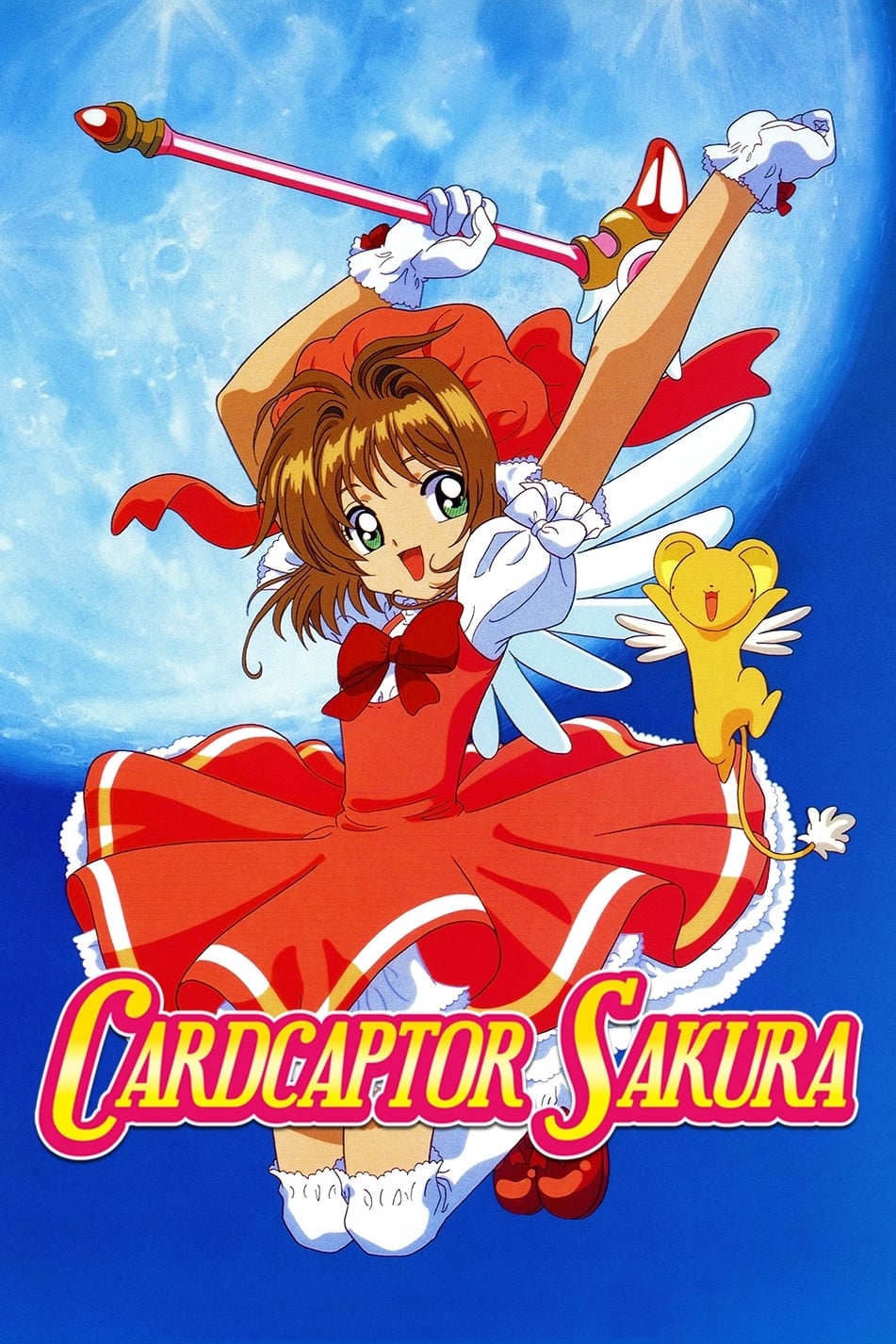
Fans design original Clow Cards with unique magical effects and personalities. Costume makers recreate the endless wardrobe of battle outfits featured in the show. Writers explore the future of the characters as they master their magical abilities. The clamp art style inspires delicate and intricate fan illustrations.
‘Inuyasha’ (2000)

The feudal fairy tale setting inspires fans to research Japanese history and folklore. Writers craft romance stories that explore the relationships between demons and humans. The time travel element allows for narratives that bridge the past and present. This series maintains a strong community of fan fiction writers.
‘Ranma 1/2’ (1989)
The martial arts comedy premise encourages fans to invent new cursed springs and fighting styles. Writers explore the chaotic relationships and gender bending hijinks of the cast. The blend of action and humor inspires lighthearted fan comics. This series is a staple for creators who enjoy slapstick and romance.
‘Urusei Yatsura’ (1981)

The alien invasion comedy setup allows for endless episodic adventures. Artists mimic the retro aesthetic of the eighties in their character tributes. Writers explore the absurd daily life of Ataru and Lum through humor. This franchise established many tropes that fans continue to utilize today.
‘Fist of the North Star’ (1984)

The post apocalyptic setting inspires fans to design original martial arts schools and wasteland warlords. Gamers create mods that bring the ultra violent combat to various fighting engines. The dramatic catchphrases and manly tears are frequently parodied and referenced. This series defines the aesthetic of eighties masculine anime for many creators.
‘City Hunter’ (1987)
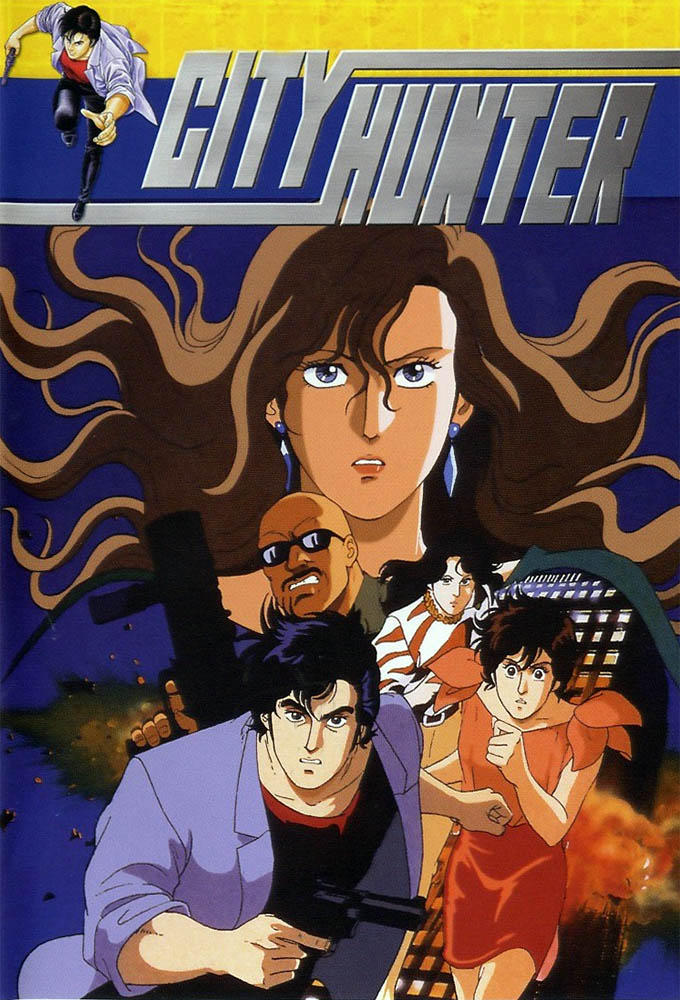
The hardboiled detective genre inspires fans to write noir stories set in the bustle of Shinjuku. Musicians create synth pop tracks that evoke the urban atmosphere of the series. Artists focus on the stylish fashion and gun designs characteristic of the era. The mix of action and comedy provides a versatile template for fan works.
‘Gintama’ (2006)
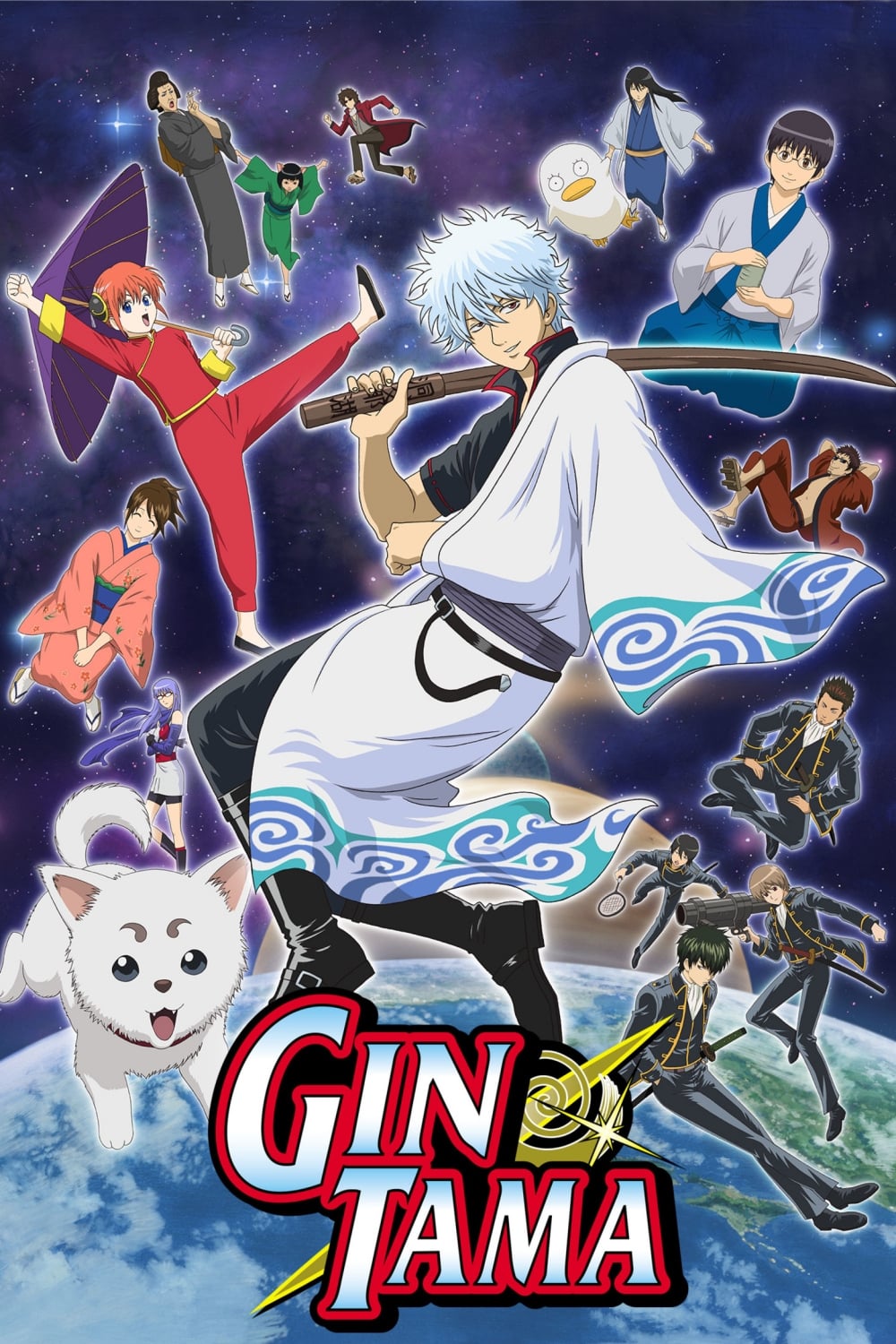
The meta humor of the series encourages fans to break the fourth wall in their own creations. Writers place the characters in other anime worlds for comedic crossover stories. The historical science fiction setting allows for absurd and creative scenarios. This fanbase embraces the chaotic and parody focused nature of the source material.
‘Violet Evergarden’ (2018)
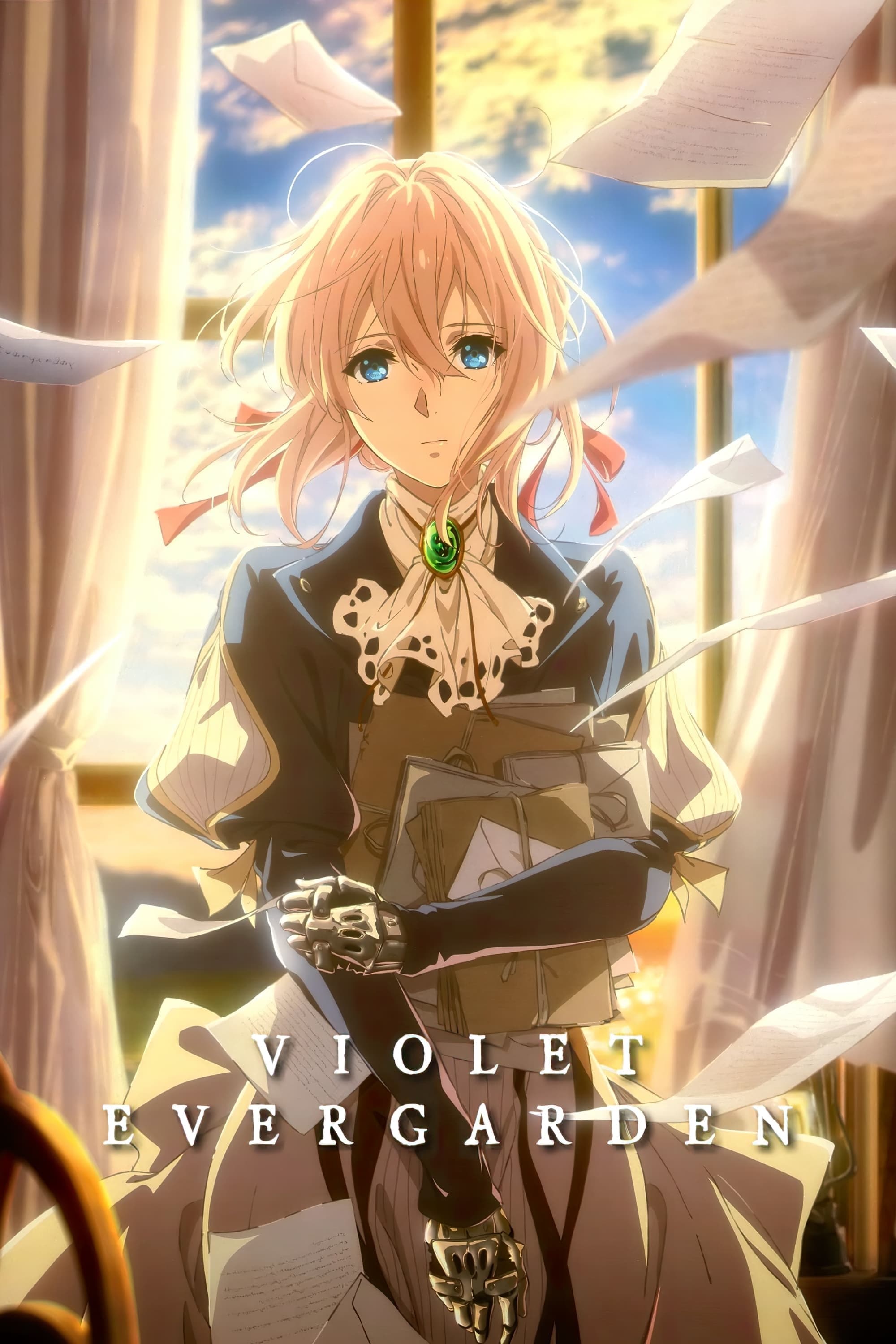
The focus on letter writing inspires fans to compose emotional epistles from the perspective of the characters. Artists strive to match the breathtaking visual quality of the animation in their paintings. Writers explore the post war setting and the healing process of the cast. The emotional themes of the story resonate with creators focused on drama.
‘Akira’ (1988)
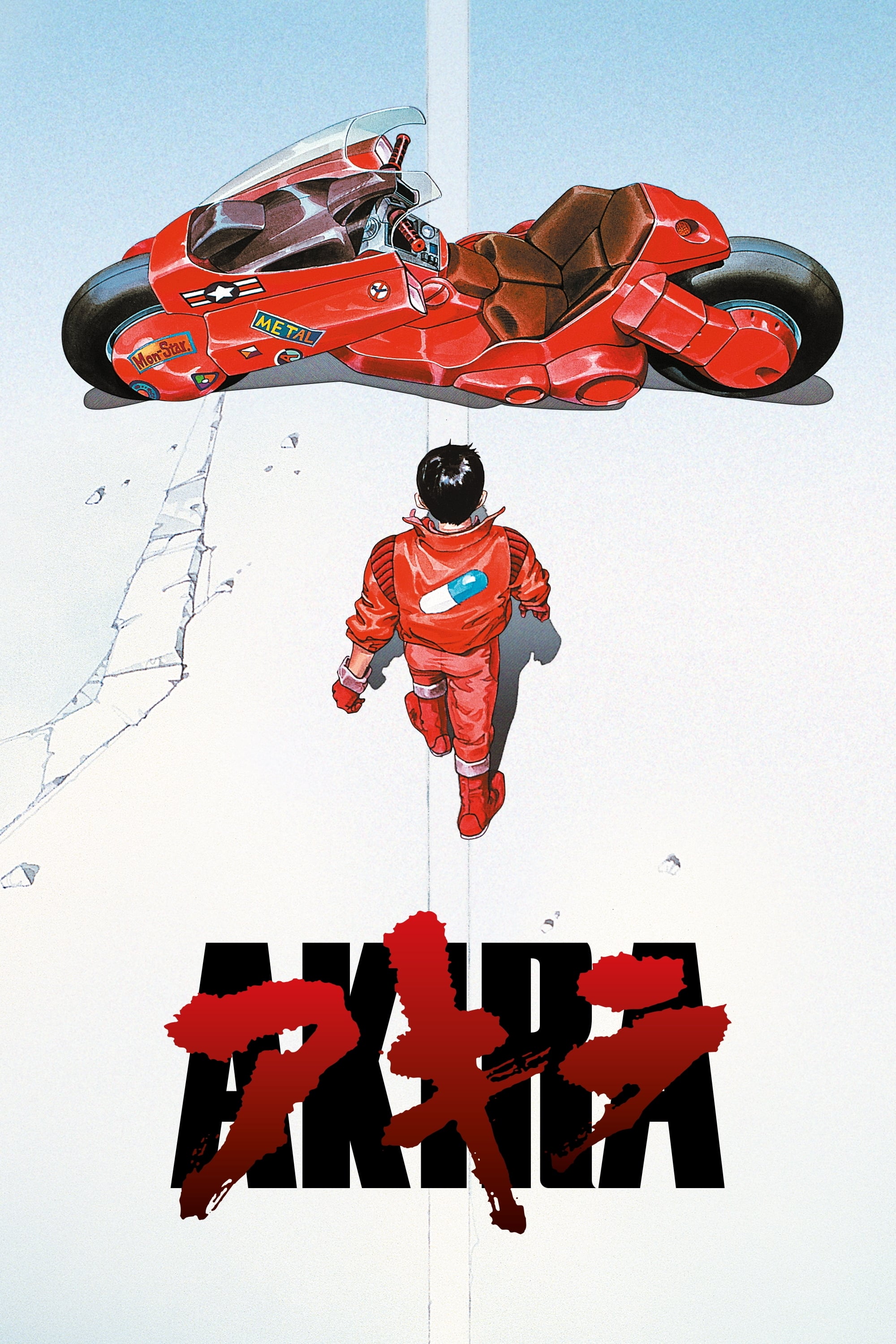
The cyberpunk aesthetic of Neo Tokyo influences countless artists and graphic designers. Musicians sample the geinoh yamashirogumi soundtrack to create atmospheric electronic music. Writers explore the societal collapse and psychic phenomena depicted in the film. The iconic bike slide is one of the most reanimated scenes in fan animation history.
Tell us which anime world you think has the most creative fan expansion in the comments.