

Anime Worlds You’d Actually Want To Live In

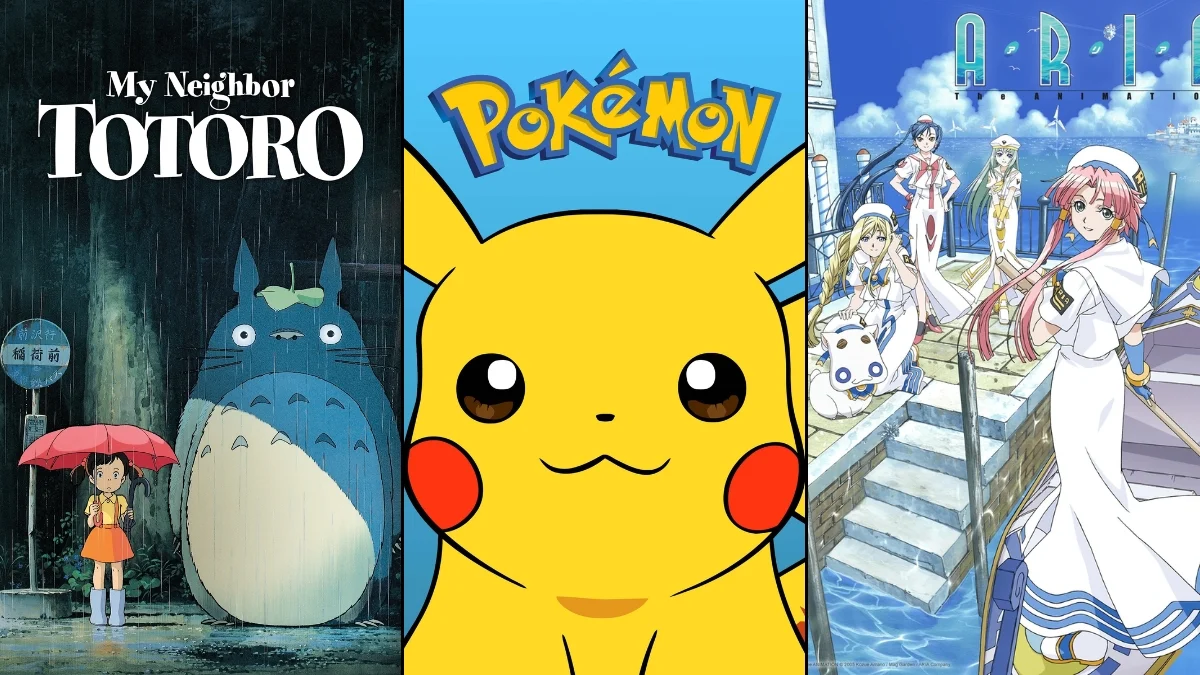


From near-future canal cities to tranquil rural towns, anime has built out settings that feel lived-in, organized, and full of everyday detail. Below is a tour of 25 distinct worlds as depicted on screen—where they are, what defines them, who made them, and how the shows and films portray daily life in those places. Titles are listed with their release years and the focus stays on verifiable, on-screen facts about the settings and productions.
‘Aria’ (2005–2008)

Set on Aqua, a terraformed Mars patterned after Venice, ‘Aria’ follows gondoliers working in Neo-Venezia’s maze of canals and stone bridges. The TV seasons—’Aria the Animation’, ‘Aria the Natural’, and ‘Aria the Origination’—were produced by Hal Film Maker and focus heavily on city infrastructure, water transit, and seasonal events. Background art emphasizes public squares, glass workshops, and transit timetables, with episodes built around training, licensing exams, and guided tours. The franchise also includes later OVAs and films that expand municipal life and guild structures across the city.
‘Kiki’s Delivery Service’ (1989)
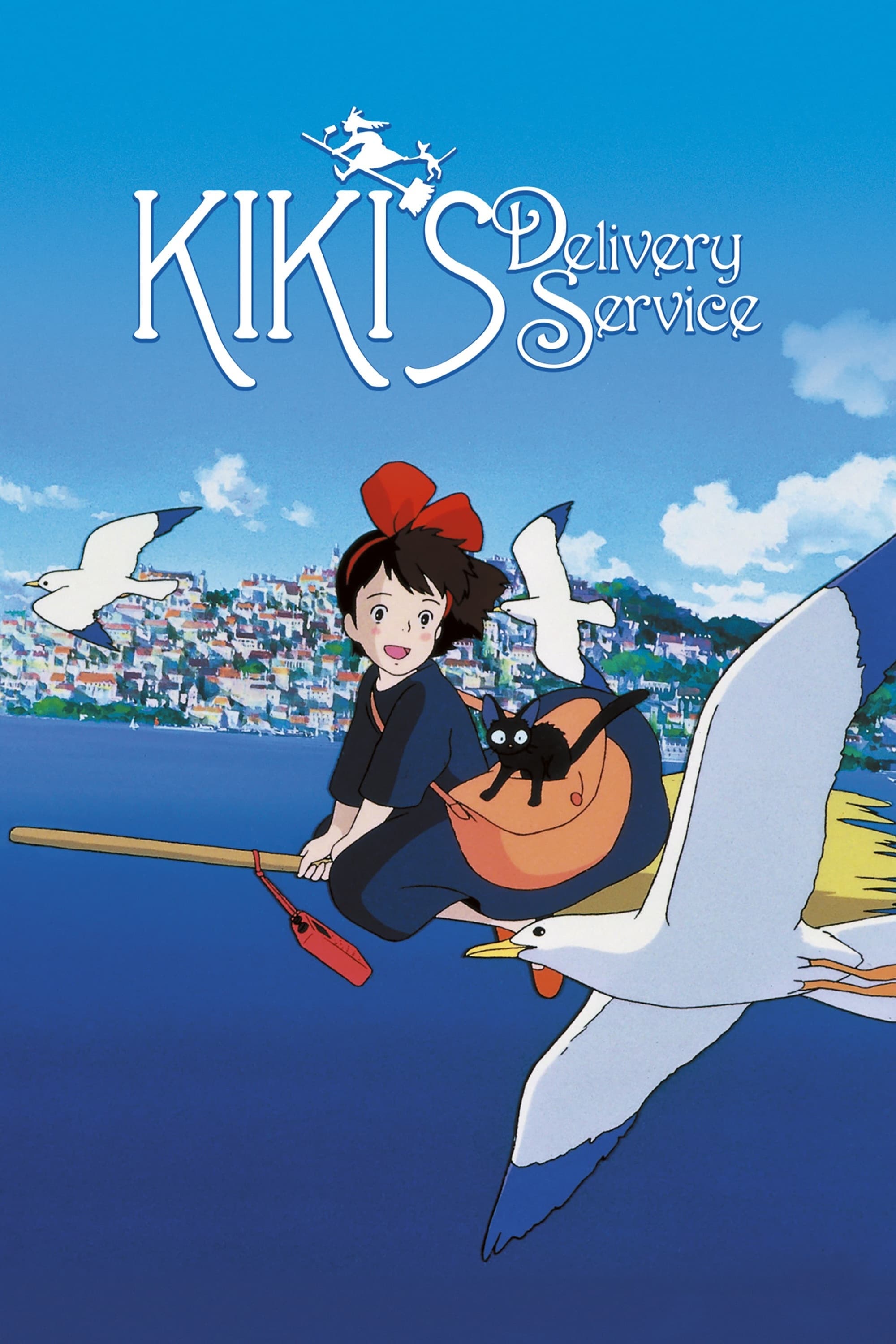
Studio Ghibli’s film presents a coastal European-inspired city named Koriko, mapped with trams, bakeries, and a working harbor. The plot tracks a flying courier service operated by a young witch, detailing air traffic considerations, delivery logistics, and storefront culture. Urban planning details—like clock towers, terraced streets, and pedestrian zones—are depicted through extended cityscapes. Production art references Scandinavian and Mediterranean architecture to ground the setting’s signage, vehicles, and shop interiors.
‘My Neighbor Totoro’ (1988)
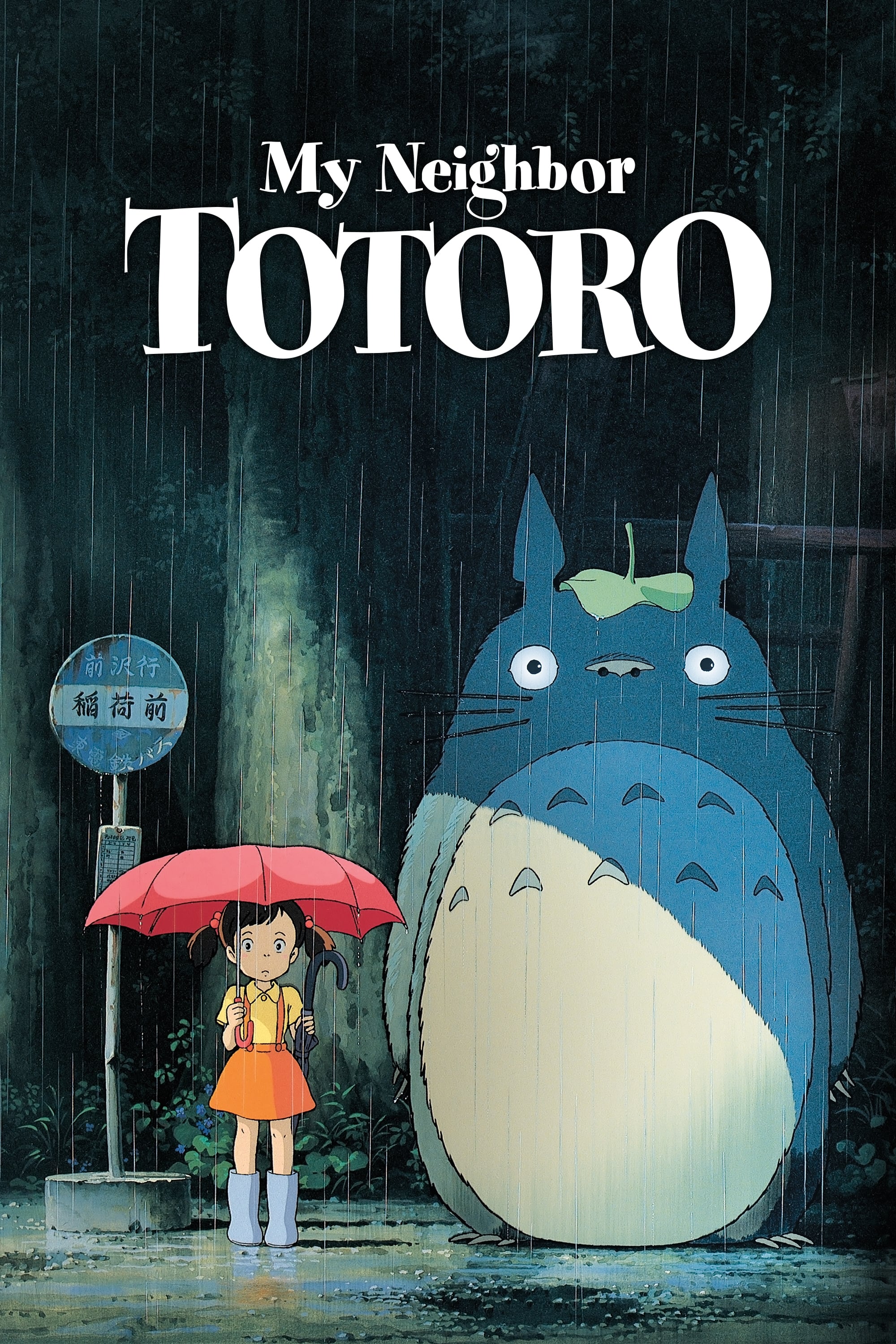
This Studio Ghibli film depicts postwar rural Japan, centering on a family’s move to an old house near paddy fields and small shrines. Scenes document bus routes, one-room schools, and community practices such as hospital visiting hours and neighborhood searches. The film’s environmental details include camphor trees, rain patterns, and household tools, presented with minimal fantastical alteration. The setting uses real-world agricultural schedules and village layouts to frame daily routines.
‘Laid-Back Camp’ (2018–2021)

The TV series from C-Station charts high-schoolers camping across Yamanashi and surrounding prefectures, with episodes naming specific campgrounds, route numbers, and hot springs. It features checklists for gear, campsite etiquette, and weather checks, often displaying costs and facility maps on-screen. Local cuisine and tourist information centers are incorporated as waypoints in itineraries. Later seasons and a film extend the travel radius to coastal and highland locations while retaining real-world place names.
‘Flying Witch’ (2016)
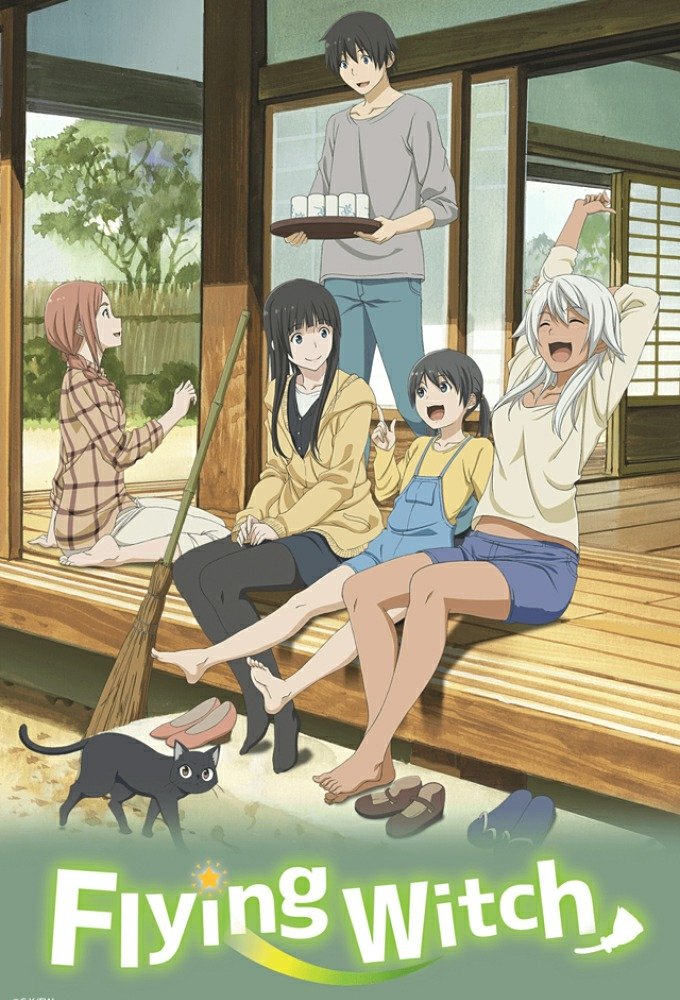
Set in Hirosaki, Aomori Prefecture, this series integrates everyday magic into a recognizable Japanese cityscape of apple orchards, shopping streets, and bus stops. Episodes use actual seasonal markers like cherry blossom forecasts and school calendars. The anime spends time in kitchens, markets, and farms, outlining routines such as license renewals and part-time jobs. Backgrounds include labeled maps and storefronts that mirror regional architecture.
‘Non Non Biyori’ (2013–2021)
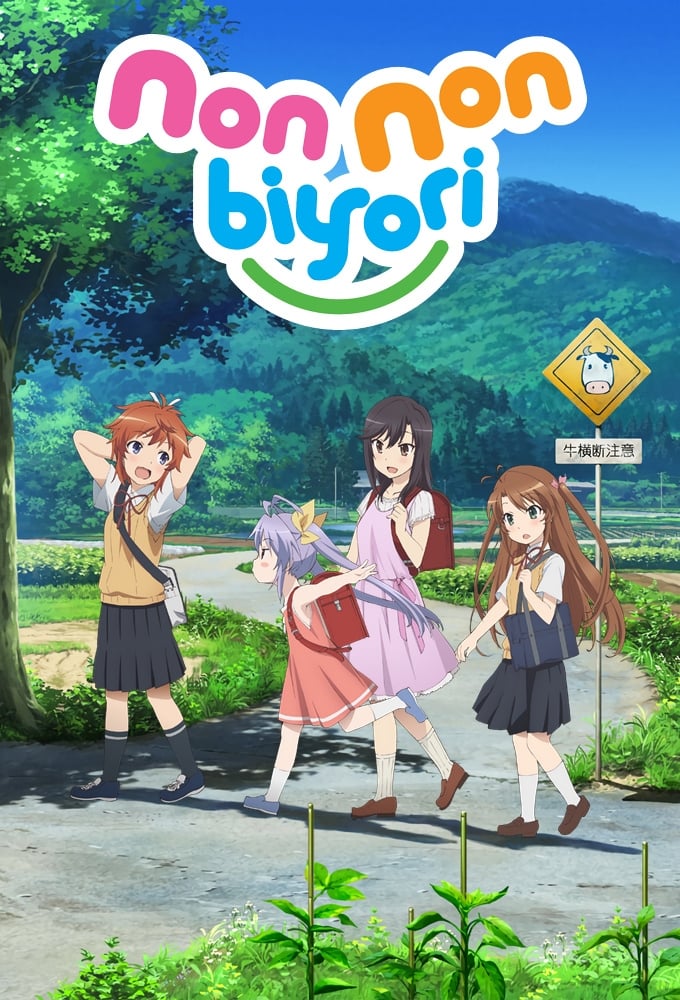
This rural-school slice-of-life series portrays a sparsely populated countryside with a single combined elementary-middle school class. Scenes document commuting by bicycle on narrow lanes, rice planting, and seasonal festivals with specific local customs. Multiple seasons and a film revisit the same locations to show changes across years, including class promotions and departures. The production references actual Chichibu area landscapes for bridges, fields, and shrines.
‘Natsume’s Book of Friends’ (2008–2017)
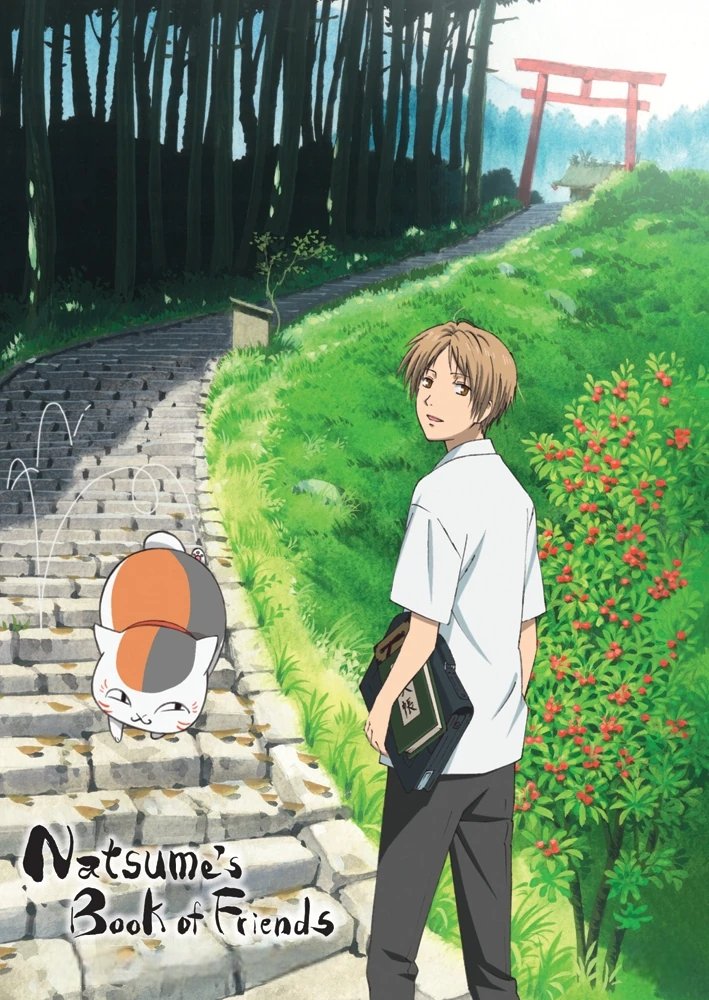
The show centers on small-town Kyushu settings with wooden homes, local trains, and wooded shrines. While supernatural elements are present, episodes ground themselves in real community fixtures like libraries, school clubs, and family registers. Recurring locations—riverbanks, clinics, and rural roads—anchor self-contained stories about returning items, maintaining household altars, and visiting relatives. Subsequent seasons retain the same geographic markers and supporting cast tied to the town’s layout.
‘Tamako Market’ (2013)

Kyoto Animation’s series maps life inside the Usagiyama Shopping District, a covered arcade with independent vendors and shared event spaces. The production features storefronts for mochi, florists, and record shops, and shows cooperative promotions and seasonal decorations. School, home, and market are walking-distance, with streets and stairways modeled on Kyoto neighborhoods. A follow-up film expands on the district’s calendar and local festival planning.
‘Barakamon’ (2014)
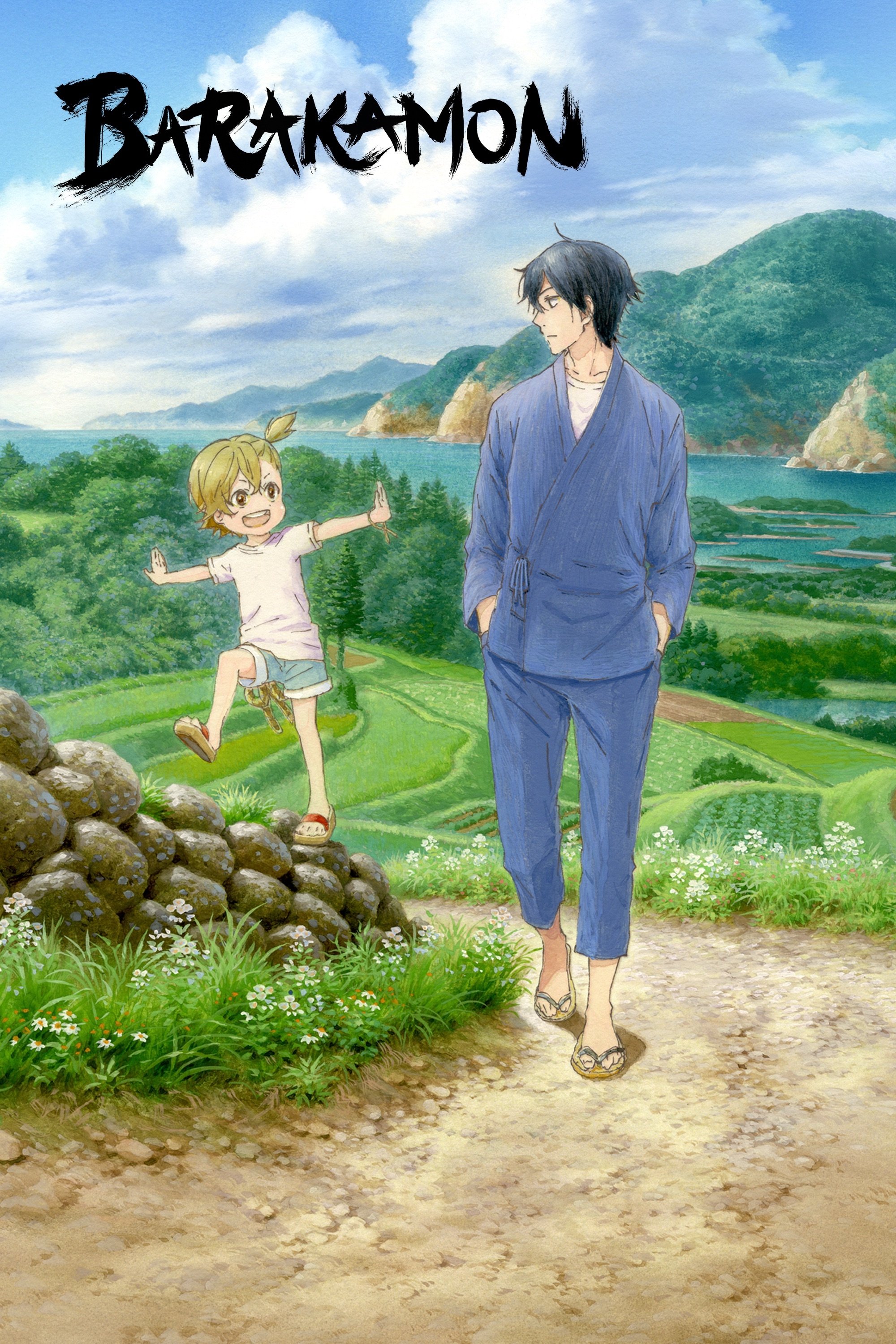
Set on the Goto Islands in Nagasaki Prefecture, this series revolves around island logistics, including ferry schedules, dialects, and community reliance on shared resources. School events, fishing spots, and unpaved paths are repeatedly shown with consistent geography. Episodes cover rural communication practices like house calls, loudspeaker announcements, and neighbor drop-ins. Real island scenery informs the background art, including stone walls and coastal vegetation.
‘Whisper of the Heart’ (1995)
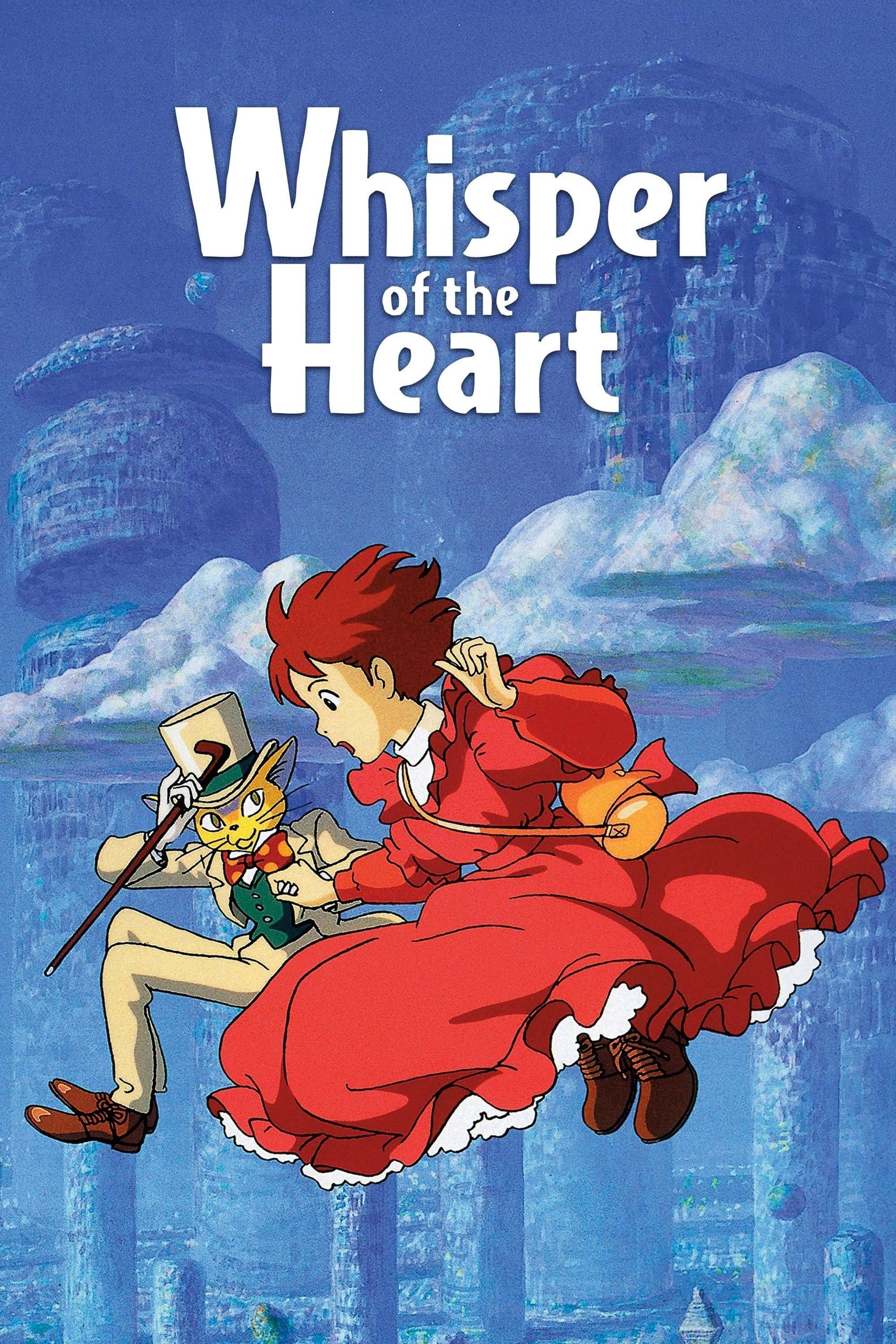
This Studio Ghibli film uses western Tokyo suburbia—library systems, junior-high commutes, and neighborhood stairways—as its stage. Key sequences take place in a violin workshop, depicting apprenticeship routines and instrument repair. The film’s urban layout includes railway lines, quiet residential streets, and hilltop viewpoints used to track character movement. Production materials highlight actual station signage and bus routes to situate the narrative.
‘From Up on Poppy Hill’ (2011)
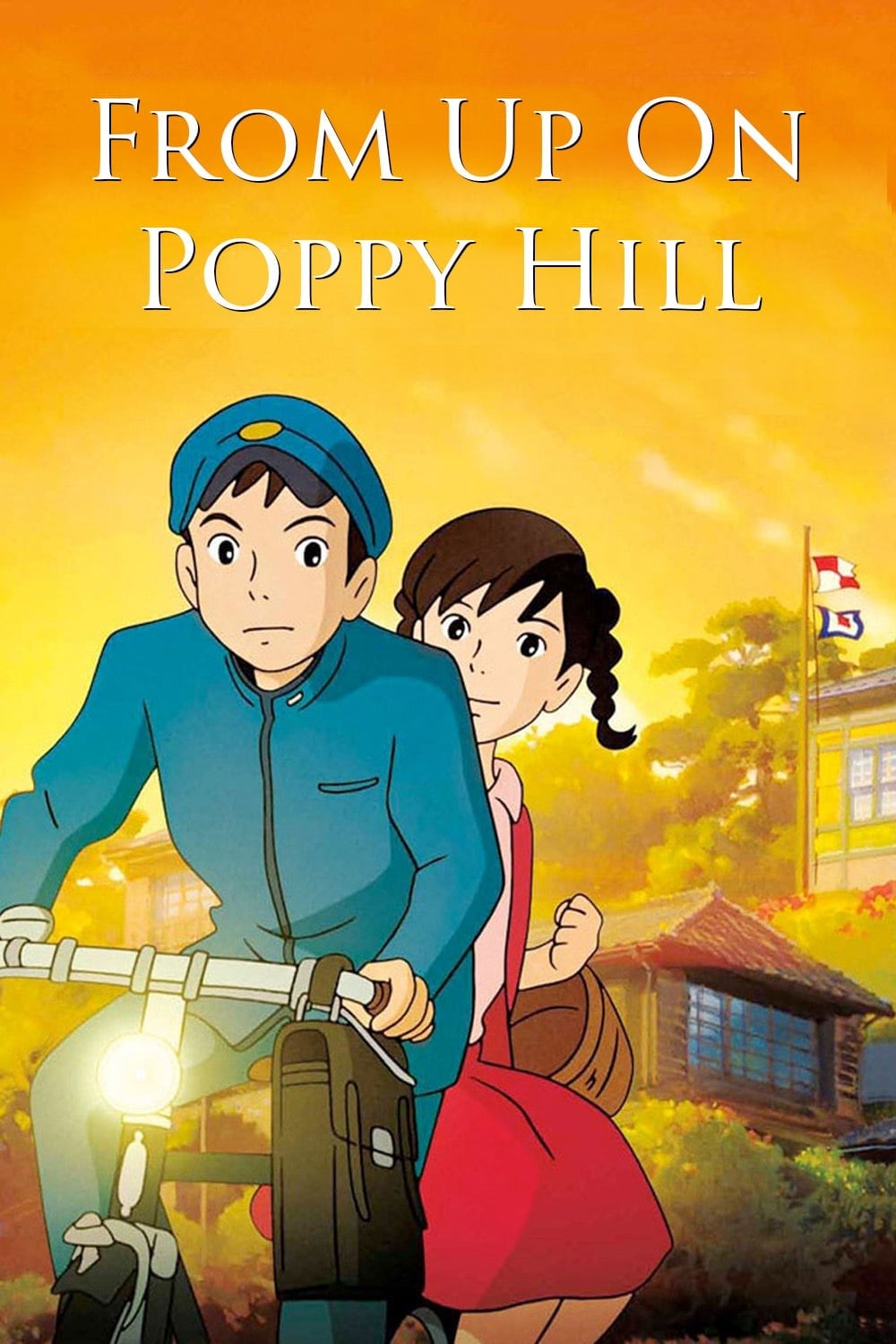
Set in Yokohama in the early 1960s, the film focuses on a hillside boarding house and a student clubhouse slated for demolition. Port operations, hillside tramways, and pre-Olympic urban development appear in background scenes. Student newspapers, restoration meetings, and school governance are depicted through club activities and assemblies. The film’s art direction reproduces period-accurate signage, streetcars, and household interiors.
‘K-On!’ (2009–2011)

Kyoto Animation’s series tracks a high-school light-music club using a dedicated practice room and school festival stages. It documents instrument purchases, studio practice routines, and live-house booking procedures. The show’s city neighborhoods are modeled after Kyoto and Toyosato, with recognizable school architecture and local shops. Music production details—lyrics notebooks, metronomes, and rehearsal schedules—are consistently featured across seasons and a film.
‘Silver Spoon’ (2013–2014)

Based on agricultural high-school life in Hokkaido, the series depicts daily farm operations such as milking, egg grading, and crop rotation lectures. Dorms, club barns, and processing rooms are laid out with clear workflows. Episodes cover certifications, internships, and auctions, showing how students interact with regional food supply chains. Seasonal differences—snow management, calving, and harvests—structure the school calendar.
‘Pokémon’ (1997–2023)

Across multiple TV series and films, the franchise builds regions with standardized centers, gyms, and rail or ferry connections. The world includes registries for trainers, common item vendors, and contest circuits, with maps updated each generation. Long-running seasons establish consistent infrastructure like Pokémon Centers functioning as clinics and hostels. International broadcasts and games cross-reference location names and transit systems shown on screen.
‘Cardcaptor Sakura’ (1998–2000)
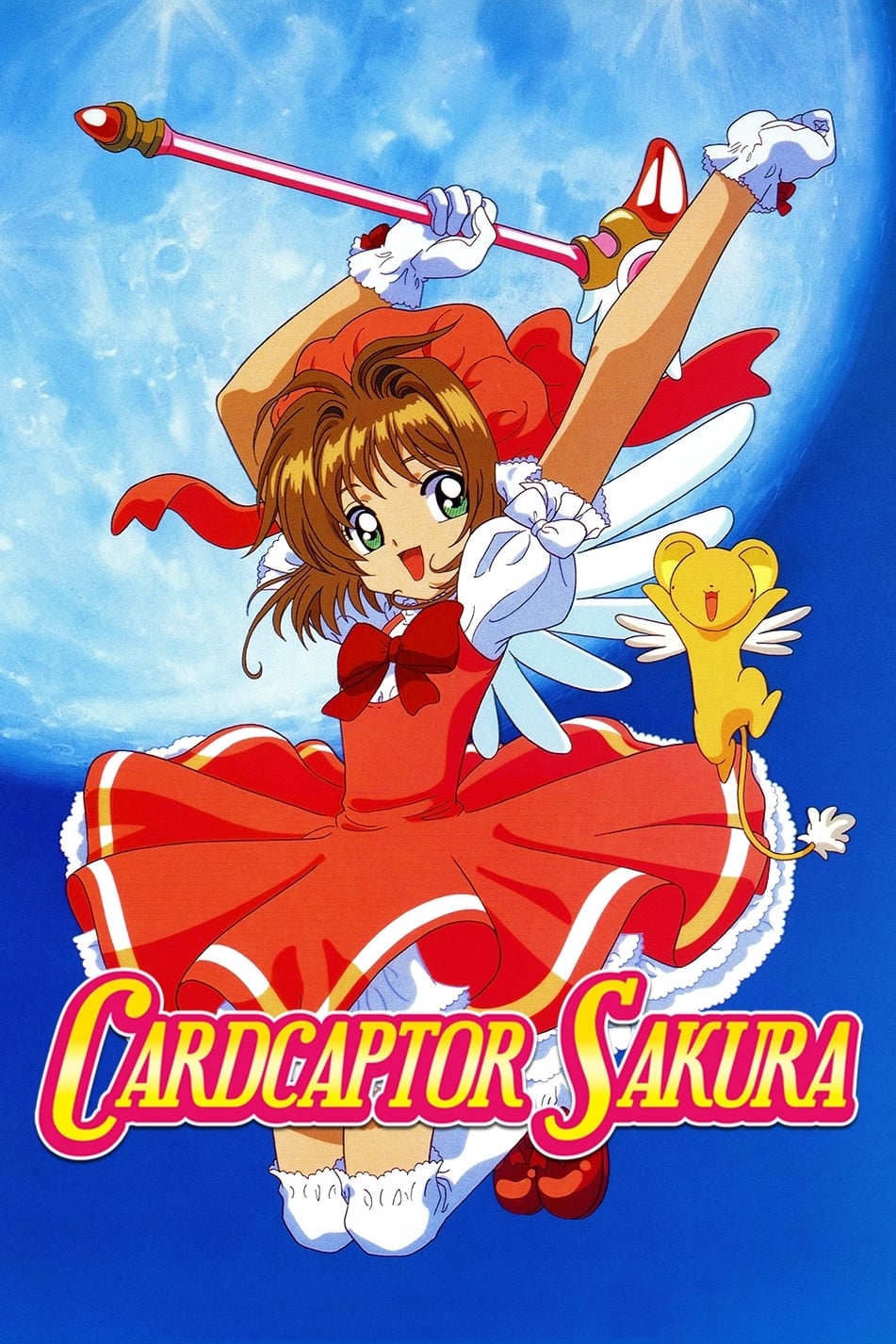
Set in Tomoeda, a planned suburban area, the series details school timetables, club rooms, and tram-linked shopping districts. Episodes show library borrowing, PE classes, and school festivals alongside magical card retrieval. The production returns to the same intersections, parks, and bridges to maintain spatial continuity across arcs. Character addresses and classroom layouts are repeatedly referenced to anchor progression through the school year.
‘Little Witch Academia’ (2017)
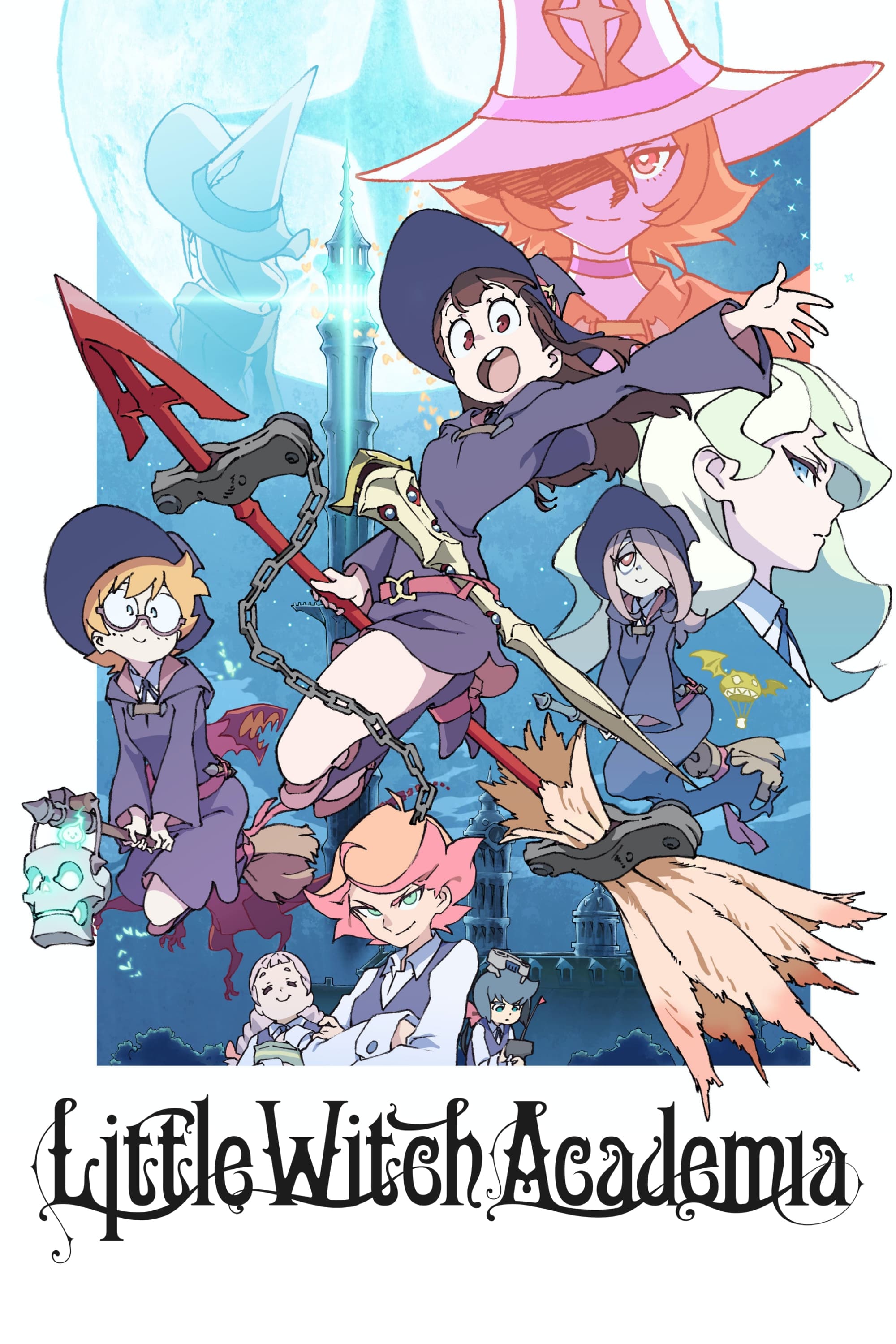
The TV series centers on Luna Nova Magical Academy, mapped with dormitories, lecture halls, and restricted archives. Course syllabi, credit systems, and practical exams are shown alongside campus maintenance like broom storage and potion labs. The setting blends modern technology with magical regulations, including safety protocols for flight and transformations. External towns and markets appear as field-trip sites connected to the academy by designated routes.
‘Yokohama Kaidashi Kikou’ (1998–2002)

The OVA adaptations depict a quiet, partially submerged Kanagawa region after sea-level changes, with remaining roadways, cafes, and small airfields. The narrative documents fuel use, camera maintenance, and local produce in a slower economy. Episodes use real place names and simple maps to track short trips by scooter or on foot. Seasonal weather and shoreline landmarks remain consistent across the two OVA series.
‘The Cat Returns’ (2002)
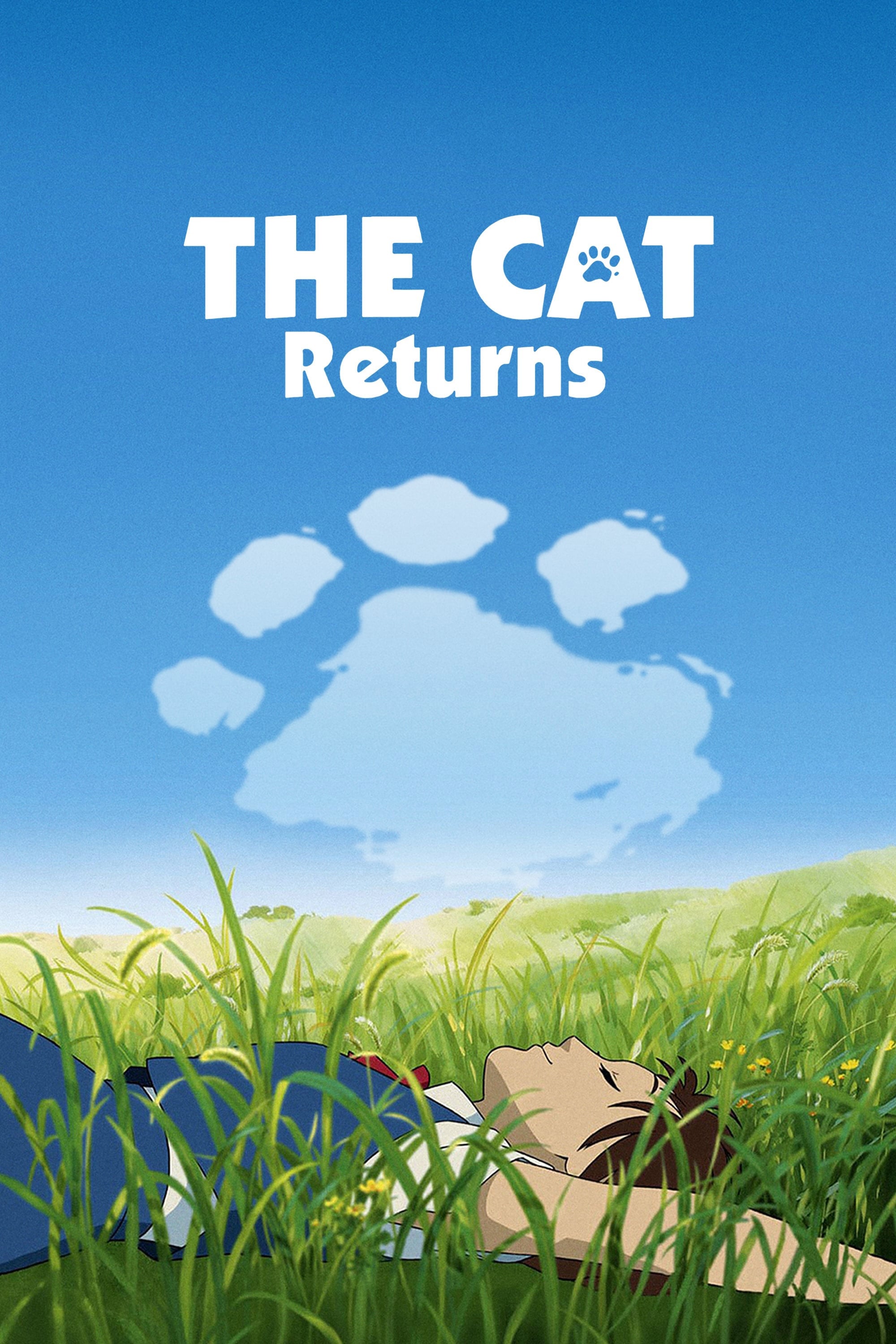
This film from Studio Ghibli introduces the Cat Kingdom, accessed via hidden routes from contemporary Japan. The kingdom has its own court, guard, and ceremonial protocol, shown through processions, banquets, and legal declarations. Architecture features plazas, towers, and narrow streets sized for feline citizens. The human world side shows standard Japanese school and commuter life that intersects briefly with the alternate realm.
‘A Whisker Away’ (2020)
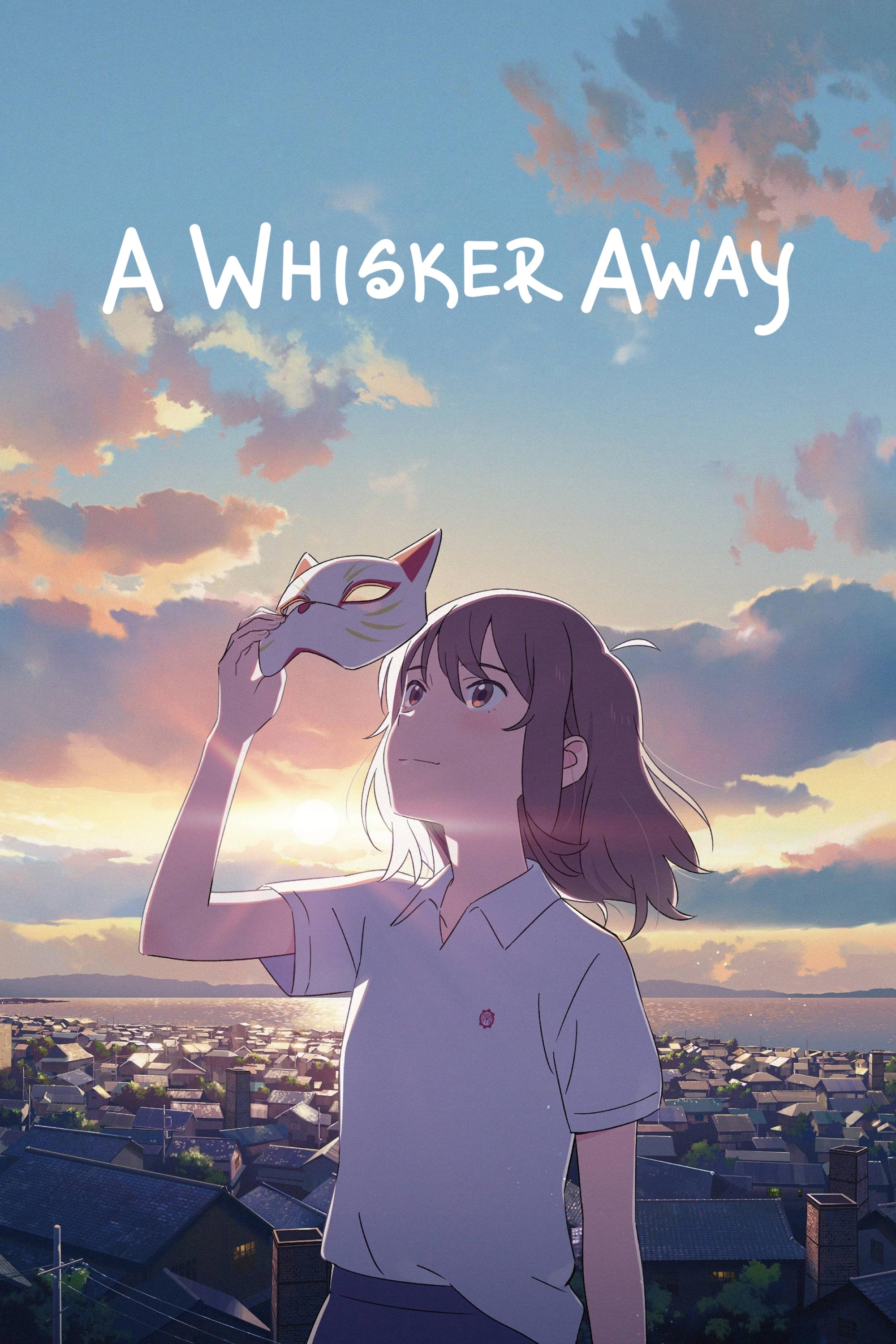
Set in Tokoname, Aichi Prefecture, the film uses real ceramics districts, seaside promenades, and school grounds. Key locations include kilns, rooftop access points, and shopping streets with documented local festivals. The story incorporates traditional mask motifs and hidden spaces to connect everyday routes with a parallel cat world. Production materials mirror Tokoname’s pottery heritage in signage and storefronts.
‘Hyouka’ (2012)
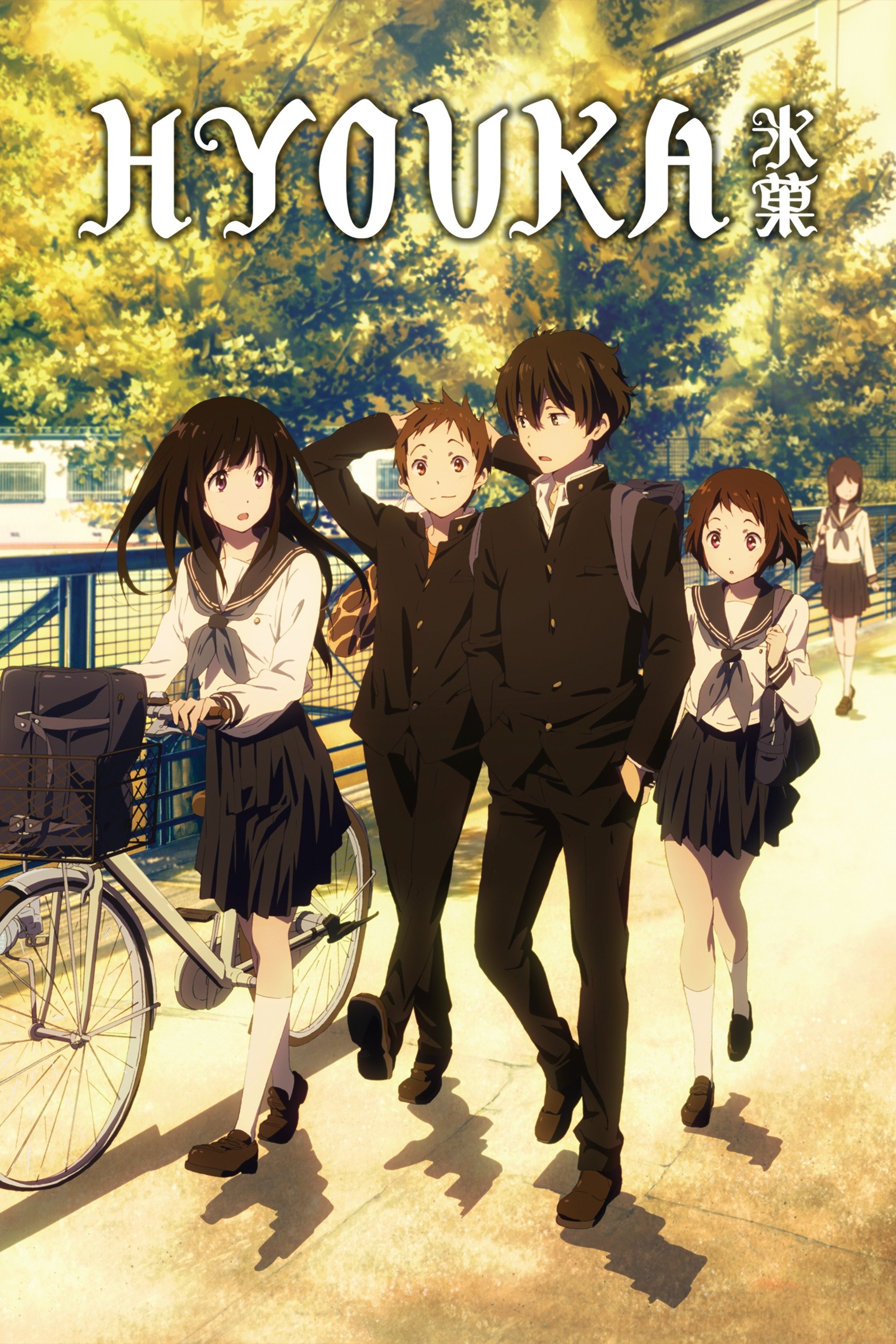
Kyoto Animation’s series maps a high school’s Classics Club room, cultural-festival booths, and faculty offices with floor-by-floor detail. It frequently revisits a local shopping district and residential neighborhoods to build a coherent town layout. Episodes hinge on school procedures—committee approvals, budgets, and event planning—shown through forms and meetings. The setting grounds its mysteries in timetables, building maintenance, and archived yearbooks.
‘Haikyu!!’ (2014–2020)

The volleyball series charts high-school athletic life with gym allocations, practice schedules, and regional tournament structures. Multiple schools are mapped with distinct facilities, travel distances, and hometown landmarks. Matches depict refereeing standards, rotation rules, and scouting notes across prefectural brackets. Training camps and inter-high qualifiers provide consistent calendars and venues that return across seasons.
‘Your Name.’ (2016)
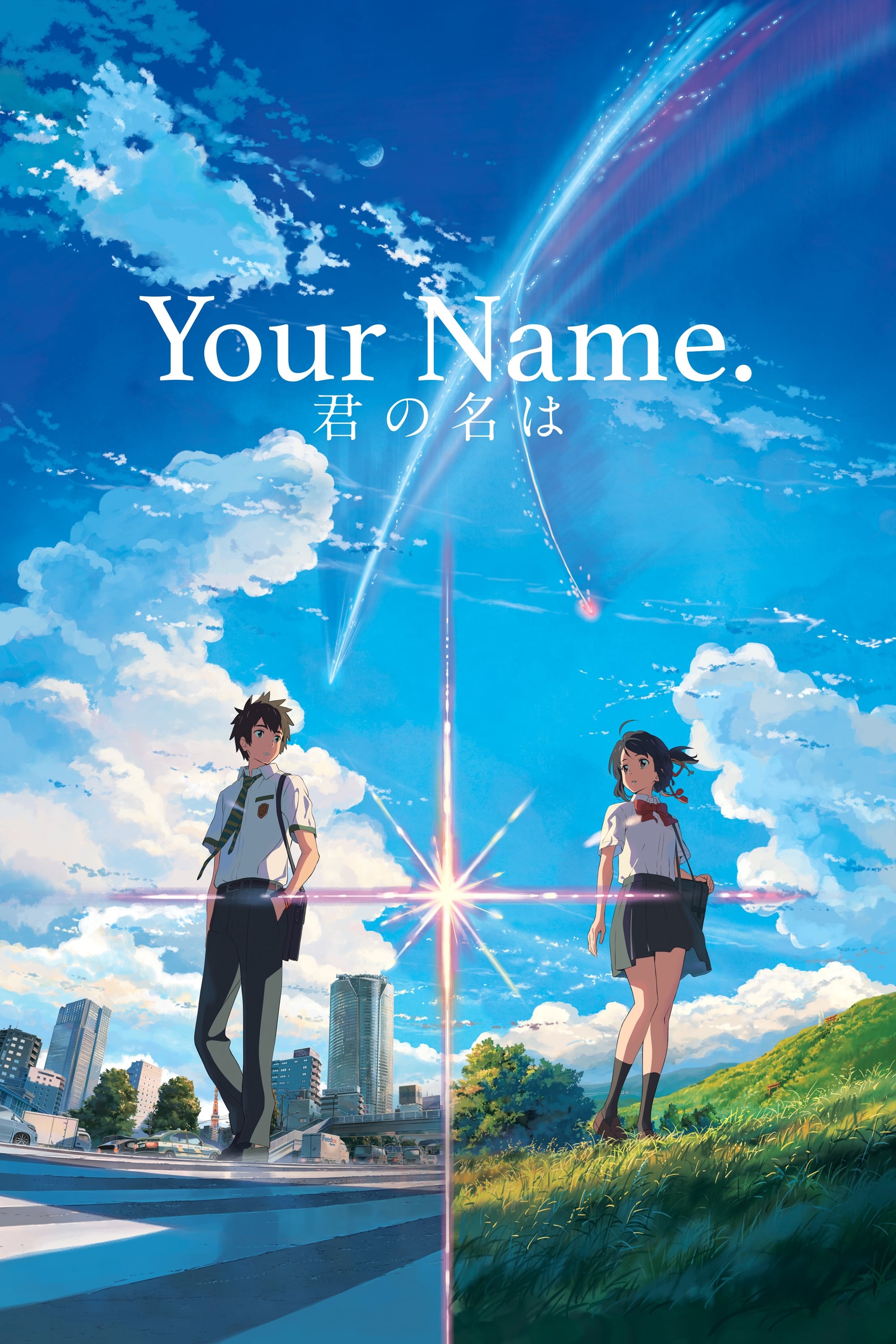
This film contrasts an urban Tokyo environment—complete with commuter lines, cafes, and observation decks—with a rural town built around a lake and shrine. Location work replicates real intersections, stairways, and station layouts used by characters. Timelines are tracked via school terms, festival dates, and phone records. The production uses accurate brandless versions of transit maps and smartphone interfaces to orient scenes.
‘Wolf Children’ (2012)

The film depicts student life in Tokyo followed by relocation to a mountain village with terraced fields and limited services. It details issues like property renovation, heating, and winter access roads. Local governance appears through school enrollment, neighborhood meetings, and emergency response. Seasonal cycles—planting, typhoons, and snowfall—are central to the community’s routines.
‘The Eccentric Family’ (2013–2017)
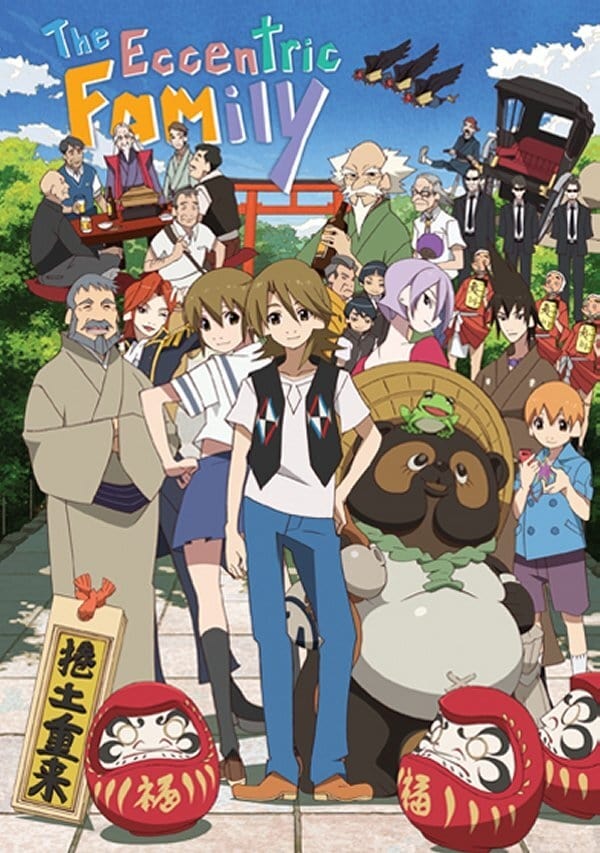
Set in modern Kyoto, the series overlays tanuki and tengu societies onto real districts such as Shimogamo and Gion. Landmarks—rail lines, rivers, and shrines—anchor weekly gatherings, processions, and family homes. The show references municipal events and university calendars to schedule encounters. Restaurants, alleys, and rooftops reappear to maintain spatial continuity across two seasons.
‘Sweetness & Lightning’ (2016)

This TV series focuses on everyday Tokyo neighborhoods, kindergarten schedules, and home-economics–style cooking sessions. Episodes document grocery shopping, recipe steps, and kitchen equipment with attention to quantities and timing. School notices, parent meetings, and seasonal events frame the family’s weekly routines. Restaurant workflows—prep, service, and cleanup—are depicted in a small eatery that recurs throughout the show.
Share your favorite on-screen setting from this list—or one we missed—in the comments!