

15 Anime You Didn’t Know Had Live-Action Adaptations




Some anime make the jump to live action with little fanfare outside their home markets, quietly turning into films or series that many viewers miss. These projects often adapt entire arcs in a single feature, split stories across multiple films, or rework settings and character details to fit real-world production.
Below are fifteen live-action adaptations tied to well-known anime, covering theatrical releases and streaming series. For each, you’ll find the key production details, where they diverged from their animated counterparts, and how the creators packaged the story for new audiences.
‘Parasyte: Part 1’ (2014)
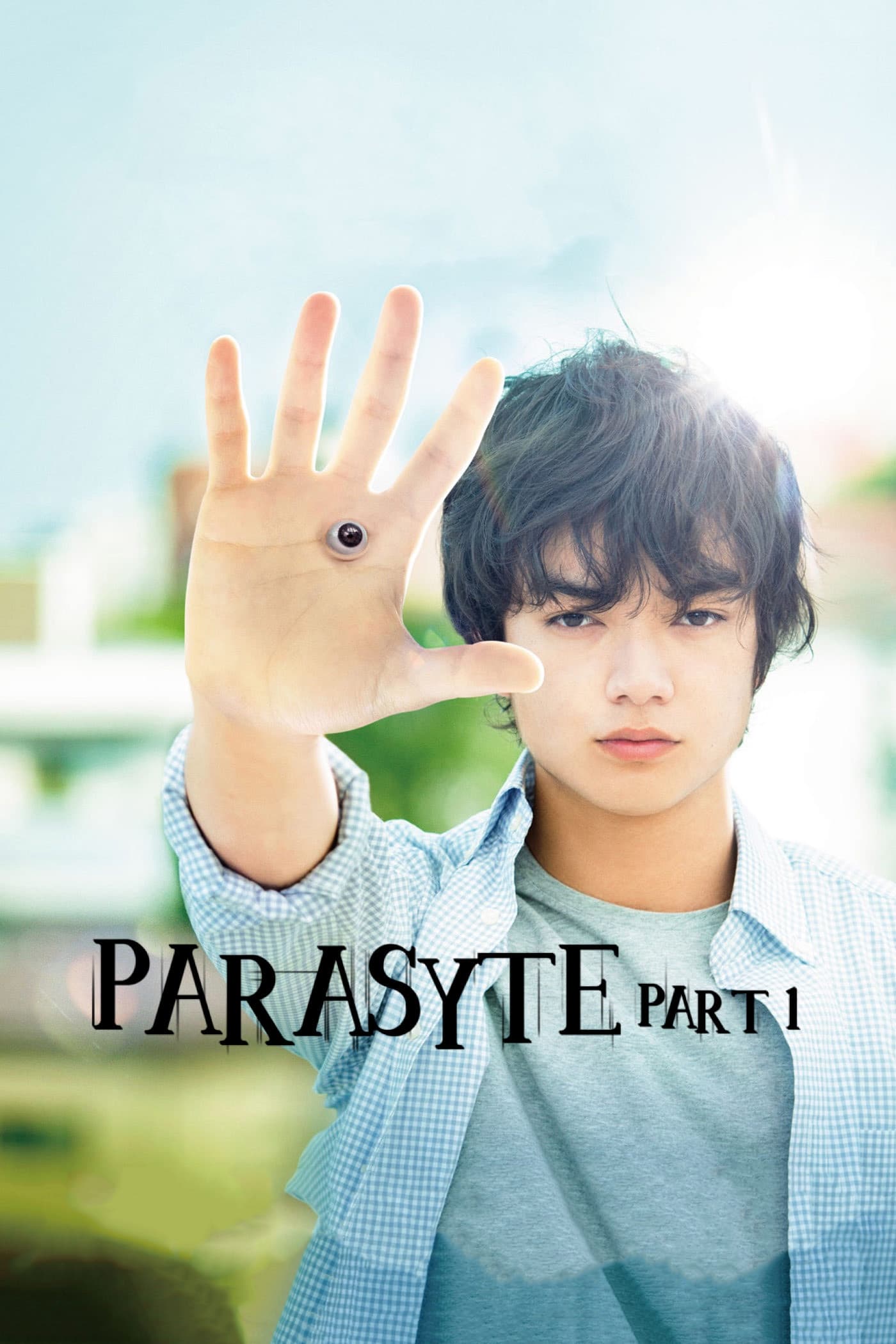
The two-part Japanese film adapts the body-horror premise of the ‘Parasyte’ anime by focusing on Shinichi’s early encounters with parasitic creatures and his bond with Migi. Directed by Takashi Yamazaki, it stars Shota Sometani and Ai Hashimoto and was produced by Toho, with extensive creature effects used to visualize Migi and the parasites’ transformations. The first installment covers the inciting incidents and school-centered conflicts while setting up the larger conspiracy that leads into the sequel.
The production streamlines side characters from the ‘Parasyte’ anime and compresses timelines to fit a feature-length format. Location work emphasizes urban Tokyo districts and practical gore effects over stylized animation beats, and the screenplay shifts some character motivations to accelerate confrontations. The second film, released in 2015, completes the manga and anime storyline that the first part initiates.
‘Erased’ (2017)
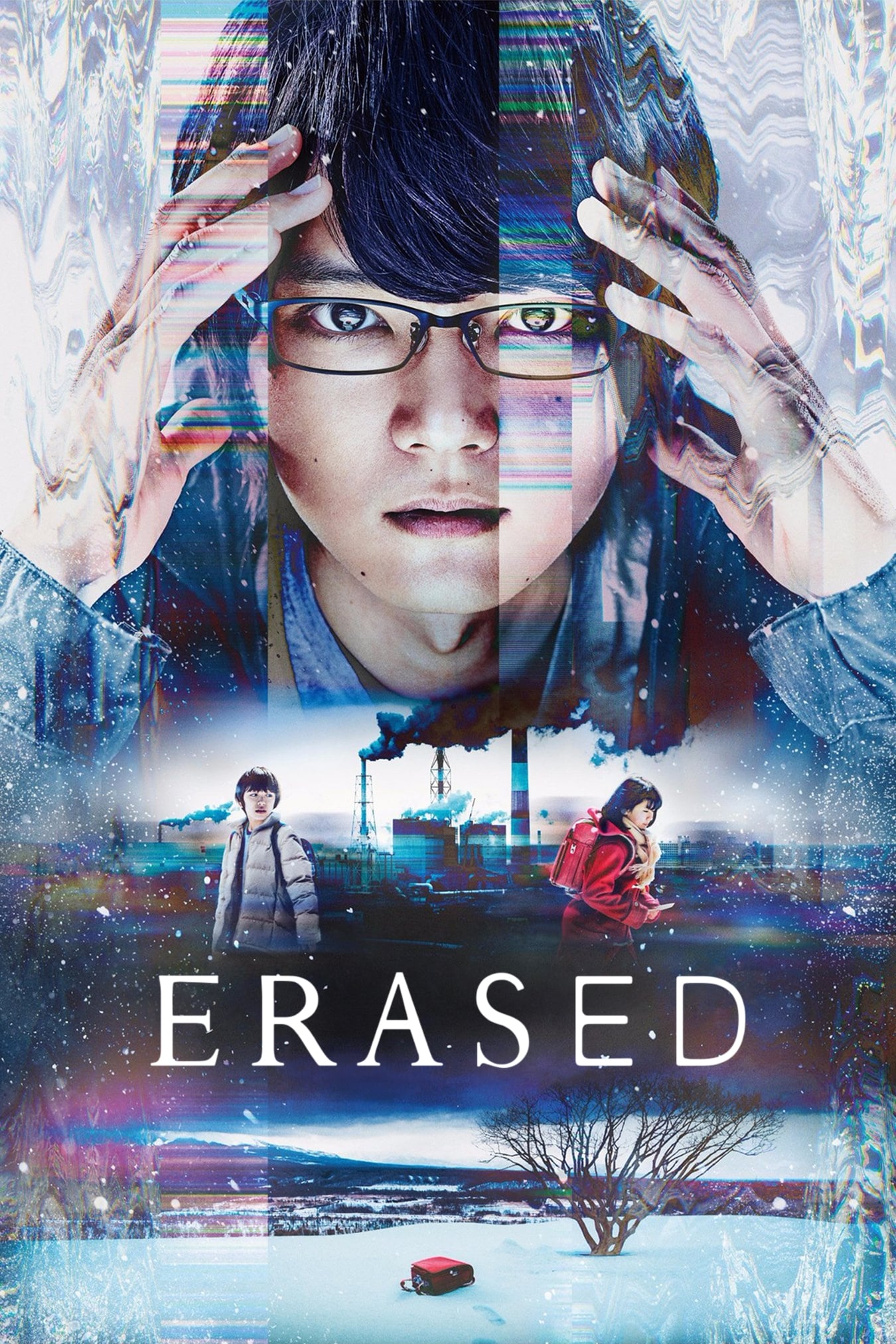
The live-action ‘Erased’ series adapts the mystery time-slip premise from the ‘Erased’ anime into a multi-episode format on streaming, allowing the story to track the investigation across two timelines. Filmed primarily in Hokkaido and Tokyo, it retains the central device of the protagonist’s “revival” ability and follows the same sequence of disappearances and rescues that define the original plot.
Compared with the ‘Erased’ anime, the series adds scenes that expand the adult timeline and clarifies supporting characters’ connections to the case. The episodic structure lets the adaptation recreate key set pieces while providing additional backstory on the suspect and the authorities’ response, aligning the investigation beats with live-action pacing.
‘Gintama’ (2017)

The ‘Gintama’ film translates the ‘Gintama’ anime’s blend of period setting and sci-fi elements by focusing on the Benizakura arc. Directed by Yuichi Fukuda and starring Shun Oguri, Masaki Suda, and Kanna Hashimoto, it uses large-scale sets for Edo streets, prosthetics for alien designs, and wire-work for swordplay to ground the action sequences.
While the ‘Gintama’ anime intersperses standalone episodes around larger arcs, the film assembles core characters quickly and centers the narrative on the Benizakura conflict. A sequel followed in 2018 that adapted additional arcs, and both films condense recurring gags and references to fit the constraints of a feature while preserving major plot turns.
‘Attack on Titan’ (2015)
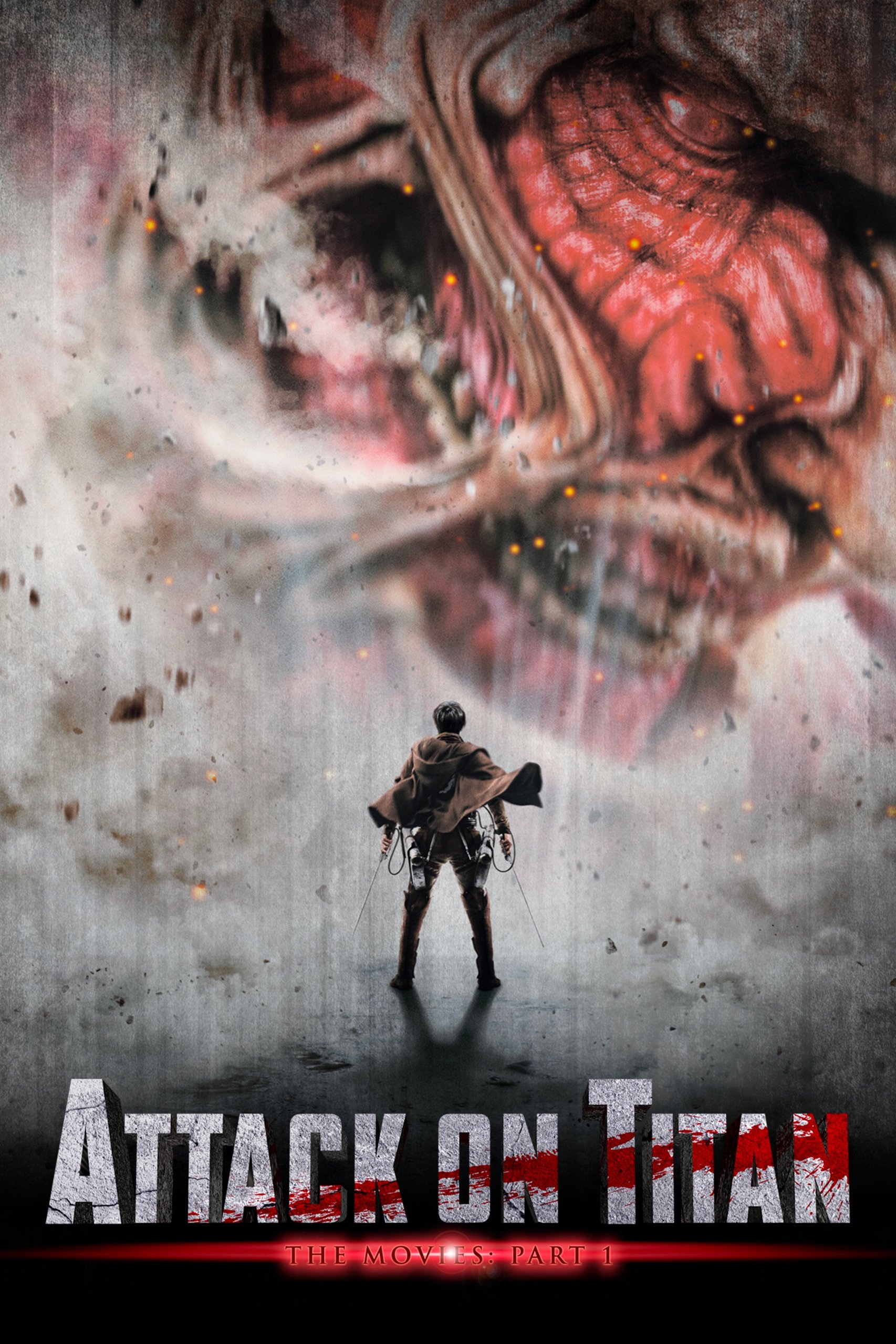
Released as a two-part film series in 2015, this adaptation pulls from the early Wall Maria storyline of the ‘Attack on Titan’ anime. Directed by Shinji Higuchi, it features Haruma Miura and Kiko Mizuhara and uses a mix of practical effects and digital compositing to stage Titan encounters, with location shooting at Hashima Island and other industrial sites.
The films modify certain character backstories and introduce original elements not present in the ‘Attack on Titan’ anime to suit live-action production realities. Military technology, gear usage, and some relationships are reinterpreted to fit the narrative compression, while the two-part structure allows the second film to escalate the siege and counteroffensive threads introduced in the first.
‘Bleach’ (2018)

This film adapts the Substitute Shinigami arc from the ‘Bleach’ anime, centering on Ichigo Kurosaki’s first encounters with Hollows and his partnership with Rukia Kuchiki. Directed by Shinsuke Sato and starring Sota Fukushi and Hana Sugisaki, it emphasizes urban locations, digital creature work for Hollows, and fight choreography aligned with the anime’s early battles.
The ‘Bleach’ anime spans multiple arcs with a large ensemble, so the film narrows the focus to Ichigo, Rukia, and Byakuya to deliver a self-contained story. The adaptation culminates with the confrontation tied to Rukia’s powers and responsibilities, using a streamlined timeline that introduces Soul Reaper lore gradually for live-action audiences.
‘Fullmetal Alchemist’ (2017)
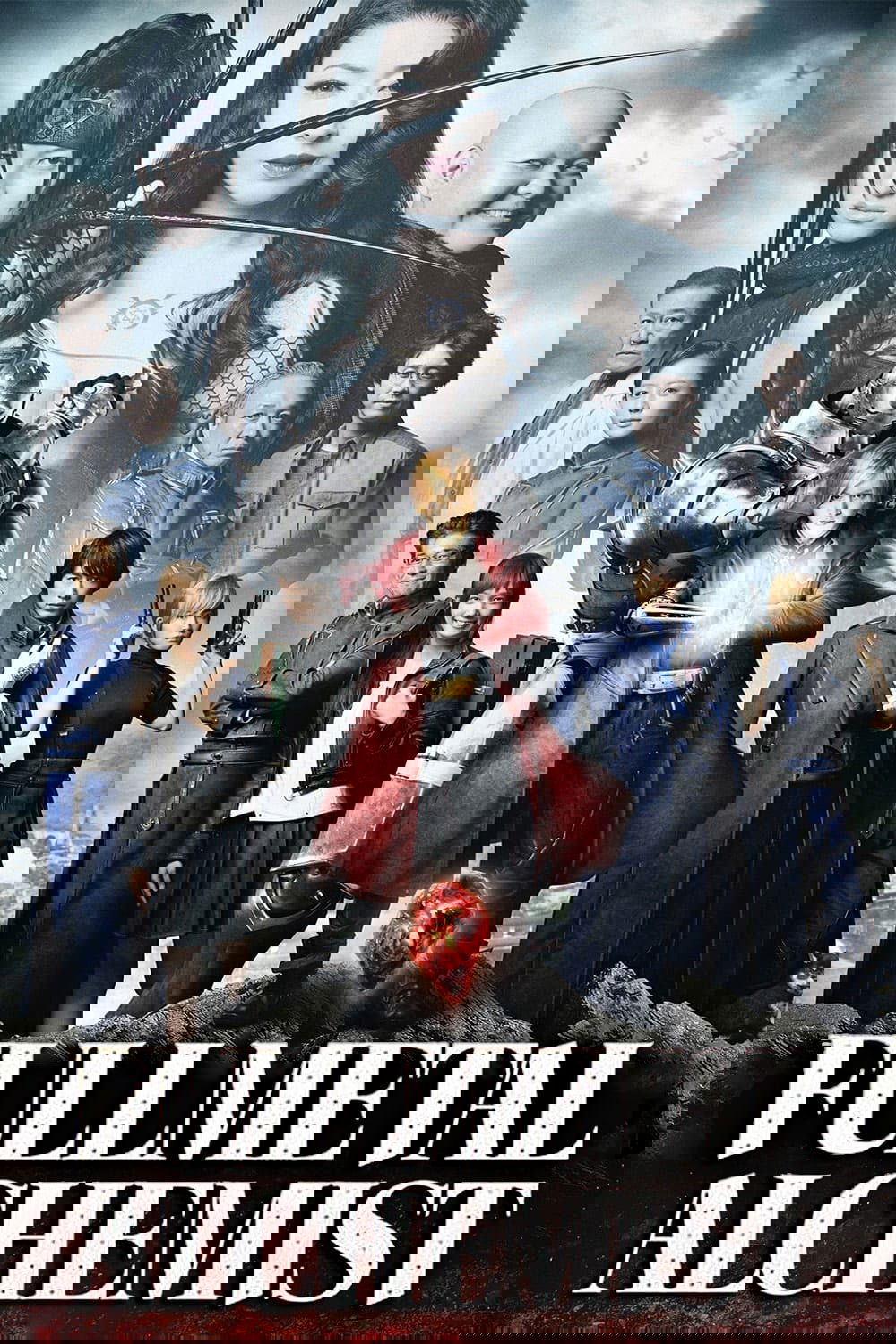
The live-action ‘Fullmetal Alchemist’ film introduces the Elric brothers’ quest from the ‘Fullmetal Alchemist’ anime and uses a combination of CGI and practical sets to visualize alchemy and automail. Directed by Fumihiko Sori and starring Ryosuke Yamada and Tsubasa Honda, it relocates principal photography to European settings to match the source’s architecture.
Because the ‘Fullmetal Alchemist’ anime covers a long, branching storyline, the film condenses early arcs and focuses on the human transmutation incident, State Alchemist examinations, and the Lab 5 threads. Two follow-up films in 2022 extend the plotline through major homunculus reveals and key city-set battles to complete the central narrative.
‘Mob Psycho 100’ (2018)

This adaptation brings the supernatural coming-of-age arc from the ‘Mob Psycho 100’ anime to live action as a streaming drama. Tatsuomi Hamada plays Shigeo “Mob” Kageyama, with the series recreating school settings, exorcism jobs, and confrontations with rival espers using wire work and VFX tailored for episodic television.
The ‘Mob Psycho 100’ anime’s exaggerated visual gags are translated into practical staging and compositing while keeping the progression of Mob’s emotional “percentage” as a narrative counter. Key antagonists and club activities appear in the same order as the early episodes, with expanded dialogue sequences to ground the escalating psychic battles.
‘Kakegurui’ (2018–2019)

The live-action series adapts the high-stakes school gambling framework from the ‘Kakegurui’ anime. It stars Minami Hamabe and Mahiro Takasugi and reconstructs the academy’s hierarchy and game formats with episode-length matches, using practical card and board setups and close-up camera work to track betting mechanics.
Compared with the ‘Kakegurui’ anime, the series adds original matches and reorders some games to emphasize the student council’s structure. Two spin-off films followed, continuing the contests introduced on television and carrying forward plot threads like election cycles and transfer student challenges within the same continuity.
‘The Disastrous Life of Saiki K.’ (2017)

This theatrical release adapts the first-year antics from the ‘The Disastrous Life of Saiki K.’ anime. Kento Yamazaki plays Kusuo Saiki, and the production uses practical effects and post-production composites to render telepathy, telekinesis, and teleportation in school and city settings.
The ‘The Disastrous Life of Saiki K.’ anime’s vignette format is reorganized into a single narrative that links classmates’ misadventures across one timeline. Character introductions follow the same roster as the early episodes, and the film selects representative scenarios to showcase powers, family dynamics, and class events through live-action gags and set pieces.
‘Death Note’ (2006)

The first Japanese live-action ‘Death Note’ film adapts the cat-and-mouse opening acts of the ‘Death Note’ anime with Tatsuya Fujiwara as Light Yagami and Kenichi Matsuyama as L. Shot for theatrical release, it focuses on the initial Kira cases, the task force formation, and the rules governing the notebook.
Because the ‘Death Note’ anime expands into multiple arcs, the film splits the story into two parts released the same year, with the sequel concluding the confrontation. Spin-offs and later international adaptations revisit the same premise, but the 2006 duology maps closely to the anime’s first major showdown and rule exploitation sequences.
‘Rurouni Kenshin Part I: Origins’ (2012)

The ‘Rurouni Kenshin’ film adapts the Tokyo arc from the ‘Rurouni Kenshin’ anime, introducing Kenshin Himura’s vow and his allies at the Kamiya dojo. Directed by Keishi Otomo and starring Takeru Satoh and Emi Takei, it uses extensive sword choreography, period sets, and location shoots to recreate the Meiji-era backdrop.
Subsequent installments released between 2014 and 2021 extend the narrative through Kyoto and prequel material, mirroring the ‘Rurouni Kenshin’ anime’s major arcs. The first movie establishes character relationships, antagonist motivations, and police dynamics, then the sequels escalate the conflicts and bring in factions that the anime develops across multiple seasons.
‘Nana’ (2005–2006)

Two consecutive films adapt the music and relationship drama from the ‘Nana’ anime, following the parallel lives of two women who share a name and an apartment in Tokyo. Mika Nakashima and Aoi Miyazaki lead the cast, with concert sequences staged in live venues and studio sessions used to depict band progress.
The ‘Nana’ anime’s serialized approach is reorganized into two feature-length installments that cover the same turning points, including label negotiations, band rivalries, and personal commitments. The second film continues the arcs introduced in the first, aligning with the anime’s mid-series developments around recording schedules and media exposure.
‘Chihayafuru: Part I’ (2016)

This live-action trilogy adapts the competitive karuta journey from the ‘Chihayafuru’ anime. Suzu Hirose stars as Chihaya Ayase, with the films charting team formation, regional tournaments, and national-level play. Tournament scenes combine practical card layouts with rapid editing to convey reading speed and hand movement.
The ‘Chihayafuru’ anime’s training and team-bonding episodes are condensed to highlight key matches and the dynamics among the main trio. The third film, released in 2018, completes the arc that the first two establish, echoing the anime’s progression through qualifiers to marquee championship rounds and introducing rivals at the master class level.
‘Blade of the Immortal’ (2017)
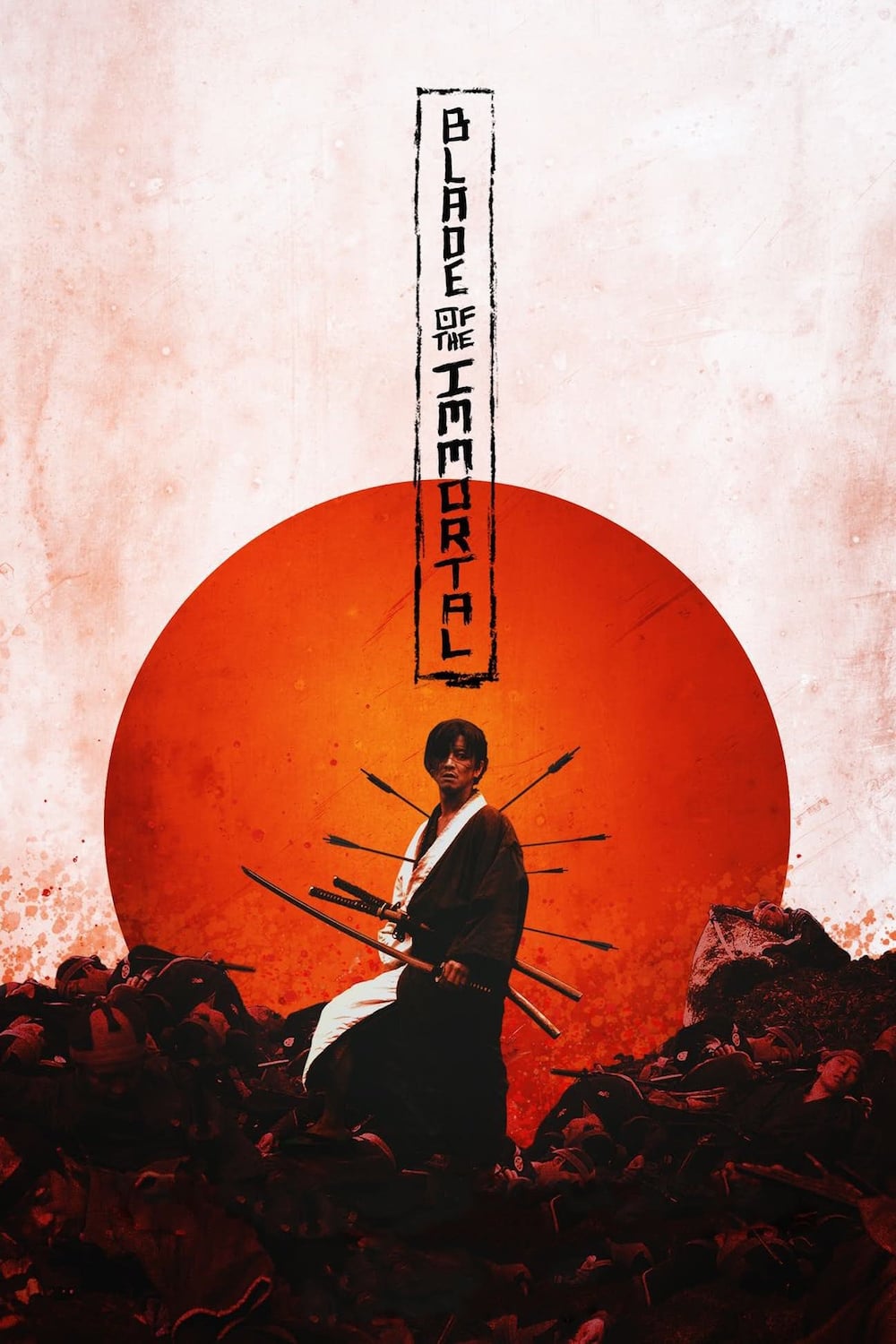
Directed by Takashi Miike, this adaptation condenses the revenge road story found in the ‘Blade of the Immortal’ anime into a single feature. Takuya Kimura and Hana Sugisaki lead the cast, with choreography focused on extended sword sequences and practical blood effects to portray large-scale skirmishes.
The ‘Blade of the Immortal’ anime’s episodic encounters are reordered to build toward a final confrontation that resolves the core vendetta. The film selects major antagonists and compresses travel segments, while maintaining the mentor-protégé structure that drives the plot across training scenes and ambushes along the journey.
‘Black Butler’ (2014)

This live-action film draws from the world and character dynamics established in the ‘Black Butler’ anime, centering on the contract between a young noble and his demonic butler. Directed by Kentaro Otani and Keiichi Sato, it updates the setting to a near-future timeline and features Hiro Mizushima as Sebastian.
The ‘Black Butler’ anime’s Victorian setting is reinterpreted with modern production design, and the case investigated in the film is original to the adaptation. Key elements such as the butler’s abilities, the seal, and the master–servant pact are retained, while supporting roles are adjusted to fit the new era and contained feature narrative.
Share the live-action adaptations that surprised you most in the comments.