


15 Anthology Series With Consistently Strong Seasons



Anthology television keeps things fresh by closing one story and opening another while the creative signature stays familiar. Viewers get new casts, new settings, and new plots, yet the shows rely on stable showrunners and production teams that repeat a proven approach. Episodes and seasons stand alone, so people can jump in anywhere and still follow the story without homework from earlier chapters.
Studios and networks use anthology formats to tell stories that would not fit a long continuing arc. This flexibility attracts notable directors and actors who can commit for a shorter window. Many of these series mix different tones from crime to horror to science fiction while keeping consistent runtimes and season lengths that fit neatly into broadcast or streaming schedules.
‘Black Mirror’ (2011– )
Created by Charlie Brooker, this series presents self-contained episodes that examine technology and society through speculative scenarios. It began on Channel 4 in the United Kingdom and later moved to Netflix, which expanded the episode count per season and enabled varied runtimes that range from compact stories to feature length chapters.
Production has included stand-alone specials along with an interactive film that lets viewers choose narrative paths. Episodes are produced with different directors and casts under a unified editorial voice from Brooker and frequent producer Annabel Jones, which helps maintain a stable tone while allowing experimentation with genre and format.
‘Fargo’ (2014– )
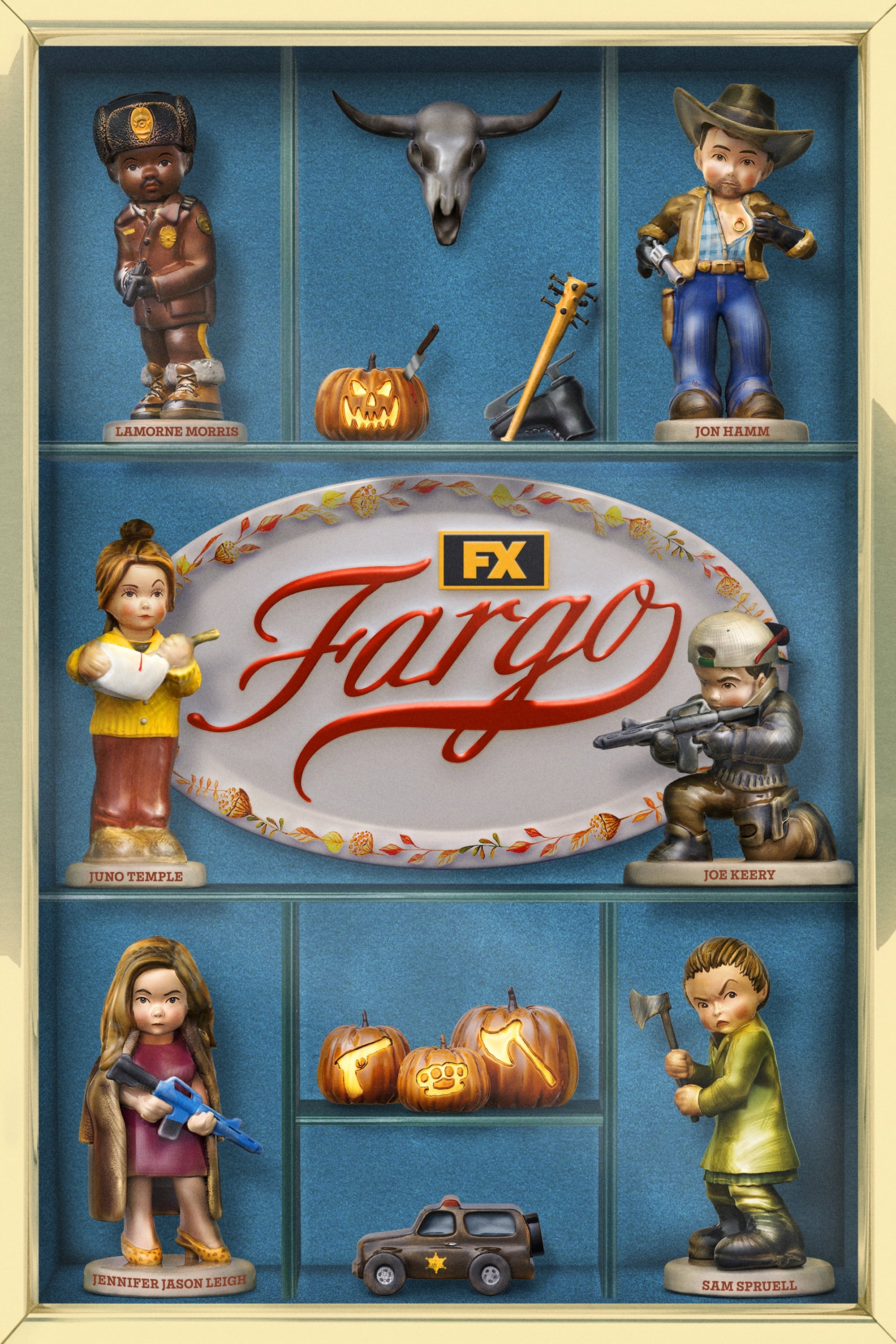
Developed by Noah Hawley for FX, this anthology uses new casts and time periods for each season while returning to the same Upper Midwest setting and a distinct mix of crime and dark humor. The show secures high profile ensemble actors for one season commitments, which supports complex character arcs that begin and end within the same year of production.
The series keeps a consistent visual identity through repeat department heads in cinematography, design, and music supervision. It also retains a connection to the original film through executive producers who guide the tone, while each season tells a closed case with limited episode orders that avoid filler.
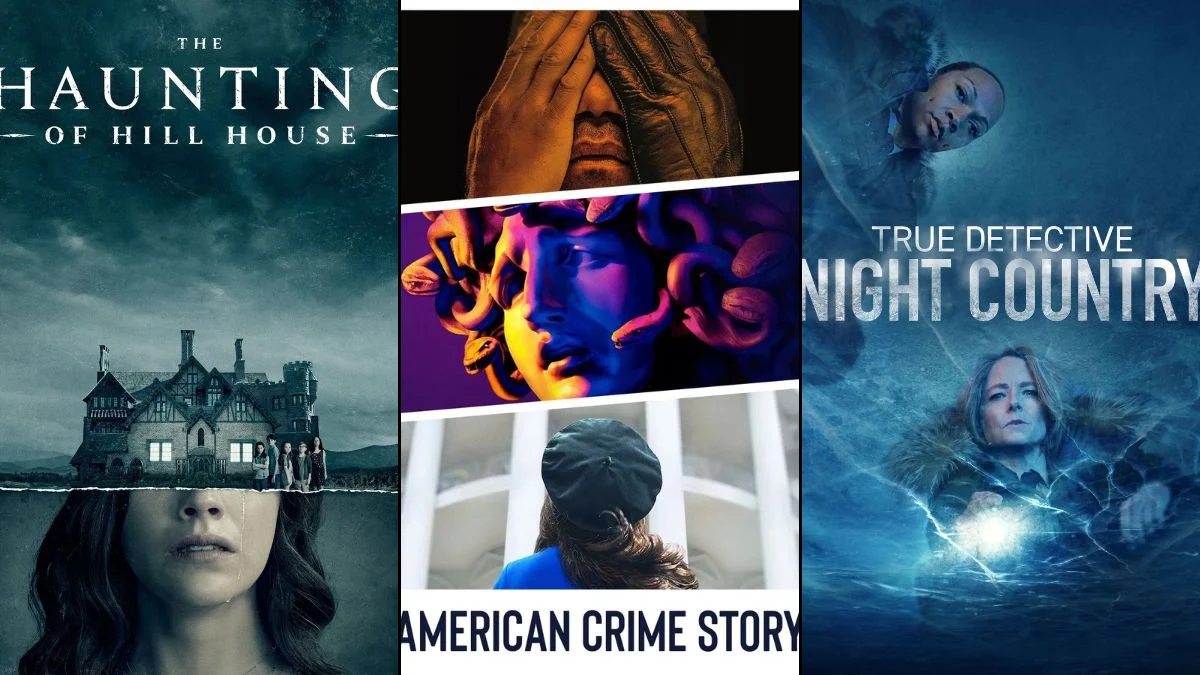
‘True Detective’ (2014– )
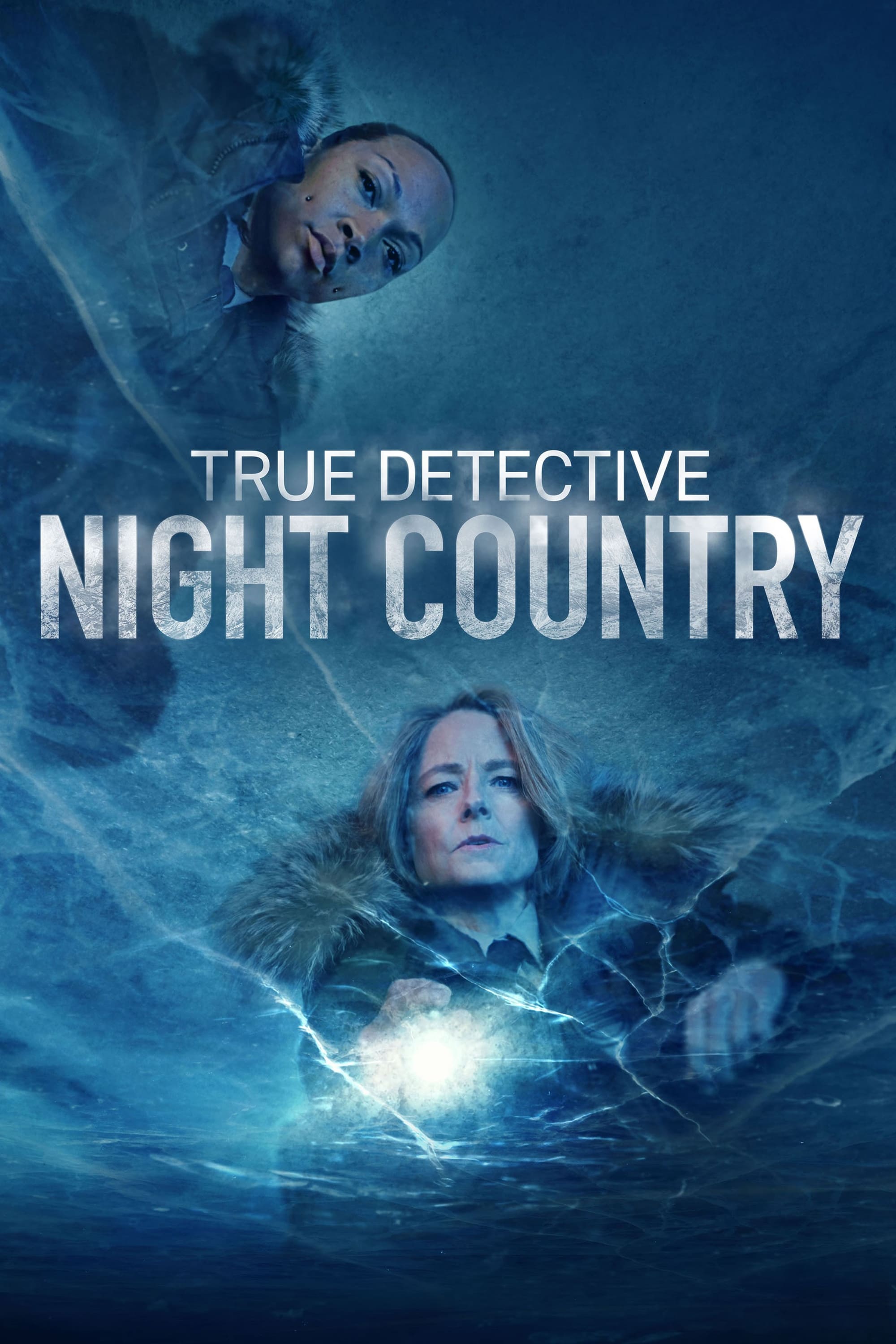
This HBO crime anthology assigns a fresh detective pairing and a new location to every season. The format supports varied directing teams and different narrative structures, from linear investigations to stories that unfold across multiple timelines, while keeping the focus on a single mystery that reaches a conclusion by the finale.
Music, production design, and location work remain central across seasons, with distinct regional details anchored by repeat collaborators in the crew. The series title carries over while characters and cases do not, which lets new viewers start with any season without losing context.
‘Inside No. 9’ (2014–2024)
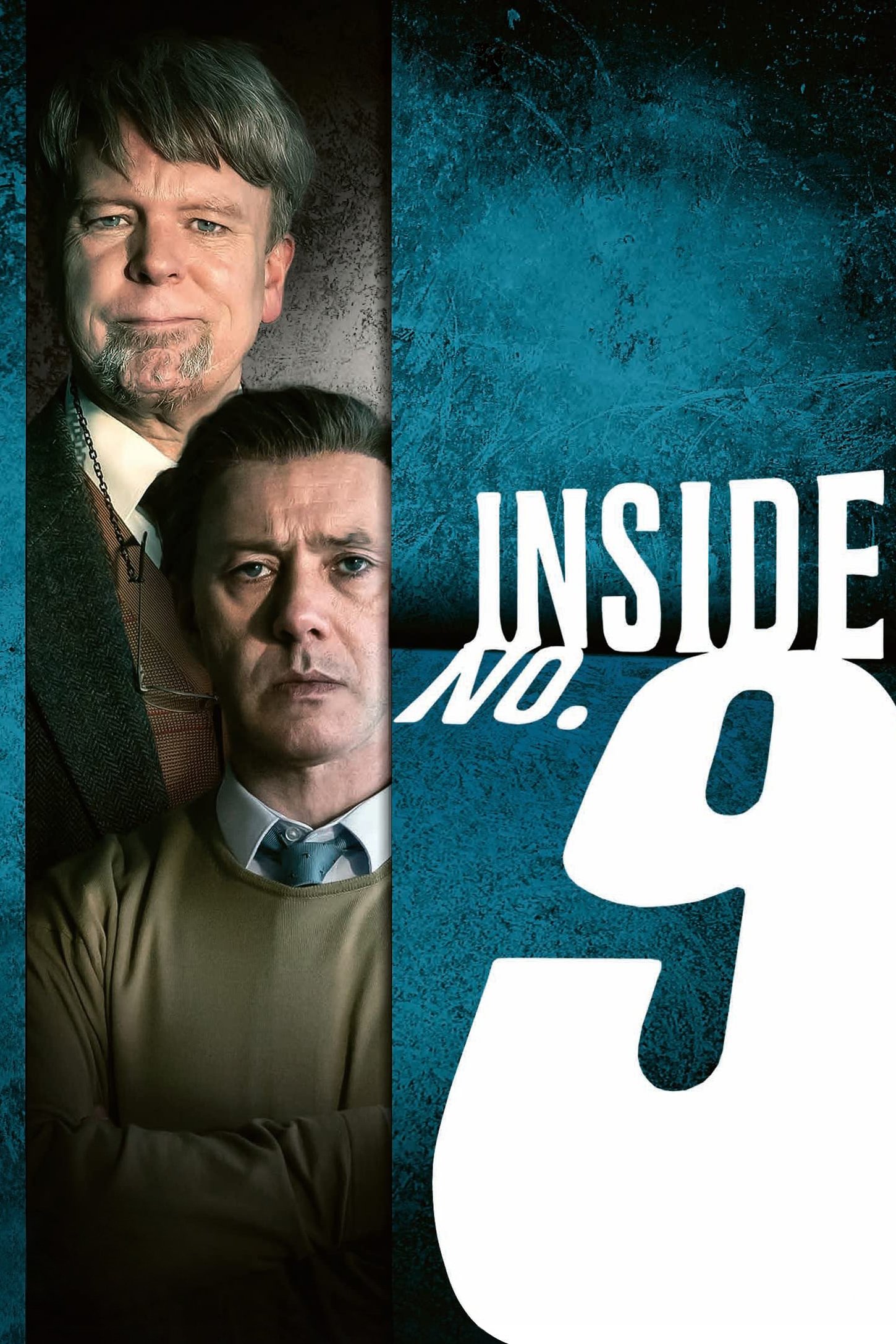
This BBC anthology from Reece Shearsmith and Steve Pemberton tells a new story in every episode, each one set in a place connected to the number nine. The format spans farce, thriller, and horror within a tight runtime, often using bottle settings that emphasize writing, staging, and intricate plotting.
Guest actors rotate frequently while the creators appear in many roles, and the show occasionally stages special episodes that play with live elements and audience expectations. The production maintains a compact crew and repeat directors, which gives each episode a consistent visual polish despite constant shifts in genre.
‘The Twilight Zone’ (1959–1964)
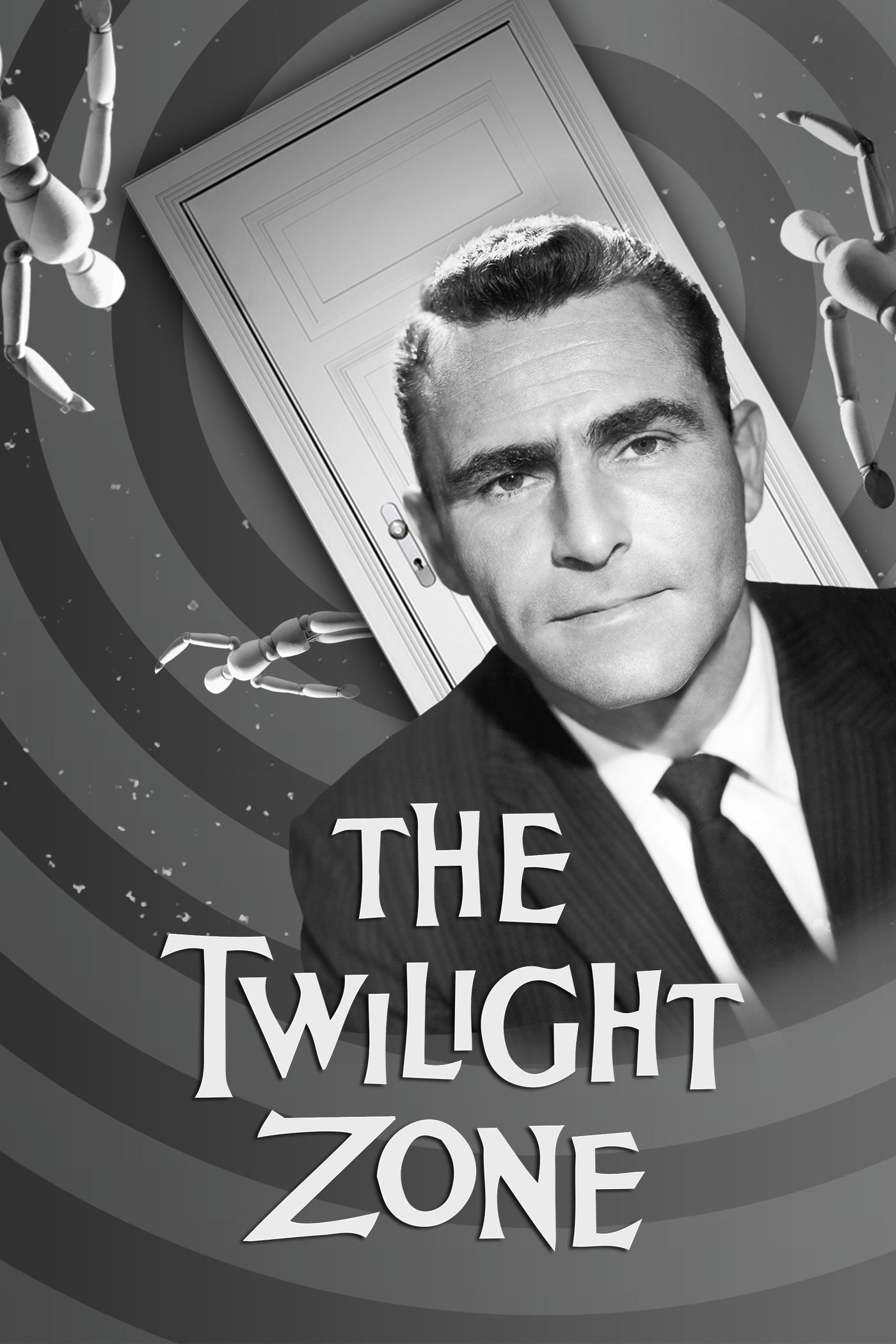
Rod Serling’s classic anthology presents self-contained episodes that blend science fiction, fantasy, and social commentary. Its half hour structure keeps stories focused, with a small number of hour length entries that expand select ideas without changing the show’s core format.
A recognizable opening narration and closing epilogues frame each story, while the series uses repeat directors, composers, and craftspeople to maintain continuity behind the scenes. The template has influenced later anthologies, and many episodes continue to be taught and analyzed for their concise storytelling.
‘The Outer Limits’ (1995–2002)
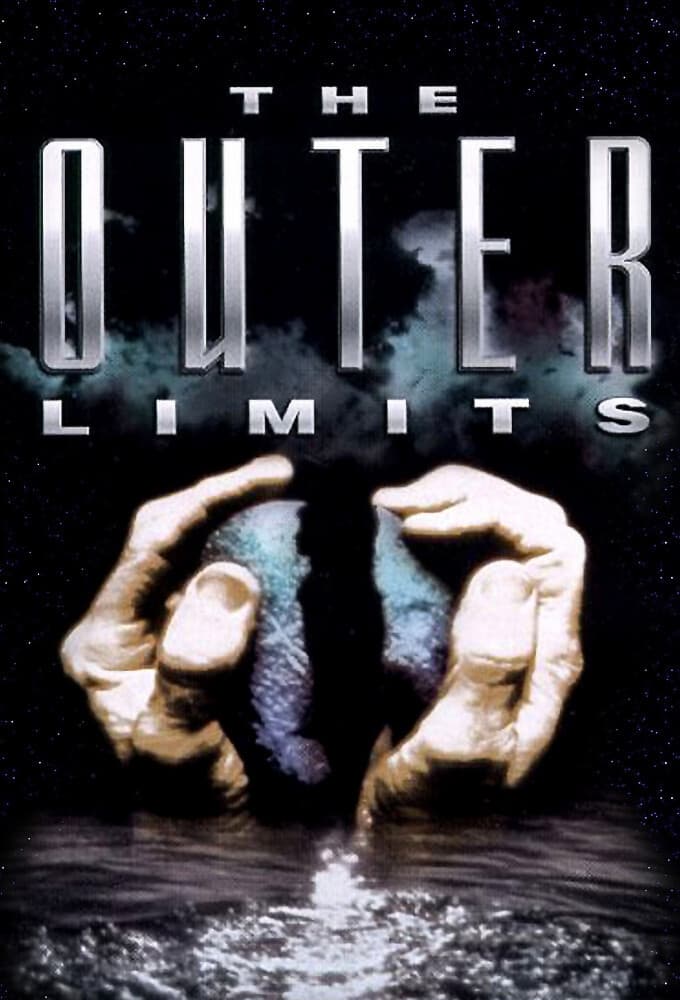
This revival delivers stand-alone science fiction morality tales with a consistent opening narration and a signature twist driven structure. Episodes often explore ethical questions around technology, cloning, and artificial intelligence, using practical effects alongside visual effects that grew more ambitious over time.
The production moved between premium cable and basic cable while keeping a similar episode format and runtime. Guest casting brought in film and television actors for one-off roles, and the writing staff reused thematic frameworks across the run to give the series a recognizable rhythm.
‘American Crime Story’ (2016– )

Each season focuses on a single high profile case and recreates events using court records, journalism, and public archives. FX presents the seasons as limited series with defined episode counts, which allows writers to map the investigation and trial timeline in a clear beginning to end arc.
Casting changes completely from season to season, with actors portraying real figures and production departments researching wardrobe, makeup, and sets to match documented locations. The show has received major industry recognition, including wins at major television awards, for performances and limited series craftsmanship.
‘The Terror’ (2018–2019)
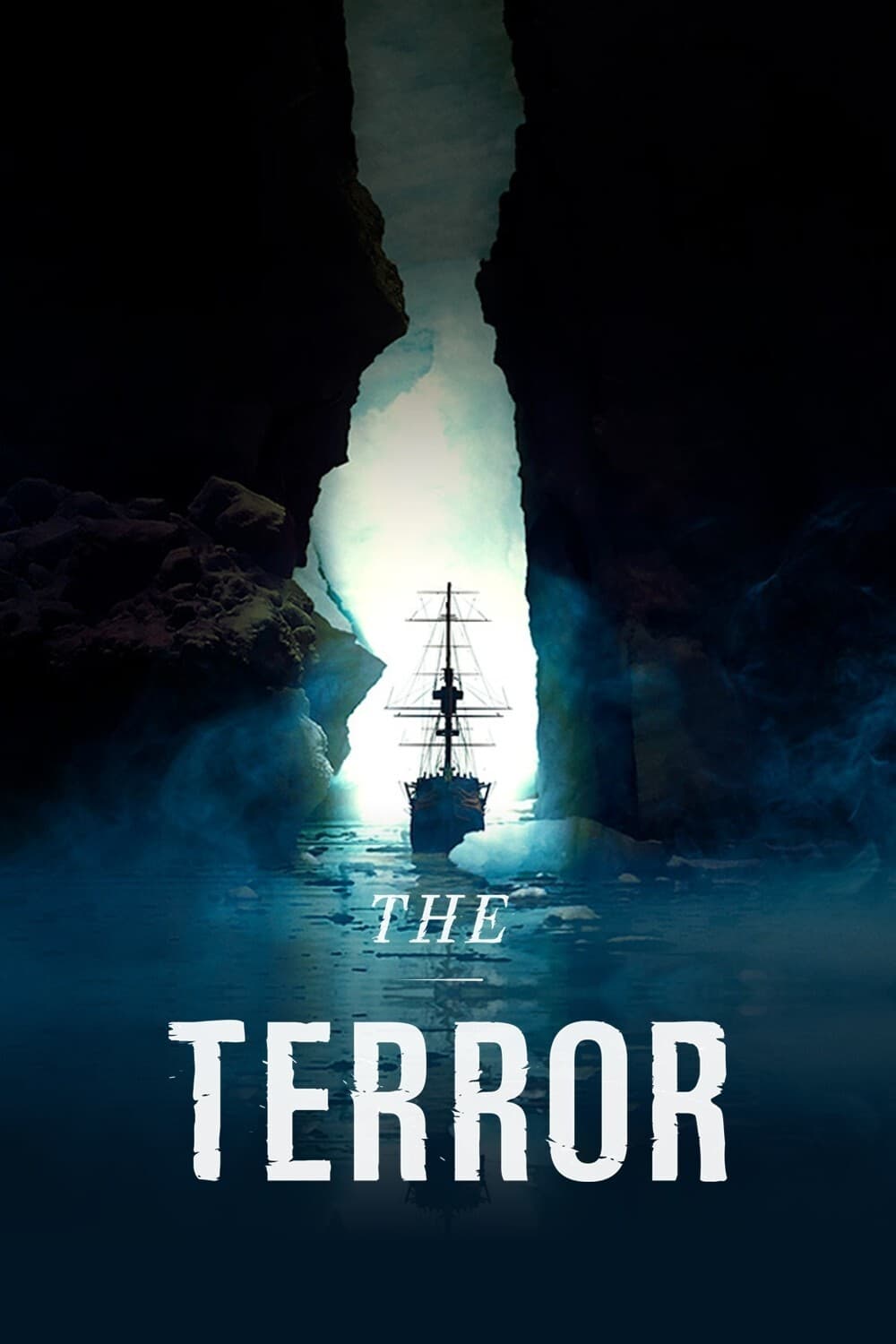
This AMC anthology uses historical settings to tell self-contained horror stories. The first season adapts a novel set during an arctic expedition, while the second moves to a different cultural context and builds a new cast around a distinct folklore tradition.
Both seasons use location work and practical sets to create immersive environments, supported by detailed costume and production design choices that align with historical research. The limited series format gives each story a clear endpoint, which keeps pacing focused across a fixed number of episodes.
‘Love, Death & Robots’ (2019– )
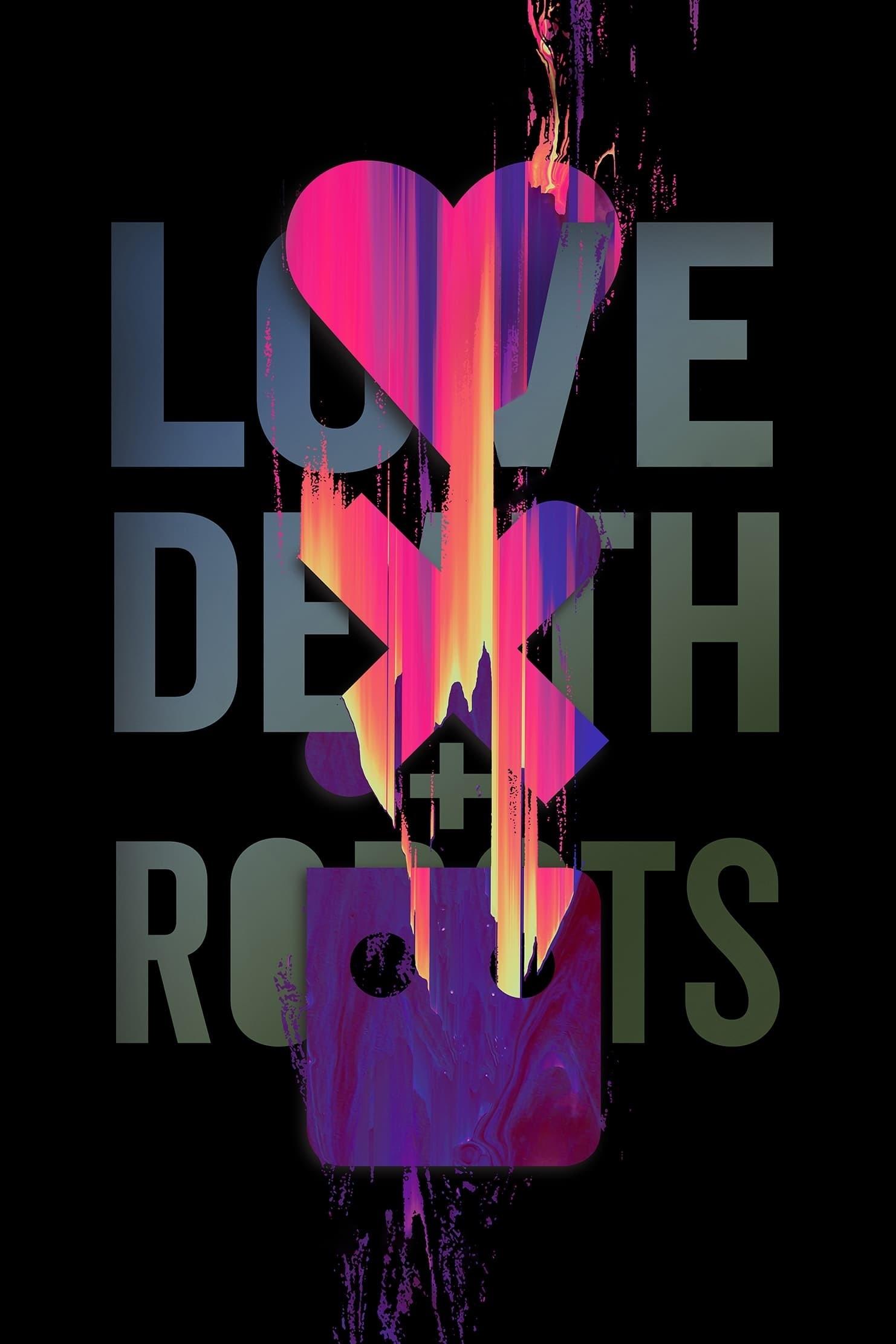
This Netflix animated anthology collects stand-alone shorts from studios around the world. Episodes vary in length and visual style, including photoreal computer animation and hand drawn approaches, yet all entries fit within a shared umbrella of science fiction, fantasy, and horror concepts.
The series curates shorts by pairing different directors and writers with original ideas or adaptations of short fiction. Seasons are organized as volumes, and the platform presents each short as a complete story with no continuity demands on viewers, which makes the collection easy to sample in any order.
‘Little America’ (2020– )
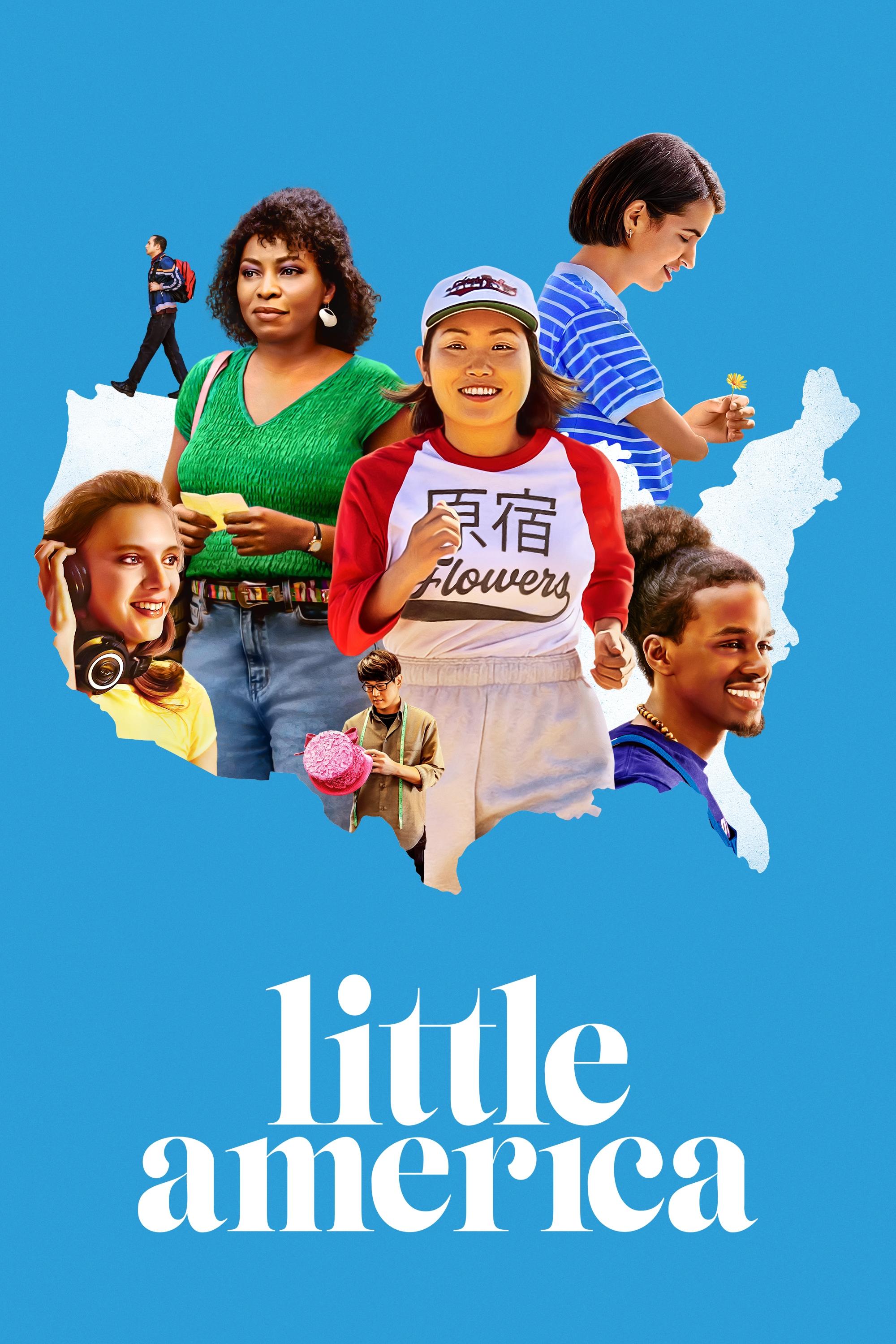
Apple TV+ presents true stories of immigrants told in self-contained episodes, each with its own cast and creative team. The series draws on reported narratives and essays, then adapts them into half hour dramas that emphasize specific families and communities.
Production uses a consistent template for length and structure while allowing filmmakers to bring regional languages and cultural details to each episode. The result is a collection that travels across different parts of the country without requiring viewers to track an ongoing plot.
‘Genius’ (2017– )
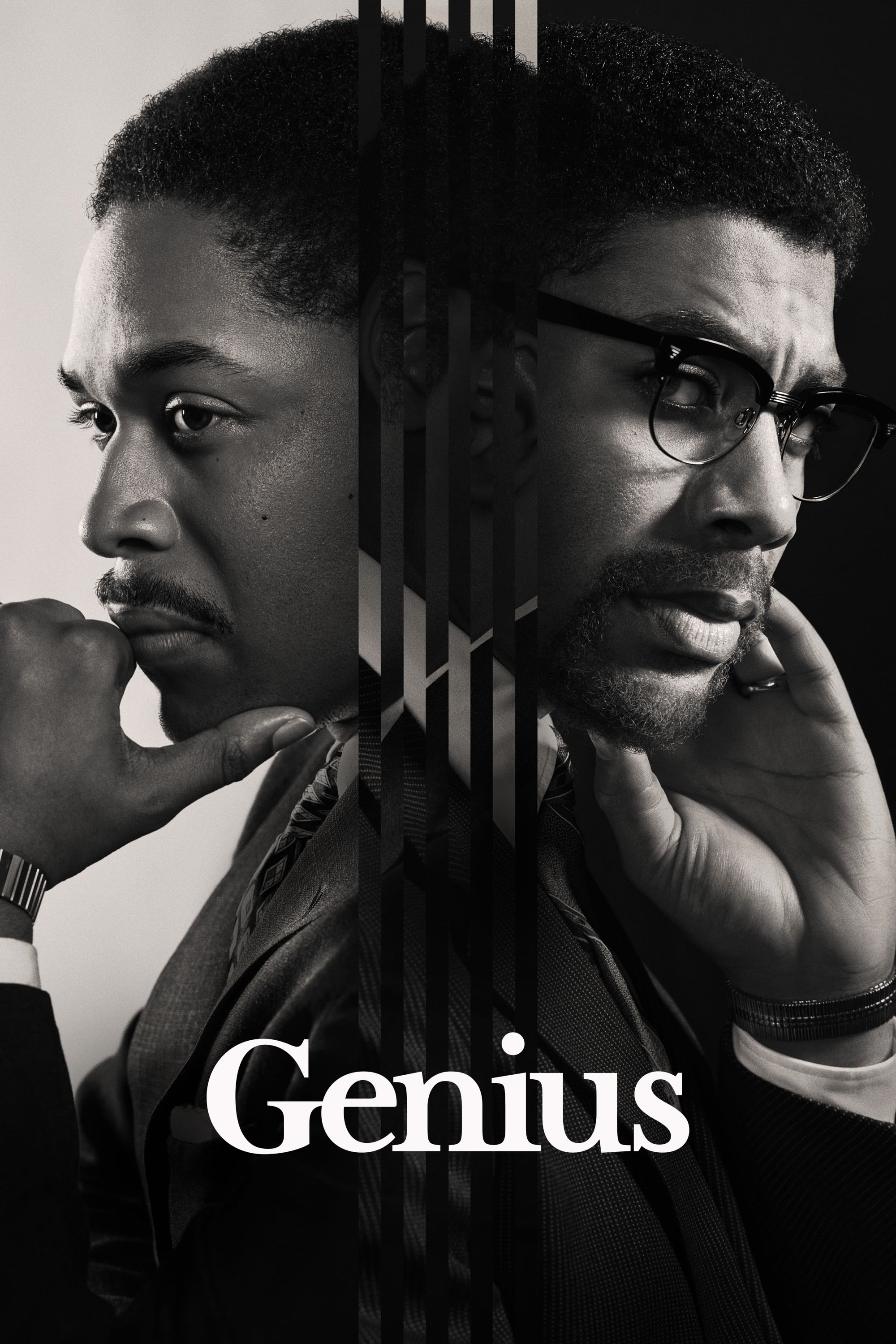
National Geographic structures this anthology around one iconic figure per season. Each installment follows a cradle to legacy arc, using time jumps to connect formative moments and later achievements within a limited episode count.
The brand carries across seasons while showrunners, writers, and casts change to match the subject. The series uses location shooting, period accurate design, and licensed music to recreate milestones, and seasons have aired on cable with streaming availability on companion platforms after broadcast.
‘Feud’ (2017– )
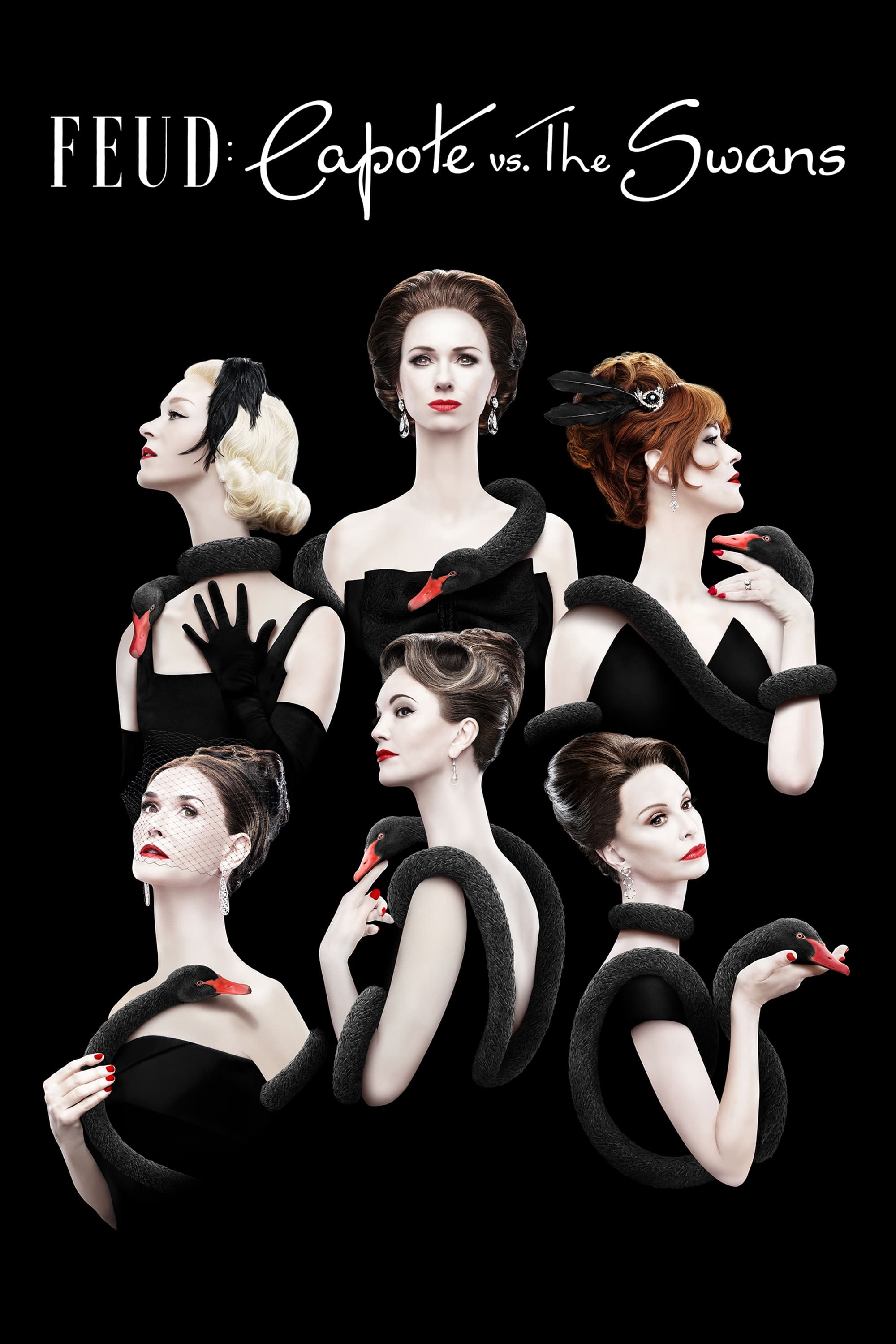
FX frames each season around a well documented rivalry in arts and culture. Writers build the timeline from biographies, articles, and archival material, then cast actors to portray the central figures and their circles in a closed narrative that begins and ends within the season.
Costume, hair, and production design replicate documented looks and spaces, while directors keep a consistent visual plan that matches the period. The format relies on limited episode orders, which allows careful pacing from inciting incident to resolution without stretching the conflict.
‘The Haunting of Hill House’ & ‘The Haunting of Bly Manor’ (2018–2020)
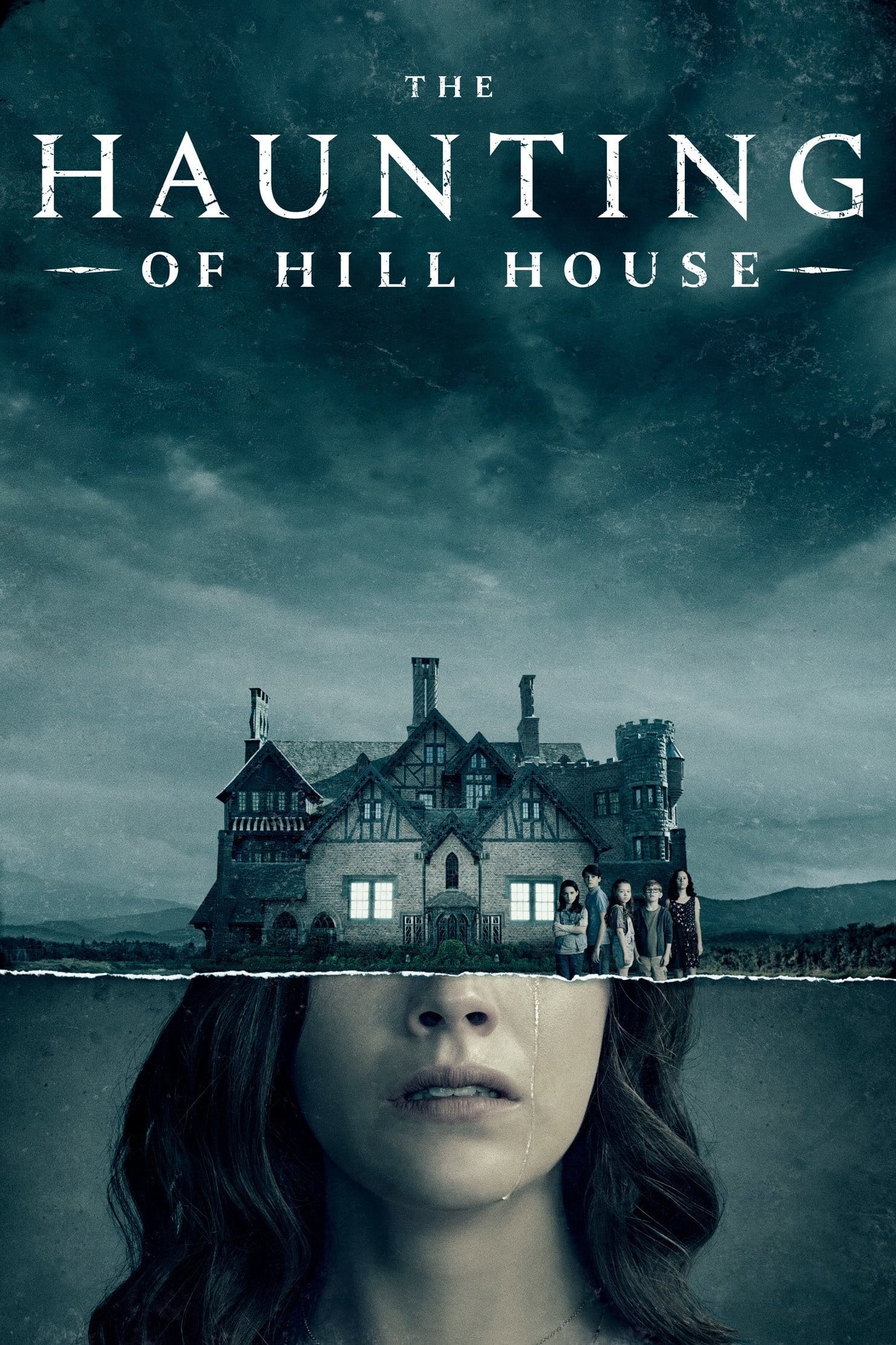
This Netflix banner gathers season length ghost stories that operate as stand-alone dramas. The production uses a repertory approach, bringing back many of the same actors in different roles, and adapts classic literature into modern settings with sustained atmosphere across episodes.
Cinematography, sound design, and long take staging are coordinated by a stable core crew, which gives both seasons a recognizable style despite their separate plots. Episodes are released at once for binge viewing, and each season wraps its central mystery and character arcs by the finale.
‘Creepshow’ (2019– )
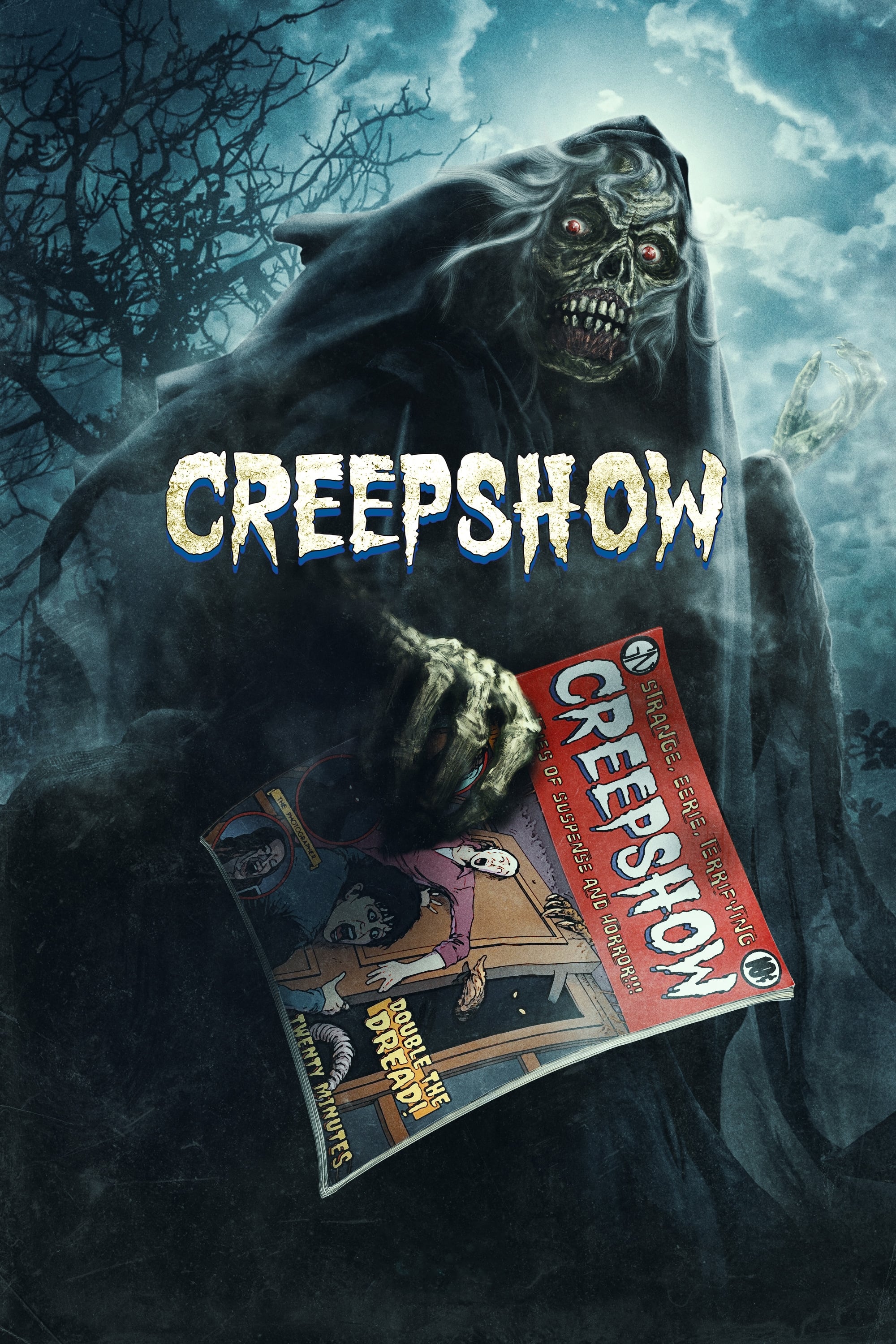
Shudder and AMC Networks revived this horror anthology as a series of episodes that usually contain two short segments. Stories pay homage to classic comic book framing devices, and practical creature effects are a recurring feature across the run.
Different writers and directors contribute to individual segments, while executive producers oversee tone and format. The show releases new installments during genre friendly windows on streaming, then plays on linear channels, which helps it reach both dedicated horror audiences and general viewers.
‘Modern Love’ (2019–2021)
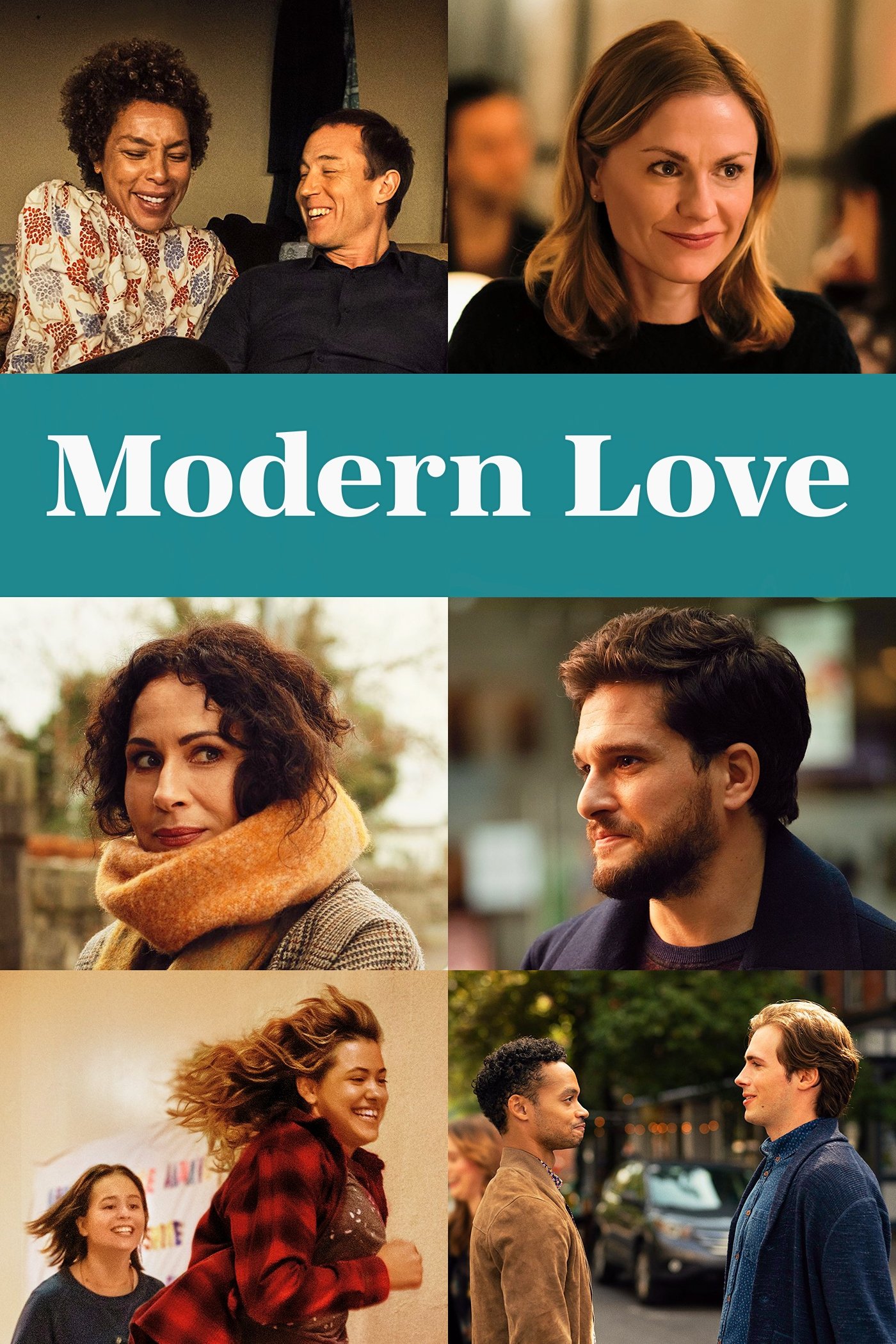
Based on the long running column and podcast, this Prime Video anthology tells self-contained stories inspired by personal essays. Each episode casts new leads and focuses on a single relationship or life event, using a consistent half hour structure that fits the original source material.
Production spans multiple neighborhoods and cities with location shooting that matches each episode’s setting. The series pairs established filmmakers with writers from the column’s editorial team, and it features a mix of well known actors and emerging talent who appear for one episode commitments.
Share the anthology series you would add in the comments so everyone can compare notes.