


Anti-Woke Celebs Who Faced Massive Backlash

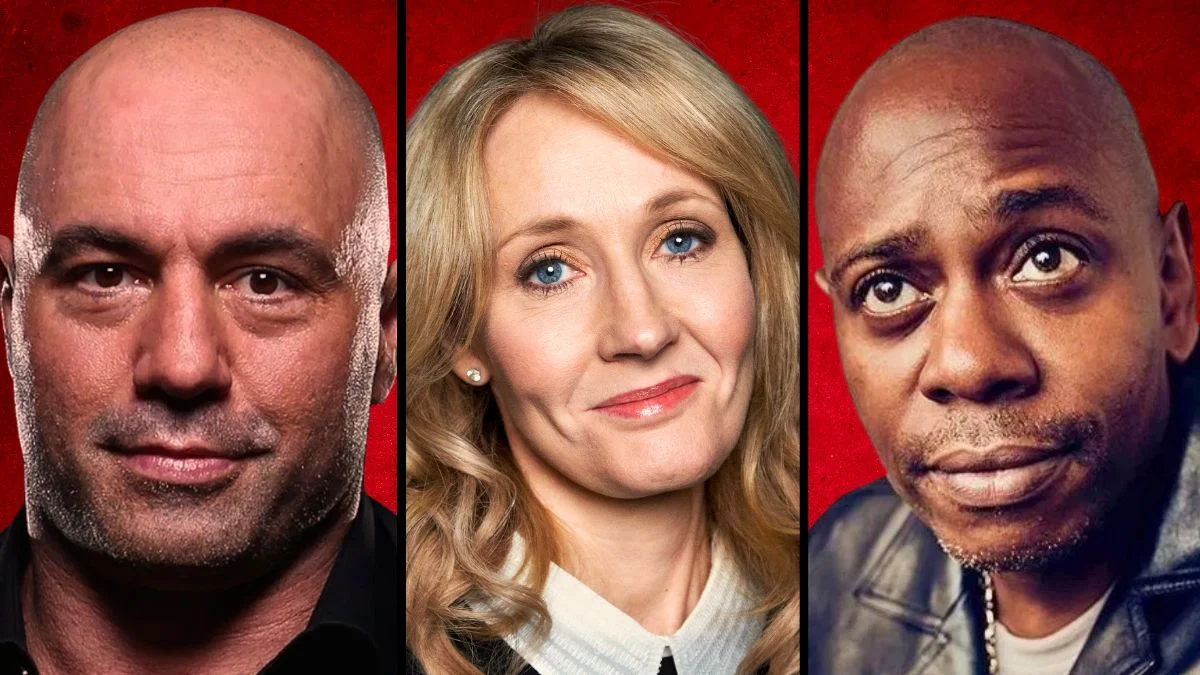


Talking about culture can get loud very quickly, and when famous people speak against popular trends the volume goes up even more. Some pushed back against ideas they see as political correctness or identity focused language. The response often arrived fast through social media storms, headlines, and calls for cancellations.
The celebs below all faced a wave of complaints or pressure after making statements or creative choices that critics labeled as anti woke. Many dealt with petitions, boycotts, venue changes, or strained work relationships. Here is what happened to each and how the fallout showed up in their careers or public lives.
J.K. Rowling
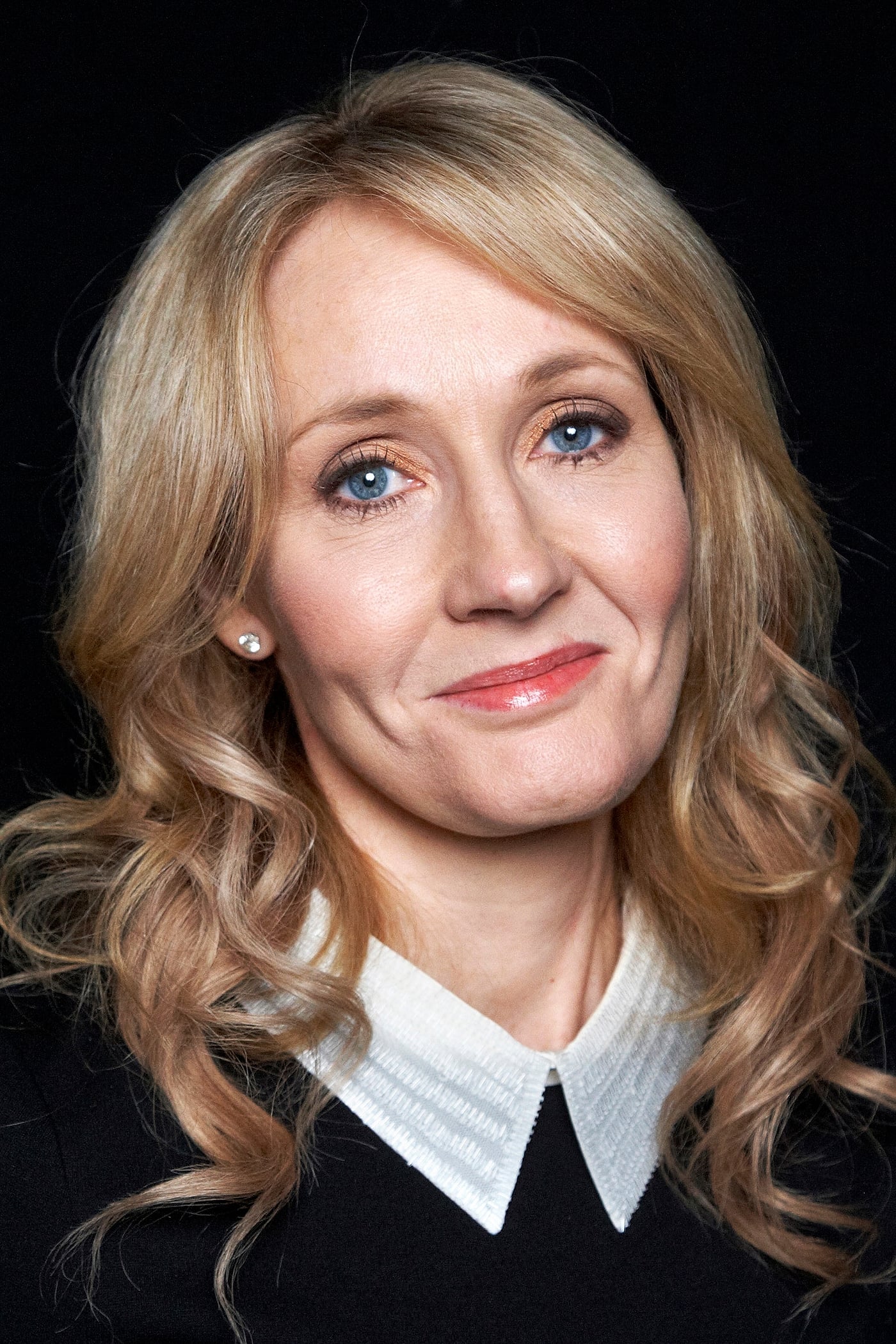
Rowling shared posts and essays about sex and gender policy. Her comments led to sharp criticism from fans and charities, and some book festivals altered plans involving her appearances. Retailers and reading groups debated placing her work in special sections or issuing statements about inclusion.
Film and game collaborators fielded questions about their ongoing ties. Cast members from the ‘Harry Potter’ films publicly clarified their own views. Activist groups organized demonstrations at venues featuring her work and urged donors to redirect support to other causes.
Dave Chappelle
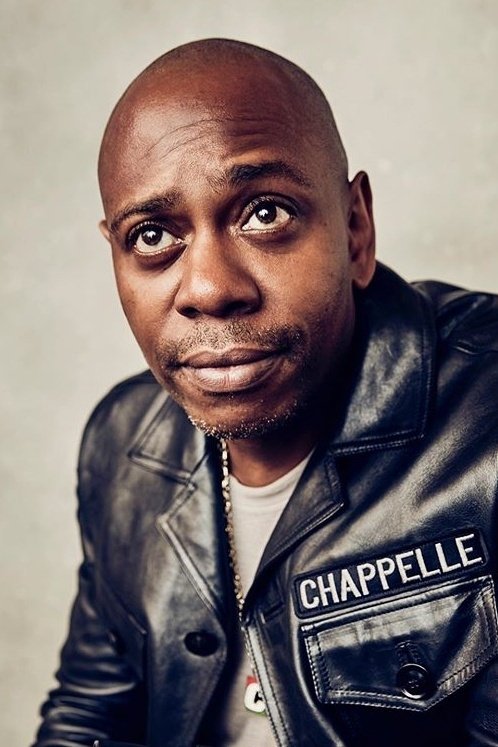
Chappelle’s stand up material included segments on gender and identity. After a major special released on a streaming platform, employees staged internal protests and advocacy groups called for content warnings.
Some venues and festivals reassessed bookings and security planning for his shows. Ticket platforms noted elevated complaint volumes, while promoters confirmed added guidelines for Q and A sessions and post show press.
Gina Carano
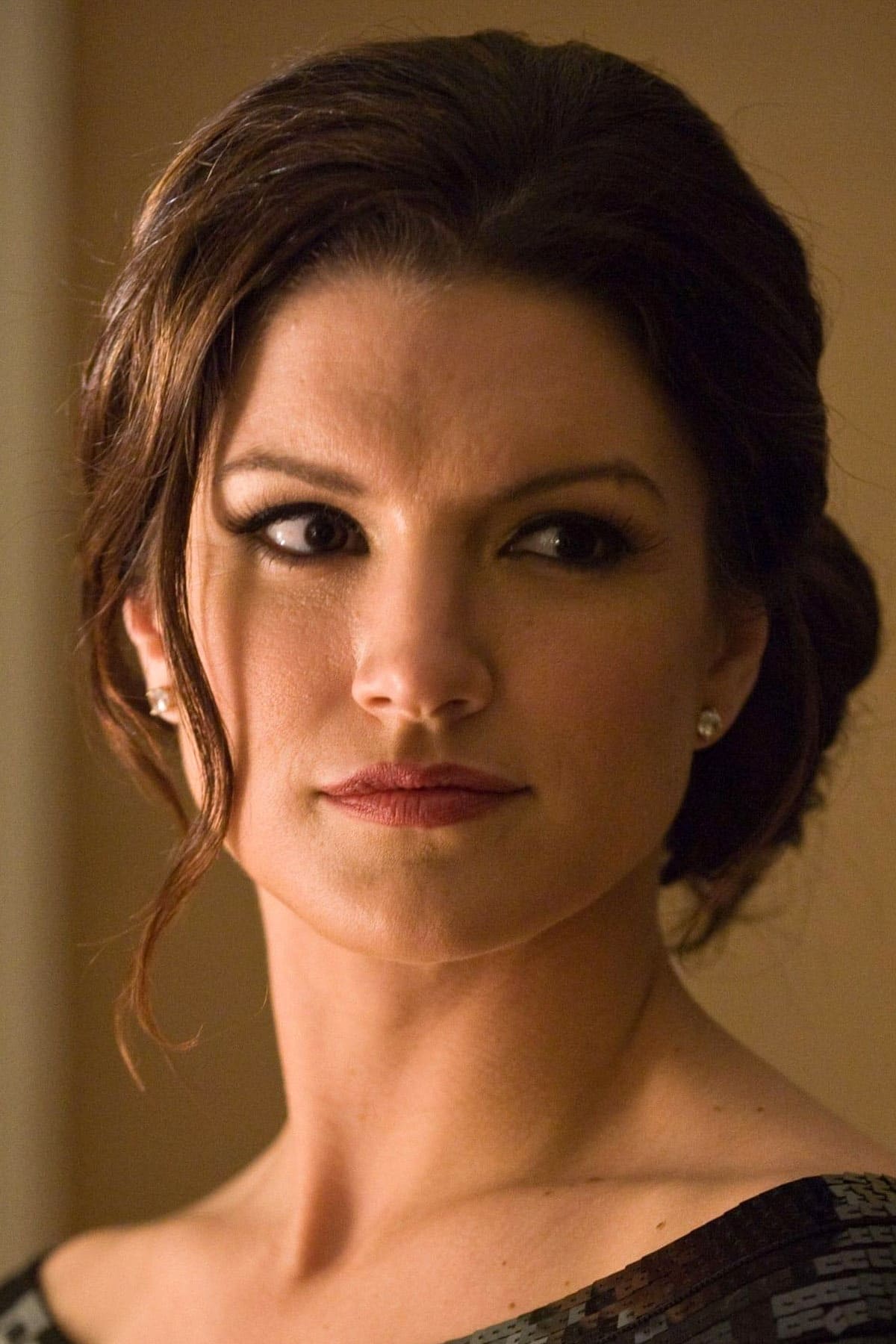
Carano posted messages on social media about politics and cultural topics while appearing on ‘The Mandalorian’. The studio ended her contract and plans for a spinoff character were discontinued after online backlash escalated.
Merchandise and character promotion were adjusted by licensees. Conventions reworked panel lineups, and talent agencies confirmed changes in representation. Carano continued to work on independent projects with alternative distributors.
Chris Pratt
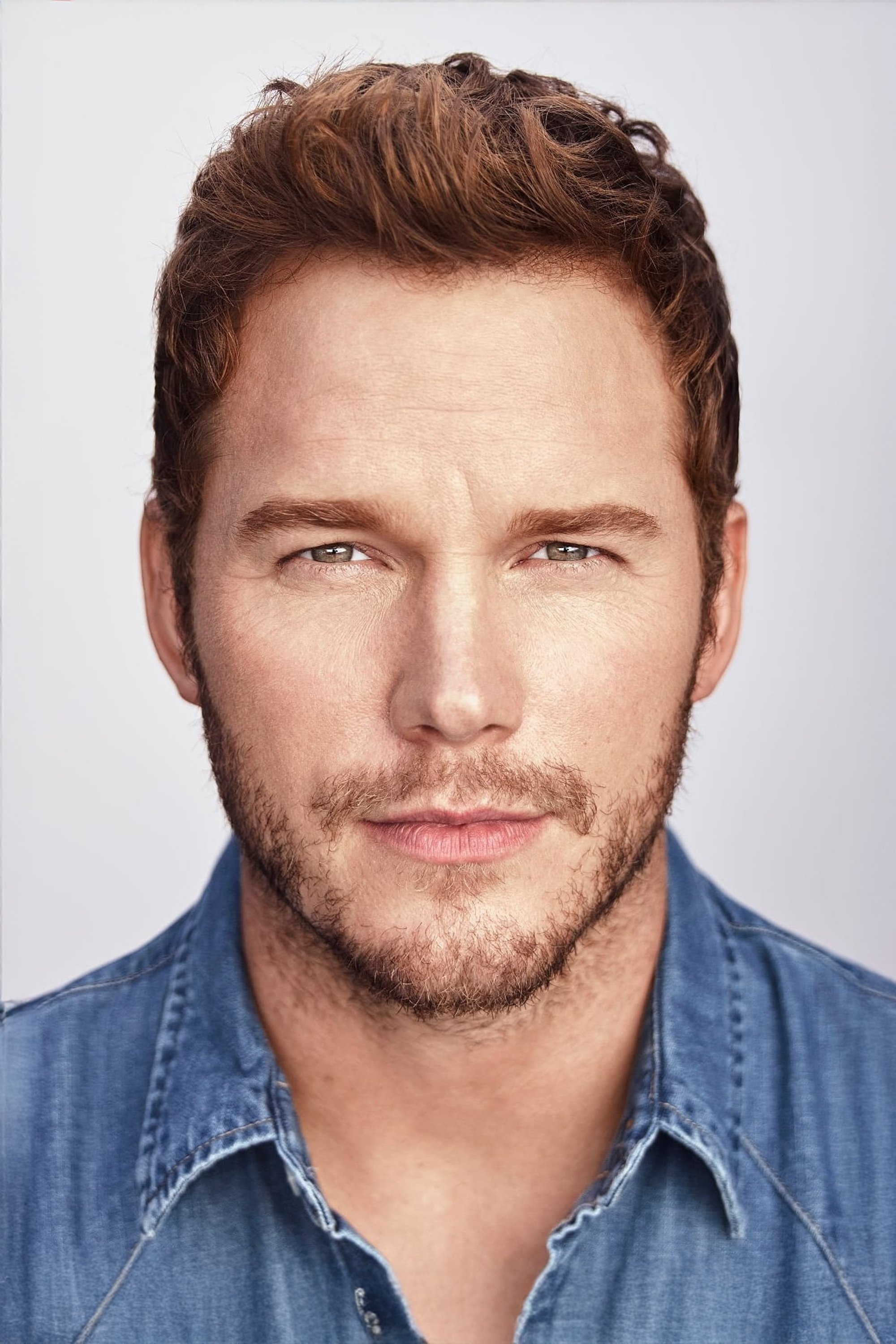
Pratt’s perceived affiliations and selective event participation prompted online campaigns. Critics questioned his silence on certain causes while supporters cited his charitable work. Hashtags urging studios to drop him trended repeatedly.
Studios faced press questions during marketing tours for ‘Guardians of the Galaxy’ and ‘Jurassic World’. Publicists managed comment requests and issued neutral statements about ensemble casts. Fan polls and social feeds reflected split sentiment over time.
James Woods
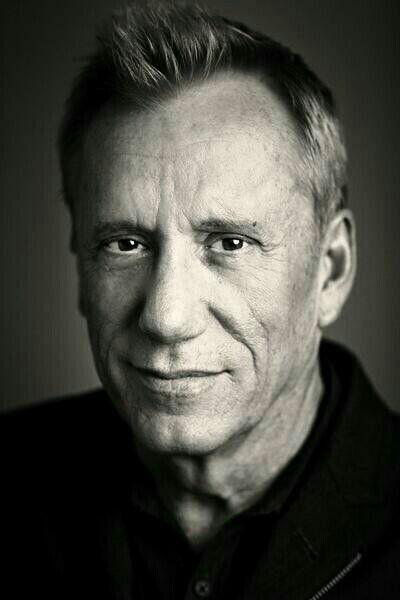
Woods often posted critical takes on progressive politics. He reported account issues on social platforms and described impacts on casting opportunities.
Talent representatives and studios received inquiries about his roles. Film fansites tracked changes in his screen appearances, and discussions about viewpoint tolerance in Hollywood followed each high profile post.
Roseanne Barr
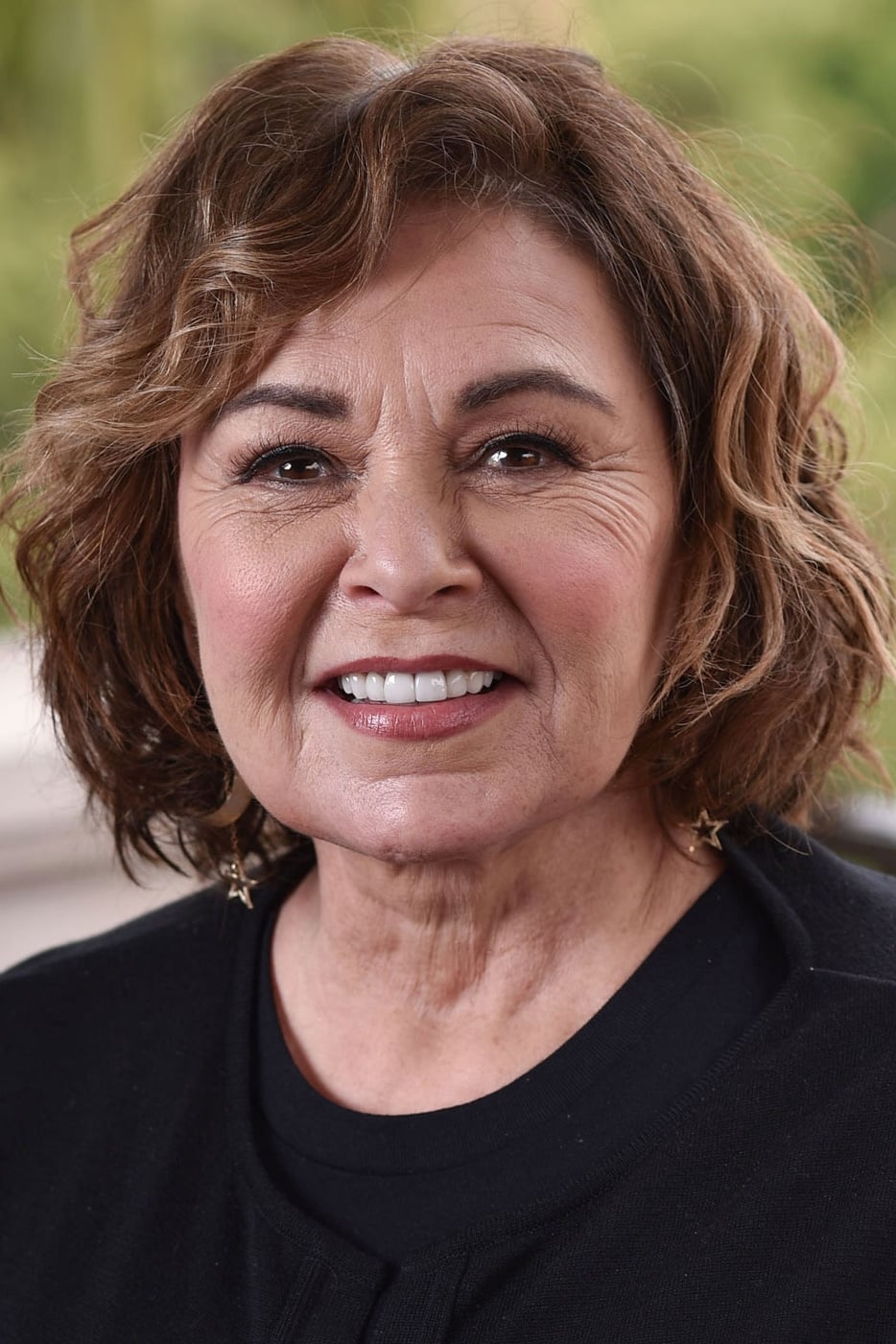
After Barr posted an offensive tweet while the ‘Roseanne’ revival was airing, the network canceled the show. The series continued without her as ‘The Conners’, and contracts were renegotiated.
Syndication partners updated schedules and promotions. Sponsors evaluated placements, and press coverage focused on standards policies for cast conduct. Barr later performed stand up with independent distribution.
Kanye West
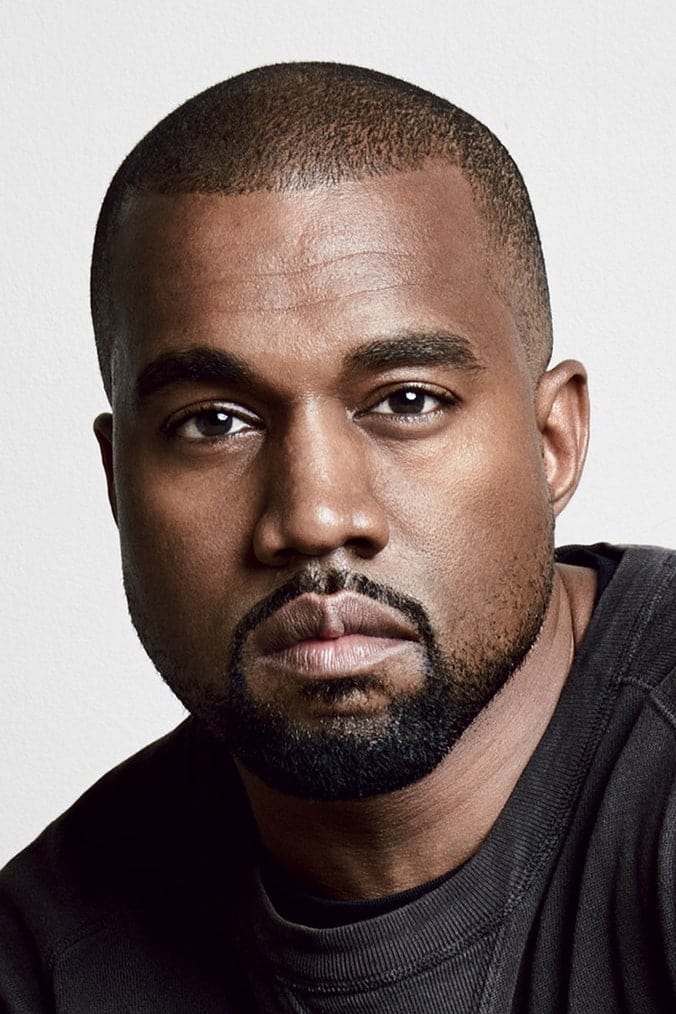
West made repeated public statements about culture and politics that drew intense criticism. Major fashion partners ended collaborations and retailers pulled products after additional remarks crossed widely accepted lines.
Tour plans and event bookings were reevaluated, and several projects lost financing. Industry groups highlighted policies on hate speech and brand safety. West continued to release music independently and sought new distribution models.
Bill Maher
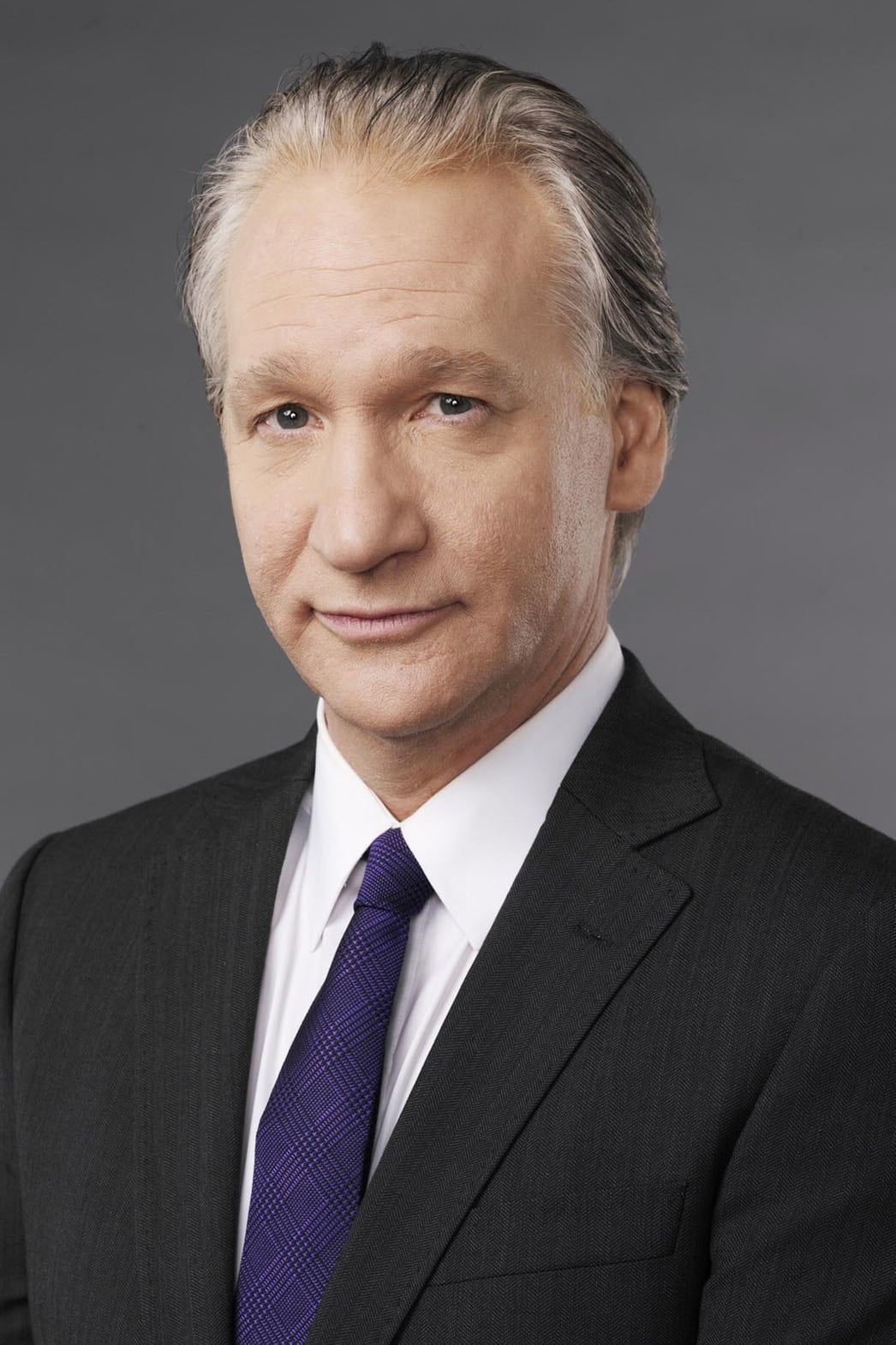
Maher used his talk show monologues to question campus speech codes and shifting social norms. Organized campaigns asked the network to replace him as a speaker at university events.
Campuses adjusted security and ticketing, while student groups published open letters. The show incorporated extended panel discussions on free expression in response to ongoing debates.
Ricky Gervais
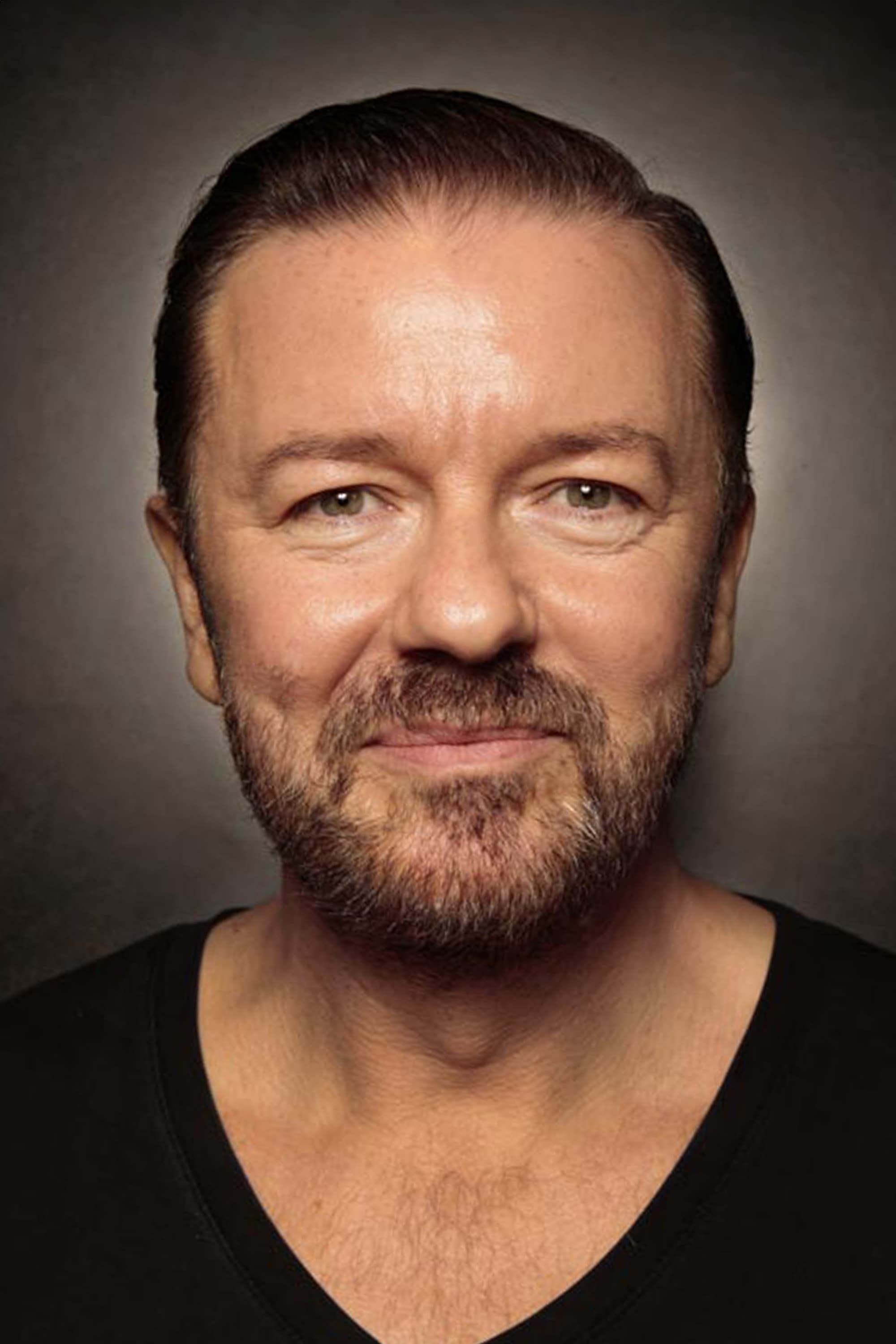
Gervais’s stand up and awards hosting included material about identity topics. After his specials, advocacy organizations criticized specific jokes and requested stronger platform guidelines.
Ticket sales remained strong while protests appeared outside some venues. Press tours featured extensive questions about line drawing in comedy, and distributors added advisory notes to listings.
Jordan B. Peterson
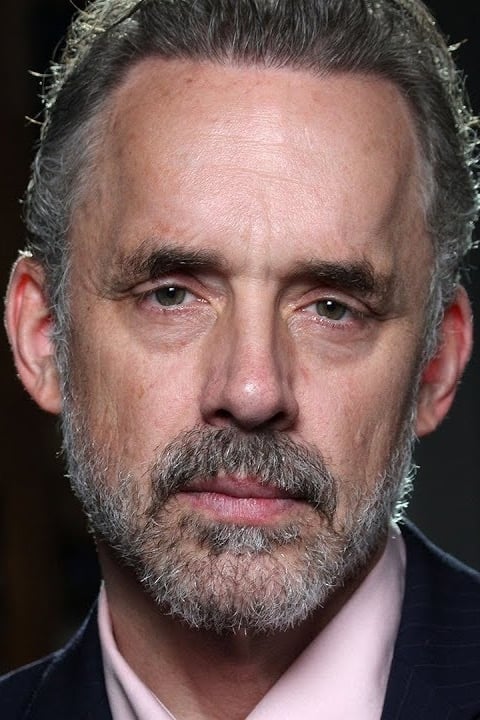
Peterson criticized compelled speech rules and institutional diversity frameworks. His university employment status drew scrutiny, and professional bodies opened reviews into his public statements.
Publishing deals moved forward with increased security at book events. Some bookstores posted staff statements near displays while others hosted moderated debates. Online learning platforms updated community guidelines around his courses.
Piers Morgan
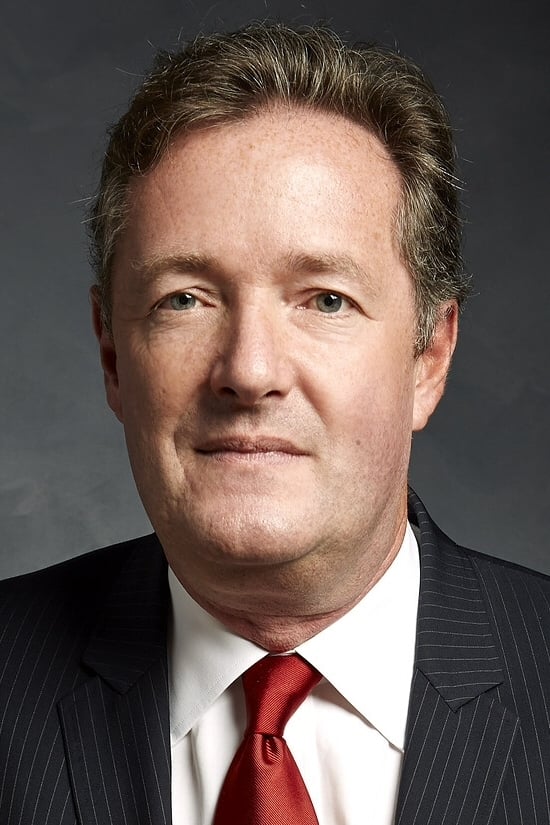
Morgan challenged language norms around gender on air and social media. Complaints to regulators spiked after several broadcasts, and he left a morning show following a high profile on set dispute.
He relaunched on another network with a new format. Advertisers weighed placements while ratings data showed significant audience shifts. Interviews featured extended segments on editorial freedom.
Candace Owens

Owens criticized corporate diversity campaigns and movement slogans. Her comments produced organized boycotts and sustained social media campaigns against events featuring her.
Venues increased security and adjusted seating layouts. Publishers and podcast partners set stricter moderation rules for live chats, and guest bookings were announced with detailed content advisories.
Joe Rogan
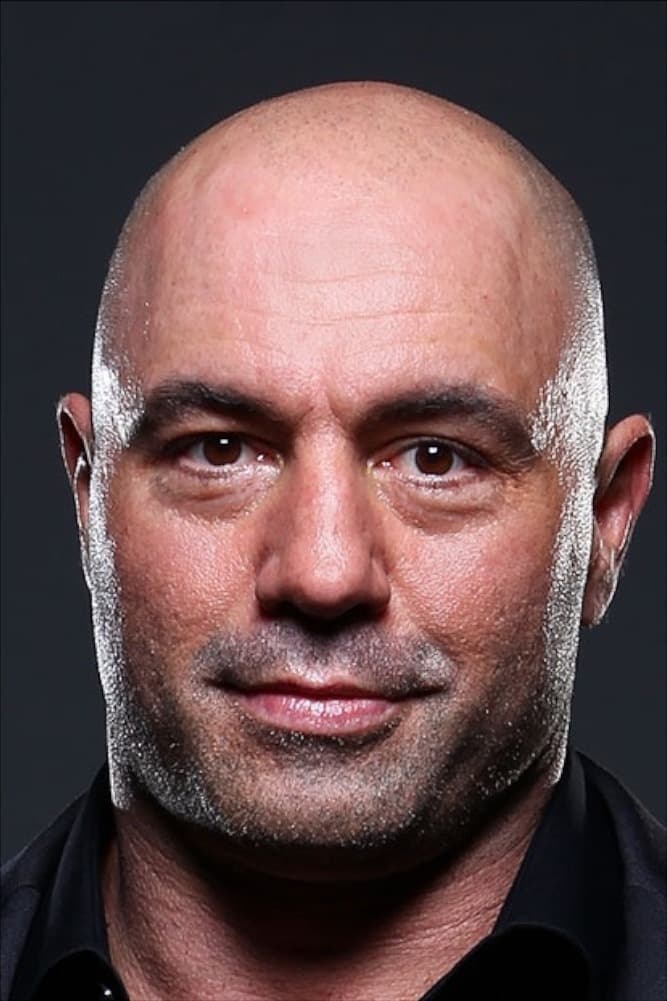
Rogan hosted guests who questioned mainstream views on culture and science. Critics demanded removals of certain episodes and stronger editorial checks, while the platform defended long form conversation.
Musicians and creators temporarily pulled content in protest. The show updated episode notes with additional resources, and the host issued clarifications during later interviews.
Tim Allen
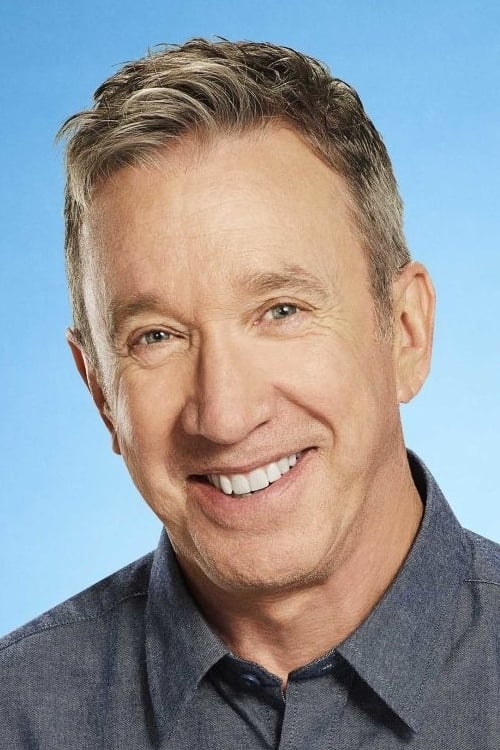
Allen discussed political leanings and joked about cultural sensitivity. His sitcom faced a cancellation that fans linked to politics, followed by a revival on another network with new scheduling.
Promo campaigns balanced family sitcom messaging with broader audience appeal. Interviews focused on creative control and writers room planning to keep the show stable across network moves.
Kevin Sorbo
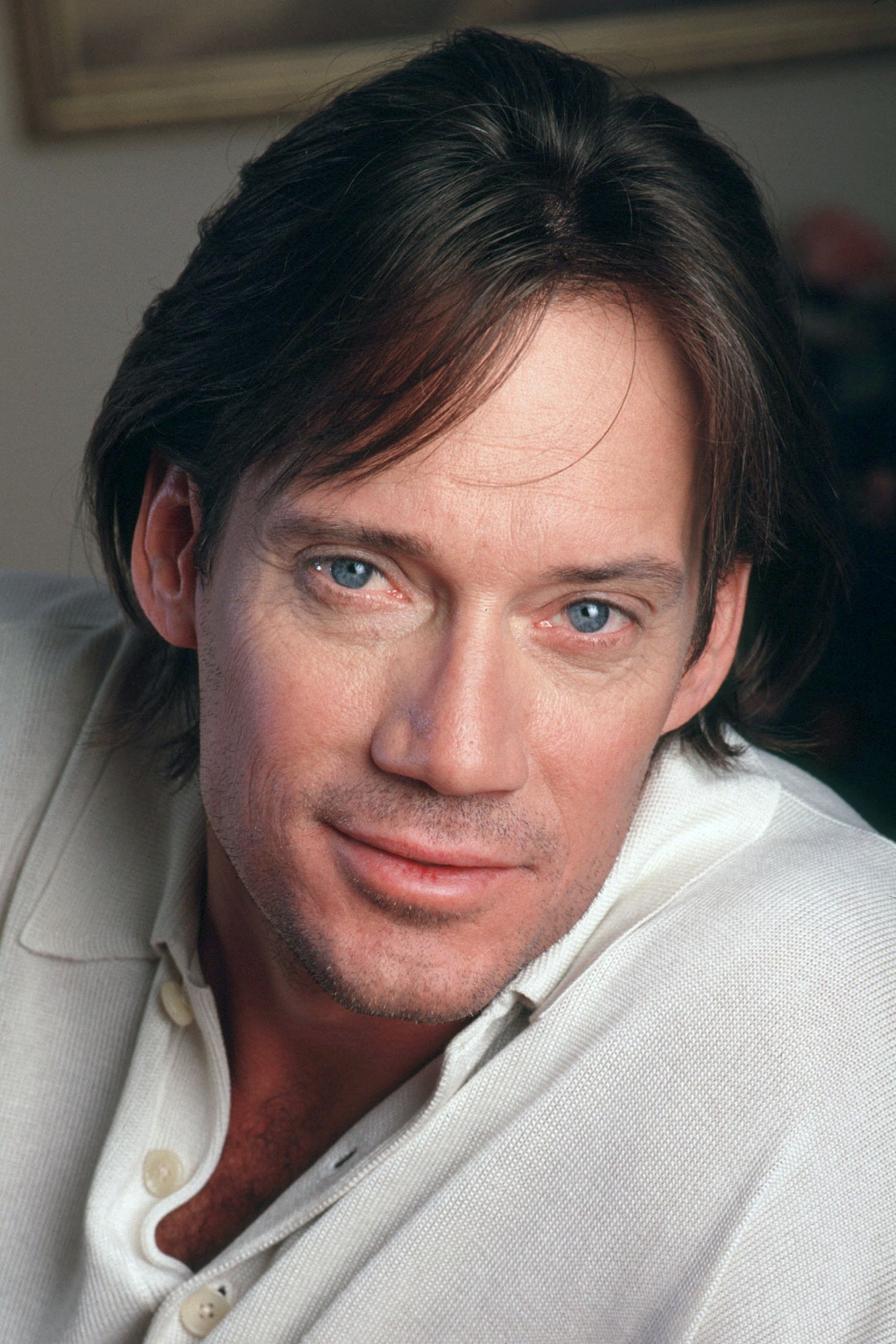
Sorbo posted frequently about culture war topics. Conventions and festivals faced petitions to remove him from guest lists, and some appearances changed format to photo ops without panels.
Independent producers partnered with him on faith and values oriented films. Distribution targeted niche platforms and theater chains known for event cinema screenings.
Dean Cain
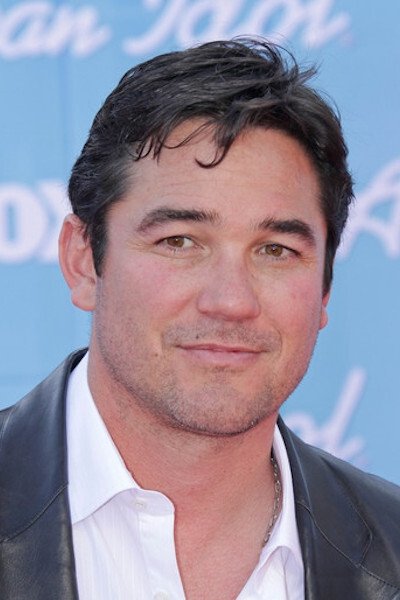
Cain voiced concerns about political correctness in entertainment. Certain campus speaking events drew protests and venue changes, and organizers added moderated debate formats.
He continued acting in television movies and documentary hosting. PR teams prepared standardized statements for event programs and added audience guidelines to tickets.
Clint Eastwood
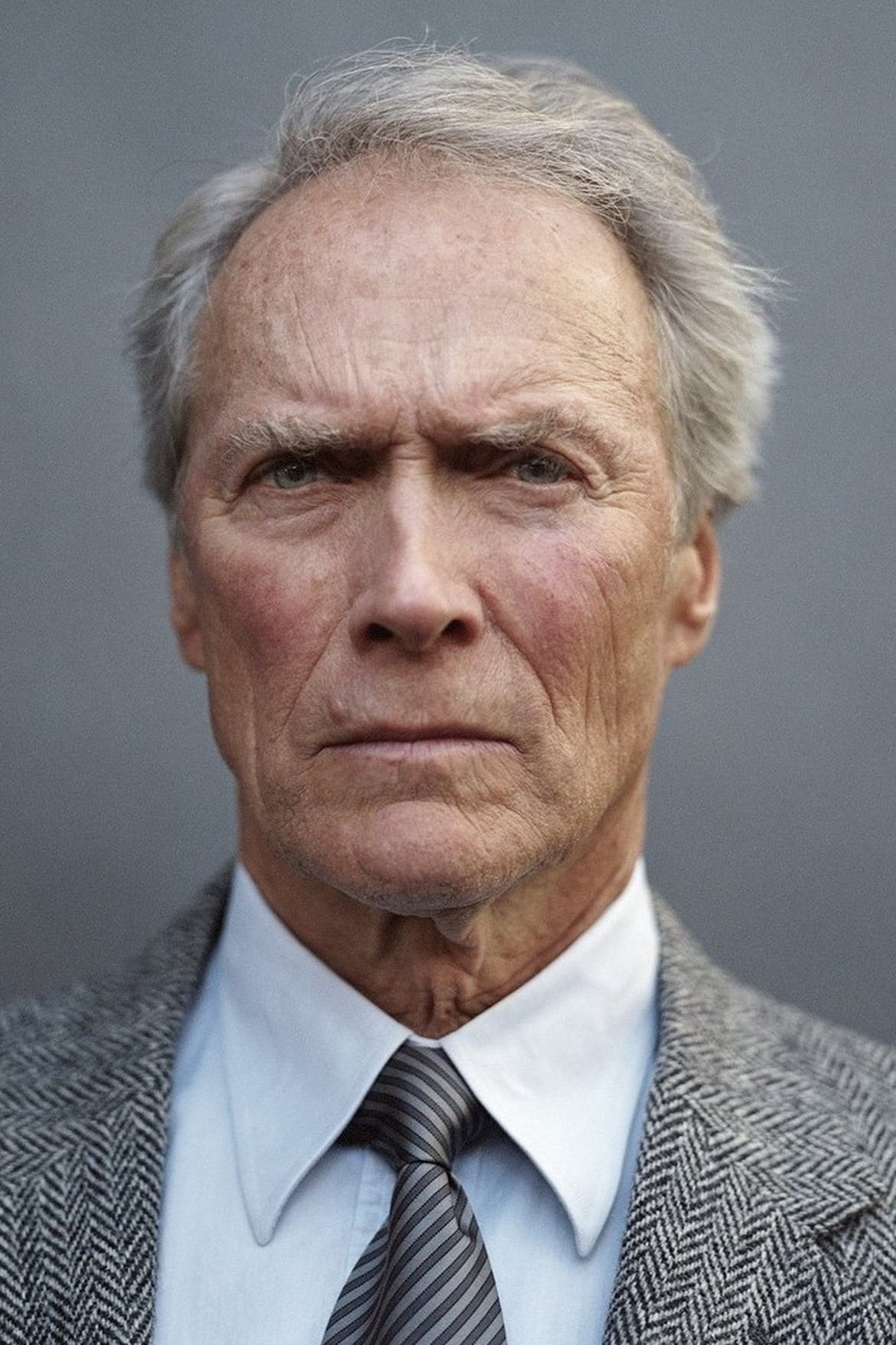
Eastwood spoke publicly about generational attitudes and creative freedom. Several film releases arrived amid editorials criticizing his comments and calling for boycotts.
Studios managed press junkets with controlled Q and A sessions. Awards screenings maintained strong attendance while advocacy groups organized parallel panels on representation in film.
Jon Voight
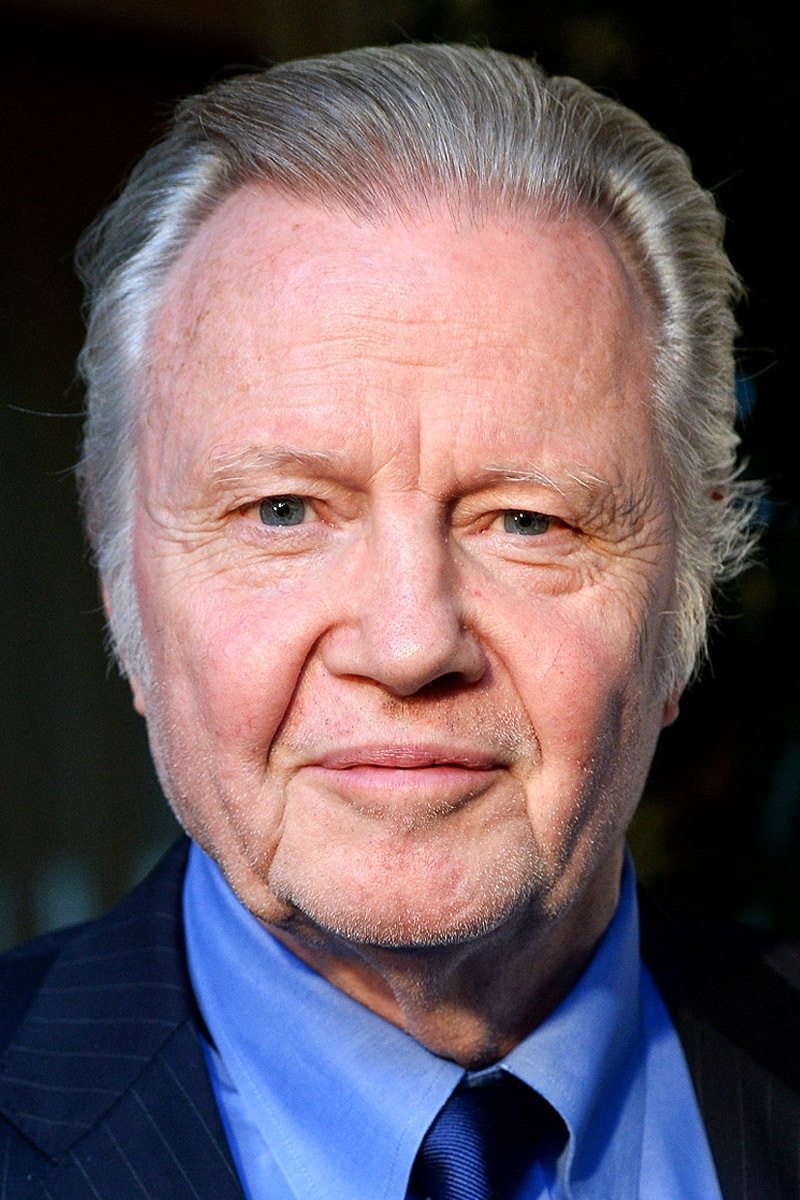
Voight delivered video messages and speeches critical of progressive politics. His remarks led to trending calls to blacklist him from ensemble productions.
Agencies fielded questions about his availability and commitments. Film festivals weighed tribute segments against potential protests and opted for smaller interview formats.
Kid Rock
Kid Rock criticized corporate diversity messaging and celebrity activism. After a publicized product boycott, venues prepared for protests and sponsors reviewed associations.
Tour planners coordinated with local authorities for crowd management. Merch vendors adjusted product lines and messaging to match audience expectations at each stop.
Laurence Fox
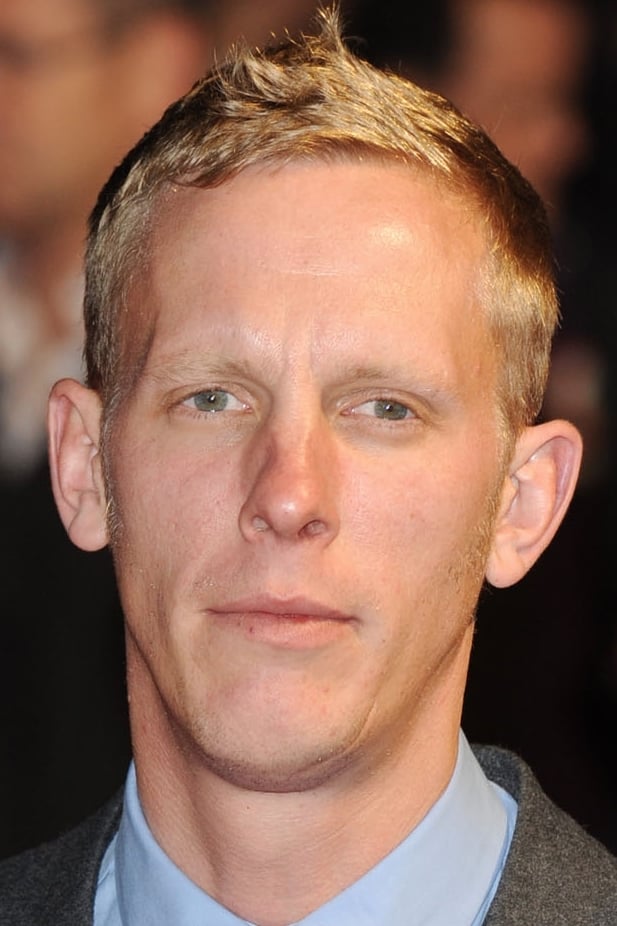
Fox criticized casting practices and media language on identity. His roles and representation changed amid sustained backlash, and a political run kept his comments in the spotlight.
Theaters reported heated audience feedback during post show talks. TV programs booked him for debates with prearranged rules to avoid interruptions and to keep segments on time.
Chris Rock
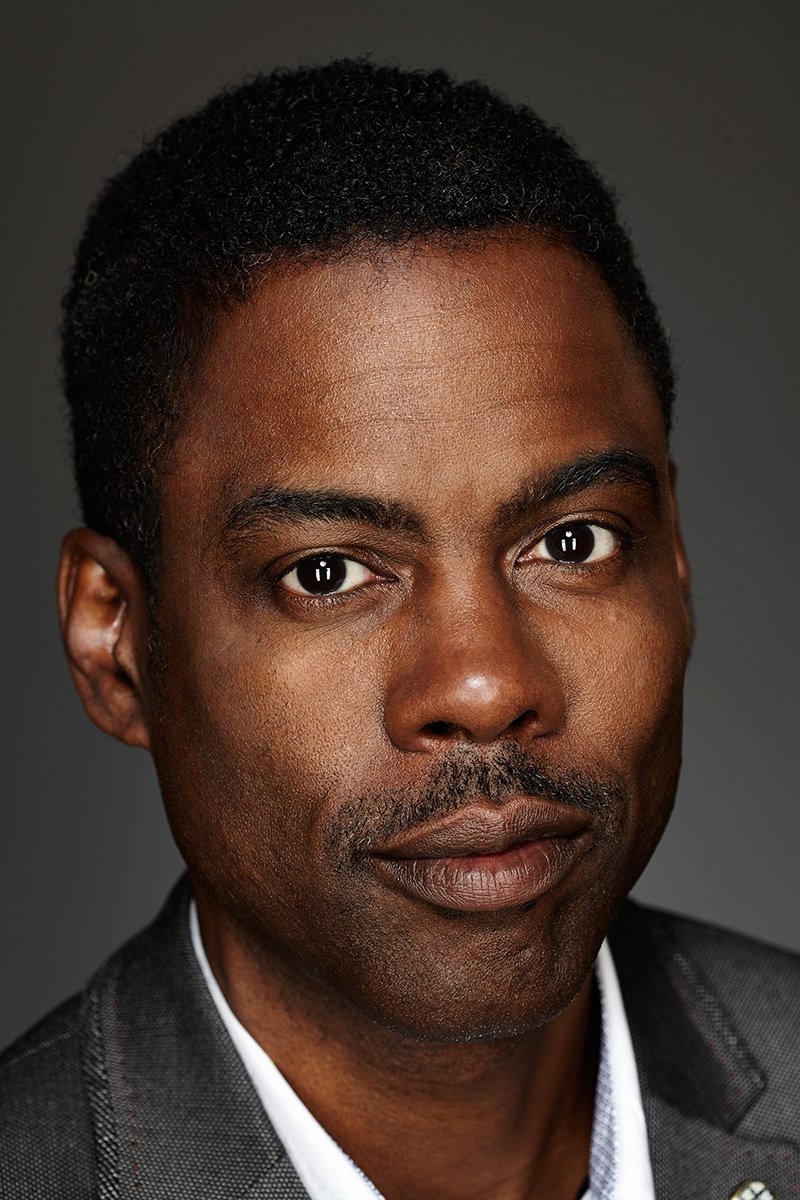
Chris Rock discussed cancel culture and sensitivity in recent stand up specials. Some critics argued the material dismissed emerging social norms and called for show cancellations.
Streaming releases arrived with live event formats and immediate post show interviews. Venues coordinated with staff on audience conduct policies and prepared statements for local press.
Share which names you think were missing and tell us in the comments how you saw the backlash play out.