


20 Asian Actors Who Say LGBTQ Roles Are the Only Ones They’re Offered

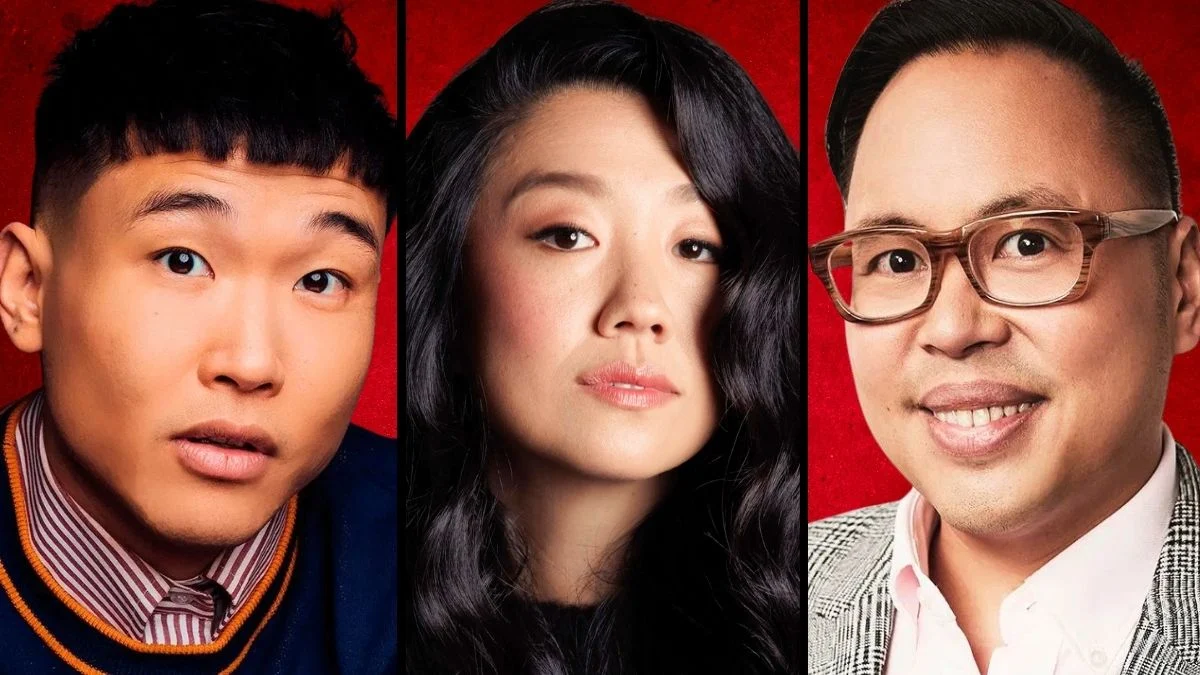


Hollywood has long struggled with diverse representation, and for many Asian actors, the “bamboo ceiling” often intersects with the “lavender ceiling,” creating a highly specific typecasting dilemma. While visibility for the LGBTQ+ community and Asian performers has increased, many actors have spoken out about being pigeonholed into playing the “gay best friend,” the desexualized sidekick, or specific niche queer roles to the exclusion of all else. These industry limitations often force talented performers to create their own projects or fight aggressively for auditions that view them as leading men and women rather than just diversity checkboxes. The following actors have navigated this complex landscape, often discussing the scarcity of varied roles available to them in mainstream media.
Bowen Yang
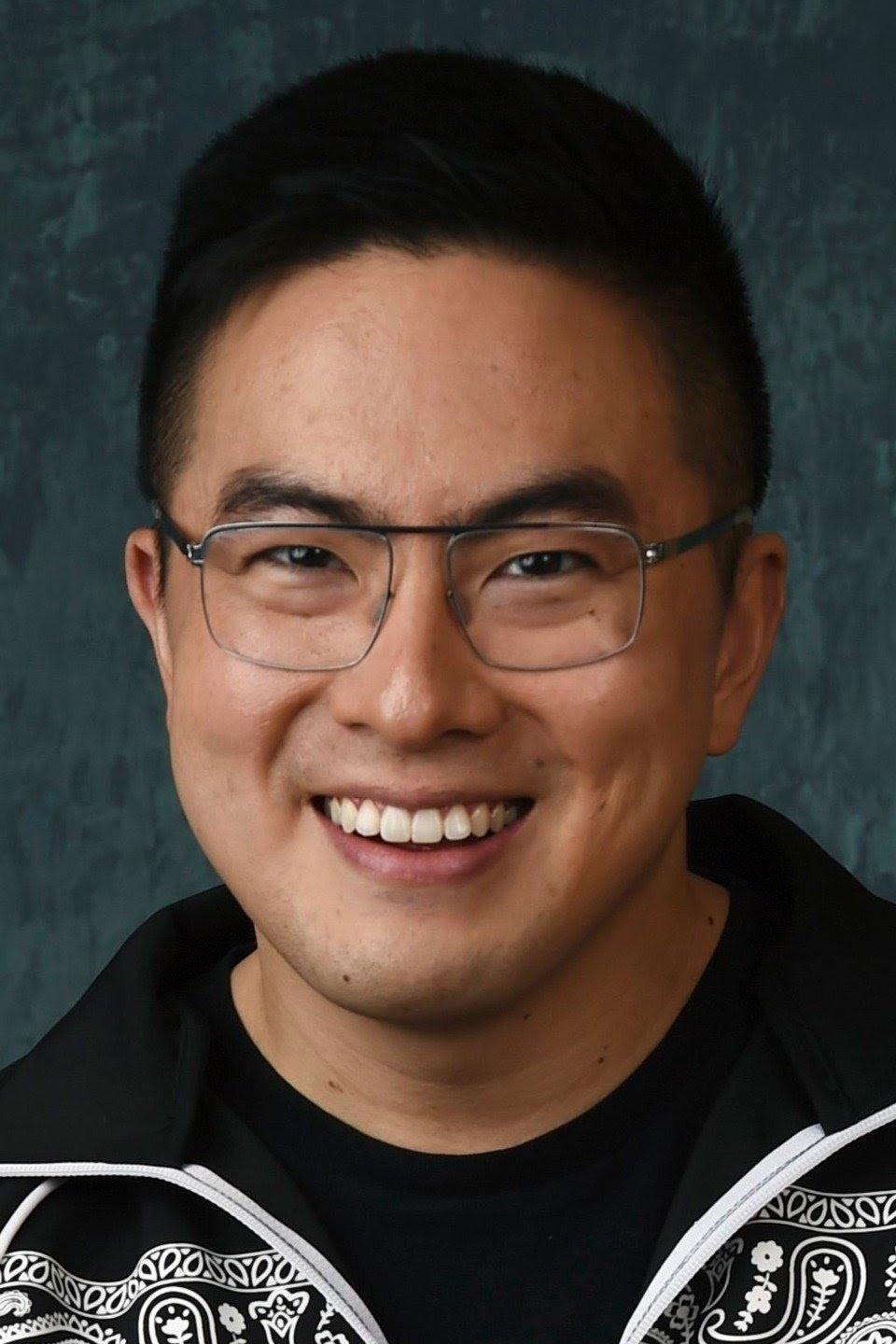
‘Saturday Night Live’ made history when it cast Bowen Yang, but the comedian has been vocal about the specific box the industry attempts to put him in. Yang has discussed how Hollywood often views him exclusively through the lens of the flamboyant, queer comedic relief, leaving little room for more serious or “straight-passing” opportunities. His role in ‘Fire Island’ was a direct response to this, creating a narrative that centered the queer Asian experience rather than relegating it to the sidelines. Despite his Emmy-nominated success, Yang continues to navigate scripts that predominantly feature the same “sassy best friend” tropes.
Nico Santos
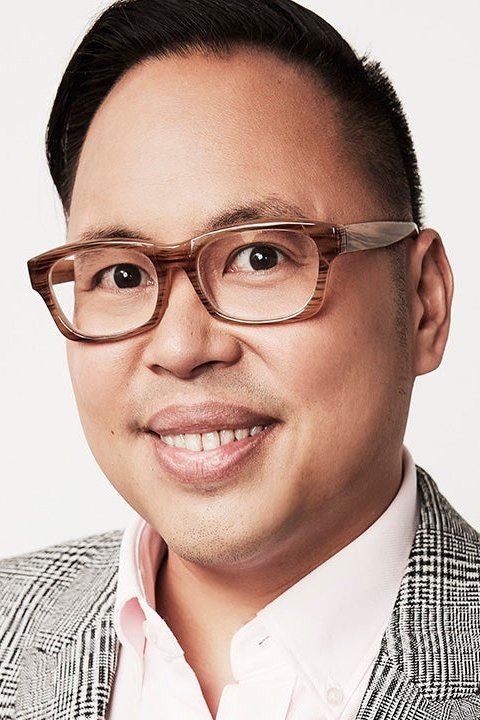
Best known for his scene-stealing roles in ‘Superstore’ and ‘Crazy Rich Asians’, Nico Santos has built a career playing memorable queer characters. However, he has noted that casting directors rarely consider him for roles outside this specific demographic, often assuming he can only play the “gaysian” stereotype. Santos embraces his identity but has expressed the desire for the industry to see the range of his acting ability beyond his sexuality. The limited scope of offers often forces actors like him to compete for the very few queer Asian roles available in major productions.
Rex Lee
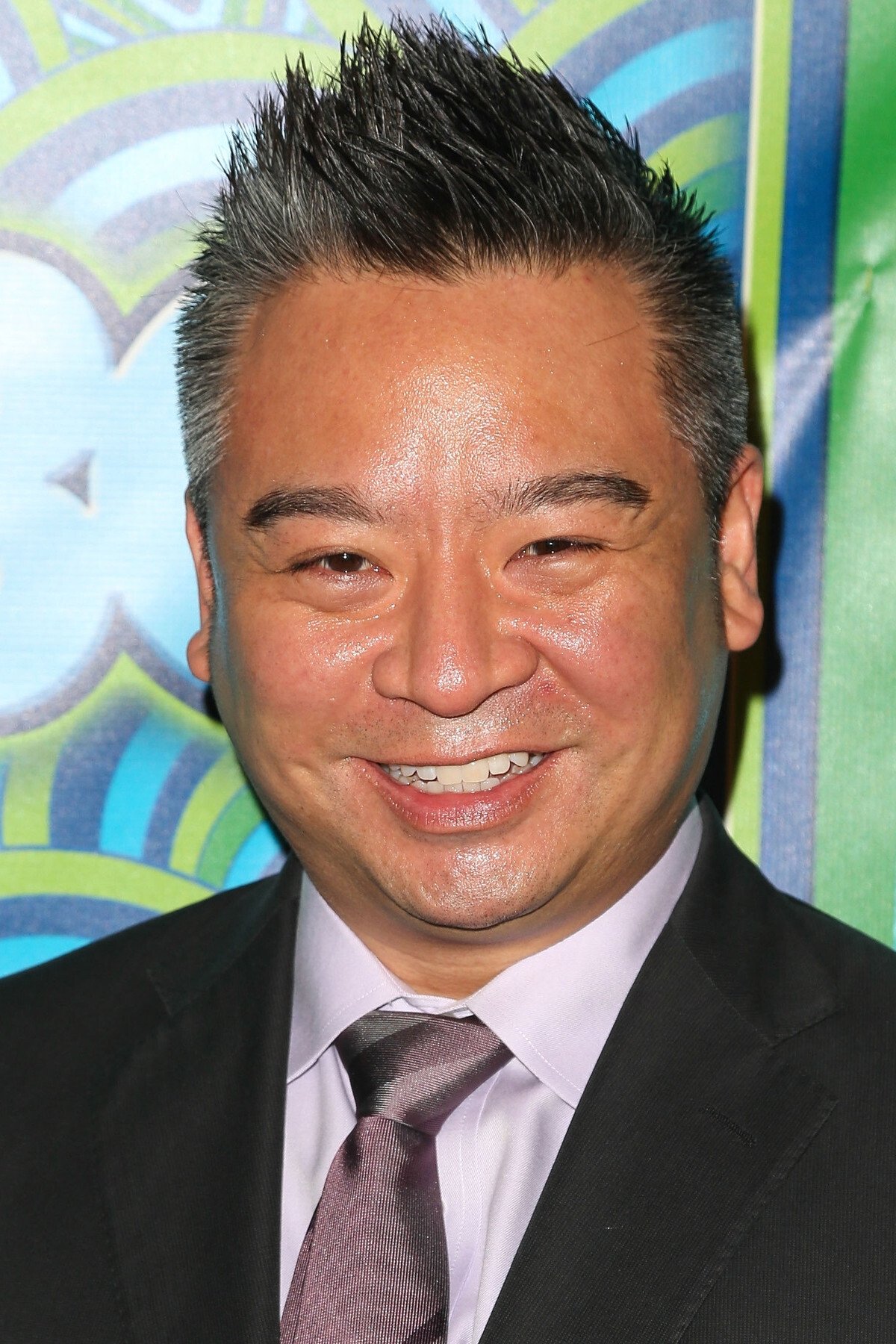
Rex Lee became a household name playing Lloyd in ‘Entourage’, a role that was the quintessential harassed, gay assistant. Lee has candidly discussed how this role defined his career for years, leading to a deluge of offers for nearly identical character archetypes. He struggled to be seen as a leading man or a dramatic actor because the industry had so firmly cemented him in the public imagination as the submissive sidekick. While he found success in ‘Young & Hungry’, the shadow of his initial typecasting highlighted the industry’s reluctance to offer him diverse parts.
Joel Kim Booster
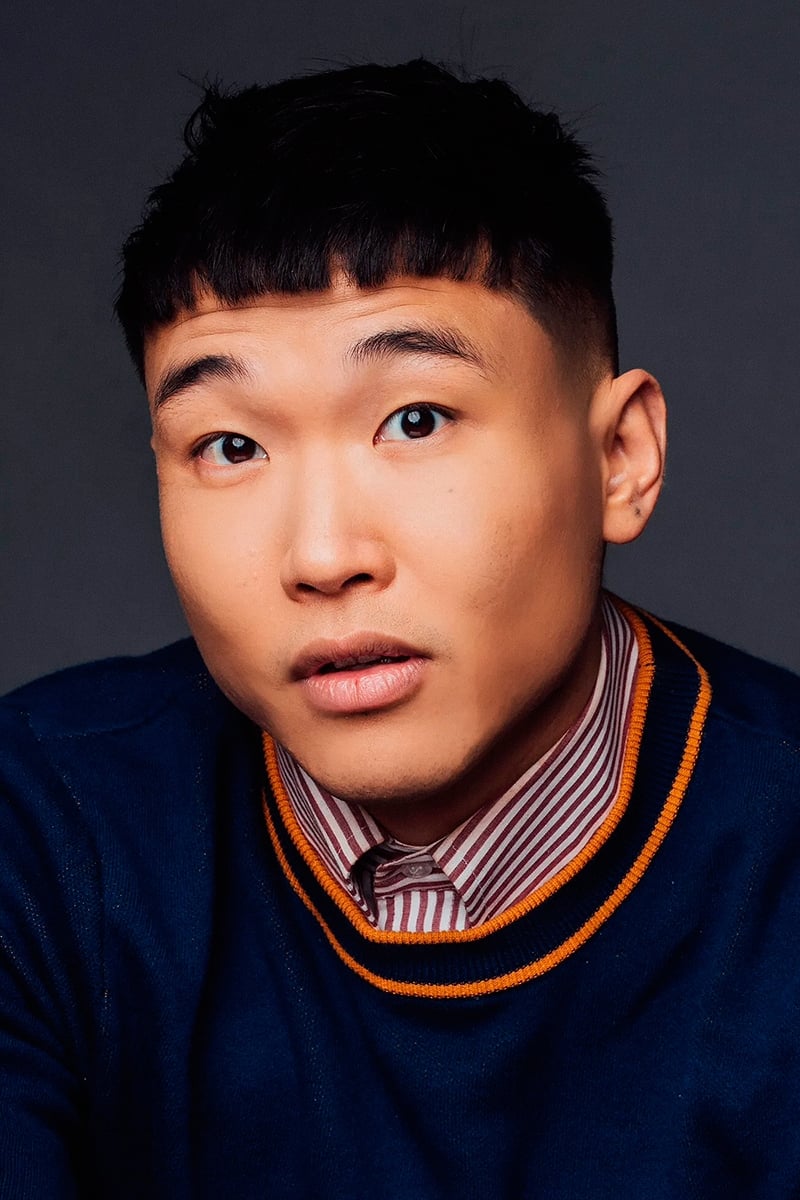
Frustrated by the lack of leading roles offered to gay Asian men, stand-up comedian Joel Kim Booster took matters into his own hands by writing and starring in ‘Fire Island’. Booster has frequently critiqued the entertainment industry for relegating actors like him to the background, refusing to wait for a studio to offer him a romantic lead. He has spoken about the necessity of creating his own work because standard casting calls simply did not provide opportunities for him to be the protagonist. His work directly challenges the desexualization and marginalization of Asian men in media.
Alec Mapa
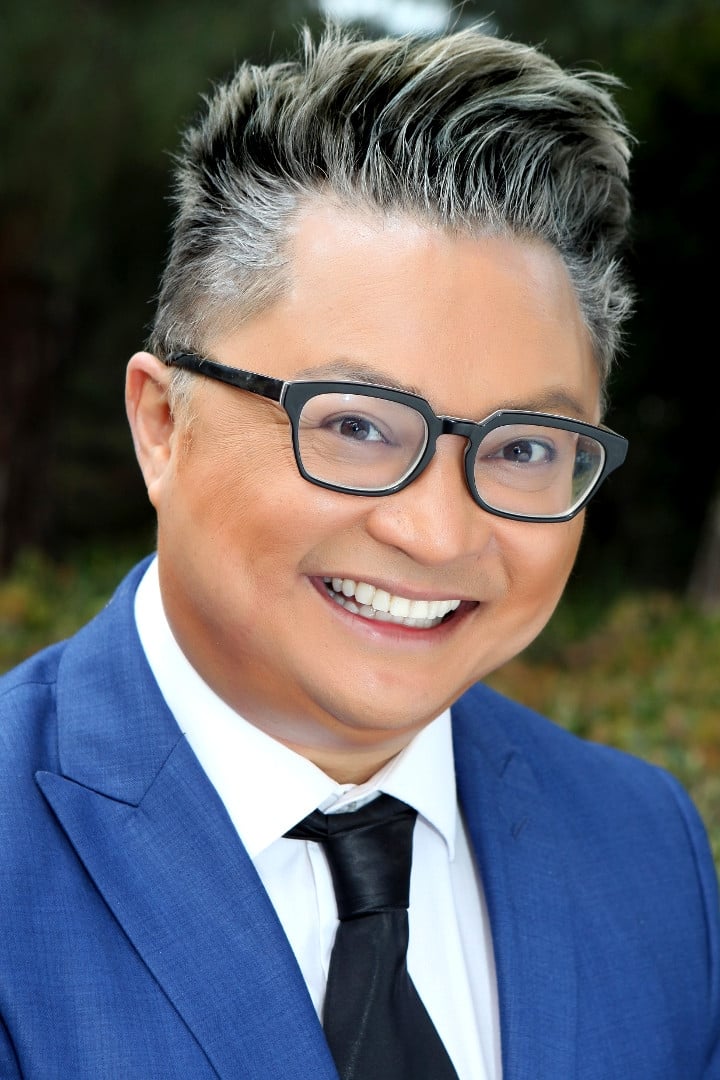
With a career spanning decades, Alec Mapa has often referred to himself as “America’s Gaysian,” acknowledging the niche he was forced to carve out. Roles in ‘Ugly Betty’ and ‘Desperate Housewives’ capitalized on his campy comedic timing, but he has noted that these were often the only types of roles available to him. Mapa has used his platform to discuss how Asian men are often feminized in media, making it difficult to book roles that require “traditional” masculinity. He turned this typecasting into a successful stand-up career, reclaiming the narrative that Hollywood tried to limit him to.
Maulik Pancholy
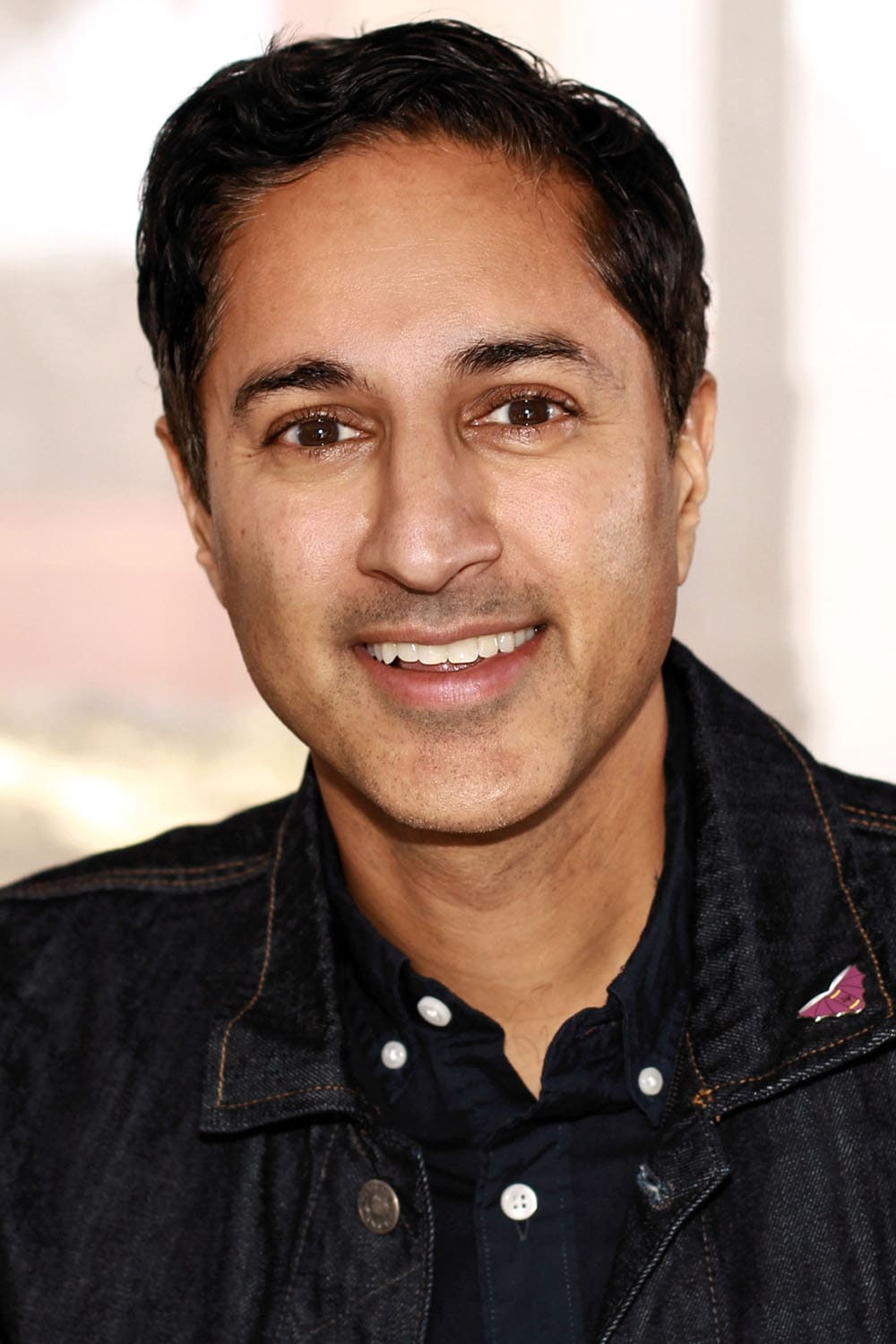
Maulik Pancholy is widely recognized for playing Jonathan, the obsessively loyal assistant in ’30 Rock’, and a similar character in ‘Weeds’. These roles, while iconic, established a pattern where he was repeatedly offered the part of the fawning, asexual, or queer-coded subordinate. Pancholy has been open about his sexuality and the importance of representation, but the redundancy of the offers he received demonstrated a lack of imagination in casting departments. He has since branched out into voice acting and theater to find roles that offer more depth and variety.
Parvesh Cheena
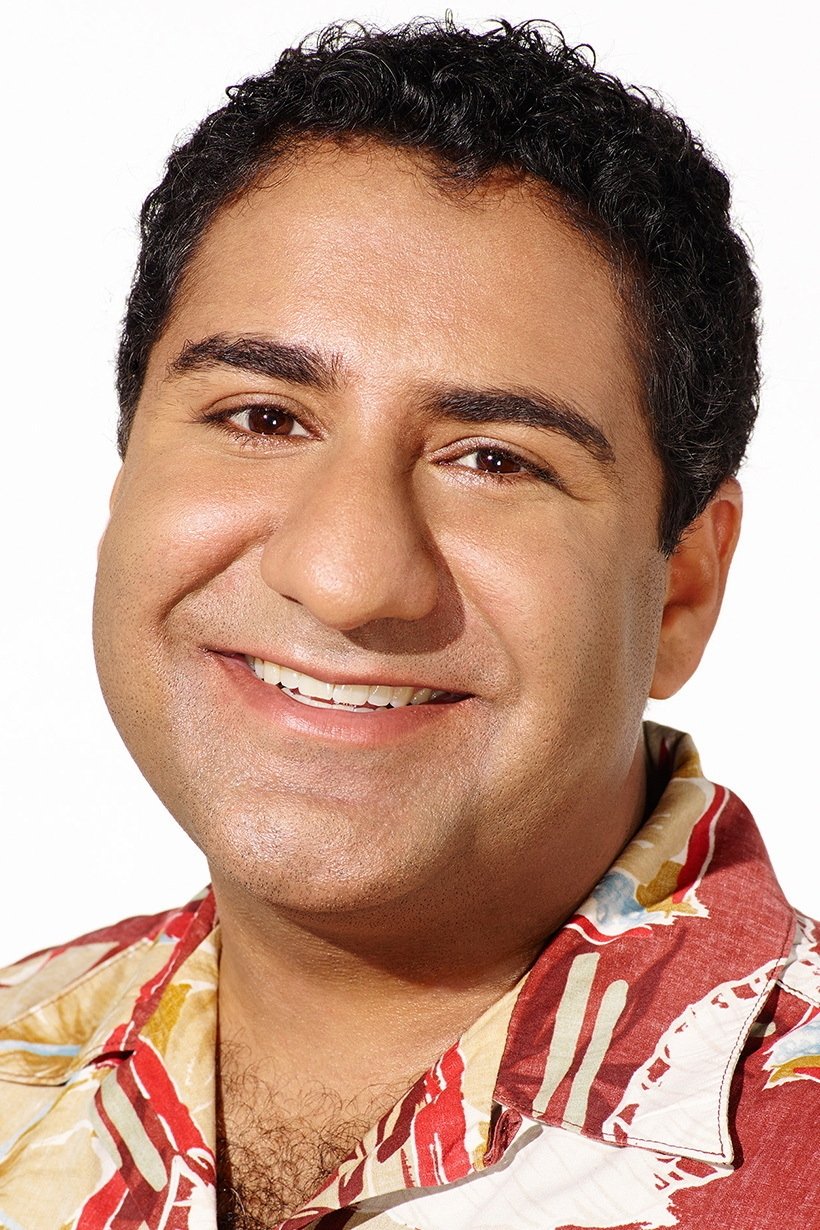
In ‘Outsourced’ and ‘Crazy Ex-Girlfriend’, Parvesh Cheena often portrayed characters that fit a specific, non-threatening, and often queer-coded mold. Cheena has discussed the reality of being a character actor in a system that relies heavily on visual shorthand, which often means playing the gossip-loving neighbor or colleague. The scarcity of roles for South Asian men already limits opportunities, and adding the layer of queer typecasting further narrows the field. He continues to advocate for more intersectional storytelling that allows for characters who are more than just punchlines.
Nik Dodani
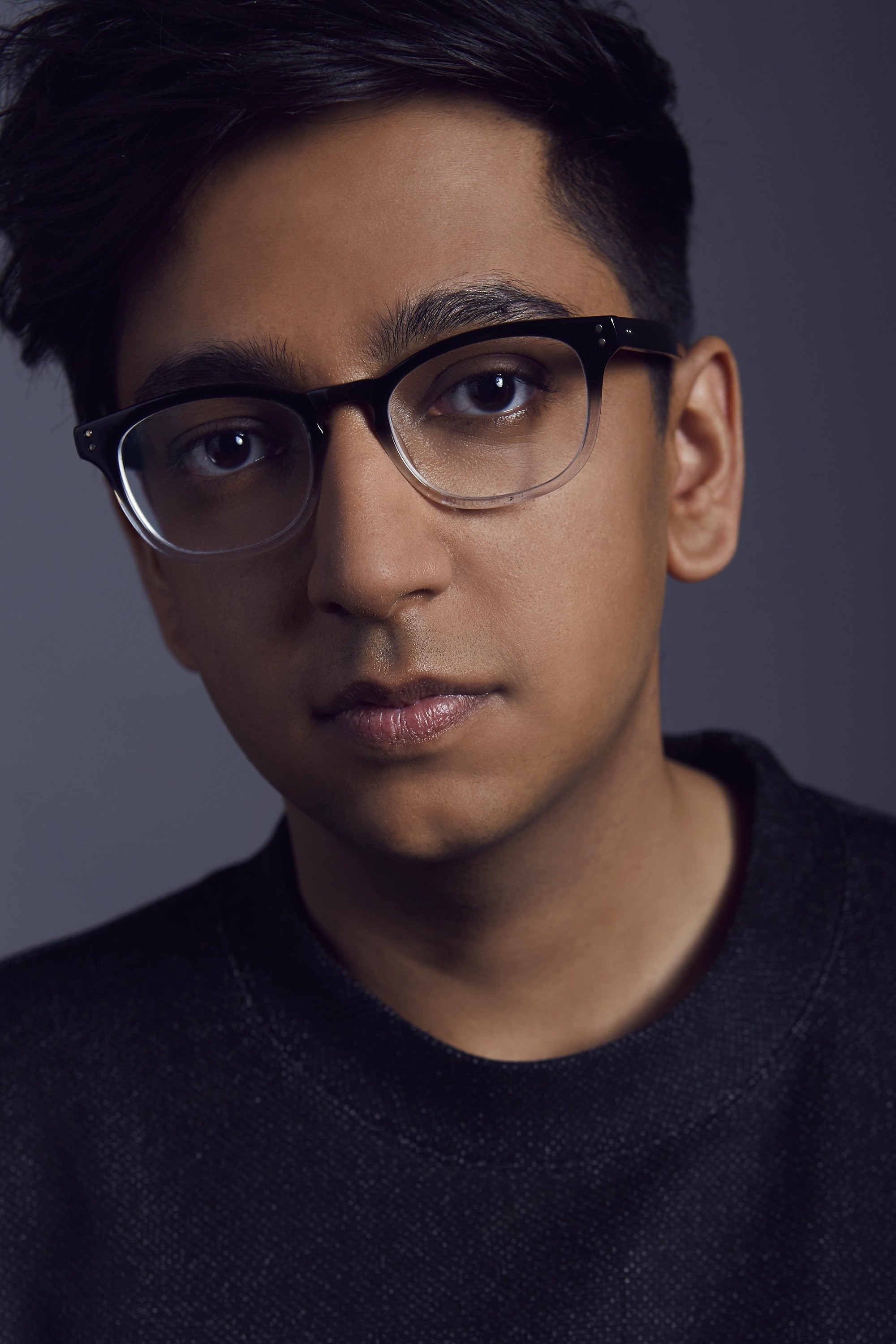
Nik Dodani broke out as Zahid in ‘Atypical’, a character who was a straight “ladies’ man,” but the actor himself is openly gay and a stand-up comedian. despite this early role, Dodani has discussed how the industry often tries to steer him toward the “gay best friend” archetype in other projects like the ‘Murphy Brown’ revival. He has used his comedy to address the intersectionality of being Indian and gay, and the confusion casting directors often have when placing him. Dodani eventually moved into writing and producing to help expand the types of stories being told about people with his background.
Sherry Cola
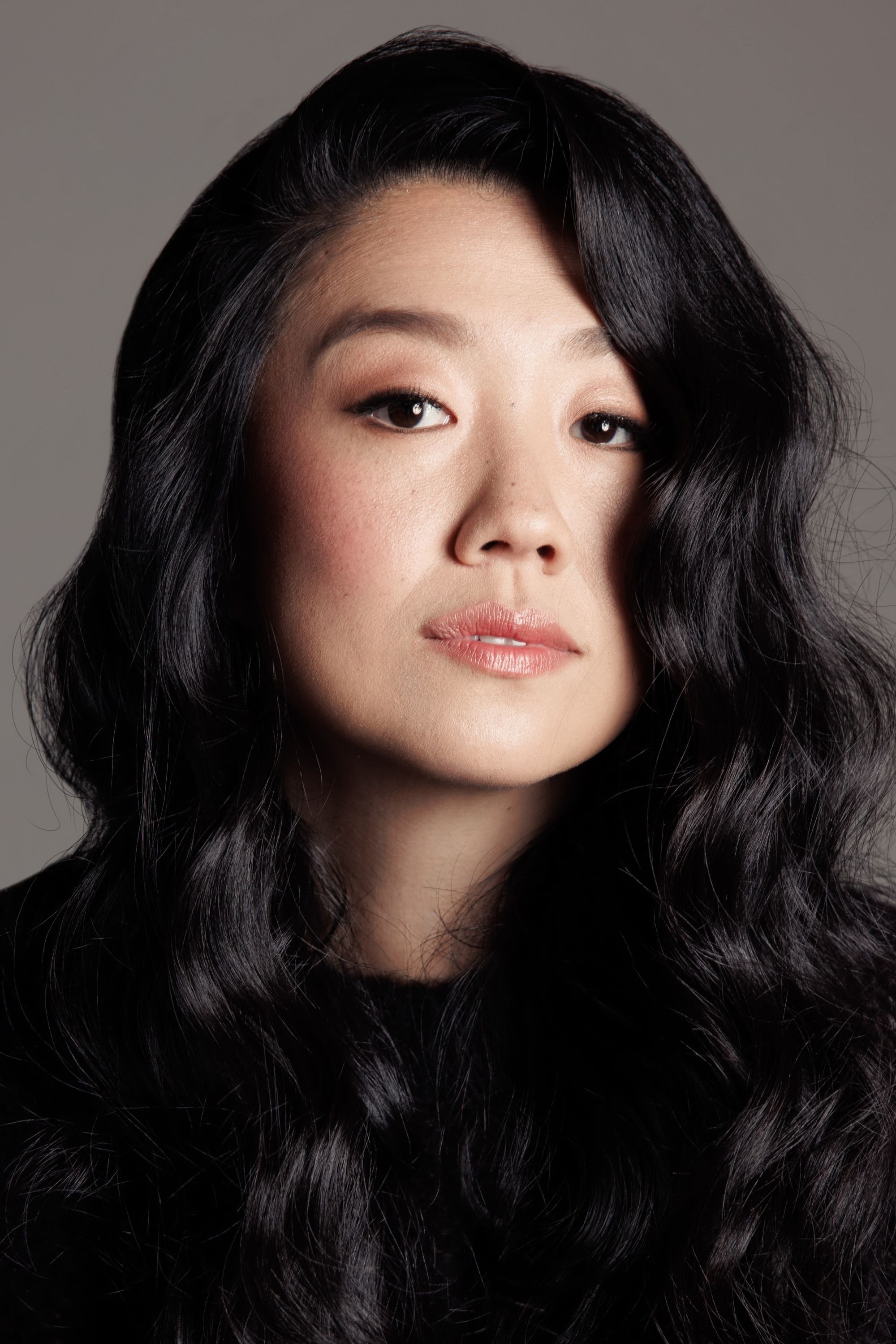
Sherry Cola, known for ‘Good Trouble’ and ‘Joy Ride’, has been a vocal advocate for queer Asian representation. While she celebrates playing Alice Kwan, a lesbian character, she has noted that the industry often struggles to see Asian women as anything other than the model minority or the sidekick. Her breakout in comedy has allowed her to push boundaries, but the offers she receives often hinge entirely on her identity as a queer woman. Cola actively seeks out projects that allow her to be messy, loud, and complex, defying the limited scope of traditional casting.
Poppy Liu
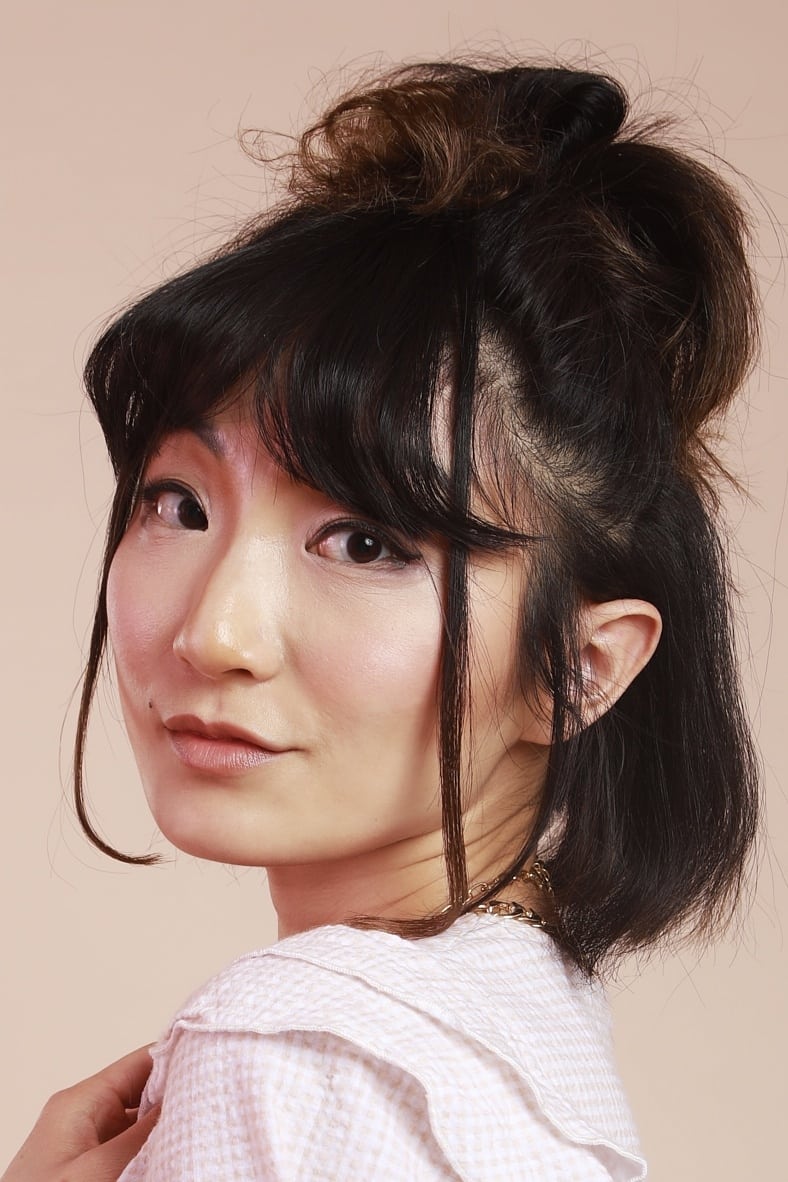
Poppy Liu has gained recognition for playing the quirky, often queer, sidekick in shows like ‘Hacks’ and ‘Dead Ringers’. Liu has spoken about the “bamboo ceiling” and how roles for Asian performers are often limited to service positions or supporting characters who facilitate the white protagonist’s journey. Her characters are frequently eccentric and fashionable, a specific niche that Hollywood seems comfortable offering her repeatedly. Liu works to imbue these characters with humanity, even when the scripts offer little more than a caricature.
Conrad Ricamora
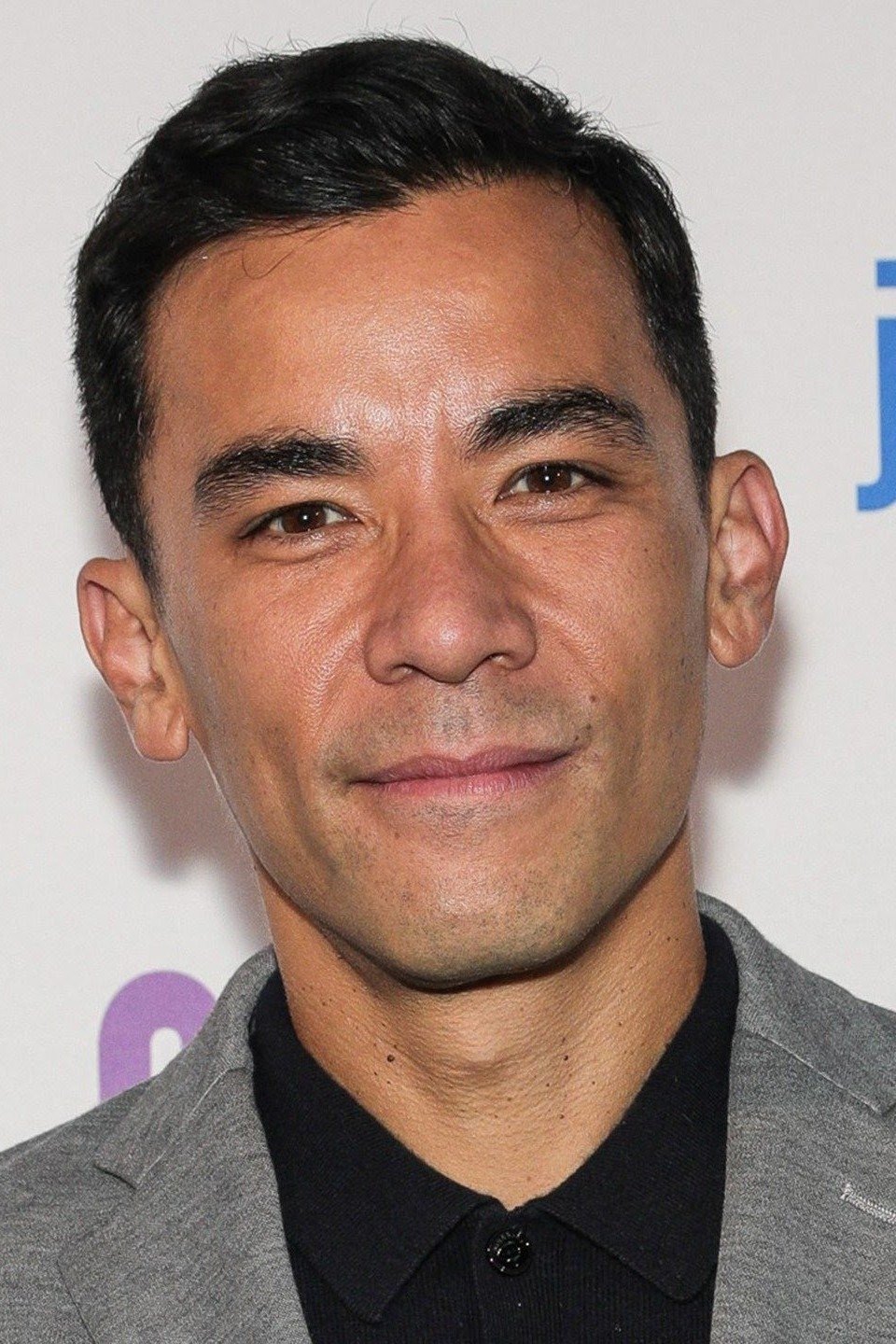
Conrad Ricamora played Oliver Hampton in ‘How to Get Away with Murder’, a role that was groundbreaking for its portrayal of an HIV-positive Asian man. However, Ricamora has noted that the vast majority of roles he auditions for are specifically written as gay characters, rather than open-ethnicity or open-sexuality leads. The industry’s tendency to typecast him is something he navigates by returning to theater, where he has had the chance to play varied roles including leads in musicals. He continues to push for screen roles that match the versatility he displays on stage.
Alex Landi
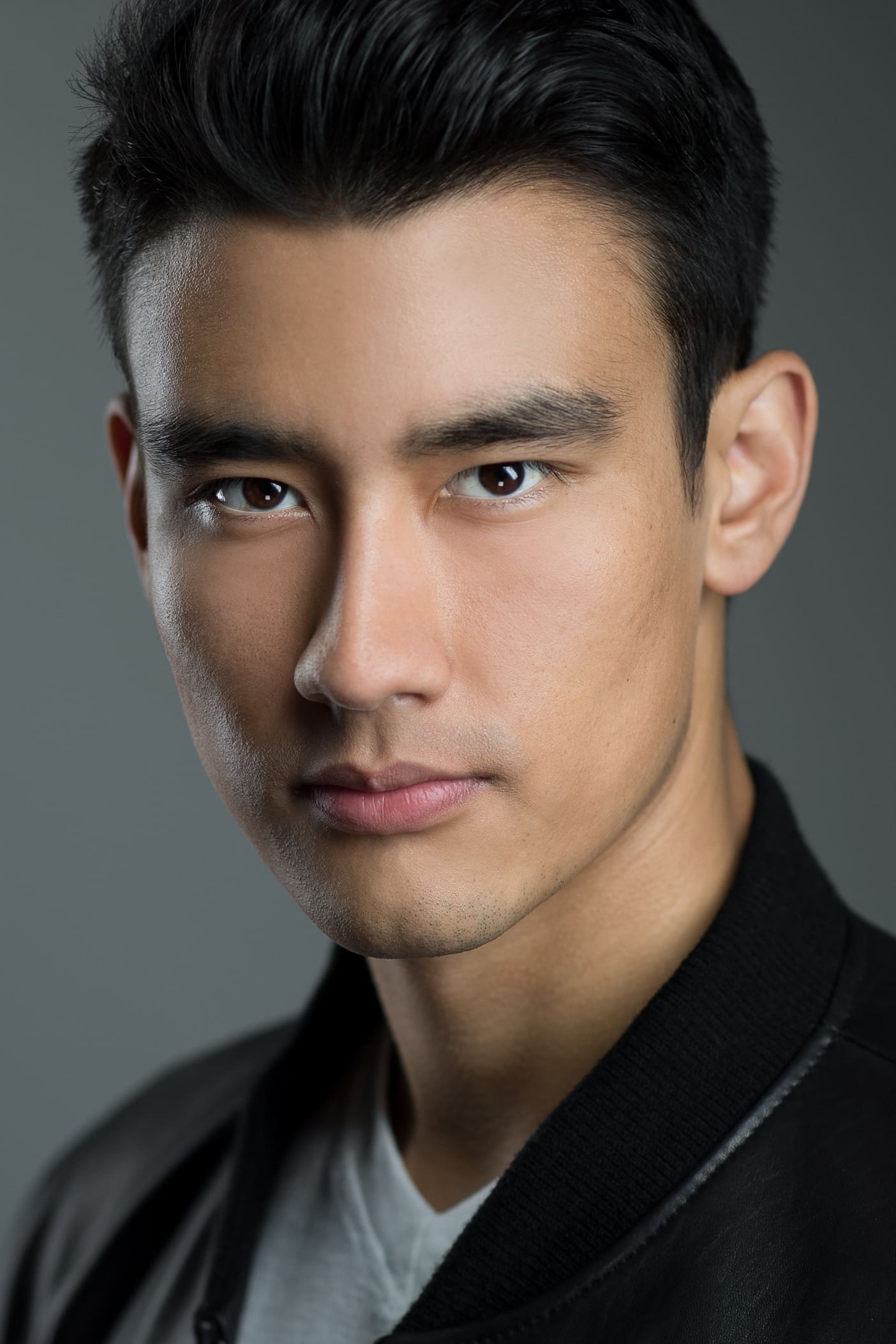
Rocketing to fame as Dr. Nico Kim on ‘Grey’s Anatomy’, Alex Landi became Hollywood’s first prominent gay male Asian surgeon. Landi has been very vocal about the “fetishization” he experiences and the industry’s desire to cast him solely as a physical object of desire in queer storylines. He has expressed frustration with being seen only for his physique and sexuality, rather than his dramatic acting chops. Landi seeks roles that challenge the stereotype of the Asian male as either desexualized or exclusively defined by gay relationships.
Jake Choi

Jake Choi, who identifies as fluid, played a gay character in ‘Single Parents’ and has been outspoken about the politics of casting. He has criticized the industry for celebrating straight actors who play gay roles while gay actors are often told they are “too gay” for straight roles and are only offered queer parts. Choi has discussed the double standard that limits his opportunities to break into mainstream leading man territory. He advocates for a landscape where an actor’s sexuality does not dictate the resume of characters they are permitted to play.
BD Wong
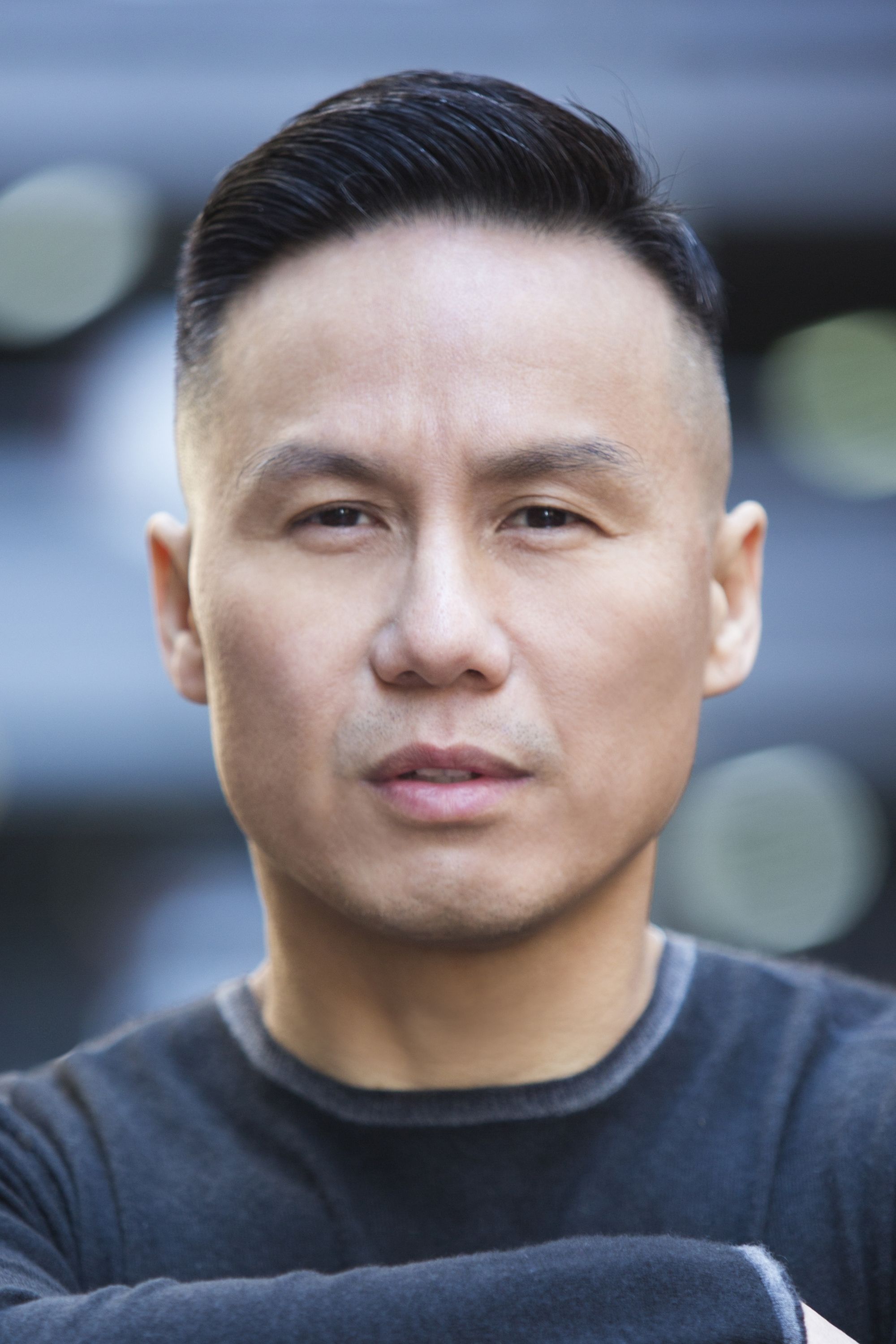
As a veteran actor, BD Wong has played everything from a geneticist in ‘Jurassic Park’ to a trans-femme hacker in ‘Mr. Robot’. Despite his incredible range, Wong has discussed the historical difficulty of finding roles for Asian men that were not emasculated or stereotypical. For much of his career, the “gay psychiatrist” role in ‘Law & Order: SVU’ was a steady harbor in an industry that offered few other dignified options for Asian men. He serves as a mentor for a younger generation facing similar, though evolving, typecasting struggles.
Stephanie Hsu
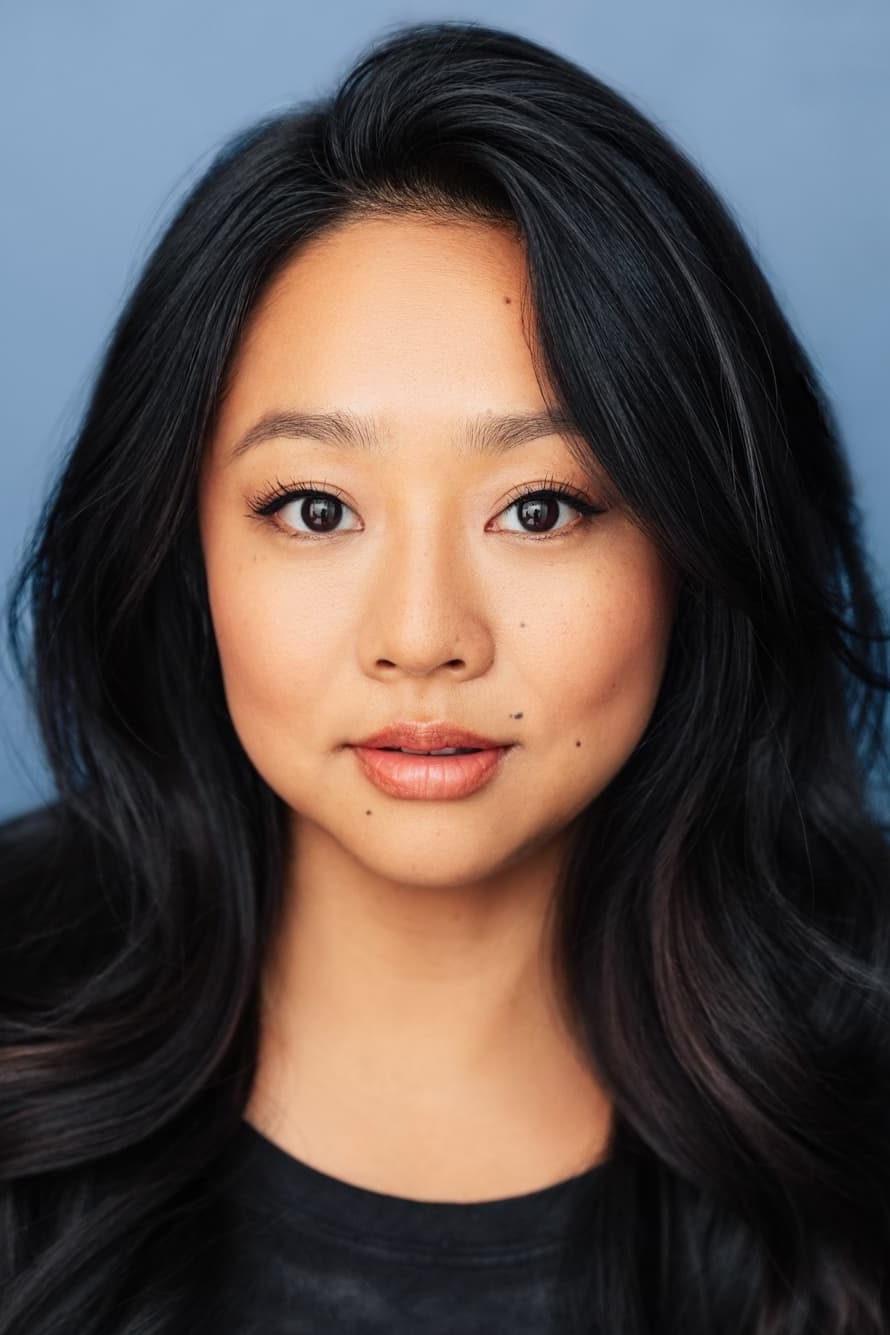
Before her Oscar-nominated performance in ‘Everything Everywhere All At Once’, Stephanie Hsu was well known for her role in ‘The Marvelous Mrs. Maisel’. In ‘Everything Everywhere’, she played a queer character, a role that resonated deeply with audiences but also highlighted the specific lane Hollywood had placed her in. Hsu has discussed the relief of finally finding a script that allowed her to be chaotic and villainous, rather than just the polite Asian friend. She continues to look for projects that refuse to put her identity in a palatable box for white audiences.
Leah Lewis
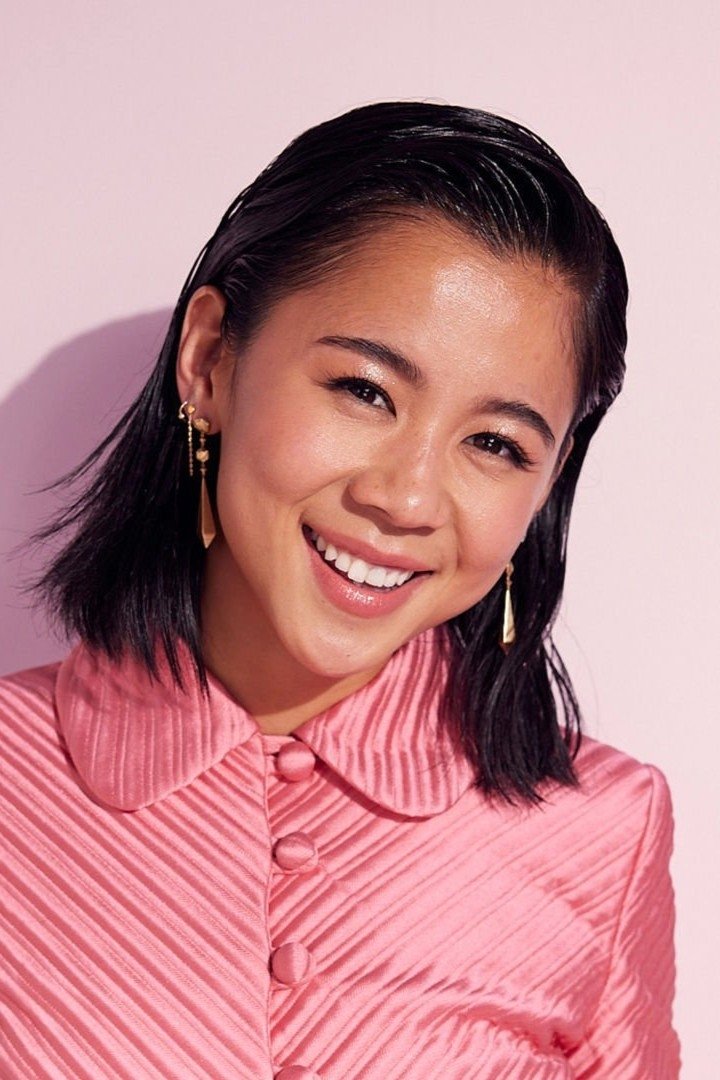
Leah Lewis gained critical acclaim for her role as Ellie Chu in Netflix’s ‘The Half of It’, a queer coming-of-age story. Lewis has noted that while she is grateful for the role, the industry often struggles to cast Asian women in romantic leads that are not specifically centered on identity struggle. The success of the film opened doors, but often to similar “outsider” roles that focus heavily on the angst of being different. She pushes for roles where her ethnicity and sexuality are part of the character but not the entire plot.
Hayley Kiyoko
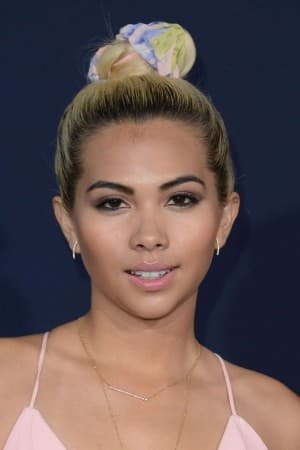
Known to her fans as “Lesbian Jesus,” Hayley Kiyoko transitioned from Disney child star to a musician and actor who unapologetically centers queer narratives. She has discussed the resistance she faced early in her career when she tried to introduce queer themes into her work and acting roles. Kiyoko often creates her own music videos and projects because mainstream Hollywood offers were rarely telling the authentic stories she wanted to tell. Her acting career now largely revolves around projects that align with her advocacy, as those are the primary opportunities presented to her.
Margaret Cho
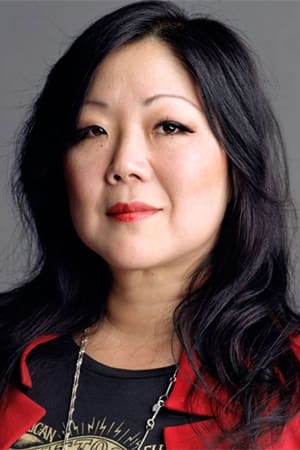
A pioneer for Asian-American women in comedy, Margaret Cho has faced decades of restrictive casting and executives telling her she was “too Asian” or “not Asian enough.” Her sitcom ‘All-American Girl’ was a historic failure of the industry to understand her identity, forcing her into a box that didn’t fit. Cho has spoken extensively about how she was often only offered roles that mocked her heritage or her body. Today, she often plays queer icons or mothers, roles that acknowledge her legacy but still reflect the industry’s limited imagination for older Asian women.
Leonardo Nam

Leonardo Nam is perhaps best known for his role as Felix in ‘Westworld’, but his early career was defined by refusing roles that were offensive stereotypes. Nam has discussed the “perfect score” of being an Asian male actor: fighting against accents and delivery boy roles to find characters with dignity. While he has played queer characters, he is acutely aware of the industry’s tendency to desexualize Asian men, making it a struggle to book the rugged leading roles often given to his white peers. He credits the changing landscape for slowly allowing more nuance, but acknowledges the fight is ongoing.
Vincent Rodriguez III
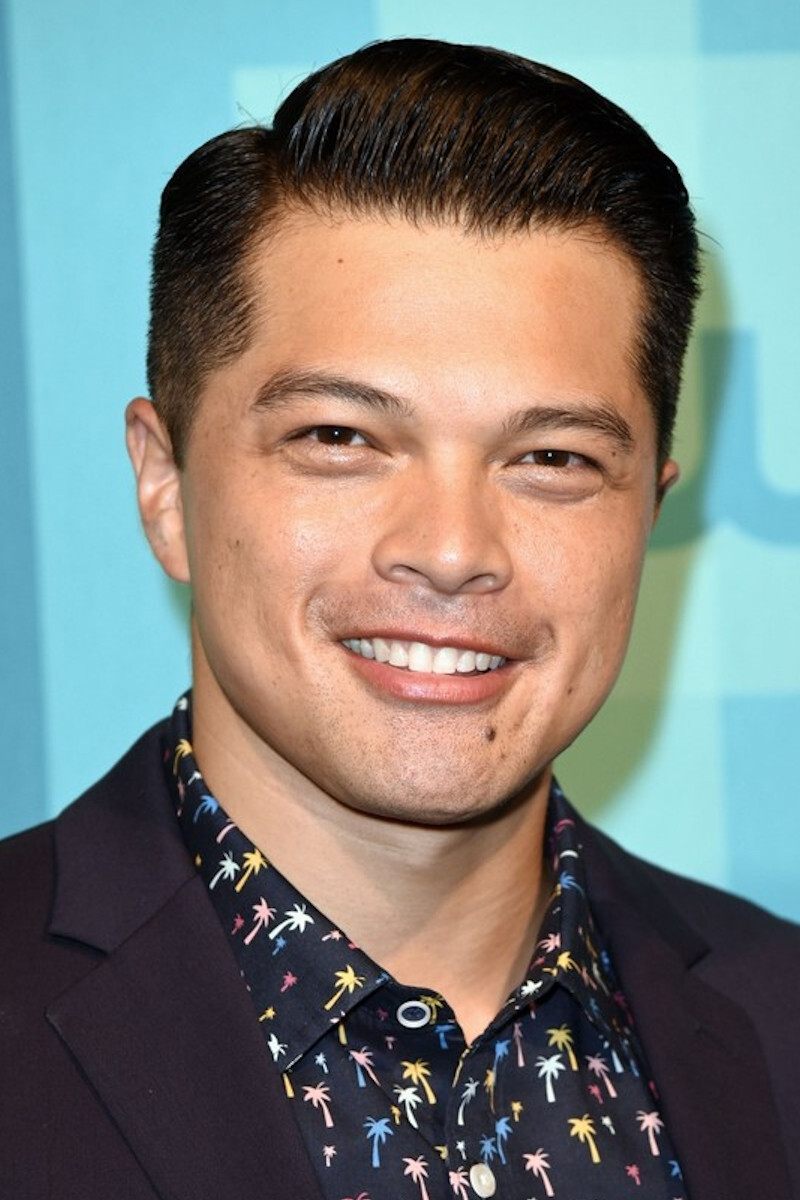
Vincent Rodriguez III broke barriers playing the romantic lead Josh Chan in ‘Crazy Ex-Girlfriend’, a rare instance of a Filipino man being cast as the object of desire. Rodriguez, who is openly gay, has discussed how rare such a role is and how industry insiders were often surprised by the casting choice. Since the show ended, he has noted the difficulty in finding similar leading man roles, with many offers reverting to the “gay best friend” or side character tropes. He continues to advocate for the idea that gay actors can and should be believable romantic leads in heterosexual storylines.
Tell us which of these actors you think deserves a major leading blockbuster role in the comments.