


The 15 Asian Actresses Erased for Not Being “Exotic Enough”

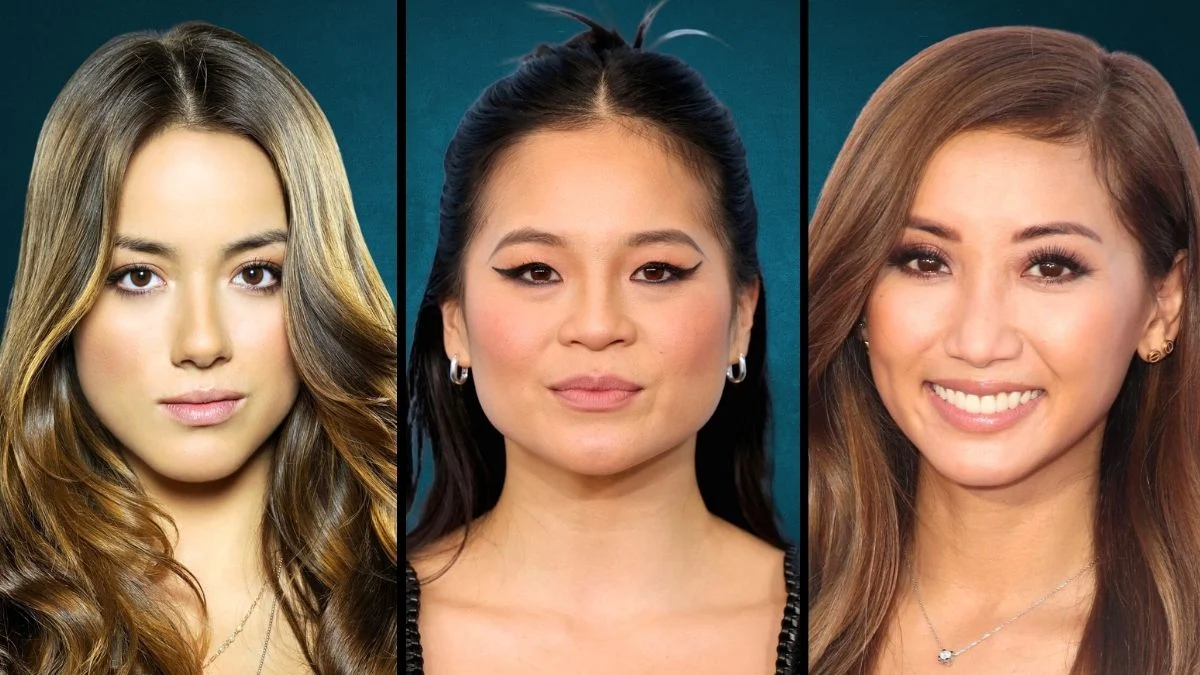


Hollywood has a long history of marginalizing Asian actresses who do not fit into a specific Orientalist fantasy. Casting directors often reject talent for being too Westernized or not adhering to the silent and submissive stereotypes expected of them. This creates a difficult environment where performers are either fetishized for their exoticism or erased completely for failing to embody it. The following women have navigated an industry that frequently tells them they are neither white enough for lead roles nor Asian enough for culturally specific ones.
Anna May Wong
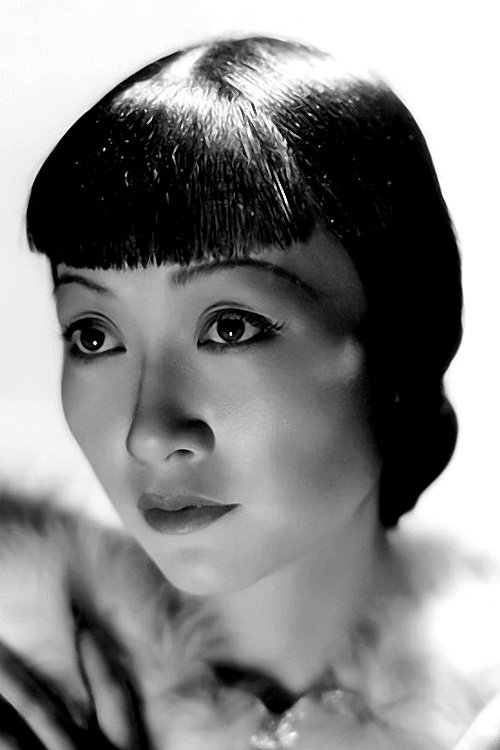
Considered the first Chinese American movie star, Wong faced immense discrimination during the 1920s and 1930s. Anti-miscegenation laws prevented her from sharing on-screen kisses with white actors which barred her from many romantic leads. She famously lost the lead role in ‘The Good Earth’ to a white actress in yellowface because producers deemed Wong too American for the part. She eventually left Hollywood for Europe to find roles that treated her with more dignity than the stereotypes offered in the United States.
Brenda Song
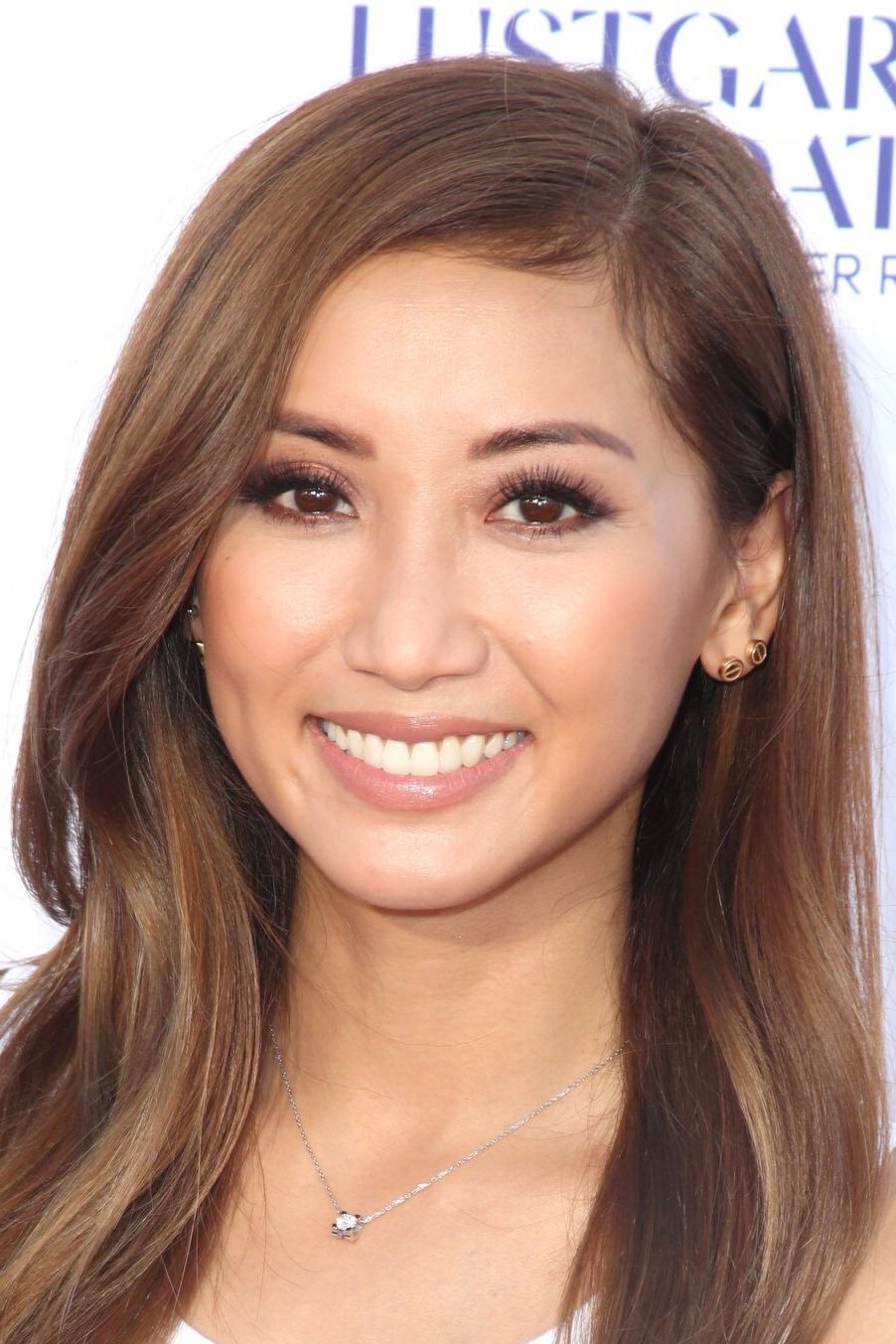
This Disney Channel alum faced a surprising rejection when she attempted to audition for ‘Crazy Rich Asians’. Casting directors reportedly told her she was not Asian enough for the role despite her Hmong and Thai heritage. Song expressed her frustration about having spent her life being considered the Asian girl only to be rejected for the very identity she embodies. Her experience highlights the specific gatekeeping that occurs when actresses do not fit a perceived image of foreignness.
Chloe Bennet
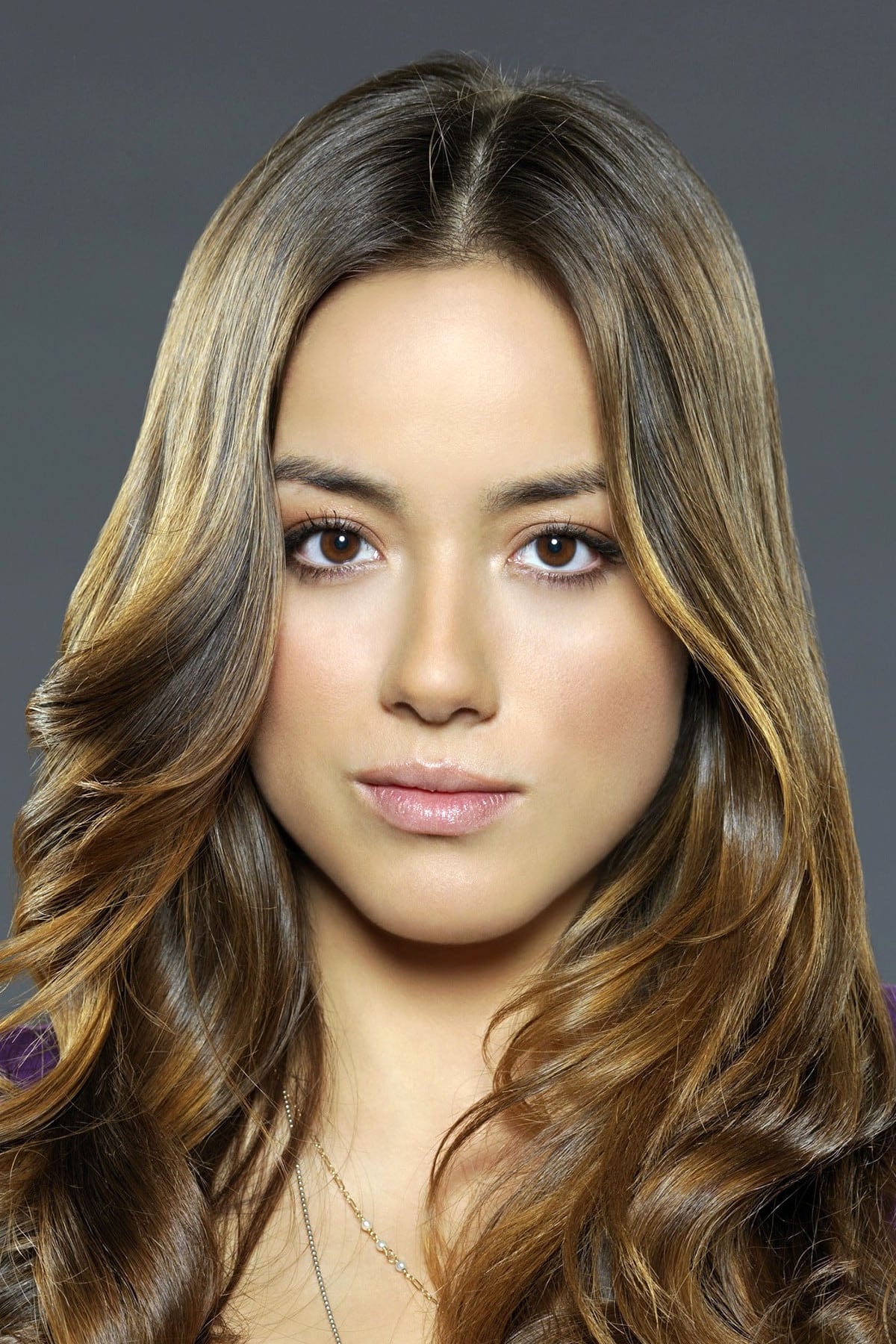
The ‘Agents of S.H.I.E.L.D.’ star began her career using her birth name Chloe Wang but found it difficult to book jobs. She noted that Hollywood viewed her as too Asian for white roles and not Asian enough for Asian roles. Bennet changed her surname to her father’s first name and almost immediately booked her first major acting role. Her trajectory exposes the systemic bias against Asian names in the entertainment industry casting process.
Merle Oberon
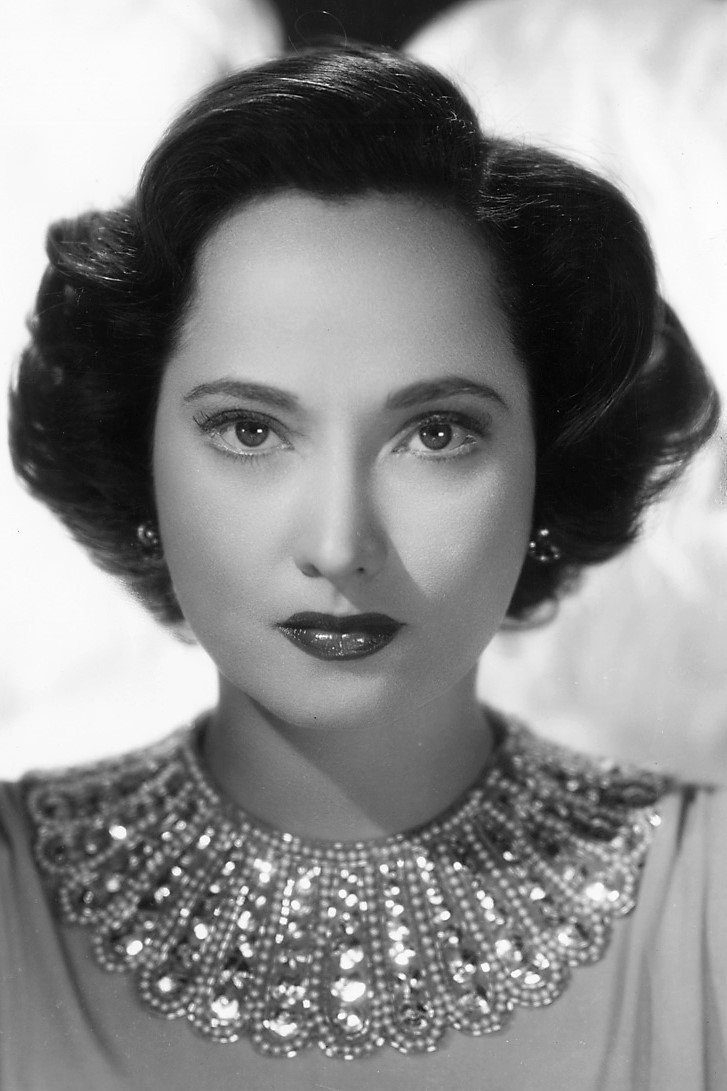
Oberon spent her entire career concealing her mixed-race heritage to survive in Old Hollywood. She claimed to be born in Tasmania rather than India to avoid the racial prejudices of the 1930s and 1940s. The industry would likely have rejected her as a romantic lead had her true background been public knowledge during her prime. Her erasure was a self-imposed survival tactic necessitated by a studio system that demanded racial purity for stardom.
Kelly Marie Tran
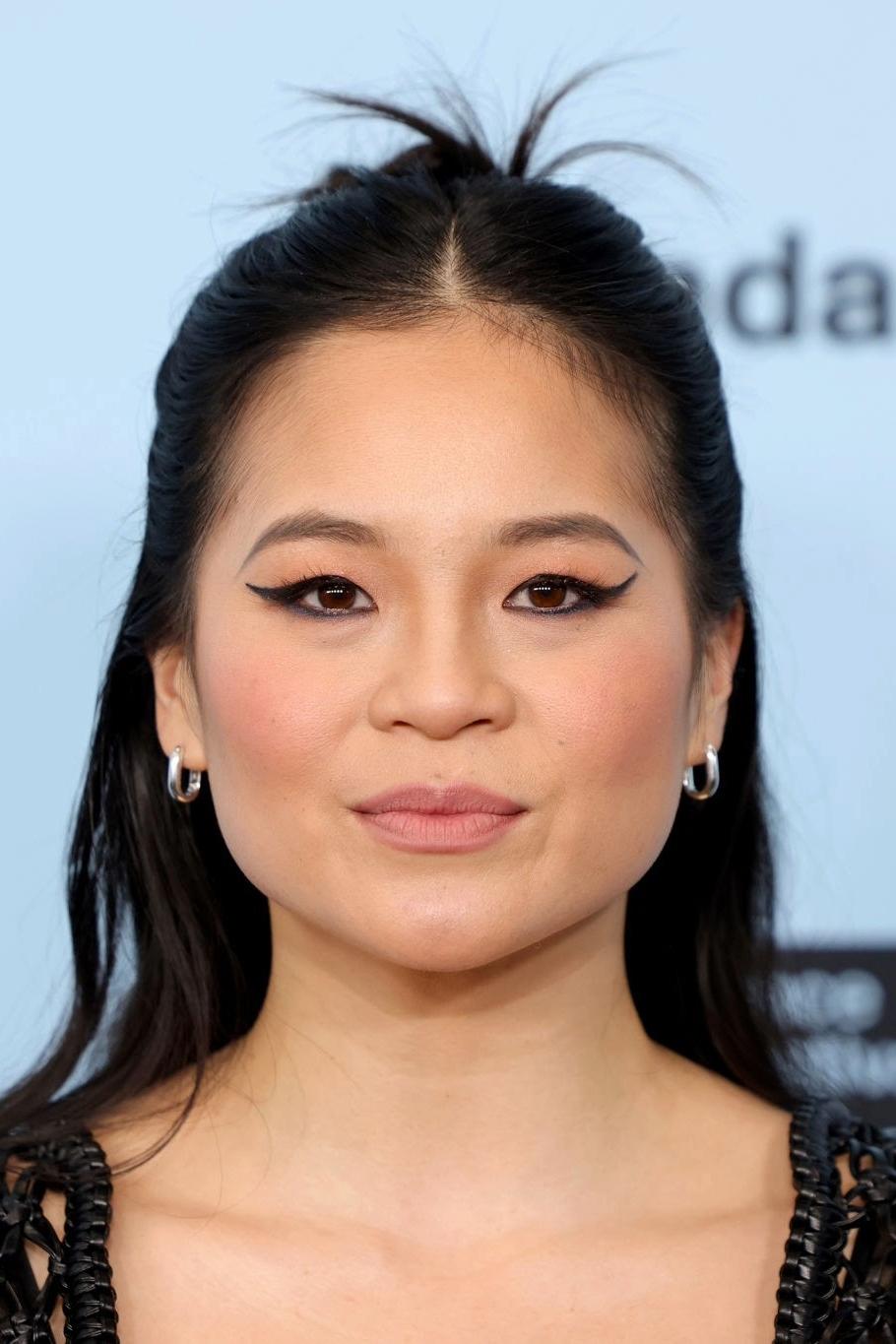
Tran broke barriers in ‘Star Wars: The Last Jedi’ but faced a significant reduction in screen time in the subsequent film. Her character Rose Tico was sidelined in ‘The Rise of Skywalker’ following a toxic online harassment campaign. The filmmakers minimized her presence rather than expanding her storyline or addressing the racist backlash directly. This marginalization served as a stark reminder of how quickly Hollywood can diminish Asian women even after promising debuts.
Rinko Kikuchi
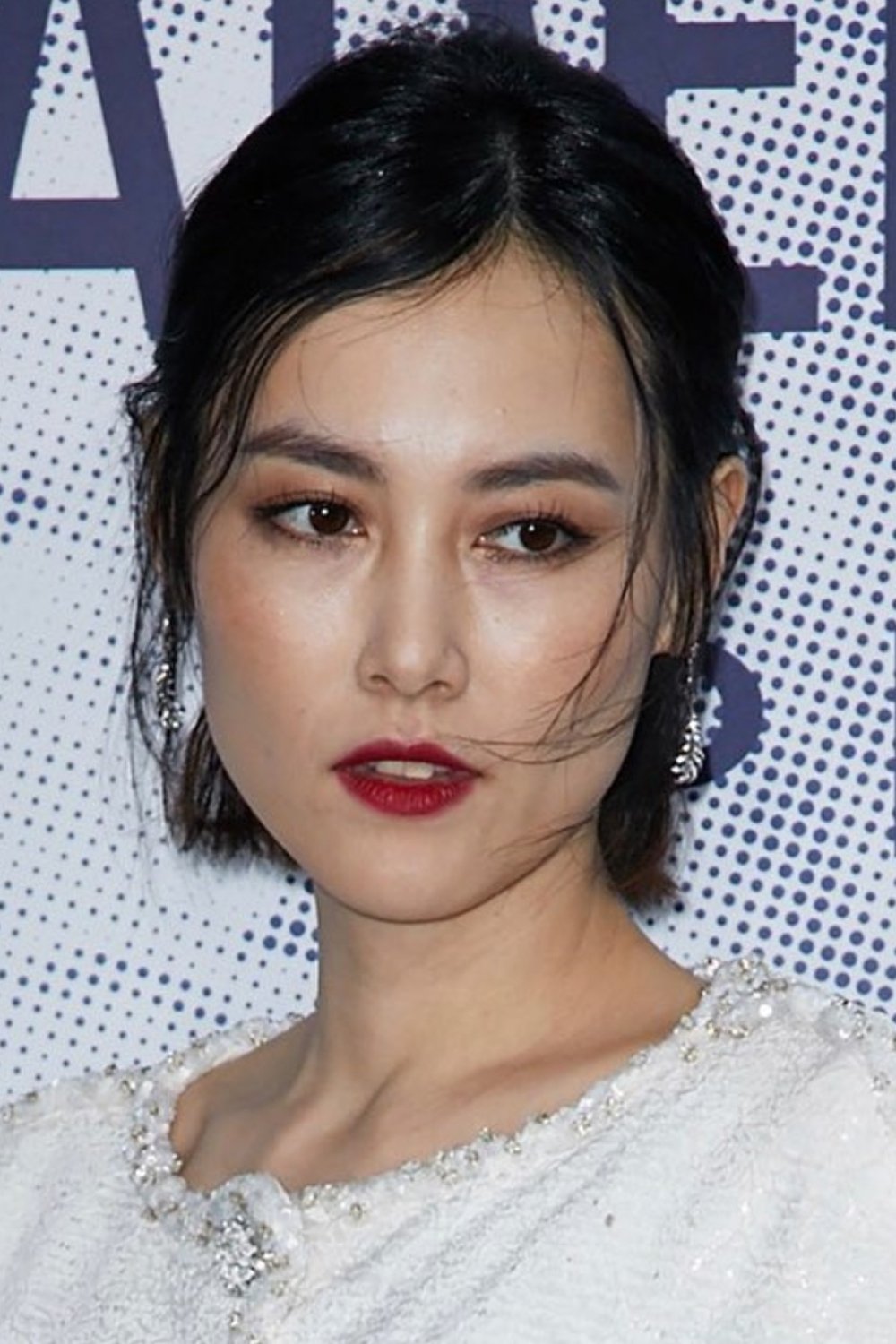
She received an Academy Award nomination for her powerful performance in ‘Babel’ yet struggled to find consistent work in American cinema. Hollywood repeatedly cast her in roles that required little dialogue or relied heavily on the silent mysterious foreigner trope. Kikuchi eventually returned to Japanese cinema to find parts that utilized her full range as a dramatic actress. Her journey illustrates the difficulty international talent faces when trying to break out of exoticized boxes in the West.
Karen Fukuhara
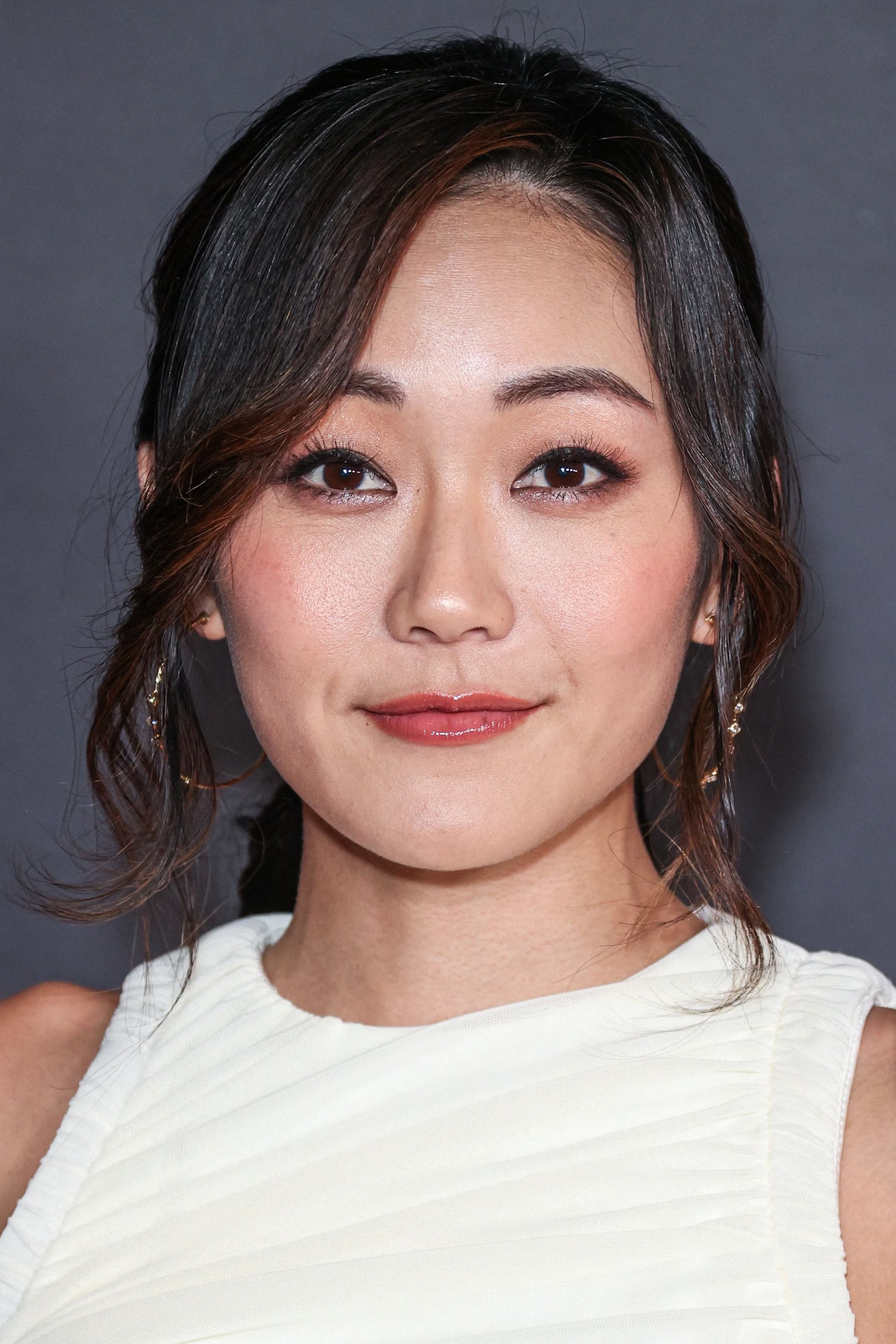
Fukuhara made her big-screen debut as Katana in ‘Suicide Squad’ but was given almost no lines of dialogue. The character served primarily as a silent bodyguard for a white character despite having a rich backstory in the source material. This lack of agency reduced a skilled martial artist to a prop rather than a fully realized human being. Fans criticized the film for wasting her talent and reinforcing the trope of the silent Asian killer.
Maggie Q
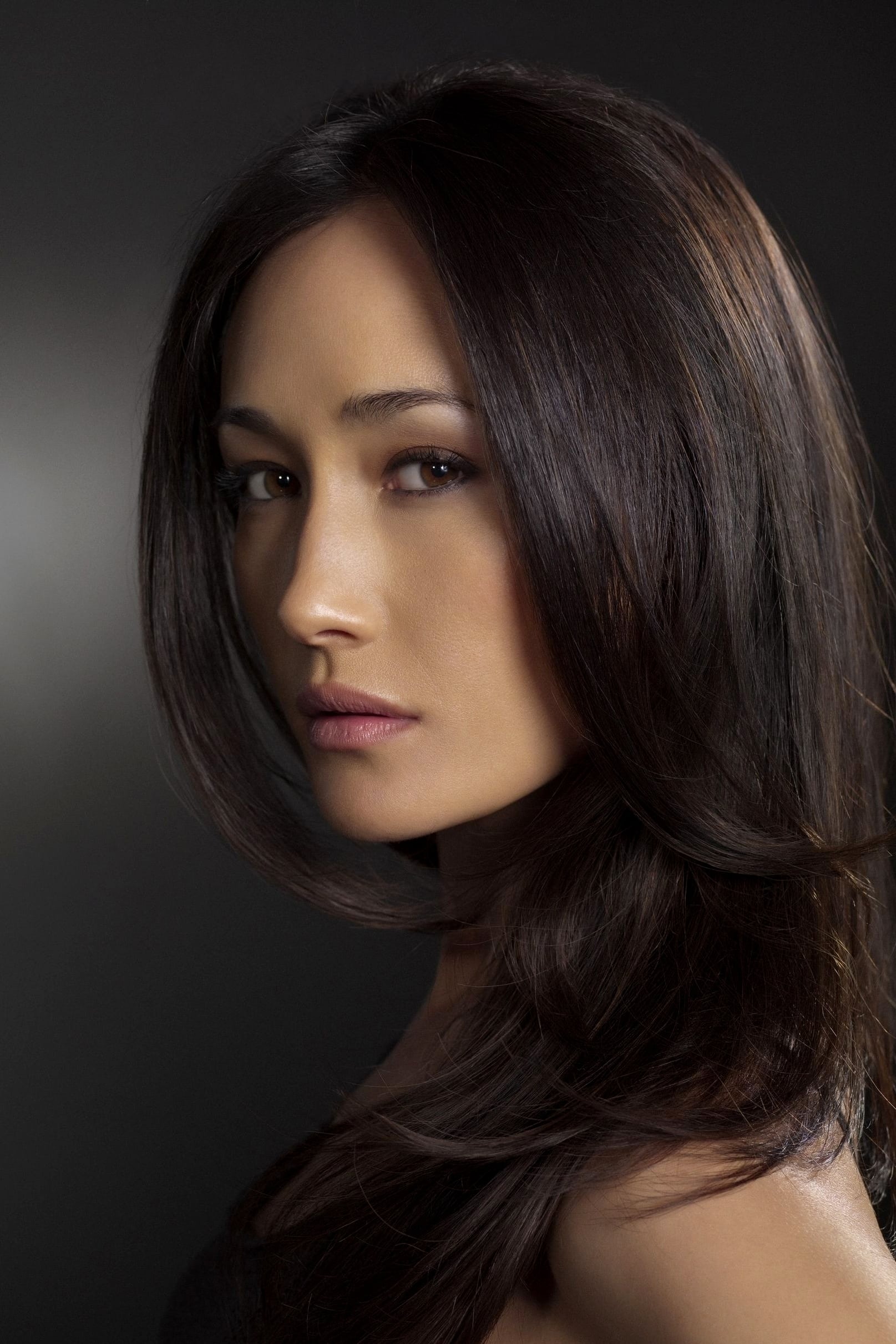
She established herself as a credible action star but found it difficult to transition into other genres. Casting directors frequently pigeonholed her into roles that emphasized physical combat over emotional depth. The industry often views Asian women with martial arts skills solely as weapons rather than romantic leads or dramatic powerhouses. She has spoken about the challenge of convincing producers to see past her action background for character-driven projects.
Jamie Chung
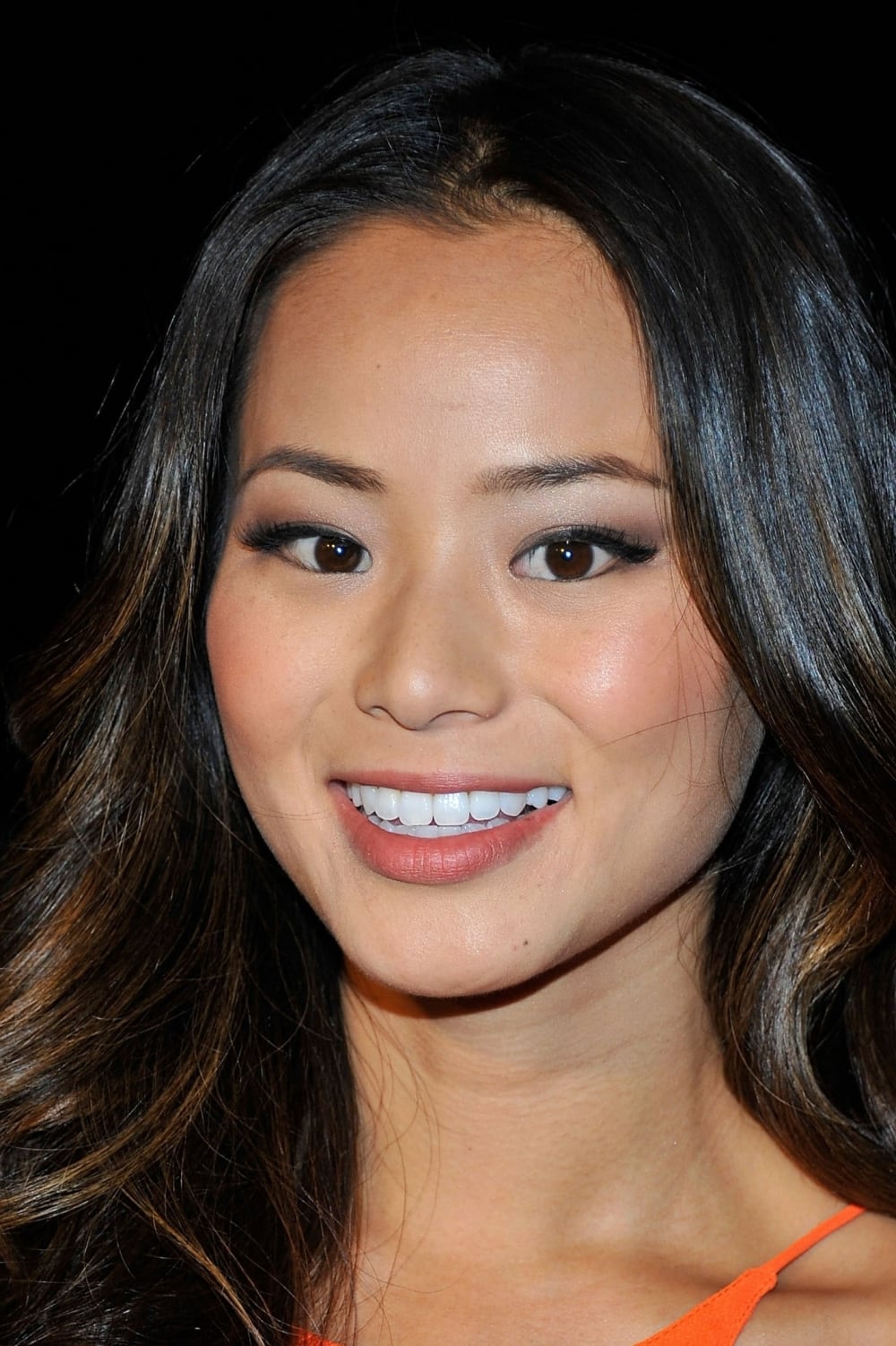
Chung fought hard to shed the stigma of reality television and establish herself as a serious actress. She has frequently discussed the limited scope of roles available to Asian American women that do not involve accents or martial arts. Producers often overlooked her for lead roles in favor of casting her as the dependable best friend or sidekick. Her career path demonstrates the resilience required to navigate an industry that prefers Asian women in the background.
Joan Chen
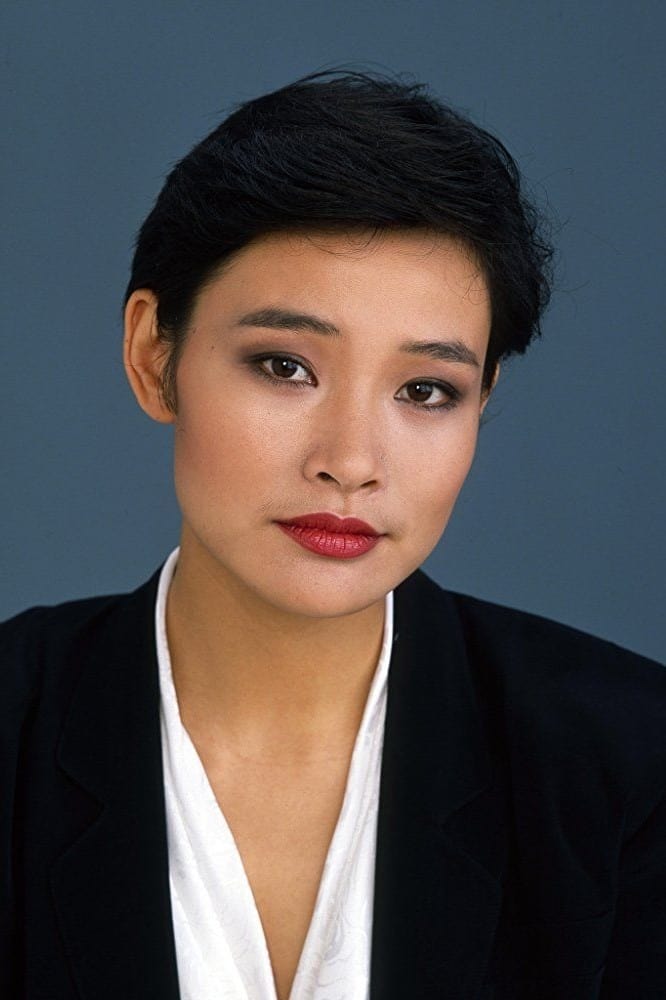
Chen captivated audiences in ‘The Last Emperor’ but found Hollywood unsure of how to utilize her regal presence. She was often cast in exoticized roles that emphasized her sexuality rather than her acting ability. The industry struggled to see her as a contemporary American woman which limited her opportunities significantly. She eventually turned to directing and working in Chinese cinema to escape the restrictive typecasting of the West.
Arden Cho
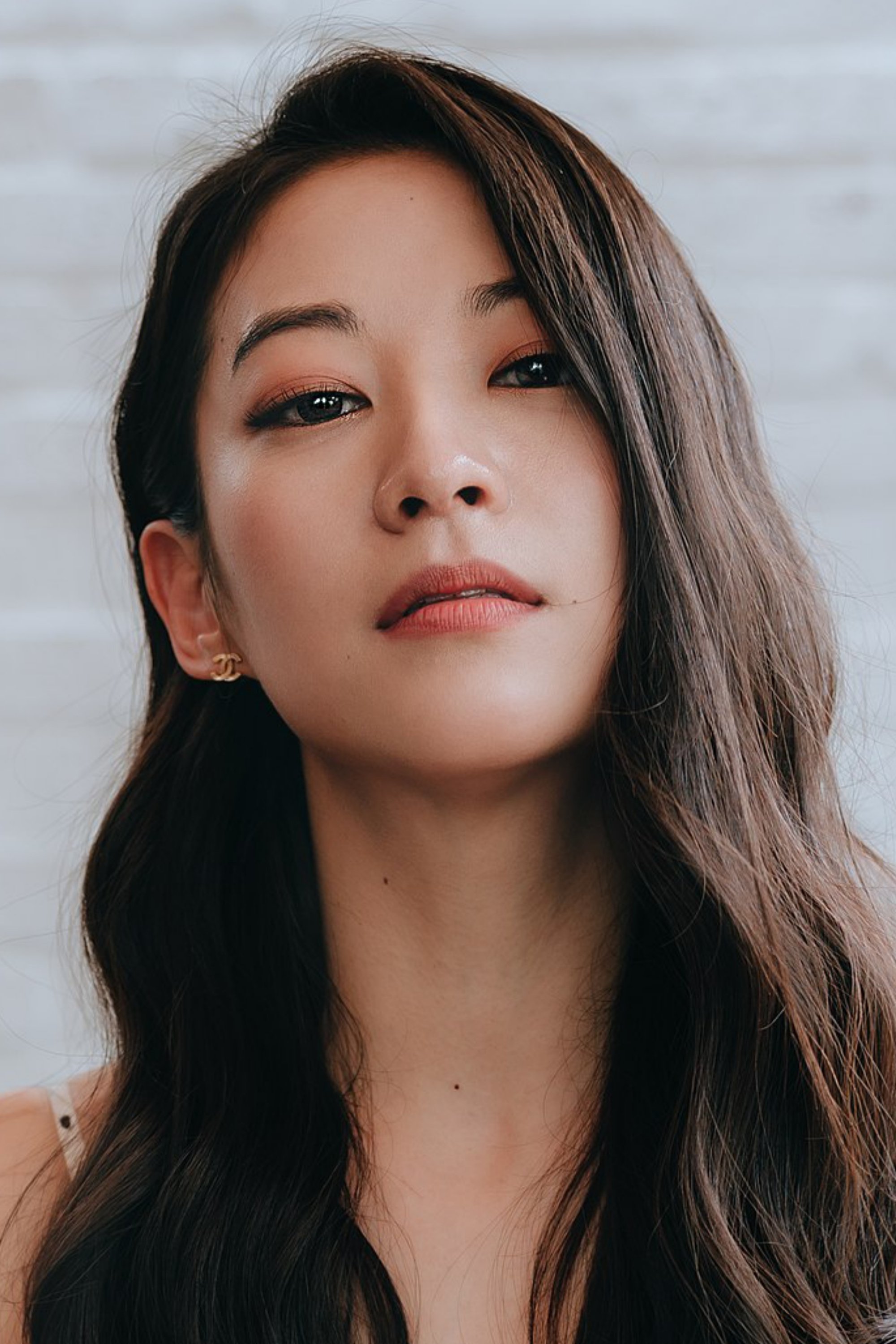
The ‘Teen Wolf’ actress was the only woman of color in the main cast before her unceremonious departure. Cho declined to return for the revival movie after discovering she was offered significantly less pay than her white female co-stars. Her erasure from the reunion project highlighted the disparity in how the industry values Asian talent compared to their white counterparts. Standing up for her worth resulted in her character being written out of the narrative entirely.
Sonoya Mizuno
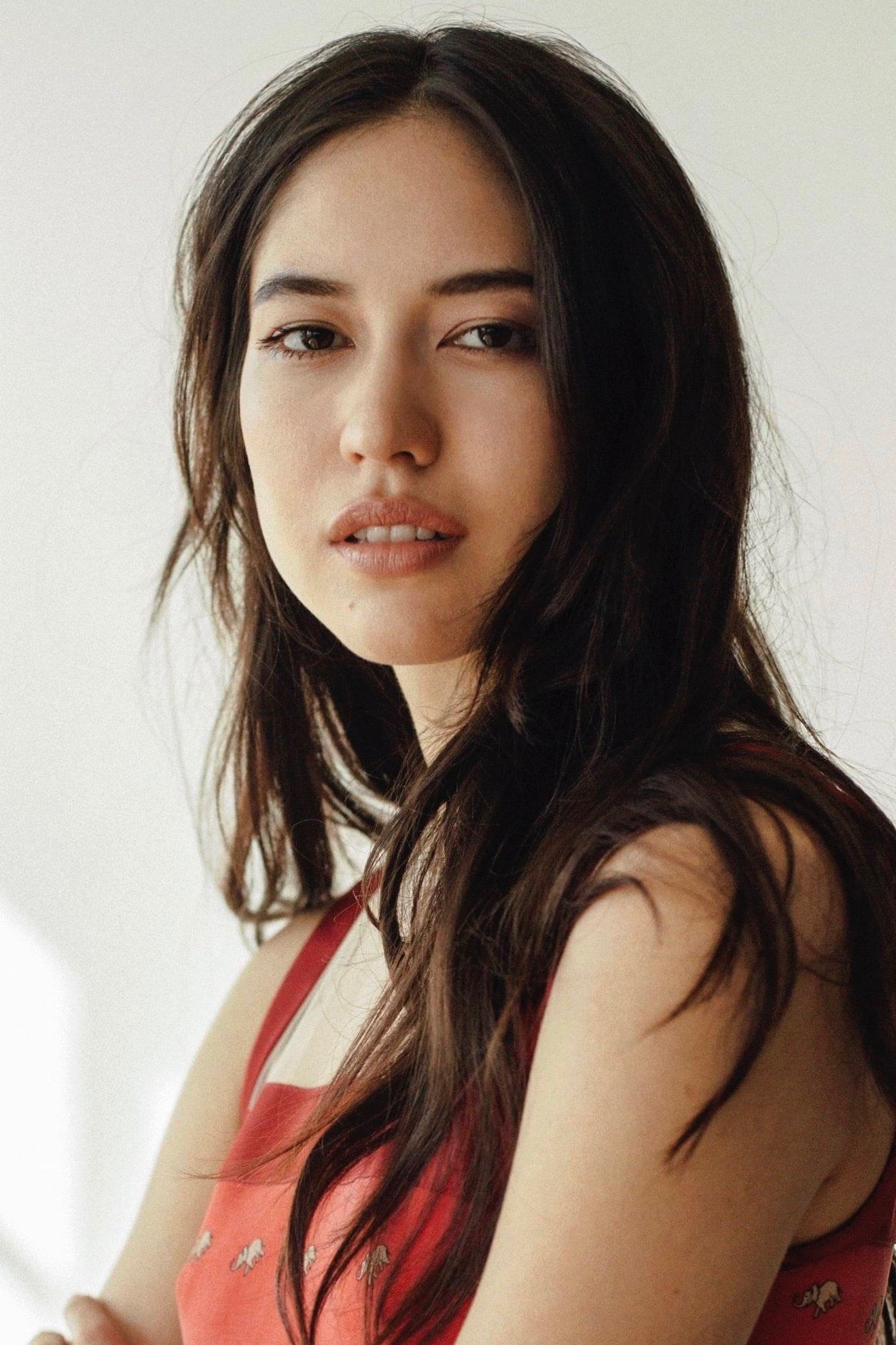
Mizuno often appears in visually striking roles that unfortunately render her mute or robotic. She played a gynoid in ‘Ex Machina’ and a silent presence in other high-profile projects. This trend reinforces the dehumanizing stereotype of Asian women as passive objects for the male gaze. Her erasure happens in plain sight where she is visible on screen but denied a voice or internal life.
Pom Klementieff
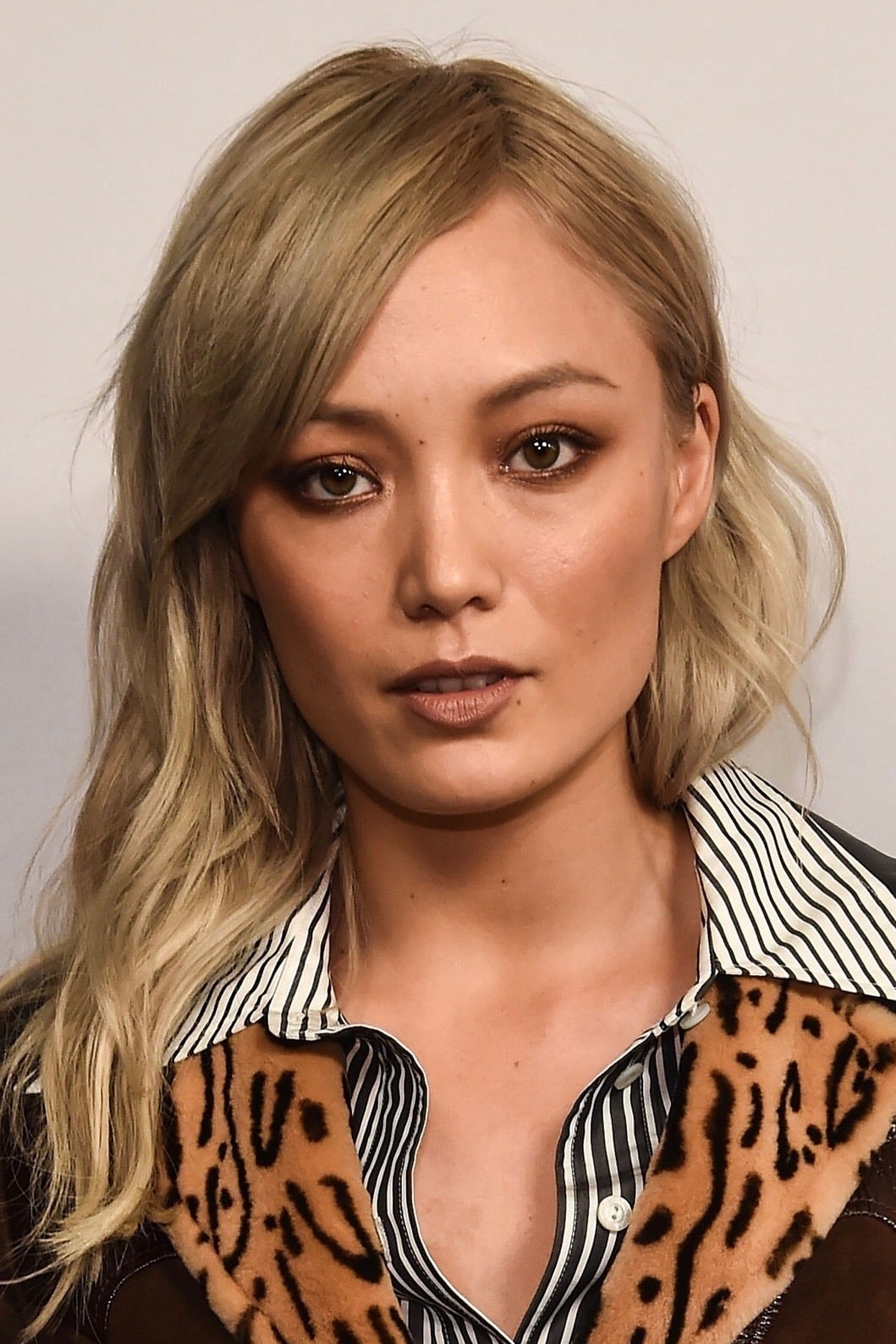
Best known for her role in the Marvel Cinematic Universe, Klementieff plays an alien character whose primary trait is subservience to a white male hero. Her character Mantis is often the butt of jokes regarding her appearance and intelligence. The makeup and prosthetics serve to exoticize her features while stripping away her specific ethnic identity. Critics have pointed out how the role infantilizes an Asian actress under the guise of sci-fi fantasy.
Fan Bingbing
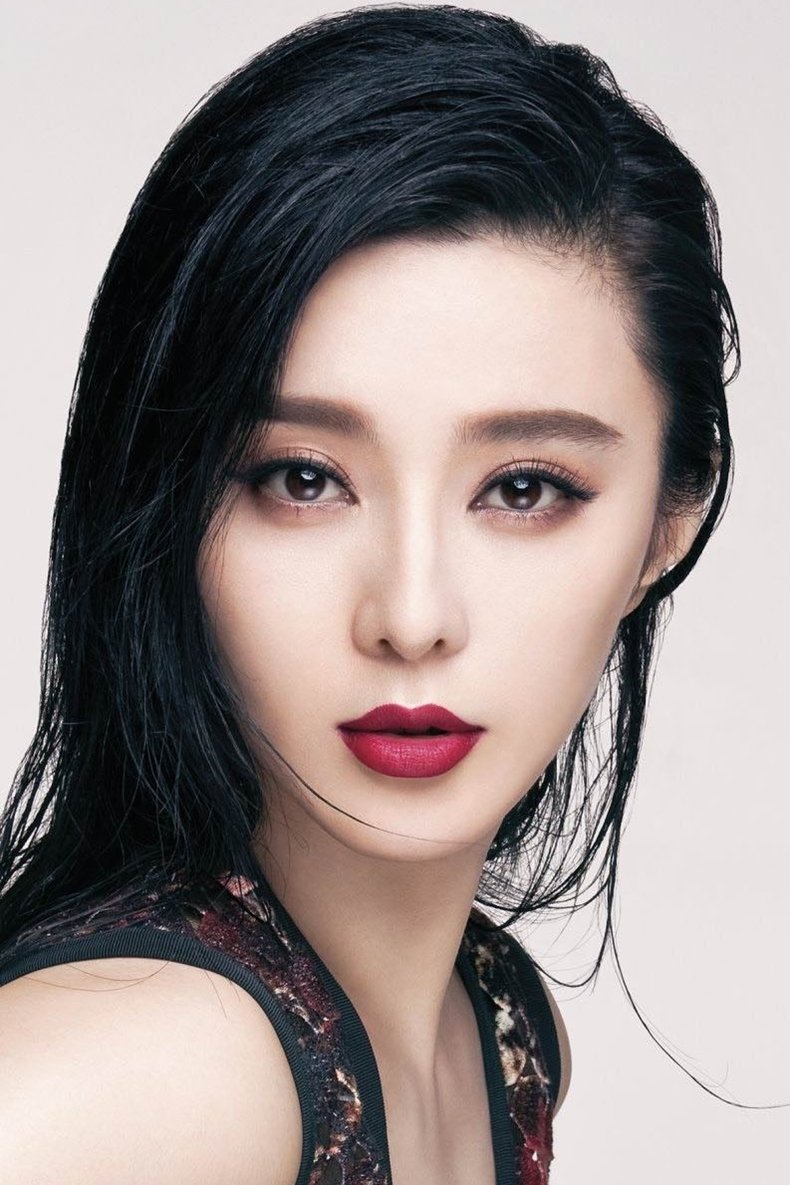
One of the biggest stars in China faced a bizarre reduction of presence in the Western release of ‘Iron Man 3’. Her scenes were included in the Chinese theatrical cut but completely removed from the version shown to American audiences. This literal erasure demonstrates how Hollywood courts the Asian market financially while dismissing Asian talent artistically. It showed that the studio viewed her inclusion merely as a marketing tool rather than a creative necessity.
Lana Condor
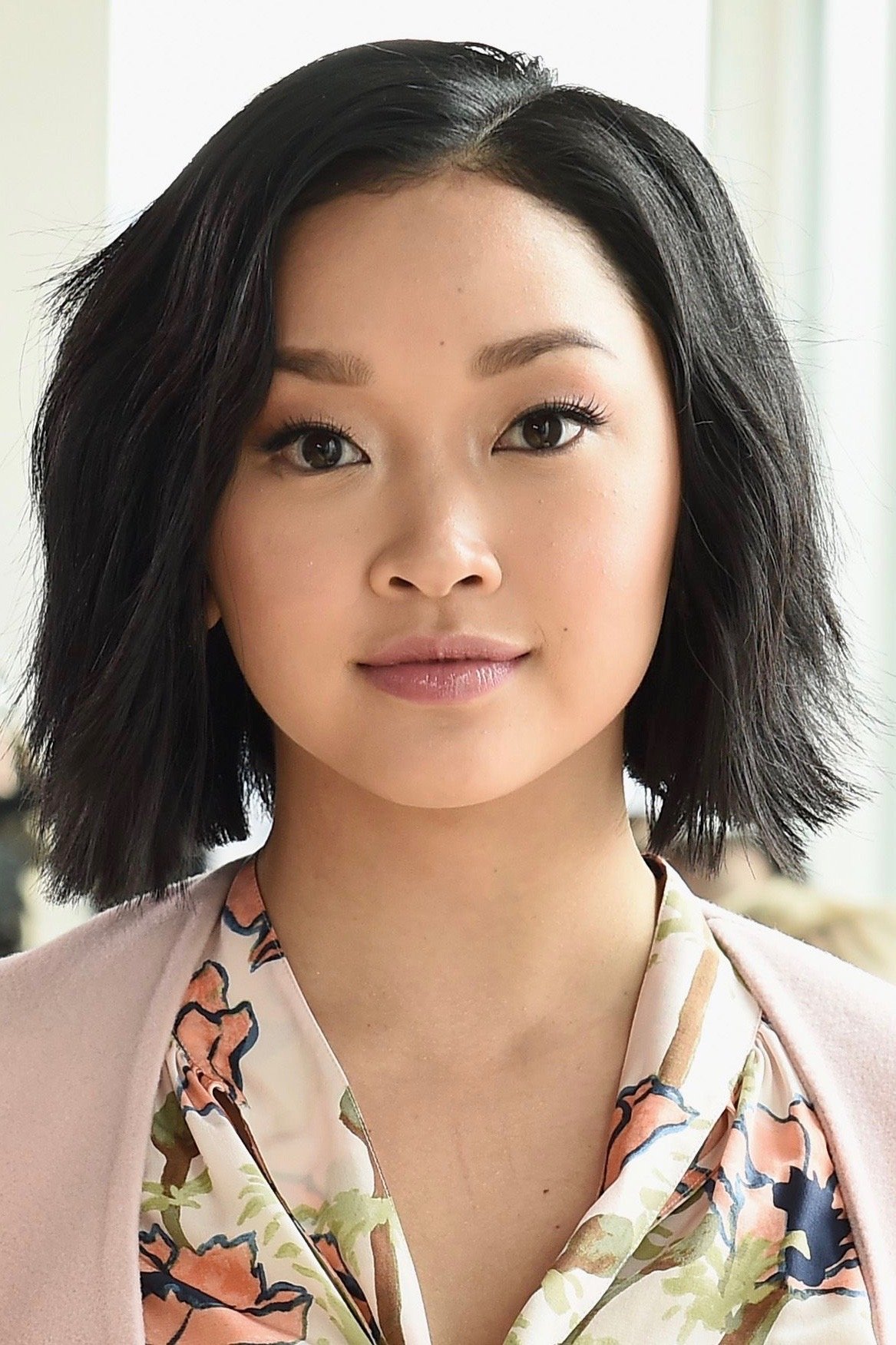
Before her breakout success in streaming rom-coms, Condor saw her role in ‘X-Men: Apocalypse’ severely cut down. She played the iconic character Jubilee who barely spoke and used her powers only in deleted scenes. The marketing materials heavily featured her to imply diversity that the final film did not actually deliver. This practice of tokenism uses Asian faces for promotion while denying them meaningful participation in the story.
Please share your thoughts on which actresses you think deserved better treatment in the comments.