


Asian Characters Written as “Quiet Genius” Stereotypes That Aged Badly



For years, film and television leaned on a narrow template for Asian characters: reserved, hyper-competent problem-solvers who fix things from the sidelines. The “quiet genius” showed up as the lab expert, the coder in the van, the cerebral doctor, or the calculating mastermind—useful to the plot but rarely the center of it. The pattern became familiar because it concentrated personality around technical skill, trimmed dialogue to hushed efficiency, and kept backstory as a quick line about overachievement or strict parents rather than a fuller life.
As casting broadened and more Asian leads arrived across genres, that template began to look dated next to characters with humor, anger, romance, failure, and messiness—everything that makes people feel real. The entries below outline how specific characters were built around silence plus brilliance, what they actually do on screen, and how their shows and films used those traits to move stories forward, often in support roles rather than fully rounded arcs.
Rajesh Koothrappali — ‘The Big Bang Theory’
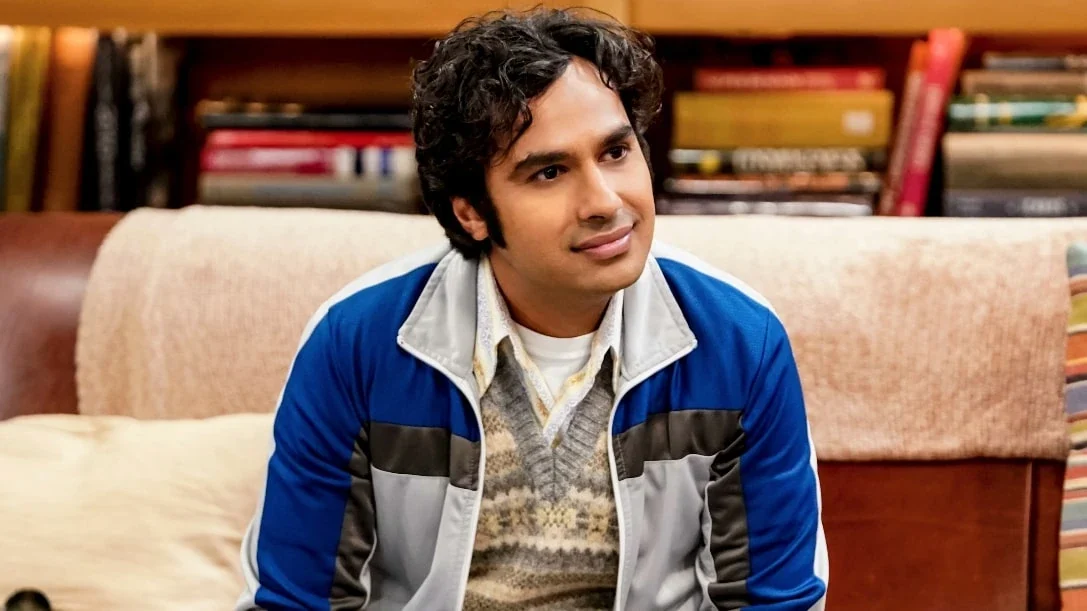
Rajesh Koothrappali is introduced as an astrophysicist whose research deals with planetary bodies and observational data, and his social psychology is defined by selective mutism around women in early seasons. The show codifies his technical competence through conference presentations, lab scenes at Caltech, and collaborations with colleagues on discoveries and papers that anchor multiple plots.
His silence becomes a recurring device for group dynamics, shaping ensemble beats in episodes that hinge on dating situations, workplace events, and friendship conflicts. Over time the series charts changes to his condition and his personal life, while keeping professional expertise—telescope time, grant pressures, and departmental politics—as steady context for his character.
Dr. Henry Wu — ‘Jurassic Park’
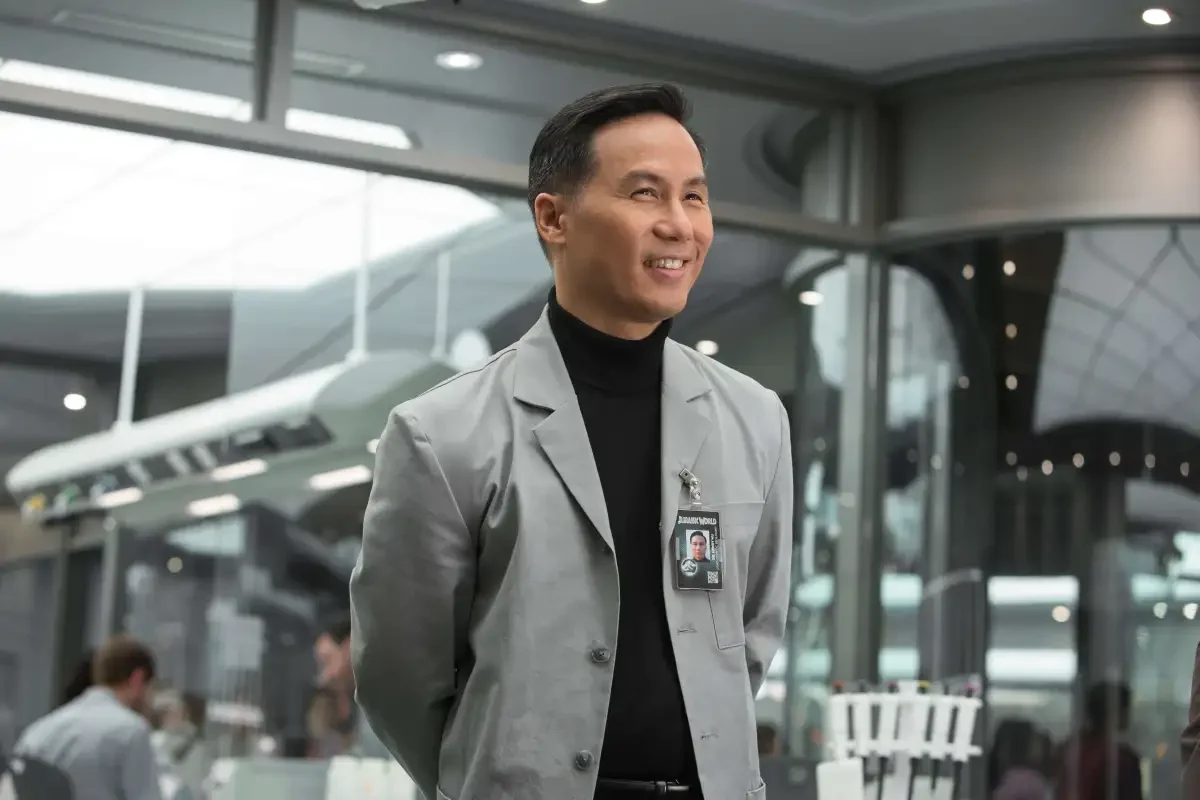
Dr. Henry Wu is the franchise’s principal geneticist, credited with operationalizing de-extinction and later engineering hybrid species. Across installments he is positioned at the junction of corporate priorities and breakthrough science, overseeing lab protocols, genome splicing, and containment assumptions that drive each film’s crisis.
His arc tracks shifting institutional alliances and the scientific escalations they enable, tying a single character to the continuity of cloning methods, intellectual property disputes, and safety failures. The portrayal uses lab glass, sterile workflows, and terse briefings to communicate authority and intellect while keeping personal history mostly offscreen.
Dr. George Huang — ‘Law & Order: Special Victims Unit’
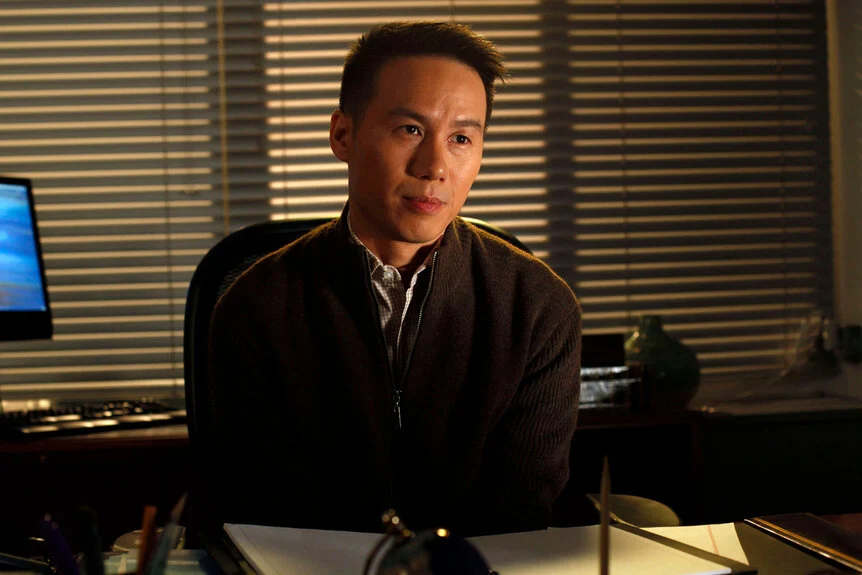
Dr. George Huang serves as an FBI forensic psychiatrist detailed to the NYPD, supplying behavioral profiles, competency evaluations, and courtroom testimony. He explains offender typologies, diagnostic criteria, and treatment pathways in compact consultations that translate clinical language into investigative leads.
Within the precinct rhythm, Huang’s scenes often occur in interview rooms and on the stand, where measured tone underscores professional detachment. The character maps the interface between psychology and law, appearing during plea negotiations, suppression hearings, and expert-witness segments that resolve cases procedurally rather than through extended personal subplots.
Happy Quinn — ‘Scorpion’
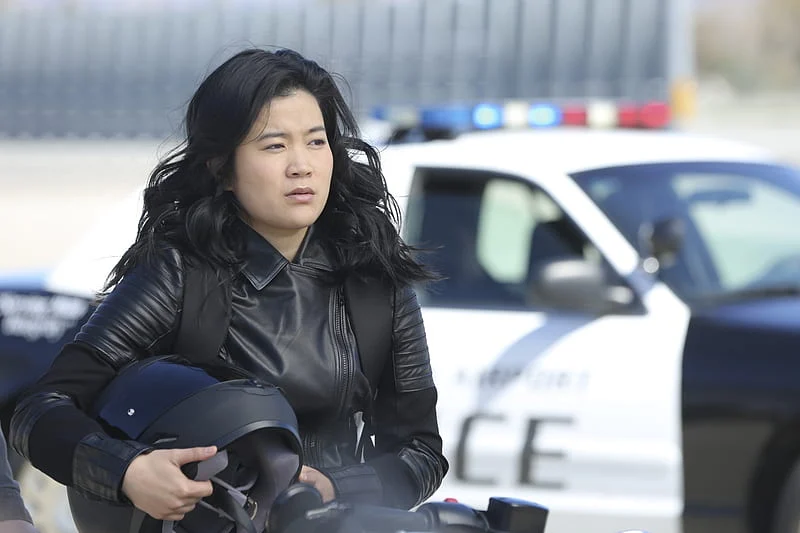
Happy Quinn is the team’s mechanical prodigy, specializing in rapid fabrication, materials, and failure-proofing under time pressure. Episodes make room for troubleshooting montages—CNC rigs, improvised welds, and sensor arrays—so her expertise becomes the hinge for rescues and shutdowns when software alone cannot solve the crisis.
Her biography threads through case-of-the-week plots with references to the foster system, certification exams, and repair-shop work that ground her skillset. Storylines also document professional credentials, workplace liability issues, and team dependencies that show how physical engineering drives mission viability for the group.
Toshiko Sato — ‘Torchwood’
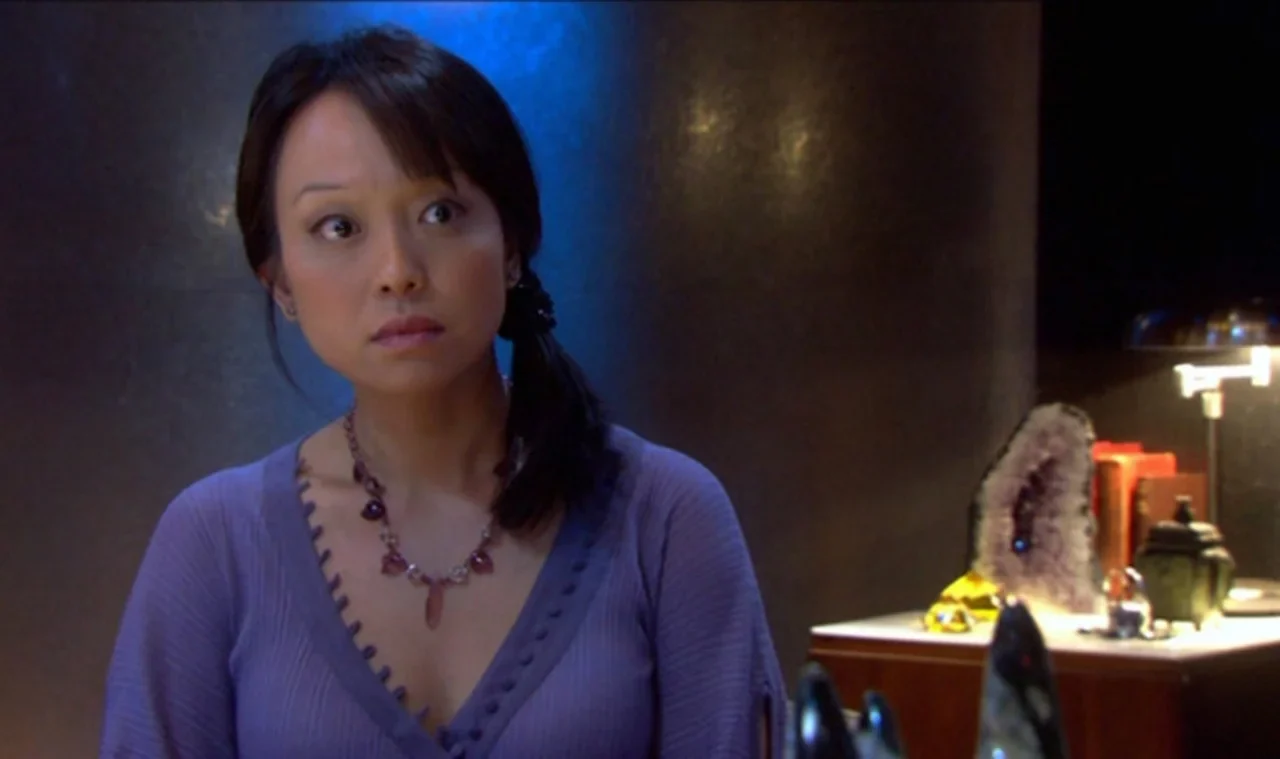
Toshiko Sato is Torchwood Three’s systems and technology specialist, building translation programs, security protocols, and hardware adaptations for alien artifacts. She occupies the hub between field agents and the Hub’s equipment, running signal analysis, encryption, and medical tech that make containment operations possible.
The series gives Toshiko focused episodes that outline training, recruitment, and the projects that showcase her contribution to the team’s infrastructure. Her narrative footprint includes the design of bespoke tools, cross-checks with UNIT-era knowledge, and the operational cost of being the person who keeps the network secure while others step into the spotlight.
Monty Green — ‘The 100’
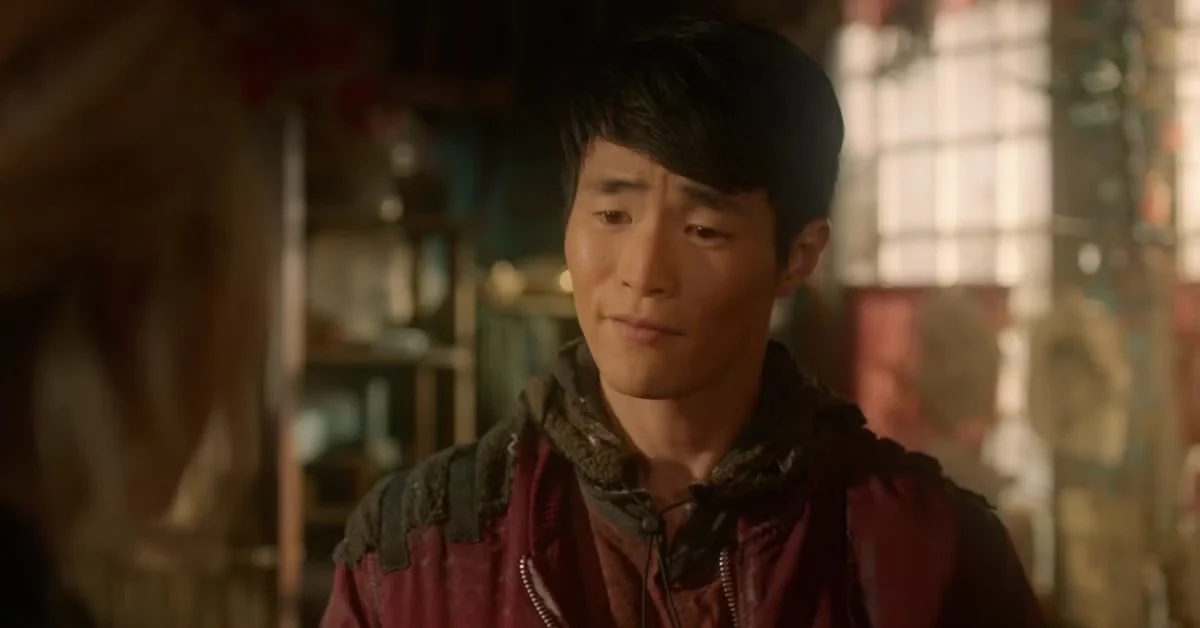
Monty Green begins as an engineering-minded member of the original group, repeatedly tasked with system repairs, chemical testing, and communications fixes. His aptitude becomes a structural asset for survival—patching oxygen lines, refining substances, and reverse-engineering enemy tech in episodes that hinge on whether a device will work.
Later, the character pivots toward sustainable life-support, using algae cultivation and closed-loop systems to keep people alive during long-duration space travel. His recordings, datasets, and contingency planning set the conditions for the next phase of exploration, linking technical patience with long-game decisions that shape the ensemble’s future.
Mohinder Suresh — ‘Heroes’
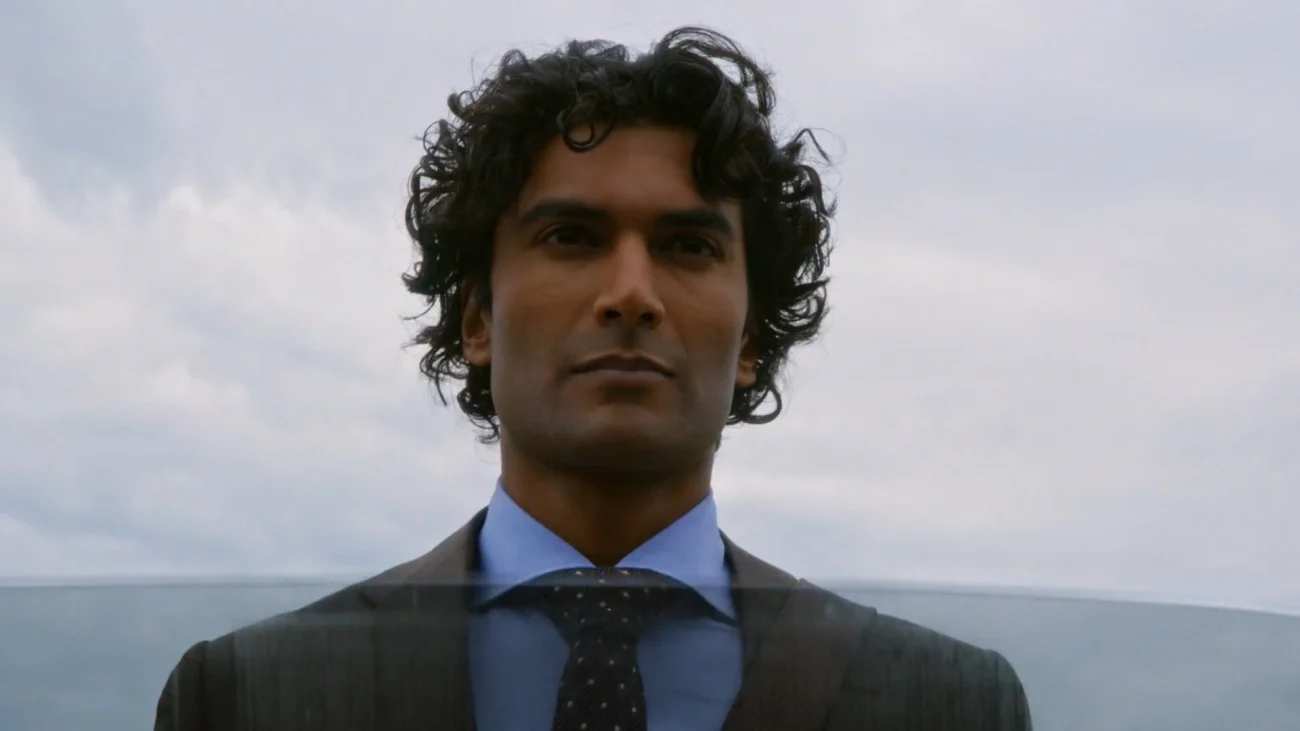
Mohinder Suresh is a geneticist who takes up his father’s research into evolved human abilities, building models for heredity, expression, and environmental triggers. He moves between academia, clandestine labs, and the field, collating samples and running assays that push the show’s mythology into formal theory.
The character’s lab work intersects with pharmaceutical formulas, ethical lapses, and institutional secrecy, illustrating how scientific ambition can alter both body and plot engine. His recurring voice-overs frame episodes with research questions and definitions that codify the series’ science language even when experiments go wrong.
Dr. Hugo Strange — ‘Gotham’
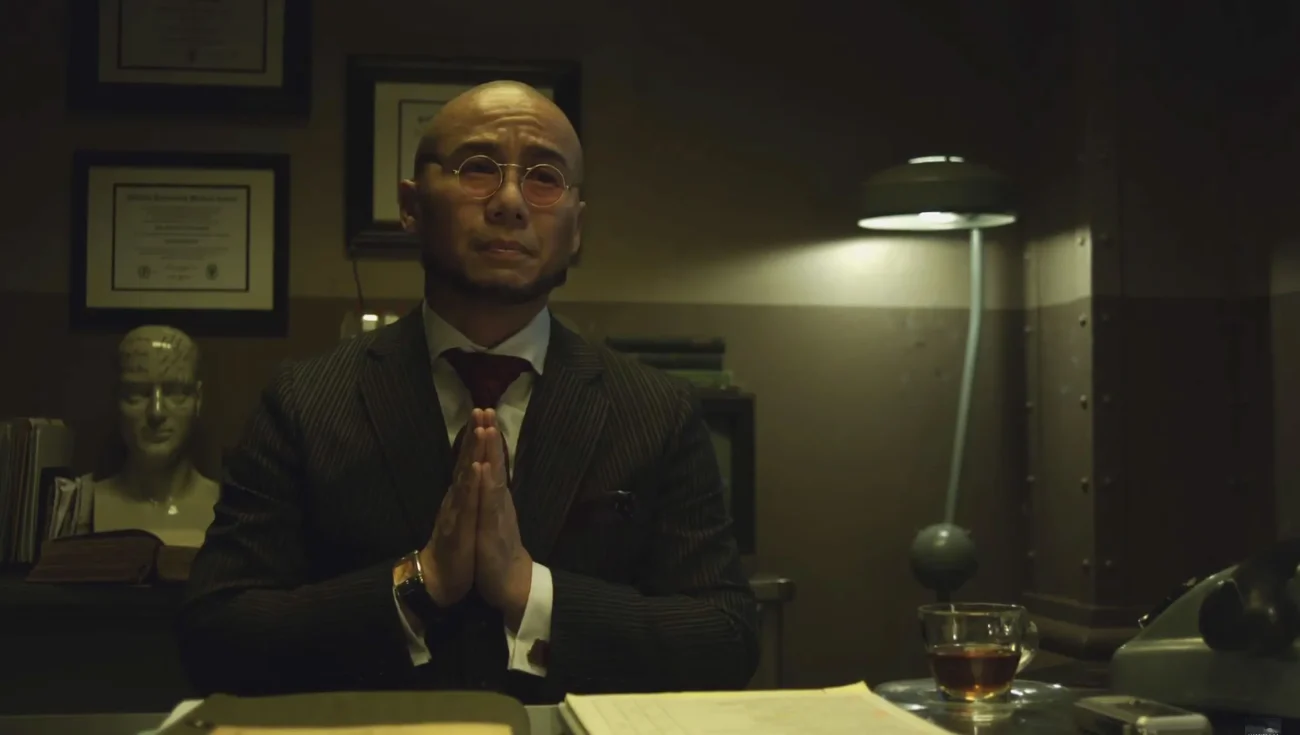
Dr. Hugo Strange operates at Arkham’s off-book facility, coordinating reanimation trials, behavioral conditioning, and identity reconstruction. His scenes emphasize controlled diction, clinical notes, and procedural routines that cloak high-risk experimentation in bureaucratic calm.
The show uses him to connect multiple villains’ origin mechanisms, from cryogenic failure modes to endocrine manipulations that “explain” extreme traits. Administrative maneuvering with secretive benefactors places him at the center of procurement, compliance, and cover-ups, showing how institutional power can shield a soft-spoken architect of mayhem.
Lady Trieu — ‘Watchmen’
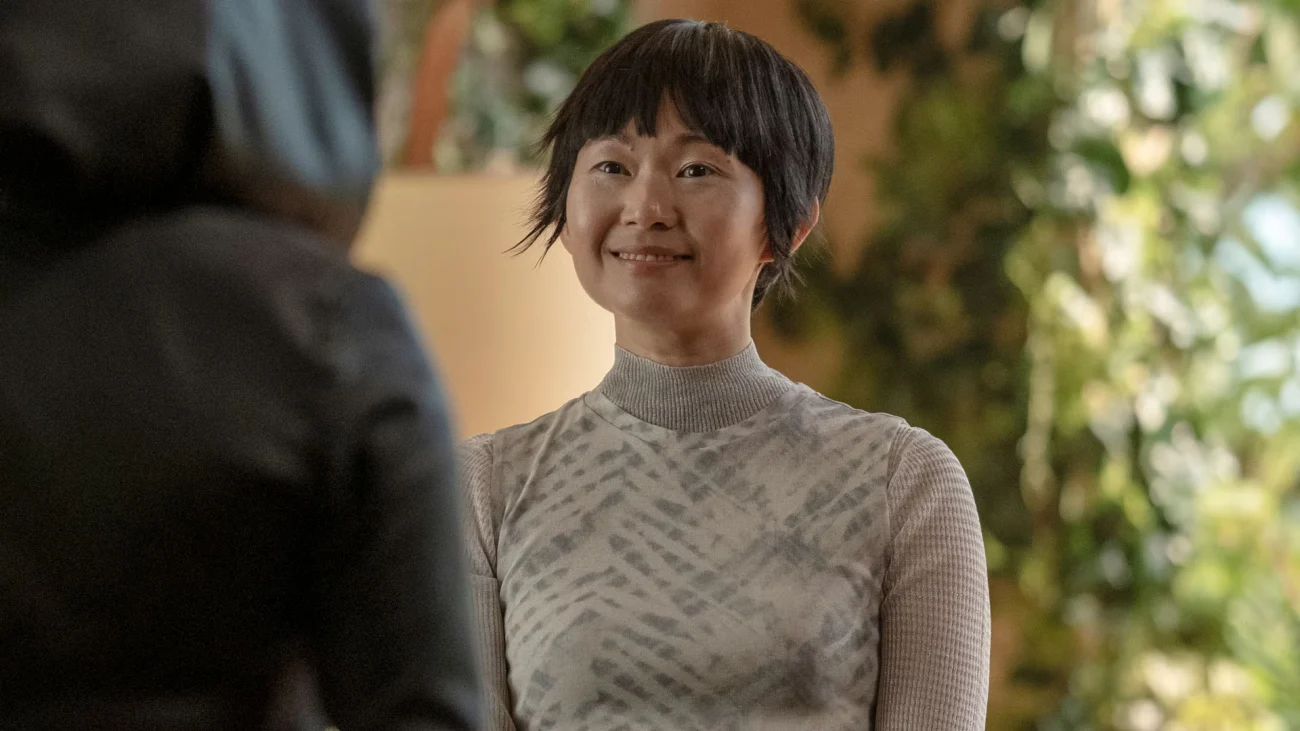
Lady Trieu is a billionaire industrialist whose projects include the Millennium Clock, a structure tied to energy capture, surveillance reach, and an ultimate plan to reallocate power. Her public events, memoranda, and acquisitions build a profile of precise speech and sweeping engineering capacity.
The character’s family history and corporate holdings knit her into prior-world conspiracies, with laboratories, proprietary alloys, and bespoke tech doing the narrative heavy lifting. Staff briefings, data rooms, and controlled interviews display an intellect filtered through corporate theater, situating genius inside a polished, minimalist presentation.
Felix Lutz — ‘Westworld’
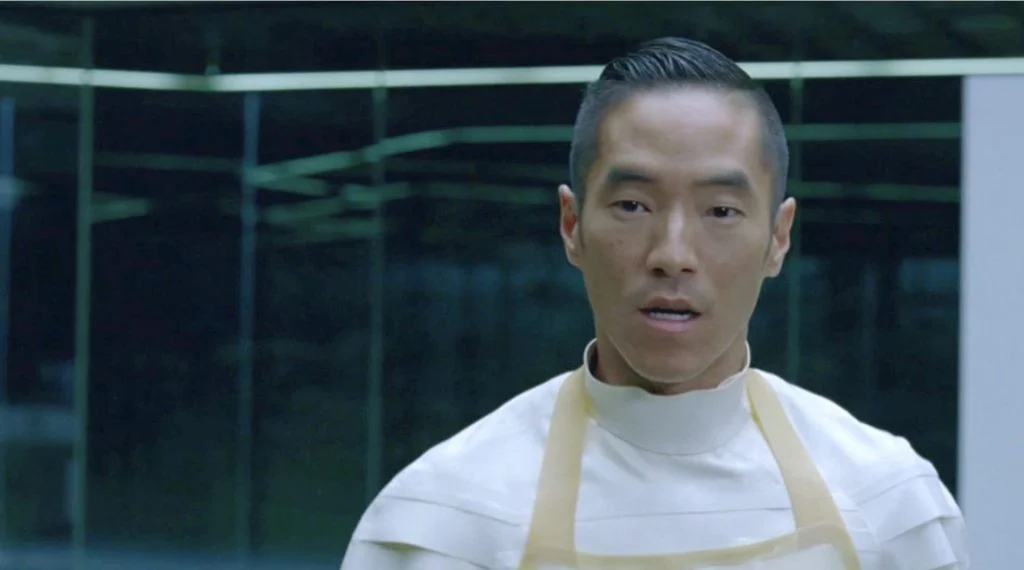
Felix Lutz is a behavior technician who maintains and debugs hosts, operating within the loop of diagnostics, narrative resets, and clandestine upgrades. His technical steps—firmware pushes, motor-control tests, cortical checks—are staged in back-of-house spaces, which gives viewers a process map for how the park runs.
His role expands as he assists a host’s jailbreak, applying insider knowledge of access hierarchies and lab protocols to move through security layers. The character’s understated manner at workstations highlights how competence and discretion can reshape outcomes even without command authority.
Ryan Choi — ‘Arrow’
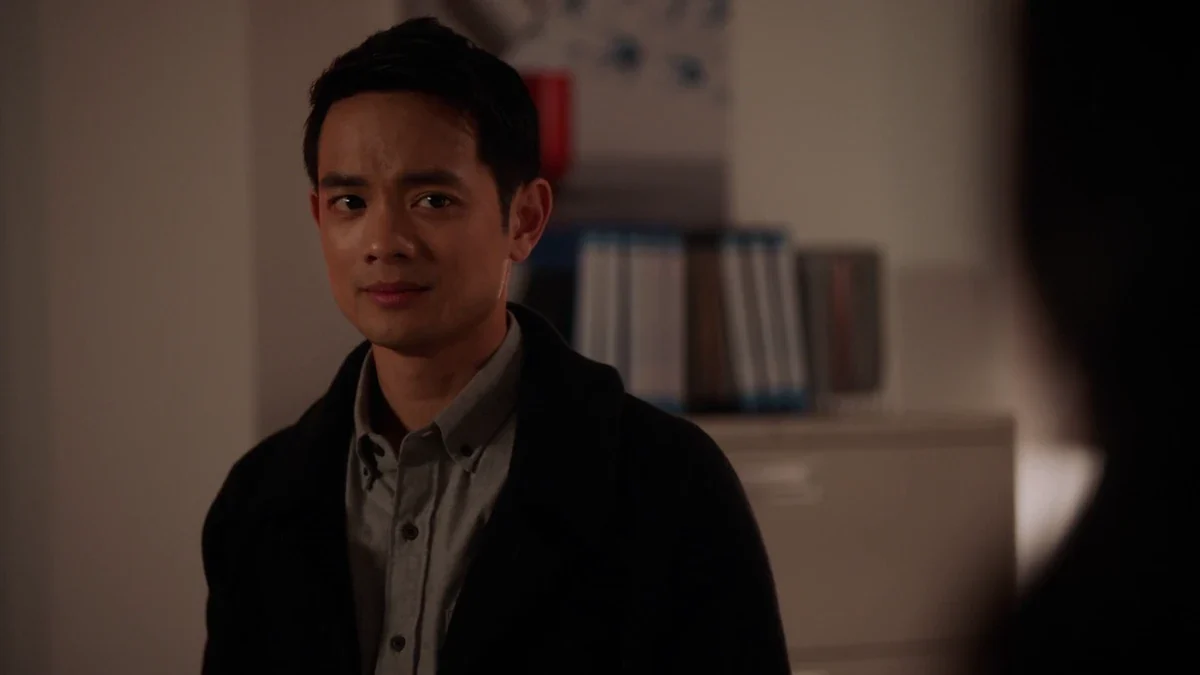
Ryan Choi enters the Arrowverse as a physicist and inventor whose publications and prototypes make him a natural recruit when multiversal stakes arise. Academic office scenes, whiteboard sequences, and equipment shots underscore the practical side of his research—miniaturization theory, materials constraints, and power regulation.
As crossovers unfold, Ryan’s technical grasp intersects with legacy hardware and mentorship threads that connect him to established heroes. He is written as a collaborator who translates theory into field-ready tools, marking the passage from classroom to crisis response in a few carefully drawn beats.
Neal Sampat — ‘The Newsroom’
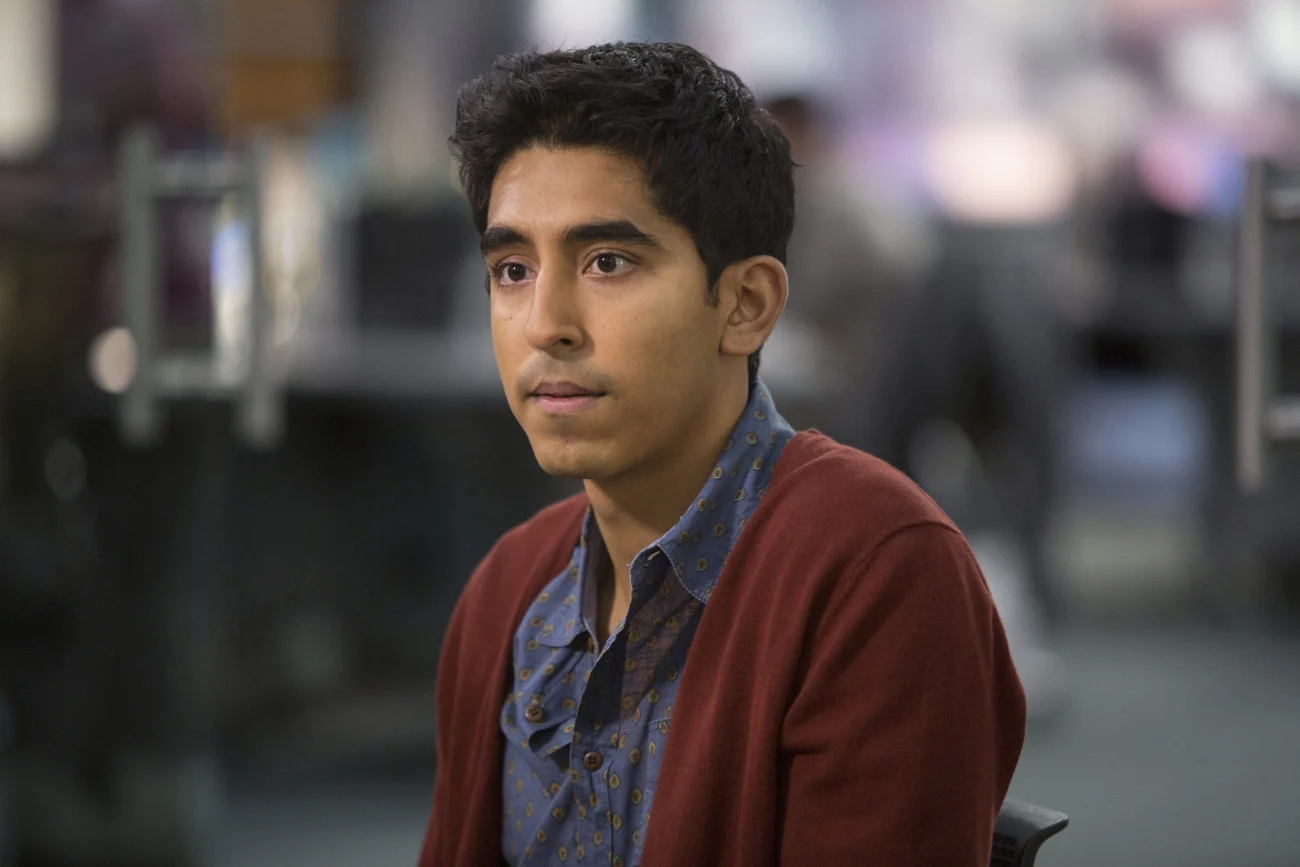
Neal Sampat starts as a web writer and digital analyst who mines social platforms, open-source feeds, and data dumps for story leads. The newsroom relies on his scripts and dashboards to track rumors, verify videos, and chase contacts, moving online signals into broadcast-ready segments.
Later arcs place him at the center of source protection, authentication protocols, and legal risk around classified material. His skillset—coding, scraping, and communications security—illustrates how a calm specialist can change the editorial agenda by making newsgathering faster and more precise.
Amita Ramanujan — ‘Numb3rs’

Amita Ramanujan is an applied mathematician whose expertise spans algorithm design, cryptography, and optimization. Her classroom and lab scenes show proofs, program outputs, and visualizations that translate theory into investigative tools for the FBI’s consulting team.
The series uses her to broaden the mathematical domains on display—game theory for negotiation standoffs, combinatorics for pattern searches, and number theory for codebreaking. Tenure-track milestones, conference travel, and mentorship responsibilities depict a full academic load alongside case support, situating brilliance within institutional routines.
Lily Chan — ‘Devs’
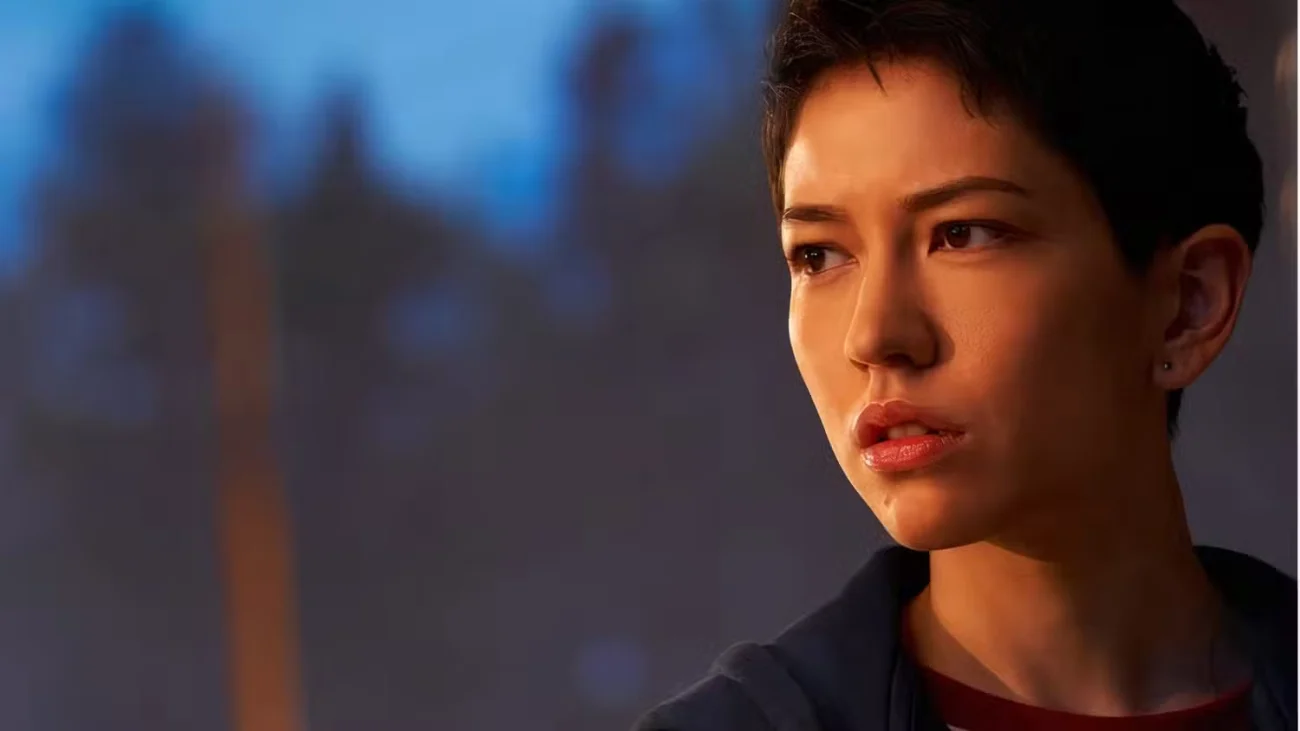
Lily Chan works as a software engineer at Amaya, where version control, security tokens, and logging trails become plot mechanisms once a colleague’s disappearance triggers her search. The ‘Devs’ project, built around quantum computation, brings her into contact with specialized hardware, deterministic modeling, and closed-access facilities.
Her progress through the company’s layers involves password escalations, social-engineering pivots, and careful reading of system behavior rather than action set pieces. The character’s toolkit—debugging tenacity and stakeholder mapping—anchors a story that treats engineering process as both mystery and method.
Dr. Chi Park — ‘House’
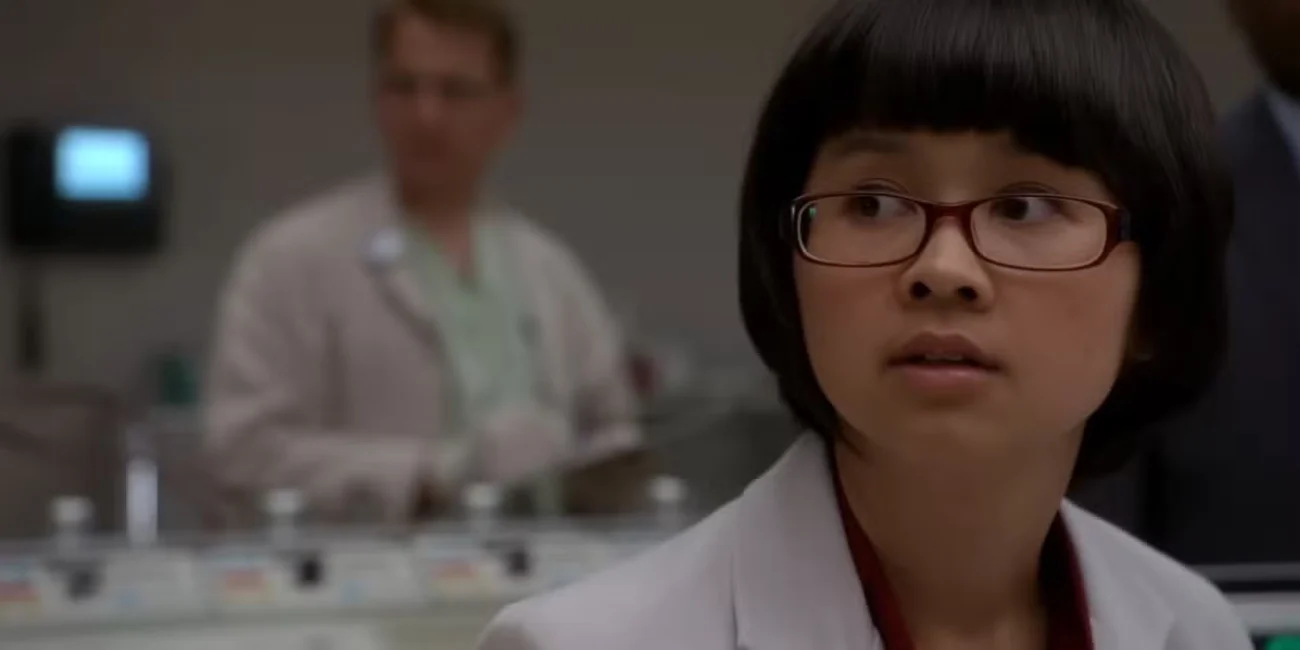
Dr. Chi Park joins the diagnostic team as a neurology fellow whose clinical style favors succinct questions, careful exams, and precise reads of imaging and reflex tests. The show situates her within differential diagnosis sprints, where she contributes neuro-focused hypotheses and procedure assists.
Background details—disciplinary trouble following an altercation with a superior and family obligations—appear in brief exchanges that frame her as someone who keeps emotions contained at work. The role highlights credential pathways, hospital politics, and the speed at which subspecialists must render opinions during complex cases.
Share the characters you think fit this pattern—and the examples that broke it—down in the comments.