


Asian Directors Bringing Authentic Cultural Stories to Blockbusters

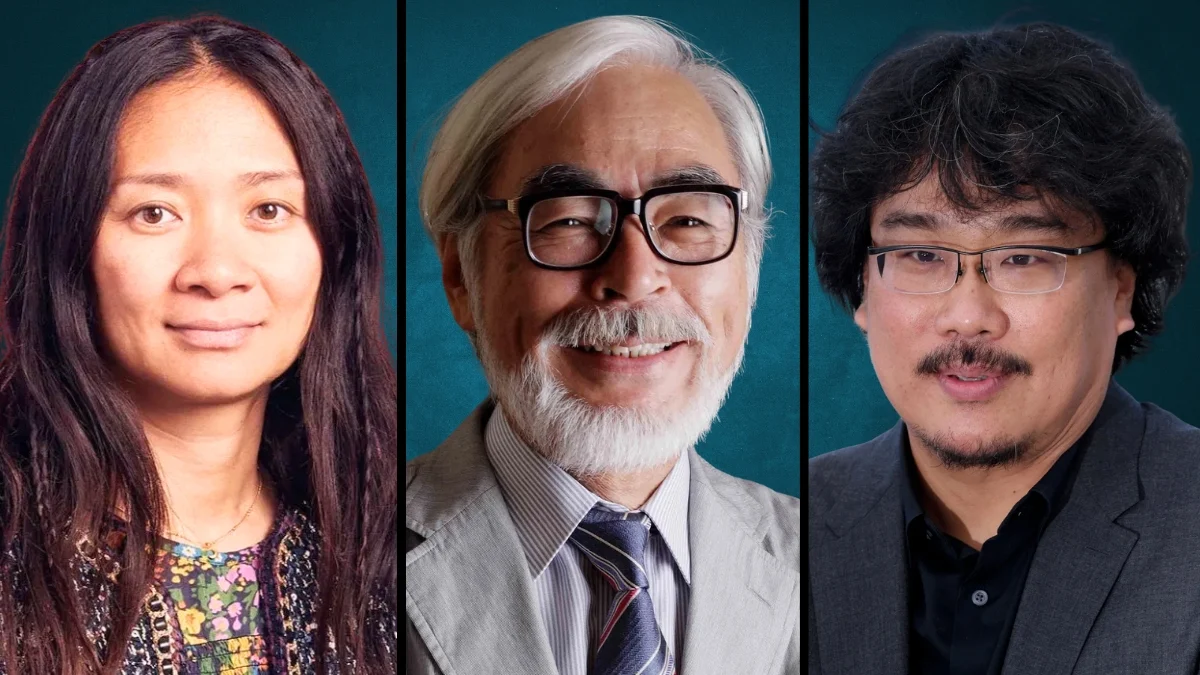


The landscape of global cinema has shifted significantly as Asian directors take the helm of massive blockbuster productions. These filmmakers have successfully integrated their unique cultural heritages and storytelling traditions into high-budget projects that resonate with international audiences. By blending traditional narratives with modern cinematic technology, they have redefined what a commercial success can look like in the modern era. Their work often challenges standard Western storytelling tropes by introducing nuanced perspectives on family, history, and social dynamics.
Bong Joon Ho
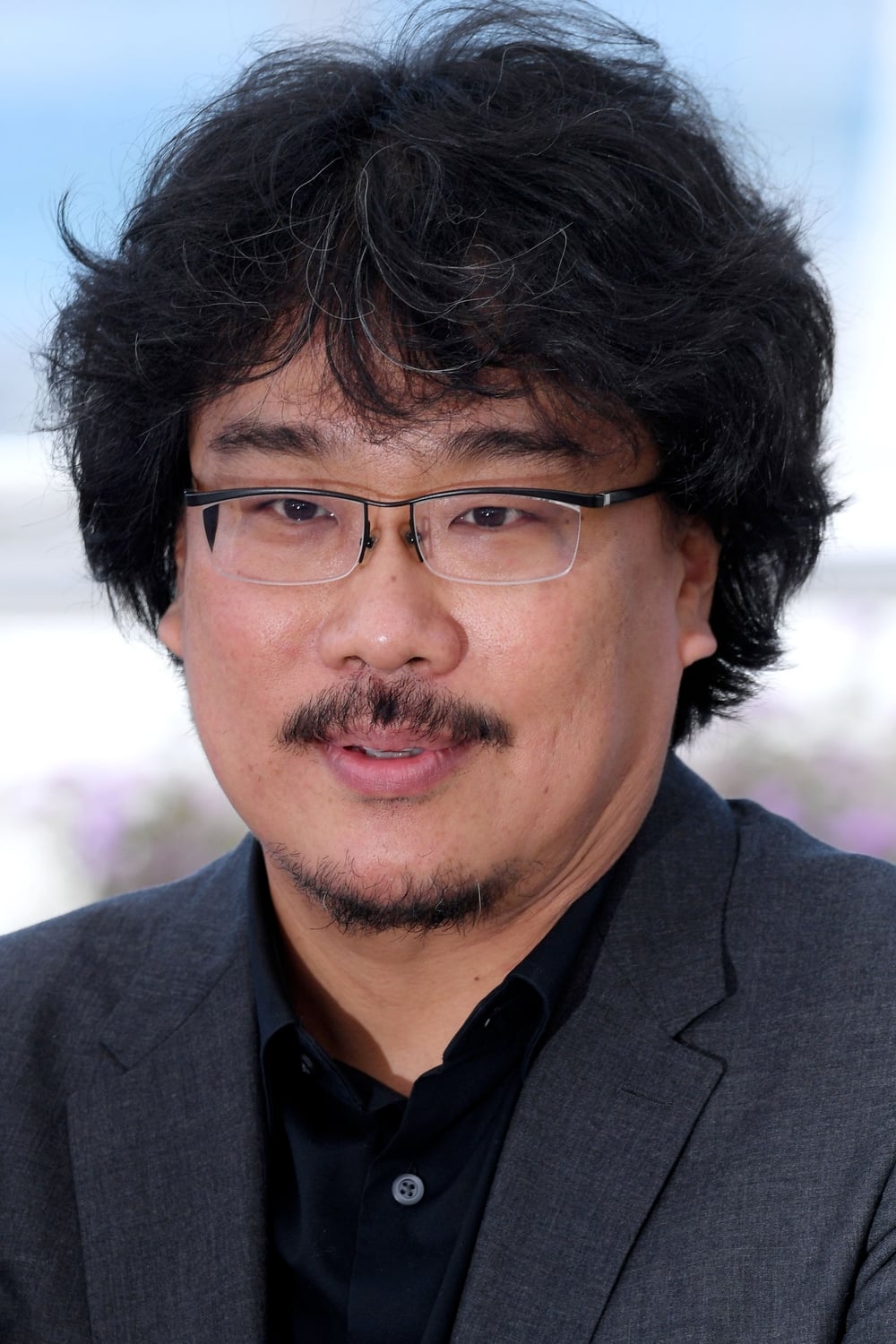
This South Korean filmmaker gained worldwide recognition for his masterful blend of genre-bending storytelling and sharp social commentary. His film ‘Parasite’ became a global phenomenon, winning the Academy Award for Best Picture and proving that subtitled stories could dominate the international box office. He often explores the complexities of class struggle and human nature through a distinctly Korean lens, even in larger productions like ‘Snowpiercer’. His ability to maintain a unique authorial voice while operating on a grand scale has made him a pivotal figure in modern cinema.
Ang Lee

A pioneer in bridging the gap between Eastern and Western cinema, he has directed some of the most visually stunning and emotionally resonant films of the last few decades. His work on ‘Crouching Tiger, Hidden Dragon’ brought the Wuxia genre to a mainstream global audience, blending traditional martial arts with high-budget production values. He later directed ‘Life of Pi’, which utilized cutting-edge technology to explore spiritual and cultural themes. He remains one of the few directors to successfully navigate both intimate dramas and massive studio blockbusters with equal skill.
Jon M. Chu

He played a crucial role in bringing contemporary Asian-American identity to the forefront of the romantic comedy genre with ‘Crazy Rich Asians’. This film was a significant cultural milestone, featuring the first all-Asian cast in a major studio production in twenty-five years. He continued his work in big-budget filmmaking with ‘In the Heights’ and the upcoming ‘Wicked’ adaptation, consistently prioritizing diverse representation. His direction focuses on the vibrancy of cultural traditions and the importance of community in the modern world.
Destin Daniel Cretton
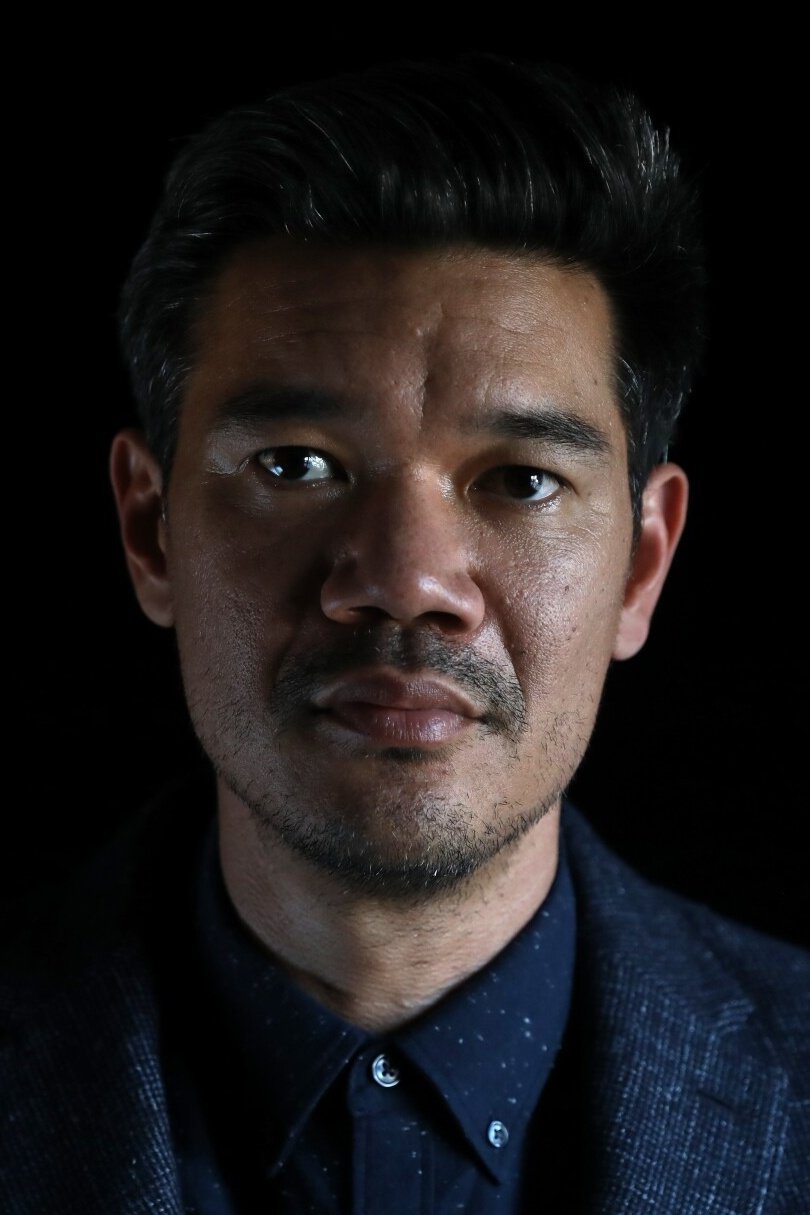
He successfully transitioned from independent dramas to the Marvel Cinematic Universe with the release of ‘Shang-Chi and the Legend of the Ten Rings’. This film integrated traditional Chinese folklore and martial arts into the superhero genre, creating a unique cultural fusion for a global audience. He focused heavily on the themes of family legacy and the reconciliation of dual identities throughout the narrative. His work demonstrated how authentic cultural stories can be seamlessly woven into the largest film franchises in the world.
S. S. Rajamouli
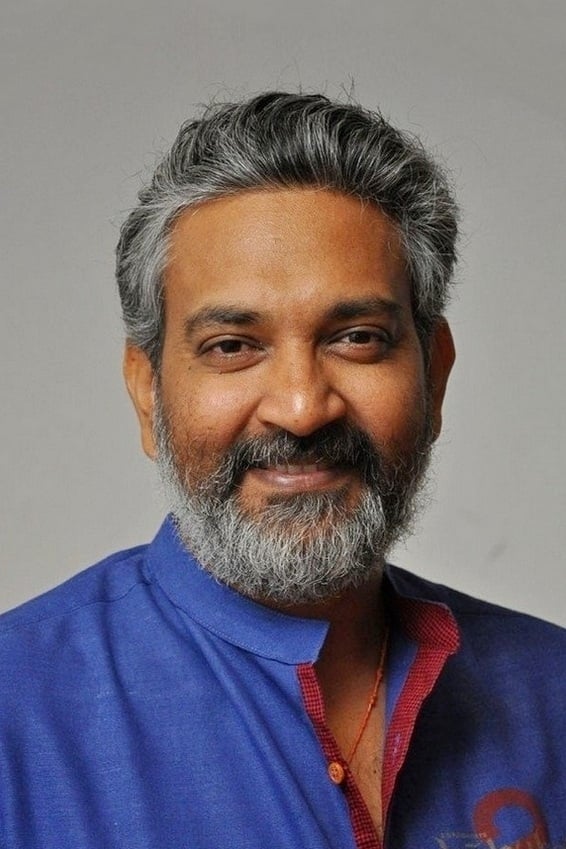
A visionary from the Indian film industry, he has become a global name following the immense success of ‘RRR’ and the ‘Baahubali’ franchise. His films are celebrated for their massive scale, intricate action sequences, and deep roots in Indian history and mythology. He utilizes high-budget visual effects to amplify traditional storytelling, creating a cinematic experience that feels both ancient and contemporary. His success has significantly increased the global visibility of South Indian cinema and its unique narrative style.
Lee Isaac Chung
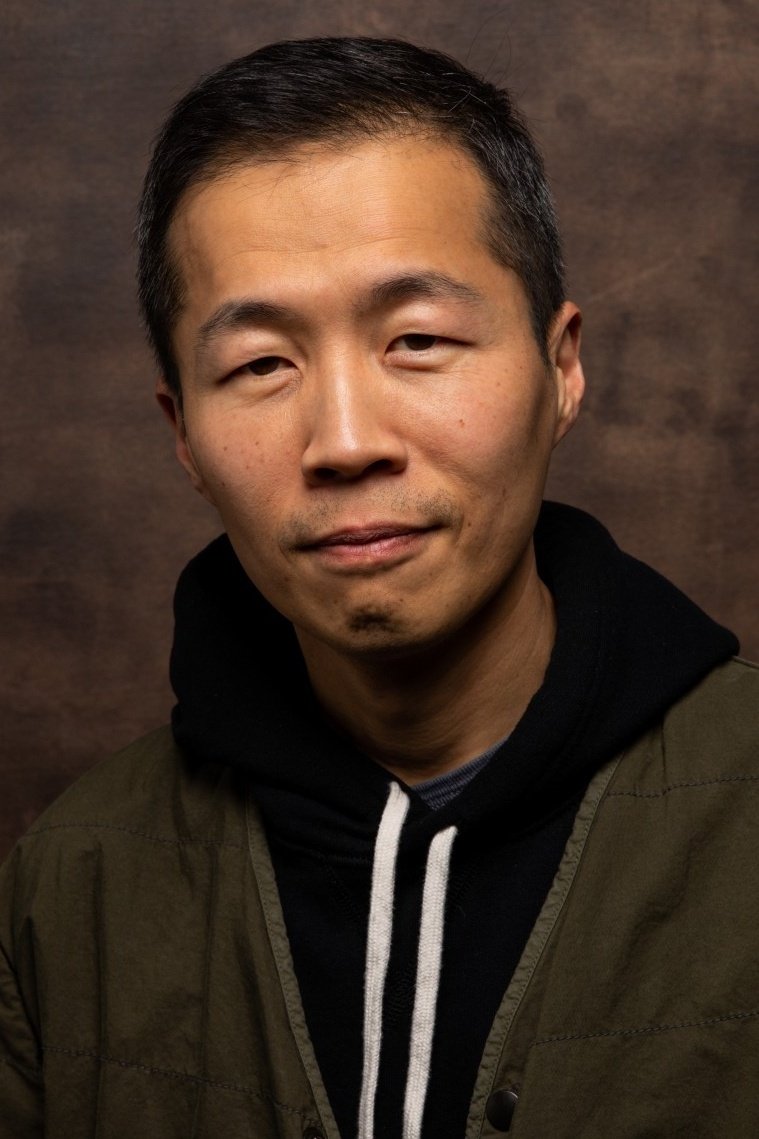
He first gained international acclaim for ‘Minari’, a semi-autobiographical story about a Korean immigrant family pursuing the American Dream. He recently made the jump to major studio blockbusters by directing the high-stakes disaster film ‘Twisters’. Even in large-scale productions, he maintains a focus on human connection and the resilience of the family unit. His career trajectory highlights the growing trend of talented cultural storytellers being entrusted with massive commercial projects.
Daniel Kwan

As one half of the directing duo known as the Daniels, he explored the complexities of the Asian-American experience through the surreal lens of ‘Everything Everywhere All at Once’. The film used a multiverse concept to address generational trauma, immigrant struggles, and the relationship between a mother and daughter. Its massive commercial and critical success proved that specific cultural narratives can have a universal appeal when told with creativity. He continues to influence the industry by pushing the boundaries of traditional genre structures.
Chloé Zhao

She became a household name after her work on ‘Nomadland’ led to her directing the Marvel blockbuster ‘Eternals’. She brought a naturalistic and philosophical approach to the superhero genre, focusing on the historical and cultural evolution of humanity. Her films often feature a distinct visual style that emphasizes the relationship between characters and the vast landscapes they inhabit. She is recognized for her ability to maintain a contemplative tone even within the framework of a high-budget studio film.
Park Chan-wook
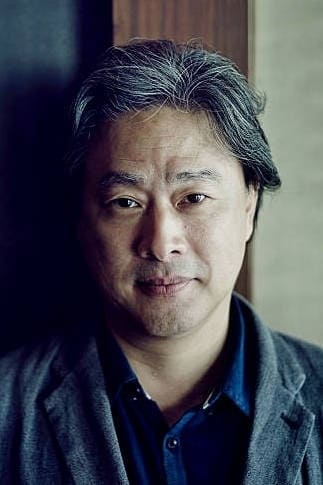
Renowned for his meticulous visual style and complex narrative structures, he has directed influential films like ‘Oldboy’ and ‘The Handmaiden’. His work often explores themes of revenge, morality, and human psychology with a bold and sometimes dark aesthetic. He successfully transitioned to English-language projects with ‘Stoker’ and later the series ‘The Sympathizer’, showcasing his versatility. He is a key figure in the “Korean New Wave” who has brought a distinct cultural and artistic sensibility to global audiences.
Takashi Yamazaki
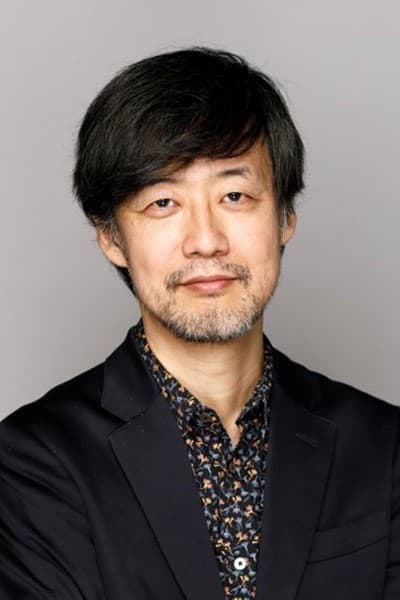
He directed the critically acclaimed ‘Godzilla Minus One’, which reclaimed the iconic monster’s origins as a metaphor for post-war Japanese national trauma. The film was praised for its authentic historical setting and its focus on personal redemption and the human cost of war. By returning the franchise to its roots, he created a blockbuster that felt deeply grounded in Japanese history and culture. His work demonstrated that intellectual property can be used to tell profound and culturally specific stories.
Hayao Miyazaki
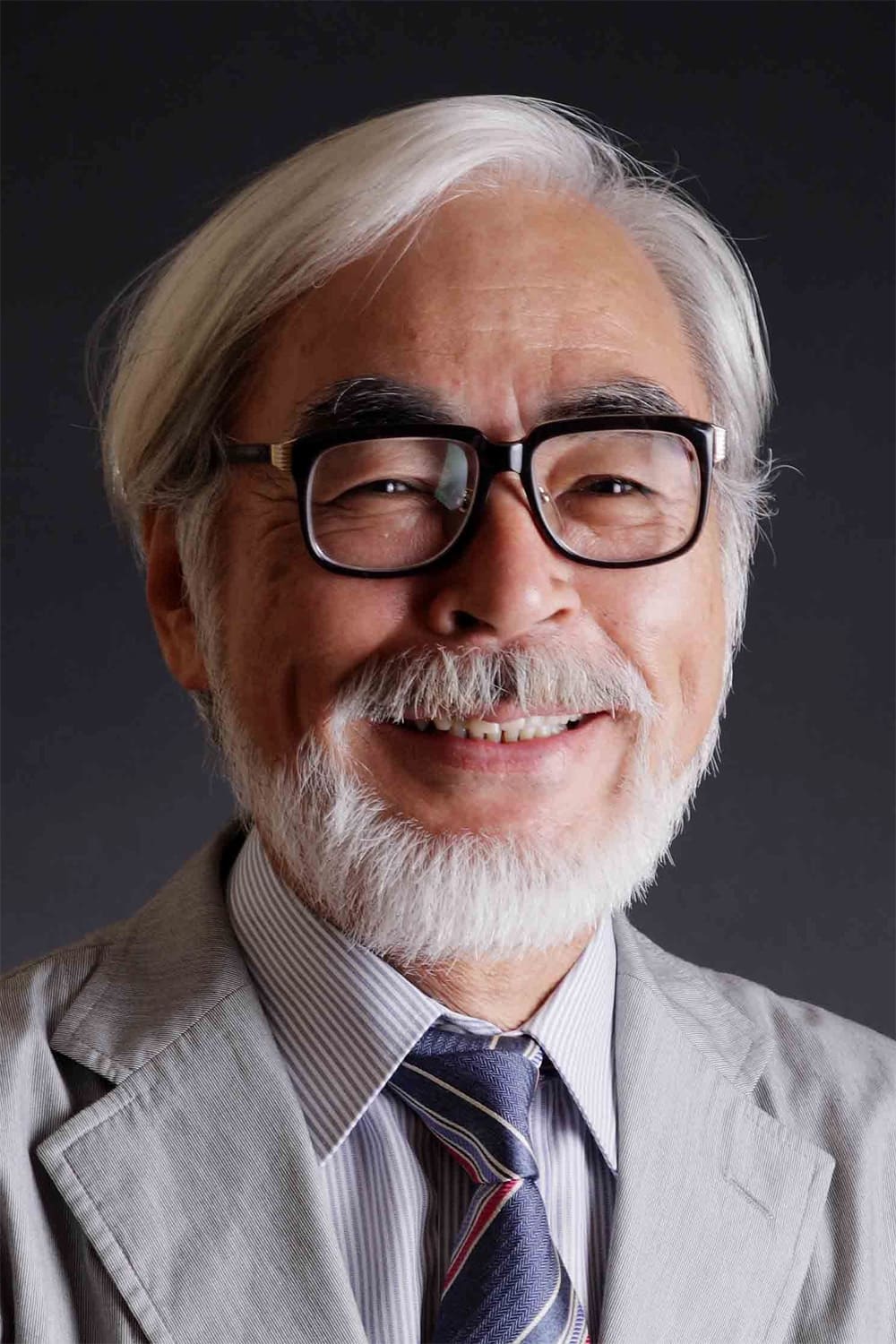
As the co-founder of Studio Ghibli, he has directed some of the most successful and beloved animated blockbusters in history, including ‘Spirited Away’. His stories frequently incorporate elements of Japanese folklore, Shinto beliefs, and environmentalist themes. Despite their cultural specificity, his films have achieved massive international box office success and critical acclaim. He is widely considered one of the greatest animators and storytellers in the history of the medium.
Makoto Shinkai

He has become a dominant force in the global animation market with hits like ‘Your Name’ and ‘Suzume’. His films utilize high-budget production to tell stories that deal with memory, distance, and the impact of natural disasters on Japanese society. He often blends modern urban settings with ancient Shinto traditions, creating a visually stunning contrast. His work has broken numerous box office records across Asia and has established a strong following in Western territories.
Zhang Yimou
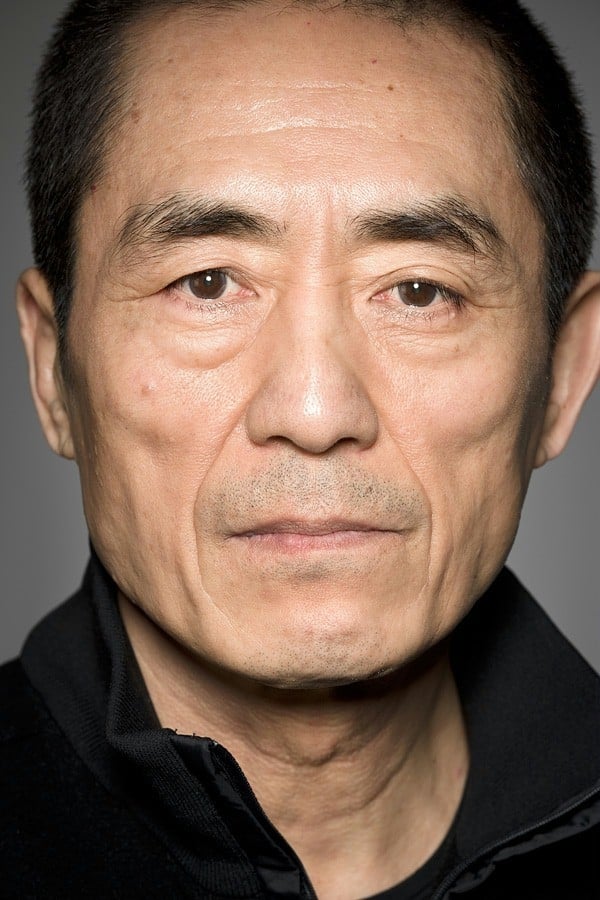
He is a master of the Wuxia genre, known for his incredible use of color and large-scale historical choreography in films like ‘Hero’. His work brought Chinese history and martial arts traditions to a massive global audience during the early 2000s. He also directed the opening and closing ceremonies of the Beijing Olympics, further demonstrating his ability to handle massive cultural spectacles. He continues to produce epic historical dramas that highlight the grandeur of Chinese cultural heritage.
John Woo

He pioneered the heroic bloodshed genre in Hong Kong before moving to Hollywood to direct massive hits like ‘Face/Off’ and ‘Mission: Impossible 2’. His unique style, characterized by stylized action sequences and themes of brotherhood and honor, influenced an entire generation of Western filmmakers. He later returned to Chinese cinema to direct the massive historical epic ‘Red Cliff’, which focused on one of the most famous battles in Chinese history. He remains a legendary figure in the action genre for his ability to blend Eastern sensibilities with Western blockbuster tropes.
Mira Nair
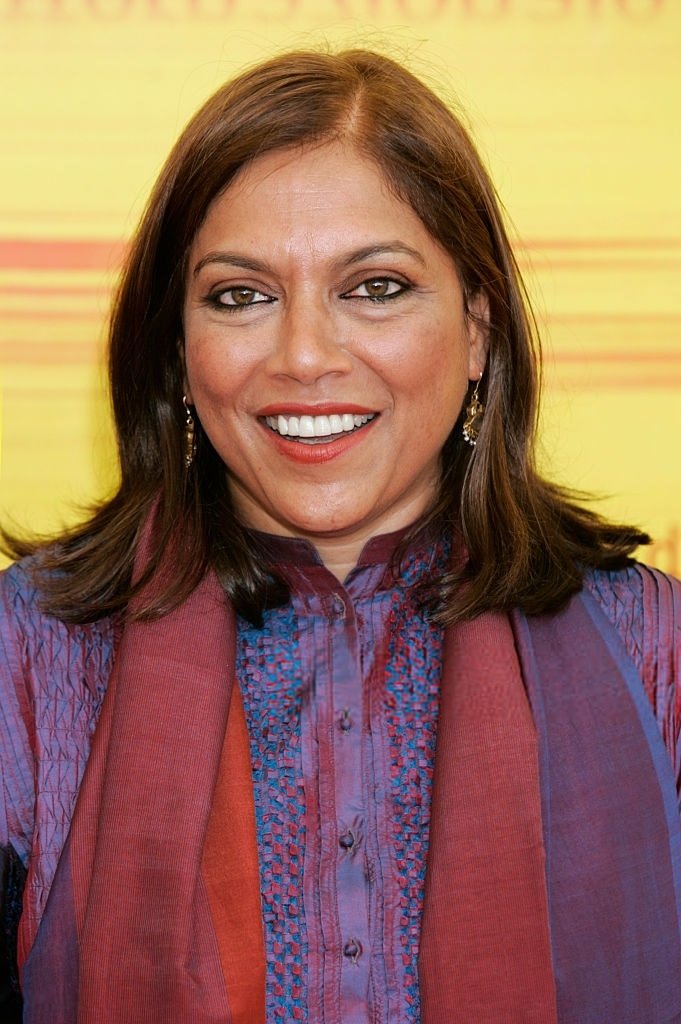
She has been a prominent voice in bringing South Asian cultural narratives to the global stage through films like ‘Monsoon Wedding’ and ‘The Namesake’. Her work often explores the intersection of tradition and modernity within the Indian diaspora and at home in India. She has successfully managed both independent projects and large-scale studio productions with a focus on authentic representation. Her storytelling emphasizes the beauty of cultural rituals and the complexity of modern identity.
Gurinder Chadha
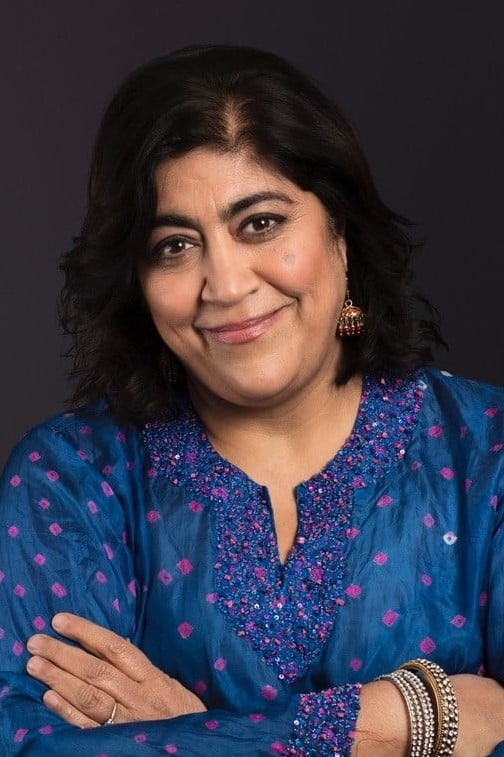
She gained international fame for ‘Bend It Like Beckham’, a film that explored the British-Asian experience through the lens of sports and family. Her work consistently focuses on the lives of South Asian women and the challenges of navigating multiple cultural identities. She has directed various high-profile projects, including ‘Bride and Prejudice’, which reimagined a Western classic within a Bollywood framework. She is a key figure in making specific diaspora stories accessible and entertaining for a mainstream audience.
Shekhar Kapur
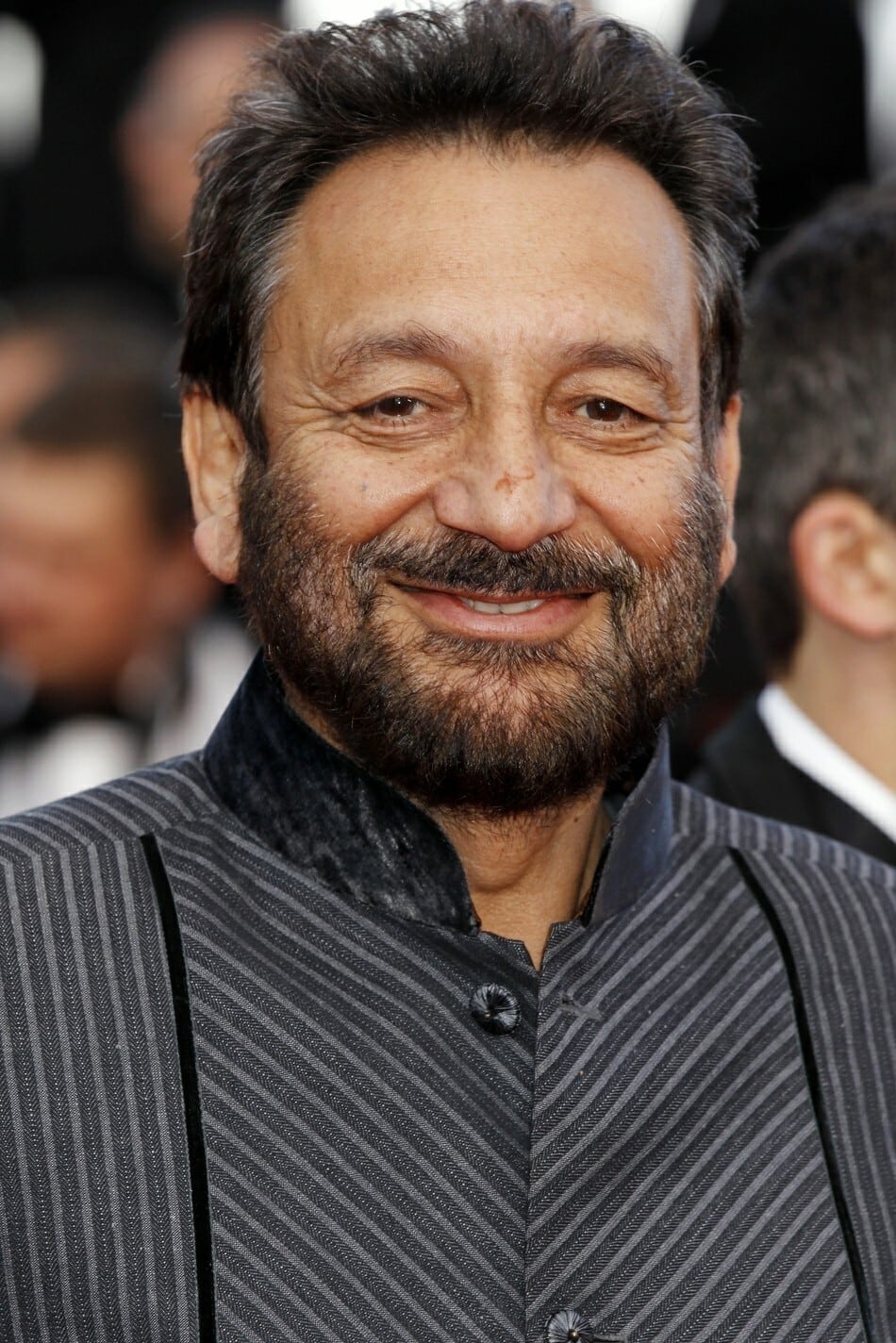
He achieved global blockbuster success with ‘Elizabeth’, a film that provided a unique perspective on English history from an outsider’s lens. He is known for his ability to direct grand historical epics that are visually opulent and emotionally complex. His earlier work in India, such as ‘Bandit Queen’, demonstrated his commitment to telling powerful stories about social justice and cultural identity. He has been a vocal advocate for the growth of the Asian film industry on the world stage for decades.
Justin Lin
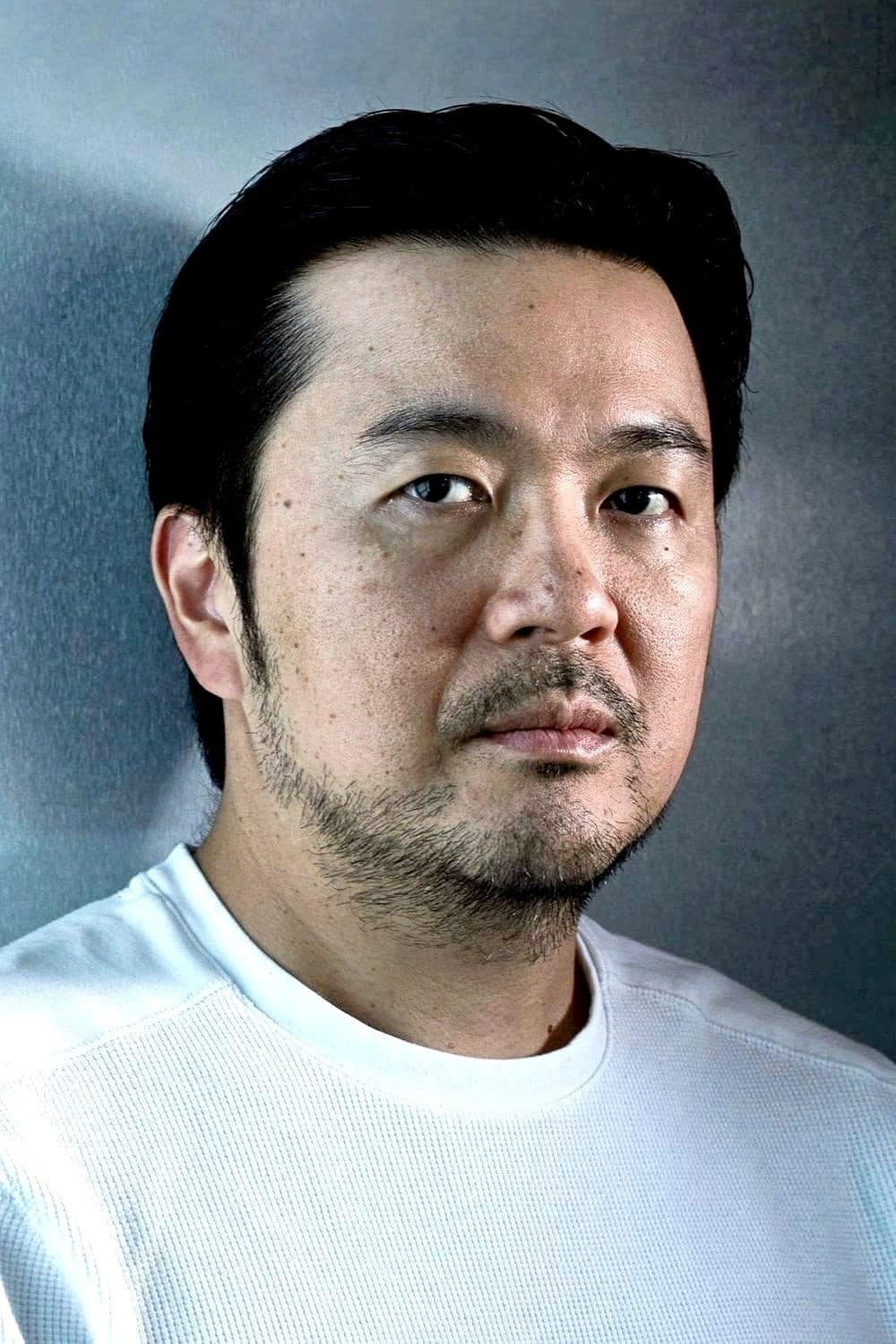
He is the director credited with transforming ‘The Fast and the Furious’ from a street racing series into a multi-billion dollar global action franchise. He prioritized a diverse and multicultural cast, reflecting a more globalized reality for audiences worldwide. His direction often incorporates themes of chosen family and loyalty, which are central to many Asian cultural traditions. He has also worked on major franchises like ‘Star Trek’, consistently bringing a steady hand to high-budget productions.
Sanjay Leela Bhansali
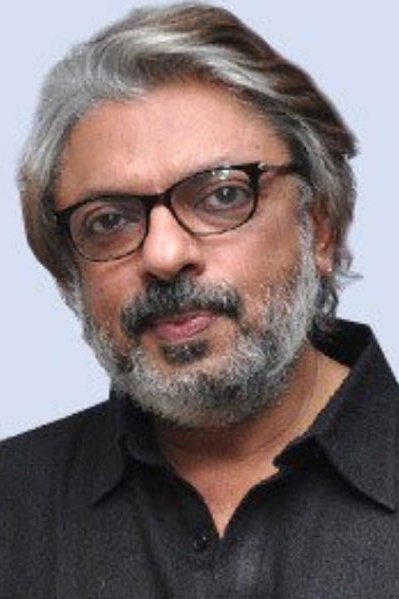
He is one of India’s most commercially successful directors, known for creating lavish and visually breathtaking blockbusters like ‘Padmaavat’ and ‘Devdas’. His films are characterized by their massive sets, intricate traditional costumes, and deep roots in Indian literature and history. He utilizes the high-budget musical format to celebrate Indian culture on a grand scale. His work is recognized globally for its artistic ambition and its commitment to traditional Indian aesthetic values.
Prashanth Neel
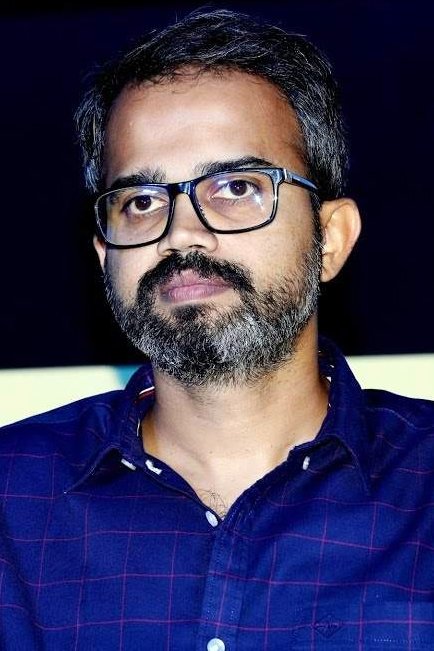
He rose to international prominence with the ‘K.G.F’ franchise, which became one of the highest-grossing film series in Indian history. His work is known for its stylized cinematography, intense action sequences, and its focus on local cultural lore and hero archetypes. He has been instrumental in the recent surge of “Pan-Indian” films that unite diverse regional markets into a single blockbuster audience. His films demonstrate the immense commercial potential of stories rooted in specific local contexts.
Share your thoughts on these influential directors and their impact on modern cinema in the comments.