

‘Attack on Titan’ Mistakes You’ll Never Be Able to Unsee

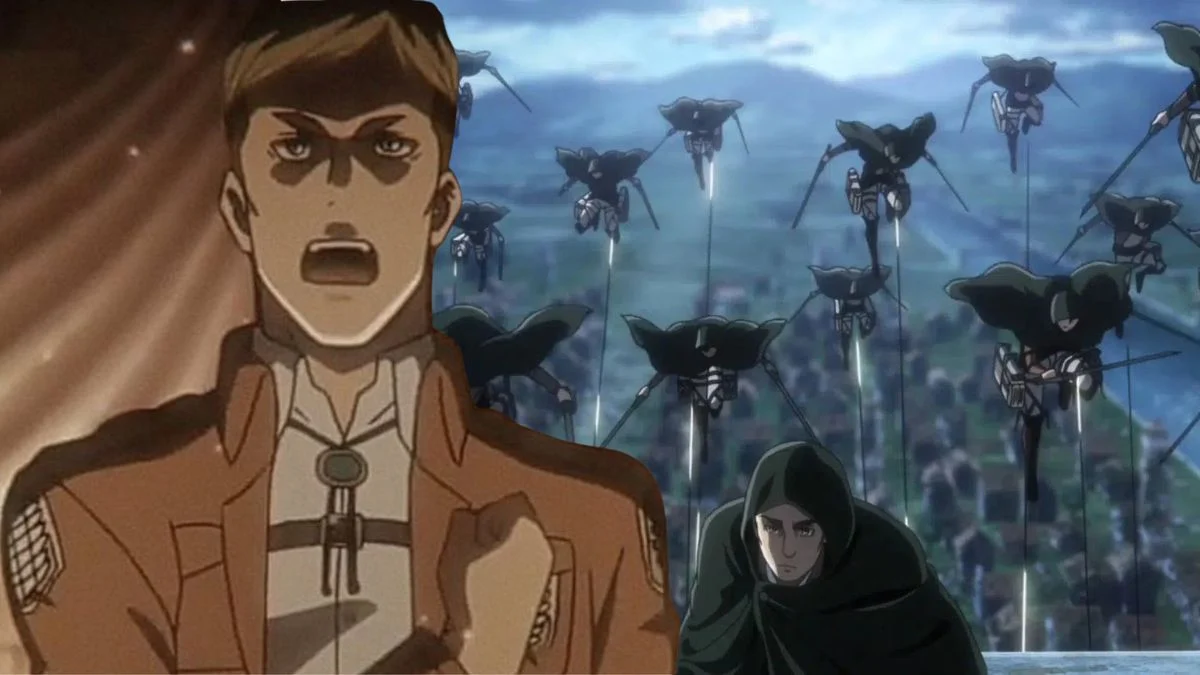


Some of the most gripping moments in ‘Attack on Titan’ move so fast that tiny slipups slide by. When you slow things down or rewatch a scene, a handful of animation and continuity hiccups pop into view. These are small production stumbles that do not change the story, but once you notice them they are hard to ignore.
This list rounds up ten specific kinds of goofs that show up across different episodes and seasons. Each one includes what happens on screen and how it conflicts with the established visuals or rules in the show, so you can spot the exact mismatch the next time you watch ‘Attack on Titan’.
Vanishing and reappearing ODM wires
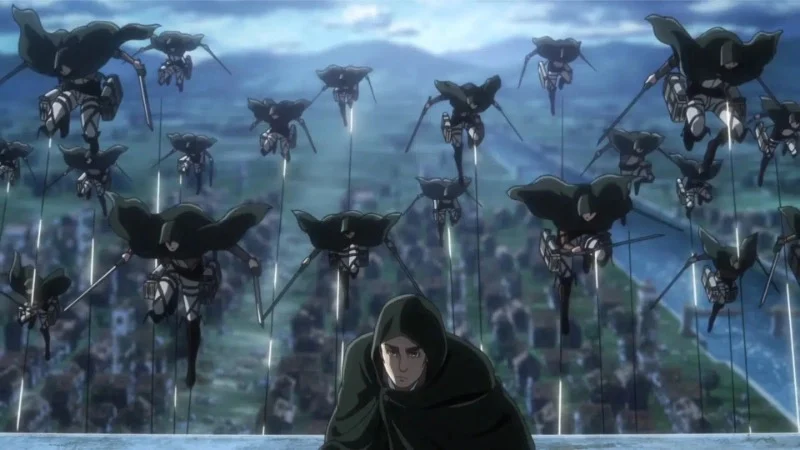
In fast action cuts the steel wires from the omni directional mobility gear sometimes disappear between frames. You will see a character launch, the camera flips angles, and the lines connecting the hooks to the reels are suddenly not visible even though the character is still in mid swing.
A second later the same shot or the next cut restores the wires to full length with the correct pull on the harness. The reappearance confirms the staging relies on those lines, which makes the blank frames easy to pick out once you know to look for them.
Scabbards switching sides
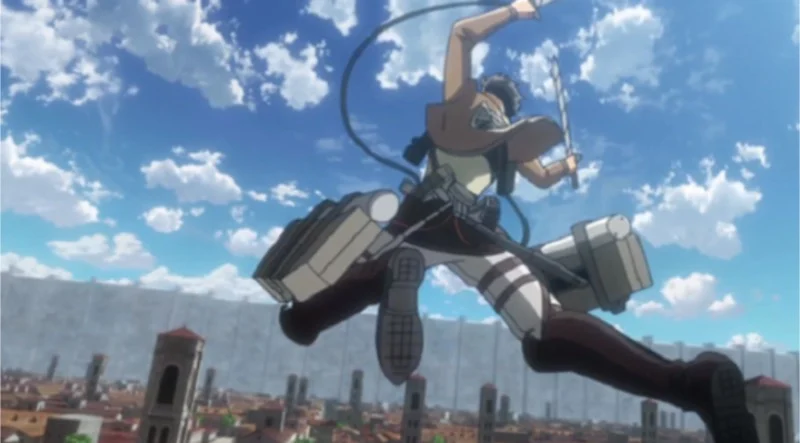
The detachable blades have scabbards that are supposed to sit in set positions on the hips. In several cuts during quick exchanges, a character’s scabbards trade sides or shift outward, then snap back to their usual placement when the camera returns to a wider angle.
The shift is visible because the grip hands do not change and the belt layout stays the same. The scabbards simply appear mirrored for a shot, which stands out whenever the character turns profile and the hilt angles no longer match the usual layout.
Insignia color and orientation mix ups
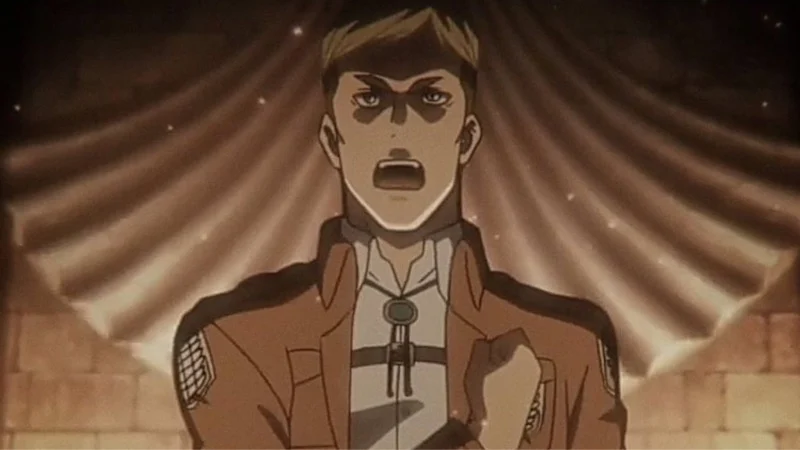
The Wings of Freedom and other regiment crests have specific color pairings and face a consistent direction on jackets and cloaks. Some crowd shots and pans briefly show a crest with swapped colors or the emblem facing the opposite way on one character while everyone else matches correctly.
When the camera moves back or cuts to a close up, the same garment displays the proper palette and orientation again. The one off mismatch is easiest to catch on layered cloaks where the inner fold exposes the badge for only a few frames.
Blood splatter continuity jumps
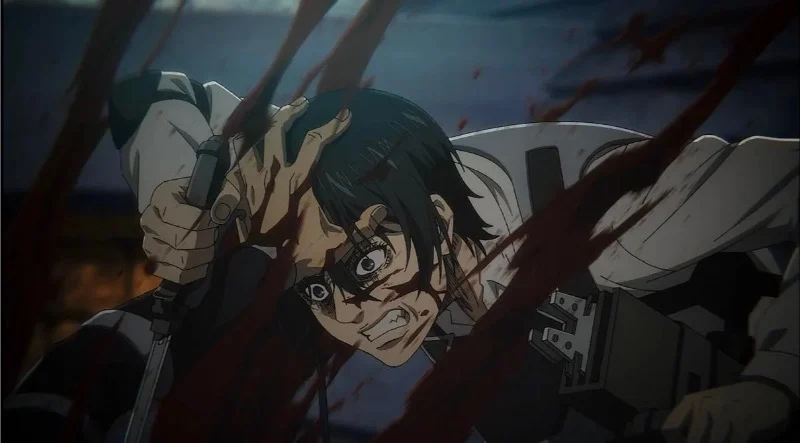
Combat scenes often mark characters with distinct blood patterns on faces and collars. In back to back lines of dialogue the pattern will shift, thin out, or relocate to the opposite cheek without an intervening wipe or costume change.
A later angle restores the original blot or shows a third pattern, which confirms the earlier frames were not intentional time cuts. The quick resets make it straightforward to track by following a single streak or droplet across the sequence.
Wall height and scale inconsistency
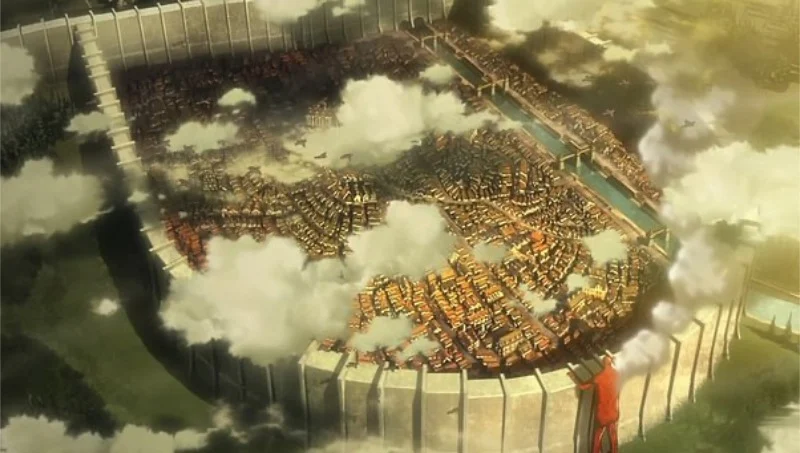
The show establishes approximate heights for the Walls and uses repeated background plates to reinforce scale. Certain wide composites shrink the parapets or enlarge nearby buildings so that a watch post or gate looks proportionally different from earlier scenes set at the same location.
When the story returns to the area in a later episode, the relative size of the masonry and rooftops aligns with the standard scale again. The outlier shots are noticeable when characters run along the top and their head level no longer matches the crenellation height seen elsewhere.
Hair length and strand shape changing within a scene
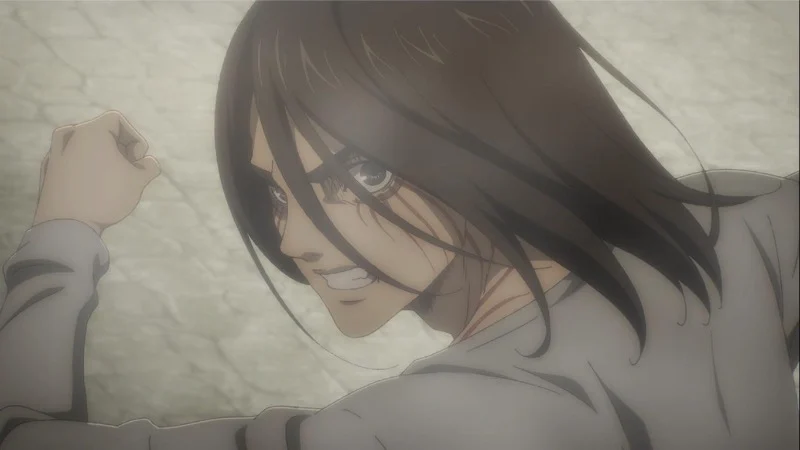
Character hair is carefully charted, but rapid intercutting can create minor mismatches. A character’s fringe will be longer, fuller, or parted differently in one line reading, then return to the established style in the immediate reaction shot.
The easiest places to see this are windless interiors where the environment would not alter the style. The sudden shift back to the baseline look on the next angle confirms the earlier frame was an off model drawing.
Marleyan armband color and side inconsistencies
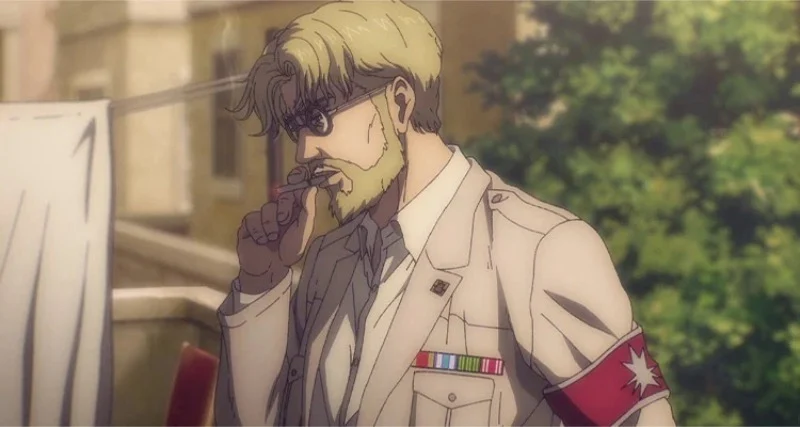
In season four scenes set in Marley, Eldian armbands identify status and are meant to sit on a specific arm with a consistent tone. Some shots briefly show an armband on the opposite sleeve during a walk and talk, then the next wide angle returns it to the usual side. There are moments where the hue shifts a notch between consecutive cuts, which is easiest to notice when two characters stand shoulder to shoulder and one band suddenly looks brighter than before.
These mismatches appear during crowd staging and quick reaction inserts where models are mirrored to speed up layout. When the camera settles back into the main composition the armbands match the established placement and shade again, which confirms the brief switches were not story cues. Viewers can spot the blips by tracking the sleeve seams and button line on the jacket, since those stay put while the band hops sides or alters tint for a few frames.
Thunder Spear wiring and launcher design inconsistencies
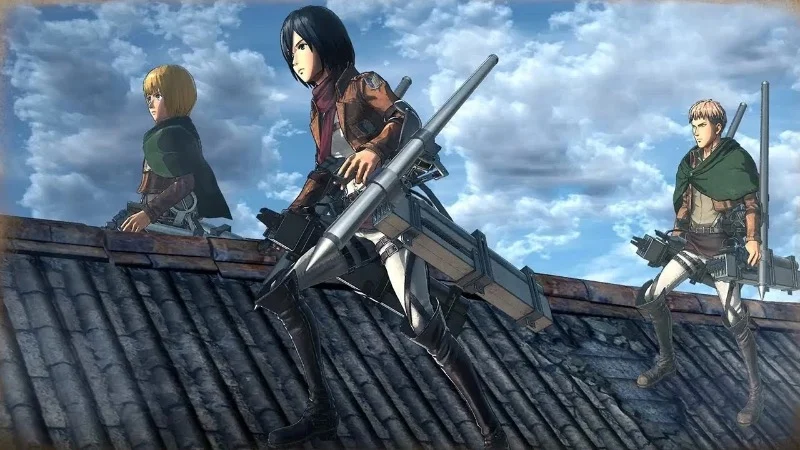
Close ups of Thunder Spears sometimes show fuse cords and connector leads threaded along the launcher grip, then a following cut to the same character removes the wires while the spear remains armed. Certain inserts also redraw the handle grooves and trigger position differently from the model used in the surrounding shots, which becomes clear when the character shifts their grip and the markings no longer line up with their fingers.
During multi spear volleys the reload slots on the forearm mount can fluctuate between shots, showing an extra latch or a missing cap for a few frames. When the scene returns to a steady angle the hardware matches the standardized launcher again, so you can spot the mismatch by tracking the number of visible leads and the spacing of the grip grooves across the sequence.
Mikasa’s scarf wear and placement continuity
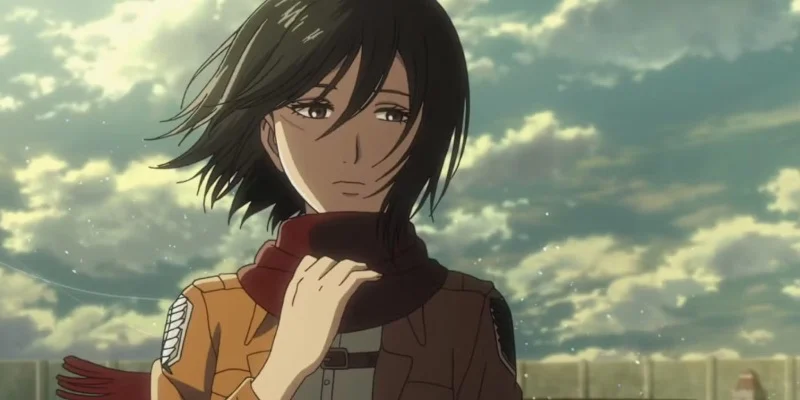
Mikasa’s red scarf is a consistent character item with set stitching and fray patterns, yet some scenes show the fabric shifting from a tight wrap to a looser drape between consecutive cuts without a handling motion. There are moments where the trailing end shortens or lengthens within the same exchange, which becomes clearer in indoor settings where wind is not a factor and the scarf should sit still across angles.
Close ups occasionally redraw the weave and seam alignment so the central knot appears off center in one shot and centered again in the next. The quickest way to spot this is by tracking the edge fray and the distance from the knot to the collar line, since those details return to their baseline look as soon as the camera moves back to a steady medium shot.
Colossal Titan steam intensity and reach continuity
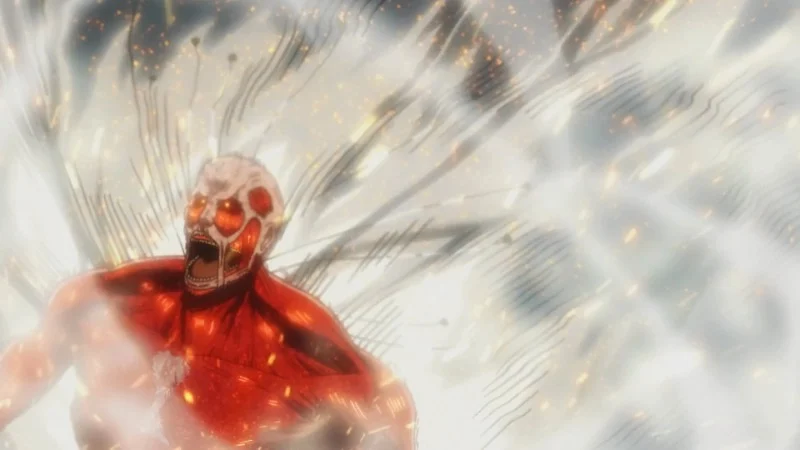
The Colossal Titan’s burst of steam is presented as powerful enough to scald skin and push soldiers off rooftops, yet certain cuts in the same sequence show nearby cloaks and flags barely moving. You can spot this when the camera jumps from a wide shot with tiles lifting to a closer angle where cloth and smoke trails settle even though the Titan has not changed position.
Later shots in the scene restore the heavy pressure effect with shingles peeling and gear cables whipping again. Tracking how far the steam travels against fixed points like parapets and gate frames makes the mismatch easy to see, since the radius shrinks and expands between consecutive frames without any change in the Titan’s stance.
Enjoy hunting for these little slipups in ‘Attack on Titan’, and share the ones you have spotted in the comments.