


‘Avatar’ Mistakes You’ll Never Be Able to Unsee

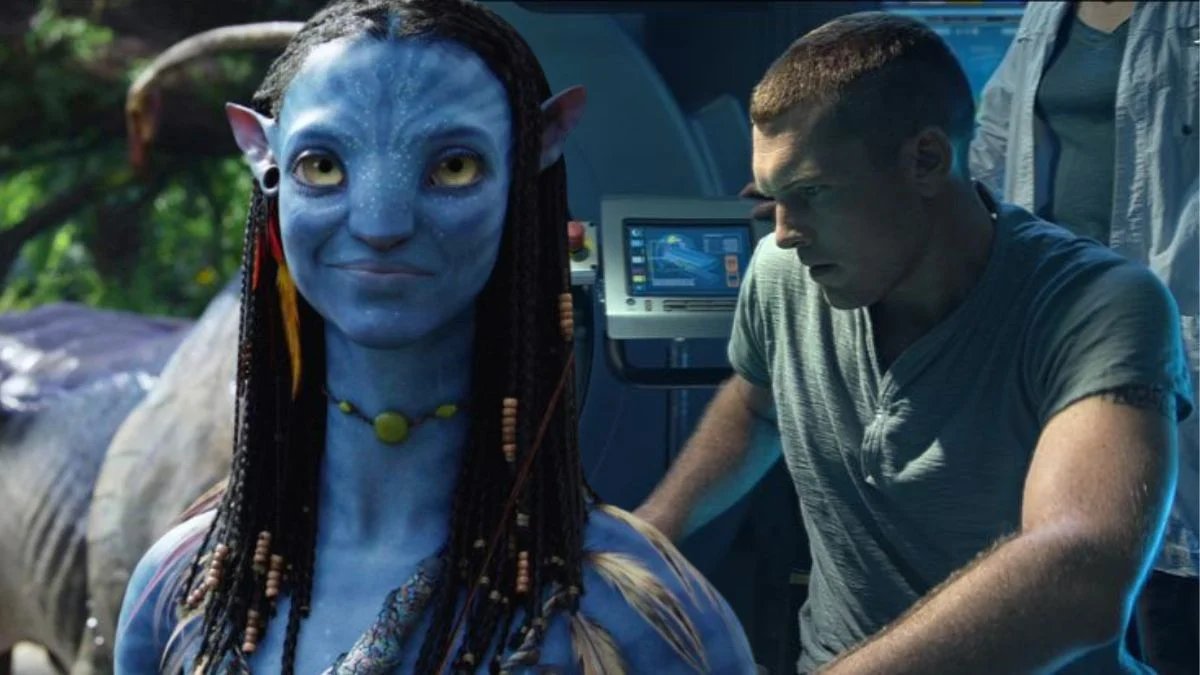


Even a landmark blockbuster like ‘Avatar’ has little hiccups that slip through the frame. When you rewatch, some continuity slips and visual mismatches become pretty easy to spot once you know where to look. None of these change the story, but they are the kind of small errors that draw attention when you notice them.
This list rounds up moments that fans have pointed out over the years, from swapped props to mirrored shots. Each one is a simple production or editing oversight. If you are heading back to Pandora soon, these are the details that might jump out at you the next time around.
Exopack masks that appear and disappear
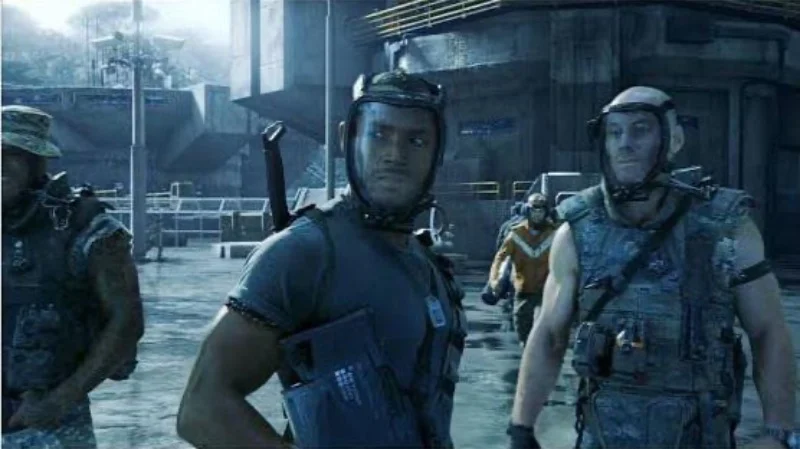
Humans need an exopack mask when they step outside on Pandora. In a few quick cuts, a character is seen speaking in open air without the mask, then the mask is suddenly back in place in the next shot. That kind of cutaway usually happens during fast dialogue or when the camera switches angles.
You can also spot mask straps that change position between shots. A strap can sit under a collar in one angle, then rest over it after a cut, which signals the takes were stitched together from different moments.
Five finger Na’vi in a few shots

The Na’vi design uses four digits per hand. In a handful of close shots, you can catch a Na’vi hand with five. These are quick frames built from live action elements where the digital cleanup did not fully remove the extra digit.
This shows up most during tight interactions or when hands cross the foreground. It is easiest to notice during slow motion or pause, since standard speed hides it well.
Grace’s cigarette that changes length

Inside the lab, Grace smokes while talking and reviewing data. The cigarette length can jump between cuts, sometimes longer after a cut when it should be shorter. That is a classic continuity issue from intercutting several takes.
Ash on the tip also resets or vanishes. Watch the filter position relative to her fingers, since that is another simple tell that the shot comes from a different moment.
Mirrored aircraft shots with flipped markings

A few aerial inserts are horizontally flipped to match screen direction. You can tell because unit markings and printed text read backward. Mirroring is a common fix to keep motion flowing the same way across cuts, but it flips logos and serial numbers.
Rotor placement and door configurations can also look reversed in these mirrored shots. If a helicopter door gun appears on the opposite side from earlier, you are likely seeing a flipped image.
AMP suit scale that shifts between angles

The AMP suits have a set scale next to human actors. In tight corridors or during insert shots, the cockpit cage and arm length can look slightly off compared to wide shots. Sets and digital plates were captured at different times, which can nudge perceived size.
When a pilot climbs in or steps out, the footplate height is a good reference. If that distance looks shorter in one angle and taller in the next, the composite likely came from different unit setups.
Quaritch scars that change shape slightly

After an early encounter, Quaritch carries visible claw marks. In later scenes, the spacing and depth of those scars can shift a bit between shots. Makeup continuity is tricky across long shooting days, and small differences show up once scenes are intercut.
Lighting can exaggerate the change. Hard side light makes a scar look deeper, while a softer key hides it, which can make the marks feel inconsistent when the angle changes.
Hair braids and beads that swap sides

Neytiri and other Na’vi wear beaded braids and feather pieces. During quick reaction shots, a distinctive braid or bead sometimes appears on the opposite shoulder after a cut. That happens when coverage is flipped or when a reset placed the accessory differently.
Feathers and leather ties also shift length from take to take. A feather that touches a collarbone in one shot might hang lower in the next, which is an easy way to spot the mismatch.
Arrow counts that do not line up

In battle, a quiver can look full in a wide shot and noticeably lighter a few seconds later, even before the character fires again. Prop resets between takes often cause that, especially when stunt choreography changes the order of shots.
You can also see arrows in a character’s hand change position between cuts. A grip that holds two arrows can suddenly hold three, then go back to two after the next angle.
Link unit restraints that reappear between cuts

When Jake first lies in the link unit, the padded arm and chest restraints are set in specific positions. During the activation sequence, a cut to a different angle shows a strap fastened that was loose a moment earlier, then another cut resets it to the prior position. This happens as technicians move around the pod and the camera alternates between close-ups and wides, which brings together pieces from separate takes.
You can track it by watching the chest pad’s edge relative to the seam on the pod frame and the placement of the forearm rests. In one shot the pad sits flush against the upper ridge, while in the next it leaves a gap that wasn’t there before, and the forearm cradle shifts a notch without anyone making an adjustment onscreen.
Lab monitors that update out of sequence

In the lab, medical and link readouts show live data. During a conversation, a monitor can jump to a different screen layout between cuts, then return to the earlier layout a moment later. Insert shots filmed separately often cause these small timeline skips.
Status numbers and labels can also change without an on screen input. If heart rate or link stability values jump backward or forward when no event occurs, you are likely seeing takes joined out of order.
Share the mistake you noticed first in ‘Avatar’ in the comments so everyone can compare notes.