


‘Back to the Future’ Mistakes You’ll Never Be Able to Unsee



Even a stone-cold classic like ‘Back to the Future’ slips up here and there, and once you spot these continuity blips and anachronisms, they’re hard to forget. From a guitar that hadn’t been invented yet to props that change between shots, these are the on-screen hiccups fans have documented over the years. None of them dent the film’s charm, but they’re fun little artifacts of a fast, ambitious production that was juggling stunts, effects, and time-tangled storytelling.
The 1955 Guitar That Didn’t Exist Yet
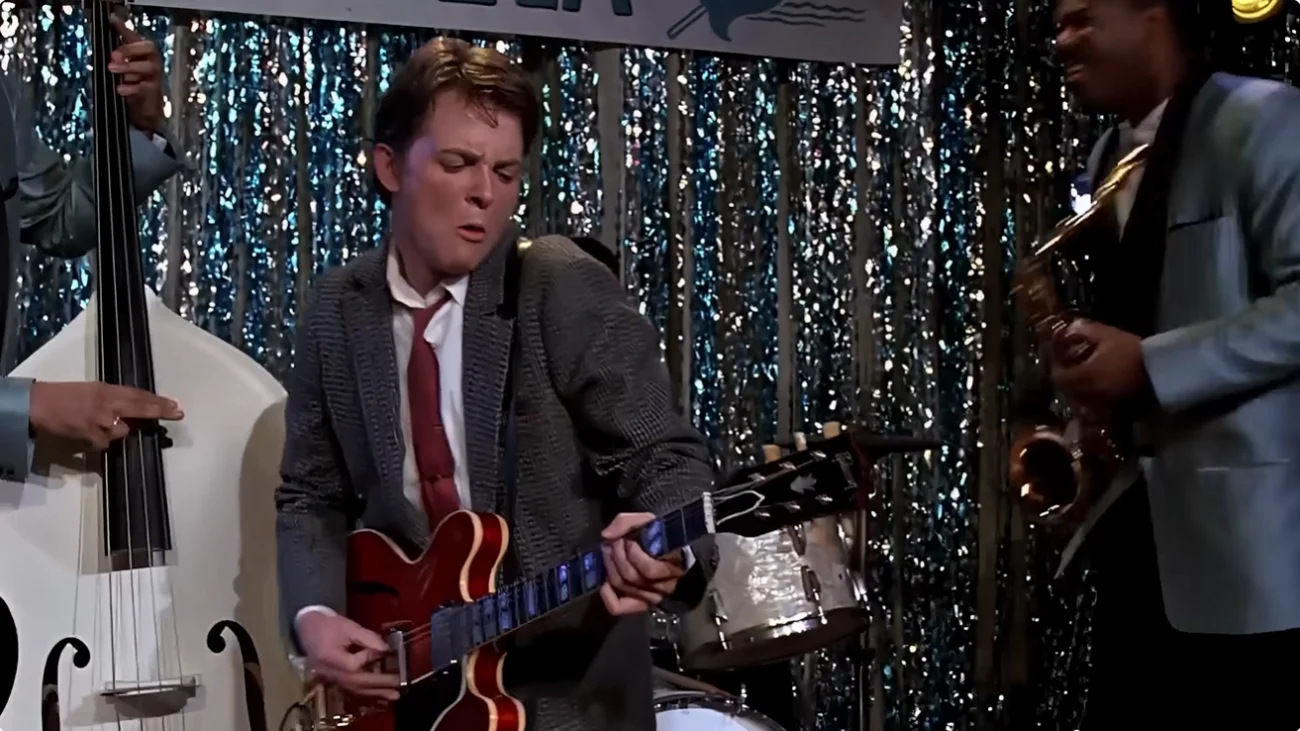
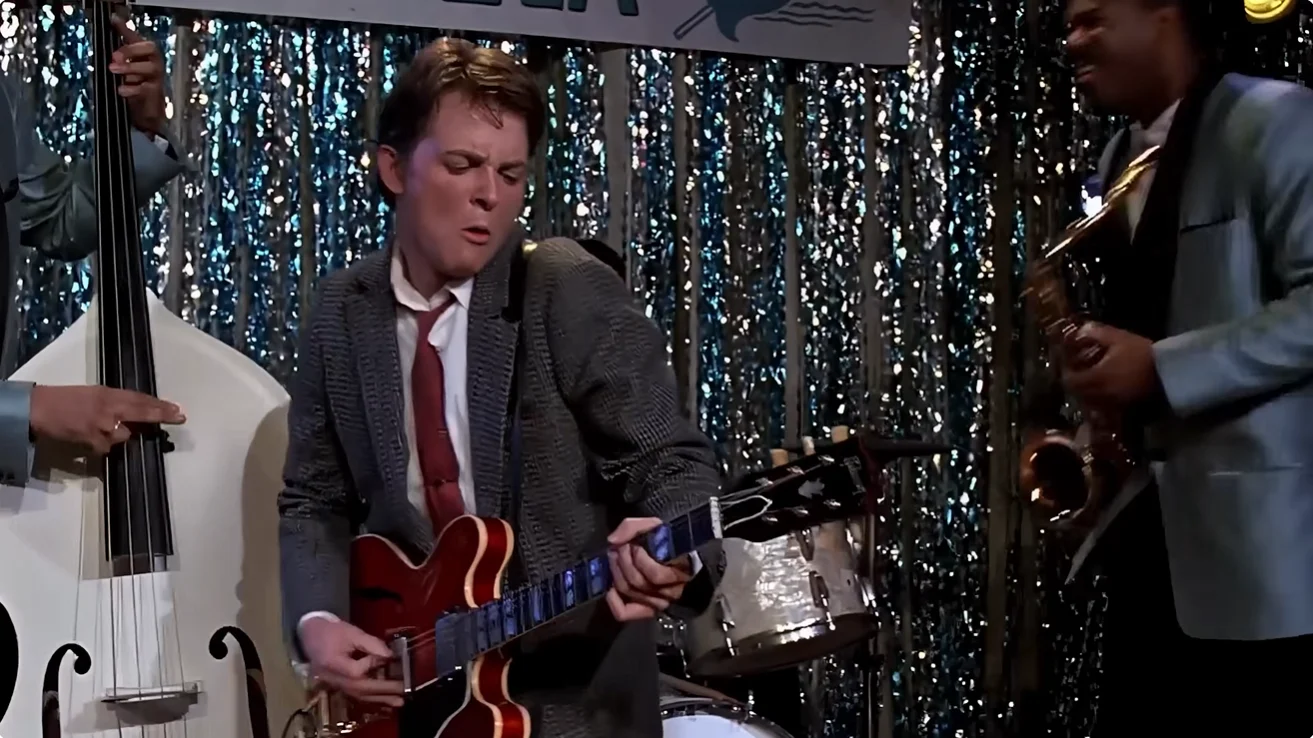
At the Enchantment Under the Sea dance, Marty plays a cherry-red Gibson ES-345—an electric guitar model introduced several years after the scene’s 1955 setting, and fitted with features like humbucking pickups that also post-date that year. The prop choice was made because it evoked the Chuck Berry vibe the scene needed, but historically it’s off by a few years. The film’s own star has acknowledged the anachronism in interviews and retrospectives, and guitar outlets have cataloged details of the specific ES-345 used.
The Shape-Shifting Dashboard During the Libyan Chase
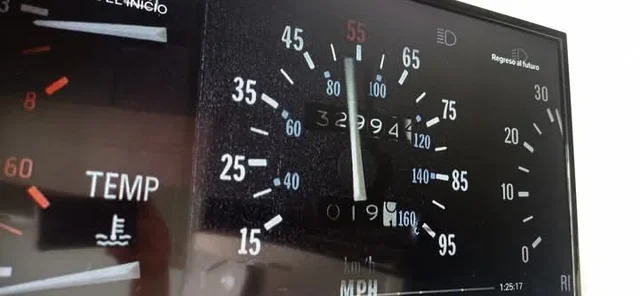
As Marty floors the DeLorean to escape the terrorists, close-ups of the car’s instruments don’t match from shot to shot. The odometer and trip counter jump backwards, and even the gauge styling shifts, revealing inserts from different cars or dials. It’s a classic continuity composite—second-unit cutaways and hero-car interiors stitched into a single, high-energy sequence.
The ‘Save the Clock Tower’ Flyer That Can’t Make Up Its Mind
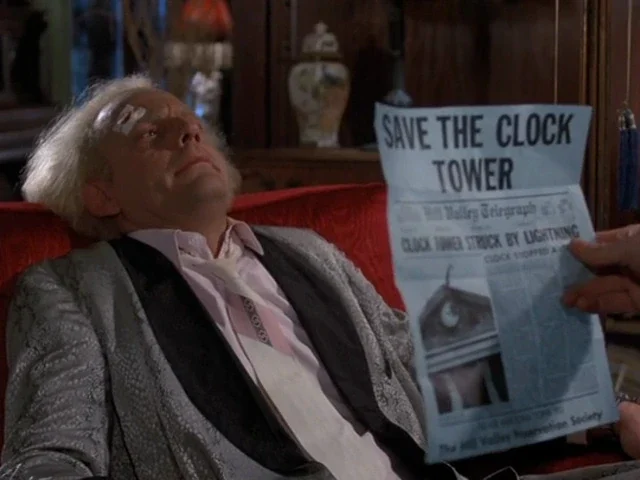
The flyer Marty receives—crucial evidence for the lightning strike—changes appearance throughout the film. Creases, ink, and even the back side with Jennifer’s note aren’t consistent between shots, and different prop versions show slightly different front images. Fans have tracked at least two flyer variants used during production.
The Stunt Double Wardrobe Switch in the Skateboard Chase
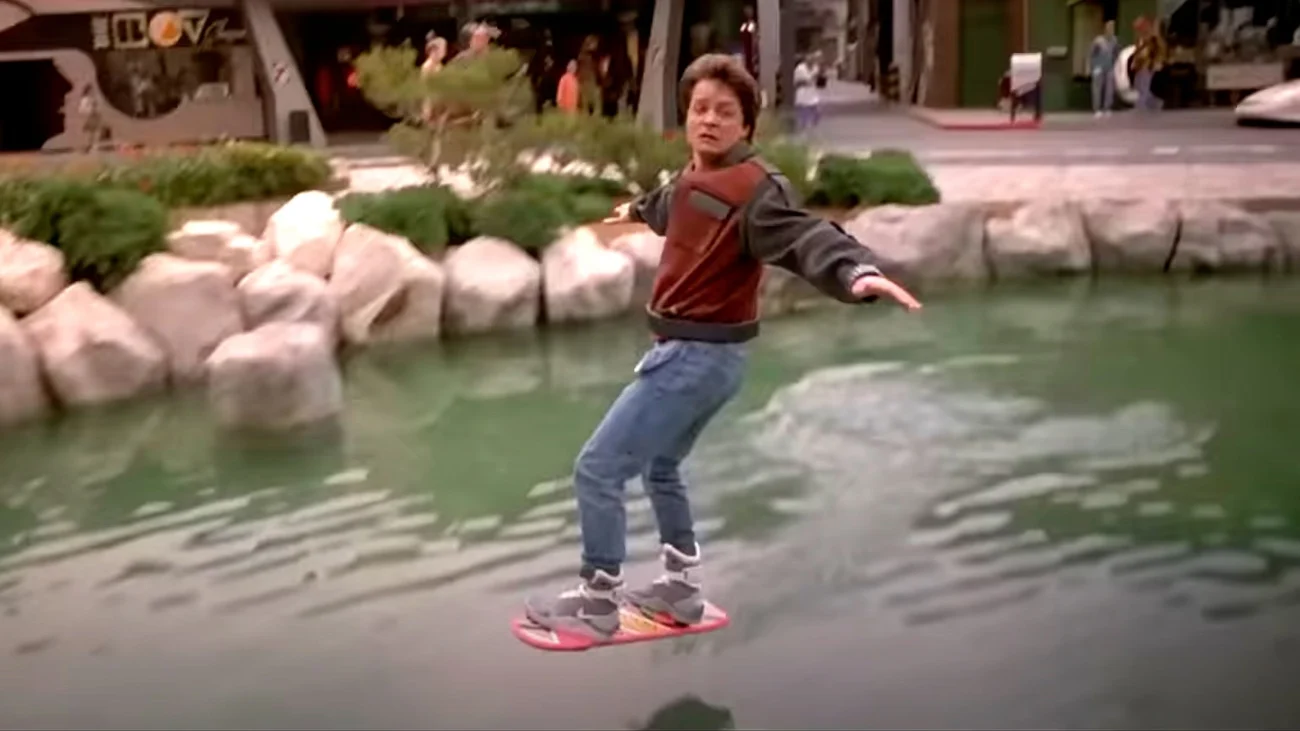
During the town square chase, Marty’s belt and shirt subtly change color and pattern in a couple of tight action beats. The swap reveals a stunt double wearing similar but not identical wardrobe. Quick cutting hides most of it, but freeze-frames make the mismatch easy to spot.
Biff’s Car Mirrors That Appear and Disappear
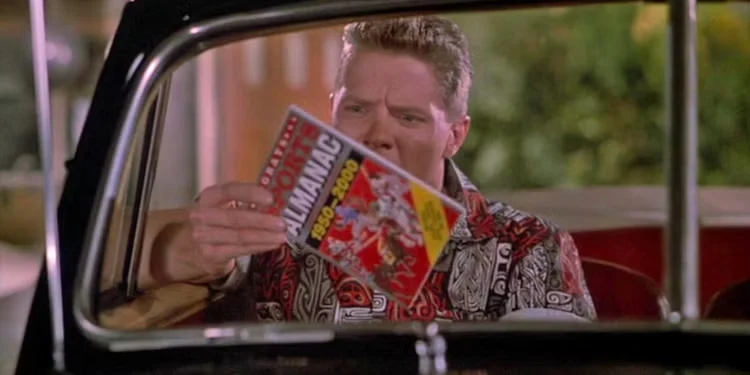
While Biff and his crew pursue Marty, the car’s rearview and side mirrors don’t stay consistent. The rearview vanishes and reappears, and the passenger-side mirror alternates between round and square. It’s a telltale sign that multiple picture vehicles and pickup shots were combined to build the sequence.
The Start Line That Magically Gets a Fresh Paint Job
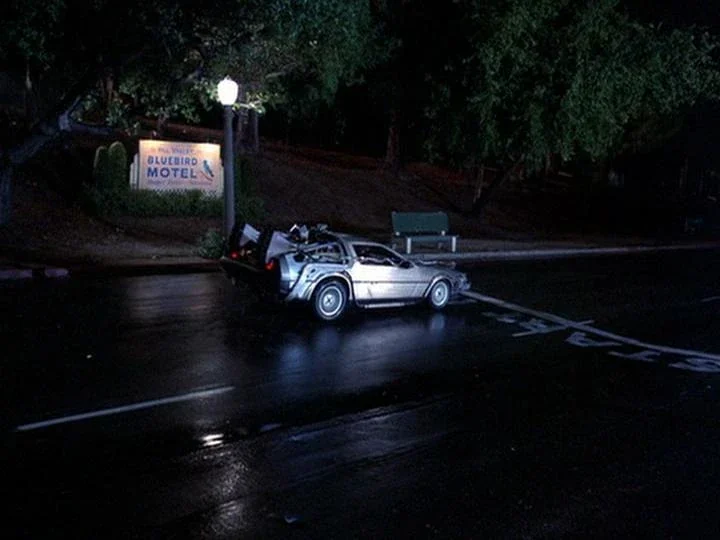
Before the lightning run, Doc’s “START HERE” street marking looks weathered and dirty. When Marty steps out to fit the hook pole, the painted letters briefly appear bright and clean, then revert to their grimier look in later shots. The street set dressing was clearly reset between takes.
The Visible Safety Rig on the Clock Tower
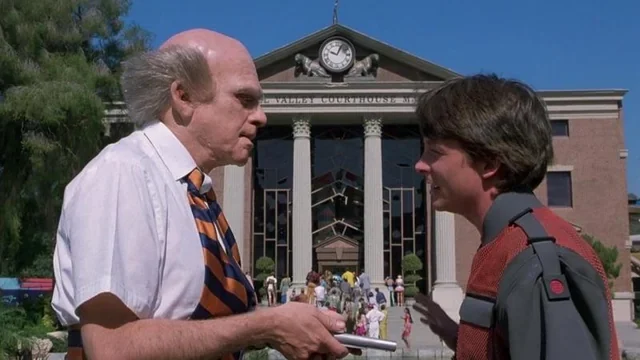
In the climax, a thin black stunt cable attached to Doc is momentarily visible as he swings and scrambles near the clock face. Another shot also shows a pull line tugging the thick electrical cable toward him. These fleeting frames reveal the safety gear and practical rigging that made the stunt possible.
The Letter to Doc That Rewrites Itself
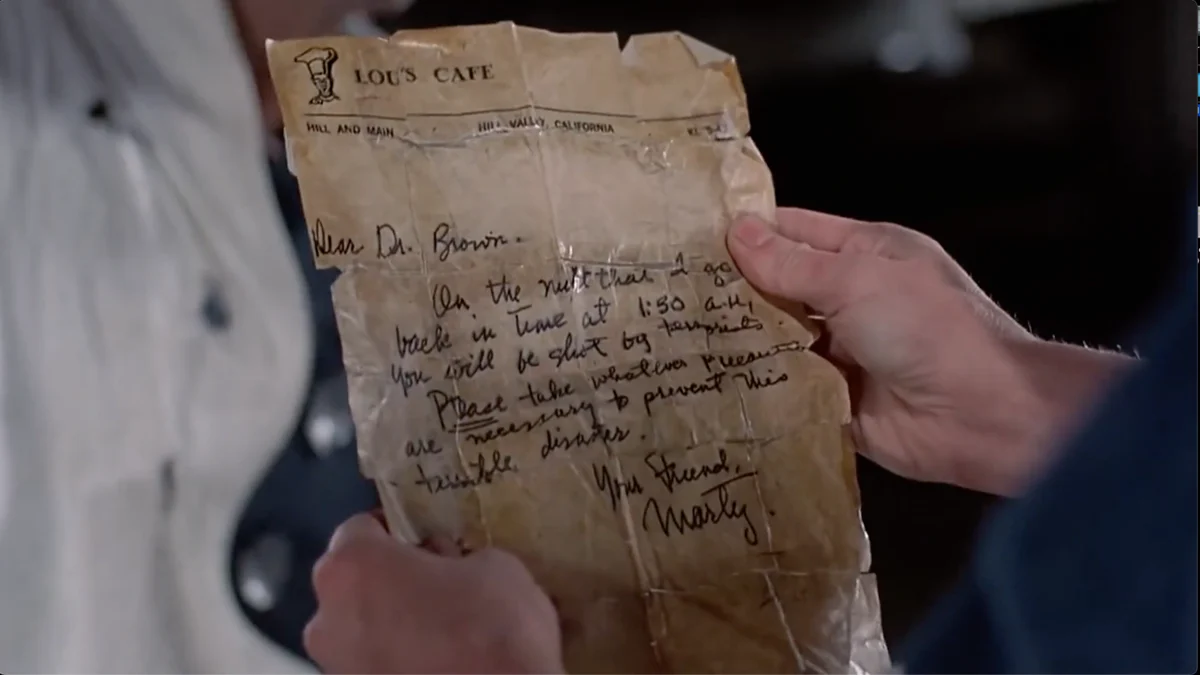
Marty’s heartfelt warning letter doesn’t look the same every time we see it. In one version, the last line ends with “disaster,” while the taped-together letter Doc later shows contains “terrible disaster,” and the handwriting—including Marty’s signature—differs. That points to multiple prop letters used across the shoot.
The Phone Book Page That Jumps Sides
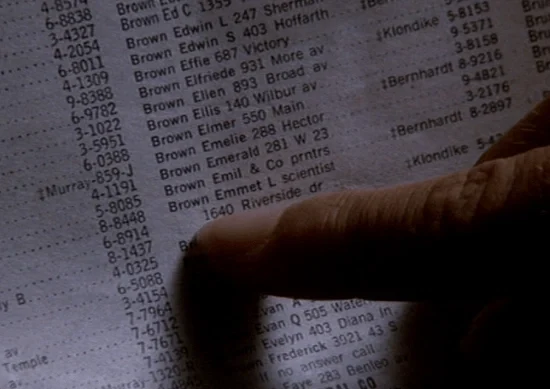
When Marty looks up Doc’s 1955 address, the listing appears on the left page inside the booth. As he tears it out, he removes a right-hand page instead, and the torn edge continues to contradict the earlier shot when he reads it at the counter. It’s a quick continuity slip in a fast-moving scene.
Curb Cuts in a 1955 Town Square
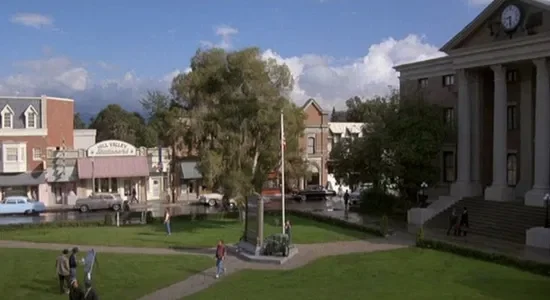
Several corners around Hill Valley’s square feature rolled curbs or curb cuts that were introduced broadly in American towns later than 1955. Their presence reflects modern backlot updates rather than period street design. Production photos and filming locations show these built-in features across multiple corners, making them visible in several shots.
Think you’ve spotted others in ‘Back to the Future’? Drop your favorites in the comments so everyone can compare notes!