

20 Beloved Anime That Aged Terribly in Just 5 Years



Anime moves fast. New techniques arrive, studios shuffle teams, and streaming changes how fans find and revisit shows. An anime that feels fresh on day one can look very different only a short time later once remakes, sequels, or industry shifts reset expectations.
This list rounds up titles that were widely loved at launch, then ran into very real hurdles within about five years. You will see studio changes, abrupt story decisions, format pivots, and technology leaps that made earlier choices stand out. The focus here is on concrete developments that shaped how each series is viewed today.
‘One-Punch Man’ (2015–2019)
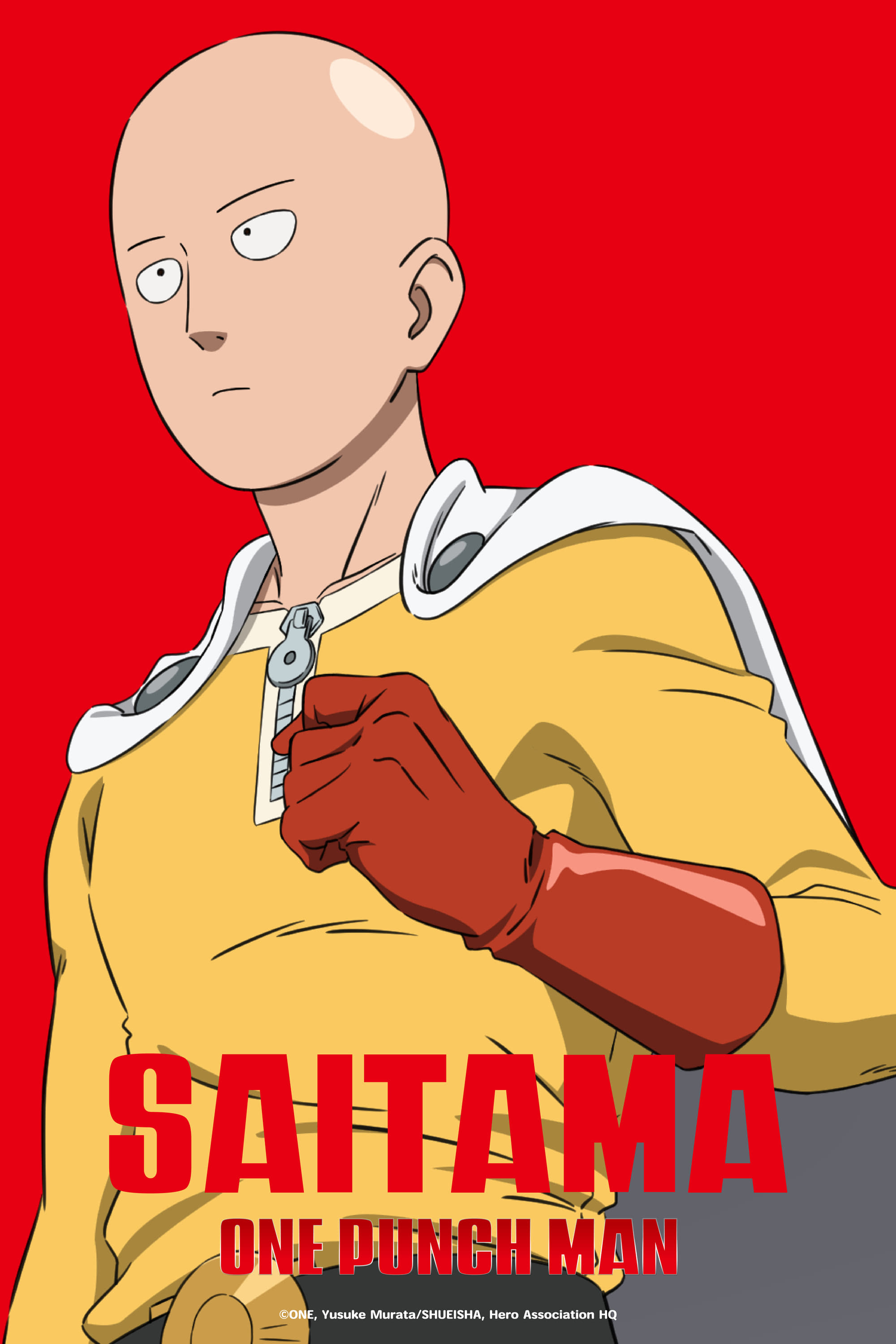
The first season landed with a small army of top animators and a production schedule built around showcase action. The second season moved to a different director and studio with a tighter timeline, and the change in workflows led to fewer standout sequences on broadcast.
The sequel also shifted emphasis toward setup for future arcs with more dialogue heavy episodes. Home video releases made targeted fixes, yet the contrast between seasons stayed visible for viewers who watched both back to back.
‘The Seven Deadly Sins’ (2014–2021)
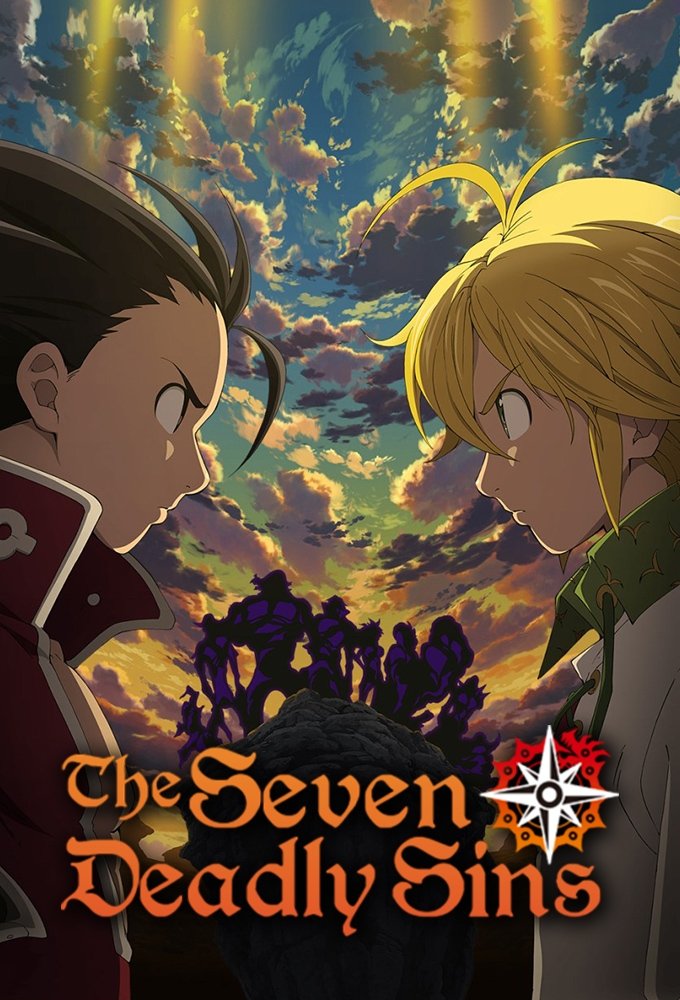
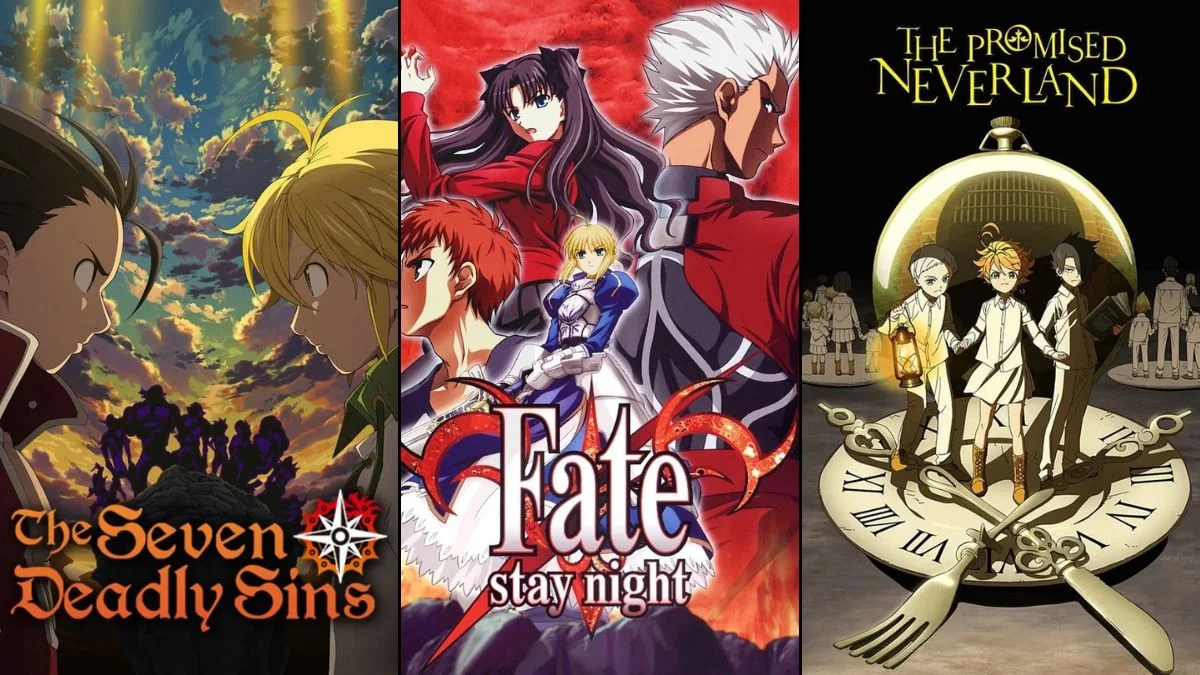
Early installments were produced by one studio, then production shifted to Studio Deen for later seasons. The new pipeline relied more on outsourced cuts and limited animation in busy scenes, which created uneven results on television.
Censorship practices on broadcast replaced blood with white effects in action shots. Later discs restored some details, though the televised version is what many international viewers saw first through streaming.
‘The Promised Neverland’ (2019–2021)
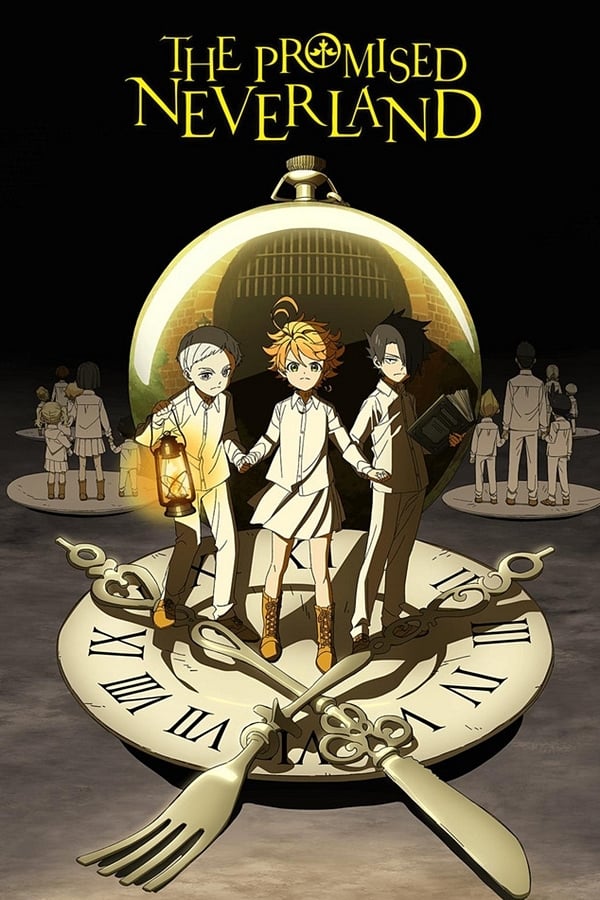
Season one adapted the opening escape arc with careful pacing and a consistent tone. The follow up compressed multiple arcs into a single cour and removed major stretches of the source, including an extended survival storyline that readers expected to see.
Episode count was trimmed and key events were delivered in montage form to reach a fast conclusion. That decision created a clear split between seasons for anyone discovering the show in order.
‘Tokyo Ghoul’ (2014–2018)
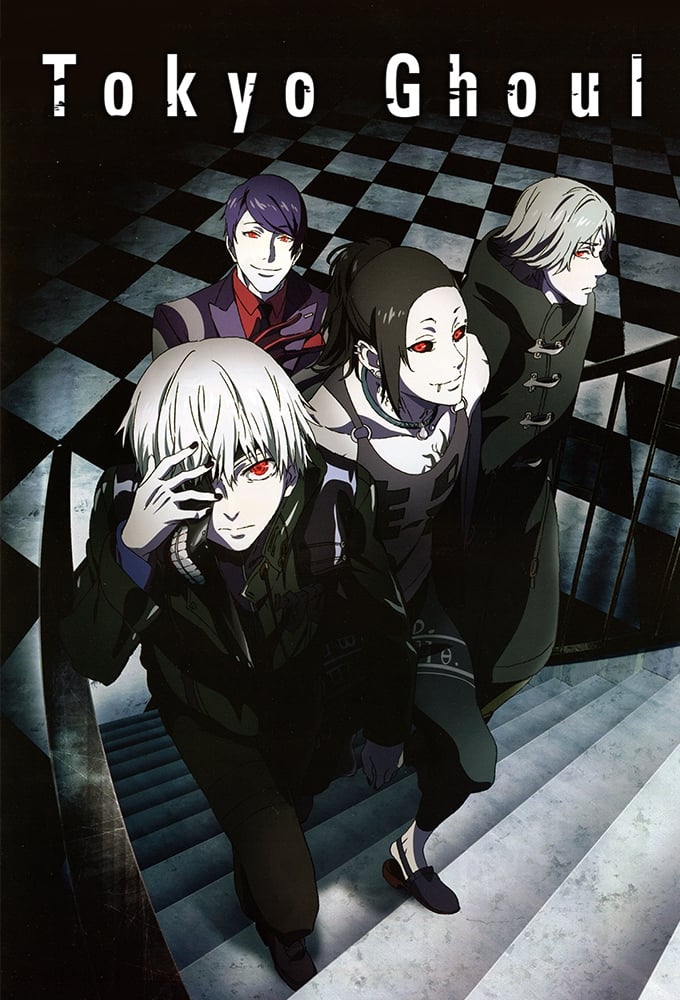
The first sequel branched away from the manga with an anime original route, which altered character motivations and long term payoffs. When the franchise returned to adapt the later storyline, it had to reconcile earlier changes while covering a large volume of material in limited episodes.
That later adaptation compressed multiple arcs with minimal downtime between fights and reveals. Viewers who started with the anime only path encountered continuity quirks that did not exist in the books.
‘Psycho-Pass’ (2012–2014)
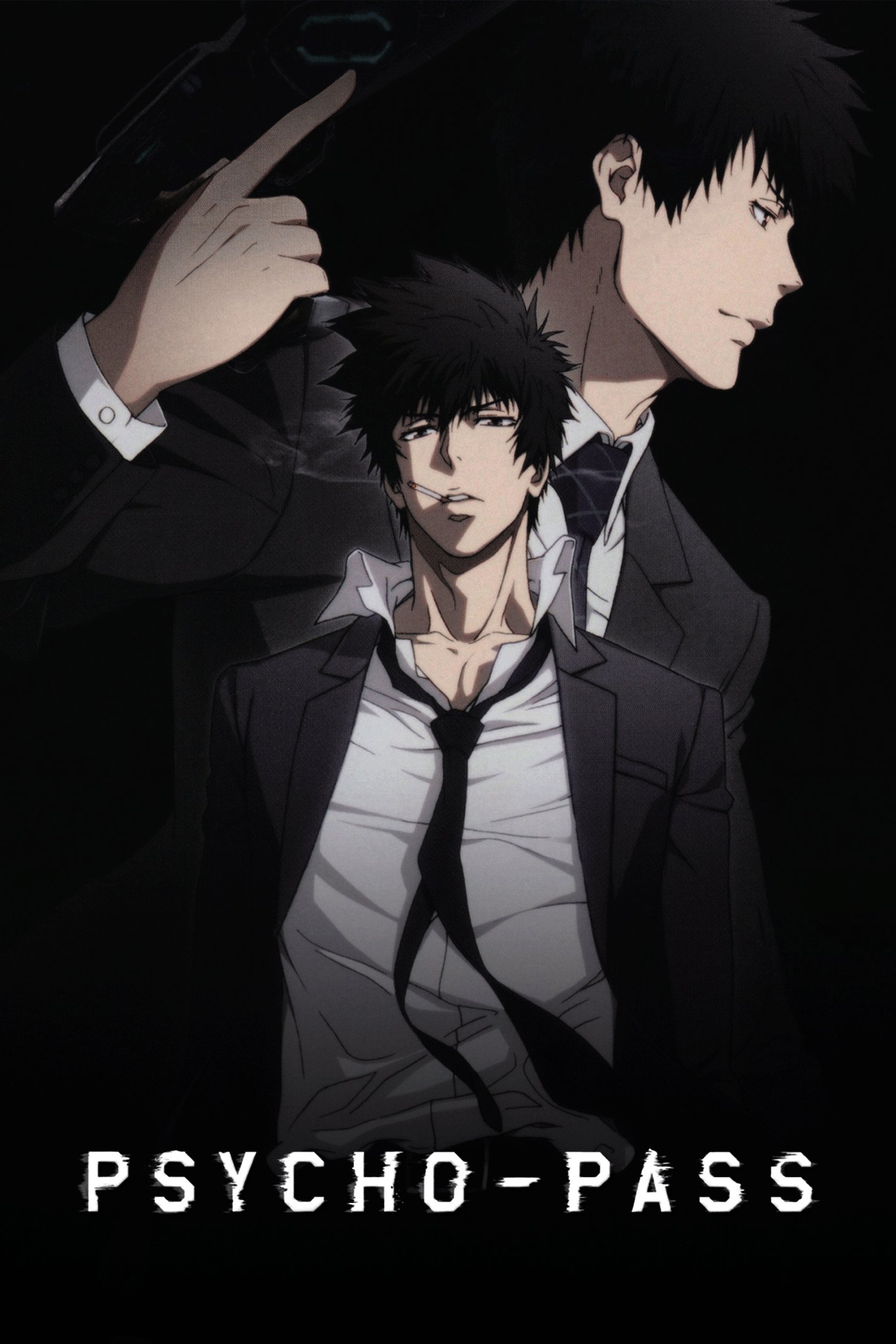
Season one established the setting under Production I.G with a tightly mapped story plan. Season two arrived from a different studio with a new series composer and a shorter run, which naturally changed pacing and how plot threads were tied off.
The franchise later expanded with films and another season, yet the contrast between the first two installments remained pronounced for newcomers who watched them close together.
‘Kemono Friends’ (2017–2019)

The debut season used simple 3D assets and careful scriptwork to turn a modest production into a viral hit. Soon after, the original director’s abrupt removal triggered a public fallout that disrupted continuity behind the scenes.
A follow up season arrived with a different team and a new approach to tone and character focus. The shift was immediate for anyone who moved from the first ending to the next premiere.
‘Fate/stay night’ (2006)
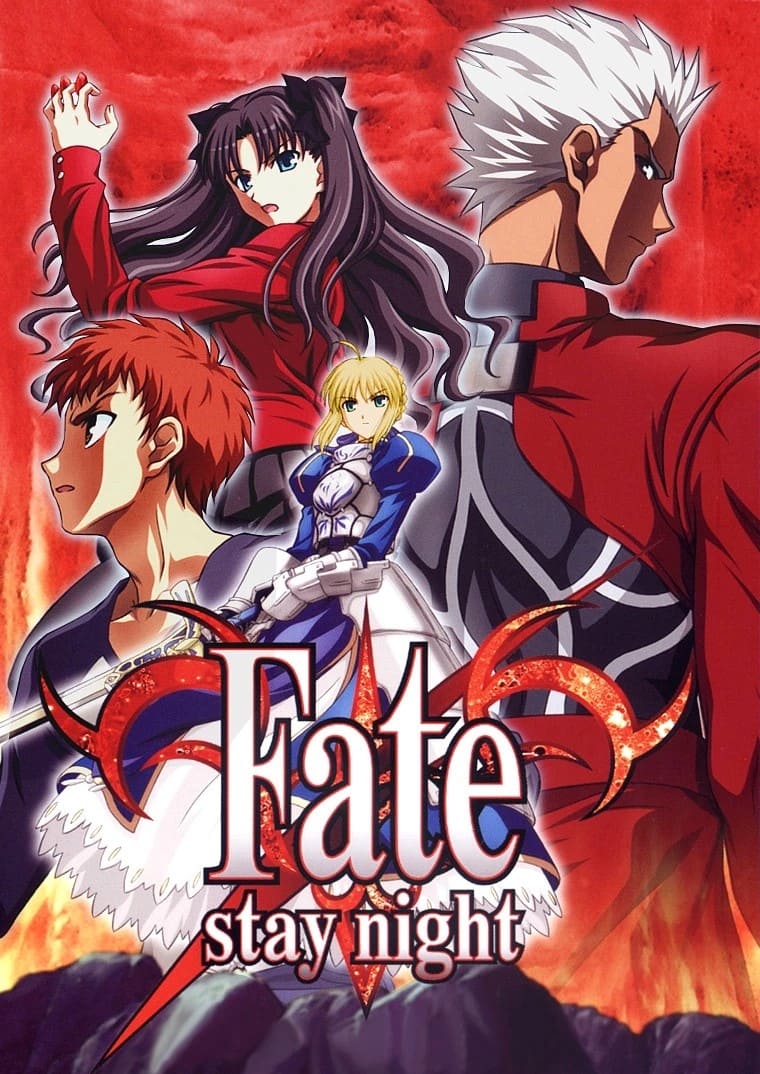
Studio Deen adapted the visual novel’s most straightforward route with television friendly staging and effects. Within a short span, the property received a theatrical take on a different route and then a related prequel from Ufotable that set a new technical bar.
Those newer projects used more advanced compositing and tighter action boards, which drew attention to choices in the earlier show. Fans entering the franchise through the newer entries often doubled back and noticed the gap in fidelity.
‘Hellsing’ (2001–2002)
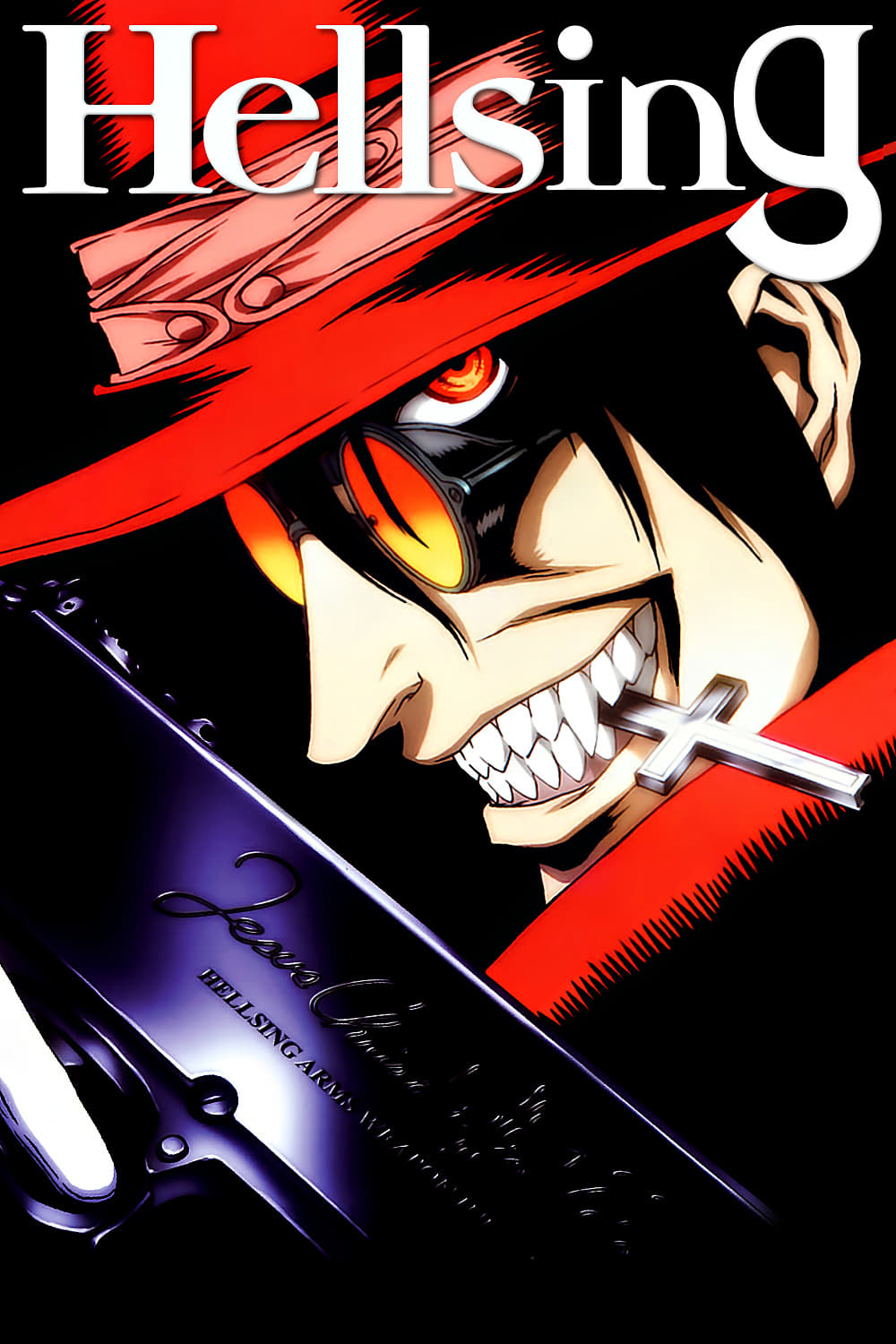
The television version diverged from the ongoing manga to wrap up its own plot. A few years later, a separate OVA project launched with larger budgets per episode and a plan to follow the books more closely.
The OVA used extended runtimes and higher detail character art that the weekly show could not match at the time. As the OVA marched forward, the TV continuity became the alternate take rather than the primary reference for the story.
‘Akame ga Kill!’ (2014)

The anime ran to a complete ending while the manga continued with additional battles and character turns. That meant new readers encountered developments that did not exist in the televised conclusion.
Home media and guidebooks clarified where the divergence began, but the split timeline remained. Viewers who arrived later often learned that the most discussed late arc events from the books were never animated in the main series.
‘Erased’ (2016)
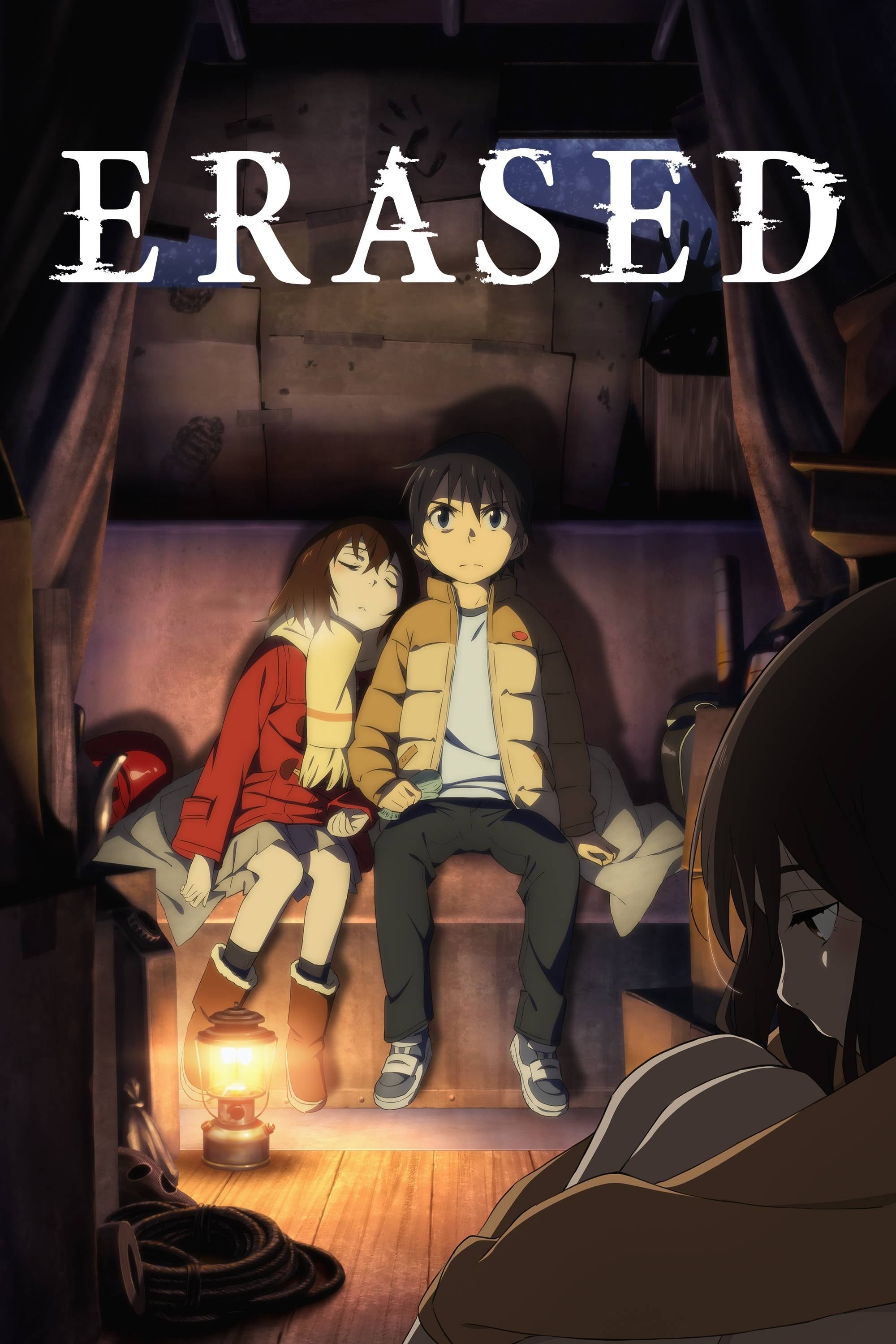
A 12 episode format adapted a mystery that featured several late reveals in the manga. To land a complete story within one cour, the anime condensed investigations and restructured the finale.
Soon after, a live action version presented the book’s full endgame across more runtime. That created two widely available conclusions, which changed how first time viewers discussed the anime’s final stretch.
‘Sword Art Online’ (2012–2014)

The early arcs pushed virtual world concepts into the mainstream and helped ignite a wave of similar shows. As the franchise grew, certain storylines included scenes of sexual violence that prompted content warnings in multiple regions.
Later entries deepened the rules of its worlds while the broader isekai boom rapidly expanded. The combination made the earliest television techniques and choices stand out strongly for new viewers catching up.
‘The Rising of the Shield Hero’ (2019–2023)
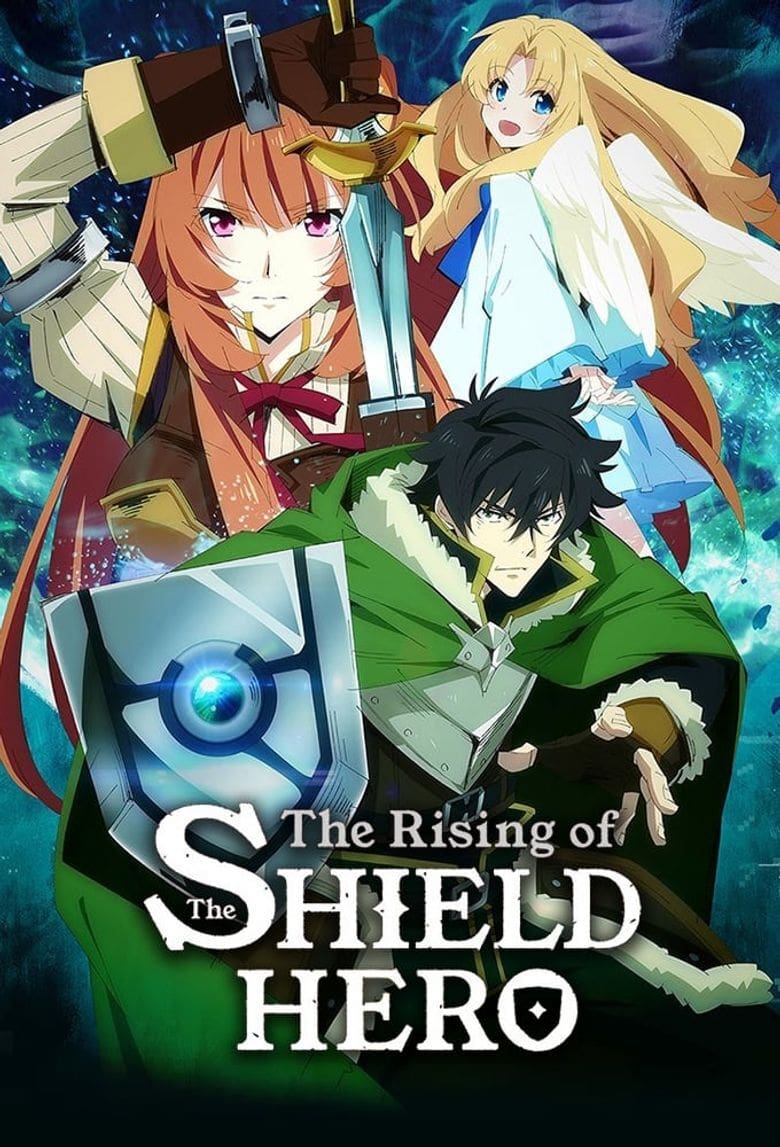
Season one set up a long form quest structure with a lead who faces a public accusation and then gains party members through unusual means. Debate around those plot points began immediately and followed the show through its release window abroad.
Subsequent seasons arrived on different schedules with a co produced second season and shifting production resources. The changes in cadence and presentation were obvious when watching the series straight through.
‘The God of High School’ (2020)
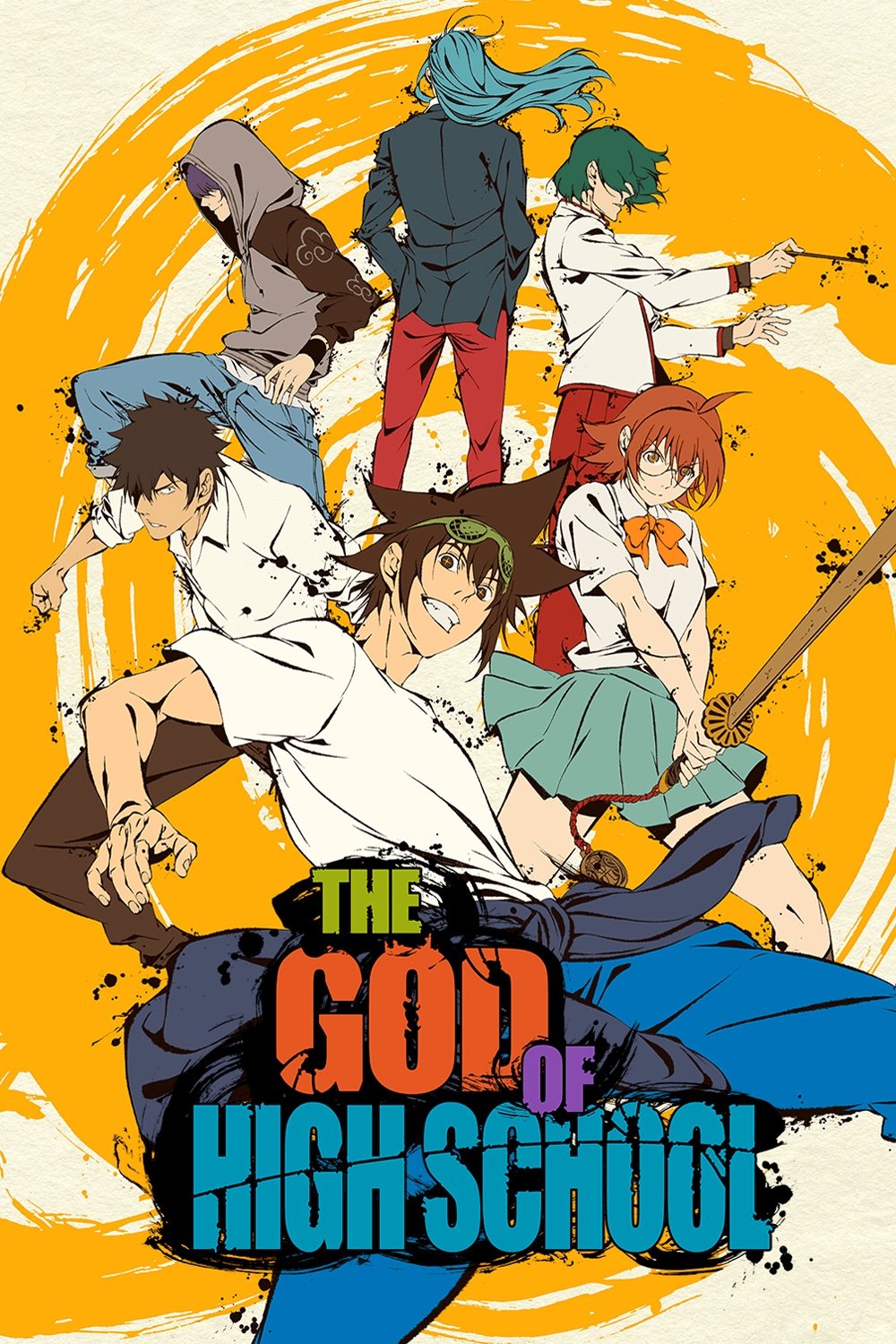
This adaptation tackled a long running webcomic inside a single cour. The team prioritized tournament fights and major power reveals while moving quickly through the setup that defined the early chapters.
Multiple arcs were covered in a short span with only brief pauses for world building. That made the series easy to sample for action yet left later viewers aware of how much source material had been compressed.
‘Aldnoah.Zero’ (2014–2015)
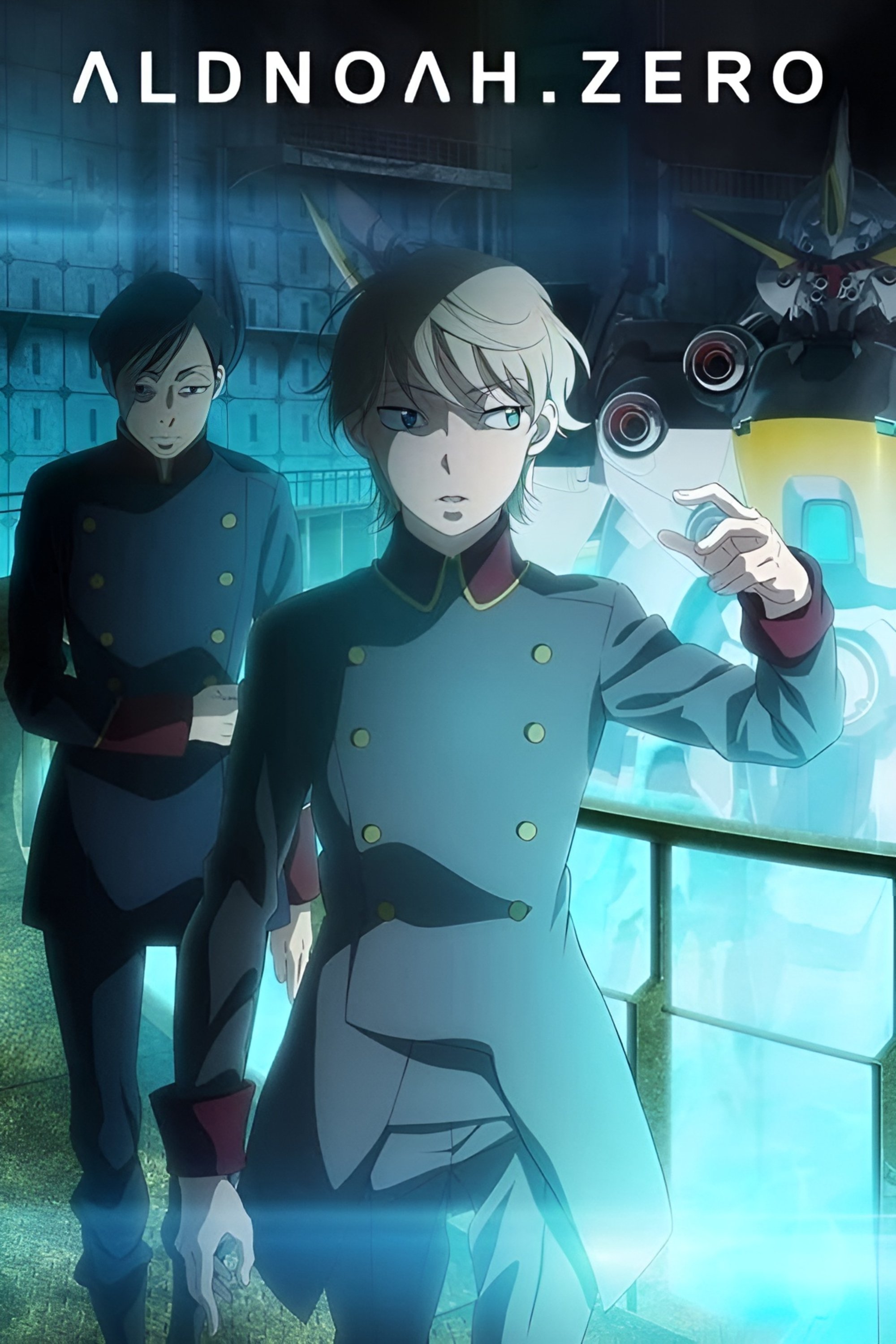
An original mecha project launched with a high profile staff and a season break between its two halves. The second half aired soon after the first, which meant preproduction and revisions happened on a tight clock.
Plot turns that might have had longer build up were delivered at broadcast speed. Viewers who watched both halves in close succession could see the production sprint play out in the structure.
‘Tales of Zestiria the X’ (2016–2017)
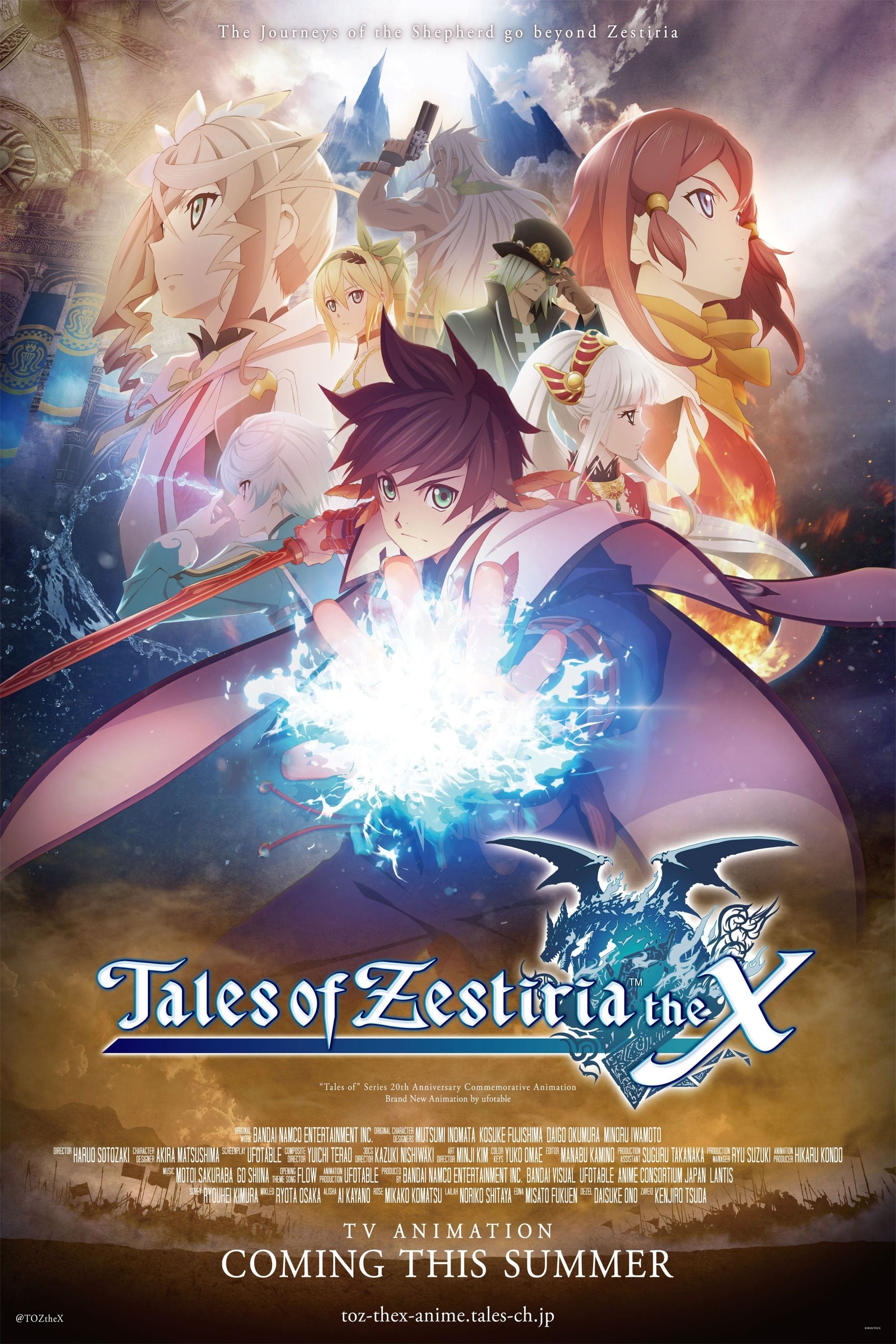
Ufotable adapted a role playing game while also introducing elements from a related title. The show elevated set pieces with striking effects and backgrounds that the studio is known for.
At the same time, the narrative adjusted character focus compared to the game and folded in cross promotion for the companion release. That mix created a different experience for players who expected a direct scene by scene retelling.
‘Sailor Moon Crystal’ (2014–2016)
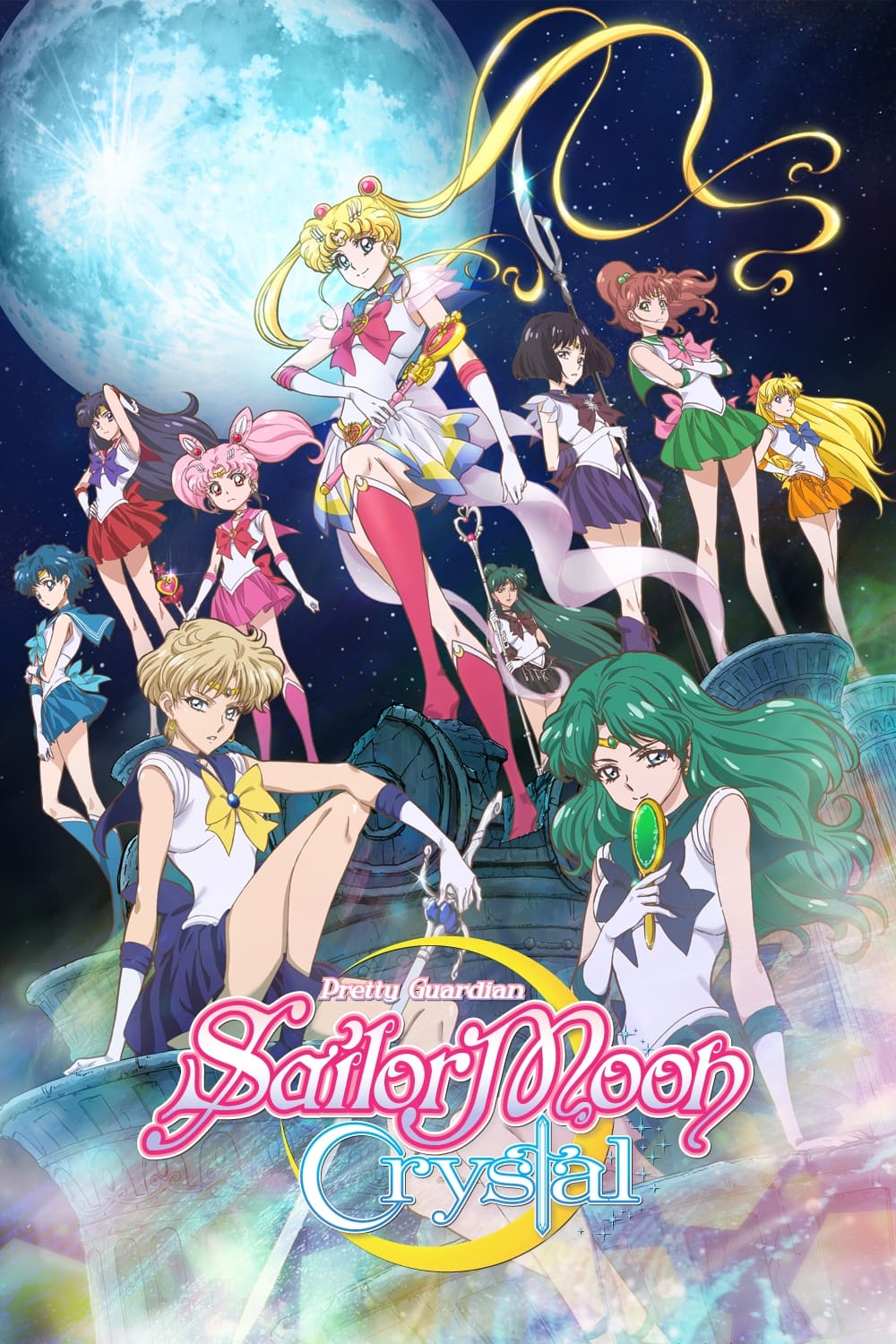
The revival launched as a streaming first series with a biweekly schedule and designs close to the manga. Early episodes featured faces and poses that were later redrawn for disc releases to better match key art.
A later season shifted to a weekly slot with a new director and a more flexible layout approach. Fans who begin with the earliest episodes often notice the step up once the staff and schedule change.
‘Knights of Sidonia’ (2014–2015)
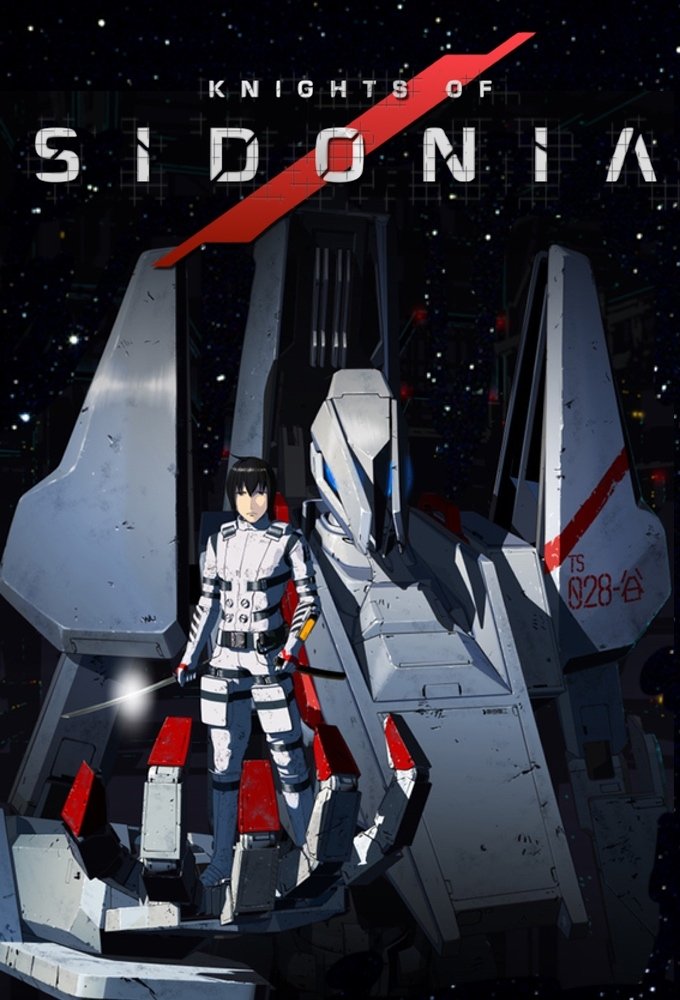
Polygon Pictures brought full 3D character animation to a space opera setting on television. The pipeline used a lower frame count and distinct shading that made movement look different from hand drawn shows of the same era.
Soon after, other series refined 3D character workflows and smoothing techniques. Viewers who explore multiple CG led titles can see how quickly the craft evolved and how earlier choices stand out today.
‘Durarara!!’ (2010–2016)
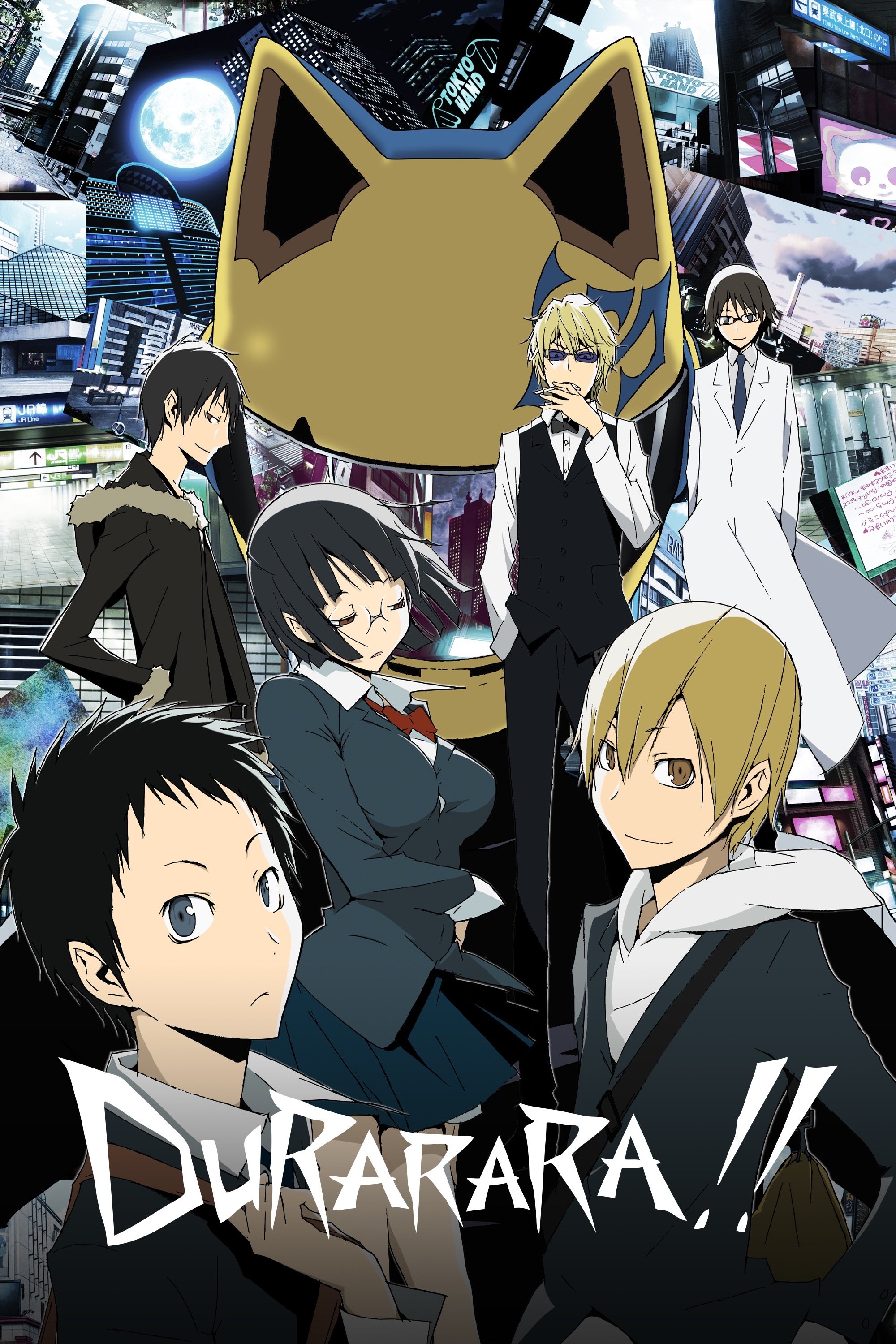
The first run introduced Ikebukuro’s ensemble under Brain’s Base with a single cour. Sequels returned years later from studio Shuka as a split cour trilogy with a new production setup.
The follow ups divided the story into three parts across four cours with different seasonal slots. Home releases cleaned up a number of cuts, yet the change in cadence and look remained clear across the package.
‘Dragon Ball Super’ (2015–2018)

The show began by retelling two films before moving into all new arcs. Early television episodes contained off model drawings that circulated widely online and were later adjusted for disc.
As the run continued, the production ramped up for large scale battles with more consistent boards and effects. The shift created a visible difference between the opening stretch and the later marquee arcs.
‘Kabaneri of the Iron Fortress’ (2016–2019)
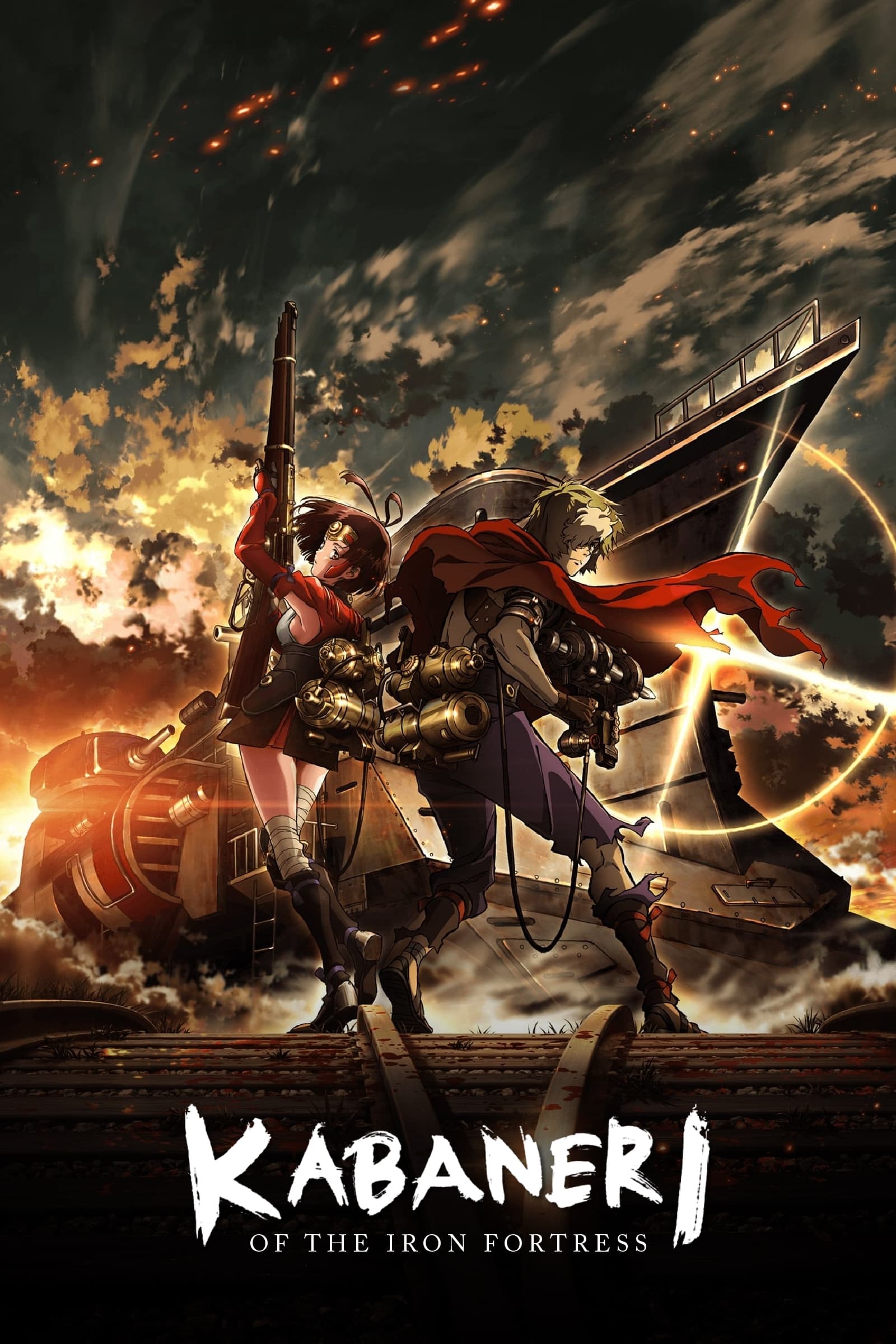
The series premiered with striking art direction and a heavy action focus, then paused while plans for the next chapter took shape. A follow up film arrived that resolved a regional conflict and advanced a few character arcs.
A mobile game launched and later ended service after a relatively short period, and merchandise output slowed as new properties crowded the same space. That left the core story in a compact bundle that newer fans finish quickly before moving on to other titles.
Share the shows you would add to this list in the comments and tell us which changes you noticed most.