10 Best Actors Who Played Al Capone, Ranked


From prestige TV to big-screen crime epics, Al Capone has been portrayed by a wide range of actors across decades of American film and television. These performances span factual biopics, historical dramas, and stylized gangster stories that draw on real events from Prohibition through the early 1930s. Below is a countdown of notable portrayals, each tied to a specific movie or series and the production details that anchored the character to its time and place. You’ll find the role context, directors, and where the character sits within the story world so you can track down the version you want to watch.
Tom Hardy – ‘Capone’ (2020)

Josh Trank’s film focuses on Al Capone’s final year in Florida after his release from federal prison for tax evasion. The story depicts cognitive decline from neurosyphilis and the government’s continued suspicion that he hid a large cash stash. Scenes recreate the 1940s Palm Island estate setting, complete with U.S. agents monitoring his movements. The production used period cars, costumes, and set design to place the action after Prohibition, long past Capone’s Chicago heyday.
Ben Gazzara – ‘Capone’ (1975)
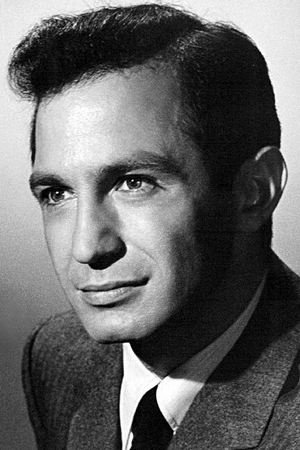
This biographical crime film charts Capone’s rise in Chicago from Brooklyn transplant to boss of the Chicago Outfit. The narrative covers the creation of a bootlegging empire during Prohibition and the gang conflicts that culminate in the St. Valentine’s Day Massacre. The movie features historical figures like Johnny Torrio and Bugs Moran to map rival factions. Filming emphasized 1920s and early 1930s locales, weapons, and wardrobe to mirror contemporary newsreels and photographs.
Titus Welliver – ‘Mobsters’ (1991)
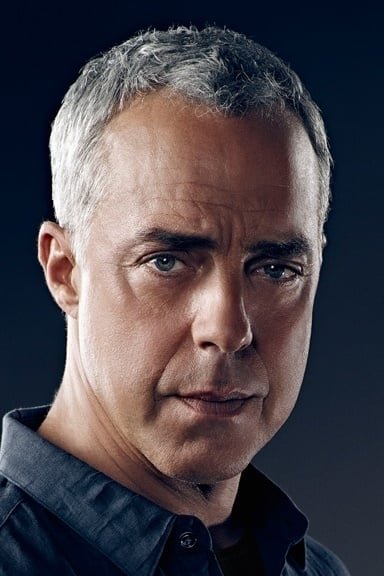
This period drama centers on younger New York gangsters such as Lucky Luciano and Meyer Lansky, intersecting with Capone’s world as Prohibition reshaped organized crime. The film places Capone within a larger network of bootleg routes and protection rackets. Production design highlights nightclub interiors, speakeasies, and tailored suits common to late 1920s crime culture. The storyline compresses multiple historical timelines to track alliances and betrayals across competing families.
Eric Roberts – ‘The Lost Capone’ (1990)
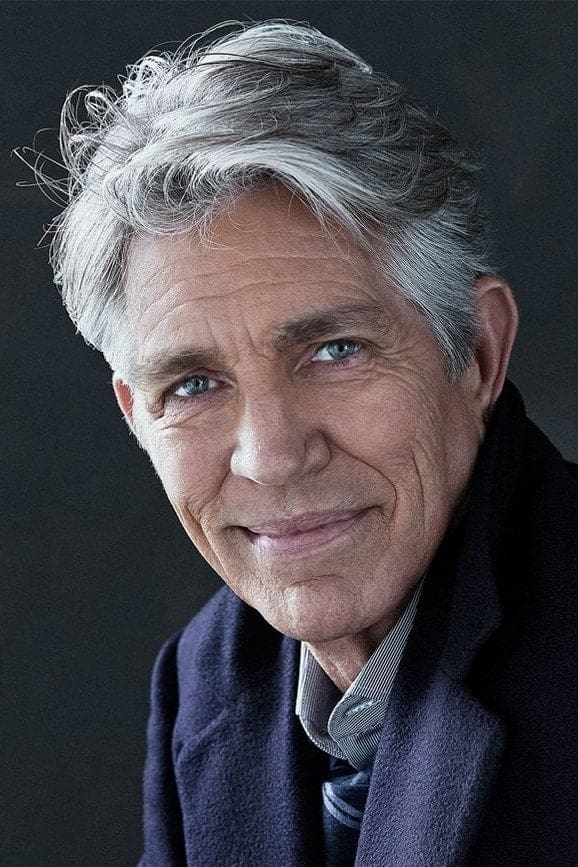
This television movie explores the Capone family, spotlighting Al’s relationships with his brothers and the impact of his criminal career at home. The plot follows family movements between New York, Chicago, and later years after federal prosecution. It recreates domestic settings and law-enforcement pressure as tax cases and surveillance close in. Archival-style transitions and period props help situate events around Prohibition and the early 1930s crackdown.
Rod Steiger – ‘Al Capone’ (1959)
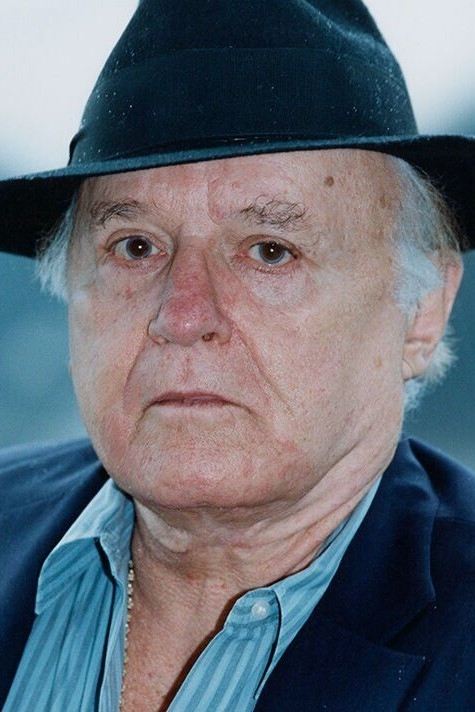
This feature film presents a cradle-to-boss narrative that starts with Capone’s days under Johnny Torrio and leads to control of Chicago’s bootlegging operations. The script includes the political corruption that insulated vice districts and the eventual federal strategy to pursue tax charges. Sets and costumes reflect late 1910s through early 1930s Chicago, including hotel headquarters and speakeasy fronts. Release came amid a 1950s wave of crime dramas that dramatized real mob figures for mainstream audiences.
Jason Robards – ‘The St. Valentine’s Day Massacre’ (1967)
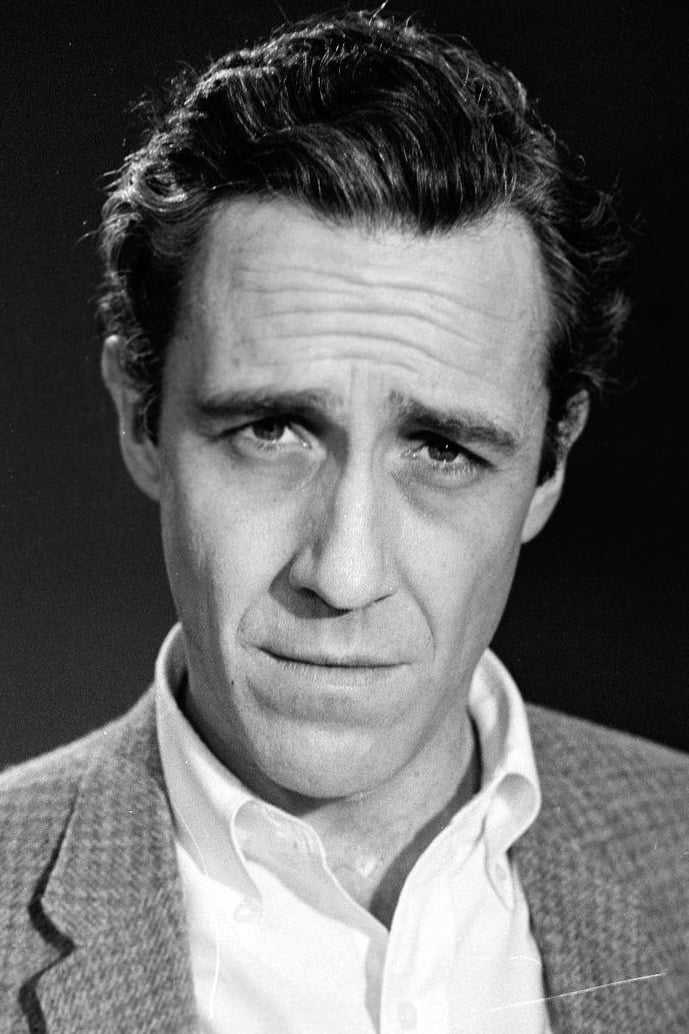
Directed by Roger Corman, the film reenacts the 1929 killing of seven North Side Gang members that became synonymous with Capone’s reign. Documentary-style narration and on-screen captions track dates, locations, and gang hierarchies. The production uses Chicago street recreations and warehouse interiors to reconstruct the Clark Street garage setting. Supporting characters such as Bugs Moran and Jack McGurn anchor the event within ongoing territorial wars.
William Forsythe – ‘The Untouchables’ (1993–1994)

This television series revisits the battles between federal agents and organized crime during Prohibition. Episodes depict federal tactics like wiretaps, sting operations, and bookkeeping evidence used to undermine rackets. The show blends episodic cases with serialized arcs involving bootleg shipments, protection schemes, and political interference. Period weapons, Model A-era vehicles, and trench-coat costuming support the 1920s–1930s timeline throughout the run.
Neville Brand – ‘The Untouchables’ (1959–1963)
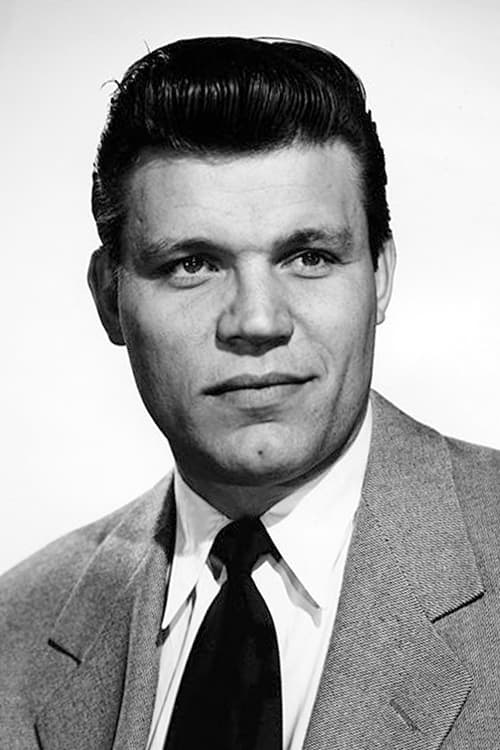
The classic television series dramatizes federal agent squads pursuing bootleggers across Chicago and beyond. Capone appears in multiple storylines that feature raids on breweries, speakeasy busts, and the tightening of federal jurisdiction. The series popularized law-and-order narratives that emphasized evidence gathering and court strategies rather than mob glamour. Black-and-white cinematography and on-location styling reinforced a pseudo-newsreel feel aligned with mid-century crime TV.
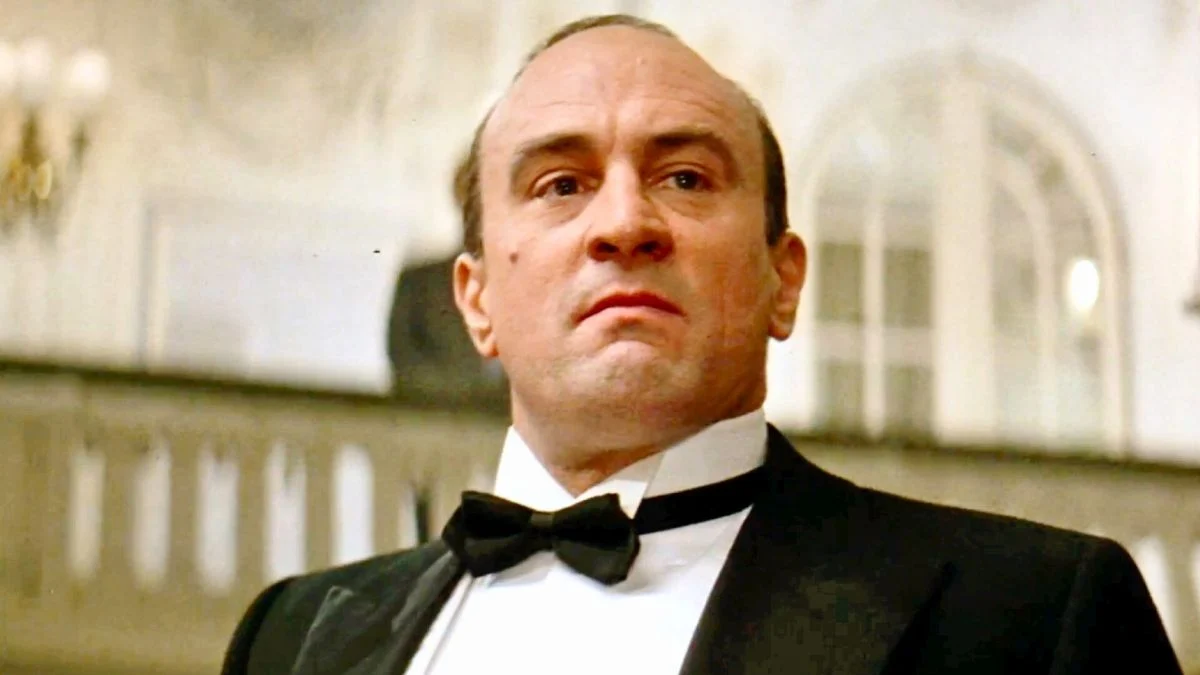
Robert De Niro – ‘The Untouchables’ (1987)
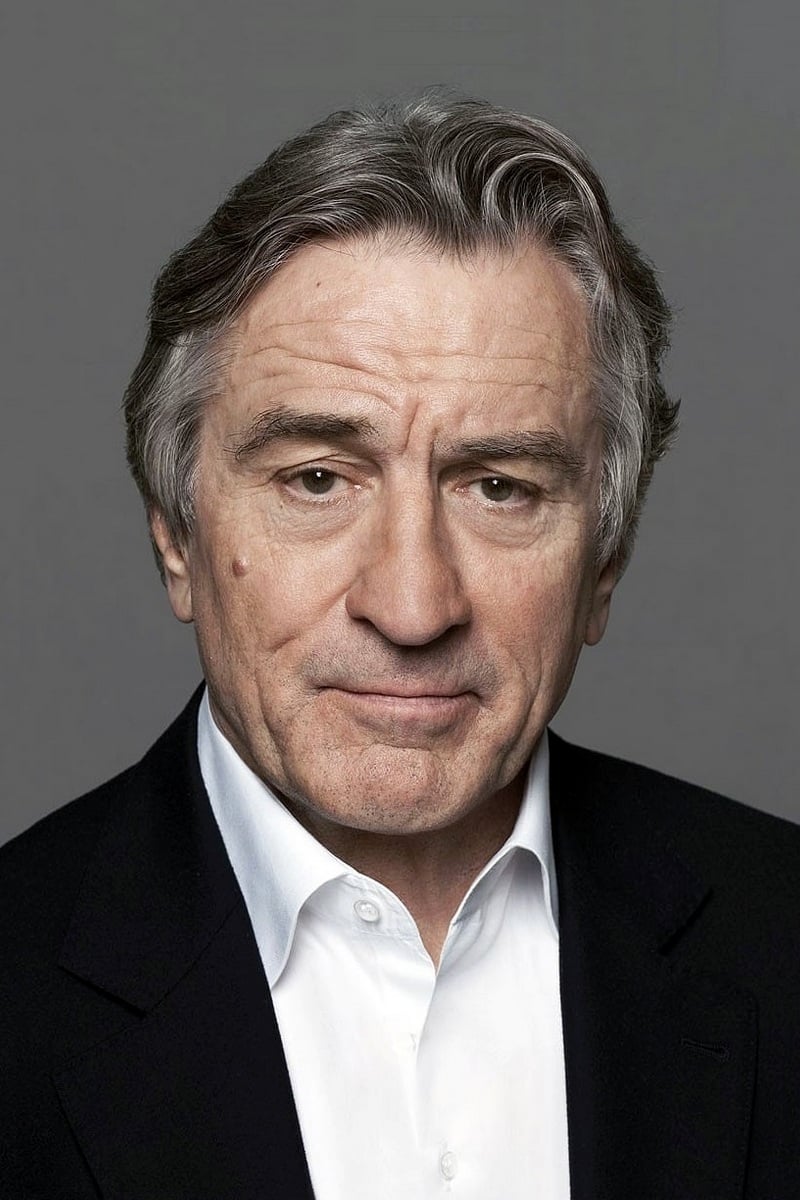
Brian De Palma’s film follows federal efforts to dismantle Capone’s organization during Prohibition through a specialized enforcement team. The production showcases 1930s Chicago landmarks, period trains, and courthouse interiors to track bootlegging routes and financial cases. Scenes incorporate real-life law-enforcement methods like ledger audits that supported tax-evasion charges. The movie uses historical figures including Eliot Ness and Frank Nitti to place the case within federal crime-fighting history.
Stephen Graham – ‘Boardwalk Empire’ (2010–2014)

This HBO series situates Capone within a sprawling Prohibition network that connects Atlantic City, Chicago, and New York. Over multiple seasons the storyline follows his progression from enforcer to key Chicago figure alongside real associates such as Johnny Torrio. The production employed extensive period sets, boardwalk reconstructions, and wardrobe covering the early 1920s through the early 1930s. Historical events like the rise of bootlegging syndicates and intercity alliances are woven into long-form arcs across the ensemble cast.
Share your favorite Al Capone performance in the comments and tell us which portrayal felt most true to history.