

20 Best Anime About Life In Outer Space



Life beyond Earth has been a central theme in anime for decades, from slow burning space dramas to high flying adventures across the stars. These stories follow astronauts, pirates, bounty hunters, miners, and entire civilizations as they work, travel, and survive in orbit, on ships, and on distant worlds. They show how people build routines in zero gravity, keep crews alive between jumps, and handle the politics that come with settling the void.
This list gathers series and films that focus on daily realities and long journeys rather than quick visits to space. You will find stories about debris collection, long haul exploration, deep space warfare, commercial shipping, and the gritty logistics that keep humanity moving. Each entry explains what the show covers and how it approaches life away from Earth, so you can pick the type of space experience you want to watch next.
‘Cowboy Bebop’ (1998–1999)

The story follows a small bounty hunting crew that jumps between planets and stations while taking jobs to pay for fuel, food, and repairs. It shows shipboard routines, limited resources, and the risks of arresting criminals in tight corridors or open vacuum, along with the way ports regulate weapons and travel.
Episodes move through different colonies and environments that demonstrate how people live when terraforming and trade routes shape everyday life. The show also uses its sci fi setting to explore smuggling, organized crime, and jurisdiction issues that appear when many governments share the same sky.
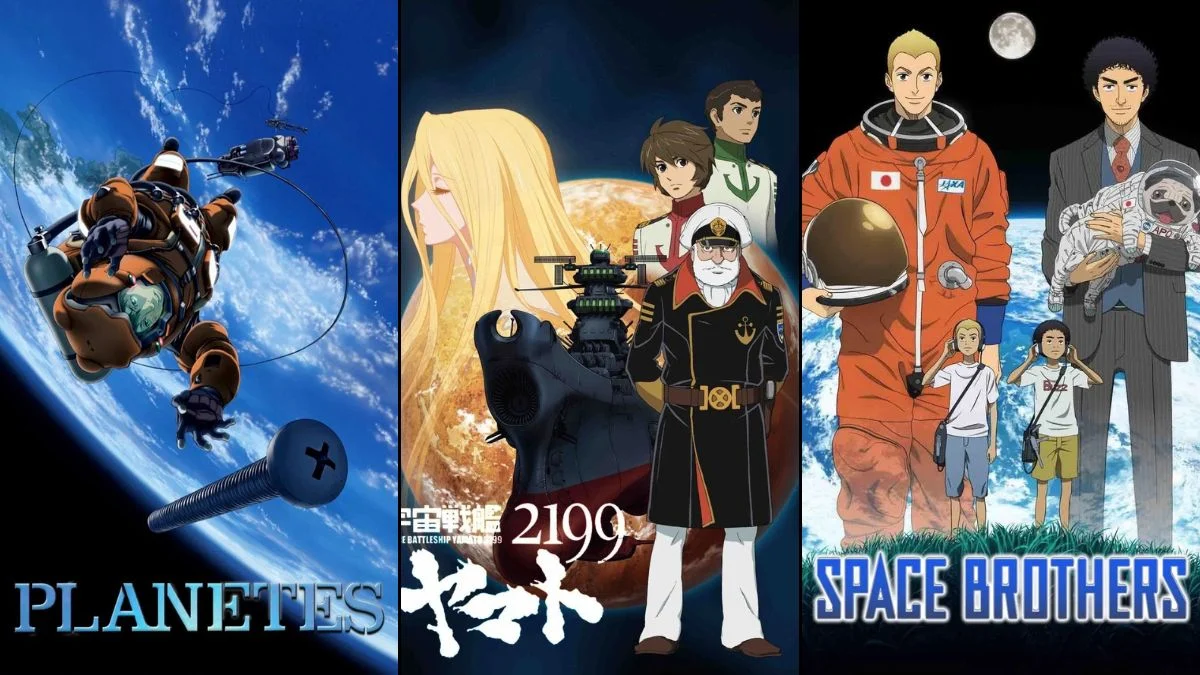
‘Planetes’ (2003–2004)
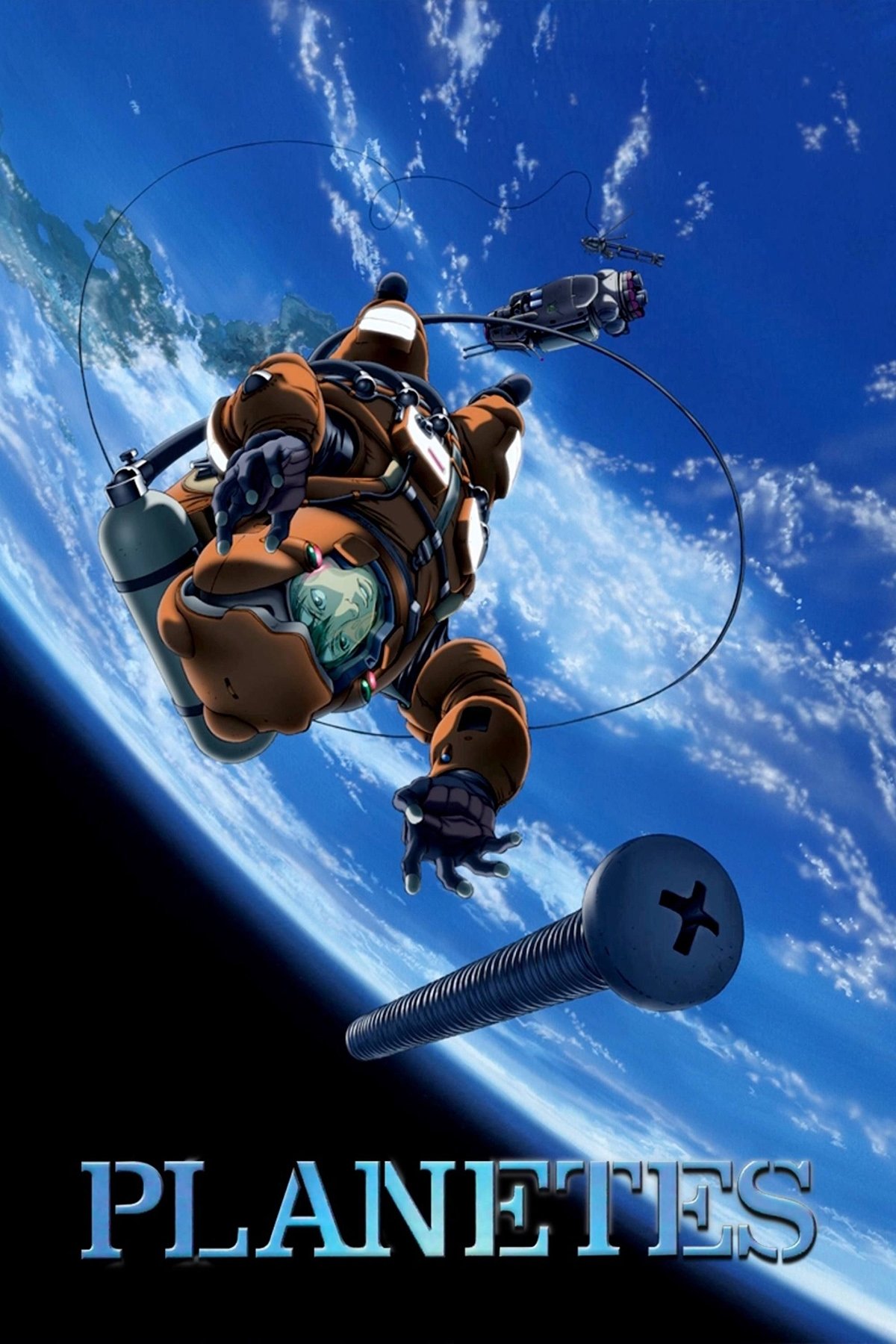
The focus is on a team that removes debris from Earth orbit to keep satellites and stations safe. It covers suit maintenance, EVA training, trajectory planning, and the economics of space work, along with corporate rules that govern who pays for cleanup and who gets blamed when things go wrong.
It also looks at how long shifts and delayed communication affect relationships on and off the job. The story spends time on career tracks for space workers, medical checks before missions, and the constant tug of war between personal goals and company priorities.
‘Legend of the Galactic Heroes’ (1988–1997)

This long running saga depicts two star spanning states locked in war and diplomacy. It shows command structures, supply lines, and the strain of moving fleets across light years, with attention to how logistics and information shape the fate of officers and civilians.
Life in space appears through carrier routines, medical bays, and the housing and education systems that grow around permanent military deployment. The series also examines how propaganda, elections, and aristocratic power influence where ships fly and how battles begin.
‘Space Brothers’ (2012–2014)
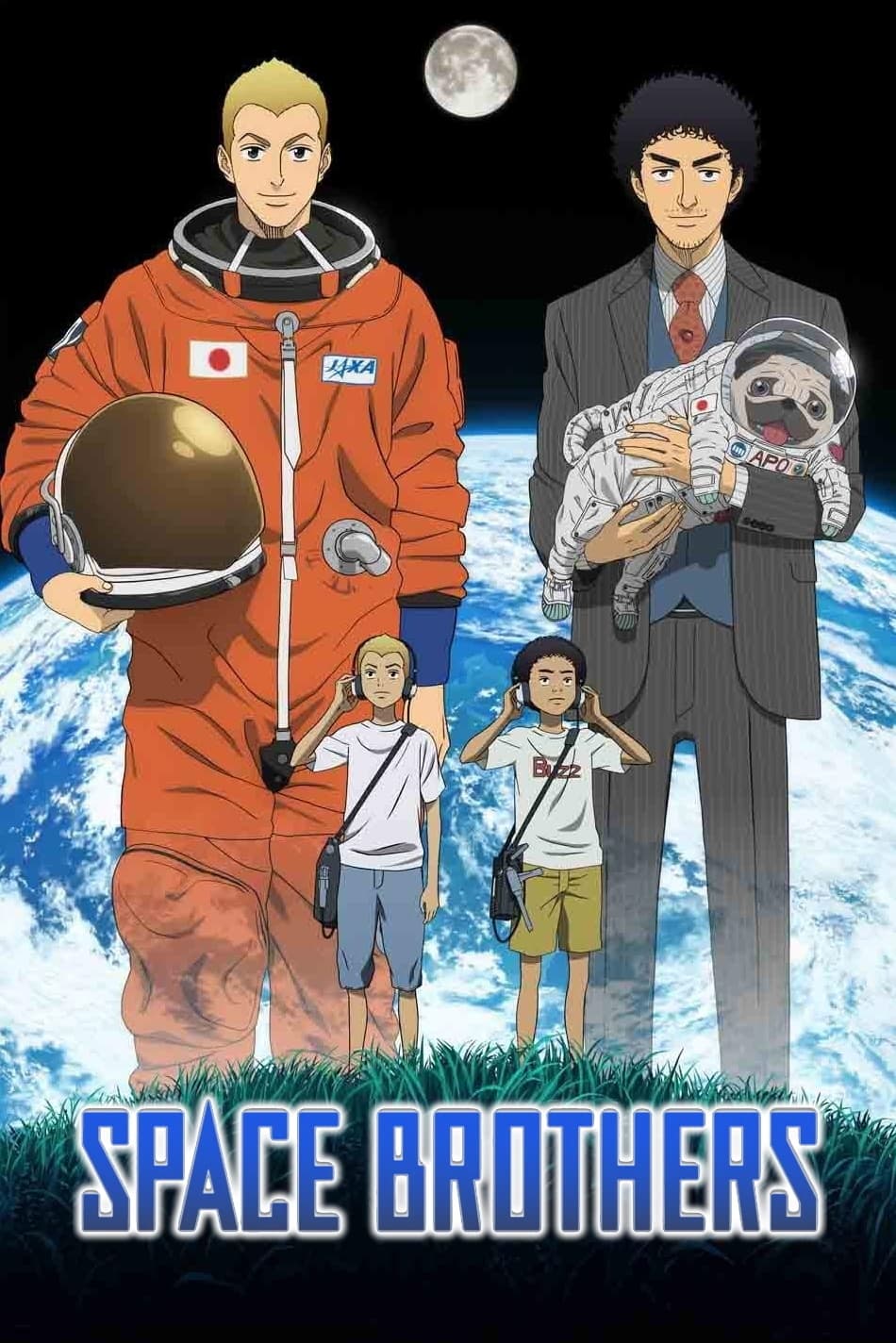
Two siblings train and work toward careers that take them from Earth to the Moon and beyond. The story follows astronaut selection, simulations, survival courses, and engineering reviews that must be passed before anyone straps into a rocket.
Daily routines at space agencies and on lunar bases get careful coverage, including schedules, team cohesion, and problem solving under strict checklists. It also shows the personal finances, media obligations, and family planning that come with missions lasting months or years.
‘Knights of Sidonia’ (2014–2015)
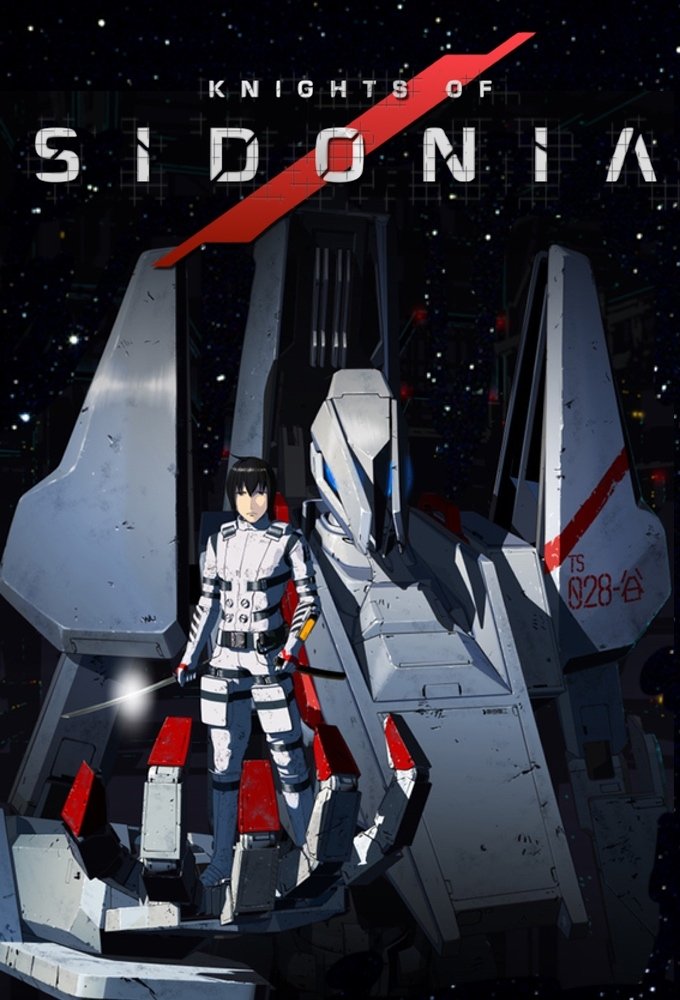
Humans live aboard a massive seed ship that travels between stars while defending against alien threats. The series details how a closed habitat manages food, water, and air, and how pilots train, rest, and recover within cramped quarters.
Shipboard society runs on strict rules that prioritize survival. Viewers see conscription, cloning, and agricultural management alongside emergency drills and hull repairs, which explains how a large population can endure centuries away from any planet.
‘Space Battleship Yamato 2199’ (2012–2013)
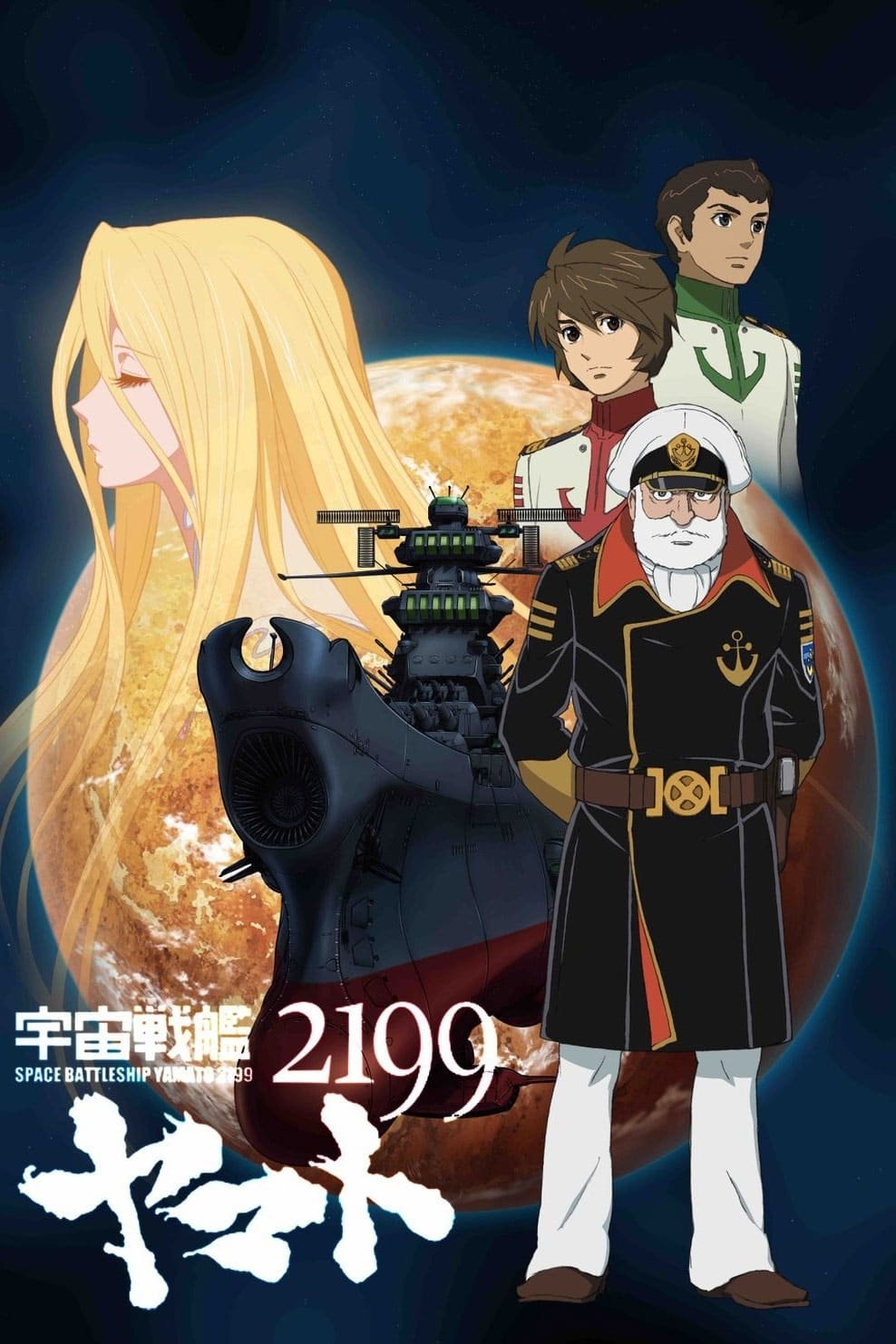
A single warship undertakes a long journey to retrieve technology that could restore Earth. The crew’s work covers navigation, engine upkeep, medical care, and morale during months in deep space, with procedures for combat stations and damage control.
The story also maps a route through hostile territories that requires diplomacy and intelligence gathering. It shows how a military vessel balances secrecy with the need for supplies and how command decisions ripple through every workstation on board.
‘Outlaw Star’ (1998)

A small company runs transport and security jobs across frontier space while paying off debts and upgrading its ship. The show looks at customs inspections, docking fees, job contracts, and the black market that grows around new technologies.
Travel brings them to developing colonies and advanced hubs, which lets the story compare different station layouts and local laws. This makes each port visit a practical lesson in how business works when distances are huge and enforcement is inconsistent.
‘Space Dandy’ (2014)

An alien hunter registers new species for reward money, which turns exploration into a paid routine. Episodes move through diners, laundromats, and service shops that exist in every corner of space, showing the retail and maintenance side of interstellar travel.
His work depends on permits, scanners, and a network of registries, which brings bureaucratic hurdles and competition. The series uses these mechanics to explain why some discoveries pay more than others and how small crews survive between big finds.
‘Mobile Suit Gundam’ (1979–1980)

A civilian transport becomes a warship during a conflict that spans Earth and orbit. The series shows life inside colonies, how evacuees and soldiers share limited space, and how mobile suits are repaired and armed between sorties.
Conflict management includes rationing, scheduling patrols, and training civilians to handle emergencies. The setting explains how colonies are built and pressurized, how gravity blocks work, and why ship movements are planned around fuel and resupply windows.
‘Martian Successor Nadesico’ (1996–1997)

A private vessel hires a mixed crew to protect convoys and reclaim territory. Work life explores the gap between corporate goals and military needs, along with the routines that keep cooks, engineers, and pilots aligned during jumps and battles.
Ports and stations operate like cities with staff housing and strict access rules. The show also looks at recruitment and retention for risky jobs and the way entertainment and downtime help crews stay functional during long deployments.
‘Crest of the Stars’ (1999–2000)

A human heir becomes a ward of an interstellar empire and travels among fleets and noble houses. The story describes how long journeys are organized, from cabin assignments to escort protocols, while showing the cultural expectations that bind officers and civilians.
Language and ceremony receive detailed attention, which explains the rules that govern navigation lanes, diplomatic immunity, and prisoner exchange. These systems build a picture of a spacefaring civilization where politics shapes every itinerary.
‘Banner of the Stars’ (2000–2001)

This continuation follows the same leads into wider campaigns and long term postings aboard warships. It covers crew composition, readiness drills, and rank progression, all framed by extended operations far from friendly ports.
Life on patrol means strict schedules, shared quarters, and rotating duties. The series uses these details to track how relationships adapt to constant travel and how decisions at the bridge level affect everyone down to maintenance crews.
‘Mobile Suit Gundam: Iron-Blooded Orphans’ (2015–2017)

Child soldiers form a company that takes security contracts on Mars and in space. The story shows how a startup outfit obtains ships, supplies, and legal status, and how it negotiates with clients and authorities along busy routes.
Ship life is defined by training, medical care, and constant upgrades under budget pressure. The series links every fight to logistics, including armor orders, fuel buys, and the risk of inspections that can shut down a mission before launch.
‘Astra Lost in Space’ (2019)

A group of students is stranded far from home and must cross multiple systems to return. They learn to plot courses, manage food and oxygen, and assign roles for piloting, repairs, and medical checks.
Each stop introduces different planetary conditions that require new procedures for landing and exploration. The show uses these challenges to explain safety protocols and the planning needed to keep a small crew alive over a long voyage.
‘Bodacious Space Pirates’ (2012)

A high schooler inherits a letter of marque and learns to run a licensed pirate ship. The series walks through crew structures, legal paperwork, and insurance contracts that make privateering a regulated business in modern space.
Jobs range from escort work to staged raids for tourism, which shows how varied revenue streams keep a ship operational. The story also covers communications security, boarding exercises, and the etiquette that controls confrontations between armed vessels.
‘Super Dimension Fortress Macross’ (1982–1983)
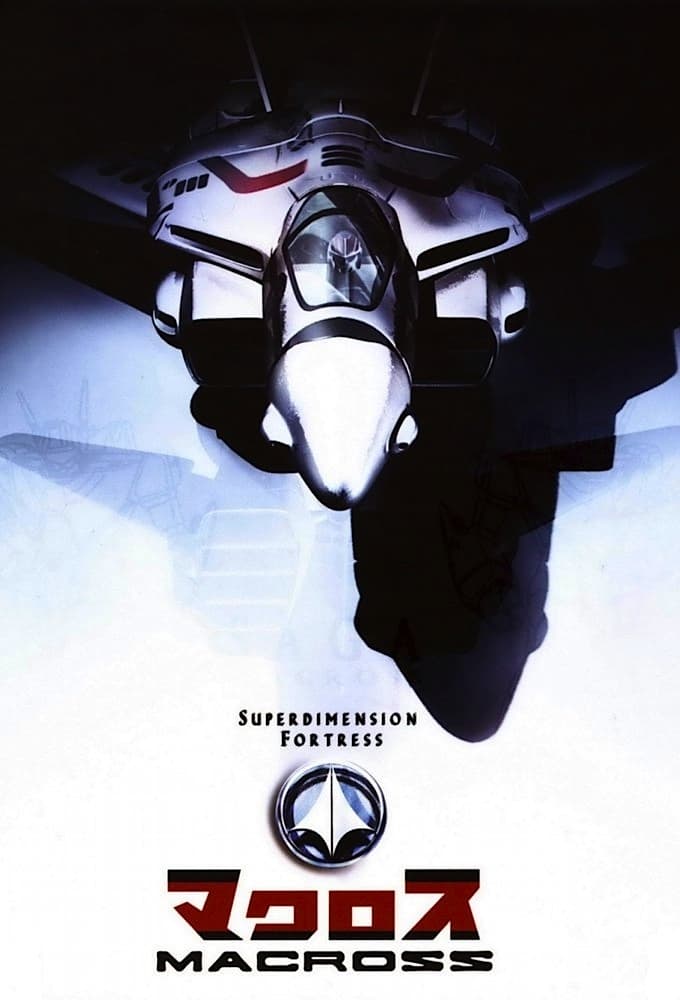
A city is carried inside a transforming battleship that travels while under pursuit. It shows how civilians and military personnel share space, build shops and schools, and adapt to artificial gravity while the ship continues its mission.
Operations include launching fighters, maintaining fold drives, and broadcasting messages to allies and enemies. The series lays out the practical side of keeping a population supplied and informed during extended flight.
‘Gunbuster’ (1988–1989)

Trainee pilots join a defense program that sends crews far from Earth, where relativistic travel changes how time passes for them. The story explains training regimens, technical briefings, and the psychological effects that come from returning after long missions.
Engineering and medical teams document how pilots prepare for stress and how ships handle repairs across long gaps between ports. This focus on procedures shows the cost of repeated deployments on bodies and communities.
‘Terra Formars’ (2014–2016)

Multinational teams travel to Mars to confront a hostile ecosystem created by earlier terraforming experiments. Mission profiles include quarantine, combat training, and equipment checks designed for low pressure environments.
Political oversight shapes every launch and retrieval. The show looks at jurisdiction disputes, mission funding, and how public opinion influences which crews get sent and what resources they receive.
‘Space Pirate Captain Harlock’ (1978–1979)

A notorious captain commands a ship that moves outside official control while confronting threats to human independence. The series presents life on a long range cruiser where loyalty, rationing, and strict schedules keep a small crew operational.
Travel logs trace routes that avoid patrols and pass through remote outposts. The story covers how ships disguise themselves, secure intel, and plan maintenance when they cannot rely on public docks.
‘Moonlight Mile’ (2007)

Engineers and climbers transition into astronauts as private and national programs expand into space. The show follows training cycles, station assembly, and the commercialization of lunar and orbital projects.
It also covers contracts, competing bids, and the politics of resource access. This gives a grounded look at how careers evolve when construction and exploration create new jobs above the atmosphere.
Share your favorite picks and tell us which outer space anime you think deserves a spot in the comments.