

Best Anime Arc Openers That Hook Instantly

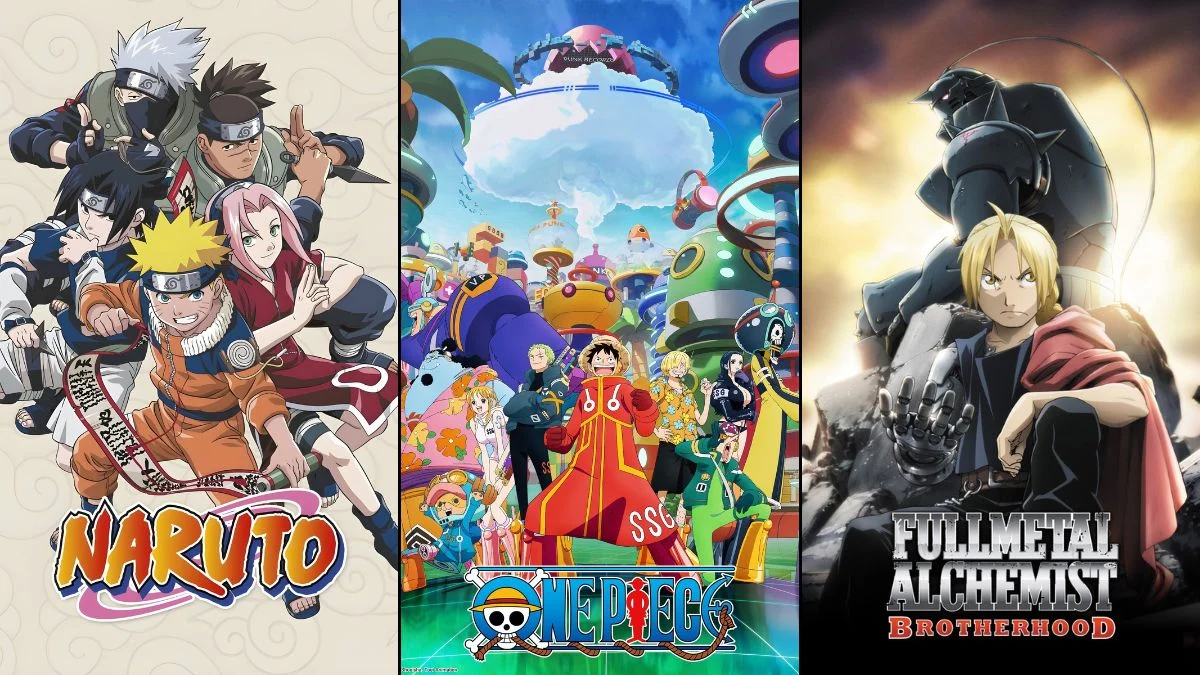


Great arc openers do a lot with a little: they establish the world, lay down the rules, and put the stakes on the table so you’re in for the long haul. The anime below all kick off with first arcs that set tone, scale, and direction right away—through pivotal plot turns, crisp worldbuilding, and clear goals that propel the story forward from episode one.
‘Attack on Titan’ (2013–2023) – a wall breach that reshapes humanity’s fate
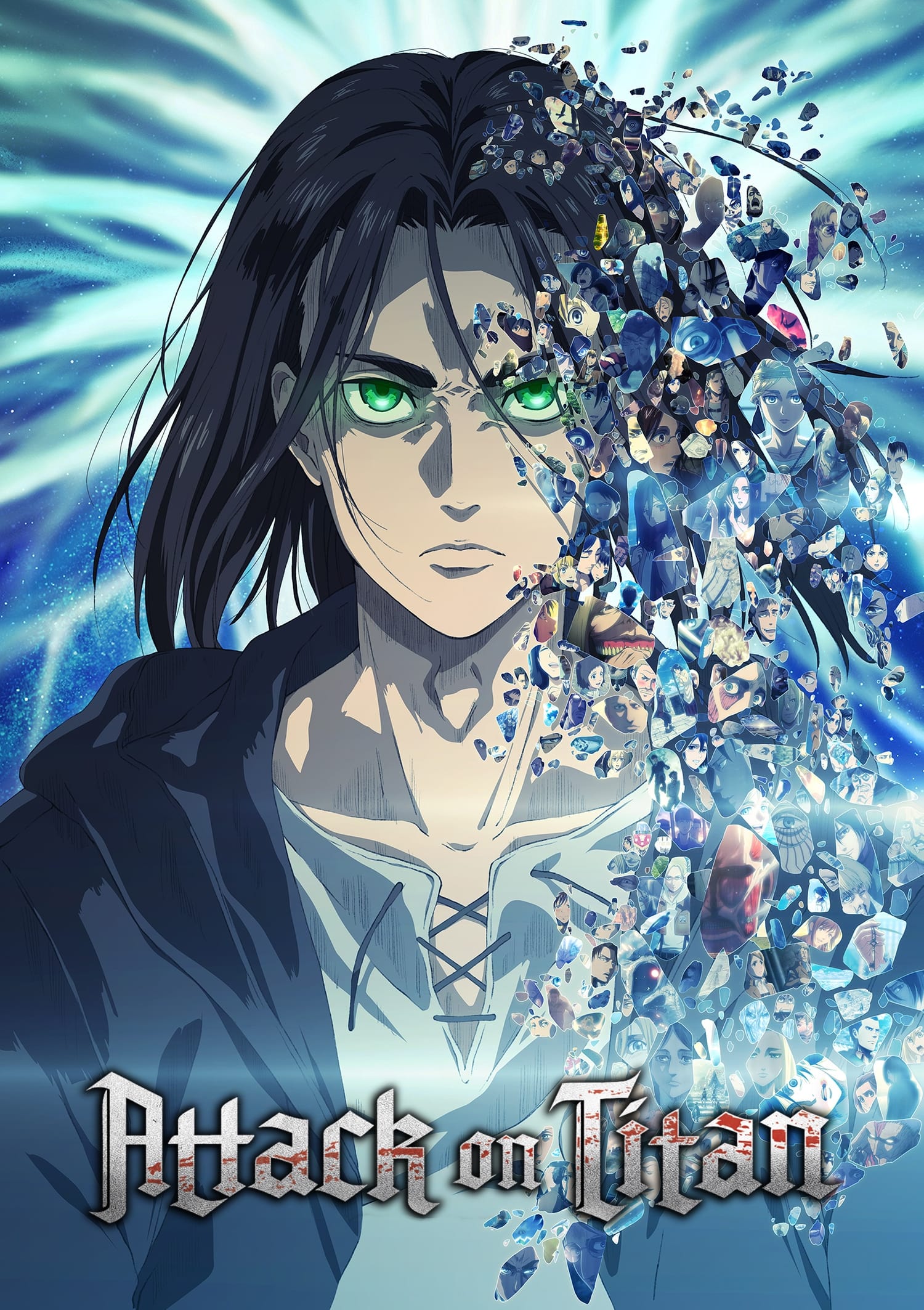
The opening arc sees the Colossal and Armored Titans shatter Wall Maria, forcing a human evacuation and redefining daily life behind the remaining walls. It introduces Eren, Mikasa, and Armin, their enlistment, and the Survey Corps as the show’s military backbone. ODM gear, Titan physiology basics, and regiment roles are all established during training and first sorties. The early episodes set the central mystery—where Titans come from and how the walls really work—while charting the trio’s path into the fight.
‘Demon Slayer: Kimetsu no Yaiba’ (2019– ) – a family tragedy and the Final Selection
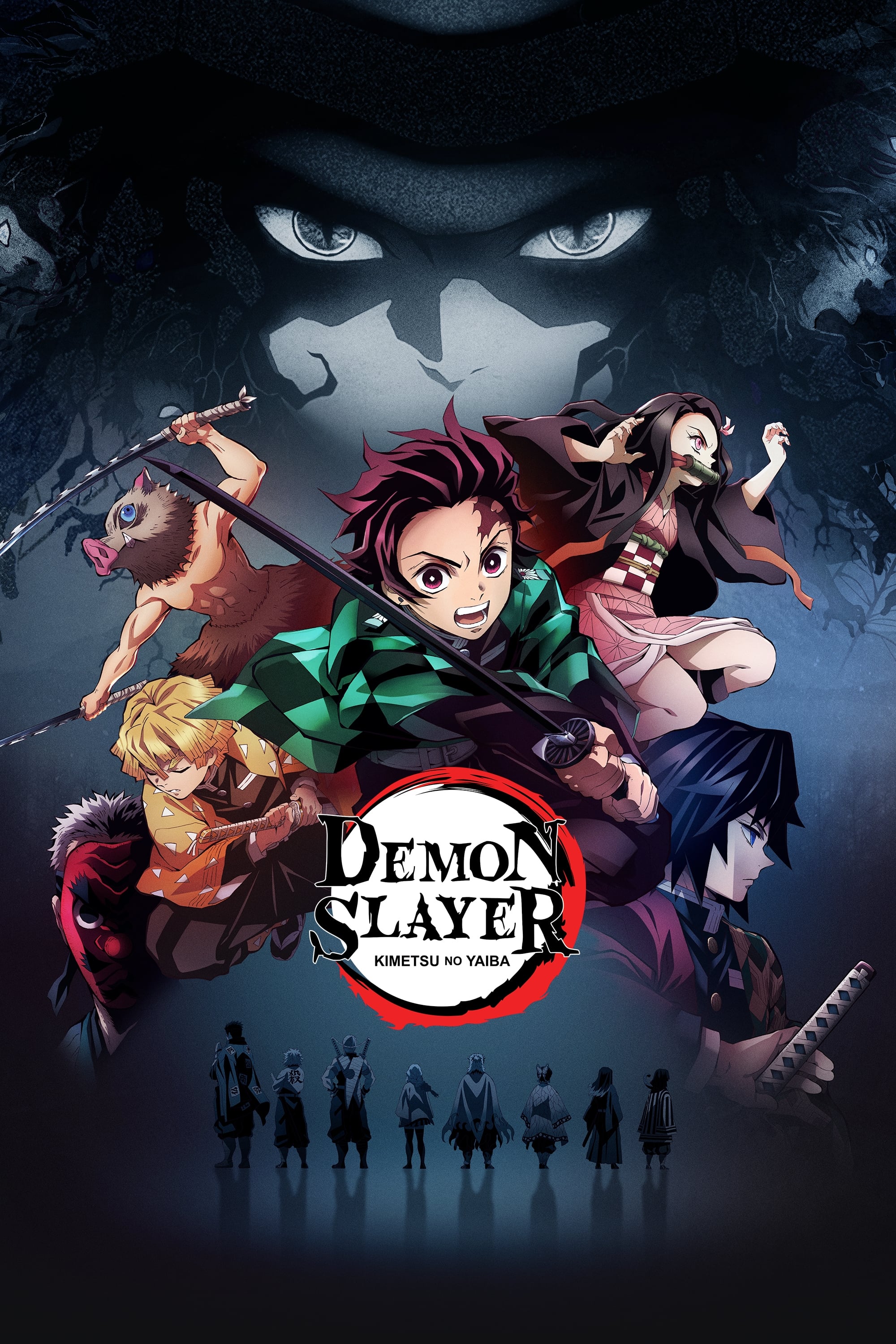
The series begins with Tanjiro discovering his family murdered and Nezuko turned into a demon, sending him to train under Sakonji Urokodaki. The Final Selection on Mount Fujikasane introduces the Demon Slayer Corps’ recruitment trial and the Nichirin blades. Demon powers, Blood Demon Arts, and Breathing techniques are defined through Tanjiro’s early battles. The arc sets the traveling-monster-of-the-week structure while pointing to Muzan Kibutsuji as the overarching threat.
‘Fullmetal Alchemist: Brotherhood’ (2009–2010) – alchemy’s rules and the brothers’ quest
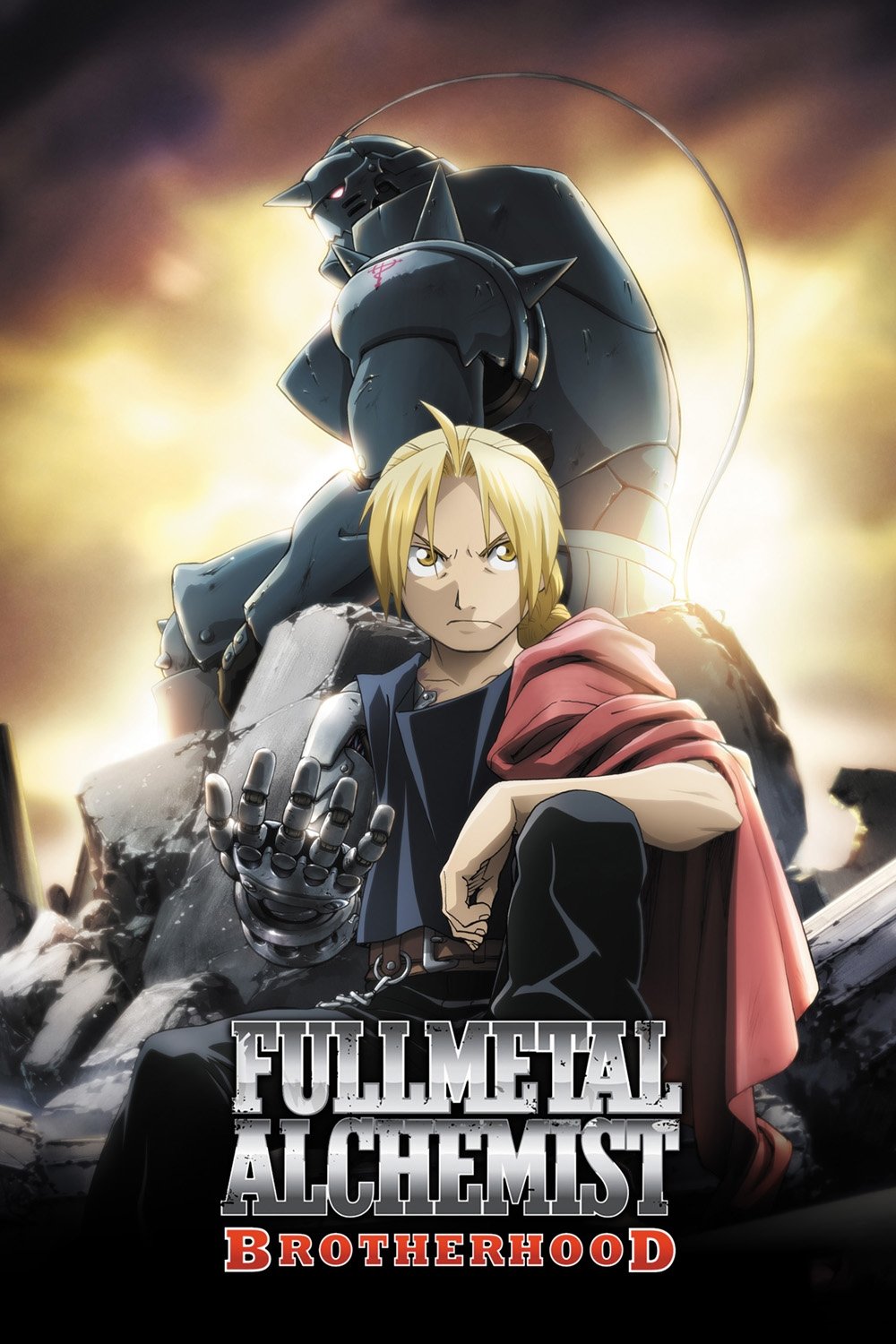
The opener establishes equivalent exchange, the taboo of human transmutation, and the Elric brothers’ failed attempt to resurrect their mother. Edward’s automail, State Alchemists, and the military chain of command are introduced alongside Roy Mustang and Riza Hawkeye. Early cases like Lior and a rogue alchemist sketch the series’ investigative format. Threads about Philosopher’s Stones and homunculi are seeded as the brothers set out to restore their bodies.
‘Jujutsu Kaisen’ (2020– ) – a cursed finger that changes everything
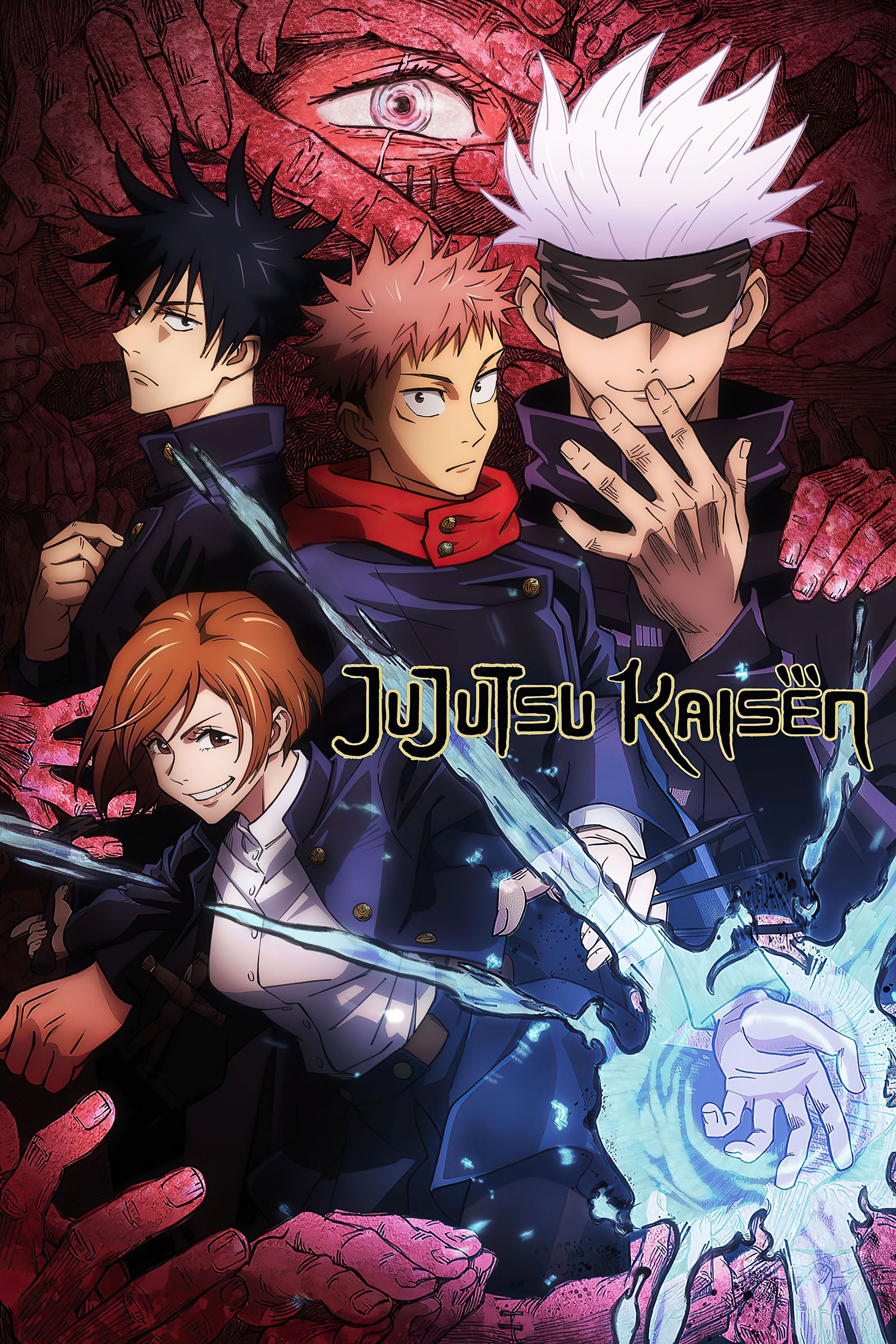
Yuji Itadori encounters Megumi Fushiguro and consumes a Special Grade cursed object, becoming Sukuna’s vessel. Jujutsu High, sorcerer rankings, and the basics of Cursed Energy and techniques are laid out. Faculty like Satoru Gojo and classmates Nobara and Megumi are positioned as the core team. Early missions define domain mechanics and the consequences of exorcising curses tied to real-world locations.
‘One Piece’ (1999– ) – a rubber pirate sets sail for the Grand Line
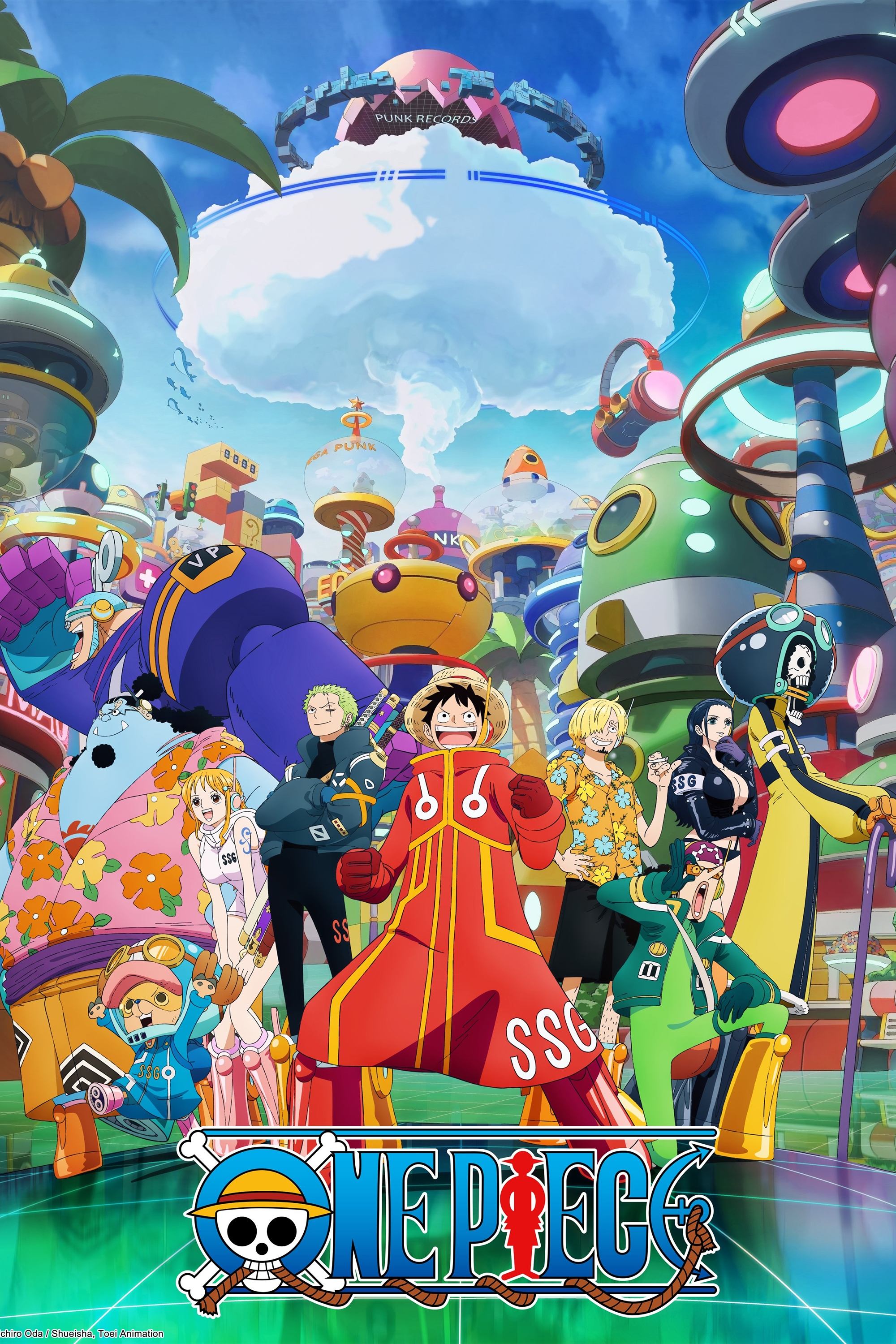
The initial voyage introduces Monkey D. Luffy, his Devil Fruit powers, and the dream of finding the One Piece to become Pirate King. Early stops recruit key Straw Hat members like Zoro and Nami and explain bounties, Marines, and the East Blue setting. The era of piracy, Grand Line mystique, and the importance of crews and flags are emphasized. The opener cements the treasure-hunt structure with episodic islands feeding a larger journey.
‘Naruto’ (2002–2007) – the Land of Waves mission that defines Team 7
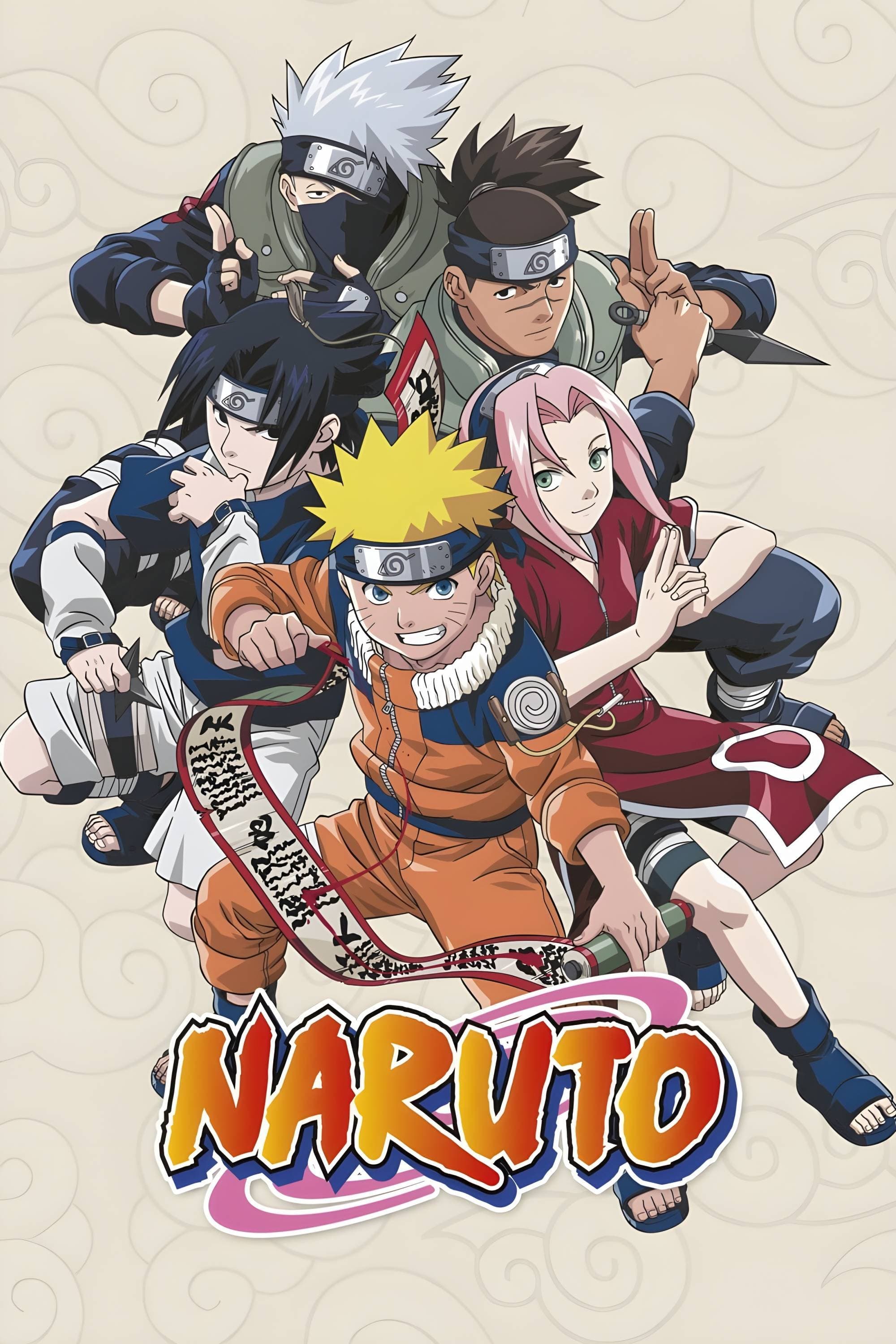
Team 7’s first real assignment escalates into a clash with Zabuza Momochi and Haku, demonstrating the danger beyond village ranks. Chakra basics, hand seals, and ninjutsu versus taijutsu contrasts are taught through combat. The mission reveals how shinobi nations use contractors, missing-nin, and ANBU in the shadows. It also establishes the bell test’s team-first lesson as the squad’s operating principle.
‘Naruto Shippūden’ (2007–2017) – the Kazekage Rescue turns personal into geopolitical
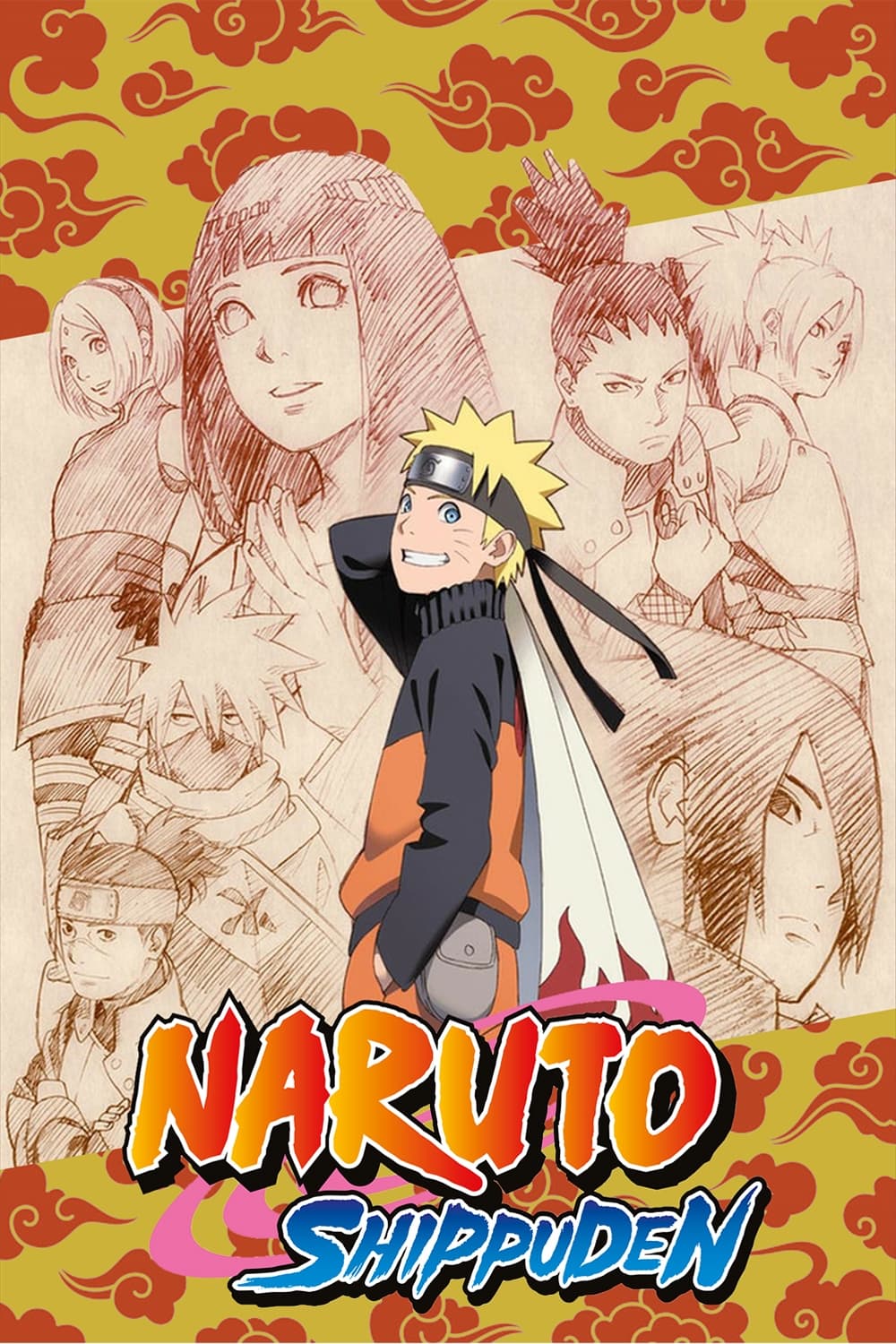
The opener has the Akatsuki abduct the Kazekage, showing their organized hunt for tailed beasts. Gaara’s position and the politics between villages reframe conflicts beyond childhood rivalries. The team’s new jutsu repertoires and time-skip training payoffs are showcased in coordinated missions. It sets the stakes for jinchuriki and the tailed beast extraction process that drives much of the plot.
‘Bleach’ (2004–2012) – a Substitute Shinigami steps into a hidden world
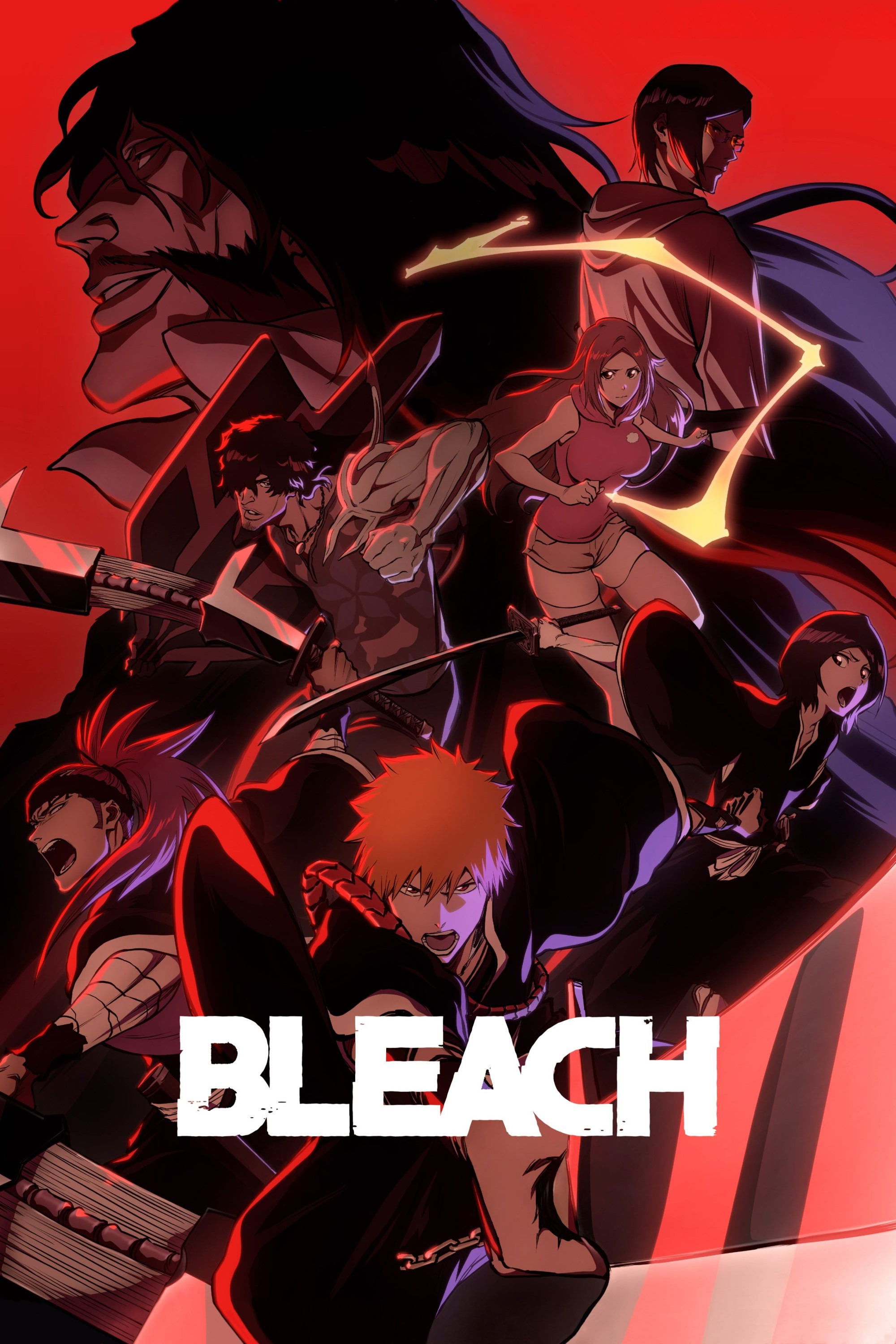
Ichigo Kurosaki receives Soul Reaper powers from Rukia Kuchiki, introducing Hollows, souls, and the Soul Society. The opener defines zanpakutō, Konsō, and the duties of a Substitute Shinigami in the human world. School life and patrols create a dual-setting rhythm that the series revisits often. The arc plants the seeds for legal consequences inside the Soul Society, setting up the next major conflict.
‘Hunter x Hunter’ (2011–2014) – the Hunter Exam as a worldbuilding gauntlet
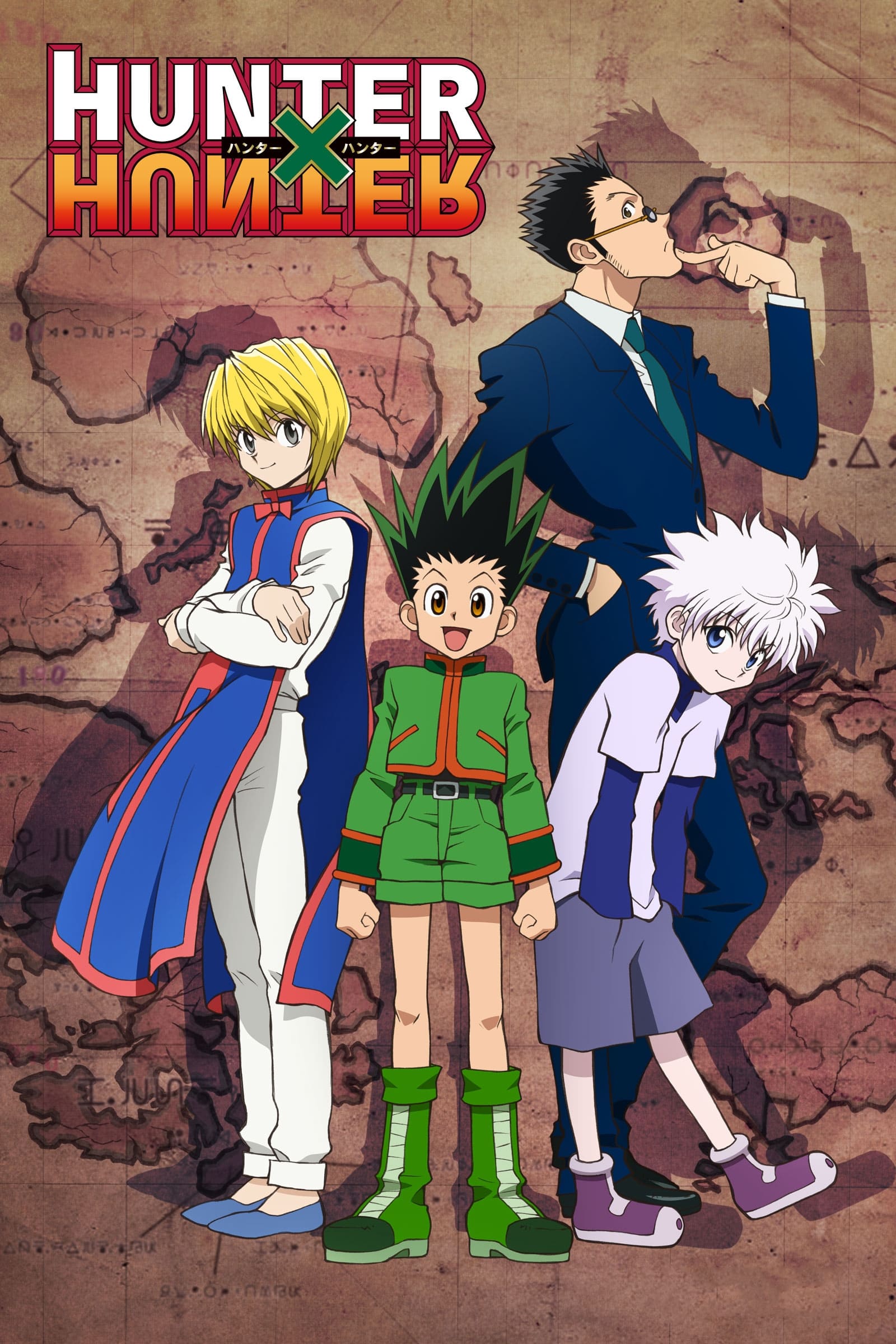
Gon, Killua, Kurapika, and Leorio meet during a brutal multi-phase test that filters elite applicants. The exam format introduces proctors, survival phases, and shifting locations that stress adaptability. Nen isn’t fully explained yet, but the exam foreshadows specialization and moral ambiguity among Hunters. Rivalries and alliances form, mapping personalities and long-term goals that echo across later arcs.
‘My Hero Academia’ (2016– ) – an entrance exam that defines a hero society
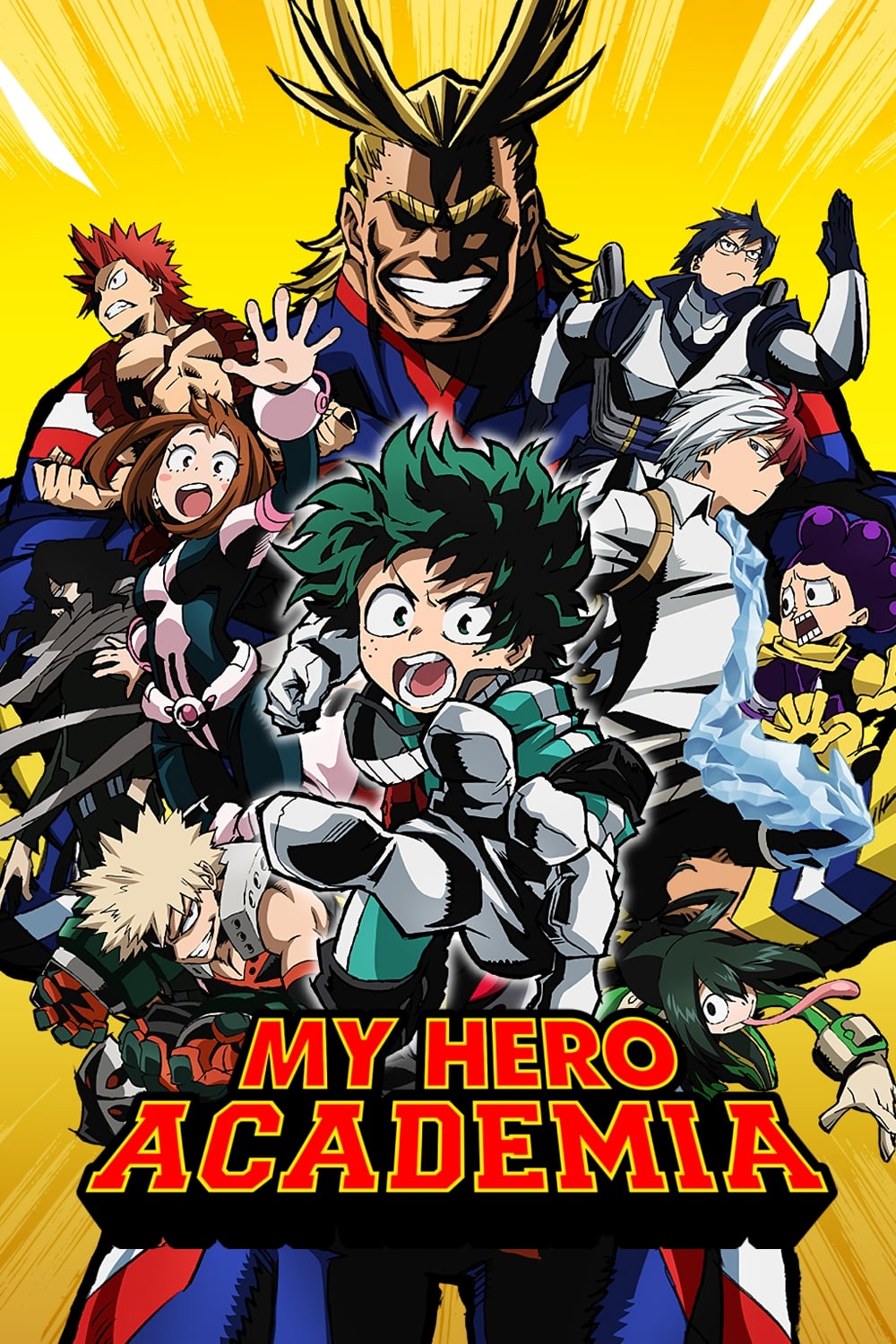
Izuku Midoriya’s path starts with U.A. High’s entrance exam and training that clarifies Pro Hero rankings and licensing. One For All’s inheritance and the cost of using it are framed through early injuries and recovery. Classroom structures, support departments, and agency internships are sketched quickly. Villain activity enters the picture during training incidents, showing how public heroism intersects with real danger.
‘Death Note’ (2006–2007) – a notebook turns crime into a cat-and-mouse
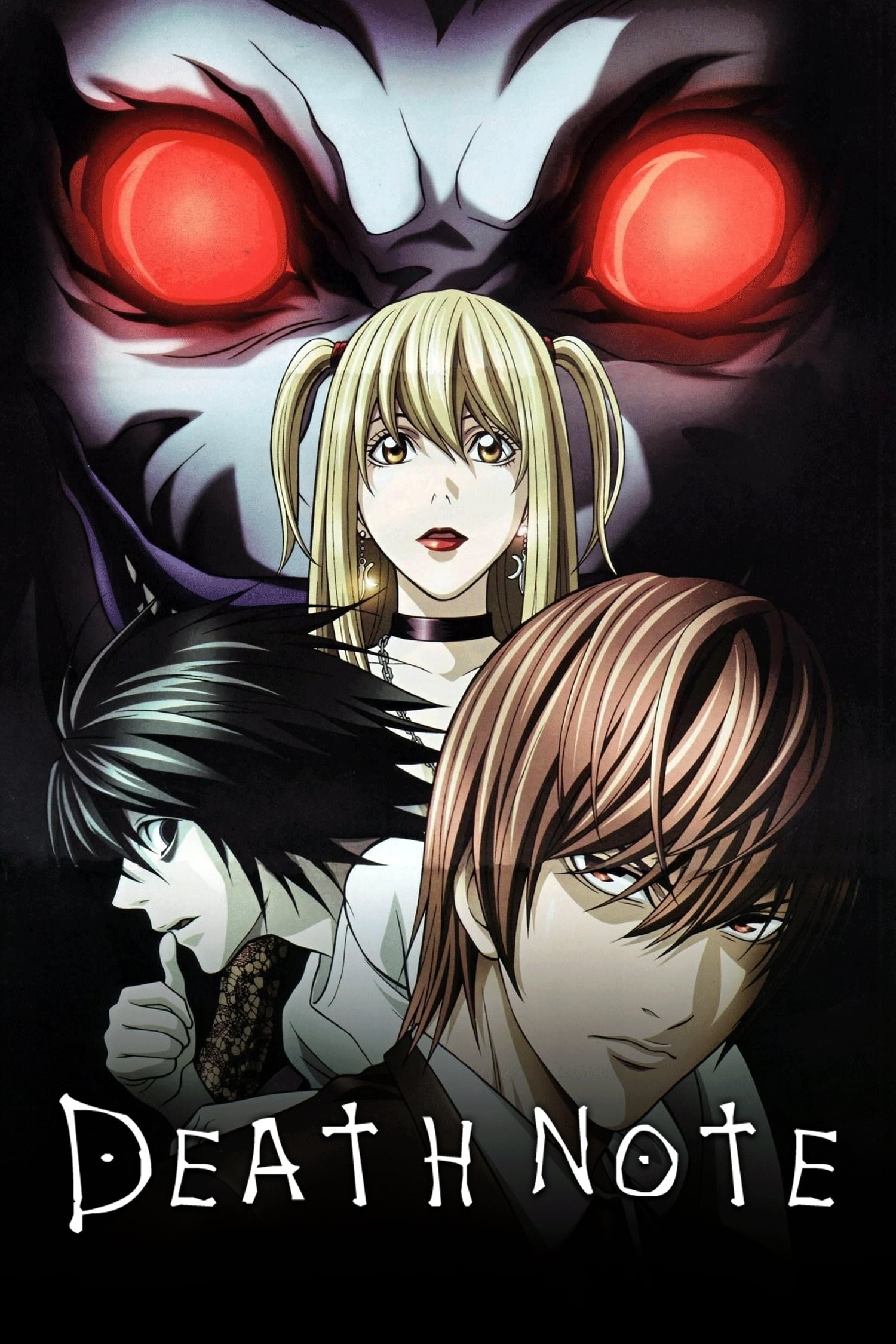
Light Yagami gains the power to kill by writing a name and draws the attention of the world’s top detective, L. The opener defines the notebook’s rules, shinigami oversight, and the limitations of anonymity. Broadcast gambits and investigative task forces show law enforcement procedures against an invisible killer. The series constructs a duel of evidence, alibis, and controlled reveals from the start.
‘Steins;Gate’ (2011) – accidental time travel in a cramped lab
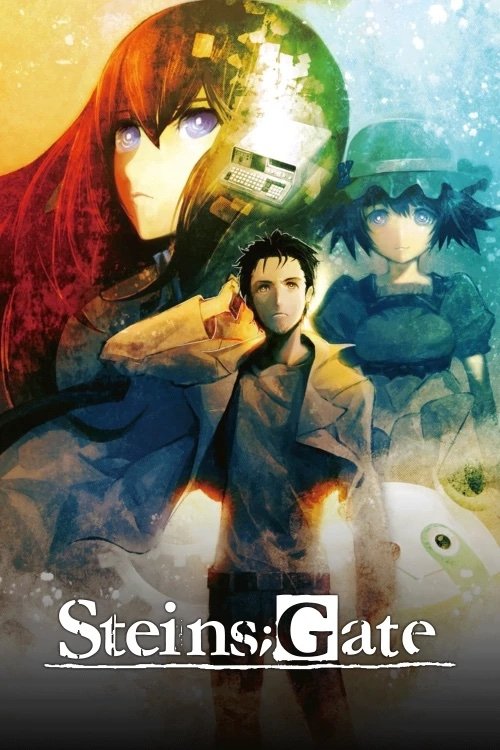
Rintaro Okabe and friends discover message-based time travel via a hacked microwave, introducing worldlines and the divergence meter. The early episodes outline SERN’s role and the risk of attracting organizational scrutiny. Character routes are tied to experiment iterations, showing how small changes ripple. The arc sets up D-Mail constraints and the need to untangle cause-and-effect without breaking everything.
‘Vinland Saga’ (2019– ) – a prologue that forges a warrior
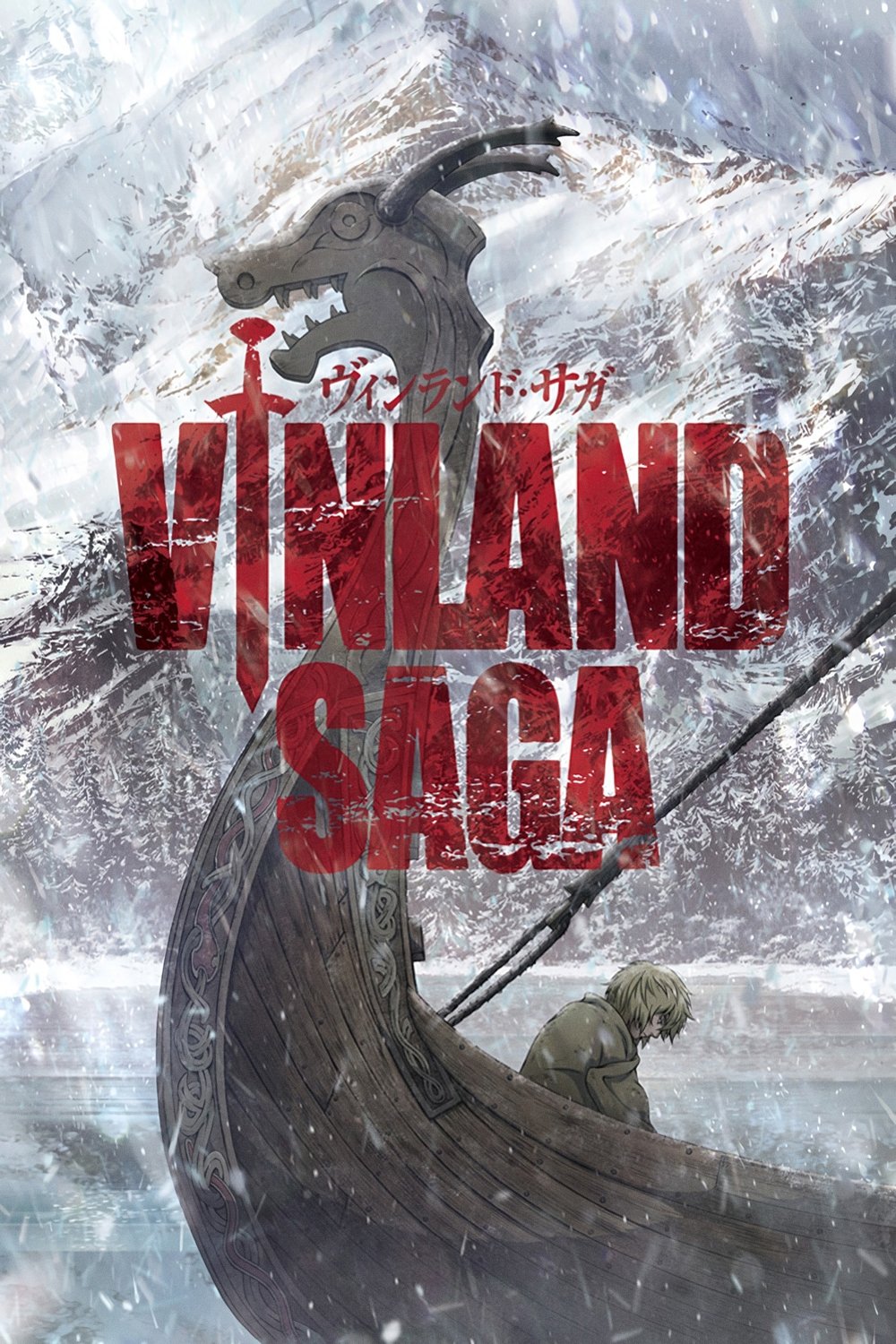
The opener follows Thorfinn’s childhood amid mercenary raids, anchoring the story in Norse warfare and politics. It presents Askeladd’s band, battlefield tactics, and the cost of hired swords. Seafaring, duels, and negotiations define power more than titles do. The arc explains motivations that drive later campaigns across England and beyond.
‘Chainsaw Man’ (2022– ) – a devil contract and a government squad

Denji merges with Pochita and is recruited into Public Safety’s Special Division 4, outlining the state’s approach to devils. The series clarifies devil naming power, contracts, and the hierarchy among fiends, devils, and hybrids. Unit dynamics and supervision establish mission cadence and oversight. Early operations sketch the Gun Devil threat as the long-term objective.
‘Spy x Family’ (2022– ) – Operation Strix makes a fake family
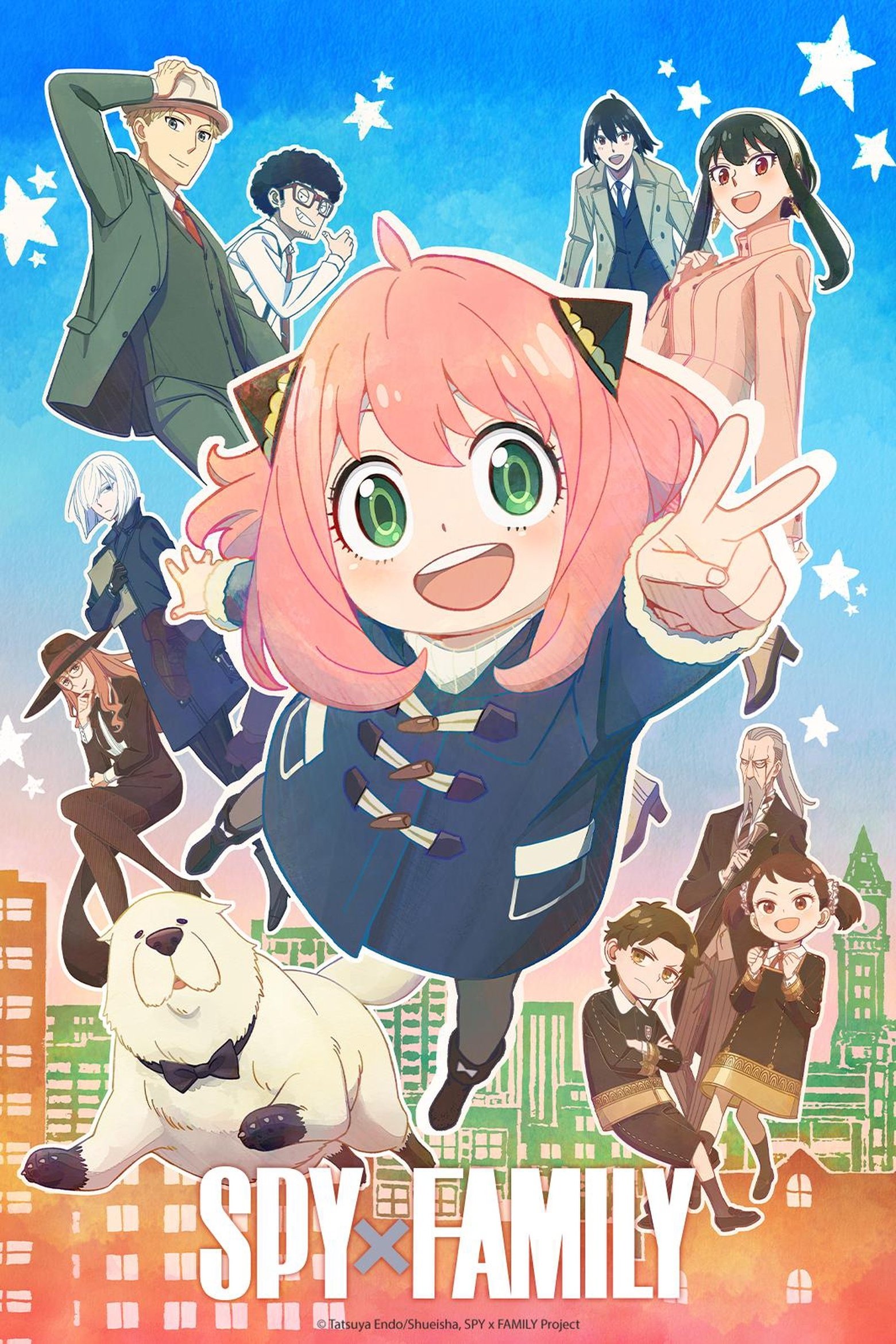
Agent Twilight adopts Anya and partners with Yor to infiltrate an elite school, turning espionage into domestic cover. The opener explains admissions hurdles, house points, and the target’s social circles. Telepathy adds a hidden-information layer to everyday scenes and missions. WISE, SSS, and Cold War–style tensions frame the broader stakes around a peaceful façade.
‘Made in Abyss’ (2017– ) – a descent with strict rules and mysteries
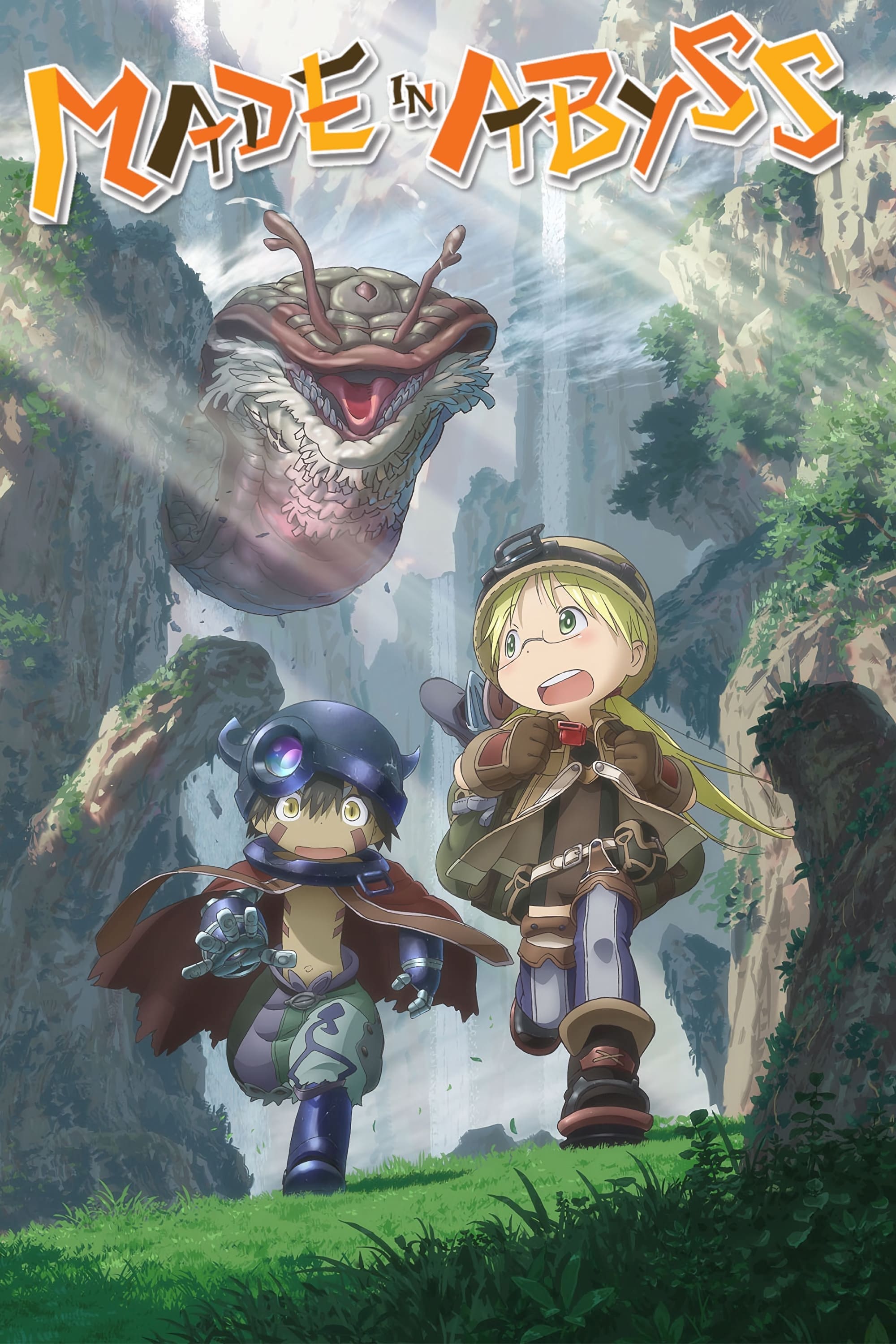
Riko and Reg leave Orth to venture into the Abyss, where each layer has unique ecosystems and dangers. The opener explains relics, Cave Raider ranks, and the Curse that punishes upward movement. Field notes, whistles, and mapping show a culture built around expeditions. The arc anchors the goal of reaching the bottom while highlighting the cost of ascending.
‘The Promised Neverland’ (2019–2021) – a discovery that turns playtime into planning
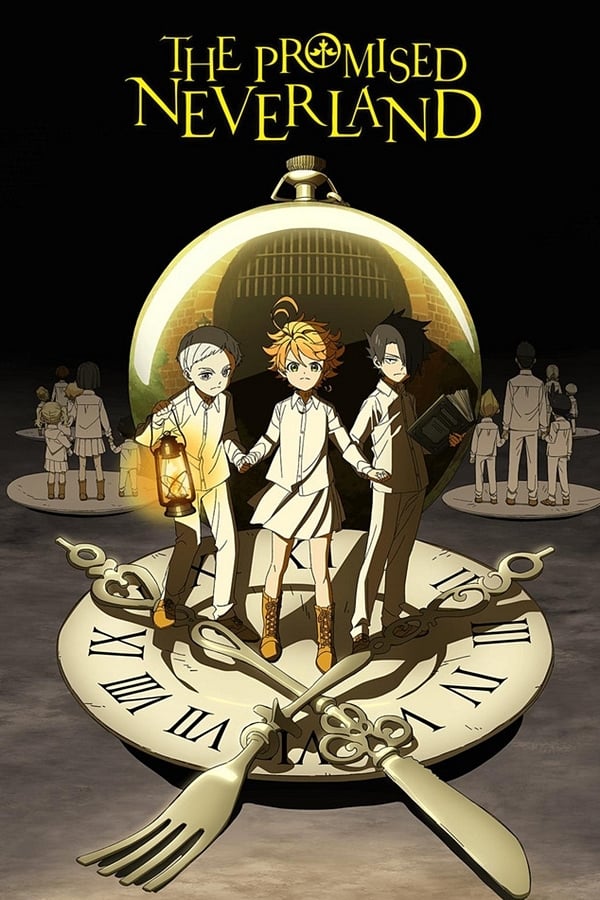
Emma, Norman, and Ray uncover the truth about their orphanage and begin an escape strategy under surveillance. The opener lays out test scoring, tracking devices, and the schedule that structures daily life. Sister Krone and Isabella’s roles show layered oversight and competing agendas. The narrative shifts into code-breaking, mapping, and resource management as core tools.
‘Neon Genesis Evangelion’ (1995–1996) – an Angel attack that drafts a pilot
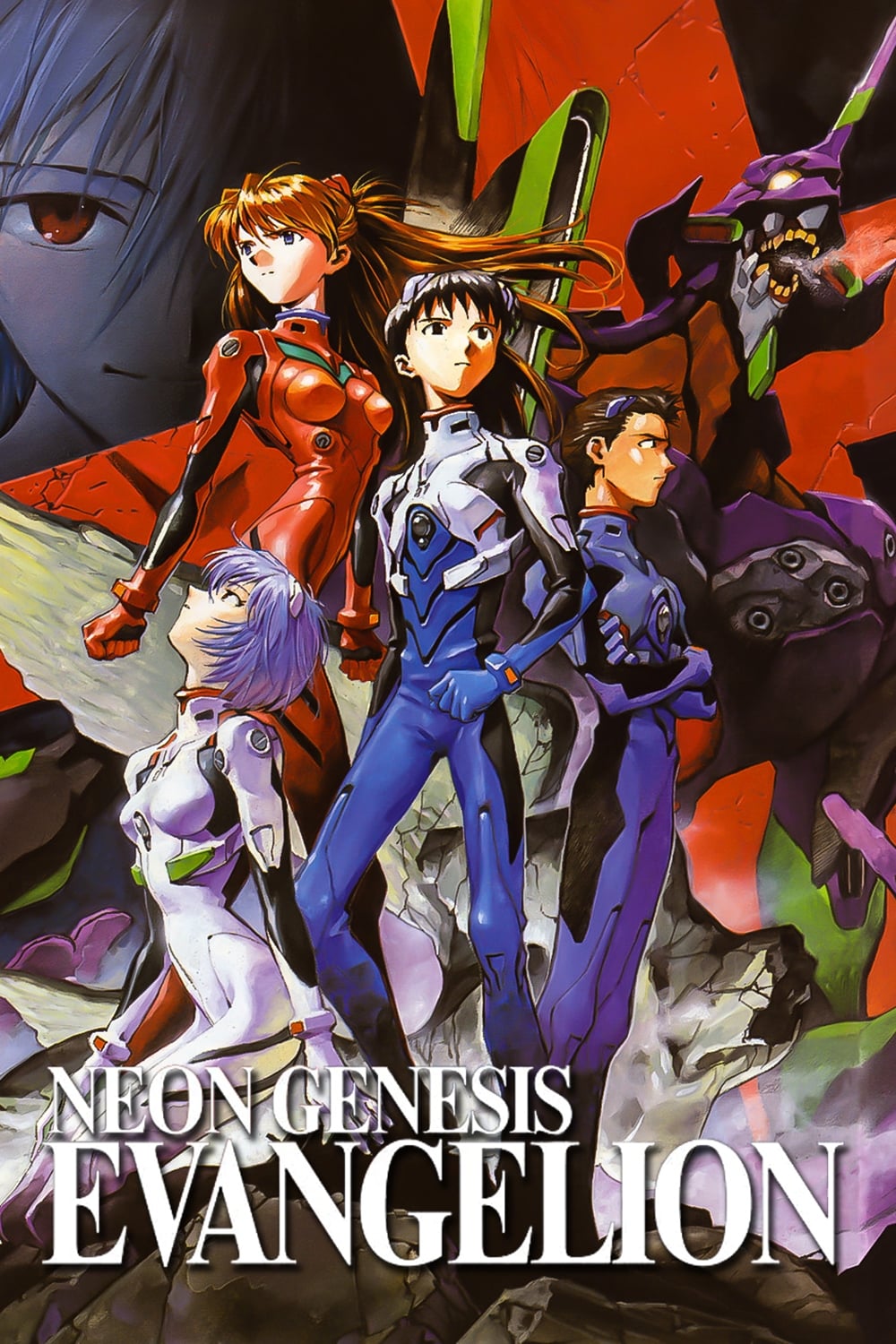
Shinji Ikari is summoned to pilot an Eva against an Angel, introducing NERV, the Marduk Institute cover, and AT Fields. The opener defines synchronization, LCL, and the city’s defensive architecture. Command hierarchy and secrecy protocols govern every sortie decision. The arc sets up personal dossiers that entwine with the technical systems the cast depends on.
‘Cowboy Bebop’ (1998) – a bounty gone sideways on the fringes
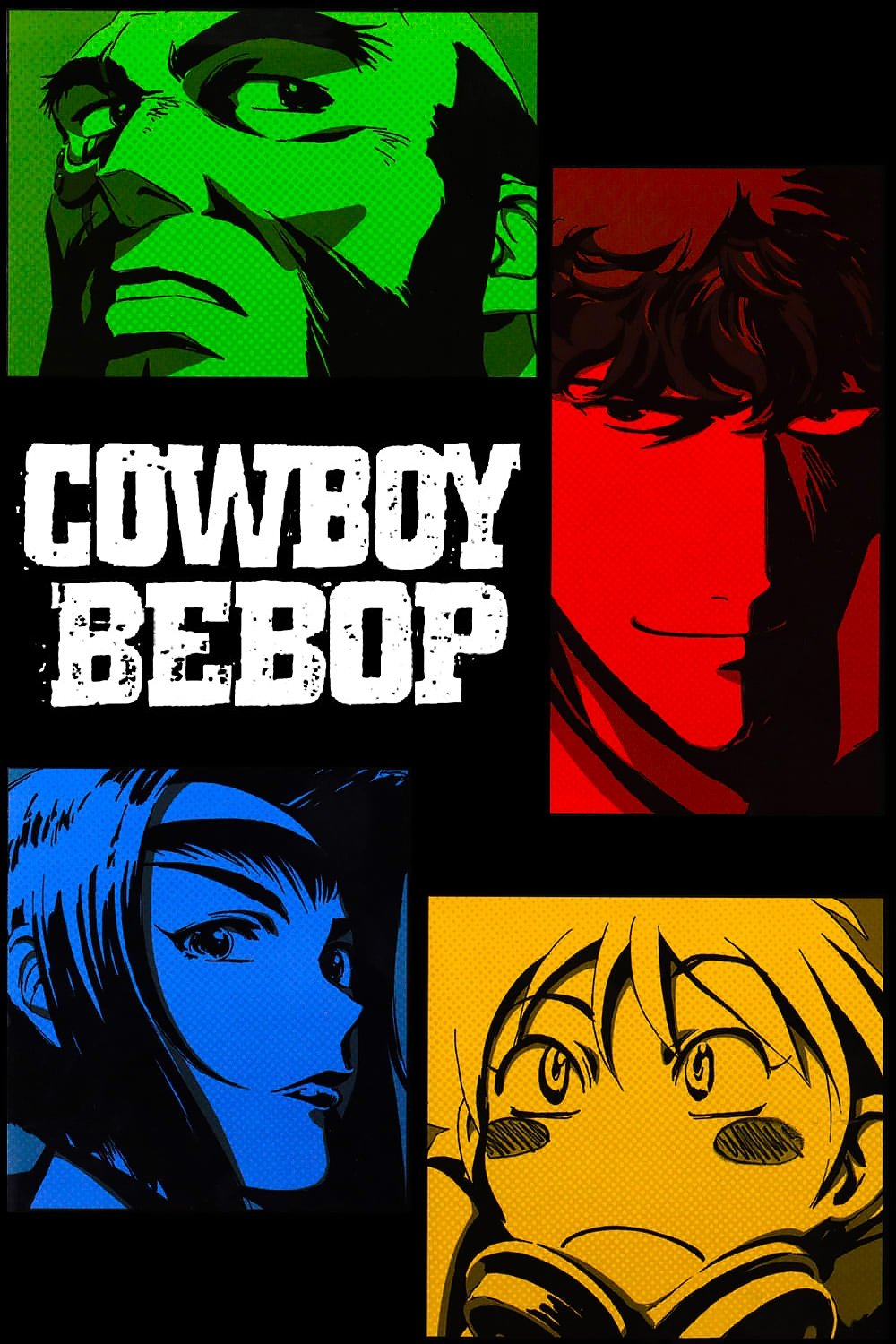
The first case throws Spike and Jet into a Red Eye drug deal, spotlighting small-time bounties with big fallout. The show’s ship, the Bebop, establishes the crew’s mobile base and constrained resources. Interplanetary travel, gate systems, and terraformed hangouts create a lived-in frontier. The opener’s procedural framing sets expectations for stand-alone hunts feeding character backstory.
‘Parasyte -the maxim-‘ (2014–2015) – a failed takeover that changes a host
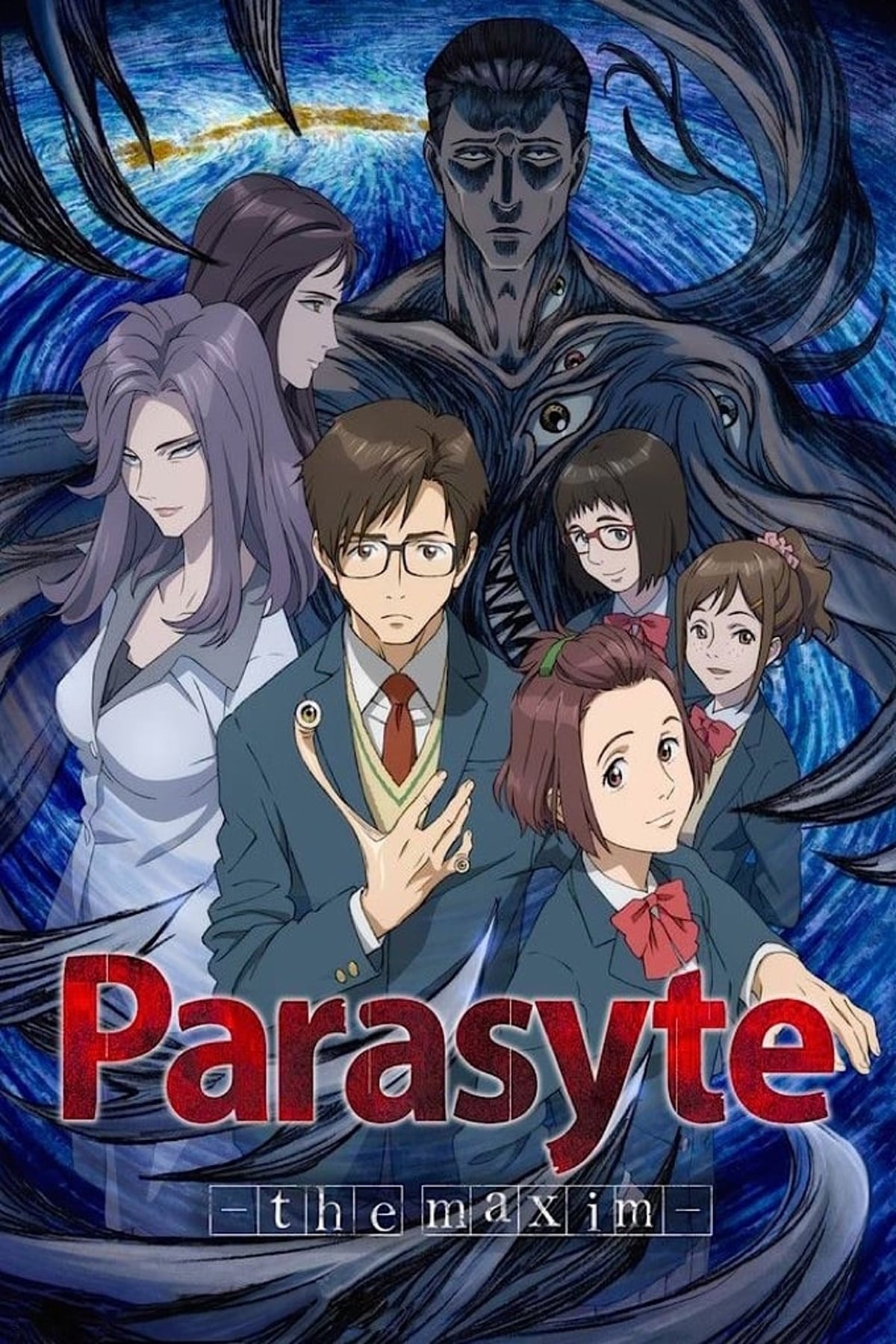
An alien parasite occupies Shinichi’s right hand instead of his brain, creating an unusual symbiosis. The opener defines feeding patterns, detection cues, and how parasites mimic humans. Territorial fights reveal sharp differences among parasite motivations. School and home life become testing grounds for containment and secrecy.
‘Dr. Stone’ (2019– ) – waking up to rebuild civilization
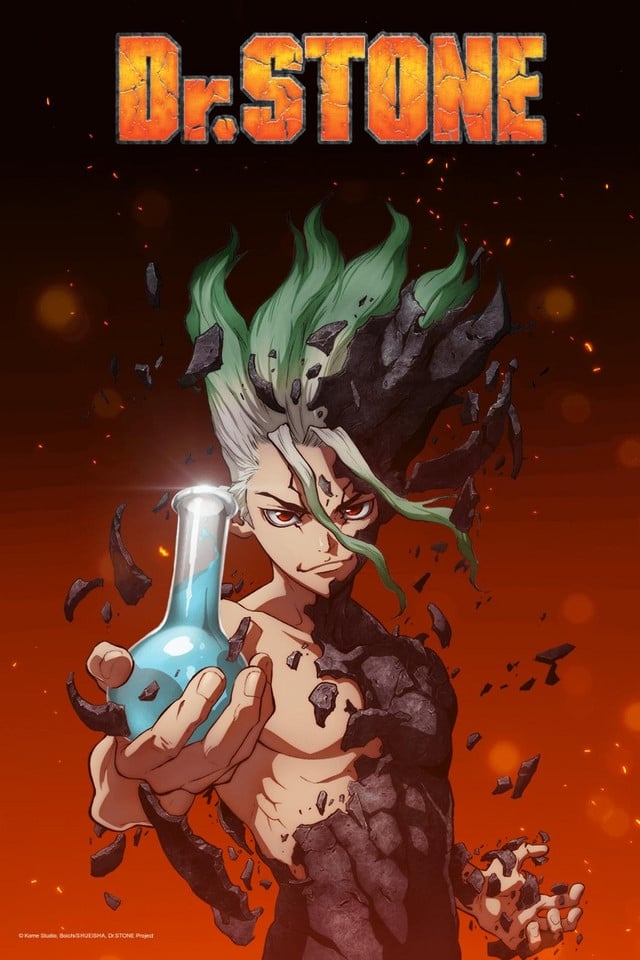
Senku awakens after humanity turns to stone and sets a plan to restore technology with limited tools. The opener explains the rules of depetrification and resource gathering priorities. Division of labor between the Kingdom of Science and rivals shows contrasting development paths. Experiments become episode drivers, each unlocking a practical advance.
‘Tokyo Ghoul’ (2014–2018) – a transplant that blurs species lines
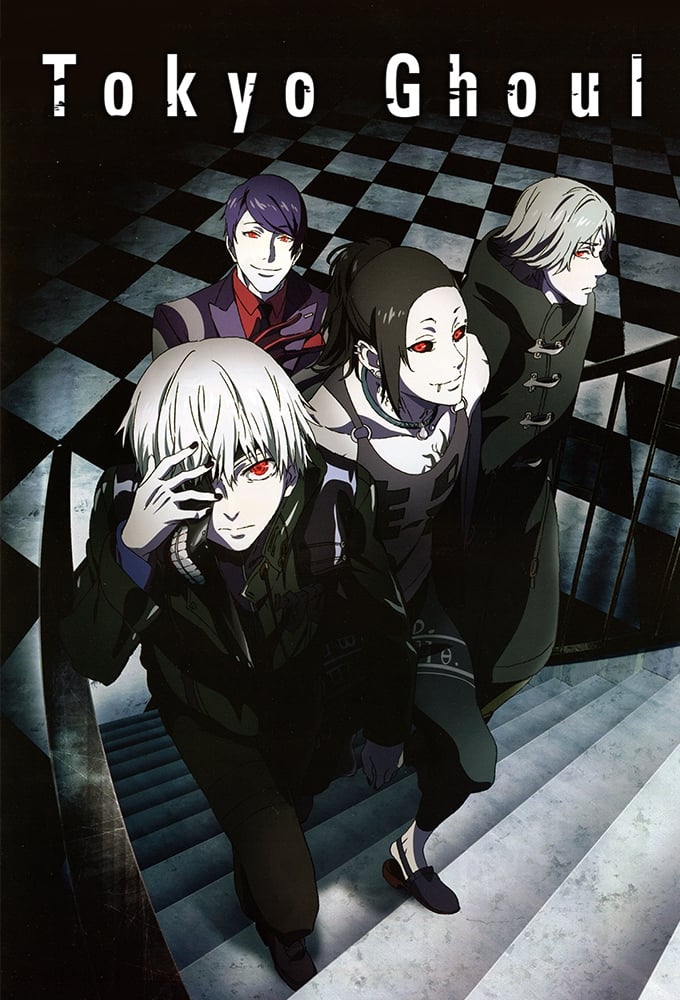
Ken Kaneki’s surgery turns him into a half-ghoul, forcing him to navigate feeding ethics and territory. Anteiku café becomes a hub for community rules and mentorship. The opener contrasts ghoul factions with the CCG’s investigative structure. Masks, kagune types, and ward divisions define identity and conflict zones.
‘Yu Yu Hakusho’ (1992–1995) – a spirit detective’s first assignments
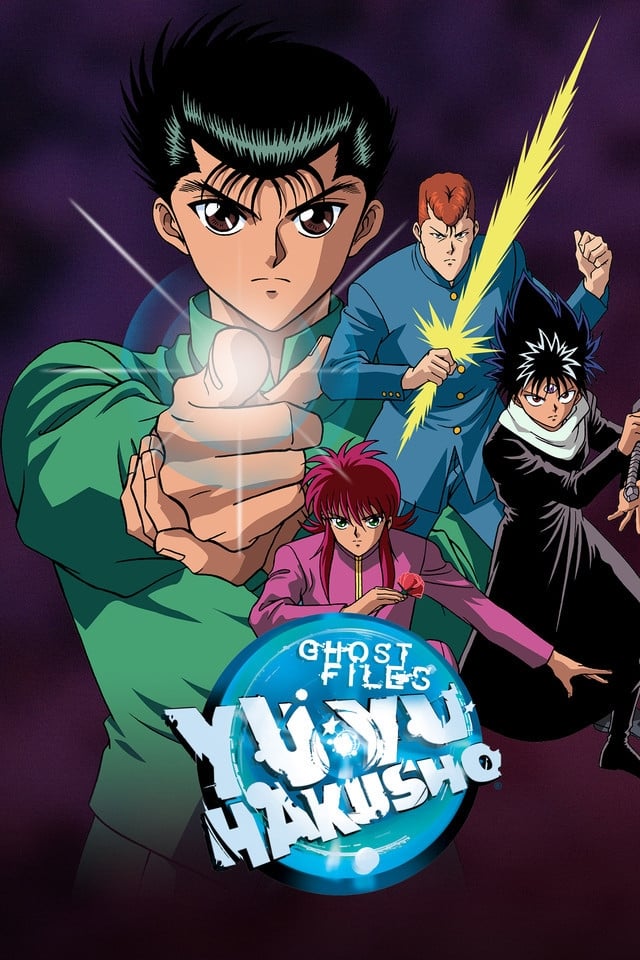
Yusuke Urameshi returns from death and takes on cases that introduce artifacts, demons, and the afterlife’s bureaucracy. Botan and Koenma outline jurisdiction and tools for handling supernatural crimes. Early fights define energy control that later becomes formalized as techniques. The arc establishes tournament and case formats the series alternates between.
‘Sailor Moon’ (1992–1997) – awakening a guardian of love and justice
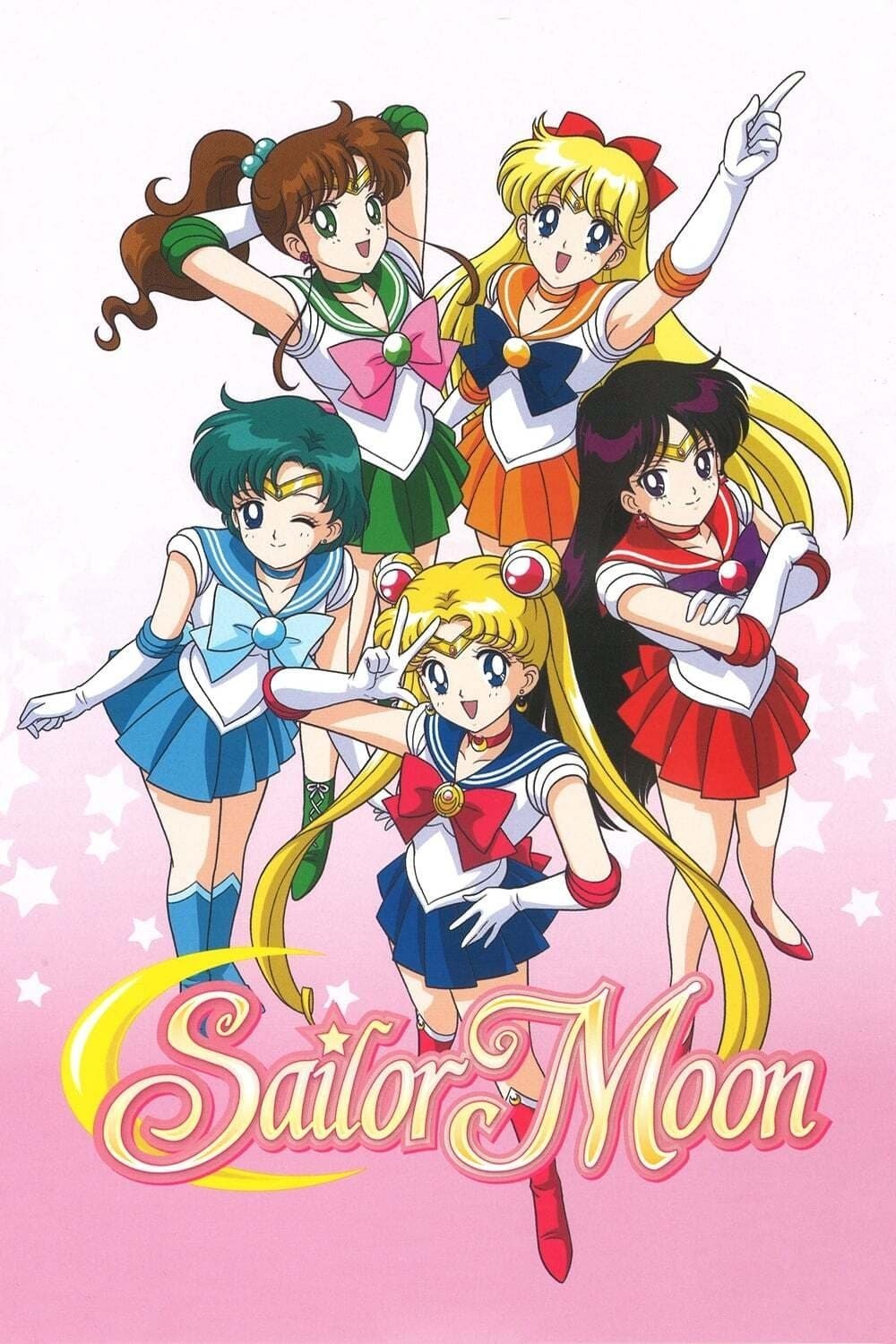
Usagi Tsukino awakens as a Sailor Guardian, receiving a brooch and mission to find allies and a princess. The opener sets the monster-of-the-week structure tied to energy theft and themed villains. Transformation sequences, items, and attacks are standardized for team growth. Tokyo districts, school life, and secret identities map the everyday stakes.
‘Dragon Ball Z’ (1989–1996) – a Saiyan arrives and rewrites power scales

Raditz’s arrival reveals Goku’s Saiyan origin and introduces scouters, power levels, and spacefaring threats. The opener brings Piccolo into an uneasy alliance and demonstrates lethal stakes in early battles. Training paths and the concept of traveling to the afterlife for power-ups are established. It also sets up the next invasion, tying Earth’s fate to extraterrestrial rivalries.
Share your favorite arc opener—and the moment that first grabbed you—in the comments!