

20 Best Anime for Travel Lovers to Inspire Your Wanderlust



There is something special about stories that move from place to place, letting you see new landscapes, foods, and traditions through the characters’ eyes. Anime does this with a kind of detail that makes train schedules, winding coastal roads, and tiny local festivals feel close enough to touch. If you are craving the feeling of getting out there, these shows and films pack in real locations, careful worldbuilding, and journeys that highlight how people live across different regions and cultures.
This list focuses on anime that make travel a core part of the experience, whether it is a cross country trek, a slow circuit of campsites, or an island town you can practically map in your head. Each pick includes practical details that help you picture the route, the gear, the climate, and the customs on screen, so you can jot down ideas for your own itinerary.
‘Laid-Back Camp’ (2018–2024)
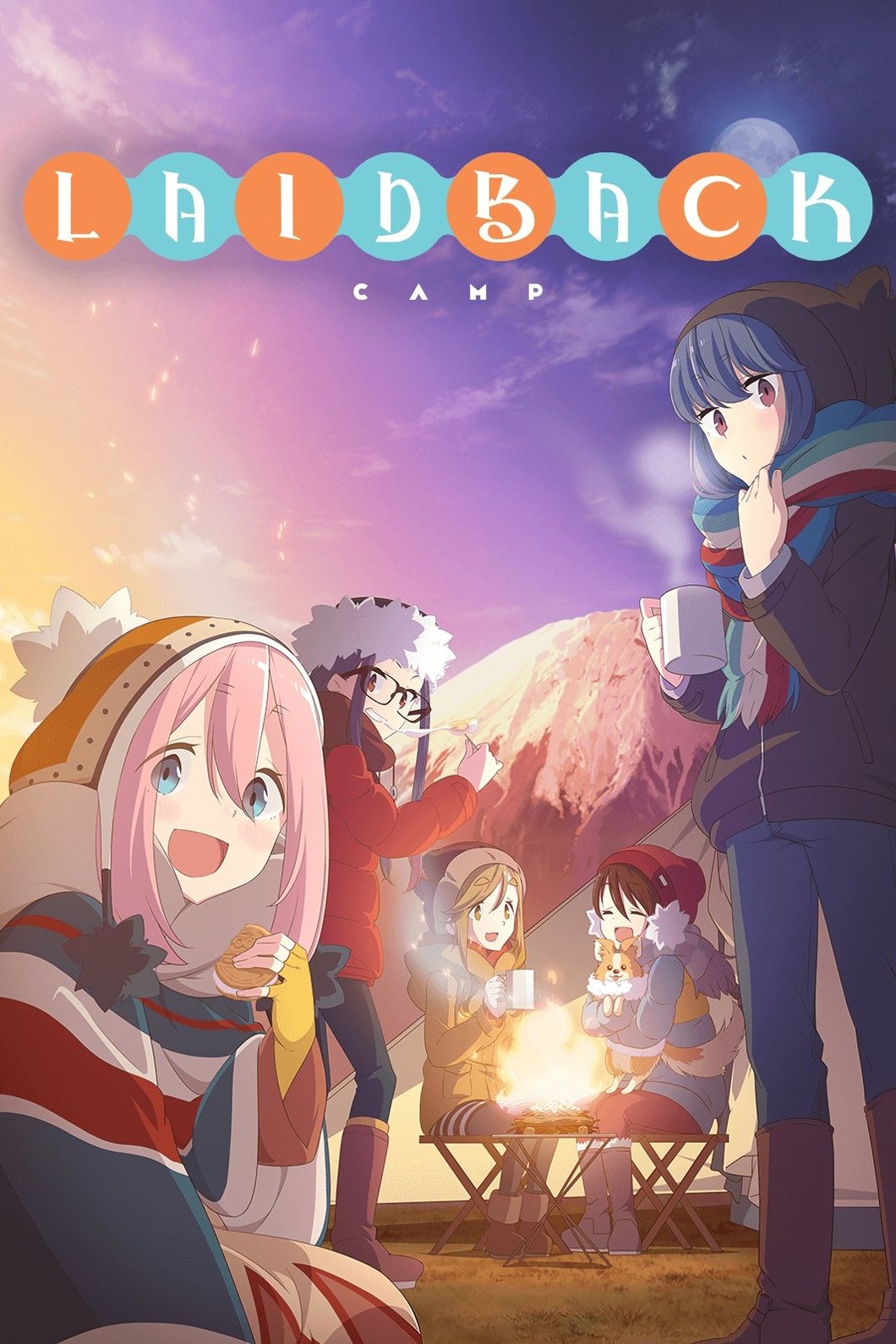
This series follows high school campers as they visit real Japanese sites like Lake Motosu, the Asagiri Plateau, the Izu Peninsula, and the Fuji Five Lakes area. Episodes show how they plan day trips using trains, buses, and scooters, and how they set up camp with compact stoves, windbreaks, and cold weather sleeping bags suited to coastal breezes and mountain temperatures.
Local specialties are part of the route, with hot springs, camp store firewood, and regional dishes such as curry rice and houtou noodles appearing alongside gear talk. ‘Laid-Back Camp’ also names campgrounds and landmarks clearly, which makes it easy to mark locations on a map if you want to try similar itineraries.
‘A Place Further than the Universe’ (2018)
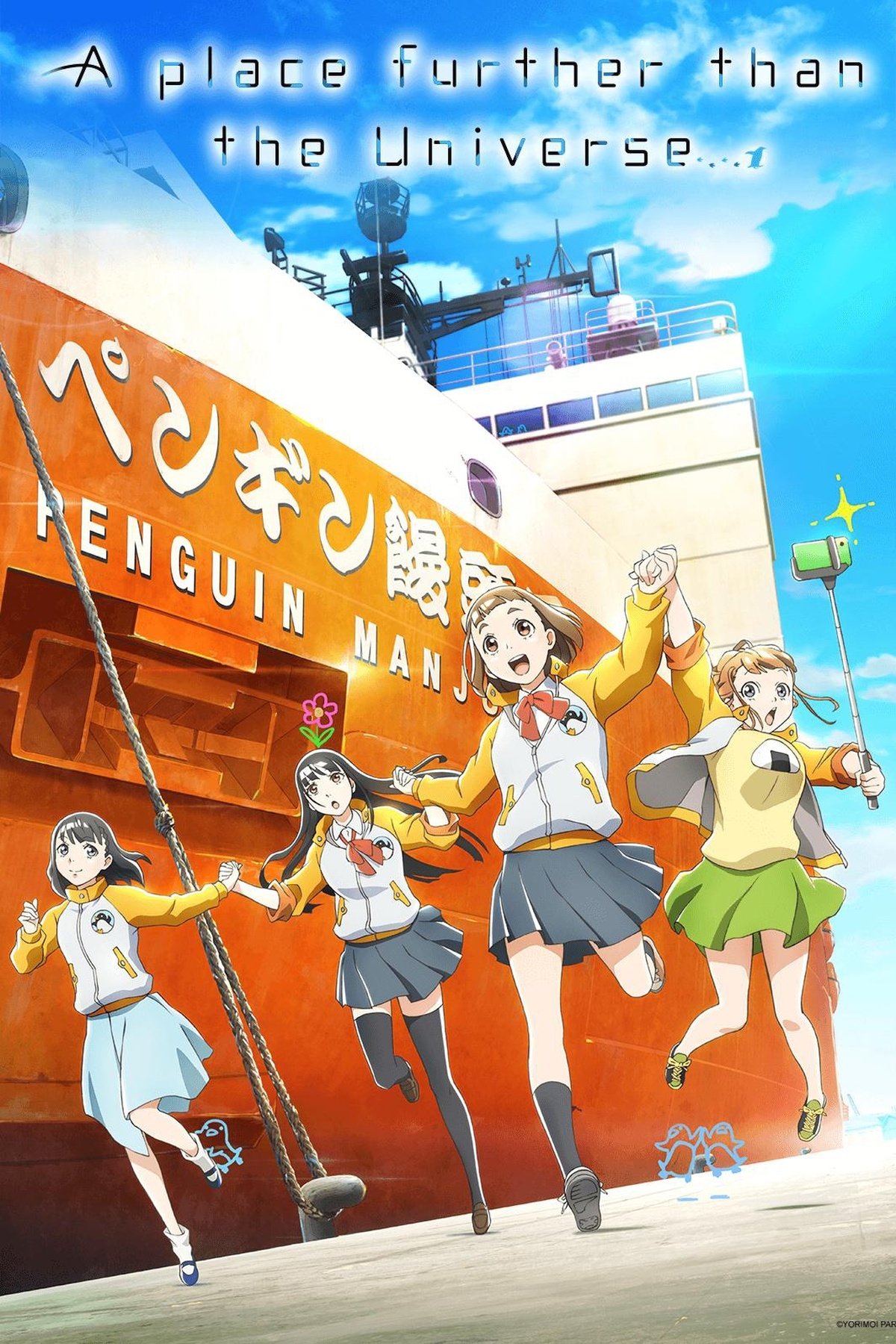
Four students join an expedition to Antarctica, training in Japan before boarding a research vessel that stops in Fremantle on its southbound leg. The show covers sea travel logistics like safety drills, seasickness routines, and watch schedules, then shifts to base life with snow vehicles, flag lines, and visibility rules for blizzards.
The route includes deck work, ice navigation, and the transition from temperate ports to polar conditions with cold weather layering and radio procedures. ‘A Place Further than the Universe’ gives clear looks at ship interiors, cargo stowage, and the daily structure that keeps a remote station running.
‘Wandering Witch: The Journey of Elaina’ (2020)

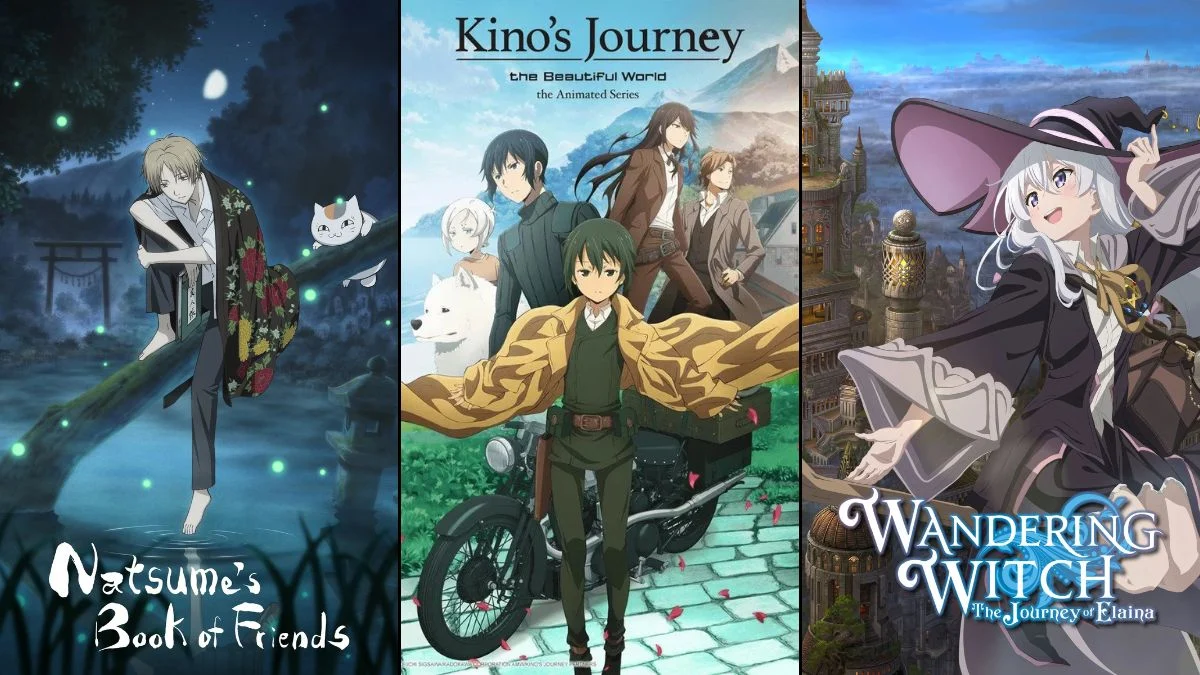
This anthology follows a traveling witch who moves from one country to another, logging visits in a journal while adapting to local laws and customs that change at each border. You see how she plans short stays, secures lodging, and resupplies while using brooms for long distance travel and walking for local exploration.
Each stop features a distinct climate and architecture, from desert kingdoms to alpine towns. ‘Wandering Witch: The Journey of Elaina’ includes stamps, letters, and keepsakes that mark her path, which makes it easy to track a personal route through this fantasy world.
‘Kino’s Journey’ (2017)
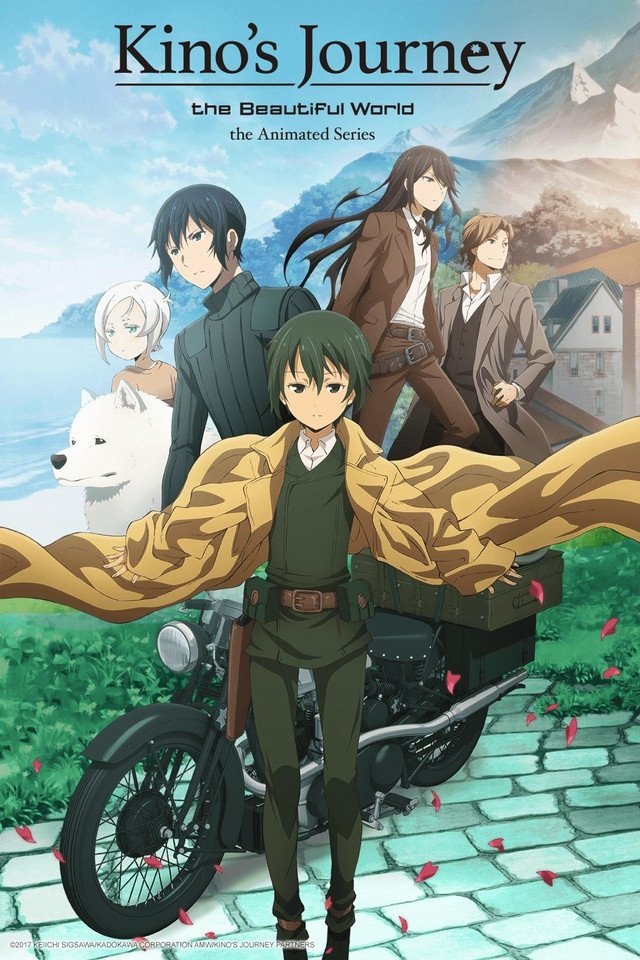
A traveler and a talking motorcycle visit countries with strict rules that shape every aspect of daily life. The format is one country per episode, with overnight stops in inns or campsites and clear time limits for visas that keep the pair moving.
Roadside scenes show checkpoints, fuel stops, and repairs, while city visits include public squares, markets, and civic buildings that reflect each government’s values. ‘Kino’s Journey’ treats travel as observation, so you can compare how different societies handle borders, work, and hospitality.
‘Mushi-Shi’ (2005–2014)
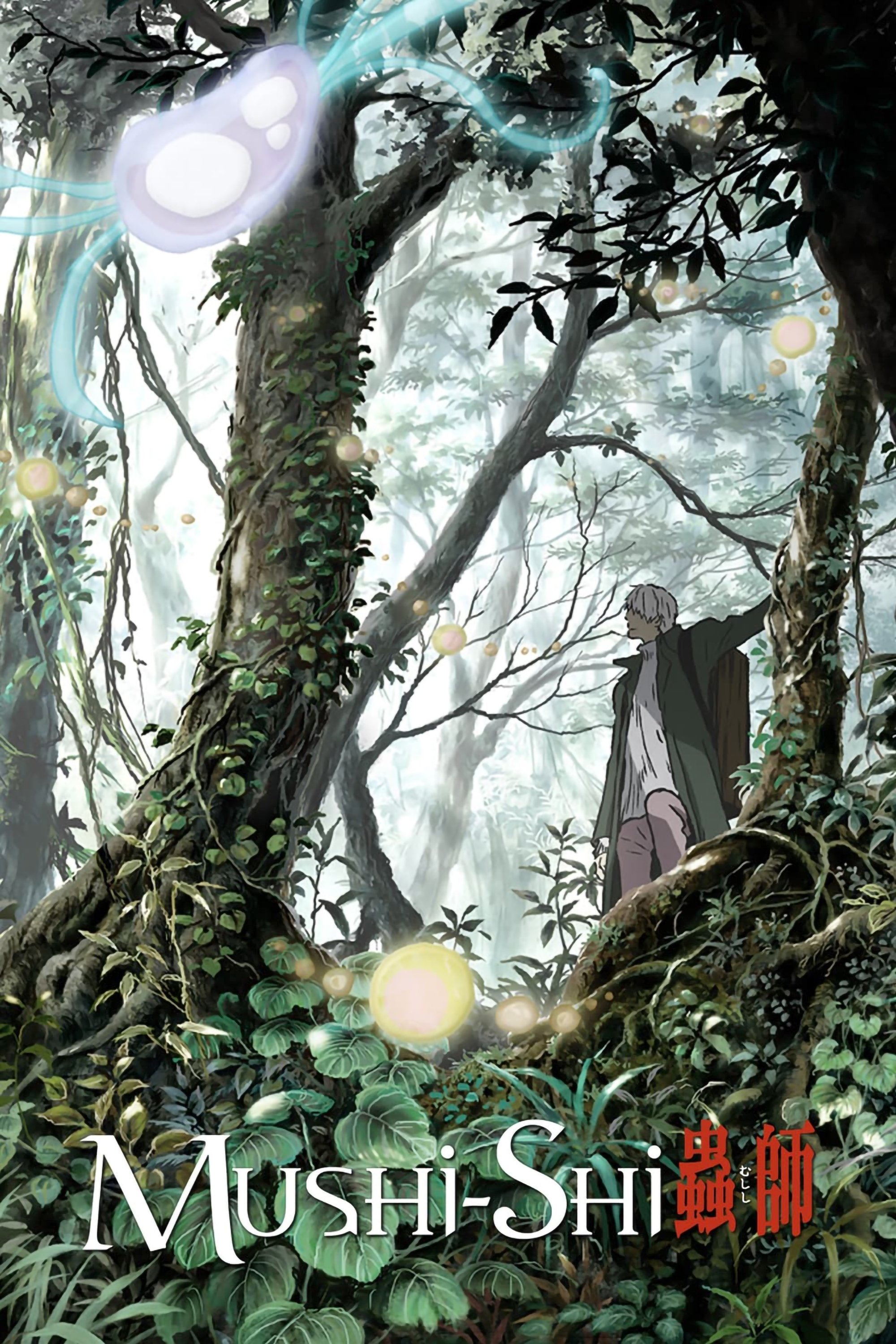
A lone researcher walks country roads and forest tracks to study mysterious life forms that blend with nature. Journeys take place along rivers, terraced fields, and mountain passes, with overnight lodging in farmhouses and remote inns.
Regional crafts, herbal remedies, and seasonal chores provide context for each location. ‘Mushishi’ pays close attention to weather, terrain, and local folklore, which helps you picture how people travel and work in places that sit far from busy towns.
‘Spice and Wolf’ (2008–2009)

A traveling merchant and a wolf deity journey through a network of market towns, monasteries, and trade routes that mirror medieval Europe. The show details pack space, wagon maintenance, coins, tariffs, and how merchants hedge against price swings using futures and credit.
Wine, furs, and grain shipments drive the itinerary, so detours often follow rumors of better prices along river ports and mountain crossings. ‘Spice and Wolf’ shows how inns handle stabling and how caravans band together for security, which gives the travel a clear economic backbone.
‘Samurai Champloo’ (2004–2005)

Three travelers cross Edo period Japan on foot, following coastal roads and post towns that supported messengers and pilgrims. Milestones include ferry crossings, checkpoints, and lodging in towns where travelers pay for tatami rooms and meals.
The route moves through rice fields, castle towns, and port districts, with festival days, sumo exhibitions, and street food providing markers of the season. ‘Samurai Champloo’ maps an older travel network that relied on waystations, which gives you a sense of distance and pace before rail lines existed.
‘Violet Evergarden’ (2018)

A letter writer accepts contracts across a continent that blends European styles, traveling by train, carriage, and ship to reach clients in port cities, mountain villages, and capitals. Station platforms, mail depots, and telegraph offices appear often, showing how messages moved between regions.
Each job reveals local customs, public events, and dress, from military parades to theater openings. ‘Violet Evergarden’ spends time on formal letter formats and delivery windows, which grounds its travel in the schedules that ruled communication.
‘Aria the Animation’ (2005–2008)

Set in Neo Venezia, a canal city inspired by Venice, this series follows apprentice gondoliers who learn routes, tides, and landmarks while guiding visitors. Training covers docking skills, passenger etiquette, and safe navigation of narrow canals during different water levels.
Daily work doubles as a slow tour of neighborhoods, bridges, and squares, with seasonal celebrations and quiet backstreets included. ‘Aria the Animation’ gives a clear view of how a water city functions, which makes it a useful reference for planning a sightseeing circuit.
‘Golden Kamuy’ (2018–2024)

A treasure hunt runs across Hokkaido and into Sakhalin, using maps, prisoner records, and oral clues to set each leg of the journey. Travel switches between foot, sled, rail, and coastal boats as the group moves through taiga forests, drift ice, and volcanic plains.
The series documents Ainu food, tools, and survival techniques, such as smoked fish for long trips and methods for setting camp in deep snow. ‘Golden Kamuy’ ties each location to specific wildlife and terrain, which makes the route feel like a real expedition.
‘Girls’ Last Tour’ (2017)
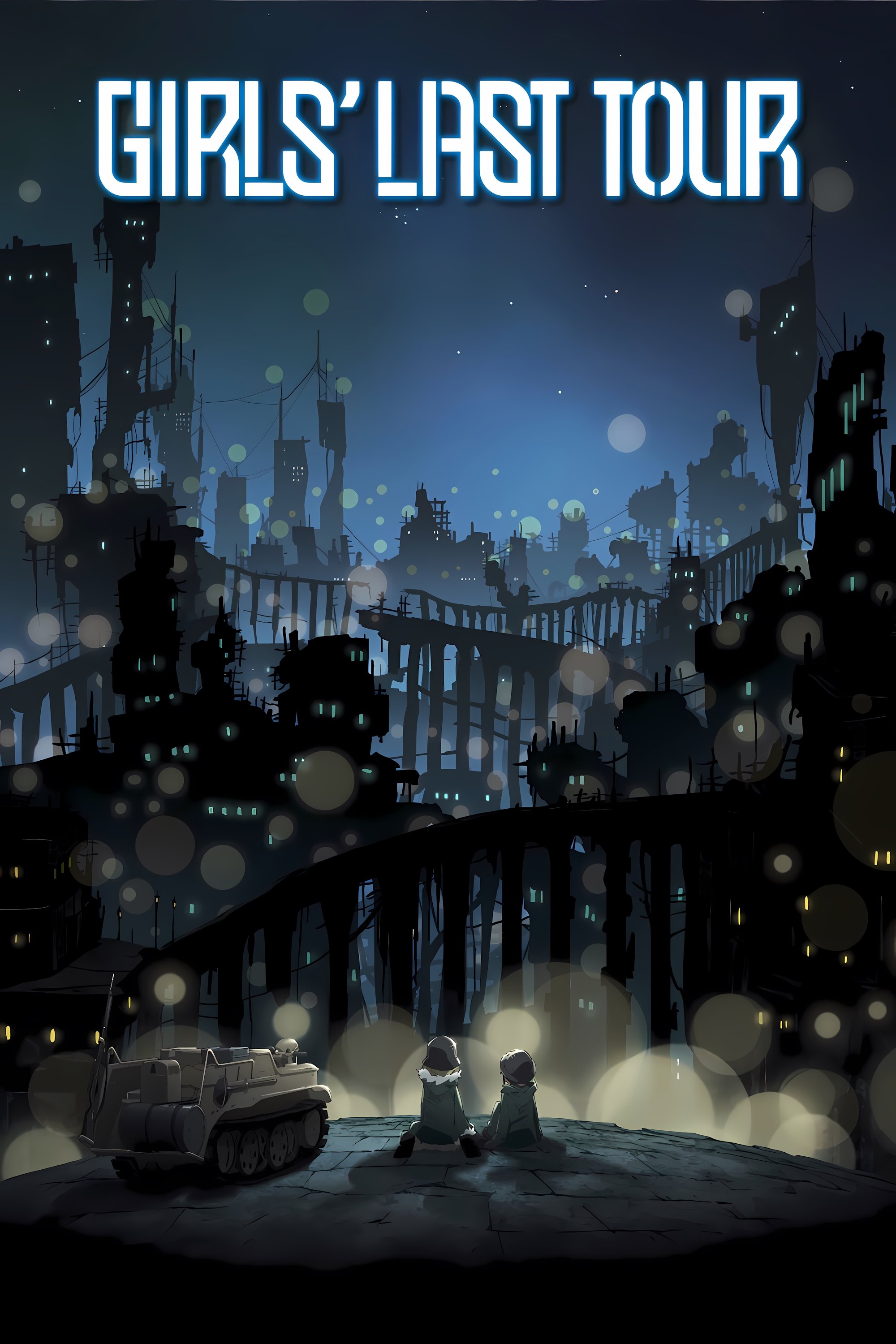
Two travelers cross a ruined multi level city in a compact tracked vehicle, carrying fuel, food, and water while searching for safe routes. The show logs choices like whether to stick to factory corridors or climb to open rooftops for better lines of sight.
Maps, ration checks, and simple repairs mark progress from one district to the next. ‘Girls’ Last Tour’ treats navigation as the main task, so every landmark, bridge, and elevator becomes a waypoint in a careful plan to keep moving.
‘Encouragement of Climb’ (2013–2022)
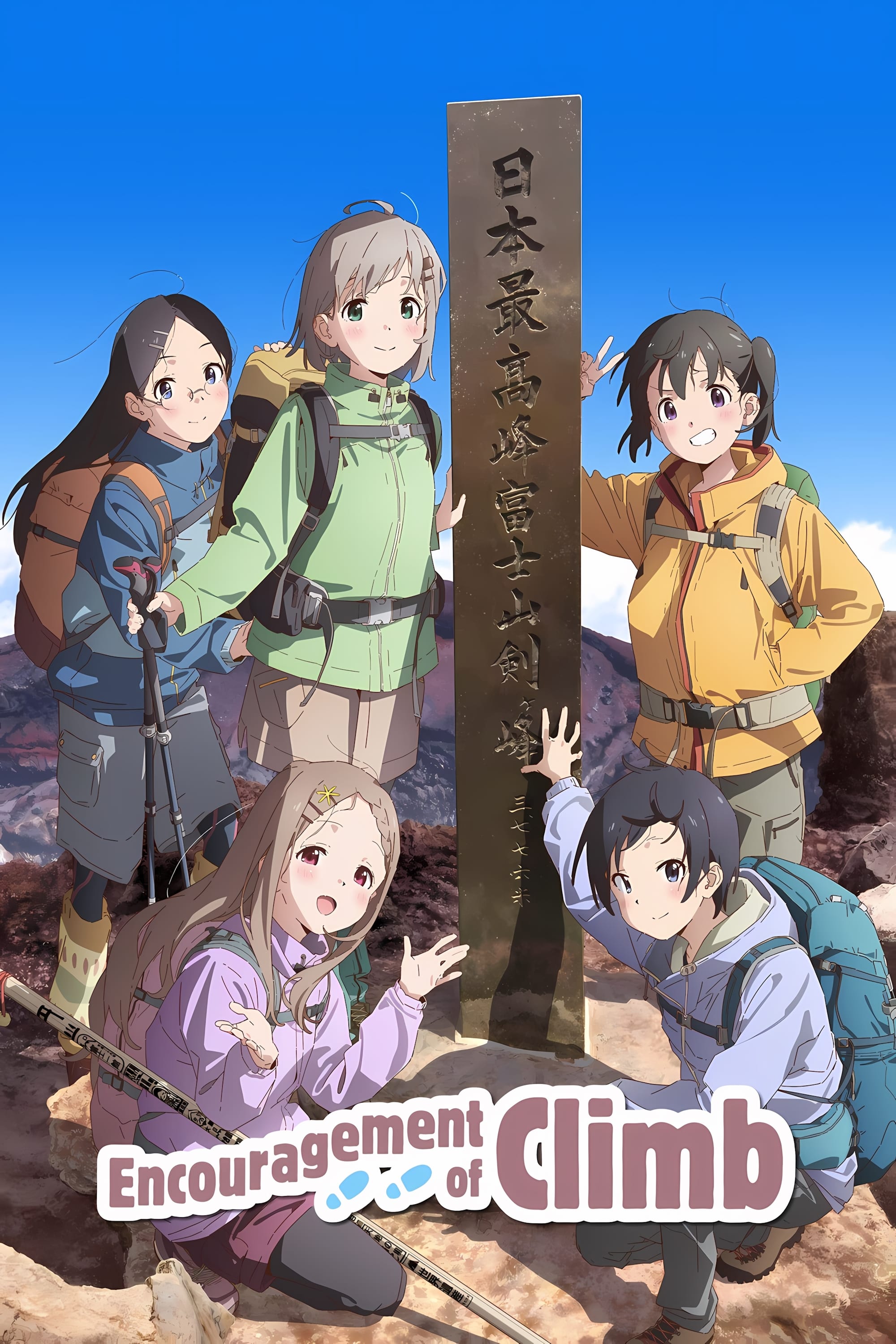
Friends take on real hiking routes across Japan, starting with local hills and building up to higher peaks like Mount Takao and Mount Fuji. Episodes cover gear selection, trail etiquette, headlamp use, and the value of early starts for sunrise views.
You see ropeways and mountain huts, as well as weather checks and route boards at trailheads. ‘Encouragement of Climb’ includes public transport transfers and post hike stops, which helps you understand how to link trains and buses to reach trail areas.
‘Super Cub’ (2021)
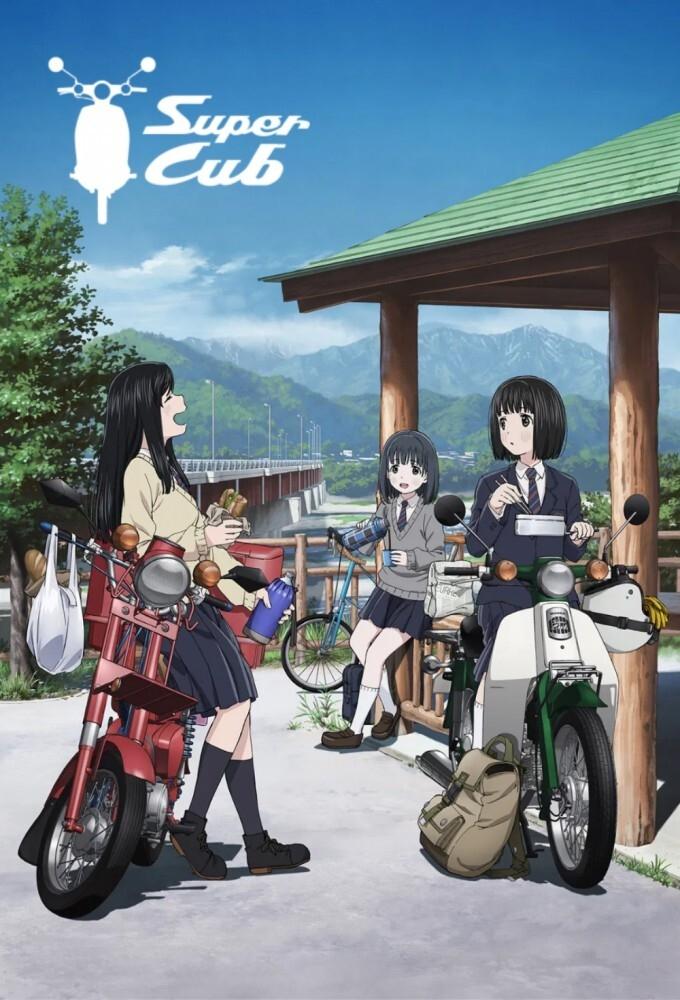
A student buys a used Honda Super Cub and begins exploring rural Yamanashi on quiet roads that pass orchards, rivers, and views of Mount Fuji. The show explains maintenance basics like oil changes, cargo racks, and cold weather clothing for morning rides.
Routes focus on backroads, scenic overlooks, and school detours that extend a commute into a tour. ‘Super Cub’ highlights helmet rules, fuel range, and small upgrades like windshields, which are practical notes for anyone planning slow travel by bike.
‘Long Riders!’ (2016)

A beginner joins a cycling club and learns how to plan day trips and multi day rides, including cue sheets, cadence, and food stops. The series features river paths and coastal roads, with pacing that shows how riders rotate and regroup at checkpoints.
You see flat repairs, saddle adjustments, and the use of local bike friendly inns for overnight stays. ‘Long Riders!’ also covers nutrition and hydration for long distances, which makes its routes easy to adapt to real rides.
‘Appare-Ranman!’ (2020)

Inventors and racers drive handmade cars from the American West to the East Coast in a stage race that crosses deserts, plains, and cities. Each stage adds route hazards like sand, river crossings, and mountain grades that require smart planning.
The cars use a mix of engines and parts, so pit work and fuel strategy affect daily targets. ‘Appare-Ranman!’ lays out checkpoints, support wagons, and stage starts, which provides a clear structure for following the cross country path.
‘Natsume’s Book of Friends’ (2008–2017)
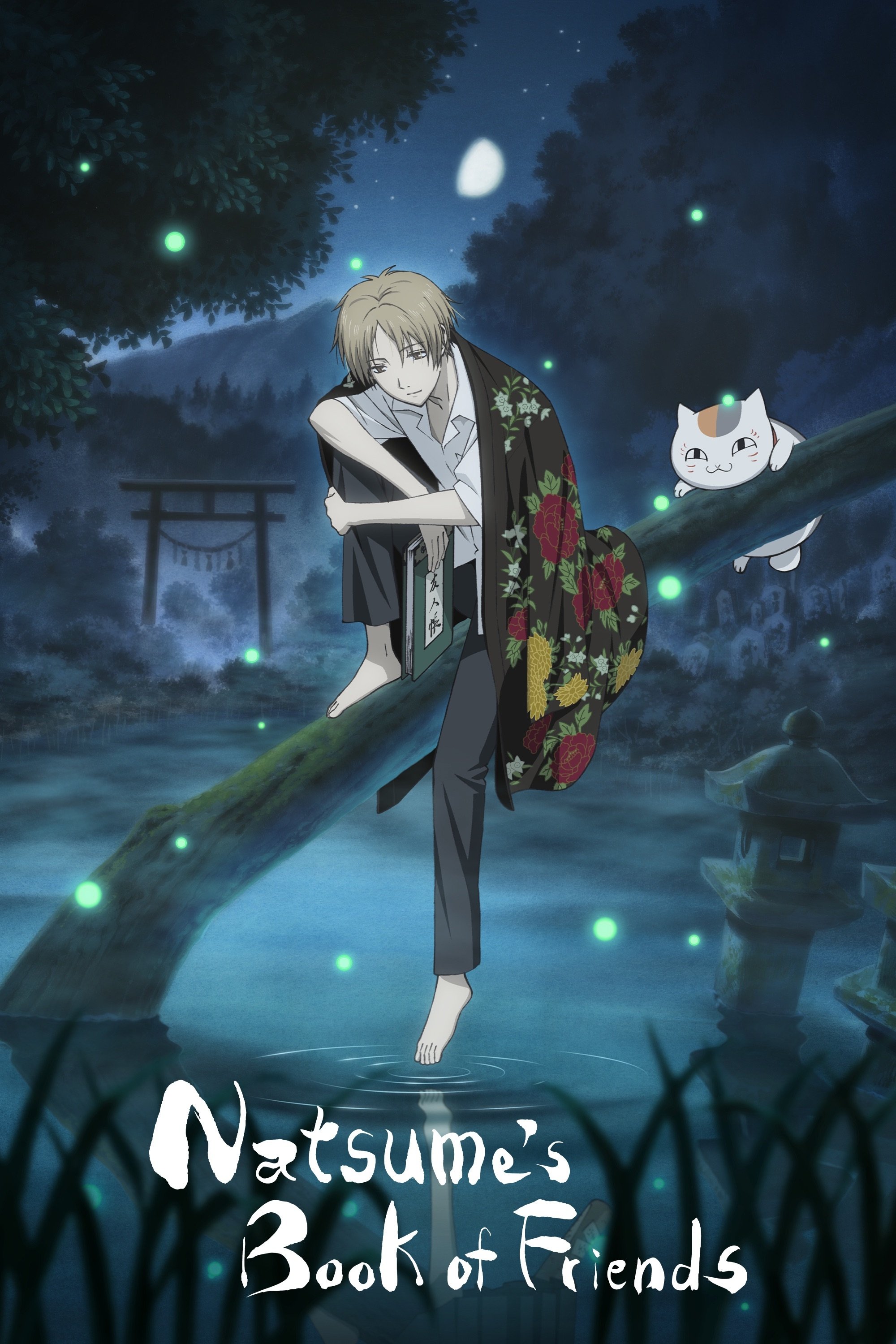
A student travels through rural towns and forests to return names to spirits, often by bicycle or on foot. The show maps shrines, riverbanks, and old houses that sit off main roads, and it takes time to show the small stations that connect these places.
Local festivals, shrine customs, and seasonal foods mark time and place. ‘Natsume’s Book of Friends’ uses quiet routes and short detours that feel like real countryside walks, which makes it easy to imagine similar day trips.
‘Made in Abyss’ (2017–2022)

Explorers descend through a vast pit with distinct layers, each with new wildlife, weather, and hazards. Travel is vertical as well as horizontal, so routes must factor in the strain of climbing back through zones that affect the body differently on the return.
Equipment lists include ropes, lamps, medicines, and relic tools designed for specific layers. ‘Made in Abyss’ sets clear base camps and supply plans before each push, which gives its journeys the feel of careful expedition travel.
‘Spirited Away’ (2001)

A young traveler enters a spirit world and navigates bathhouse work rules, tickets, and shifts while searching for a way home. Movement through the town uses footpaths, bridges, and a memorable rail line that runs across a flooded plain.
Wayfinding depends on landmarks like boilers, side rooms, and stairwells that connect to service areas. ‘Spirited Away’ shows how a new traveler learns a complex place by watching schedules, following signs, and relying on coworkers who know the route.
‘Only Yesterday’ (1991)

A Tokyo office worker takes a long vacation to help with safflower farming in rural Yamagata, arriving by train with a suitcase and work clothes. The film shows farm tasks by day and family style lodging at night, with scenes that cover shopping streets and country bus stops.
Seasonal work sets the schedule, so day trips fit around harvest windows and local events. ‘Only Yesterday’ includes recipes, dialect notes, and sightseeing ideas that fit a slower pace, which makes it a useful template for a countryside stay.
‘Tsuritama’ (2012)
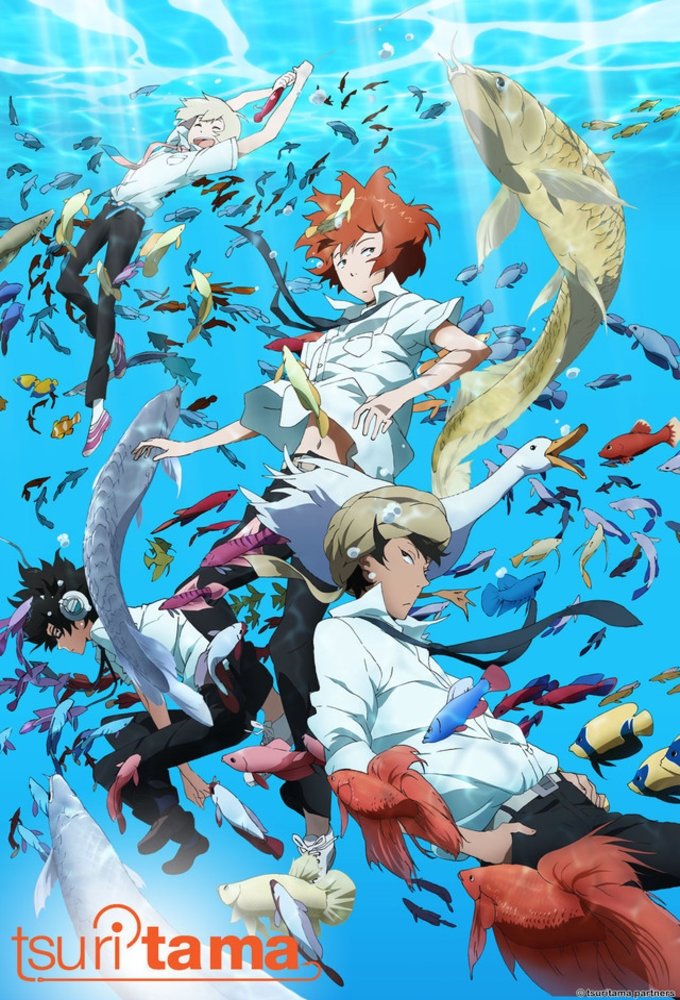
Set on Enoshima, this series builds its story around shore fishing and small boat trips that circle the island. You see the causeway, the shrine complex, and beaches that fill with anglers at sunrise and sunset.
Fishing becomes a guide to local life, with bait shops, weather checks, and tide charts shaping each outing. ‘Tsuritama’ also shows the island’s transit links to the mainland, which helps you picture how to plan a weekend visit with early trains and a simple tackle list.
Share your favorite wanderlust worthy anime in the comments and tell everyone which scenes made you want to pack a bag next.