


20 Best Astronaut Movies, Ranked



Astronaut stories mix real engineering with bold imagination, which is why they never stop pulling viewers back to the launchpad. From mission logs that stick close to documented history to voyages that push far beyond our solar system, these films dig into training, teamwork, survival, and the surprising places human curiosity can lead. You get mission control readouts, checklists, spacewalks, and the kinds of problems only orbital mechanics and a steady pulse can solve.
This list brings together space dramas, thrillers, and sci fi epics that put astronauts and crewed exploration at the center of the story. You will find capsule interiors built from detailed research, practical effects that simulate microgravity, and scripts shaped with help from scientists and former flyers. Some titles use real facilities for filming and others create entirely new spacecraft on soundstages, yet all of them orbit around the same goal, which is to show what it takes to leave Earth and come back again.
20. ‘Mission to Mars’ (2000)
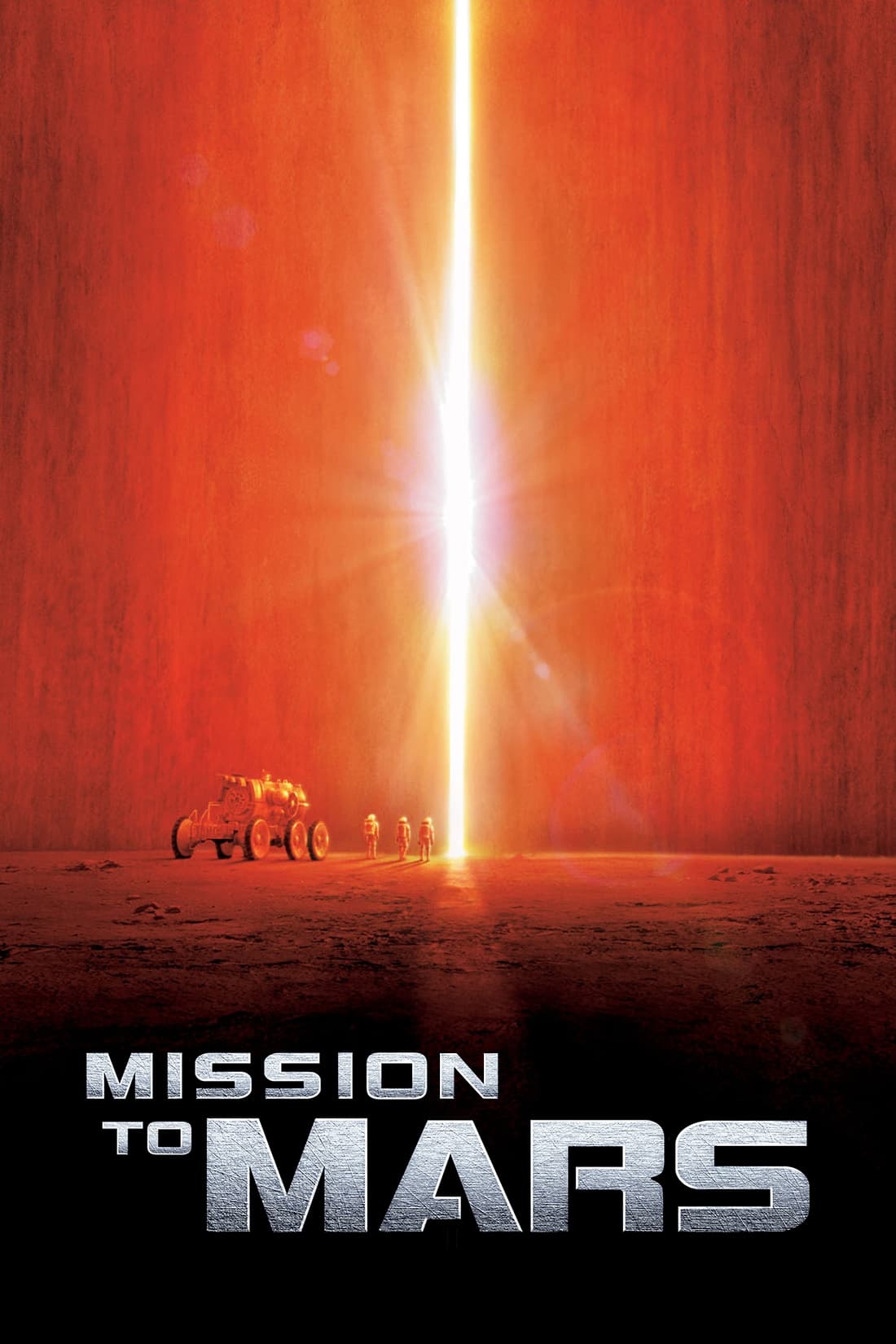
Brian De Palma directs a rescue mission that follows astronauts responding to a disaster during the first human expedition to the Red Planet. The cast includes Gary Sinise, Tim Robbins, Don Cheadle, and Connie Nielsen, with a story that moves from an orbital platform to Martian surface operations. Production used large scale sets to stage habitat modules, rover work, and pressure suit sequences that mirror late twentieth century concepts for crewed Mars exploration.
Industrial Light and Magic handled the visual effects, which combine digital vistas of Valles Marineris with spacecraft rendered to match period design language. Composer Ennio Morricone delivers a score that leans into the film’s scientific mystery, while the screenplay integrates real mission architecture ideas such as in situ resource utilization and long duration transit windows.
19. ‘The Astronaut Farmer’ (2007)

Billy Bob Thornton plays a former test pilot who builds an orbital rocket on his ranch and attempts a solo launch. The film focuses on licensing hurdles, safety reviews, and the logistics of fueling and guidance control, presenting a procedural look at how regulations and engineering intersect for private flight. Virginia Madsen co stars, with appearances by Bruce Willis and J. K. Simmons as figures who pressure or assist the project.
Production shot in New Mexico with a full scale prop vehicle that anchors assembly and countdown scenes. The story references real world amateur rocketry, then scales up to a crew capable stack with staging and life support, which lets the film walk through checklists, avionics, and the communications needed to coordinate with airspace authorities.
18. ‘Space Cowboys’ (2000)
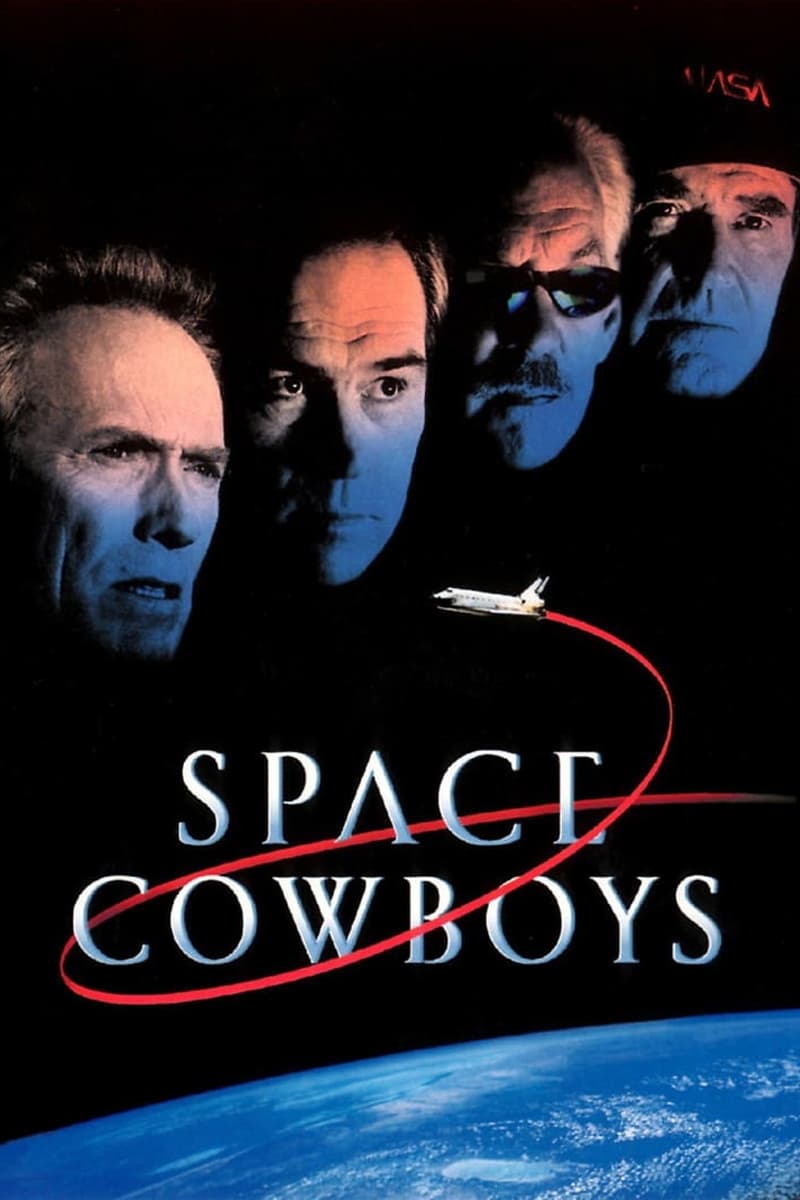
Clint Eastwood directs and stars alongside Tommy Lee Jones, Donald Sutherland, and James Garner as retired pilots called back to service to repair an orbiting satellite. The plot hinges on an obsolete guidance system the characters helped design during the early space age, which sets up training segments that show centrifuge time, simulator work, and medical clearance.
Scenes were filmed with support from NASA facilities, which gives the mission prep and pad access an authentic look. The film depicts orbital rendezvous, tethered work, and a high energy reentry profile, while the production design builds out flight decks with analog instruments that reflect the technology of the era being revisited.
17. ‘Europa Report’ (2013)

This film presents a private mission to Jupiter’s moon Europa using a found footage approach that compiles onboard camera feeds and delayed transmissions. The cast includes Sharlto Copley, Anamaria Marinca, Michael Nyqvist, and Daniel Wu, and the narrative tracks crew rotations, burn sequences, and the challenges of operating in deep space with limited ground support.
The production consulted scientists to ground procedures such as cryobot deployment plans and ice penetration concepts. Set design emphasizes cramped modules, realistic storage, and maintenance panels, while the sound mix focuses on motors, pumps, and the ambient noise of a pressurized habitat to convey the constraints of long duration flight.
16. ‘Marooned’ (1969)
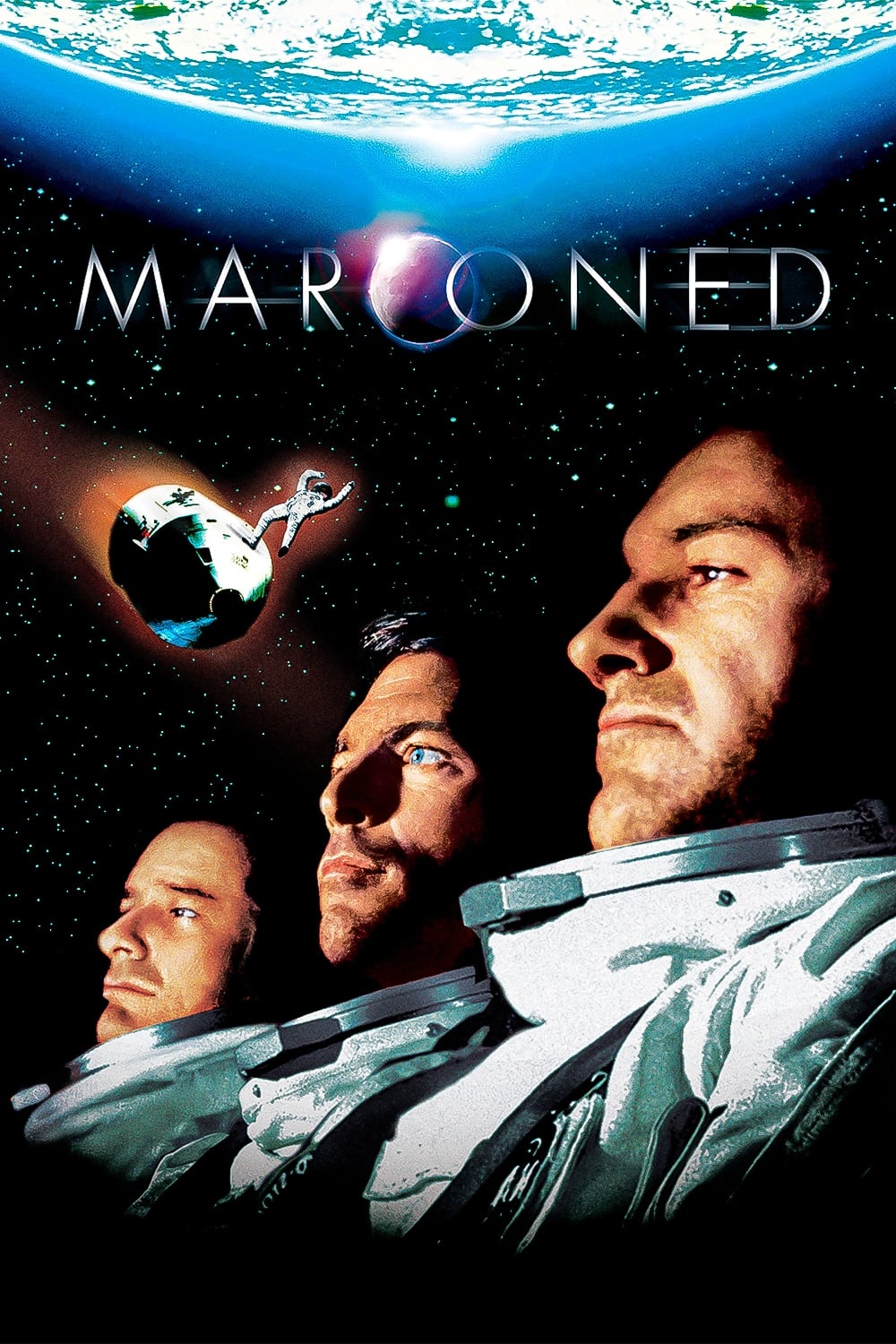
Directed by John Sturges, this drama follows three astronauts stranded in orbit when a service module fails, forcing a complex rescue under severe time pressure. The cast features Gregory Peck, Richard Crenna, Gene Hackman, James Franciscus, and David Janssen, and the story mirrors Apollo era spacecraft layouts and mission control operations.
The film won the Academy Award for visual effects and includes a fictional lifting body rescue craft that reflects contemporary experimental concepts. Capsule interiors show stowage and consumables management, while the ground team sequences detail trajectory planning and weather constraints that affect recovery windows.
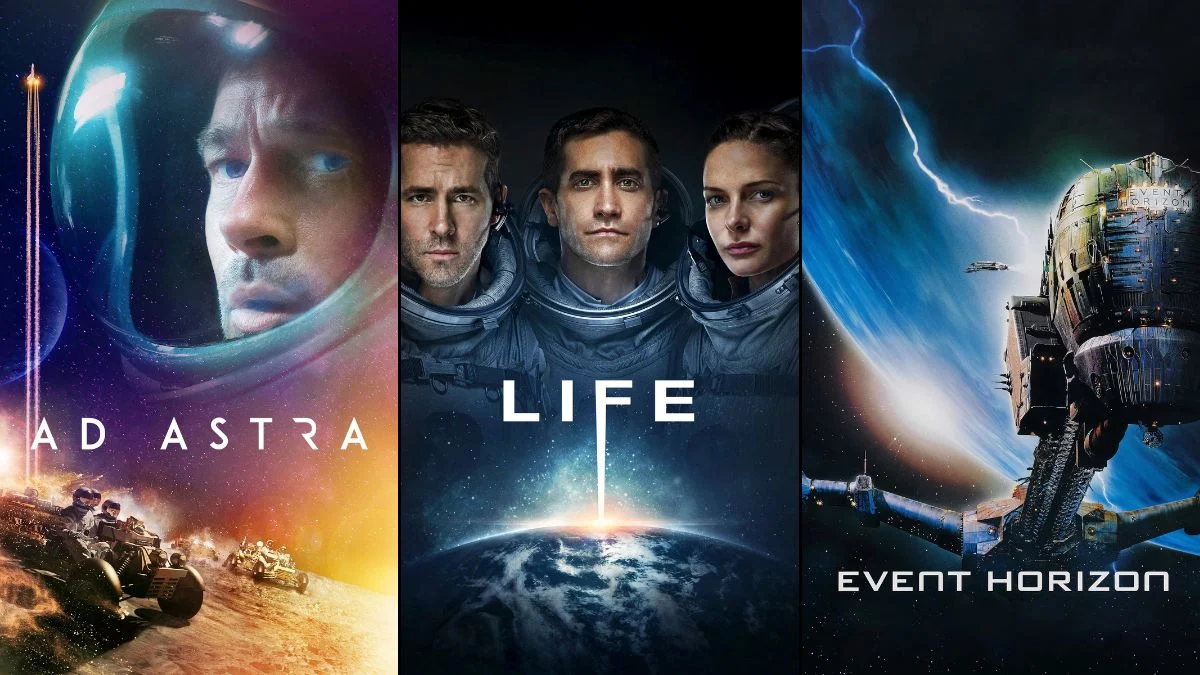
15. ‘Ad Astra’ (2019)
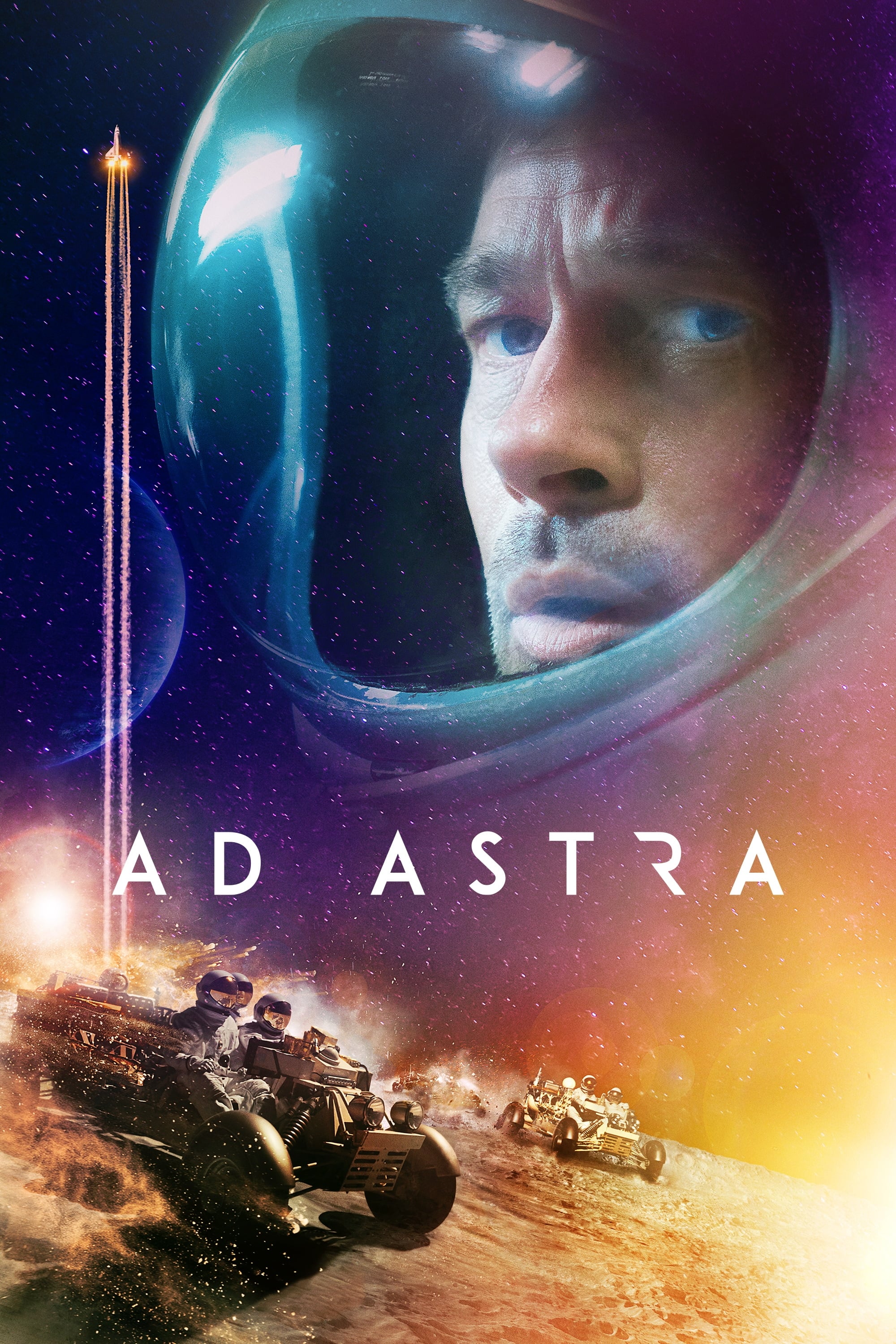
Brad Pitt stars as a mission specialist who travels from low Earth orbit to the outer planets in search of the source of dangerous power surges. The route takes him through a sequence of transfers that include a lunar stopover and a deep space vessel, each with different security and operational environments. The supporting cast includes Tommy Lee Jones, Ruth Negga, Donald Sutherland, and Liv Tyler.
The film blends practical sets with extensive visual effects to model microgravity movement and long duration isolation. Production design maps out ladder systems, airlocks, and service corridors, while the storyline integrates real considerations like radiation exposure, trajectory timing, and the communications delays that shape mission decision making at extreme distances.
14. ‘Life’ (2017)
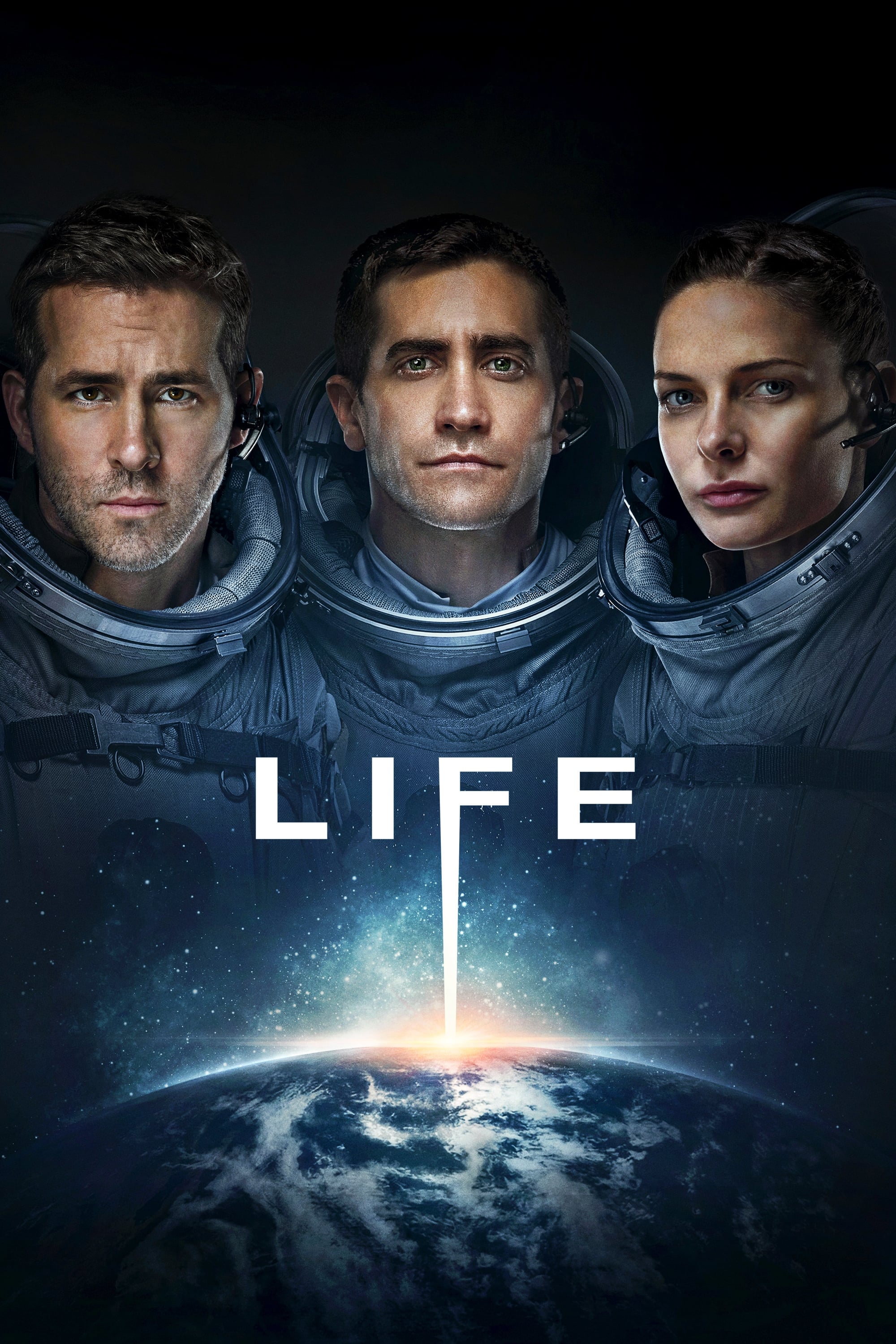
Set aboard the International Space Station, this thriller follows a multinational crew that analyzes a Mars soil sample which contains a rapidly evolving organism. The cast includes Jake Gyllenhaal, Rebecca Ferguson, and Ryan Reynolds, and the narrative uses station modules and hatches to structure containment attempts and emergency procedures.
Wire work and carefully planned camera paths simulate microgravity as the crew navigates through Harmony, Destiny, and other familiar layouts. The script makes use of station protocols such as quarantine, nitrogen purge, and thruster firings to alter orbit, while the production recreates exterior truss segments for spacewalk and robotics sequences.
13. ‘Armageddon’ (1998)
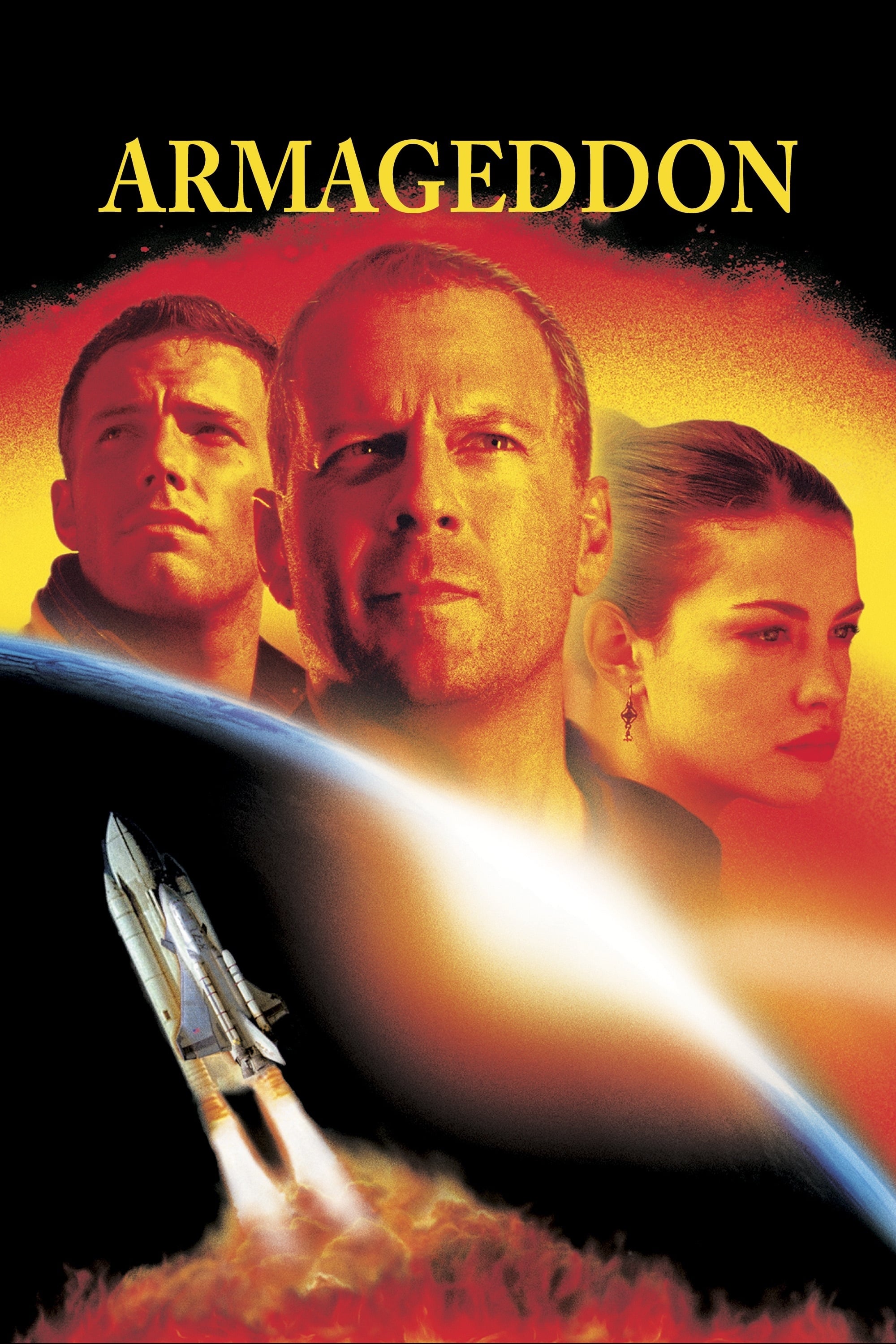
Michael Bay directs a large scale disaster film in which a team of deep core drillers trains with NASA to intercept an Earth bound asteroid. The cast features Bruce Willis, Ben Affleck, Liv Tyler, Billy Bob Thornton, and an ensemble that moves through astronaut selection, flight training, and shuttle stack integration.
Filming included access to Johnson Space Center and use of neutral buoyancy facilities for scenes that require extravehicular activity. The movie stages a dual launch, orbital docking, and a burn to the target, then shows surface operations with drilling rigs, explosives handling, and communications relays that coordinate between teams on different trajectories.
12. ‘Event Horizon’ (1997)
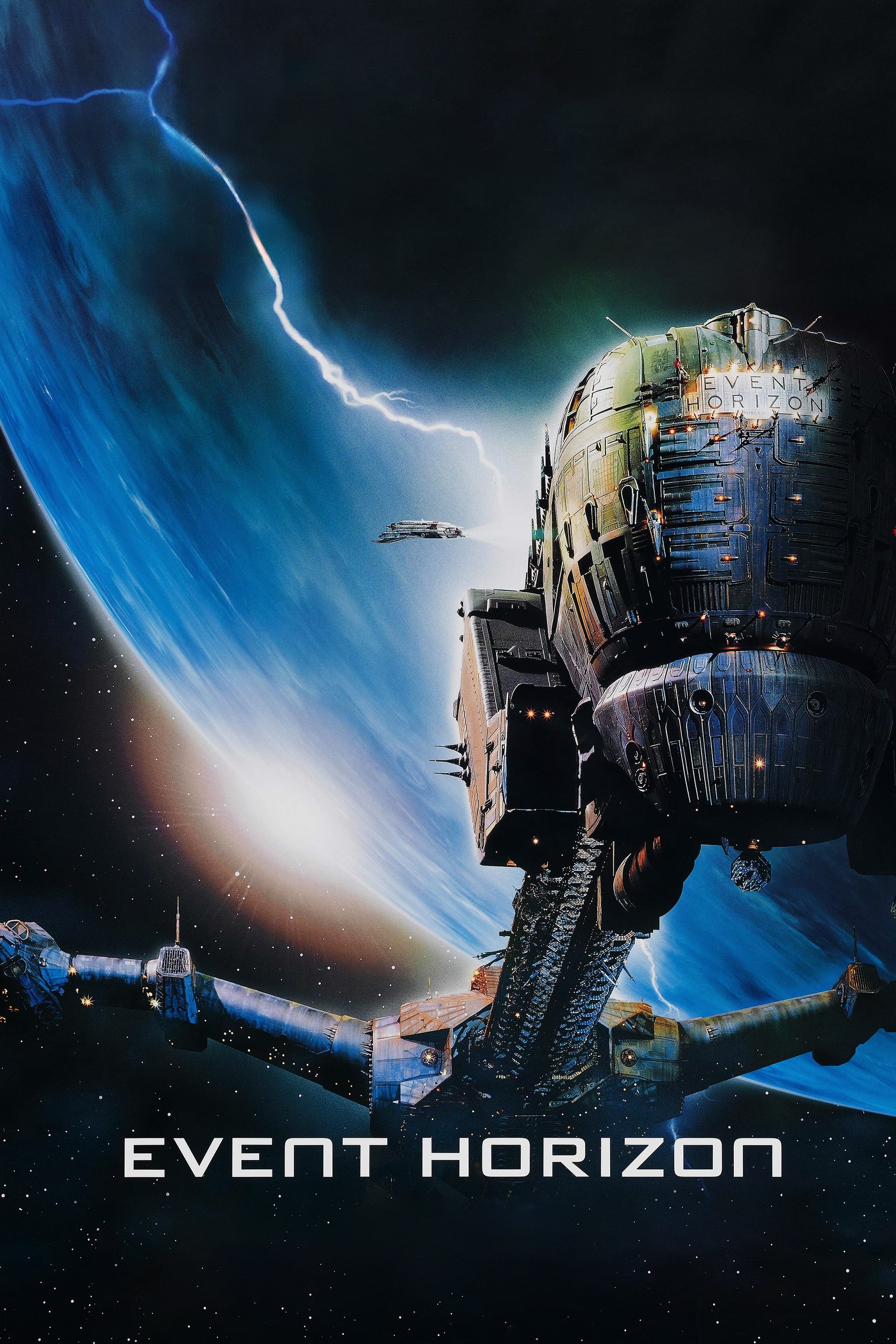
A rescue crew responds to a signal from a ship that vanished during a gravity drive experiment and has now returned near Neptune. Laurence Fishburne and Sam Neill lead the cast, with Kathleen Quinlan and Joely Richardson among the supporting crew. The narrative follows boarding procedures, search patterns, and system diagnostics inside a craft built for long range travel.
Pinewood Studios hosted large interior sets that include a centrifuge ring, medical bay, and engineering core. The production uses atmospheric effects and controlled lighting to guide navigation through tight corridors, while the script references radiation shielding, air mix composition, and containment protocols that mirror how crews assess hazards in unfamiliar environments.
11. ‘Sunshine’ (2007)
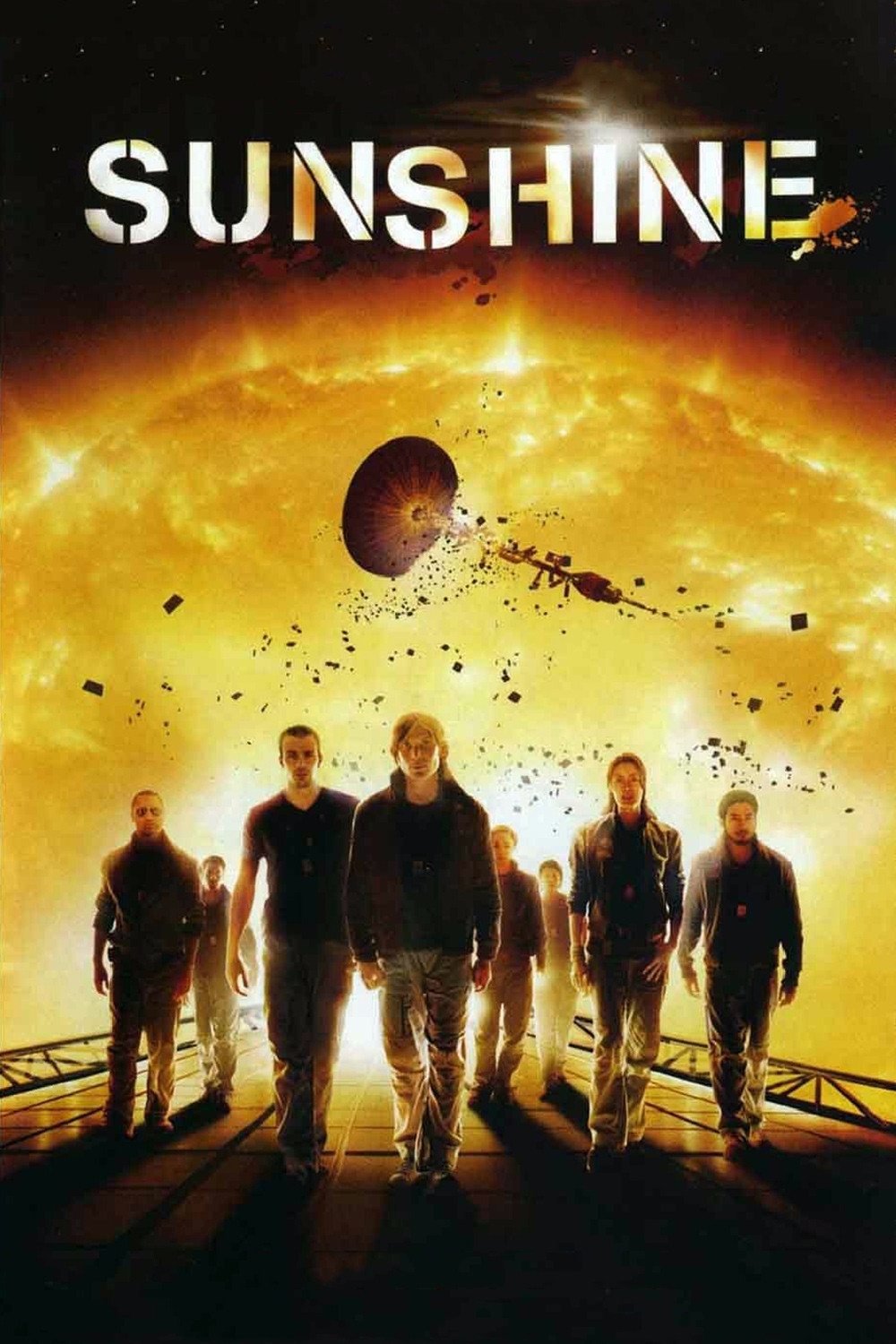
A multinational crew flies a stellar payload toward the Sun in an effort to restore waning solar output. Cillian Murphy, Chris Evans, Rose Byrne, Michelle Yeoh, and Hiroyuki Sanada portray specialists who manage thermal protection, trajectory adjustments, and life support over an extended cruise. The mission profile includes mirror alignment and course corrections that require precise timing.
Physicist Brian Cox served as a scientific adviser and coached the cast on the technical language and mindset of mission teams. Production design delivers a shielded bow, observation room, and greenhouse, while the score and sound work emphasize the constant hum of pumps and fans that define shipboard life during a high risk flight.
10. ‘First Man’ (2018)
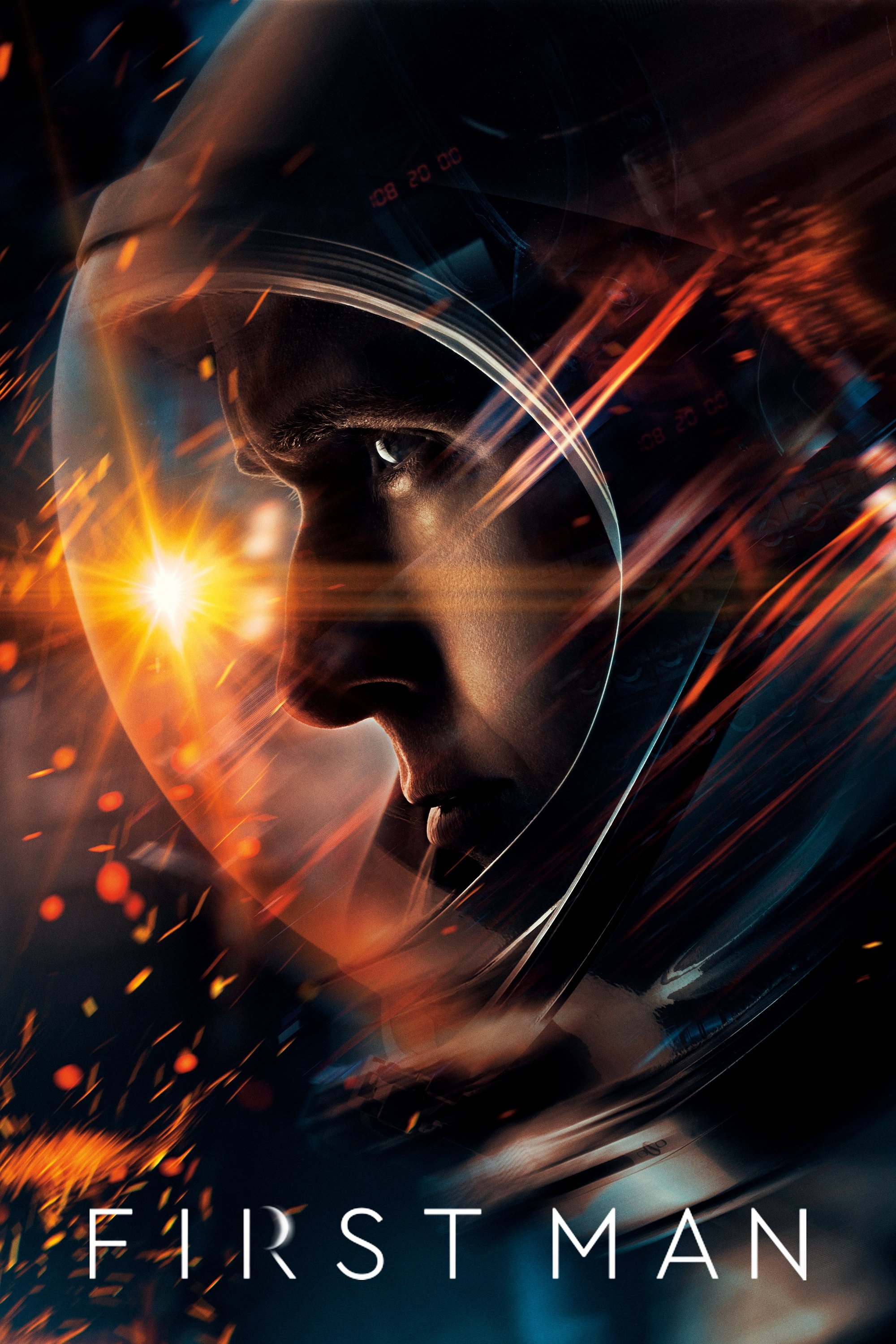
Damien Chazelle’s film follows Neil Armstrong from test pilot days through Gemini training and the Apollo 11 lunar landing. Ryan Gosling and Claire Foy lead a cast that recreates preflight briefings, mission simulations, and the hazards of early spacecraft systems. The film draws from the authorized biography by James R. Hansen and maps milestones like Gemini docking and the translunar injection burn.
The production combines period cockpit replicas with large format photography to place viewers inside tight cabins. The lunar sequence uses extensive in camera work with high resolution projection to integrate rover tracks and dust behavior, and the film won the Academy Award for visual effects for its meticulous approach to vehicles and environments.
9. ‘Contact’ (1997)
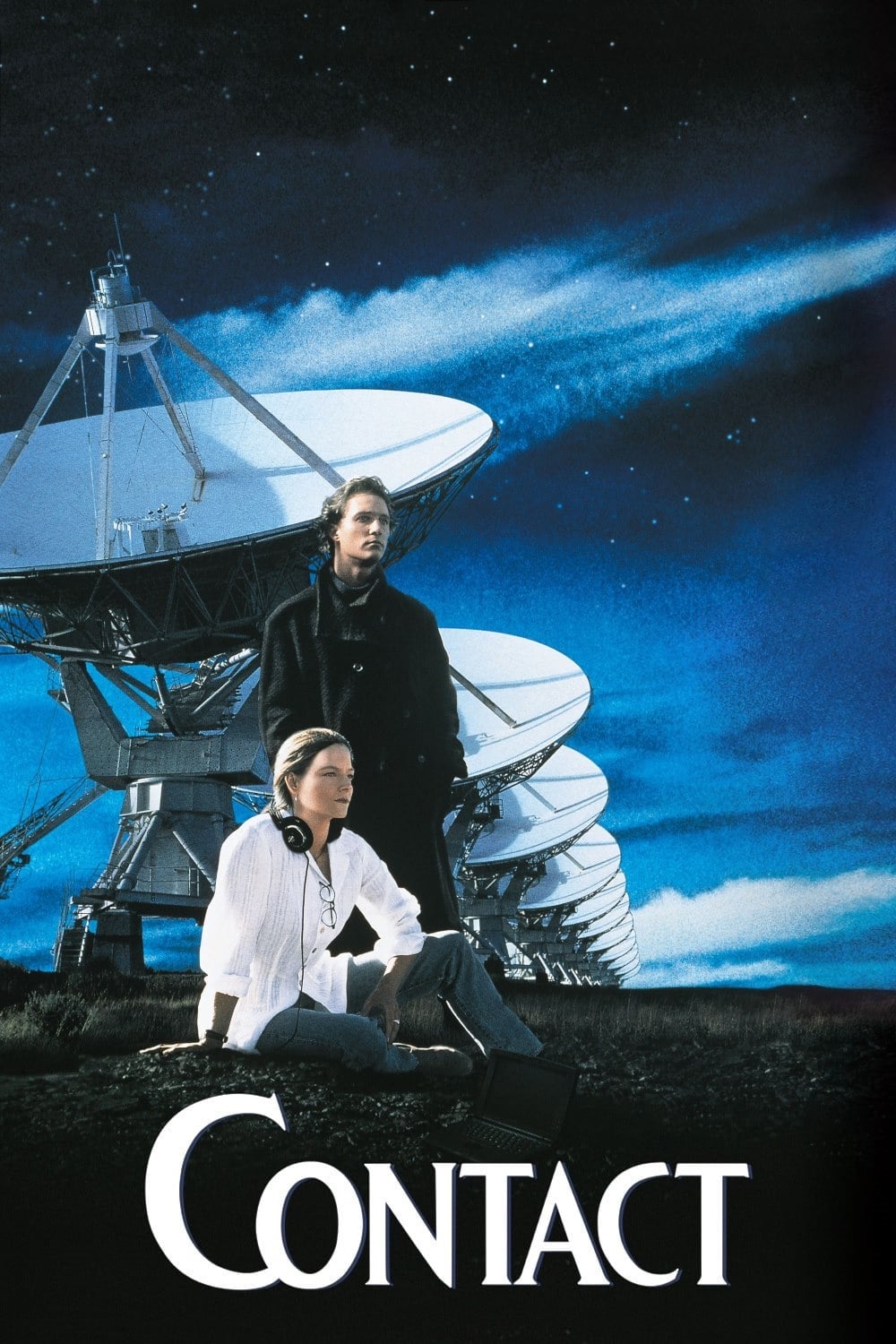
Robert Zemeckis adapts Carl Sagan’s novel about a scientist who receives instructions for a machine that enables a journey through space. Jodie Foster plays the lead investigator who works with international teams to build the device under strict security while managing political oversight and engineering tradeoffs. Matthew McConaughey, Tom Skerritt, and James Woods appear in key roles that represent different stakeholders.
The film integrates real radio astronomy facilities such as Arecibo and the Very Large Array to depict data collection and verification. Visual effects handle complex sequences that illustrate transit and time perception, while the screenplay details project management steps like redundancy, site selection, and the integration of safety systems into a one of a kind vehicle.
8. ‘Gravity’ (2013)
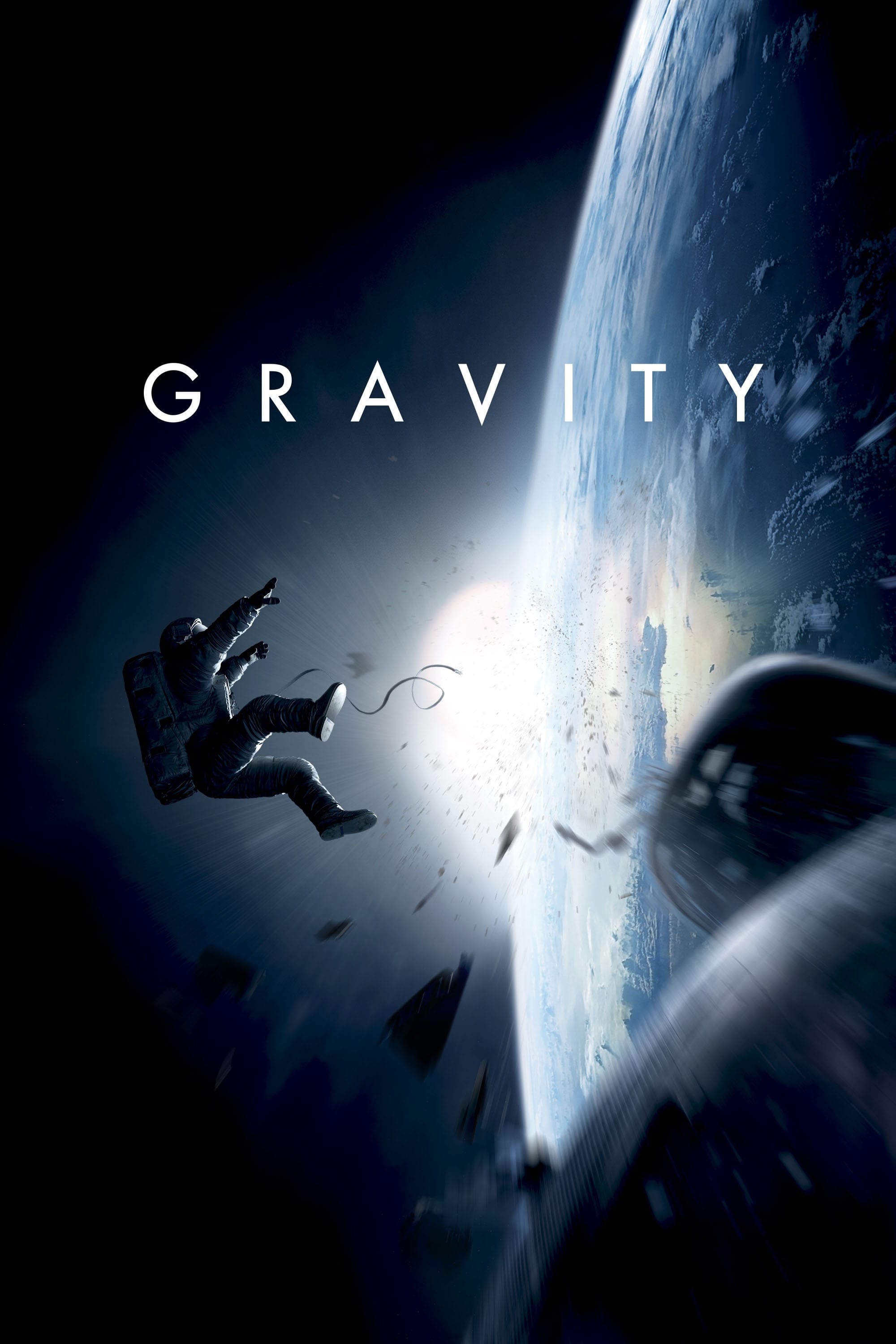
Sandra Bullock and George Clooney star in a survival story that begins with a debris cascade during orbital servicing. The narrative follows a sequence of transfers between spacecraft and stations, with each move driven by fuel reserves, relative velocity, and timing. Emmanuel Lubezki’s cinematography uses long takes to show suit operations and tether management during high stress maneuvers.
The production built a programmable light box around performers to match reflections and shadows from Earth and space, which allowed precise integration of digital environments. The film won multiple Academy Awards including best director, cinematography, and visual effects, and it brought widespread attention to orbital debris risk and the importance of collision avoidance planning.
7. ‘Apollo 13’ (1995)
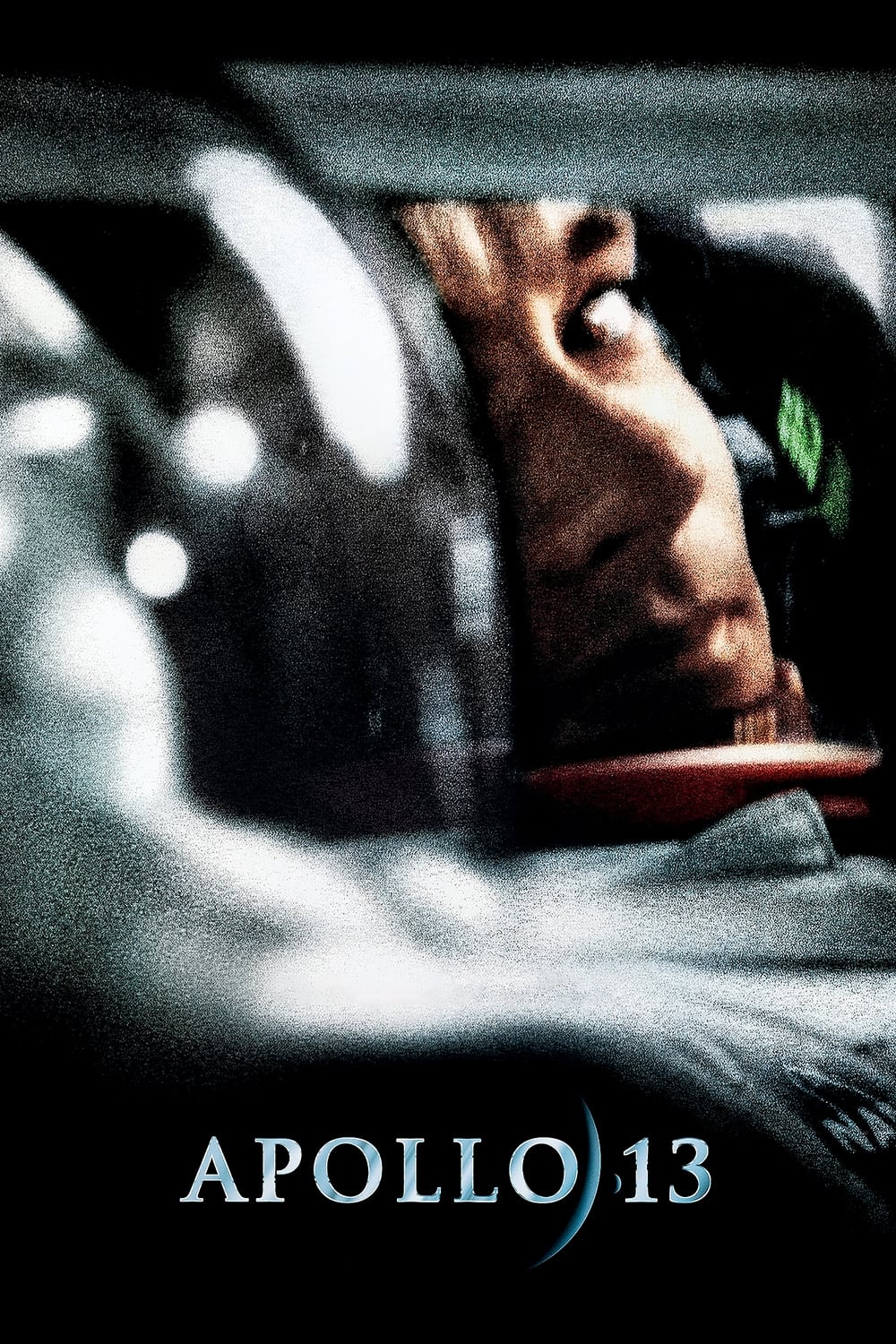
Ron Howard’s drama reconstructs the 1970 mission that suffered a service module explosion and required innovative solutions to bring the crew home. Tom Hanks, Kevin Bacon, Bill Paxton, Ed Harris, and Gary Sinise lead a cast that presents consumables budgeting, improvised filtration, and course corrections with limited power and communications.
To simulate weightlessness the production used parabolic flight aboard a NASA aircraft, which enabled brief periods of true microgravity during cabin scenes. Dialogue incorporates actual procedures such as configuring the lunar module as a lifeboat and building a carbon dioxide scrubber from onboard materials, while mission control sequences depict flight director roles and team handoffs.
6. ‘The Right Stuff’ (1983)

Adapted from Tom Wolfe’s book, this film chronicles the journey from high speed test flight to Project Mercury and the first American astronauts. The ensemble cast includes Sam Shepard as Chuck Yeager, Ed Harris as John Glenn, Scott Glenn as Alan Shepard, and Dennis Quaid as Gordon Cooper. Training segments cover pressure suit fittings, centrifuge runs, and survival courses.
Production makes extensive use of practical aircraft and full scale capsule mockups, while miniatures and optical effects portray launches and reentries. The film won four Academy Awards and remains a reference for how early astronaut selection and program culture were shaped by aviation experience and rapid technical iteration.
5. ‘Moon’ (2009)
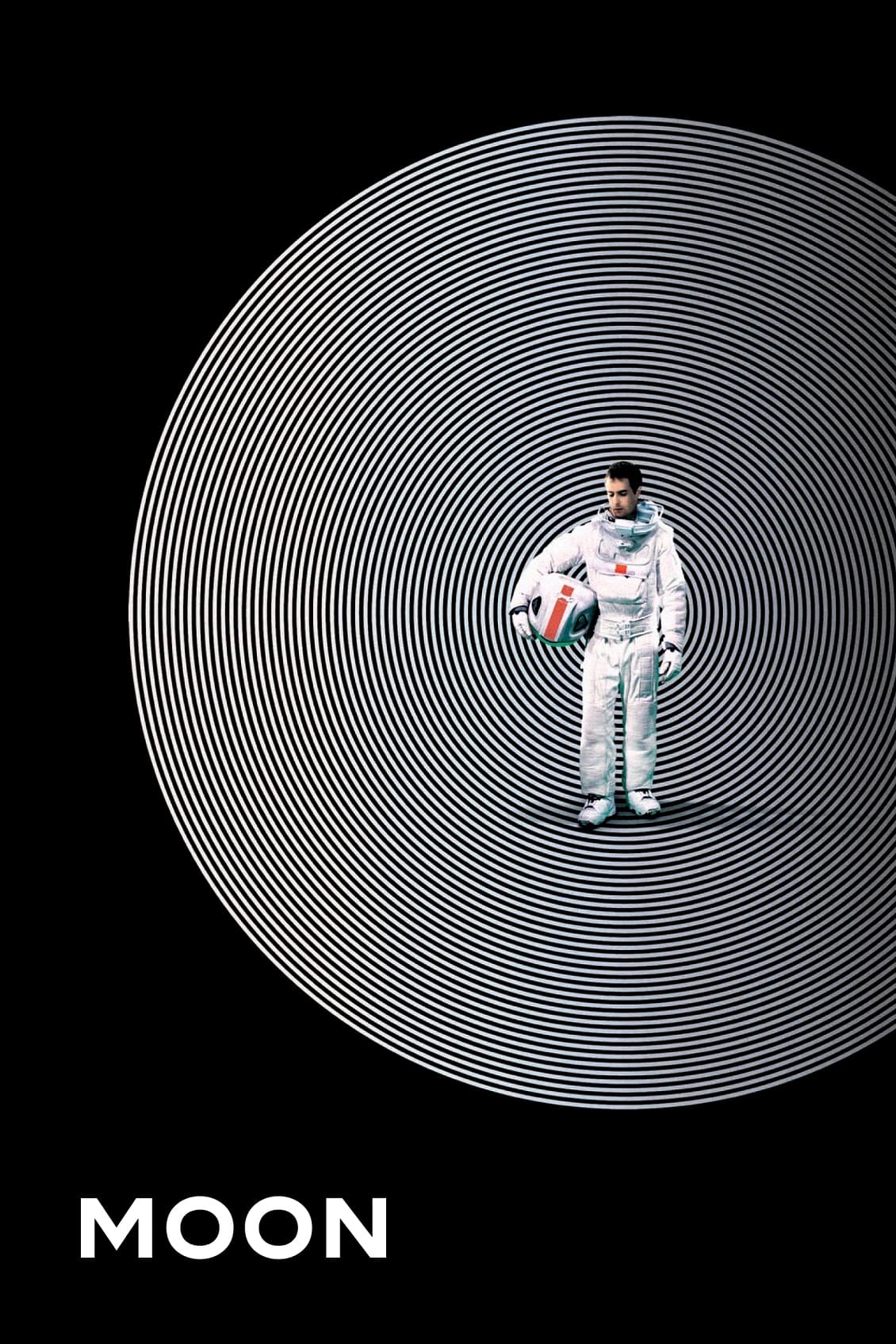
Sam Rockwell anchors this lunar base story as a contractor nearing the end of a solitary tour who uncovers the true nature of his assignment. The film centers on helium three extraction, rover maintenance, and remote communications with Earth, all staged within compact sets that feel like lived in industrial spaces.
Director Duncan Jones relied heavily on practical models and miniatures for exterior shots of the base and vehicles, which gives the film a grounded look. The production schedule was short and the budget modest, yet the result demonstrates how careful set dressing and motion control photography can build convincing off world infrastructure.
4. ‘The Martian’ (2015)
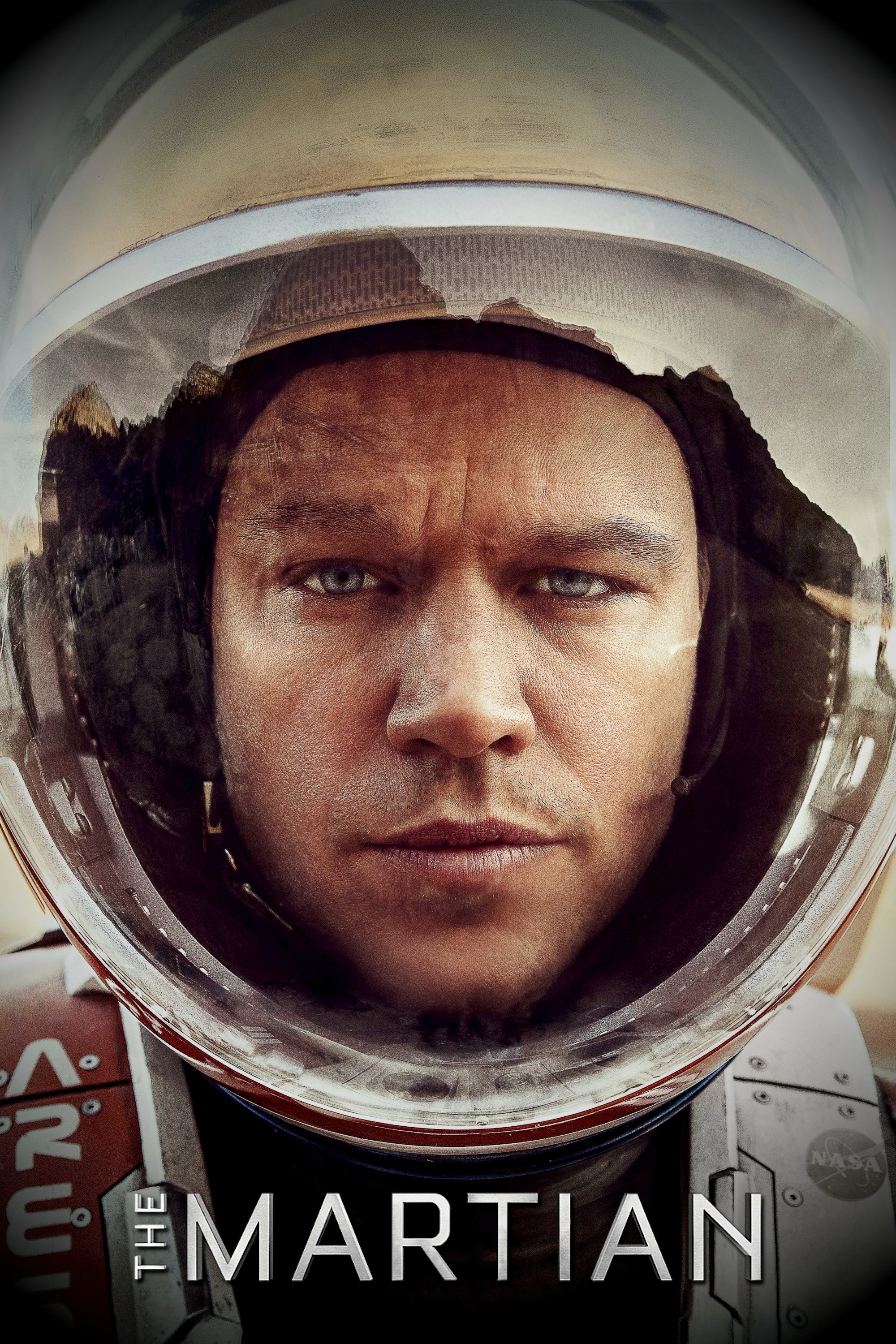
Ridley Scott directs Matt Damon as a botanist and engineer who is left behind on Mars and must extend limited supplies to survive until a rescue attempt can reach him. The film walks through power management, water generation, and crop cultivation inside a pressurized habitat, while the support team on Earth models trajectories and plans a complex recovery.
Filming used Wadi Rum in Jordan to depict Martian landscapes, and production consulted with space agencies to align suits, vehicles, and the habitat with contemporary design studies. The movie was nominated for multiple Academy Awards and highlights how orbital mechanics, launch windows, and international cooperation influence the timing of a crewed return.
3. ‘Solaris’ (1972)

Andrei Tarkovsky adapts Stanisław Lem’s novel about a psychologist sent to a space station orbiting a planet that can manifest human memories. Donatas Banionis and Natalya Bondarchuk lead a cast that explores the psychological effects of isolation, grief, and the difficulties of interpreting an alien phenomenon through human experience.
The production uses long takes and restrained visual effects to focus attention on procedure and routine aboard the station. Set design balances familiar control panels with unfamiliar architecture to suggest a research platform that has evolved over time, and the score by Eduard Artemyev employs electronic textures that reinforce the film’s meditative tone.
2. ‘2001: A Space Odyssey’ (1968)
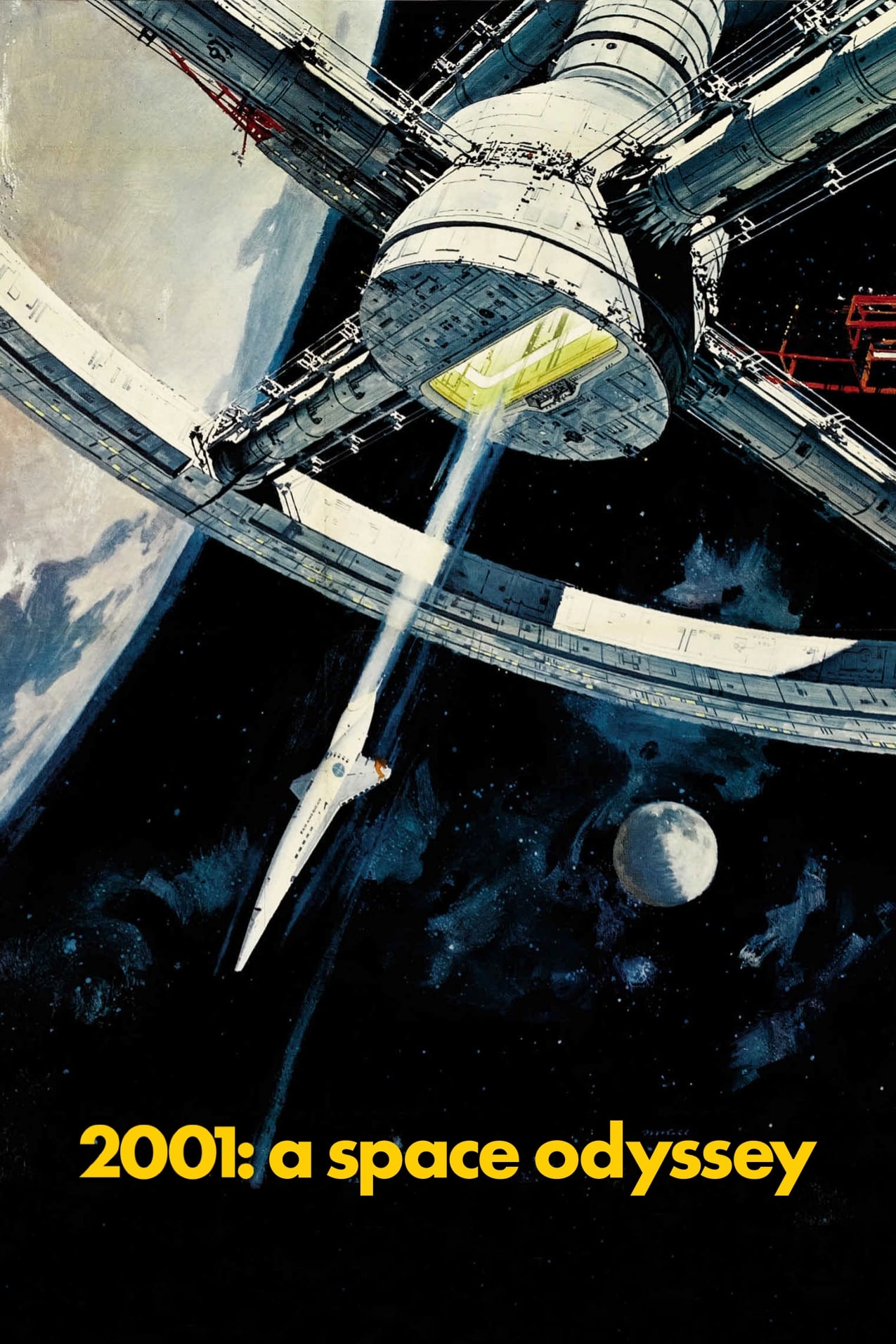
Stanley Kubrick’s epic follows a lunar discovery that leads to a mission aboard Discovery One with the HAL 9000 computer managing ship systems. The structure moves from tool making to orbital travel and finally to a voyage beyond known experience, with detailed attention to artificial gravity, docking, and the choreography of moving through confined spaces.
Douglas Trumbull’s special effects team created the slit scan stargate sequence and extensive front projection work for planetary surfaces. The film won the Academy Award for visual effects and its production design influenced generations of spacecraft interiors, from control interfaces to rotating habitats that simulate gravity through centripetal force.
1. ‘Interstellar’ (2014)
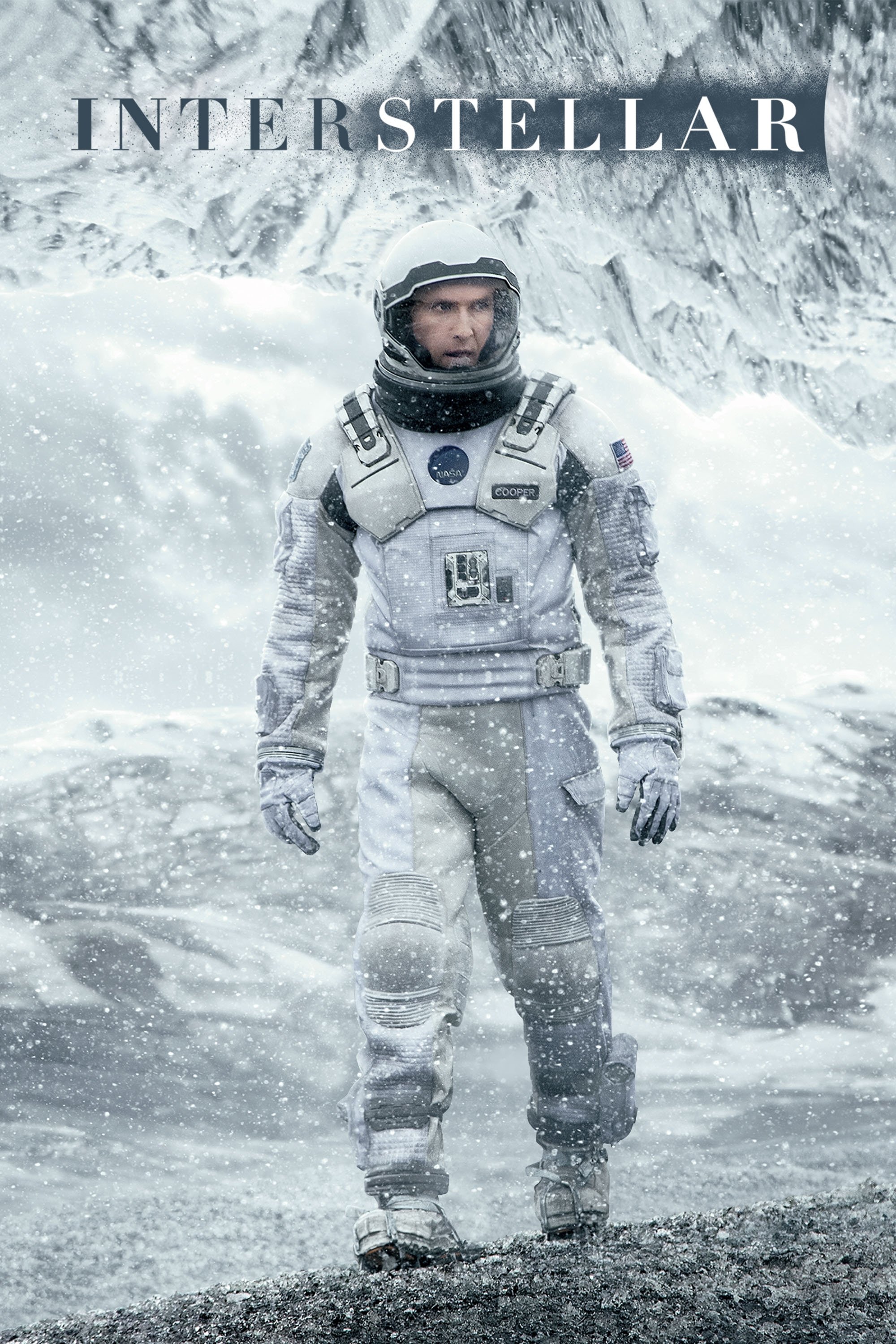
Christopher Nolan directs a story about a pilot and a team of researchers who travel through a wormhole in search of habitable worlds after crop failures threaten life on Earth. Matthew McConaughey, Anne Hathaway, Jessica Chastain, and a large ensemble portray specialists who manage navigation, time dilation, and resource allocation under changing mission constraints.
Physicist Kip Thorne advised on the depiction of black holes and relativity, and the rendering of the accretion disk around Gargantua was generated from equations used by the visual effects team. Large format cameras captured cockpit and landscape photography, while full size spacecraft sets and practical robotics helped ground the film’s depiction of ship handling and planetary landings.
Share your favorite astronaut movie picks in the comments and let everyone know which scenes you still think about after liftoff.