

Best Character Growth Moments For Ash’s Rivals

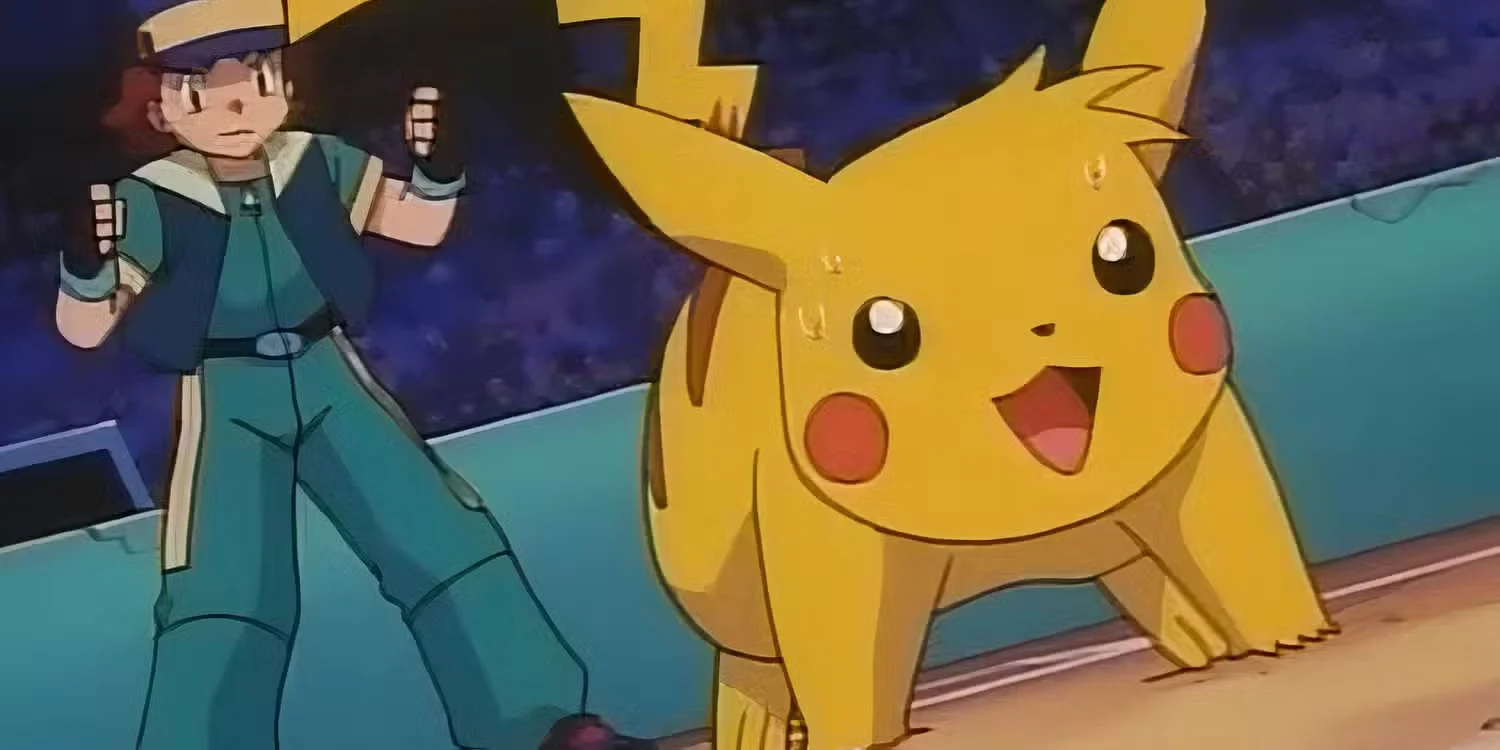


Rivalries in ‘Pokémon’ push trainers to change how they battle, train, and even see themselves, and Ash’s opponents have some of the clearest turning points in the anime. From league showdowns to World Coronation Series rematches, these moments mark when a rival adjusted their philosophy, owned a mistake, or made a decisive life choice. Each entry below spotlights a concrete scene or arc where that growth is unmistakable—whether it’s shifting from pride to respect, refining strategy, or embracing teamwork. If you’re revisiting key seasons like ‘Diamond and Pearl’, ‘XY’, ‘Sun & Moon’, and ‘Pokémon Journeys’, these are the beats to watch for.
Gary Oak – Choosing research after the Silver Conference
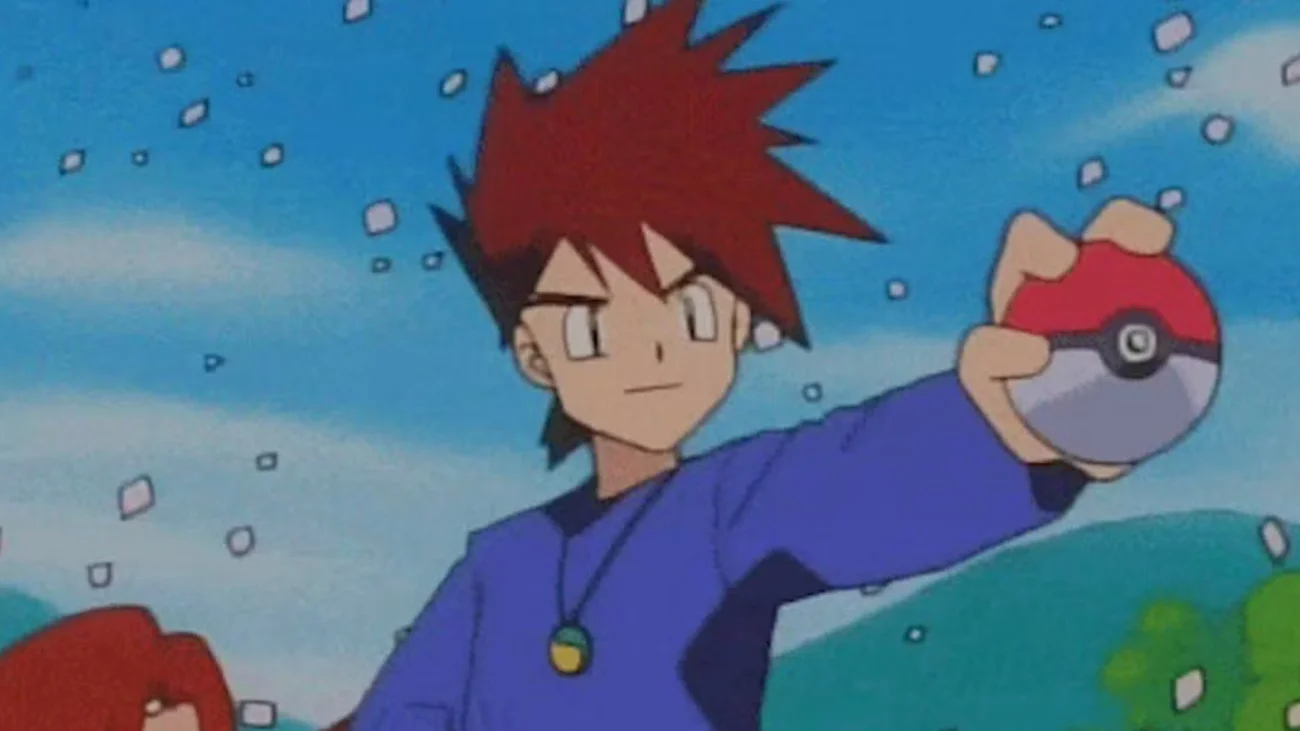
After losing to Ash at the Silver Conference, Gary ends their long-running brag-and-boast rivalry on a respectful note and reconsiders his path. Back in Pallet Town, he decides to step away from traveling battles and focus on becoming a Pokémon researcher. He acknowledges Ash’s growth and offers a symbolic gesture of mutual respect before Ash departs for Hoenn. Gary’s shift from showy prodigy to serious scientist sets his trajectory for future appearances in ‘Pokémon’.
Paul – Respecting Ash after the Lily of the Valley Conference
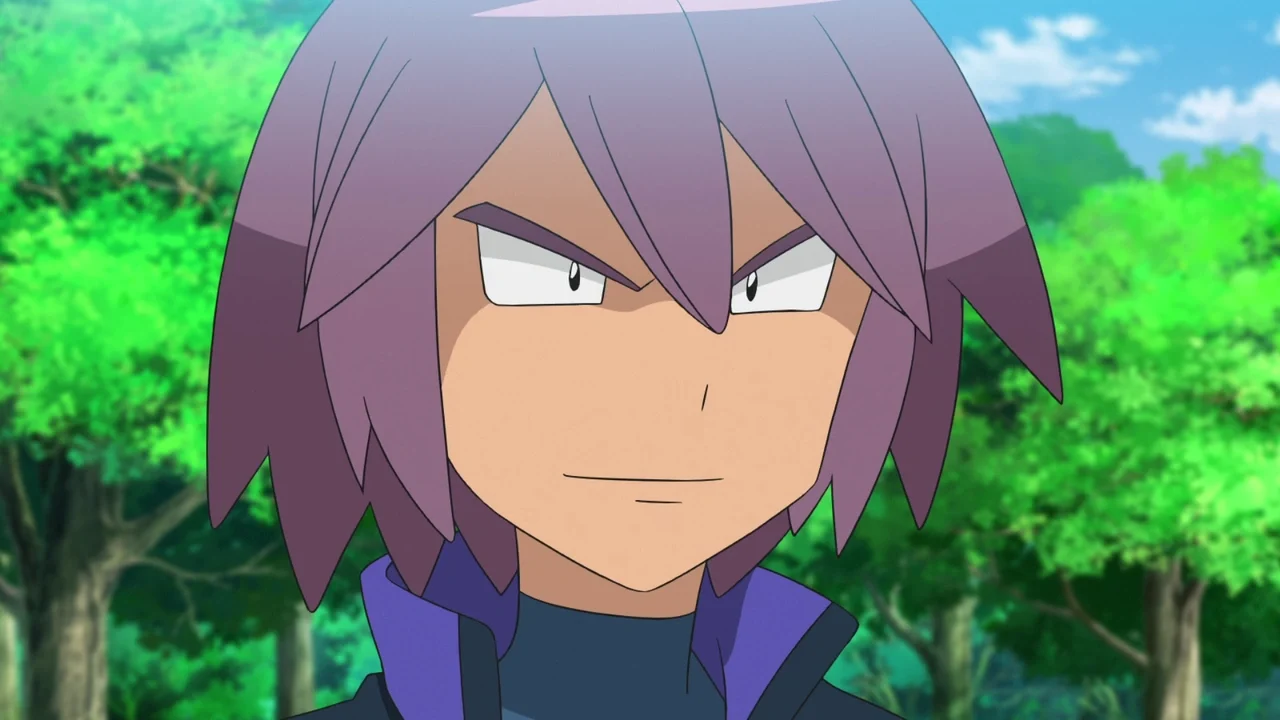
Paul’s strict, results-first approach is challenged throughout ‘Diamond and Pearl’, culminating in their full 6-on-6 at the Sinnoh League. He studies Ash’s tactics, adapts mid-series, and—after their league clash—openly recognizes Ash’s strength and the value of bonds with Pokémon. Paul’s handling of Infernape’s journey from release to redemption also reframes his views on training. This transition is clear in his calmer, more respectful demeanor after the League.
Gladion – Embracing bonds in the Alola League final
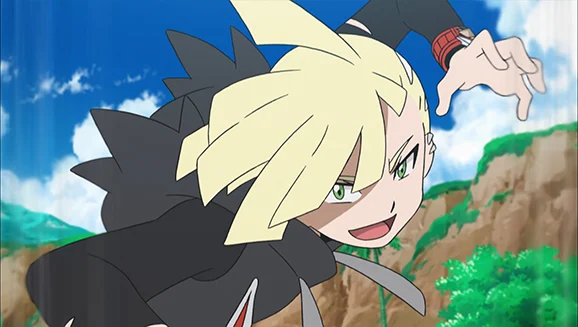
In ‘Sun & Moon’, Gladion enters the Alola League intense and guarded, driven by family history and Silvally’s past. The final against Ash sees him lean fully into trust—switching tactics around Silvally’s Memories and accepting help from his support circle. His post-match interactions show renewed openness with Lillie and their mother’s situation. That balance between power and connection defines his growth at the close of the Alola League.
Alain – Turning on Team Flare to save Lumiose City
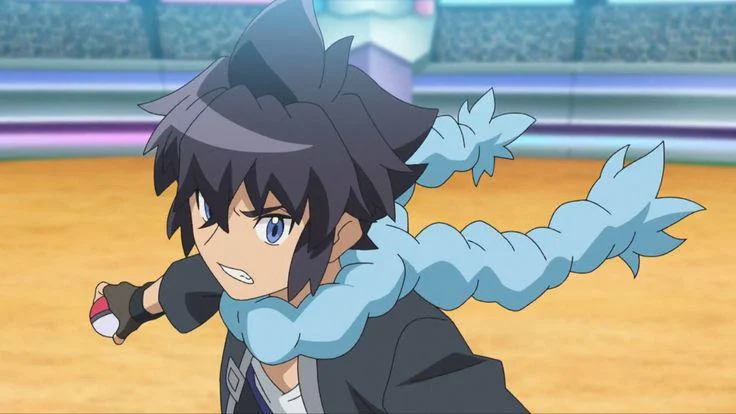
Alain’s Kalos journey in ‘XY’ pairs elite skill with a blinkered focus on Mega Evolution research. During the Lumiose City crisis, he rejects Lysandre’s manipulation the moment he understands the harm done to Chespie and others. He fights alongside Ash to halt the disaster, prioritizing lives over personal ambition. The decision marks a clear ethical pivot that reorients his role in ‘Pokémon’.
Sawyer – Mastering Mega Evolution before the Kalos League
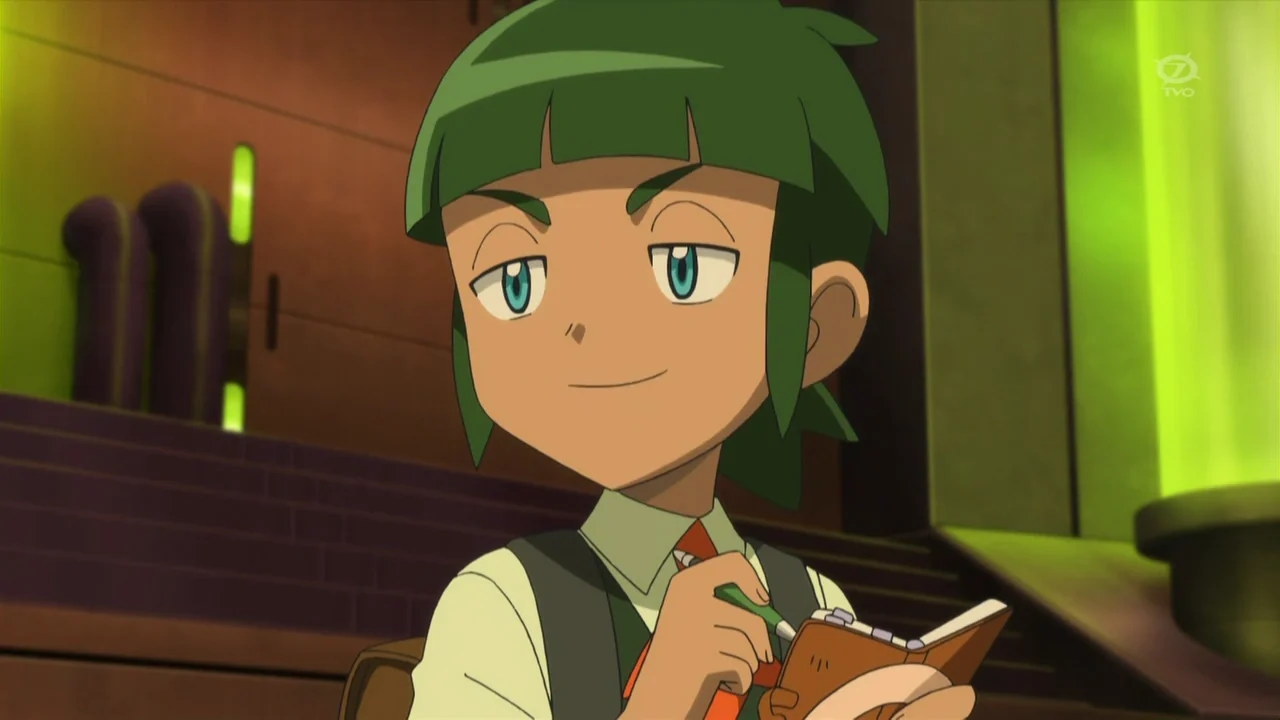
Sawyer begins as a studious novice who meticulously notes Ash’s strategies in ‘XY’. Securing a Key Stone and training Sceptile into Mega Sceptile, he implements layered battle plans that mirror what he’s learned and refined. By the Kalos League, his reads, switch timing, and coverage choices are precise and deliberate. That leap from learner to legitimate challenger is the core of his growth.
Morrison – Battling a friend at Ever Grande
At the Hoenn League, Morrison initially freezes when he’s matched against Ash, showing how friendship can complicate competition. He pushes through the hesitation, recommits to a fair fight, and gives all his Pokémon an honest chance to perform. The battle’s momentum shifts once he treats Ash like any other opponent. Owning that moment establishes Morrison as a competitor who honors both friendship and the spirit of the League in ‘Pokémon Advanced Generation’.
Bea – Broadening her outlook after PWC rematches
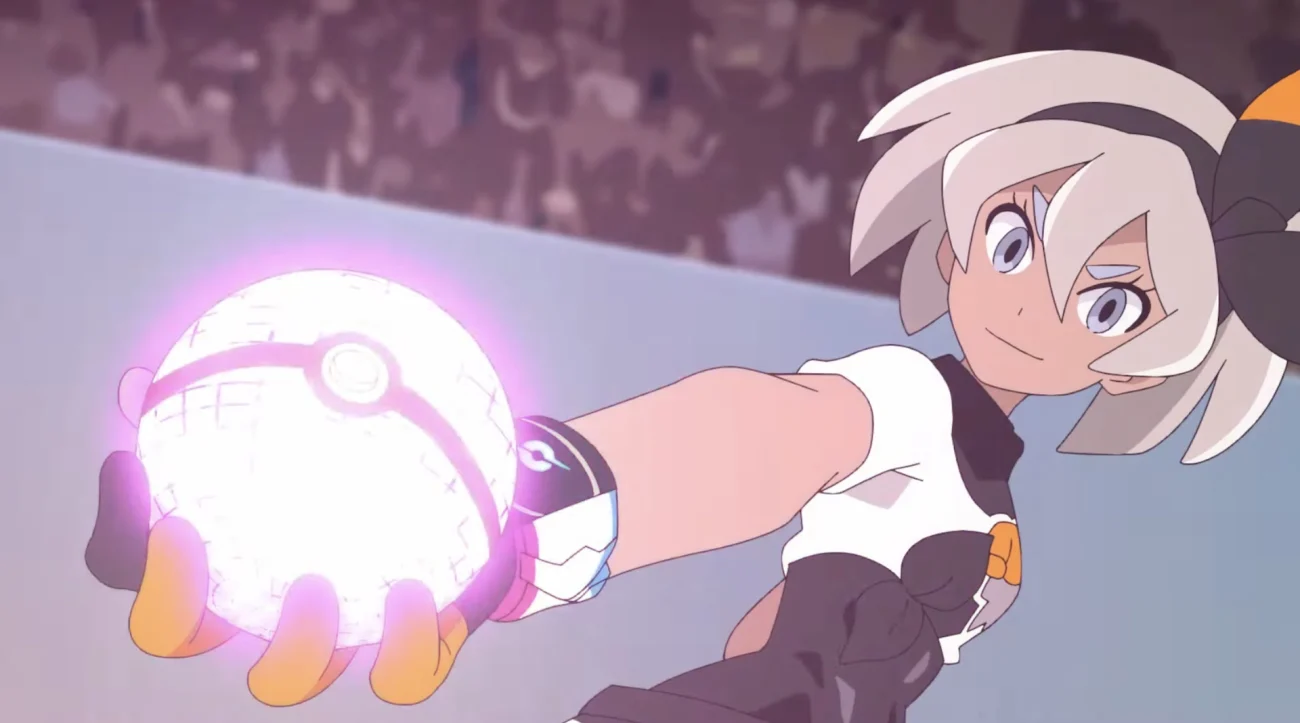
Bea’s early portrayal in ‘Pokémon Journeys’ is all grit and austerity, with a singular focus on results. Across multiple World Coronation Series bouts with Ash—including her use of Gigantamax Machamp—she reevaluates preparation, flexibility, and emotional balance. Interactions with other fighters (like Korrina) help her round out her approach beyond pure toughness. By their final rematch, her adjustments in pacing and team synergy signal clear growth.
Barry – Tempering impatience through hard losses
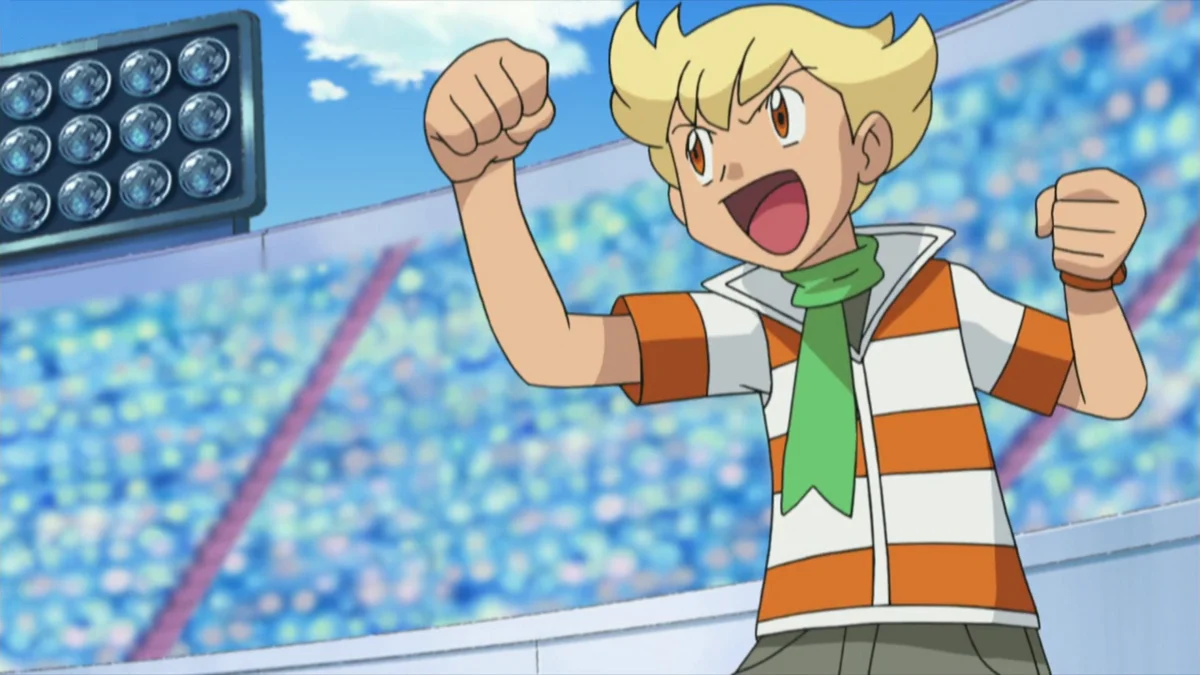
Barry charges through ‘Diamond and Pearl’ with tickets, penalties, and rapid-fire challenges, idolizing strong trainers like Paul. League defeats and tough gym tests force him to slow down, shore up coverage, and respect different training styles. His later battles show better matchup planning and fewer reckless gambits. The shift from impulsive to considered competitor is evident by the Sinnoh League.
Trip – Showing respect at the Junior Cup
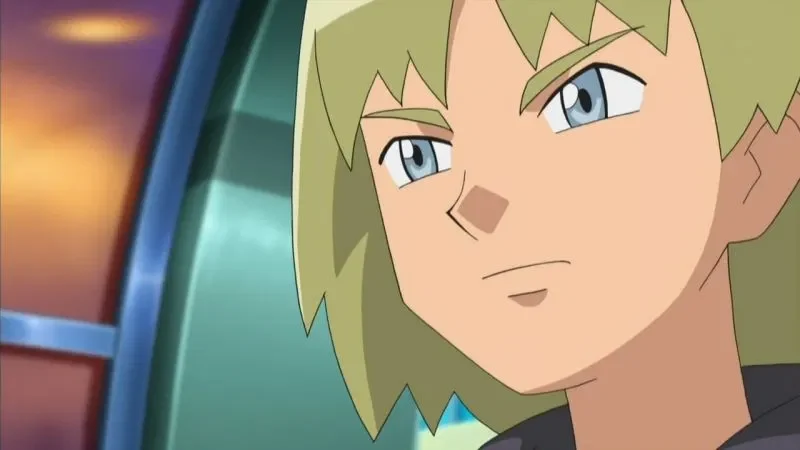
Trip starts ‘Black & White’ confident to the point of dismissiveness, particularly toward Ash’s methods. The World Junior Cup becomes a turning point as he battles seasoned opponents, refines type planning, and earns a signature finals win over Ash. His post-tournament conduct is notably more respectful, including how he engages rivals. That upgraded attitude and focus carry into his Unova League run.
Stephan – Winning the Clubsplosion
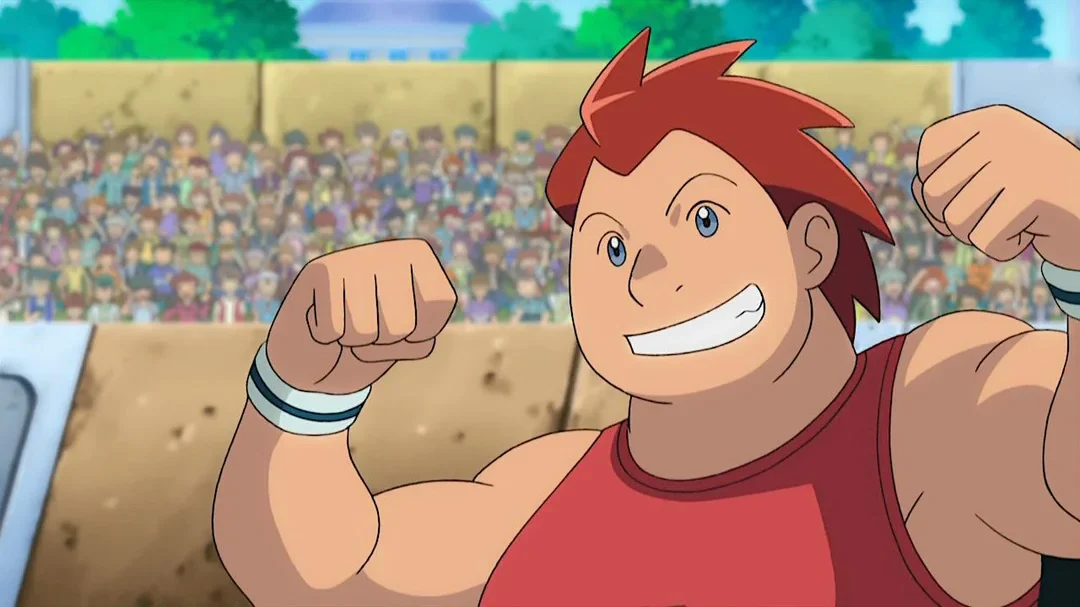
In ‘Black & White’, Stephan turns raw power into tournament polish at the Clubsplosion (Donamite). His Sawk’s conditioning, move selection, and stamina management are clearly the product of targeted training. Match by match he adapts to rival styles instead of forcing his own tempo every time. Hoisting a trophy underscores his progression from sturdy battler to event winner.
Conway – Bringing Trick Room to the Sinnoh League
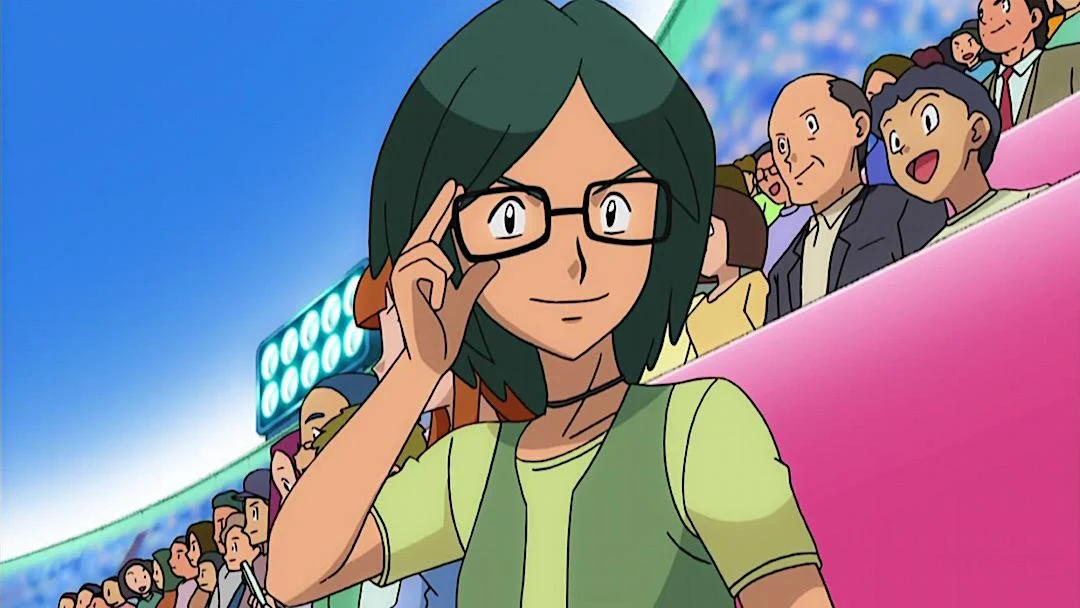
Conway evolves from a quirky strategist into a genuine league threat in ‘Diamond and Pearl’. He builds full game plans around field effects like Trick Room, neutralizing speed advantages and forcing Ash to improvise. His scouting and note-taking pay off in tighter mid-battle adjustments. Even in defeat, the way he elevates his tactical identity is a textbook growth arc.
Guzma – Facing defeat and moving forward in Alola
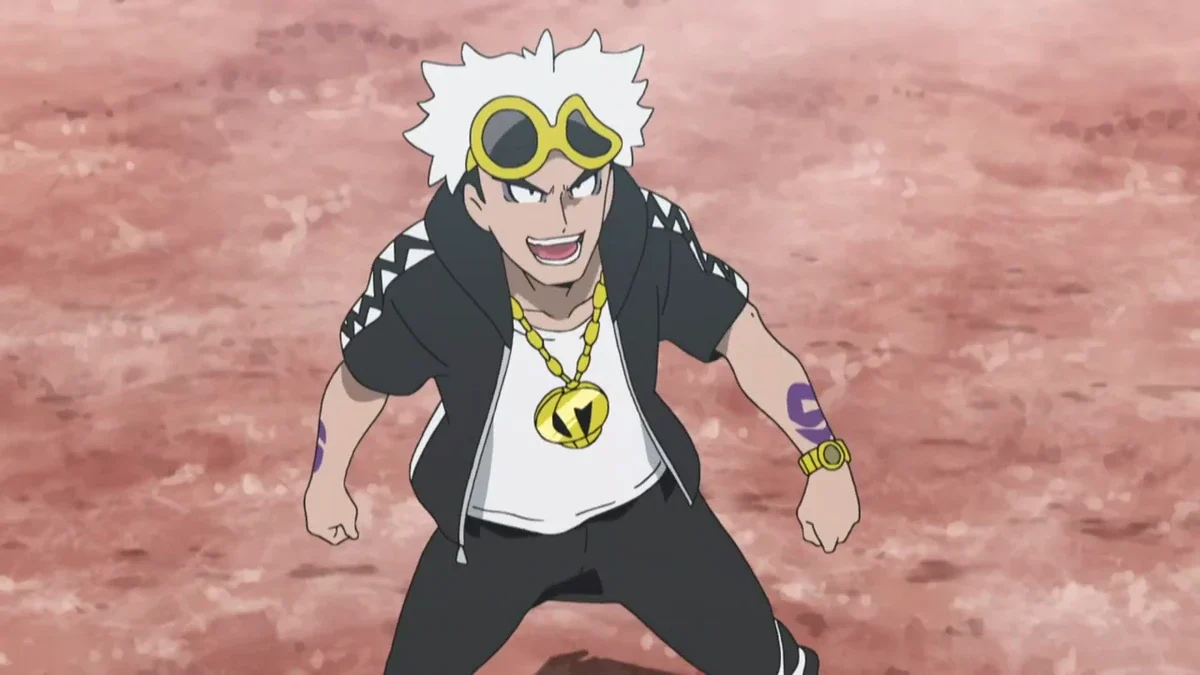
Guzma arrives in ‘Sun & Moon’ with Team Skull swagger and a history of bailing when battles turn south, mirrored by Golisopod’s Emergency Exit triggers. The Alola League forces him to confront that pattern head-on against Ash. Accepting losses without fleeing and engaging with mentors back home signal a change in direction. His later attitude shows a trainer ready to build rather than burn.
Hau – Owning a narrow loss in the Alola League
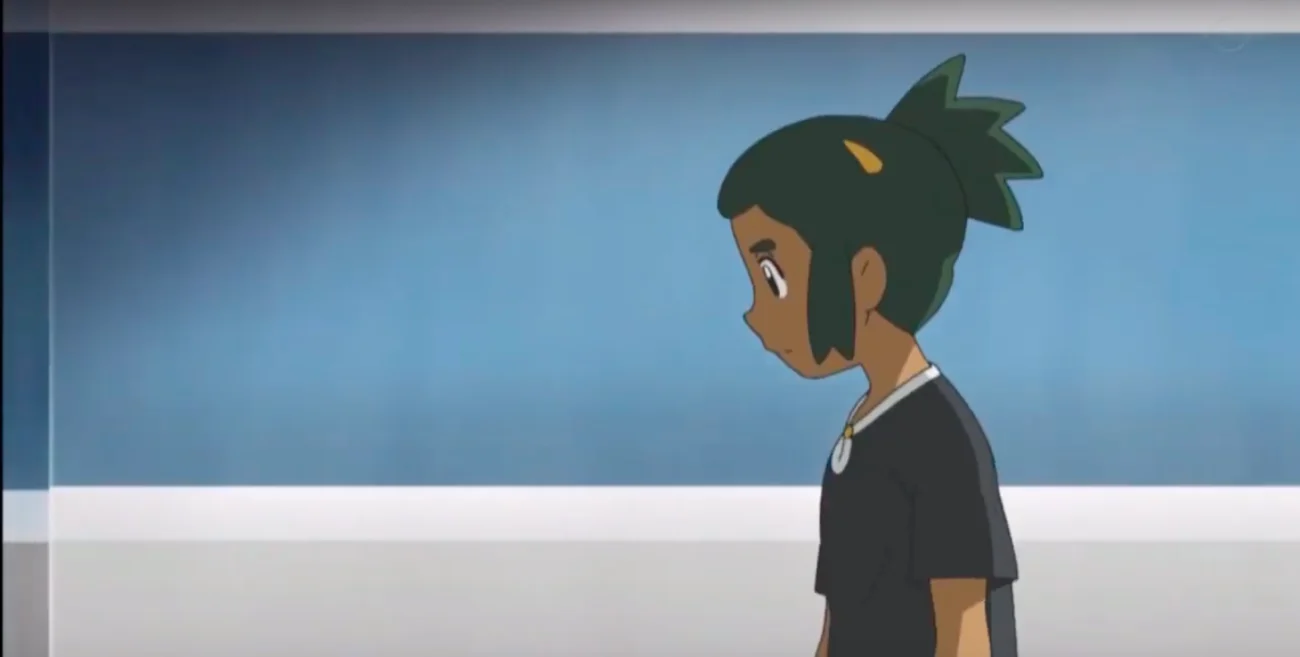
Hau’s upbeat style in ‘Sun & Moon’ meets its sternest test in a razor-thin Alola League decision. He accepts the referee’s ruling, steadies himself, and focuses on improving his Decidueye’s execution. The way he processes that setback—without protest or shortcuts—reflects maturity beyond his years. He channels it into renewed training rather than looking for an out.
Volkner – Rediscovering his spark after a battle with Ash
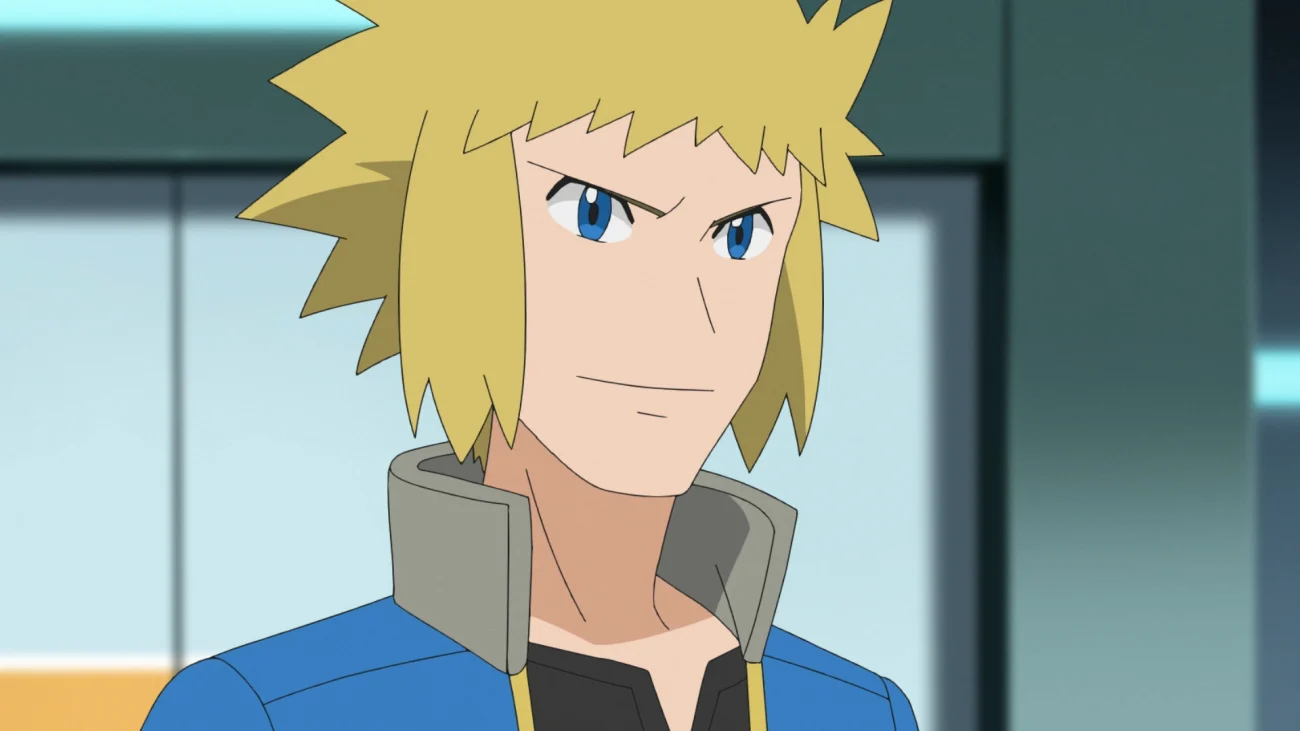
Volkner’s apathy in ‘Diamond and Pearl’ leaves the Sunyshore Gym in a holding pattern until Ash challenges him. Their bout reignites his interest in battling mechanics, team tuning, and gym leadership. He reopens the Gym with a renewed commitment to testing challengers fairly. The change impacts not just his own path but an entire city’s gym culture in ‘Pokémon’.
Cameron – Learning preparation after the Unova League miscount
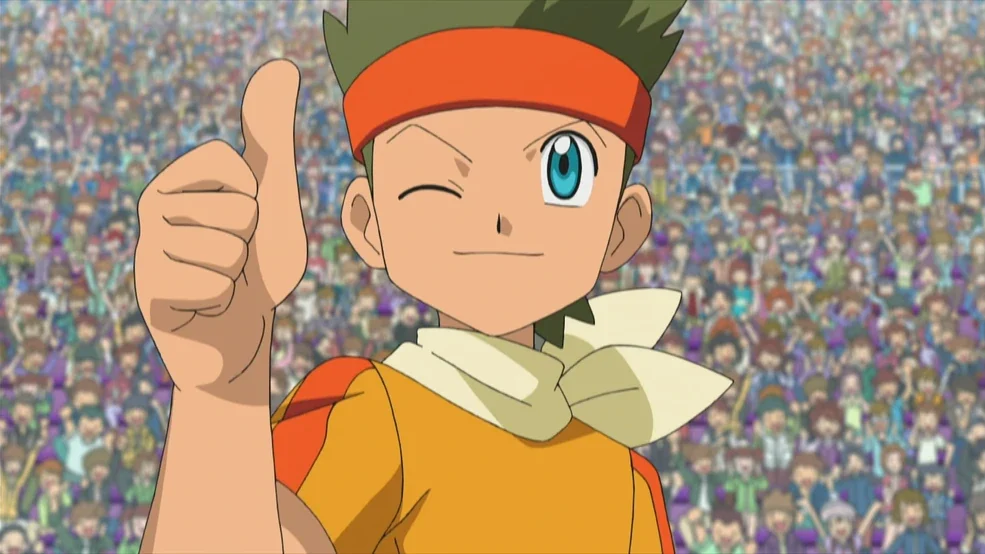
Cameron’s talent is undercut in ‘Black & White’ by spotty planning, highlighted when he enters a Unova League 6-on-6 with only five Pokémon. Afterward, he explicitly acknowledges the mistake and the gap it created. Subsequent training scenes emphasize better foresight in team building and item readiness. That acceptance—paired with corrective action—marks his step toward being a complete competitor.
Harrison – Raising the bar with Hoenn experience
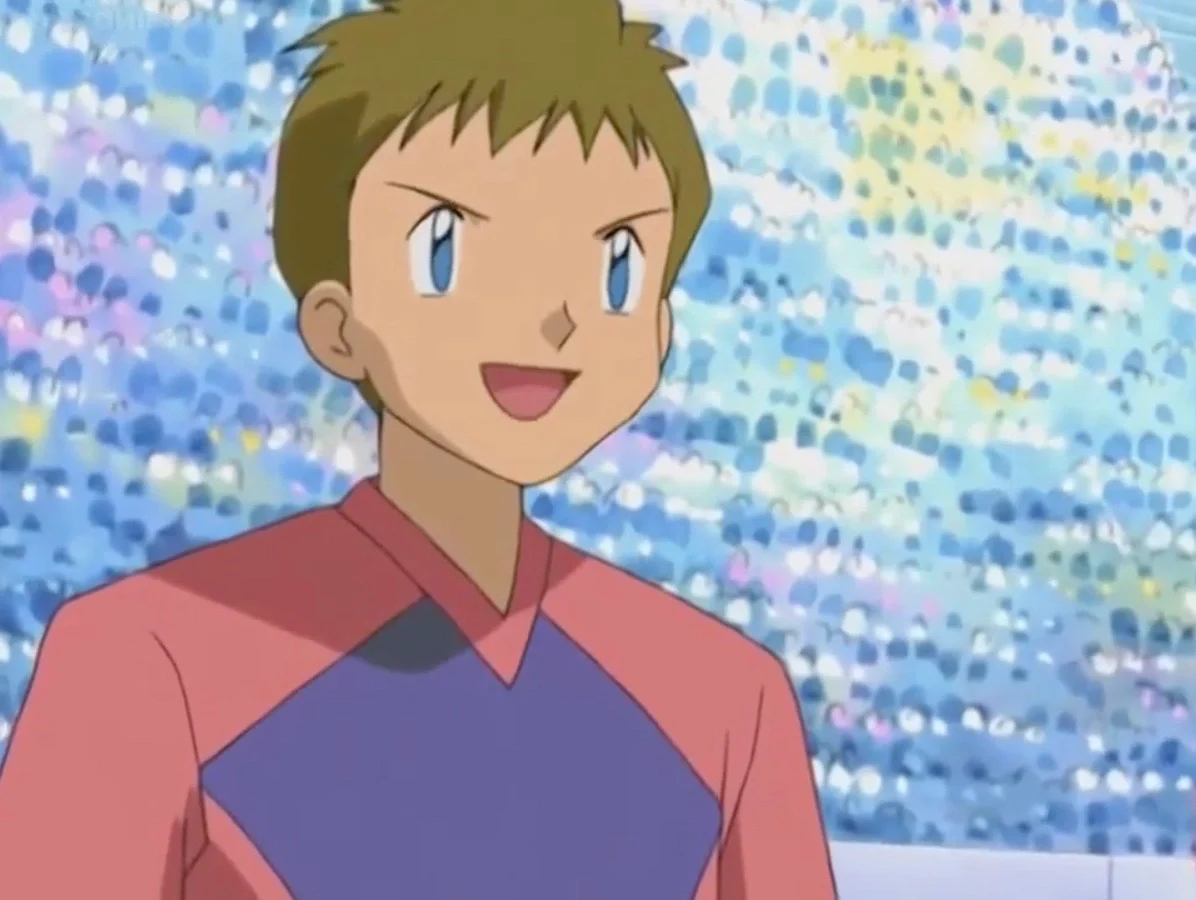
Harrison brings a cross-regional toolkit to the Johto League, introducing Ash (and viewers) to Hoenn species like Blaziken. His adaptability across unfamiliar matchups pushes Ash to consider broader counters and preparations. Harrison’s own growth is seen in how he leverages new-region knowledge without relying on surprise alone. The encounter nudges both trainers toward wider competitive horizons in ‘Pokémon’.
Tyson – Leading with trust at Ever Grande
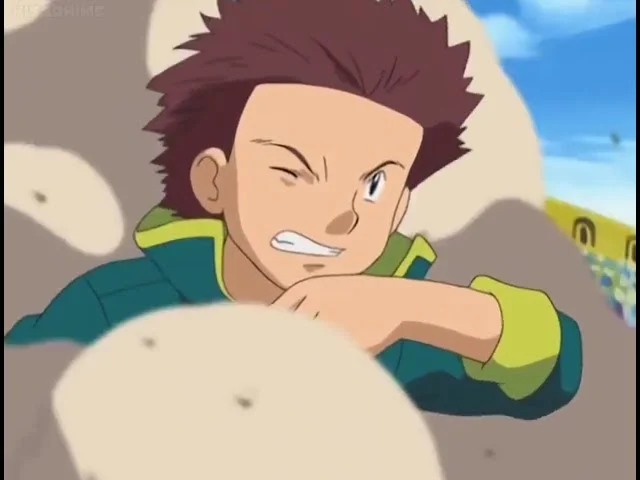
Tyson’s calm, precise command at the Hoenn League reflects a trainer who built deep trust with his team, especially his Meowth with the boots. He navigates pressure rounds by prioritizing positioning, stamina, and clean endgame execution. Earlier setbacks inform how he staggers roles across his roster rather than leaning on one ace. That composed leadership is the culmination of his development arc in ‘Pokémon Advanced Generation’.
Ritchie – Putting sportsmanship first in Indigo
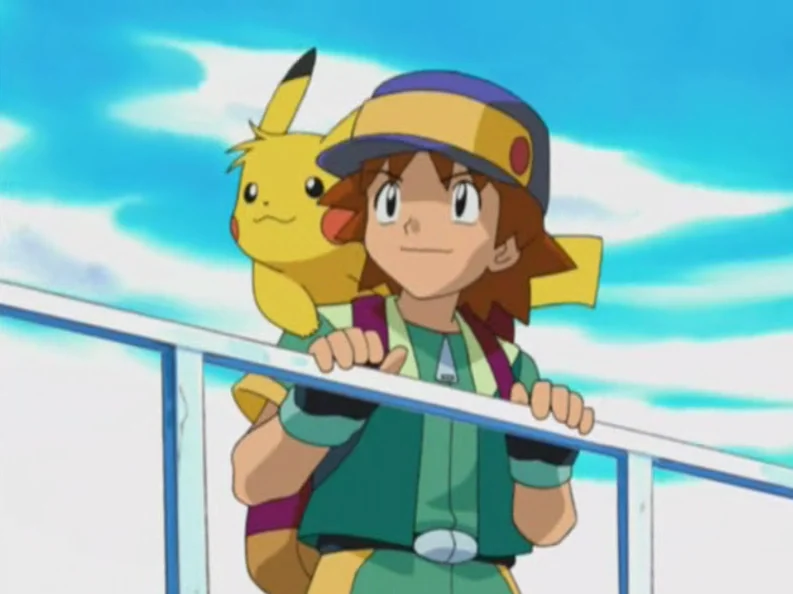
Ritchie’s run in the Indigo Plateau shows an early model of professionalism for Ash’s circle. He maintains fairness through disruptions caused by Team Rocket and sticks to clean competition. His choices around substitutions and handling of opponent issues highlight a competitor with consistent standards. Holding to that code under bright lights is his clearest growth moment in ‘Pokémon’.
Tierno – Mixing dance and battle the right way
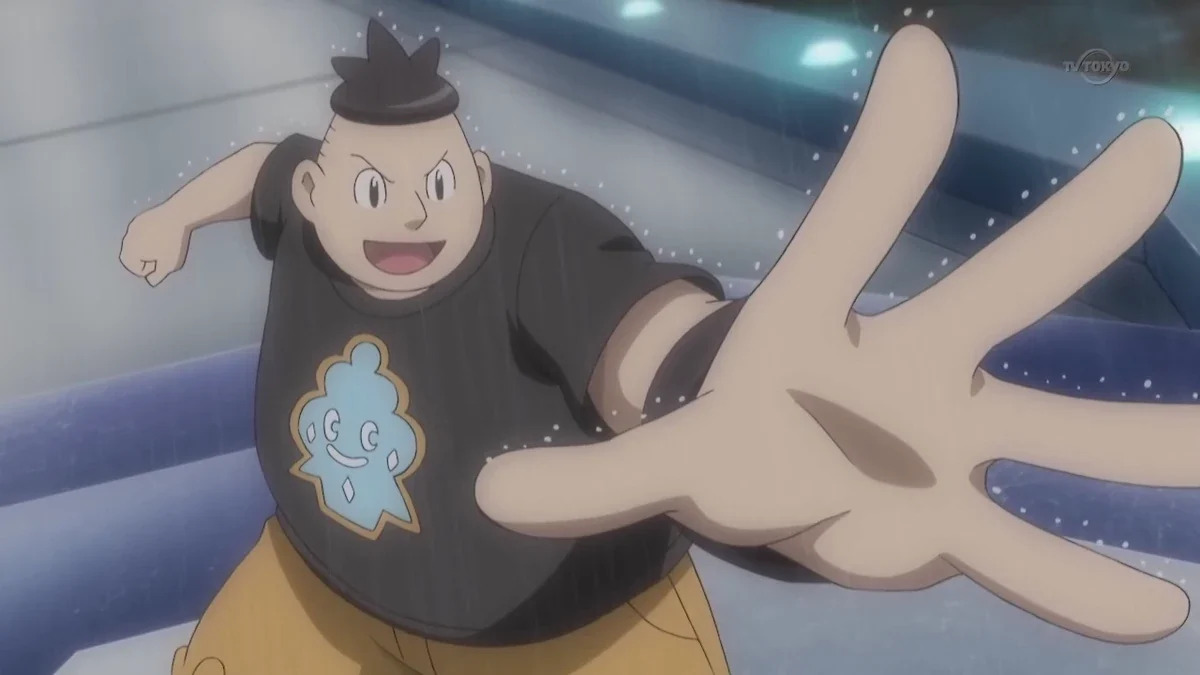
In ‘XY’, Tierno’s choreography-first battling initially leaves him open to straightforward counters. After losses, he retools dance timing into a tactical layer—using rhythm to mask switches, baits, and tempo shifts. Training with Blastoise widens his coverage and improves contest between flourish and function. The later clashes show an entertainer who’s also a fully capable battler.
Trevor – Claiming his competitive identity with Mega Charizard Y
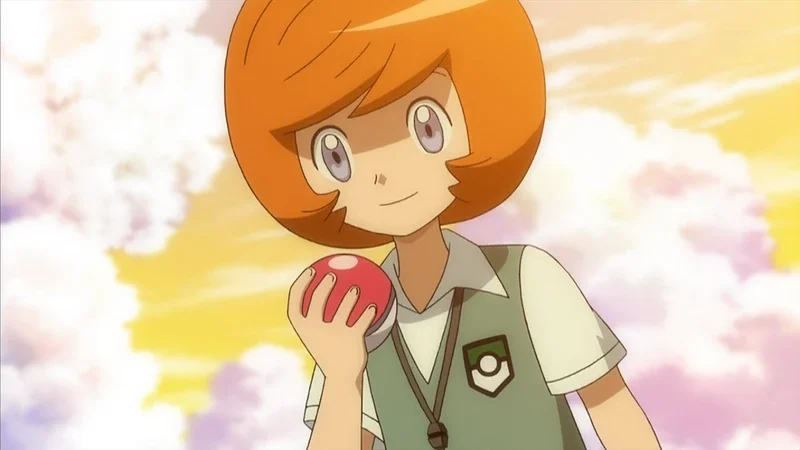
Trevor starts in ‘XY’ as a studious fan and photographer who’s less sure in formal competition. Securing a Key Stone and harnessing Mega Charizard Y, he commits to battling with clear roles and tighter move synergy. League matches reveal better pre-planned lines and more confident positioning. Embracing that identity—beyond documenting others—caps his progress.
Share your favorite rivalry growth moment in the comments and tell us which battle or episode still hits hardest today!