

15 Best Character Re-Introductions After Time Skips

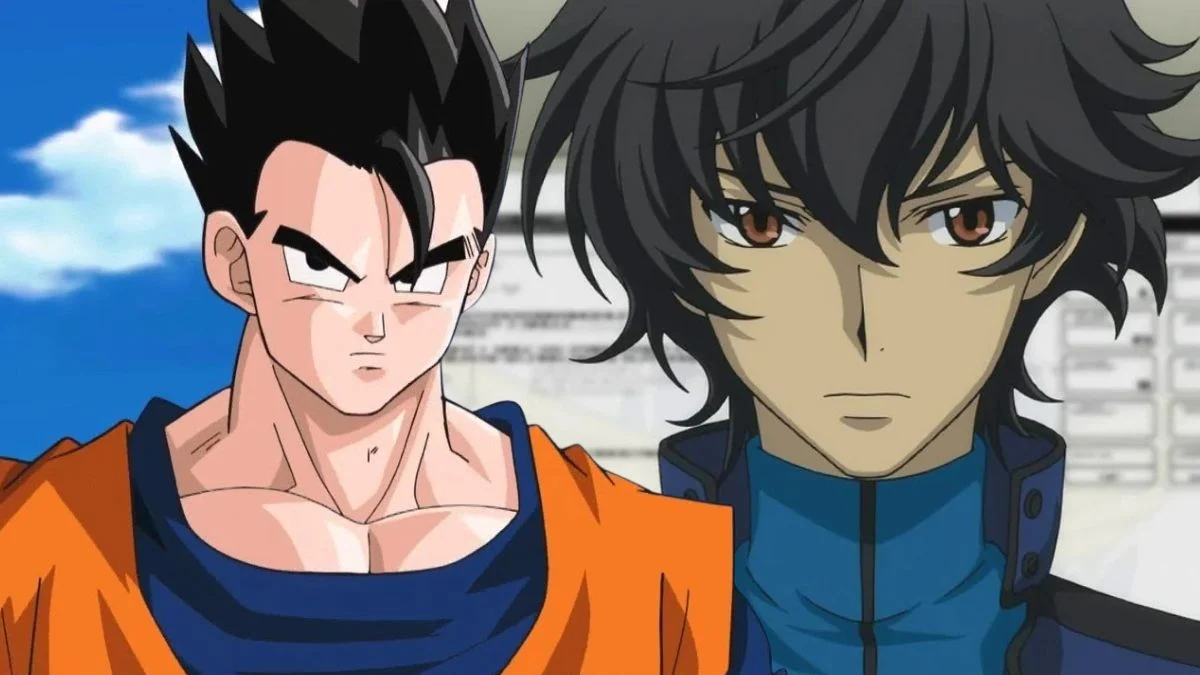


Time skips can change everything in a story, and the best ones bring characters back with new skills, goals, or even identities. Here are standout re-introductions where a jump forward reshaped the journey and set the stage for fresh conflicts, with each show’s animation studio noted so you know who brought the upgrade to life.
Monkey D. Luffy

After a two-year gap, Luffy returns at Sabaody with advanced Haki, a stronger crew, and a clearer path toward the New World. The Straw Hats reunite and immediately test their upgrades against impostors and Pacifistas, signaling the post skip power scale. This comeback also marks a tonal shift as the crew leaves the first half of the Grand Line behind. Toei Animation steers the redesigns and action beats that define the series’ second act.
Naruto Uzumaki

Following two and a half years of training, Naruto comes back to the Leaf Village taller, sharper, and ready to chase Akatsuki. His reunion with Sakura and Kakashi runs straight into the Bell Test rematch and the Gaara rescue mission. The show uses his improved Rasengan work and tactics to show measurable growth. Studio Pierrot underlines the maturity jump with updated character models and brisker fight choreography.
Eren Yeager

A four-year time skip places Eren inside Marley under a new name, operating covertly and forcing a perspective flip. His reappearance triggers a festival night assault that upends the balance of power. The weight of earlier seasons shows in his changed demeanor and strategic ruthlessness. Wit Studio handled earlier foundations while MAPPA presents the post skip reveal with heavier shading and altered character designs.
Natsu Dragneel
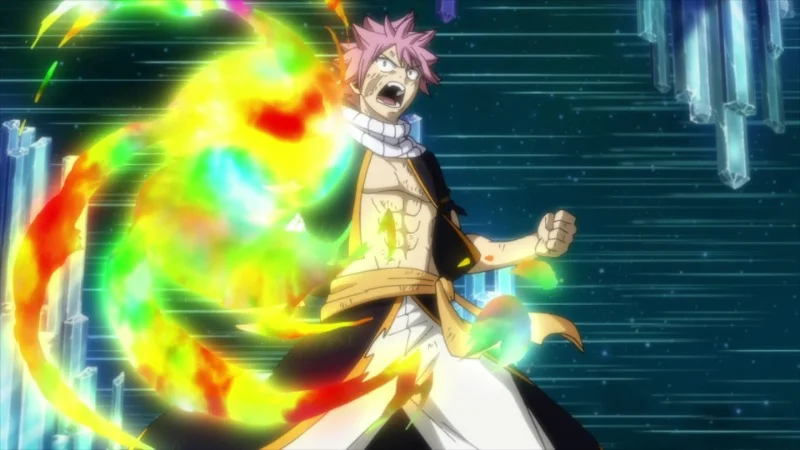
Seven years pass for the outside world after the Tenrou Island incident, and Natsu returns to a guild that has fallen off the map. His comeback jump starts Fairy Tail’s recovery, and the team quickly moves to re establish its reputation through new jobs and tournaments. The contrast between the unchanged core members and a changed Fiore sells the time gap. A-1 Pictures and Bridge animate the post skip arcs with brighter palettes and sharper effects.
Ichigo Kurosaki
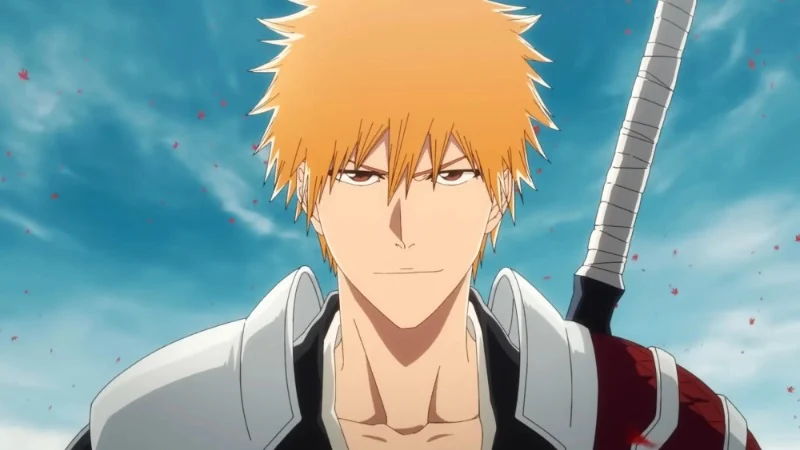
After losing his powers, Ichigo re enters the story months later at the start of the Fullbring arc, now living like a normal student. The story tracks his quiet attempts to protect friends without Shinigami abilities until a new power system emerges. His eventual restoration reframes earlier mechanics and alliances. Studio Pierrot distinguishes the low power stretch with grounded staging before ramping back into high speed combat.
Son Gohan
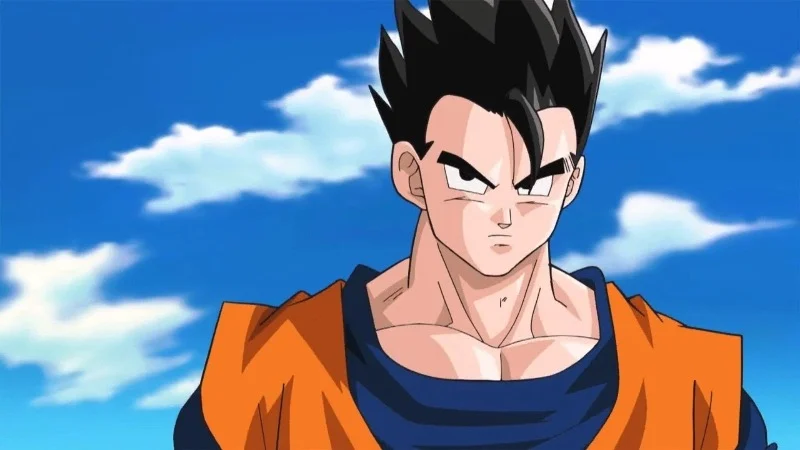
A seven year time skip reintroduces Gohan as a teenager balancing school life with hero work in Satan City. The Great Saiyaman setup flows into the World Martial Arts Tournament, where family legacies collide with new threats. The shift shows how the series cycles roles between generations without losing the tournament backbone. Toei Animation deploys lighter slice of life humor before snapping back to high stakes battles.
Jotaro Kujo
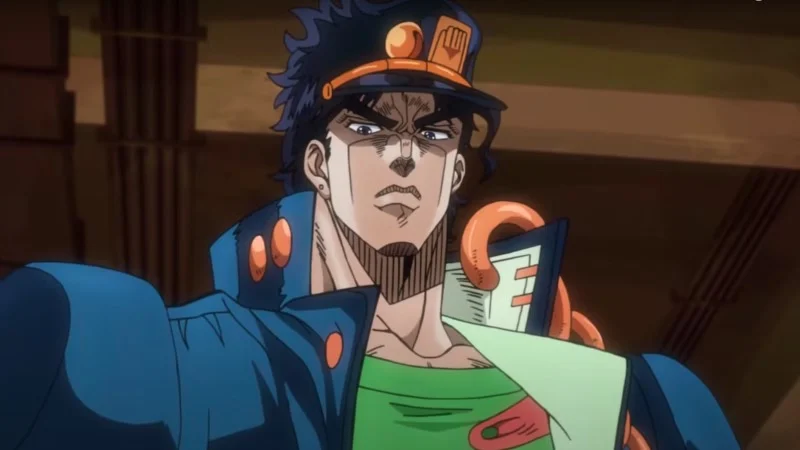
Eleven years after his journey with his grandfather, Jotaro shows up in Morioh as a seasoned marine biologist investigating a serial Stand user. His role pivots from protagonist to supporting mentor while the focus passes to Josuke. The reintroduction seeds family ties and a hometown mystery that defines the part. David Production supports the tonal swap with color keyed direction and stylized posing.
Thorfinn
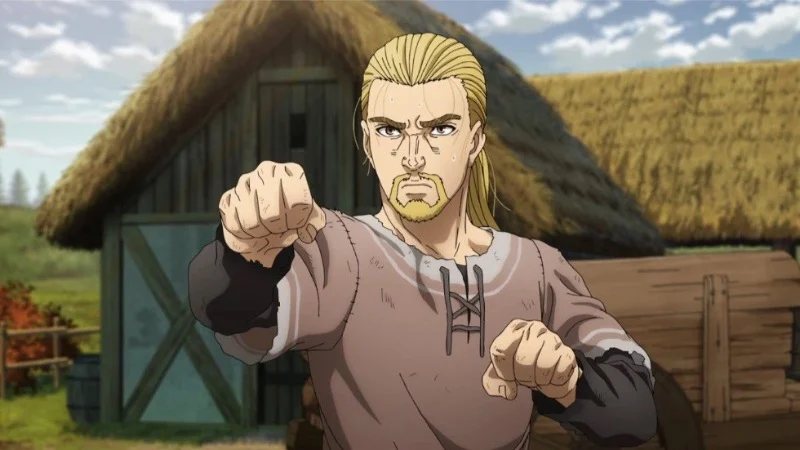
Years after his revenge path collapses, Thorfinn appears again enslaved on a farm, stripped of weapons and purpose. The new status forces a ground up rebuild of his values through hard labor and uneasy friendships. This pivot gives later conflicts moral weight that did not exist in his first phase. Wit Studio’s first season lays the base, and MAPPA’s second season frames the post skip introspection with restrained, naturalistic motion.
Asta
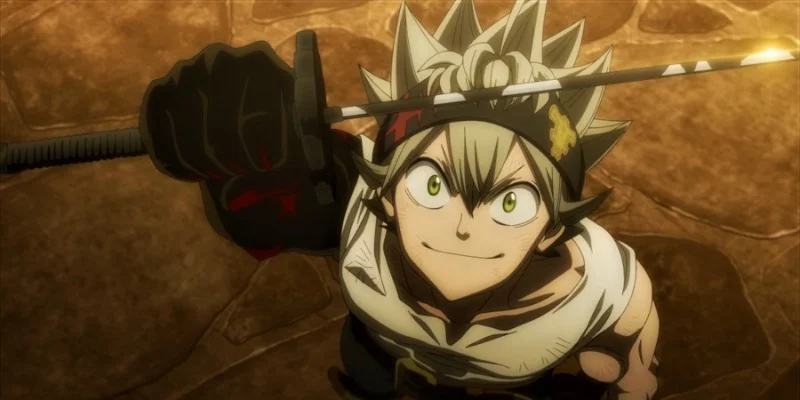
A six month training period leads to Asta’s return with refined anti magic techniques and coordinated team tactics. The Spade Kingdom storyline shows how the squads’ preparations translate to raids and rescues. Visual changes across captains and rivals emphasize the collective level up. Studio Pierrot rolls out new grimoire effects and faster cuts to sell the upgrades.
Gintoki Sakata
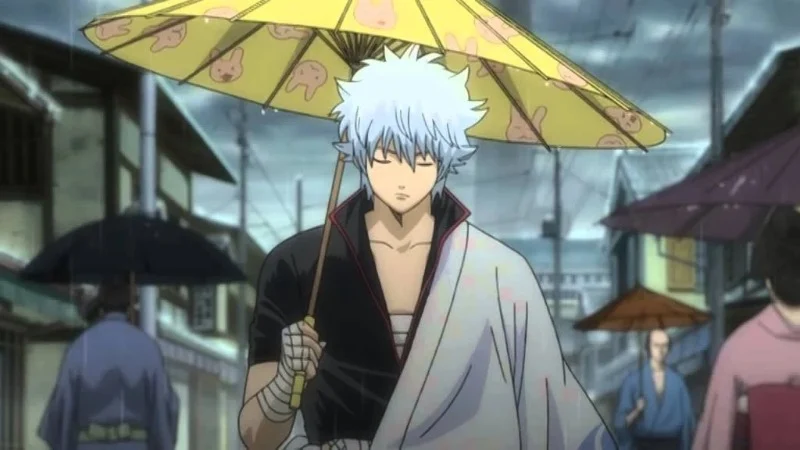
After a two year gap, Gintoki comes back to Edo masked and low key, testing how the city moved on without him. His reveal connects scattered friends and pulls the series into its endgame politics. The shift uses familiarity with running jokes to highlight what actually changed. Sunrise and later Bandai Namco Pictures balance comedy framing with sharper action layouts for the post skip arcs.
Ken Kaneki
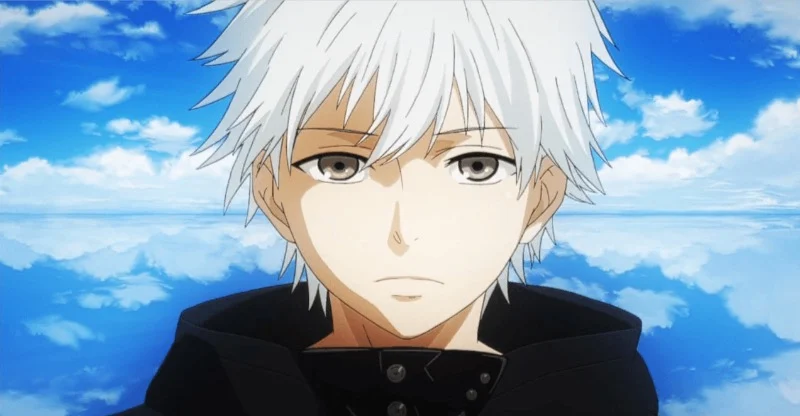
Three years after the events in Tokyo, Kaneki reappears under a new identity as Haise Sasaki leading CCG recruits. The setup lets investigations and battles mirror earlier conflicts from the other side of the line. Memories and allegiances peel back gradually as operations intensify. Studio Pierrot differentiates the re entry with new uniforms, palettes, and unit tactics.
Simon
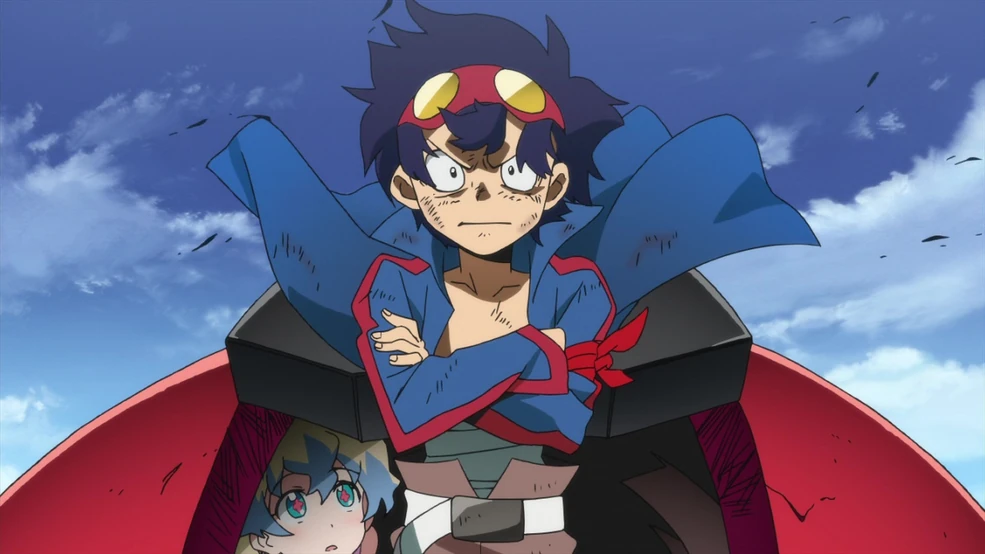
A significant jump takes Simon from village digger to commander responsible for a growing human civilization. His reintroduction centers on governance problems and an external countdown that escalates the stakes. The change reframes earlier improvisation into leadership under pressure. Gainax brings heavier mechanical designs and widescreen staging to match the broader scope.
Setsuna F. Seiei
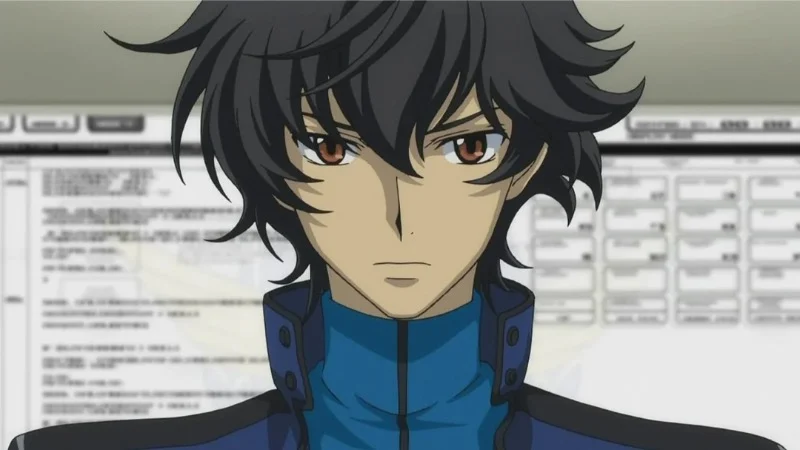
Four years after the first season, Setsuna returns to pull scattered allies back into Celestial Being. The new A class threat level, updated suits, and shifting global blocs underline the consequences of the first campaign. His role evolves from lone operative to anchor for multiple pilots. Sunrise marks the time skip with redesigned Gundams and more layered composite shots.
Tanjiro Kamado
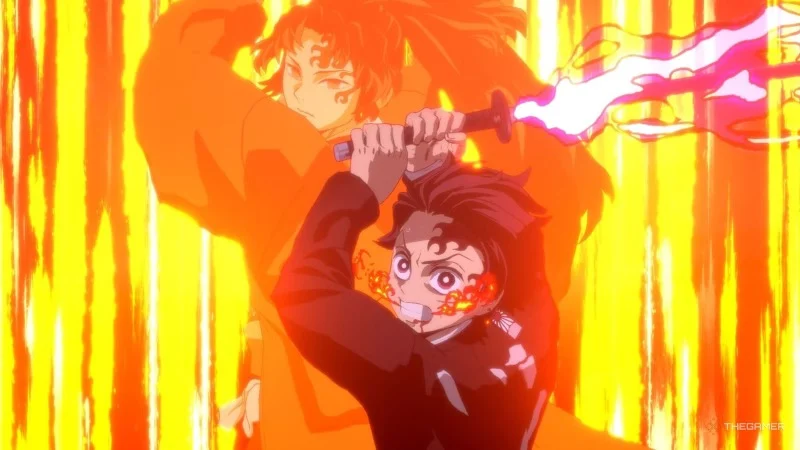
Months of rehabilitation and training lead to Tanjiro’s return for the Entertainment District mission with new proficiency and coordination. The story uses the gap to justify expanded breathing forms and tag team tactics. The mission structure immediately tests the upgrades against Upper Rank demons. Ufotable showcases the post skip growth with extended single cut sequences and vivid effects work.
Tsunayoshi Sawada
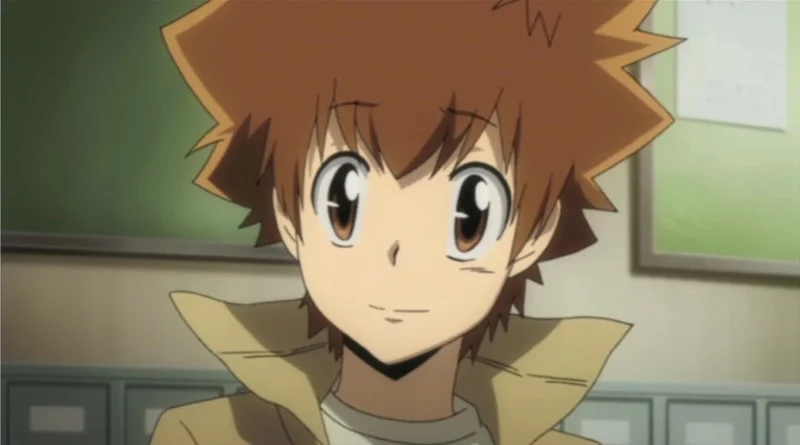
A jump to a future timeline reintroduces Tsuna and friends navigating a world where their family is on the brink. The switch places them amid new rings, box weapons, and altered alliances that demand fast adaptation. Encounters with older counterparts demonstrate where each character is headed. Artland supports the shift with distinct tech motifs and colder color grading for the future setting.
Share your favorite time skip comeback in the comments and tell us which reveal hit you the hardest.