


Best Comedy Movie Characters, Ranked

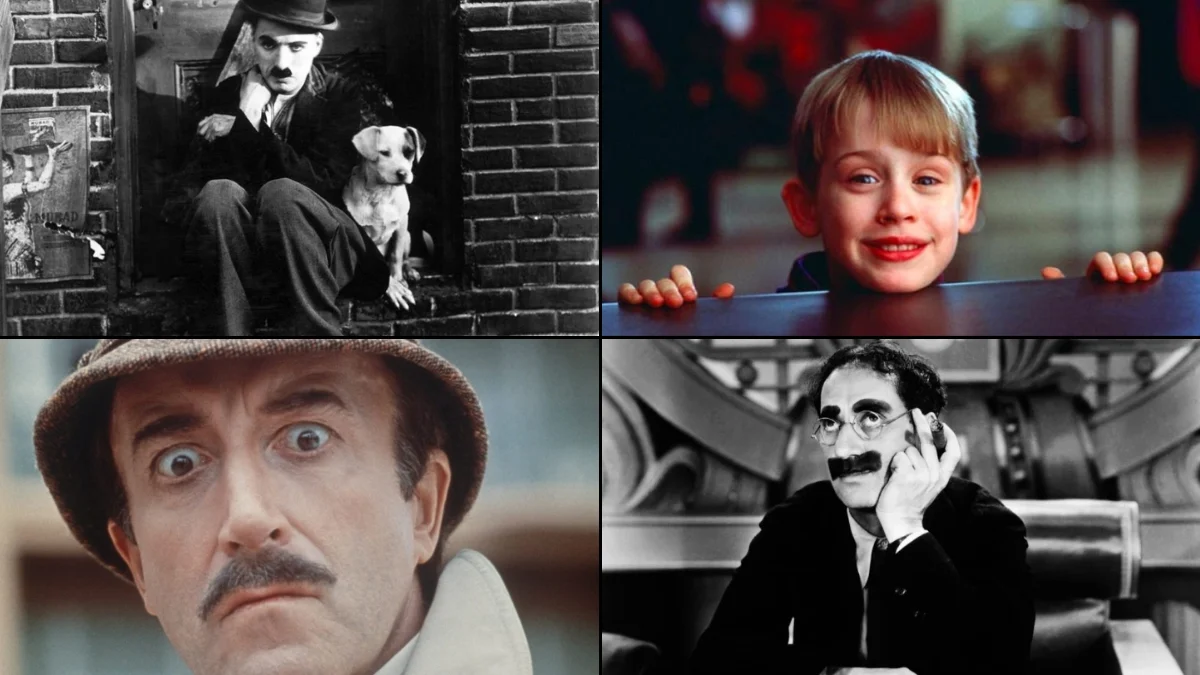


Some comedy characters don’t just land a punchline—they reshape how people talk, dress, and even think about humor on the big screen. From silent-era mischief to modern mockumentaries, these figures introduced catchphrases, physical routines, and story rhythms that filmmakers keep revisiting. They also built universes—sometimes one film, sometimes whole franchises—where gags, running bits, and character quirks were as carefully constructed as plot points.
This list spotlights movie characters whose scripts, performances, and on-screen inventions left a measurable footprint: recurring sequels, box-office momentum, awards attention, and long afterlife in pop culture. You’ll find details on the films they anchor, the artists who shaped them, and the traits that made audiences instantly recognize them—whether it’s a bowler hat, a mangled French accent, or a mangled rug.
Kevin McCallister
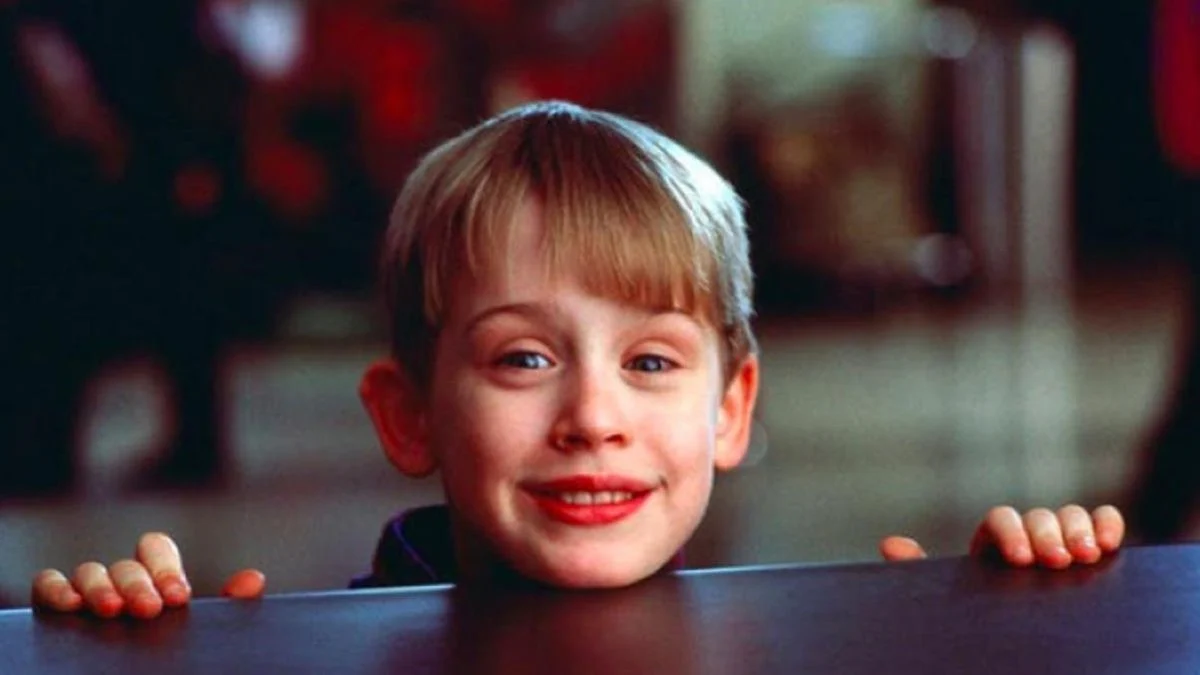
Kevin McCallister, played by Macaulay Culkin, is the resourceful kid at the center of the family comedies ‘Home Alone’ and ‘Home Alone 2: Lost in New York’. Written by John Hughes and directed by Chris Columbus, the films follow Kevin as he rigs elaborate, Rube Goldberg–style defenses using paint cans, Micro Machines, and household tools to fend off burglars. The character’s ingenuity, paired with slapstick set-pieces, turned a simple premise into an extended sequence of inventive traps that drive the narrative.
Kevin returned in additional installments, sometimes portrayed by different actors as the series expanded. Beyond the films, the character became a holiday-season fixture, with imagery from the booby-trapped house, the aftershave scream, and the Wet Bandits’ pratfalls circulating annually across marketing, TV programming blocks, and merchandising tied to ‘Home Alone’.
Elle Woods
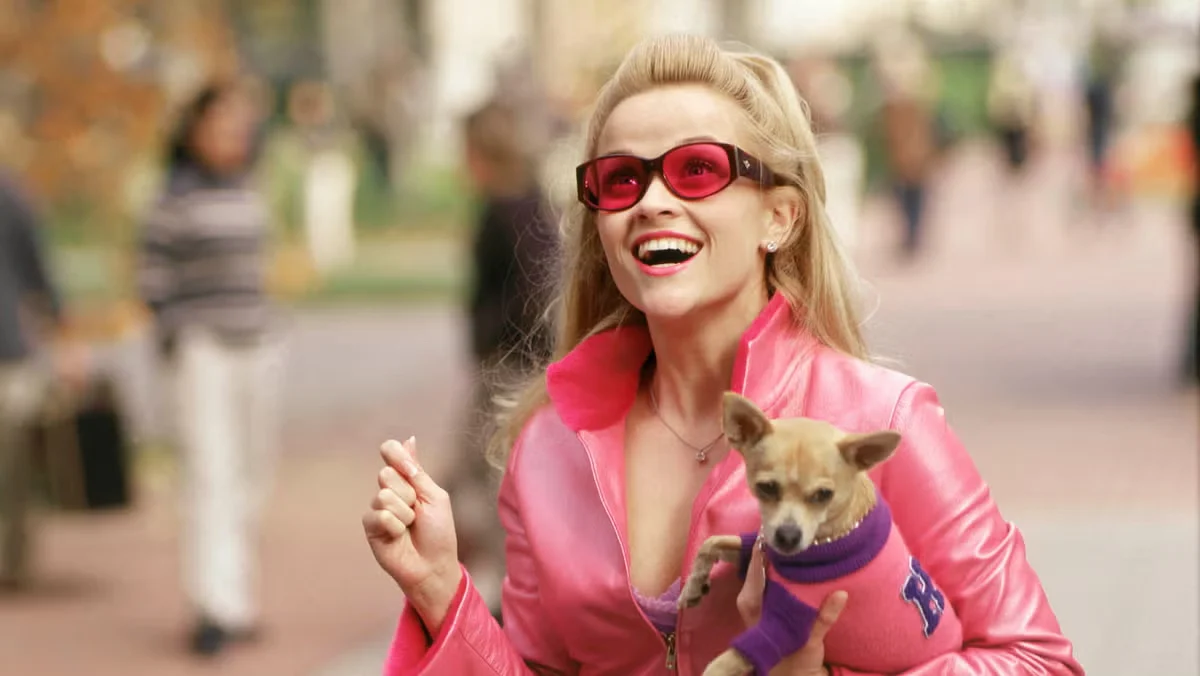
Elle Woods, portrayed by Reese Witherspoon, leads ‘Legally Blonde’ and its sequel ‘Legally Blonde 2: Red, White & Blonde’. Adapted from Amanda Brown’s work and directed first by Robert Luketic, the story charts Elle’s pivot from fashion-obsessed sorority life to top-tier law school, where she applies soft-skills, case prep, and courtroom showmanship to win clients’ trust and outmaneuver rivals. The films map her journey through study montages, internship hurdles, and trial sequences that highlight procedural beats with comedic timing.
The character prompted a stage adaptation, ‘Legally Blonde: The Musical’, and fueled ongoing interest in legal comedies built around underestimated protagonists. Elle’s combination of pink-hued branding, memorable set-pieces like the “Bend and Snap,” and fish-out-of-water plotting helped create a recognizable franchise look that carries across posters, cast appearances, and licensed tie-ins connected to ‘Legally Blonde’.
Captain Jack Sparrow

Johnny Depp’s Captain Jack Sparrow sails through the ‘Pirates of the Caribbean’ films as a roguish pirate whose schemes—double-deals, compass misdirection, and improvised alliances—propel sea-battle set-pieces and supernatural chases. Conceived by screenwriters Ted Elliott and Terry Rossio under the Walt Disney banner, the character’s swaying gait, braided hair, and rings became visual anchors for the series, complementing shipboard action, cursed crews, and treasure-hunt storylines.
Jack’s arc threads through multiple sequels, with returning ensembles, recurring ships like the Black Pearl, and mythic artifacts that shift hands as plot MacGuffins. The role drew major awards attention for Depp and boosted theme-park synergy, with ride updates and promotional events tying back to ‘Pirates of the Caribbean’ and its swashbuckling imagery.
Napoleon Dynamite
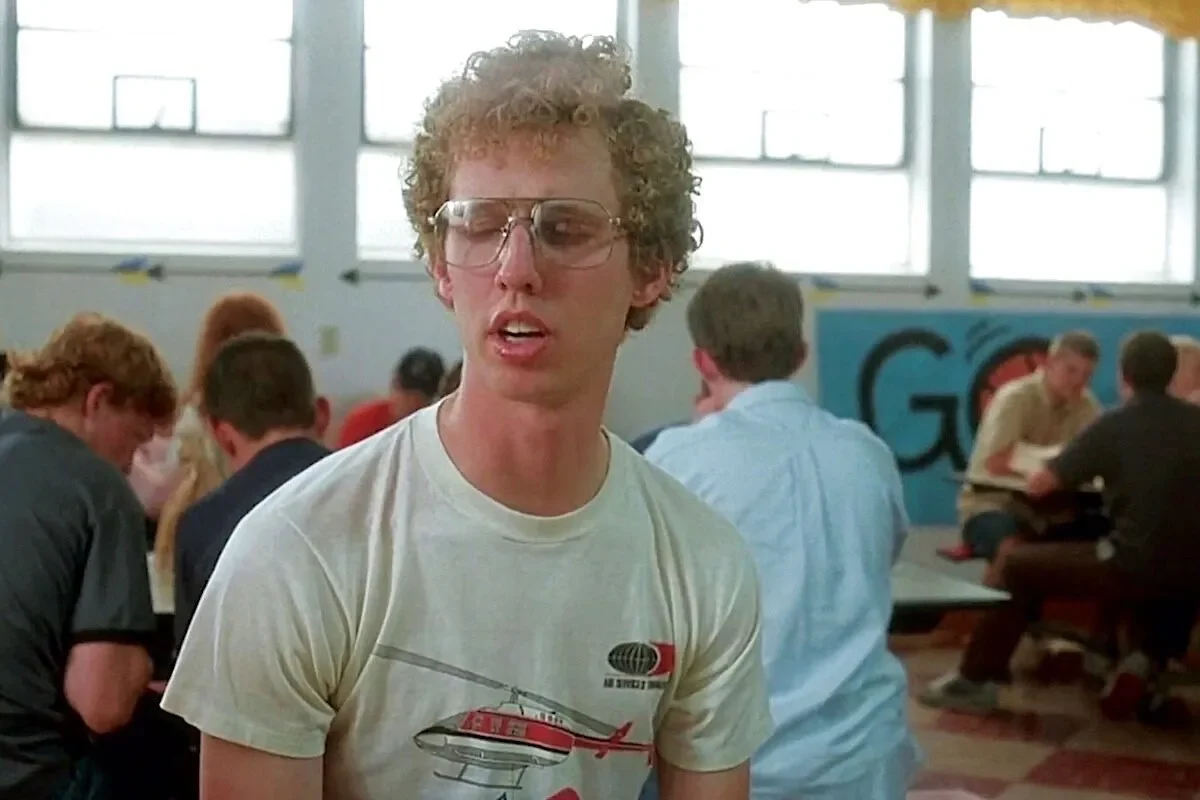
Jon Heder’s Napoleon Dynamite headlines the indie comedy ‘Napoleon Dynamite’, directed by Jared Hess and co-written with Jerusha Hess. Set in small-town Idaho, the film follows Napoleon’s daily routine—drawing ligers, practicing dance moves, and navigating school with his friend Pedro—captured in static frames, deliberate pacing, and awkward silences that turn mundane interactions into comedic beats.
The character’s props and wardrobe—moon boots, a “Vote for Pedro” shirt, and a tetherball court—became shorthand for the film’s off-kilter sensibility. Lines and visual gags from ‘Napoleon Dynamite’ migrated to apparel, poster art, and fan videos, while cast appearances and reunion Q&As kept the film’s micro-budget success story in circulation for new audiences discovering the character.
Frank Drebin
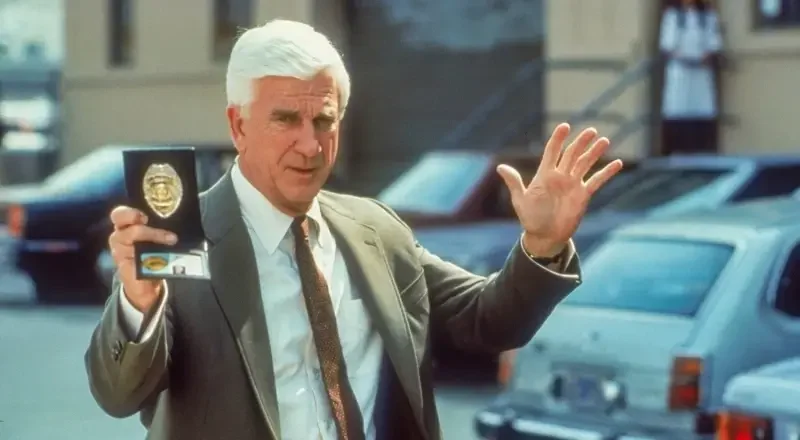
Lt. Frank Drebin, played by Leslie Nielsen, anchors ‘The Naked Gun’ film series, spun off from the television spoof ‘Police Squad!’. Created by the Zucker–Abrahams–Zucker team, Drebin operates as a hyper-literal cop in over-cranked policing scenarios, where deadpan deliveries collide with prop gags, malapropisms, and sight-line jokes. The films map case progress through exaggerated press conferences, crime-scene chaos, and sports-stadium finales that stack slapstick beats.
Drebin’s world relies on dense joke density—background signage, visual reversals, and running bits that reward rewatching. The character’s badge, trench coat, and unwavering seriousness amidst escalating nonsense established a template other parodies borrowed, with references to ‘The Naked Gun’ frequently resurfacing in later spoof marketing and anthology clip reels.
Ace Ventura

Jim Carrey’s Ace Ventura fronts ‘Ace Ventura: Pet Detective’ and ‘Ace Ventura: When Nature Calls’ as an animal-specialist private eye who tackles cases through unorthodox fieldwork—talking to pets, crawling through vents, and staging undercover stunts. The films build set-pieces around physical comedy, rubber-faced reactions, and prop-driven routines that link Ace’s investigation steps to punchlines.
The character’s wardrobe—Hawaiian shirts, striped pants, and a gravity-defying hairstyle—became a ready-made costume standard at fan events. With catchphrases, animal-rescue plots, and recurring side characters, ‘Ace Ventura’ cemented a template for high-energy case-of-the-week comedy that other projects echoed in marketing and sketch-show parodies.
Bridget Jones
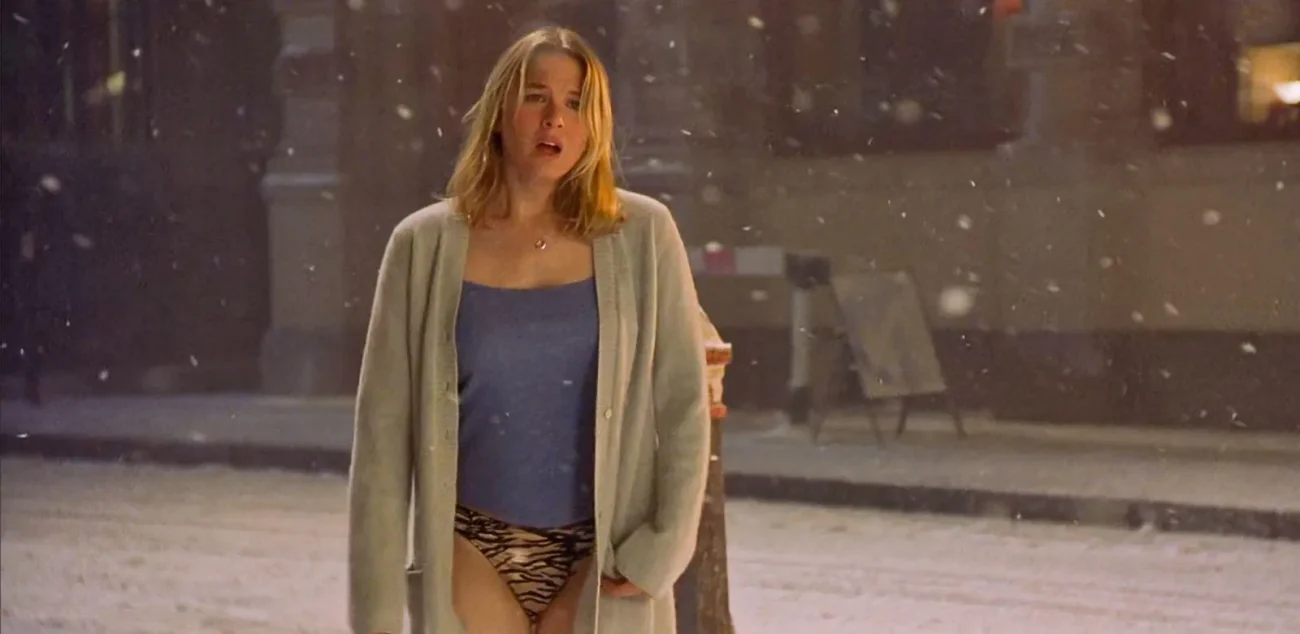
Renée Zellweger’s Bridget Jones headlines ‘Bridget Jones’s Diary’, ‘Bridget Jones: The Edge of Reason’, and ‘Bridget Jones’s Baby’, adapted from Helen Fielding’s newspaper columns and novels. The films chronicle Bridget’s diary-keeping, publishing job, and layered relationships with Mark Darcy and Daniel Cleaver, using voiceover, split-screen phone calls, and office mishaps to frame romantic-comedy beats.
Zellweger’s performance drew major awards nominations, and the character’s arc created one of the most durable modern rom-com franchises. London settings, Christmas-party bookends, and workplace dynamics gave the films a consistent visual grammar, while the soundtrack-driven montages helped ‘Bridget Jones’s Diary’ and its sequels sustain a recognizable brand across trailers and home-video releases.
Ron Burgundy
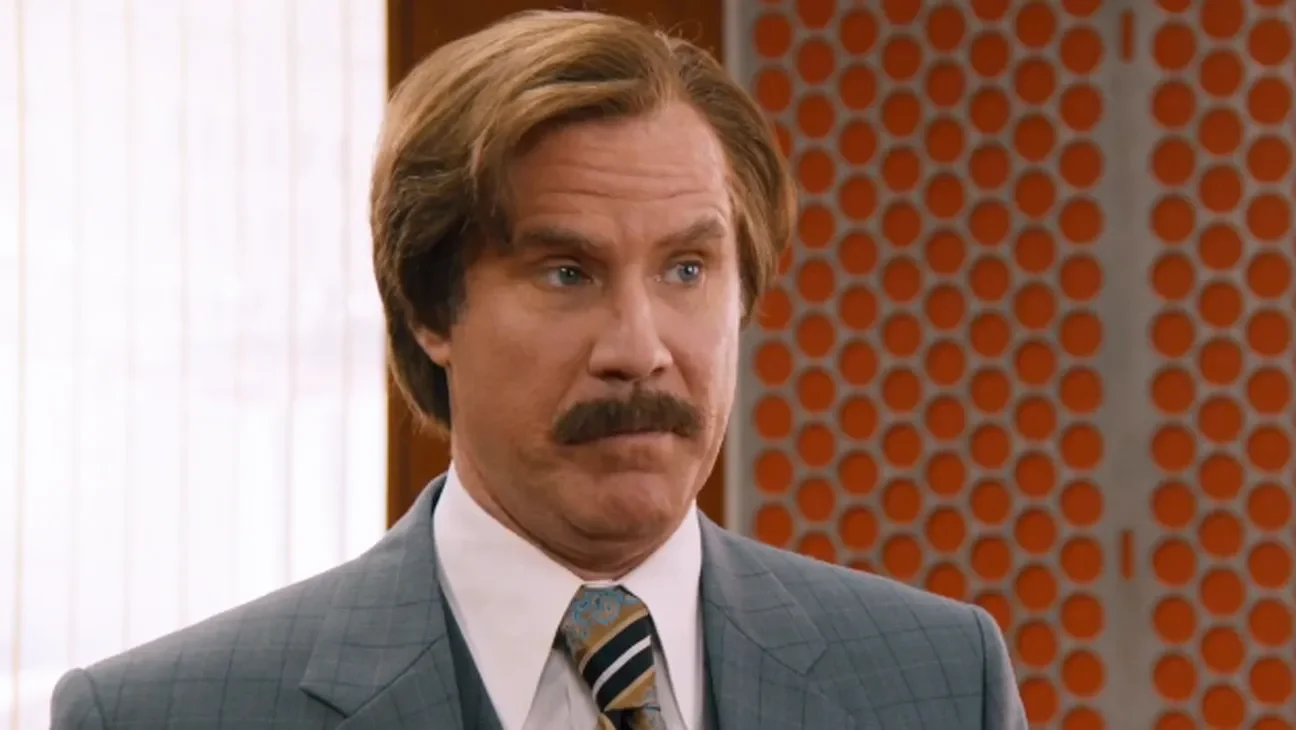
Will Ferrell’s Ron Burgundy leads ‘Anchorman: The Legend of Ron Burgundy’ as the face of San Diego’s KVWN Channel 4 News Team, later returning in ‘Anchorman 2: The Legend Continues’. Directed by Adam McKay, the films stage newsroom rivalries, field reports, and promotional appearances as platforms for ensemble riffs—newsroom brawls, teleprompter mishaps, and jazz-flute club sets—that anchor the character’s career ups and downs.
The production expanded the universe with the companion feature ‘Wake Up, Ron Burgundy: The Lost Movie’, assembled from alternate takes and cut subplots. Burgundy’s on-air sign-offs, cologne gags, and team roll calls migrated into marketing campaigns, cameo tie-ins, and real-world promotional stunts tied to ‘Anchorman: The Legend of Ron Burgundy’ and its sequel.
Austin Powers
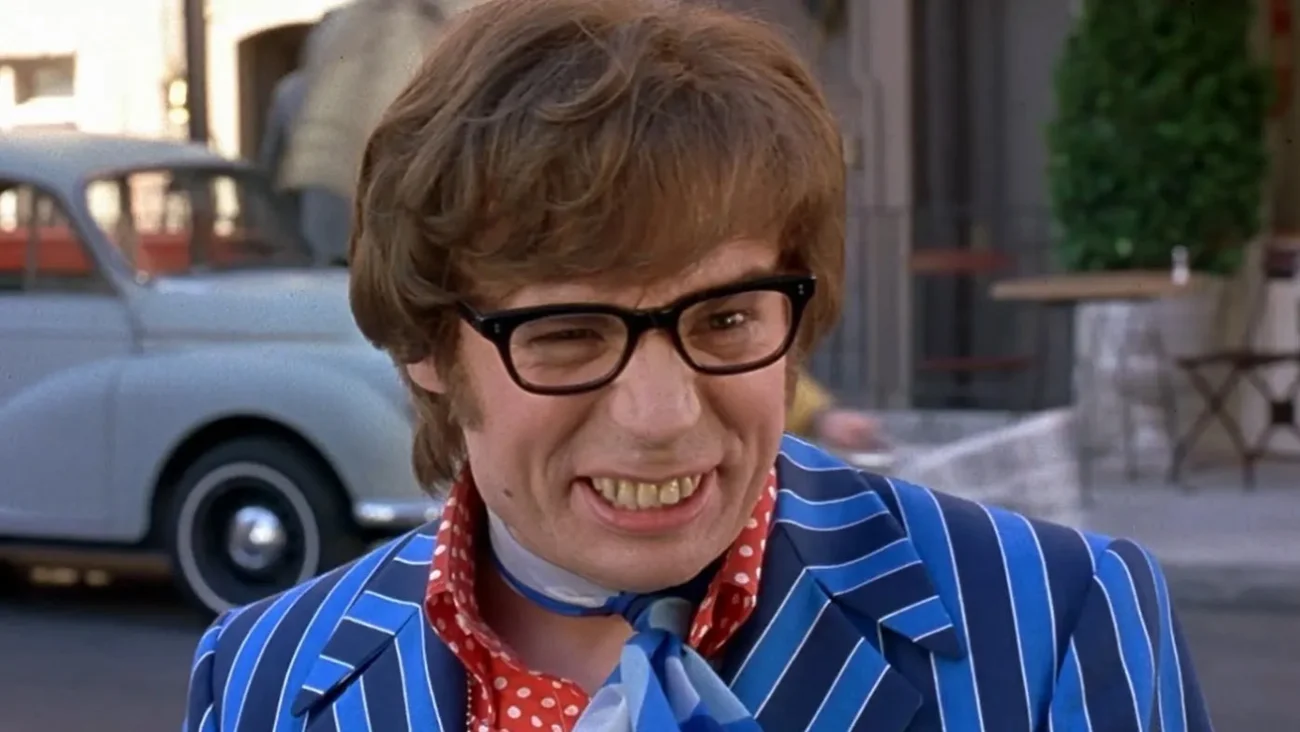
Mike Myers’s Austin Powers, created as a swinging-spy pastiche, headlines a trilogy—’Austin Powers: International Man of Mystery’, ‘Austin Powers: The Spy Who Shagged Me’, and ‘Austin Powers in Goldmember’. Directed by Jay Roach, the films merge heist plots with time-jump fish-out-of-water scenarios, while Myers also portrays chief antagonist Dr. Evil and additional supporting roles through makeup, prosthetics, and vocal tics.
The series systematized running bits—catchphrases, silhouette gags, musical interludes, and henchman cutaways—into a repeatable structure across entries. Costumes, from velvet suits to mod glasses, became instantly recognizable for Halloween and promotional events, helping ‘Austin Powers’ maintain a dedicated footprint in licensing, soundtrack sales, and quote-heavy fan compilations.
Borat Sagdiyev
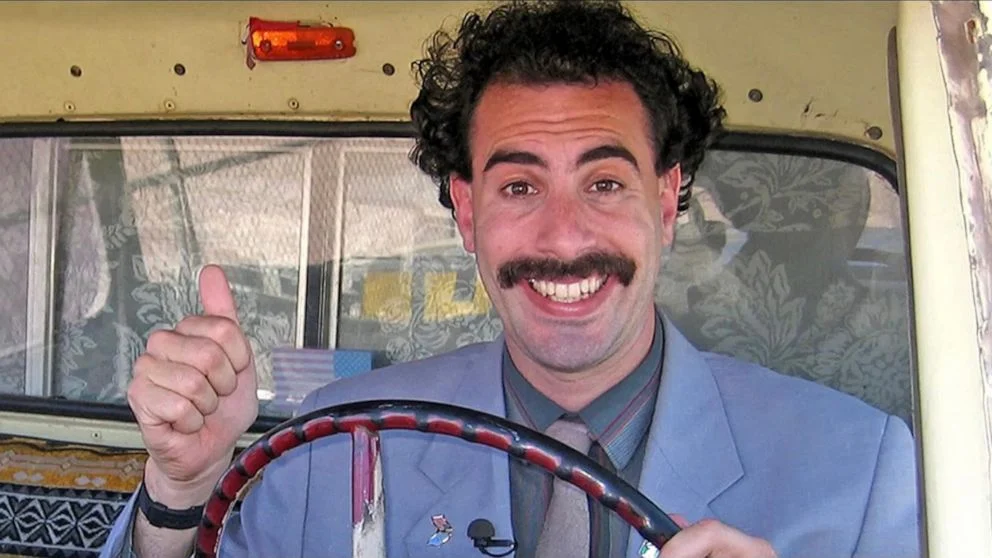
Sacha Baron Cohen’s Borat, introduced to filmgoers in ‘Borat: Cultural Learnings of America for Make Benefit Glorious Nation of Kazakhstan’ and continued in ‘Borat Subsequent Moviefilm’, blends scripted arcs with hidden-camera interviews. The character’s road-trip framework places staged set-pieces alongside unscripted encounters, captured by a small crew and framed as a mock documentary that blurs performance with real-world reactions.
Originating on television in ‘Da Ali G Show’, Borat’s on-screen methodology relies on in-character interactions, legal clearances, and careful editing to shape narrative beats from candid footage. The films’ release strategies—limited screenings, viral teasers, and in-character press—kept the character in the spotlight well beyond theatrical windows linked to ‘Borat’ and its sequel.
Dr. Peter Venkman
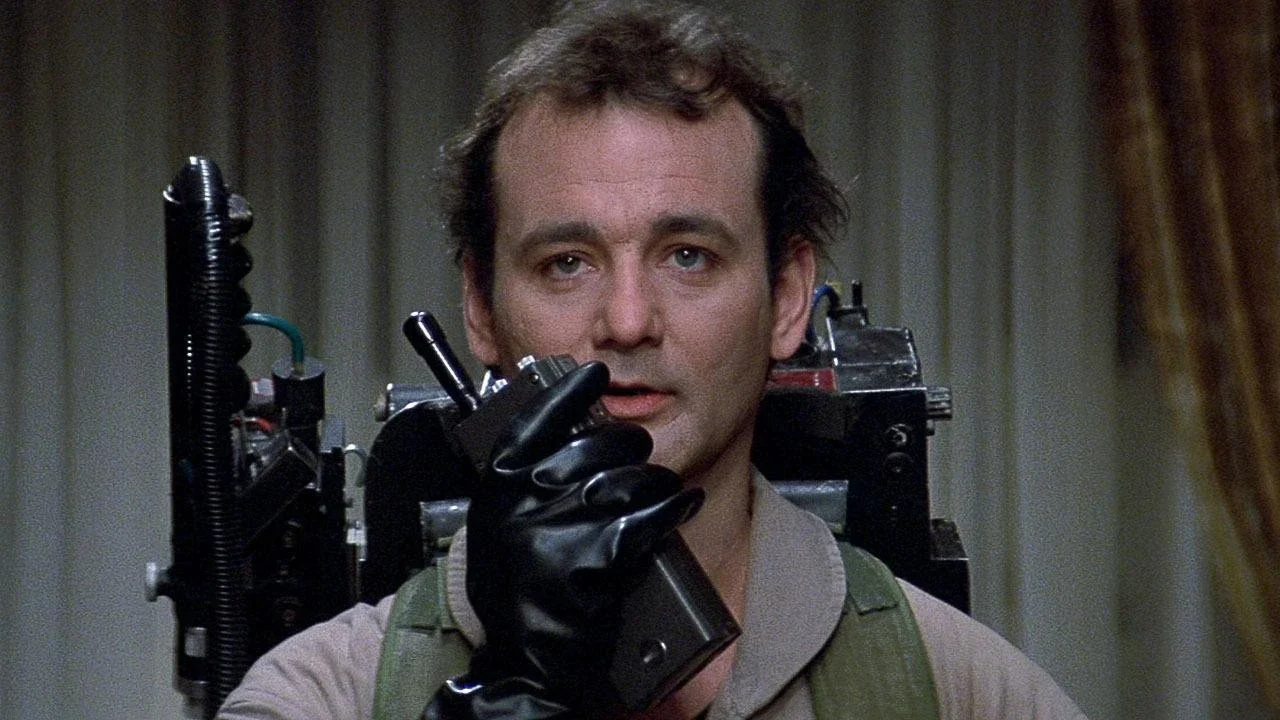
Bill Murray’s Dr. Peter Venkman anchors ‘Ghostbusters’ as part of a three-man parapsychology team with Ray Stantz and Egon Spengler, later joined by Winston Zeddemore. Developed by Dan Aykroyd and Harold Ramis, the character appears in office setups, firehouse headquarters scenes, and citywide hauntings where tech like proton packs, traps, and the Ecto-1 organizes action sequences and comedic banter.
Venkman returns in sequels and legacy continuations, maintaining continuity with gear designs, uniforms, and New York landmarks that shape ‘Ghostbusters’ iconography. The character’s sardonic exchanges, on-the-job skepticism, and rapport with Dana Barrett track through romantic subplots and containment-unit crises that connect the supernatural premise to workplace-comedy rhythms.
The Dude (Jeffrey Lebowski)
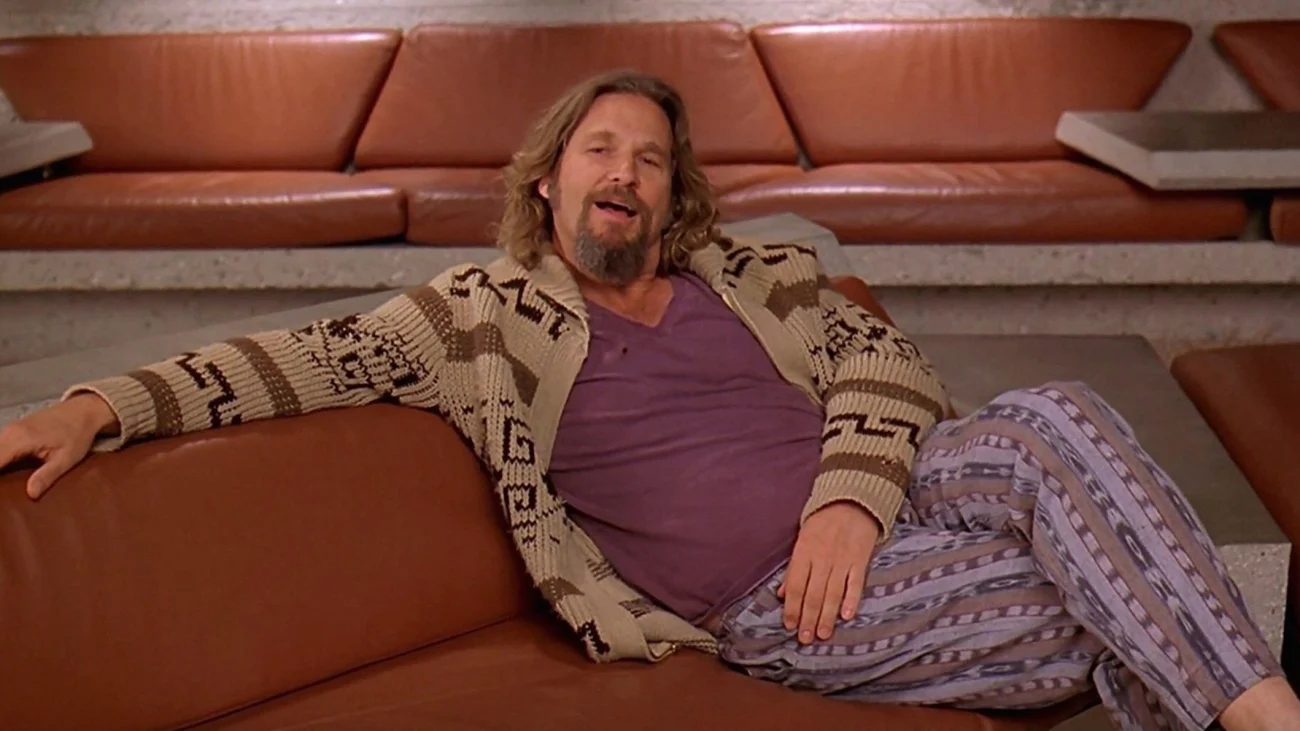
Jeff Bridges’s Jeffrey “The Dude” Lebowski is the bathrobe-wearing bowler at the center of ‘The Big Lebowski’, written and directed by Joel and Ethan Coen. The plot’s mistaken-identity setup—confusion with a wealthy namesake—pulls the Dude and his bowling partners into ransom notes, apartment break-ins, and hallucinatory dream sequences choreographed to soundtrack cues.
The character’s preferences—White Russians, a specific area rug, and league play—became fan totems that fuel festivals, costume meetups, and themed screenings. The film’s quotable dialogue, visual motifs, and ensemble dynamics encouraged repeat viewings, while the Dude’s laid-back code spurred books, essays, and a tongue-in-cheek philosophy often associated with ‘The Big Lebowski’.
Inspector Jacques Clouseau
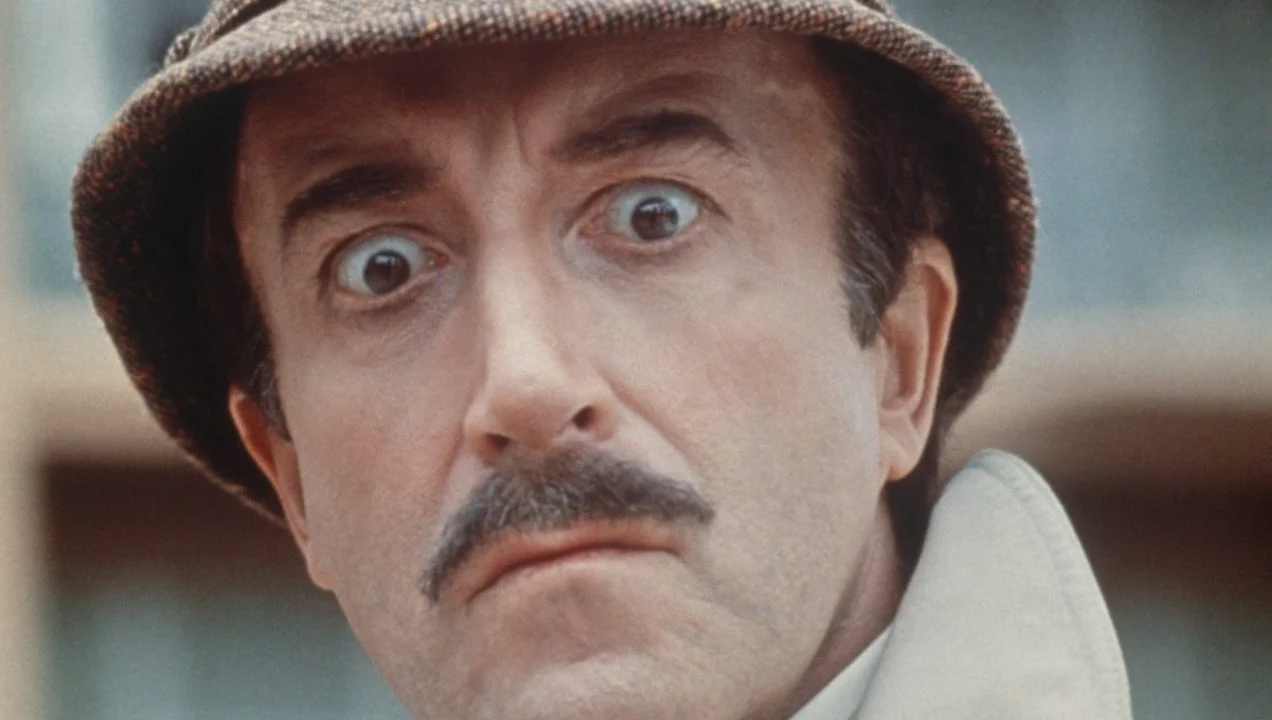
Peter Sellers’s Inspector Jacques Clouseau drives multiple entries in ‘The Pink Panther’ series, created by director Blake Edwards and writer Maurice Richlin. Clouseau’s cases unfold through interrogation routines, misread clues, and domestically staged ambushes with his manservant Cato, yielding fights that smash apartments and reset the set for the next gag. Sellers’s accent, gestures, and purposeful mispronunciations anchor the character’s identity.
Clouseau’s universe extends across films like ‘A Shot in the Dark’ and ‘The Return of the Pink Panther’, with later portrayals by other actors, such as Steve Martin. Animated credits featuring the Pink Panther character, Henry Mancini’s theme, and recurring props—magnifying glasses, disguises, and trench coats—form a recognizable package heavily associated with ‘The Pink Panther’ brand.
Rufus T. Firefly
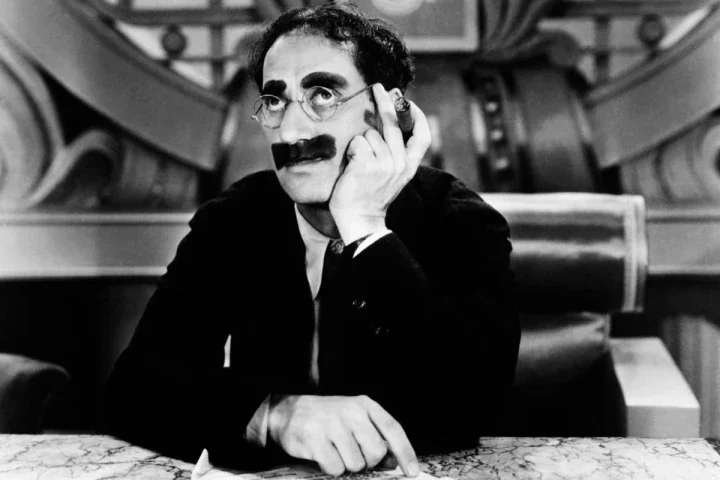
Groucho Marx’s Rufus T. Firefly presides over the fictitious nation of Freedonia in ‘Duck Soup’, with Chico and Harpo Marx playing key collaborators and foils. The plot tracks cabinet appointments, diplomatic blunders, and an escalating border conflict with Sylvania, stitched together by musical numbers, wordplay, and slapstick routines shot under director Leo McCarey’s brisk pacing.
Set-pieces such as the mirror scene, quick-change uniforms, and courtroom confusion showcase the troupe’s coordinated timing. ‘Duck Soup’ consolidates the Marx Brothers’ stage-honed material—verbal riffs, horn-honk reactions, and piano or harp interludes—into a political farce whose structure continues to inform later ensemble comedies.
The Tramp
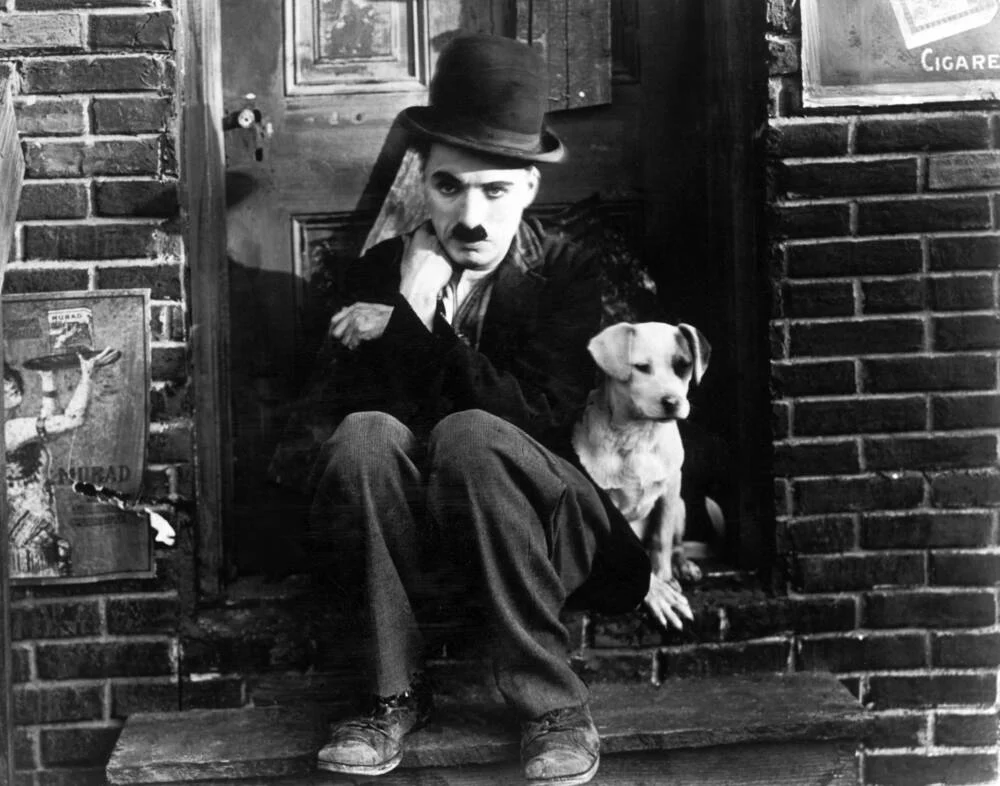
Charlie Chaplin’s Tramp appears across shorts and features including ‘The Kid’, ‘The Gold Rush’, ‘City Lights’, and ‘Modern Times’. Identified by a bowler hat, cane, toothbrush moustache, and ill-fitting suit, the character navigates city streets, factories, and high-society encounters through pantomime, choreographed stumbles, and carefully timed gags that rely on framing, props, and musical cues.
Chaplin wrote, directed, and often scored his films, giving the Tramp a consistent narrative voice that moves from bread rolls to tightrope walks with escalating precision. The character’s recurring relationships—a blind flower vendor, an orphaned child, and fellow laborers—tie physical comedy to story arcs that helped define feature-length comedy as more than disconnected sketches in ‘City Lights’ and ‘Modern Times’.
Share the comedy characters you’d add to the list in the comments!